
Milk isn't just for your morning cereal or coffee. It's a versatile staple that can do much more than you might think. From cooking hacks to unexpected baking tricks, milk is a powerhouse you might be overlooking. In fact, there are 12 amazing uses for milk other than simply drinking it. If you have a carton sitting in your fridge, it's time to discover how to make the most of it.
Think about enhancing your recipes, adding richness to dishes, or even creating homemade treats with milk. You'll learn how milk can transform your cooking, making everything from sauces to desserts even better. It's incredible how one common ingredient can have so many great uses in the kitchen. These tips and tricks are easy to try and perfect for anyone looking to simplify and enhance their dishes.
So, if you're ready to see milk in a whole new light, keep reading. These clever kitchen uses of milk will change the way you view this household staple. Grab that carton and get ready to unlock milk's full potential!

Sour Cream
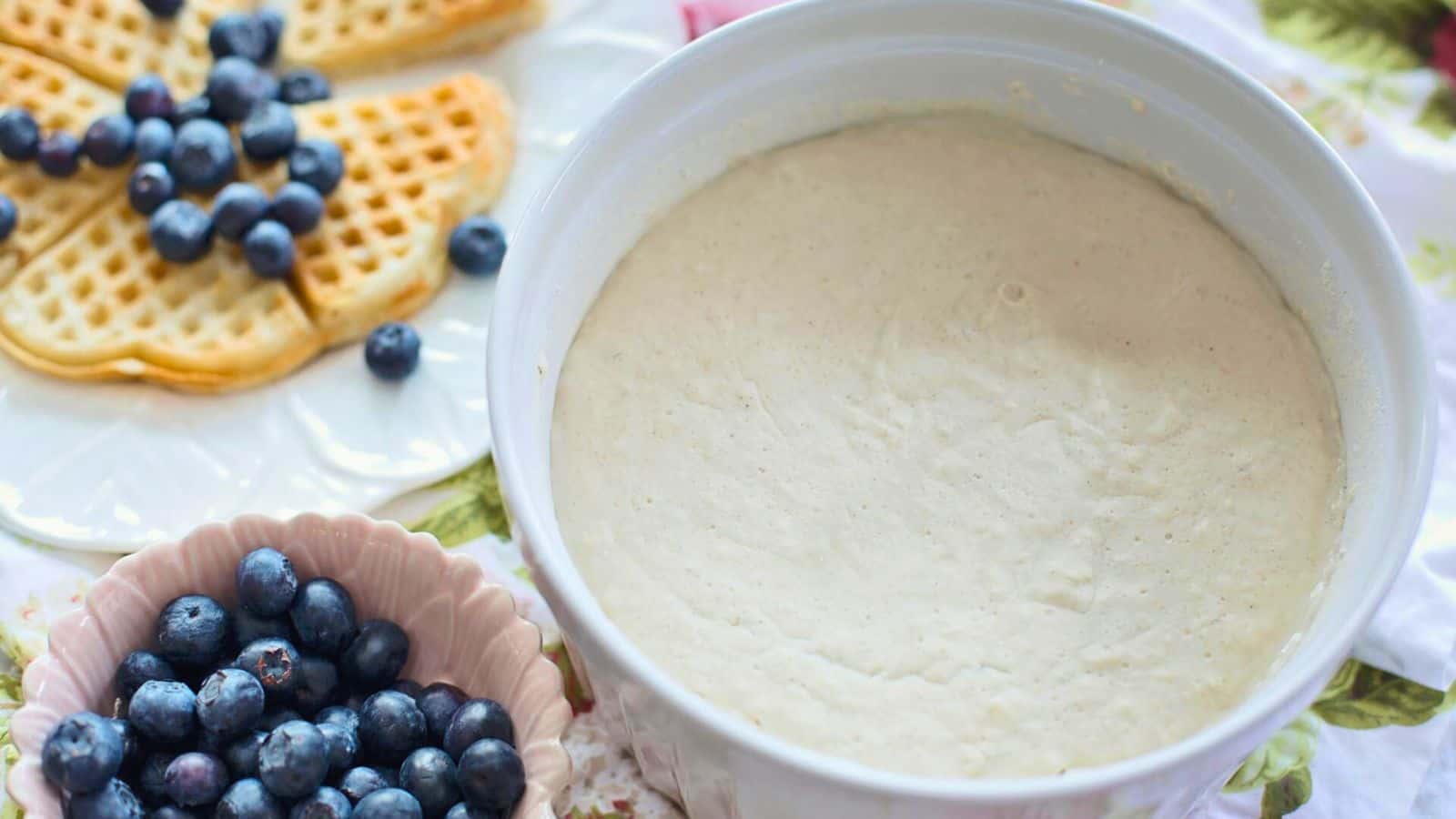
Created by fermenting regular cream with lactic acid bacteria, sour cream adds a rich and tangy touch to various dishes. The fermentation process thickens the cream and imparts a distinct sour flavor, making it perfect as a topping for baked potatoes, chili, and soups. It also serves as a base for dips and sauces, adding a creamy texture and balancing richer flavors. In baking, sour cream helps keep cakes and muffins moist, enhancing their texture and shelf life. Its versatility makes it a staple in many kitchens.
Kefir
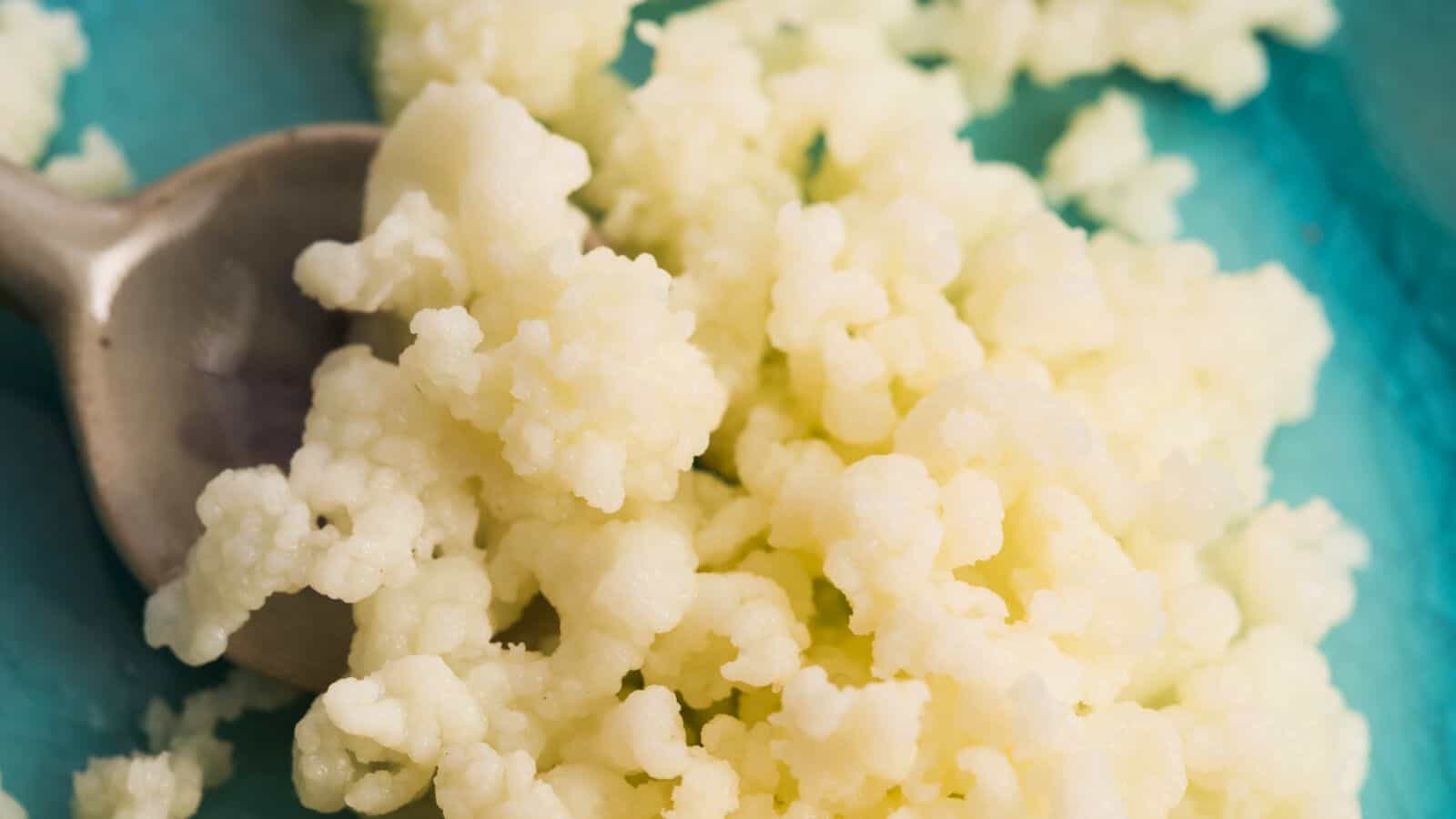
As a fermented milk drink made with kefir grains, kefir delivers a tangy, slightly effervescent experience. Packed with probiotics, it improves digestion and boosts the immune system. This versatile drink can be consumed on its own, added to smoothies for an extra nutritional boost, or used as a substitute for buttermilk in recipes. The distinct taste and texture make it a popular choice for those looking to incorporate more fermented foods into their diet. Its health benefits and refreshing flavor make it a staple in many diets.
Buttermilk
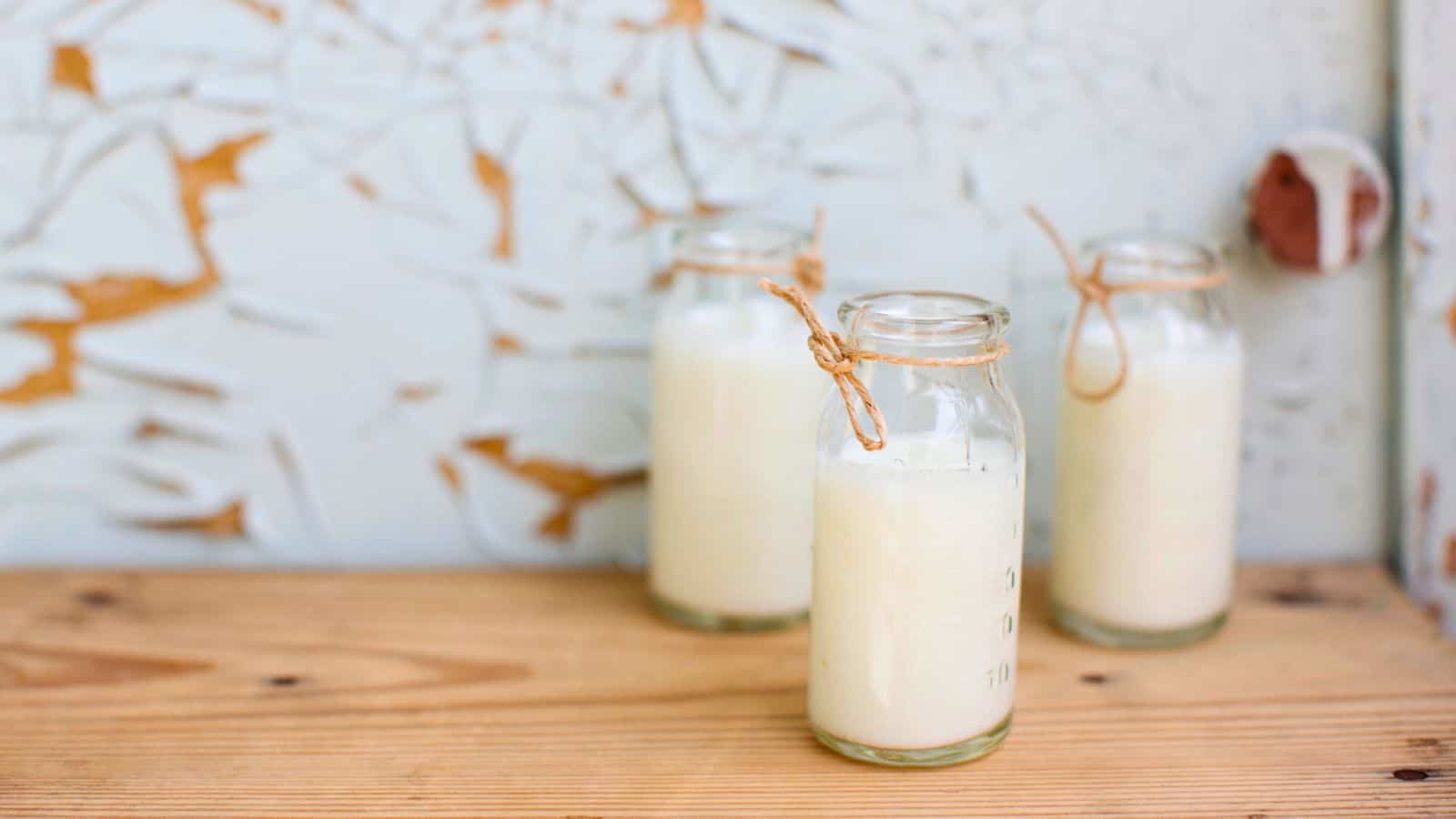
Modern buttermilk is typically made by adding bacterial cultures to milk, which ferments the lactose into lactic acid. This process results in a slightly thickened, tangy liquid. Buttermilk is essential in baking, where it helps to create tender biscuits, pancakes, and cakes. Its acidity activates baking soda, leading to a light and fluffy texture. As a marinade for meats, particularly fried chicken, it tenderizes the meat while adding a subtle tangy flavor. Buttermilk's unique properties make it invaluable in the kitchen.
Yogurt
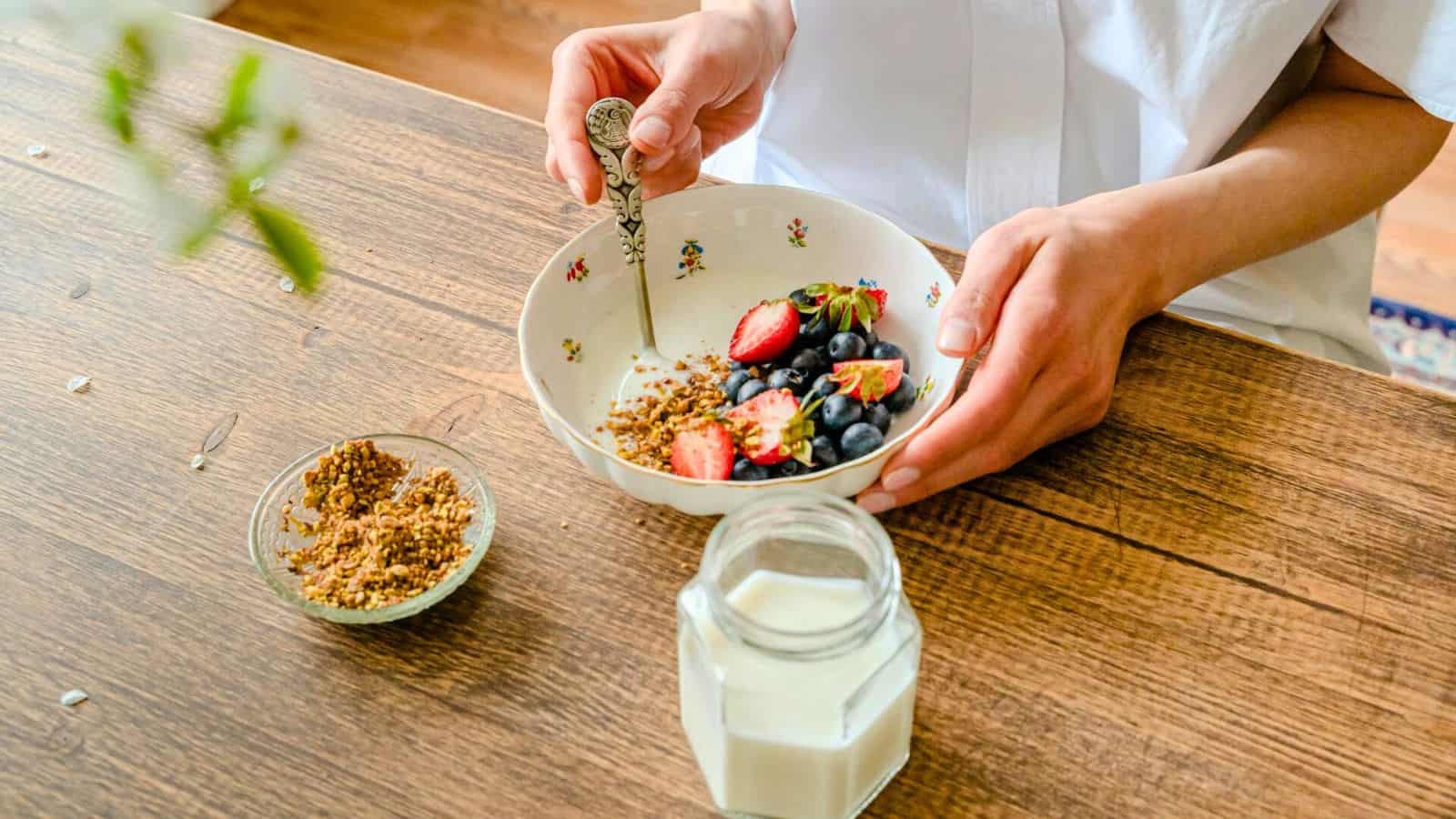
Milk is heated and then cooled before adding specific bacterial cultures that ferment the lactose into lactic acid, resulting in yogurt. The fermentation process thickens the milk and gives it a characteristic tangy flavor. Yogurt is used in breakfast dishes like parfaits and smoothies, as well as in savory applications such as salad dressings, marinades, and sauces. Rich in probiotics, it is beneficial for gut health and digestion. Yogurt can be enjoyed plain, flavored, or with various toppings like fruits, nuts, and honey.
Cheese
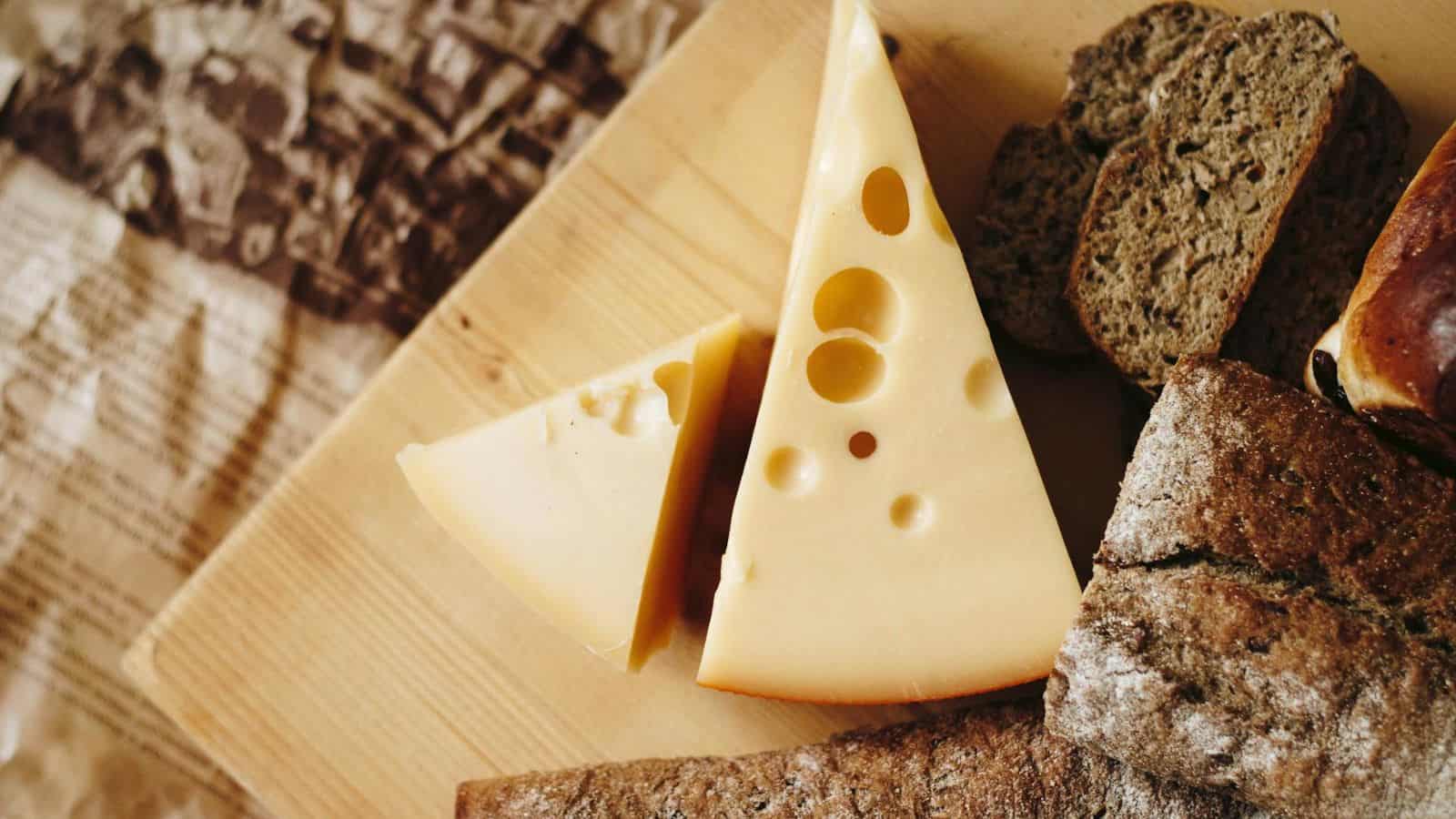
To make cheese, milk is curdled using rennet or an acidic substance, which separates the curds from the whey. The curds are then processed and aged to develop various textures and flavors. Cheese varieties range from soft and spreadable to hard and aged. Cheese is a key ingredient in numerous dishes, including pasta, salads, and sandwiches. The cheese-making process involves specific cultures, enzymes, and aging techniques to create distinct characteristics. This process results in an array of flavors and textures, making cheese a versatile food.
Butter
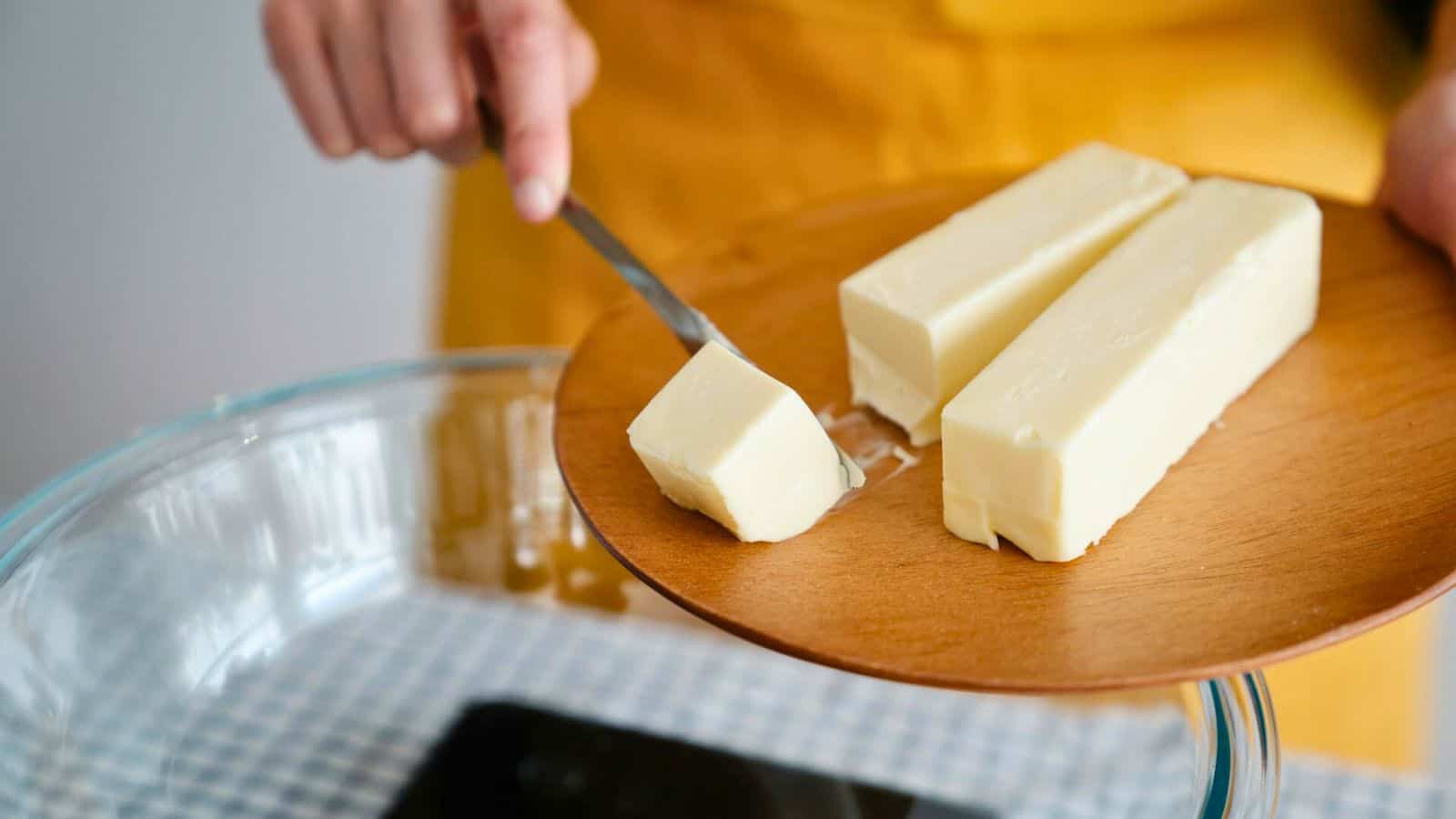
Butter is made by churning cream until the fat separates from the liquid, resulting in a solid mass of butterfat and a liquid byproduct called buttermilk. This process transforms cream into a rich and creamy substance used in cooking, baking, and as a spread. Butter adds flavor and moisture to baked goods, enhances the taste of cooked vegetables and meats, and is essential in many sauces. Its high-fat content makes it ideal for creating flaky pastry doughs and achieving a golden brown color when sautéing foods.
Cream
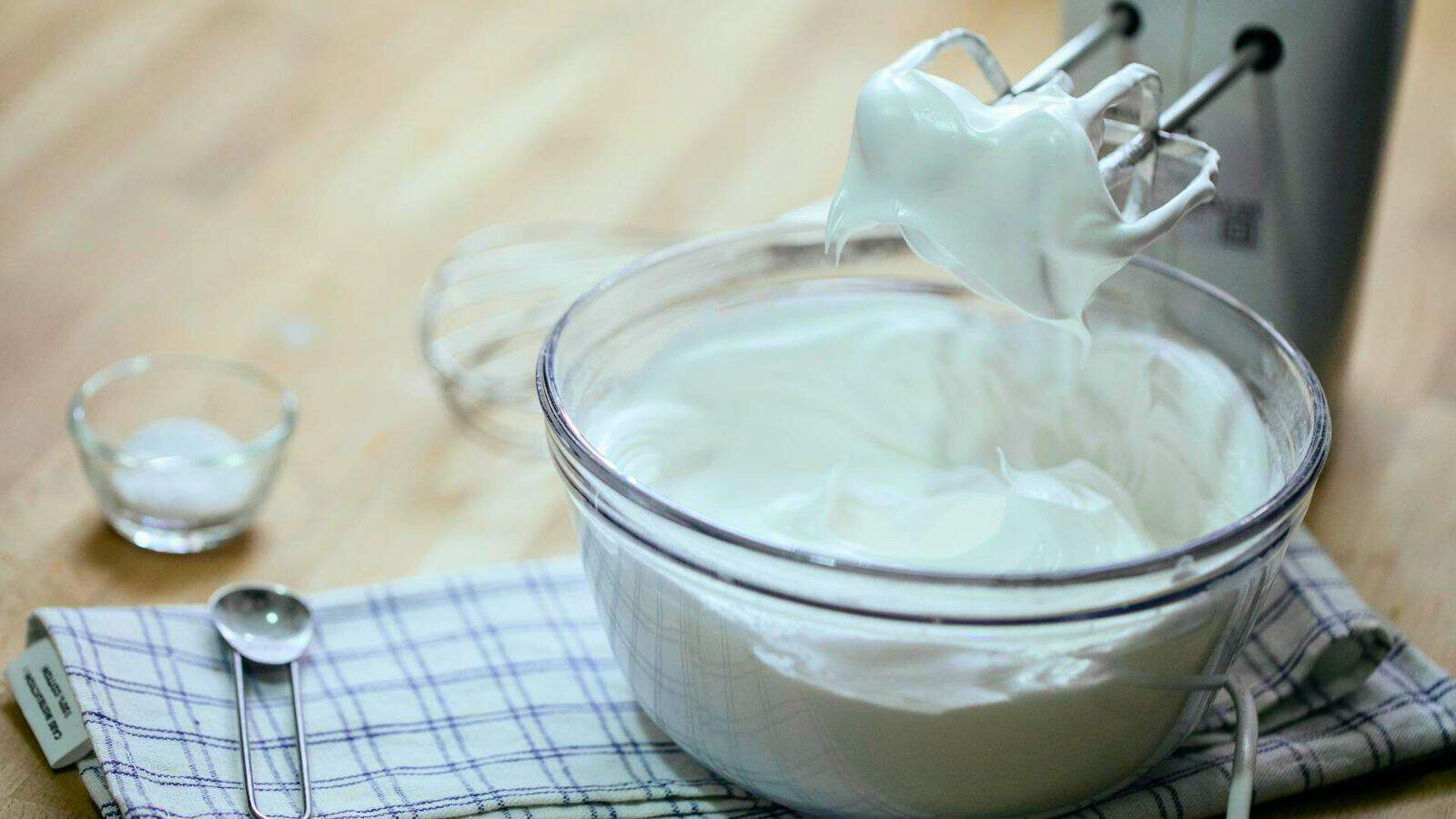
The high-fat layer that rises to the top of milk before homogenization is skimmed off to produce cream. Cream is used in a variety of recipes for its richness and smooth texture. Whipped cream, created by whipping air into heavy cream, tops desserts like pies, cakes, and hot cocoa. Cream is also used to make sauces, soups, and ice cream, contributing to a luxurious mouthfeel. In baking, it can replace milk for richer results. There are several types of cream, including heavy cream, light cream, and half-and-half, each with different fat content and uses.
Custard
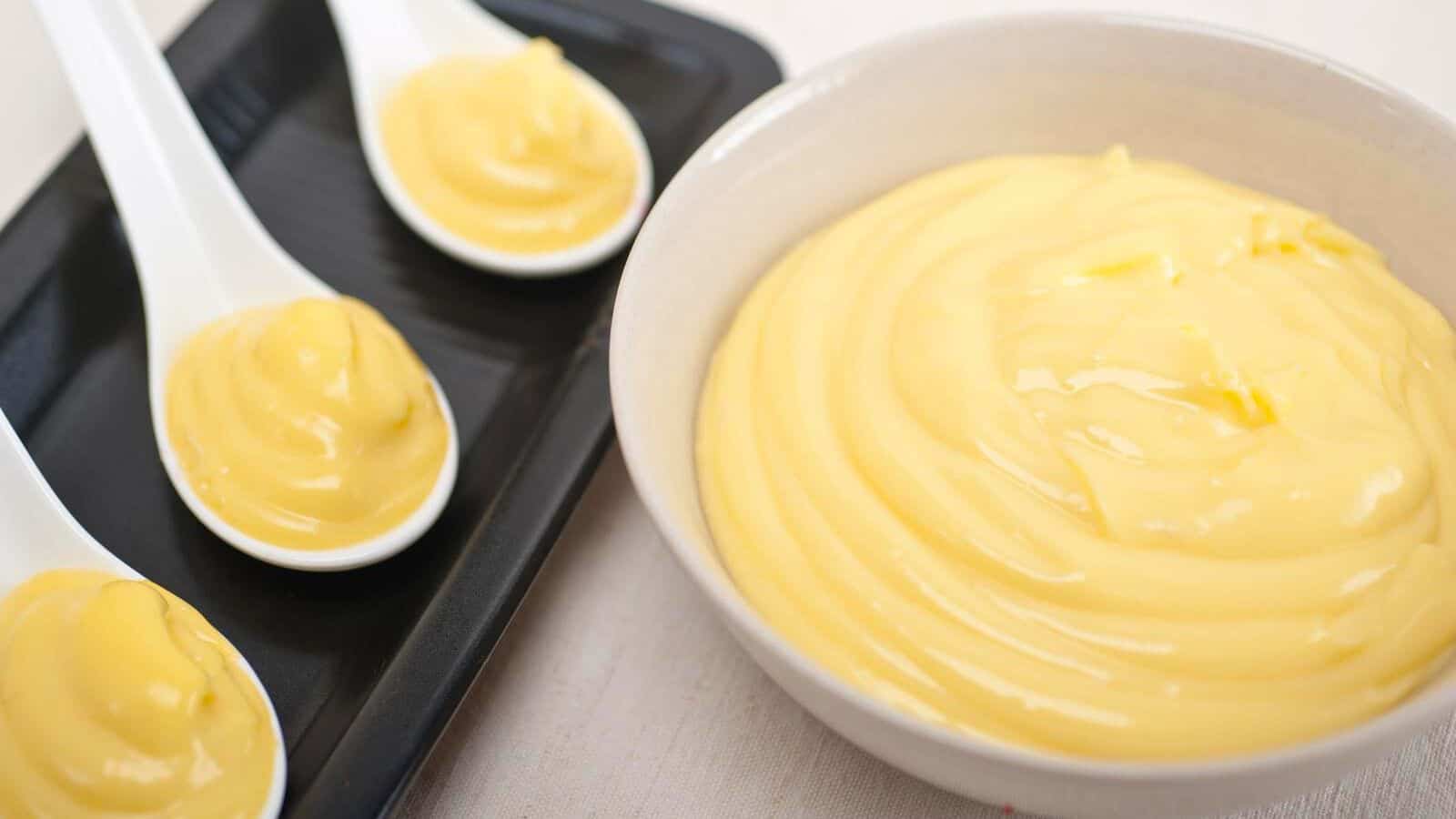
A mixture of milk or cream, eggs, and sugar is cooked until thickened to create custard. This creamy dessert can be baked, stirred on the stovetop, or used as a filling for pastries and tarts. Variations include crème brûlée, topped with caramelized sugar, and flan, a custard with a caramel topping. Custard's smooth texture and sweet flavor make it a favorite for many. It can be flavored with vanilla, chocolate, fruit, or other ingredients for a range of delicious options. Custard's versatility makes it popular in many cuisines.
Ice Cream
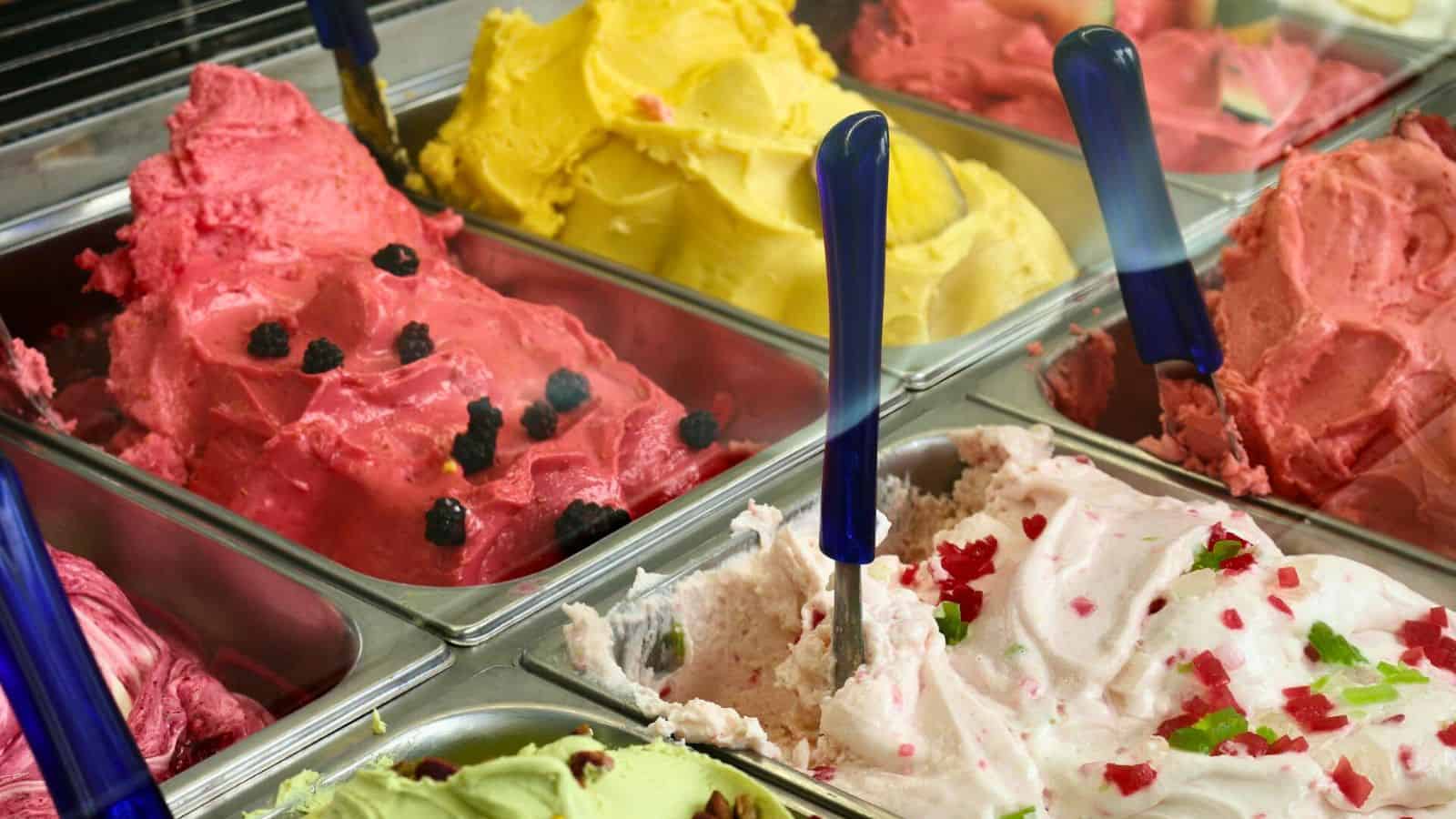
A base of milk or cream, sugar, and flavorings is churned while being frozen to make ice cream. This process incorporates air and prevents the formation of large ice crystals, resulting in a smooth texture. Ice cream comes in many flavors, from classic vanilla and chocolate to more adventurous options like matcha or lavender. It can be enjoyed on its own, in a cone, or as part of other desserts like sundaes and milkshakes. Making ice cream at home allows for endless customization and creativity. This dessert is a favorite worldwide.
Pudding
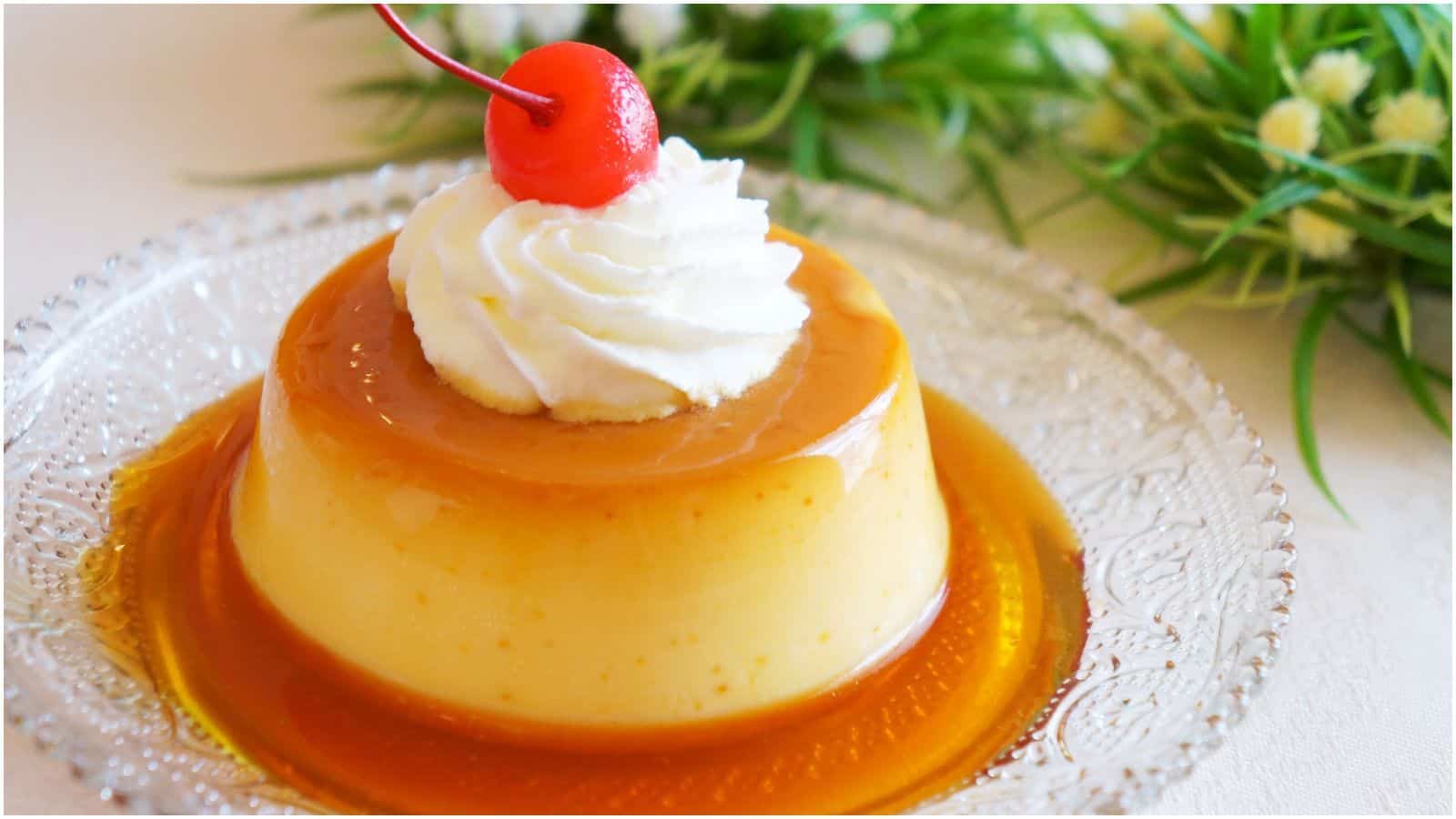
Milk is cooked with a thickening agent like cornstarch or gelatin and sweeteners to make pudding. The mixture is heated until it thickens and then cooled until set. Pudding can be flavored with chocolate, vanilla, caramel, or fruits. It is often served as a dessert on its own, layered in parfaits, or used as a filling in pies and cakes. Its smooth and creamy texture makes it a comforting treat for many, with endless possibilities for flavor combinations. Pudding is a versatile dessert enjoyed by all ages.
Ricotta
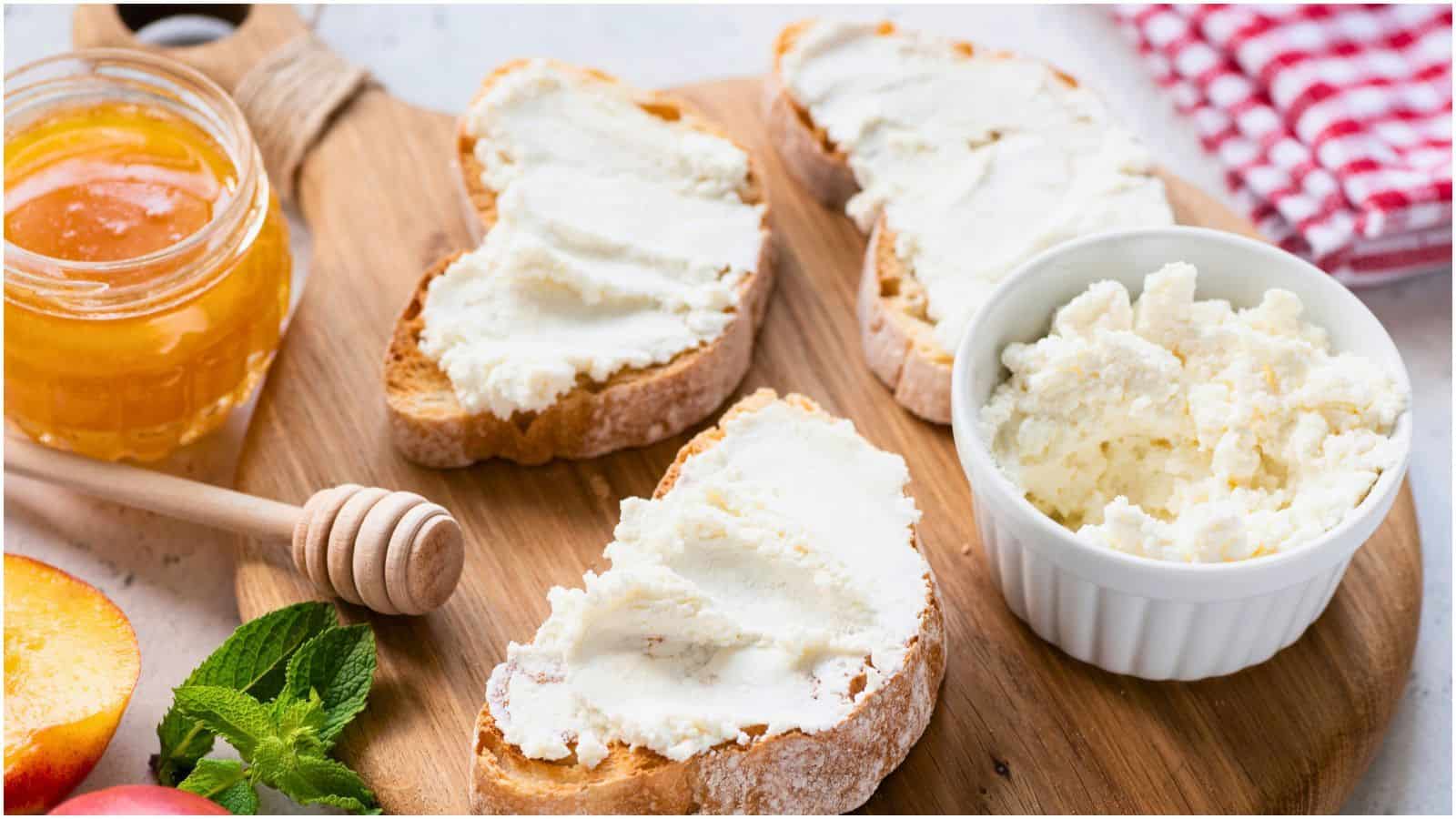
Ricotta cheese is made by heating milk and adding an acid like lemon juice or vinegar. The acid causes the milk to curdle, forming soft curds that are then strained. Ricotta has a mild flavor and creamy texture, often used in Italian dishes such as lasagna, stuffed pasta, and cannoli. It can also be mixed with herbs and spices to create spreads or used in desserts. Ricotta's versatility in both savory and sweet dishes makes it a staple ingredient in many kitchens. Its mild flavor complements a variety of recipes.
Moo-re Milk, More Fun

Now that you've discovered the many clever ways to use milk in your kitchen, it's time to put these tips into action. From enhancing flavors to creating rich, creamy textures, milk can enhance your cooking and baking to new heights. Don't let that carton just sit in your fridge; make the most of it by trying out these handy tricks.
From now on, you can make whipping up a delicious sauce, baking the perfect cake, or adding a special touch to your coffee a thousand times more interesting by using milk in various ways. These ideas are simple yet effective, perfect for anyone looking to add a little extra magic to their meals.
So next time you reach for milk, remember it's more than just a beverage. It's a versatile ingredient that can transform your creations. Enjoy trying out these uses and see how milk can make a big difference in your kitchen. Happy cooking!




Comments
No Comments