
Ever wonder why some drinks might not be as good for you as they seem? Just because a beverage looks healthy or claims to be "natural" doesn't mean it's actually good for your body. Think about it - many popular drinks are packed with ingredients you probably can't even pronounce, not to mention tons of hidden sugar that can mess with your health over time.
The cool thing is, once you know what's actually in your drinks, you can make better choices that'll help you feel more energetic and focused throughout the day. It's kind of like being a detective - reading labels and understanding what those ingredients really do to your body. And don't worry, you don't have to give up everything you love drinking overnight!
Ready to find out which drinks might be secretly affecting your health? We're going to break down the facts about common beverages in a way that makes sense. From your morning caffeine fix to those colorful sports drinks, let's figure out which ones are worth keeping in your daily routine and which ones you might want to swap out for something better.

Energy Drinks
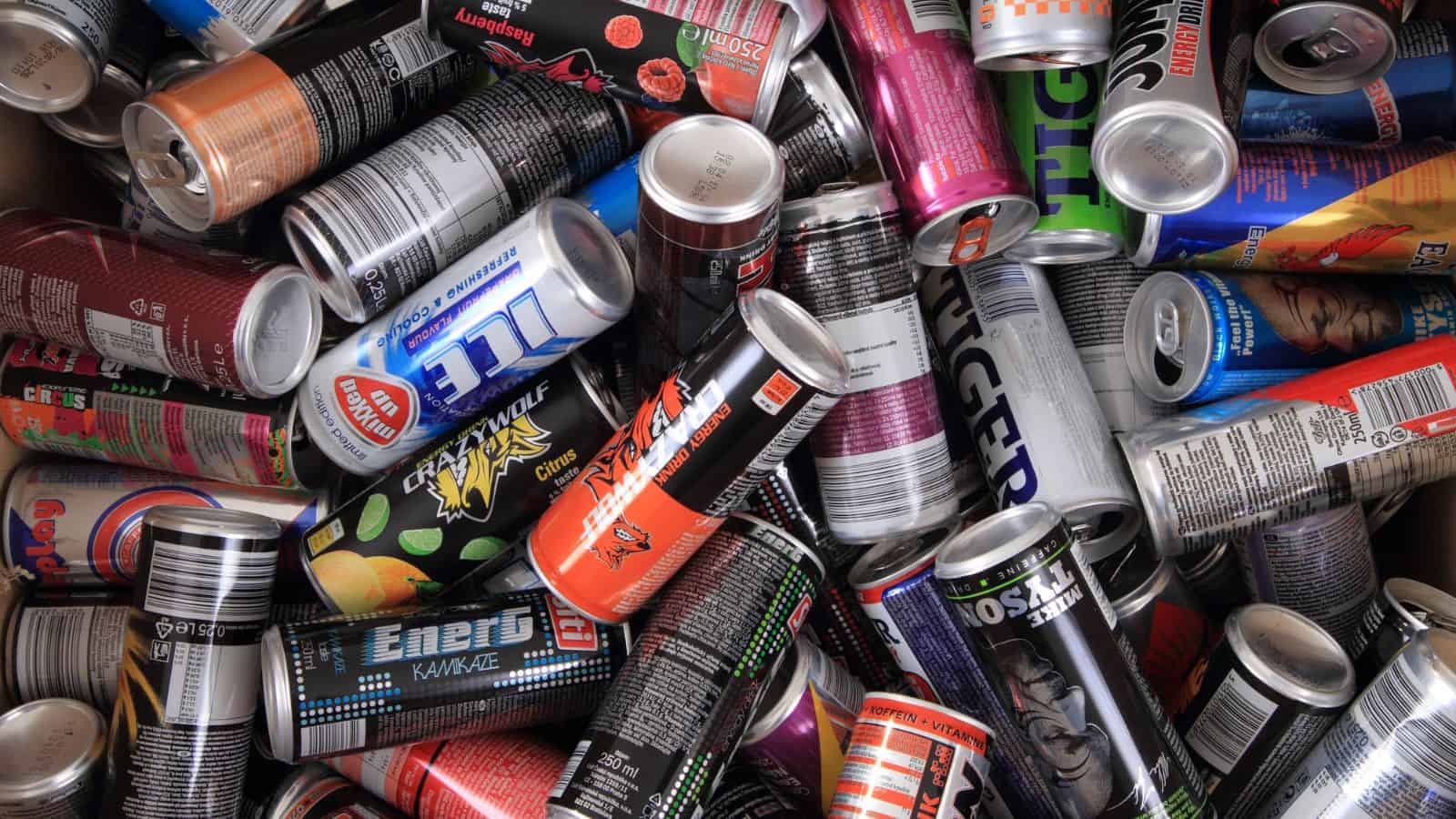
Energy drinks are loaded with caffeine, sugar, and other stimulants like taurine or guarana, which can overstimulate the nervous system. Excessive consumption can lead to side effects such as insomnia, jitters, and headaches. The high sugar content contributes to weight gain, while frequent use may increase the risk of heart issues like arrhythmias or hypertension. For people sensitive to caffeine, energy drinks may cause extreme agitation or even fainting. These beverages are often consumed quickly, intensifying their effects on the body. Additionally, mixing energy drinks with alcohol can mask intoxication, increasing the risk of dangerous behaviors and alcohol poisoning.
Get the Recipe: Energy Drinks
Sugary Sodas
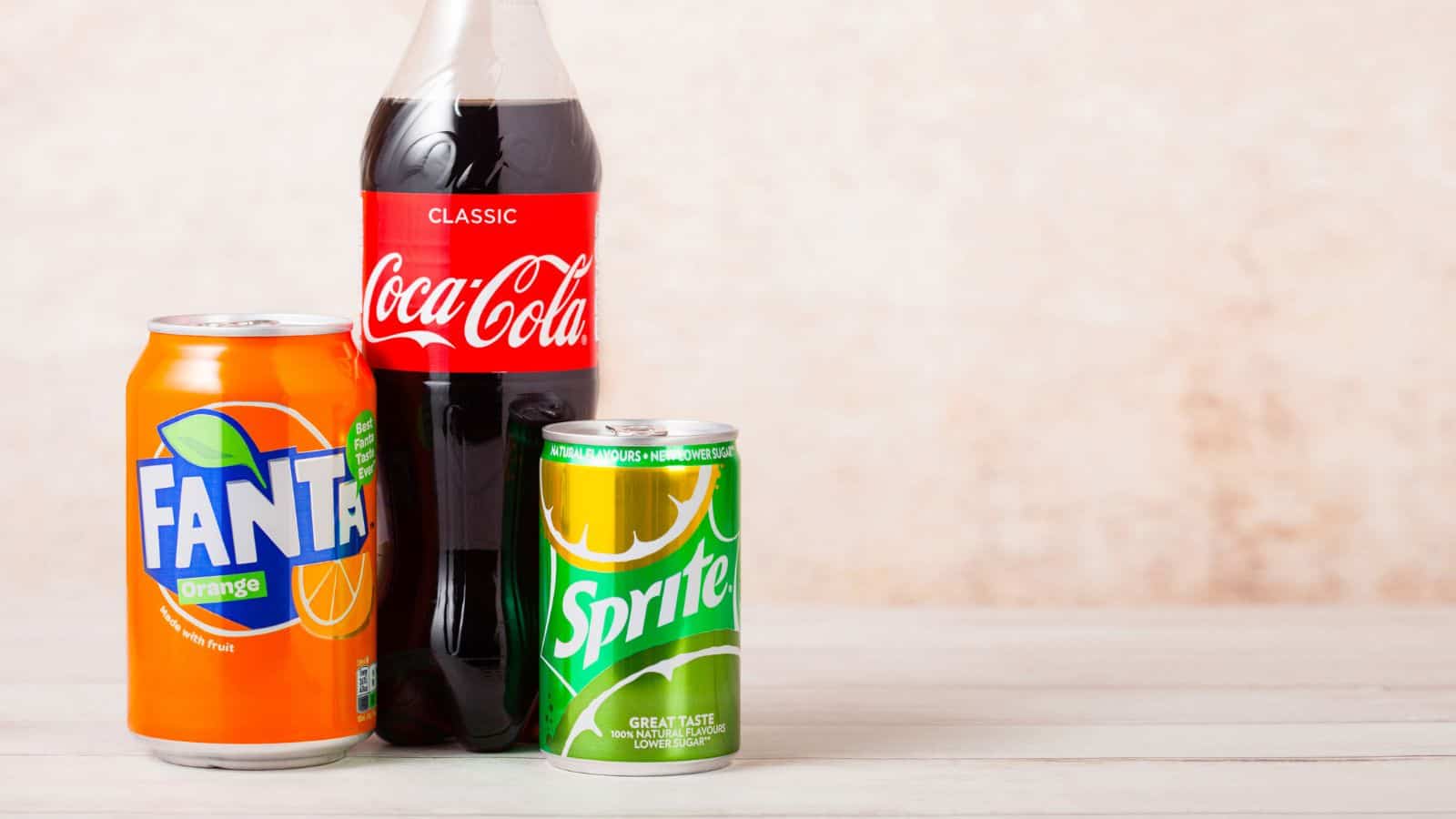
Regular sodas are typically high in added sugars, often in the form of high fructose corn syrup, which contributes to blood sugar spikes and weight gain. Over time, excessive intake increases the risk of developing type 2 diabetes, heart disease, and metabolic disorders. Acidity from carbonation can erode tooth enamel, leading to cavities and sensitivity. Many sodas contain artificial colors and preservatives, which may have negative health effects when consumed frequently. With no nutritional benefits, these drinks often replace healthier options, compounding their impact. Habitual soda consumption can lead to addiction-like cravings due to its sugar content.
Get the Recipe: Sugary Sodas
Alcoholic Beverages
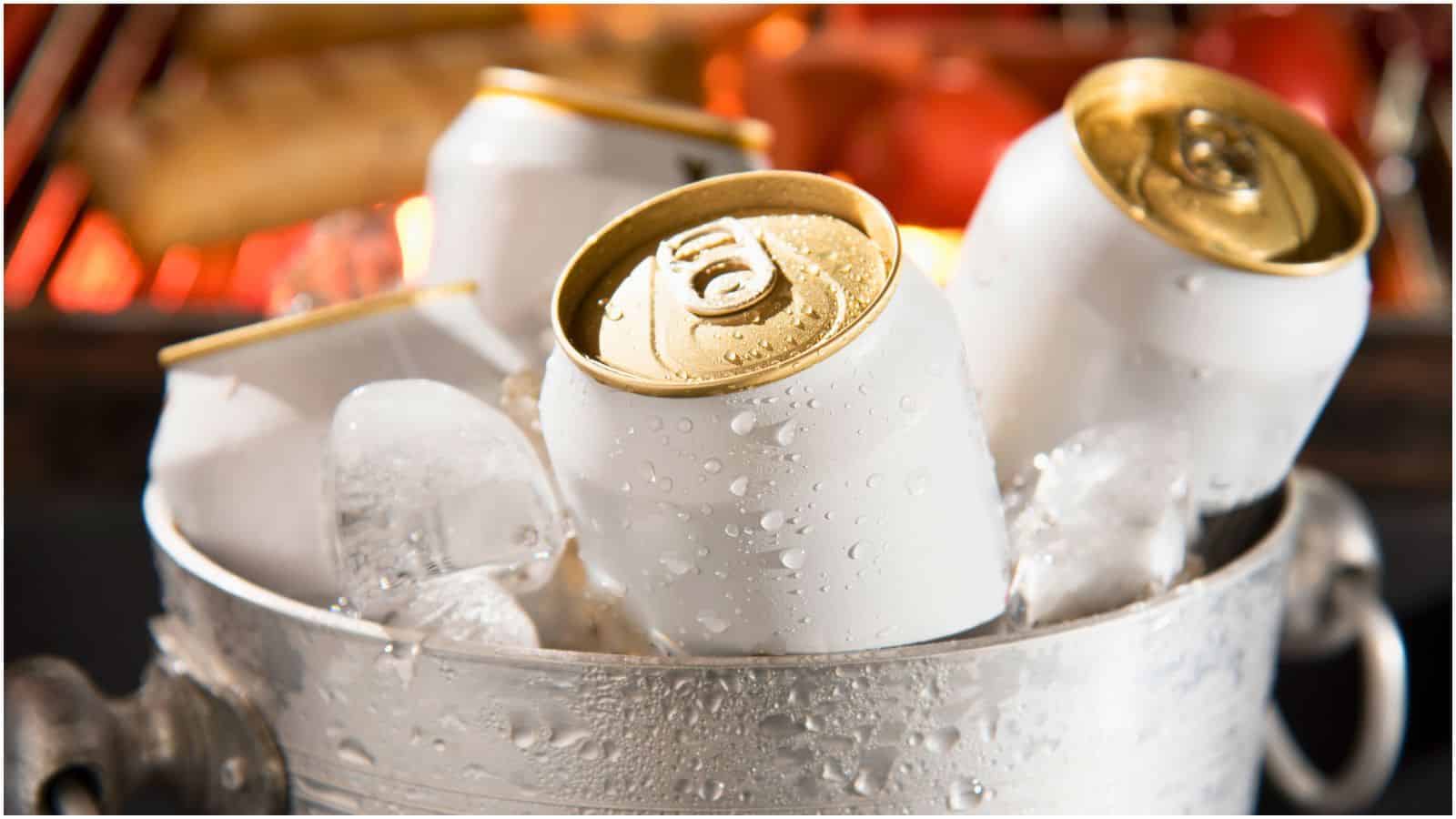
Alcohol has a range of harmful effects when consumed in excess, impacting nearly every organ. Chronic overuse can damage the liver, leading to conditions such as fatty liver disease, cirrhosis, or liver cancer. It increases the risk of heart problems, weakens the immune system, and interferes with brain function, potentially causing memory loss or mental health issues. Alcohol contributes to dehydration and disrupts sleep quality. Additionally, it is a known carcinogen, linked to cancers of the throat, mouth, and breast. Social binge drinking can lead to accidents and risky behavior, while regular consumption may result in dependence or addiction.
Get the Recipe: Alcoholic Beverages
Fruit Juices with Added Sugars
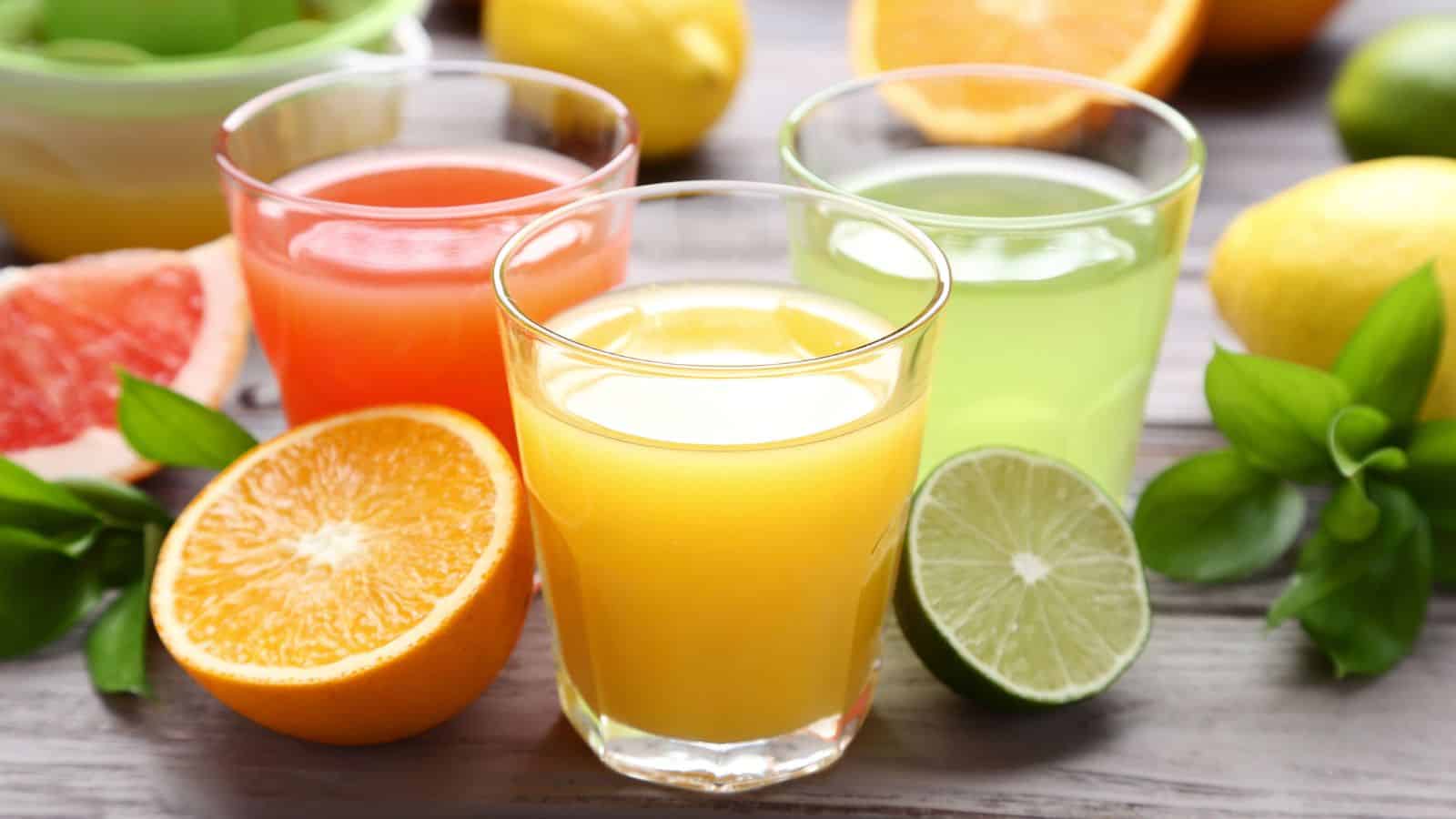
While fruit juices might seem healthy, many are heavily processed and include added sugars, which diminish any potential health benefits. These drinks often lack the fiber found in whole fruits, making it easy to consume excessive calories without feeling full. The high sugar content can lead to spikes in blood sugar levels, potentially causing insulin resistance over time. Regular consumption may contribute to weight gain and increase the risk of type 2 diabetes. Labels can be misleading, with terms like "fruit drink" or "juice cocktail" masking their true composition. Drinking water or eating whole fruit is a better alternative.
Get the Recipe: Fruit Juices with Added Sugars
Diet Sodas
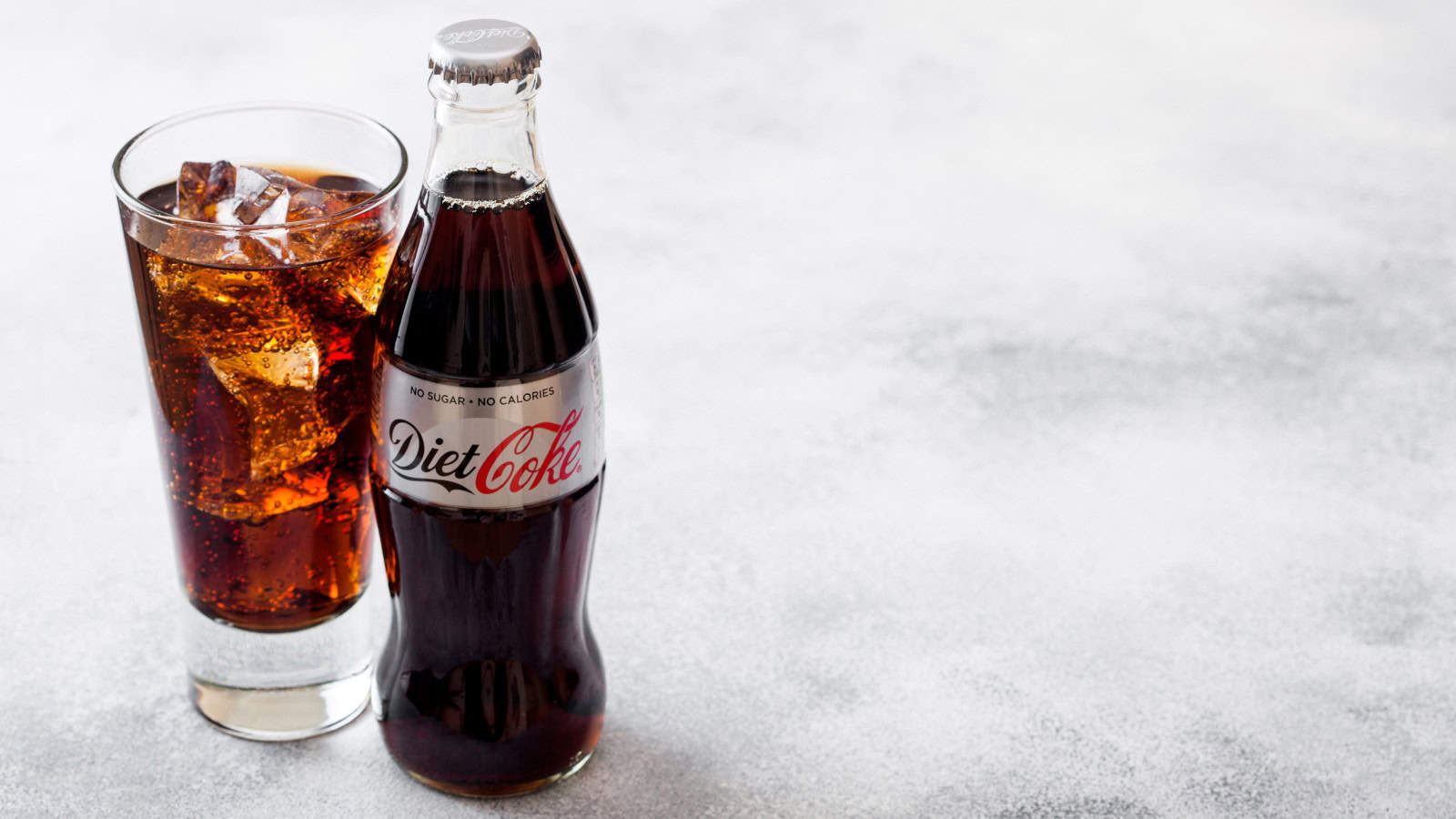
Diet sodas are marketed as a low-calorie alternative to regular sodas but may come with their own risks. Artificial sweeteners like aspartame or sucralose can disrupt gut bacteria, potentially affecting digestion and immunity. Some studies suggest these sweeteners may increase sugar cravings, leading to overconsumption of unhealthy foods. They have been linked to metabolic changes that could elevate the risk of obesity and diabetes, despite being calorie-free. The acidic nature of diet sodas can also harm dental health by eroding enamel. For those sensitive to these chemicals, diet sodas may cause headaches, dizziness, or other adverse reactions.
Flavored Coffees

Flavored coffee drinks are often calorie-dense due to ingredients like syrups, whipped cream, and full-fat milk. These beverages can contain as much sugar as a dessert, leading to rapid blood sugar spikes and subsequent crashes. Regular consumption contributes to weight gain, increased risk of type 2 diabetes, and metabolic imbalances. Some flavored coffees are also high in saturated fat, which may raise cholesterol levels and strain heart health. These drinks are commonly consumed in large portions, compounding their impact. Making coffee at home with a light touch of natural sweetener or plant-based milk is a healthier alternative.
Milkshakes

Milkshakes are rich in sugar, fat, and calories, often exceeding the recommended daily limits in a single serving. Commonly made with ice cream, flavored syrups, and whipped toppings, they lack nutritional value while contributing to weight gain and metabolic issues. High-fat content in milkshakes can increase cholesterol levels and strain cardiovascular health. Their thick, creamy texture can make them seem filling, but they digest quickly, leading to further cravings. Store-bought and fast-food varieties are particularly problematic due to oversized portions and artificial additives. Opting for a homemade smoothie with fresh fruit is a more nutritious choice.
Sports Drinks
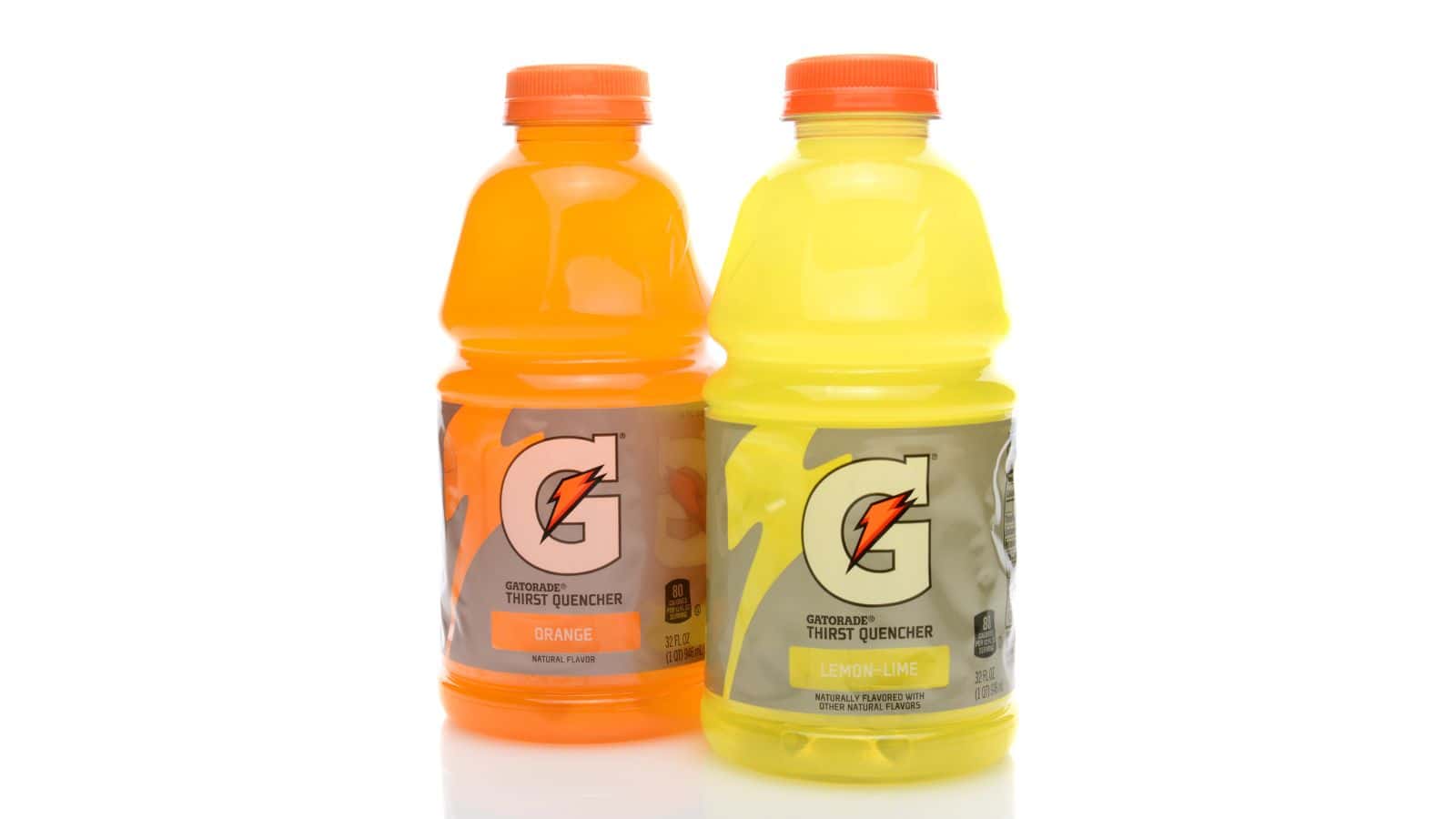
While designed to replenish electrolytes and energy for athletes, sports drinks are unnecessary for most people engaging in regular, light exercise. These drinks are often packed with sugar and sodium, which can contribute to weight gain, hypertension, and dental issues if consumed frequently. Artificial colors and flavors are common additives, posing potential health concerns for some individuals. The marketing of sports drinks as healthy alternatives to water can lead to overconsumption in children and adults alike. Unless engaging in intense physical activity, water remains the best option for hydration without the added calories and artificial components.
Sweetened Iced Teas
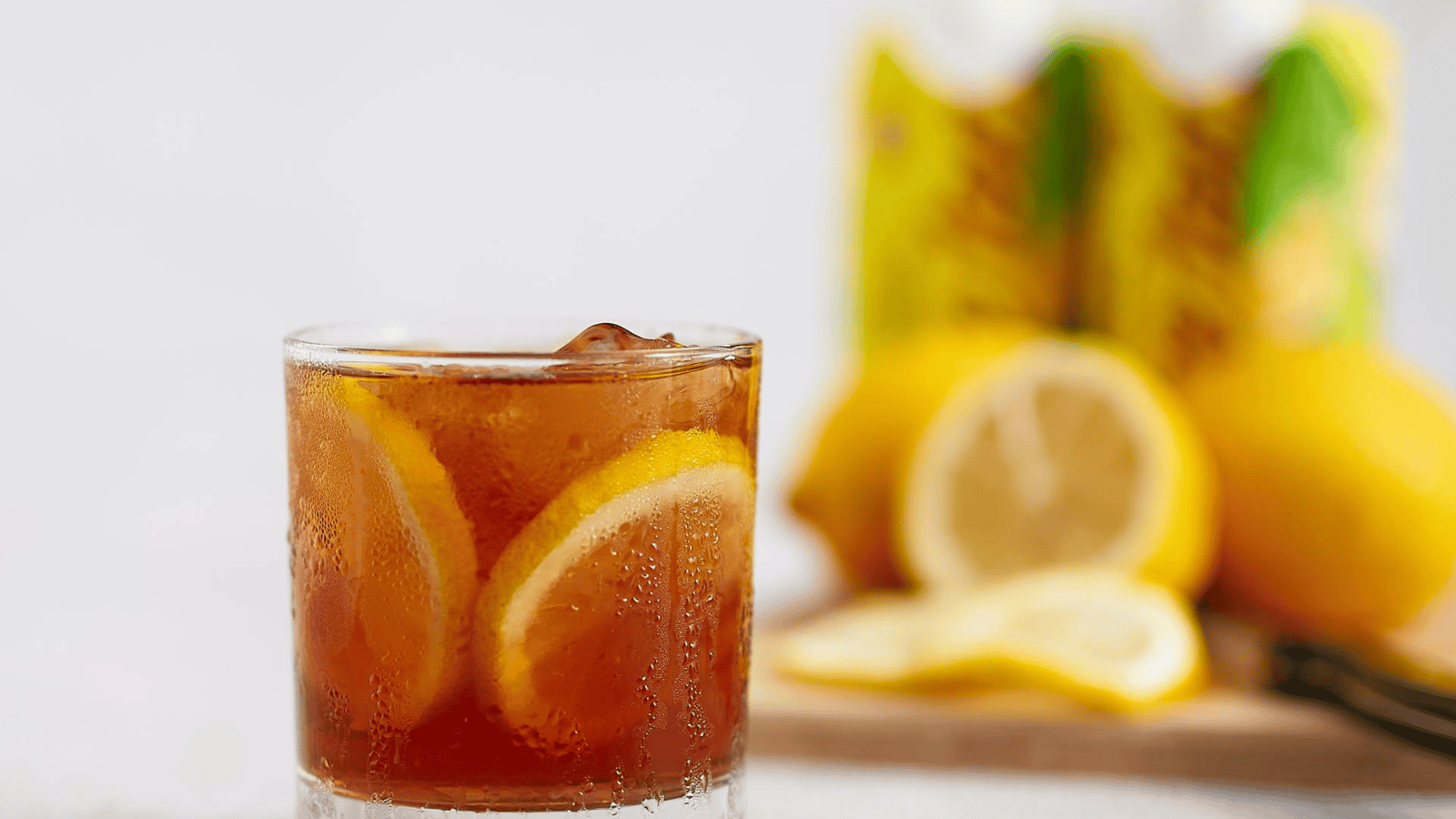
Pre-packaged iced teas are typically loaded with sugar and artificial additives, making them more akin to soft drinks than healthier tea options. Excess sugar intake contributes to blood sugar spikes, weight gain, and a higher risk of diabetes. Artificial flavors and preservatives are often added, reducing the drink's nutritional quality. Despite being marketed as refreshing, these teas can lead to dehydration due to their diuretic effect when consumed in large quantities. Making unsweetened iced tea at home with natural flavor enhancers like lemon or mint is a far healthier way to enjoy this drink.
Bubble Tea (Boba)

Bubble tea combines sweetened tea, milk, and chewy tapioca pearls, resulting in a calorie-dense beverage. The pearls, made from starchy cassava, lack nutrients while adding significant carbohydrates. Many versions also include syrups and condensed milk, further increasing the sugar content. Regular consumption can lead to blood sugar fluctuations, weight gain, and an increased risk of metabolic disorders. Additionally, the portion sizes for bubble tea are often large, intensifying its effects. Homemade versions with reduced sugar and natural ingredients can be a more balanced option for those who enjoy this drink.
Flavored Water with Artificial Sweeteners
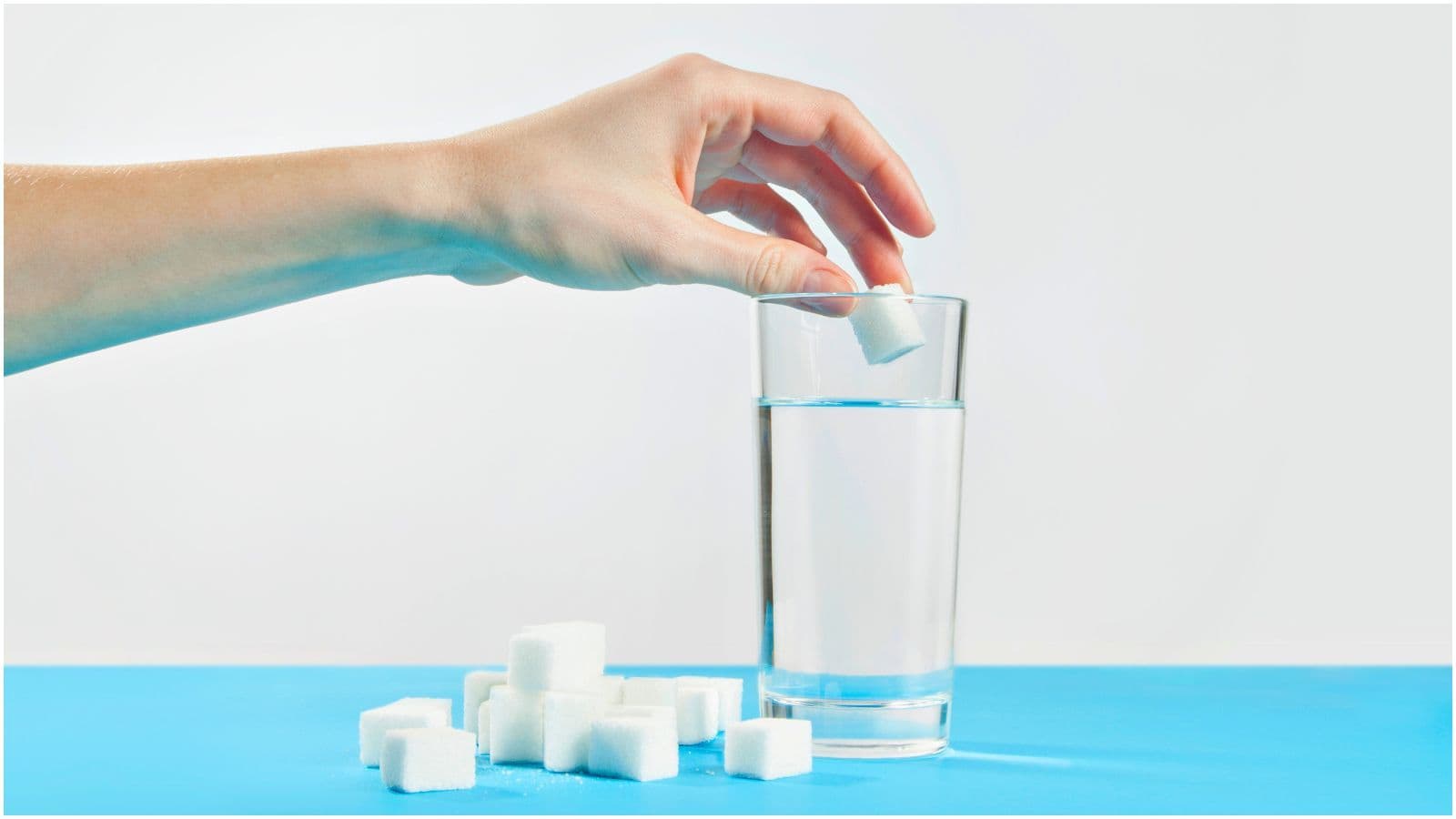
Flavored waters marketed as healthier alternatives to soda often contain artificial sweeteners like sucralose or aspartame, which can disrupt gut health and potentially increase cravings for sugary foods. Some studies suggest that these sweeteners may affect insulin sensitivity, posing risks for people at risk of diabetes. The chemical additives used for flavoring might also trigger adverse reactions in sensitive individuals, such as headaches or digestive discomfort. These drinks are often consumed excessively due to their calorie-free label, masking potential long-term effects. Opting for plain water infused with fresh fruits or herbs is a safer and more hydrating choice.
9 Hidden Drinking Patterns That Worry Health Experts More Than Binge Drinking

Identify your drinking pattern now! Ever think about how drinking habits can affect your life in unexpected ways? Most people know binge drinking is harmful, but there are quieter, more insidious patterns of drinking that can be just as damaging-if not worse. Unlike binge drinking, these habits don't come with obvious red flags like blackouts or severe hangovers. Instead, they creep into your daily routine, making them harder to spot.
Read More Here: 9 Hidden Drinking Patterns That Worry Health Experts More Than Binge Drinking
11 Drinks You Should Be Drinking Less If You Want to Live Longer

Knowing which drinks to limit can improve our overall wellness. For example, sugary sodas and too much alcohol can cause weight gain and other health problems. Energy drinks, often high in caffeine and sugar, can harm heart health. Understanding the effects of these beverages helps us make better choices.Here are 11 drinks to consume less frequently for better health and longevity. Small changes in our daily habits can lead to a healthier lifestyle. Consider these recommendations to make better drink choices and enjoy a more vibrant life.
Read More Here: 11 Drinks You Should Be Drinking Less If You Want to Live Longer




Comments
No Comments