
Are you unintentionally ruining your liquor? Proper storage is key to maintaining its flavor and aroma, but many common mistakes can lead to a disappointing drinking experience. Here are 10 ways you might be storing your liquor wrong. Understanding how to care for different types of spirits is essential for maintaining their quality and ensuring the best drinking experience.
For instance, some might think keeping liquor in the pantry is fine, but exposure to light and heat can negatively impact the drink. Additionally, improper sealing can lead to oxidation, which alters the flavor. Recognizing these common mistakes can help preserve the integrity of your favorite bottles and enhance enjoyment. Explore these ways you're storing liquor wrong and learn how to keep them in top condition. Making a few simple adjustments can lead to a better-tasting experience every time!

Leaving Bottles Unsealed
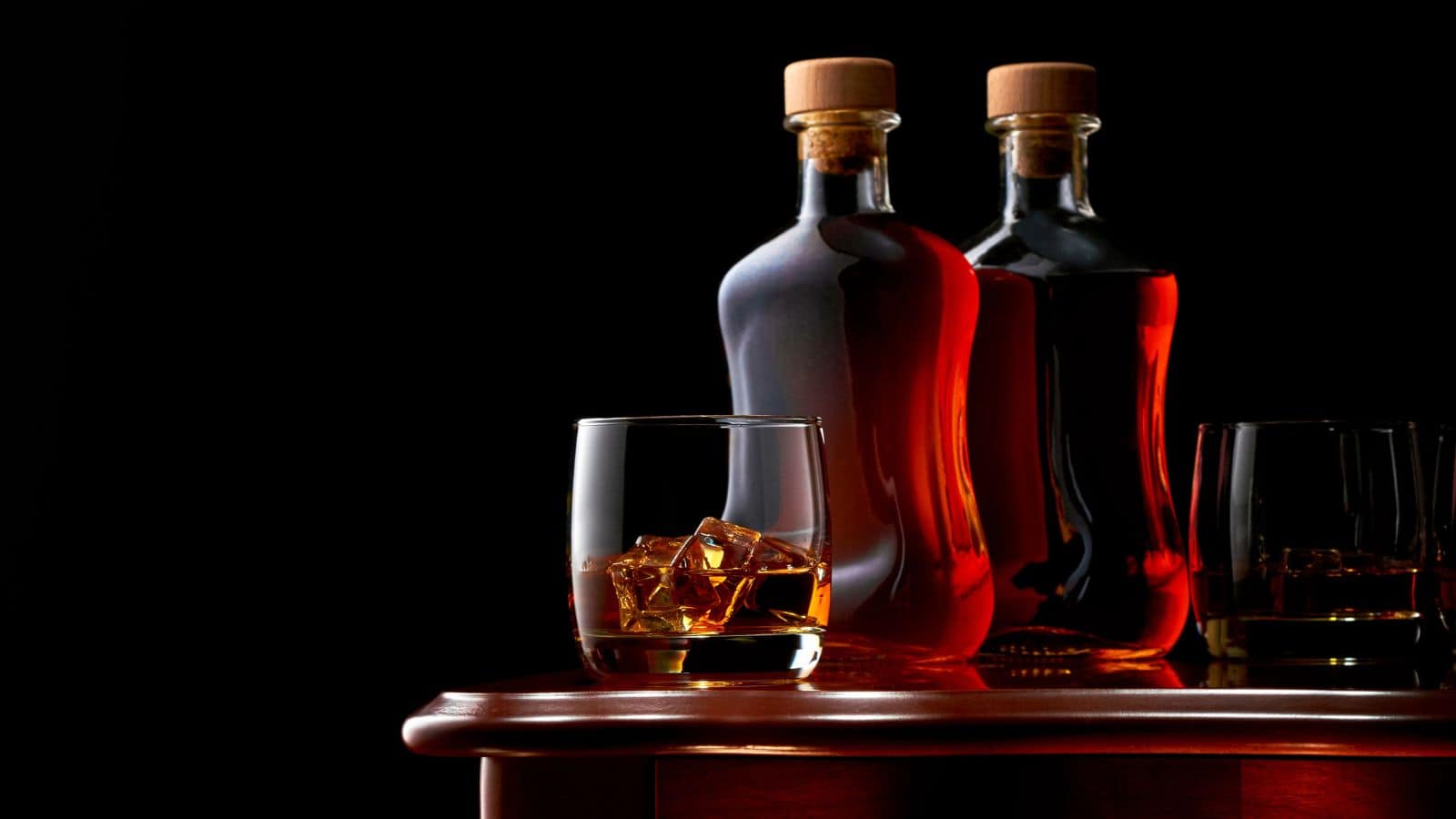
After opening a bottle of liquor, always make sure to reseal it tightly to prevent air from entering the bottle. Exposure to oxygen leads to oxidation, which can alter the flavor of the alcohol and degrade its overall quality. This process can cause the liquor to taste stale, flat, or even sour. A tight seal ensures that the bottle remains protected from outside elements, keeping the spirit fresh for as long as possible. For those who enjoy long-term storage, regularly checking the seal is a small but important step to help maintain the drink's original flavor profile.
Allowing Corks to Contact Alcohol
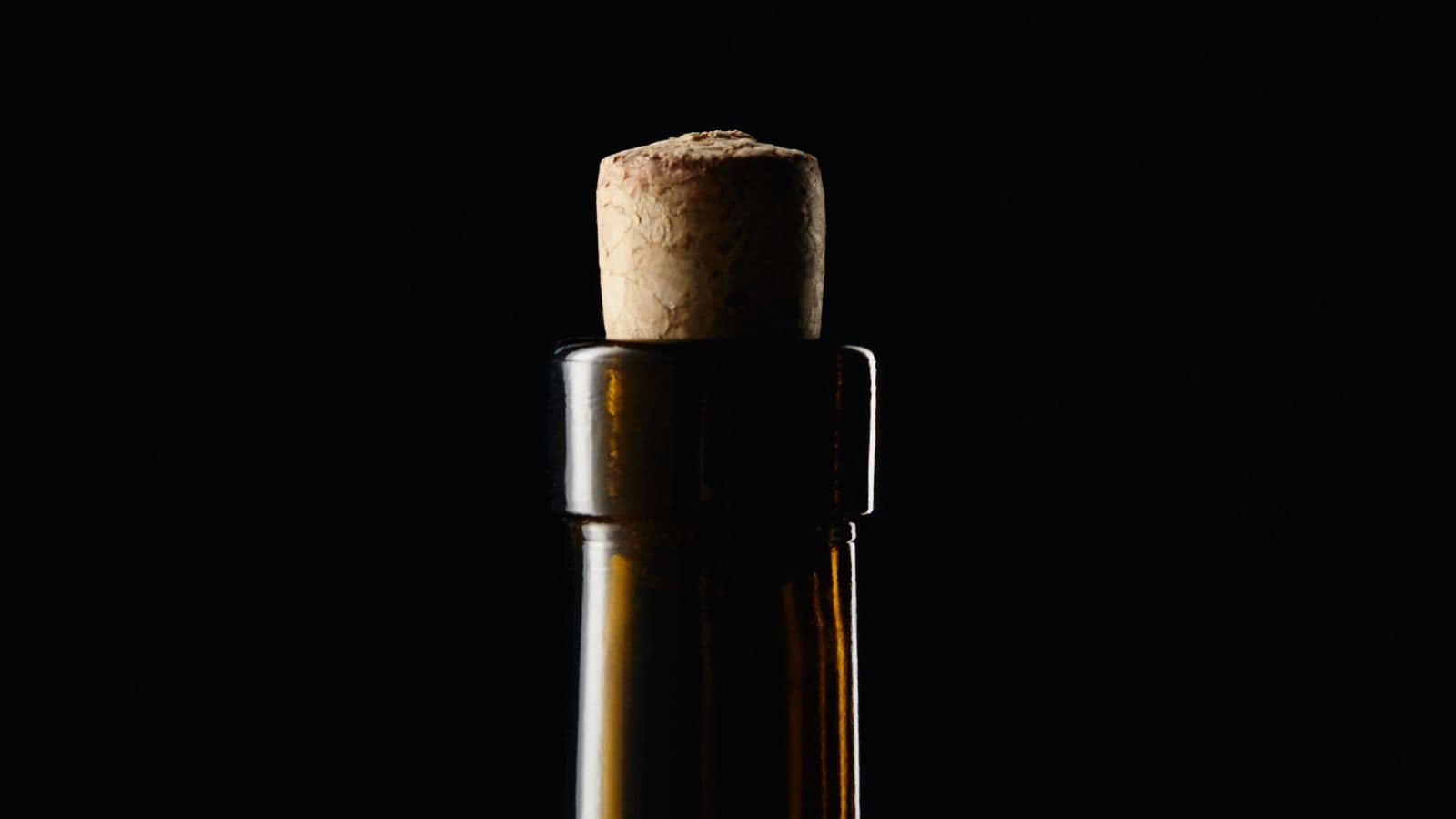
Liquor bottles sealed with corks need special care to avoid cork degradation. If a cork is left in contact with the alcohol for prolonged periods, it can begin to break down. This can negatively affect the liquor's taste, introduce unwanted particles, or cause spoilage. To prevent this, always store bottles upright, especially those with cork seals. Storing bottles this way prevents the cork from being immersed in the liquid, maintaining its integrity and keeping the liquor in optimal condition. This small effort can significantly extend the life of your bottle while preserving the spirit's flavor.
Ignoring Sediment Formation
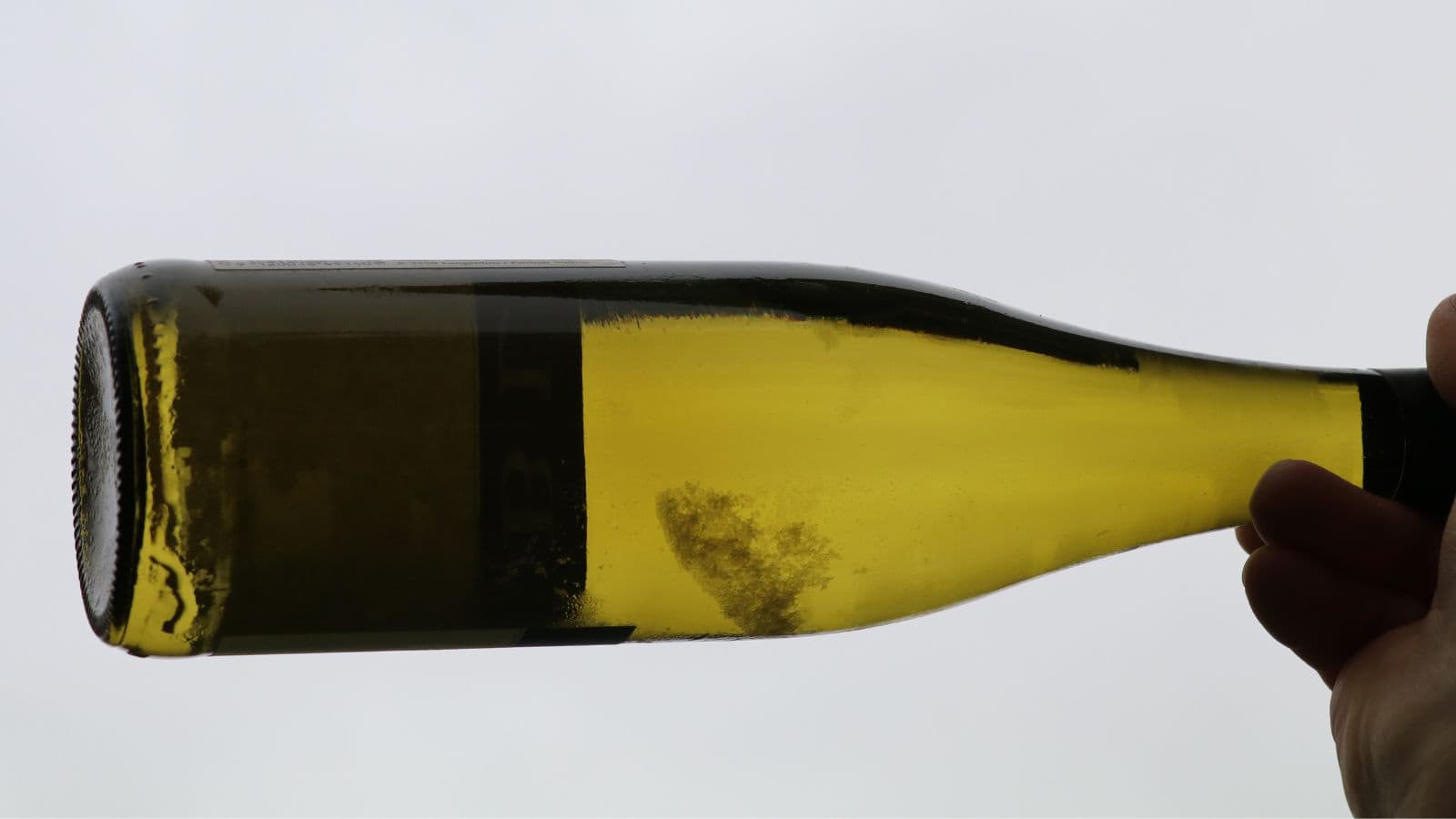
Over time, some liquors, particularly aged spirits or those with natural ingredients, may develop sediment. While this sediment is generally harmless, it can affect the taste and visual appeal of the liquor. Sediment doesn't necessarily indicate that the alcohol has gone bad, but it can be an issue if you're looking for a smooth drinking experience. Decanting your liquor before serving helps separate the sediment from the spirit, ensuring a cleaner, more refined drink. This is especially true for high-end liquors or rare bottles where preserving the quality of the drink is important for enjoyment.
Storing in Areas with Temperature Fluctuations
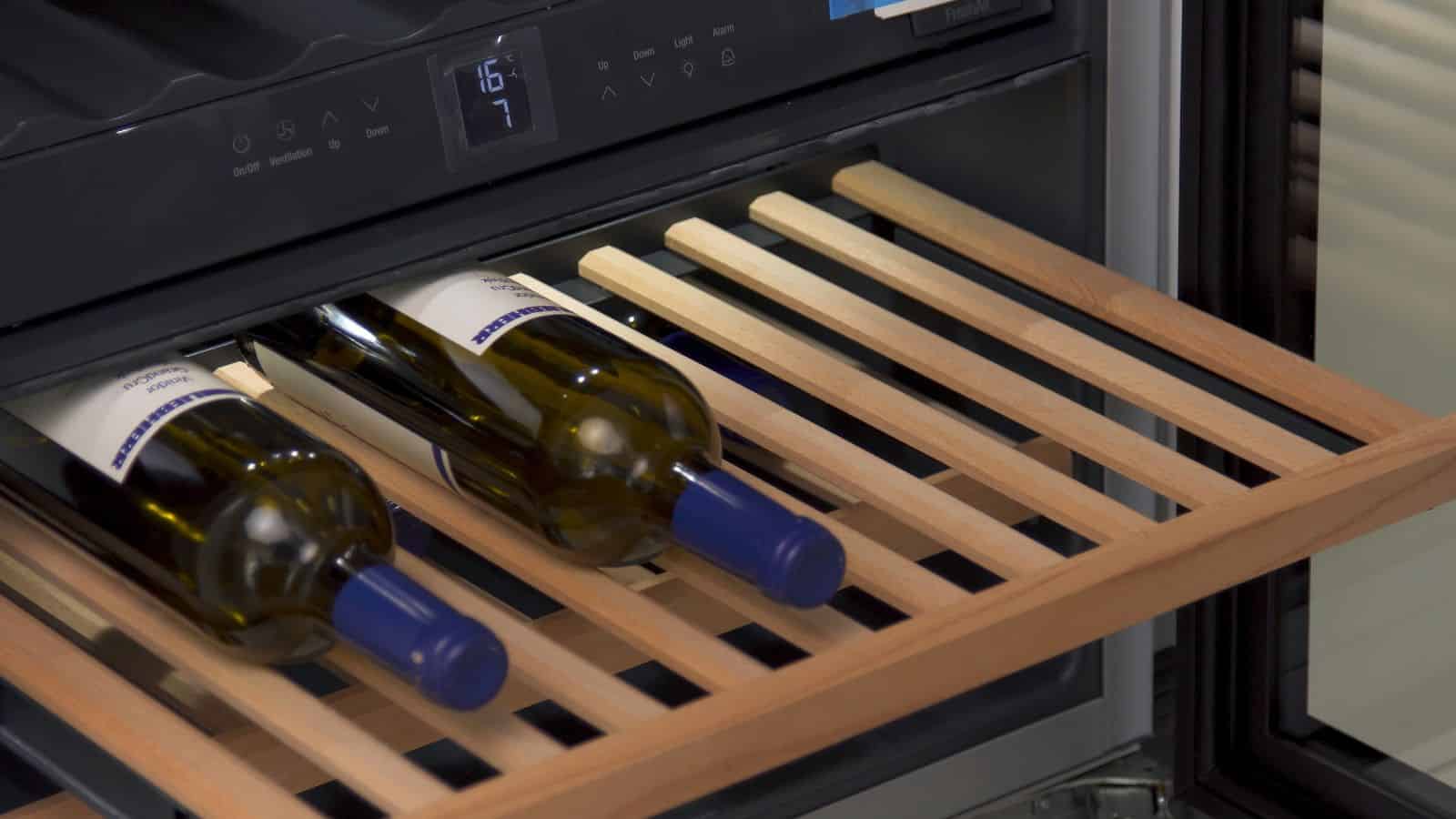
Consistent temperature is crucial for maintaining the quality of your liquor. Storing bottles in areas with significant temperature fluctuations can harm the drink. The rapid expansion and contraction of the liquid inside the bottle can lead to leakage or spoilage. Temperature fluctuations also accelerate the aging process and can diminish the flavors of the liquor. Ideally, liquor should be stored in a cool, dark place where the temperature remains stable, between 50°F and 70°F. This will help protect the spirits and ensure they stay in their best possible condition, preventing unwanted changes in flavor and texture.
Storing Bottles with Labels Facing Inward
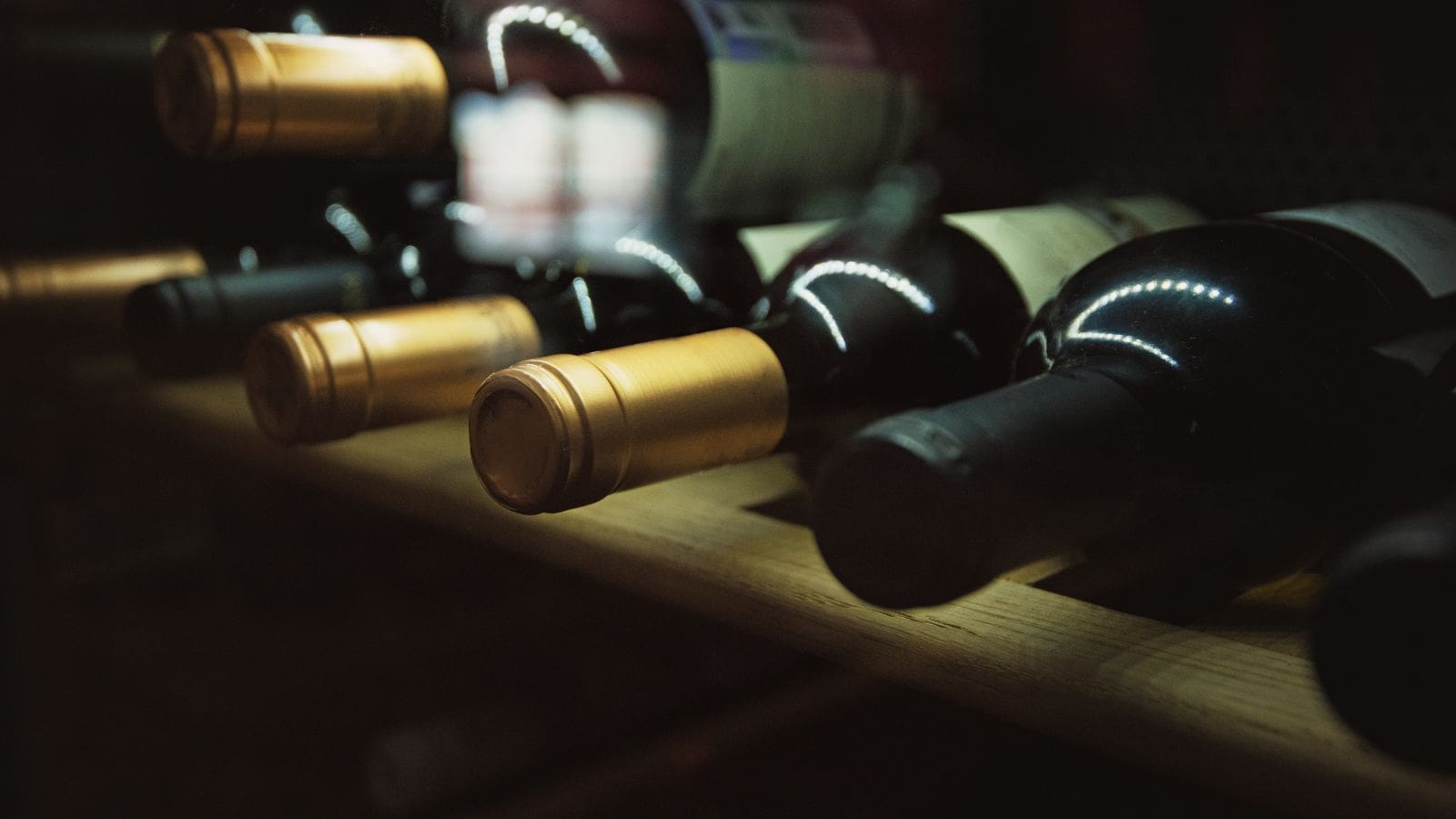
Proper organization of your liquor collection isn't just about accessibility; it's also about protecting your bottles. Storing bottles with labels facing inward can cause confusion when you're looking for a specific one, leading to disorganization and frustration. It can also damage the labels, especially if they rub against other bottles or become exposed to light or moisture. To keep your collection orderly and preserve the condition of the labels, always store bottles with the labels facing outward. This allows for easy identification and helps maintain the appearance of your collection, ensuring that you can always find the bottle you're looking for.
Disorganized Storage
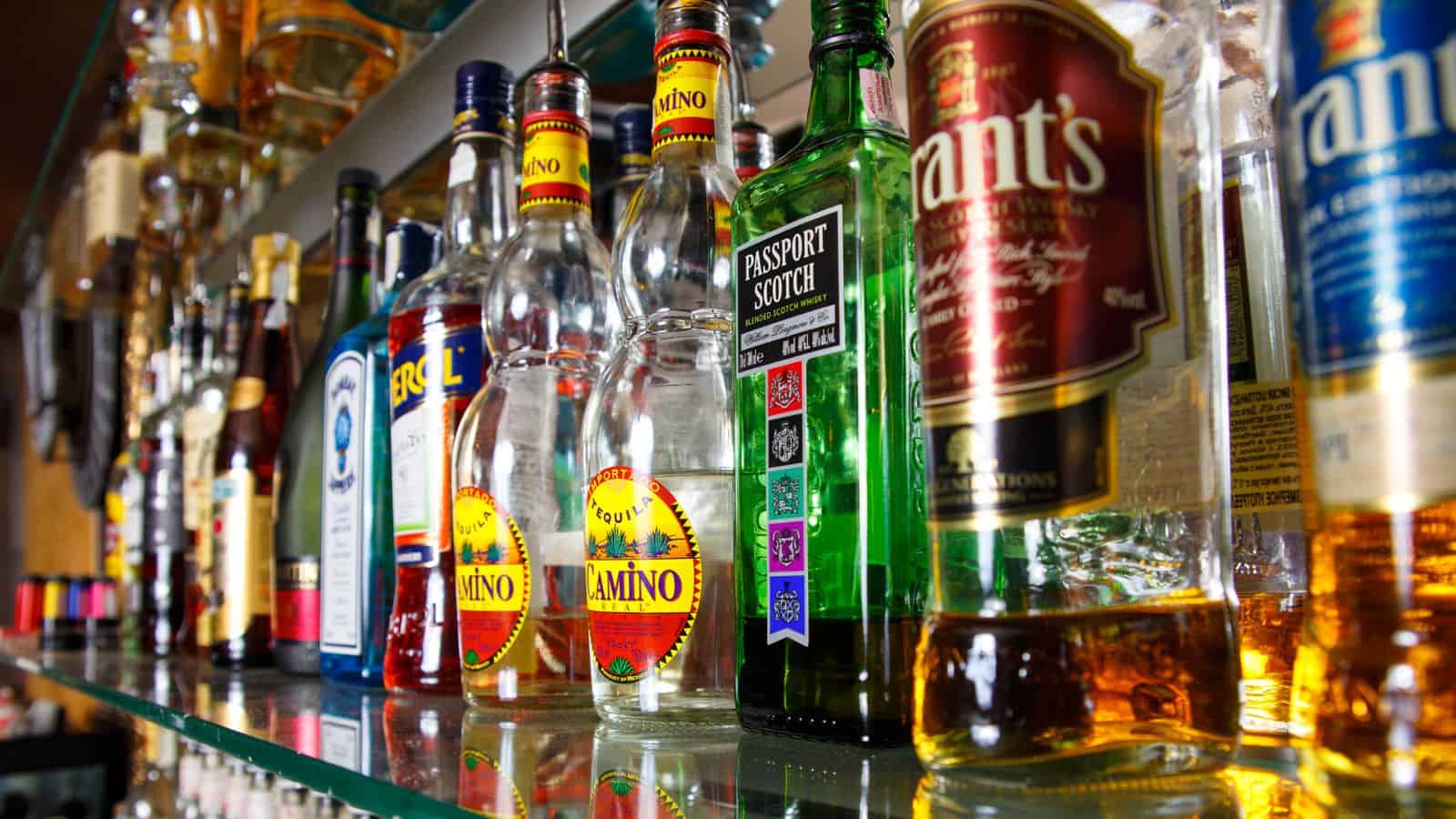
A cluttered, disorganized liquor storage area can result in accidents, damage, and wasted time trying to locate a particular bottle. When bottles are stored haphazardly, there's a higher risk of them being knocked over, broken, or spilled, which can lead to a costly mess. Additionally, an untidy collection can make it harder to find specific bottles when you need them, creating unnecessary frustration. To maintain both the quality of your liquor and the integrity of your collection, it's important to keep everything neatly organized. Use racks, shelves, or cabinets to keep bottles upright, ensuring they're easy to access and minimizing the risk of damage.
Storing Liquor Near Strong Odors
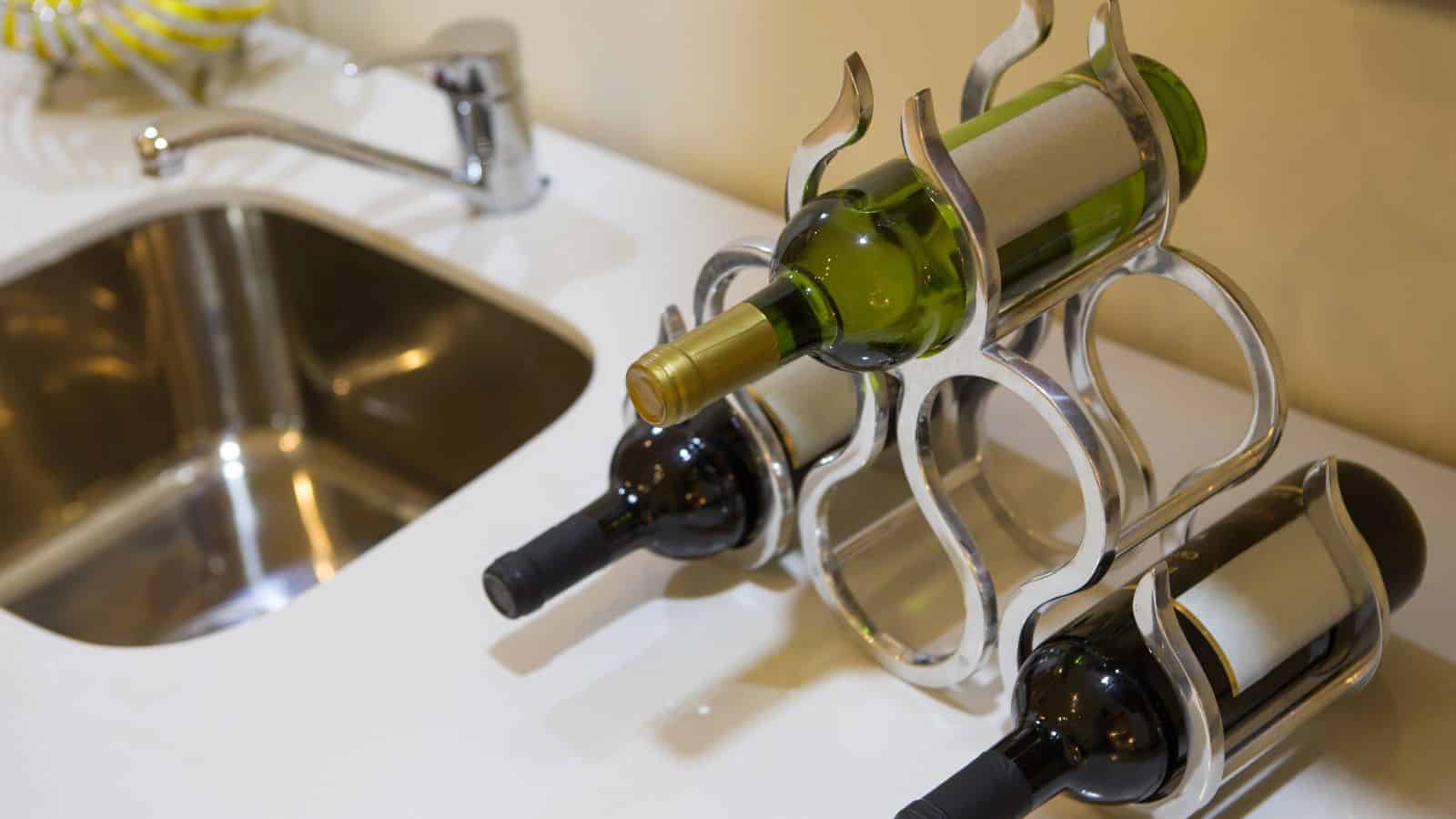
Liquor bottles should not be stored near strong-smelling substances, such as cleaning supplies, perfumes, or certain foods. Alcohol has a tendency to absorb odors from its surroundings, which can affect its taste. A bottle stored near pungent substances may take on unwanted flavors, which can ruin the drinking experience. For best results, keep your liquor stored in a clean, odor-free space. Using airtight containers or storing bottles in a sealed cabinet can help prevent unwanted smells from affecting the spirits. This simple measure helps maintain the purity of the liquor's flavor.
Storing Liqueurs in Warm Places
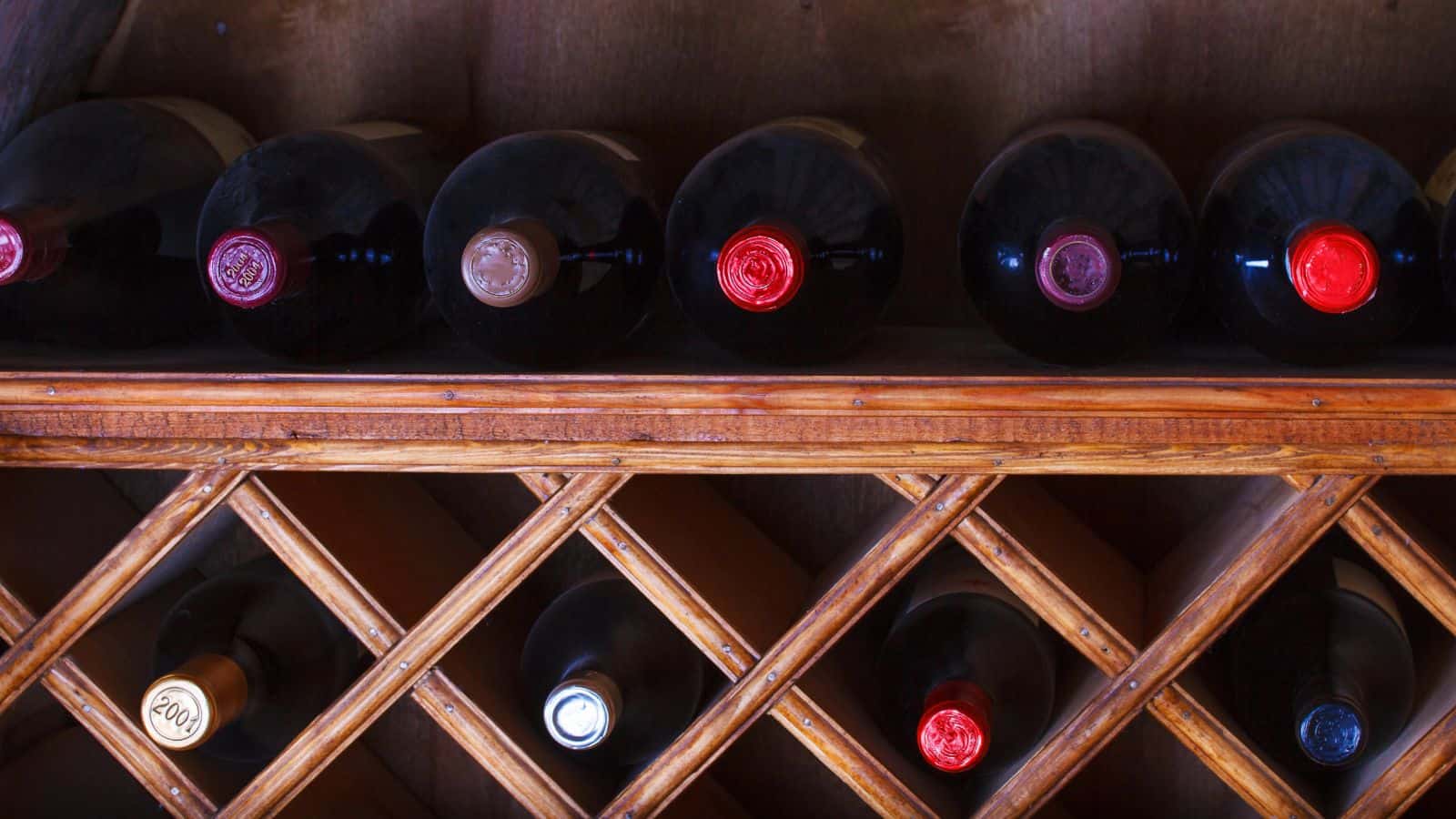
Liqueurs, especially those with high sugar content or dairy-based ingredients, are sensitive to temperature changes. Storing them in warm places can cause the ingredients to break down, alter the texture, and even cause the liqueur to separate. This is particularly true for cream liqueurs, which can spoil or curdle if exposed to heat for too long. To preserve their flavor and texture, store liqueurs in a cool, dark place away from direct sunlight or heat sources. This helps maintain the integrity of the ingredients and ensures the liqueur remains enjoyable for longer periods.
Storing Whiskey in the Freezer
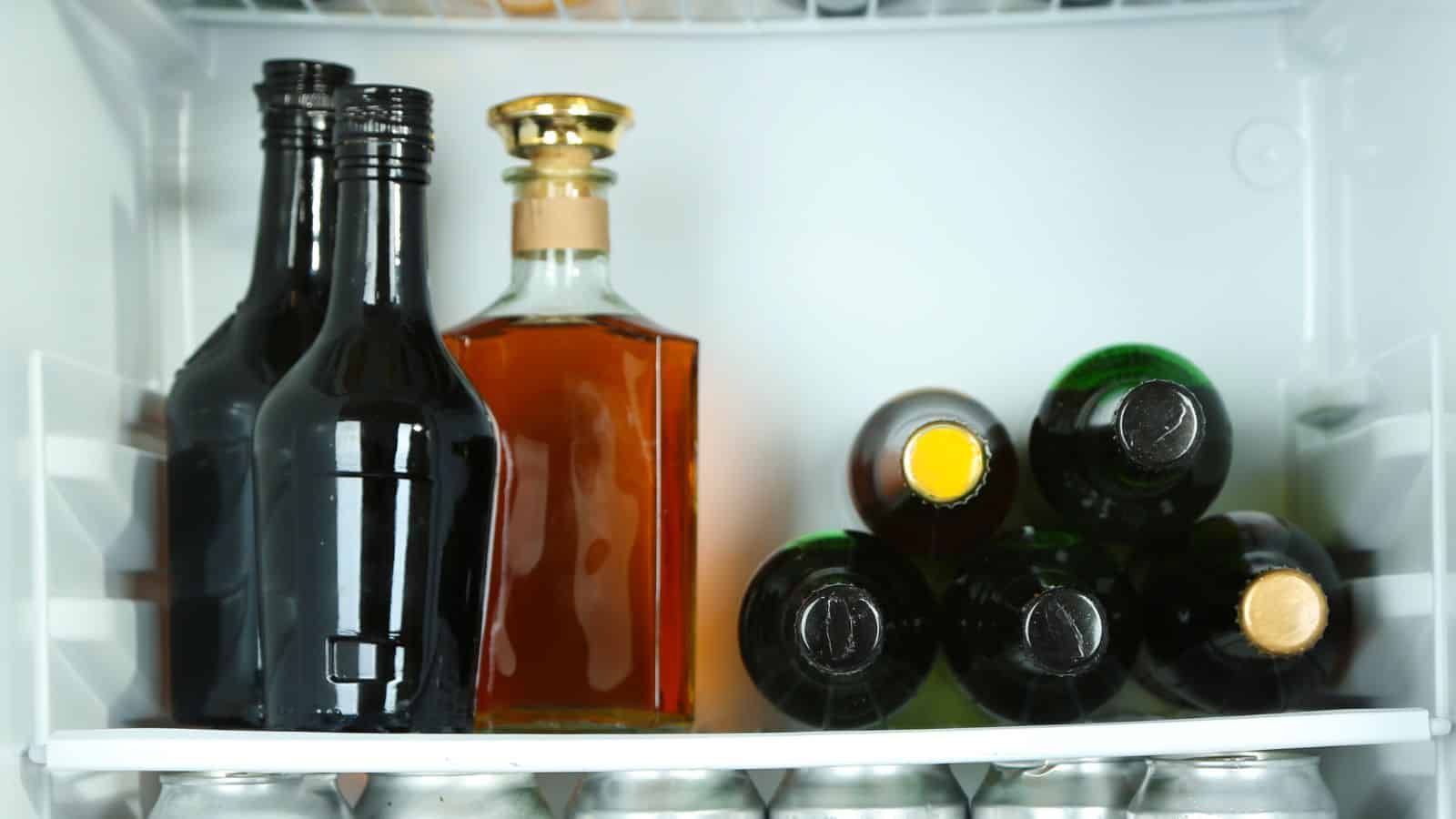
While it's common for vodka and gin to be kept in the freezer for a colder, smoother taste, whiskey should not be stored there. Freezing whiskey can dull its flavors and change its consistency. The high alcohol content in whiskey causes it to freeze at a much lower temperature than vodka, but even at those cold temperatures, the drink's complex flavors become suppressed. For the best experience, store whiskey at room temperature or slightly cooler, but never in the freezer. This allows the flavors to shine and ensures you experience the whiskey at its best.
Not Storing Liquor Upright
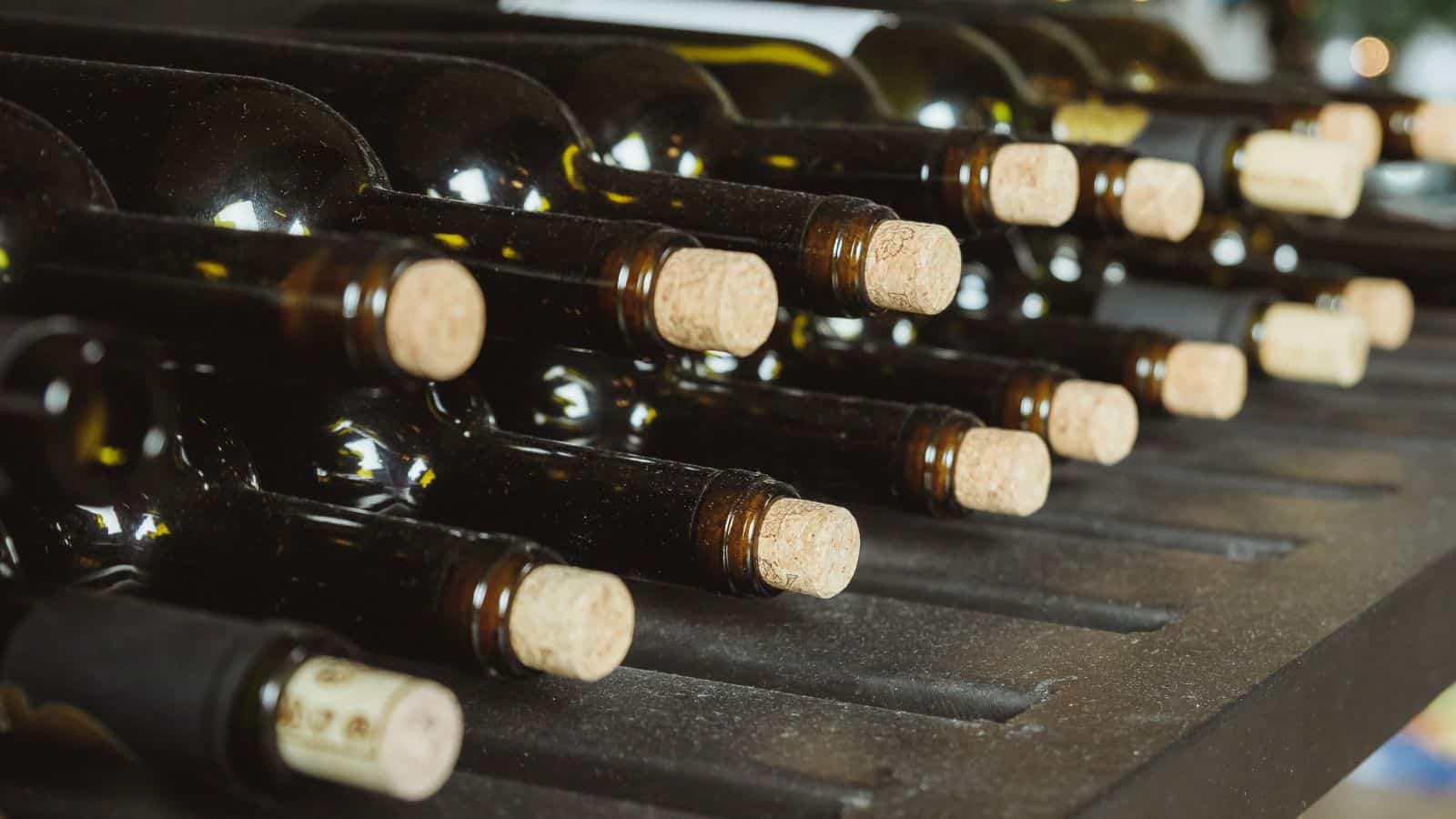
Storing liquor bottles on their side, especially those with corks, can cause damage over time. The alcohol can interact with the cork, causing it to break down or degrade, which may introduce unpleasant flavors or even spoilage. For this reason, it's crucial to store bottles upright, particularly those that are sealed with corks. Storing them this way keeps the cork from coming into contact with the liquid, preserving the integrity of the spirit and ensuring the best possible taste when you decide to pour a glass. Proper storage helps extend the shelf life of your liquor.
13 Healthier Alcoholic Drink Picks from Registered Dietitians for Your Health
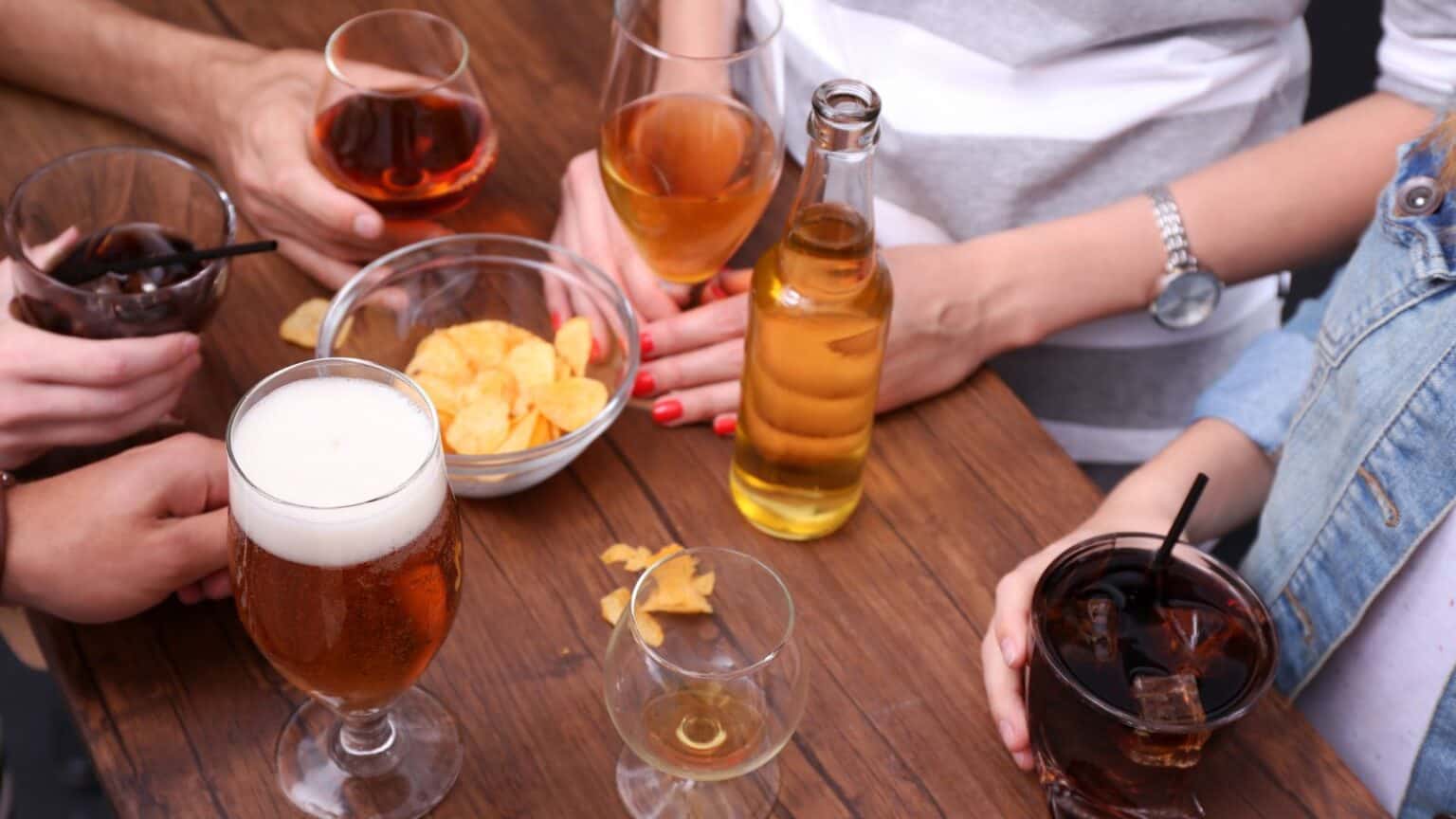
Jumpstart your healthier drinking this year. Looking to enjoy a drink without wrecking your health goals? You're in the right place. We've all heard about the empty calories in alcohol, but did you know there are smarter choices out there? That's right, some drinks are better for you than others. Dietitians have weighed in, and we've got the scoop on 13 healthy alcoholic drinks that you can sip without too much worry.
Read More Here: 13 Healthier Alcoholic Drink Picks from Registered Dietitians for Your Health
11 Shocking Alcohol Lies You Need to Stop Falling For

Don't let these lies fool you! Alcohol is surrounded by many myths and misunderstandings that can be confusing. But how much of what you believe is actually true? There are 11 shocking alcohol lies you need to stop falling for, and knowing the truth can help you make better choices. From thinking some drinks are healthier to believing that alcohol helps with stress, these myths can lead to bad habits and wrong ideas.
Read More Here: 11 Shocking Alcohol Lies You Need to Stop Falling For

Comments
No Comments