
Let's talk about alcohol and the many myths surrounding it. You've probably heard a bunch of these 11 "rules" about drinking that seem to be passed down like ancient wisdom. But how much of that is actually true? Spoiler alert: not much. Debunking alcohol myths is essential if you want to drink smarter and avoid those nasty hangovers.
Understanding the facts can help you enjoy your drinks without falling into common traps. A lot of these myths can actually make your drinking experience worse, not better. Plus, knowing the truth can also keep you safer and healthier in the long run. Get ready to debunk some of the most popular alcohol myths out there. By the end of this, you'll have a clearer picture of how to enjoy your drinks responsibly and maybe even impress your friends with your newfound knowledge.
Non-alcoholic beer is completely alcohol-free.
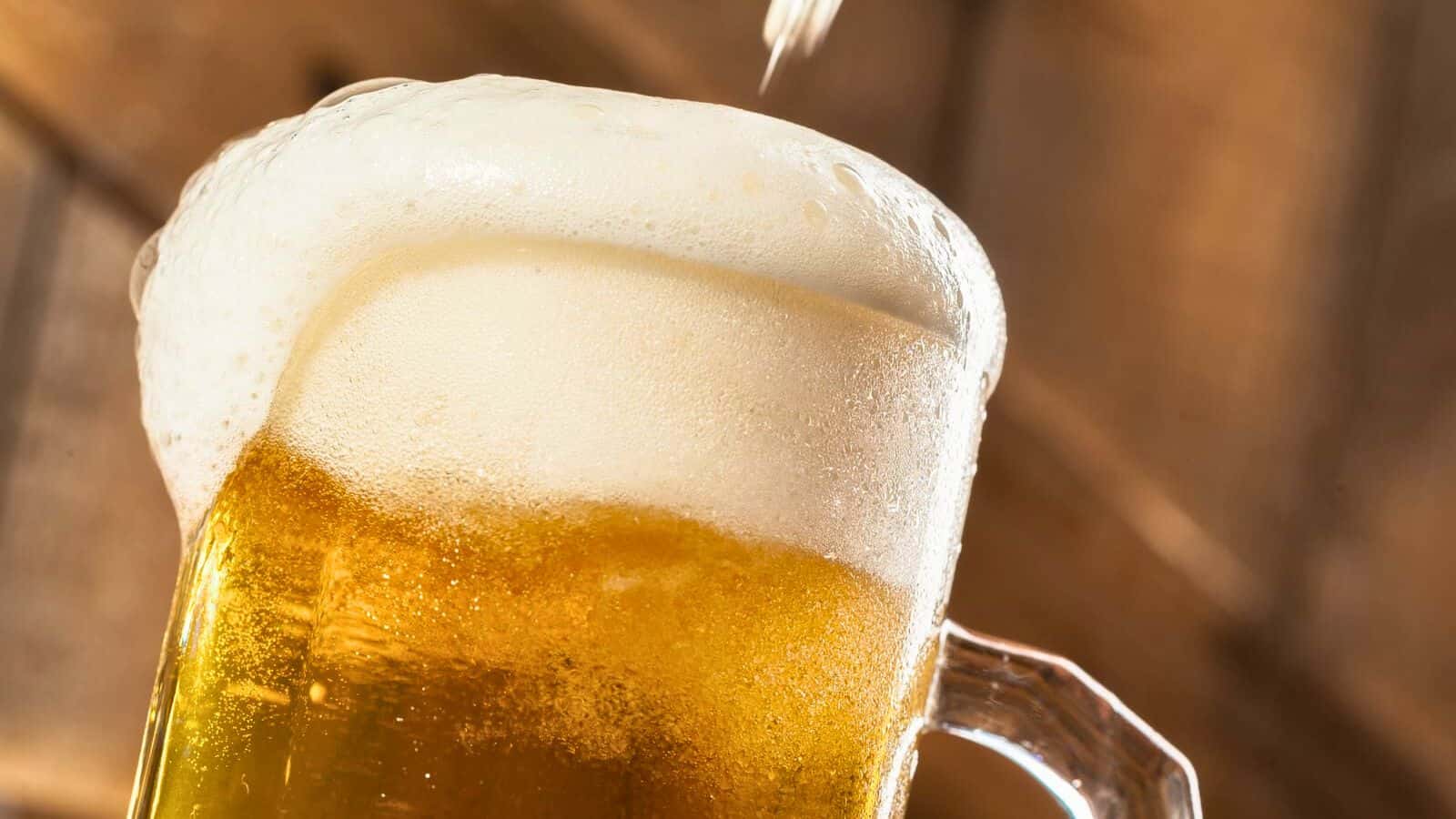
Non-alcoholic beers are often perceived as entirely free of alcohol, but they typically contain a small amount of alcohol, usually under 0.5% ABV. While this amount is low and unlikely to cause intoxication, it can still affect individuals who are highly sensitive to alcohol or those who abstain for medical or personal reasons. It is important to read labels and be aware of the alcohol content in non-alcoholic beverages. Understanding this can help make informed choices that align with personal health and lifestyle goals.
You can drink heavily if you are a regular drinker.
Tolerance to alcohol can increase with regular consumption, but this does not make heavy drinking safe. Even if you do not feel as intoxicated, the health risks associated with excessive alcohol intake remain. High tolerance can lead to consuming larger quantities of alcohol, which can cause long-term damage to organs such as the liver and brain. It is important to recognize that increased tolerance does not equate to reduced harm and to be mindful of the potential health consequences.
Drinking alcohol warms you up.

The sensation of warmth that you might feel after consuming alcohol is misleading. While alcohol causes blood vessels to dilate, which can create a feeling of warmth on the skin, it actually lowers your core body temperature. This can be dangerous in cold environments, as it can increase the risk of hypothermia without you realizing it. The initial warm feeling is temporary and does not reflect your true internal temperature. Understanding this can help you make safer decisions about drinking in cold weather.
Alcohol is good for your health.
Some studies suggest that moderate alcohol consumption may have certain health benefits, such as improved heart health. However, these potential benefits must be weighed against the significant risks associated with alcohol intake. Excessive drinking can lead to a range of health problems, including liver disease, cardiovascular issues, and an increased risk of certain cancers. It is important to approach alcohol consumption with caution and to consider the potential health risks. Consulting with a healthcare professional can give you personalized guidance on alcohol use.
Alcohol is a stimulant.

Alcohol is often mistaken for a stimulant because it can initially make you feel more sociable and energetic. However, it is actually a depressant that affects the central nervous system. This means that it slows down brain function and neural activity, leading to impaired judgment, slowed reaction times, and decreased motor coordination. The stimulating effects are usually short-lived, and as more alcohol is consumed, the depressant effects become more pronounced. Understanding this can help you make more informed decisions about your drinking habits.
Beer before liquor, never sicker; liquor before beer, you're in the clear.
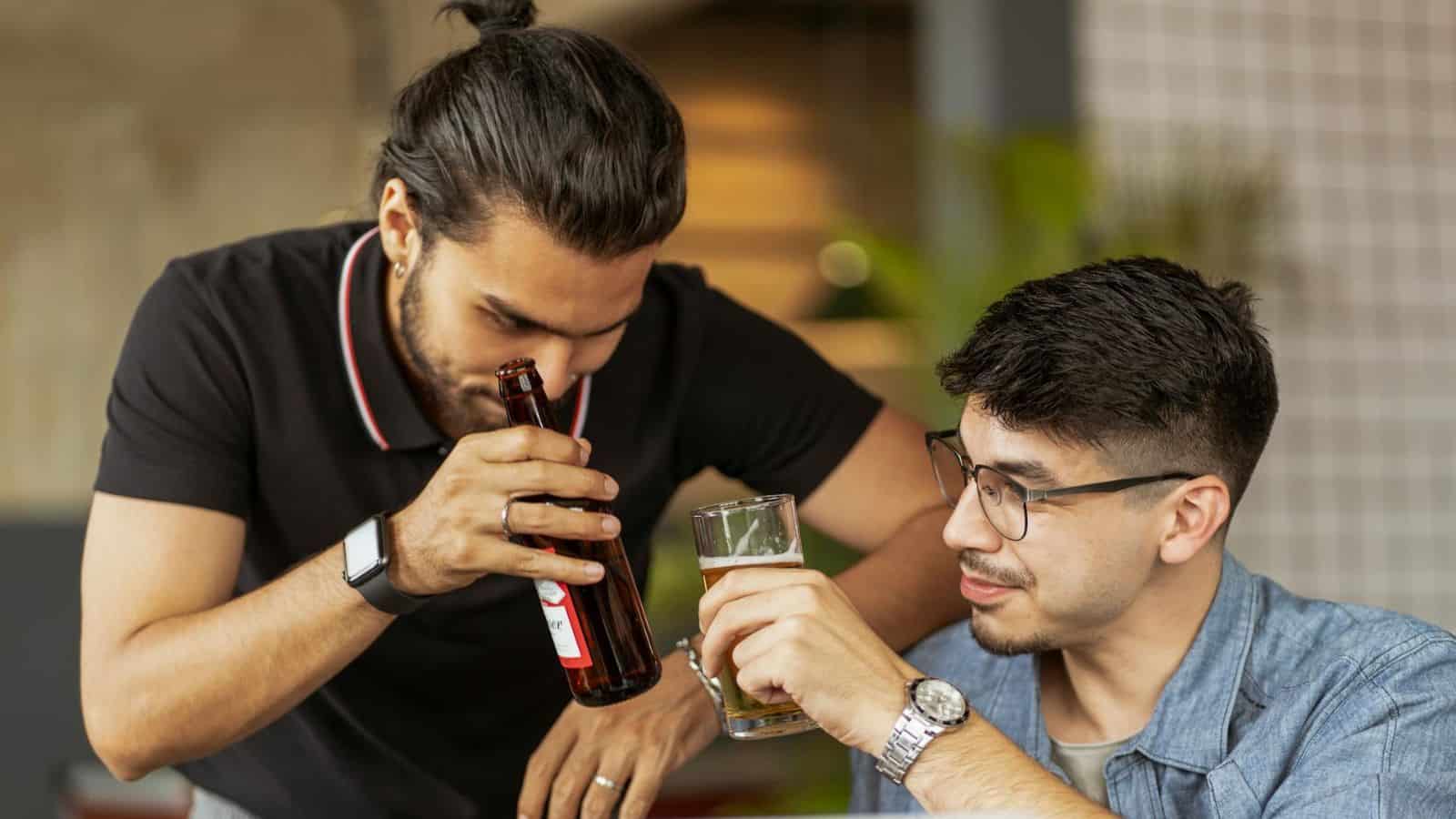
The saying that the order in which you drink alcohol determines how sick you will feel is not accurate. What truly matters is the total amount of alcohol you consume. The body processes alcohol at a constant rate, regardless of the type or order of drinks. Consuming a large quantity of alcohol in a short period can overwhelm the body's ability to metabolize it, leading to intoxication and subsequent hangover symptoms. It is important to pace yourself and be mindful of the overall amount you are drinking.
Drinking alcohol helps with sleep.
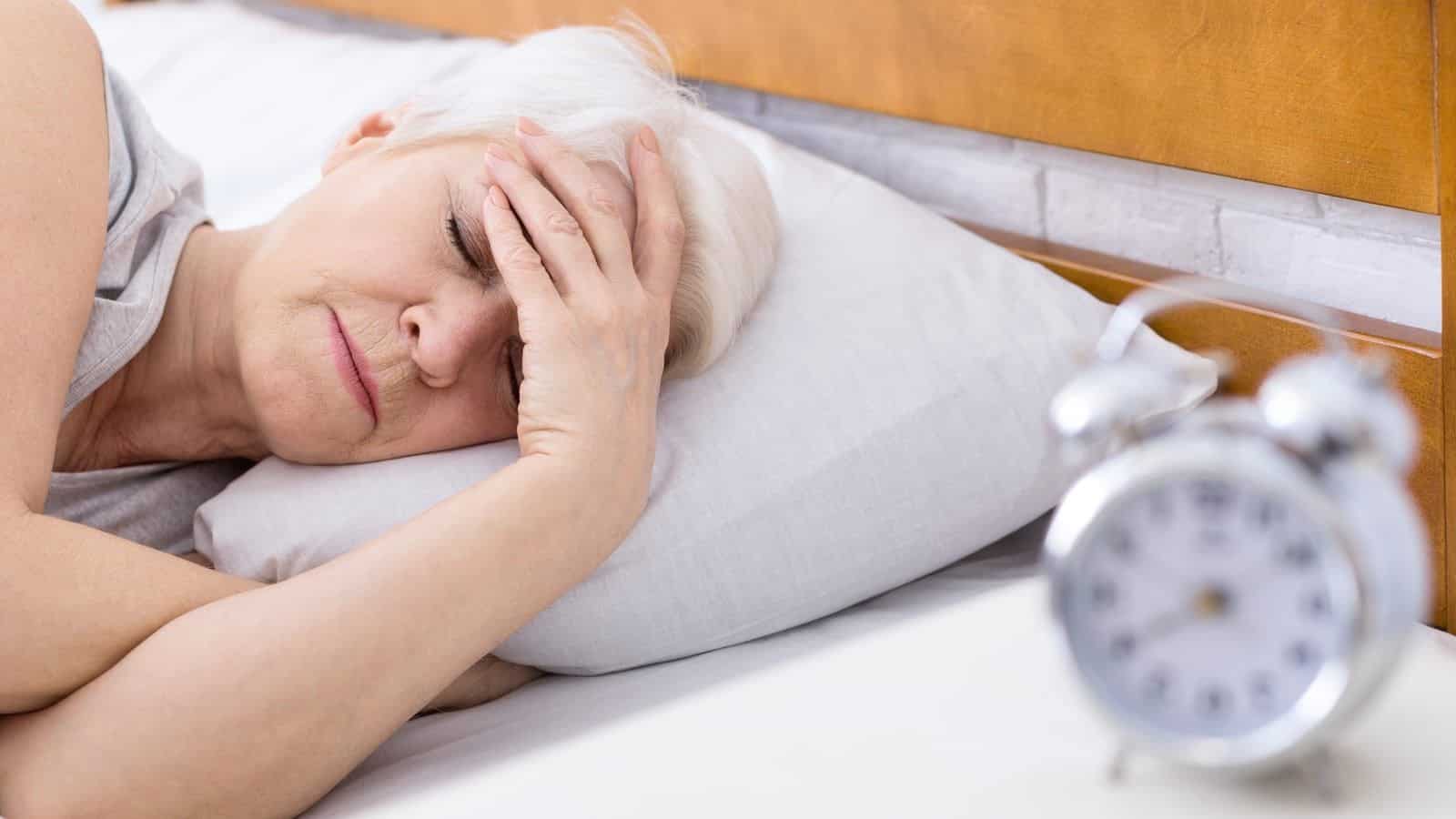
While alcohol might help you fall asleep faster, it disrupts sleep patterns and reduces the quality of sleep. Alcohol affects the sleep cycle by increasing the time spent in light sleep and reducing the time spent in deep sleep and REM sleep, which are crucial for restorative rest. This can lead to fragmented sleep, frequent awakenings, and a less refreshing sleep experience. Over time, relying on alcohol as a sleep aid can lead to dependency and exacerbate sleep problems. It is important to seek healthier alternatives for improving sleep quality.
You can drink and drive if you feel fine.
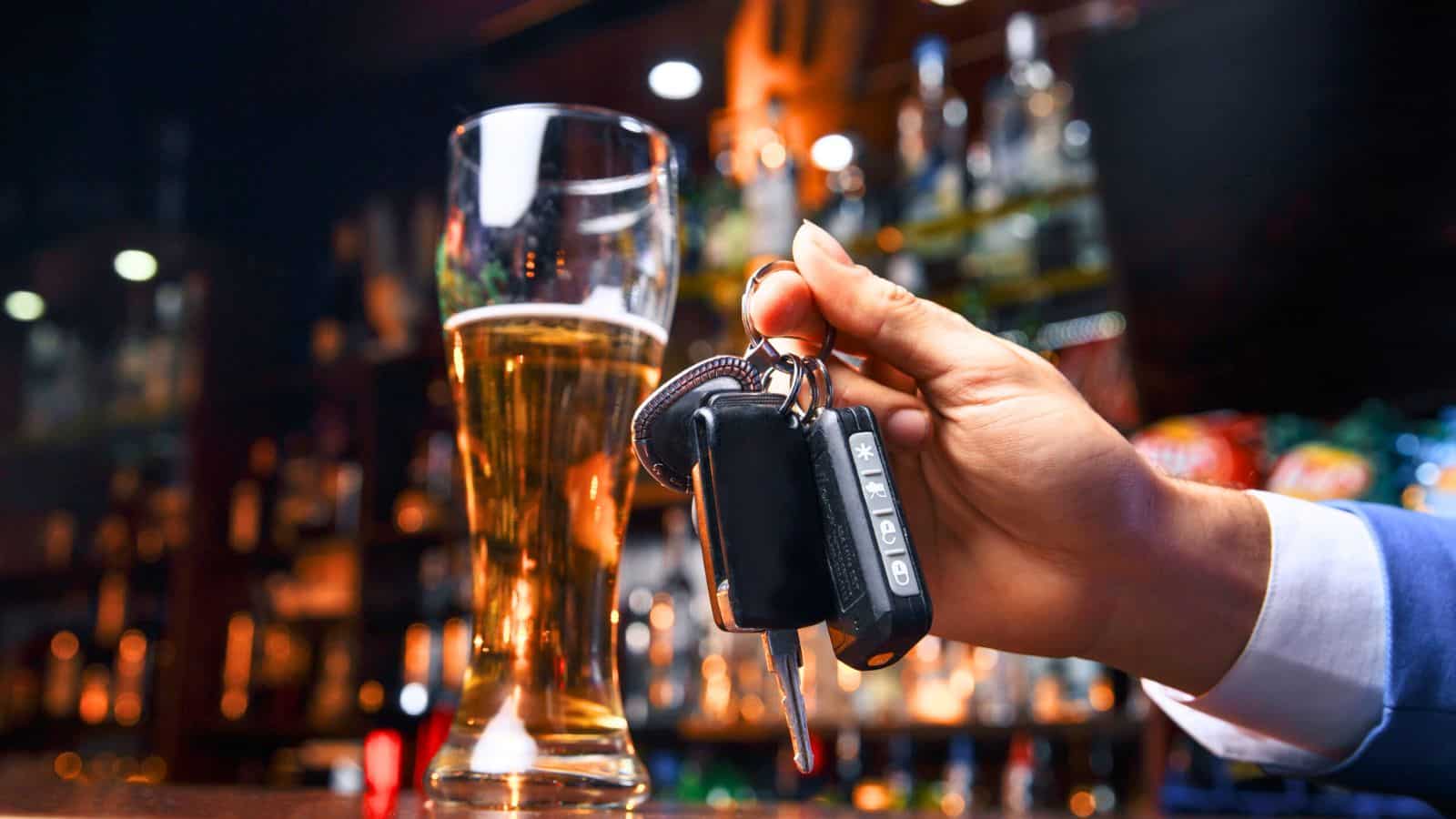
Feeling fine after drinking does not mean you are safe to drive. Alcohol impairs judgment, reaction times, and motor skills, even if you do not feel noticeably intoxicated. The effects of alcohol can vary based on several factors, including tolerance, body weight, and the amount consumed. It is always safest to avoid driving after drinking any amount of alcohol. Relying on subjective feelings of sobriety can lead to dangerous situations and increase the risk of accidents and legal consequences.
You can sober up quickly with coffee or cold showers.
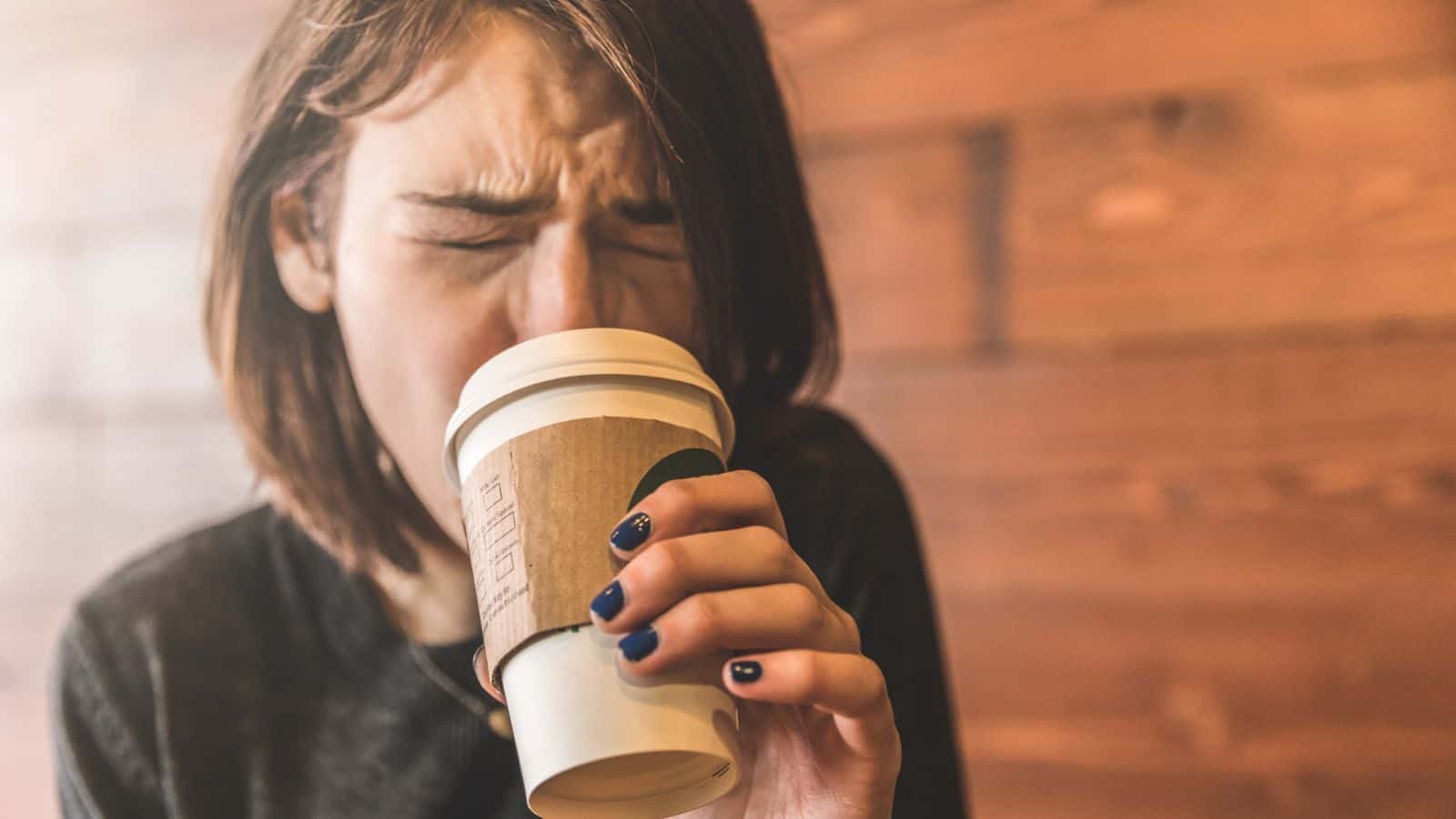
Contrary to popular belief, there are no quick fixes to sober up after drinking alcohol. The only thing that can truly sober you up is time. Coffee might make you feel more alert, and a cold shower might wake you up, but neither will speed up the process of alcohol leaving your system. Alcohol is metabolized by the liver at a steady rate, and nothing can accelerate this process. Relying on these methods can give a false sense of sobriety, leading to risky decisions such as driving.
Mixing different types of alcohol will make you more intoxicated.
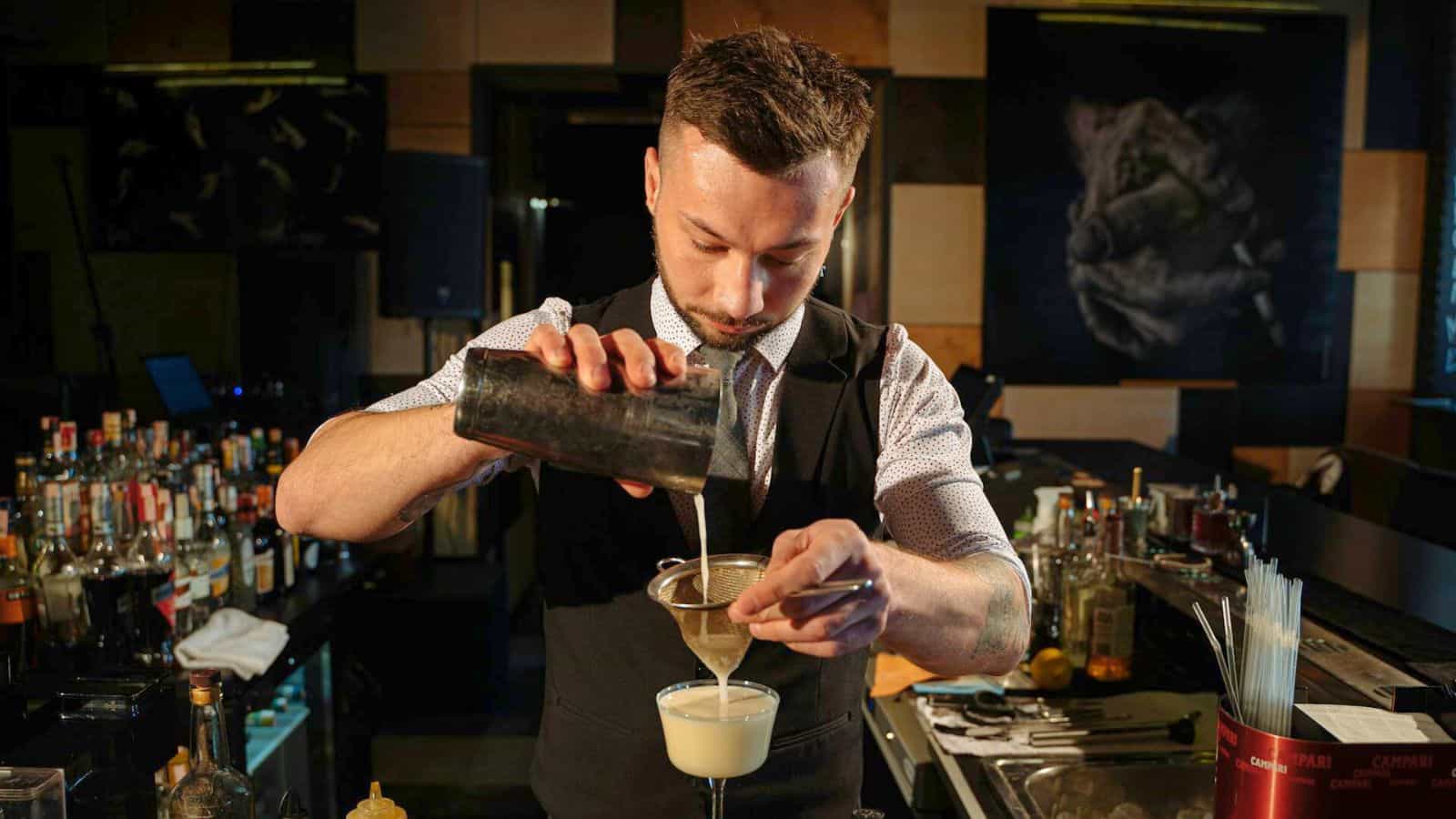
The belief that mixing different types of alcohol will increase intoxication is a common misconception. Intoxication is determined by the total amount of alcohol consumed, not the variety of drinks. Whether you drink beer, wine, or spirits, the key factor is the overall alcohol content. Mixing drinks might lead to consuming more alcohol than intended, which can increase intoxication, but the type of alcohol itself does not have a unique effect. Being mindful of the total alcohol intake is crucial for responsible drinking.
Light beer has fewer calories than regular beer.
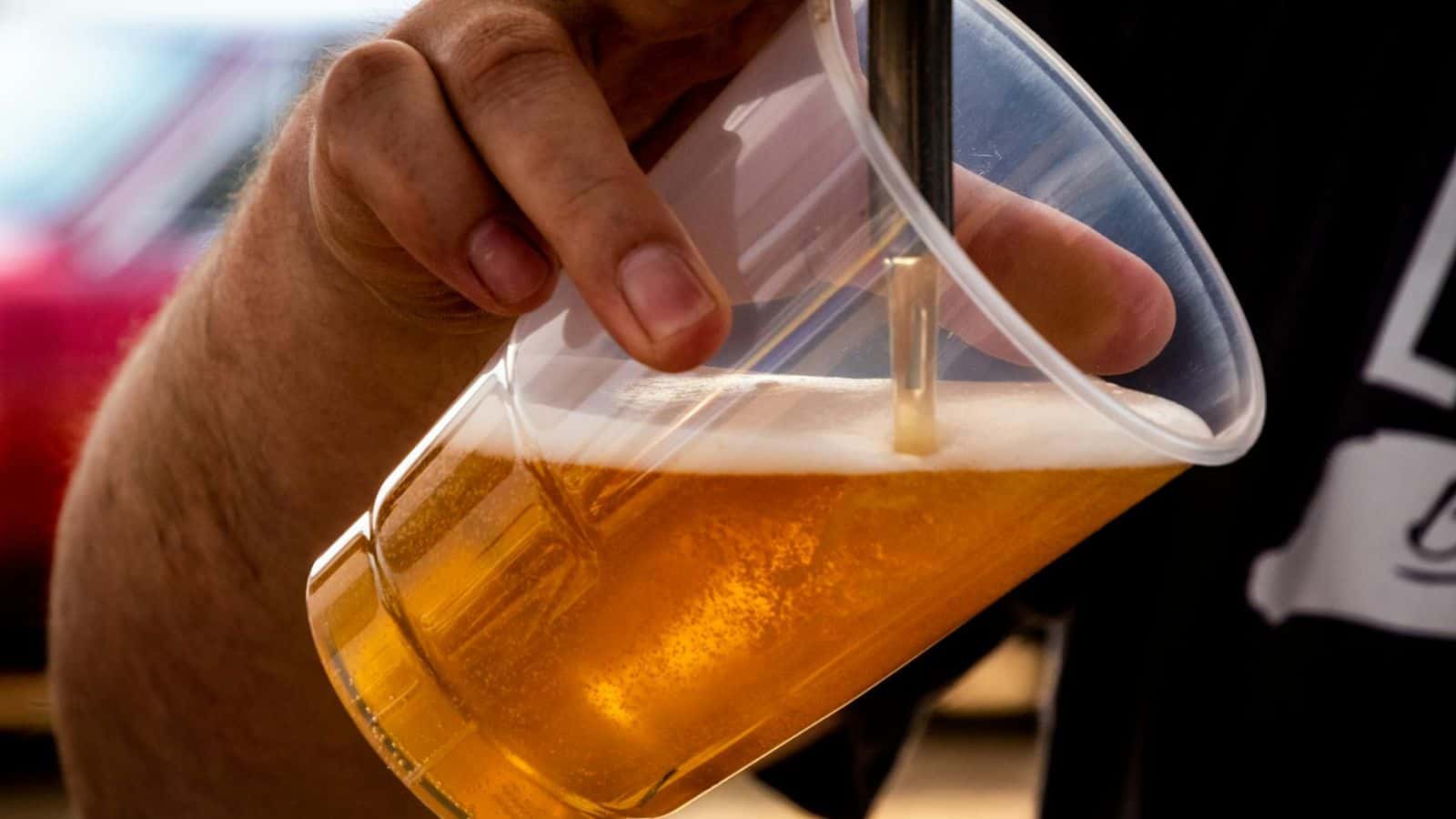
While light beers are often marketed as having fewer calories, the difference may not be as significant as one might think. It is essential to check the labels for accurate information, as the calorie content can vary between brands and types of light beer. Some light beers might only have a slight reduction in calories compared to their regular counterparts. Therefore, if you are watching your calorie intake, it is important to be informed and not assume that all light beers are a lower-calorie option.
Raise a Glass to Knowledge
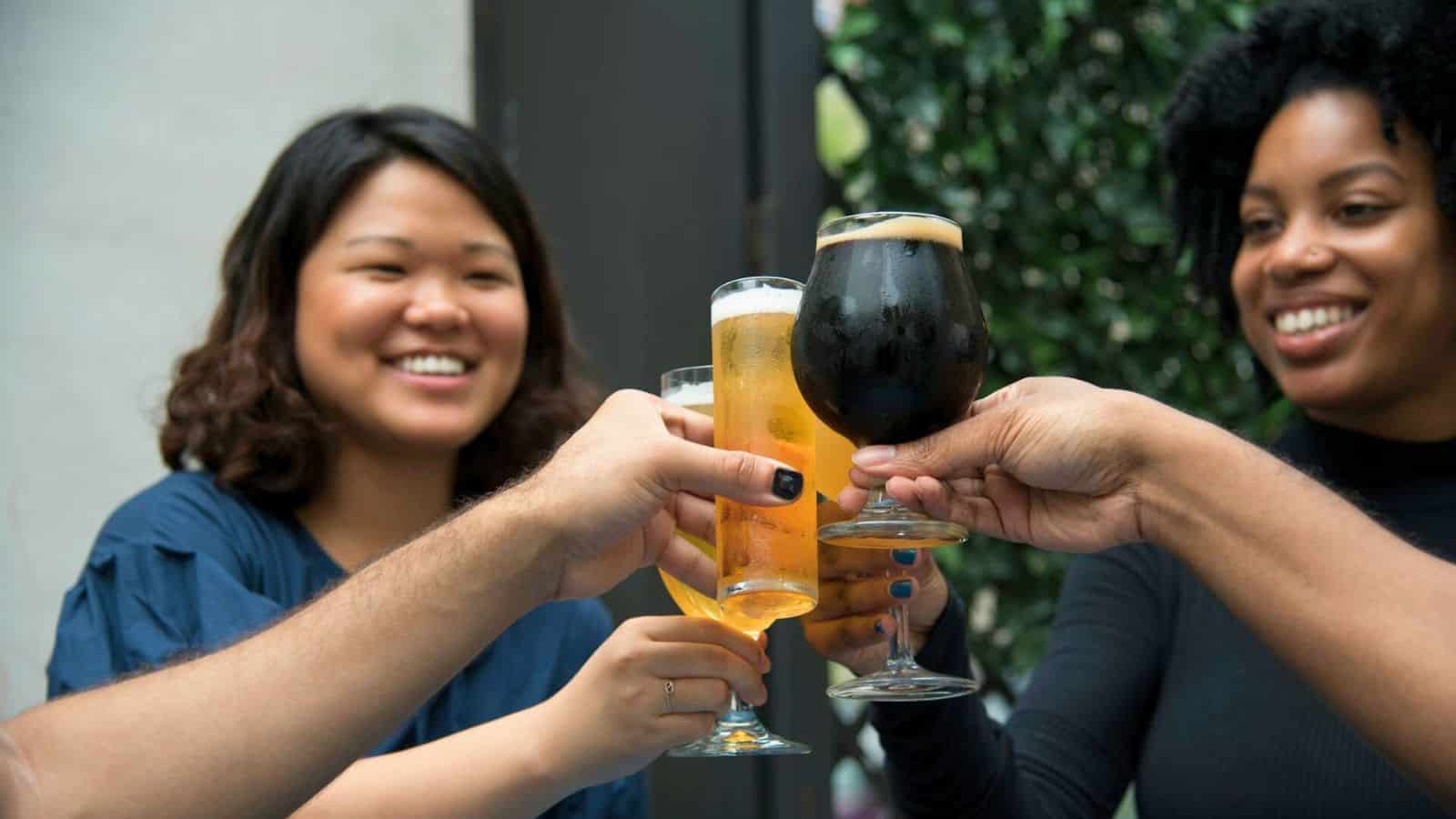
So there you have it, the truth behind some of the most common alcohol myths. By debunking these misconceptions, you're now equipped to make smarter choices when it comes to drinking. Remember, it's not about the type or order of drinks, but the total amount of alcohol you consume that really matters. Understanding these facts can help you avoid those nasty hangovers and potential health risks.
Next time you find yourself at a party or a night out, you'll know better than to fall for these myths. You can enjoy your drinks with confidence, knowing you're making informed decisions. Share this newfound knowledge with your friends and help them drink smarter too. Cheers to responsible and smarter drinking!
Best Non-Alcoholic Beverages According to a Sober Person
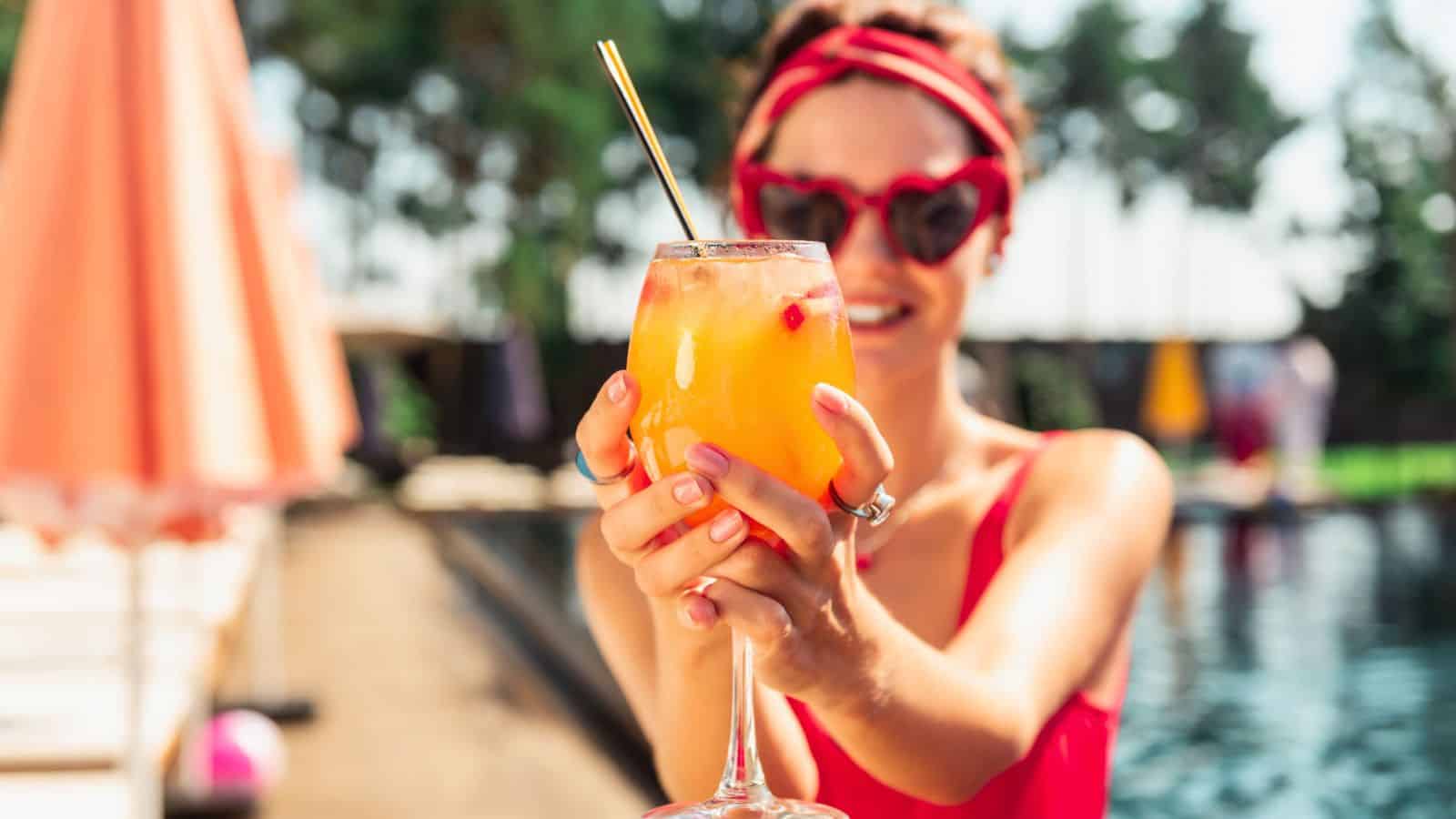
Finding a great non-alcoholic drink can be a game-changer, especially when you're steering clear of booze. Whether you're at a party, out with friends, or just chilling at home, having a tasty, alcohol-free option is essential. Think about it: you want something that's not just a boring soda or plain water, right? The 9 best non-alcoholic drinks are creative and flavorful, making you forget about the alcohol entirely.
From sparkling juices to complex mocktails, the options are endless. These drinks can be perfect for any occasion, giving you that refreshing kick without any of the downsides. You don't need alcohol to enjoy a great beverage, and these non-alcoholic options prove just that. So, whether you're looking to try something new or stick to a classic favorite, there's a world of non-alcoholic drinks waiting to be explored. Cheers to that!
Read it Here: 10 Best Non-Alcoholic Beverages According to a Sober Person
Healthier Alcohol Options Recommended by Registered Dietitians

When you're trying to stay healthy but still want to enjoy a drink, it can be tough to know what to choose. We all know that moderation is key, but what about making smarter choices when you do decide to have a drink? Dietitians have some great advice on this topic. They know that not all alcoholic drinks are created equal, and some healthy alcoholic drinks are better for you than others.
So, let's get into some healthier choices that won't derail your wellness goals. From light beers to cocktails with fresh ingredients, we'll explore drinks that can fit into a balanced lifestyle. You don't have to give up on enjoying a night out or a relaxing drink at home; you just need to know what to look for.
Read it Here: 11 Healthier Alcohol Options Recommended by Registered Dietitians
Comments
No Comments