
Most beers are meant to be casual-something to sip at a bar, a barbecue, or a game. But not all brews play it safe. These 11 beers, so potent they should come with a warning label, take alcohol content to the extreme. With ABVs that rival wine or even spirits, they're not your average pint. Some are brewed for strength on purpose, others as part of bold brewing experiments, but either way, they pack more punch than most people expect.
These aren't just strong-they're intense. A few sips can hit harder than an entire six-pack of standard beer. Names like "The End of History" and "Snake Venom" aren't just for show-they hint at just how serious these brews can get. Whether aged in whiskey barrels or boosted with extra fermentation, these beers are designed to be approached with caution.
Curious just how strong beer can get? Here are the heavyweights that push the limits-and why they've earned a reputation for going way beyond the buzz.
Snake Venom - Brewmeister (Scotland)
Snake Venom is brewed more like a science project than a casual beer. At 67.5% ABV, it surpasses many liquors in strength. Brewed with champagne yeast, ale yeast, and subjected to freeze-concentration multiple times, it's meant to be consumed in small sips, not pints. It pours thick and flat, with an amber hue and aroma reminiscent of alcohol-soaked malt and caramel. Each bottle comes with a warning label and is sealed with wax. Drinkers describe intense heat with a syrupy mouthfeel and sharp finish. It's more about extremity than refreshment, and it commands attention based on its number alone.
The End of History - BrewDog (Scotland)
This beer gained notoriety as much for its packaging as for its ABV. BrewDog's The End of History clocks in at 55% and was sold in limited numbers-each bottle encased inside a taxidermied squirrel or stoat. The beer itself is a freeze-distilled Belgian-style ale with juniper and nettle, giving it an earthy, herbaceous profile beneath the alcohol blast. Only 12 bottles were released, making it more collectible than consumable. The name references philosopher Francis Fukuyama's theory and the brewers' own claim that no beer could go further. It straddles the line between beverage, marketing stunt, and conceptual statement.
Strength in Numbers - BrewDog & Schorschbräu (UK/Germany)
A result of collaboration and competition, Strength in Numbers was brewed by two breweries obsessed with pushing ABV limits. At 57.8%, it rivals distilled spirits. The beer is made using a technique called freeze distillation, where water is removed in stages to concentrate alcohol and flavor. It was released in extremely limited numbers and comes in small glass vials rather than bottles. The texture is thick and syrupy with deep malt sweetness, intense alcohol heat, and almost no carbonation. More of a display piece or conversation starter, it's not built for volume but for people curious about beer's technical extremes.
Schorschbock 57 - Schorschbräu (Germany)

Schorschbock 57 was part of a long-running ABV race with BrewDog, resulting in a beer that clocks in at 57.5%. Created using repeated freeze distillation, this beer starts with a strong base and is reduced multiple times until it becomes a concentrated malt bomb. The mouthfeel is dense and viscous, bordering on liqueur territory. Aromas lean toward dark sugar, ethanol, and aged wood. Each bottle is numbered, wax-sealed, and released in minuscule batches. It's rarely consumed in full, usually poured in small amounts like a high-proof spirit. Fans describe it as intense, hot, and more of a milestone than a go-to.
Utopias - Samuel Adams (USA)
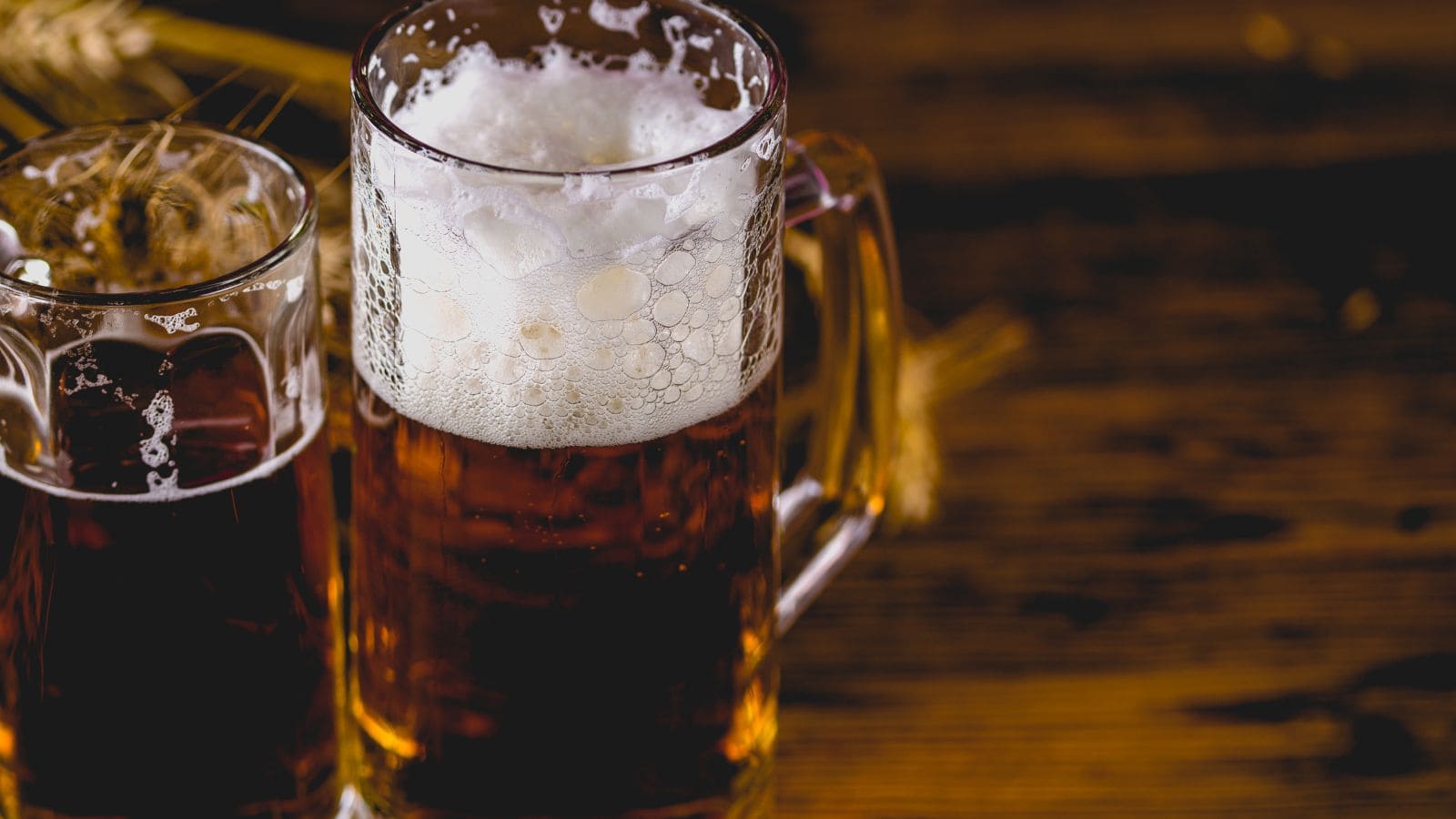
Utopias is released every two years and represents the peak of Sam Adams' brewing ambition. Each batch includes a blend of multiple vintages, some aged up to 24 years in barrels that once held bourbon, cognac, port, or sherry. It's uncarbonated and hits around 28% ABV, putting it well past beer territory in strength. The liquid pours thick, with notes of fig, leather, dark cherry, and wood tannins. Sold in ceramic decanters shaped like copper kettles, it's illegal in several U.S. states due to its alcohol content. This is a sipping beer, meant for small pours and extended reflection.
BrewDog's Tactical Nuclear Penguin - BrewDog (Scotland)

Tactical Nuclear Penguin was one of the first beers to challenge conventional strength limits. At 32% ABV, it set a record when it debuted and ignited the so-called "strong beer wars." Brewed as an imperial stout, it was then frozen at sub-zero temperatures and concentrated by removing ice. The result is a near-liquor with a thick body, jet-black pour, and intense roasted malt character. Hints of molasses, coffee, and peat come through beneath the alcohol. The name is tongue-in-cheek, but the flavor and strength demand slow sipping. It's no longer in production, but it helped shape the high-ABV beer category.
The Bruery Black Tuesday - The Bruery (USA)
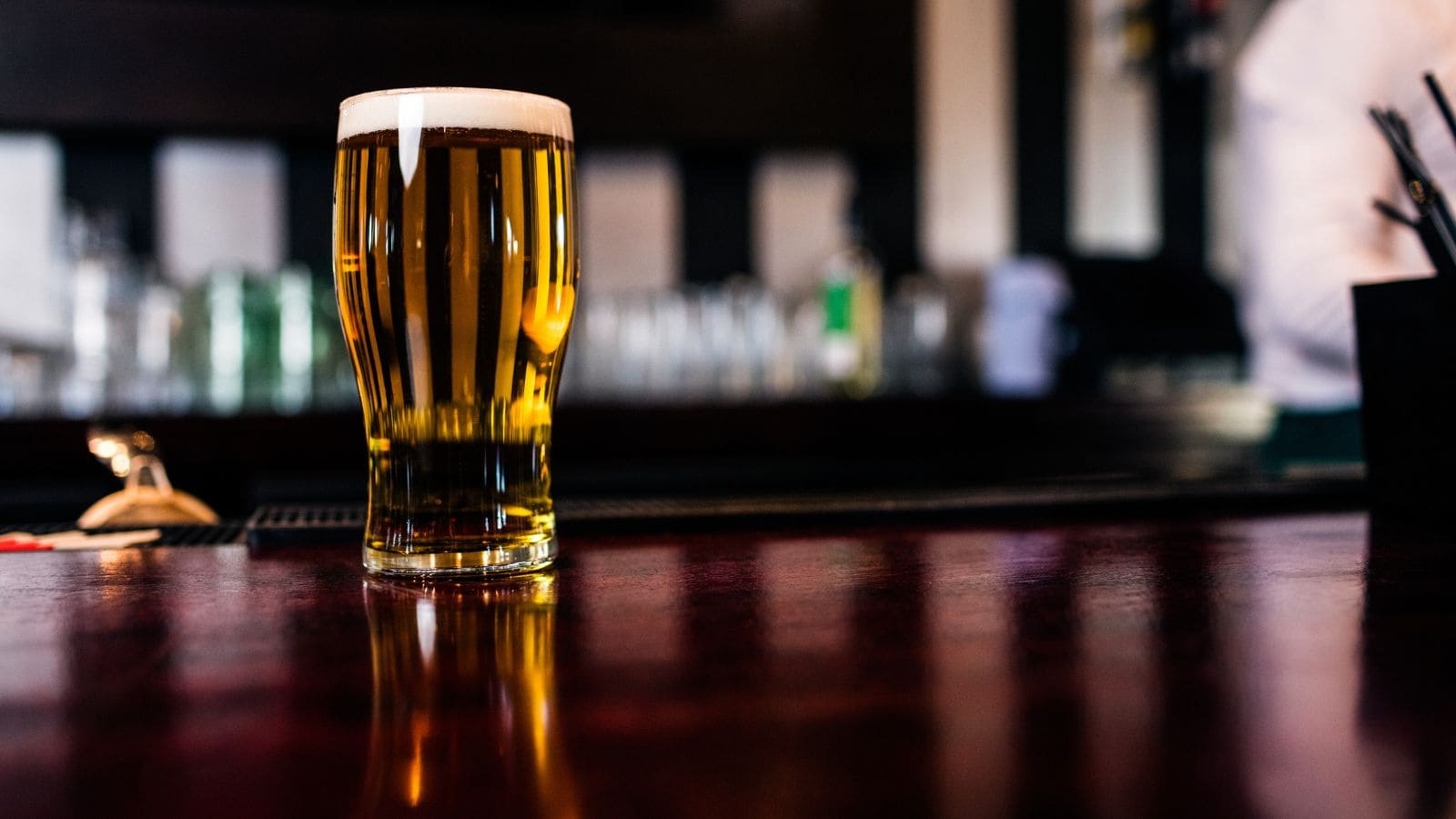
Black Tuesday is a massive imperial stout aged in bourbon barrels and often released with an ABV ranging from 18% to 20%. It pours near-black with a syrupy consistency and long legs in the glass. The aroma carries notes of dark chocolate, burnt sugar, oak, and dried fruit. Flavors shift as it warms, revealing layers of vanilla, caramel, and heat from the barrel aging. This beer is sold in large-format bottles but consumed slowly, often in small pours shared among friends. Each year's release is slightly different, and older vintages are traded or aged like wine. It's become a seasonal event.
Dogfish Head 120 Minute IPA - Dogfish Head (USA)
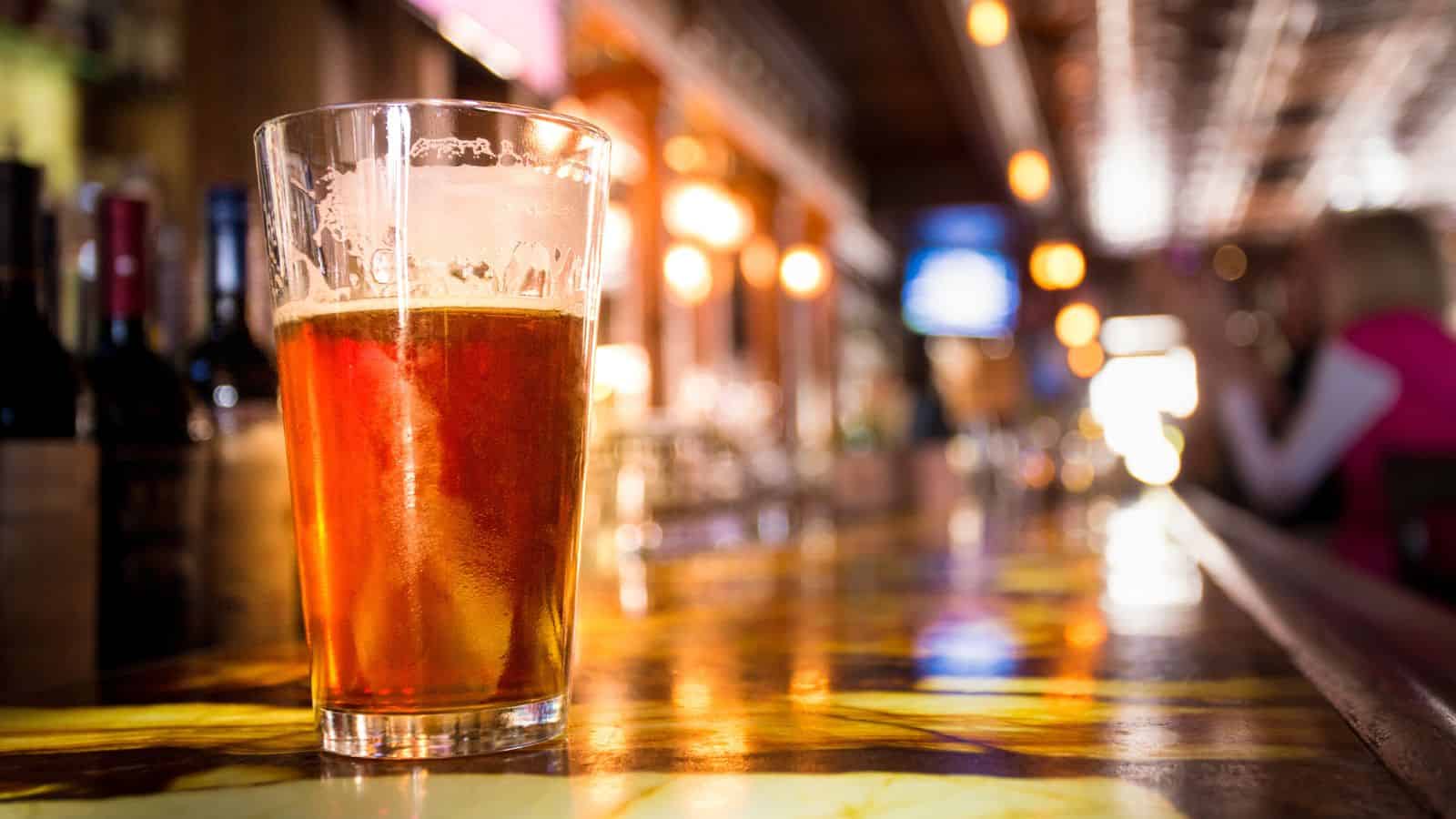
This beer is known for pushing the boundaries of the IPA style. Brewed over a two-hour continuous hopping process and dry-hopped multiple times, Dogfish Head 120 Minute IPA regularly hits 15-20% ABV depending on the batch. The aroma is thick with resin, pine, and overripe fruit. The body is viscous, and the taste carries both sweetness and bitterness in equal measure, finishing with considerable heat. It's more than a hop bomb-it's a high-octane, age-worthy bottle that's closer to a dessert wine than your average IPA. Some fans cellar it for years, softening the hop bite while enhancing the malt character.
Samichlaus - Schloss Eggenberg (Austria)
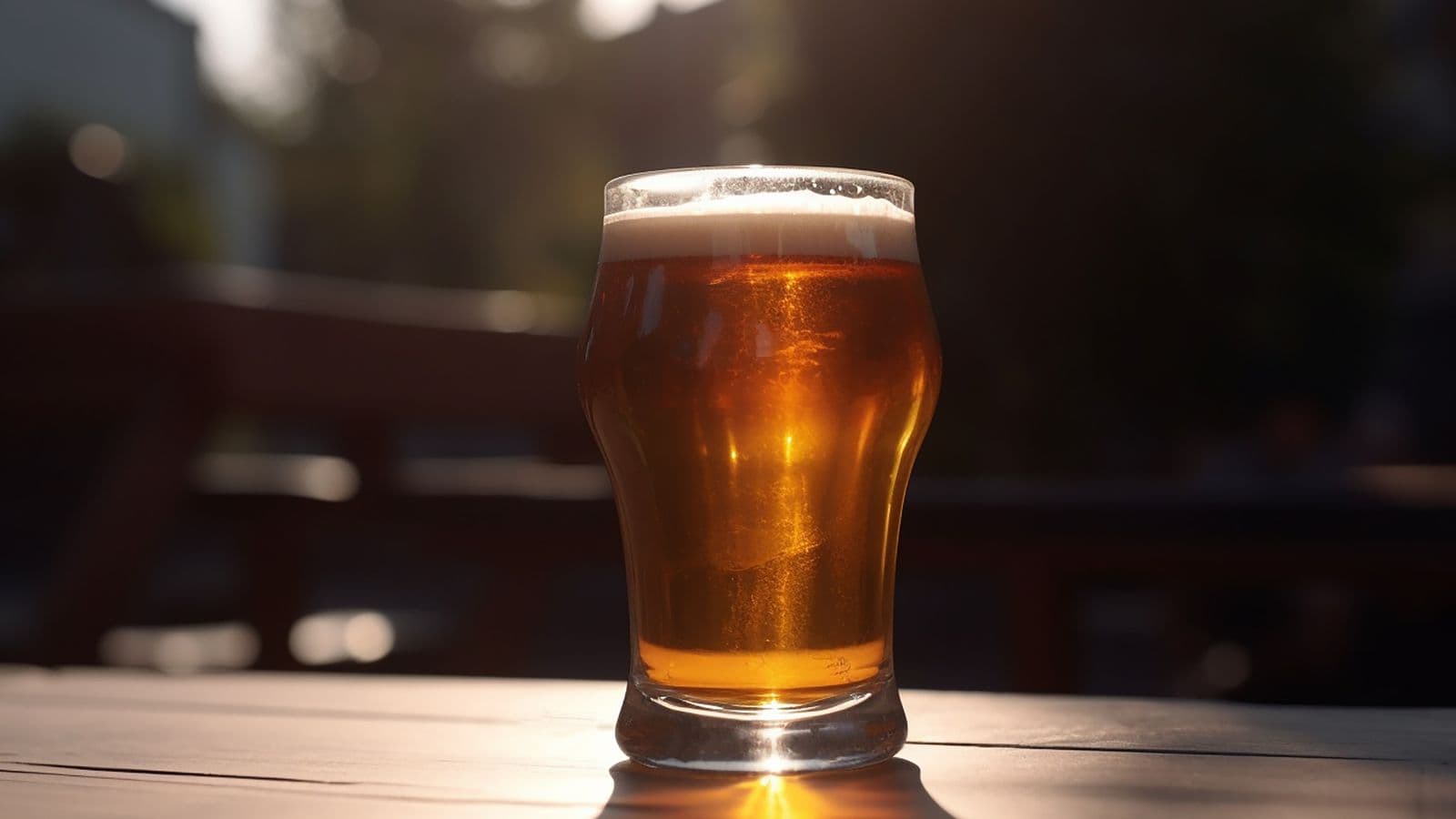
Samichlaus is brewed once a year on December 6 and then aged for ten months before bottling. With an ABV of 14%, it's one of the strongest lagers available. The beer is a doppelbock, and it pours deep amber with minimal carbonation. Its profile includes notes of raisin, toffee, plum, and brown sugar, with a slow, warming finish. Though high in alcohol, it's smoother than many beers of similar strength. Originally brewed in Switzerland, its revival by Schloss Eggenberg preserved its legacy. Samichlaus is typically sipped rather than swigged and is often associated with cold-weather celebrations or late-night slow pours.
Bommen & Granaten - De Molen (Netherlands)
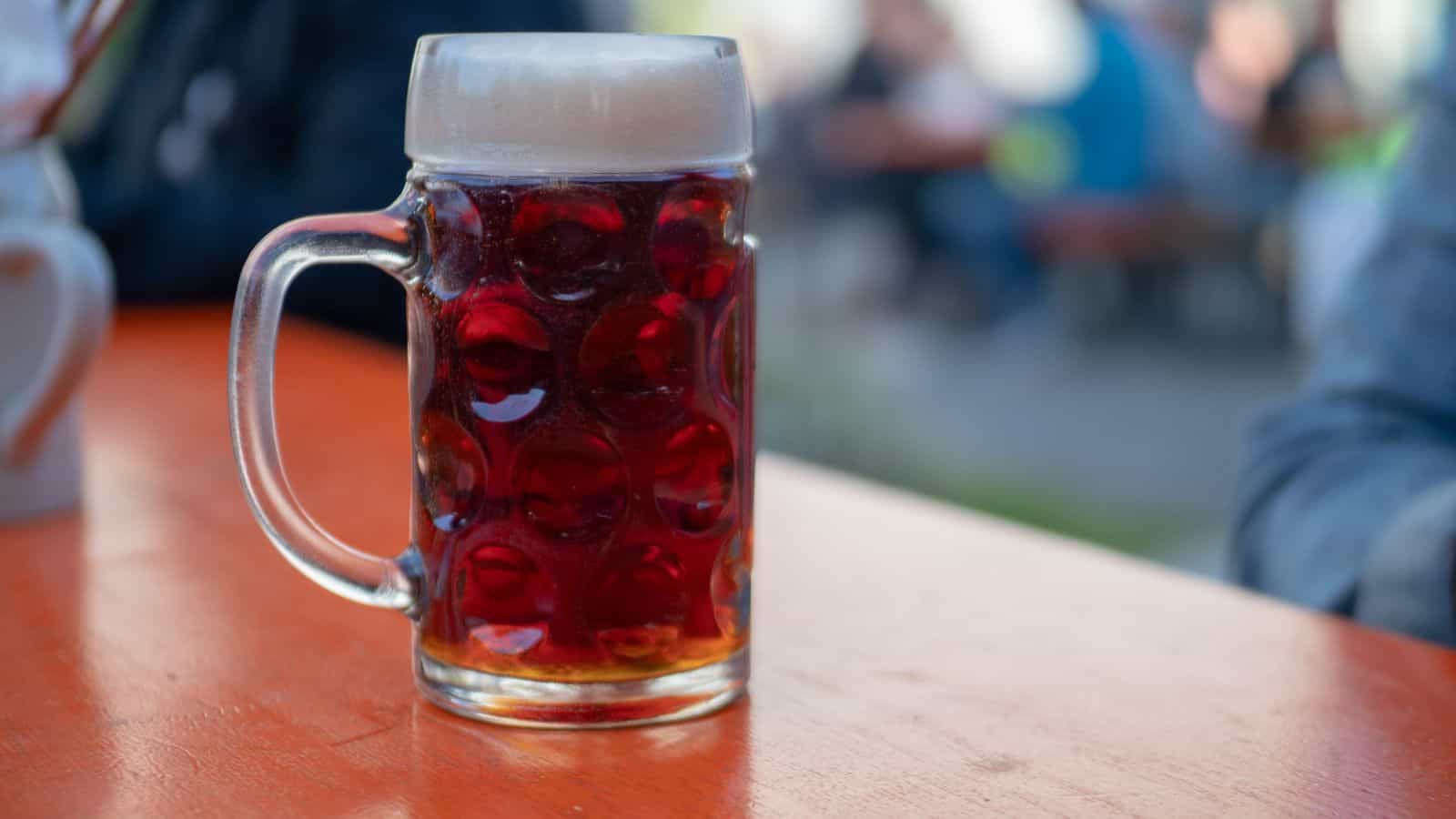
This barleywine from Brouwerij De Molen comes in at around 15.2% ABV and lives up to its name, which translates to "bombs and grenades." It pours deep reddish-brown with thick legs and a sticky texture. The aroma leans heavily toward toffee, alcohol, and dark fruits like fig and date. Some versions are barrel-aged in whisky or bourbon casks, adding complexity and depth. It's often consumed in small glasses, as the alcohol content and malt concentration are both intense. Sweet up front, it shifts into heat and bitterness in the finish, leaving no doubt that it's not a casual session beer.
Avery Mephistopheles' Stout - Avery Brewing (USA)
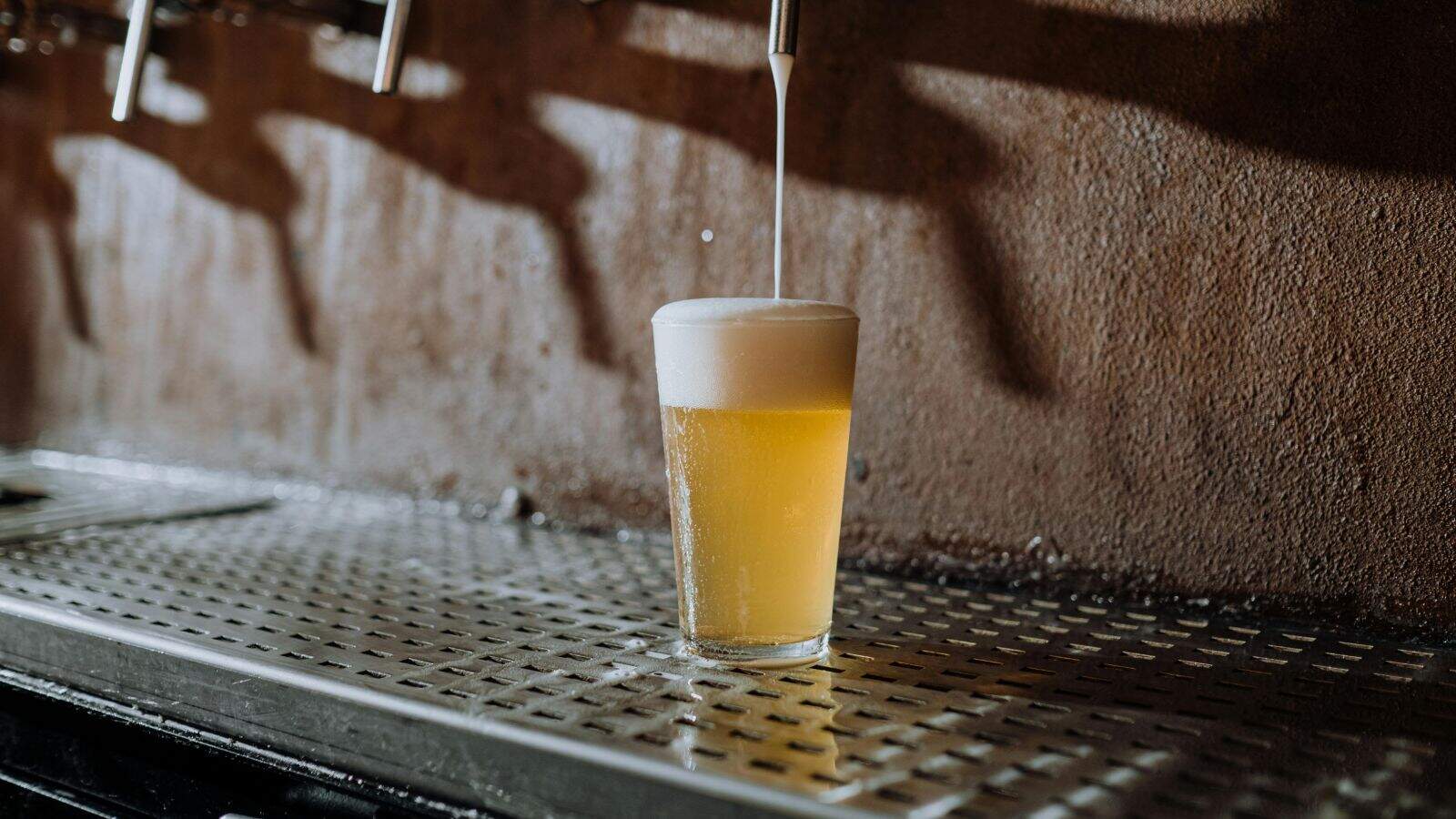
Named after a demonic figure, Mephistopheles' Stout lives up to its theme. At around 16% ABV, it's one of Avery's most intense brews, and the final entry in their "Demons of Ale" series. The beer is pitch-black with a dense, syrupy body and limited carbonation. Its nose is packed with burnt sugar, licorice, and high-proof alcohol. The flavor is dark, bitter, and complex-think espresso, charred wood, and fermented fruit. It's often aged to mellow the sharp edges, but even young bottles deliver a heavy-hitting experience. Not for the faint of heart, it's built for slow sipping and serious beer fans.
Brew at Your Own Risk
These high-ABV beers aren't about casual sipping or easy afternoons-they're built for impact. Whether crafted for flavor, strength, or shock value, each one challenges what most people expect from a pint. Some are brewed in tiny batches, others are legends among collectors, but all share one thing: they don't hold back.
Drinking one of these is less about thirst and more about the experience. It's the kind of beer you share a few ounces of, not chug from a can. For those willing to try, they're memorable-sometimes even too memorable. So if you're the type to chase bold brews or just want a story for your next tasting night, these are worth seeking out. Just go slow, read the label, and maybe clear your schedule.
13 Surprising Beer Facts That'll Make Everyone Stop and Listen
Is there a thing called beer-smart? Ever really thought about what's in your glass while crushing a cold one? Because beer's got some wild stories to tell. We're talking thousands of years of history here - from ancient Egyptian brewmasters to modern-day craft beer wizards. And trust me, there's way more to it than just helping you unwind after work.
Read More Here: 13 Surprising Beer Facts That'll Make Everyone Stop and Listen
13 Best Foods to Eat Before Drinking Alcohol
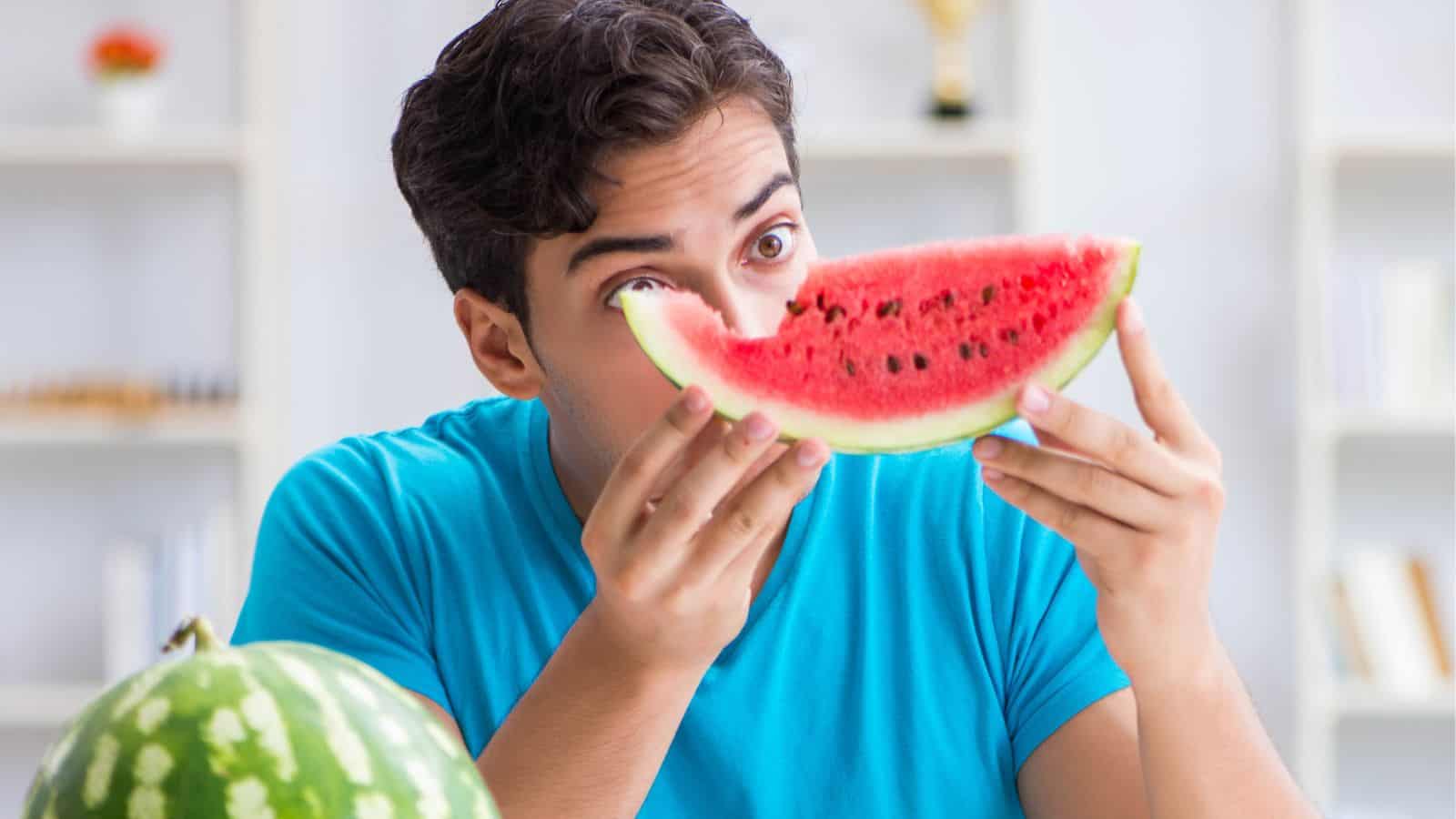
Stop the hangover and the stomach aches! Ever wonder how to feel better during and after a night of drinking? Research shows there are 13 strategic foods to eat before alcohol. This is because certain nutrients help slow alcohol absorption and protect your body's vital functions. Additionally, specific protein-rich foods maintain blood sugar levels, minerals support hydration balance, and complex carbs create a protective barrier in your stomach.
Read More Here: 13 Best Foods to Eat Before Drinking Alcohol

Comments
No Comments