
Certain drinks can have surprising effects on health, and there are 11 beverages that could be behind your joint pain. Many people may not realize that what they drink can contribute to inflammation and joint discomfort. From sugary sodas to certain alcoholic drinks, some popular choices can exacerbate pain and hinder mobility.
Understanding the connection between diet and joint health is crucial for managing discomfort and improving overall well-being. Identifying which beverages may be causing issues can help individuals make informed choices and alleviate symptoms.
Explore these beverages that might contribute to joint pain and consider alternatives promoting better health. Making conscious decisions about what to drink can improve comfort and a more active lifestyle!

Sugary Sodas

Sodas, especially those made with high-fructose corn syrup, can contribute to inflammation, which may worsen joint pain over time. These beverages are often linked to increased production of cytokines and proteins that promote inflammation. The high sugar content can also lead to weight gain, which puts additional strain on joints, particularly in the knees and hips. Phosphoric acid, commonly found in dark sodas, has been shown to affect calcium absorption, which may weaken bones over time. For individuals dealing with arthritis or other joint-related conditions, cutting back on sugary sodas can help reduce unnecessary stress on the body. Replacing them with water, herbal teas, or infused water may support joint health in the long run.
Alcohol (Especially Beer)

Alcohol, particularly beer, can aggravate joint pain due to its purine content. When purines break down in the body, they produce uric acid, accumulating in the joints and leading to gout flare-ups. Excessive alcohol intake may also contribute to dehydration, reducing the body's ability to lubricate joints effectively. Some research suggests that alcohol interferes with the body's natural ability to manage inflammation, potentially worsening symptoms of arthritis. While an occasional drink may not be a significant issue, regular consumption-especially in large amounts-can contribute to long-term discomfort. Opting for non-alcoholic alternatives, such as herbal infusions or diluted fruit juices, may help reduce the risk of worsening joint pain.
Energy Drinks

Energy drinks often contain high amounts of sugar, artificial additives, and excessive caffeine, all of which may contribute to inflammation. The sugar content can cause spikes in blood glucose levels, leading to increased oxidative stress, which has been linked to joint pain. High doses of caffeine can also interfere with calcium absorption, affecting bone health over time. Some energy drinks contain stimulants beyond caffeine, which may strain the nervous system and cause dehydration. Since dehydration reduces the lubrication in joints, this can lead to stiffness and discomfort. For those looking for an energy boost, green tea or water infused with citrus and herbs may be a better alternative without the negative effects on joint health.
Flavored Coffee Drinks

Flavored coffee drinks often contain large amounts of sugar, dairy, and artificial syrups, which can contribute to inflammation. Excessive sugar intake has been linked to increased production of inflammatory markers in the body, which may worsen joint pain. Many of these drinks are made with heavy cream or sweetened condensed milk, both of which contain saturated fats that have been associated with increased inflammation. Additionally, excessive caffeine intake may interfere with calcium absorption, potentially affecting bone strength over time. Choosing black coffee or a lightly sweetened alternative with non-dairy milk and minimal sugar can help reduce the risk of inflammation while still allowing for an occasional coffee treat.
Artificially Sweetened Drinks

Diet sodas and other artificially sweetened beverages may seem like a better choice than their sugary counterparts, but they can still contribute to joint pain. Some artificial sweeteners, such as aspartame and saccharin, have been linked to increased inflammation in some individuals. Studies suggest that these sugar substitutes may alter gut bacteria, leading to an imbalance that can contribute to inflammatory responses in the body. Additionally, artificially sweetened drinks may encourage cravings for highly processed foods, which can further aggravate joint discomfort. For those looking to cut down on sugar without turning to artificial sweeteners, naturally flavored water or herbal tea can be better choices to help support joint health.
Processed Fruit Juices

Many bottled fruit juices contain high amounts of added sugar and lack the fiber found in whole fruits. The absence of fiber means the body absorbs the sugar more quickly, leading to blood sugar spikes that can contribute to inflammation. Some commercial juices also contain preservatives and artificial flavors that may have inflammatory effects over time. While fruit naturally contains beneficial vitamins and antioxidants, highly processed versions may do more harm than good for joint pain patients. If fresh juice is preferred, choosing options without added sugars or diluting juice with water can help reduce its impact on inflammation while still enjoying some of the nutrients from fruit.
Whole Milk

For some individuals, dairy products may contribute to joint pain, mainly if they are sensitive to casein, a protein found in milk. Casein has been linked to increased inflammation in some people, potentially worsening symptoms of arthritis or other inflammatory conditions. Whole milk also contains saturated fats, which may contribute to inflammation when consumed in excess. While dairy can be a good source of calcium, those who experience joint discomfort after consuming milk may benefit from switching to non-dairy alternatives such as almond, oat, or flax milk. If calcium intake is a concern, incorporating leafy greens, nuts, and seeds can help support bone health without the potential inflammatory effects of dairy.
Sweetened Iced Tea
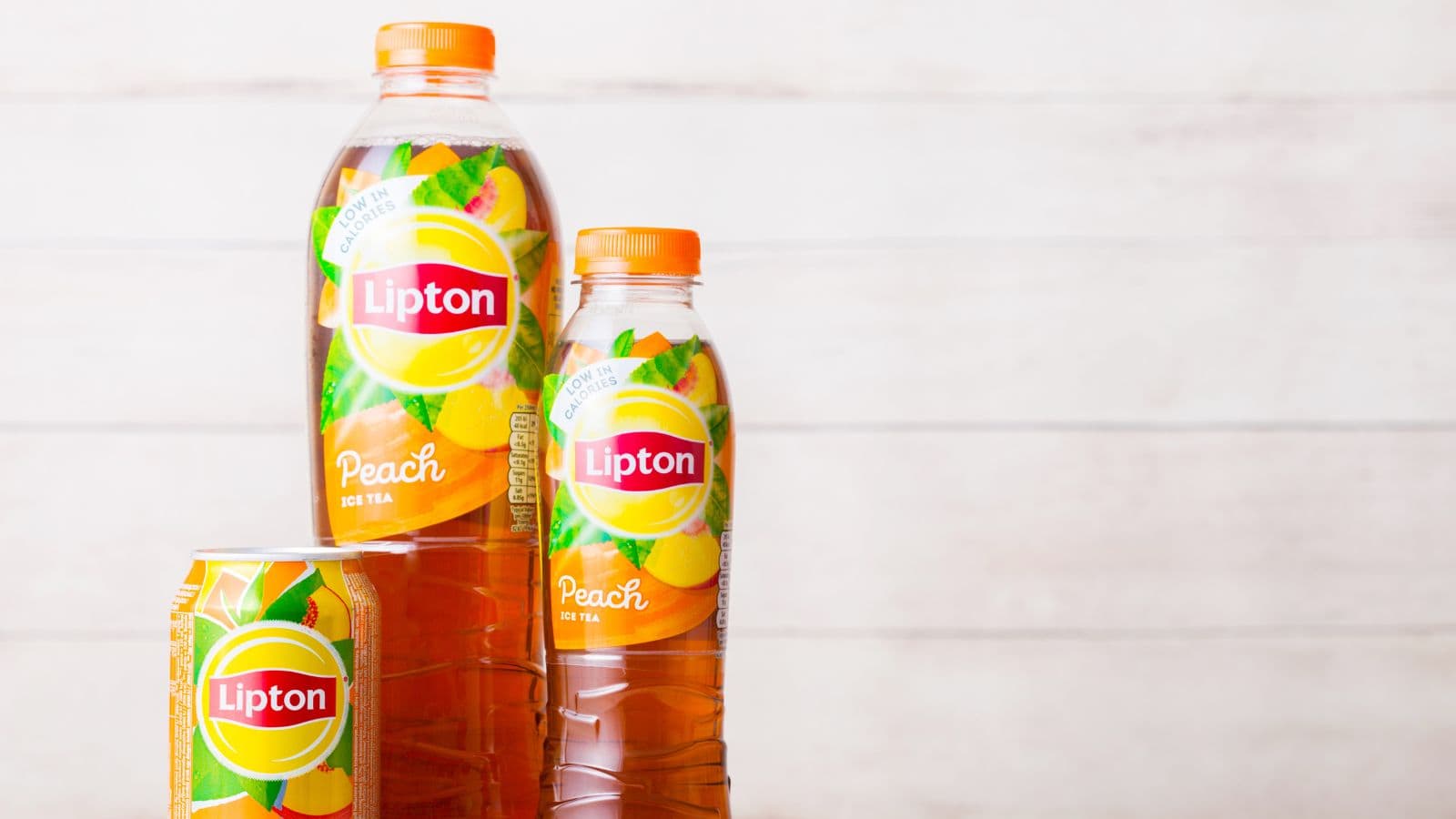
Bottled iced teas are often loaded with sugar, high-fructose corn syrup, and artificial flavorings, which may contribute to inflammation and joint discomfort. While tea itself can have beneficial properties, excessive sugar content in many store-bought versions negates these benefits. Regular consumption of sugary beverages has been linked to an increase in inflammatory markers in the body, which can exacerbate conditions such as arthritis. Even some sugar-free versions may contain artificial sweeteners associated with certain individuals' inflammatory responses. Making iced tea at home using fresh tea leaves and natural sweeteners such as honey or a splash of fruit juice can be a better way to enjoy tea without increasing inflammation.
Sports Drinks
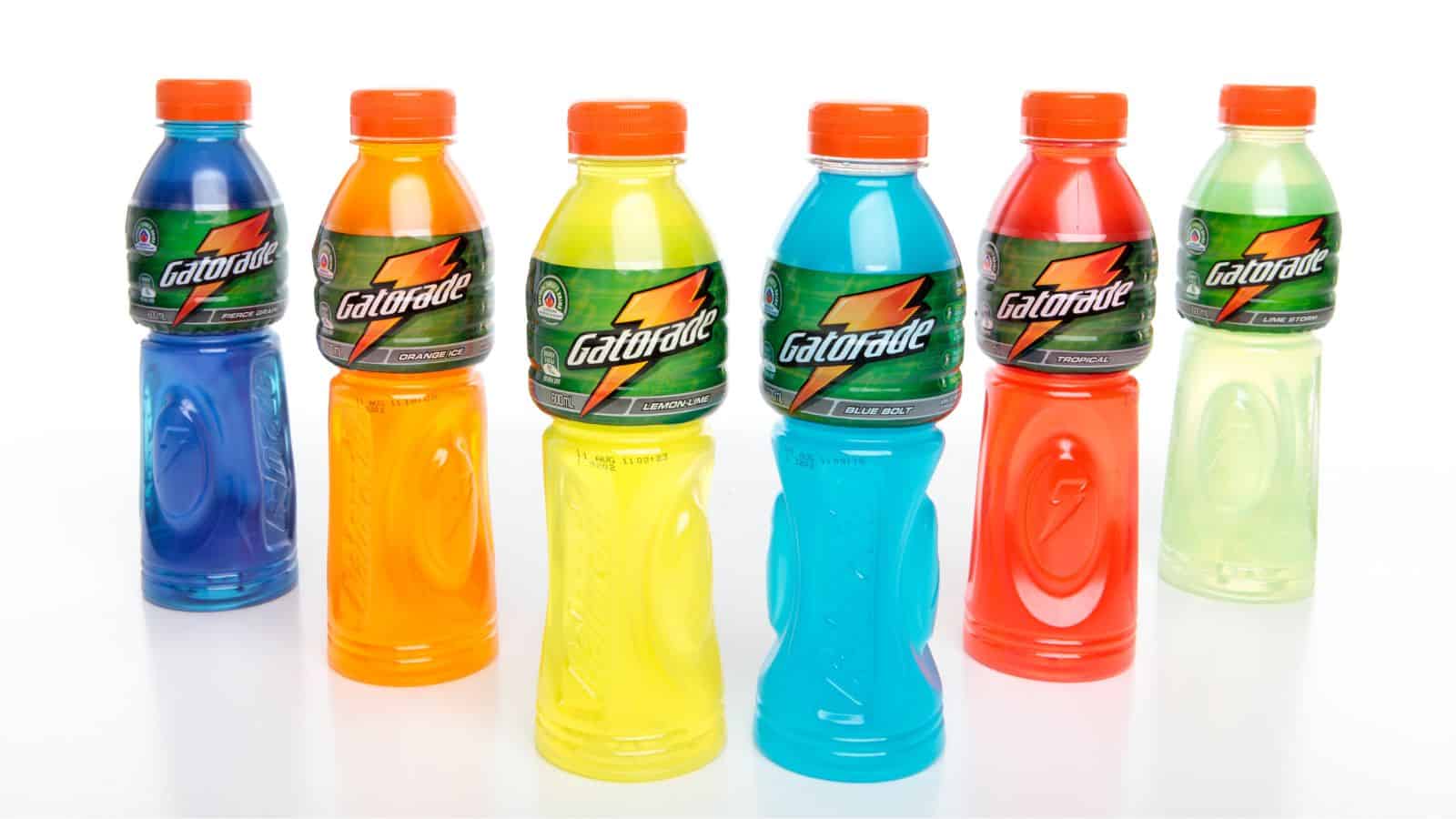
Although marketed as a way to replenish electrolytes, many sports drinks contain high levels of sugar, artificial colors, and preservatives, all of which may contribute to inflammation. The bright colors in these drinks often come from synthetic dyes, which have been linked to inflammatory responses in some studies. While electrolytes are essential for hydration, consuming excessive sugar can lead to blood sugar fluctuations that increase oxidative stress, potentially worsening joint pain. For those who engage in high-intensity exercise and need electrolyte replenishment, coconut water or a homemade electrolyte drink with lemon juice, salt, and water can serve as a more natural alternative without unnecessary additives.
Excessively Strong Black Coffee

Moderate coffee consumption may have some anti-inflammatory benefits, but drinking excessively strong black coffee in large amounts can lead to dehydration, which may worsen joint stiffness. Caffeine acts as a diuretic, increasing urine output and contributing to fluid loss if not balanced with adequate water intake. Additionally, excessive caffeine can interfere with the body's ability to absorb calcium, an essential mineral for maintaining healthy bones and joints. For those who rely on coffee for an energy boost, keeping consumption within moderate levels and drinking plenty of water throughout the day can help minimize potential negative effects on joint health.
Flavored Yogurt Drinks

Flavored yogurt drinks are often packed with added sugar and artificial flavorings, which can contribute to inflammation and joint discomfort. Many commercially available yogurt drinks contain more sugar than a can of soda, making them one of the least beneficial choices for those looking to reduce inflammation. Additionally, some people find that dairy products trigger joint pain due to their potential inflammatory effects. While probiotic-rich yogurt can support gut health, choosing unsweetened varieties or plant-based alternatives may be a better option. Mixing plain yogurt with fresh fruit at home can help maintain the benefits of probiotics without the added sugars that contribute to inflammation.
Make Informed Choices for Joint Health

Recognizing the impact of certain beverages on joint pain can lead to significant improvements in comfort and mobility. The 11 drinks highlighted can contribute to inflammation and discomfort, making it essential to be mindful of what is consumed. Individuals can take proactive steps toward better joint health by identifying and reducing or eliminating these beverages from their diet.
Making informed choices about beverages helps manage pain and promotes overall well-being. As awareness of the connection between diet and joint health grows, individuals can empower themselves to lead more active and fulfilling lives. Consider exploring healthier alternatives that support joint function and enhance overall health for a more comfortable future!
10 Beverages Dietitians Say Are Making Your Belly Fat Worse

Avoid beer bellies! Many people are unaware that certain beverages can contribute to unwanted belly fat. There are 10 beverages dietitians say are making your belly fat worse, and understanding these choices can help in making healthier decisions. From sugary drinks to seemingly healthy options that are high in calories, these beverages can sabotage even the best intentions.
Read More Here: 10 Beverages Dietitians Say Are Making Your Belly Fat Worse
11 Warning Signs You Need to Put Down the Sugary Drinks

Watch out for these signs! Sugary drinks can have hidden dangers, and there are 11 warning signs you need to put down the sugary drinks. Many people consume these beverages without realizing the negative effects they can have on health. From weight gain to energy crashes, the consequences of excessive sugar intake can significantly impact overall well-being.
Read More Here: 11 Warning Signs You Need to Put Down the Sugary Drinks




Comments
No Comments