
Quitting alcohol can lead to some surprising changes in the body. There are 11 surprising changes your body experiences when you quit drinking alcohol, and many of them can have a positive impact on overall health. From improved sleep patterns to enhanced mental clarity, the benefits of cutting out alcohol can be both immediate and long-lasting.
These changes often go beyond just physical health; emotional and mental well-being can also see significant improvements. Many people report feeling more energetic and motivated, while also experiencing a greater sense of stability in their daily lives.
Explore these surprising changes and get a glimpse how quitting alcohol can transform your life for the better. Embracing this change could lead to a healthier, happier you!

Improved Sleep Quality

Alcohol interferes with your body's natural sleep-wake cycle by suppressing REM sleep, the most restorative phase of rest. When you stop drinking, your brain can rebalance, leading to uninterrupted and deeper sleep. Over time, this translates into waking up feeling more alert and refreshed, with increased daytime productivity. People often notice a reduction in nighttime disruptions, such as waking frequently or feeling overheated. Improved rest also supports better emotional regulation and physical recovery, creating a noticeable boost in overall well-being. This change typically becomes more apparent within just a few weeks of abstaining from alcohol.
Better Hydration and Skin Health

Alcohol acts as a diuretic, causing your body to lose water and vital electrolytes. This dehydration often results in dry, lackluster skin and more pronounced wrinkles. When you stop drinking, your body begins to retain moisture more effectively, helping your skin regain elasticity and radiance. You may also notice a reduction in redness, puffiness, and breakouts as inflammation decreases. Over time, consistent hydration promotes a clearer complexion and healthier-looking skin, making this one of the first visible benefits of giving up alcohol.
Enhanced Energy Levels

Alcohol can deplete your body's energy reserves by interfering with blood sugar regulation and leaving you dehydrated. Quitting allows your body to use energy more efficiently, leading to fewer midday crashes and a steady vitality. Many people find it easier to focus, stay active, and tackle daily responsibilities without feeling weighed down or sluggish. This newfound energy often translates to greater motivation for physical activity and healthier habits, which further reinforce the positive changes. Over time, you'll notice a sustained boost in your physical and mental stamina.
Reduced Anxiety and Mood Swings

Although alcohol is sometimes used to unwind, it often exacerbates anxiety and mood instability. This is because alcohol disrupts the balance of neurotransmitters like serotonin and dopamine, which regulate mood. When you quit drinking, your brain chemistry begins to stabilize, reducing feelings of stress, irritability, and unease. Over weeks or months, many people report a noticeable sense of calm and greater emotional resilience. This change can improve relationships, work performance, and overall mental health, making life feel more balanced and manageable.
Weight Stabilization
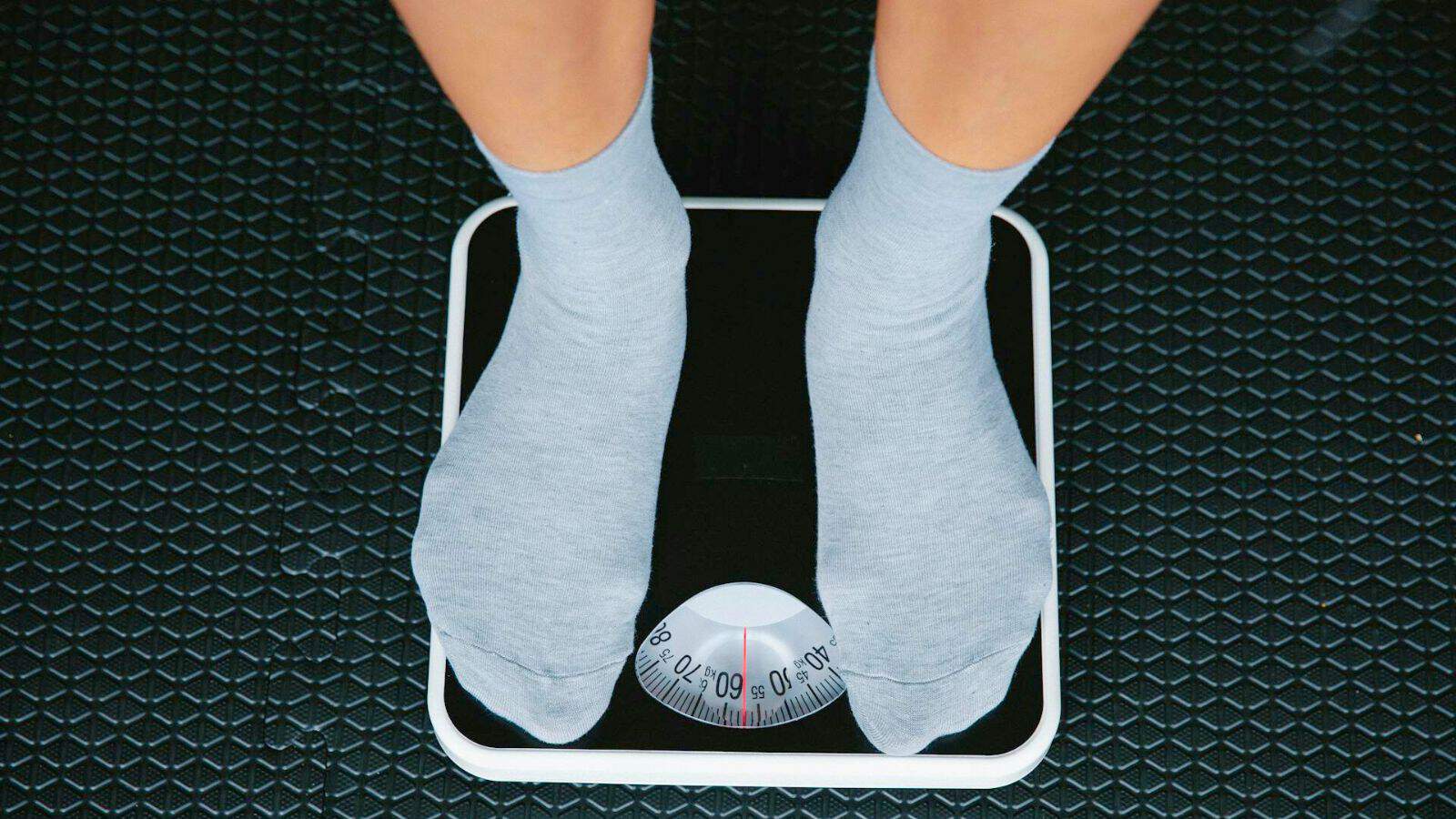
Alcohol is high in empty calories that contribute to weight gain without providing any nutritional benefits. Drinking also lowers inhibitions, making it harder to stick to healthy eating habits. When you quit, you naturally eliminate a significant calorie source and are less likely to overeat. This often results in gradual, sustainable weight loss. Additionally, without alcohol's impact on metabolism, your body can better regulate hormones that control appetite and fat storage. Many people find that their cravings for unhealthy foods decrease over time, further supporting a balanced approach to weight and overall health.
Improved Liver Function
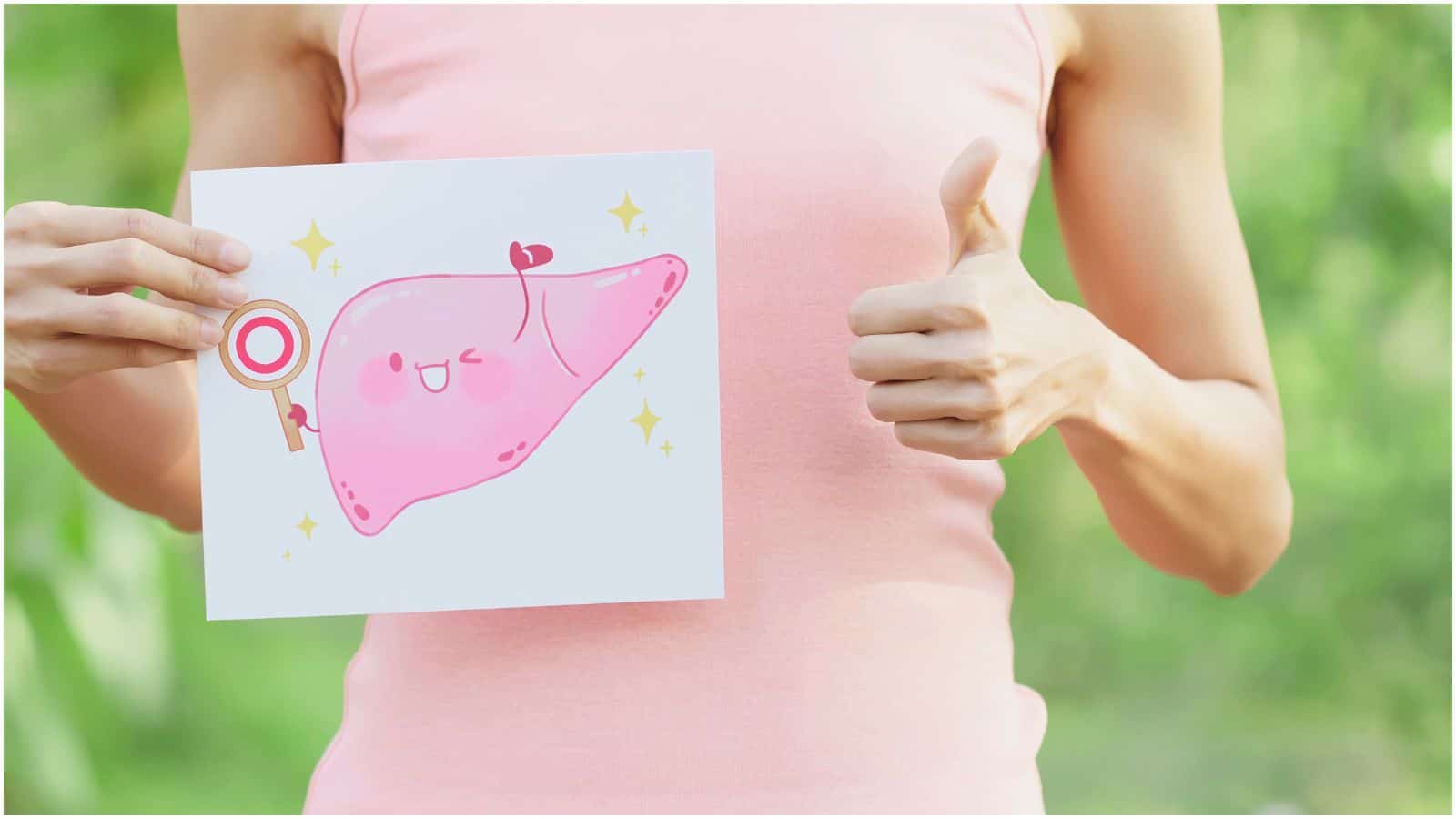
The liver processes and filters toxins, including alcohol. Excessive drinking forces it to work overtime, potentially leading to inflammation, fat buildup, or scarring over time. Quitting allows the liver to repair itself and regain normal function. In many cases, fat deposits in the liver decrease within weeks, and inflammation subsides, improving its ability to detoxify the body. Long-term abstinence helps prevent severe conditions like cirrhosis. Enhanced liver function not only supports digestion but also improves energy levels and overall vitality, as the organ is critical to numerous bodily processes.
Clearer Thinking and Better Focus

Alcohol impairs brain function, often leading to memory lapses, foggy thinking, and difficulty concentrating. When you stop drinking, your brain begins to heal from alcohol's effects, allowing you to think more clearly and process information efficiently. Over time, cognitive sharpness improves, and tasks that once felt overwhelming may become more manageable. This clarity also extends to emotional awareness, enabling better decision-making and communication. Many people find that their productivity at work or school improves significantly, and they experience an increased sense of mental control.
Stronger Immune System

Regular alcohol consumption weakens the immune system, leaving the body more susceptible to illnesses like colds and infections. Alcohol disrupts the production of white blood cells, which are essential for fighting pathogens. Once you stop drinking, your immune system begins to recover, producing these cells more effectively. This results in fewer instances of illness and faster recovery when you do get sick. Long-term abstinence also reduces chronic inflammation, further strengthening the body's defenses. Over time, you may notice that you feel healthier and less run-down, even during colder months.
Lower Blood Pressure

Alcohol can cause spikes in blood pressure, especially with prolonged or heavy use. High blood pressure increases the risk of heart disease, stroke, and other cardiovascular issues. Quitting drinking allows your cardiovascular system to stabilize, reducing strain on the heart and arteries. As the body adjusts, blood pressure often decreases to healthier levels, sometimes within weeks. Coupled with lifestyle changes such as better hydration and physical activity, this can lead to a significant reduction in long-term health risks. Maintaining healthy blood pressure also supports overall energy and longevity.
Better Digestive Health
Alcohol irritates the stomach lining, disrupts gut bacteria, and can interfere with nutrient absorption, often leading to symptoms like bloating, acid reflux, or diarrhea. Stopping alcohol consumption allows your digestive system to repair itself. Inflammation in the stomach decreases, and gut microbiota can rebalance, improving digestion and nutrient uptake. Many people experience less discomfort and regular bowel movements as their gastrointestinal system normalizes. Over time, better digestion also contributes to increased energy, improved mood, and a stronger immune system, as the gut plays a key role in overall health.
Enhanced Sense of Taste and Smell

Regular alcohol consumption can dull sensory receptors, making it harder to experience flavors and aromas fully. When you stop drinking, these senses often recover, becoming more sensitive and attuned. Food may taste richer and more nuanced, while scents become more distinct and enjoyable. This change can enhance your overall appreciation of meals and deepen your connection to your surroundings. The restoration of taste and smell is a gradual process, but most people notice a significant improvement within a few weeks or months of quitting alcohol.
13 Healthier Alcoholic Drink Picks from Registered Dietitians for Your Health

Jumpstart your healthier drinking. Looking to enjoy a drink without wrecking your health goals? You're in the right place. We've all heard about the empty calories in alcohol, but did you know there are smarter choices out there? That's right, some drinks are better for you than others. Dietitians have weighed in, and we've got the scoop on 13 healthy alcoholic drinks that you can sip without too much worry.
Read More Here: 13 Healthier Alcoholic Drink Picks from Registered Dietitians for Your Health
13 Best Foods to Eat Before Drinking Alcohol
Don't drink with an empty stomach! Ever wonder how to feel better during and after a night of drinking? Research shows there are 13 strategic foods to eat before alcohol. This is because certain nutrients help slow alcohol absorption and protect your body's vital functions. Additionally, specific protein-rich foods maintain blood sugar levels, minerals support hydration balance, and complex carbs create a protective barrier in your stomach.
Read More Here: 13 Best Foods to Eat Before Drinking Alcohol



Comments
No Comments