
Coffee lovers often fall into traps that lead to unnecessary spending, and there are 11 coffee shopping mistakes that waste your money. From purchasing overpriced specialty blends to ignoring sales and discounts, many consumers overlook simple strategies that can save them a significant amount. Understanding these common pitfalls can help coffee enthusiasts make smarter choices and enjoy their favorite brew without breaking the bank.
Many people are unaware of how small decisions, like buying single-serve pods or opting for trendy brands, can add up over time. Recognizing these mistakes allows for more mindful shopping and can enhance the overall coffee experience. Being informed about what to avoid can lead to better purchases and greater satisfaction with every cup.
Explore these coffee shopping mistakes that are costing more than they should. By making a few adjustments, coffee lovers can maximize their enjoyment while minimizing expenses!

Buying Pre-ground Coffee
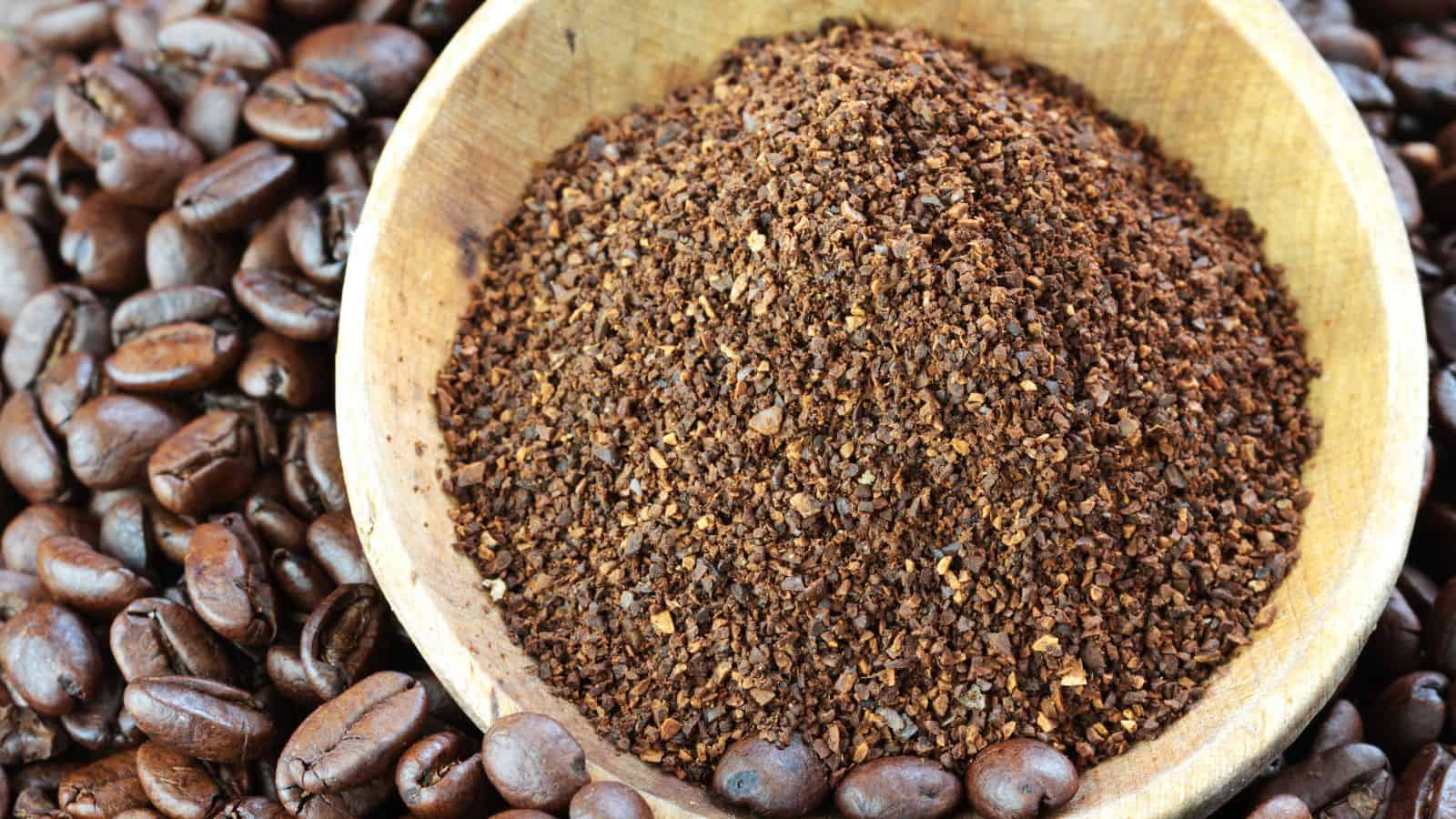
Pre-ground coffee may seem convenient, but it sacrifices flavor. Once ground, coffee begins to lose its aroma and taste within hours due to oxidation. Grinding beans just before brewing ensures a fresh cup, as the oils and flavors are kept intact. Investing in a burr grinder allows you to adjust the grind size according to your brewing method, improving the extraction and the overall taste. While whole beans may cost a little more upfront, the resulting richer and more aromatic coffee makes the investment worthwhile in the long run.
Ignoring the Coffee-to-Water Ratio
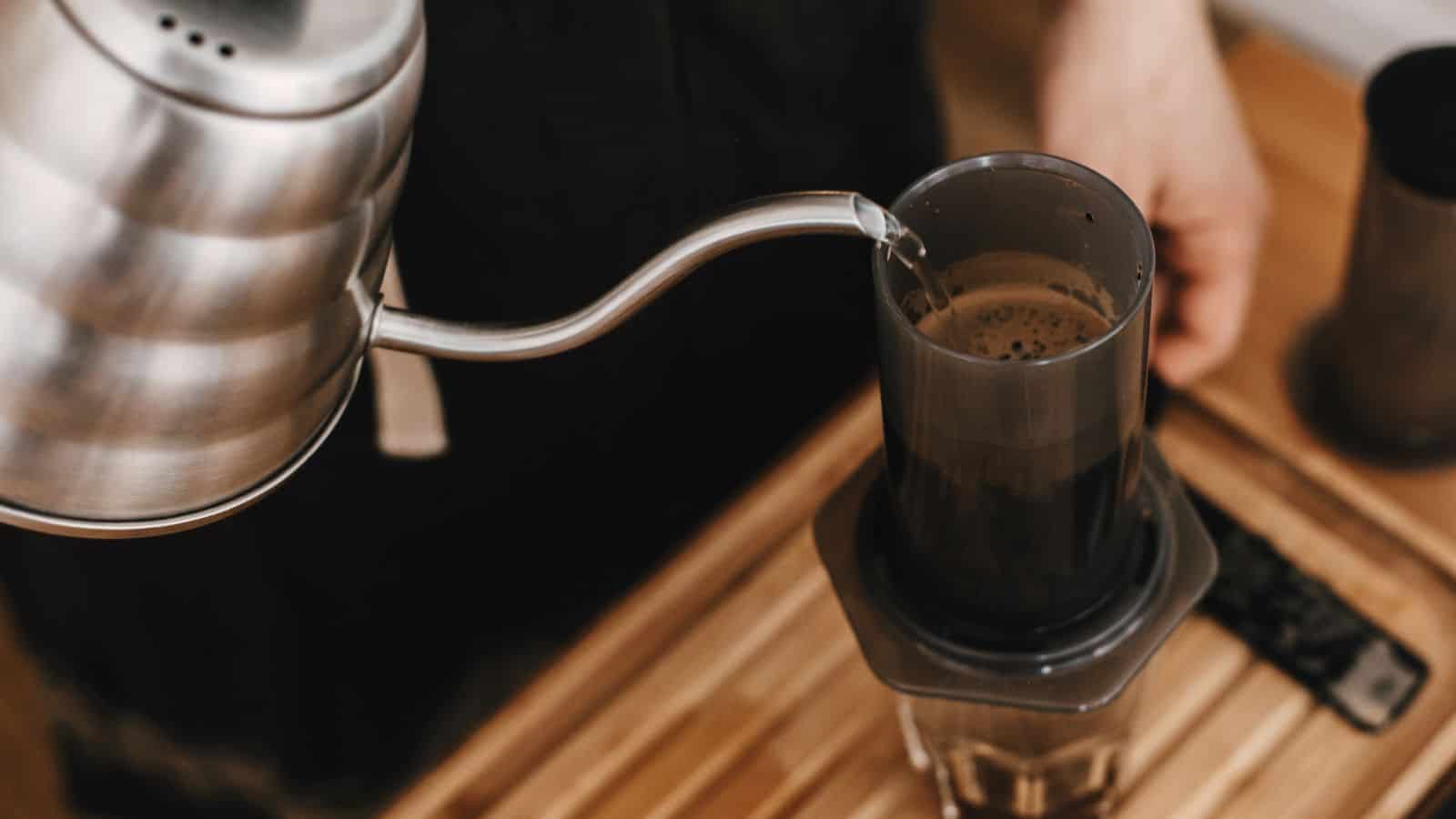
The right coffee-to-water ratio is essential for achieving a balanced cup. Without measuring your coffee grounds, you could end up with weak or overly strong coffee. Using too little coffee may make your brew taste watery, while too much can make it bitter. A scale can help you maintain consistency and accuracy in your measurements, ensuring every cup is just how you like it. Consistent ratios improve the extraction process, bringing out the best flavors in your beans. Paying attention to this simple factor can save you money by preventing waste and disappointment.
Opting for Expensive Single-Serve Pods
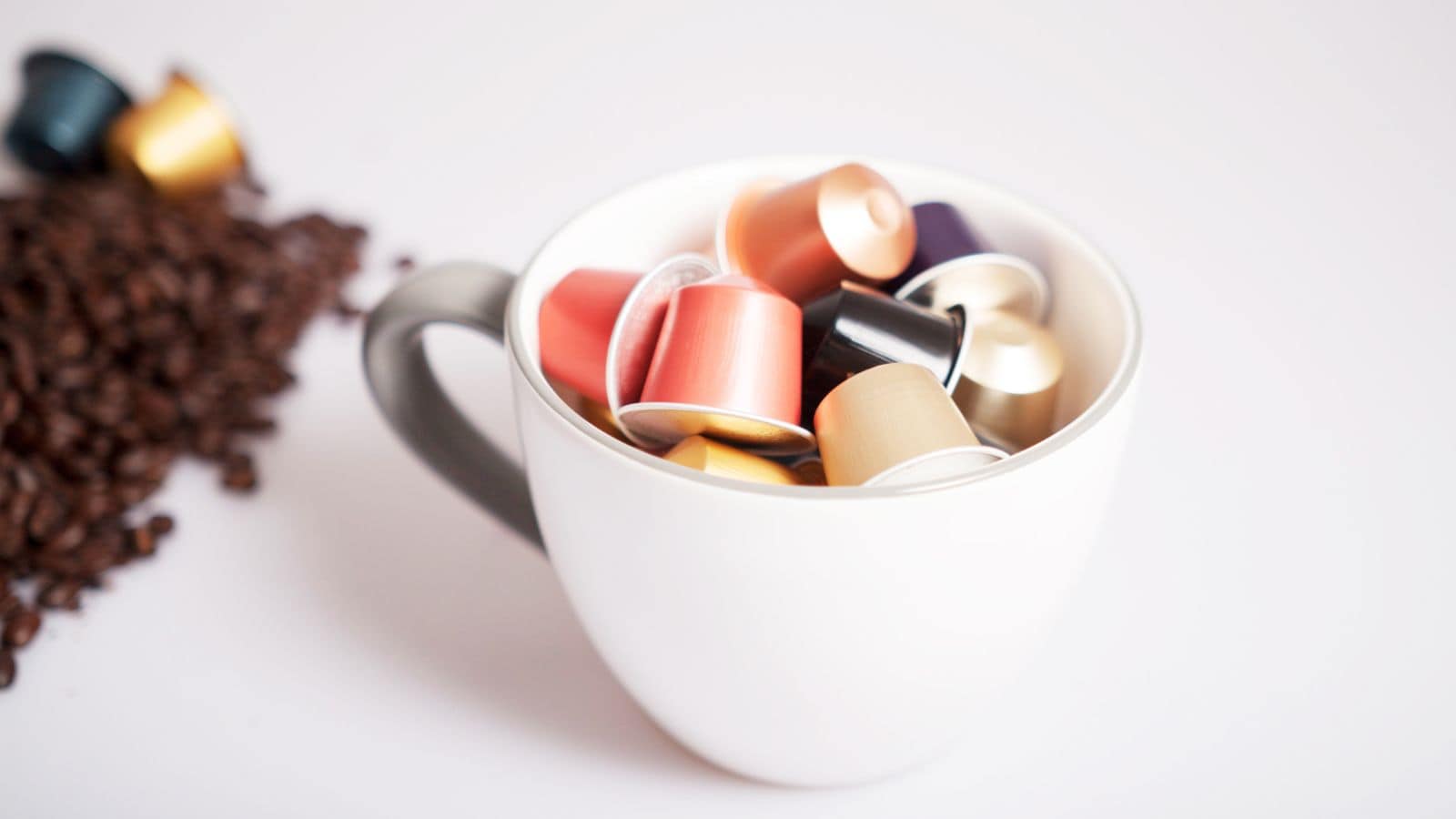
While single-serve coffee pods offer convenience, they often come at a high price per cup. Over time, these costs can add up significantly compared to brewing coffee manually. In addition, single-serve pods produce more waste, especially if you're using non-recyclable options, making them less eco-friendly. For a more cost-effective and environmentally conscious option, consider using a reusable pod or switching to manual brewing methods like pour-over, French press, or AeroPress. These alternatives give you control over the coffee quality while reducing your environmental impact and ongoing expenses.
Overlooking the Roast Date
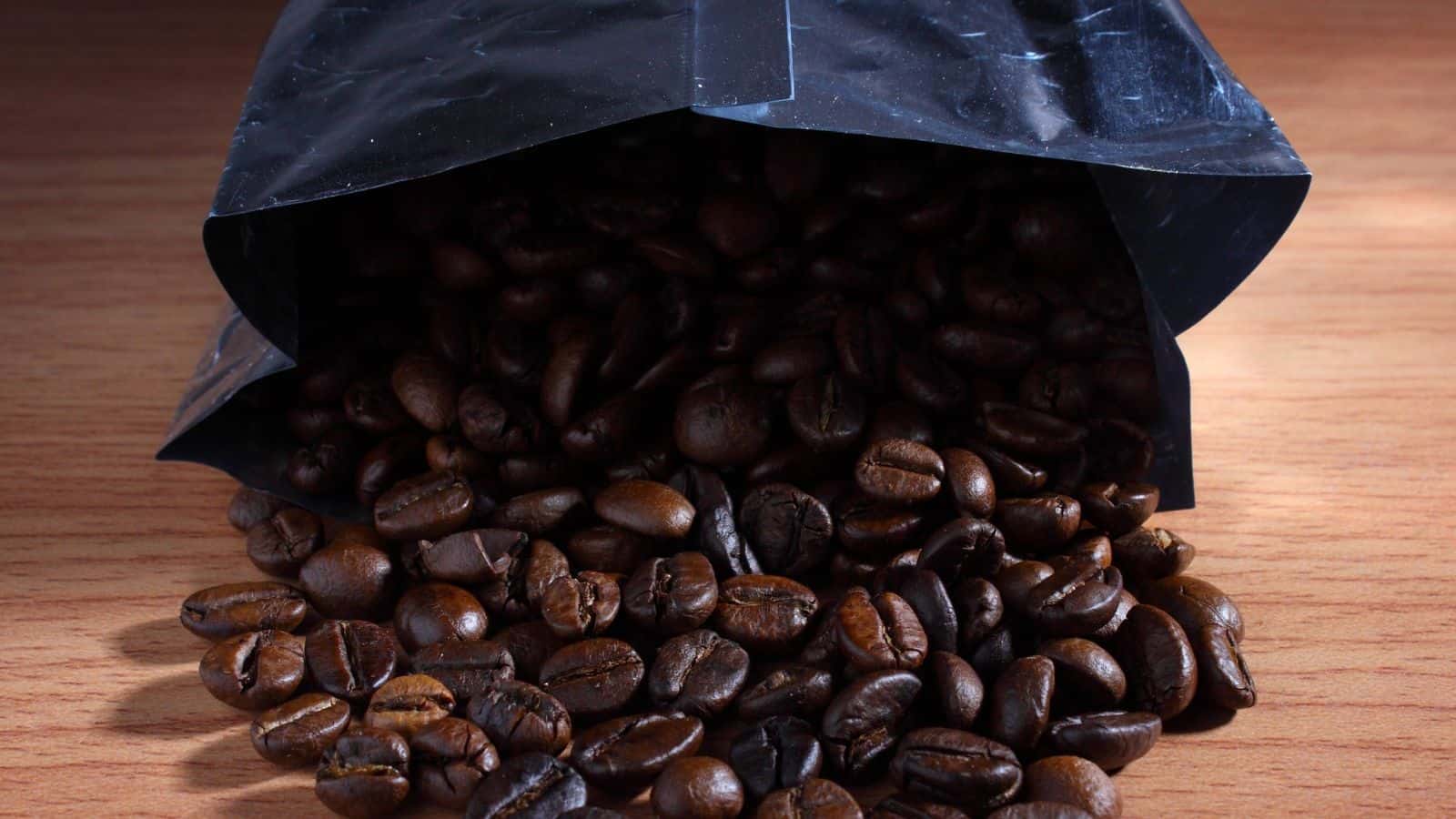
Freshness plays a significant role in the quality of your coffee. Many coffee bags feature an expiration date, but what's more important is the roast date, as coffee loses its optimal flavor shortly after roasting. If you buy coffee that has been sitting on a shelf for too long, you risk getting a stale or flat taste. Look for coffee labeled with a roast date, ideally within a week or two, and try to buy smaller quantities to keep it fresh. This small effort will result in much more aromatic and flavorful coffee, making each cup better than the last.
Buying Low-Quality Coffee Beans
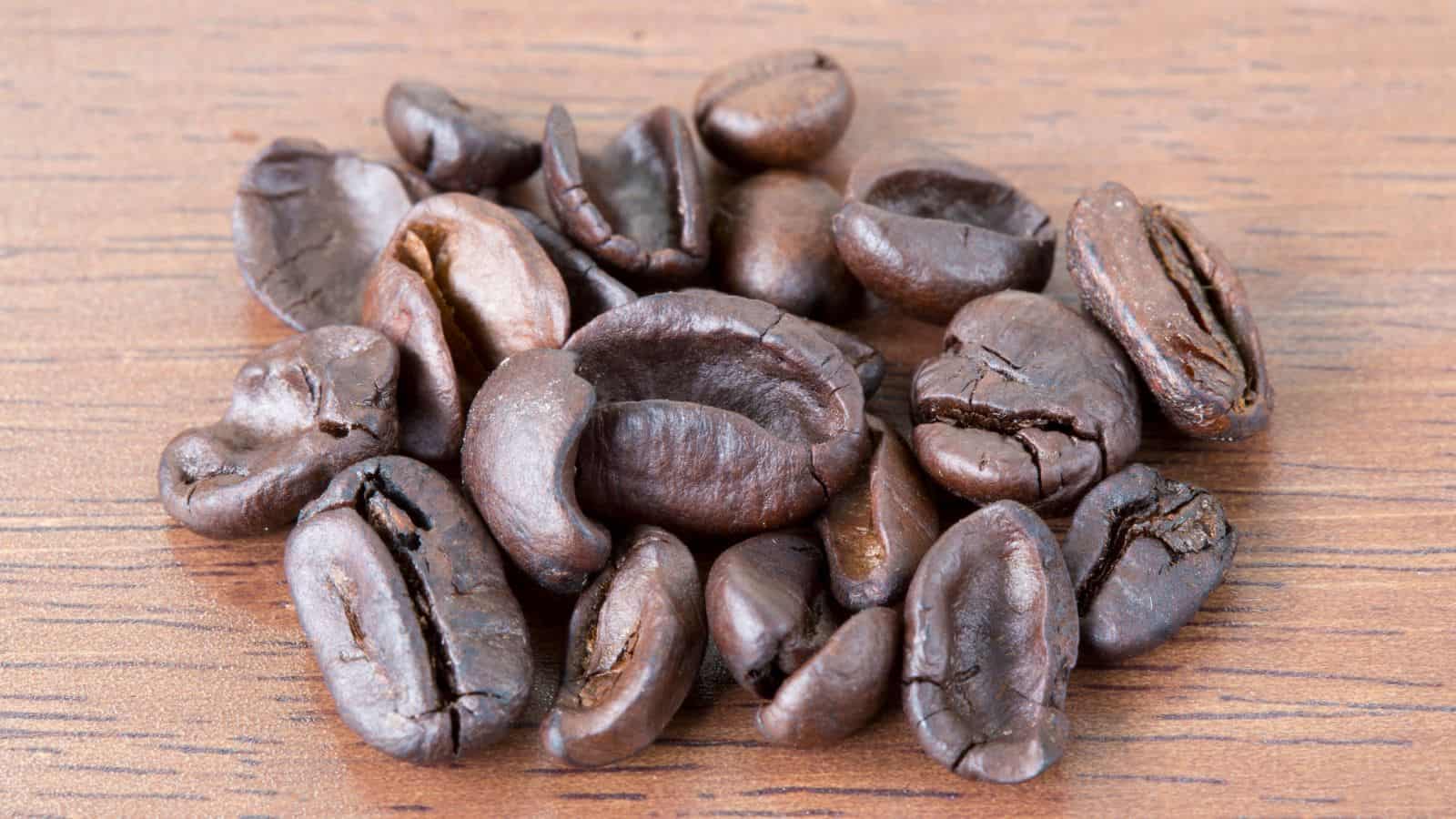
Choosing low-quality coffee beans might seem like a good way to save money, but it often leads to poor-tasting coffee. Cheap beans are frequently mass-produced, resulting in a less complex and less flavorful cup. These beans may have been harvested and processed in ways that diminish their natural qualities, leaving a flat, bitter taste. Instead, invest in beans from reputable roasters or local coffee shops that focus on quality. Specialty beans often come from sustainable sources and are grown with care, providing a better coffee experience. The difference in flavor is noticeable, and the added cost pays off with every cup.
Not Storing Coffee Properly
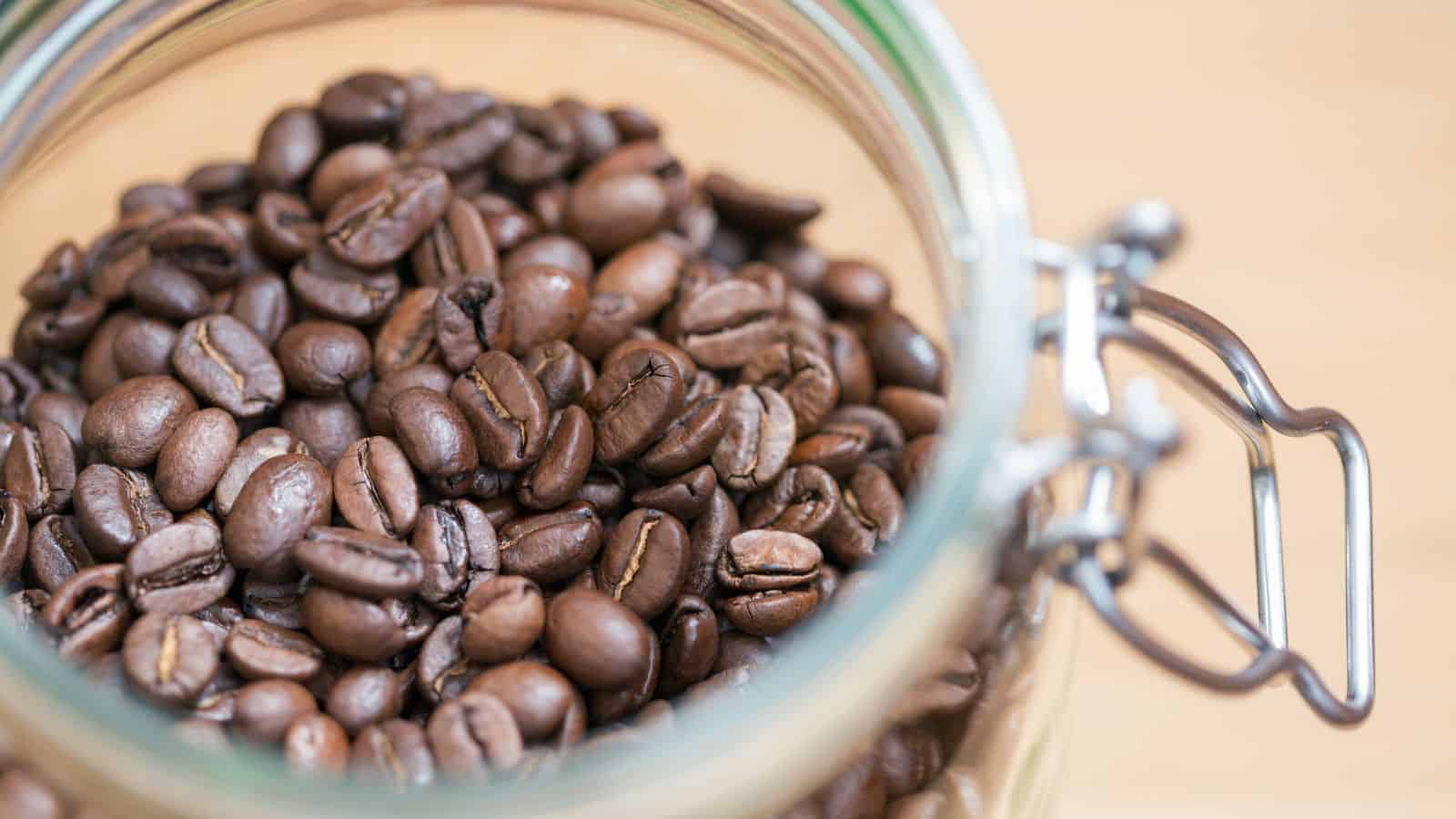
Storing coffee beans improperly can lead to a rapid decline in flavor. Exposure to air, heat, light, and moisture accelerates the oxidation process, resulting in stale coffee. It's essential to store your beans in an airtight container, away from direct sunlight, and at room temperature. Avoid keeping them in the fridge or freezer, as moisture can affect the flavor. If you purchase larger quantities, divide your coffee into smaller portions and store them separately to reduce exposure to air each time you open a container. Proper storage will maintain your beans' freshness for much longer, allowing you to enjoy every cup to its fullest.
Choosing Pre-Flavored Coffee
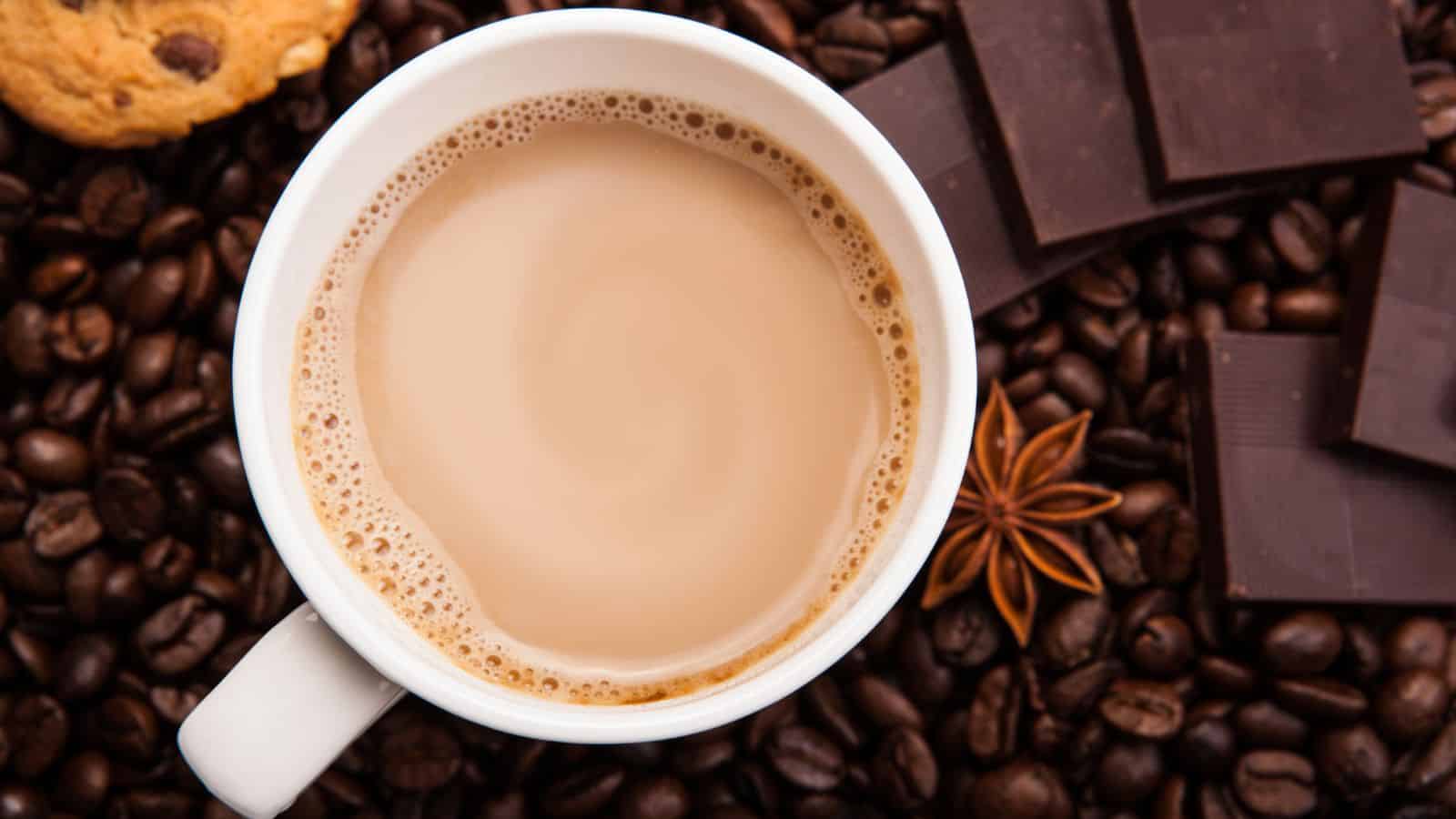
While pre-flavored coffee might seem fun, it often hides the natural flavor profile of the coffee itself. Many flavored coffees contain artificial ingredients and additives that can overwhelm the taste. Additionally, these added flavors might not pair well with your chosen brewing method, resulting in a less-than-ideal cup. Instead of buying pre-flavored beans, try adding your own natural flavoring, like cinnamon, nutmeg, or vanilla, to your brew. This way, you get a fresh, personalized cup without compromising the quality of the coffee. Experimenting with whole spices and extracts can bring an enjoyable flair to your coffee experience.
Buying Too Much Coffee at Once
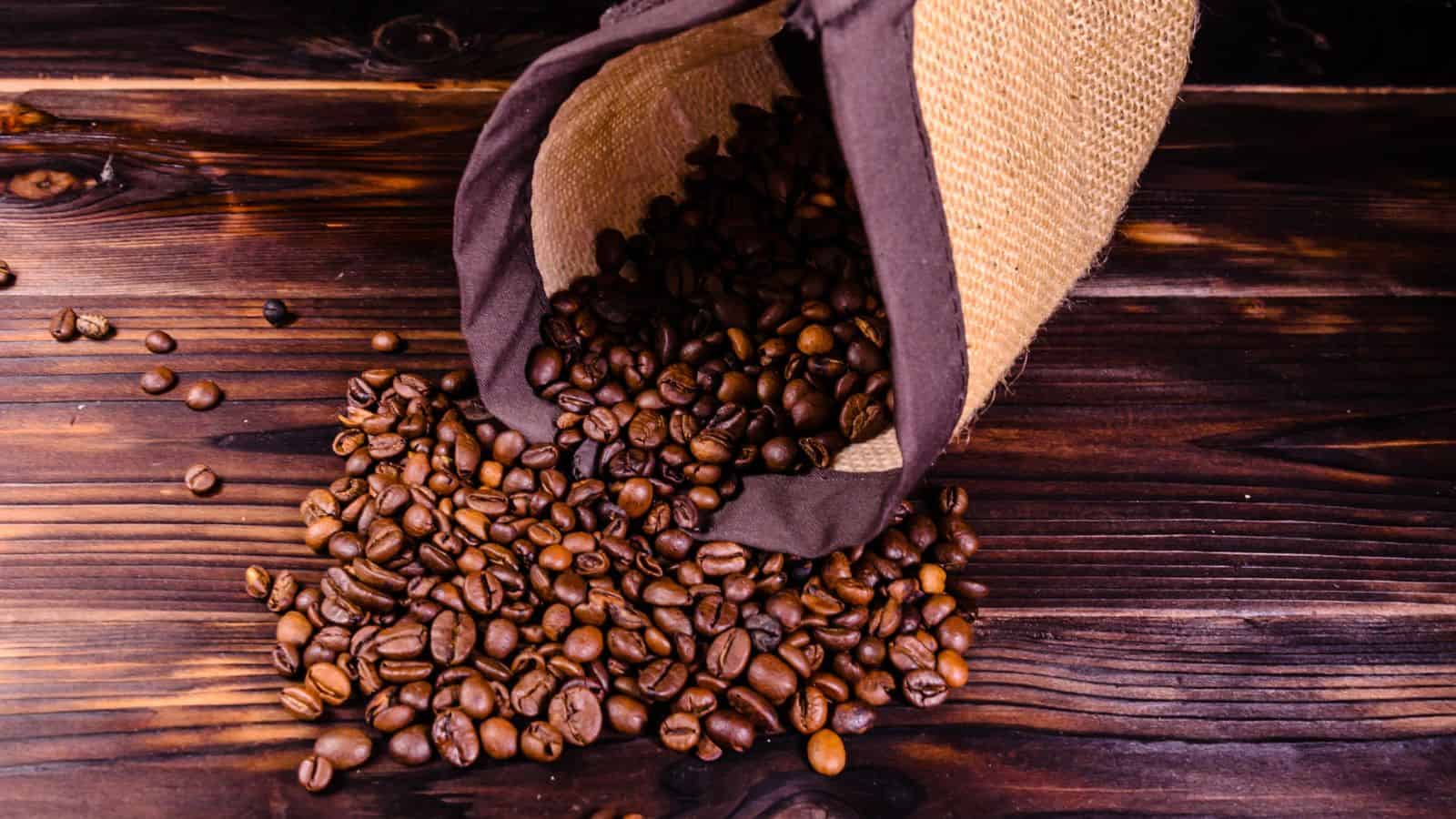
Purchasing large amounts of coffee might seem like a good deal, but it often leads to stale beans. Coffee is best consumed within a couple of weeks of roasting; over time, even the best beans lose their flavor. Buying too much at once can result in wasting coffee that has become flat or lifeless. Instead, try buying smaller quantities more frequently, ensuring you always have fresh beans. If you're drawn to bulk buying for savings, consider splitting your purchases with a friend or family member so that the coffee is consumed while it's still at its peak.
Not Paying Attention to Grind Size
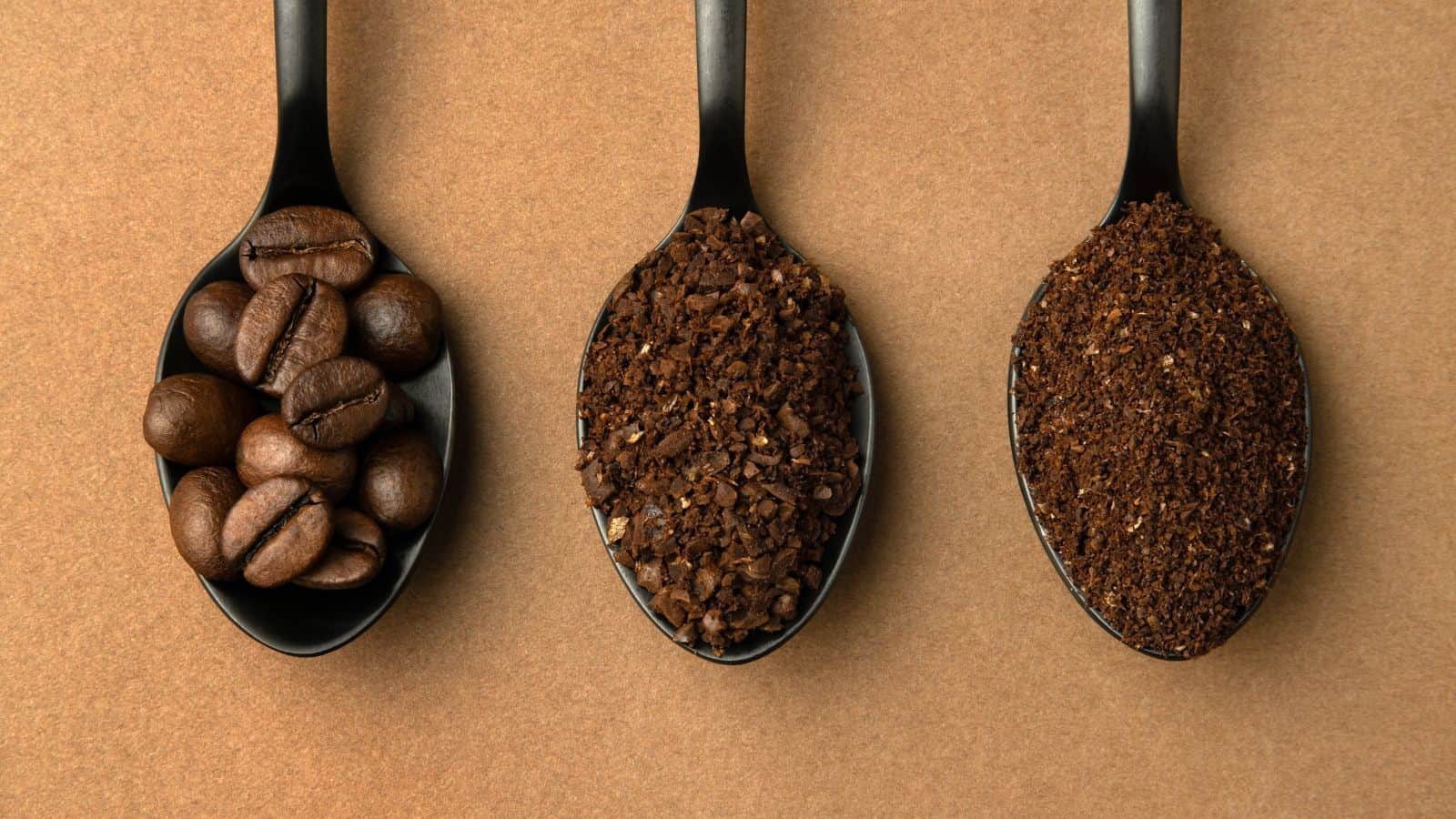
The grind size is crucial to getting the best flavor from your coffee. Using the wrong grind size for your brewing method can result in poor extraction. For instance, using a fine grind for French press coffee leads to over-extraction, while a coarse grind for espresso may cause under-extraction. Understanding the proper grind size for your brewing method-whether it's espresso, drip, or French press-ensures that the coffee's natural flavors are properly extracted. A good burr grinder can make all the difference, offering a consistent grind that enhances your brewing experience, so your coffee is never too bitter or weak.
Falling for Expensive Coffee Equipment
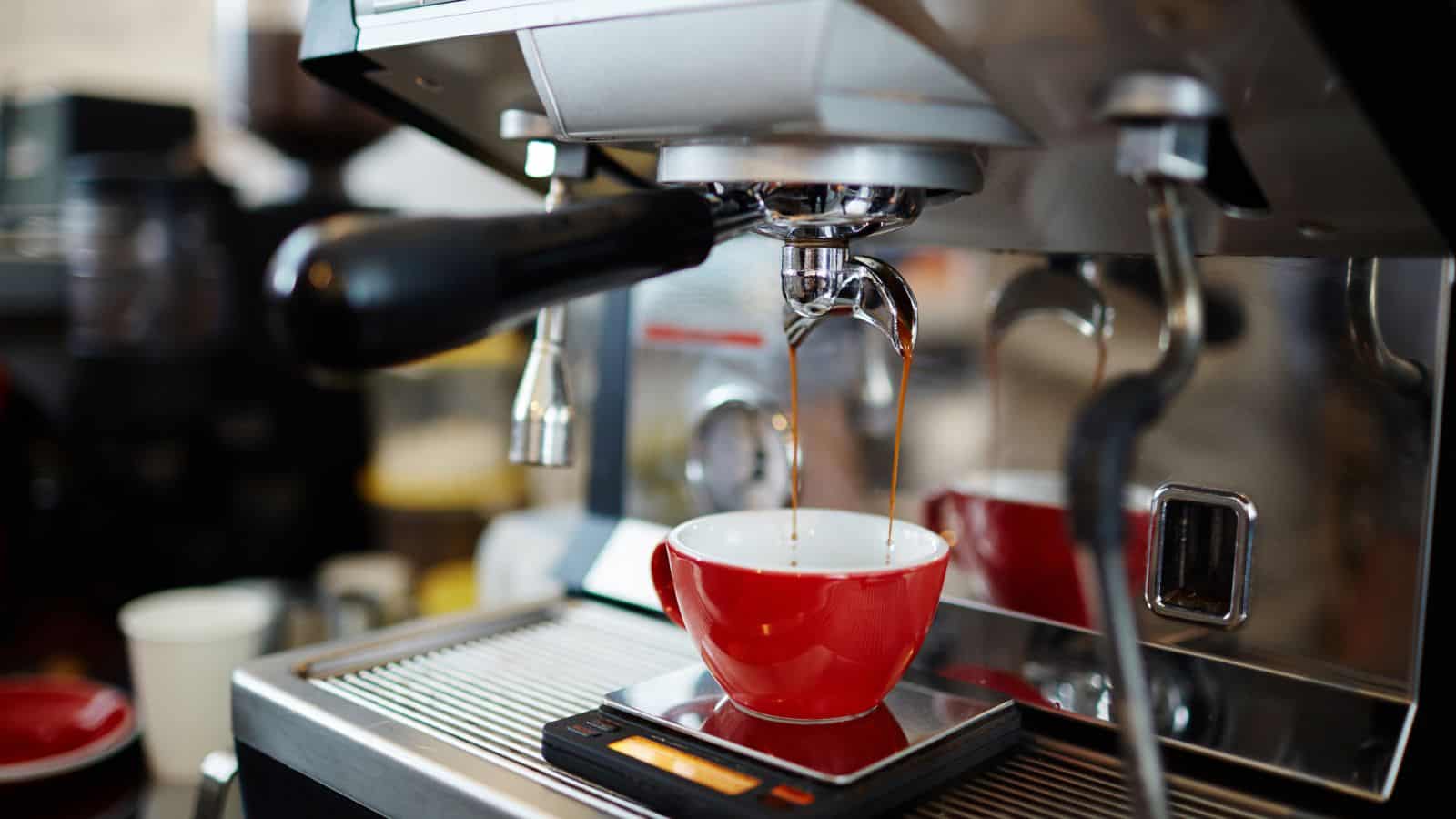
High-end coffee equipment can be tempting, but it's not always necessary to make great coffee. Many fancy espresso machines, grinders, and brewers can take up significant space and require regular maintenance, making them a more expensive and complex option. Instead, focus on simpler, reliable tools that fit your brewing preferences. A manual pour-over setup or French press can produce excellent results without the hefty price tag or maintenance demands of top-tier gadgets. Investing in quality beans and paying attention to grind size and brewing methods will do more for your coffee than buying the latest high-end equipment.
Not Experimenting with Different Beans
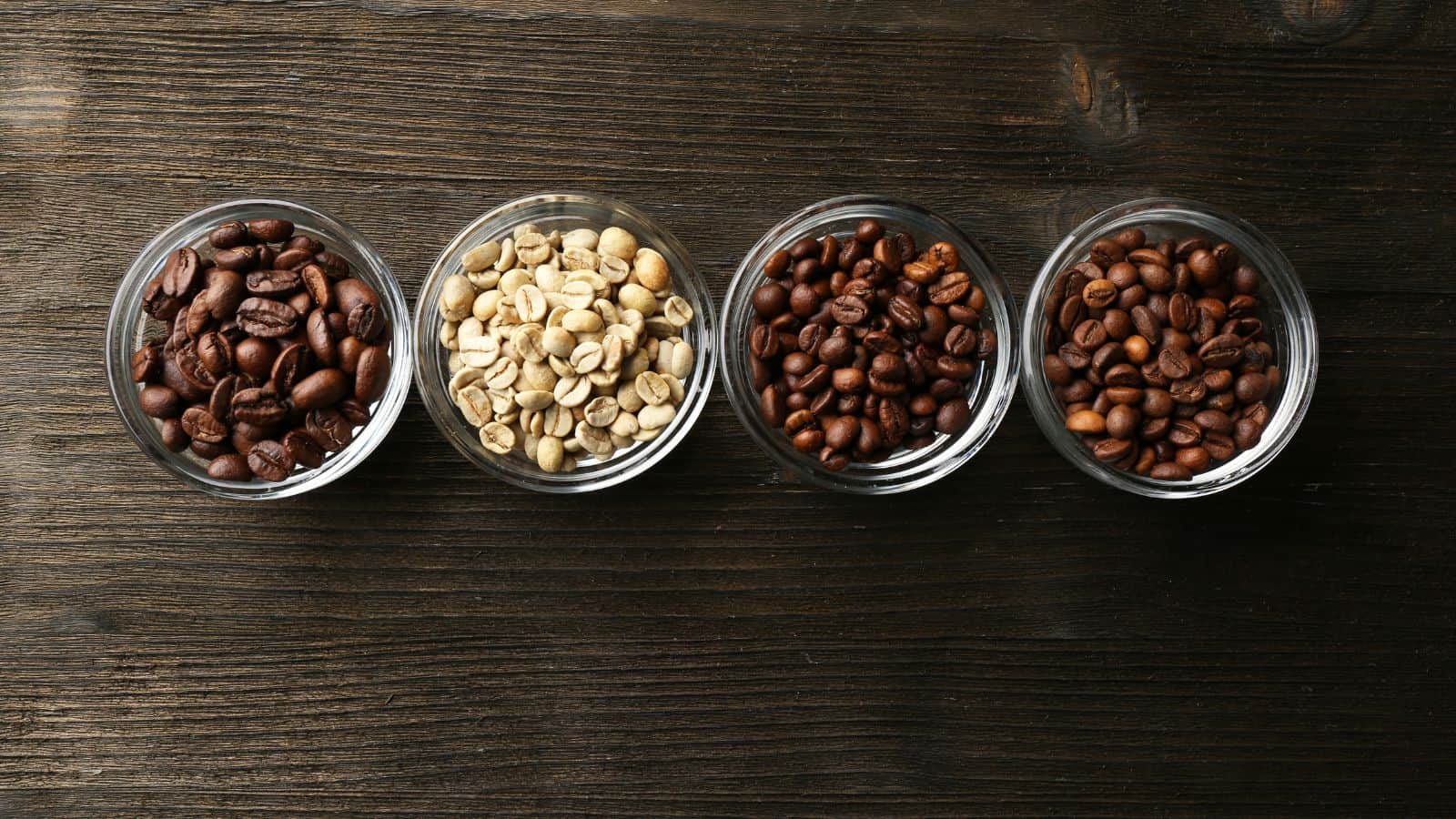
Sticking to the same type of coffee beans can lead to a predictable and limited experience. There is a whole world of coffee out there, from single-origin beans to various blends, each with its own distinct flavor profile. By trying different beans, you can explore new tastes and discover what you like best. Don't hesitate to try beans from different regions, such as Ethiopian, Colombian, or Guatemalan, each of which offers a distinct flavor. Visiting local roasters or farmers' markets to sample different varieties can broaden your palate and help you make more informed choices, adding excitement to your daily brew.
Make Smarter Coffee Choices

Being aware of common coffee shopping mistakes can lead to significant savings and a more enjoyable coffee experience. By recognizing pitfalls such as overpaying for trendy brands, neglecting to compare prices, or buying unnecessary gadgets, coffee lovers can make more informed decisions. These small changes in shopping habits can enhance both the quality of the coffee enjoyed and the overall enjoyment of the brewing process.
Embracing smarter shopping strategies not only helps to cut costs but also fosters a deeper appreciation for the art of coffee. As preferences evolve and new products emerge, staying informed can ensure that every cup is both satisfying and economical. Next time you head to the store or browse online, keep these tips in mind to maximize your coffee experience while keeping your budget in check!
14 Tips for Making the Best Cup of Coffee Ever

How do you like your coffee? Ever wonder what makes a cup of coffee truly special? It's clear that there are 14 tips for making the best cup of coffee ever that can enhance your brewing game. Many people overlook the importance of quality ingredients and precise techniques, often leading to a mediocre cup that fails to impress.
Read More Here: 14 Tips for Making the Best Cup of Coffee Ever
15 Tips for Making the Perfect Iced Coffee

Skip the pricey store-bought coffee and brew the perfect cup at home! Creating the perfect iced coffee doesn't have to be a daunting task. With a few simple tips and tricks, you can transform your regular coffee into a refreshing, flavorful iced beverage. Whether you prefer a strong cold brew or a lighter iced latte, knowing how to brew, chill, and flavor your coffee can make all the difference. From using fresh coffee beans to experimenting with different milk alternatives, these tips will help you craft a drink that's both satisfying and refreshing.
Read More Here: 15 Tips for Making the Perfect Iced Coffee




Comments
No Comments