
A good bar cart requires more than just spirits and shakers. For anyone mixing drinks at home, fresh ingredients are essential, starting with fruit. Here are 11 essential fruits that every aspiring home bartender should have, going beyond the typical lemon wedge. From juicy citrus fruits to muddle-ready berries, each one contributes to creating cocktails that are balanced, bright, and full of character.
Some fruits are staples in classic cocktails, while others add color, aroma, or serve as a quick fix for last-minute improvisations. Whether they are juiced, used as garnishes, or added whole, these ingredients shape the drink from start to finish. Knowing which fruits to keep on hand can transform any kitchen into a cocktail-ready space.
If you want to enhance your home bartending skills, start with these must-have fruits-they are the foundation of fresh, well-crafted drinks that don't rely on shortcuts.
Lime
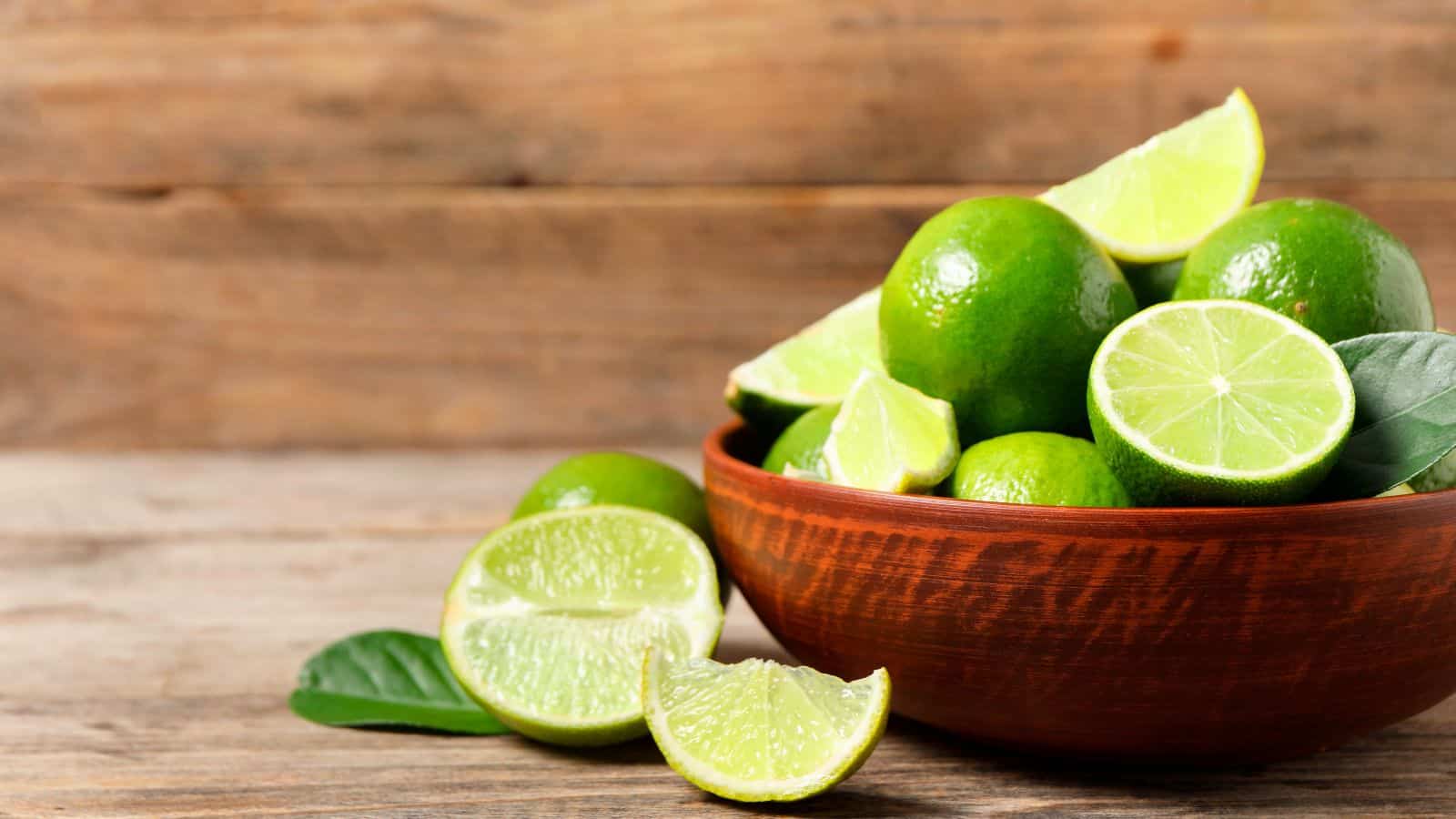
Limes are a foundation in classic and modern cocktails. Their juice adds acidity that balances sweetness and intensifies other flavors, while the oils from the peel add sharpness to drinks like margaritas and daiquiris. The lime's smaller size hides how much power it brings to the glass. Bartenders use them for wedges, wheels, peels, or fresh juice-each part of the fruit contributes something different. Muddled in mojitos or squeezed into a gimlet, limes keep drinks from going flat or overly sweet. Keeping fresh limes around makes a noticeable difference in both structure and aroma, especially in citrus-heavy recipes.
Lemon
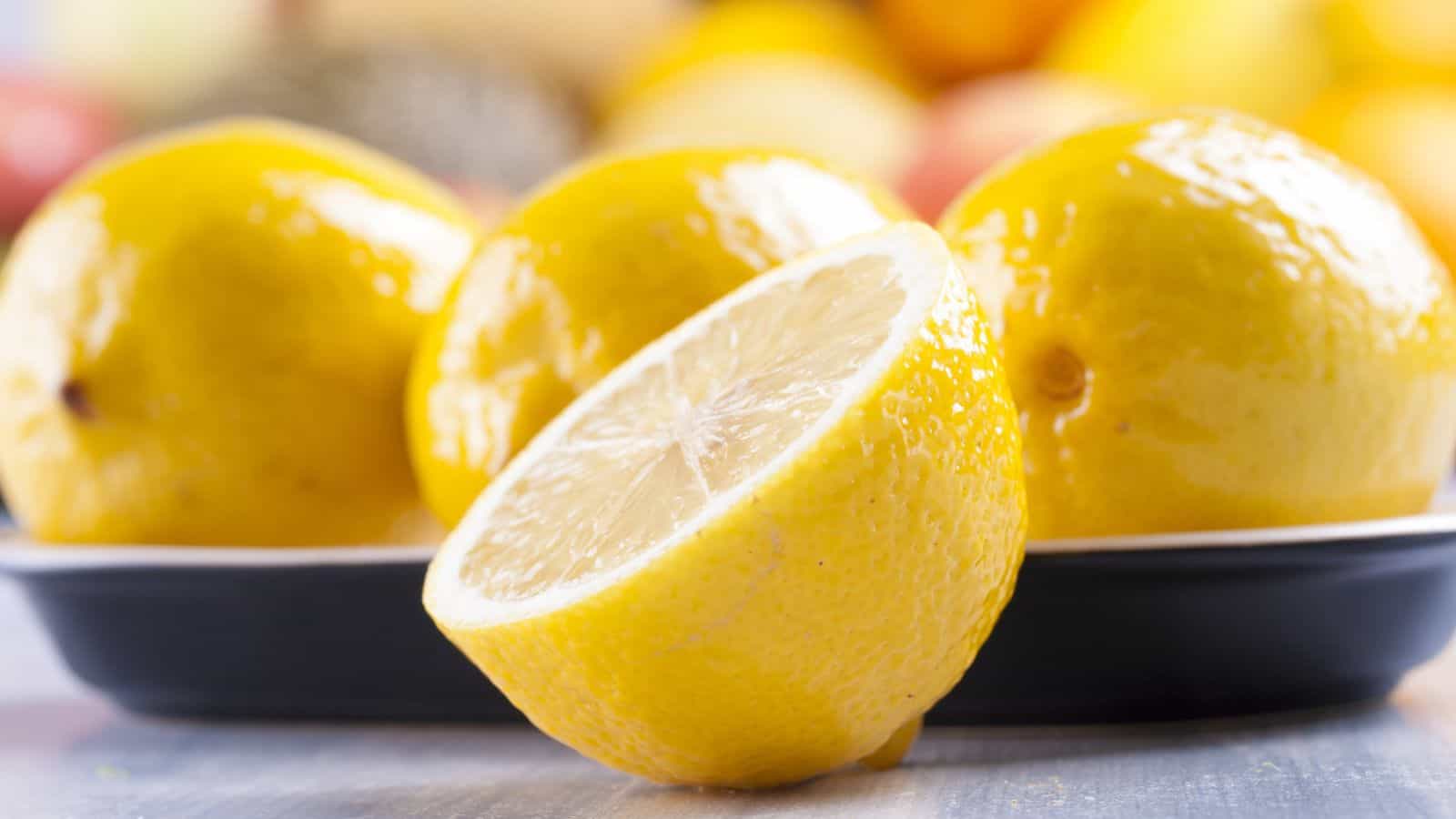
Lemons are versatile across spirits and seasons. Their juice is a go-to ingredient in sours, spritzes, and highballs-cutting through richness and anchoring sweetness. Classic cocktails like the Tom Collins and whiskey sour wouldn't exist without it. The peel adds sharp citrus oil for finishing touches, commonly used as a "twist" over the rim of a martini or French 75. Whether juiced, sliced, or peeled, lemons brighten a drink's profile without overwhelming the base spirit. Keep them on hand for fresh squeezing or simple garnishes, especially in gin or bourbon-based cocktails. They're a consistent presence on any working bar setup.
Orange
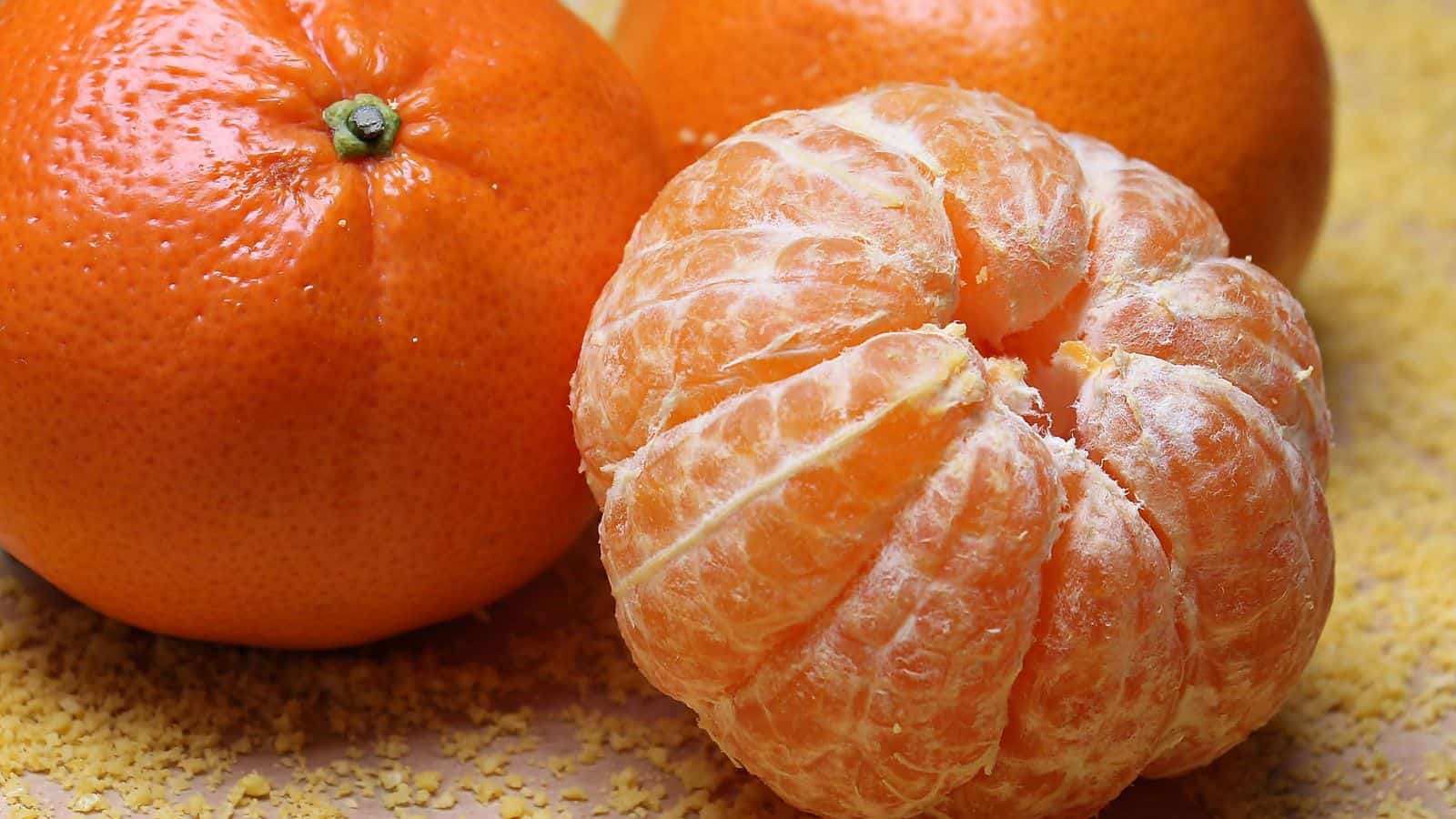
Oranges contribute flavor, aroma, and visual flair to dozens of drinks. The juice plays a key role in mimosas and tequila sunrises, while the peel is essential for old fashioneds and negronis. Bartenders also use orange wheels and wedges for presentation and added citrus notes. Blood oranges, when in season, bring more complexity and color. The peel's oils bring warmth and lift without needing added juice. Orange liqueurs like triple sec and curaçao are often used alongside or instead of the fresh fruit-but the actual fruit remains valuable for freshness, depth, and contrast across both shaken and stirred cocktails.
Pineapple
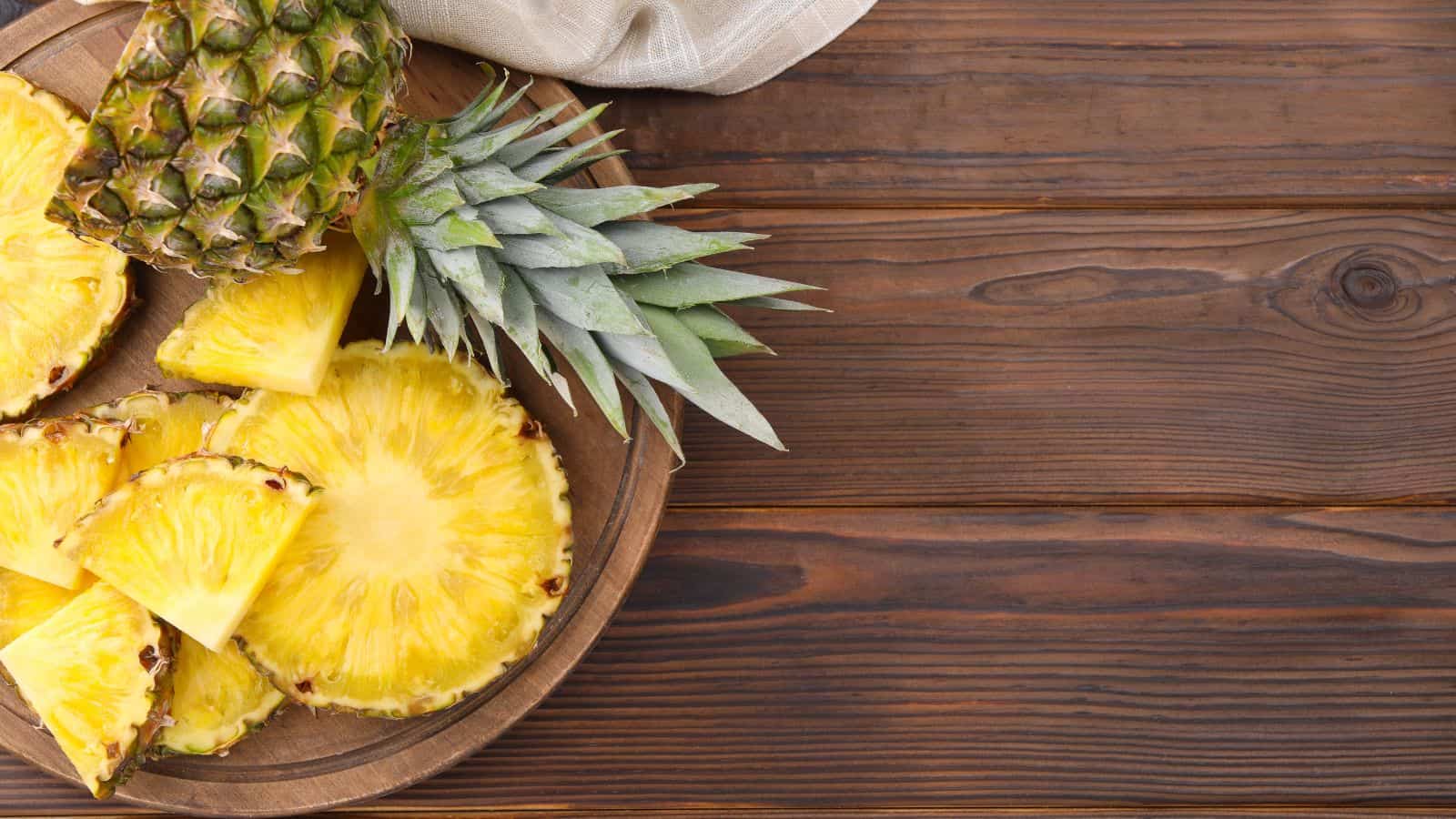
Pineapple adds bold acidity and fruit character to drinks, especially in tropical and tiki-style recipes. Its juice is common in piña coladas, painkillers, and mai tais, bringing texture and tang. The fruit itself can be muddled, blended, or carved into chunks for large-batch punches. Pineapple cores and leaves are often reused as garnishes, making the whole fruit useful beyond the flesh. When working with fresh pineapple, the difference in brightness and texture is clear. While canned juice works in a pinch, fresh-cut pieces and juice give drinks better structure and aromatics. It's a key ingredient for beach-inspired cocktails.
Grapefruit
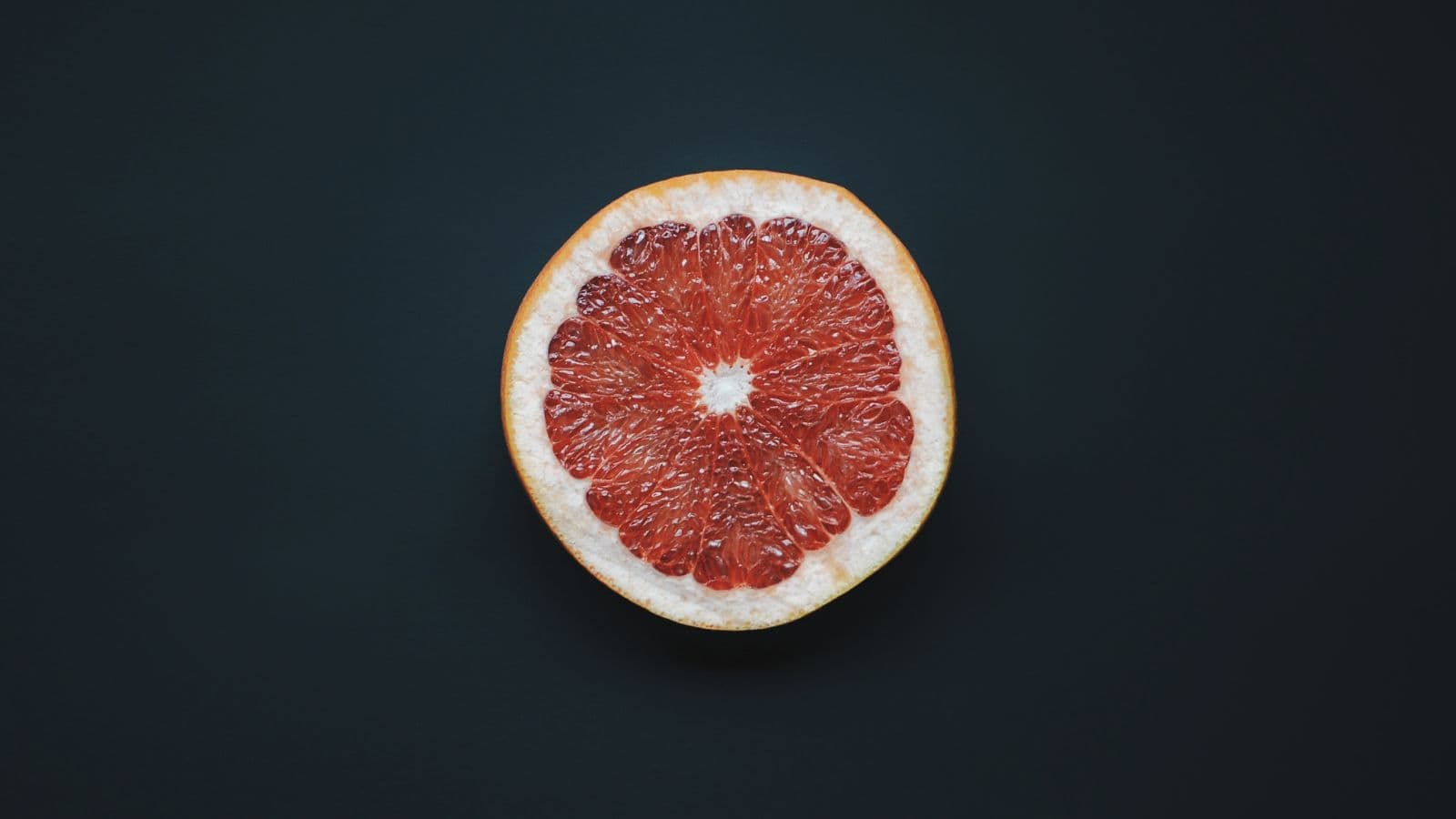
Grapefruit delivers both bitterness and acidity-two elements that help balance sweet liqueurs and rich spirits. The juice is used in drinks like the Paloma and greyhound, while the peel adds aromatics when flamed or expressed. Ruby red varieties bring not just more flavor but also color to the glass. It pairs especially well with tequila, vodka, and dry gin, lending a sharper profile than oranges or lemons. Bartenders often use large wheels or half-moons of grapefruit as garnishes. The fruit's density and juice content also make it reliable for fresh-pressed cocktails or infusions that need strong citrus without sweetness.
Cherry
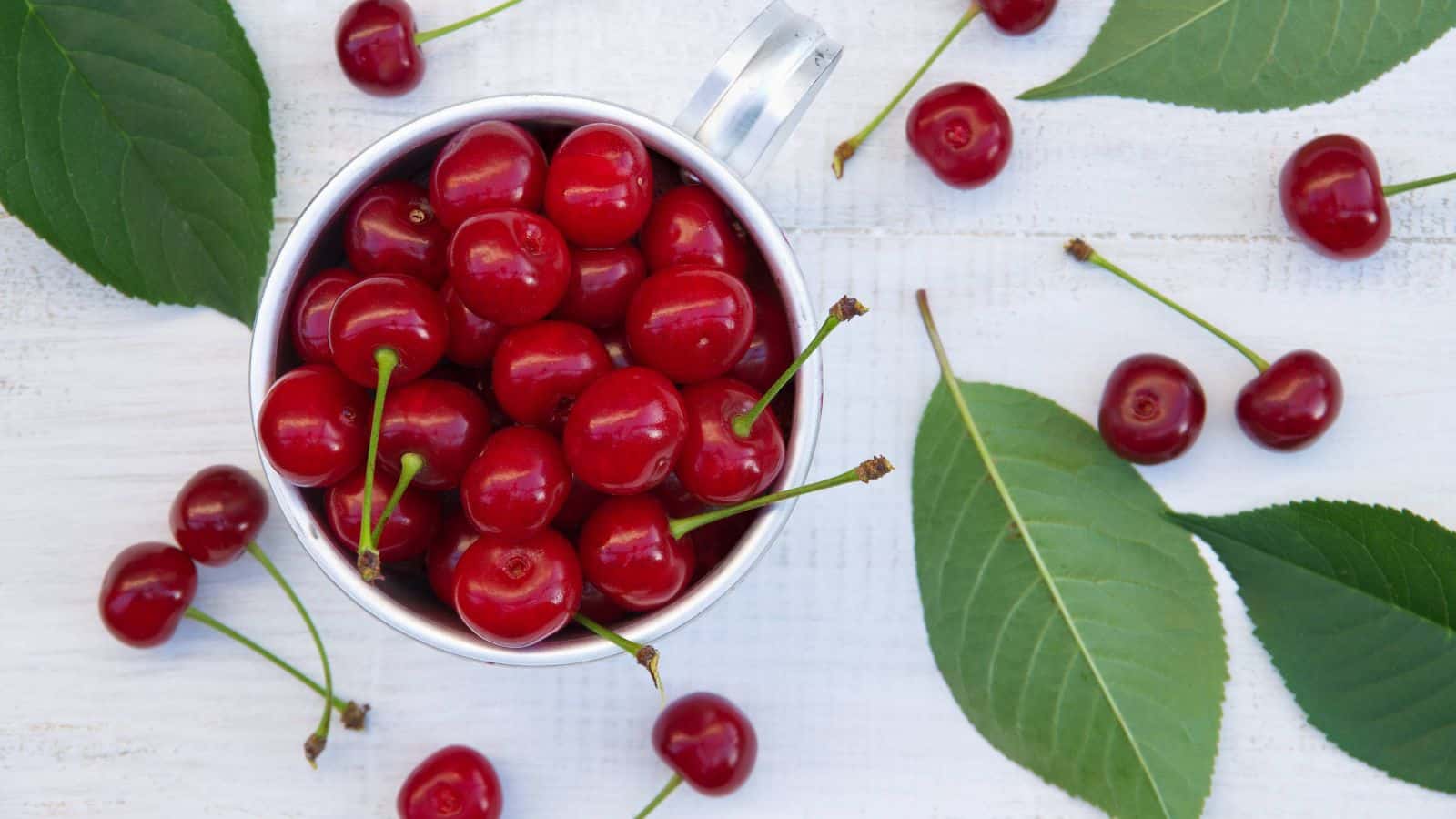
Cherries are most often used as garnishes, but their role goes beyond decoration. A proper cocktail cherry-like a Luxardo or house-soaked version-adds richness and depth to whiskey-based drinks such as the Manhattan or old fashioned. Bright red maraschino cherries from dessert trays don't serve the same purpose. Bartenders sometimes muddle cherries into sours, punches, or cobblers to create more texture and color. Cherry syrups and reductions also appear in tiki recipes and dessert-style cocktails. Whether dropped into a glass or skewered on top, they bring a dark, syrupy note that rounds out many spirit-forward drinks and stirred classics.
Cucumber
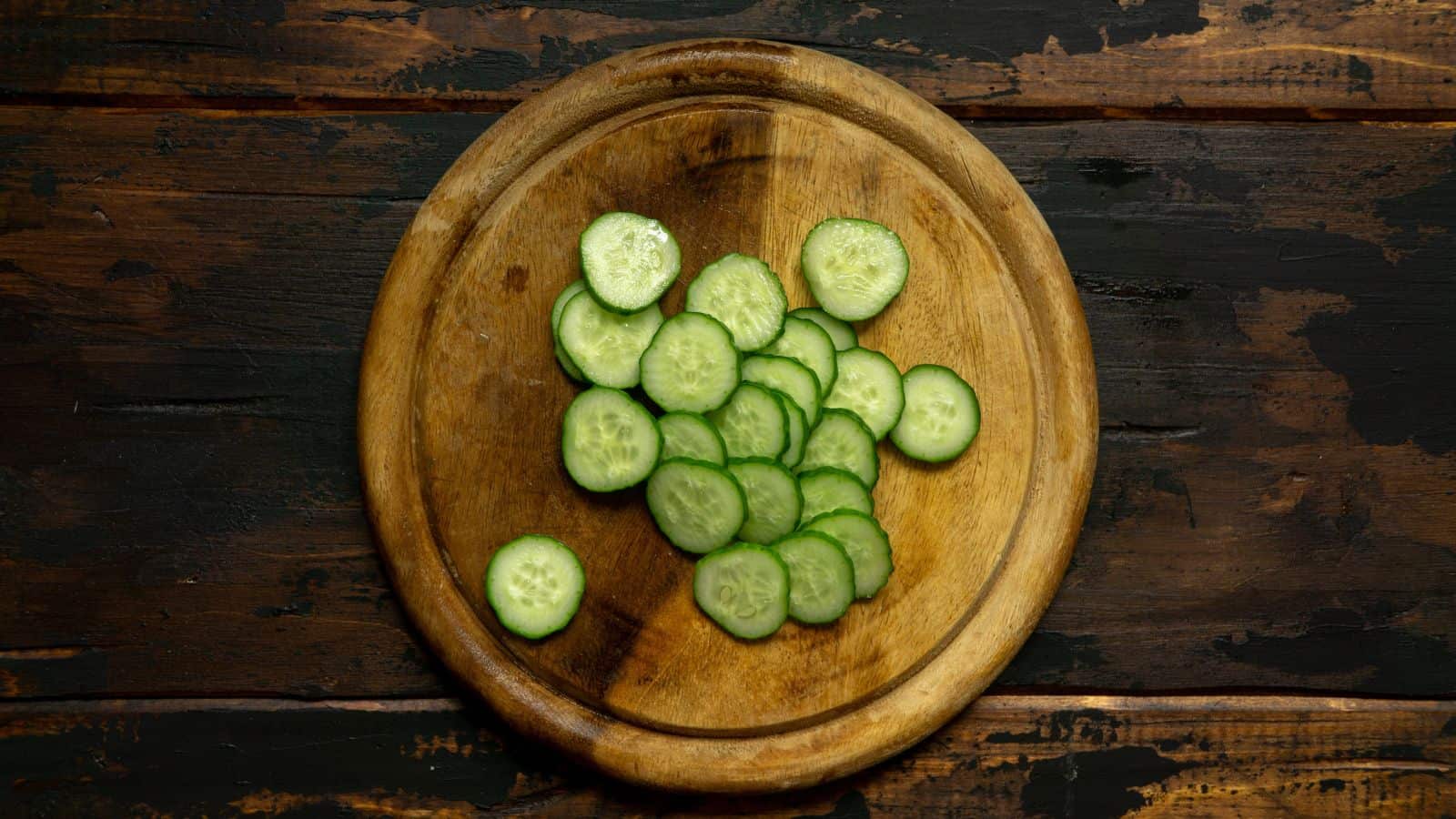
Cucumber brings freshness and clarity to cocktails. While it's not citrusy or sweet, its presence makes gin and vodka-based drinks feel lighter and more aromatic. Thin slices are used in Pimm's Cups, muddled chunks appear in cucumber coolers, and long ribbons often rest inside highball glasses for visual contrast. The skin can give off bitterness, so some bartenders peel before using. Its high water content also makes it perfect for infusions or hydrating summer drinks. Unlike flashier fruits, cucumber doesn't dominate-it opens space for other ingredients. Combined with mint or lemon, it forms the base of many seasonal pours.
Strawberry
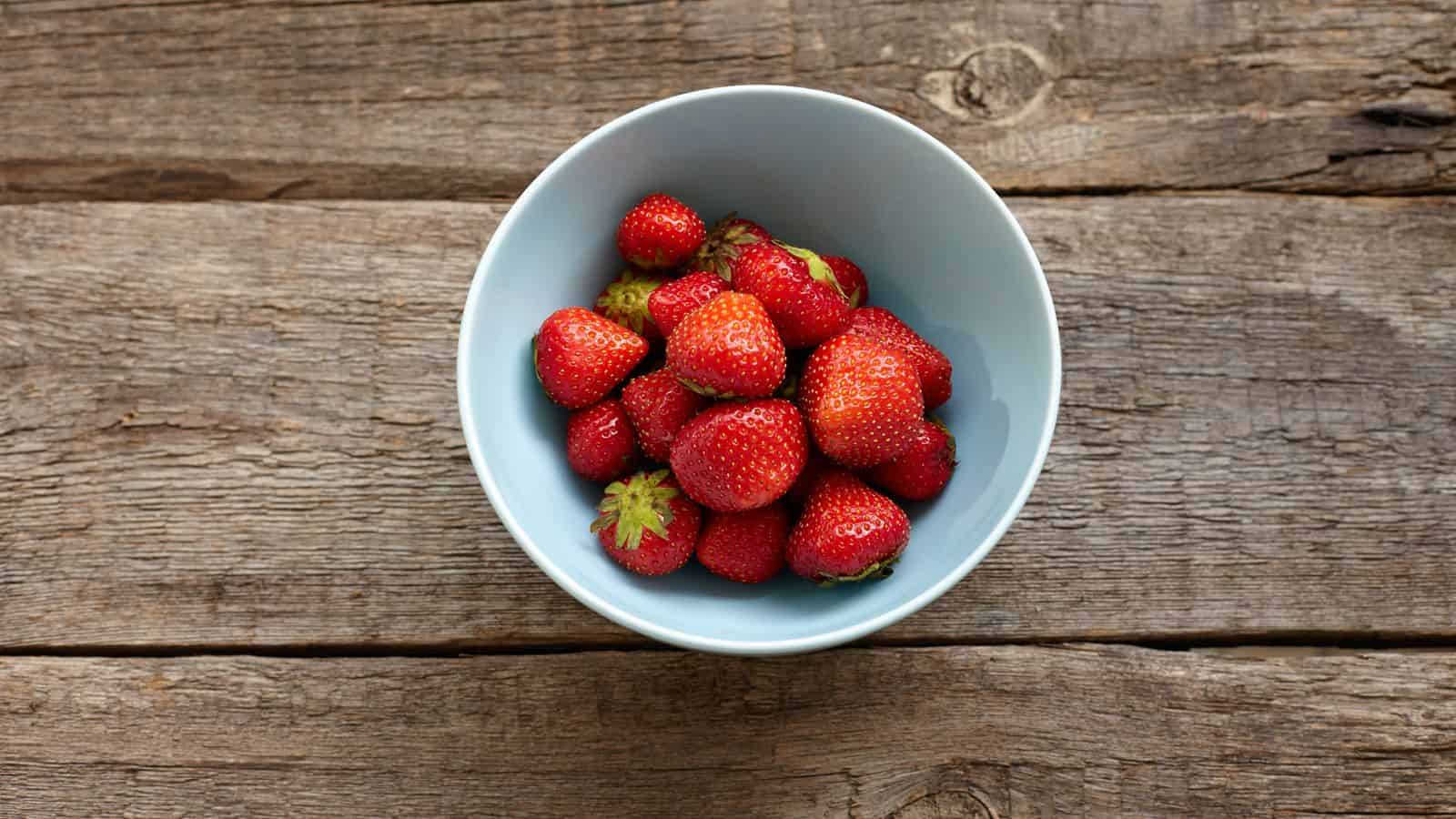
Strawberries show up across fresh spring drinks, blended cocktails, and bright syrups. They're commonly muddled into daiquiris, shaken into spritzes, or steeped in simple syrups for use in both shaken and stirred drinks. Peak-season strawberries bring depth and color without the need for artificial flavoring. The fruit softens quickly when muddled, allowing it to break down easily in mixing tins. Their red hue helps transform the visual appeal of drinks, especially when strained through a fine mesh. Whether used whole, sliced, or puréed, strawberries contribute sweetness and fragrance in a way few fruits can match in early summer menus.
Watermelon
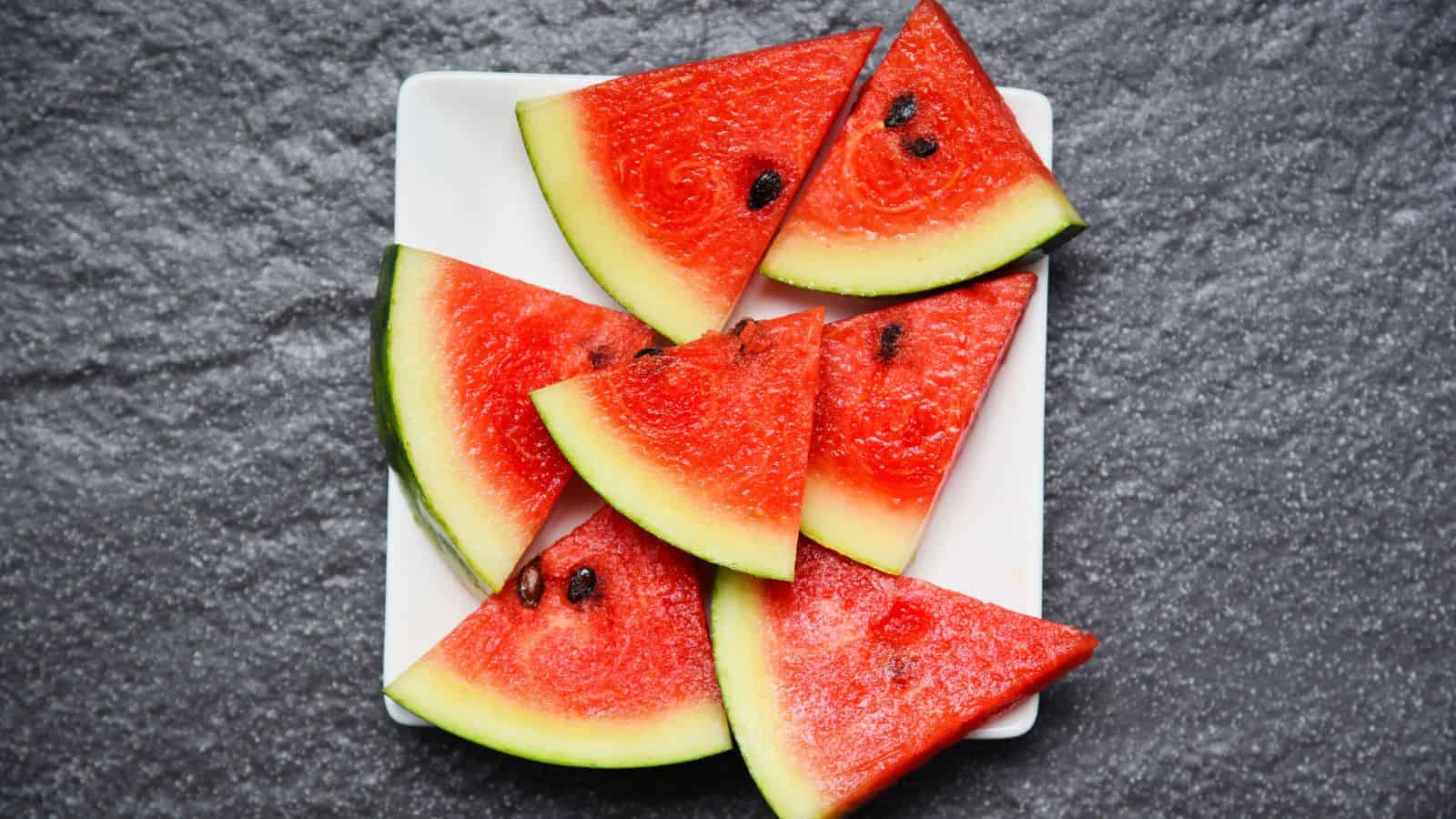
Watermelon brings moisture, color, and a mellow sweetness to large-batch drinks, particularly those served outdoors or during summer months. The fruit is easy to break down, yielding plenty of juice for punches, spritzes, and tequila-based cocktails. Muddled cubes give texture, while juice adds subtle aroma without pushing acidity or bitterness. Bartenders also freeze watermelon for crushed-ice drinks or use wedges as structural garnishes. Because of its high water content, it can be stretched across multiple servings. It pairs well with spirits like vodka, rum, and mezcal, and serves as a backdrop for herbs like basil, mint, or rosemary.
Cranberry
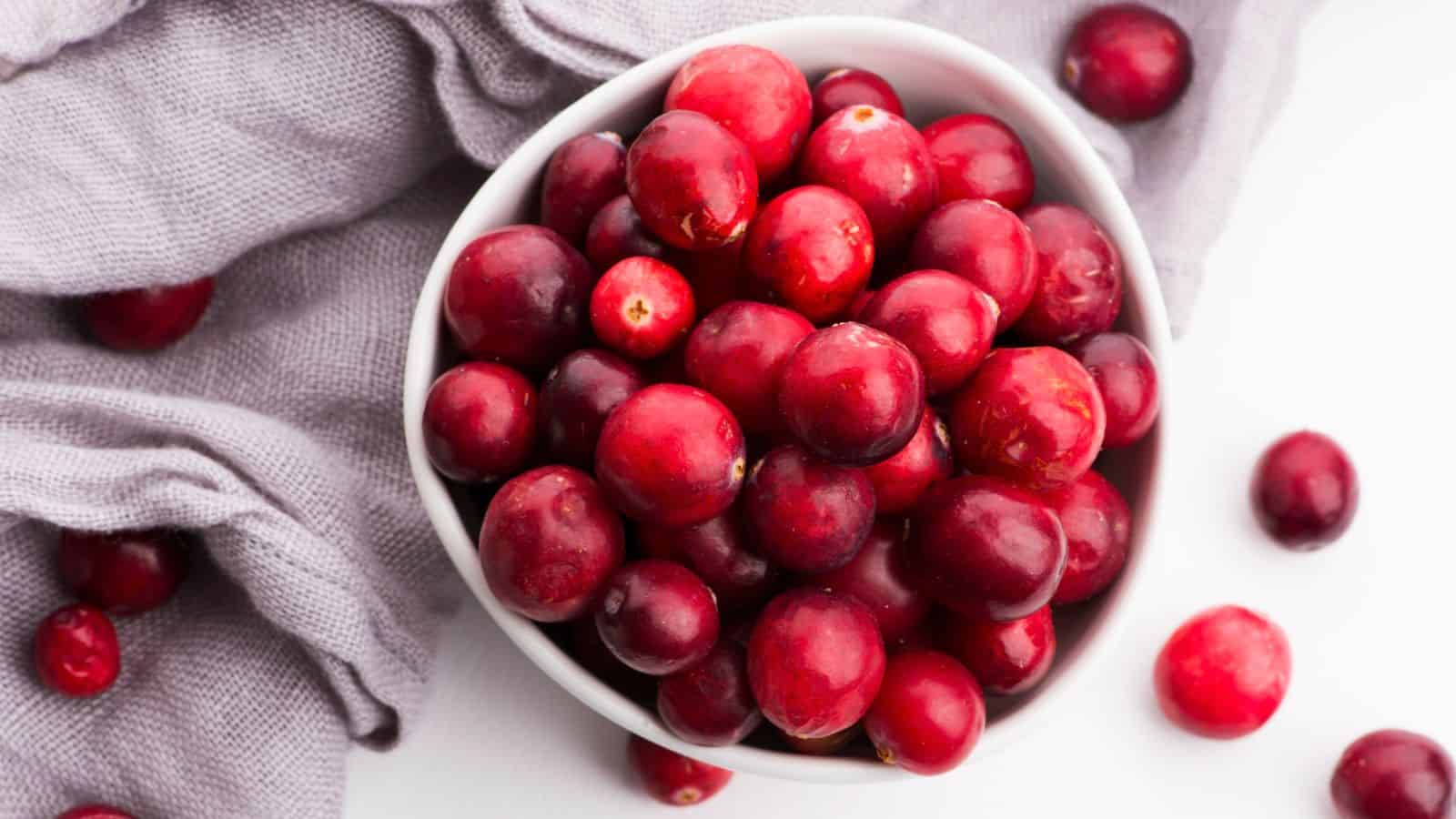
Cranberries are used mostly in juice form, playing a central role in cocktails like the cosmopolitan and sea breeze. The juice brings tartness and a slightly bitter edge that works well with vodka, gin, or citrus liqueurs. While fresh cranberries aren't always used directly in drinks, they are often floated as garnish or frozen into ice cubes for visual texture. Around colder months, bartenders use cranberry syrups and reductions in seasonal drinks paired with cinnamon, clove, or apple. Its bold color also helps shape the presentation of many drinks, especially when layered or served in tall, clear glasses.
Apple
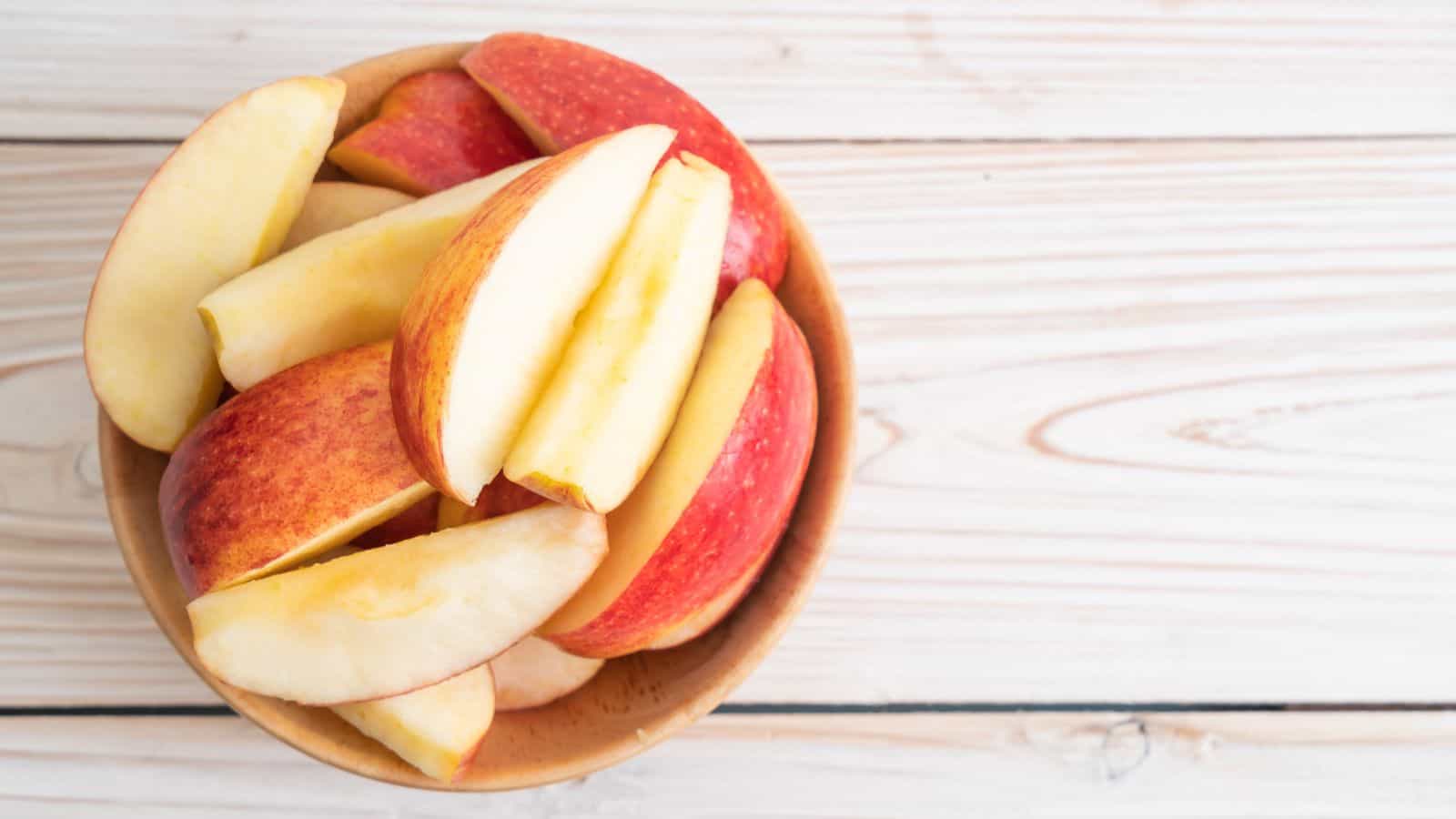
Apples appear in various forms-slices, chips, juice, or cider. In fall and winter cocktails, apple cider becomes the core of spiced punches or whiskey-based sours. Apple juice adds body and subtle acidity to gin or vodka drinks. Dehydrated apple slices often serve as garnishes, especially on stirred drinks or whiskey-forward cocktails. Green apples bring more sharpness, while red varieties offer sweetness. Bartenders also use apple peels for decorative curls or bitters infusions. Whether fresh or pressed, apples pair well with baking spices, herbs, and brown spirits, making them a key fruit across both cold-season classics and backyard punches.
Fruit First, Then Pour
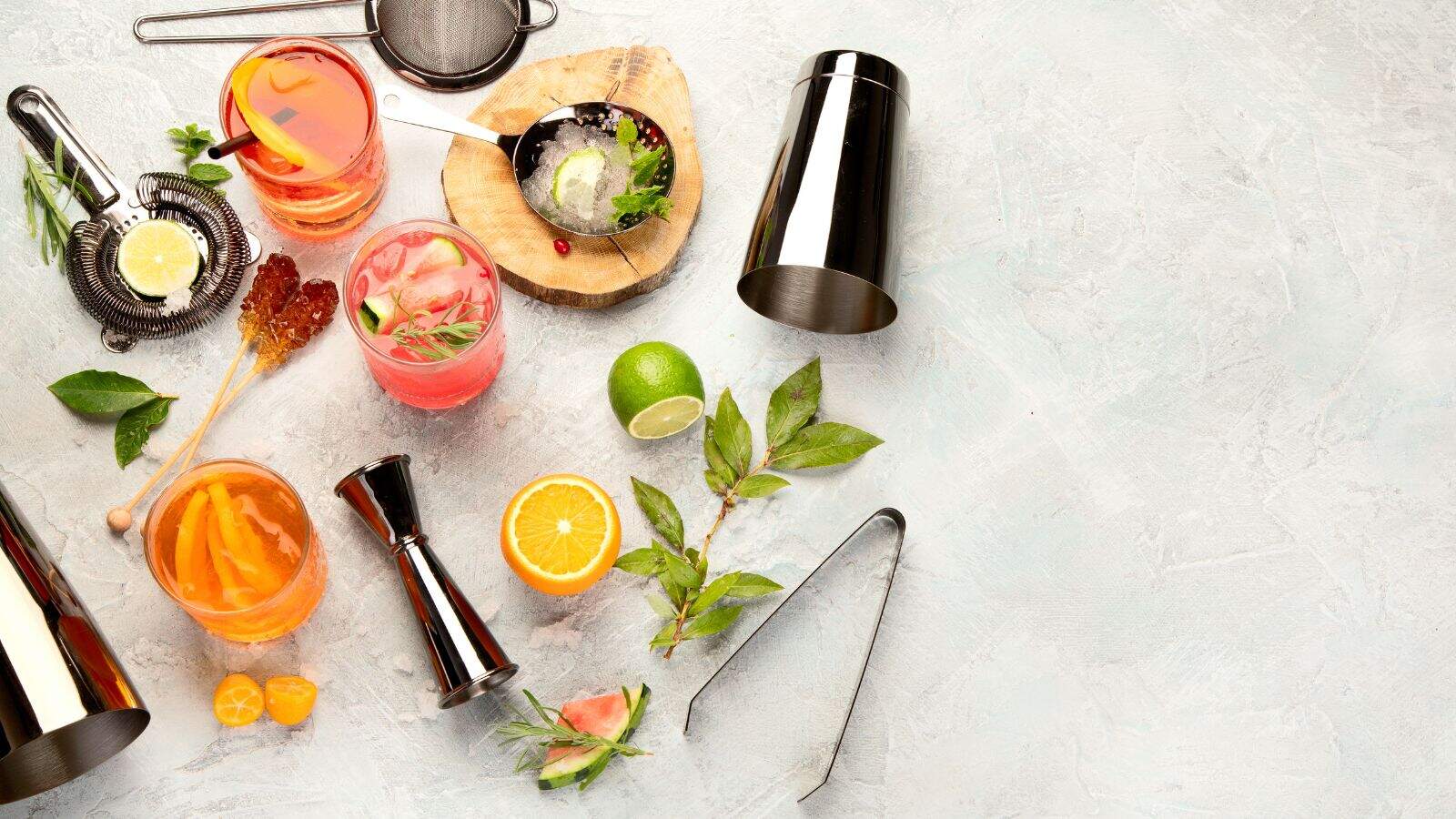
Great cocktails don't start with the liquor-they start with what surrounds it. The right fruit can brighten a drink, balance bold flavors, or bring in the texture and aroma that bottled mixers just can't match. These essential fruits aren't just extras-they're building blocks that can shape a drink's entire character.
From the zip of lime in a mojito to the deep sweetness of muddled berries in a bramble, having a few of these ingredients nearby can turn a basic pour into something bar-worthy. Stocking them doesn't require a big budget or a fancy setup-just a little know-how and a taste for freshness. So whether mixing for one or serving a group, start with the fruit. It might just make everything else taste better.
15 Drink Essentials Worth Spending Extra Money On

Would you ever consider these items? When it comes to drinks, the right ingredients and tools can make all the difference. Perfecting a simple pour or mixing up a creative cocktail is easier with 15 drink essentials worth spending extra money on, ensuring that every sip is enjoyable. From high-quality spirits to premium mixers, investing in these essentials can enhance the overall drinking experience and improve home entertaining.
Read More Here: 15 Drink Essentials Worth Spending Extra Money On
11 Internet-Viral Drinks You Should Give a Try

Looking for new drinks to try out? Internet-viral drinks have taken social media by storm, capturing the attention of beverage enthusiasts everywhere. From whipped coffee to colorful concoctions, these drinks are not just visually appealing but also fun to make. Here are 11 internet-viral drinks that are worth trying.
Read More Here: 11 Internet-Viral Drinks You Should Give a Try


Comments
No Comments