
Mexican drinks are a vibrant part of the country's rich culture, and there are 11 Mexican drinks that deserve global recognition. From refreshing beverages to traditional favorites, these drinks showcase the diverse flavors and ingredients that make Mexican cuisine so special. Many people are familiar with popular options like margaritas, but there is a wide array of beverages that are equally deserving of attention.
Exploring these drinks reveals the creativity and passion behind Mexico's beverage culture. Each drink tells a story, reflecting regional traditions and local ingredients that can transport anyone to the heart of Mexico with just one sip.
Discover these 15 Mexican drinks that deserve a spot on the global stage. Whether planning a trip to Mexico or simply looking to expand your drink options, these beverages are sure to impress and inspire!
Atole

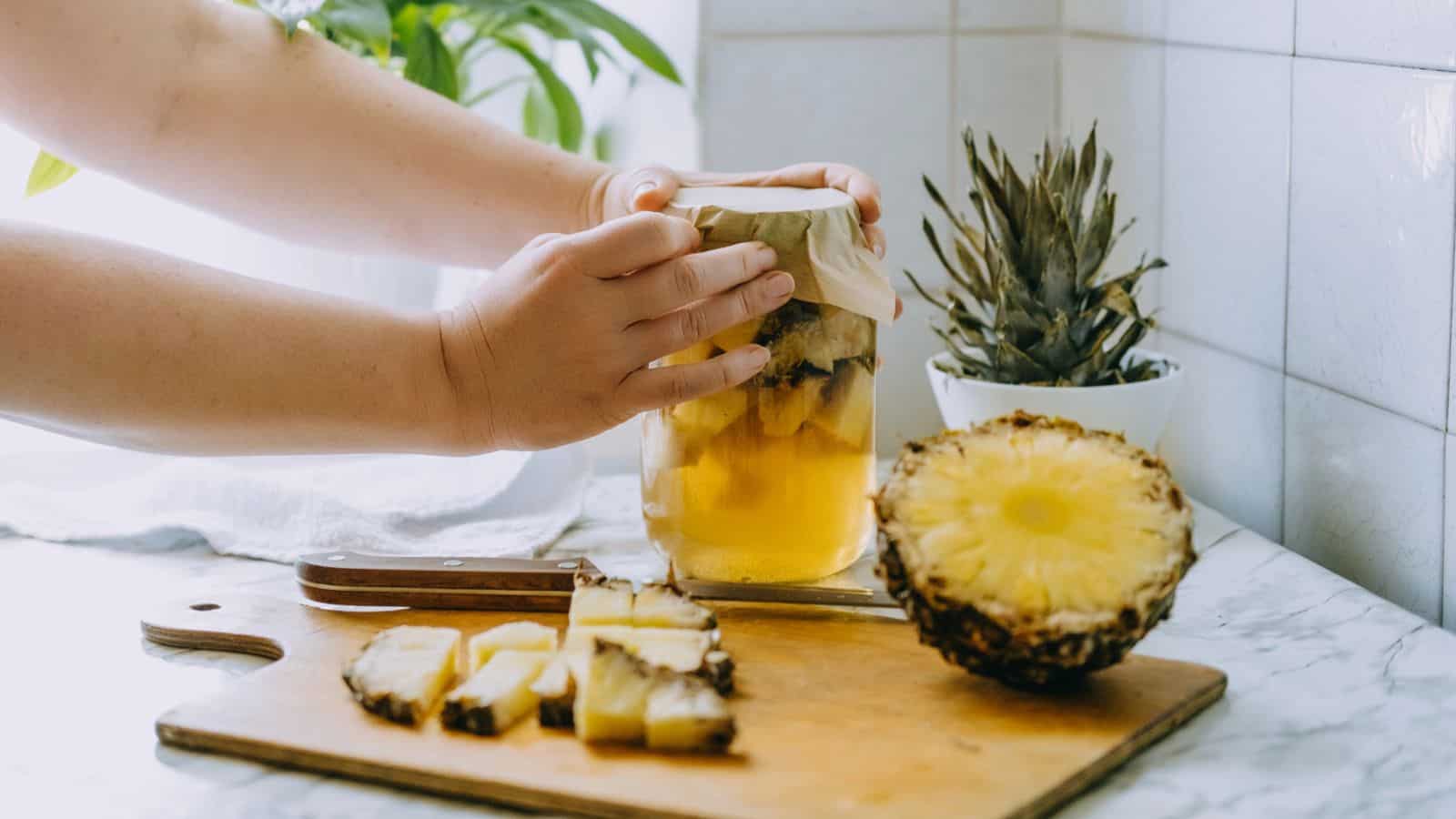
This traditional Mexican drink dates back to pre-Hispanic times and remains a favorite during cooler months. Made from masa harina, water or milk, cinnamon, and vanilla, atole has a thick, porridge-like consistency that makes it both a beverage and a light meal. Piloncillo, an unrefined cane sugar, adds a subtle sweetness, while some variations incorporate chocolate, nuts, or fruit flavors. Often paired with tamales, it is popular during Día de los Muertos and Las Posadas. Atole is typically served hot, making it a comforting choice in the early morning or as an evening treat during the holiday season.
Champurrado
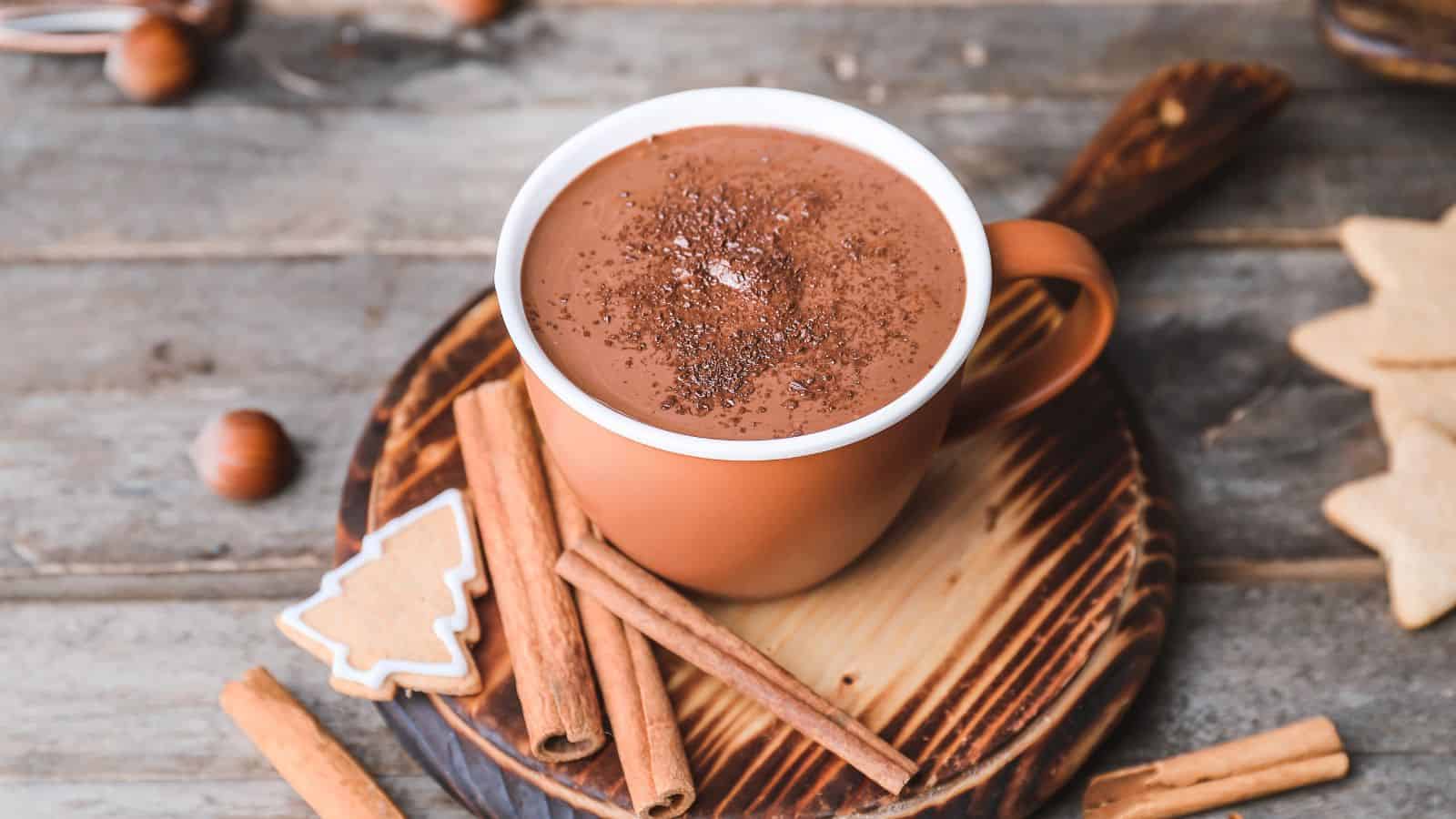
A rich and deeply flavored drink, champurrado takes atole a step further by blending in Mexican chocolate, which brings a hint of bitterness balanced by piloncillo. The masa thickens the drink, giving it a smooth, velvety texture. Cinnamon and sometimes anise add warmth and complexity. Traditionally whisked with a wooden molinillo until frothy, champurrado is a favorite during Christmas celebrations and early morning street food outings. Its deep, chocolatey notes pair well with pan dulce or tamales, making it a popular breakfast or late-afternoon pick-me-up, especially during colder months when a comforting, steamy drink is most appreciated.
Pozol
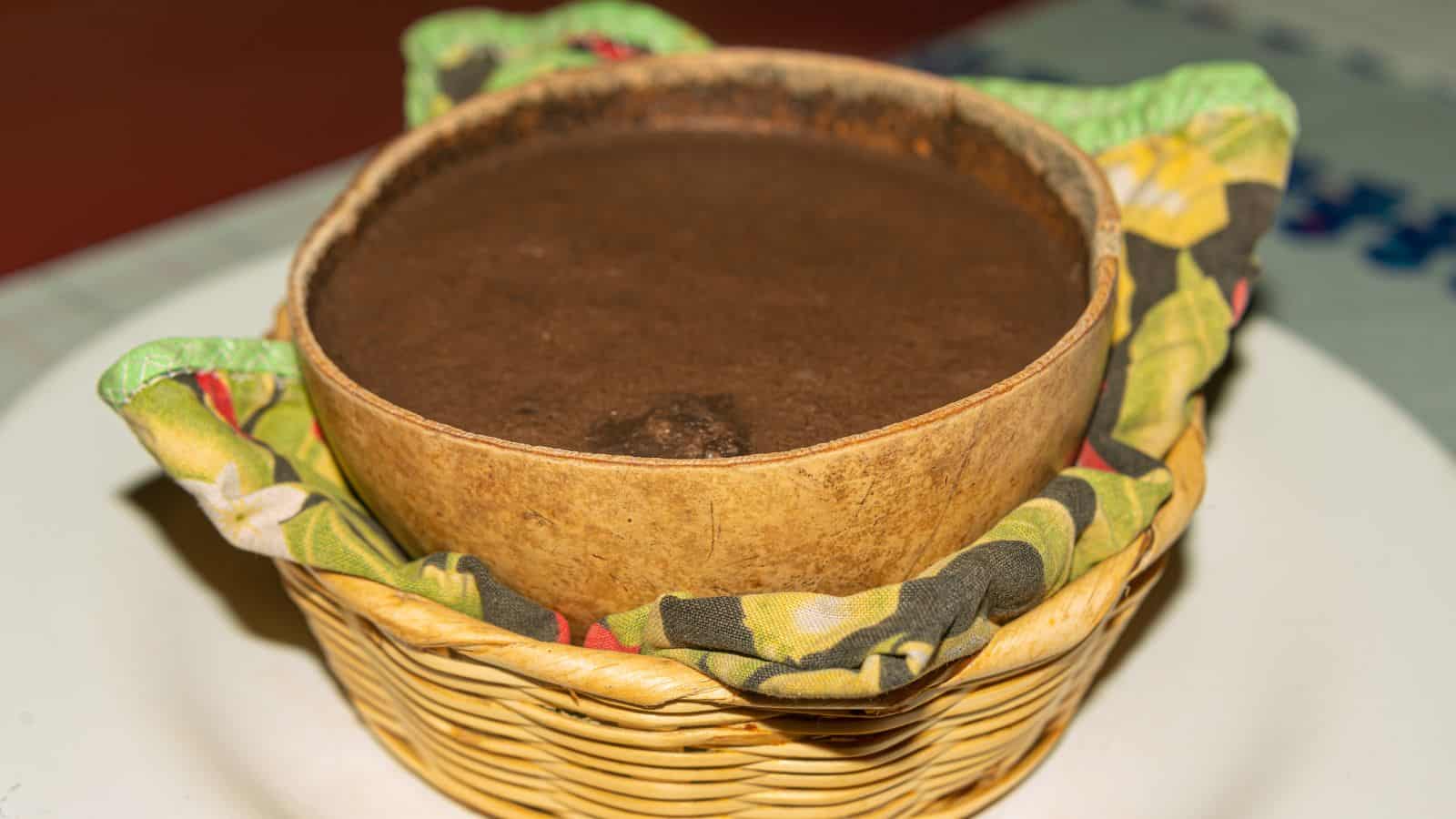
A drink with deep indigenous roots, pozol has been a staple in southern Mexico for centuries. Made by blending nixtamalized corn with water, it is traditionally consumed as a refreshing, energy-boosting drink. In some regions, cacao is added, creating a richer variation with earthy depth. Pozol is often carried by farmers working in the fields, as it provides sustenance in hot climates without requiring refrigeration. Unlike other corn-based drinks, it has a slightly gritty texture, giving it a more rustic character. It is commonly served in a jícara (gourd bowl) and is still an important part of cultural traditions.
Tepache
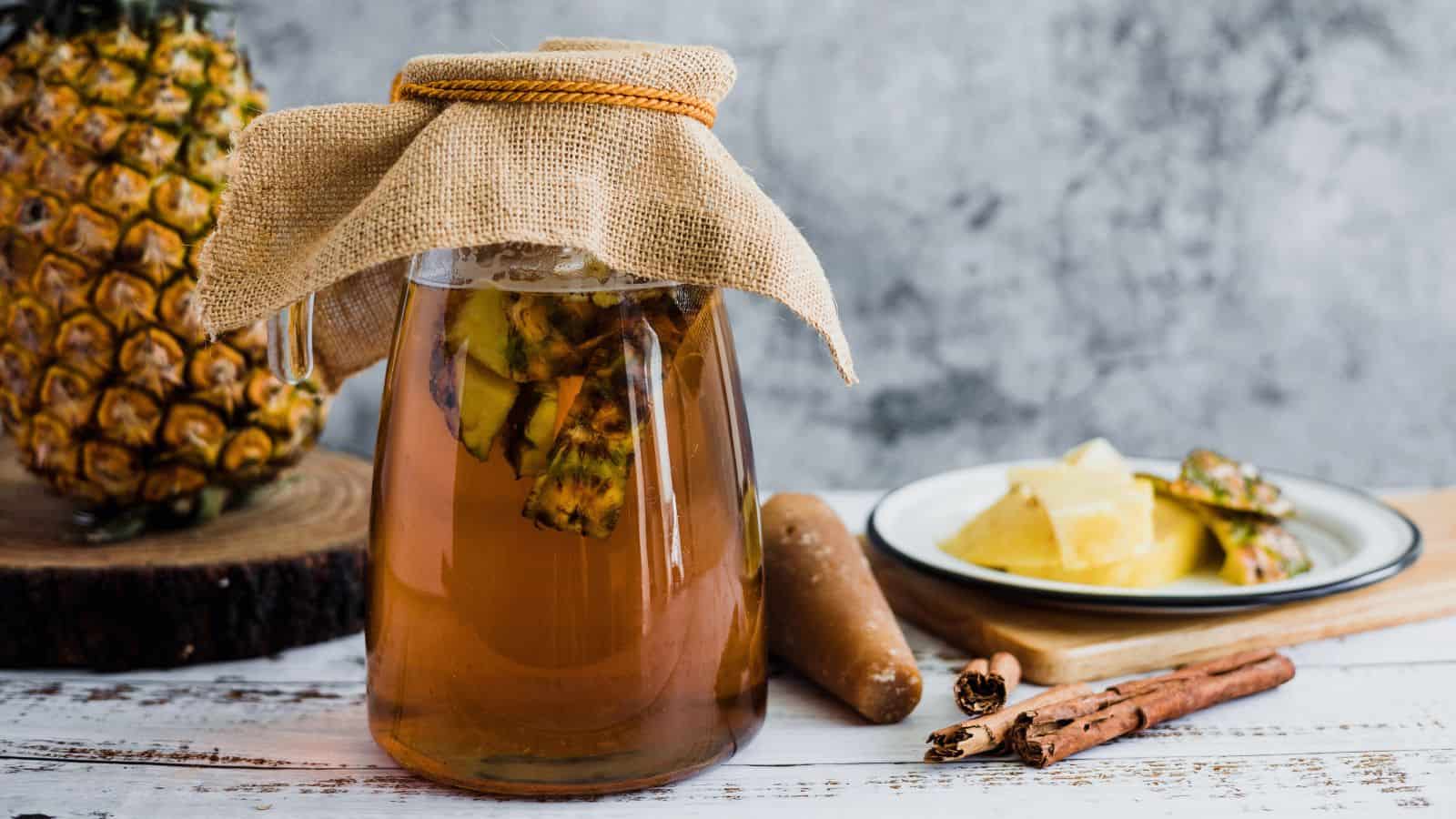
Tepache is a lightly fermented beverage made from pineapple rinds, piloncillo, and spices like cinnamon and cloves. Originally created as a way to reduce waste, it transforms discarded fruit peels into a refreshing, slightly effervescent drink. Though it has a mild alcoholic content due to fermentation, it remains a popular family-friendly choice, often served chilled over ice. Street vendors sometimes mix it with beer for a more robust flavor. The fermentation process enhances the natural sweetness of the pineapple, making tepache a bright, flavorful alternative to heavily processed sodas. Its short fermentation time keeps it accessible and easy to make.
Agua de Jamaica
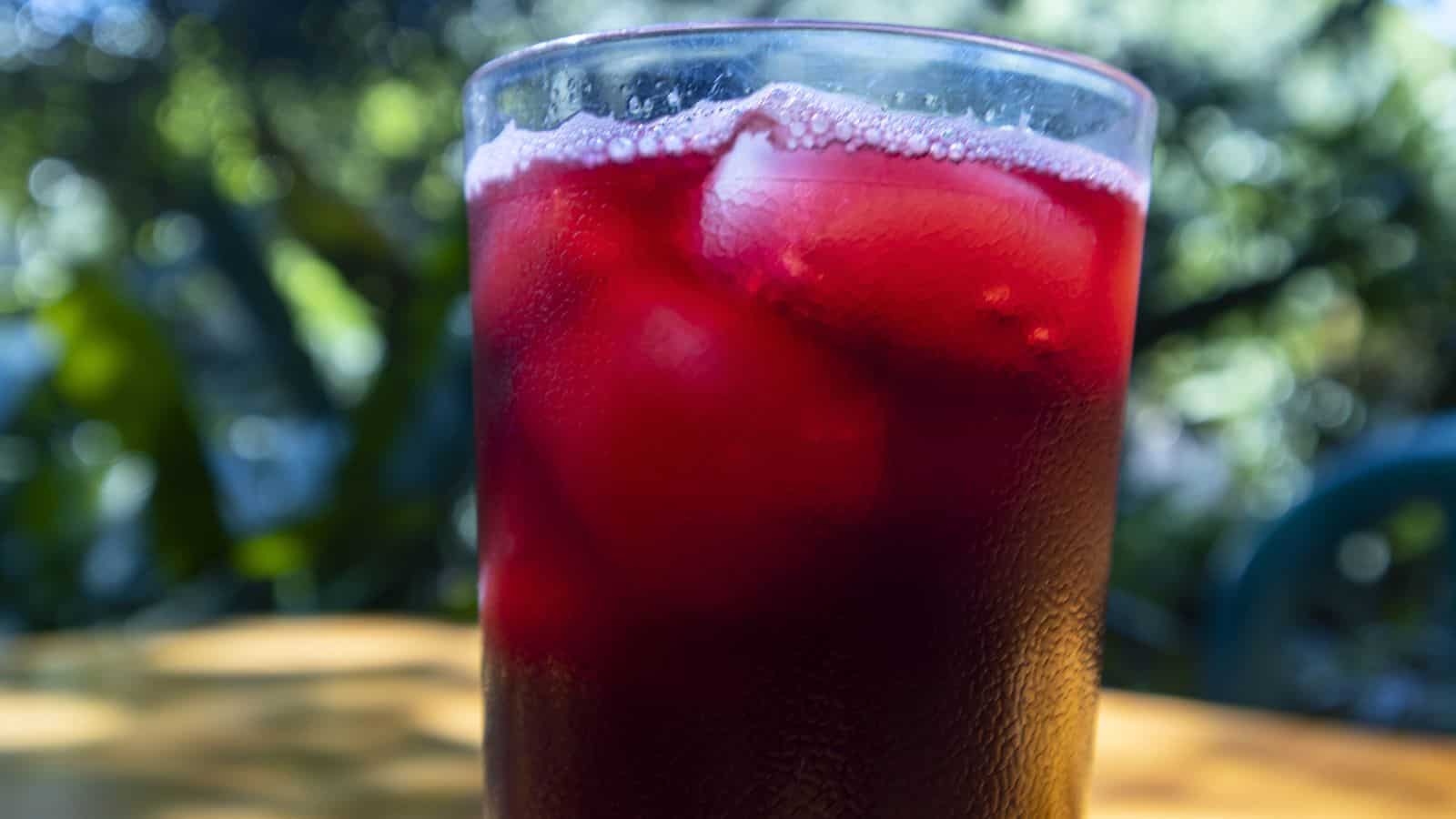
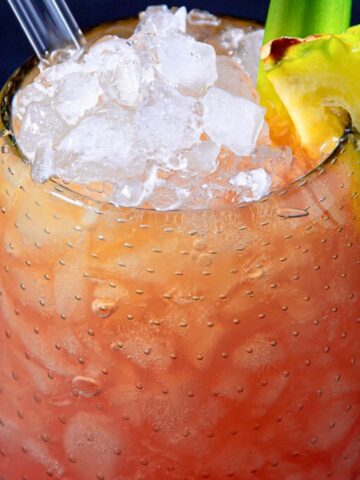
This vibrant, ruby-red drink is made by steeping dried hibiscus flowers in hot water, then sweetening it with sugar and balancing the tartness with a splash of lime. Popular throughout Mexico, agua de Jamaica is often served chilled over ice, making it a refreshing choice on hot days. The hibiscus flowers lend a slightly tangy, floral character, while their deep color makes the drink visually striking. Some variations include cinnamon or cloves for added complexity. Besides being enjoyed on its own, agua de Jamaica is sometimes used as a base for cocktails or mixed with sparkling water for extra brightness.
Agua de Horchata
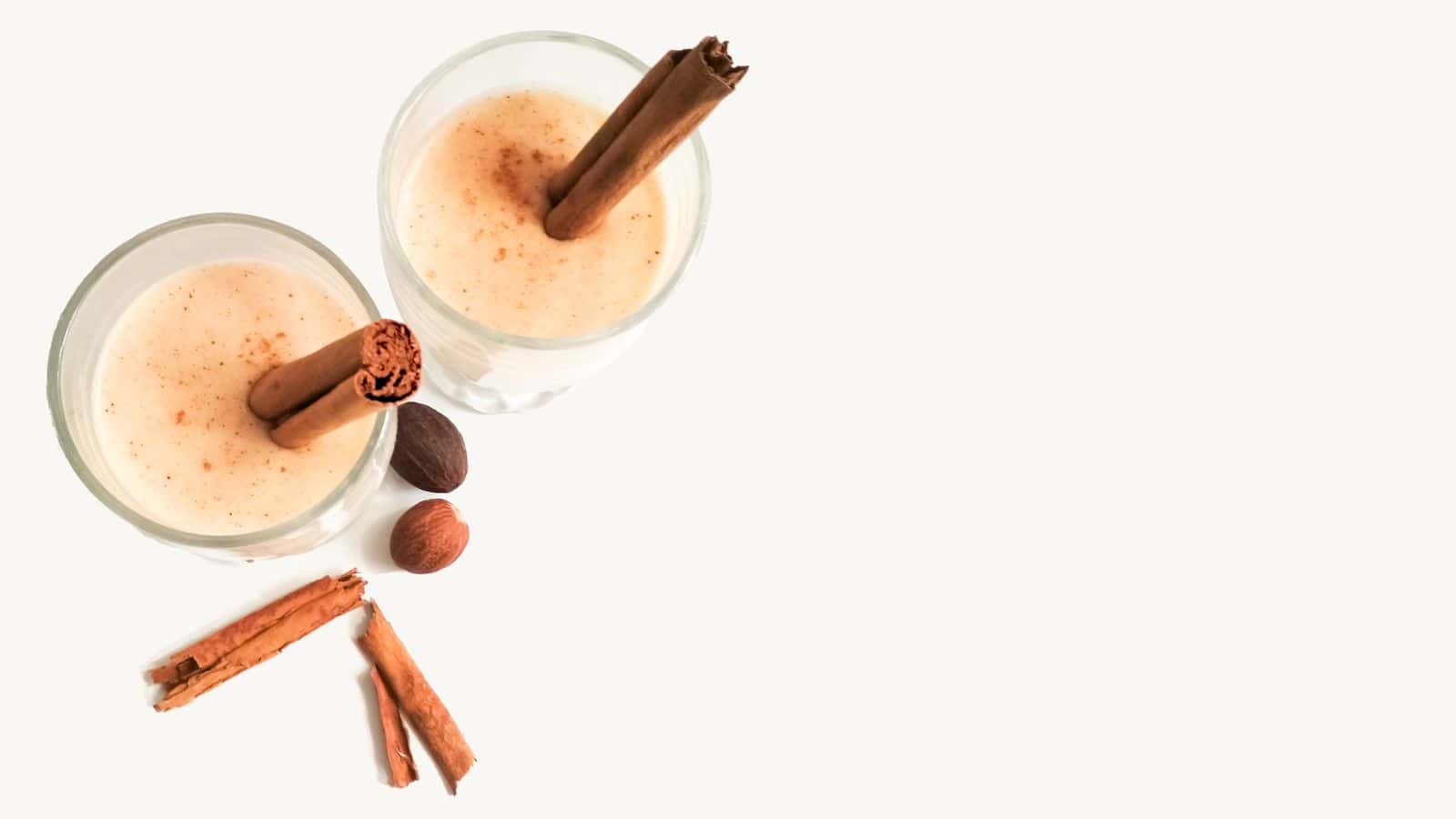
A well-loved classic, agua de horchata is a smooth, rice-based drink infused with cinnamon and vanilla. Traditionally made by soaking rice and blending it into a creamy liquid, it is then sweetened and served ice-cold. Some recipes incorporate almonds or other seeds, giving it a richer texture and a nutty undertone. Though its origins trace back to Spain, Mexico has embraced horchata as a staple in taquerías, where it is often paired with spicy dishes to balance the heat. Its comforting flavor and milky consistency make it a favorite for all ages, enjoyed both as a treat and refreshment.
Cebadina
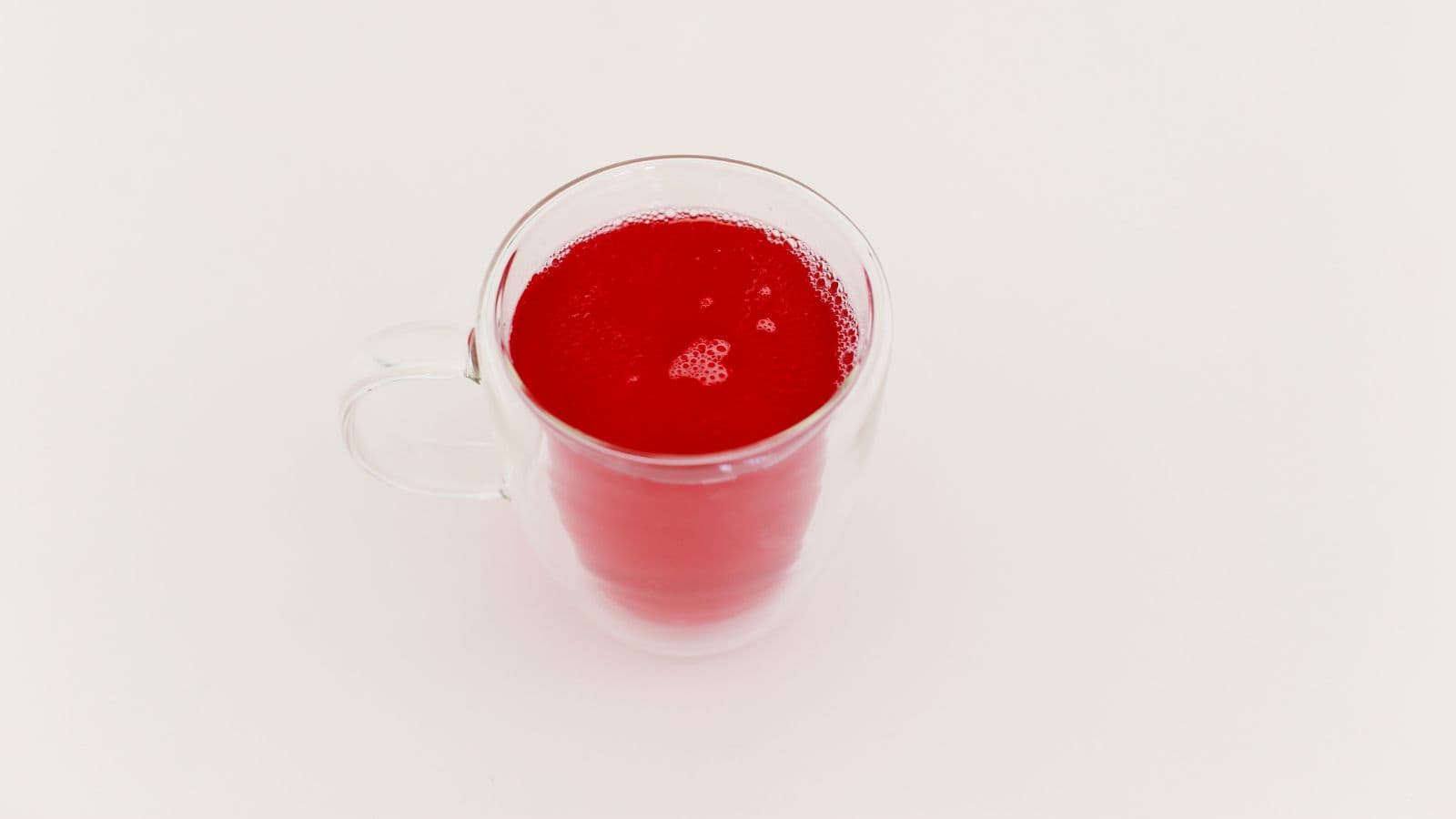
Originating in Guanajuato, cebadina is a fermented drink made from barley, pineapple, and hibiscus, known for its tangy and slightly sweet taste. One of its defining characteristics is the addition of baking soda just before serving, which creates a fizzy effect that enhances its refreshing nature. Traditionally sold in markets and by street vendors, cebadina is often enjoyed as a cooling beverage during the hotter months. Its combination of fruitiness, acidity, and subtle effervescence makes it a distinct alternative to commercial sodas. Though not as widely known outside of Mexico, cebadina remains a regional treasure with a long-standing history.
Pulque
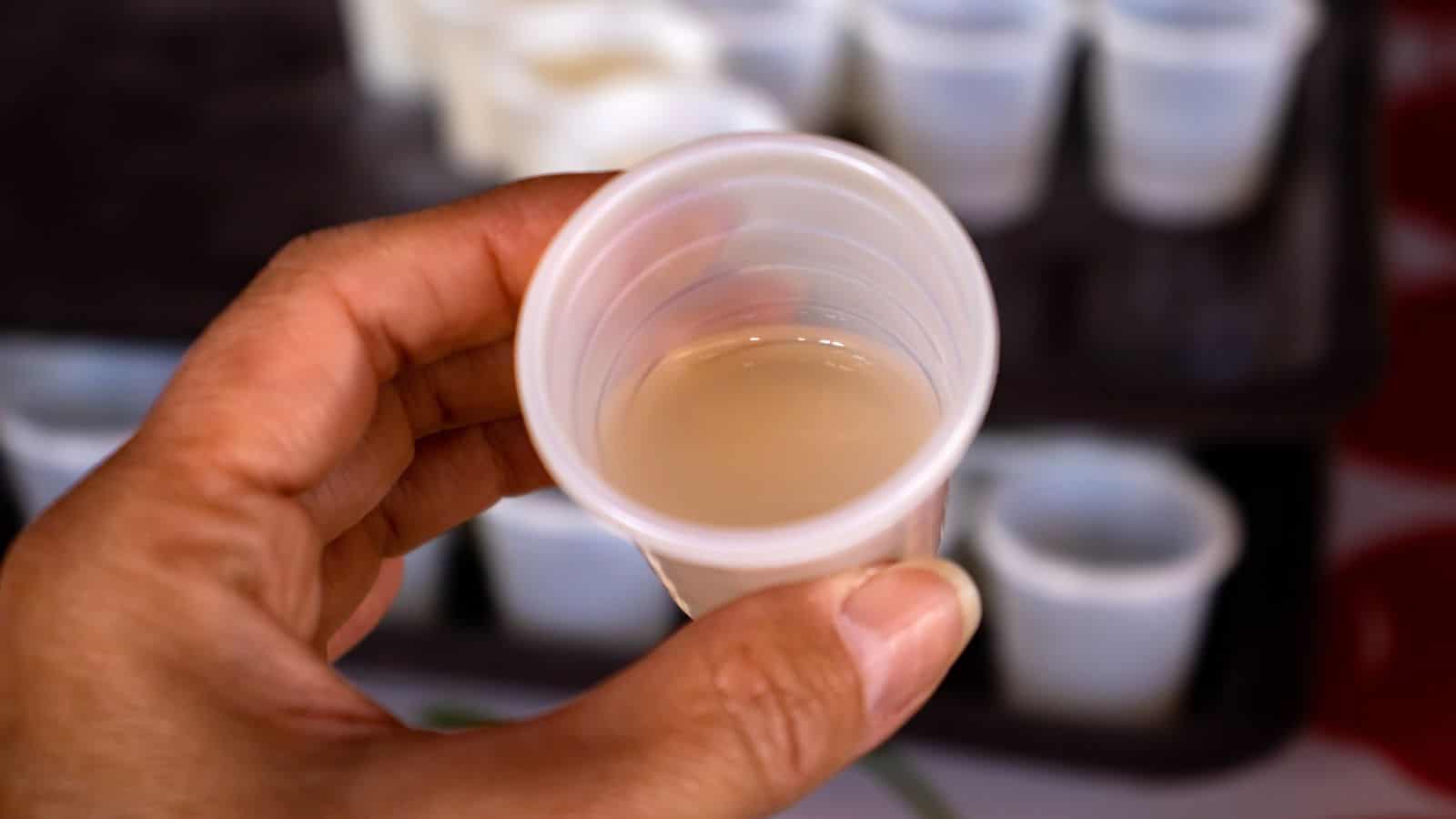
Pulque is a fermented beverage made from the sap of the maguey plant, with origins dating back to ancient Mesoamerican civilizations. Thick and slightly viscous, it has a mildly sour taste that can be an acquired preference. Once considered a sacred drink among the Aztecs, pulque has seen a resurgence in popularity, with many establishments now serving it in traditional and flavored varieties. Modern versions incorporate fruits, nuts, or spices to soften its tartness and introduce new dimensions of flavor. Though pulque has a lower alcohol content than beer, its fermentation process gives it a distinctive character unlike any other drink.
Xocolatl
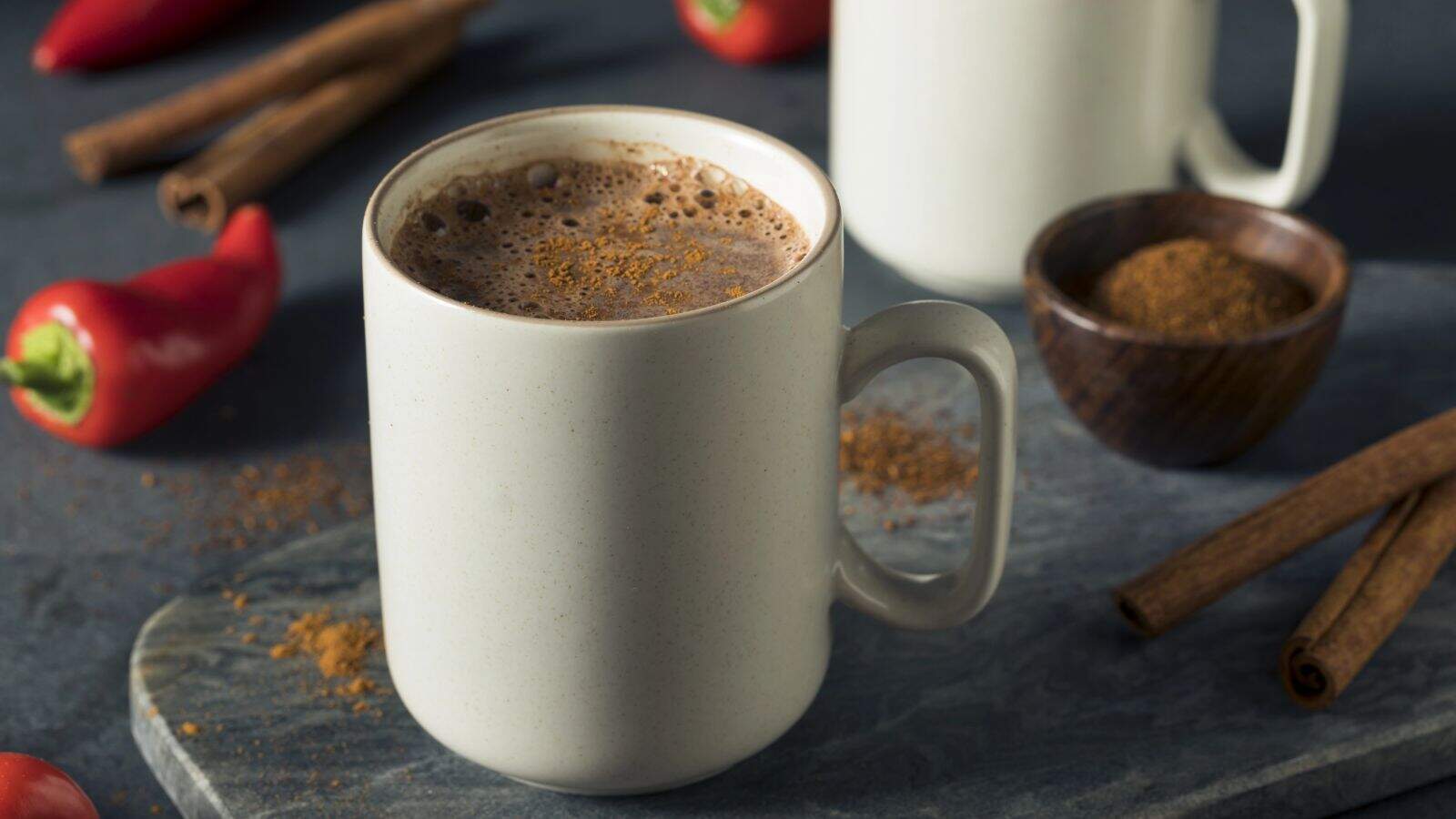
An ancient Mesoamerican chocolate drink, xocolatl was once consumed by the Aztecs and Mayans as a revered beverage. Unlike modern hot chocolate, it is made with ground cacao, water, and spices such as chili and vanilla, creating a bold and slightly bitter flavor. Traditionally, it is whisked until frothy and served warm or at room temperature. Xocolatl was believed to have energizing properties and was often reserved for warriors, priests, and nobility. Though recipes have evolved over time, this drink remains an important part of Mexico's deep-rooted cacao traditions, celebrated for its historical significance and distinctive preparation.
Cacao Pozol
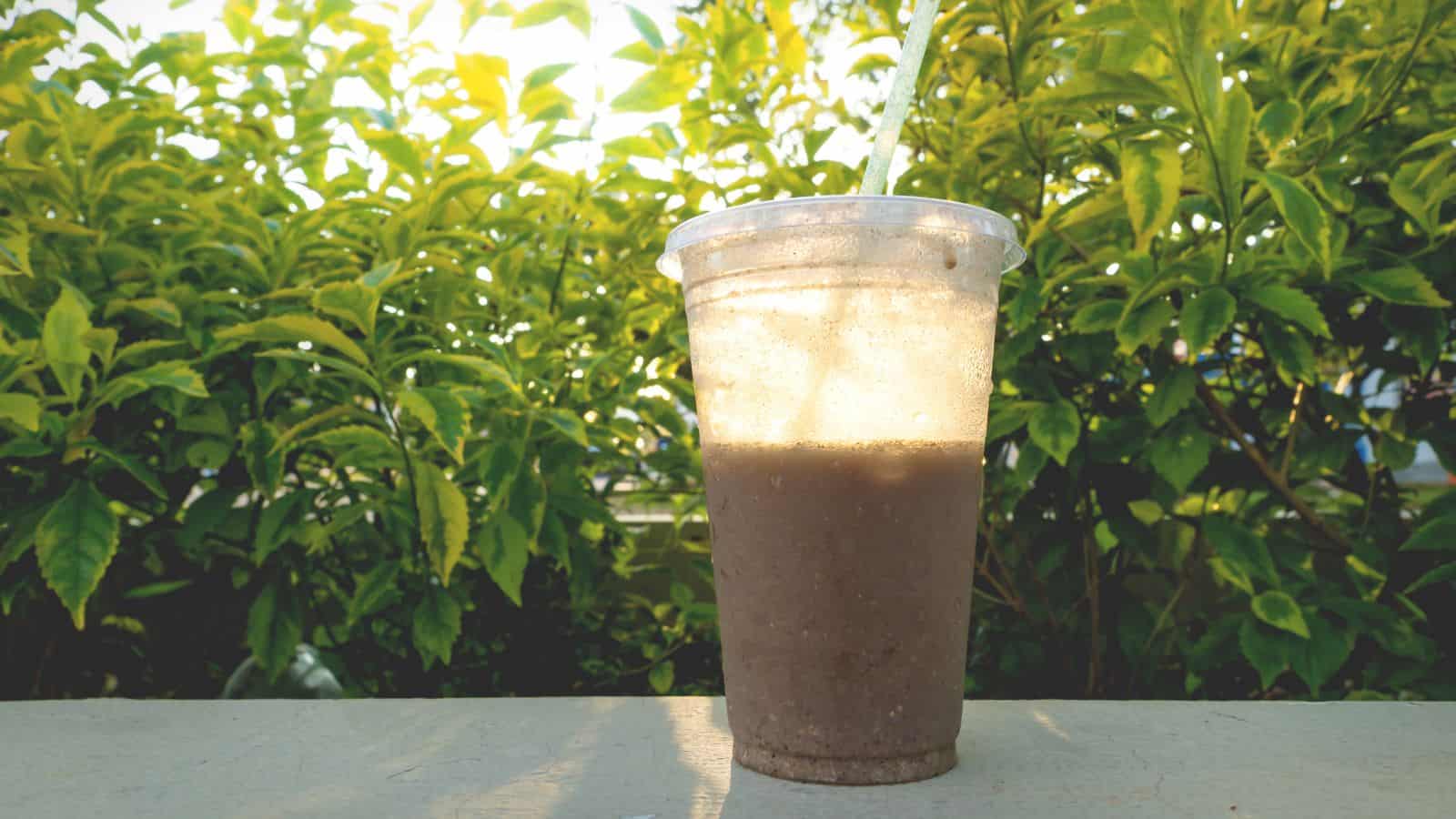
A southern Mexican variation of pozol, this drink combines nixtamalized corn dough with ground cacao, resulting in a thick, earthy mixture that is both hydrating and nourishing. Popular in states like Chiapas and Tabasco, cacao pozol has been consumed for centuries as a staple among farmers and laborers. It is traditionally mixed with water and enjoyed cold, making it a practical choice for long, hot days. The cacao lends a deep, slightly bitter taste that balances the corn's natural sweetness. Though simple in ingredients, cacao pozol carries cultural significance, reflecting the deep connection between indigenous traditions and everyday sustenance.
Horchata
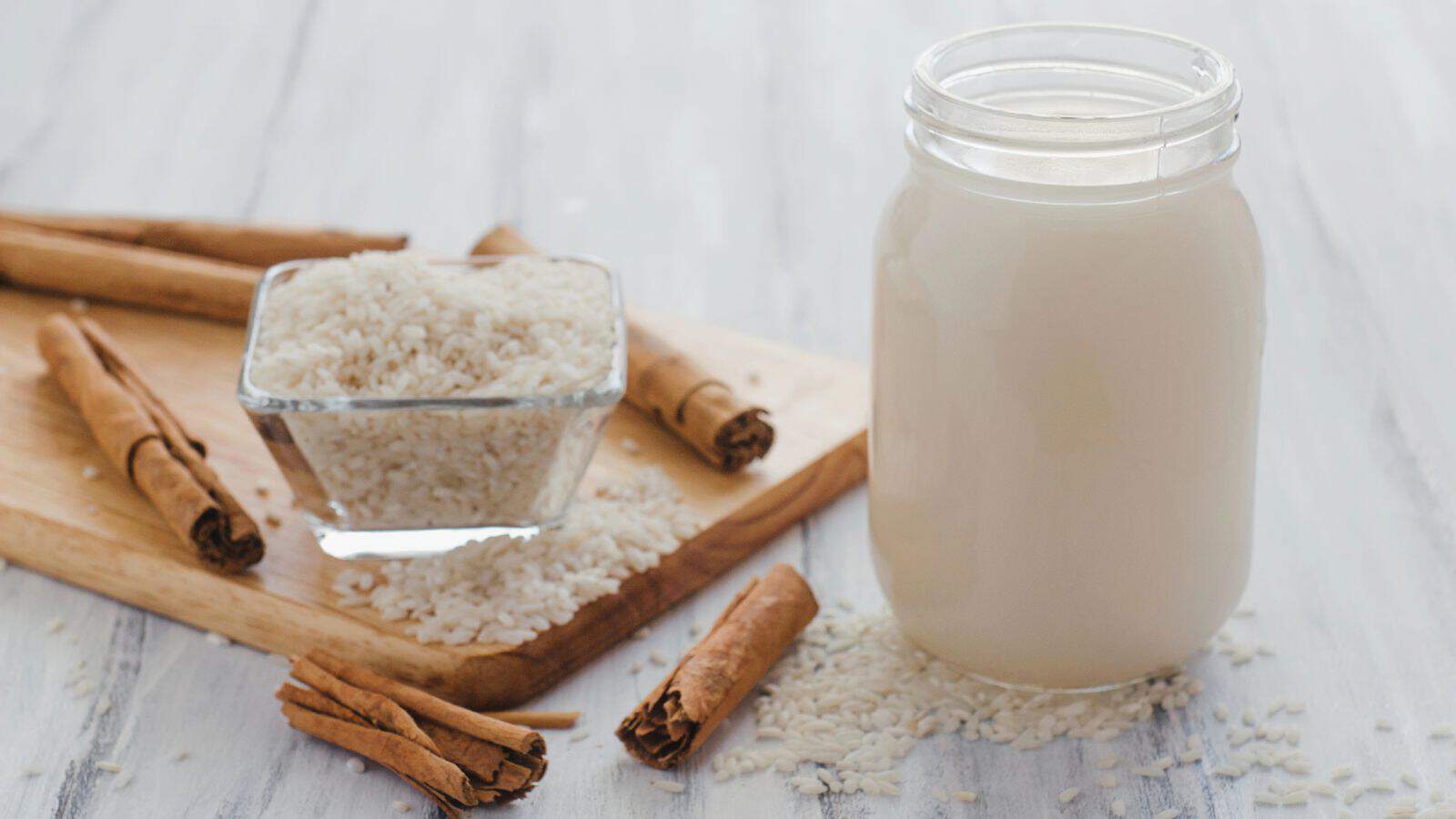
Horchata is a refreshing rice-based drink with roots in Spanish and Mesoamerican traditions. Made by soaking rice with cinnamon and sometimes almonds or other seeds, it is blended with water or milk and sweetened with sugar. The result is a smooth, slightly creamy beverage with a delicate balance of spice and sweetness. Served chilled over ice, horchata is a popular choice for cooling down on hot days. Though variations exist across Latin America, Mexican horchata is often paired with tacos or spicy dishes, offering a soothing contrast to bold flavors.
Celebrate the Richness of Mexican Beverages
These 11 Mexican drinks showcase the incredible diversity and richness of Mexico's beverage culture. Each drink presents a unique flavor profile and a glimpse into the traditions that have been passed down through generations. By exploring these beverages, it becomes clear that there is much more to Mexican drinks than the well-known favorites.
As new experiences are sought, consider trying these remarkable drinks to appreciate the artistry and creativity behind them. Whether enjoyed at home or during a visit to Mexico, these beverages are sure to enhance any occasion. Raise a glass to the vibrant world of Mexican drinks and savor the flavors that deserve global recognition!
9 Global Coffees You Need to Try Before You Die

A tour around the world with just a warm cup of coffee. What's really cool about coffee is how each place makes it their own. Think about it - in some countries, they brew it super strong and serve it in tiny cups, while others create coffee so thick you can almost eat it with a spoon. Some add spices, others use special pots that have been passed down for generations, and each way makes coffee taste completely different.
Read More Here: 9 Global Coffees You Need to Try Before You Die
14 Drinks That Boomers Loved And Deserve a Comeback

A few retro drinks some of you probably never heard of! The cocktail scene of the 1960s and 70s was a vibrant era of experimentation and indulgence. Boomers embraced various colorful, flavorful drinks that defined social gatherings and nightlife.
Read More Here: 14 Drinks That Boomers Loved And Deserve a Comeback


Comments
No Comments