
Prices at the store or café might be creeping higher-and it's not just inflation to blame. A number of popular beverages are getting pricier under new trade rules, driven by shifting tariffs, import restrictions, and ingredient sourcing challenges. These changes are starting to hit products that were once considered everyday staples, and the impact is being felt across supermarkets, restaurants, and coffee shops alike.
From juices to bottled teas and carbonated drinks, certain items are now caught between changing regulations and supply chain adjustments. While some price increases may be small, others are raising eyebrows among regular buyers.
Here are 11 popular beverages getting pricier under new trade rules. Keep an eye out-some of these changes might show up on your next grocery bill.

Imported Coffee
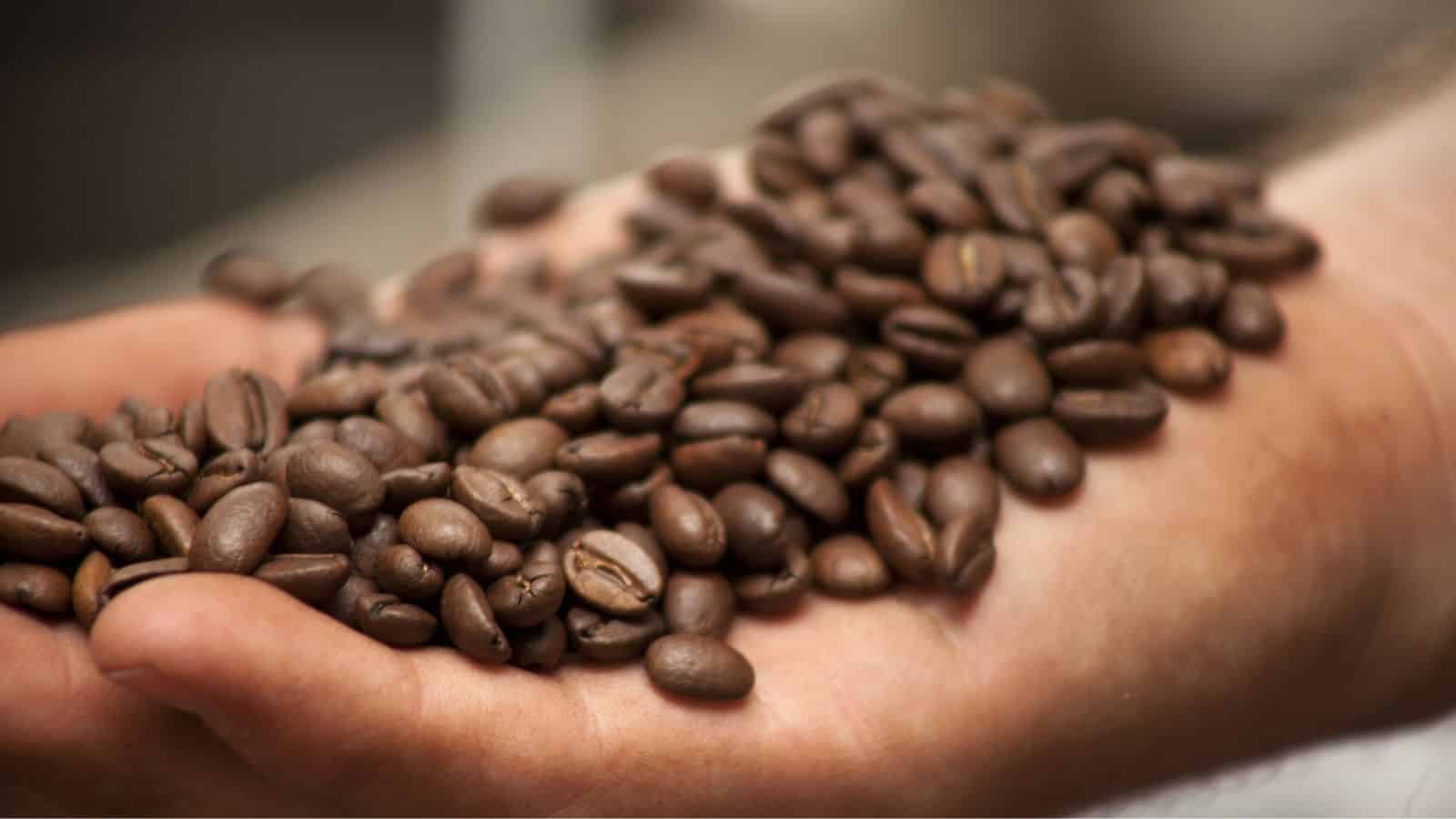
Under new trade rules, coffee prices have risen due to tariffs imposed on imports from key countries like Vietnam and Brazil. As the cost of importing raw coffee beans increases, consumers are seeing higher prices for their favorite brands. Coffee lovers who prefer high-quality, imported beans or popular international coffee chains may find themselves paying more for their daily cups. This shift affects both the at-home brewing experience and café purchases. For many, the price hike adds up over time, making the daily ritual of enjoying a cup of coffee feel a little more expensive than before.
Imported Wines

The imposition of tariffs on wines from the European Union, including countries like France, Italy, and Spain, has led to price increases. Consumers who enjoy wine from these regions are now facing higher prices at both retail and restaurant levels. The new tariffs, aimed at balancing trade imbalances, impact the cost of production and importation, which trickles down to the buyer. Wine enthusiasts may notice the price hikes, particularly in premium wines or popular labels. For those who regularly enjoy a glass or bottle, these price increases could become a noticeable change in their wine purchasing habits.
Flavored Alcoholic Beverages (Alcopops)

Flavored alcoholic beverages like alcopops have seen price hikes due to changes in excise tax laws and increased production costs. These sweet, ready-to-drink beverages, popular for their convenience, often feature flavors like fruit, soda, or iced tea mixed with alcohol. The price increase is a result of new trade rules affecting the alcohol sector, where taxes on these drinks have been raised. For consumers who rely on these beverages for a quick, easy drink, the added cost may make them rethink their choices, possibly opting for more traditional cocktails or beers instead.
Canned Coffee
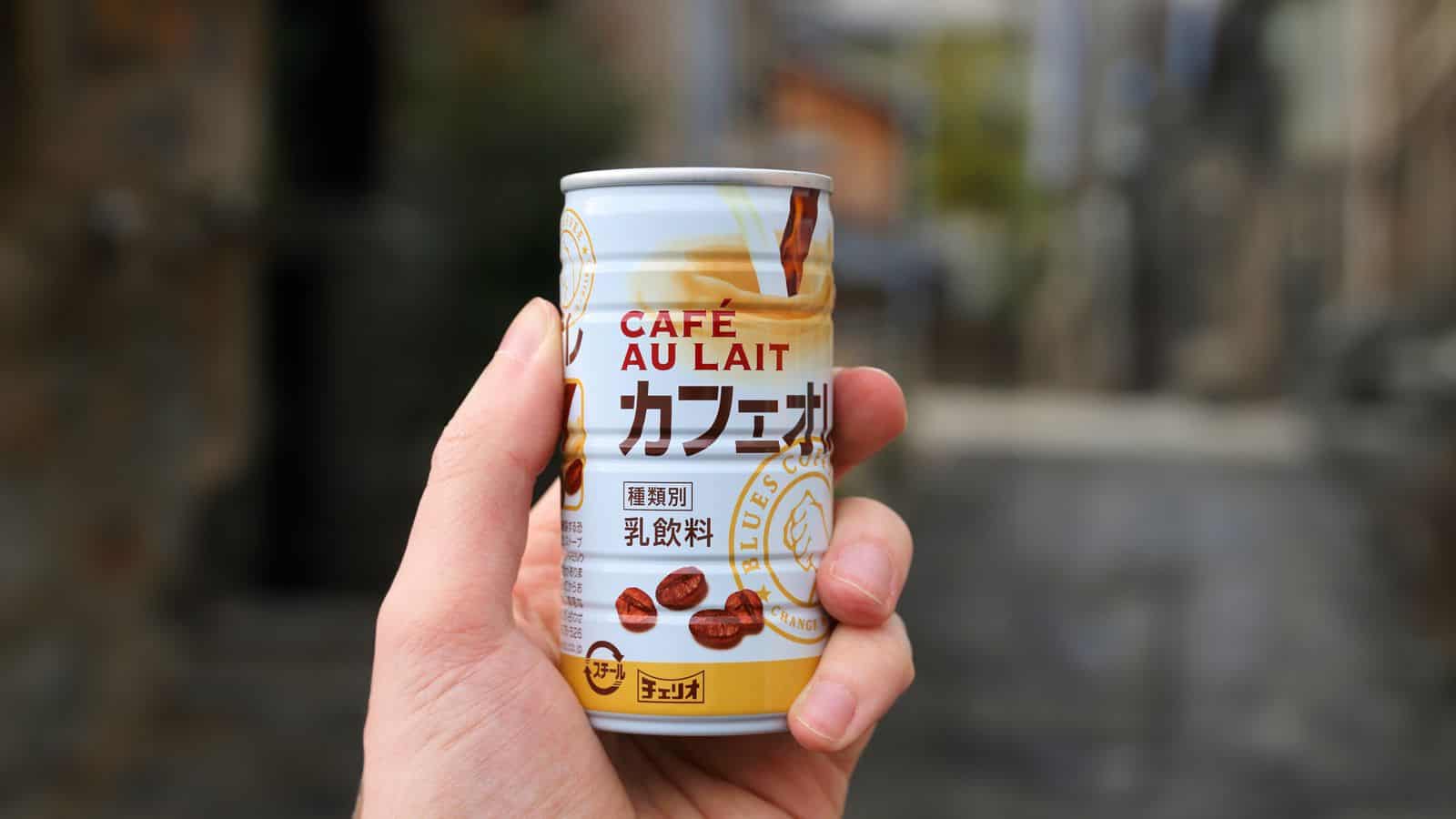
Canned coffee has grown in popularity as a ready-to-drink alternative to brewed coffee and has experienced price increases due to new import rules and production changes. Many brands rely on overseas production or ingredients, and the cost of bringing these products into the market has gone up with new tariffs. This has affected everything from iced coffee in a can to espresso shots. As demand for ready-made coffee continues to rise, consumers may notice the higher prices when picking up their favorite cold-brew options from local retailers or convenience stores, impacting both regular and occasional drinkers.
Coffee Refills and 3-in-1 Packets
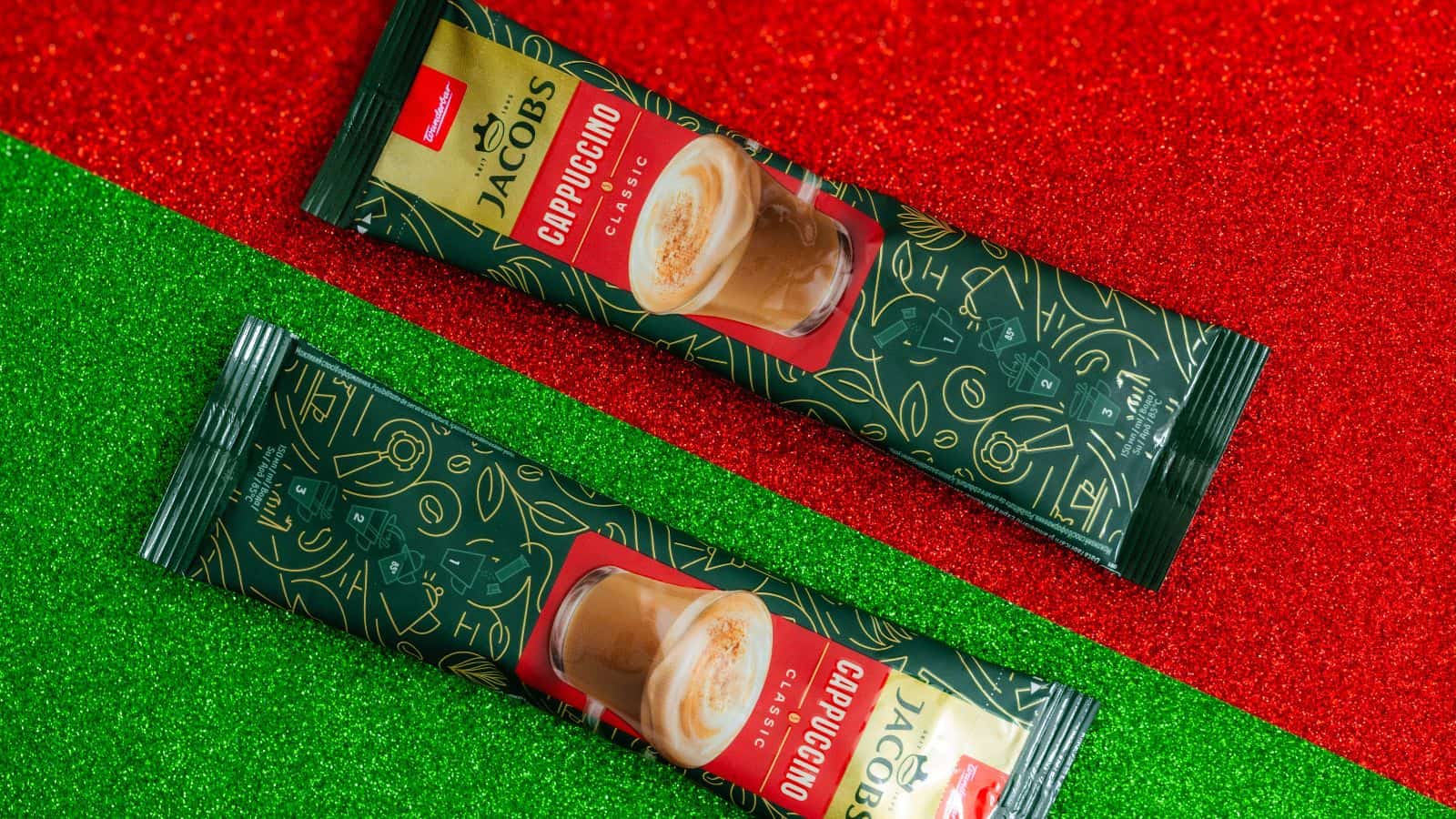
Coffee refills and 3-in-1 coffee packets are getting pricier as new tariffs and trade regulations affect both raw materials and packaging costs. This is especially noticeable in products that contain coffee, creamer, and sugar, all in one convenient packet. The increased production costs are passed on to the consumer, making these once-affordable options a bit steeper. This price jump can add up over time for busy individuals who rely on these quick solutions for their caffeine fix. Even coffee chains may pass on the cost increases for refills, changing the routine for coffee enthusiasts seeking value.
Imported Bottled Water

Imported bottled water has become more expensive due to tariffs on water sourced from outside the country. Popular brands that come from renowned springs or regions abroad are particularly affected. As trade regulations change, the cost of bringing these premium waters into the market has increased, resulting in higher prices for consumers. For those who prefer specific brands or exotic sources of water, this can impact their purchasing habits. While some may seek domestic alternatives to reduce costs, others will face the reality of paying more for their preferred bottled water at stores or restaurants.
Soft Drinks
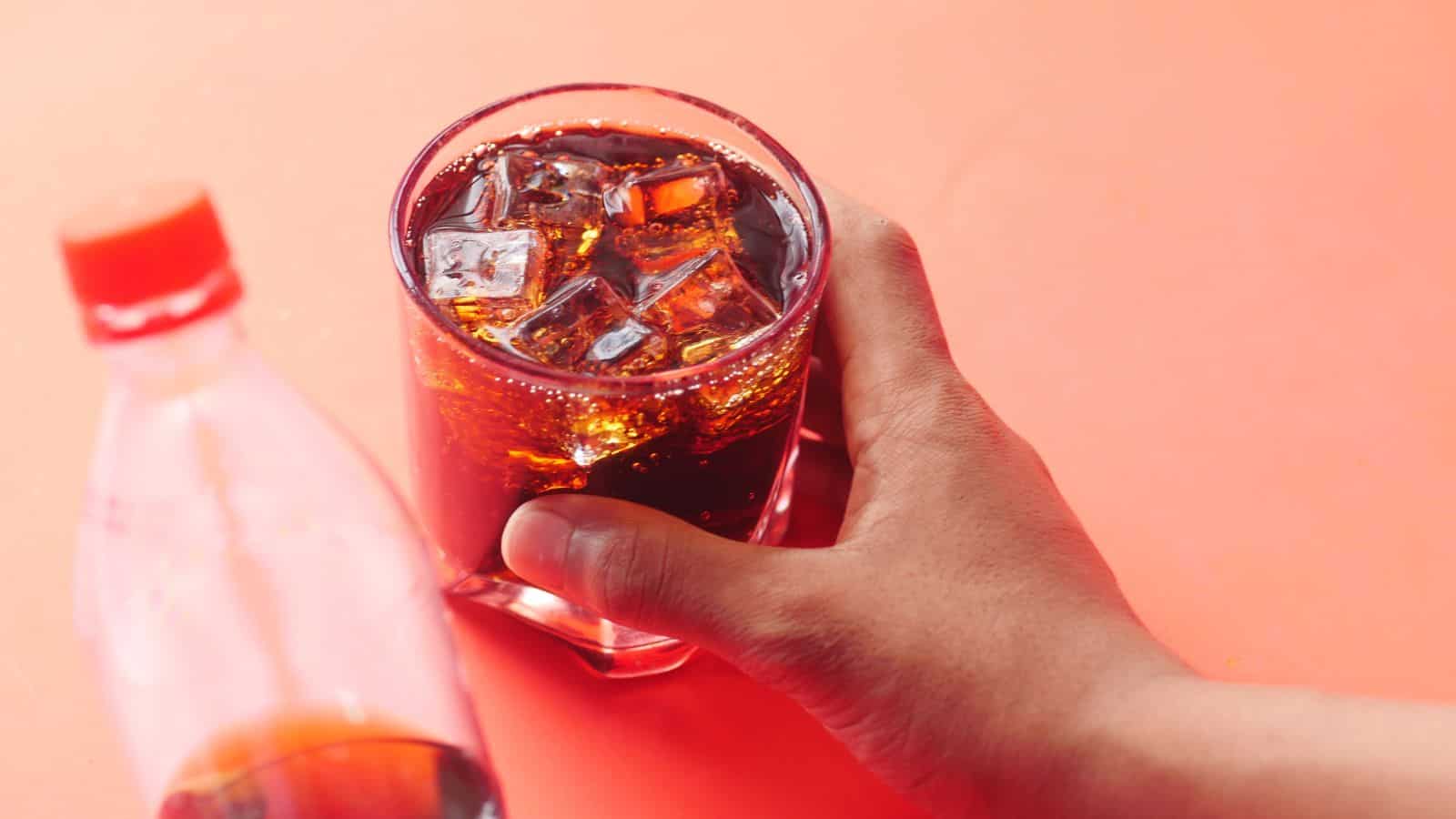
The cost of soft drinks has risen with the introduction of higher tariffs on both the ingredients and the packaging used for these beverages. The new trade regulations have impacted popular soda brands, especially those imported from overseas. The increased costs of sweeteners, carbonated water, and cans or bottles are passed on to consumers, making sodas more expensive at the checkout counter. For those who enjoy a daily soda or stock up for parties and events, this price increase could cause them to reconsider their buying choices, potentially opting for local brands or alternative beverages.
Fruit Juices
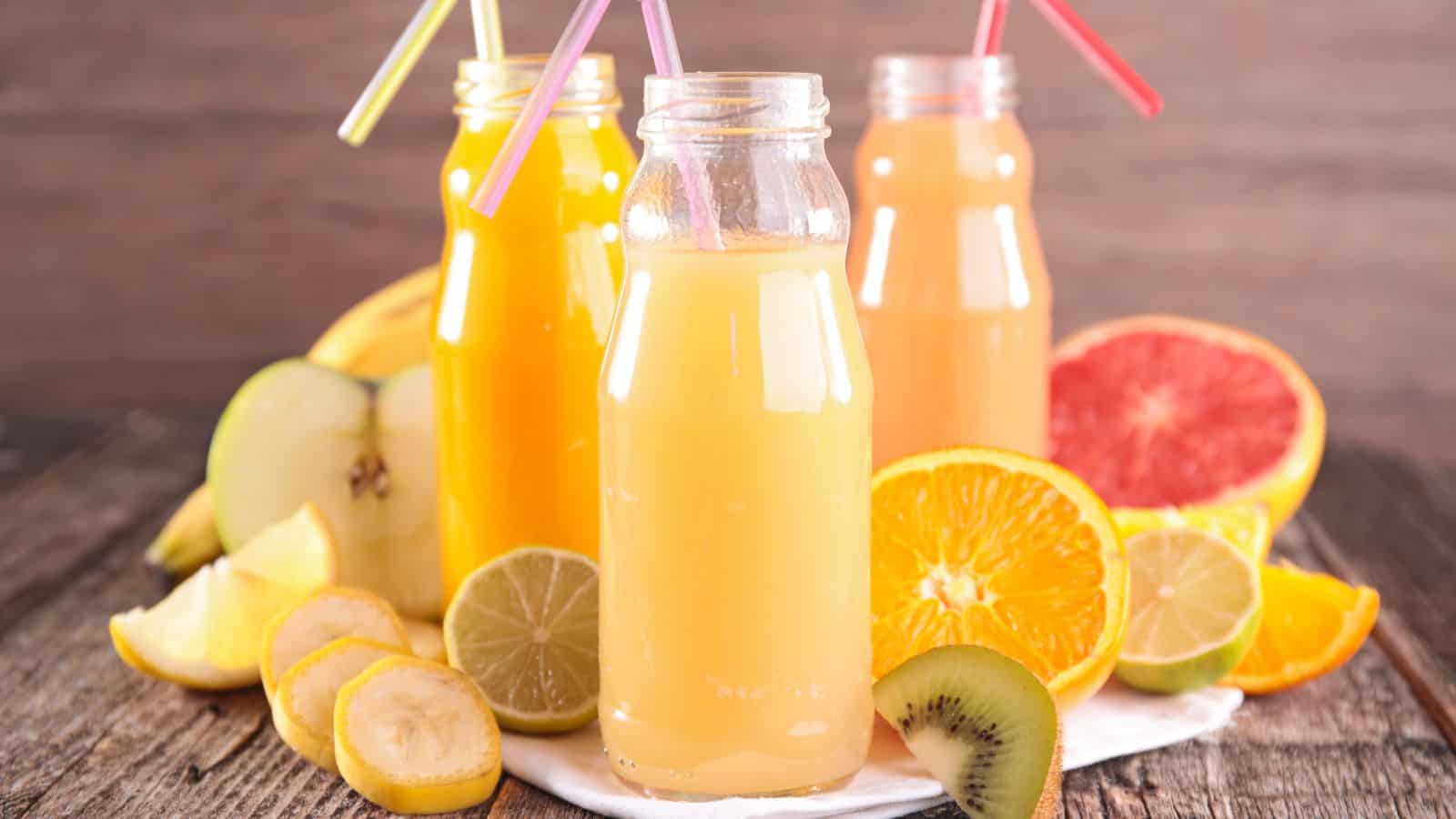
Fruit juices, particularly those imported from regions known for their specific fruit varieties, have become more costly due to new tariffs. The increased cost of transporting fruit concentrates, natural flavors, and packaging has resulted in higher prices for these refreshing drinks. Brands offering exotic or specialty juices, such as tropical blends, are often more affected than common juices like orange or apple. Consumers who prefer freshly squeezed or premium bottled juices may find themselves paying more at the grocery store. These price hikes might also influence purchasing decisions, with some opting for alternatives like homemade smoothies.
Tea Products

Due to new trade policies, certain imported tea products, such as specialty blends or premium loose-leaf teas, have seen price hikes. The cost of importing tea leaves, packaging, and other ingredients used in flavoring or blending has risen as tariffs have increased. This particularly affects tea enthusiasts who seek high-quality teas from renowned regions like India or China. While everyday tea drinkers may not notice a huge impact, those who prefer specialty teas or rare blends may find themselves paying more for their go-to products. As prices climb, some tea drinkers may begin to explore local options instead.
Sports and Energy Drinks
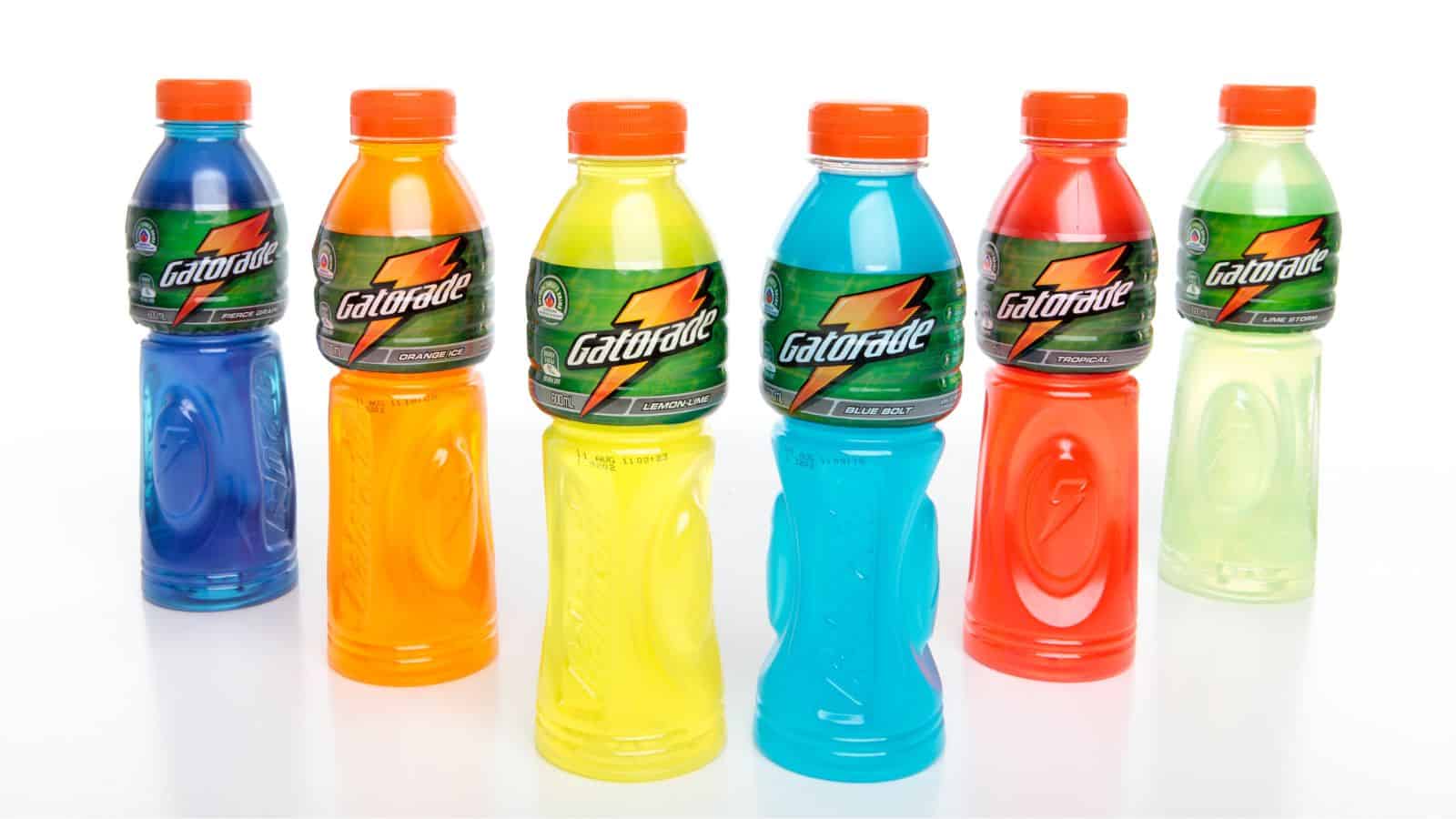
Sports and energy drinks have seen price increases due to rising import tariffs and the higher cost of production for these drinks. Many popular energy drink brands are imported or require specific ingredients that are now subject to higher taxes. As manufacturers adjust to the new trade rules, the cost of bringing these beverages to market has been passed on to the consumer. For those who rely on these drinks for a quick boost of energy or hydration, this price hike could impact their buying habits, especially for regular consumers who purchase these drinks in bulk.
Alcoholic Beverages

Alcoholic beverages, especially imported ones, have experienced price hikes following the introduction of new excise taxes and tariffs. Popular imported beers, spirits, and wines are now more expensive as a result of the increased cost of production and shipping. These price increases can be frustrating for casual drinkers or those who enjoy a bottle of wine with dinner. While the price hikes may not be substantial for occasional buyers, regular consumers may find themselves reconsidering their choices. Local alternatives or budget-friendly brands could become more appealing as people adjust to the higher costs of their preferred drinks.
Sip Smarter, Spend Wiser

Price hikes might not always come with a headline, but they tend to show up on receipts. With trade rules shifting and costs rising behind the scenes, it helps to stay informed about which beverages are changing and why.
Whether it's your daily pick-me-up or a go-to grocery item, being aware of these increases can help you make smarter choices next time you shop. Keep these names in mind-you might want to swap them out, stock up, or simply keep tabs on what's worth the extra spend.
19 Beverages Health Experts Would Never Order

Keep these drinks in mind! Making smart beverage choices is just as important as eating a balanced diet, yet many drinks that seem harmless can be packed with hidden sugars, artificial ingredients, and unhealthy additives. In fact, there are 19 beverages that health experts would never order, and understanding why can help you make better decisions when it comes to staying hydrated and nourished. While some drinks are marketed as refreshing or even beneficial, they can actually undermine wellness goals and negatively impact overall health.
Read More Here: 19 Beverages Health Experts Would Never Order
9 Global Coffees You Need to Try Before You Die

A tour around the world with just a cup of coffee. What's really cool about coffee is how each place makes it their own. Think about it - in some countries, they brew it super strong and serve it in tiny cups, while others create coffee so thick you can almost eat it with a spoon. Some add spices, others use special pots that have been passed down for generations, and each way makes coffee taste completely different.
Read More Here: 9 Global Coffees You Need to Try Before You Die


Comments
No Comments