
Alcohol is surrounded by many myths and misunderstandings that can be confusing. But how much of what you believe is actually true? There are 11 shocking alcohol lies you need to stop falling for, and knowing the truth can help you make better choices. From thinking some drinks are healthier to believing that alcohol helps with stress, these myths can lead to bad habits and wrong ideas.
Understanding what's real and what's not can help everyone make smarter decisions about drinking. Many of these lies come from what people hear from friends or see in ads. By learning the truth behind these common myths, it's easier to understand alcohol and how to enjoy it safely.
Take a moment to discover these surprising truths and avoid falling for these alcohol lies. Being informed can lead to healthier choices and a better experience when socializing with friends.

Beer is Healthier Than Other Alcoholic Drinks

Some people believe beer is a healthier choice because it has a lower alcohol content than wine or spirits, but this isn't entirely true. While beer might have fewer alcohol units, it can still be high in calories and carbohydrates. These extra calories contribute to weight gain, increase fat storage, and can lead to metabolic issues over time. Furthermore, regardless of whether you drink beer or another type of alcohol, excessive consumption poses risks such as liver damage and heart disease. It's important to remember that no alcohol is truly "healthy," and moderation is essential to avoid these potential health complications.
A Glass of Wine a Day is Good for Your Heart

The belief that a daily glass of wine can improve heart health has been widely promoted, but the evidence is more nuanced. Some research has suggested that moderate wine consumption might have cardiovascular benefits, particularly due to antioxidants like resveratrol. However, these benefits are overstated and don't apply to everyone. Drinking wine regularly can also lead to negative effects such as liver damage, increased blood pressure, and weight gain. For those who don't already drink, it's unnecessary to start drinking wine to improve heart health. A balanced diet, exercise, and other lifestyle changes are far more effective ways to protect your heart.
Drinking Alcohol Will Help You Sleep Better
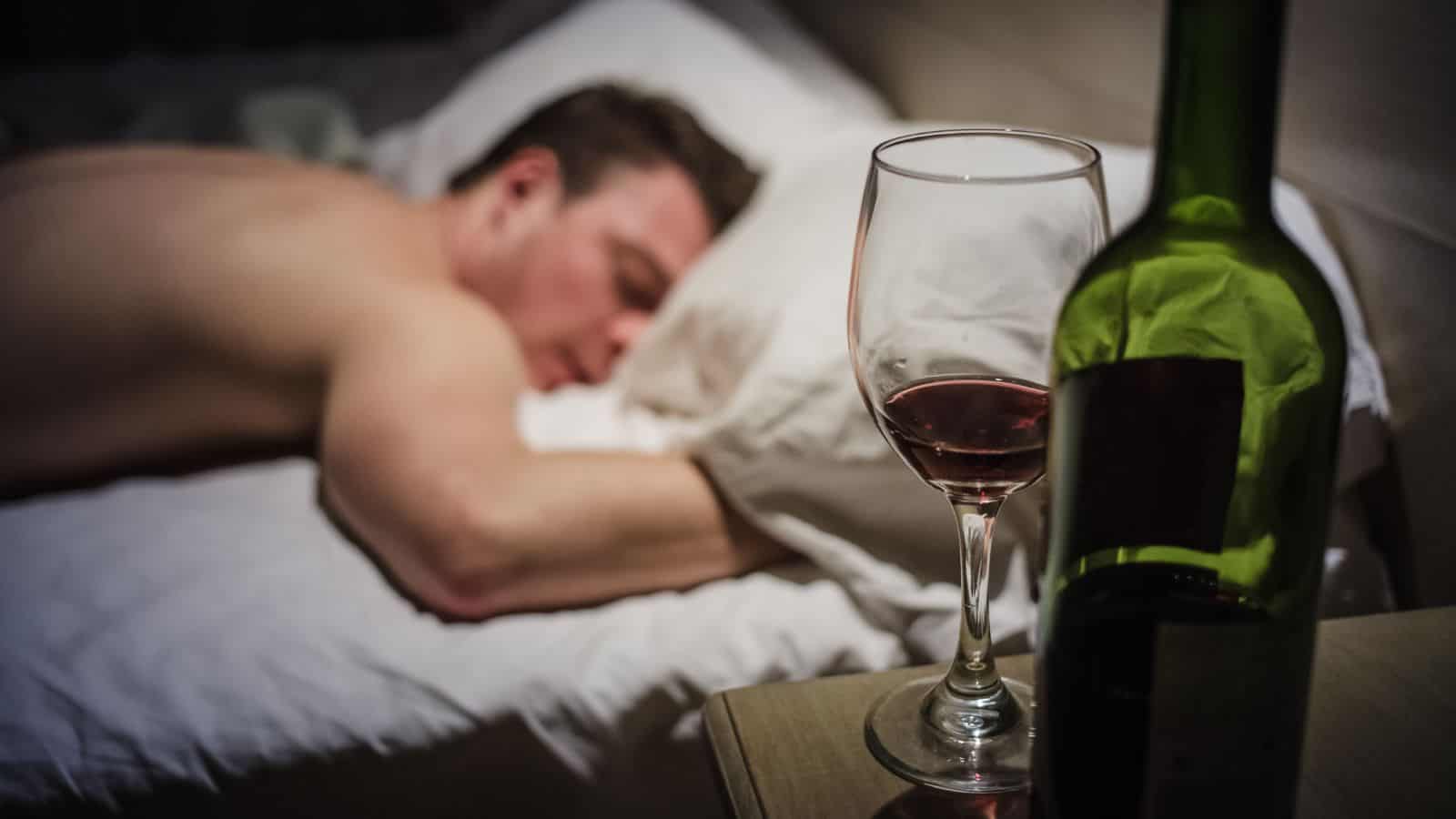
Many individuals think alcohol helps them sleep faster, but this belief overlooks how alcohol interferes with sleep quality. While it may initially make you feel drowsy, alcohol disrupts the natural sleep cycle, particularly REM sleep, which is critical for feeling rested. This can lead to fragmented sleep, leaving you feeling groggy and unrefreshed. Over time, regular use of alcohol as a sleep aid can contribute to insomnia or other sleep disorders. If you're struggling with sleep, it's better to adopt habits that promote restfulness, such as maintaining a regular sleep schedule and reducing stress, rather than turning to alcohol as a quick fix.
Alcohol Is a Good Way to Relieve Stress

Many people rely on alcohol to unwind after a stressful day, but this is a misleading approach. While alcohol may temporarily reduce feelings of tension, it doesn't address the underlying causes of stress and can worsen your mental health in the long run. Drinking to cope with stress often leads to dependence, emotional instability, and increased anxiety. Instead of using alcohol as a stress reliever, healthier alternatives like exercising, journaling, or practicing mindfulness can help sustainably reduce stress. Addressing the root causes of stress, rather than masking them with alcohol, is a more effective approach to mental well-being.
Drinking Alcohol Makes You More Social

Alcohol is often seen as a tool for enhancing social interactions, but this idea can be misleading. While alcohol might temporarily lower inhibitions and make some individuals feel more confident in social situations, it can actually impair communication and decision-making skills. Over time, relying on alcohol for socializing can lead to awkward or inappropriate behavior as judgment becomes clouded. Real social connections are based on genuine communication, empathy, and respect, not on alcohol consumption. In fact, drinking can often hinder authentic conversations and connection, so it's worth reconsidering whether alcohol truly makes you more social.
Drinking Alcohol Will Help You Lose Weight
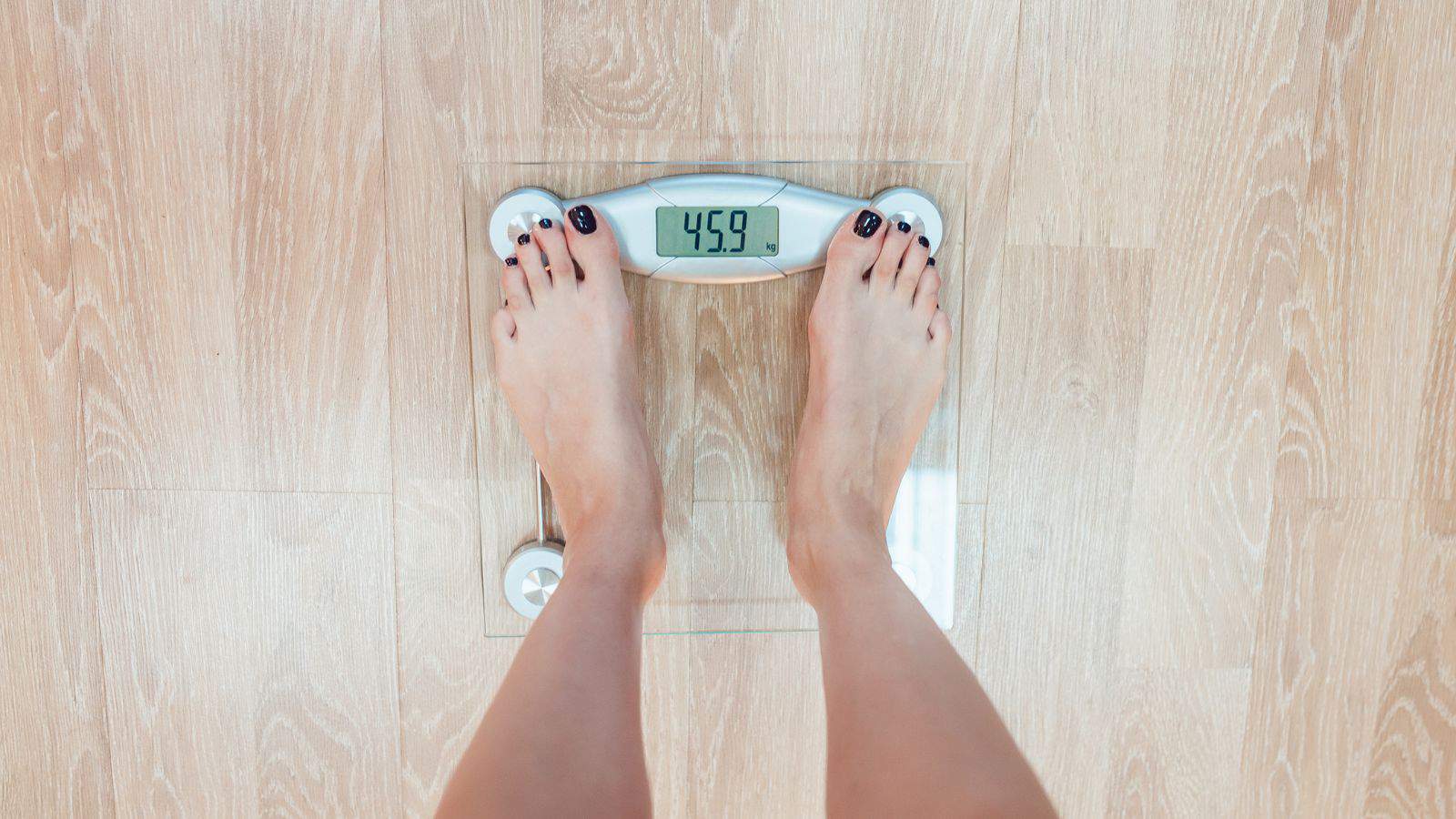
There's a common misconception that alcohol can aid in weight loss, particularly when drinking lighter beverages like beer or spirits. However, alcohol is calorie-dense and can disrupt metabolism, leading to weight gain rather than loss. Additionally, alcohol lowers inhibitions, which can lead to overeating or making unhealthy food choices. The body also prioritizes breaking down alcohol over other metabolic processes, such as burning fat, which slows the fat-burning process. Consuming alcohol can interfere with weight loss goals, so if you're aiming to lose weight, it's better to focus on balanced nutrition and regular exercise instead of relying on alcohol for any potential benefits.
You Can Safely 'Sober Up' by Drinking Coffee or Taking a Cold Shower
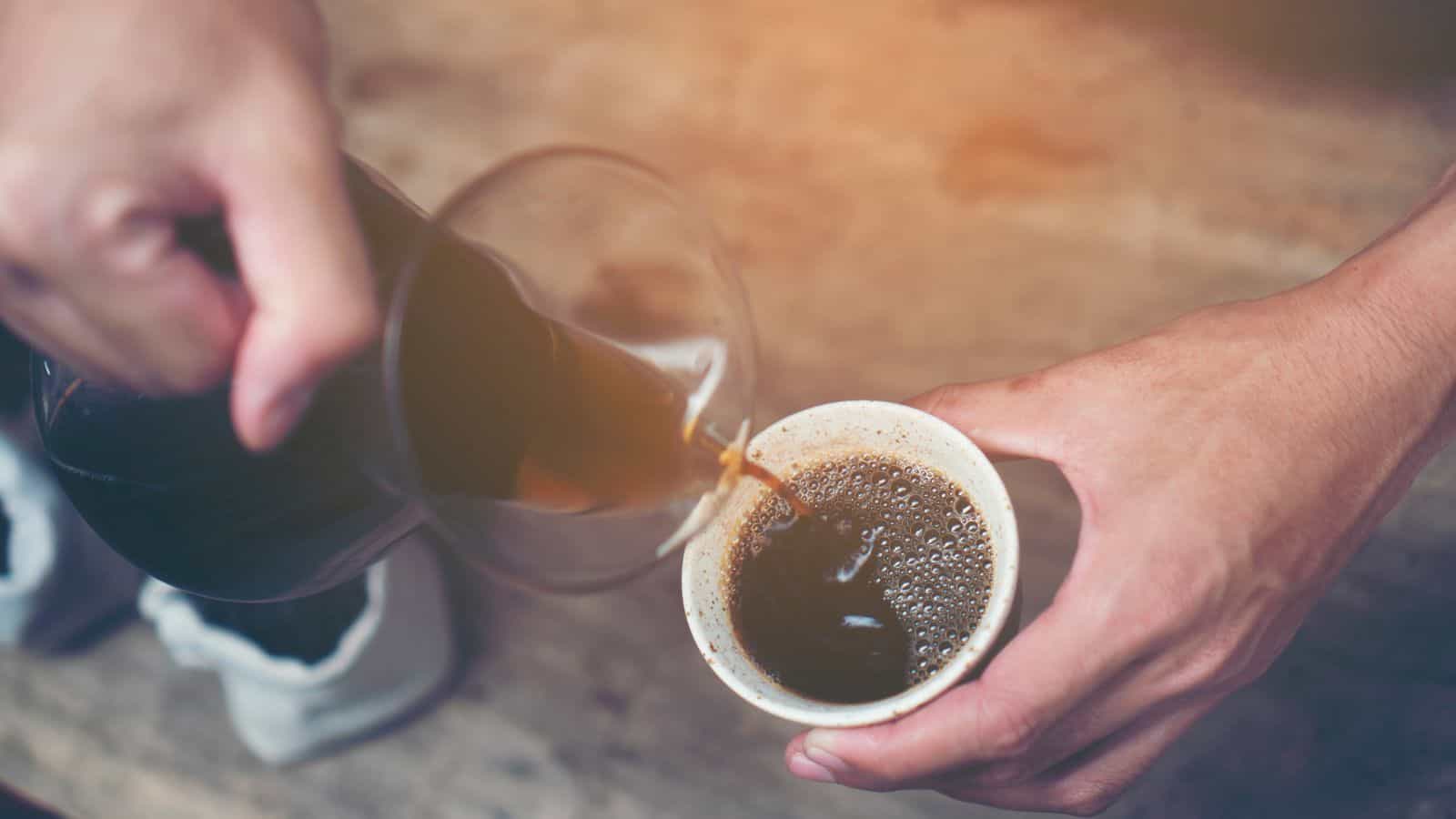
The idea that drinking coffee or taking a cold shower can help you sober up after drinking alcohol is a dangerous myth. Neither coffee nor cold water speeds up the body's ability to process alcohol. The liver metabolizes alcohol at a set rate, typically about one standard drink per hour, and there's no way to accelerate this process. While these methods may make you feel more alert, they don't reduce alcohol's impairing effects. The safest and most responsible way to sober up is to wait for the body to naturally metabolize the alcohol, allowing enough time for it to leave your system.
Alcohol Helps You Feel Better When You're Sick
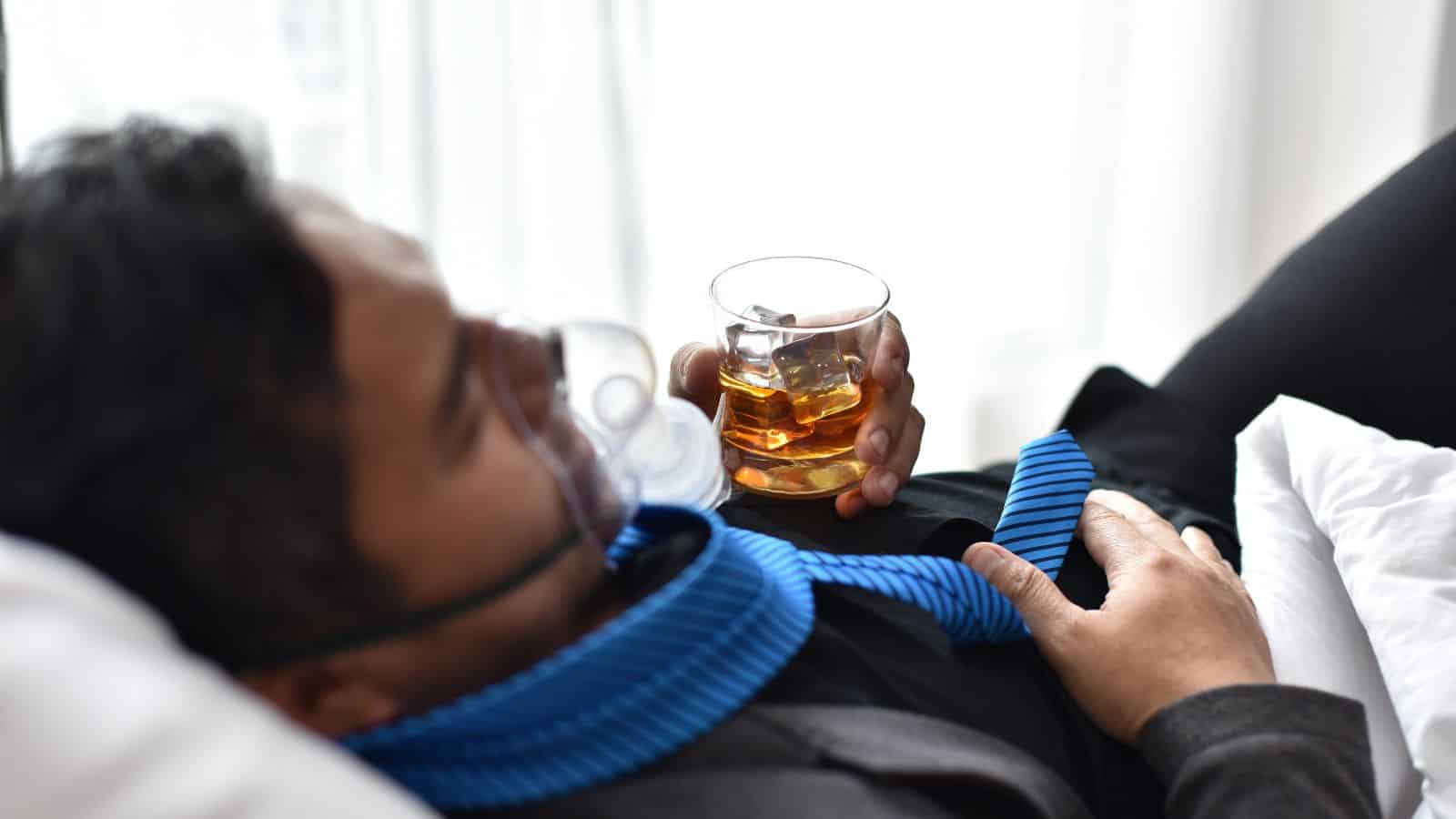
It's common for people to turn to alcohol when they're feeling unwell, thinking it might relieve symptoms like a sore throat or congestion. However, alcohol can actually make things worse. It dehydrates the body, which can exacerbate cold and flu symptoms. Alcohol can also impair immune function, making it harder for your body to fight off infections. Additionally, alcohol interacts with medications, potentially diminishing their effectiveness. Instead of reaching for alcohol, it's better to focus on staying hydrated, resting, and using over-the-counter remedies to ease symptoms and support your recovery from illness.
Alcohol Is Calorie-Free or Low in Calories

There's a widespread belief that alcohol, particularly light beer or spirits, is low in calories. While light beer and some spirits may have fewer calories than sugary cocktails, alcohol is still a calorie-dense substance. Even moderate consumption of alcohol can quickly add up in terms of calorie intake, particularly if you drink regularly. Cocktails, especially those mixed with sugary ingredients, can be extremely high in calories, contributing to weight gain over time. If you want to manage your weight, it's important to be mindful of the calories in alcoholic beverages, as they can easily be overlooked in your daily calorie count.
Alcohol Isn't Addictive if You Drink in Moderation
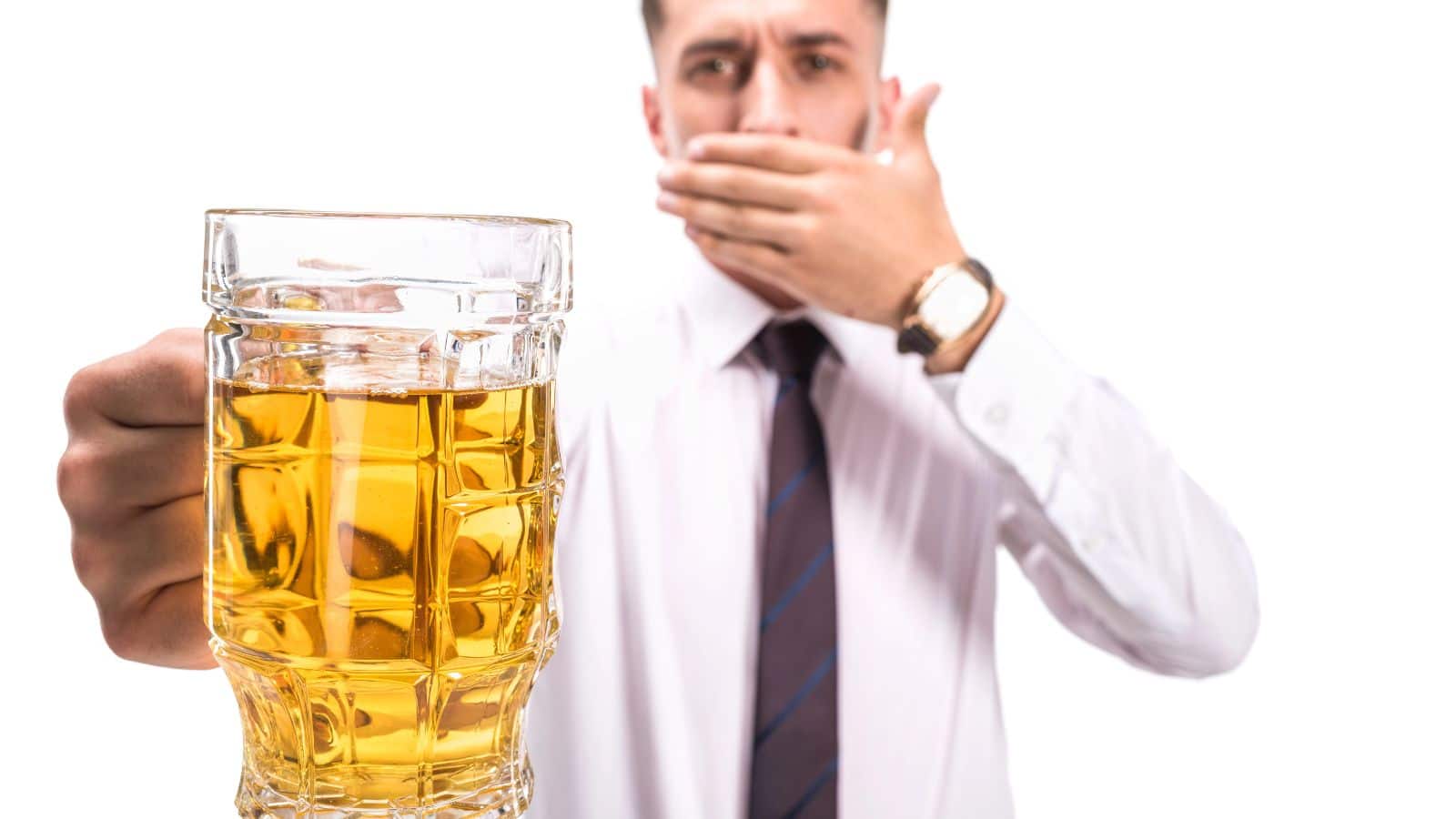
The assumption that alcohol is not addictive if consumed in moderation is a misleading and dangerous belief. Even moderate drinking can lead to addiction for some individuals, particularly if there are underlying psychological or emotional factors at play. Alcohol addiction doesn't just depend on the amount consumed but also on how it impacts your life and well-being. For those with a family history of addiction or mental health struggles, drinking in moderation may still be a slippery slope. Recognizing the signs of dependence early and seeking professional help can prevent alcohol from negatively affecting your life in the long run.
You Can Drink and Still Be a Responsible Driver
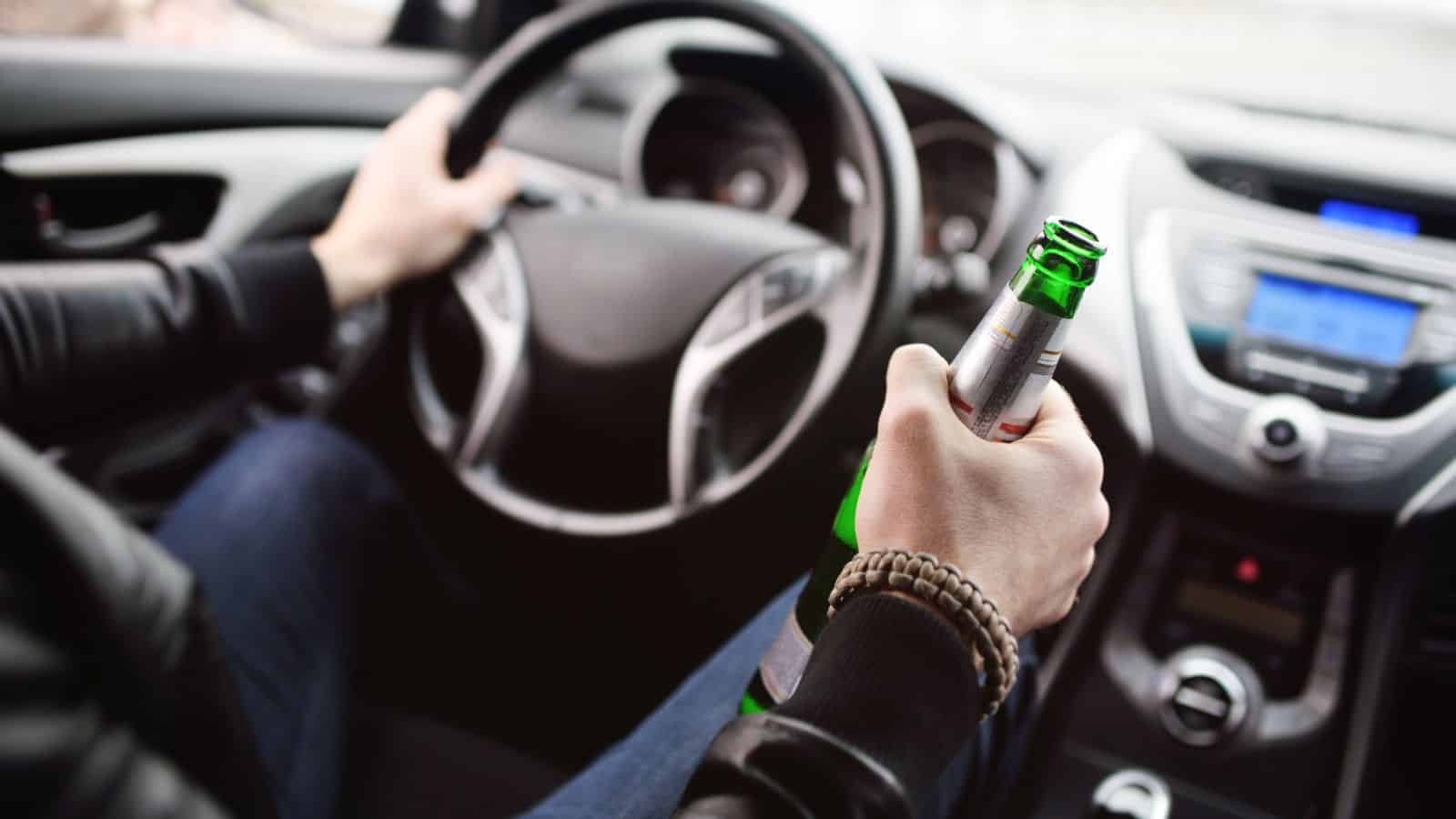
Many individuals believe that they can consume alcohol and still be fit to drive, but this is a dangerous misconception. Even small amounts of alcohol can impair judgment, reaction time, and coordination. The legal blood alcohol concentration (BAC) limit is often used as a guideline, but it doesn't take into account how alcohol can affect each person differently. Factors like body weight, tolerance, and fatigue can make alcohol even more impairing. Regardless of how you feel, if you've been drinking, it's safest to avoid driving altogether. Taking a cab or using public transportation is a much safer option to ensure your safety and that of others on the road.
9 Hidden Drinking Patterns That Worry Health Experts More Than Binge Drinking
Identify your drinking habits! Ever think about how drinking habits can affect your life in unexpected ways? Most people know binge drinking is harmful, but there are quieter, more insidious patterns of drinking that can be just as damaging-if not worse. Unlike binge drinking, these habits don't come with obvious red flags like blackouts or severe hangovers. Instead, they creep into your daily routine, making them harder to spot.
Get the Recipe: 9 Hidden Drinking Patterns That Worry Health Experts More Than Binge Drinking
14 Drinks That Boomers Loved And Deserve a Comeback

Retro drinks you should try! The cocktail scene of the 1960s and 70s was a vibrant era of experimentation and indulgence. Boomers embraced various colorful, flavorful drinks that defined social gatherings and nightlife.
Get the Recipe: 14 Drinks That Boomers Loved And Deserve a Comeback




Comments
No Comments