
Wine doesn't have to feel complicated, and a few simple sommelier tricks can make every glass easier to enjoy. These 11 tips highlight small details that many people overlook, even though they make a noticeable difference in flavor, aroma, and overall experience.
From temperature to glassware to how you take that first sip, each step helps bring out more of what makes a wine special. Whether you're sharing a bottle with friends or opening something at home, these insights help you enjoy wine with more confidence and ease.
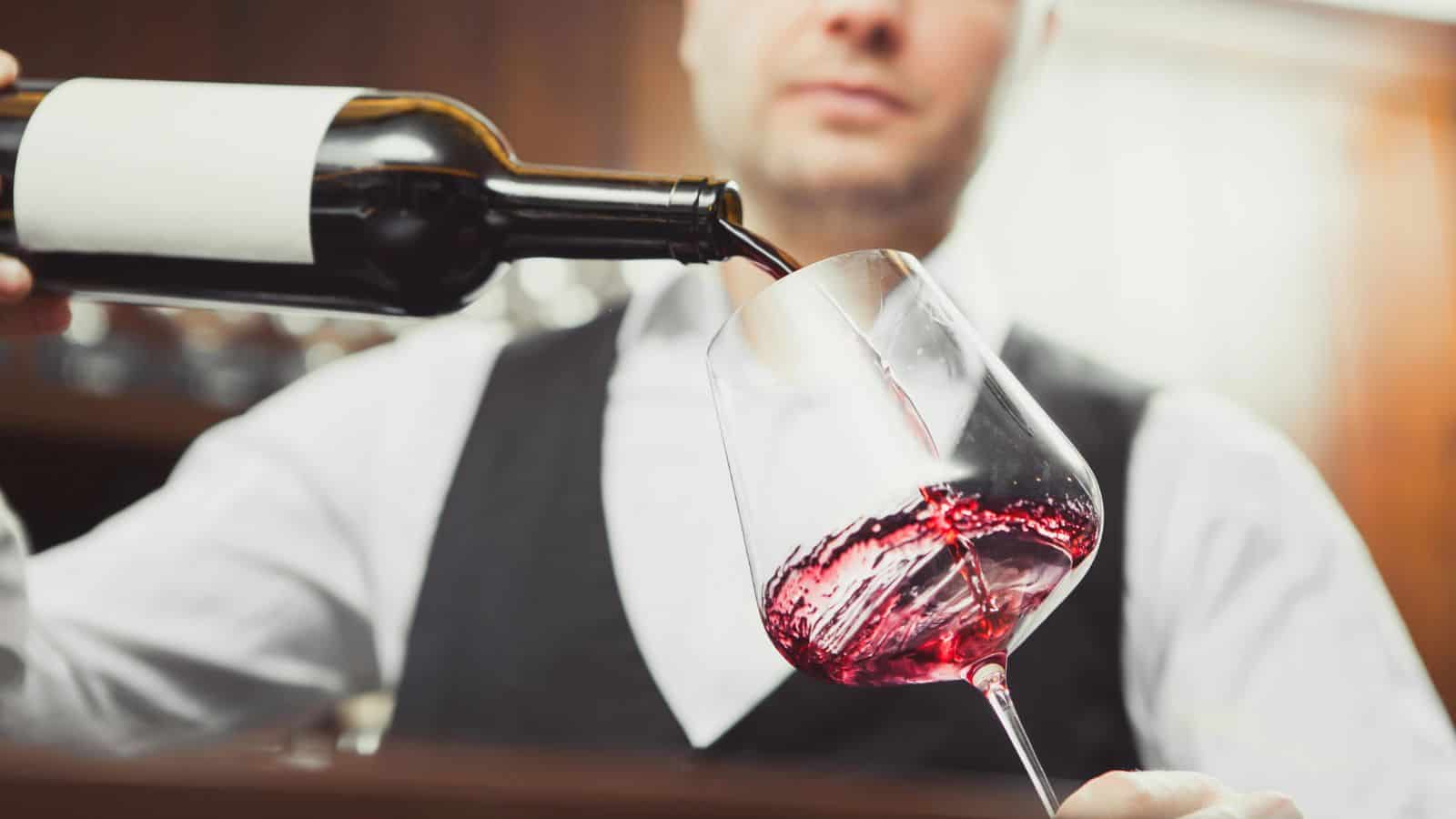
Use the Right Glass
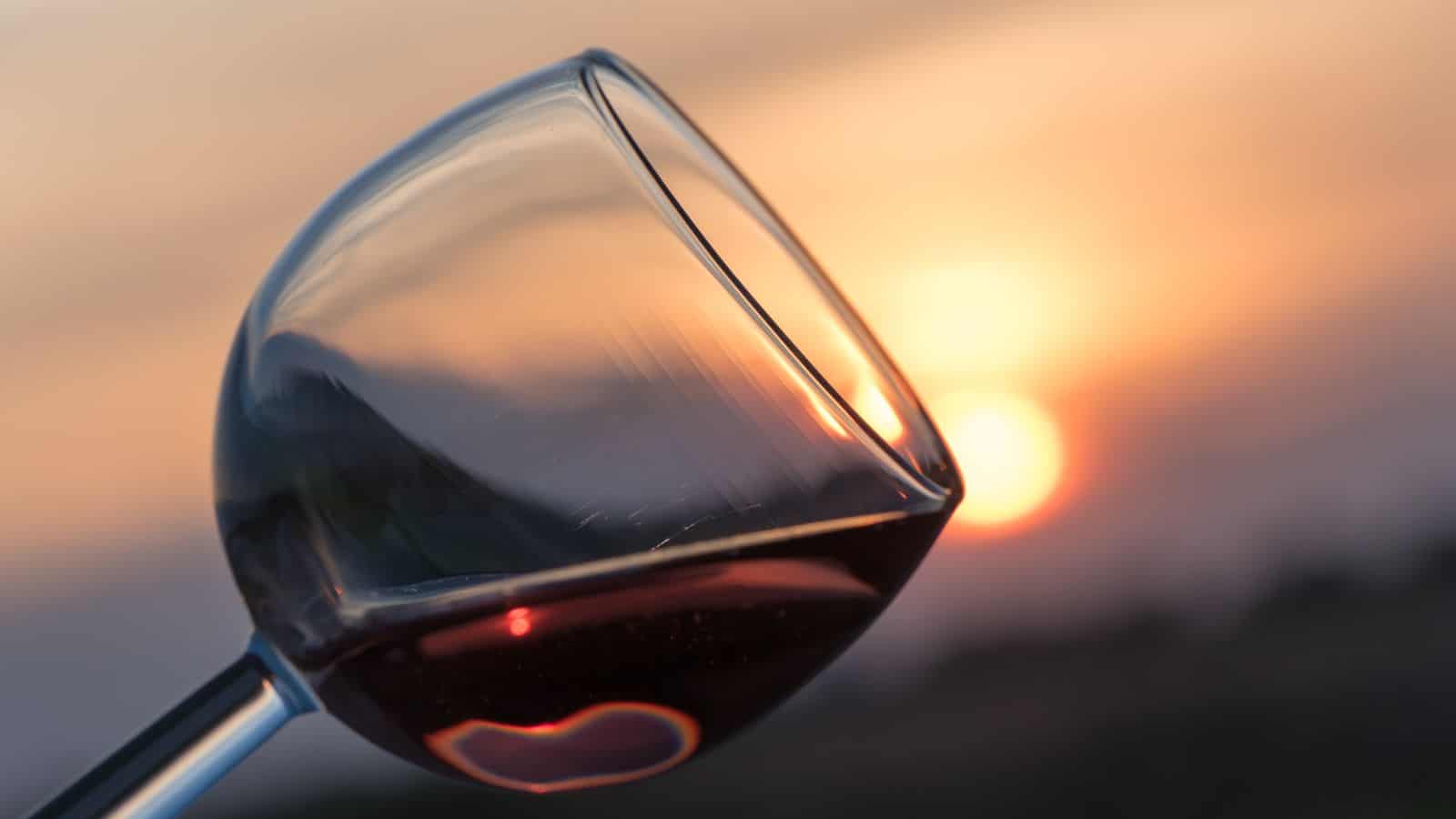
A wine glass does more than hold your drink - its shape affects how aromas and flavors show up. Wider bowls help red wines open up, while narrower glasses keep whites crisp. Flutes maintain bubbles in sparkling wine, and thin rims help wine land smoothly on the palate. While a universal glass works in a pinch, choosing styles that match the wine can reveal details you might otherwise miss.
Pay Attention to Temperature
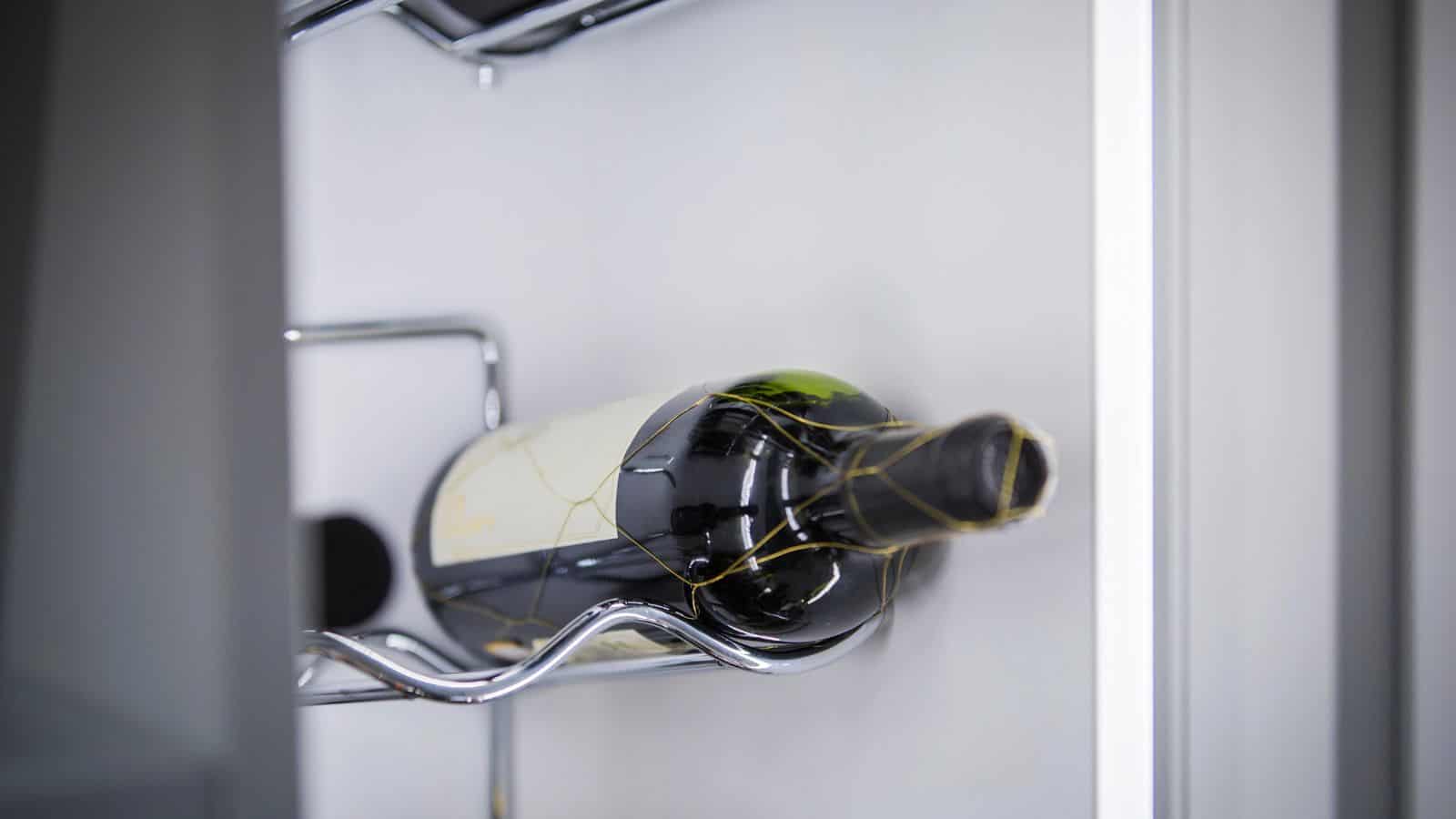
Serving temperature can completely change how a wine tastes. Reds often benefit from a slight chill to keep the fruit bright and the alcohol in check, while whites open up more once they warm a bit from fridge-cold. A small adjustment - like chilling reds briefly or letting whites sit out - can bring out better balance and more expressive aromas.
Decant When Needed
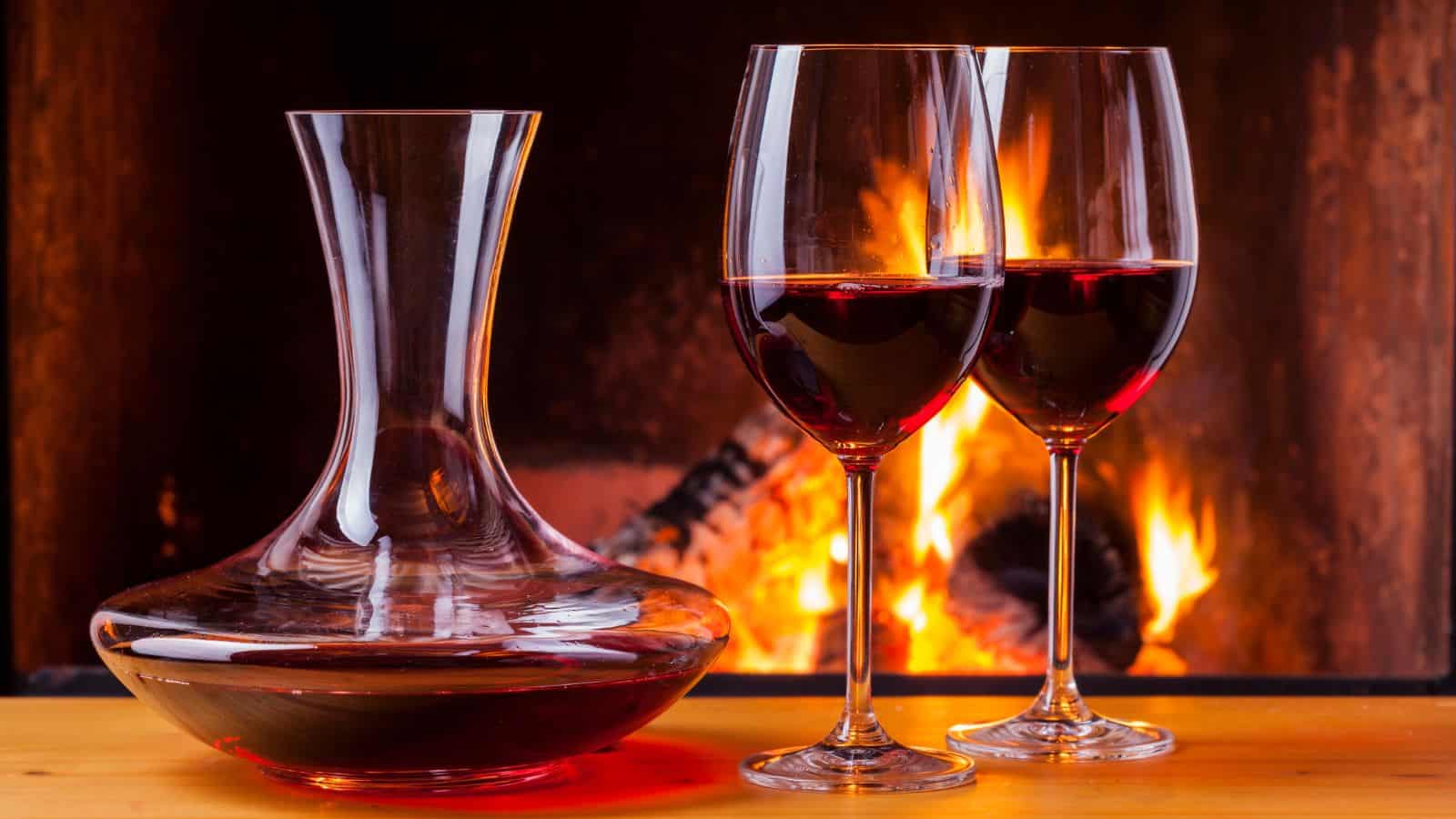
Decanting introduces oxygen to the wine, helping soften bold tannins and bring hidden flavors forward. Full-bodied reds benefit the most, though younger wines can open up beautifully with just a little air. Older wines with sediment may also need careful pouring. Not every bottle requires it, but trying a small sip before and after a few minutes of air helps you decide.
Swirl and Sniff First
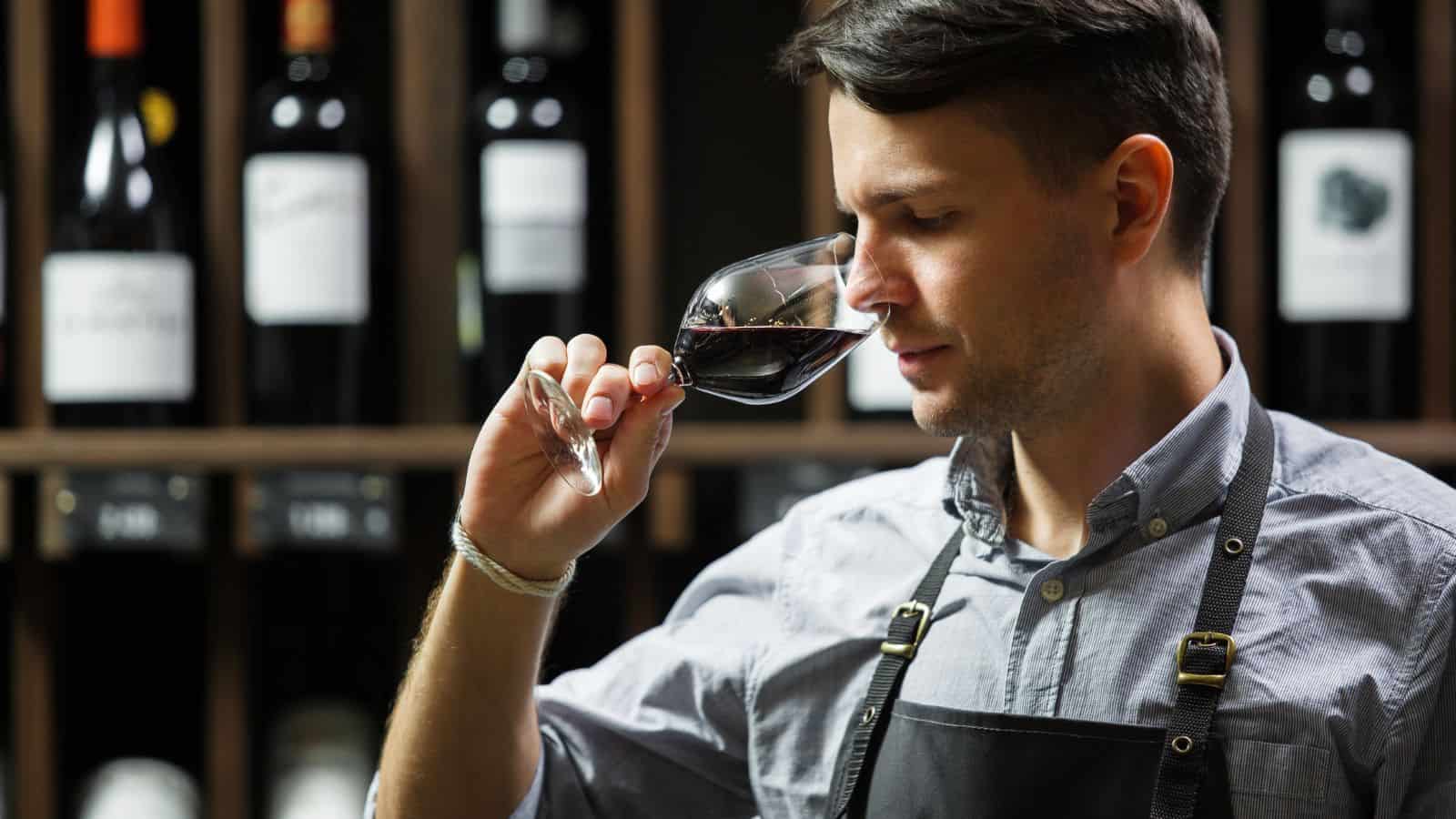
A quick swirl releases aromas, which shape much of what you taste. Bringing the glass to your nose before sipping helps you catch fruit notes, floral layers, or earthy tones that develop over time. Revisit the aroma throughout the glass - wines often reveal new details as they breathe.
Take Small Sips and Let It Linger
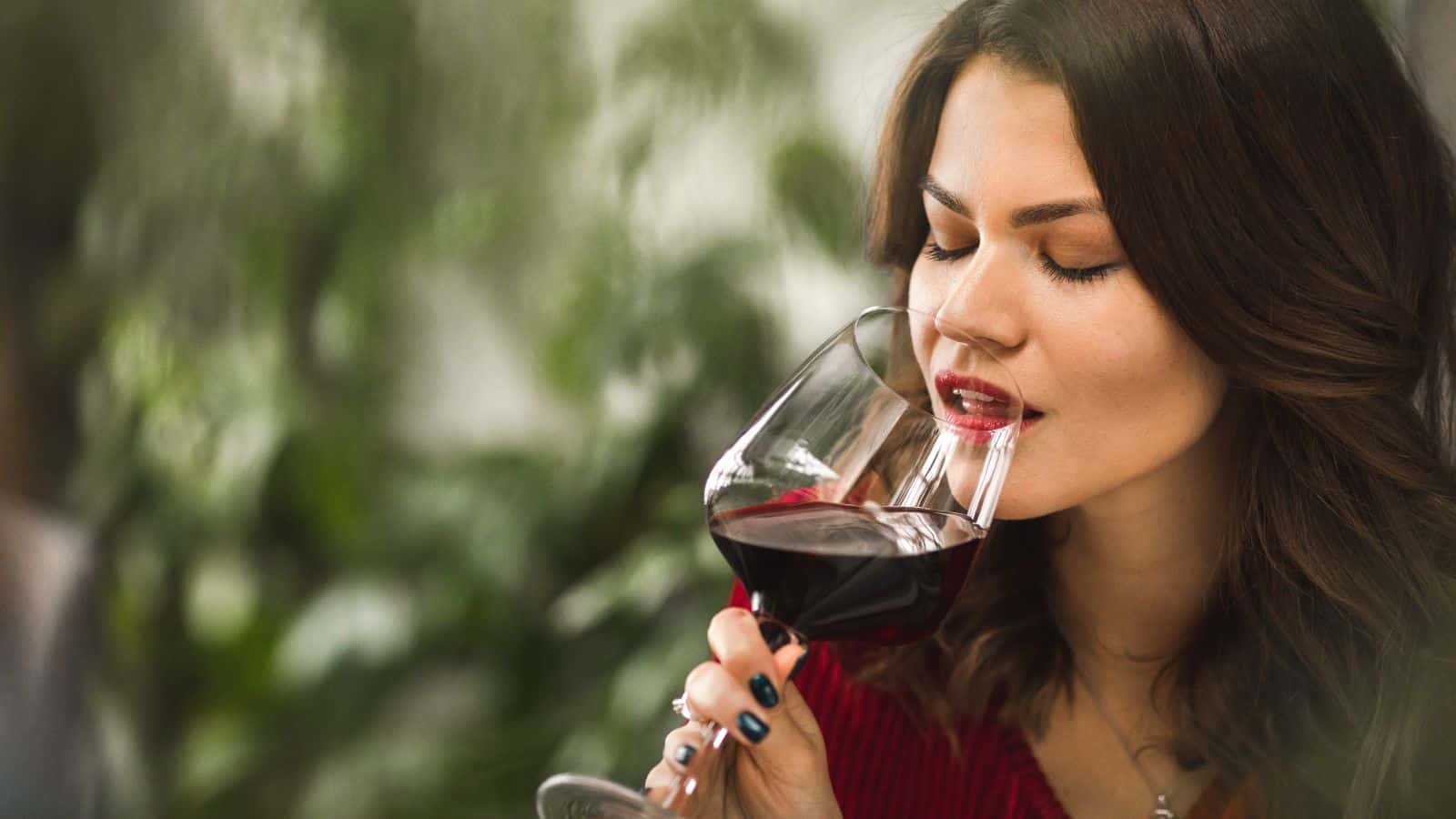
Letting the wine spread slowly across your palate shows off its texture, acidity, and depth. Some wines start bright and finish rounder, while others reveal spice or fruit as they linger. A slower sip helps you catch these shifts and enjoy the wine more fully.
Pair Thoughtfully, but Experiment
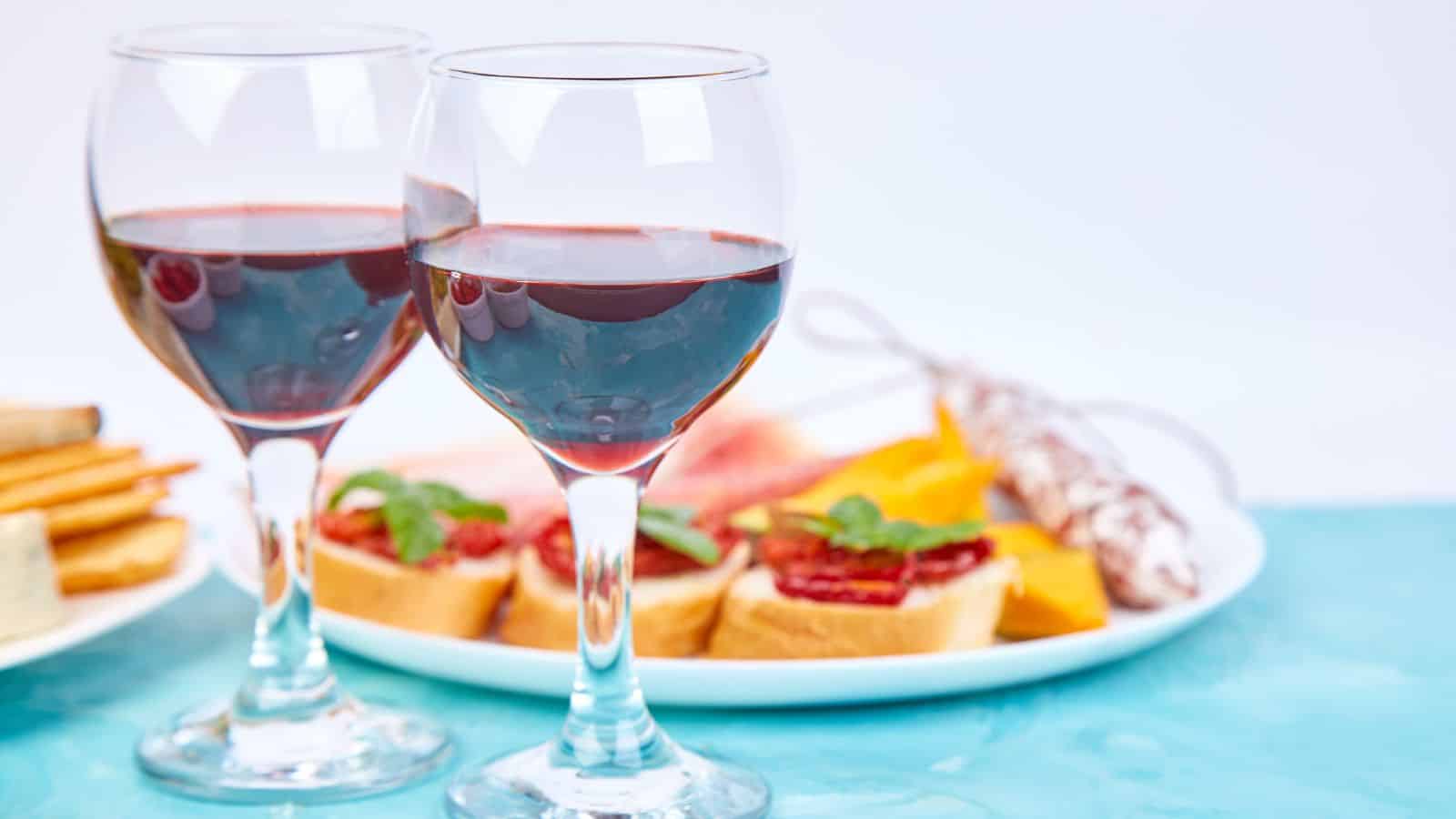
Food pairing is about balance - acidity cuts through richness, tannins soften fats, and sweetness calms spice. Classics like Sauvignon Blanc with seafood or Cabernet with steak work for a reason, but unexpected pairings can be just as rewarding. Trying new combinations is part of discovering what you enjoy.
Age Matters, but Not Always
Only certain wines get better with age. Many whites and lighter reds taste their best early on, while structured wines with firm tannins or high acidity can improve over time. Knowing which types age well prevents unnecessary storage and helps you enjoy bottles when they're at their peak.
Watch for Faults
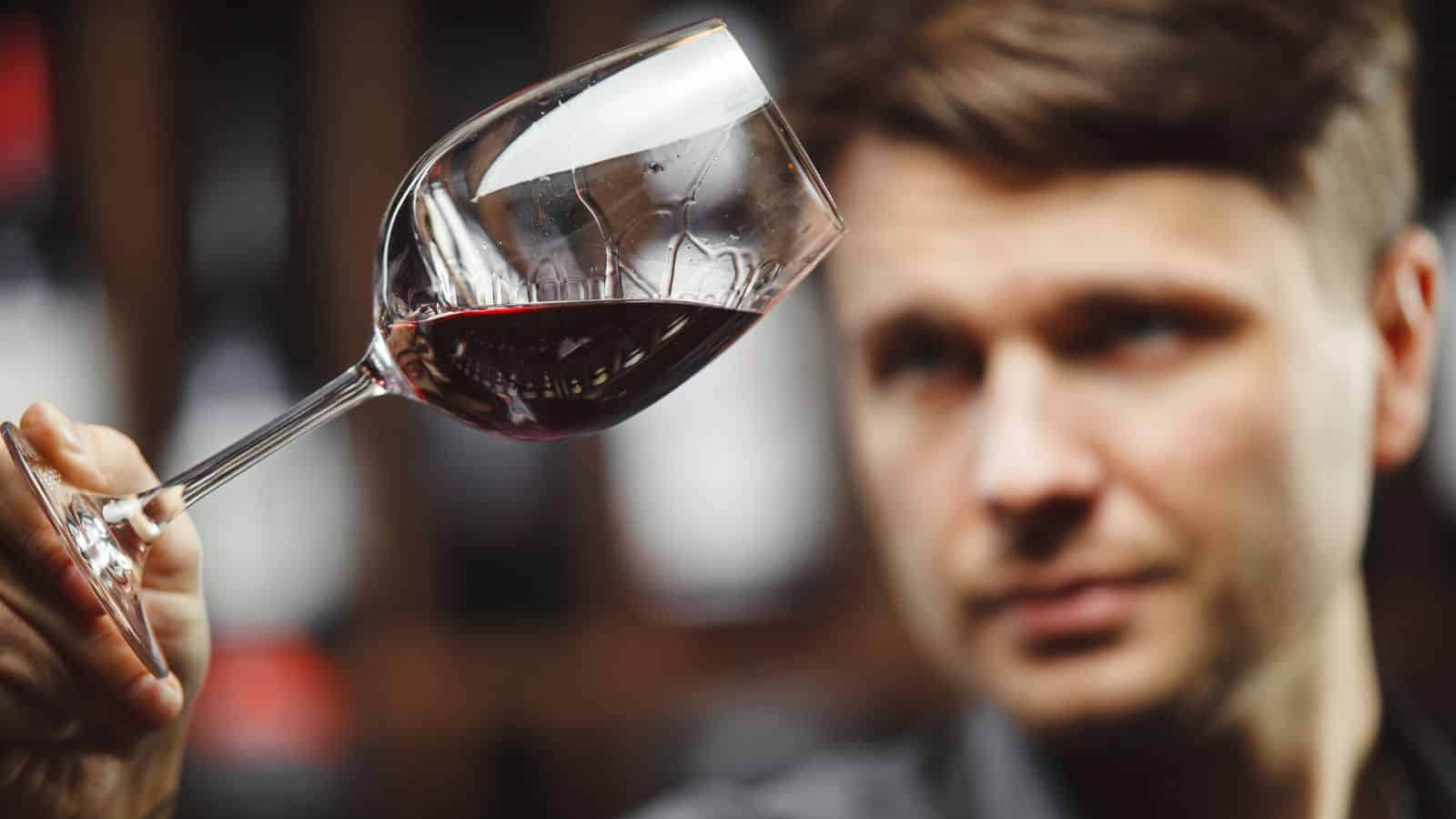
Recognizing when a wine is "off" helps avoid confusion or disappointment. Corked wine can smell musty or like wet cardboard, while oxidized bottles taste dull or flat. Strong sulfur aromas can also signal an issue. Some flaws fade with air, but major faults don't improve - knowing the difference helps you trust your palate.
Hold the Glass by the Stem
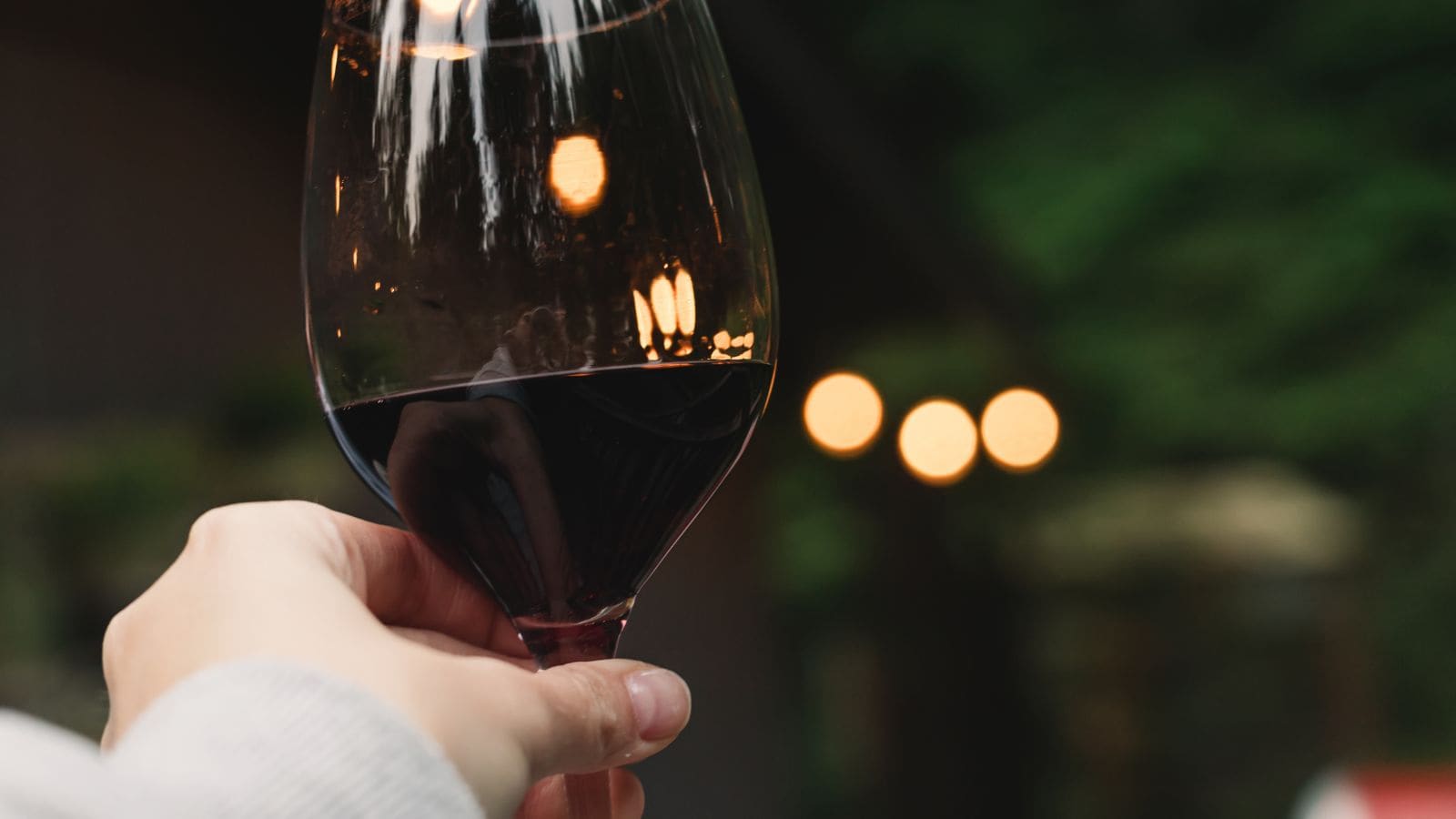
Holding a wine glass by the stem keeps fingerprints off the bowl and prevents warm hands from altering the wine's temperature. This small habit helps maintain clarity, aroma, and flavor exactly as intended. It also gives you more control when swirling.
Try Wine from Unexpected Regions
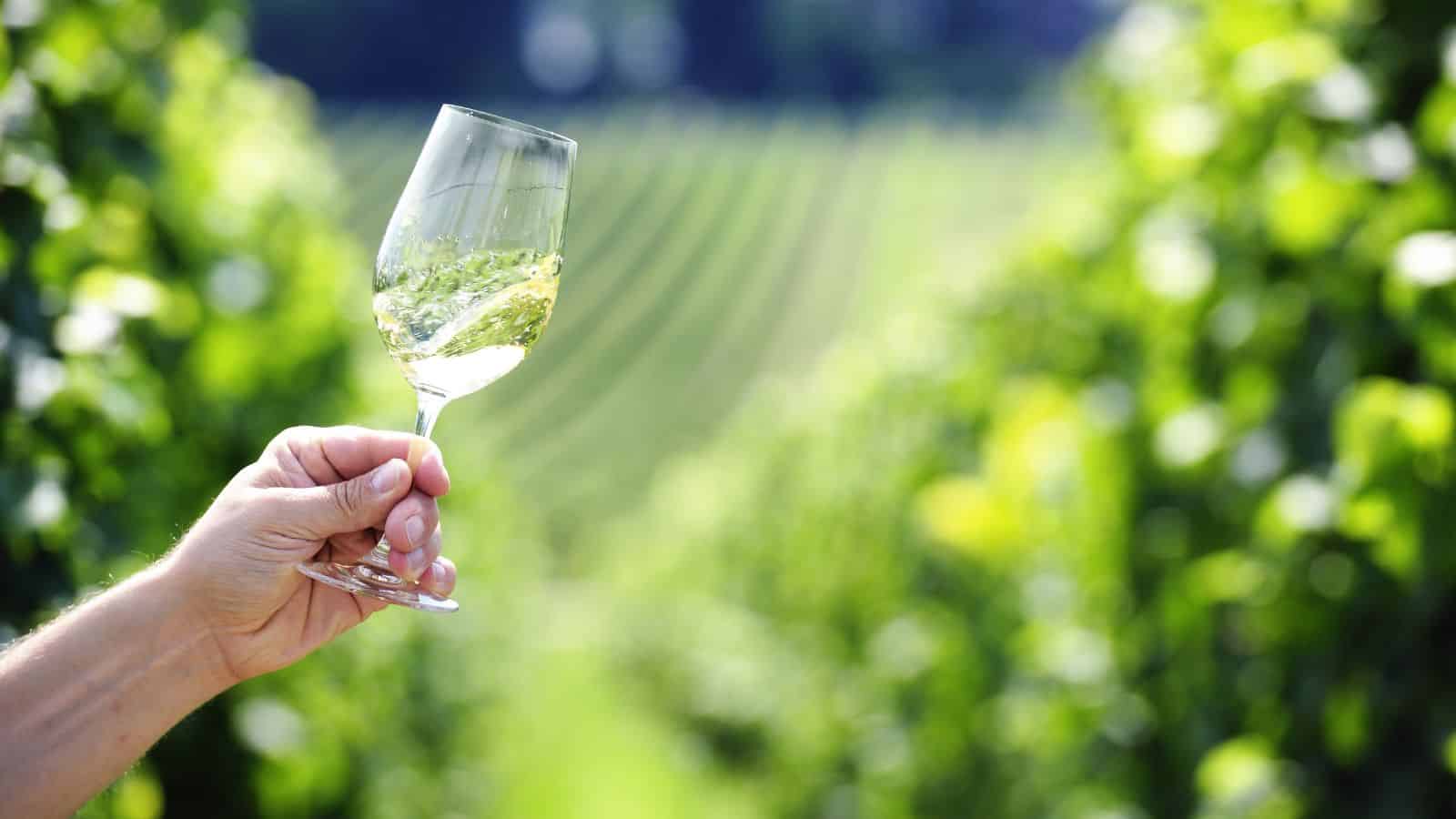
Great wine isn't limited to famous regions. Countries like Portugal, Greece, South Africa, Mexico, Austria, and Georgia offer standout bottles at surprising value. Exploring lesser-known wine regions introduces new styles, grapes, and flavors you may not find from mainstream picks.
Trust Your Own Preferences
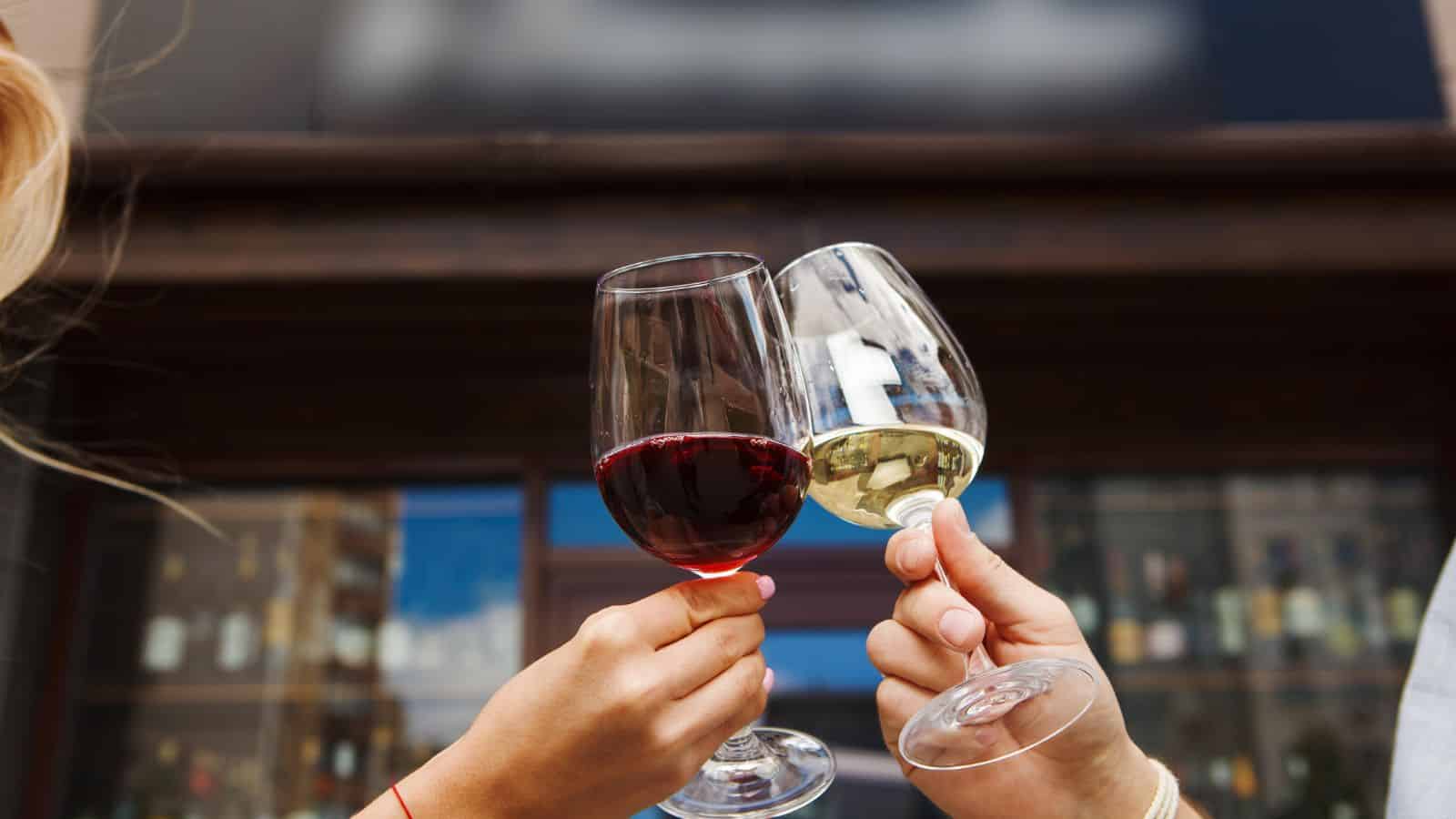
Experts can guide, but your taste matters most. A high-scoring bottle might not fit your style, and a budget-friendly wine might be exactly what you enjoy. Paying attention to what you naturally reach for makes choosing wine easier, more fun, and more personal.
Enhance Your Wine Experience

These secrets can help improve the way wine is enjoyed, making each tasting more enjoyable. Understanding simple details like the proper glassware, serving temperature, and food pairings can enhance the overall experience. These tips not only help in appreciating the flavors of wine but also make it easier to choose and discuss different varieties.
By incorporating these straightforward suggestions into regular wine drinking, anyone can enjoy wine more fully. Whether at a dinner party or a casual night in, using these secrets can lead to a more satisfying experience. Take the time to apply these tips and see how they can enhance the enjoyment of wine!
12 Red Wine Varietals Every Serious Wine Lover Should Know
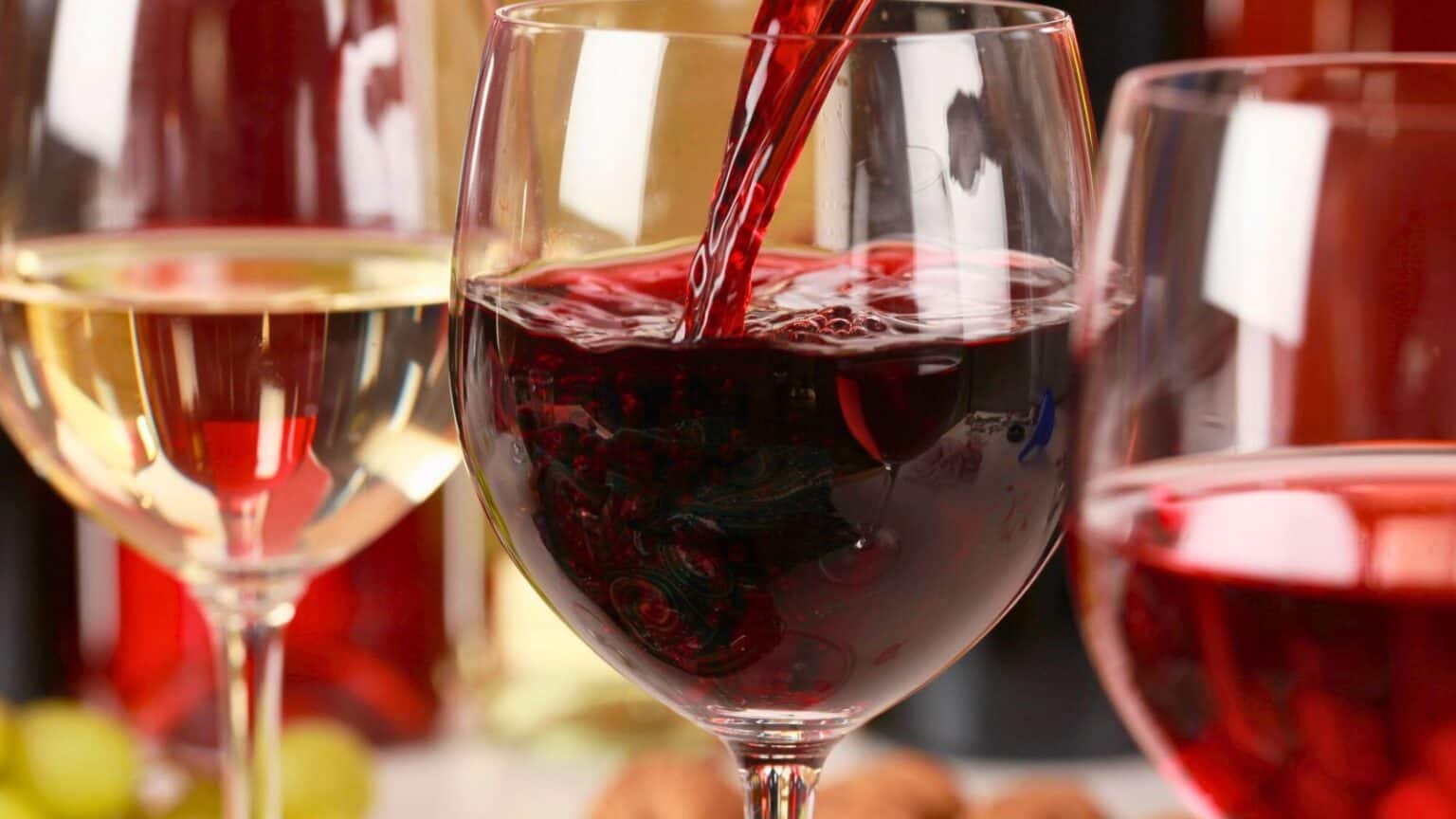
Whether you're a seasoned wine lover or just starting to explore, understanding different types of red wine can help you find new favorites and impress your friends at the next dinner party. From the bold and robust to the light and fruity, red wines span a spectrum of tastes and aromas that can complement any meal or occasion.
Read More Here: 12 Red Wine Varietals Every Serious Wine Lover Should Know
11 Shocking Alcohol Lies You Need to Stop Falling For

Don't let these lies fool you anymore! Alcohol is surrounded by many myths and misunderstandings that can be confusing. But how much of what you believe is actually true? There are 11 shocking alcohol lies you need to stop falling for, and knowing the truth can help you make better choices. From thinking some drinks are healthier to believing that alcohol helps with stress, these myths can lead to bad habits and wrong ideas.
Read More Here: 11 Shocking Alcohol Lies You Need to Stop Falling For
Comments
No Comments