
Understanding wine can seem daunting, but there are 11 sommelier secrets for enjoying wine like a pro. Many wine enthusiasts often overlook simple techniques that can enhance their tasting experience, leading to missed opportunities for appreciation. Learning these insider tips can transform the way wine is enjoyed, making each sip more meaningful and enjoyable.
From proper glassware to ideal serving temperatures, these secrets reveal the nuances that can improve a wine tasting. Whether at a restaurant or enjoying a bottle at home, knowing how to select, taste, and pair wine can significantly enhance the overall experience.
Explore these sommelier secrets that can take wine enjoyment to the next level. By applying these tips, anyone can develop a deeper appreciation for wine and impress friends with knowledge and confidence!
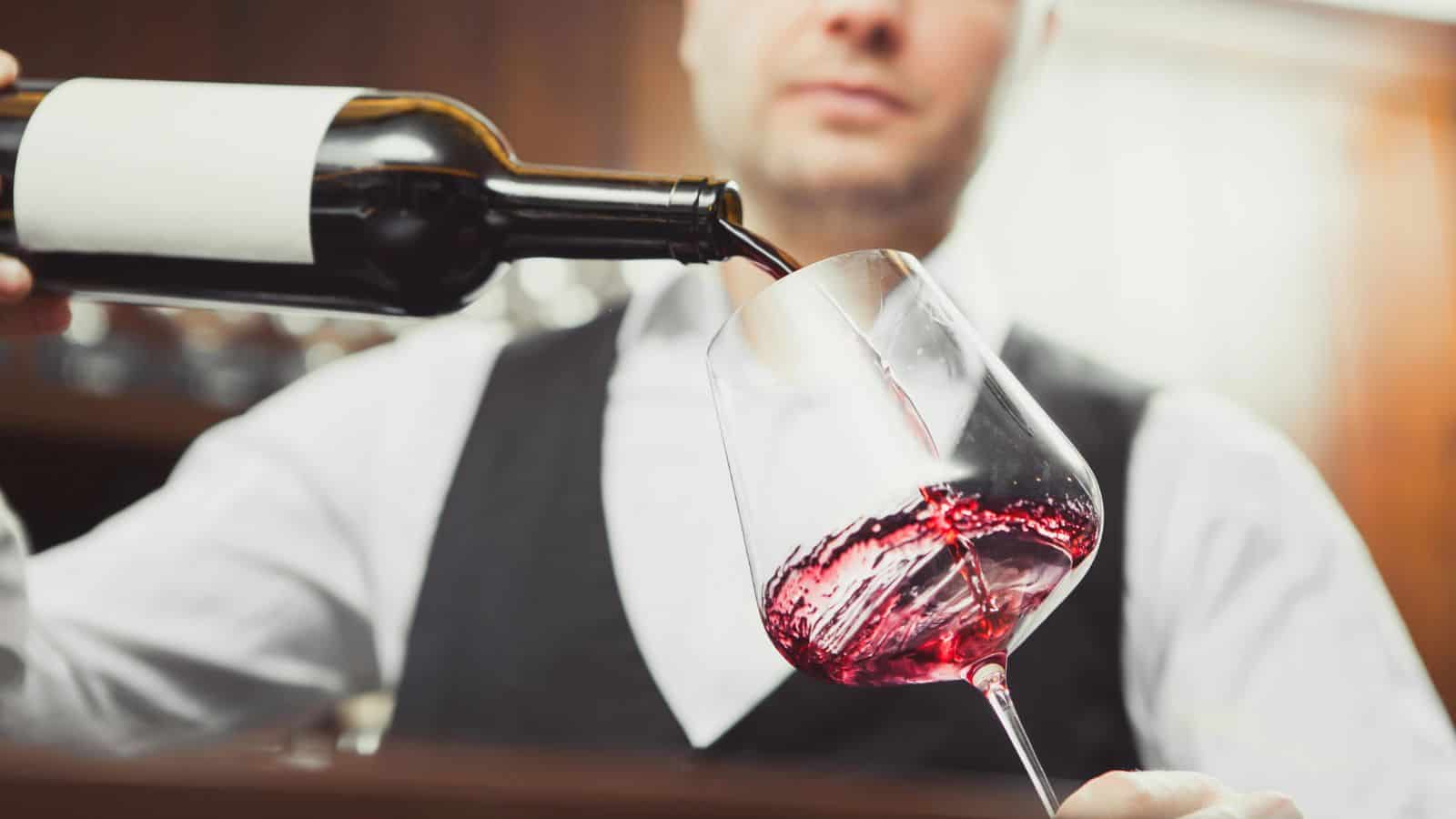
Use the Right Glass
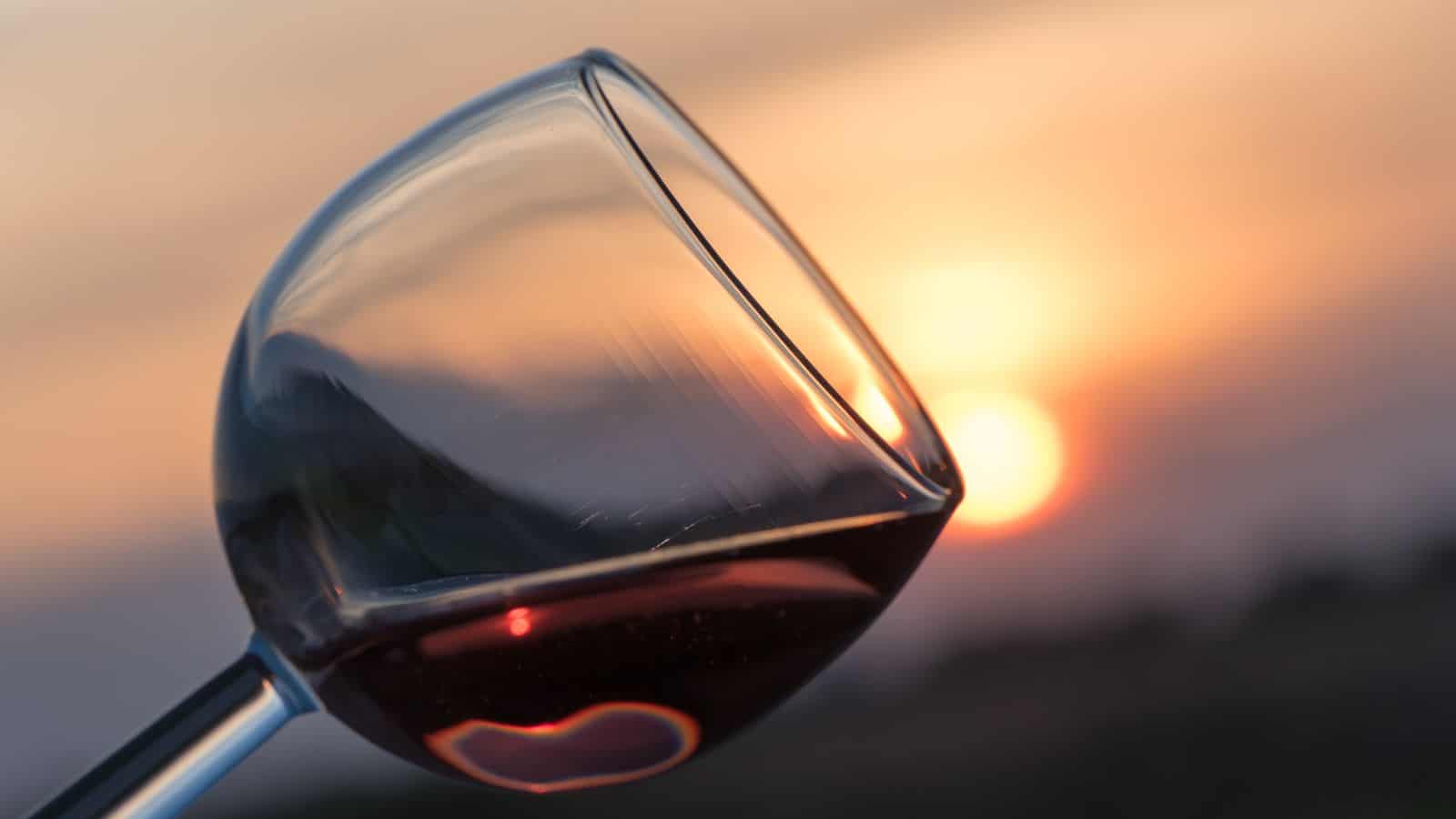
The shape of a wine glass does more than add elegance-it plays a key role in how a wine tastes and smells. Wider bowls allow red wines to interact with oxygen, softening tannins and amplifying aromas, while narrower glasses preserve the crispness of white wines by limiting air exposure. Flutes help maintain the bubbles in sparkling wines, while larger, rounder glasses let complex reds breathe and develop. Even the rim matters; a thinner edge lets the wine flow smoothly onto the palate, creating a more refined experience. While universal glasses exist, investing in glassware designed for different styles can enhance nuances that might otherwise go unnoticed.
Pay Attention to Temperature
Serving wine at the right temperature is just as important as choosing a good bottle. Reds are often served too warm, which makes the alcohol stand out and dulls the fruit. A slight chill-around 55-65°F-helps balance structure and highlight complexity. Whites and sparkling wines, on the other hand, are often served too cold, muting their aromas and making them taste flat. The ideal range for whites is 45-55°F, just cool enough to preserve freshness without losing character. An easy way to adjust at home is to take reds out of storage 15 minutes before serving or let whites sit out briefly after coming from the fridge. A few degrees can make all the difference in how a wine expresses itself.
Decant When Needed
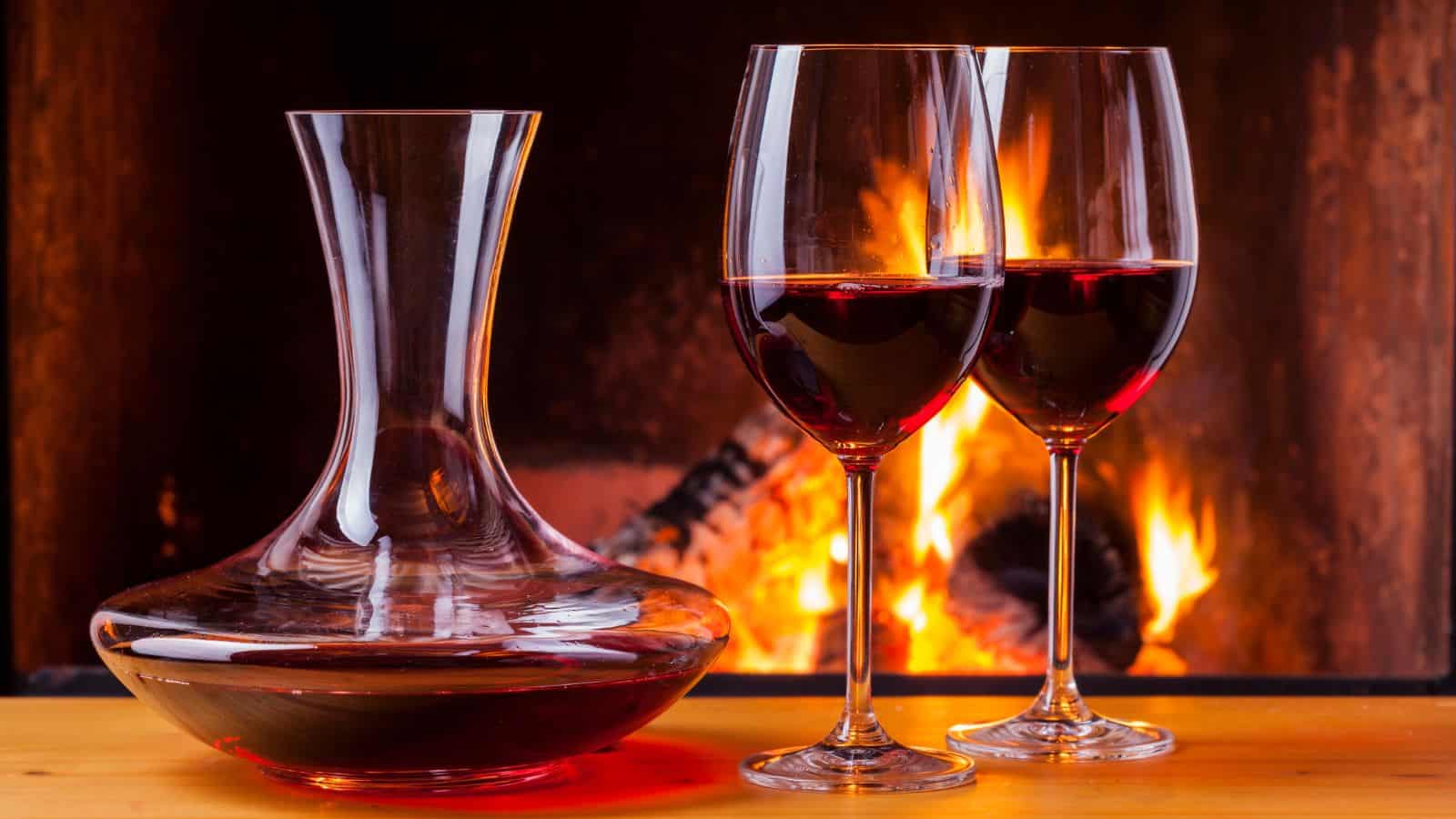
Decanting isn't just for older wines-it can also enhance younger bottles. The process allows oxygen to interact with the wine, helping to soften tannins and bring out hidden layers of aroma and flavor. Full-bodied reds like Cabernet Sauvignon, Syrah, and Nebbiolo benefit the most, as their structure mellows with air exposure. Some wines with significant sediment, especially aged bottles, need careful decanting to separate solids from liquid. However, not all wines require this step; delicate whites and lighter reds, like Pinot Noir, can lose vibrancy if left exposed for too long. If unsure, pouring a small taste and letting it sit for a few minutes can reveal whether decanting will be helpful.
Swirl and Sniff First
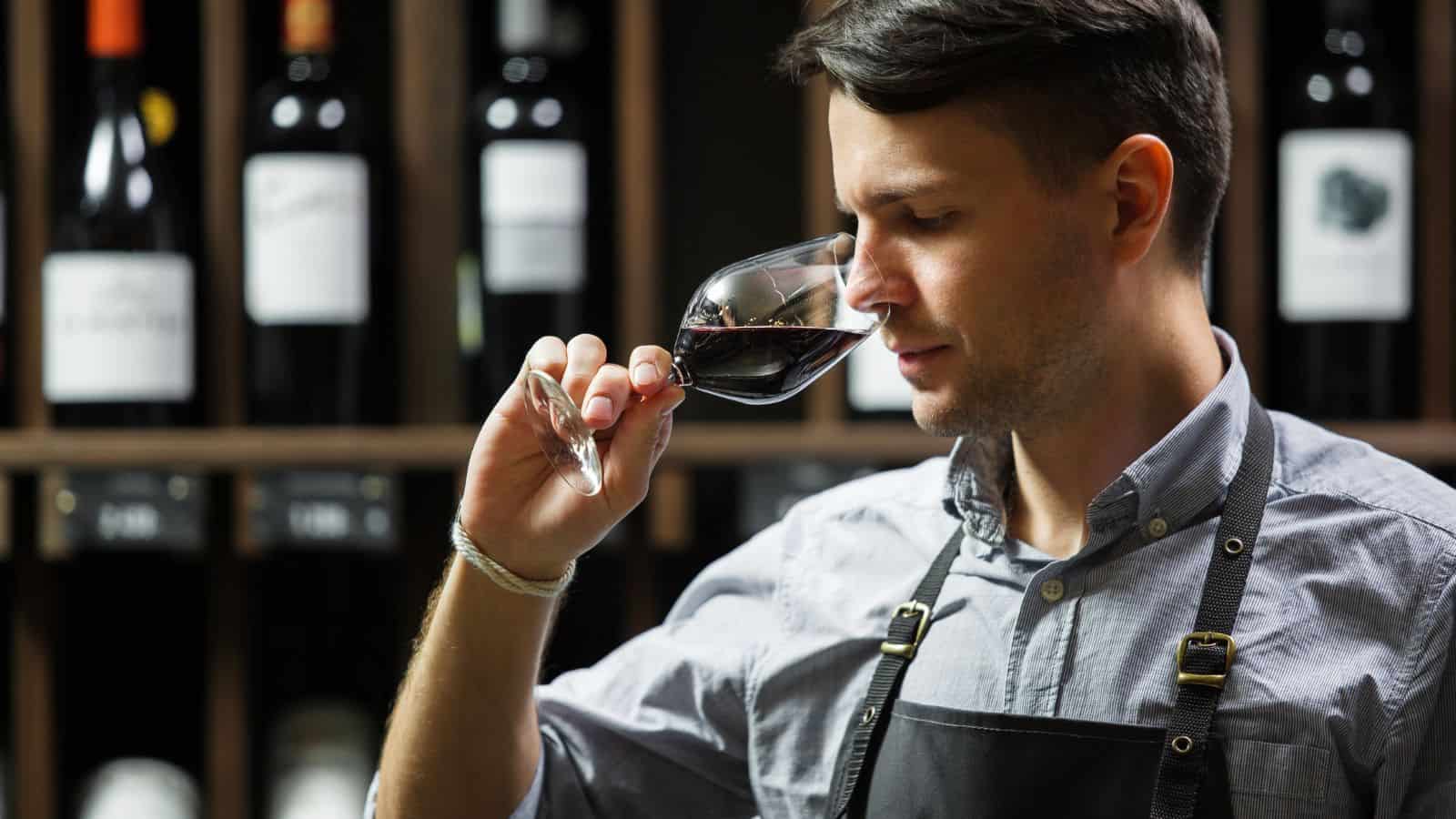
Before taking a sip, swirling the glass helps release the wine's aromas, which are a major part of how flavors are perceived. The motion introduces oxygen, intensifying fruit notes, earthy undertones, or floral hints. Holding the glass by the stem, give it a gentle swirl, and bring it to your nose. Take a deep inhale and note what comes through-clementine, berries, oak, herbs, or even mineral qualities. This moment helps set expectations before tasting. Different wines reveal different scents over time, so revisiting the aroma throughout the glass can highlight how it evolves. A trained sense of smell often leads to a deeper appreciation, making each glass more interesting.
Take Small Sips and Let It Linger
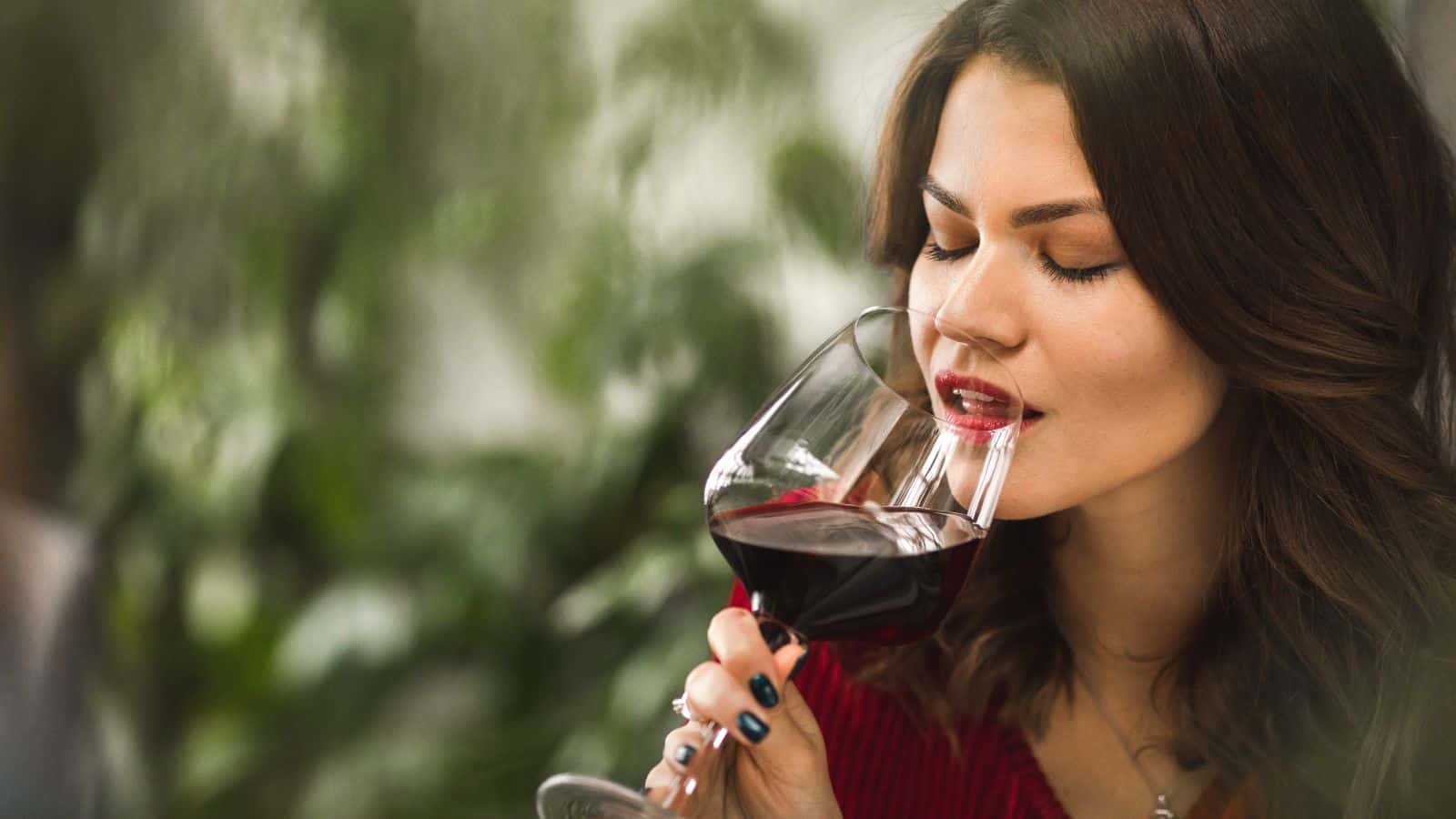
Drinking wine is about more than just taste-it's also about texture and balance. Taking a small sip allows the wine to coat the tongue, letting acidity, tannins, and fruit notes unfold naturally. Rushing through glass means missing out on subtle layers that develop as the wine interacts with the palate. Some wines shift from bright and crisp to rich and rounded within seconds, while others reveal lingering spice or floral notes after swallowing. Holding the wine in the mouth for a moment and letting it move across different taste receptors can bring out complexities that might be overlooked with a quick sip.
Pair Thoughtfully, but Experiment
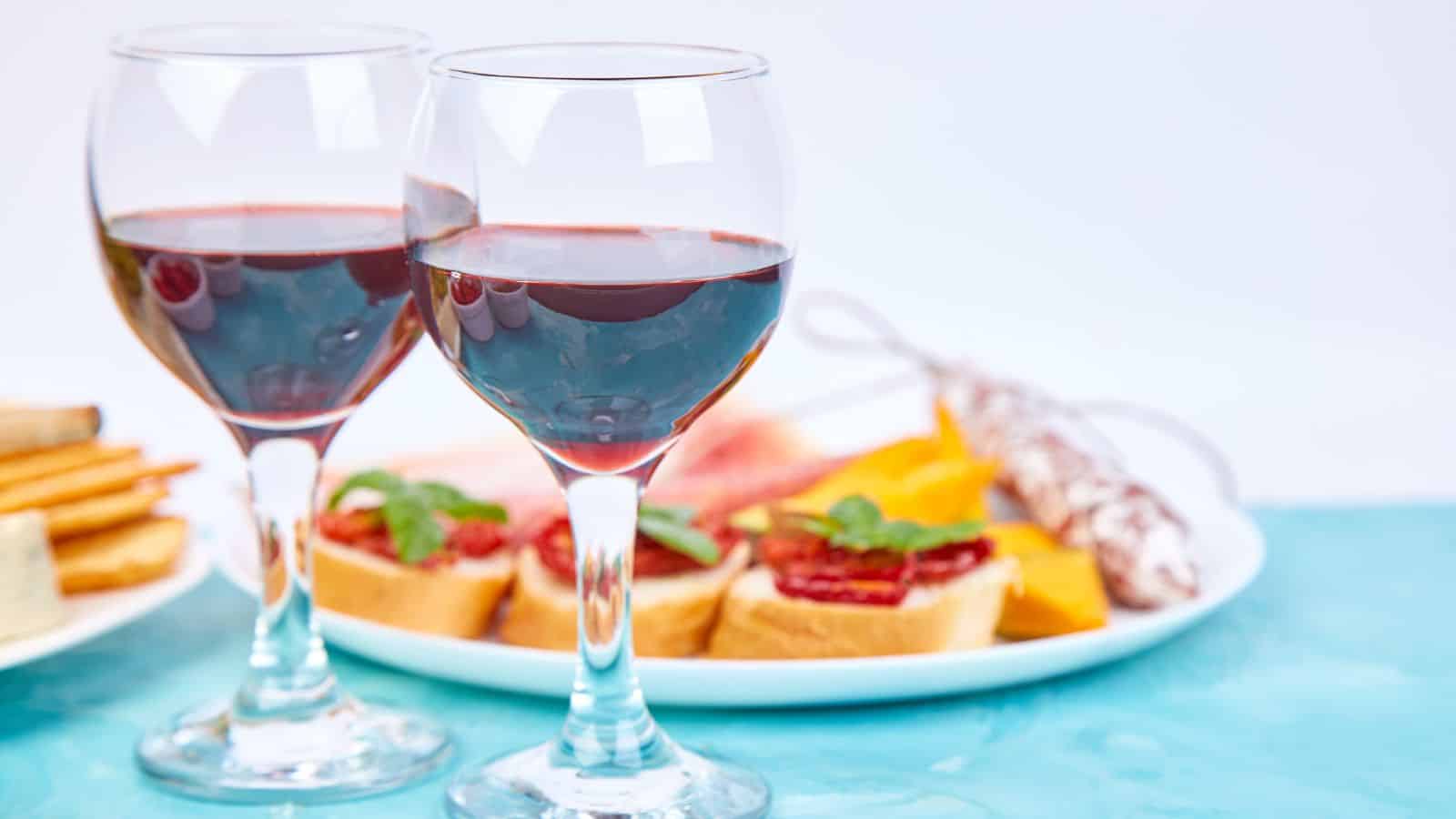
Pairing food with wine is about balance-acidity can cut through richness, tannins can mellow fats, and sweetness can temper spice. A crisp white wine, like Sauvignon Blanc, brings freshness to seafood, while a bold Cabernet Sauvignon holds its own against a steak. That said, strict rules aren't necessary. Some unexpected combinations work just as well, depending on personal taste and how the dish is prepared. Lighter reds like Pinot Noir can complement roasted poultry just as easily as a Chardonnay might, while sparkling wines pair well with salty foods. Instead of following guidelines rigidly, tasting different pairings can reveal how flavors interact in surprising ways.
Age Matters, but Not Always
While some wines develop complexity with age, most are meant to be enjoyed young. The idea that older is always better is a misconception. Many wines, especially whites like Sauvignon Blanc and unoaked Chardonnay, are at their peak within a year or two of bottling. Reds such as Pinot Noir and Grenache are often best enjoyed fresh, while others-like Bordeaux blends, Barolo, or high-quality Rieslings-gain depth over time. Aging potential depends on tannin structure, acidity, and how the wine is stored. Aged wines can offer more subtle aromas and textures, but not every bottle improves with years in the cellar.
Watch for Faults
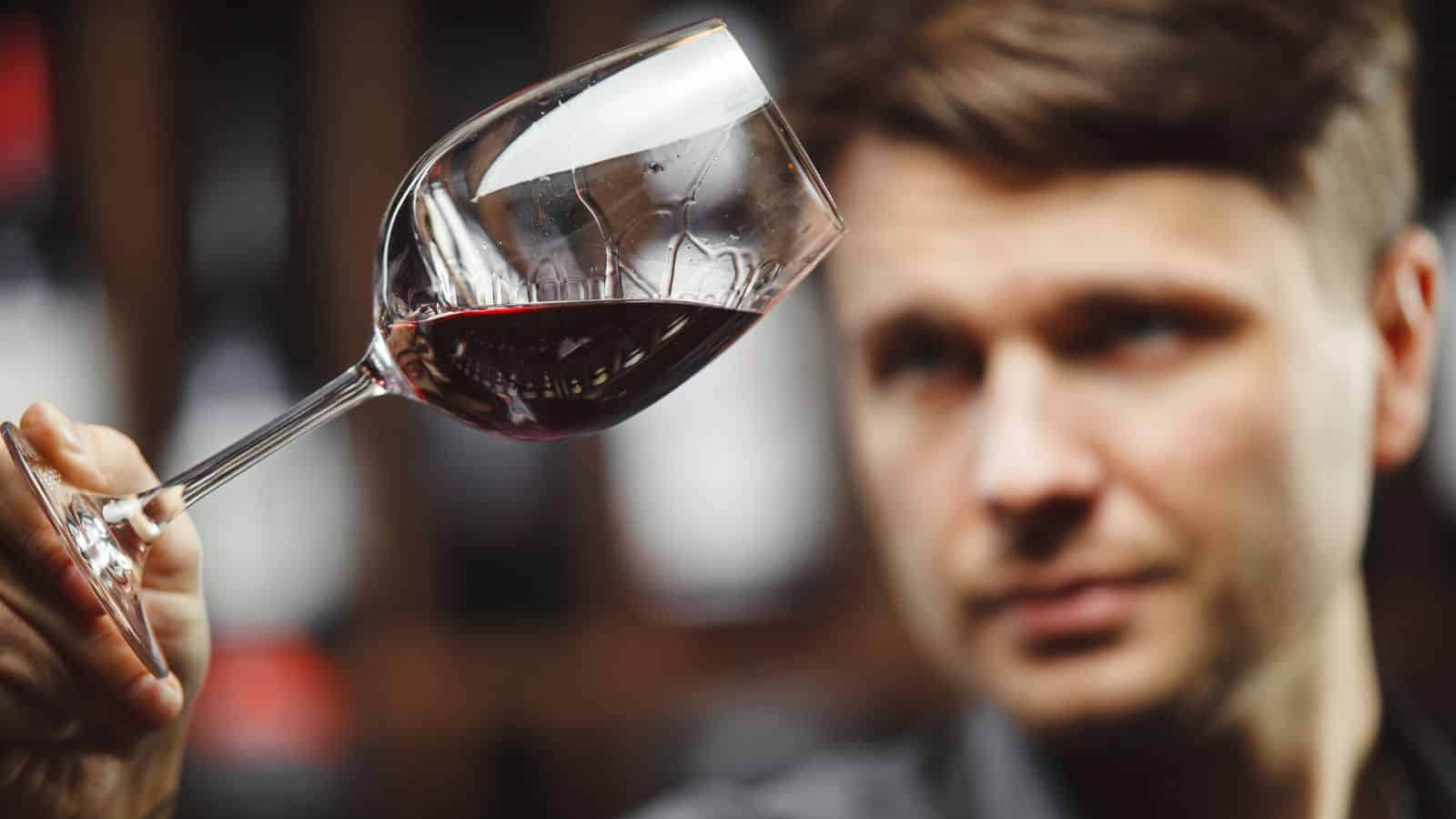
Not every bottle is in perfect condition, and recognizing faults helps avoid disappointment. A wine that smells like wet cardboard or a damp basement may be corked, meaning the cork has been tainted with a compound called TCA. Oxidized wine, which has been exposed to too much air, loses vibrancy and takes on a dull, vinegar-like taste. If a bottle has a strong barnyard or rotten egg smell, it may have excessive sulfur compounds. While some minor imperfections can fade with aeration, major faults can't be fixed. Understanding these issues makes it easier to know when a bottle is off rather than assuming the wine itself is just not to your taste.
Hold the Glass by the Stem
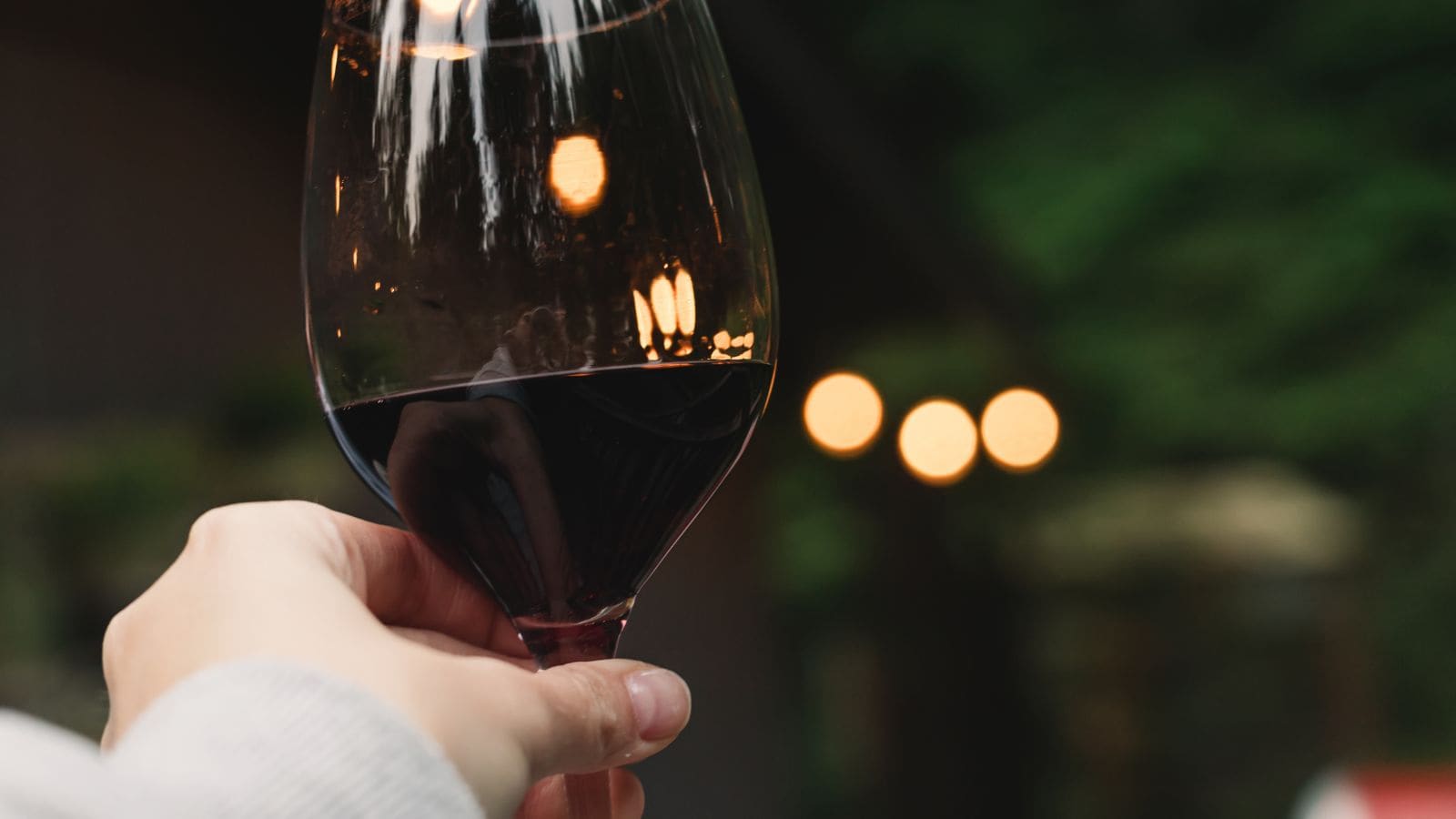
There's more to holding a wine glass than aesthetics. Gripping the bowl instead of the stem transfers heat from your hand to the wine, altering its intended temperature and affecting the balance of flavors. White wines can become too warm too quickly, losing their crispness, while reds might feel heavier as heat amplifies the alcohol. Stemmed glasses also prevent fingerprints from clouding the view of the wine's color and clarity, which can offer insight into its age and style. While some modern designs focus on stemless glassware for casual use, holding a glass properly helps maintain the wine's intended characteristics.
Try Wine from Unexpected Regions
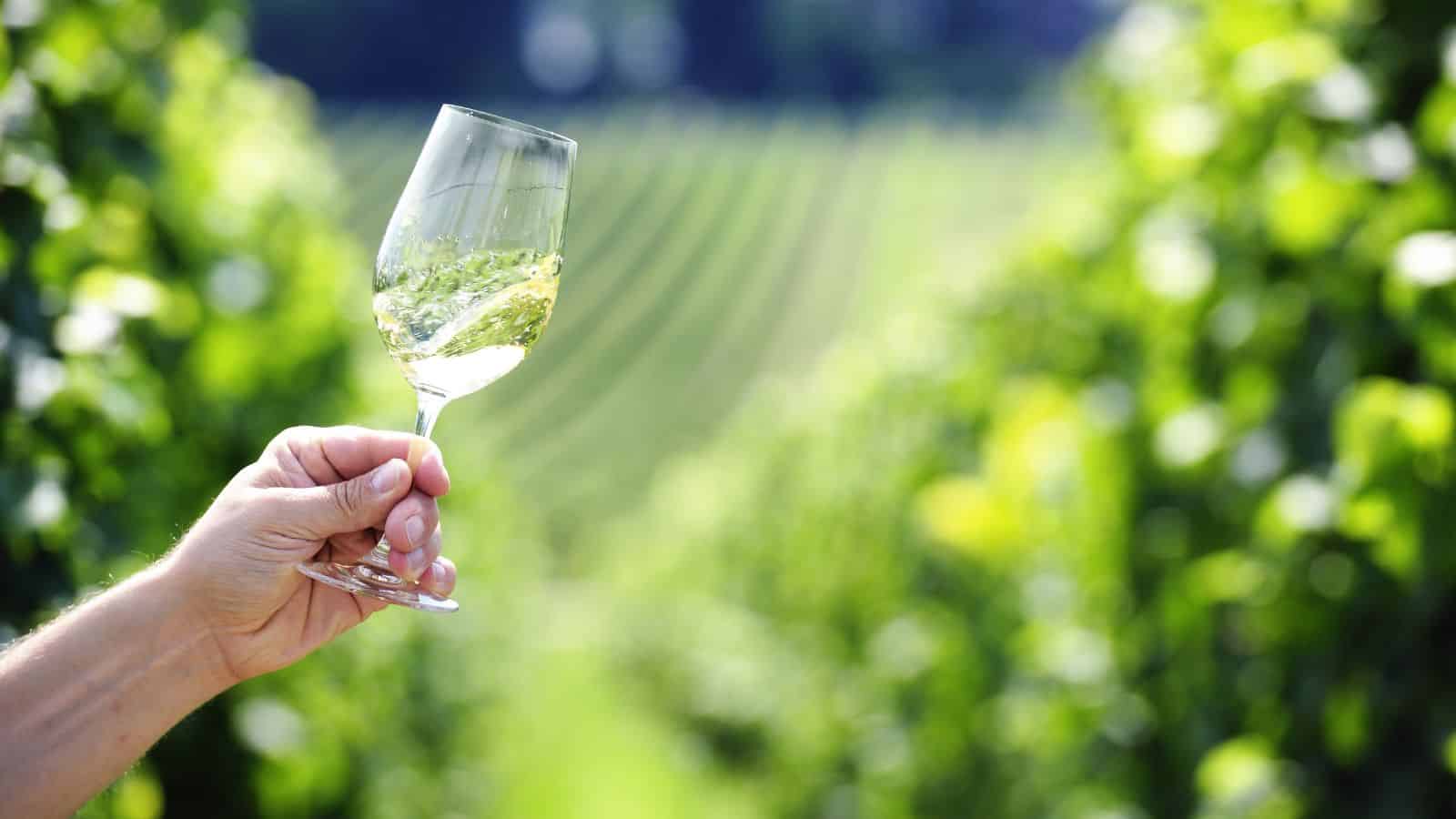
Well-known wine regions like France, Italy, and California produce exceptional bottles, but many lesser-known areas offer equally impressive quality at better prices. Portugal's reds, Greek Assyrtiko, and Austrian Grüner Veltliner are all worth exploring. Mexico's Valle de Guadalupe is gaining attention for its bold reds, while South Africa produces world-class Chenin Blanc and Syrah. Eastern European wines, including Hungarian Furmint and Georgian Saperavi, have centuries of history yet remain underrated outside their regions. Seeking out wines from these areas expands horizons and introduces new styles and grape varieties that aren't commonly found in mainstream selections.
Trust Your Own Preferences
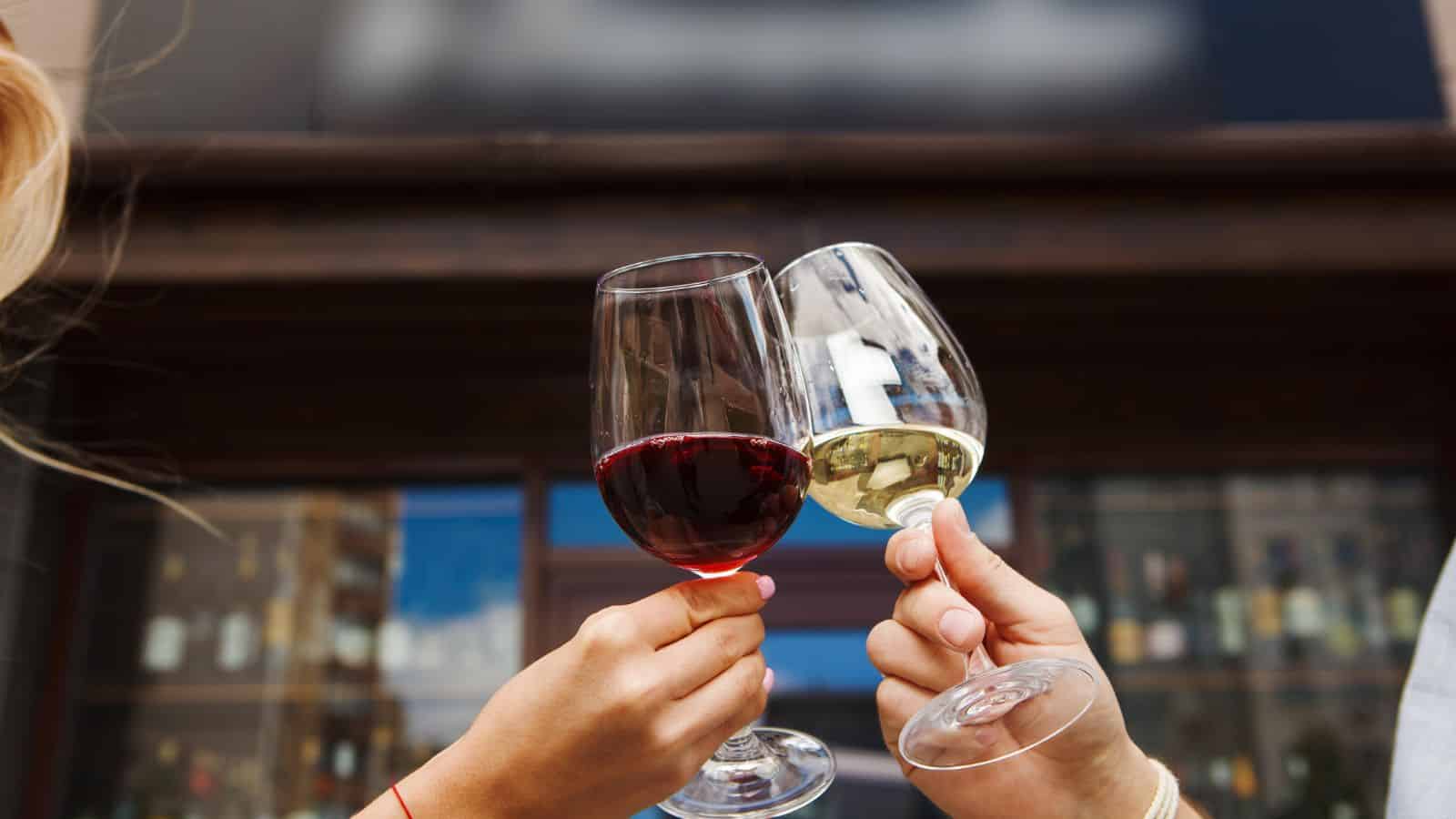
Expert recommendations can be helpful, but personal preference should always come first. A wine highly rated by critics might not align with individual taste, while a budget-friendly bottle could be precisely what you enjoy most. Some people gravitate toward high-acid whites, while others prefer bold, fruit-driven reds. The key is paying attention to what works for you-whether that means sticking with familiar favorites or branching out into new styles. There's no wrong way to enjoy wine, and confidence in your own taste is more important than following trends or chasing the opinions of professionals.
Enhance Your Wine Experience

These secrets can help improve the way wine is enjoyed, making each tasting more enjoyable. Understanding simple details like the proper glassware, serving temperature, and food pairings can enhance the overall experience. These tips not only help in appreciating the flavors of wine but also make it easier to choose and discuss different varieties.
By incorporating these straightforward suggestions into regular wine drinking, anyone can enjoy wine more fully. Whether at a dinner party or a casual night in, using these secrets can lead to a more satisfying experience. Take the time to apply these tips and see how they can enhance the enjoyment of wine!
12 Red Wine Varietals Every Serious Wine Lover Should Know
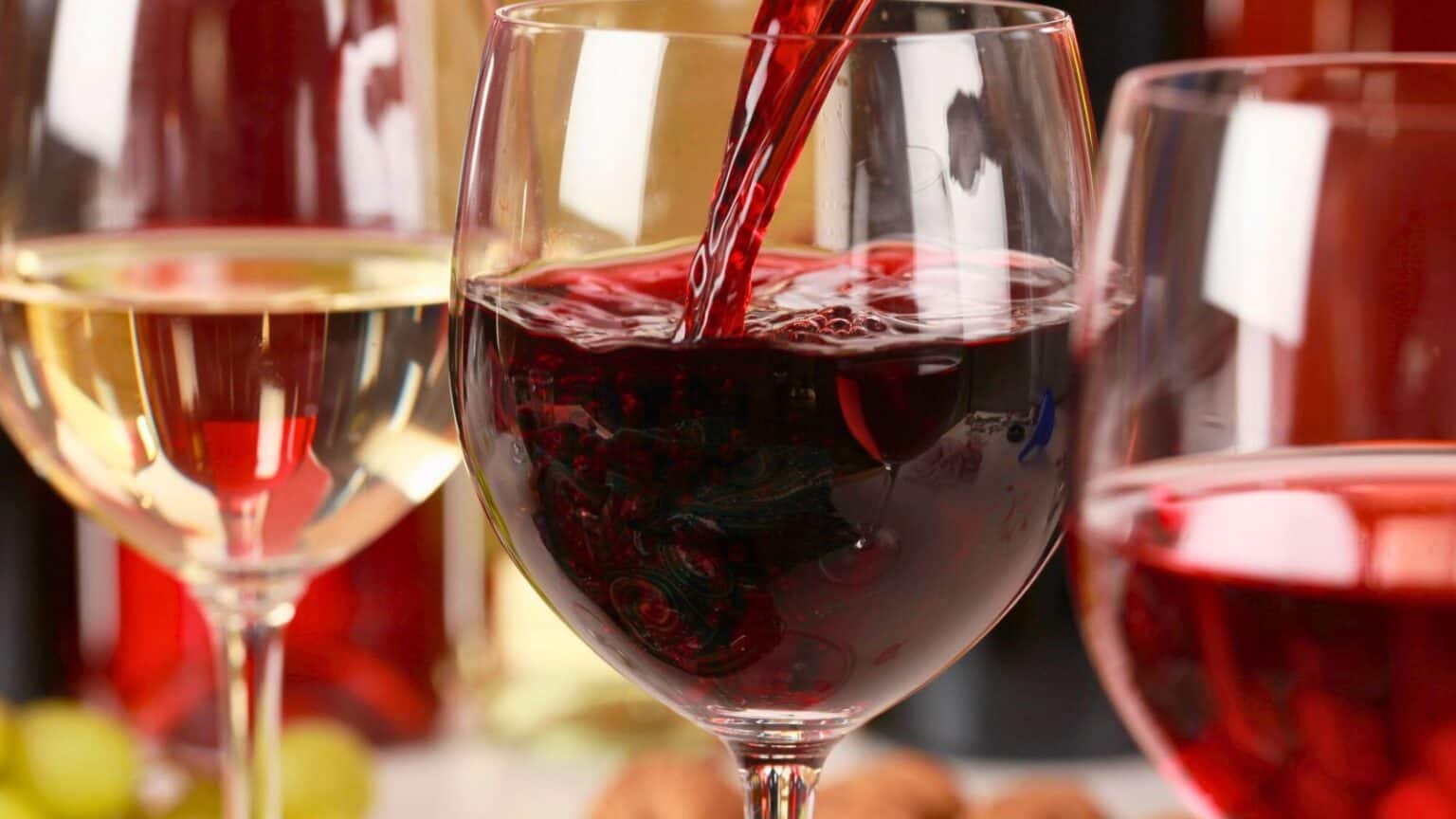
Whether you're a seasoned wine lover or just starting to explore, understanding different types of red wine can help you find new favorites and impress your friends at the next dinner party. From the bold and robust to the light and fruity, red wines span a spectrum of tastes and aromas that can complement any meal or occasion.
Read More Here: 12 Red Wine Varietals Every Serious Wine Lover Should Know
11 Shocking Alcohol Lies You Need to Stop Falling For

Don't let these lies fool you anymore! Alcohol is surrounded by many myths and misunderstandings that can be confusing. But how much of what you believe is actually true? There are 11 shocking alcohol lies you need to stop falling for, and knowing the truth can help you make better choices. From thinking some drinks are healthier to believing that alcohol helps with stress, these myths can lead to bad habits and wrong ideas.
Read More Here: 11 Shocking Alcohol Lies You Need to Stop Falling For


Comments
No Comments