
Not all espresso drinks are what they seem, especially on a Starbucks menu. Despite what's written on the cup, some drinks marketed as espresso-based are actually made with instant coffee. These 11 Starbucks espresso drinks, which are actually just instant coffee, might look the part, but behind the scenes, they skip the espresso machine entirely. Instead, they rely on a powder called Starbucks VIA, a microground coffee blend designed to mimic the flavor of espresso, without the pull.
The difference may be hard to spot unless you're looking closely, but for those who care about the process, it matters. While the taste might still hit the mark for some, others might be surprised to learn their favorite drink is built more for convenience than tradition.
Are you curious if your go-to order makes the list? These are the drinks that blur the line between espresso and instant, so next time you order, you'll know exactly what you're sipping.
Starbucks Bottled Frappuccino
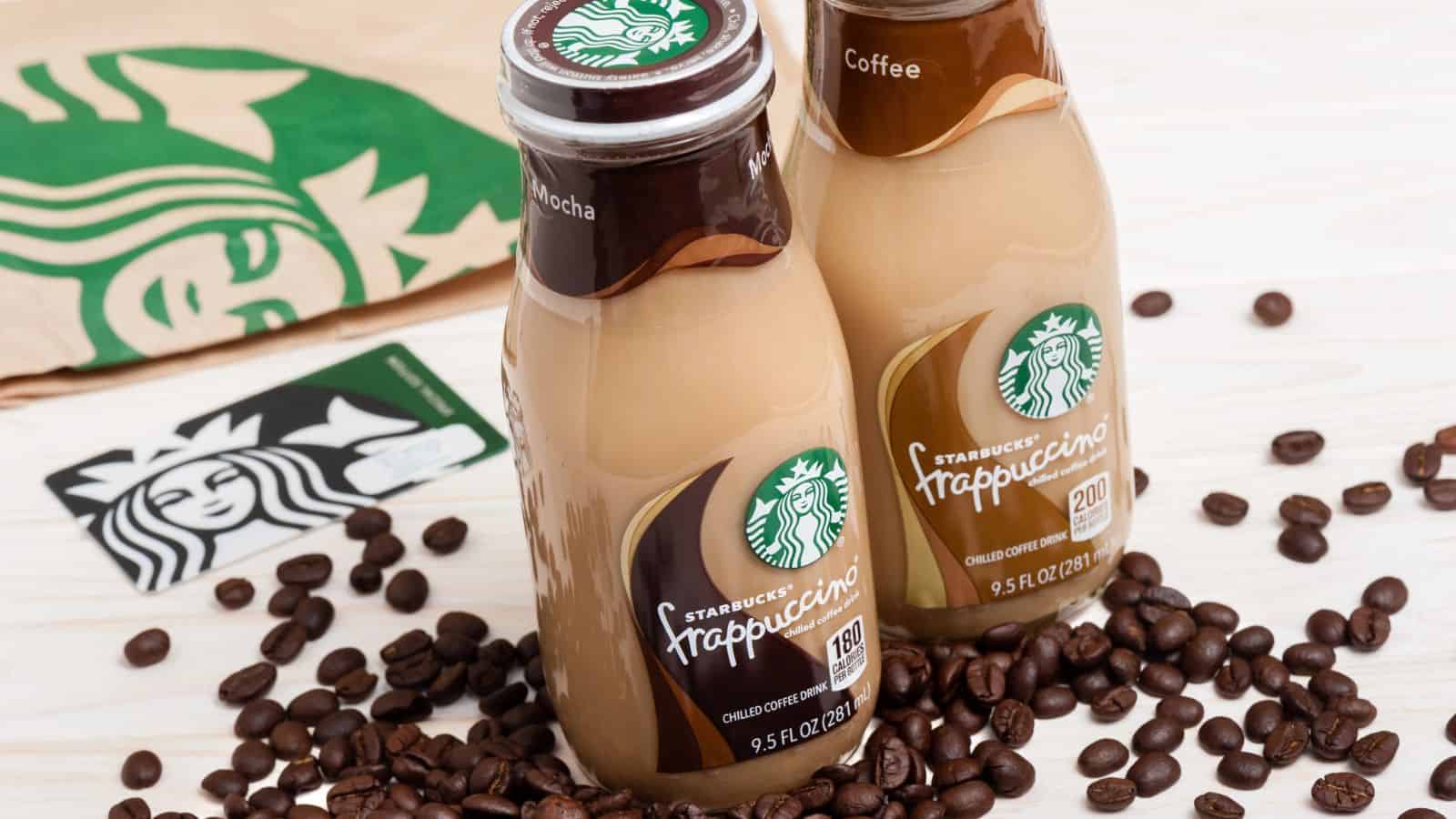
Found in grocery stores and convenience shops, the bottled Frappuccino is marketed as a ready-to-drink coffee beverage, but it contains no authentic espresso. It uses brewed coffee concentrate and dairy, blended with sweeteners and stabilizers for shelf life. There's no crema, no fresh pull, and no barista behind it. The texture is smooth, often resembling coffee milk with a thick consistency due to the addition of ingredients. Refrigerated and sealed for transport, it's designed for grab-and-go moments, not a café experience. Despite the word "Frappuccino," it's a packaged drink that skips the espresso machine entirely and depends on long-life processing.
Starbucks Doubleshot Espresso & Cream (Can)

This canned drink may claim to be "espresso" on the label, but it's actually made from coffee concentrate mixed with milk and sugar. It's shelf-stable and found in vending machines, coolers, and gas stations. The texture is consistent, and the taste leans sweet, but there's no freshly extracted espresso in the can. Instead, it uses a pre-blended liquid coffee base, preserved with additives. While the caffeine content is present, it lacks the depth, crema, and heat that comes with a real espresso shot. It's more of a coffee-flavored energy boost than a genuine espresso experience, designed for convenience rather than café craft.
Starbucks Espresso Roast VIA Packets
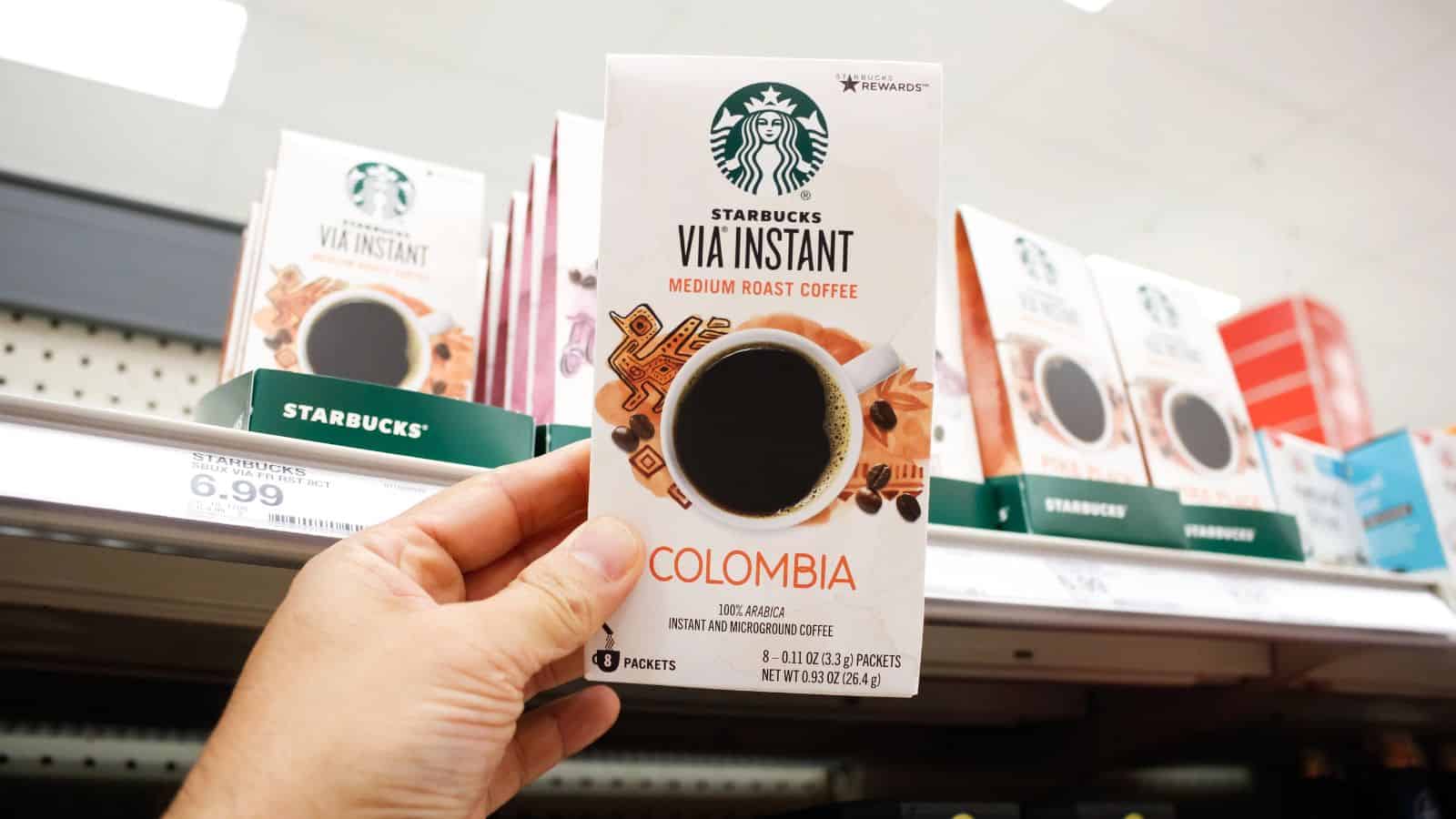
Labeled as "espresso roast," these VIA packets contain microground coffee designed to dissolve in hot water. There's no machine, no tamping, and no pressure involved. Though the roast is dark, the result is instant coffee with a fine texture, not espresso. When mixed, it has a thinner body and lacks crema or oil separation. It's meant for portability-just pour, stir, and drink. Marketed toward travelers or office settings, it sacrifices traditional espresso traits for ease and speed. The flavor profile mimics roasted beans but misses the richness that comes from real extraction. It's espresso in name only, not in method.
Starbucks Iced Espresso (Bottle)
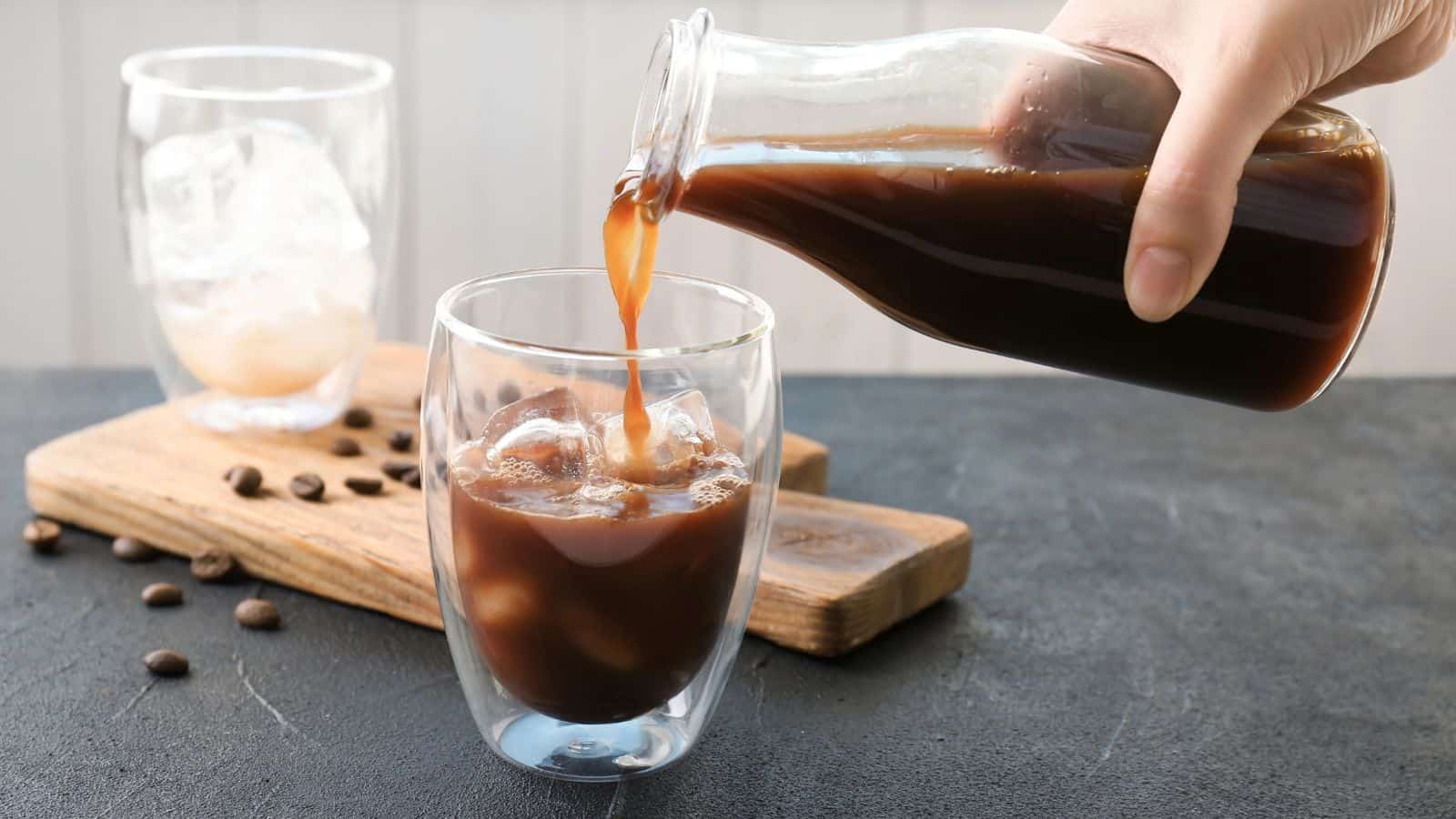
Sold in a bottled format, this iced drink combines coffee concentrate, milk, and added sugar. Though the label highlights "espresso," it's not brewed from a machine or pulled fresh in any way. The product is shelf-stable, pre-mixed, and consistently formulated across batches, making it ideal for long-term storage and rapid consumption. It's meant to replicate café espresso drinks, but with a base that skips fresh extraction entirely. There's no crema, no crema-fade, and no aroma burst when opened. It drinks more like sweetened iced coffee than a proper iced latte. Convenience wins here, but espresso purists wouldn't mistake it for the real thing.
Starbucks Frappuccino Blended Beverages (Tall or Smaller)

The standard coffee-based Frappuccino served in stores typically does not contain real espresso unless specifically requested. Instead, it uses a pre-sweetened coffee concentrate mixed with milk and ice, then blended into a frozen texture. The base includes instant-style coffee and stabilizers, which creates consistency but lacks the fresh espresso depth. It's built for customization and volume-baristas make dozens in a row without needing to pull shots. Only if a customer adds espresso do actual shots enter the drink. Without that change, the coffee taste comes entirely from the base, which is closer to flavored powder than brewed espresso.
Starbucks Nitro Cold Brew "Espresso"

Some Starbucks locations have used Nitro Cold Brew as a substitute for espresso shots in lattes or specialty drinks. Despite the name, it's not espresso-it's slow-steeped cold brew infused with nitrogen for texture and a cascading pour. There's no high-pressure extraction, no crema, and no heat involved. The result has a smooth mouthfeel and richer body than standard iced coffee, but it's still brewed over time, not pressed through a machine. When used in drinks that typically call for espresso, the difference in flavor and structure becomes clear. It's strong, yes-but technically, it's not espresso at all.
Starbucks VIA Instant Caffè Mocha

This instant mocha mix includes powdered coffee, cocoa, and dried milk ingredients. Customers pour hot water over the contents to create a drink labeled as "mocha," but it lacks an espresso shot. The coffee component is ground finely enough to dissolve, but the taste and body fall closer to instant hot chocolate with caffeine than anything you'd receive from a café espresso machine. There's no crema, no concentrated oils, and no pressure-extracted flavor. It's convenient for travel or office settings, but calling it a mocha built from espresso is more about branding than brewing accuracy.
Starbucks Espresso & Cream Coffee Beverage (Bottle)

This bottled drink is labeled as "espresso," but it's actually made with brewed coffee concentrate and sweetened cream. It's designed for convenience-often found in convenience store coolers or grocery shelves-and doesn't involve any real-time preparation or barista work. The flavor is balanced and drinkable straight from the bottle, but it lacks the signature crema, texture, and concentrated flavor typically associated with authentic espresso. The ingredients are designed for a long shelf life, and the taste is adjusted with additives to ensure consistency. It may satisfy a quick caffeine need, but calling it espresso stretches the definition.
Starbucks Doubleshot Energy
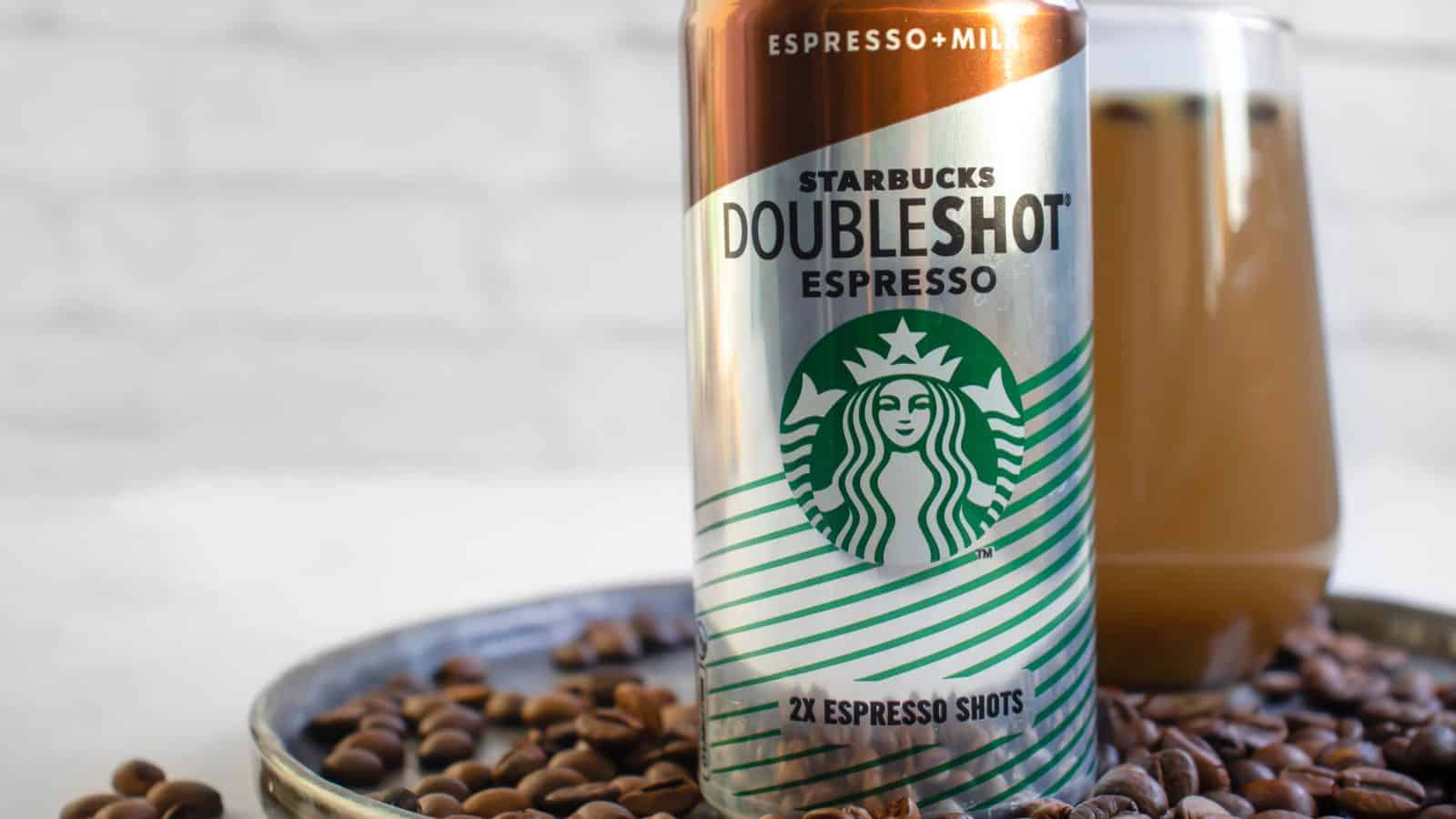
Packaged like an energy drink, Starbucks Doubleshot Energy blends coffee extract with taurine, ginseng, B vitamins, and dairy. While the can includes the word "espresso," it doesn't contain freshly pulled shots. Instead, the drink relies on a pre-blended base similar to concentrated iced coffee, supplemented with performance-enhancing additives found in energy drinks. It's heavily sweetened and has a thicker mouthfeel, with a flavor closer to chocolate milk than café espresso. The goal is energy, not espresso-style complexity. It's built for those who need a caffeine boost with extra support, not for those seeking a freshly prepared beverage experience.
Starbucks Frappuccino Light or Mocha Light
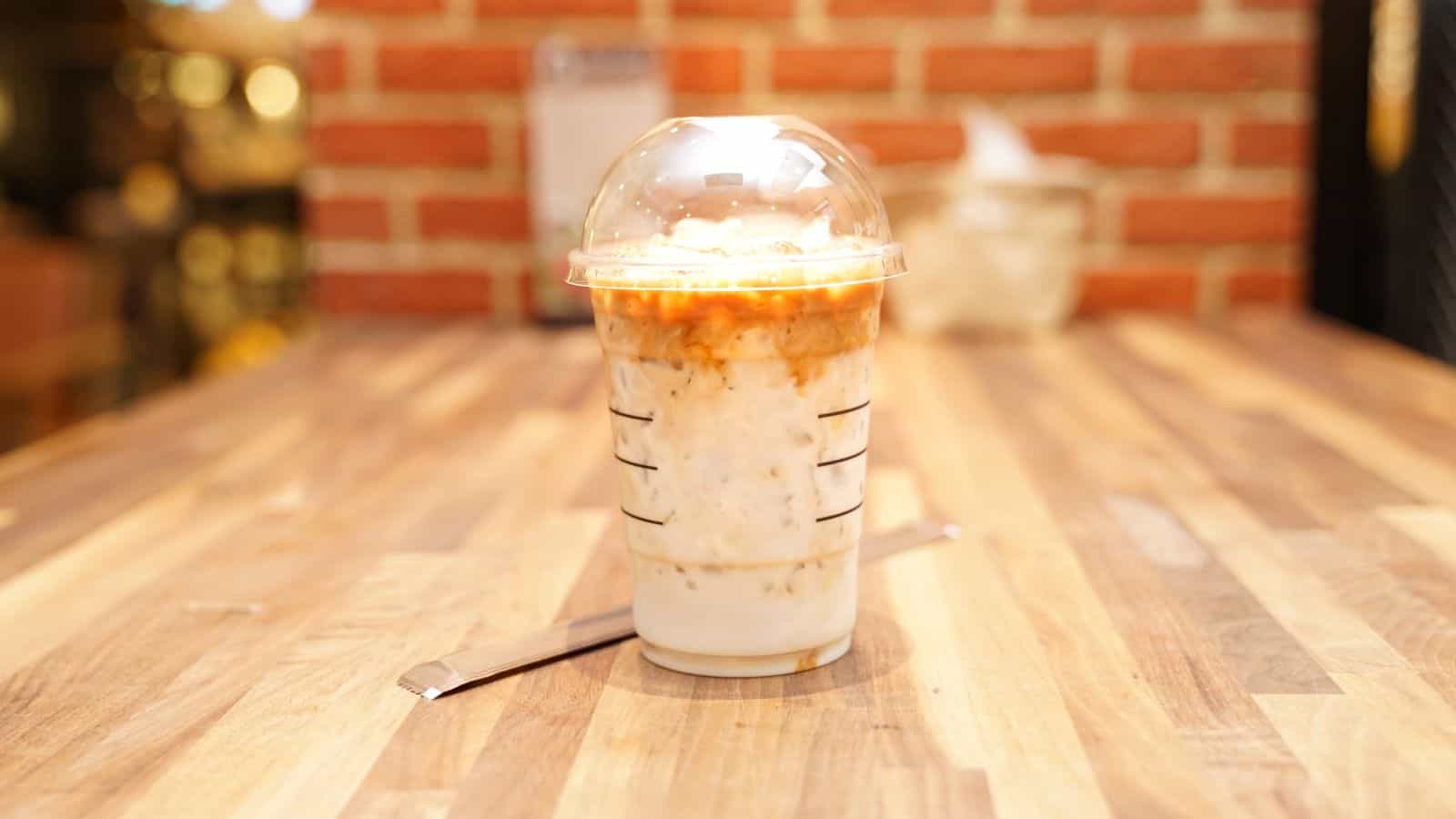
These "light" versions of the Frappuccino use the same instant-style coffee base as the regular version, with adjusted sweeteners and calorie counts. There's no espresso unless a customer customizes the drink. The core coffee component is a concentrated base, pre-mixed with water and coffee solids, which is closer to a flavored syrup than a fresh pull. When blended with ice and milk, the drink assumes a frozen texture that is consistent but falls short of espresso standards. There's no aroma from fresh grinding, no crema, and no variation from shot to shot. It's about predictability, not craft or traditional technique.
Starbucks Espresso Capsules (Nespresso-Compatible)
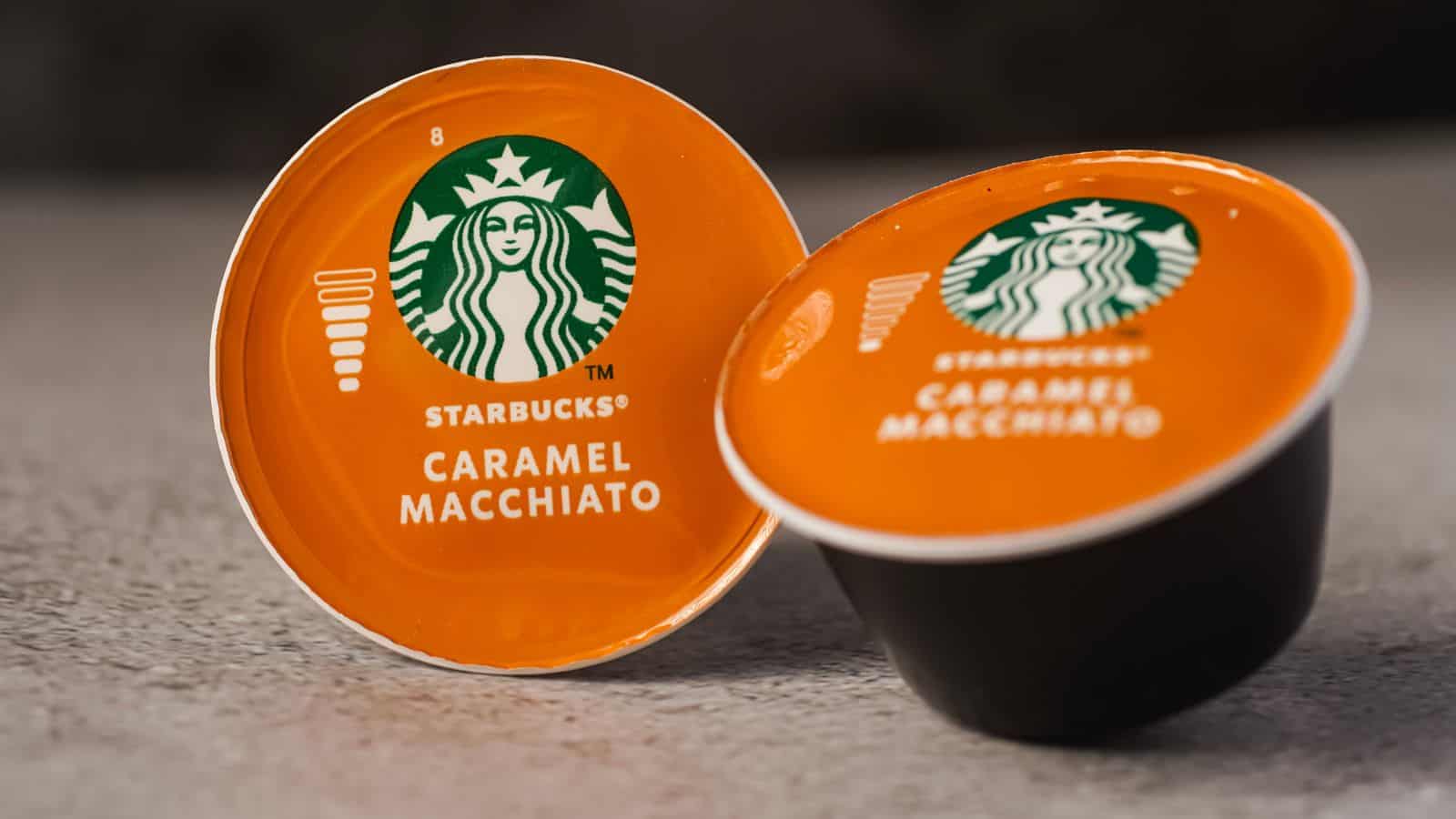
These capsules are labeled as espresso and are designed for use in Nespresso machines. Although they do produce pressure-extracted coffee, the results vary depending on the machine and water settings used. The coffee inside is pre-ground and sealed for freshness, but not all of it meets the standards of café-grade espresso. The crema is thinner, and the body often lacks the punch of a freshly ground and pulled shot. These are convenient and consistent, but the experience is more akin to automated coffee pod systems than to barista-crafted drinks. The espresso name is based more on the type of pressure than on the final flavor nuance.
Espresso or Just Express?

In a place known for handcrafted drinks, it's easy to assume every espresso-based order comes from a machine-but that's not always the case. These instant coffee-based drinks might look and taste similar to espresso blends, but they skip the usual steps and rely on a faster shortcut. For some, that's no big deal. For others, especially those chasing the whole espresso experience, it's worth knowing the difference.
Transparency matters, especially when it comes to something as personal as a daily coffee run. Whether you're in it for speed, convenience, or flavor, understanding what's really in your cup can help you order with confidence. So next time you're in line, take a closer look at the menu-you might rethink what qualifies as espresso.
14 Tips for Making the Best Cup of Coffee Ever

How do you like your coffee in the morning? Ever wonder what makes a cup of coffee truly special? It's clear that there are 14 tips for making the best cup of coffee ever that can enhance your brewing game. Many people overlook the importance of high-quality ingredients and precise techniques, often resulting in a mediocre cup that fails to impress.
Read More Here: 14 Tips for Making the Best Cup of Coffee Ever
13 Uncommon Ingredients You Didn't Know You Can Add to Your Drinks

Have you heard about these uncommon drink ingredients? Many familiar drinks can be transformed with uncommon ingredients that pack a punch of flavor and nutrition. Adding these ingredients can introduce exciting new tastes and health benefits to everyday beverages. From spices to herbs and even some surprising fruits, there are plenty of options to explore that can take drinks to the next level.
Read More Here: 13 Uncommon Ingredients You Didn't Know You Can Add to Your Drinks




Comments
No Comments