
A hangover can quickly turn a great night into a challenging day, and there are 11 ways to stop a hangover before it ruins your day. Many people underestimate the impact of what they consume and how it can affect them the next morning. Knowing how to prepare and what to do can make all the difference in feeling better and getting back to normal.
From choosing the right foods to staying hydrated, these strategies can help minimize the effects of a hangover. Simple adjustments can lead to a quicker recovery and allow for a more enjoyable day ahead. Understanding these tips can empower anyone to take control of their hangover and avoid the dreaded morning after.
Ready to learn how to tackle a hangover effectively? Let's explore the best ways to prevent or lessen its impact so the day can be enjoyed to the fullest!

Stay Hydrated
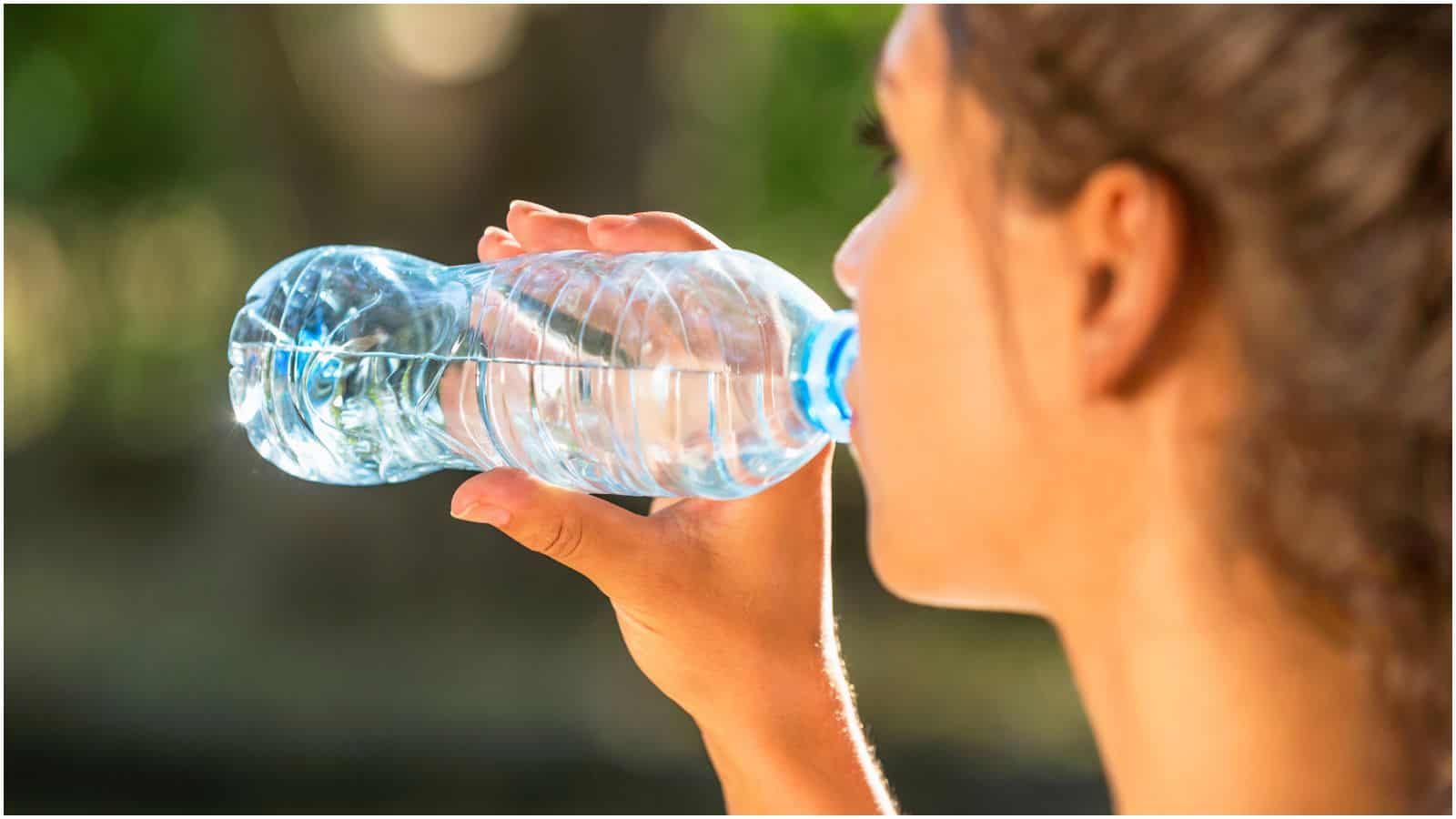
Dehydration is a primary contributor to hangover symptoms like headaches, dizziness, and fatigue. Alcohol increases urination, which depletes your body of essential fluids. To counteract this, drink water consistently before, during, and after alcohol consumption. Start the night with a glass of water and aim to alternate each alcoholic beverage with a full glass of water or another hydrating drink. Before going to bed, drink a large glass of water to replenish lost fluids. This habit helps your body maintain its balance and process alcohol more effectively, reducing the intensity of next-day discomfort and helping you recover faster.
Eat Before You Drink

Drinking alcohol on an empty stomach allows it to be absorbed into your bloodstream more rapidly, leading to stronger and quicker effects. To prevent this, eat a meal rich in protein, healthy fats, and complex carbohydrates before consuming alcohol. These nutrients act as a buffer, slowing the absorption of alcohol and giving your body more time to process it. Foods like avocado toast, eggs, nuts, or whole grains are excellent choices. Eating beforehand also stabilizes blood sugar levels, reducing symptoms like nausea, fatigue, and shakiness the following day, and helps protect your stomach lining from irritation.
Choose Your Drinks Wisely
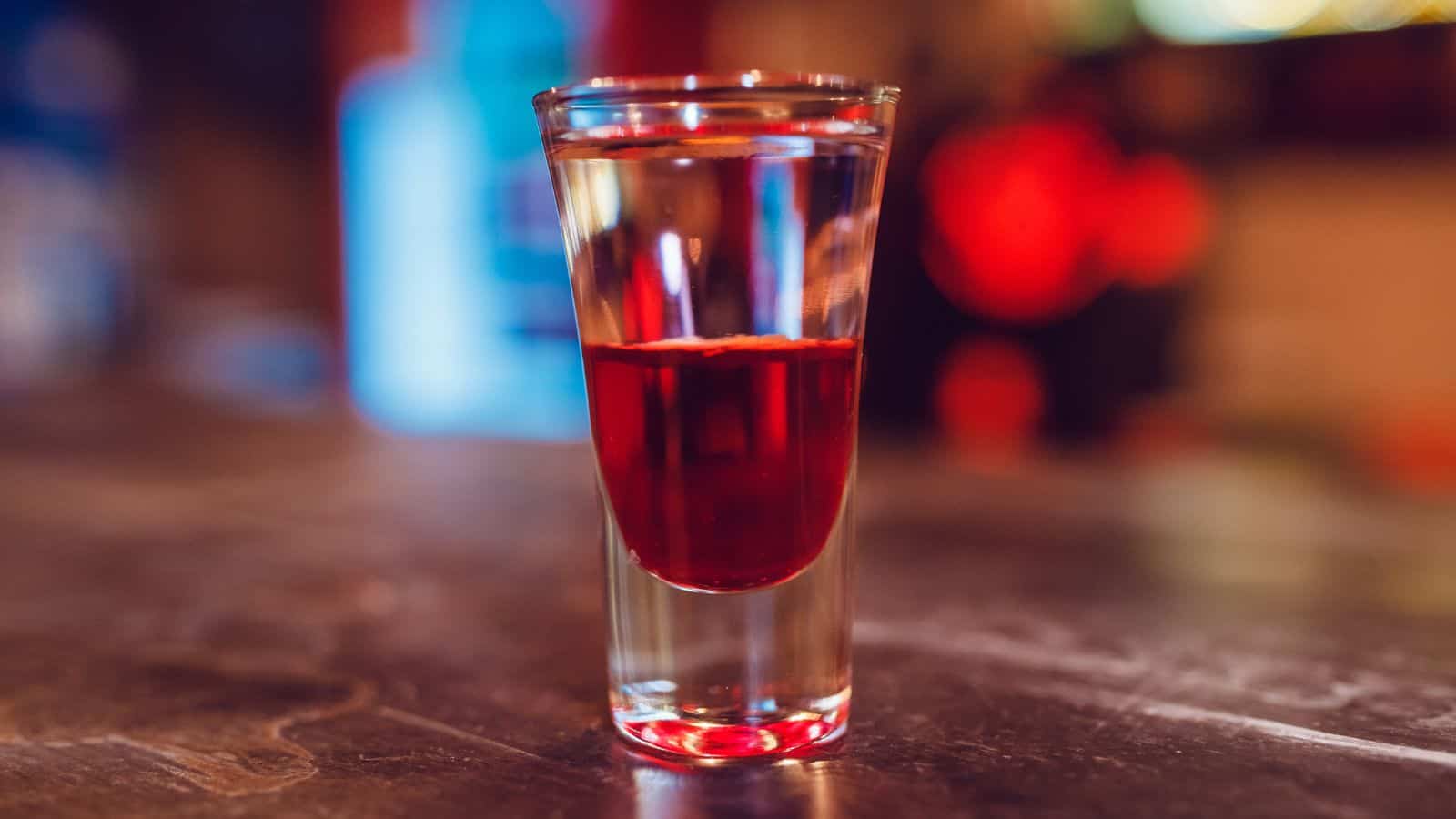
The type of alcohol you drink can play a significant role in how you feel the next day. Darker liquors such as whiskey, brandy, or red wine contain more congeners-chemical byproducts of fermentation-which can intensify hangover symptoms. Lighter spirits like vodka, gin, or white wine typically contain fewer congeners and may lead to less severe aftereffects. Additionally, sugary mixers or cocktails can exacerbate dehydration and cause a rapid spike and crash in blood sugar levels. By selecting drinks with fewer additives and congeners, you can reduce the likelihood of experiencing a severe hangover.
Pace Yourself

Drinking too quickly can overwhelm your liver, making it harder for your body to metabolize alcohol efficiently. When alcohol enters your system faster than your liver can process it, blood alcohol levels rise, leading to stronger effects and a tougher recovery. To avoid this, sip your drinks slowly and allow your body time to adjust. Taking breaks between drinks, engaging in conversation, or even setting down your glass between sips can help you maintain a moderate pace. This approach not only reduces the likelihood of overconsumption but also helps your body recover more smoothly.
Alternate with Non-Alcoholic Drinks
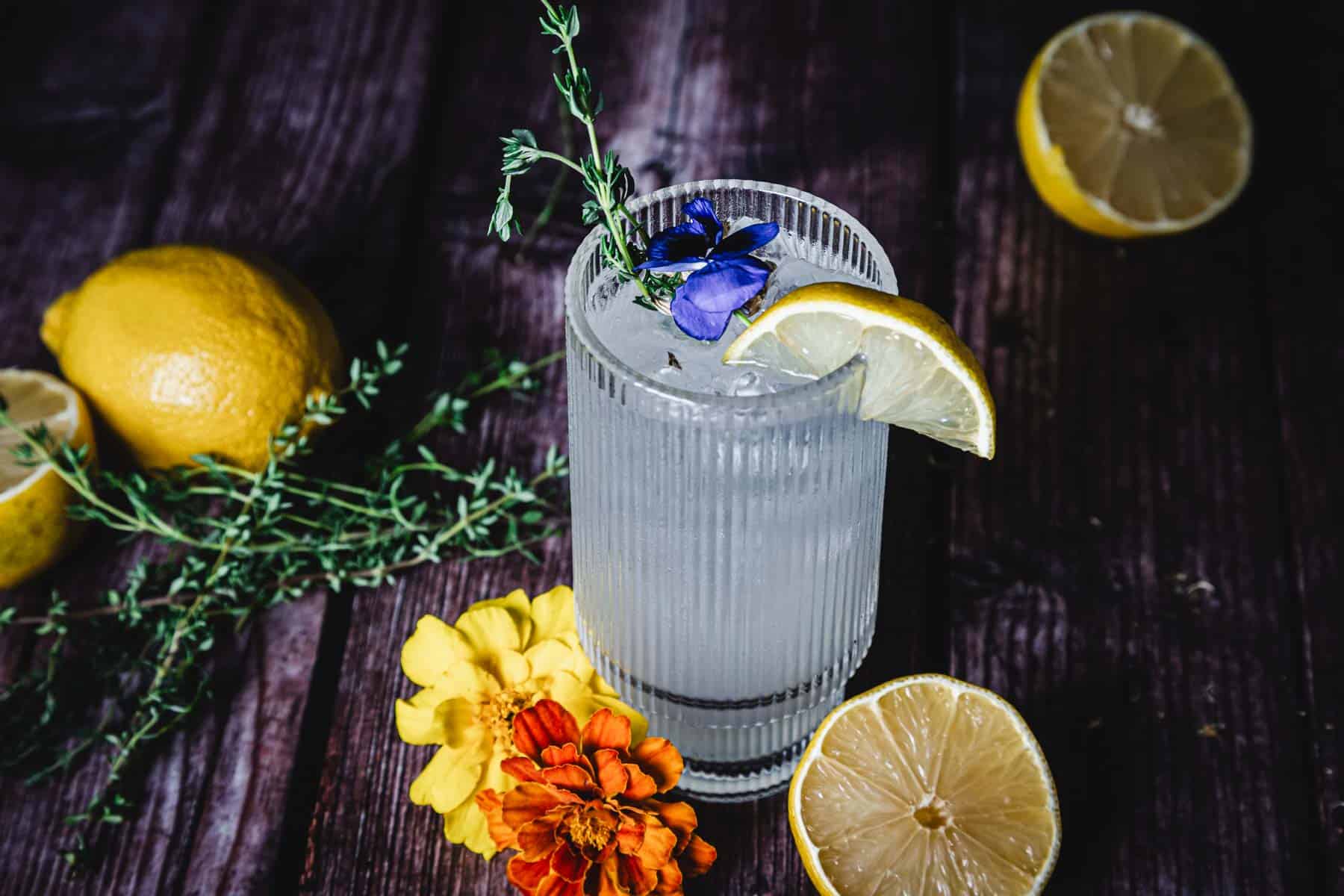
Alternating alcoholic beverages with non-alcoholic ones is an effective way to stay hydrated and moderate your intake. Water is the best choice, but other options like sparkling water, herbal teas, or unsweetened juices can work just as well. This practice helps counteract the diuretic effects of alcohol, which can leave your body depleted of fluids and essential minerals. Non-alcoholic beverages also slow down your alcohol consumption, giving your liver more time to process what you've already consumed. This simple strategy can make a noticeable difference, reducing the severity of symptoms like headaches, fatigue, and dry mouth the next day.
Stick to One Type of Alcohol
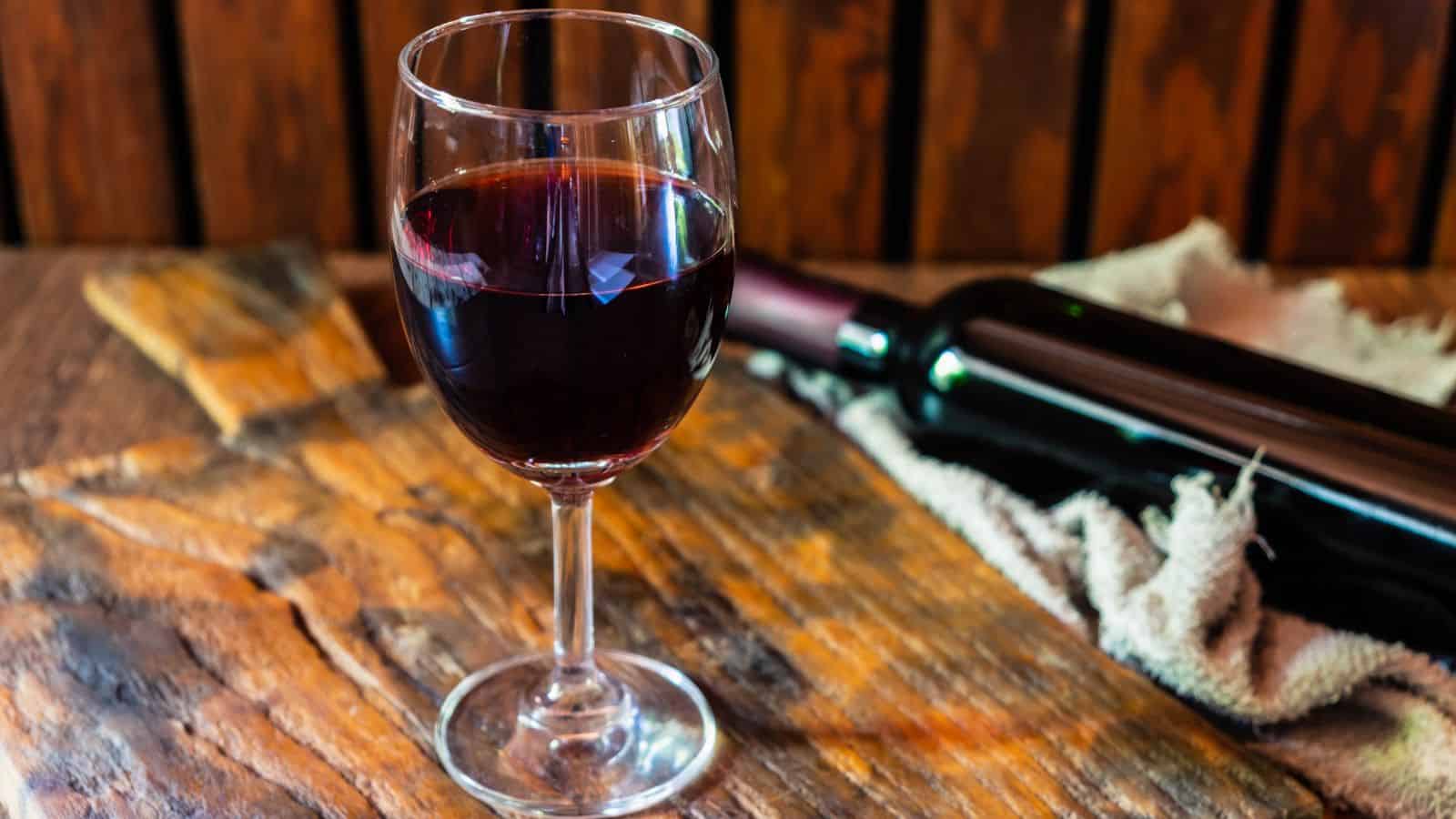
Switching between different types of alcohol during a night out can increase the likelihood of a hangover. Different alcoholic beverages contain varying levels of congeners and other compounds that your body must process, and mixing them can add strain. Sticking to a single type of alcohol, such as wine, beer, or a specific spirit, simplifies the workload for your body and reduces the chances of adverse effects. For example, if you start with vodka-based drinks, avoid switching to whiskey or rum. Consistency in your choice of alcohol can help you feel better the next morning.
Supplement with Electrolytes
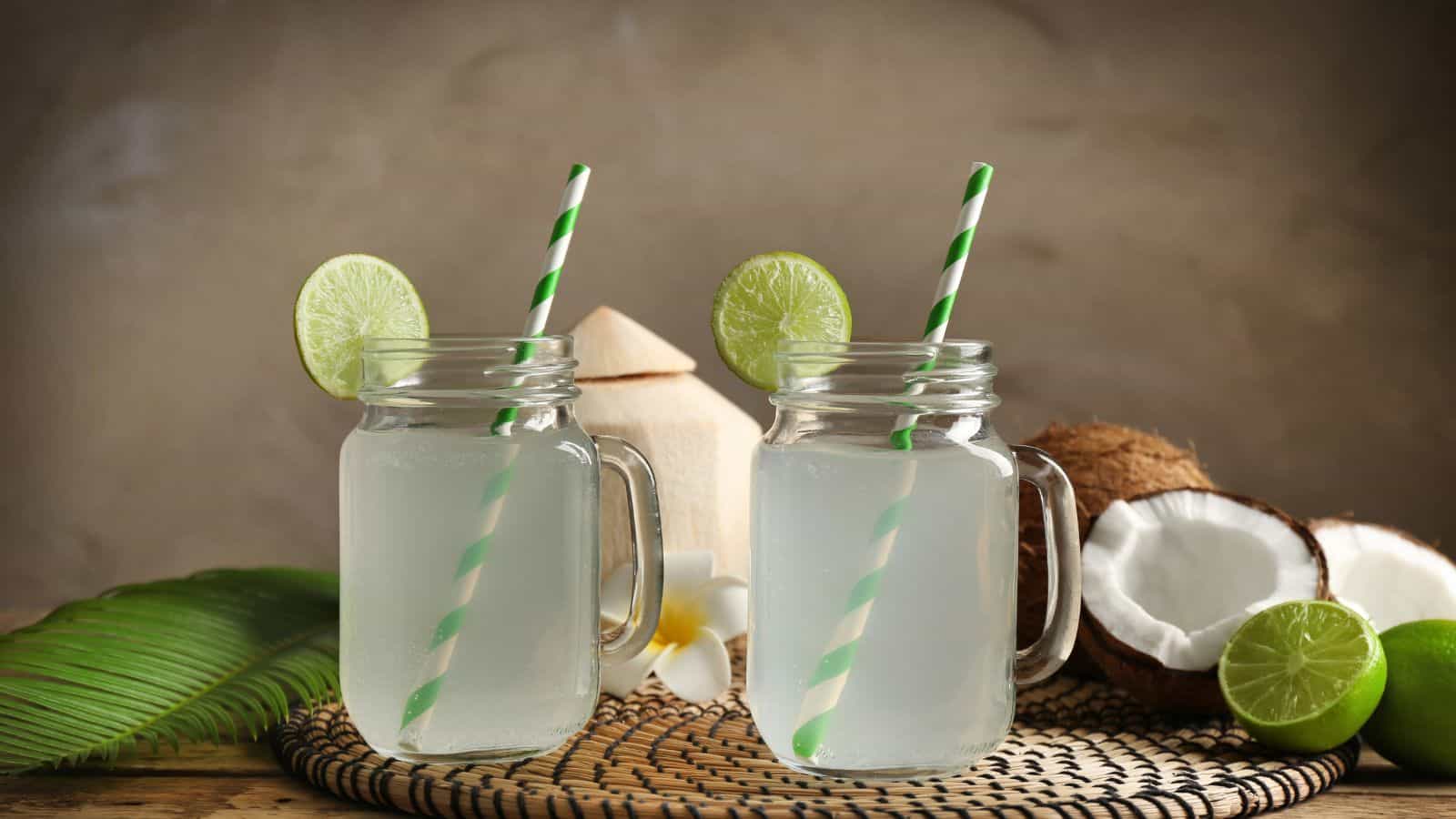
Alcohol can deplete your body of vital electrolytes, including potassium, magnesium, and sodium, which are essential for maintaining fluid balance and muscle function. Drinking electrolyte-rich beverages such as coconut water, sports drinks, or specially formulated electrolyte powders can replenish these lost nutrients. Consuming these drinks during or after alcohol consumption can help reduce symptoms like headaches, muscle cramps, and fatigue. Even a pinch of sea salt and a squeeze of lemon in water can restore balance naturally. Prioritizing electrolyte replenishment supports your body's recovery process and helps you feel refreshed after a night of drinking.
Take Vitamins
Alcohol can interfere with your body's absorption and storage of essential vitamins, particularly B vitamins and vitamin C. Taking a B-complex supplement or a multivitamin before going to bed can support your body's ability to metabolize alcohol. These vitamins are crucial for energy production and reducing fatigue, making them helpful in preventing hangover symptoms. Vitamin C, known for its antioxidant properties, can also assist your body in detoxifying alcohol's byproducts. Including these nutrients in your routine after drinking promotes faster recovery and minimizes discomfort, leaving you better prepared for the day ahead.
Avoid Carbonated Mixers
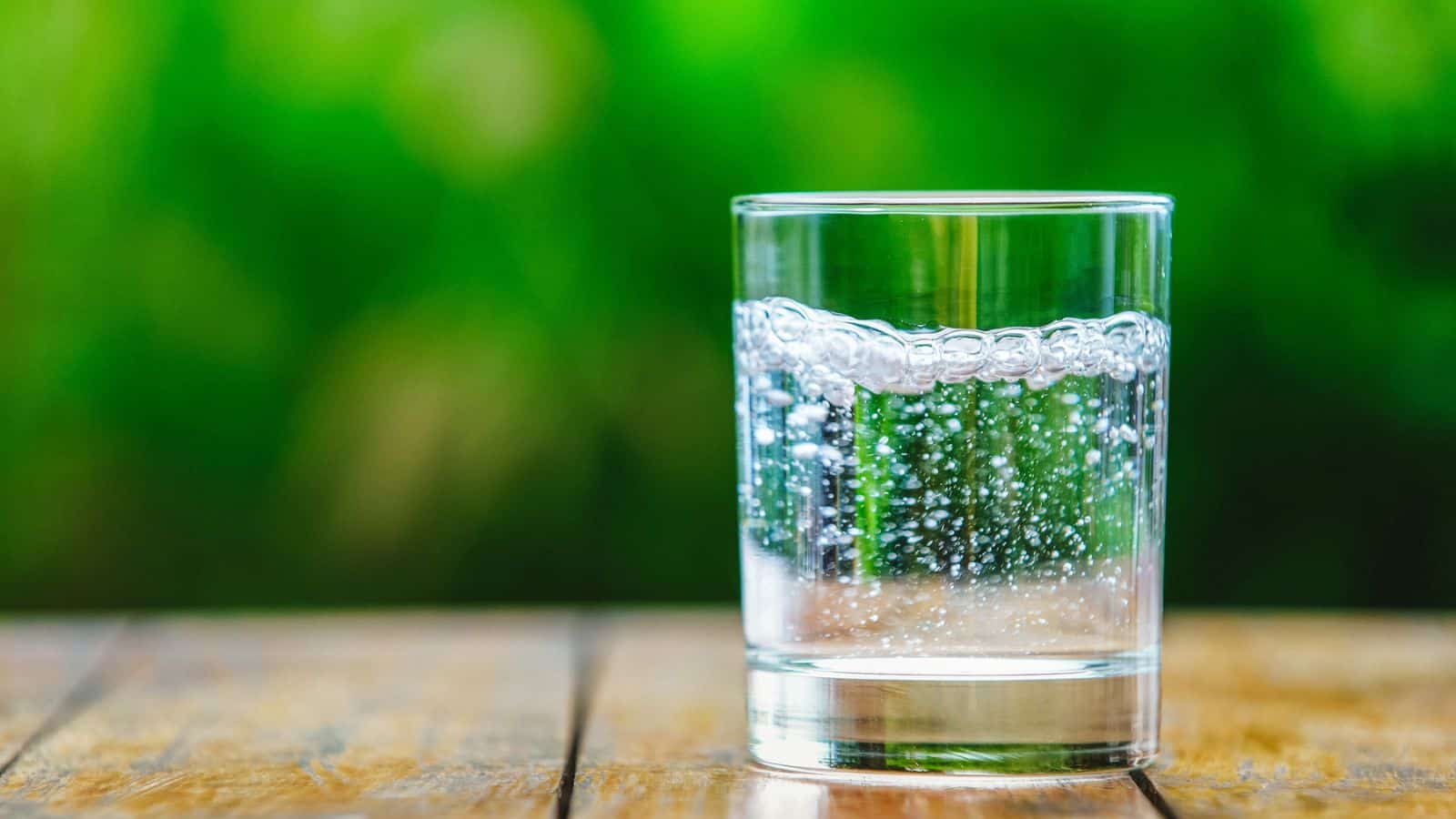
Carbonated mixers, such as soda or sparkling water, can accelerate the absorption of alcohol into your bloodstream by increasing the pressure in your stomach. This can lead to a quicker rise in blood alcohol concentration, intensifying its effects and making a hangover more likely. To reduce this risk, choose non-carbonated mixers like fruit juices or flat water for your drinks. Additionally, carbonation can cause bloating and discomfort, which might worsen other hangover symptoms. Opting for still beverages as mixers helps moderate alcohol's impact and contributes to a smoother experience during and after drinking.
Get Quality Sleep

Alcohol disrupts the natural sleep cycle, reducing the quality of rest and leaving you feeling more tired the next day. Even if you sleep for a full eight hours after drinking, alcohol's effects on REM sleep can prevent you from waking up refreshed. Prioritize a quiet, comfortable sleeping environment and allow yourself extra rest time if needed. Avoid screens or bright lights before bed to enhance sleep quality further. A well-rested body is better equipped to recover from the strain of alcohol, helping you feel more alert and functional when you wake up.
Snack Before Bed
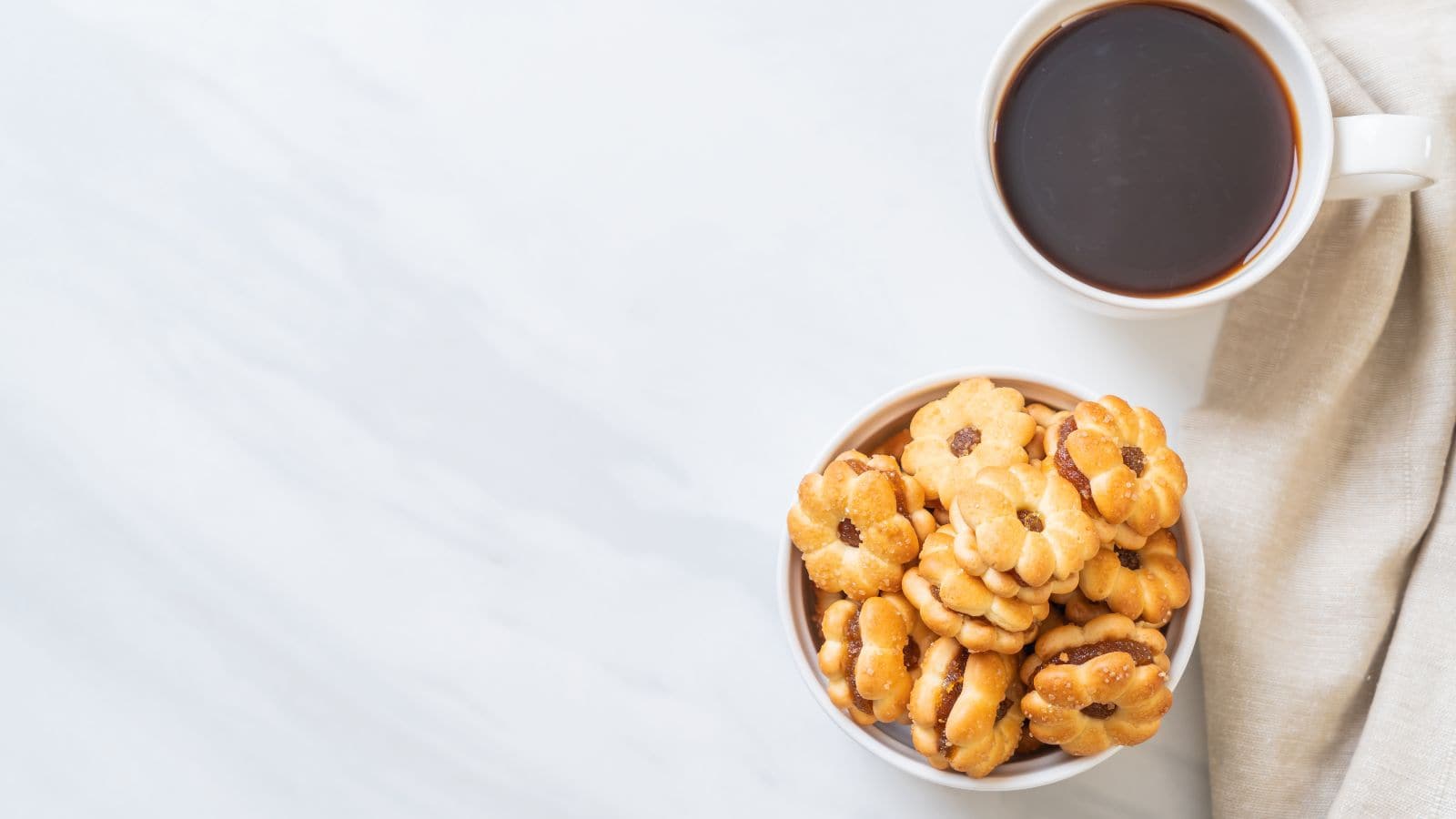
A small snack before bed can stabilize blood sugar levels, which may dip during the night due to alcohol's effects. Low blood sugar can lead to headaches, dizziness, and fatigue, worsening these symptoms the next morning. Choose snacks rich in complex carbohydrates, healthy fats, or proteins, such as whole-grain crackers with peanut butter, a banana, or a handful of nuts. These foods provide slow-releasing energy and nutrients to support your body as it metabolizes alcohol while you sleep. A thoughtful snack can help reduce hangover severity.
13 Best Foods to Eat Before Drinking Alcohol
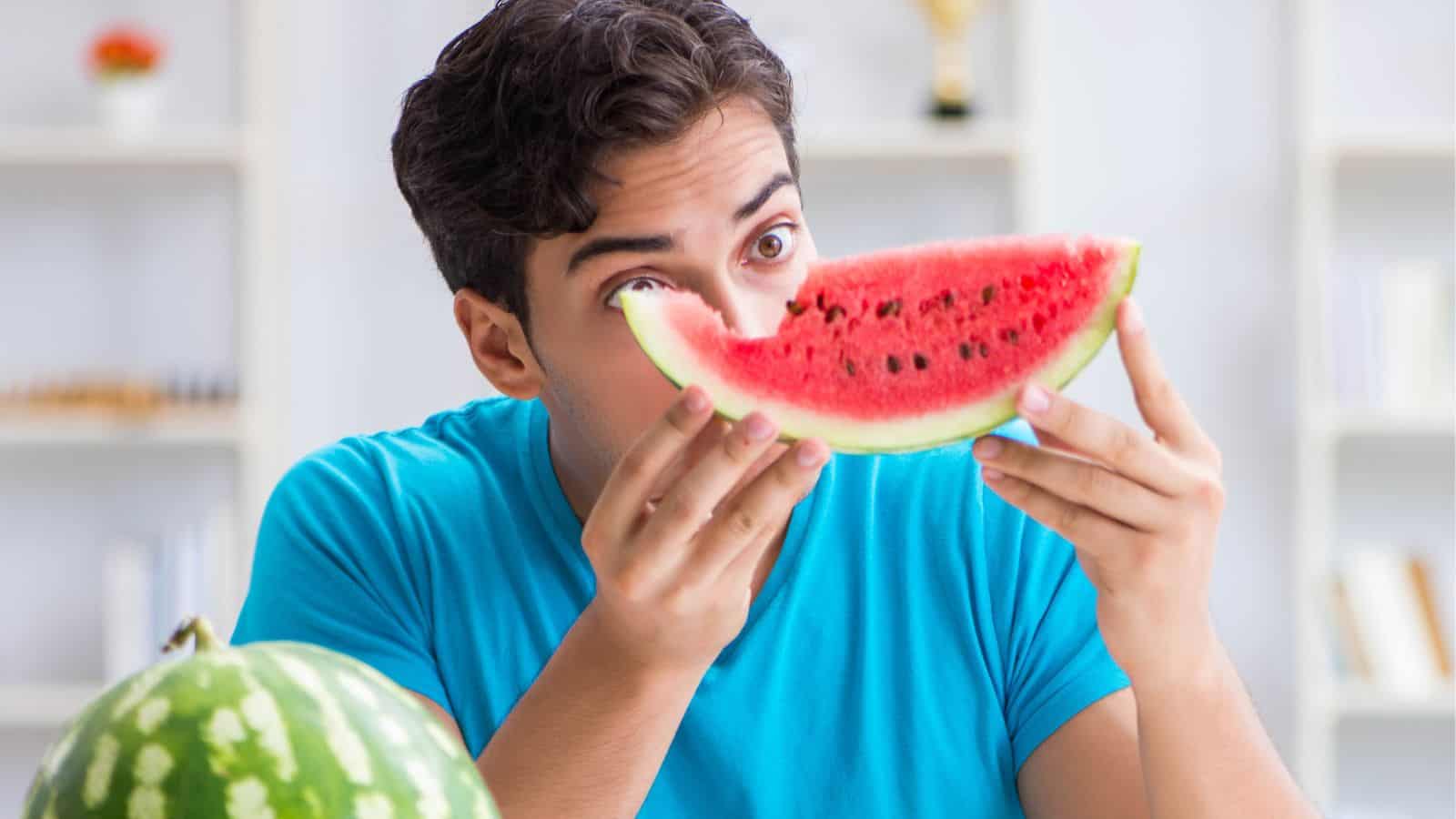
Stop the hangover and the stomach aches! Ever wonder how to feel better during and after a night of drinking? Research shows there are 13 strategic foods to eat before alcohol. This is because certain nutrients help slow alcohol absorption and protect your body's vital functions. Additionally, specific protein-rich foods maintain blood sugar levels, minerals support hydration balance, and complex carbs create a protective barrier in your stomach. So, while grabbing fast food might seem like an easy solution, strategic eating can significantly change how your night unfolds.
Read More Here: 13 Best Foods to Eat Before Drinking Alcohol
9 Hidden Drinking Patterns That Worry Health Experts More Than Binge Drinking

Drink in moderation! Ever think about how drinking habits can affect your life in unexpected ways? Most people know binge drinking is harmful, but there are quieter, more insidious patterns of drinking that can be just as damaging-if not worse. Unlike binge drinking, these habits don't come with obvious red flags like blackouts or severe hangovers. Instead, they creep into your daily routine, making them harder to spot.
Read More Here: 9 Hidden Drinking Patterns That Worry Health Experts More Than Binge Drinking



Comments
No Comments