
Packing alcohol for a flight can be tricky, and there are 11 ways you're doing it wrong. Many travelers overlook the rules and regulations surrounding transporting beverages, which can lead to issues at security checkpoints or even losing their favorite drinks. Knowing the right way to pack alcohol can save time and hassle during air travel.
From choosing the right containers to understanding liquid limits, these packing tips can help ensure that alcohol arrives safely at the destination. Being mindful of airline policies and local laws can also prevent unexpected surprises upon arrival. Recognizing these common mistakes can make the travel experience smoother and more enjoyable.
Check out these ways you're packing alcohol wrong and learn how to do it right. Following these tips can help ensure that your beverages make it to your destination without any problems!
Ignoring TSA Liquid Restrictions
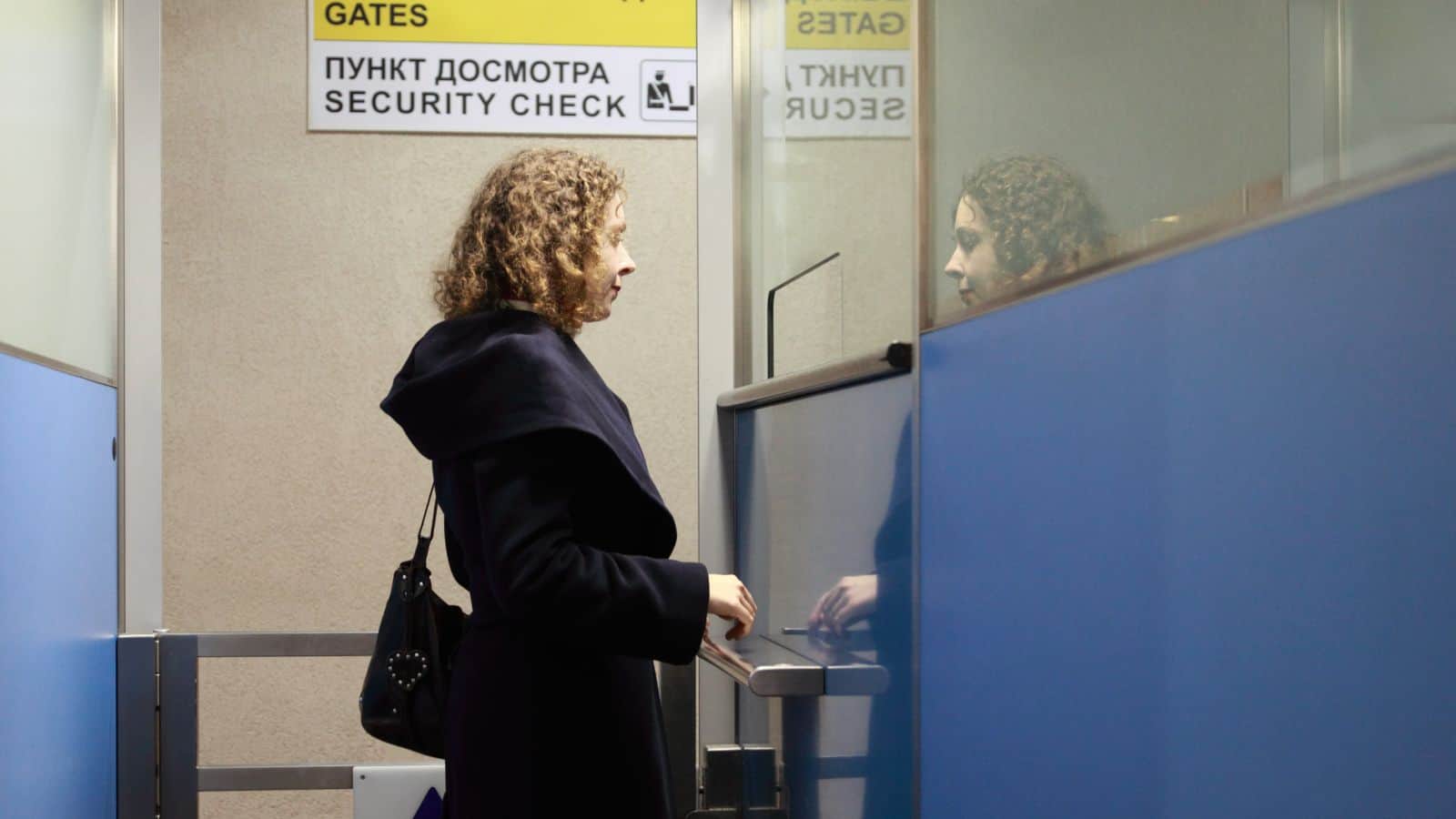
Airport security enforces strict rules on liquids in carry-on bags, and alcohol is no exception. Any bottle larger than 3.4 ounces (100ml) must be packed in checked luggage. Travelers often forget this rule and end up losing expensive bottles at the security checkpoint. Even duty-free purchases aren't safe if there's a layover in a country with different regulations, as passengers may be required to go through security again. It's frustrating to buy a special bottle only to have it taken away before reaching the final destination. To avoid issues, checking airline and airport policies before flying is important.
Not Checking Airline and Destination Rules
Different airlines and countries have their own regulations regarding alcohol transport, and failing to check them can lead to confiscation or fines. Some destinations have strict import limits, and others may ban certain types of alcohol entirely. For example, some countries prohibit spirits over a certain alcohol percentage, while others may only allow a limited amount of liquor per person. Additionally, airlines may have weight restrictions or special requirements for packing alcohol in checked baggage. Travelers who assume the rules are the same everywhere risk losing their bottles or facing extra charges. A quick review of airline and customs regulations can prevent these problems.
Packing Bottles Without Proper Cushioning
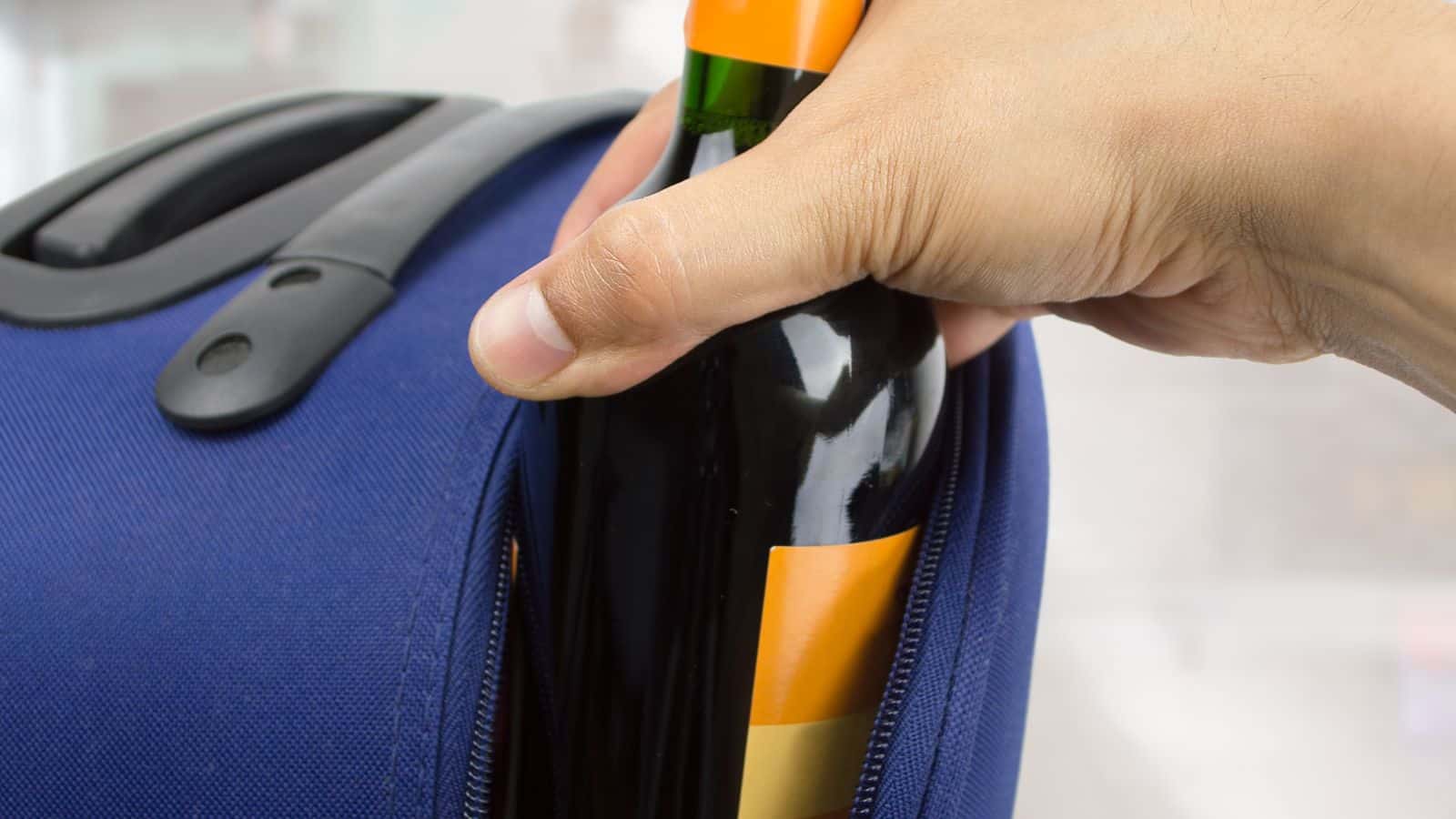
Glass bottles are fragile, and checked luggage is often handled roughly. Placing alcohol in a suitcase without padding increases the risk of breakage, which can ruin clothing and other packed items. A single cracked bottle can leak through an entire bag, creating a mess that's difficult to clean. Wrapping bottles in clothing, using bubble wrap, or placing them in padded wine sleeves can help absorb impact. Hard-shell suitcases provide extra protection, but proper packing is still necessary. Even duty-free alcohol needs careful handling, as thin plastic bags are not enough to prevent damage. A little preparation can keep bottles intact during travel.
Forgetting to Use Leak-Proof Seals
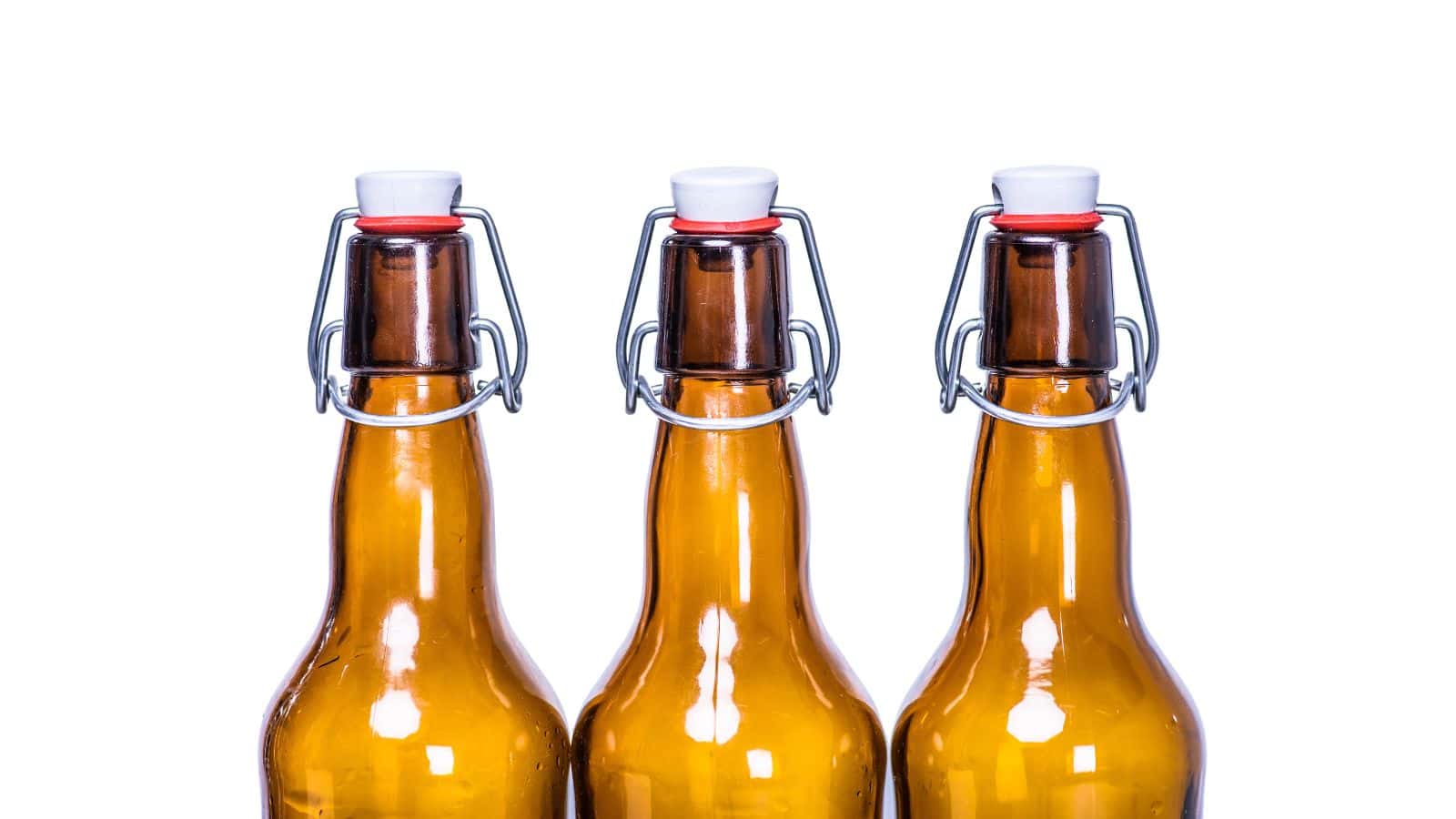
Even if a bottle doesn't break, it can still leak due to pressure changes during the flight. Loose caps, poorly sealed corks, and even factory-sealed bottles can let liquid escape. This is especially true for wines with cork closures, which may expand and contract with altitude changes. Without proper sealing, alcohol can soak through luggage, staining clothing and damaging electronics or books. Placing bottles inside plastic bags is one way to contain potential leaks, but shrink wrap, electrical tape, or specialized bottle protectors add an extra layer of security. Taking a few minutes to reinforce caps and seals can prevent unnecessary messes.
Packing Alcohol Near Fragile Items
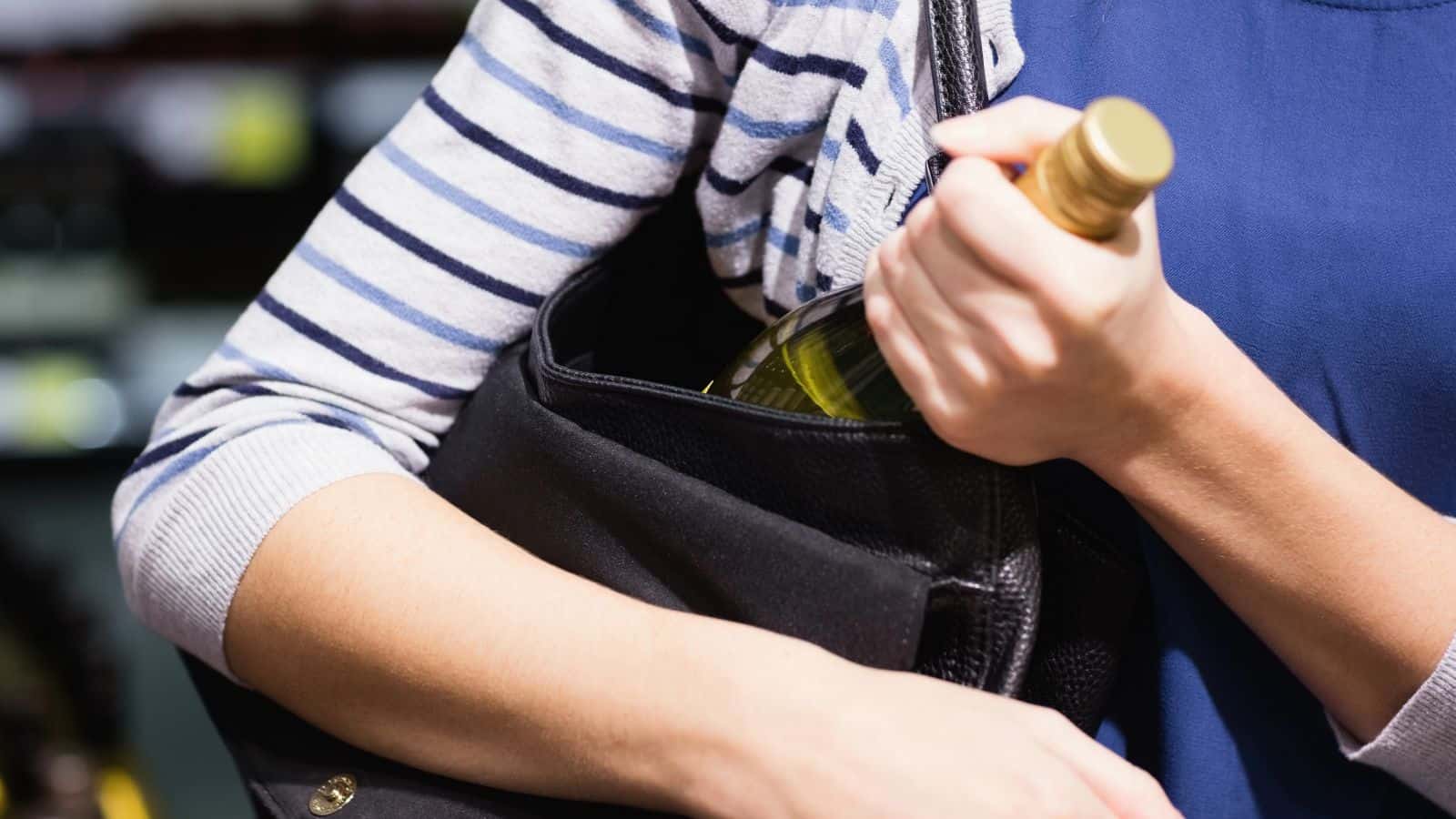
Placing glass bottles next to electronics, books, or delicate souvenirs is a recipe for disaster. If a bottle breaks or leaks, it can ruin valuable or irreplaceable items. The weight of a bottle shifting in transit can also cause fragile objects to crack. It's best to pack alcohol in the center of the suitcase, surrounded by soft clothing for cushioning. Keeping it separate from anything that could be damaged by moisture is equally important. Travelers who don't take these precautions risk opening their luggage to find broken glass, soaked belongings, and expensive losses. A little strategic packing goes a long way.
Not Considering Duty-Free Limits
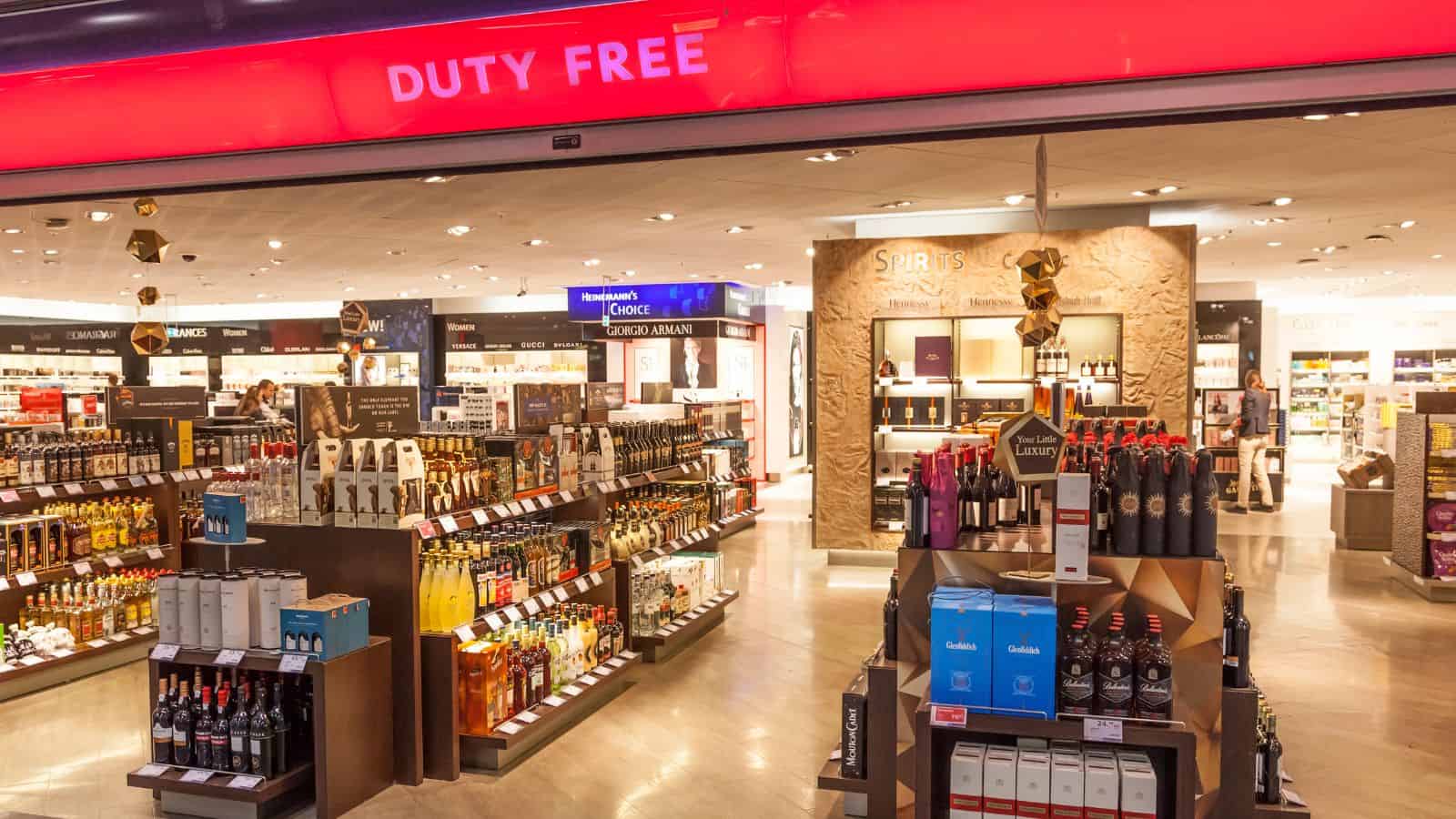
Buying alcohol at a duty-free store is a popular option for travelers looking for good deals, but it's essential to understand the restrictions that apply. Duty-free alcohol often comes in larger bottles, but it doesn't mean you can carry as much as you want. Different countries have import limits for alcohol, and many airlines have specific rules about the amount you can transport, especially when you have layovers or connecting flights. If you're traveling internationally, your duty-free alcohol might be confiscated during a transfer if it doesn't meet liquid restrictions. It's essential to check both your airline's and destination's alcohol import limits before purchasing alcohol in duty-free shops.
Checking Alcohol Over the Allowed Limit
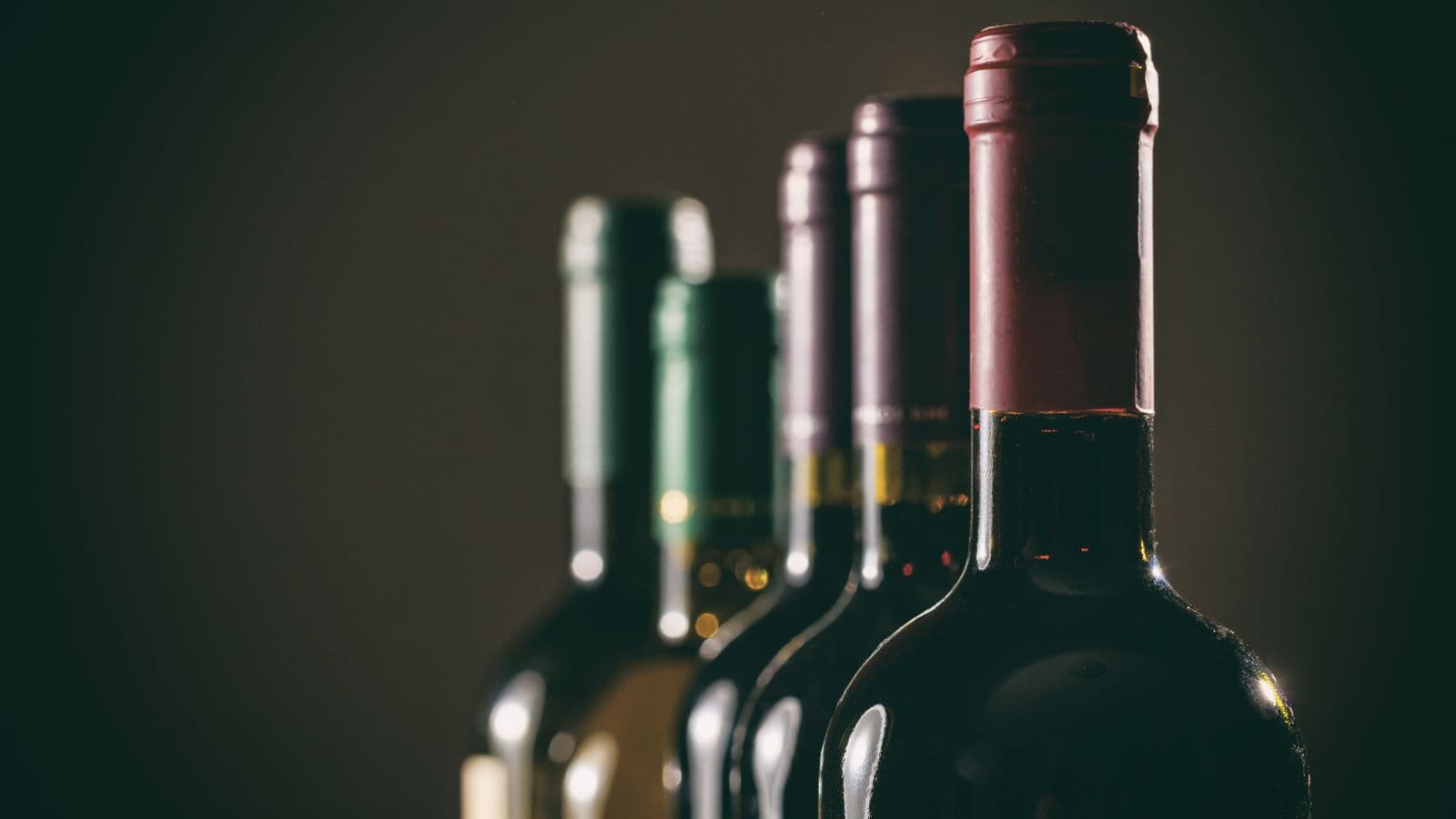
When it comes to checking alcohol in your luggage, there are often specific limits set by airlines and countries. Most airlines allow passengers to carry up to 5 liters of alcohol with an alcohol content between 24% and 70% ABV, but this can vary. Exceeding this limit can lead to fines, additional fees, or confiscation of the extra bottles. While beer and wine often have more lenient limits, spirits like whiskey and rum are generally more restricted. Before packing, check both your airline's guidelines and the regulations of your destination to avoid problems at check-in. Understanding these restrictions will help you avoid surprises at the airport.
Bringing Alcohol Over 70% ABV
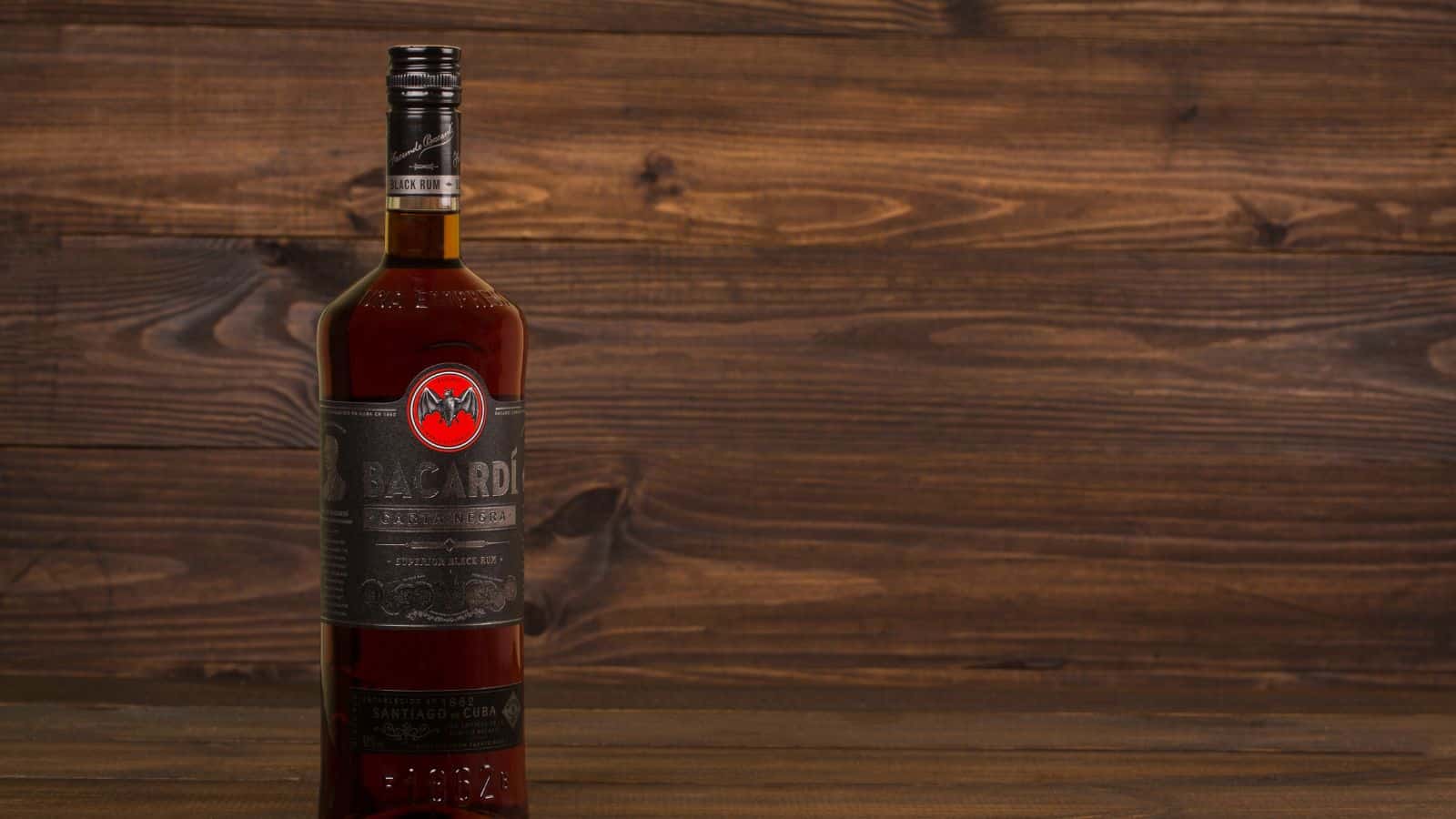
Alcoholic beverages with an alcohol by volume (ABV) of over 70% are considered hazardous materials by airlines and are banned from both checked and carry-on luggage. This includes products like overproof rum, certain absinthes, and other high-proof spirits. These liquids are highly flammable, which is why airlines have strict regulations against carrying them. Even if you don't realize it, packing alcohol stronger than 70% ABV could lead to your bag being flagged during screening, and the bottle may be confiscated. Be sure to check the ABV of any alcohol you're considering bringing with you and avoid carrying anything over the limit.
Assuming You Can Drink Your Own Alcohol on the Plane
Many travelers assume they can drink the alcohol they've packed for the flight, but this is almost never allowed. Airlines have strict rules against passengers consuming their own alcohol during the flight, even if it was legally obtained and packed in accordance with the regulations. Flight attendants are responsible for serving alcohol on board, and consuming personal alcohol can lead to issues with them, as well as fines. Some airlines may make exceptions for certain medical conditions or special circumstances, but in general, bringing your own alcohol to drink on the plane is prohibited. If you're hoping to enjoy a drink during your flight, it's best to rely on the options available on the airline's menu.
Ignoring Customs Declarations
Customs regulations require that you declare any alcohol you're bringing into a country, and failing to do so can lead to significant penalties. While the rules vary by country, most places allow you to get a limited quantity of alcohol without paying additional duties or taxes. However, you still must declare it upon arrival. If you don't declare your alcohol, you risk having it confiscated or being fined. Even if the alcohol is within the allowable limit, not declaring it violates customs law. To avoid any complications, be sure to declare your alcohol when going through customs, even if it seems like a small amount.
High Blood Pressure or Elevated Blood Sugar Levels
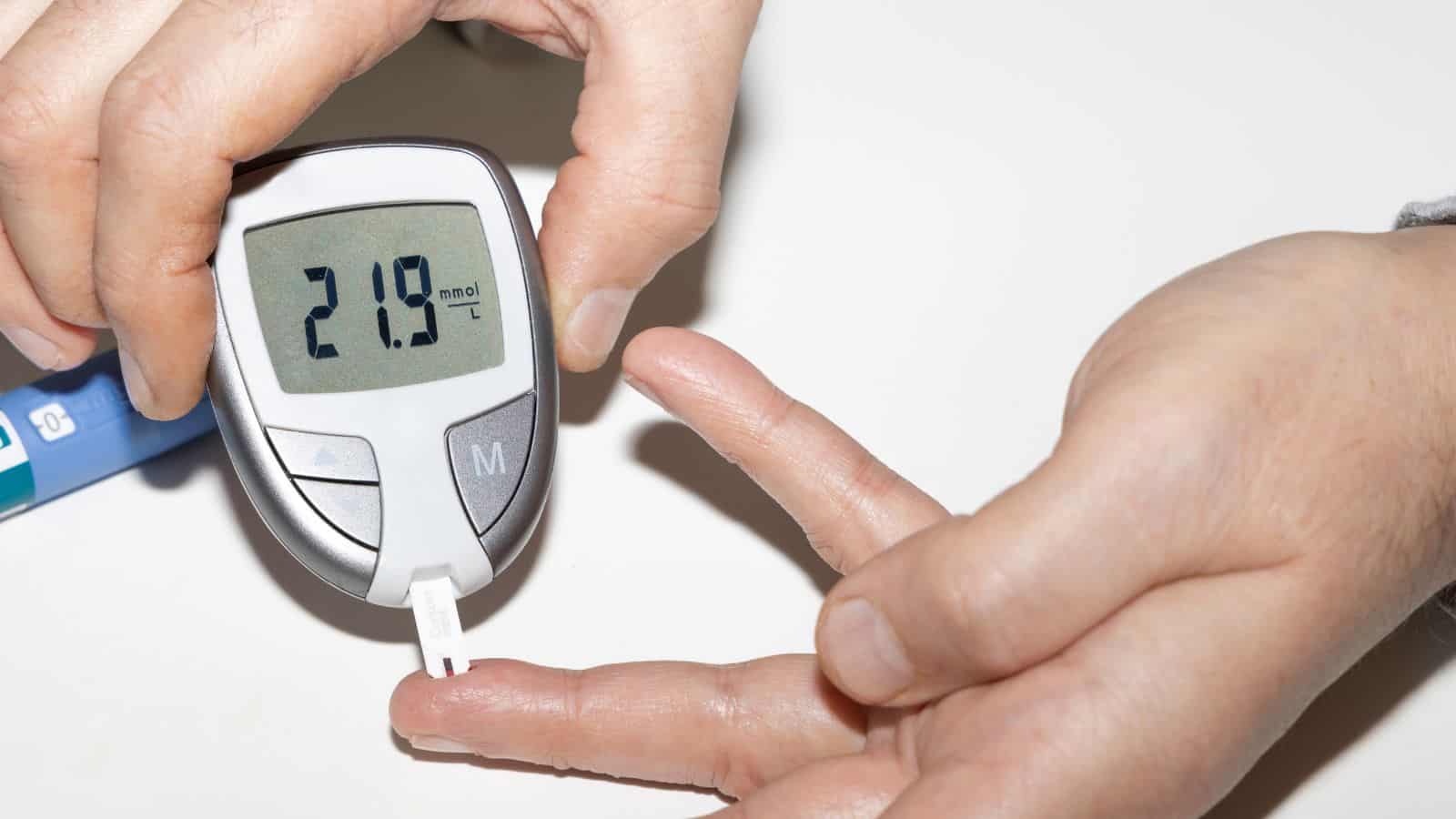
Bringing alcohol with you may not seem like a big deal, but some travelers mistakenly carry more than what is permitted by customs or airline rules. Carrying alcohol in large quantities can raise your blood pressure or contribute to increased blood sugar levels, leading to health complications. While it might be tempting to bring extra bottles, it's important to remember the risks involved, both for your health and the hassle at customs. If you're traveling internationally, you should know the local alcohol policies and keep track of how much you're carrying to avoid penalties or health problems.
10 Airplane Drinks That'll Ruin Your Travel Experience
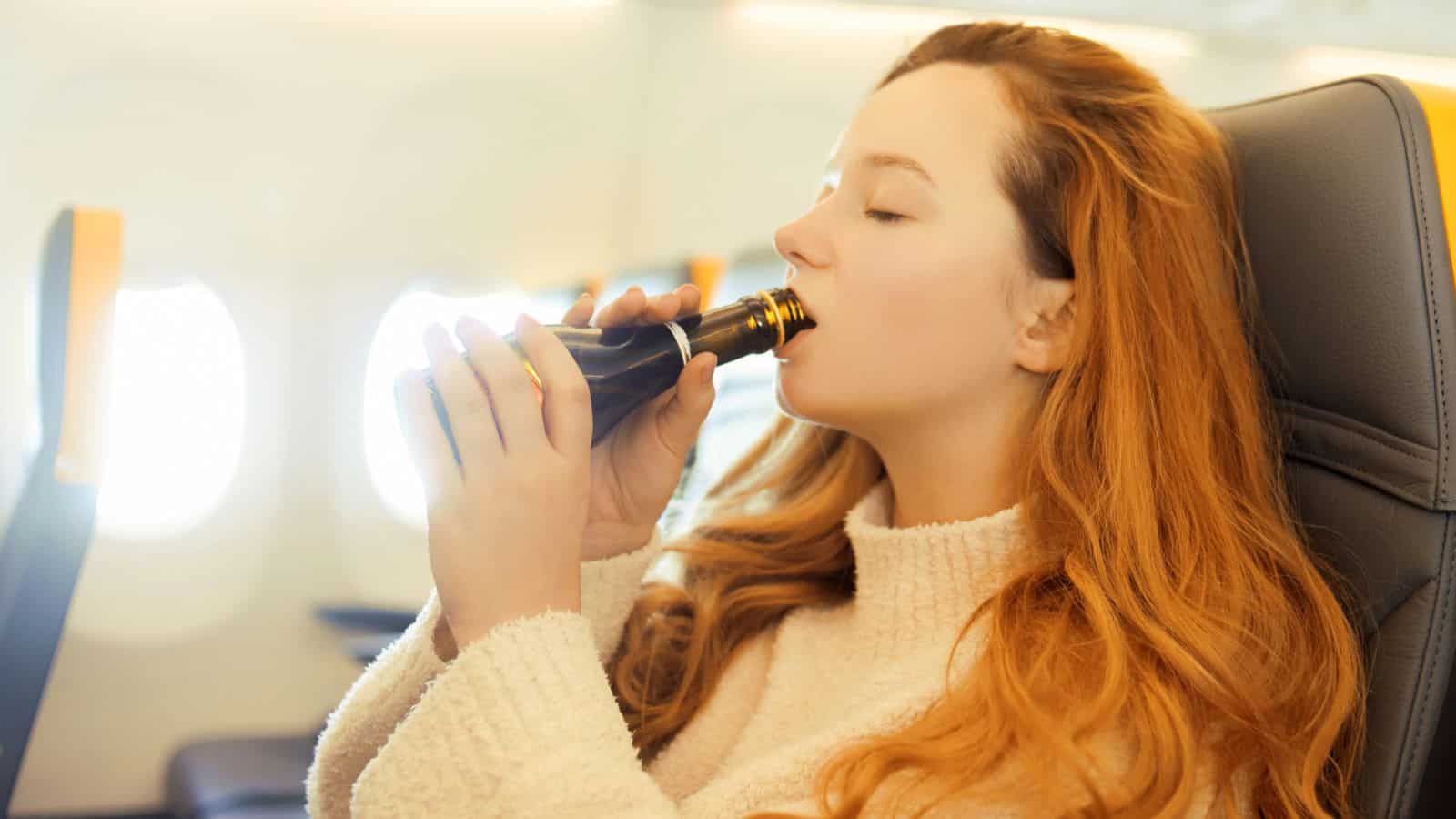
Beware of these drinks! Traveling can be a thrilling experience, but choosing the wrong drinks on an airplane can quickly turn a pleasant journey into a regrettable one. There are 10 airplane drinks that'll ruin your travel experience, and being aware of these options can help avoid discomfort and disappointment. From overly sweet cocktails to questionable mixers, certain beverages can lead to headaches, stomach issues, or just plain bad vibes.
Read More Here: 10 Airplane Drinks That'll Ruin Your Travel Experience
13 Healthier Alcoholic Drink Picks from Registered Dietitians for Your Health
Start a healthier drinking habit. Looking to enjoy a drink without wrecking your health goals? You're in the right place. We've all heard about the empty calories in alcohol, but did you know there are smarter choices out there? That's right, some drinks are better for you than others. Dietitians have weighed in, and we've got the scoop on 13 healthy alcoholic drinks that you can sip without too much worry.
Read More Here: 13 Healthier Alcoholic Drink Picks from Registered Dietitians for Your Health




Comments
No Comments