
Discovering beverages from around the world offers a unique way to experience different cultures, flavors, and traditions. While many people stick to familiar drinks, there are 12 distinctive and surprising beverages that showcase just how diverse global drinking culture can be. Each one is shaped by local ingredients, customs, and history, offering a unique experience for those willing to step outside their comfort zone.
From refreshing herbal infusions to bold fermented creations, these drinks highlight the creativity and ingenuity found in different regions. Learning the stories behind them expands your palate and deepens your appreciation for the traditions they represent. Ready to take a sip of something new? These fascinating beverages might just turn an ordinary drink into an unforgettable cultural experience!
Chicha Morada (Peru)
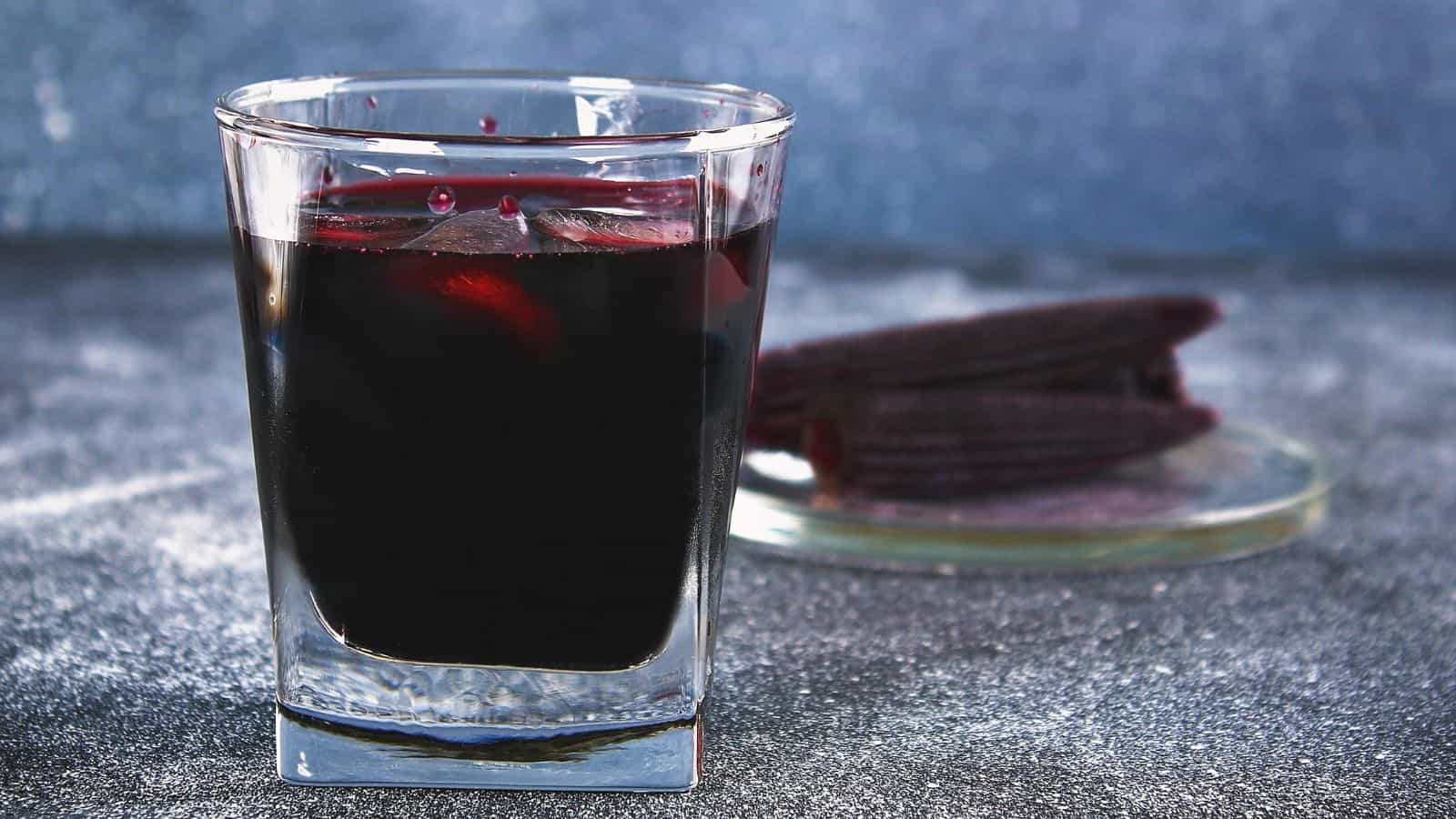
Chicha Morada is a traditional Peruvian drink made by boiling purple corn with pineapple rinds, cinnamon sticks, cloves, and sugar. The result is a deep purple liquid with a subtle sweetness and a hint of spice. Once cooled, it is served over ice with a squeeze of lime for brightness. This drink dates back to the Inca civilization and remains popular throughout Peru today. It is often enjoyed alongside meals, especially in the summer. Many people also add chopped apples or pears for extra texture. Its natural ingredients and cultural significance make it an important part of Peruvian food traditions.
Sujeonggwa (South Korea)
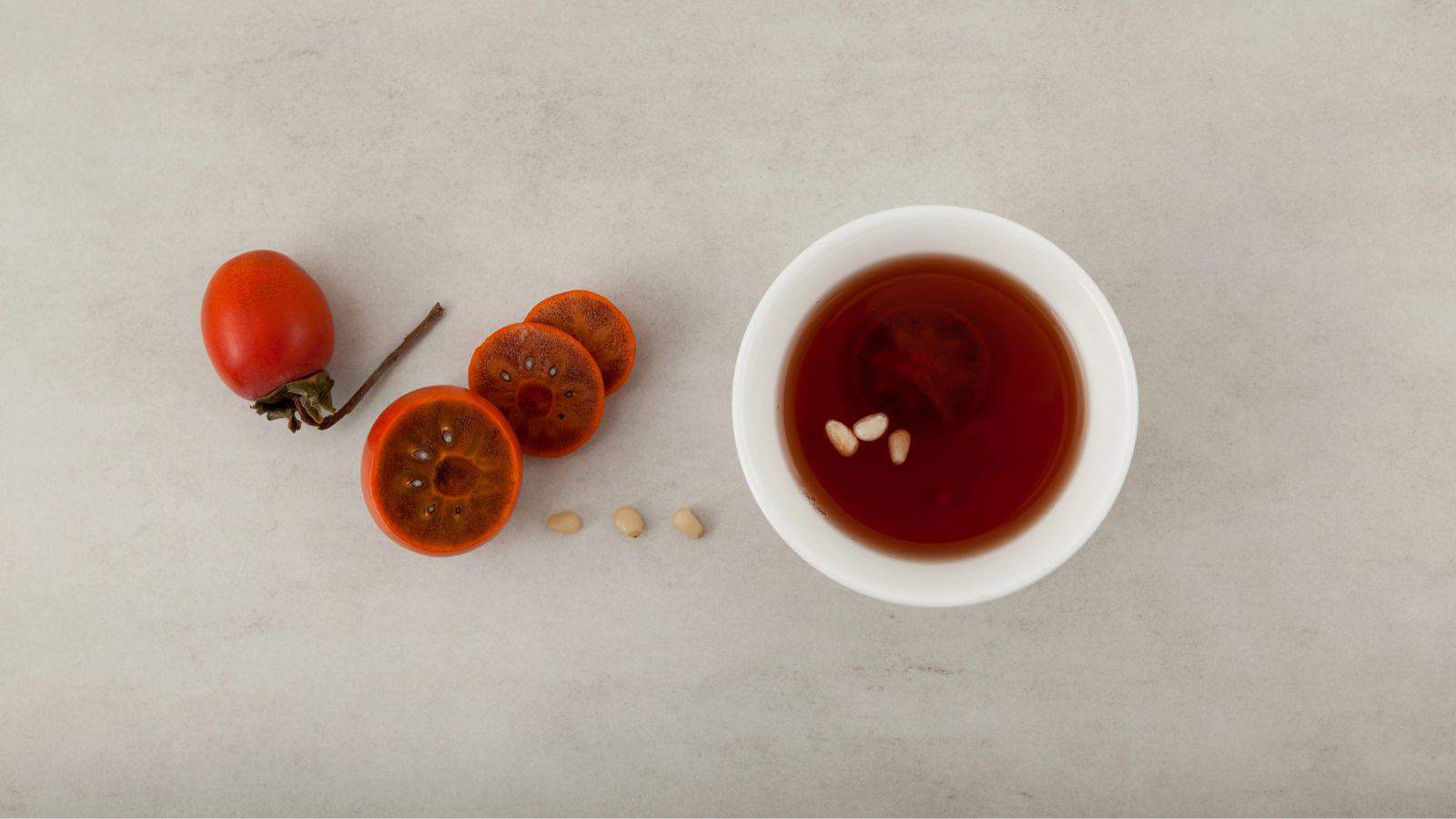
Sujeonggwa is a Korean spiced persimmon punch made by simmering cinnamon sticks and ginger in water until the flavors are well-infused. The liquid is then sweetened, chilled, and garnished with dried persimmons and pine nuts. The deep reddish-brown color and the fragrant aroma make it distinct from other traditional drinks. Sujeonggwa is commonly served during special occasions such as New Year celebrations and family gatherings. The combination of cinnamon and ginger gives it a soothing quality, while the persimmons add a natural sweetness. It is often enjoyed as a light dessert or an afternoon refreshment.
Ayran (Turkey and the Middle East)
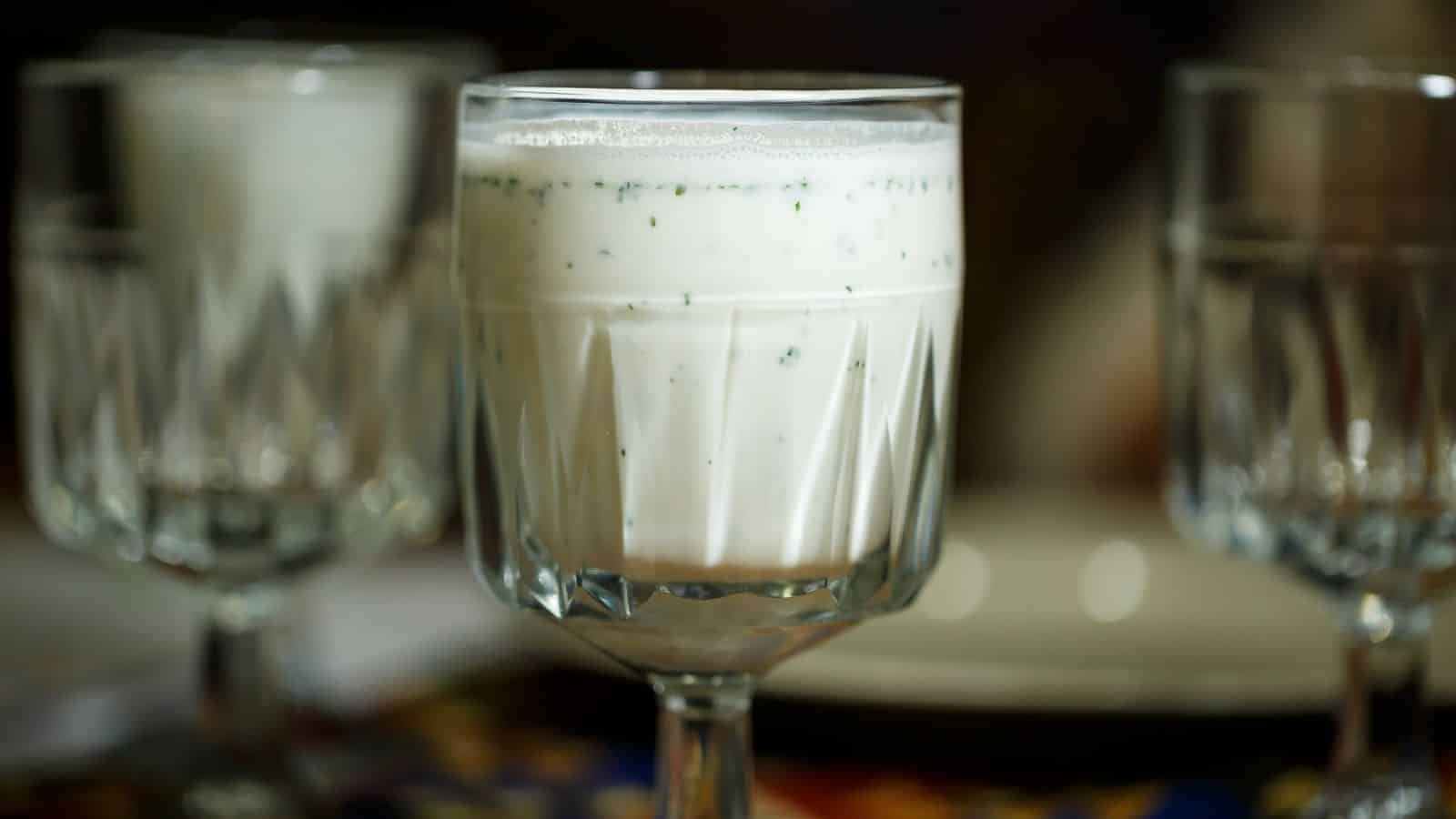
Ayran is a simple, refreshing drink made by mixing yogurt with water and a pinch of salt. The result is a thin, slightly tangy liquid that is often served chilled. It pairs well with grilled meats, rice dishes, and spicy foods, helping to balance intense flavors. Ayran is widely consumed across Turkey and neighboring regions, often enjoyed with kebabs or traditional breads. Some variations include fresh mint or cucumber for added freshness. This drink is considered a staple in many households and is a common choice on hot days due to its cooling effect.
Elderflower Cordial (United Kingdom and Scandinavia)
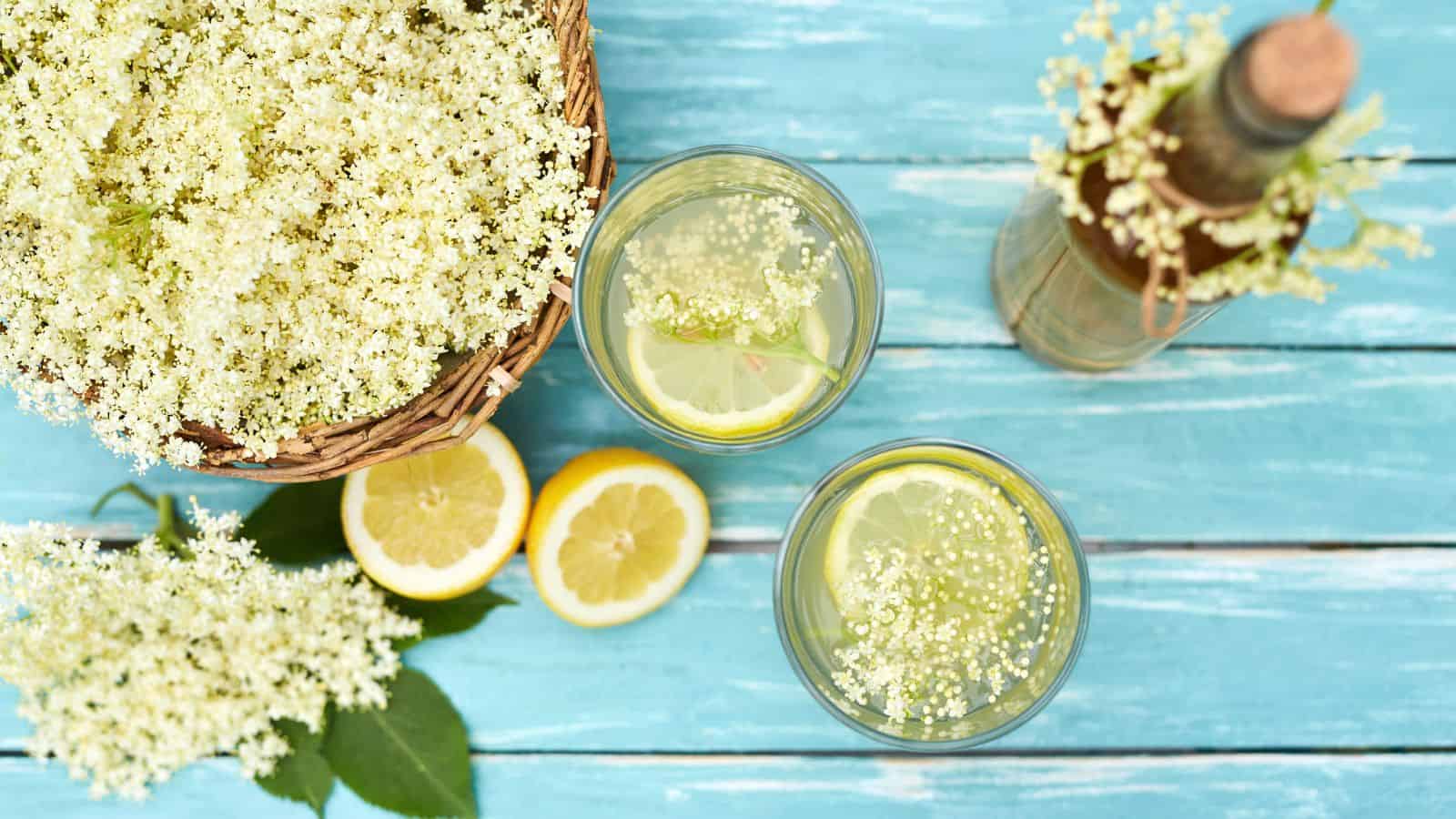
Elderflower cordial is a fragrant syrup made by steeping elderflowers in water with lemon slices and sugar, creating a lightly floral concentrate. Once strained, it is diluted with still or sparkling water and served chilled. This drink has been enjoyed in the UK and Scandinavia for generations, often made in small batches during elderflower season. Some versions include honey for extra depth of flavor. Elderflower cordial is commonly used as a cocktail base or added to teas. Its delicate aroma and bright taste make it a favorite for warm-weather gatherings and afternoon refreshments.
Tepache (Mexico)
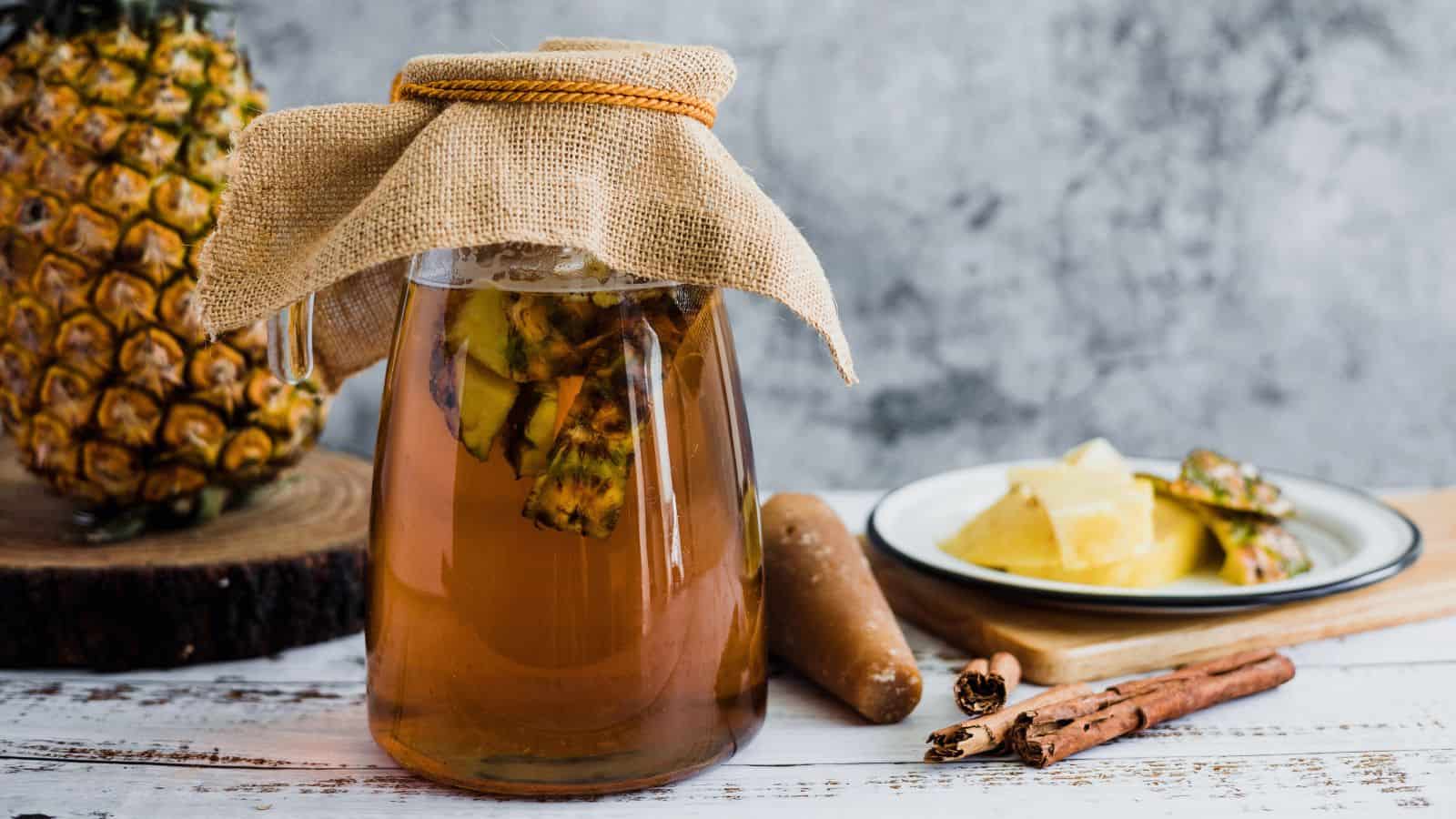
Tepache is a fermented pineapple drink with a subtle sweetness and gentle effervescence. It is made by soaking pineapple rinds with brown sugar, cinnamon, and sometimes cloves, then allowing it to ferment for a few days. Traditionally prepared in clay pots, tepache develops a mildly tangy flavor as natural fermentation takes place. It is often sold by street vendors in Mexico and served over ice for a cooling effect. While tepache has a low alcohol content, some people mix it with beer for a stronger variation. Its refreshing qualities and simple preparation have made it a popular drink for centuries.
Kvas (Russia and Eastern Europe)
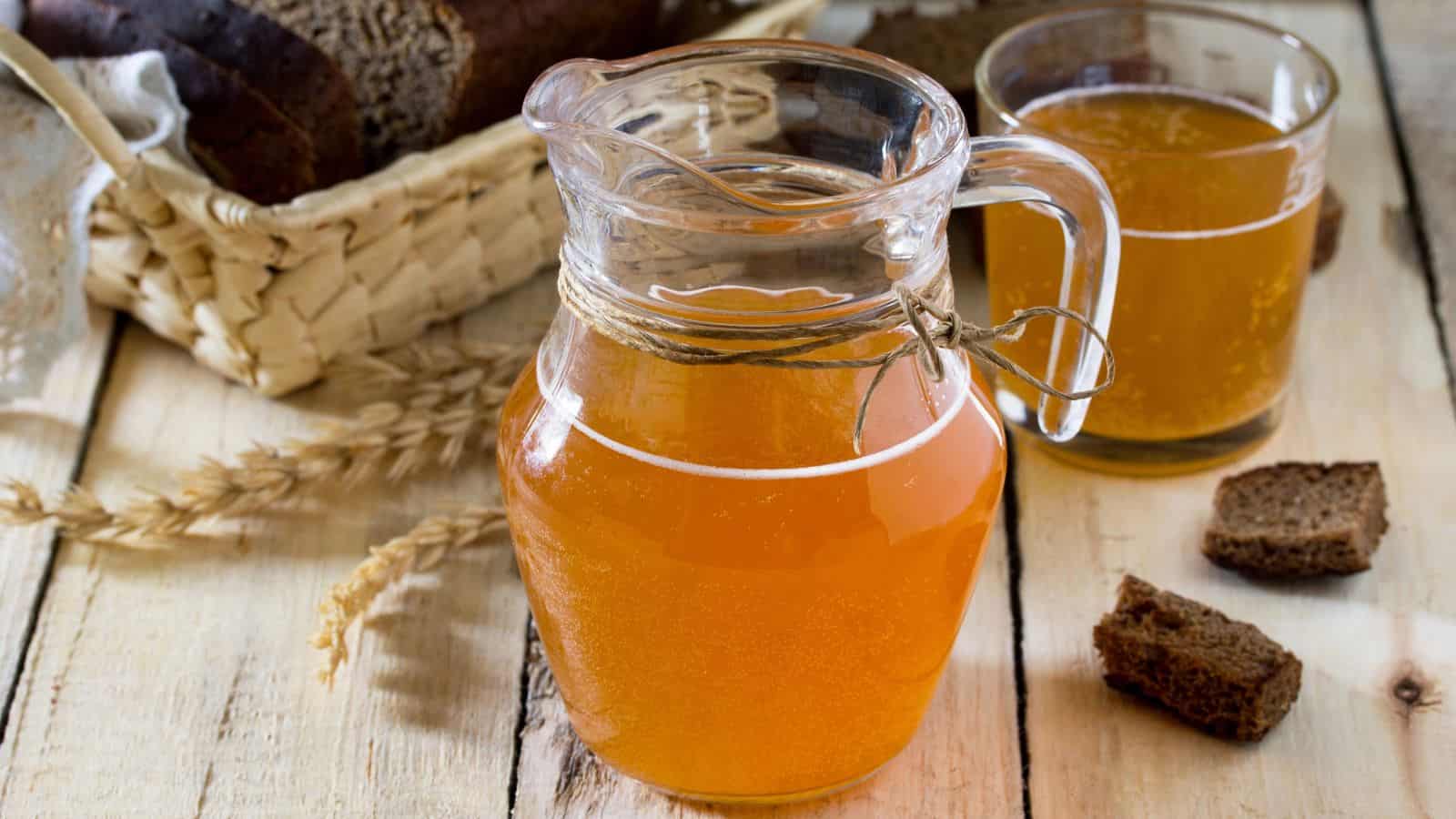
Kvas is a fermented drink made from rye bread, water, sugar, and yeast, creating a naturally carbonated beverage with a slightly tangy and mildly sweet taste. It has been a staple in Russia and Eastern Europe for centuries, often sold by street vendors in large barrels during the summer months. Though fermented, its alcohol content remains very low. Some versions include raisins, honey, or herbs to enhance the flavor. Kvas is traditionally enjoyed as a thirst-quencher on hot days and is sometimes used as a base for soups. Its malty undertones and slight fizziness make it stand out among traditional drinks.
Cendol (Southeast Asia)
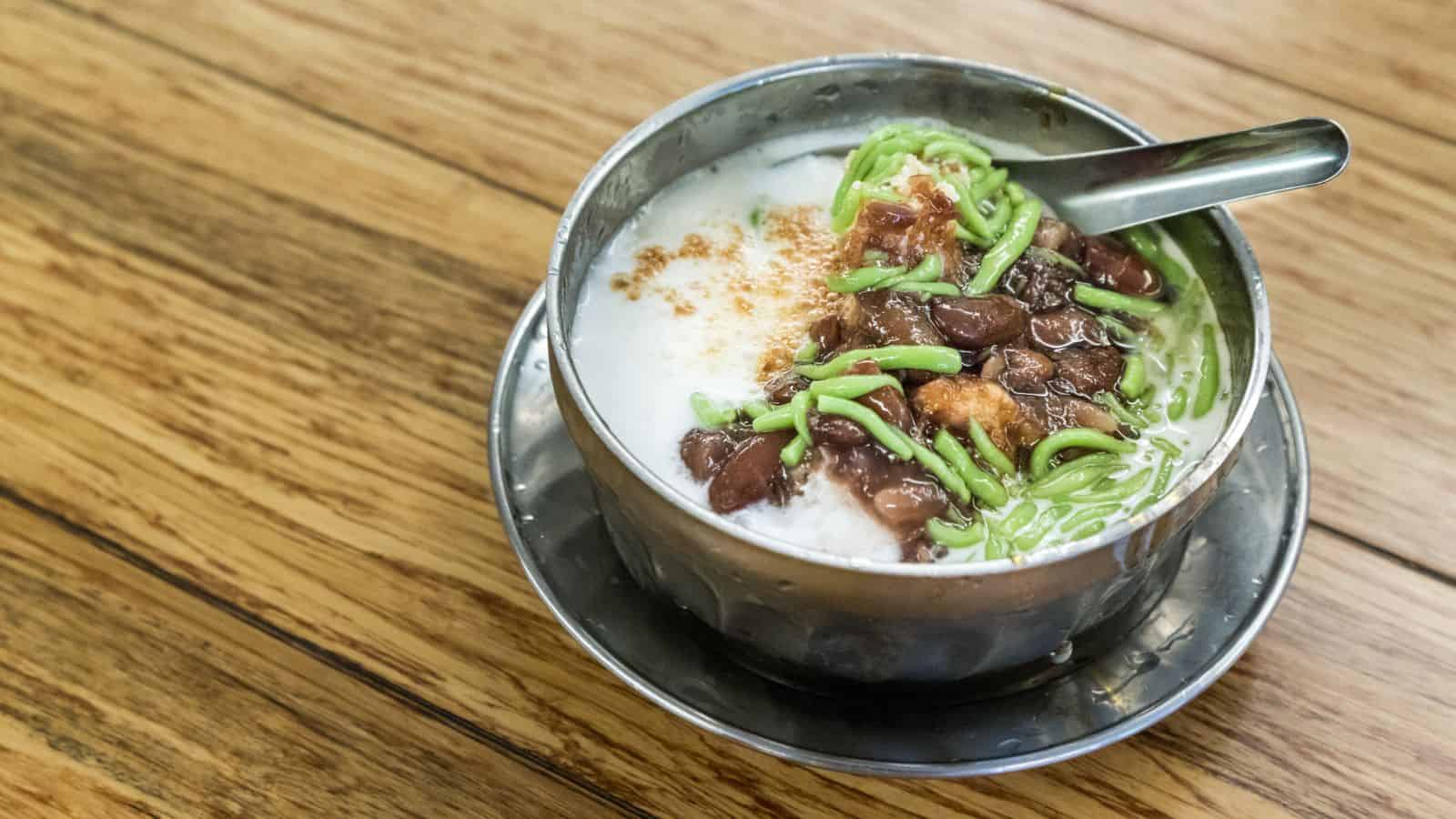
Cendol is a dessert-like drink popular in Indonesia, Malaysia, Thailand, and Vietnam, made with green pandan-flavored rice flour jelly, coconut milk, and palm sugar syrup. The vibrant green jelly strands contrast beautifully with the creamy coconut milk and dark caramel-like syrup. Often served over crushed ice, cendol is a favorite street-side refreshment, especially in hot weather. Some variations include red beans, jackfruit, or durian for added texture and flavor. The combination of silky jelly, sweet syrup, and cold coconut milk creates a rich yet cooling experience that has been enjoyed for generations.
Butter Tea (Tibet and the Himalayas)
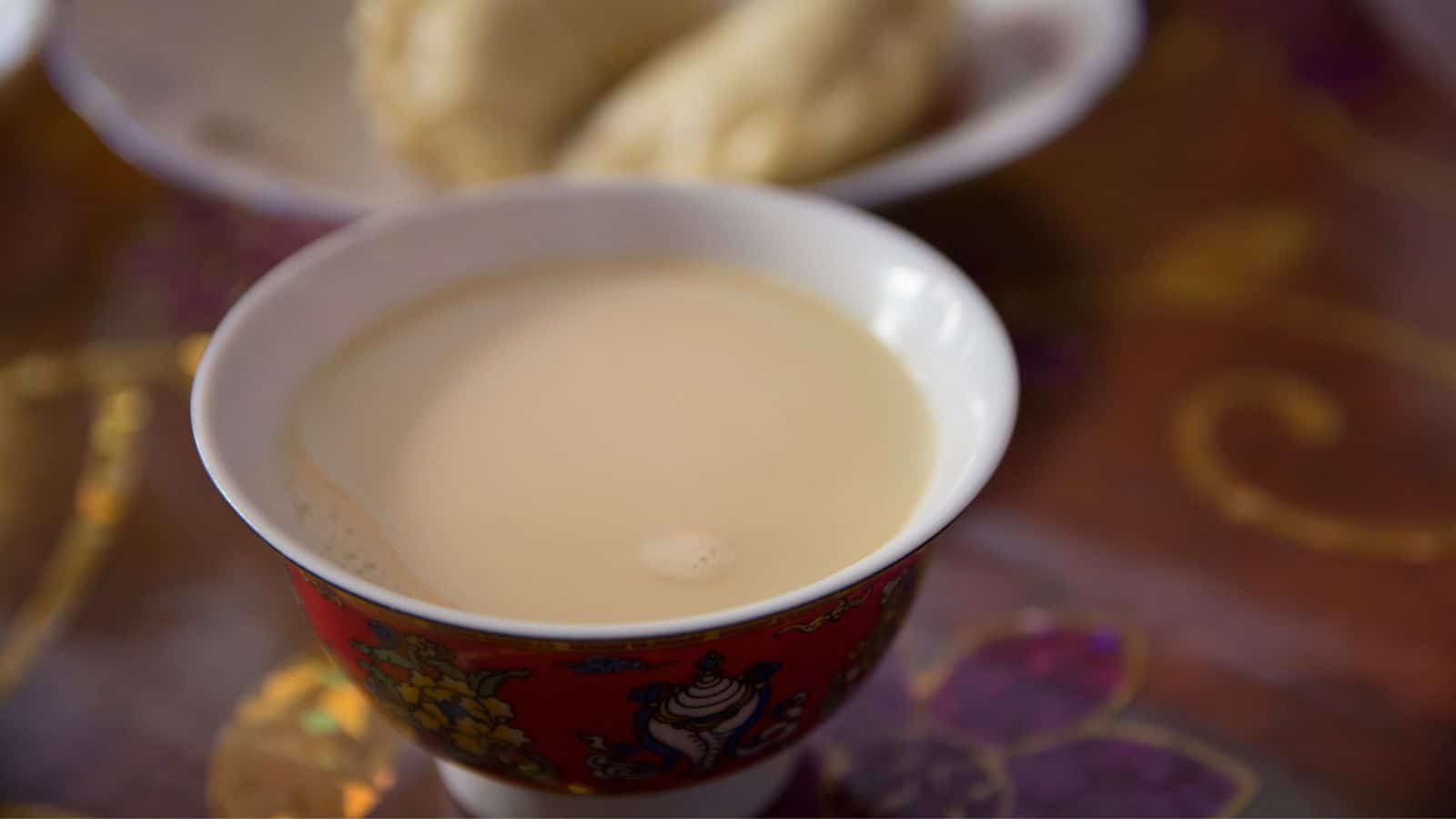
Butter tea, known as po cha in Tibet, is made by blending strong black tea with yak butter, salt, and sometimes milk. The result is a thick, savory beverage that provides warmth and energy, especially in high-altitude regions. Traditionally, the tea is churned in a wooden cylinder to achieve a smooth consistency. This drink is an essential part of Tibetan culture and is often served to guests as a gesture of hospitality. Due to its high-fat content, butter tea helps people endure the cold climate and provides sustenance for those with physically demanding lifestyles.
Es Kelapa Muda (Indonesia)
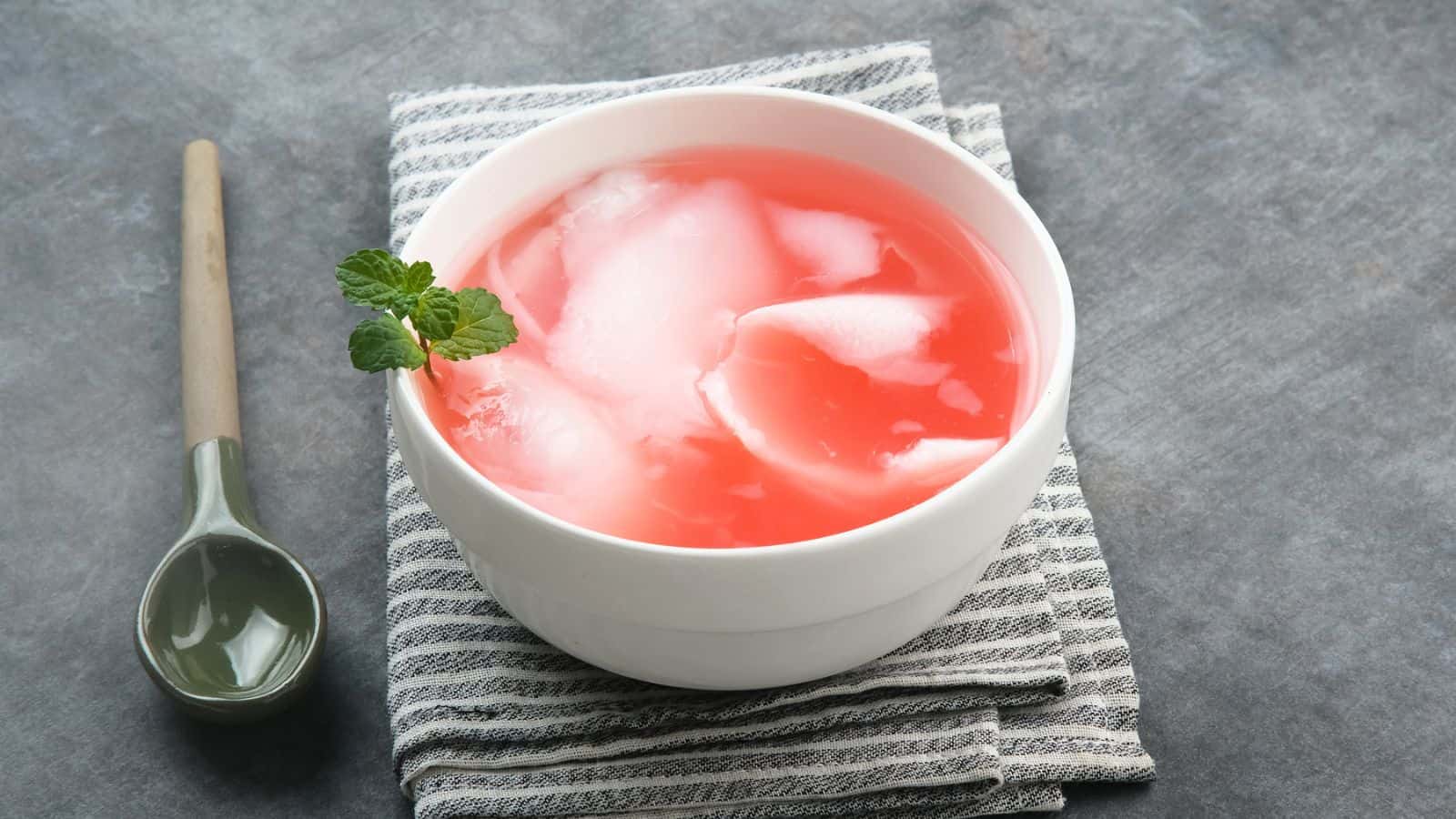
Es Kelapa Muda, or young coconut ice, is a simple yet refreshing Indonesian drink that serves fresh coconut water with tender coconut flesh, ice, and sometimes a drizzle of syrup or lime juice. The natural sweetness of the coconut is enhanced by the slight tartness of the lime, making it a perfect drink for cooling off in tropical heat. It is commonly sold by street vendors and beachside stalls, served straight from the coconut shell or in a glass with a spoon for scooping out the flesh. Some variations include honey, basil seeds, or pandan syrup for added flavor.
Sahlab (Middle East)
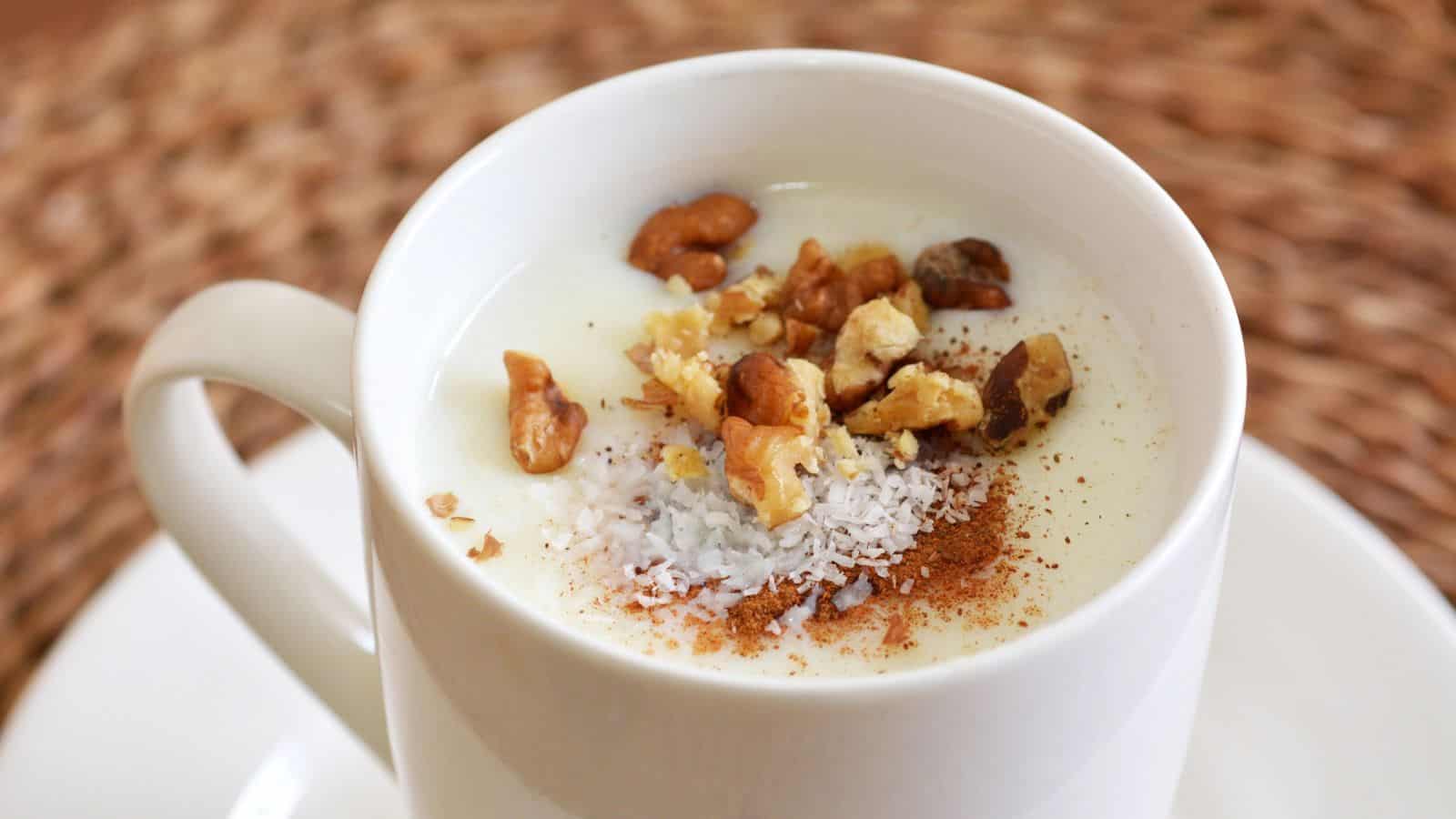
Sahlab is a thick, creamy drink made by heating milk with ground orchid root flour, creating a velvety texture similar to custard. It is often sweetened with sugar and flavored with rose water or orange blossom water, then topped with cinnamon, crushed nuts, or shredded coconut. Popular in Turkey, Egypt, and Lebanon, sahlab is typically enjoyed during the colder months as a comforting alternative to coffee or tea. The drink's smooth consistency and lightly floral aroma make it popular at cafes and markets. Some modern versions use cornstarch instead of orchid root flour, making it more widely accessible.
Mate (Argentina and Uruguay)
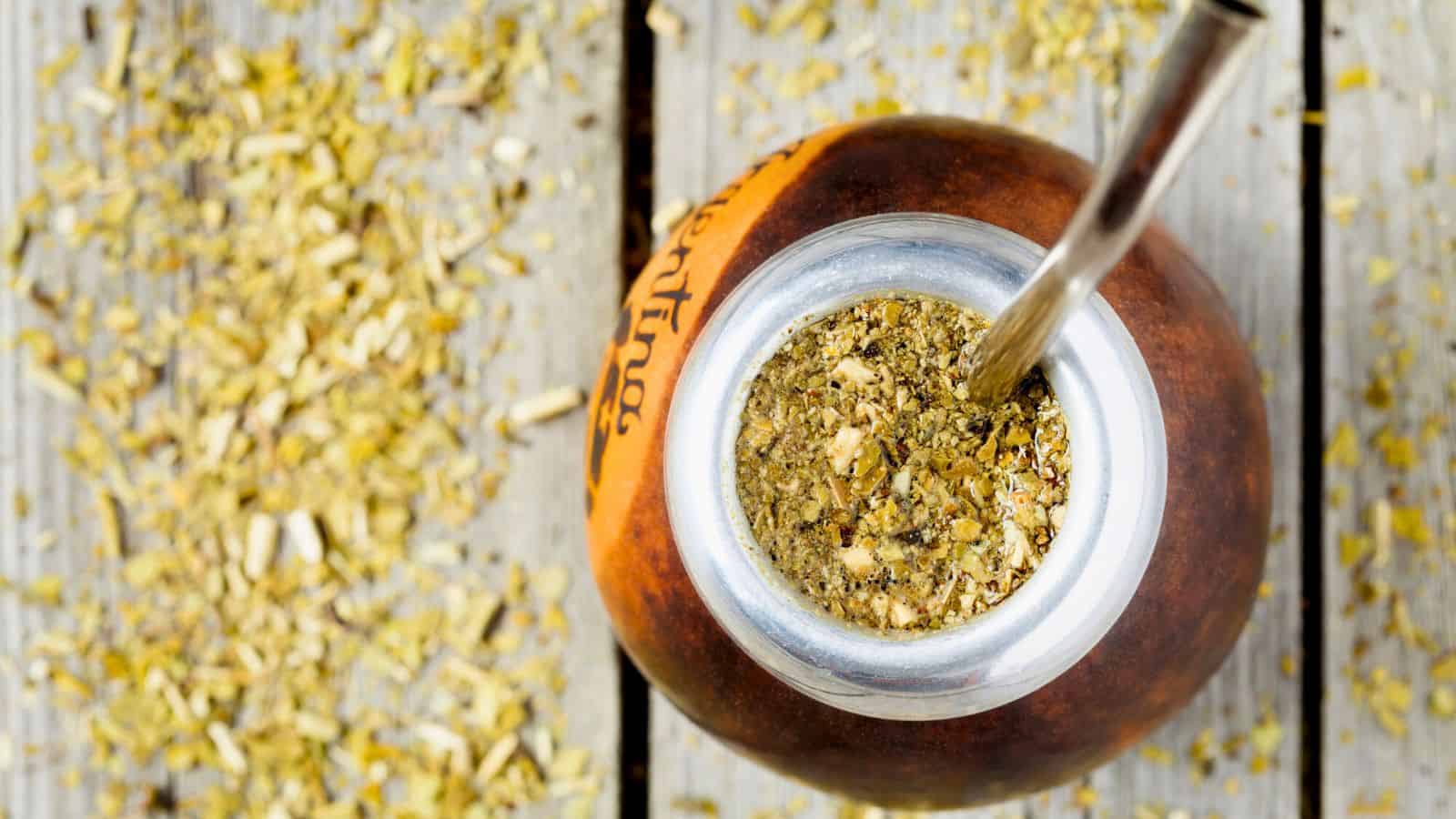
Mate is a traditional South American drink made from dried yerba mate leaves steeped in hot water. Known for its strong, earthy flavor and high caffeine content, it is commonly enjoyed from a hollowed-out gourd using a metal straw called a bombilla. Drinking mate is a social tradition, often shared among friends who take turns sipping from the same gourd. While the basic preparation consists of only yerba mate and water, some people add sugar, citrus peels, or herbs for a different flavor. In Argentina, Uruguay, and Paraguay, mate is considered more than just a drink-it is a daily ritual.
Cola de Mono (Chile)
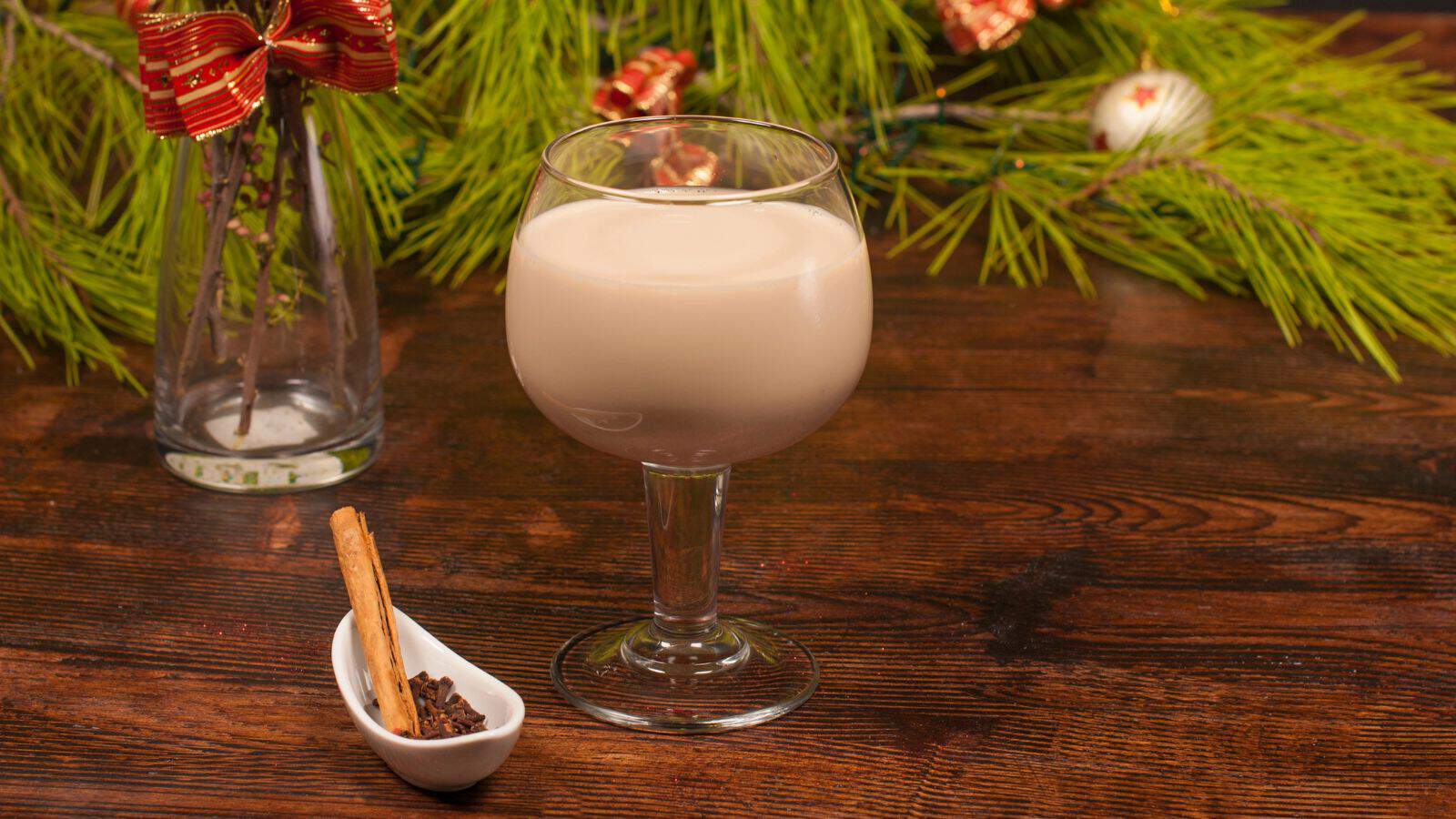
Cola de Mono, or "Monkey's Tail," is a Chilean holiday drink made with milk, coffee, sugar, spices, and aguardiente, a locally distilled spirit. The result is a creamy, spiced beverage similar to eggnog, served chilled in the summer months around Christmas and New Year's. Cinnamon, cloves, and vanilla add layers of flavor, while the coffee gives it a subtle bitterness. Traditionally, families prepare large batches and serve them alongside Chilean Christmas pastries. Some variations include condensed milk for a richer consistency. Whether enjoyed straight or over ice, Cola de Mono is a festive favorite during the holiday season.
Cheers to Global Discoveries

The 12 distinctive and surprising beverages from around the world highlight the incredible diversity of flavors and traditions that exist beyond familiar options. Each drink tells a story, reflecting the culture and history of its origin, making them not just beverages but experiences waiting to be enjoyed.
As new drinks are tried, embrace the opportunity to explore different tastes and broaden your understanding of global cultures. Whether enjoyed at home or while traveling, these beverages can add a refreshing twist to your drinking choices. Celebrate the richness of the world's beverage selections and make each sip a memorable experience!
9 Global Coffees You Need to Try Before You Die

A tour around the world with just a cup of coffee! What's really cool about coffee is how each place makes it their own. Think about it, some countries brew it super strong and serve it in tiny cups, while others create coffee so thick you can almost eat it with a spoon. Some add spices, others use special pots that have been passed down for generations, and each way makes coffee taste completely different.
Read More Here: 9 Global Coffees You Need to Try Before You Die
13 Uncommon Ingredients You Didn't Know You Can Add to Your Drinks

Have you heard about these uncommon ingredients? Many familiar drinks can be transformed with uncommon ingredients that pack a punch of flavor and nutrition. Adding these ingredients can introduce exciting new tastes and health benefits to everyday beverages. From spices to herbs and even some surprising fruits, there are plenty of options to explore that can take drinks to the next level.
Read More Here: 13 Uncommon Ingredients You Didn't Know You Can Add to Your Drinks


Comments
No Comments