
Mocktails are growing in popularity, yet many still stick to outdated ideas about sweetness, fizz, and presentation. Moving beyond these norms unlocks endless opportunities to create unique, alcohol-free drinks that surprise and impress. By rethinking ingredients and techniques, you can transform your kitchen into a space for crafting truly memorable beverages.
Try pairing bitter herbs with fruit juices, adding savory flavors to sparkling bases, or reinventing classic cocktails without alcohol. Fresh basil, cucumber, specialty teas, and homemade syrups provide limitless options for elevating your drinks. Presentation matters too-serve them in vintage teacups, hollowed-out fruit, or other creative vessels, and finish with garnishes like herbs, spices, or edible flowers. These inventive approaches often cost less than traditional mocktail ingredients, proving that creativity can also be budget-friendly.
By exploring fresh ideas and challenging the usual expectations, you can create mocktails that inspire others and reshape how alcohol-free drinks are enjoyed. Your next favorite creation could come from breaking the rules and trying something entirely new.

Mocktails Have to Be Sweet
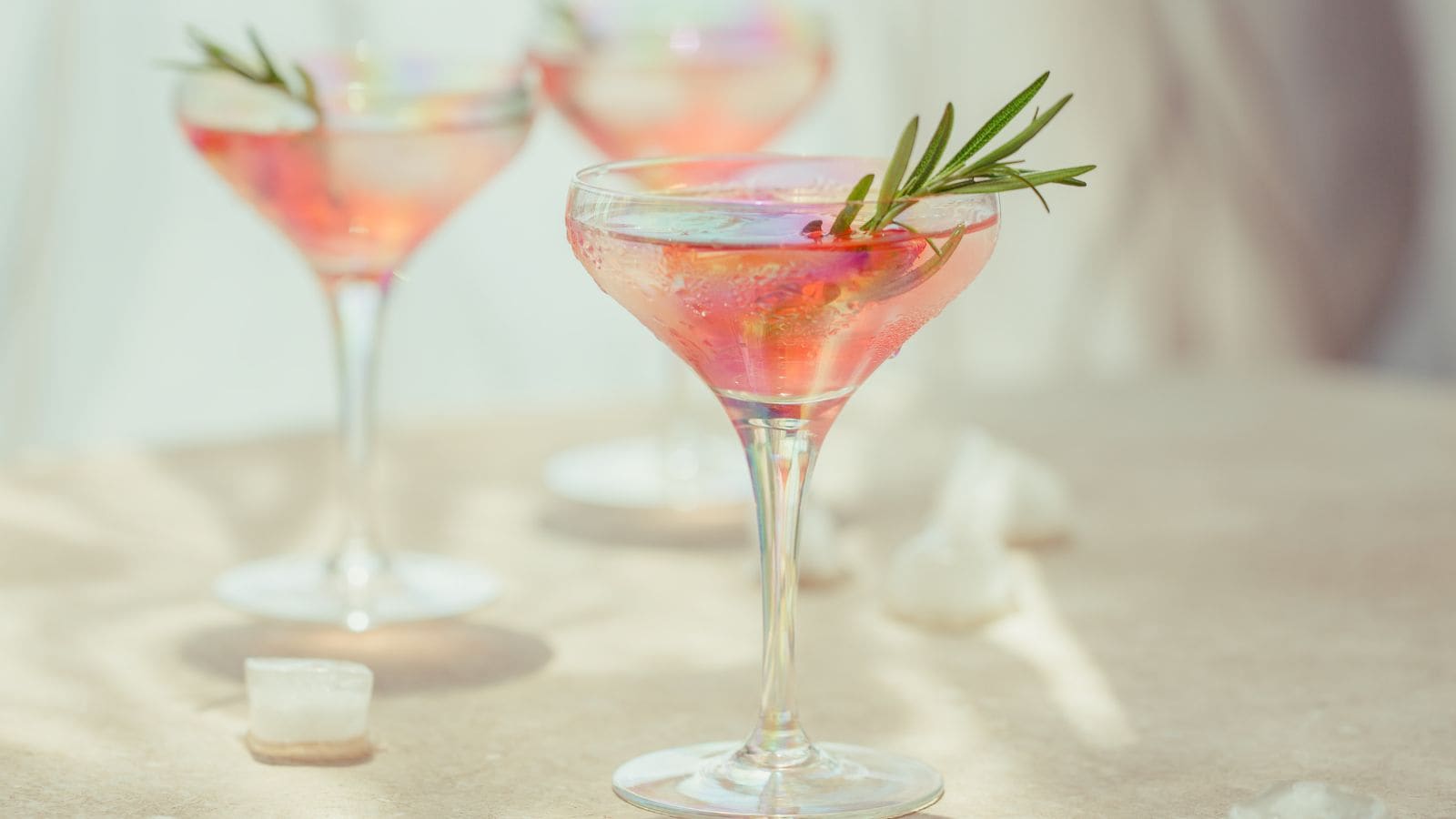
Mocktails don't need to rely on sweetness; they can achieve complexity with fresh herbs, sea salt, and savory bases like cucumber or tomato. Spices like chili and black pepper add heat, while the interplay of bitter, umami, and spicy notes creates balanced, sophisticated flavors. By incorporating herbs, vegetables, and spices, mocktails become versatile, challenging the idea that non-alcoholic drinks lack depth. This approach shows that sweetness can complement, rather than dominate, the experience.
Mocktails Can't Have Alcohol-Like Complexity
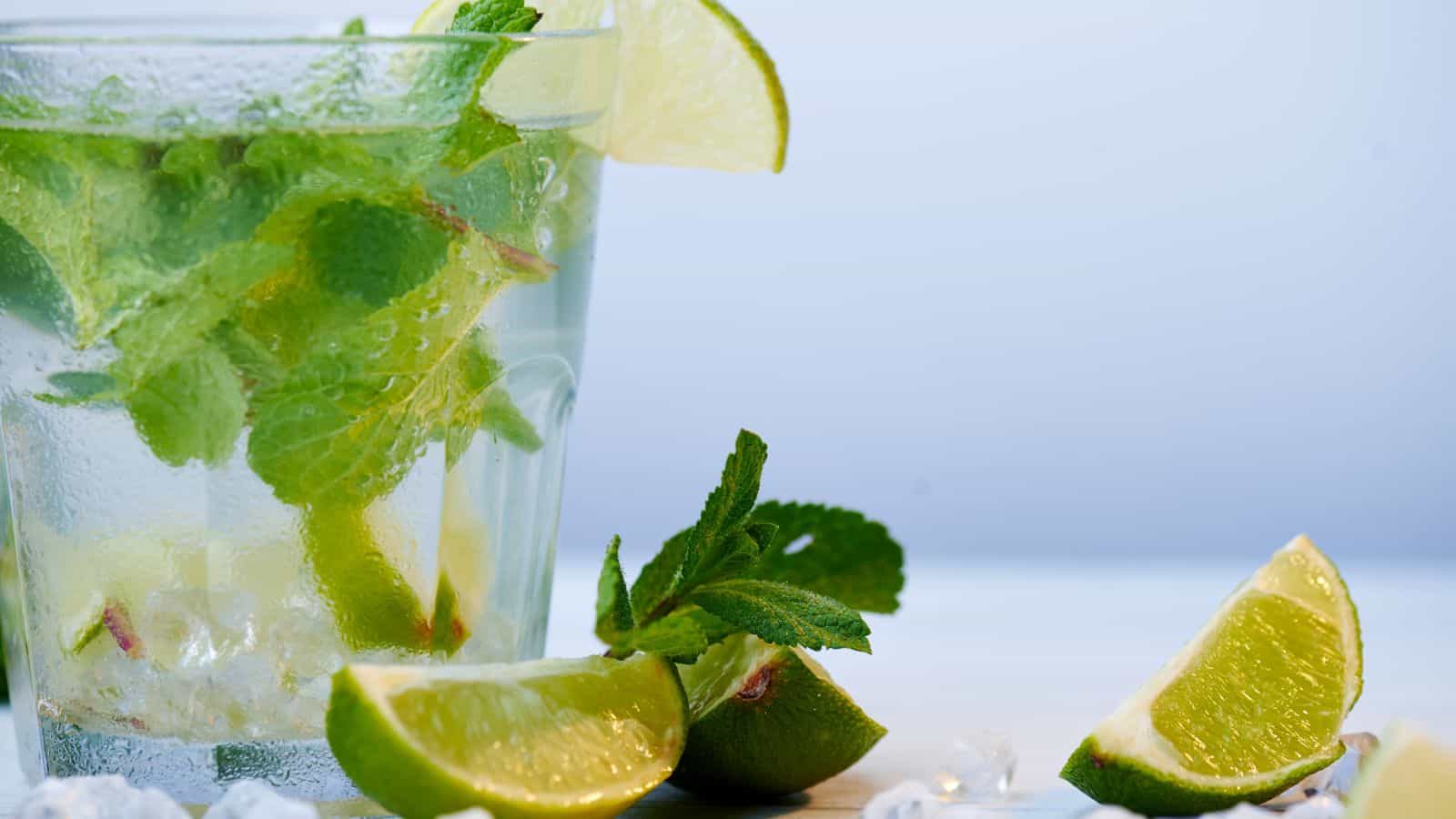
The idea that alcohol-free drinks lack sophistication ignores the innovative techniques transforming mocktails today. Using bitters, fresh herbs, citrus, and non-alcoholic spirits, these drinks achieve depth and complexity while exploring new flavor combinations. Without alcohol masking subtleties, delicate flavors shine, and thoughtful ingredient pairings create balanced beverages that rival traditional cocktails. By embracing advanced methods and creative preparation, alcohol-free options now challenge outdated perceptions with their refined and nuanced profiles.
Only Use Traditional Fruit Juices
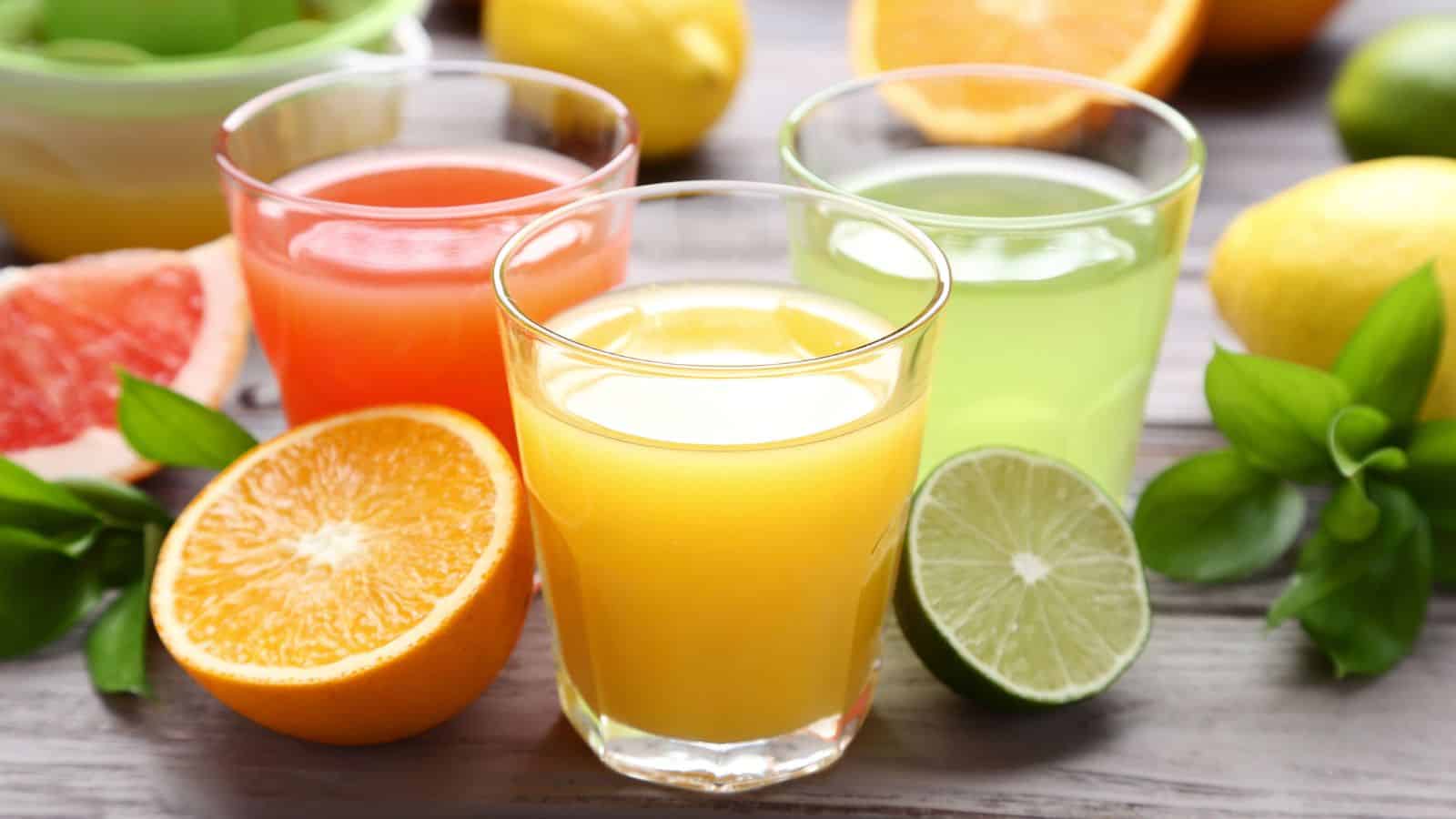
Breaking free from conventional juice limitations reveals an expansive range of possibilities for mocktail creation. While orange, cranberry, and pineapple juices form solid foundations, incorporating alternatives like herbal teas brings new dimensions to these drinks. Chamomile adds subtle floral notes, mint creates brightness, and green tea introduces gentle astringency. Vegetable juices push boundaries further - cucumber adds crispness, while beet juice brings earthiness and rich color. Each alternative ingredient opens paths to innovative combinations, demonstrating how mocktails can transcend traditional boundaries. This approach transforms basic juice-based drinks into sophisticated beverages with multiple layers of flavor.
Need Fancy Equipment
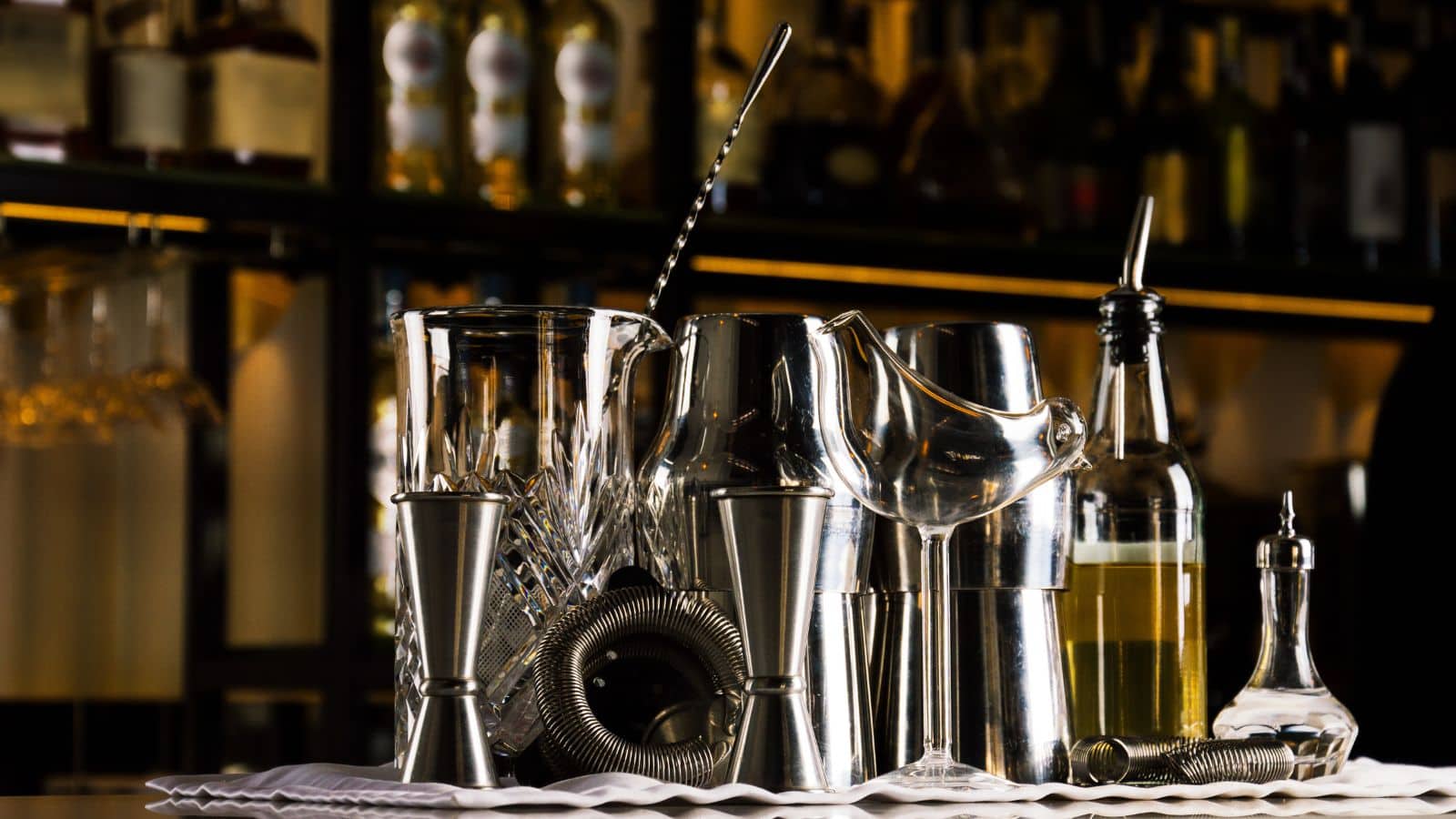
The assumption that creating exceptional mocktails requires specialized equipment prevents many from exploring this craft. In reality, basic kitchen tools serve perfectly well - a mason jar or simple shaker accomplishes most mixing needs effectively. The focus should remain on understanding proportions and combining flavors rather than acquiring elaborate tools. A standard measuring cup, a strainer, and a spoon handle most preparation tasks admirably. The fundamentals of great mocktails lie in ingredient quality and balance rather than fancy preparation methods. This accessibility makes mocktail creation possible for anyone interested in developing their mixing skills.
Must Be Fizzy
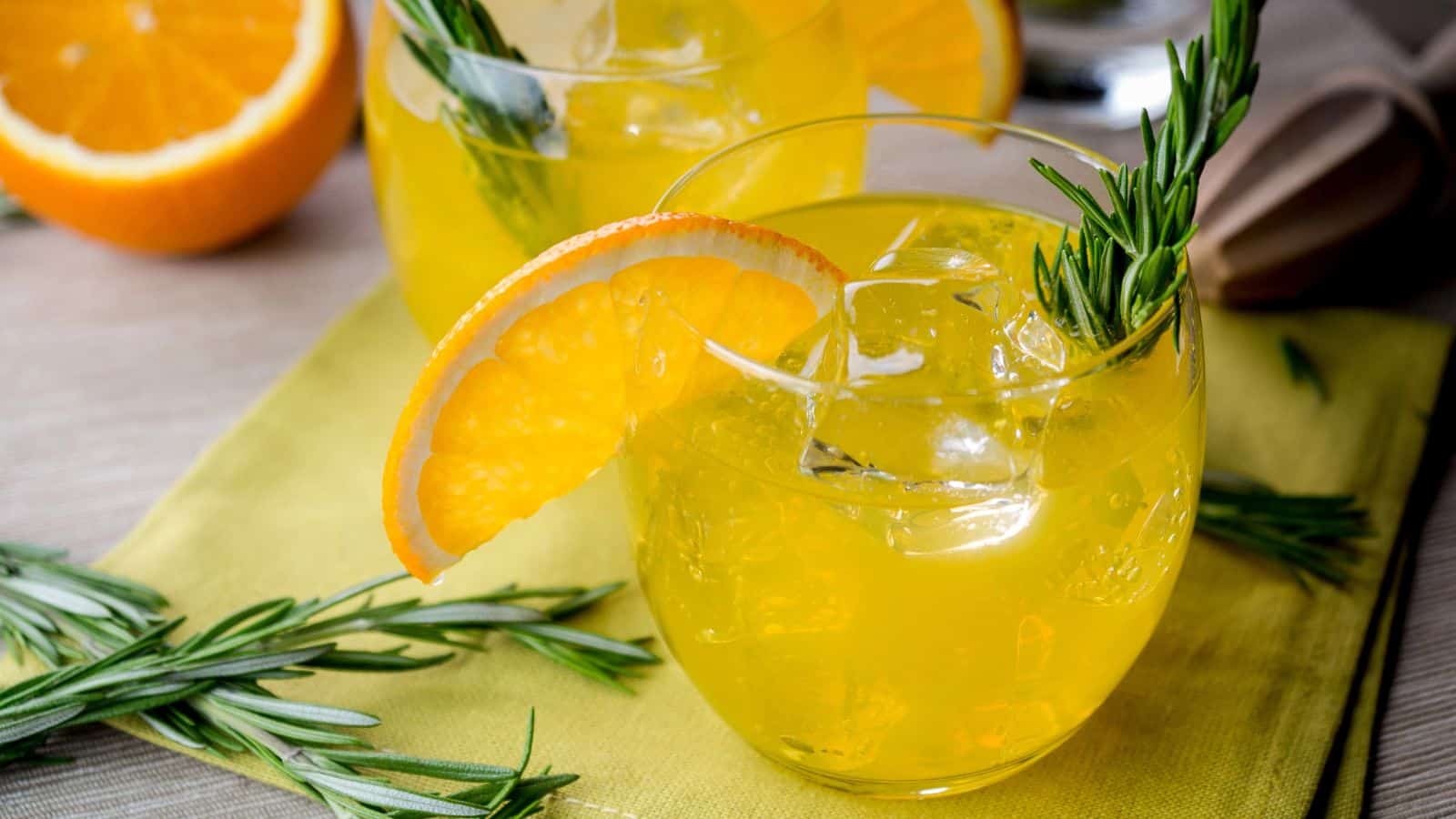
Beyond carbonation lies a world of still mocktails that showcase concentrated flavors through fresh juices, herbs, and spices. These drinks prove that bubbles aren't necessary for creating memorable beverages. Fruit purées from mango or passion fruit develop rich textures naturally, while herbal teas establish aromatic foundations. The absence of carbonation allows subtle flavors to emerge more distinctly on the palate. These non-carbonated options demonstrate how mocktails achieve complexity through thoughtful ingredient selection rather than effervescence. The focus shifts to building layers of flavor that interact harmoniously without relying on sparkle for impact.
Use Only Fresh Ingredients
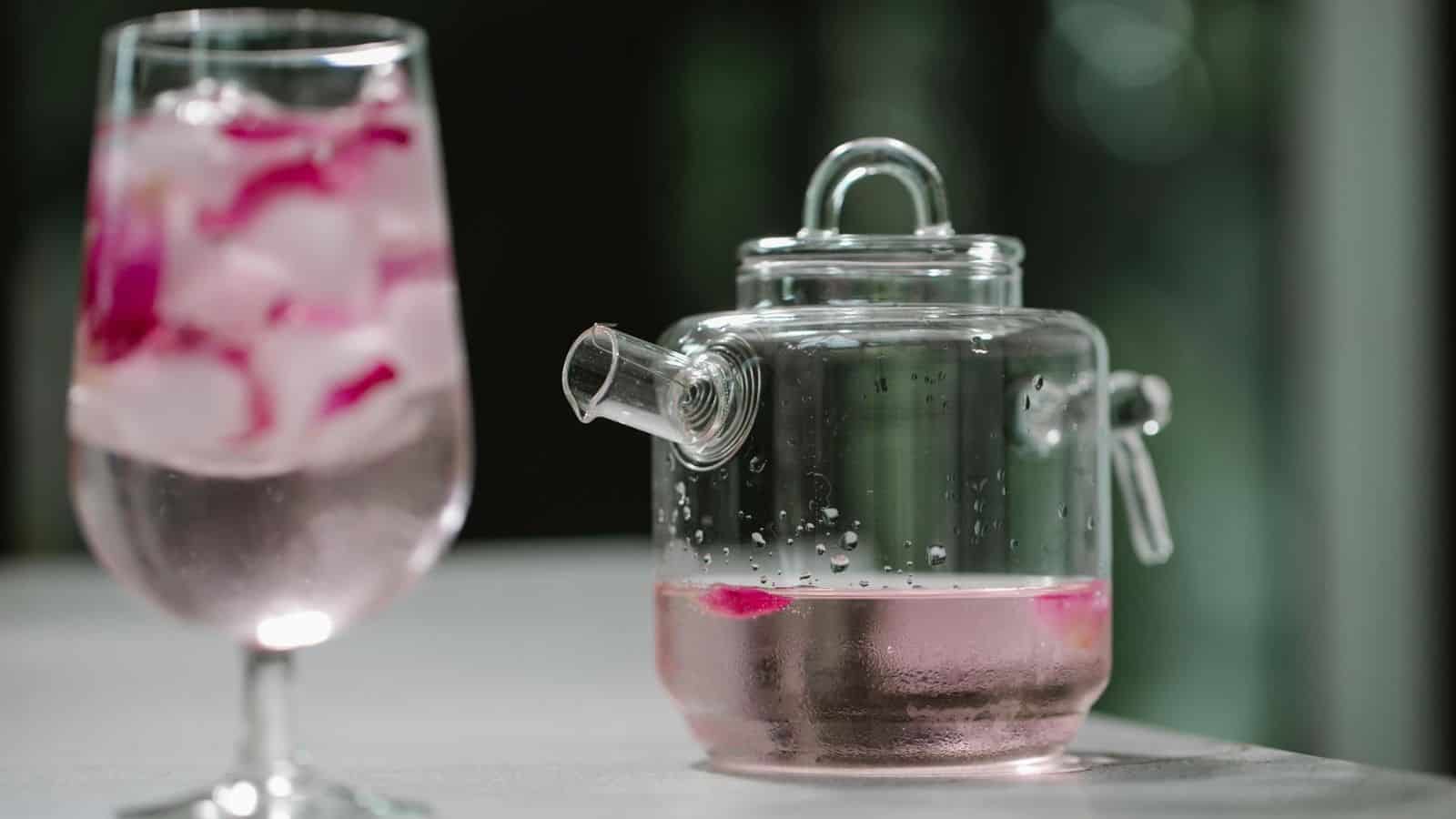
Quality bottled juices, syrups, and flavored waters can create exceptional mocktails, especially when time constraints exist. The critical factor lies in understanding flavor balance and combinations. Store-bought citrus juices or prepared syrups, when thoughtfully mixed, produce impressive results. Fresh garnishes or herbs can complement prepared ingredients, showing that excellence doesn't always require completely fresh components. This practical approach makes mocktail creation more accessible while maintaining high standards. The key becomes selecting quality prepared ingredients and understanding how to combine them effectively for optimal results.
Only for Special Occasions
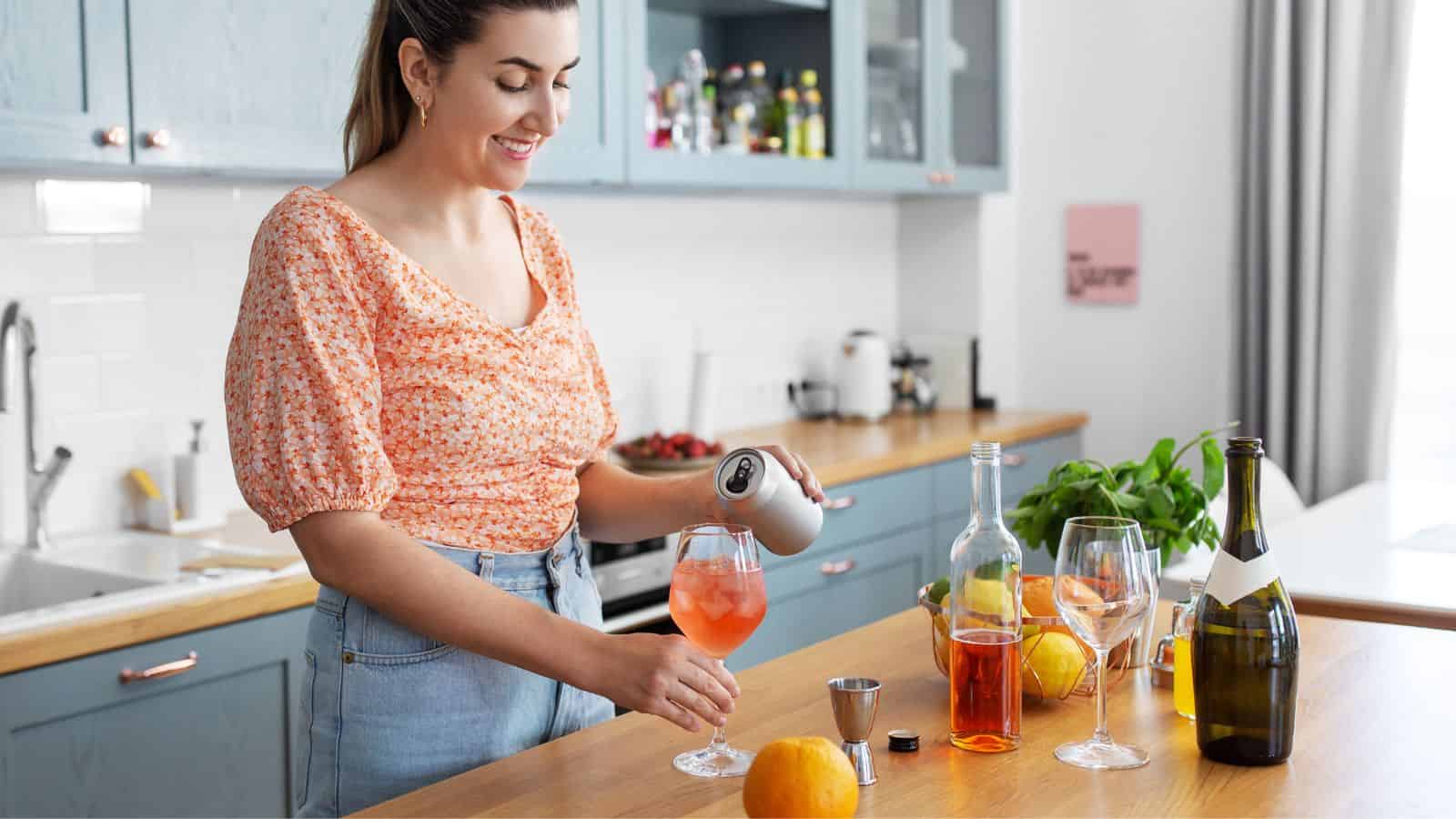
Non-alcoholic mixed drinks deserve integration into daily life beyond celebrations. These beverages enhance routine moments, from after-work relaxation to quiet evenings at home. Keeping ingredients stocked allows for spontaneous creation, making ordinary days more notable. The practice of crafting these drinks builds knowledge and confidence over time, leading to increased creativity in combining flavors. Regular preparation develops an understanding of personal preferences and optimal ingredient combinations. This approach shifts mocktails from occasional treats to consistent options for refreshment, allowing people to develop their mixing abilities while discovering new flavor combinations throughout the week.
Must Be Served in Traditional Glasses
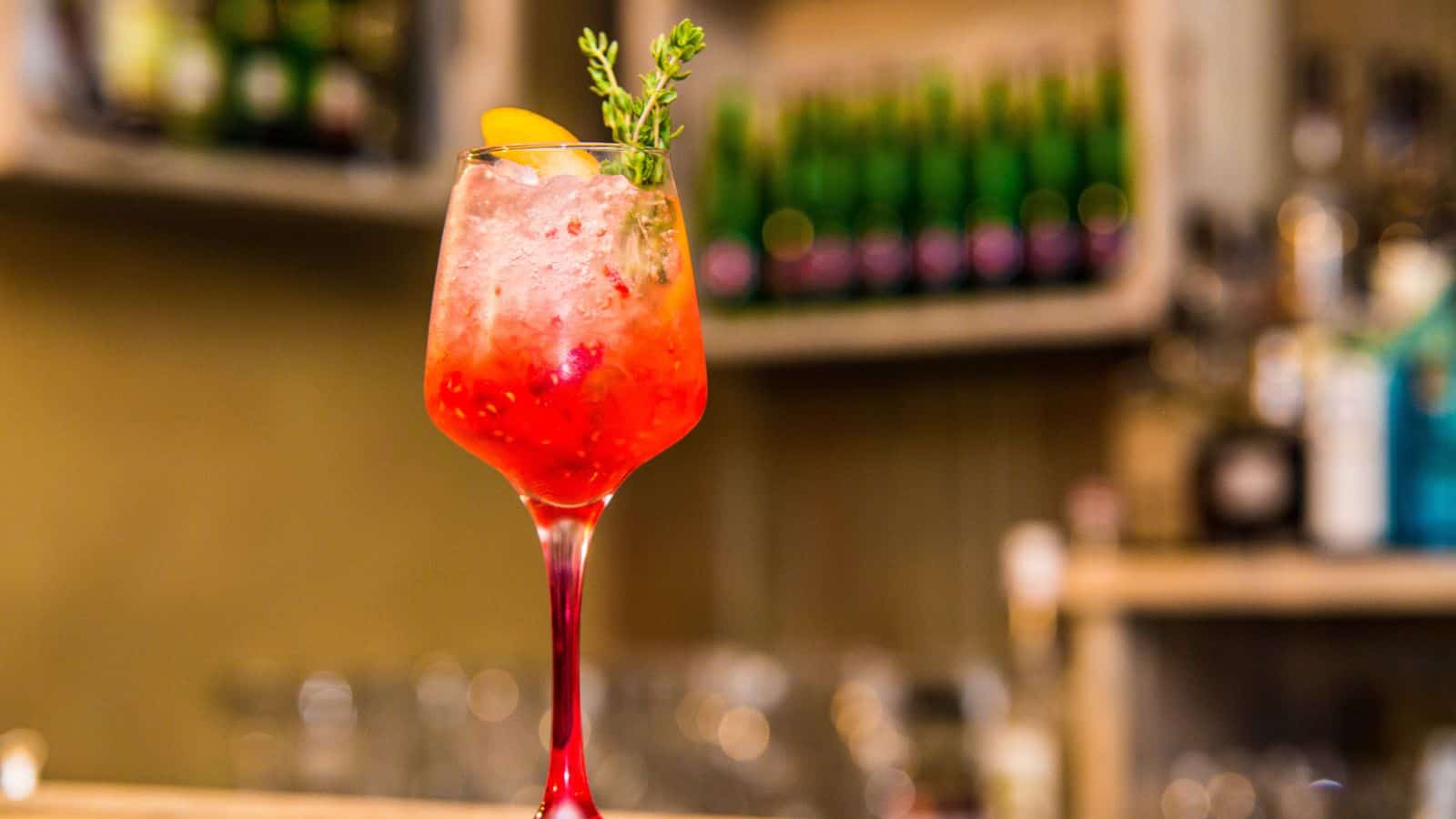
Container selection for mocktails extends far beyond conventional glassware. Mason jars, vintage bottles, tea cups, and various vessels can enhance presentation while maintaining drink quality. The choice of container adds personality and style to the beverage experience. Creative serving methods allow for personal expression while keeping the focus on the drink's essential characteristics. Different vessels can complement specific drink styles or themes, adding visual interest to the presentation. This flexible approach to serving demonstrates how breaking from tradition can enhance the overall drinking experience without compromising the beverage's fundamental qualities.
Have to Be Mild
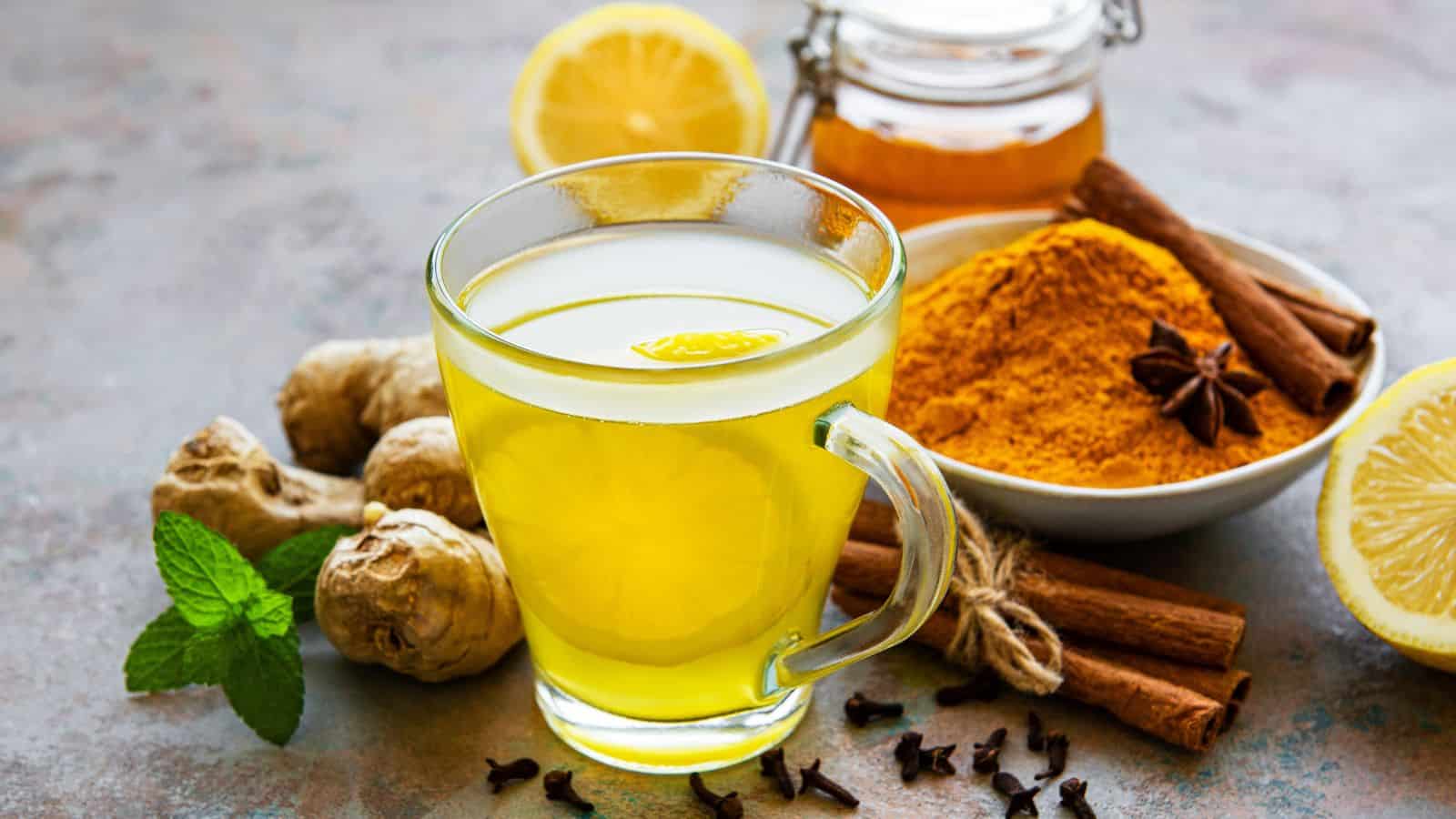
Non-alcoholic beverages can feature bold, assertive flavors that command attention. Adding spicy elements like ginger, chili peppers, or black pepper creates drinks with significant intensity. Bitter components such as grapefruit or hops contribute complexity and balance to other elements. The incorporation of strong flavors proves that alcohol-free drinks need not restrain themselves in terms of impact. These bold choices demonstrate how mocktails can stand out through the strategic use of powerful ingredients-the result: drinks that challenge assumptions about non-alcoholic beverages while delivering memorable flavor experiences.
Must Follow Classic Recipes
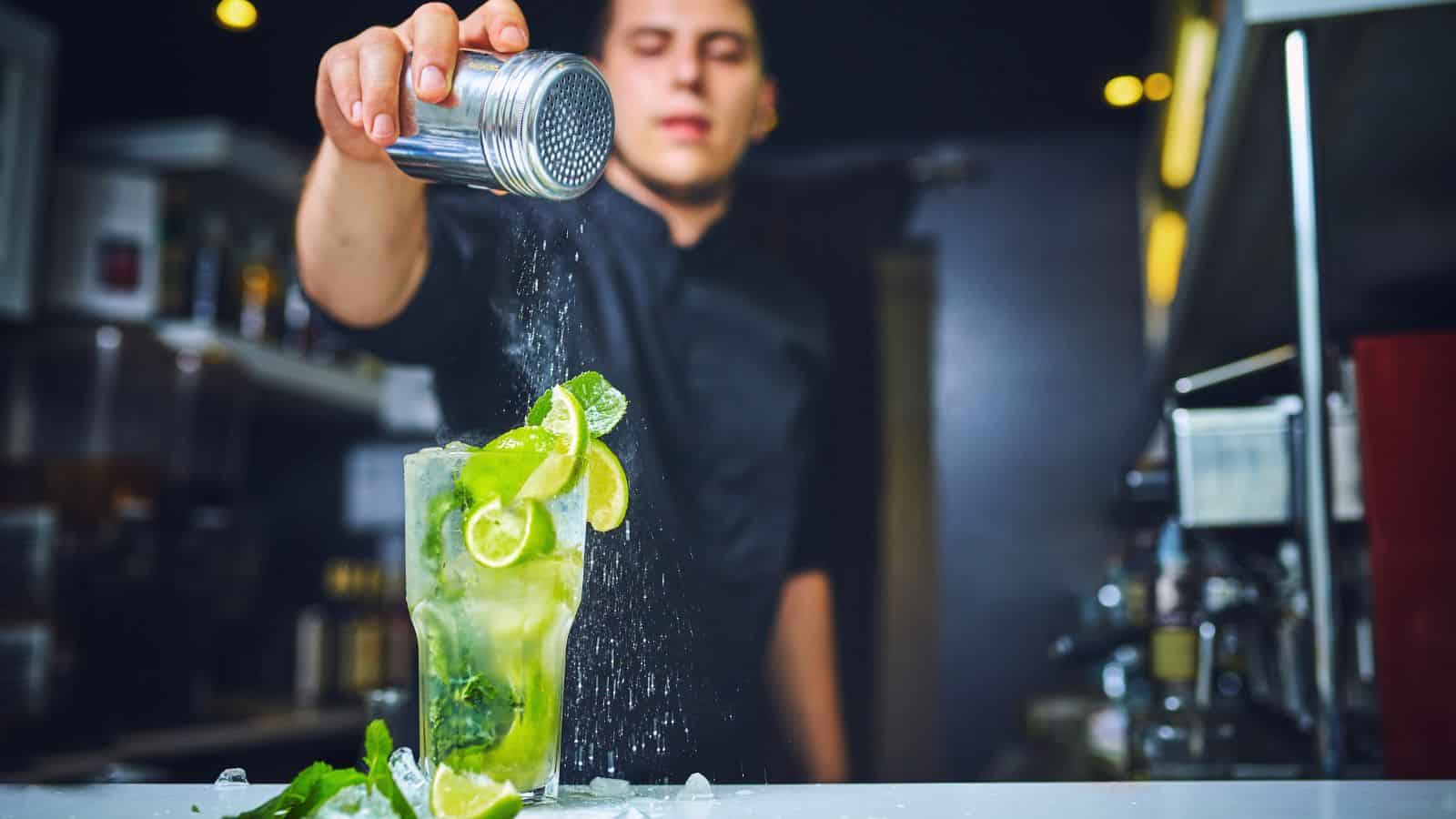
Innovation in alcohol-free drinks leads to exciting new combinations beyond traditional formulas. Creating original mixes with fresh fruit, herbs, spices, and unexpected ingredients like roasted vegetables produces modern interpretations. This approach encourages breaking free from established patterns to discover original drink concepts. The freedom to combine ingredients in new ways results in distinctive beverages that reflect contemporary tastes. This creative latitude allows for continuous innovation in the field of non-alcoholic drinks, pushing boundaries and expanding possibilities.
Must Be Served Cold
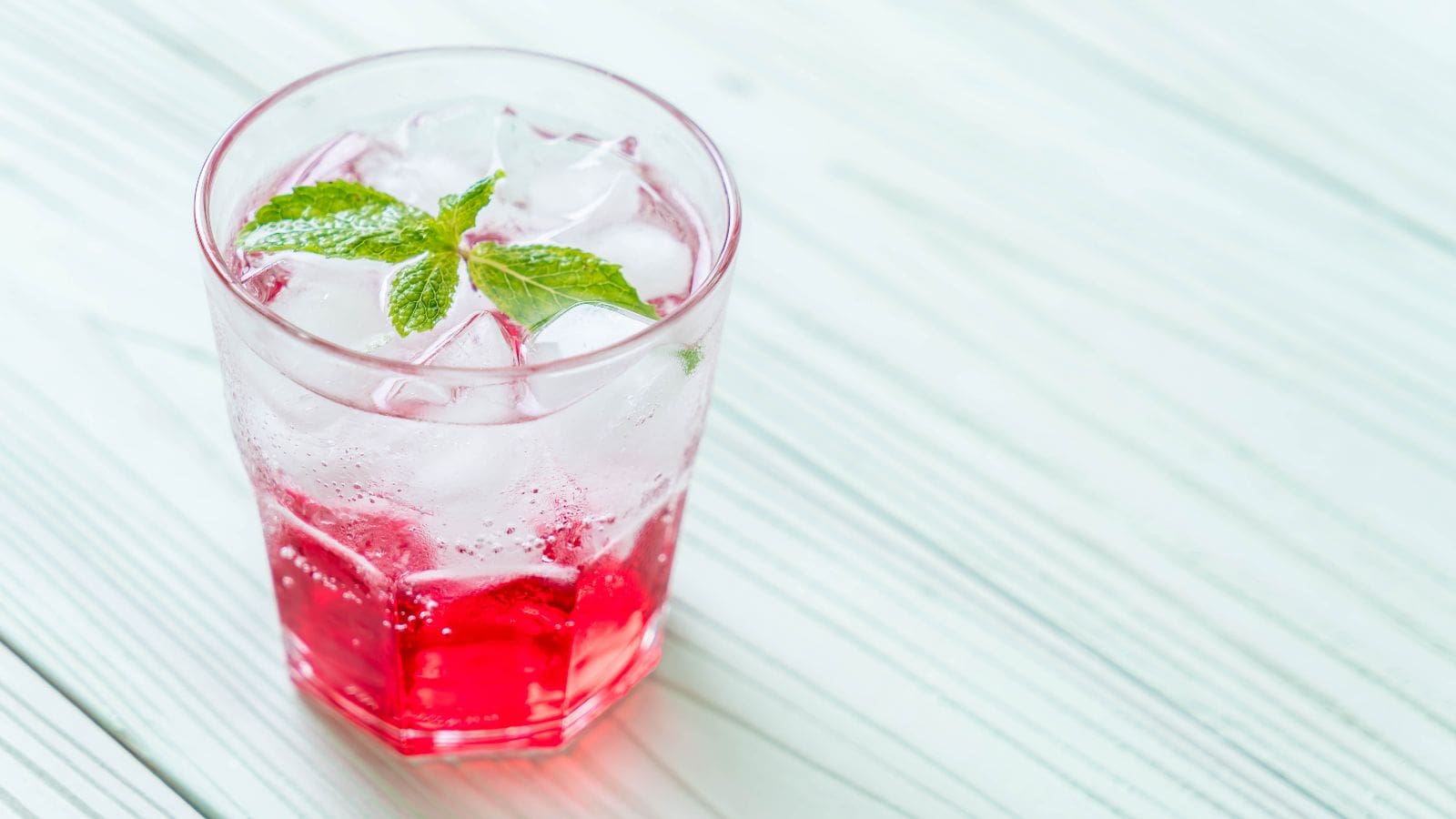
Temperature variation adds another dimension to non-alcoholic drink creation. While chilled options refresh, alternatives like spiced apple cider or hibiscus tea with citrus notes present different possibilities. These temperature variations allow drinks to adapt to different seasons and occasions. Hot preparations can highlight different aspects of ingredients, bringing out subtle flavors that might be less noticeable in cold versions. This flexibility in serving temperature broadens the range of possible drink creations and their appropriate contexts.
Must Appeal to Everyone
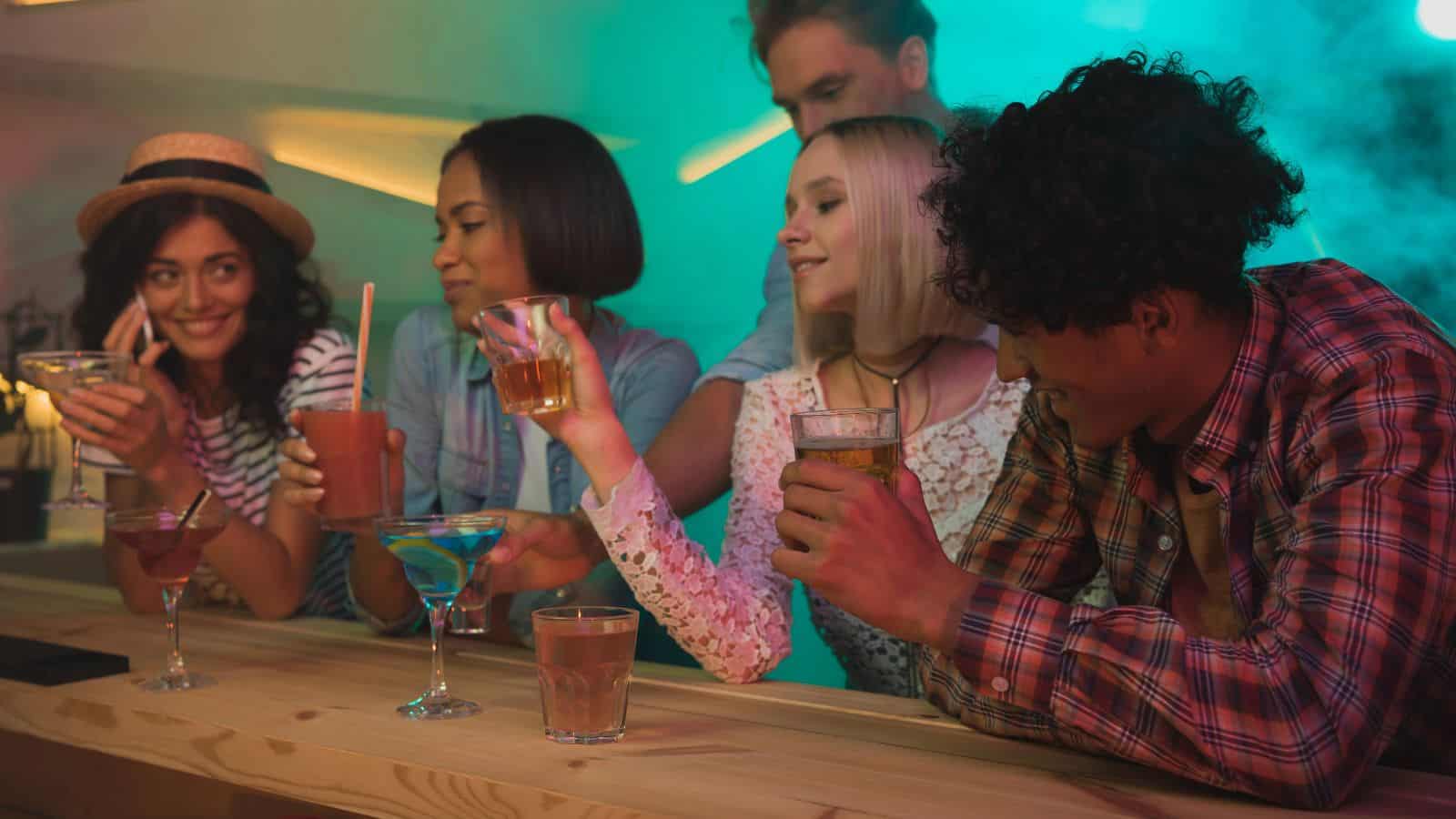
Individual preference should guide the creation of non-alcoholic drinks rather than universal appeal. Whether incorporating intense spices or emphasizing tart flavors, these beverages can reflect personal taste preferences. Making drinks expresses individual style, allowing for customization and innovation. This approach encourages the exploration of bold flavor combinations without concern for pleasing every palate. The focus shifts to creating authentic beverages that represent specific flavor preferences and creative vision rather than trying to accommodate all tastes.
11 Internet-Viral Drinks You Should Give a Try

Looking for drinks to try out? Internet-viral drinks have taken social media by storm, capturing the attention of beverage enthusiasts everywhere. From whipped coffee to colorful concoctions, these drinks are not just visually appealing but also fun to make. Here are 11 internet-viral drinks that are worth trying.
Read More Here: 11 Internet-Viral Drinks You Should Give a Try
9 Creative Ways to Use Leftover Holiday Ingredients in Drinks
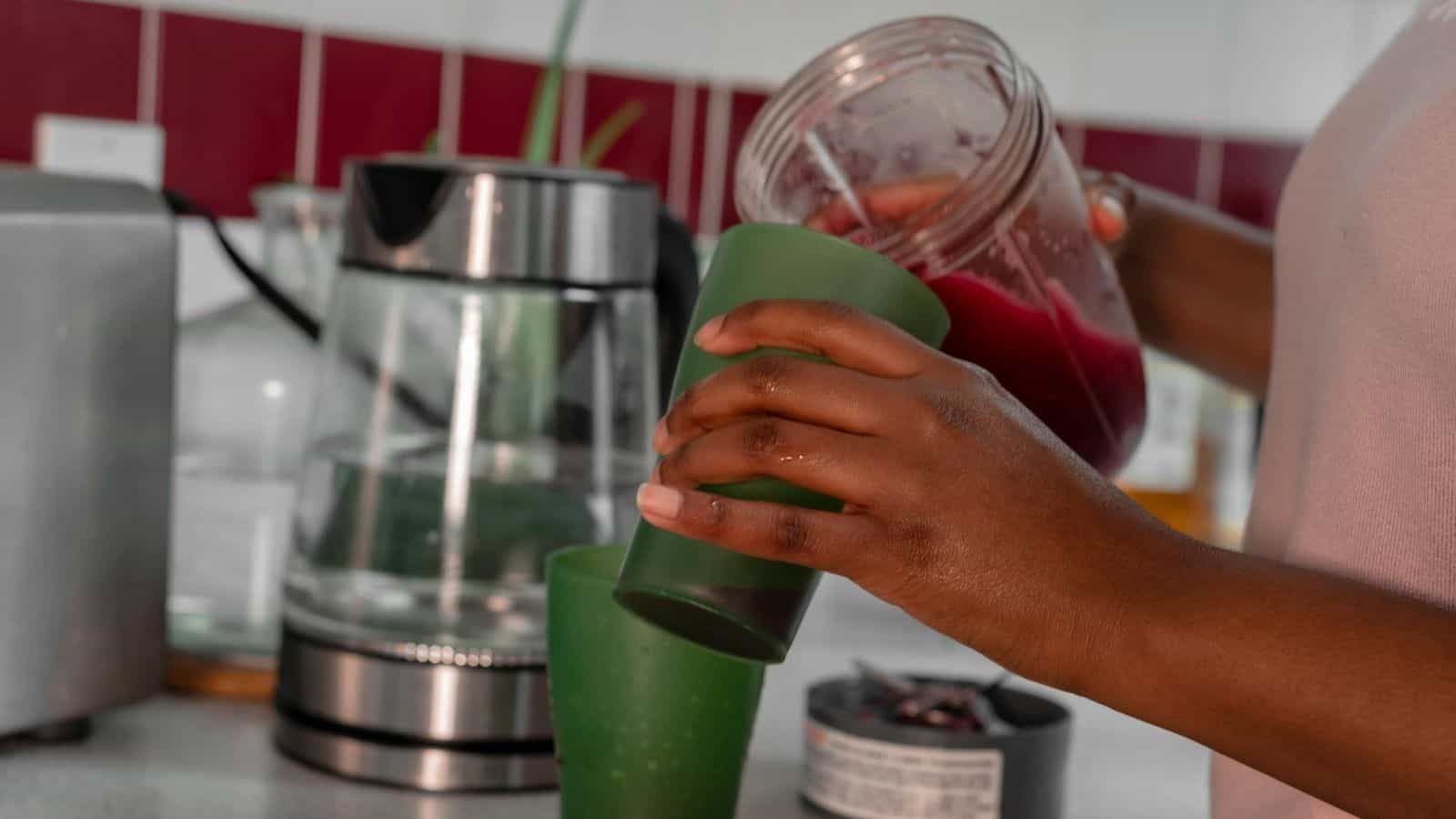
Are you curious to see which leftovers you can use for your drinks? After the holiday celebrations, you might find yourself with an abundance of leftover ingredients taking up space in your fridge. Instead of letting them go to waste, transform these remnants into delicious and creative drinks. With these nine creative ways to use leftover holiday ingredients in drinks, you can give new life to those extra fruits, herbs, and spices.
Read More Here: 9 Creative Ways to Use Leftover Holiday Ingredients in Drinks

Comments
No Comments