
Ever wake up after a night out and feel like you got hit by a truck? We've all been there. But what if it's not just your typical hangover? Sometimes, those nasty after-effects could be your body telling you something more serious is up. Maybe it's not just the booze talking - it could be alcohol intolerance.
We've rounded up 12 symptoms, and are here to help you identify when your hangover isn't normal anymore. Instead of the usual headache and queasiness, you might be dealing with immediate, intense symptoms that hit harder and last longer. It's like your body is sending out a distress signal, trying to tell you that alcohol is more of an enemy than a friend.
So, if you're noticing that even small amounts of alcohol leave you feeling worse than they should, it might be time to dig a little deeper. Paying attention to these signs can help you understand what's happening and make better health choices. Let's discuss what you should look out for.

Severe Headaches

Unlike the typical hangover headache that usually sets in the morning after drinking, headaches caused by alcohol intolerance can start almost immediately after consuming alcohol. These headaches can be extremely intense and debilitating, often described as migraines by those who experience them.
The pain can be localized to one side of the head or spread across the entire head, sometimes accompanied by visual disturbances, nausea, and sensitivity to light and sound. If you consistently experience severe headaches shortly after drinking even small amounts of alcohol, this could be a sign that your body is not processing alcohol properly, indicating an intolerance.
Gastrointestinal Issues

While a standard hangover might include some nausea or upset stomach the next day, gastrointestinal issues related to alcohol intolerance can be much more severe and occur almost immediately after drinking. Symptoms such as intense nausea, vomiting, stomach pain, bloating, or diarrhea can manifest quickly and can be quite distressing.
These symptoms indicate that your digestive system is struggling to handle the alcohol, possibly due to a lack of enzymes needed to break it down or a reaction to certain ingredients in alcoholic beverages. Frequent and immediate gastrointestinal distress after drinking alcohol points towards an intolerance rather than a simple hangover.
Flushing

One of the most noticeable signs of alcohol intolerance is facial flushing, where the face, neck, or chest turns red and feels warm soon after consuming alcohol. This reaction occurs because of the dilation of blood vessels and is often accompanied by a sensation of heat.
The flushing can be quite pronounced and is particularly common among individuals of East Asian descent due to a genetic variation that affects alcohol metabolism. If you find that even small amounts of alcohol cause significant flushing, this is a strong indicator of alcohol intolerance. This reaction is not just cosmetic but is a sign that your body is struggling to process the alcohol efficiently.
Rapid Heartbeat
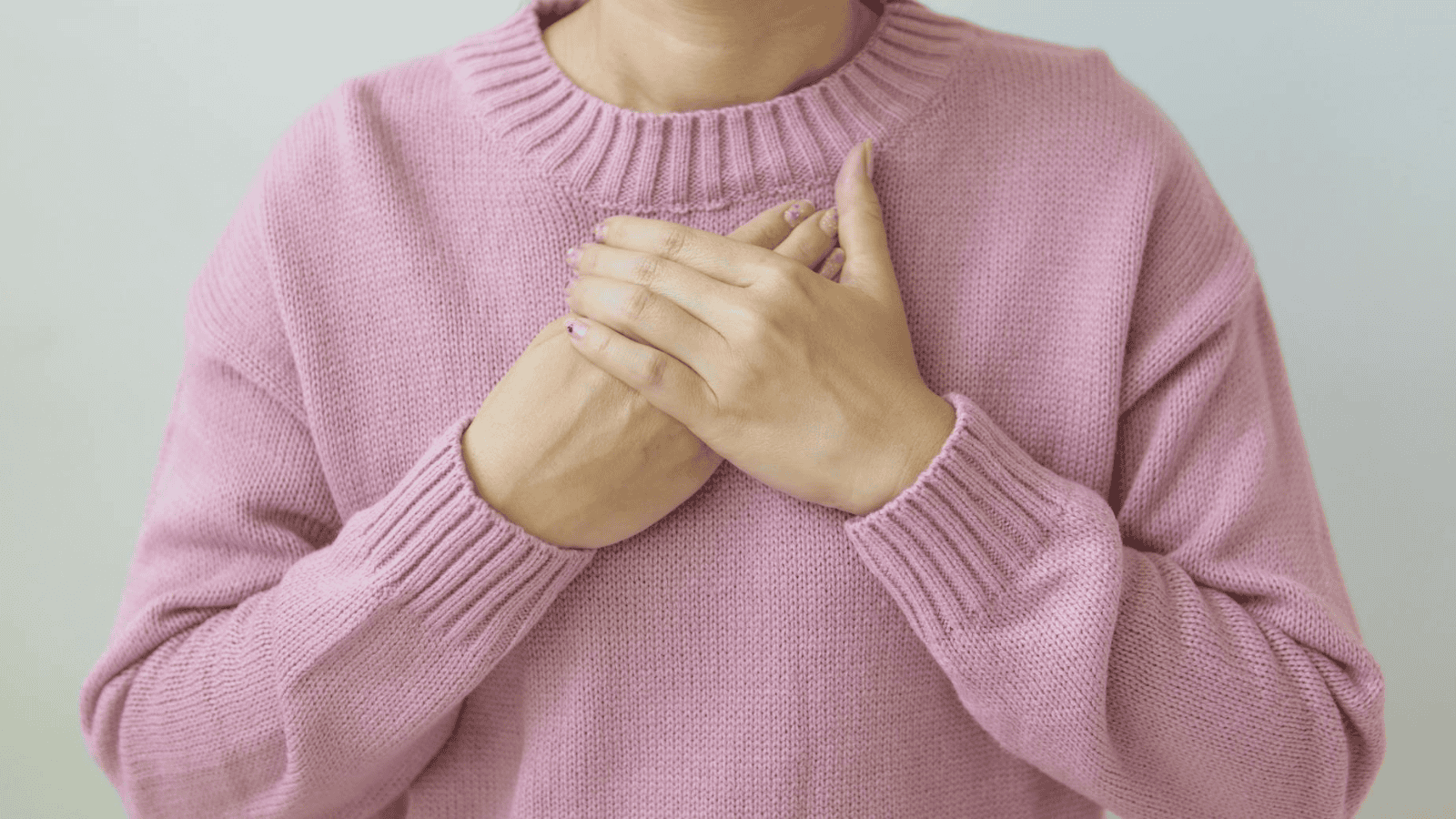
Experiencing a rapid or irregular heartbeat, known as palpitations, after drinking alcohol can be a sign of alcohol intolerance. This symptom can start shortly after consuming alcohol and may cause feelings of anxiety or discomfort. The rapid heartbeat can be accompanied by other symptoms like dizziness, chest pain, or shortness of breath.
This response occurs because alcohol can interfere with the normal functioning of your cardiovascular system, leading to an abnormal heart rhythm. If you frequently notice your heart racing after drinking, it suggests that your body might be reacting adversely to alcohol, indicating an intolerance rather than a typical hangover.
Nasal Congestion
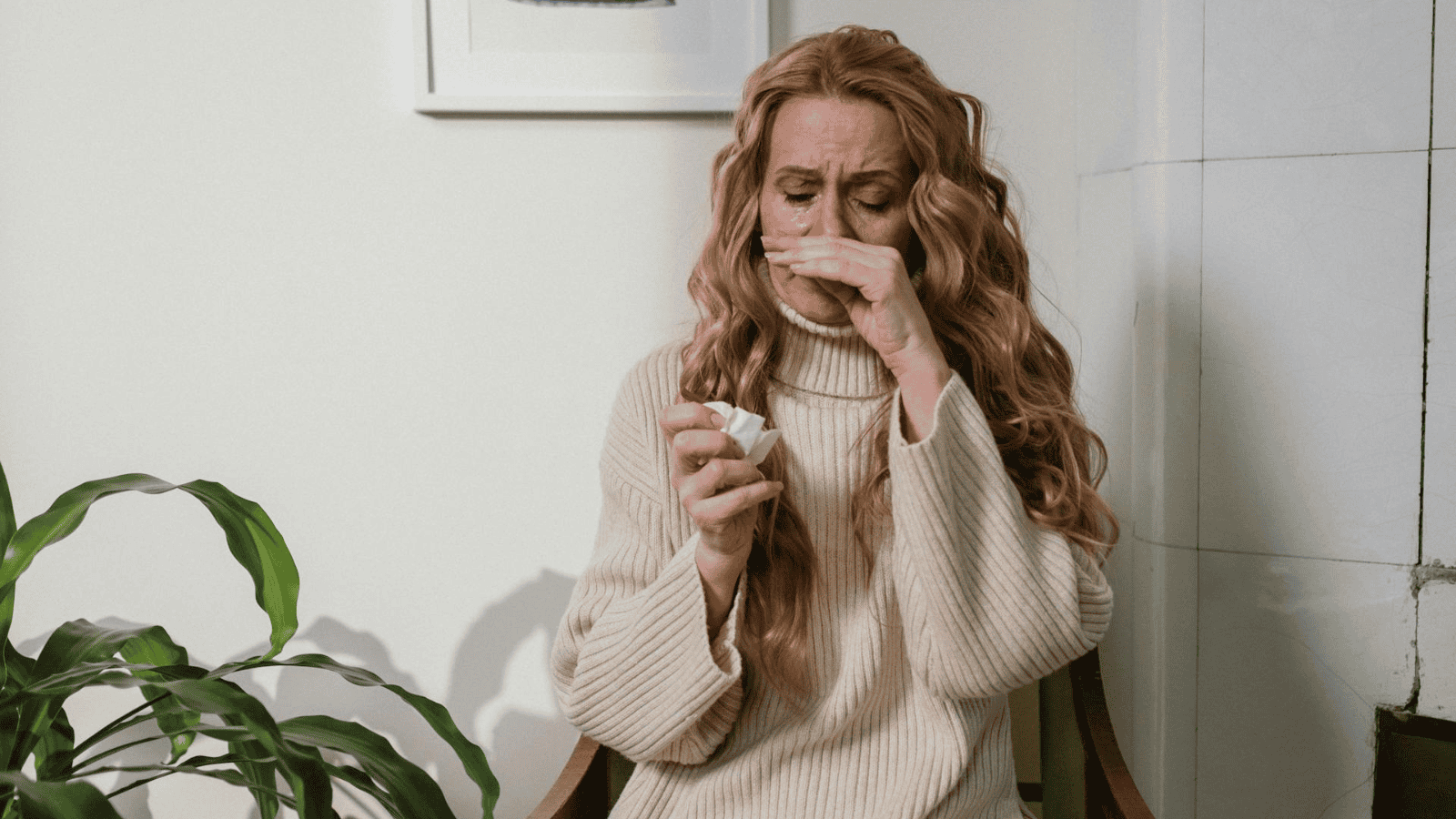
Alcohol intolerance can cause nasal congestion, where your nose becomes stuffy or runny soon after consuming alcohol. This symptom is due to the dilation of blood vessels in the nasal passages, which can lead to swelling and increased mucus production.
This reaction can make it difficult to breathe through your nose and may be accompanied by sneezing, a runny nose, or sinus pressure. If you consistently experience these symptoms after drinking, it indicates that your body is having an adverse reaction to alcohol. This is different from a hangover, which typically does not include such immediate respiratory symptoms.
Skin Reactions
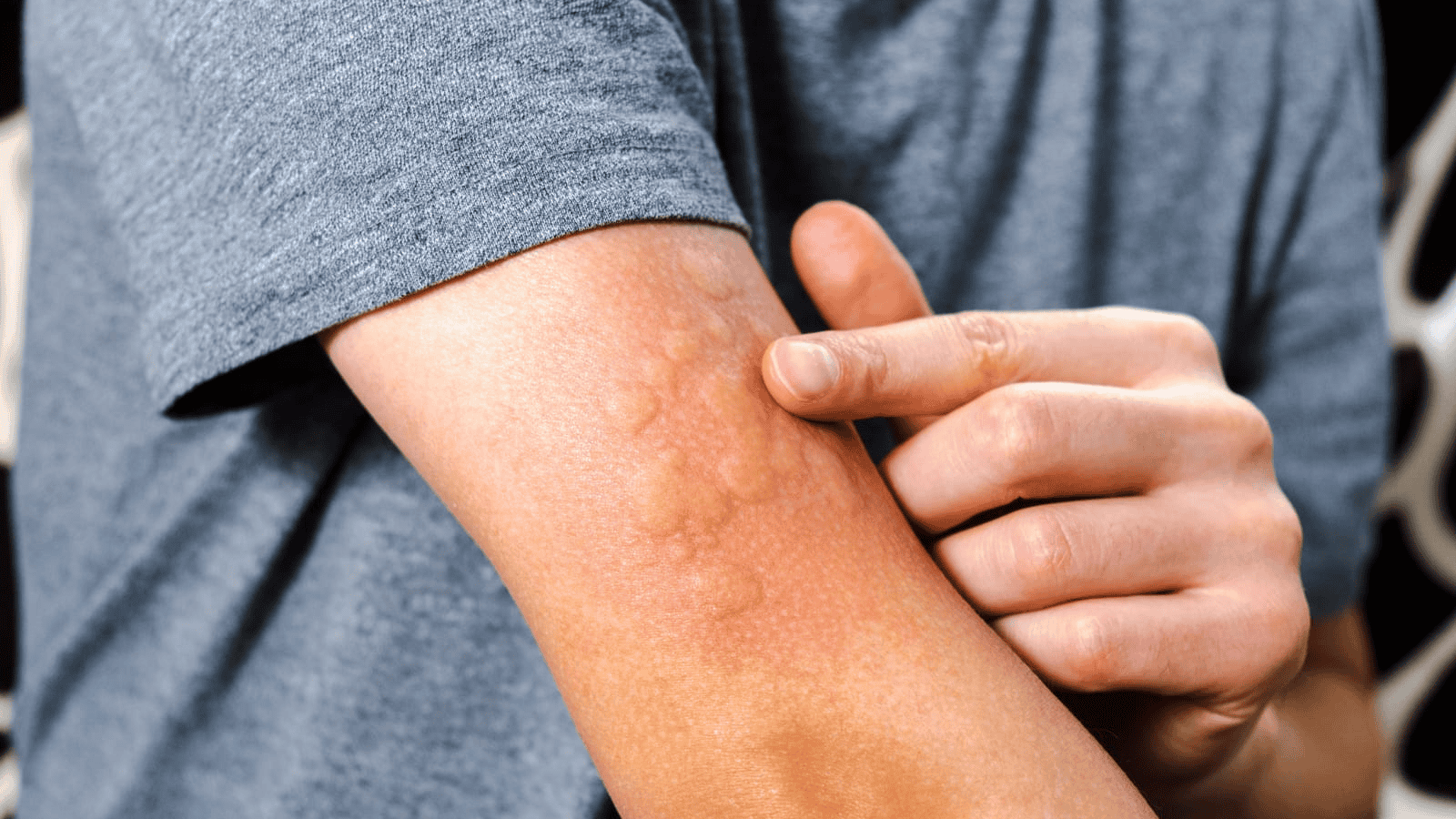
If you develop skin reactions such as hives, itching, or rashes shortly after consuming alcohol, this could be a sign of alcohol intolerance. These reactions can appear anywhere on the body and are often accompanied by redness and swelling.
The itching can be intense and uncomfortable, and the hives may be raised and can vary in size. Such skin reactions indicate that your immune system might be reacting to alcohol or certain ingredients in alcoholic beverages, treating them as allergens. Unlike a typical hangover, which usually manifests the next day, these skin reactions occur almost immediately, suggesting an intolerance rather than a delayed response.
Fatigue

While it's common to feel tired the day after drinking heavily, the fatigue associated with alcohol intolerance can set in almost immediately after drinking and be much more profound. This type of fatigue goes beyond typical tiredness and can leave you feeling utterly drained and lethargic, sometimes making it difficult to stay awake or perform normal activities.
This overwhelming sense of exhaustion indicates that your body is struggling to process the alcohol, putting extra strain on your system. If you notice that you become extremely tired very quickly after consuming even small amounts of alcohol, it could be a sign that you have an intolerance to alcohol.
Breathing Difficulties
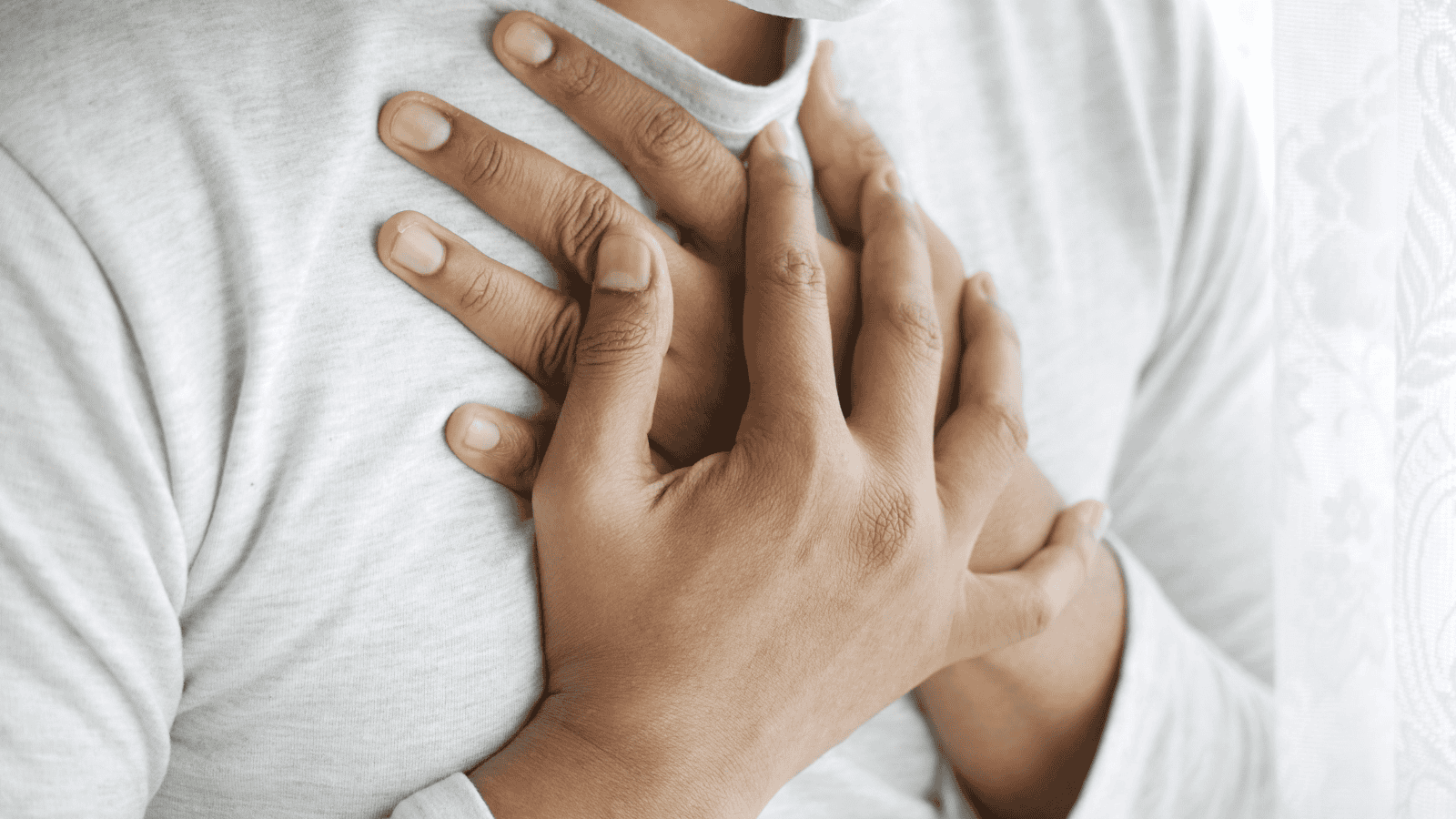
Experiencing shortness of breath, wheezing, or a tight chest after drinking alcohol can be a sign of alcohol intolerance. These symptoms can start soon after drinking and may cause significant discomfort and anxiety. Breathing difficulties occur because alcohol can cause inflammation and narrowing of the airways, making it harder to breathe.
This reaction can be particularly alarming and may require medical attention if it becomes severe. Suppose you frequently experience respiratory issues after drinking alcohol. In that case, it suggests that your body is not handling the alcohol well, pointing towards an intolerance rather than the typical hangover, which usually does not include immediate respiratory symptoms.
Low Blood Pressure

Feeling dizzy or lightheaded due to a drop in blood pressure after drinking alcohol can indicate alcohol intolerance. This symptom occurs because alcohol can cause blood vessels to dilate, leading to a decrease in blood pressure. The dizziness can be accompanied by feelings of weakness, fainting, or a spinning sensation, and it can start shortly after consuming alcohol.
This reaction can be particularly dangerous if it leads to falls or other accidents. If you regularly experience these symptoms after drinking, it suggests that your body is reacting negatively to alcohol, indicating an intolerance rather than the typical delayed effects of a hangover.
Mental Confusion

Unusual mental fog, confusion, or difficulty concentrating soon after drinking alcohol can be a sign of alcohol intolerance. This symptom goes beyond the mild cognitive impairment associated with being tipsy or hungover and involves significant difficulty thinking clearly or focusing on tasks. This mental confusion can be disorienting and may be accompanied by memory lapses or an inability to process information effectively. If you notice that you experience substantial cognitive impairment shortly after consuming even small amounts of alcohol, it could indicate that your body is not processing the alcohol properly, suggesting an intolerance rather than a standard hangover.
Anxiety or Irritability

Feeling unusually anxious or irritable after consuming alcohol can be a sign of alcohol intolerance. While alcohol is often associated with temporary feelings of relaxation, for those with an intolerance, it can have the opposite effect. The anxiety or irritability can set in quickly after drinking and may be accompanied by physical symptoms such as sweating, shaking, or a racing heart. This heightened state of agitation or nervousness indicates that your body is reacting negatively to the alcohol, potentially due to an inability to metabolize it properly. If these emotional symptoms are a regular occurrence after drinking, it suggests an intolerance rather than the typical hangover effects.
Intensified Hangover Symptoms

If you find that your hangover symptoms are more severe and last longer than usual, it might be a sign of alcohol intolerance. Common hangover symptoms include headaches, nausea, and fatigue, but in the case of intolerance, these symptoms can be much more intense and debilitating. You might experience extreme exhaustion, severe headaches, persistent nausea, and other symptoms that do not subside with time. This prolonged and heightened response indicates that your body is struggling more than usual to process the alcohol, suggesting an intolerance. If your hangovers are consistently more severe and long-lasting than those of others, it could be due to an underlying intolerance to alcohol.
Drink wiser and safer

Recognizing the difference between a typical hangover and alcohol intolerance can make a huge impact on your health and well-being. If you find that alcohol leaves you feeling more wrecked than it should, it's important to pay attention to those signs. Your body has its way of telling you when something's not right, and it's crucial to listen. It's not about giving up your social life but about making choices that keep you feeling great.
Maybe it means finding drinks that don't trigger your symptoms or enjoying social events without alcohol. Taking care of yourself means knowing your limits and respecting what your body needs. If you think you may have an alcohol intolerance, use the newfound knowledge you gained from us to navigate through your options and keep yourself safe and healthy. After all, life is too short to spend it feeling lousy when you could be enjoying it to the fullest.


Comments
No Comments