
Fruit juice often gets dismissed as too sugary or unnecessary, but when it's made from real fruit and consumed mindfully, it can offer meaningful nutritional benefits. These 13 fruit juices stand out for their natural vitamins, antioxidants, and compounds that support everyday health rather than empty sweetness. They work best as part of a balanced routine, not a replacement for whole fruit, but they can still play a useful role.
From hydration and digestion to heart and immune support, each juice on this list brings something specific to the table. Understanding what they offer makes it easier to choose juices that do more than just taste good. If you're looking to make smarter beverage choices, these fruit juices are a solid place to start.

Pomegranate Juice
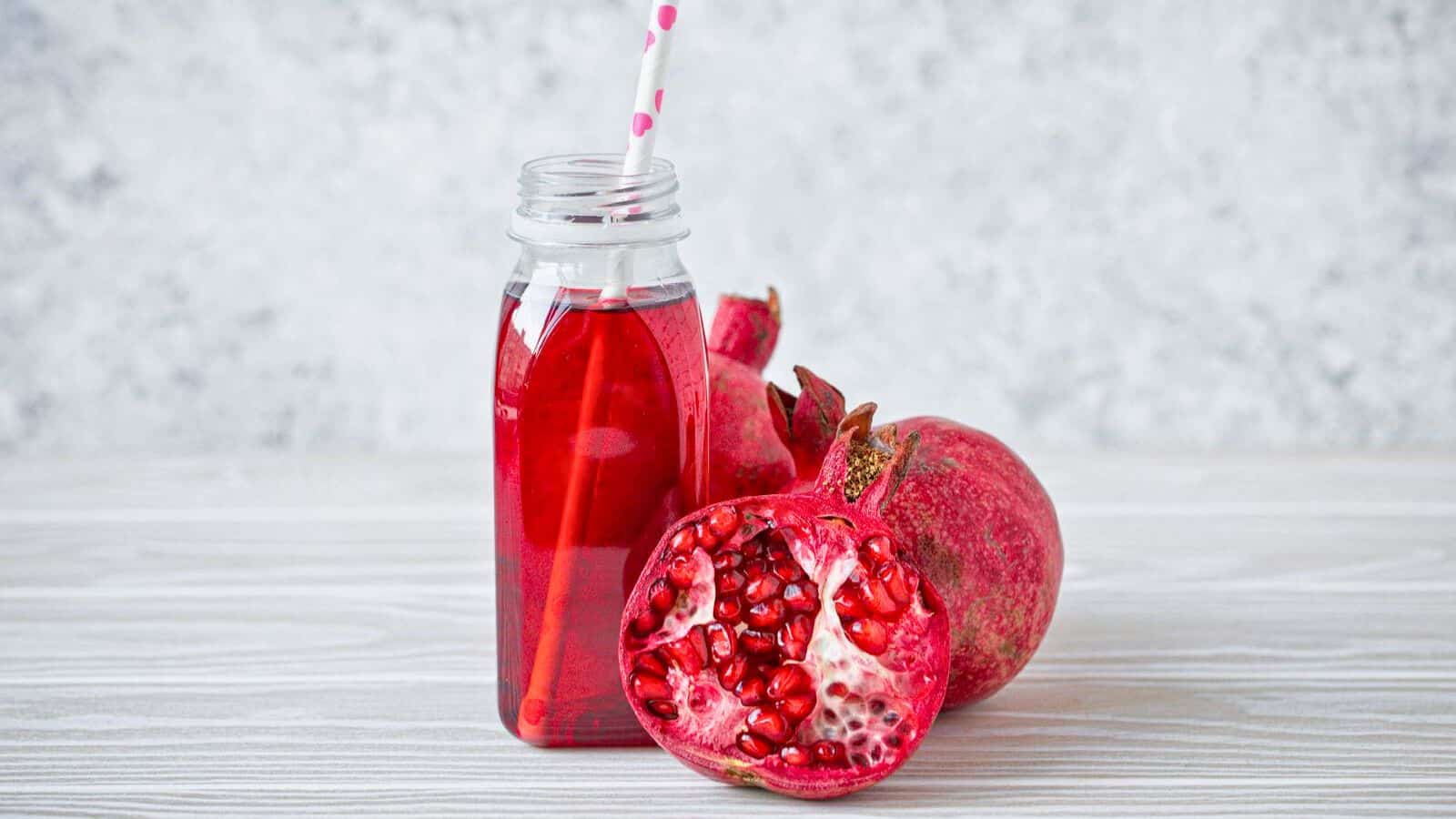
Pomegranate juice is rich in antioxidants, including punicalagins and anthocyanins, which help protect cells from oxidative stress. Research suggests it may support heart health by helping manage inflammation and blood pressure. Its bold, tart flavor works well on its own or diluted with water. Pomegranate juice also contains vitamins C and K, contributing to immune and bone support when consumed in moderation.
Orange Juice
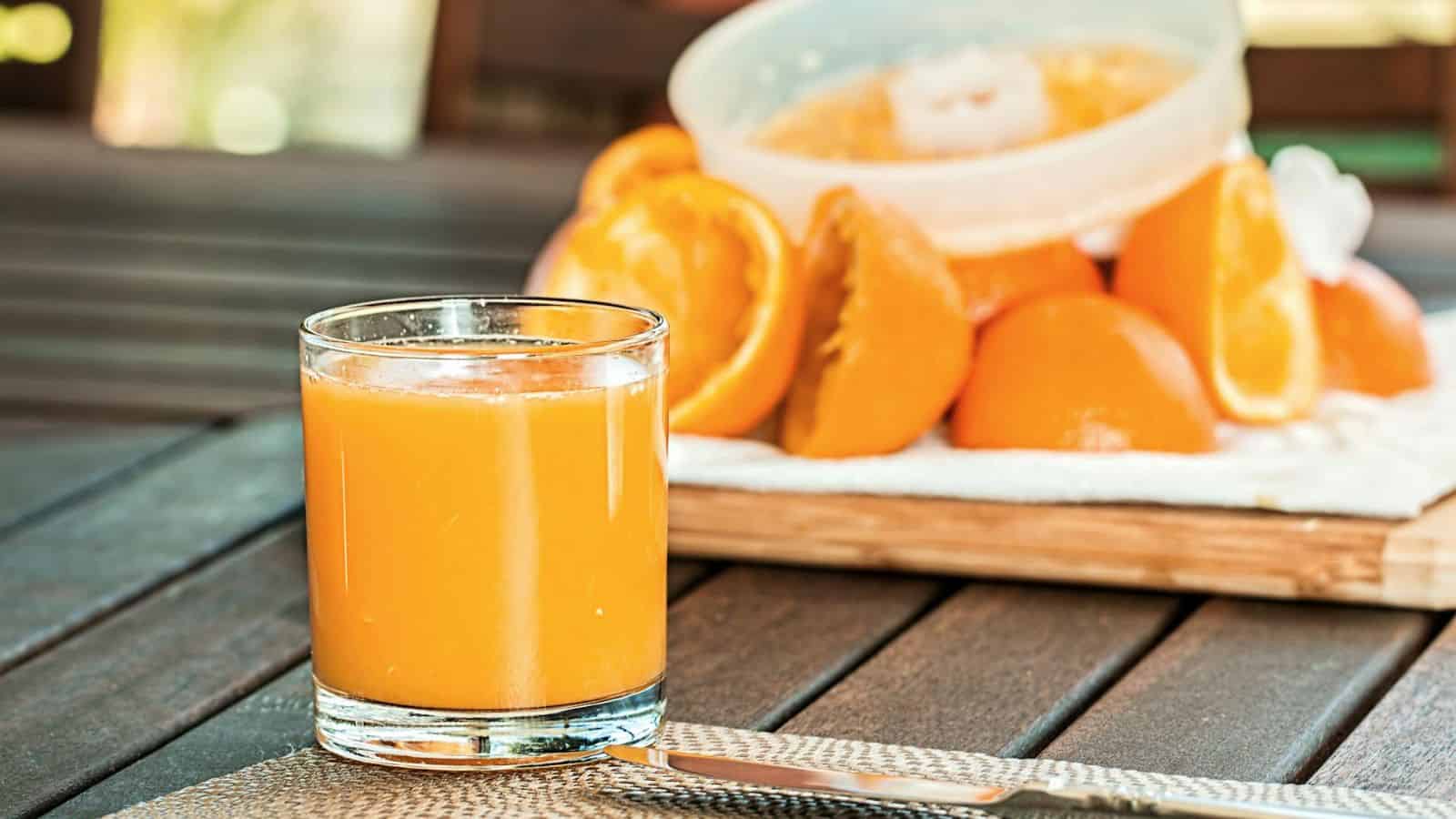
Orange juice is best known for its vitamin C content, which supports immune function and skin health. It also provides potassium, which plays a role in muscle function and fluid balance. Freshly squeezed or no-added-sugar versions offer the most benefit. Enjoyed in reasonable portions, orange juice can be a refreshing way to support daily nutrient intake.
Apple Juice

Apple juice contains vitamin C, potassium, and naturally occurring plant compounds that support hydration and digestion. Its mild sweetness makes it easy to drink, especially when diluted with water. Some studies suggest apple juice may support gut health when consumed without added sugars. Choosing 100% juice helps avoid unnecessary additives.
Grape Juice
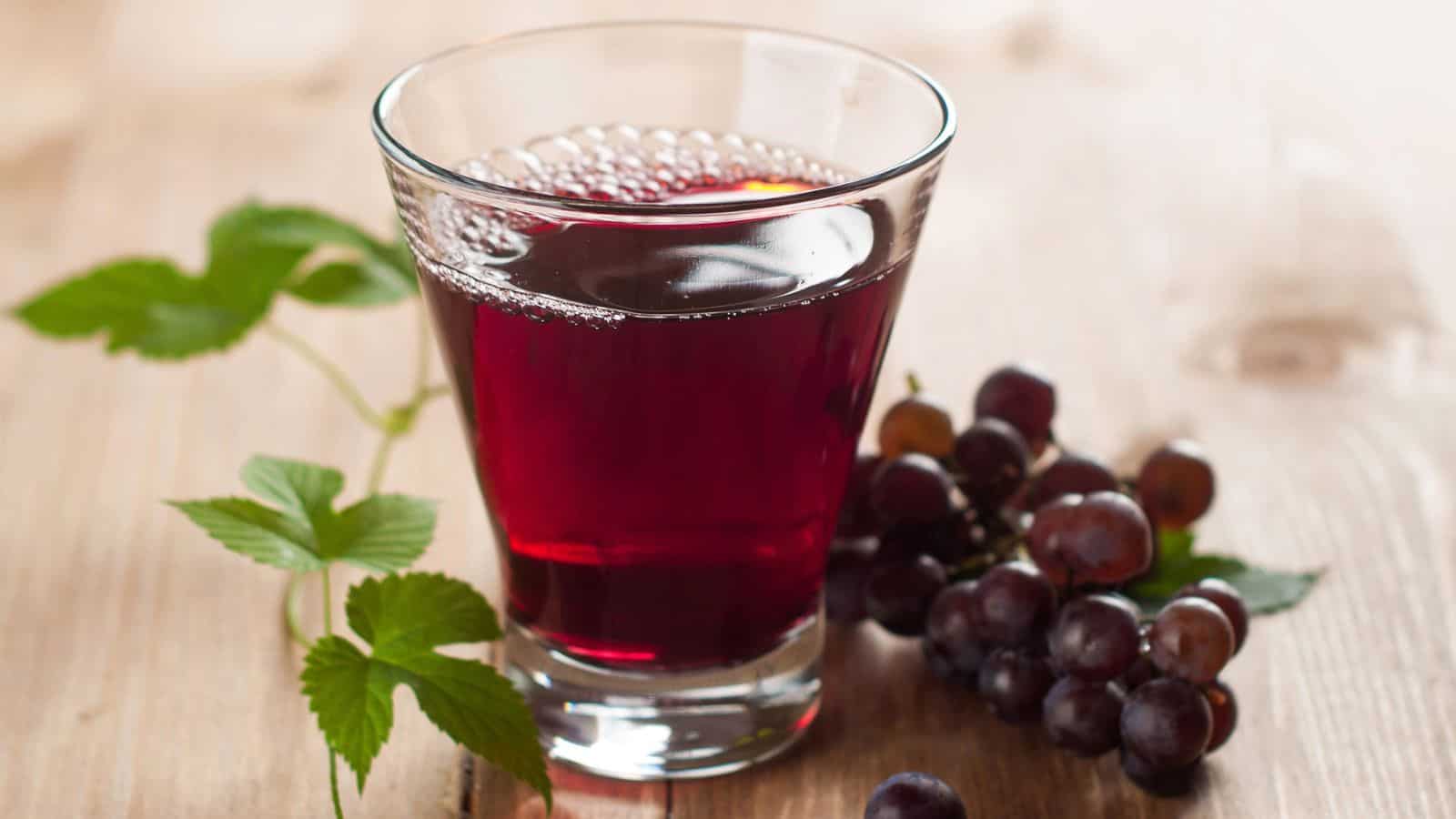
Dark grape juice contains antioxidants such as resveratrol, which has been linked to heart health. It also provides small amounts of iron and potassium. The natural sugars offer quick energy, making portion size important. Unsweetened grape juice can be a useful option when balanced with meals.
Cranberry Juice
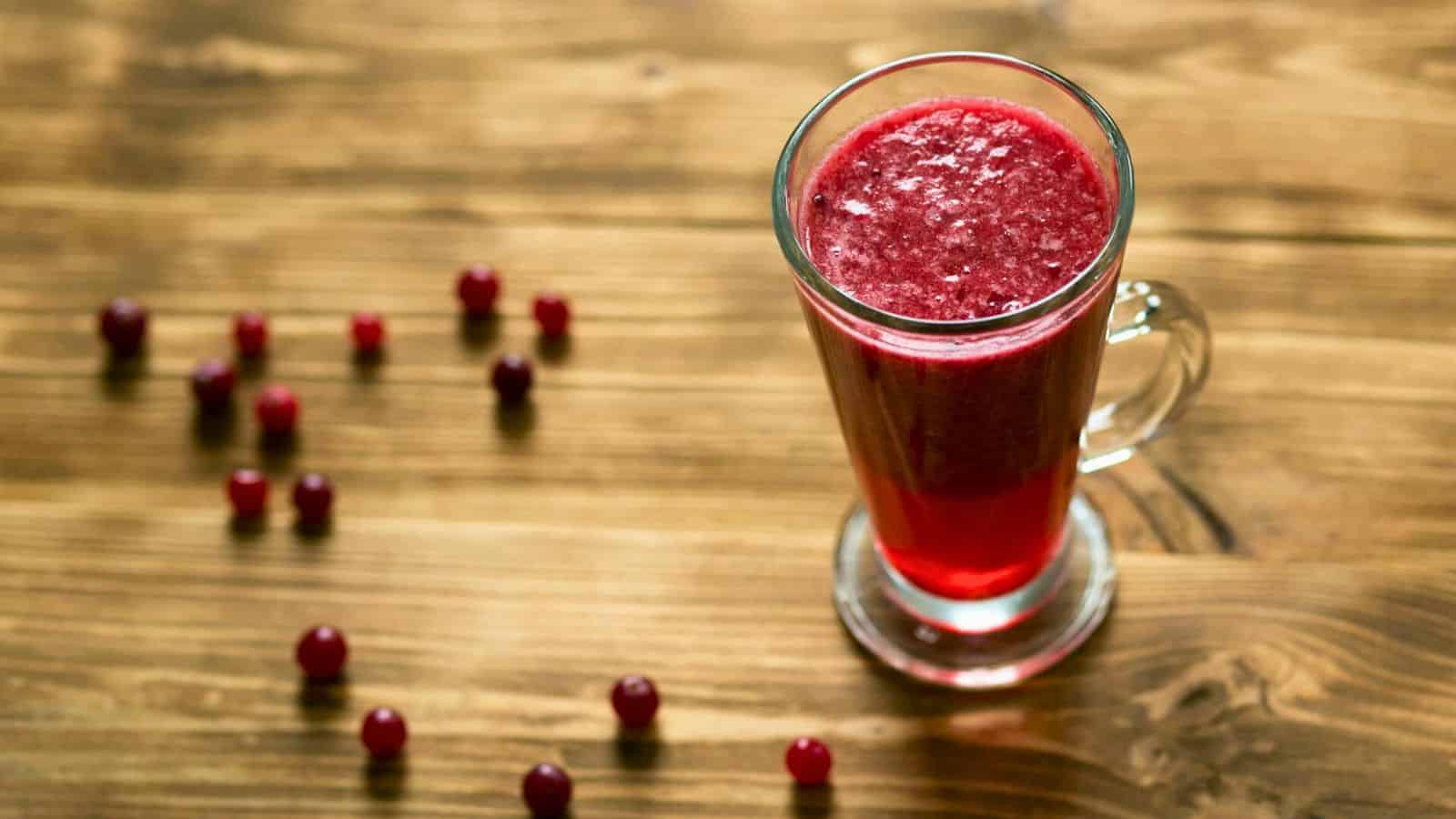
Cranberry juice is commonly associated with urinary tract health, but it also provides antioxidants that support overall wellness. It contains vitamin C and compounds that help protect cells from damage. Because many cranberry juices are heavily sweetened, unsweetened versions are the best choice. When diluted, it offers a tart, refreshing drink with functional benefits.
Beetroot Juice
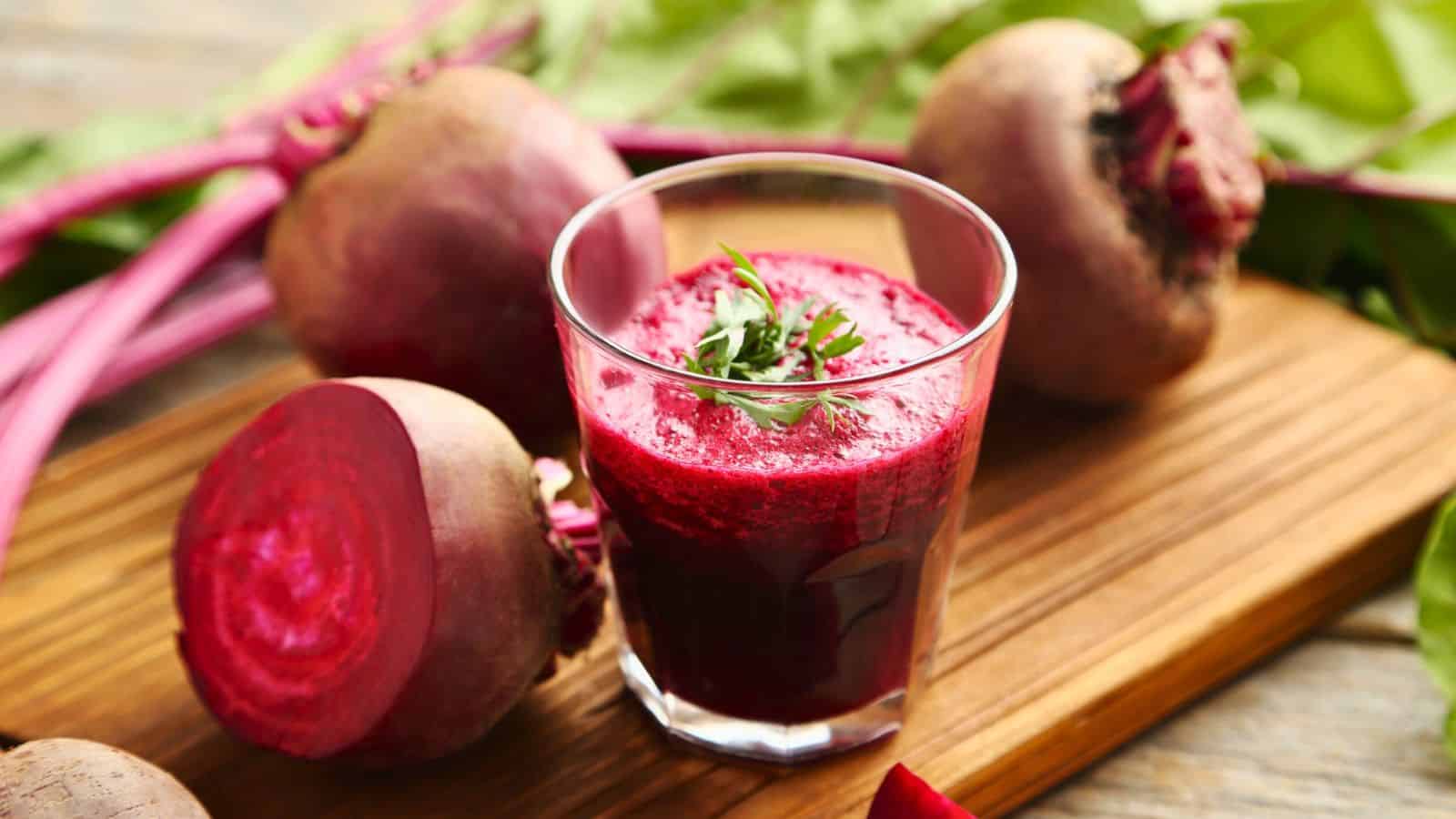
Beetroot juice contains naturally occurring nitrates that support blood flow and circulation. It also provides folate and potassium, which are important for cardiovascular health. Some people use beet juice to support exercise performance and endurance. Its earthy flavor pairs well with citrus or apple juice.
Pineapple Juice
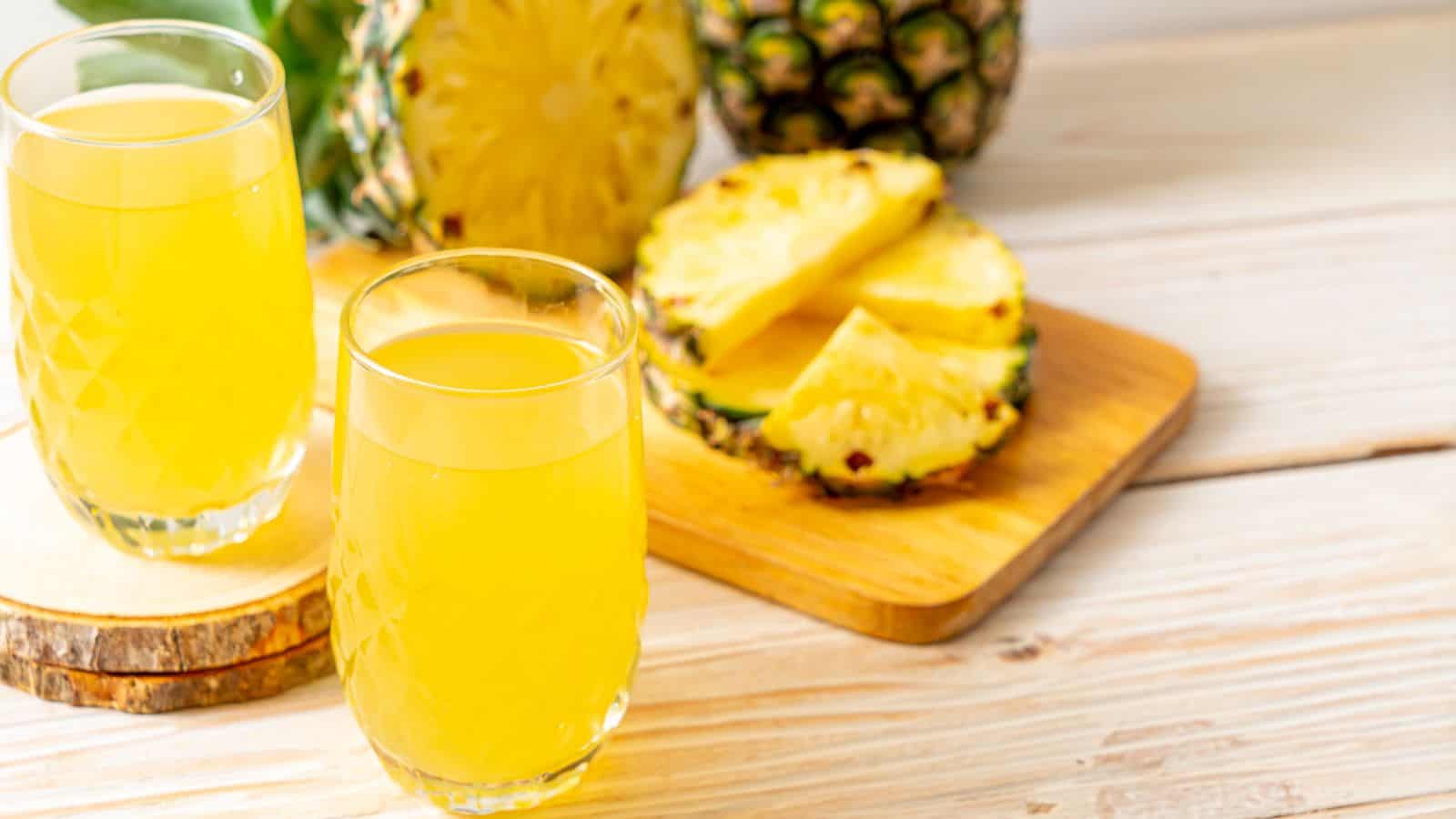
Pineapple juice contains bromelain, an enzyme associated with digestion and inflammation support. It also provides vitamin C and manganese, which contribute to immune and bone health. Because it is naturally sweet, smaller servings work best. Pineapple juice is often easiest to enjoy blended with other fruits or diluted.
Watermelon Juice
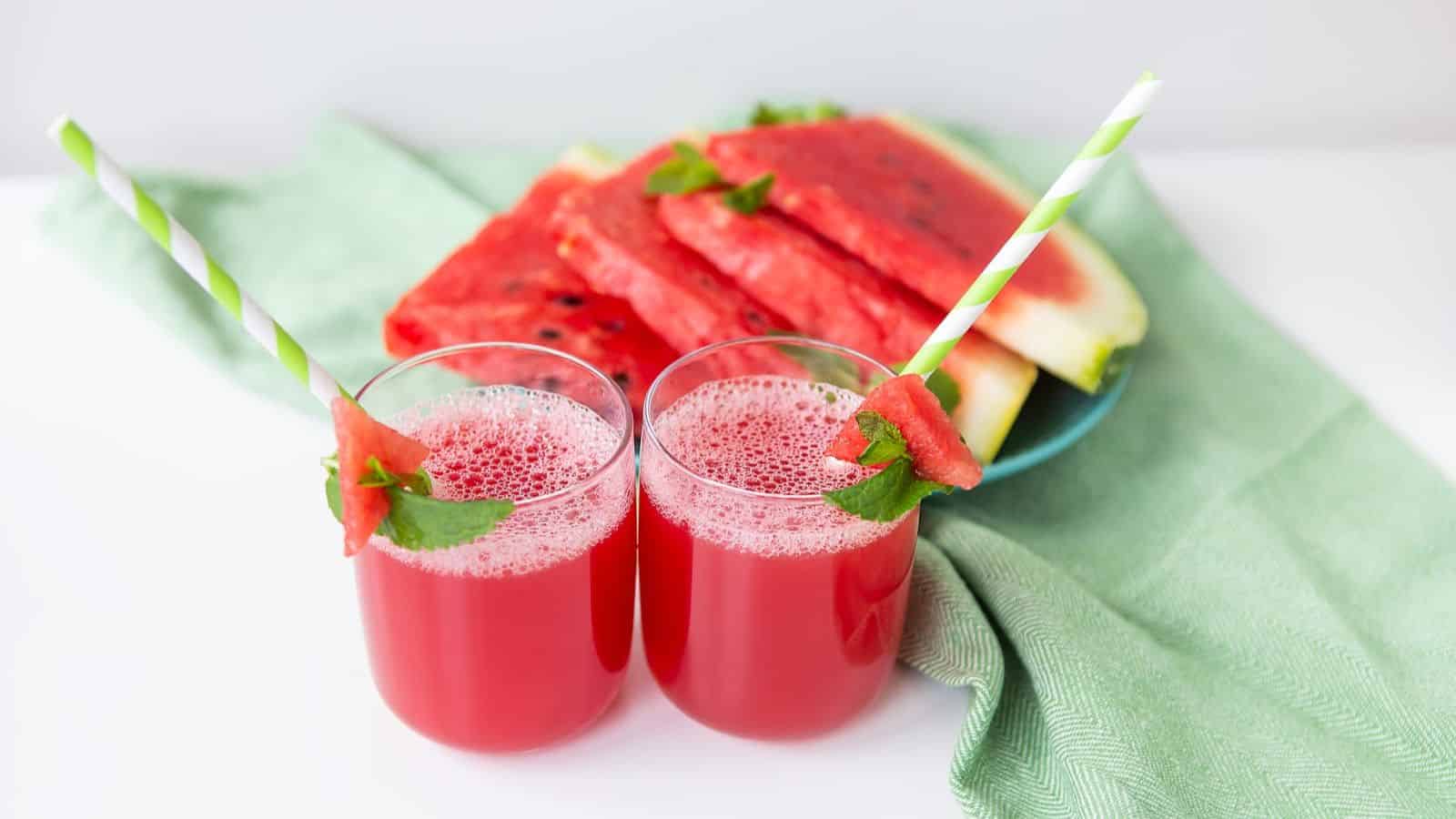
Watermelon juice is hydrating and naturally low in calories. It contains vitamins A and C, along with lycopene, a compound linked to heart health. Its high water content makes it especially refreshing in warm weather. Watermelon juice works well as a light hydration option rather than a meal replacement.
Blueberry Juice
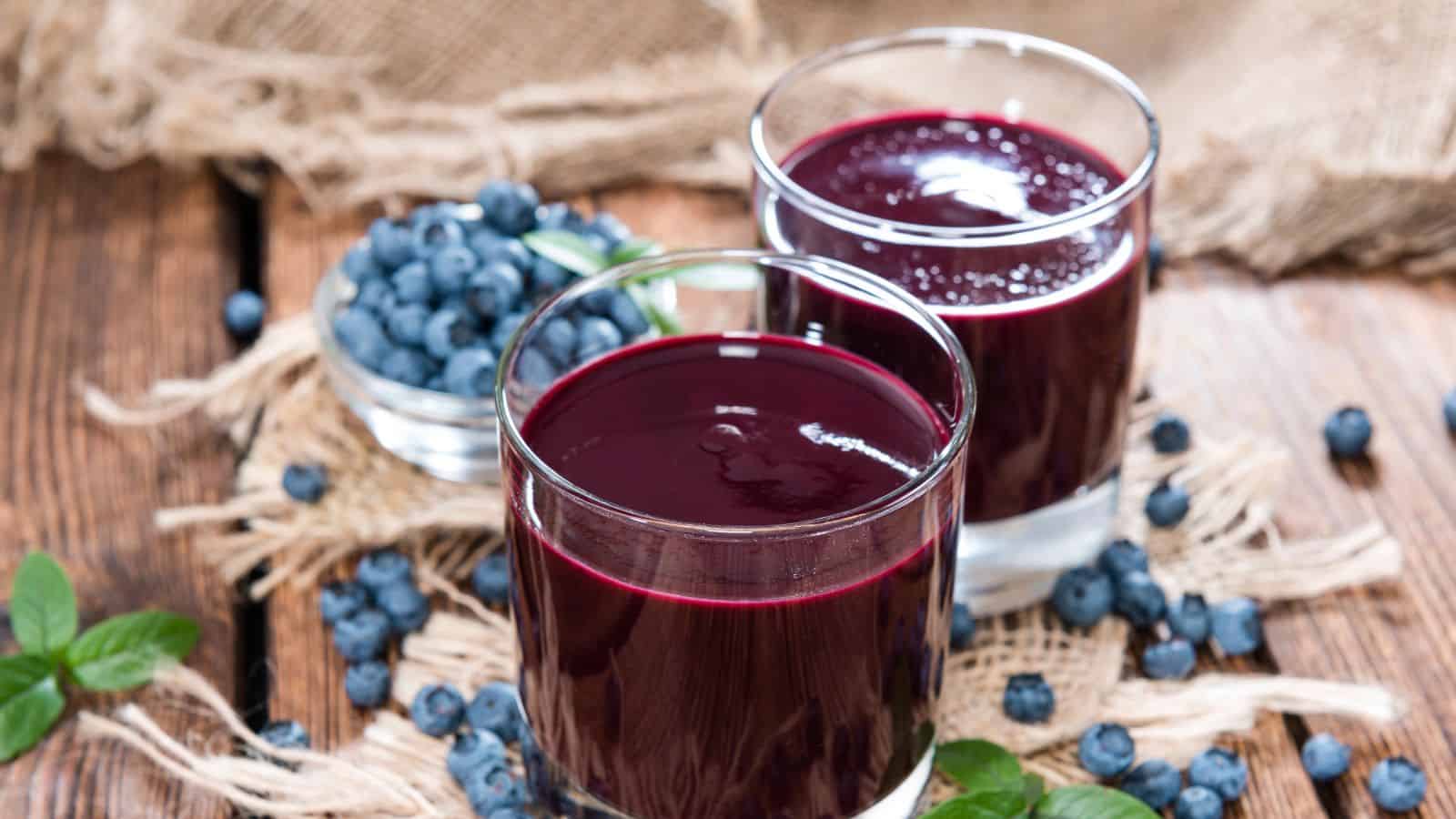
Blueberry juice is rich in antioxidants that support brain and heart health. Compounds found in blueberries have been studied for their role in memory and cognitive function. The juice also provides vitamin C and plant compounds that support overall wellness. Unsweetened blueberry juice offers the most benefit.
Lemon Juice
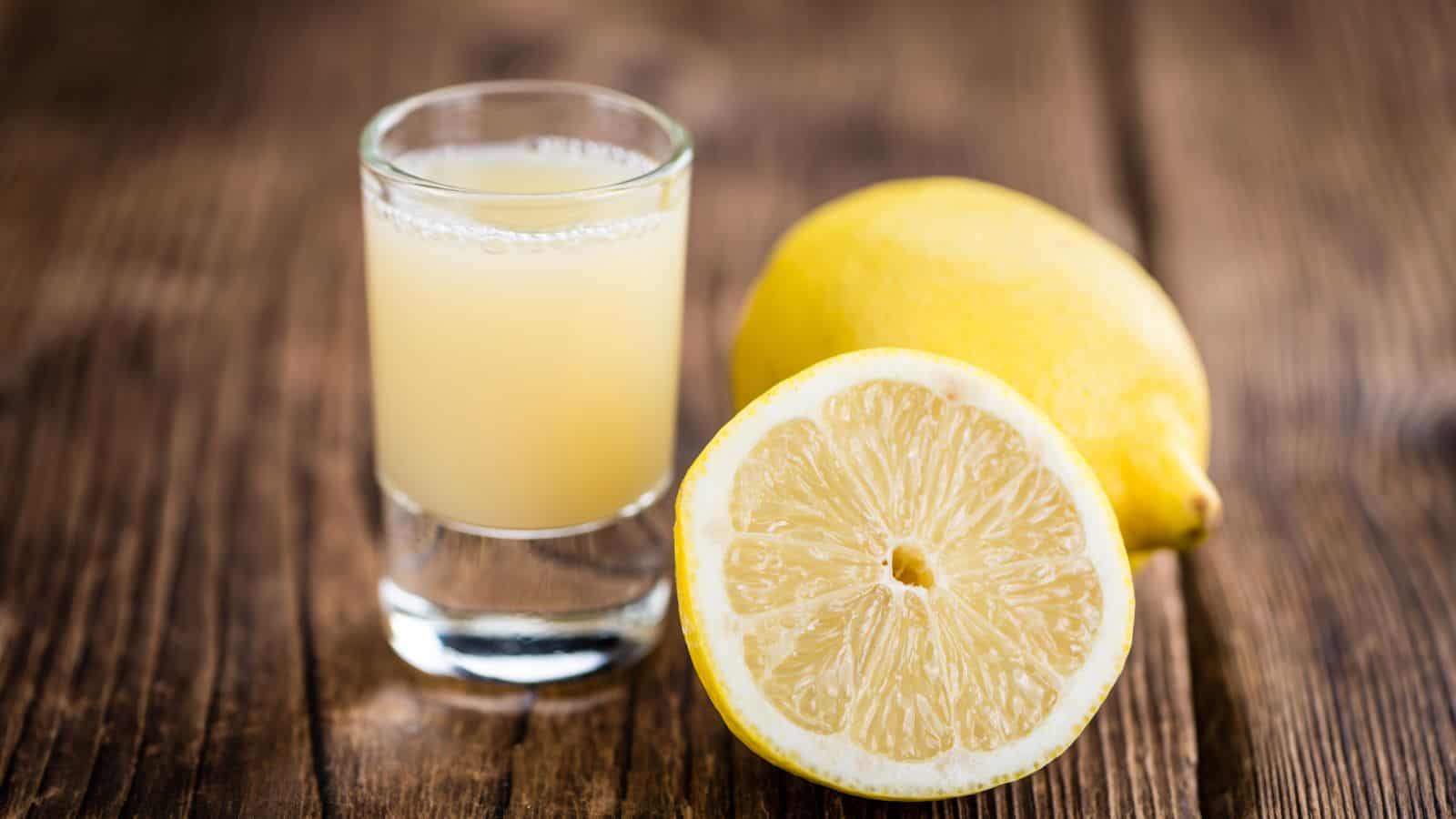
Lemon juice provides vitamin C and citric acid, which can support digestion and hydration. It's often used diluted in water rather than consumed alone. Lemon juice can enhance flavor without added sugar and pairs well with other juices. Its bright acidity makes it a useful base for healthier drinks.
Mango Juice

Mango juice contains vitamins A and C, which support vision, skin health, and immunity. It also provides antioxidants and small amounts of fiber. Because of its sweetness, mango juice is best enjoyed in moderation or blended with lighter juices. Its rich flavor makes it especially satisfying in smaller servings.
Carrot-Apple Juice
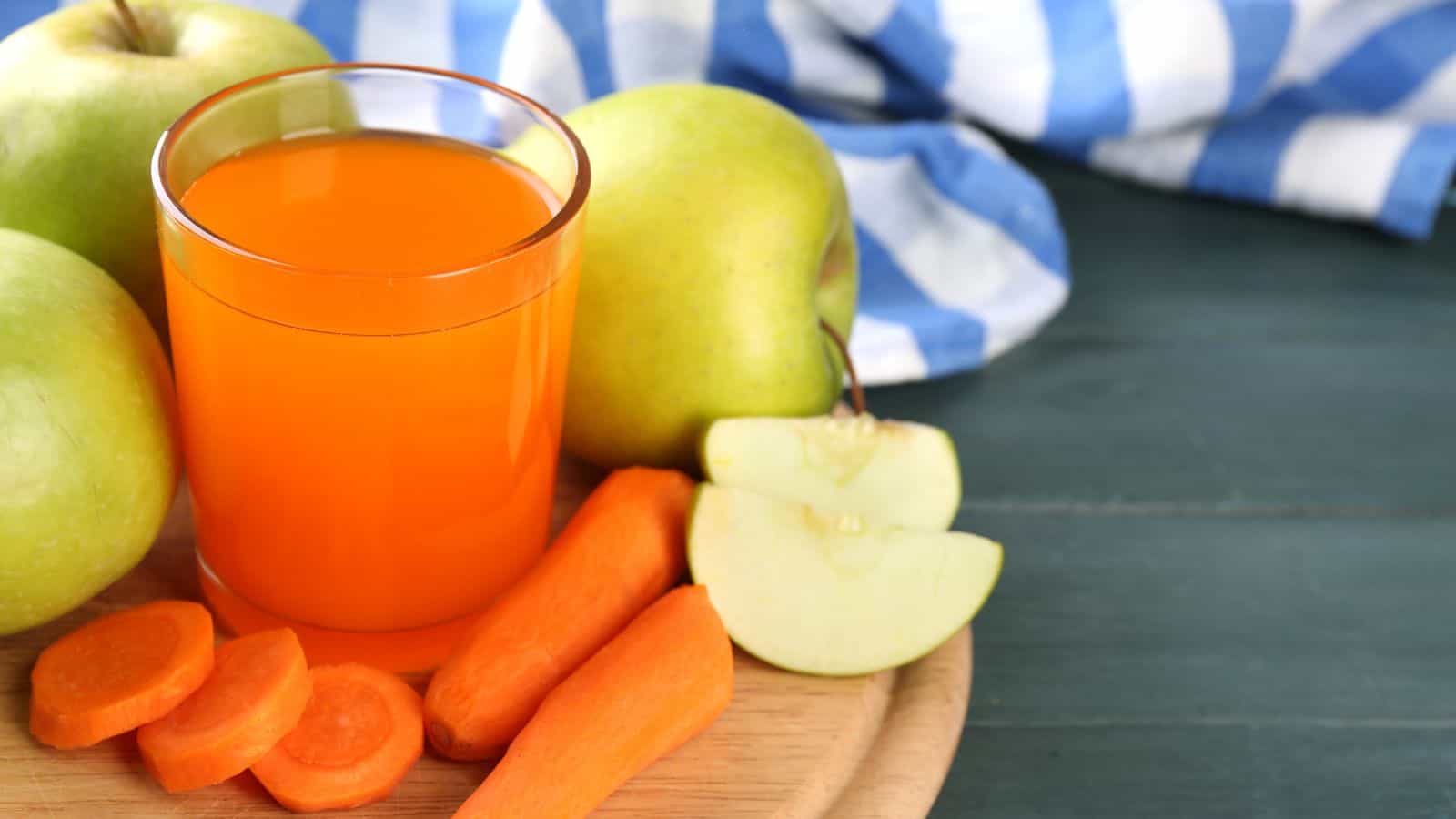
Carrot-apple juice combines beta-carotene from carrots with the natural sweetness of apples. This pairing supports eye health, digestion, and heart health. The balance of flavors makes it approachable without added sugar. It's a practical option for those easing into vegetable-forward juices.
Cherry Juice
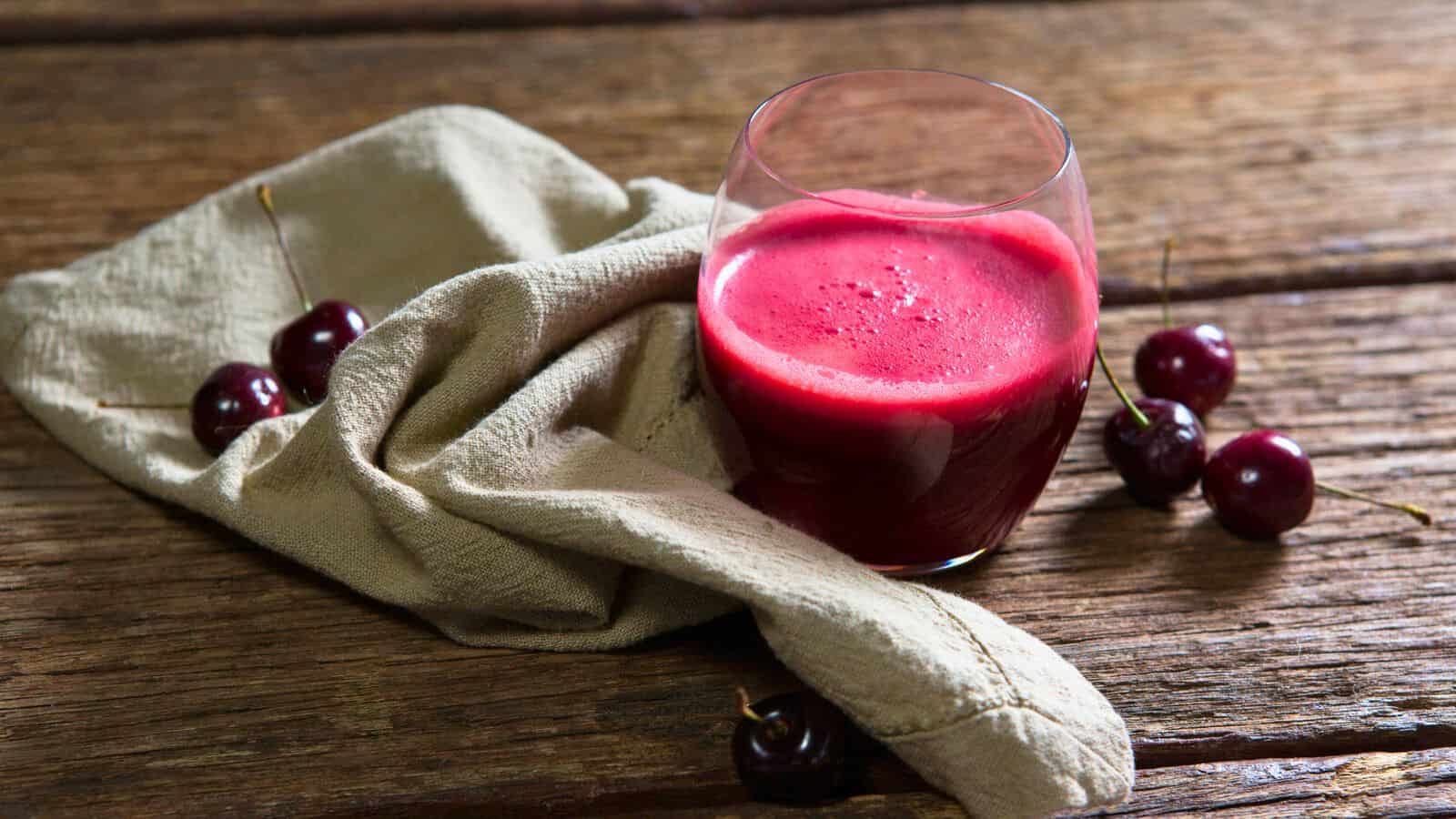
Tart cherry juice is known for its anti-inflammatory properties and natural melatonin content. It's often used to support muscle recovery and sleep quality. Cherry juice also provides antioxidants linked to heart health. Because it's naturally strong in flavor, it's commonly diluted with water.
Harness the Health Benefits of Fruit Juices

These 13 fruit juices show that juice doesn't have to be all sugar and no substance. When chosen carefully and consumed in reasonable portions, they can support hydration, nutrient intake, and overall wellness. The key is focusing on real fruit, minimal processing, and balanced use.
Incorporating these juices thoughtfully allows you to enjoy flavor while still making health-conscious choices. Whether used on their own or blended with water or other juices, they offer a simple way to upgrade everyday drinks without overcomplicating your routine.
11 Healthier Alcohol Options Recommended by Registered Dietitians

Here are a few healthy alcohol options. When you're trying to stay healthy but still want to enjoy a drink, it can be challenging to know what to choose. We all know that moderation is key, but what about making smarter choices when deciding to drink? Dietitians have some great advice on this topic. They know that not all alcoholic drinks are created equal, and some healthy alcoholic drinks are better for you than others.
Read More Here: 11 Healthier Alcohol Options Recommended by Registered Dietitians
11 Harmful Drinks Health Experts Want You to Avoid

Some of your favorites might be here. Ever wonder why some drinks might not be as good for you as they seem? Just because a beverage looks healthy or claims to be "natural" doesn't mean it's actually good for your body. Think about it - many popular drinks are packed with ingredients you probably can't even pronounce, not to mention tons of hidden sugar that can mess with your health over time.
Read More Here: 11 Harmful Drinks Health Experts Want You to Avoid



Comments
No Comments