
Coffee is more than just a morning ritual, and there are 13 hidden truths about coffee that'll wake you up. Many people rely on their daily cup to kickstart their day, but not everyone is aware of the fascinating facts that can enhance their coffee experience. From the origins of coffee beans to the impact of brewing methods, understanding these truths can transform the way coffee enthusiasts appreciate their favorite beverage.
For instance, the way coffee is processed and roasted can significantly affect its flavor and health benefits. Additionally, factors such as caffeine content and the effects of additives can surprise even the most dedicated coffee drinkers. Recognizing these hidden truths can lead to a deeper understanding and enjoyment of coffee, making each cup even more rewarding.
Explore these hidden truths about coffee that can change your perspective on this beloved drink. Learning about these insights can help elevate the coffee experience and make every sip more meaningful!

Coffee Beans Are Actually Seeds

Despite being called "beans," what we grind and brew are actually seeds from the coffee cherry, a small red or purple fruit that grows on coffee plants. Inside each cherry are usually two seeds, which are processed and roasted before they reach your cup. The term "bean" is likely stuck because of its shape and size, which resemble traditional legumes. Coffee cherries are edible and have a slightly sweet taste, though rarely eaten. Some farmers use the leftover fruit to make beverages like cascara tea. Understanding that coffee comes from fruit makes it easier to appreciate the steps required to transform a raw seed into a rich and complex drink.
Your Brew Has More Than Just Caffeine

While caffeine is the most talked-about component of coffee, it's only one of over a thousand compounds found in each cup. These include antioxidants, minerals, and natural acids that contribute to its flavor and potential health benefits. Some compounds, like chlorogenic acids, are believed to have anti-inflammatory properties, while others contribute to coffee's bitterness or aroma. The specific balance of these compounds varies depending on factors like the coffee variety, growing conditions, and roasting process. Because of this, no two cups of coffee are exactly the same, even if they come from the same region. This complexity is why coffee enthusiasts appreciate different types of beans and brewing methods.
The Roast Level Affects Caffeine Content

Many people assume that darker coffee is stronger in caffeine, but the opposite is often true. Lighter roasts actually retain more caffeine because the roasting process breaks down some of the caffeine molecules. Since dark roasted beans spend more time exposed to high temperatures, they lose some of their natural compounds in the process. That said, the difference is not extreme, and the brewing method also plays a role. Espresso, for example, is brewed in a way that concentrates caffeine, even if made from dark-roasted beans. Choosing a light roast or adjusting brewing ratios can make a noticeable difference for those looking for more caffeine in each sip.
Decaf Isn't Completely Caffeine-Free

Decaffeinated coffee is made by removing most of the caffeine from beans, but the process can never remove it entirely. Depending on the method used, decaf coffee usually contains between 2 to 5 milligrams of caffeine per cup-significantly less than regular coffee but still present. For comparison, a typical cup of brewed coffee has around 95 milligrams. While this amount is low, those extremely sensitive to caffeine or trying to avoid it should be aware. Different brands and processing methods result in slightly different caffeine levels, so if you need the lowest amount possible, it may be helpful to check specific labels or switch to a caffeine-free alternative like herbal tea.
Coffee Was Once Chewed, Not Brewed
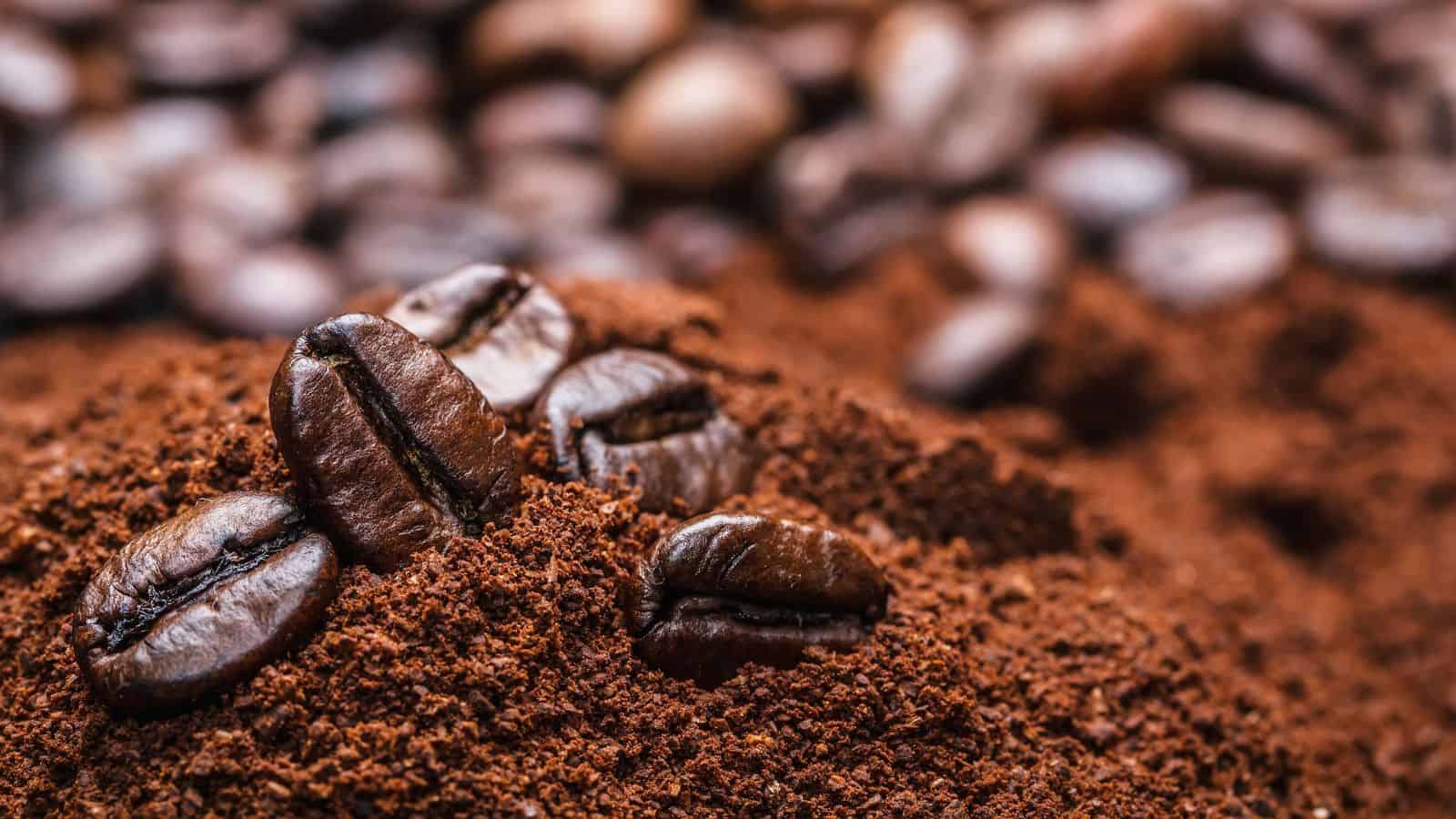
Before people started brewing coffee as a drink, some of the earliest known coffee consumers ate it instead. Historians believe that Ethiopian tribes ground coffee cherries and mixed them with animal fat to create small, energy-boosting snacks. These were used by warriors or travelers who needed stamina for long journeys. The idea of brewing coffee as a drink is thought to have developed later in the Middle East, where people began steeping the roasted seeds in water. Even today, some traditions still use whole coffee cherries, such as cascara tea, which is made from dried fruit. These early uses show how coffee's role has evolved over time.
It Can Affect You Differently Based on Your Genes

Caffeine does not have the same effect on everyone. Some people can drink multiple cups of coffee without feeling jittery, while others experience a rapid heartbeat or trouble sleeping after a single cup. This is primarily due to genetic differences in how quickly the body processes caffeine. Certain enzymes in the liver break caffeine down at different rates, meaning some people eliminate it from their system faster than others. Genetic variations also influence how caffeine interacts with brain receptors, affecting alertness, anxiety levels, and sleep patterns. This explains why some people can drink coffee late at night without issue, while others need to limit their intake to the morning to avoid sleep disruptions.
Coffee Can Enhance Workouts

Drinking coffee before exercise can improve endurance, strength, and reaction time. Caffeine stimulates the central nervous system, increasing alertness and reducing the perception of effort. This means workouts may feel more manageable, allowing people to exercise longer or lift heavier weights. Studies suggest that caffeine also helps muscles use fat for energy, which can benefit endurance sports like running or cycling. To get the most benefit, drinking coffee about 30 to 60 minutes before exercise is recommended, giving caffeine time to reach peak levels in the bloodstream. However, individual tolerance varies, and consuming too much before a workout may lead to jitters or an upset stomach.
Your Cup May Contain Mold Toxins
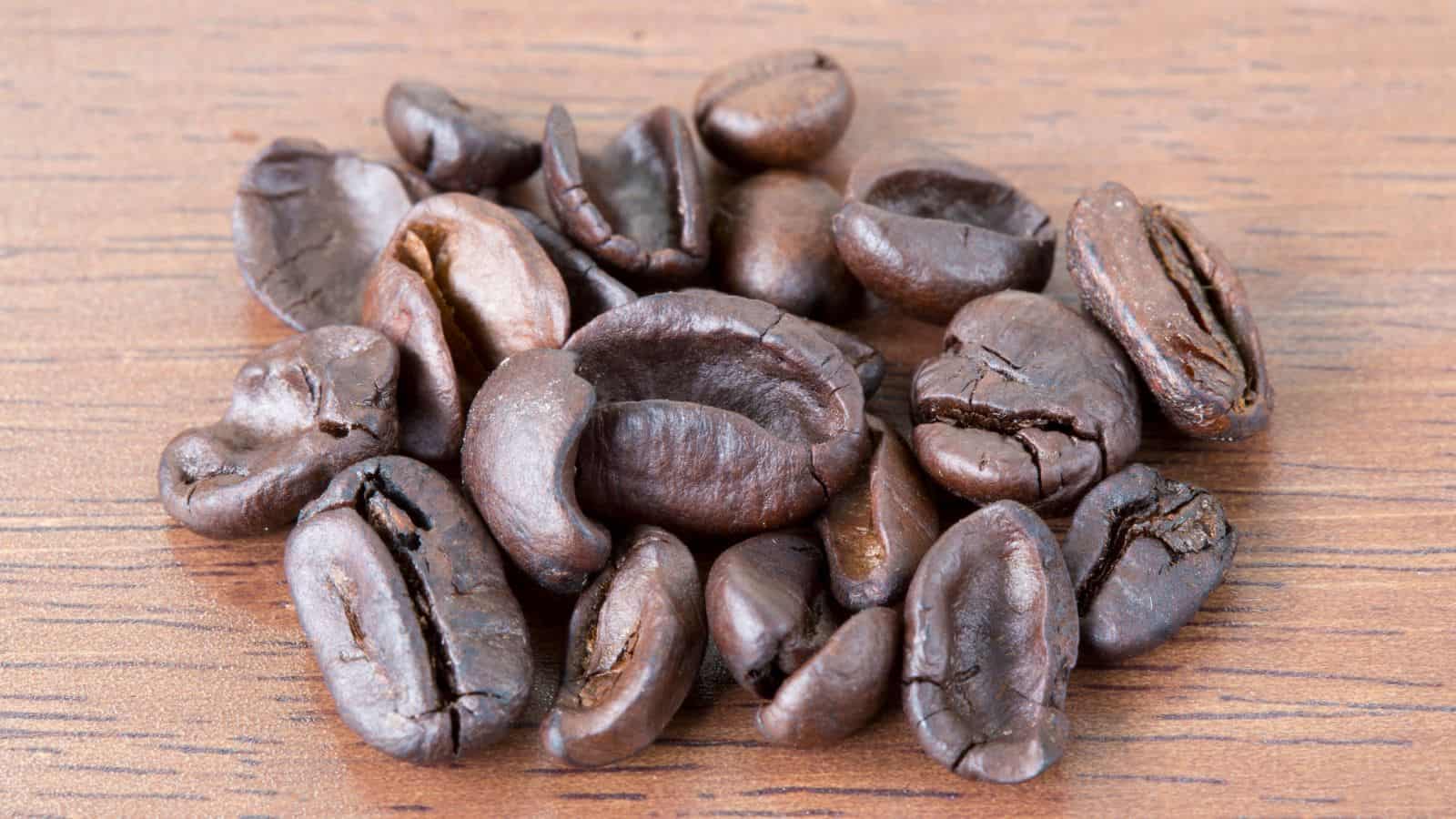
Some coffee beans, particularly those that are poorly stored or processed, can develop mold. This mold can produce mycotoxins, which are harmful compounds that may contribute to headaches, fatigue, or digestive issues in sensitive individuals. While mycotoxins exist in many foods, low-quality coffee beans are more likely to contain them. Fortunately, reputable coffee brands test their products to keep mycotoxin levels low, and proper roasting destroys most of these compounds. To minimize exposure, choosing coffee from trusted sources and storing beans in a cool, dry place can help. While mold toxins in coffee are not a widespread concern, they are another reason to pay attention to bean quality.
Coffee Was Once Considered a "Banned Substance"

Throughout history, coffee has been banned in various places, often due to its stimulating effects and association with social gatherings. In the 16th century, leaders in Mecca prohibited coffee, fearing it encouraged free thinking and rebellious discussions. A similar ban occurred in the Ottoman Empire, where coffeehouses were seen as places where political dissent could brew. In the 18th century, Sweden heavily restricted coffee, even banning cups and saucers to discourage its consumption. Despite these efforts, coffee remained popular, with bans eventually being overturned. Today, it is embraced worldwide, but these historical restrictions highlight the cultural and political power it once held.
Adding Milk Can Reduce Antioxidants

Coffee contains antioxidants, which help protect cells from damage. However, adding milk or cream can slightly reduce the number of antioxidants available for absorption. This happens because proteins in dairy can bind to some of these compounds, making them less accessible to the body. The effect isn't extreme; many people still get plenty of antioxidants from coffee even if they add milk. The type of milk also matters-whole milk has more protein than plant-based alternatives, meaning it may have a more substantial effect. For those who want the full antioxidant benefits of coffee, drinking it black or with a non-dairy alternative with lower protein content might be a better choice.
Your Afternoon Cup Might Be Messing With Your Sleep

Caffeine stays in the body for hours after consumption, meaning an afternoon coffee can still be active in your system at bedtime. On average, caffeine has a half-life of about five hours, meaning half of what you consume is still in your bloodstream five hours later. For example, if you drink a cup of coffee at 3 p.m., a significant amount may still affect you by 8 p.m. Some people metabolize caffeine faster, while others break it down more slowly, making them more sensitive to its effects. If falling asleep is a struggle, switching to decaf or stopping coffee earlier in the day may help.
Instant Coffee Has More Acrylamide
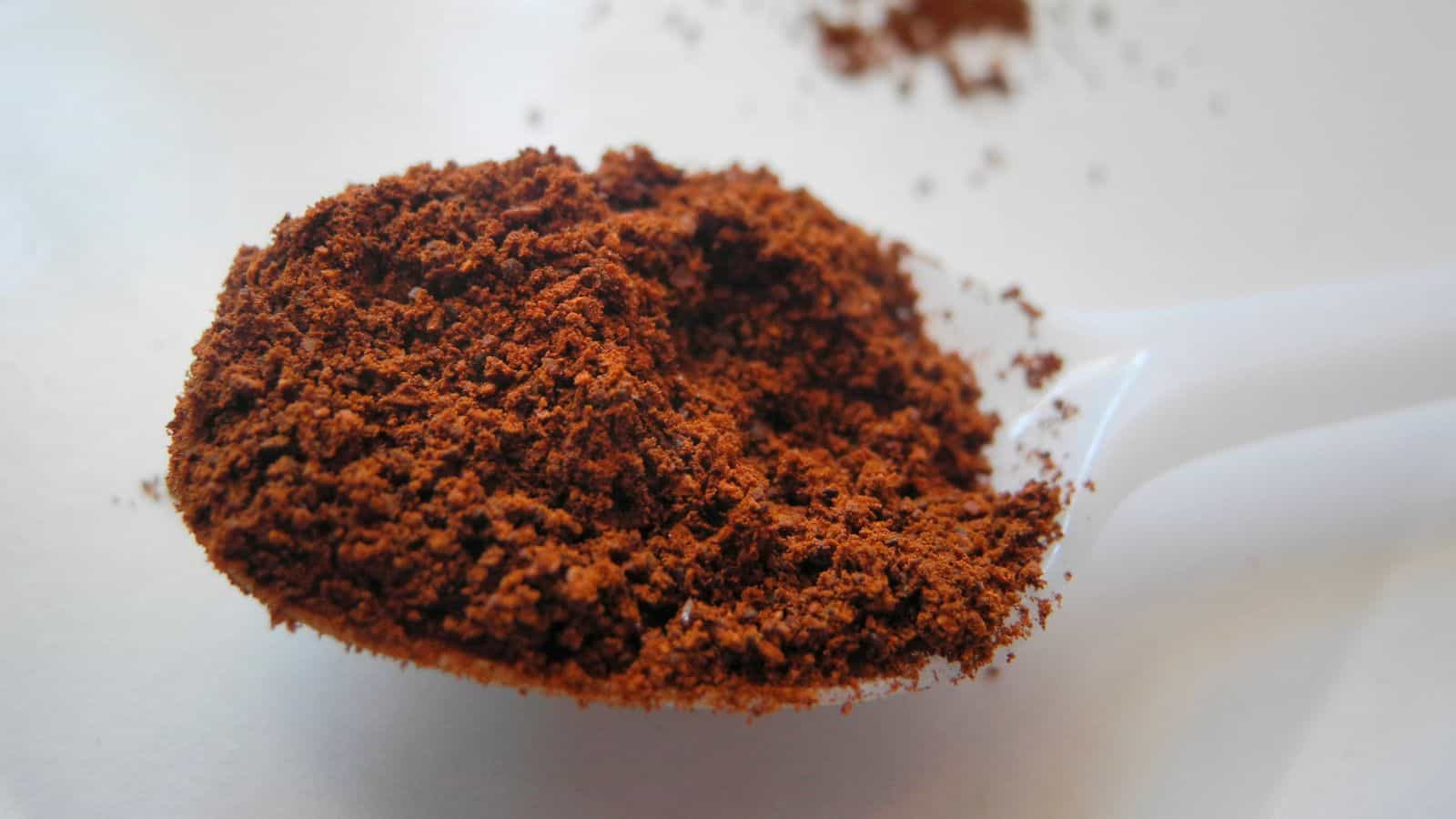
Acrylamide is a chemical that forms in certain foods when they are roasted or fried at high temperatures. Coffee naturally contains acrylamide, but instant coffee levels are higher than freshly brewed versions. This is because instant coffee undergoes additional processing, which increases the formation of this compound. While acrylamide has been studied for potential health risks, the levels found in coffee are generally considered safe. However, those who prefer to minimize exposure may want to choose freshly brewed coffee over instant. The roasting method also plays a role, with darker roasts often having slightly lower acrylamide levels than lighter ones.
Cold Brew Is Less Acidic Than Hot Coffee

Cold brew coffee is made by steeping coarse coffee grounds in cold water for several hours, usually overnight. Because it is brewed at a lower temperature, it extracts fewer acidic compounds than traditional hot coffee. This makes it a good option for those who experience acid reflux or stomach discomfort from coffee. The smoother taste of cold brew also means that many people drink it without adding milk or sweeteners, which can further reduce acidity-related issues. While cold brew is naturally less acidic, the type of beans and brewing time also affect the final result, with some methods producing an even lower-acid coffee.
Deepen Your Coffee Appreciation

Uncovering the hidden truths about coffee can significantly enhance the appreciation for this beloved beverage. The insights shared reveal the complexities of coffee production and preparation and highlight how various factors influence flavor, caffeine content, and overall enjoyment. By understanding these truths, coffee lovers can make more informed choices and elevate their daily coffee experience.
These revelations can lead to a richer relationship with coffee, transforming it from a simple habit into a rewarding ritual. As each cup is brewed, consider the journey of the beans and the artistry involved in creating the perfect brew. Next time you enjoy a cup, remember these truths and savor the depth and richness that coffee has to offer!
14 Tips for Making the Best Cup of Coffee Ever

Make better coffee! Ever wonder what makes a cup of coffee truly special? It's clear that there are 14 tips for making the best cup of coffee ever that can enhance your brewing game. Many people overlook the importance of quality ingredients and precise techniques, often leading to a mediocre cup that fails to impress.
Read More Here: 14 Tips for Making the Best Cup of Coffee Ever
9 Surprising Uses for Coffee Grounds Around Your Home

Keep your coffee grounds; don't throw them out! Coffee grounds aren't just for brewing your morning cup of joe. These humble leftovers have a surprising array of uses around the home that extend far beyond the kitchen. From gardening to cleaning and even beauty treatments, coffee grounds can be repurposed in ways you might never have considered. These nine surprising uses for coffee grounds around your home will change the way you look at those seemingly useless leftovers.
Read More Here: 9 Surprising Uses for Coffee Grounds Around Your Home




Comments
No Comments