
Drinks have played a surprising role in shaping the history of the United States. From the early colonial days to the roaring 1920s, beverages have been at the center of many pivotal moments. They've sparked rebellions, fueled social gatherings, and even become symbols of entire movements. These 13 historical drinks can take you back to a time of revolution, innovation, or celebration.
Knowing the stories behind these iconic beverages gives us a fresh perspective on American history. It's fascinating to see how something as every day as a drink could influence major events and cultural shifts. From the Boston Tea Party to Prohibition, drinks have been more than just refreshments-they've been catalysts for change. So, let's raise a glass and get into the tales of these historical drinks.
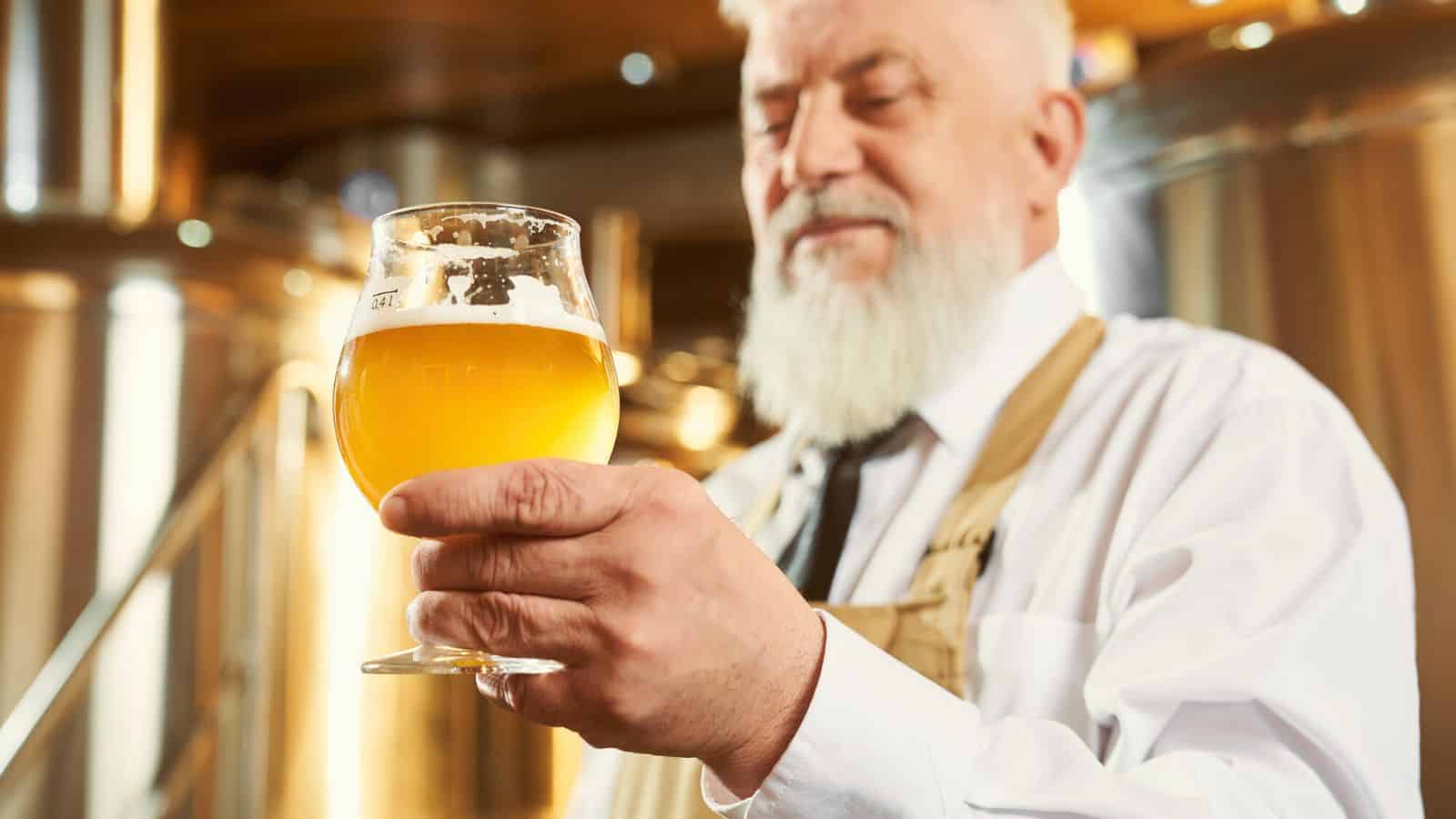
Colonial Ale
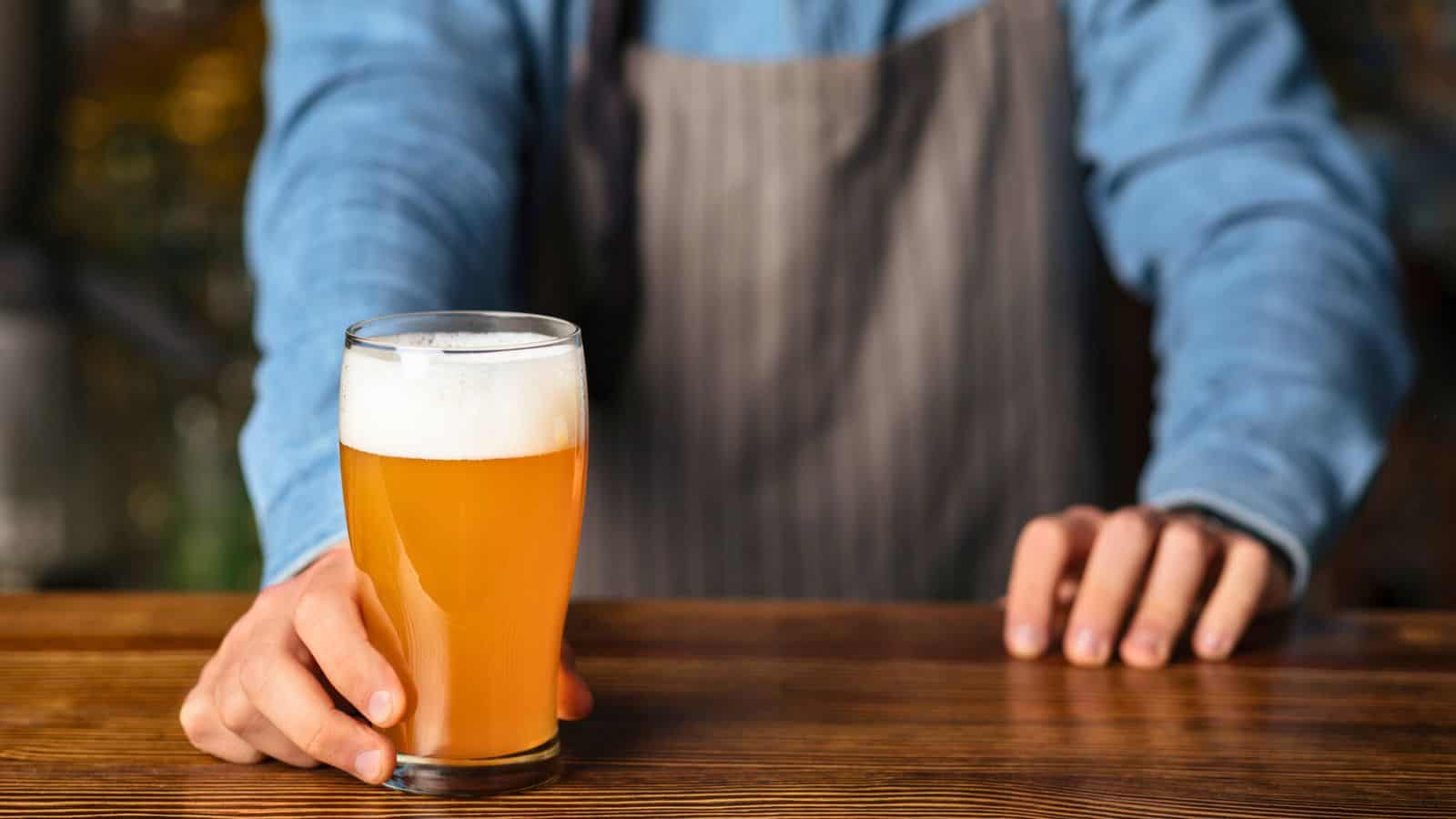
Widely consumed during the American Colonial period, this ale was brewed using traditional methods brought over by European settlers. Often made with locally sourced ingredients like barley, hops, and sometimes even corn, it was a communal drink enjoyed in taverns and homes alike. Integral to colonial society, its production and consumption played a significant role in social gatherings and daily life, reflecting the settlers' European heritage. This beer was not just a beverage but a significant part of the social fabric, often used in bartering and trade.
Tea
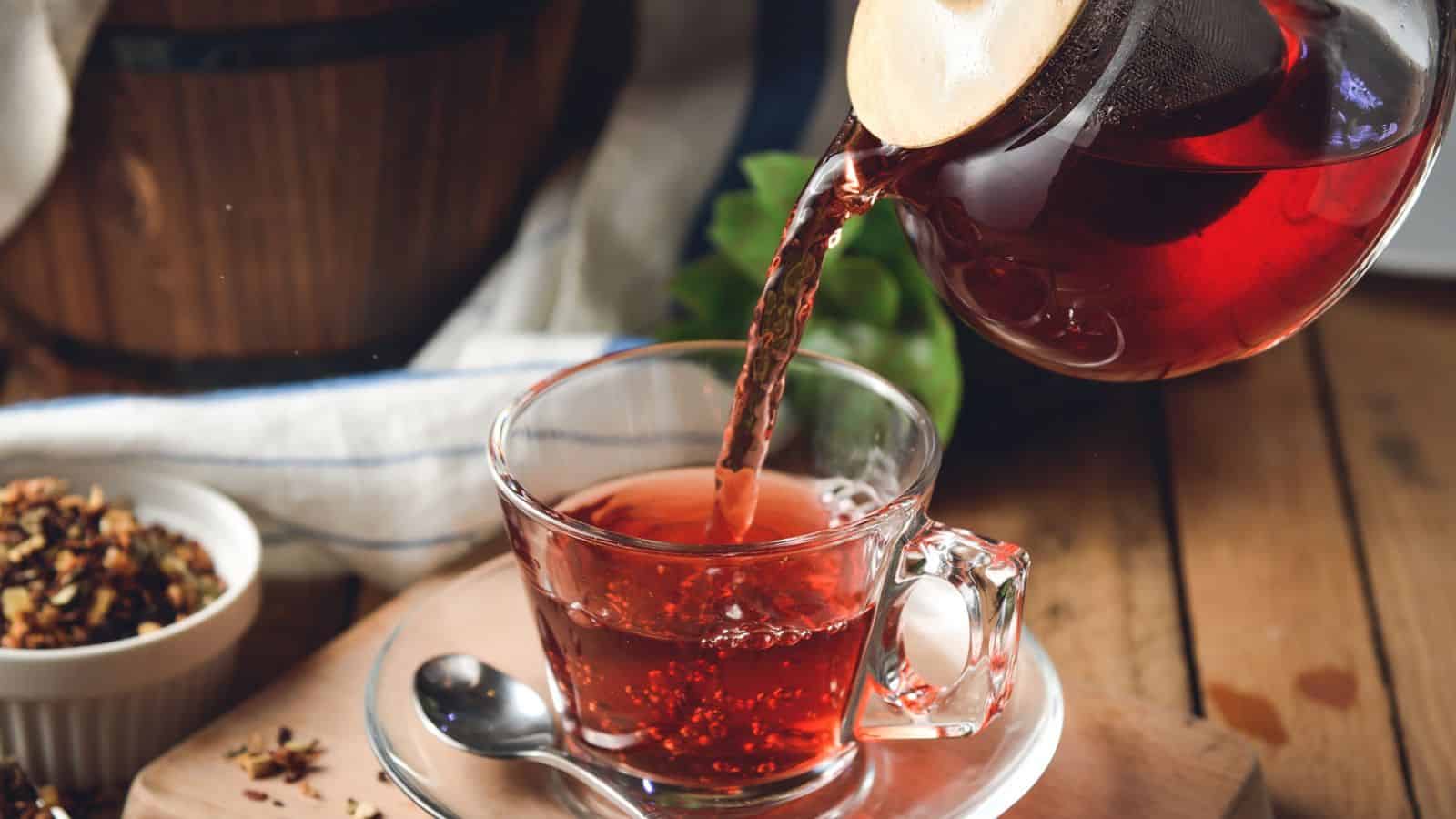
Becoming a symbol of resistance during the American Revolution, tea played a pivotal role in the Boston Tea Party of 1773. Frustrated with British taxation, colonists dumped an entire shipment into Boston Harbor as a protest. This act of defiance against the Tea Act galvanized public sentiment and fueled the burgeoning independence movement, making tea a historical icon of American rebellion and patriotism. The event marked a turning point in colonial resistance, leading to increased unity among the colonies and setting the stage for the Revolutionary War.
Rum
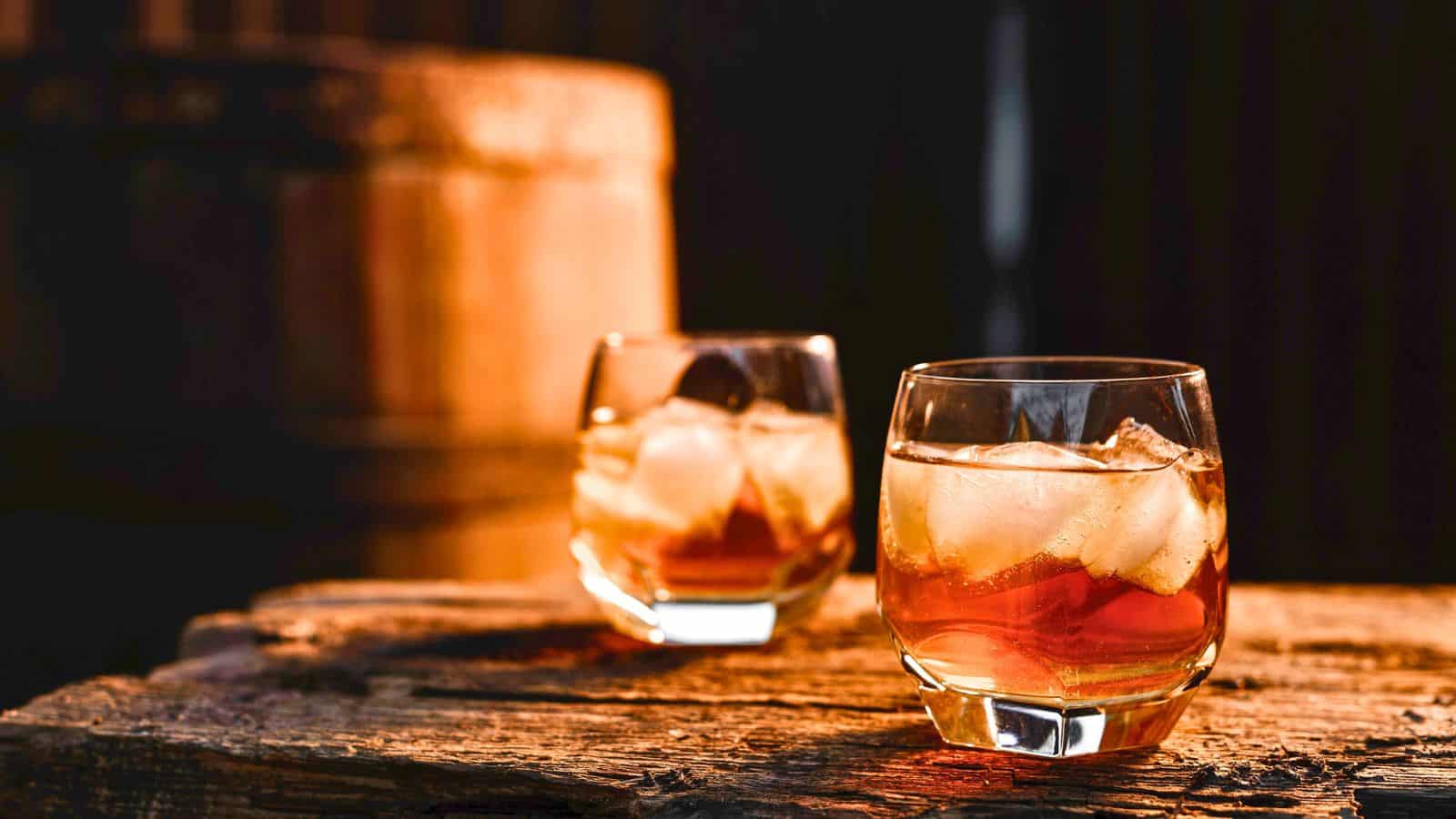
Integral to the economy during the Colonial and Revolutionary periods, rum was closely tied to the Atlantic trade routes. Produced in the Caribbean and imported to the American colonies, it served as currency and played a role in social and political life. Taverns served rum punch, and it was a staple in sailors' rations, illustrating its importance in early American society and commerce, despite its complex and dark history. The rum trade was also linked to the practice of slavery, making it a controversial yet significant part of early American history.
Cider
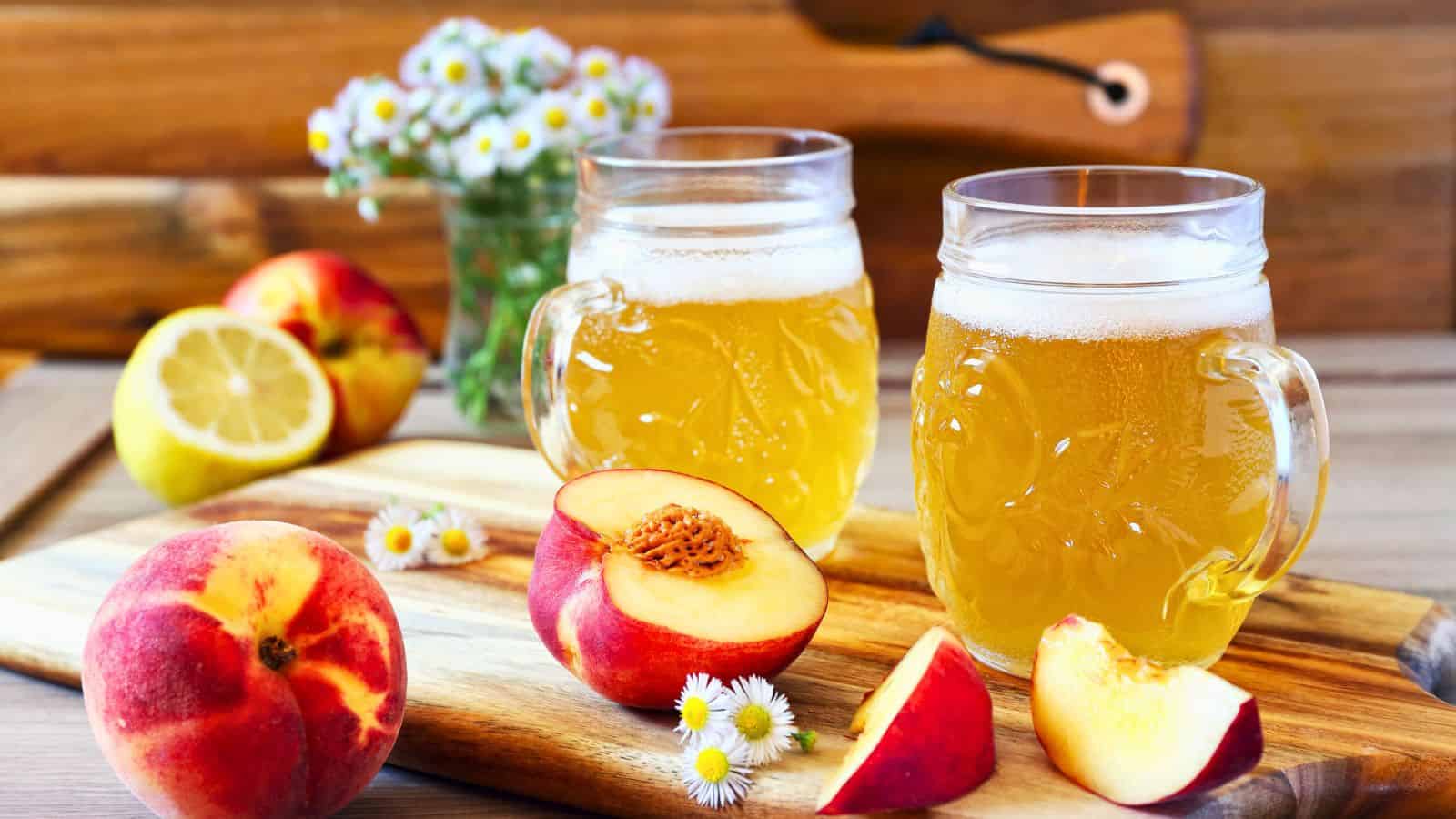
A prevalent beverage in Colonial America, cider was made from fermented apple juice and often safer to drink than water, which could be contaminated. Many households had apple orchards, making it a common drink for both adults and children. Its production was a seasonal activity, consumed throughout the year, reflecting its importance in daily life and agricultural practices of the time and showcasing the resourcefulness of early American settlers. Cider's popularity continued well into the 19th century, maintaining its status as a staple in American households.
Whiskey
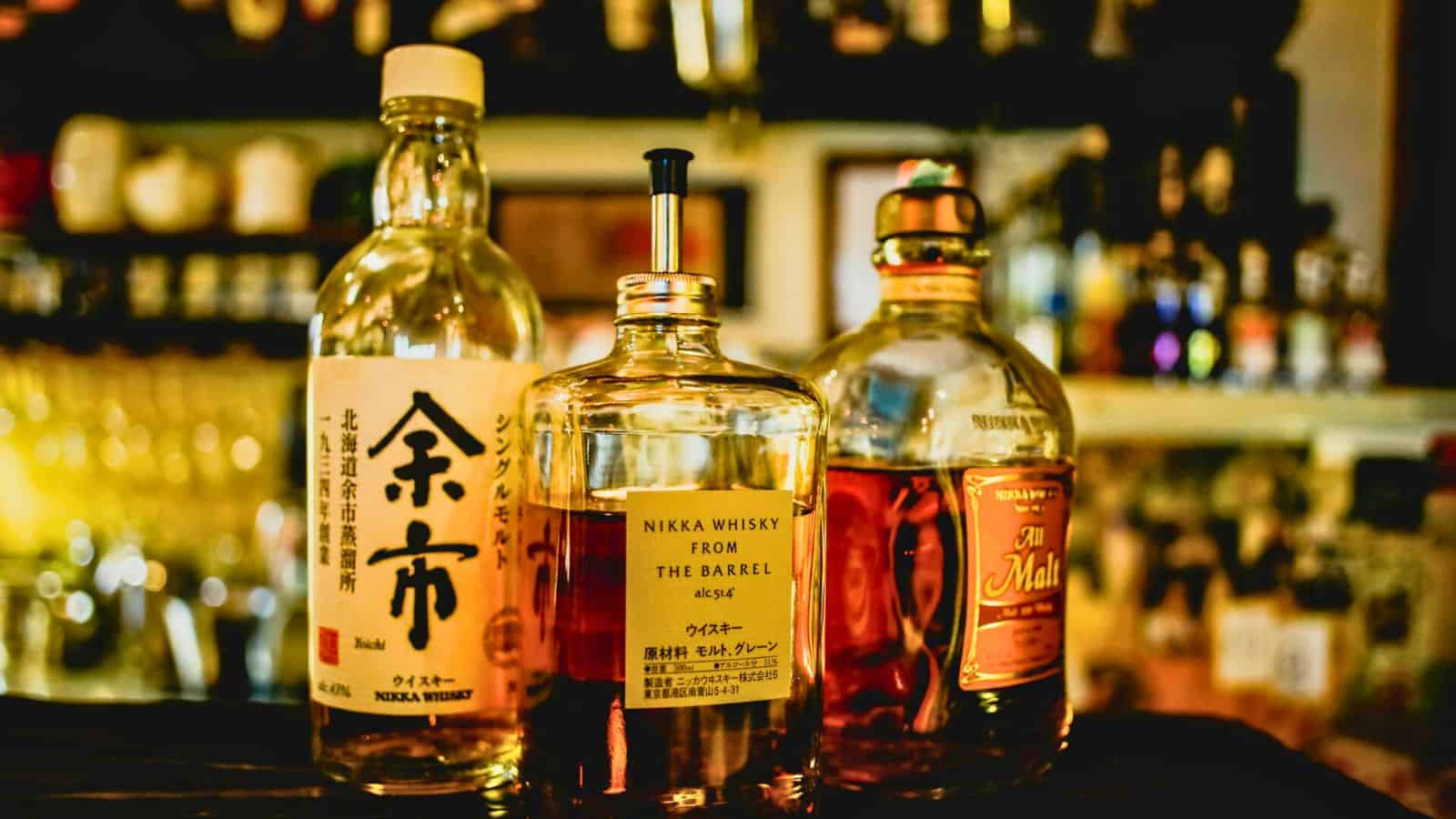
Central to the Whiskey Rebellion of 1791-1794, this spirit was a major economic product for frontier farmers. When the federal government imposed a tax on whiskey to help pay off war debts, it led to widespread protest among distillers. Farmers used whiskey as a form of currency and were outraged by the tax, leading to violent resistance. The rebellion was eventually quelled by federal troops, marking one of the first major tests of federal authority under the new Constitution. Whiskey's role in this event highlights its economic and cultural significance in early America.
Mint Julep
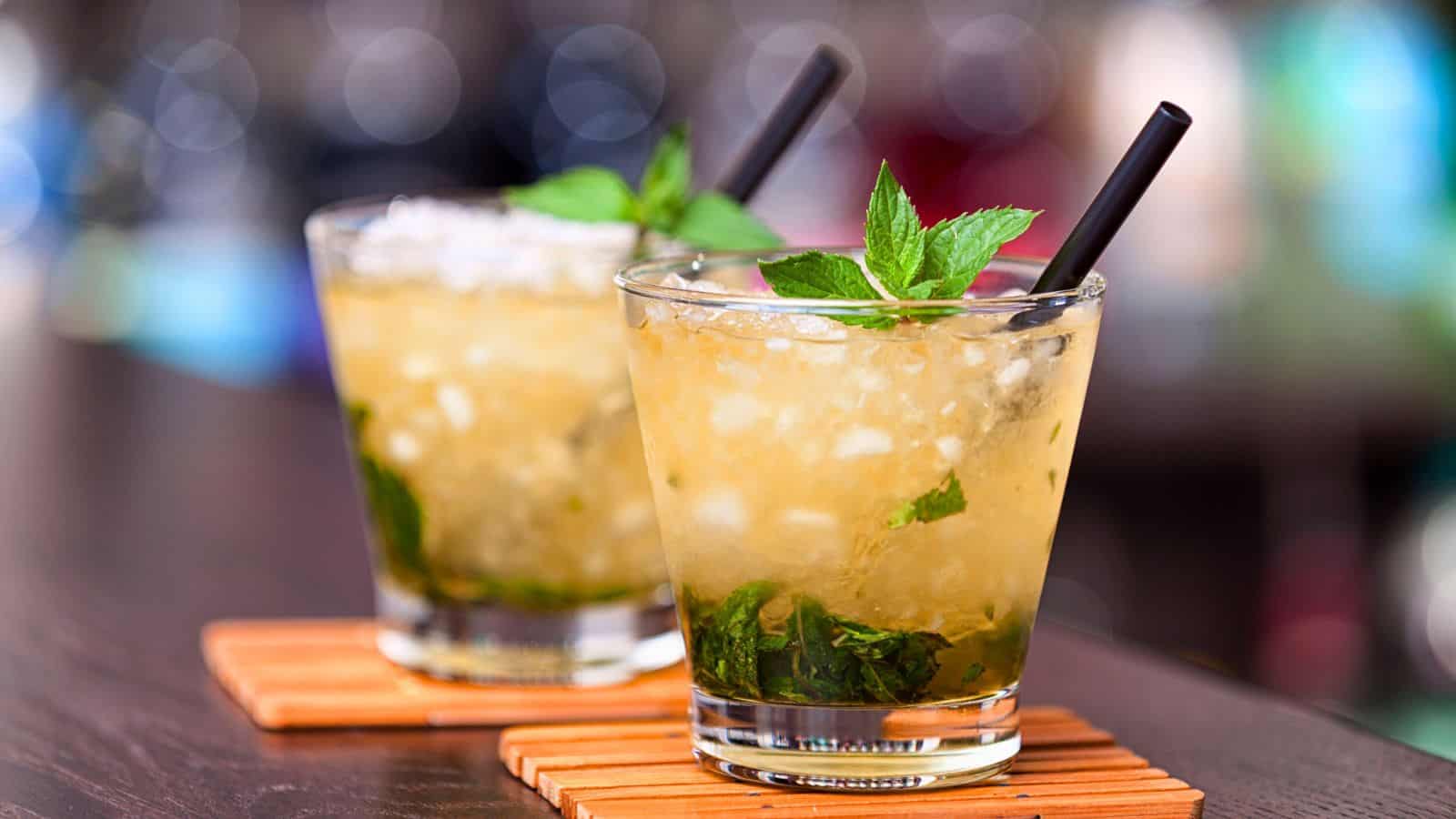
Associated with the Southern United States, particularly in the 19th century, this cocktail became a symbol of Southern hospitality. Made with bourbon, sugar, mint, and water, it was often served at social gatherings and events. The drink gained further prominence when it became the official drink of the Kentucky Derby in the 1930s. Its refreshing qualities made it a favorite in the hot Southern climate, and it remains a beloved tradition at the Derby. The mint julep's history reflects the social customs and leisurely lifestyle of the American South.
Sarsaparilla
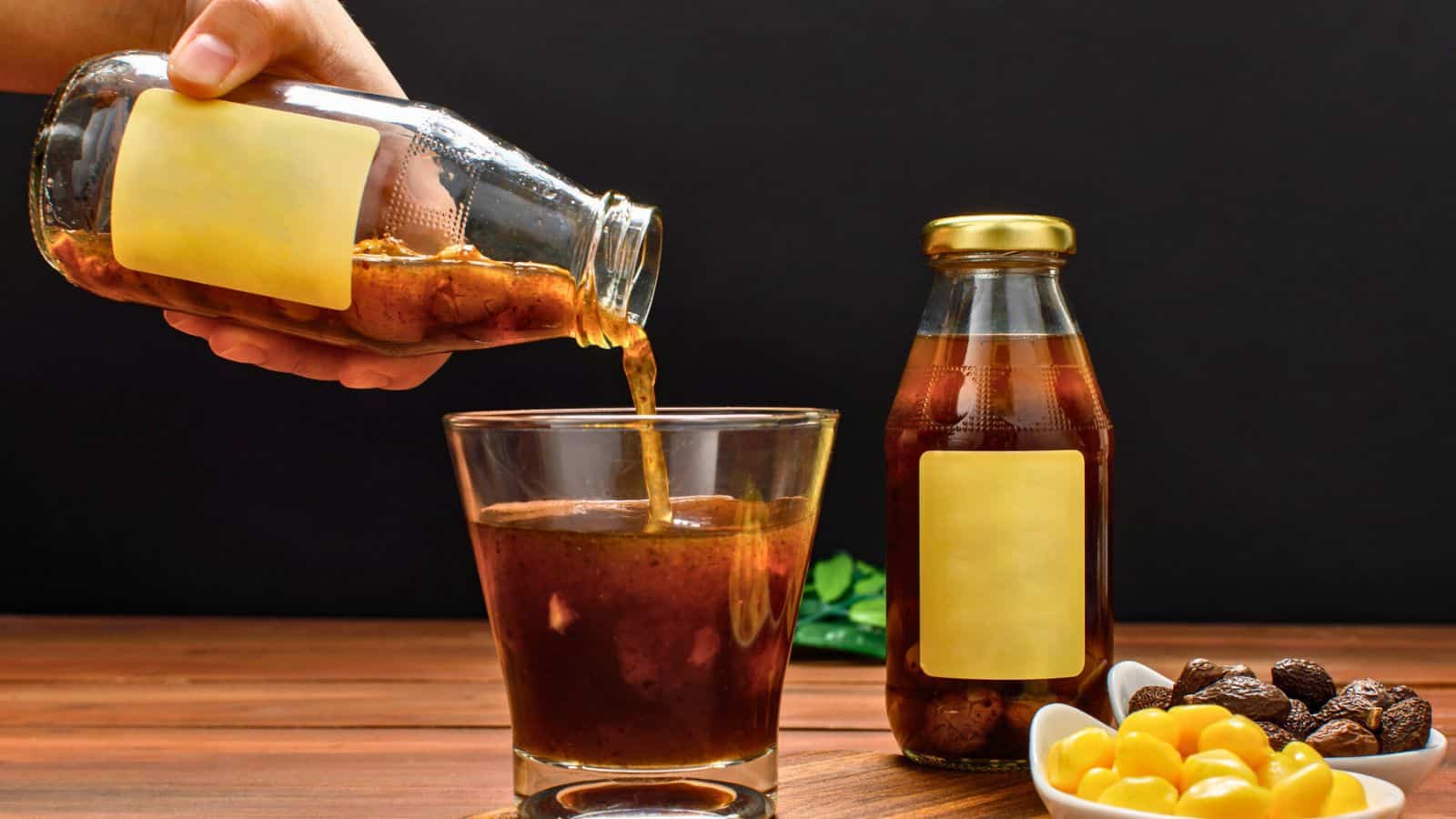
Popular in the 19th century, sarsaparilla was often considered a "temperance" drink, which made it an alternative to alcoholic beverages. Made from the root of the sarsaparilla plant, it was believed to have medicinal properties and was commonly sold in pharmacies and soda fountains. Its sweet, slightly spicy flavor made it a favorite among children and adults alike. As the temperance movement gained momentum, sarsaparilla became a symbol of the push for social reform and the effort to reduce alcohol consumption in American society.
Old-Fashioned
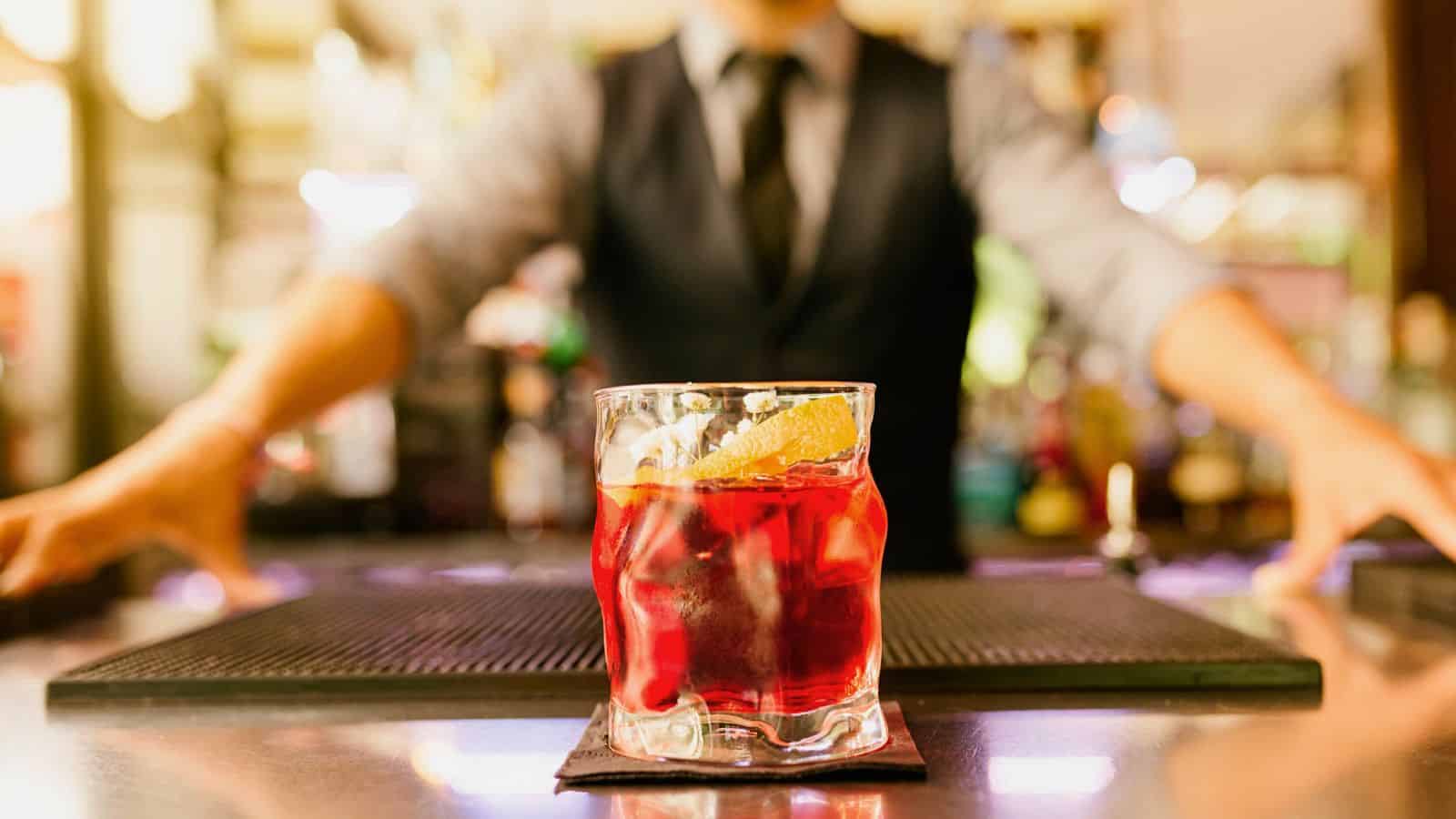
One of the earliest documented cocktails, the Old-Fashioned gained popularity in the late 19th century and remains a staple in American mixology. Made with whiskey, sugar, bitters, and a twist of citrus, it embodies the simplicity and elegance of classic cocktails. Often associated with gentlemen's clubs and high society, the Old-Fashioned has endured through the decades, symbolizing a timeless approach to cocktail crafting. Its enduring popularity reflects the drink's ability to adapt to changing tastes while maintaining its core elements, making it a true icon in American drinking culture.
Bathtub Gin
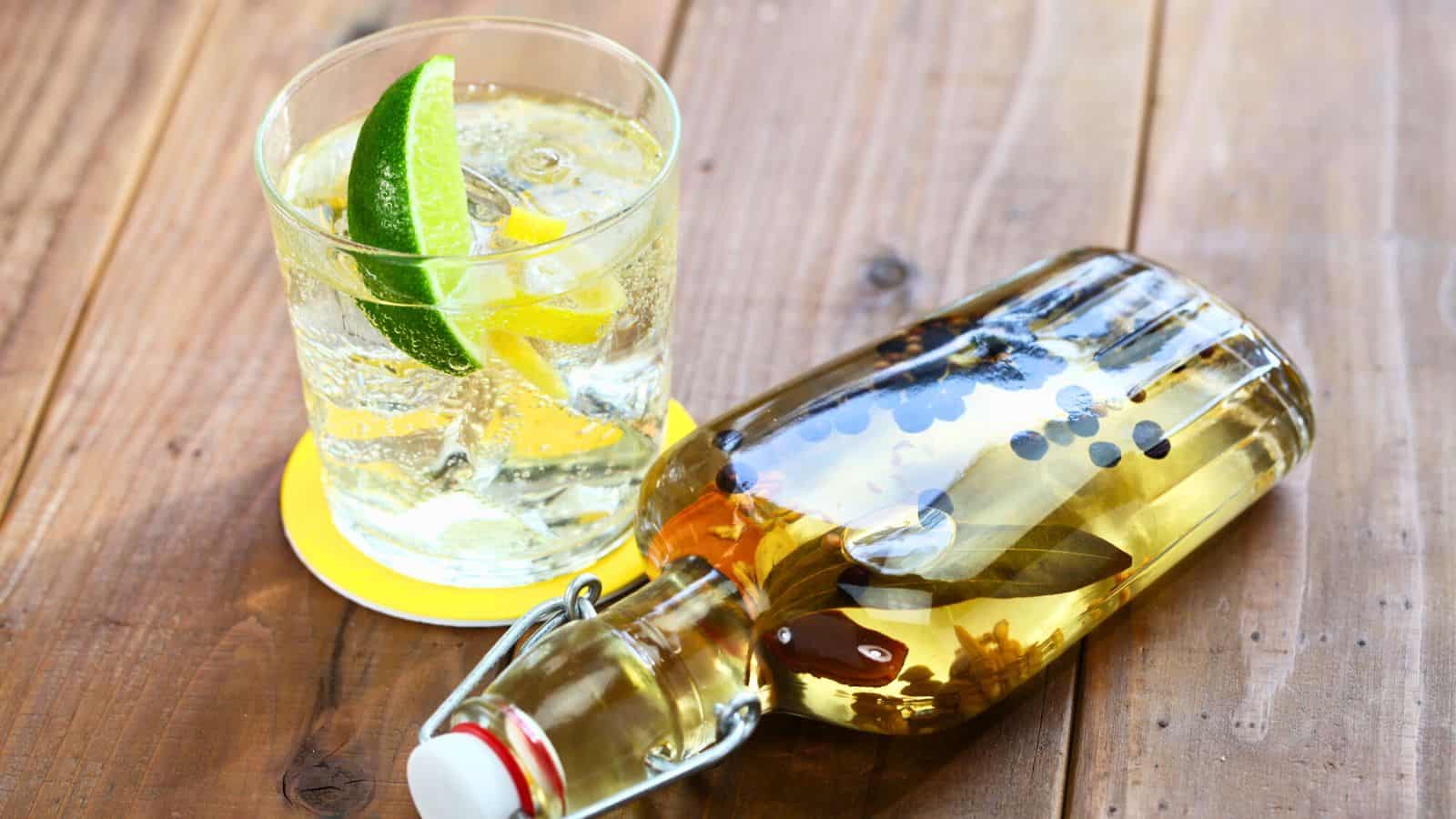
Iconic during the Prohibition era (1920-1933), this homemade spirit became a symbol of the lengths to which people would go to circumvent alcohol laws. With commercial distilleries shut down, individuals resorted to making gin in their bathtubs, often using questionable ingredients. The resulting product was often harsh and dangerous, but it fueled the speakeasy culture and underground nightlife. Bathtub gin represents the ingenuity and risk-taking of the era, as well as the widespread defiance of Prohibition laws. Its legacy is a testament to the enduring desire for personal freedom and social enjoyment.
Arnold Palmer
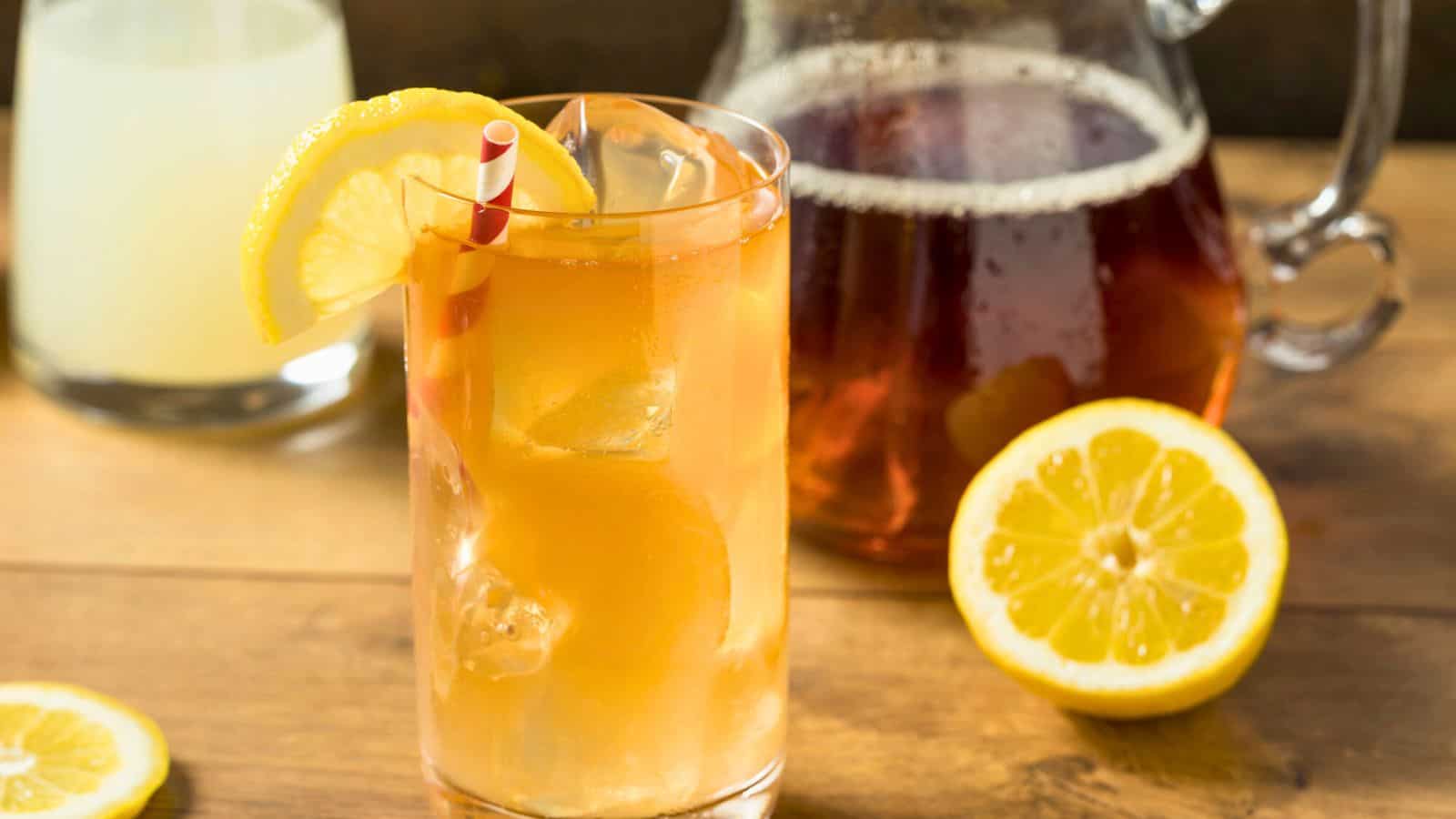
A refreshing blend of iced tea and lemonade, the Arnold Palmer is named after the famous golfer who popularized the drink. Known for its perfect balance of sweet and tart flavors, this beverage became a favorite on and off the golf course. Arnold Palmer himself often requested this mix, leading to its widespread recognition and popularity. Today, it stands as a symbol of casual American dining and is enjoyed by many as a thirst-quenching, non-alcoholic option. Its simplicity and refreshing taste make it a timeless classic, perfect for hot summer days or any time you need a cool, revitalizing drink.
Coca-Cola
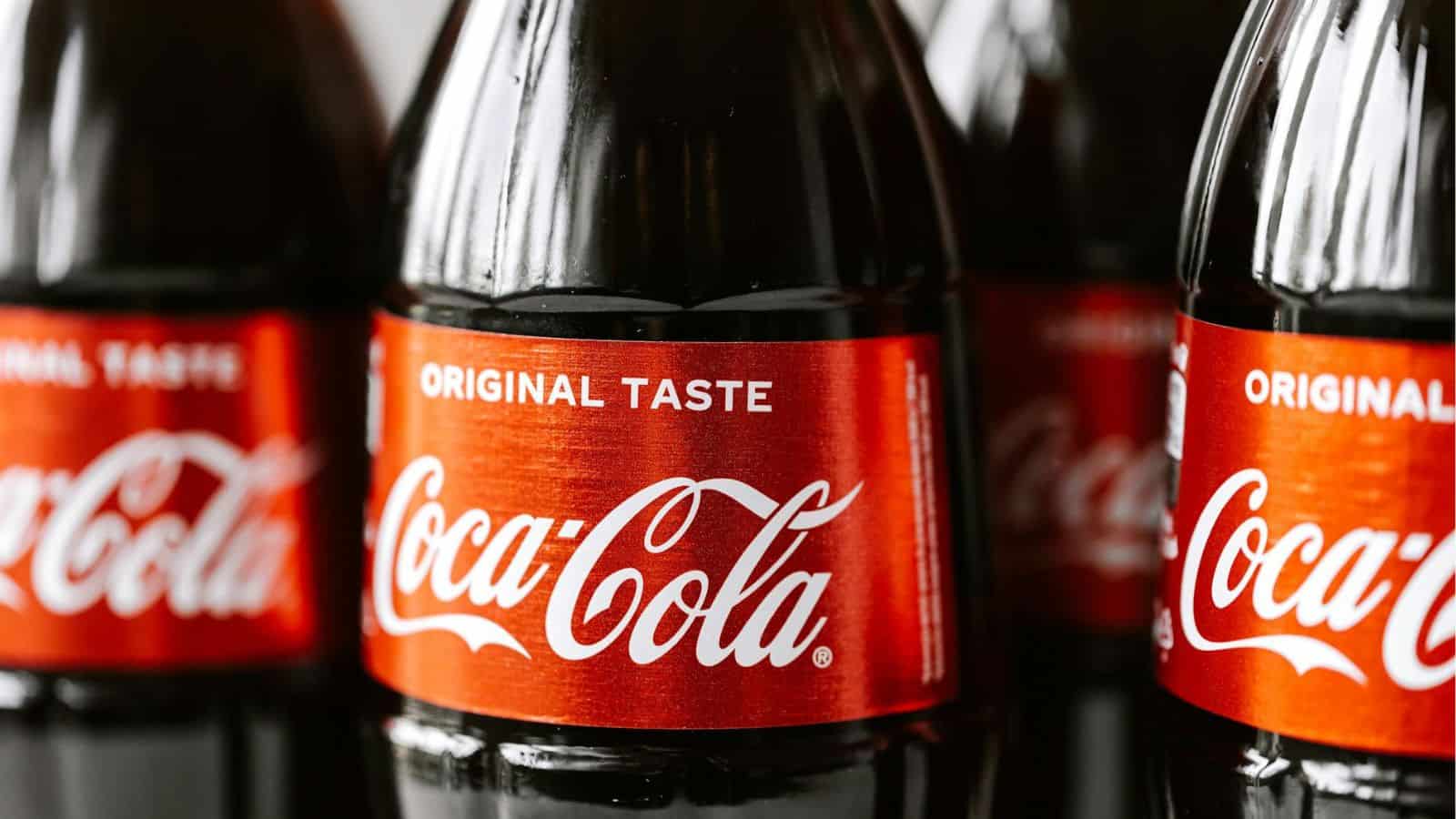
Becoming a symbol of American culture, especially during World War II, Coca-Cola was seen as a morale booster for troops overseas. The company set up bottling plants near military bases to make sure soldiers had access to the drink, fostering a sense of comfort and familiarity. This move not only boosted the brand's popularity but also helped establish Coca-Cola as a global icon. Its role during the war exemplifies the beverage's impact on American identity and its ability to bring a taste of home to those far from it.
Manhattan
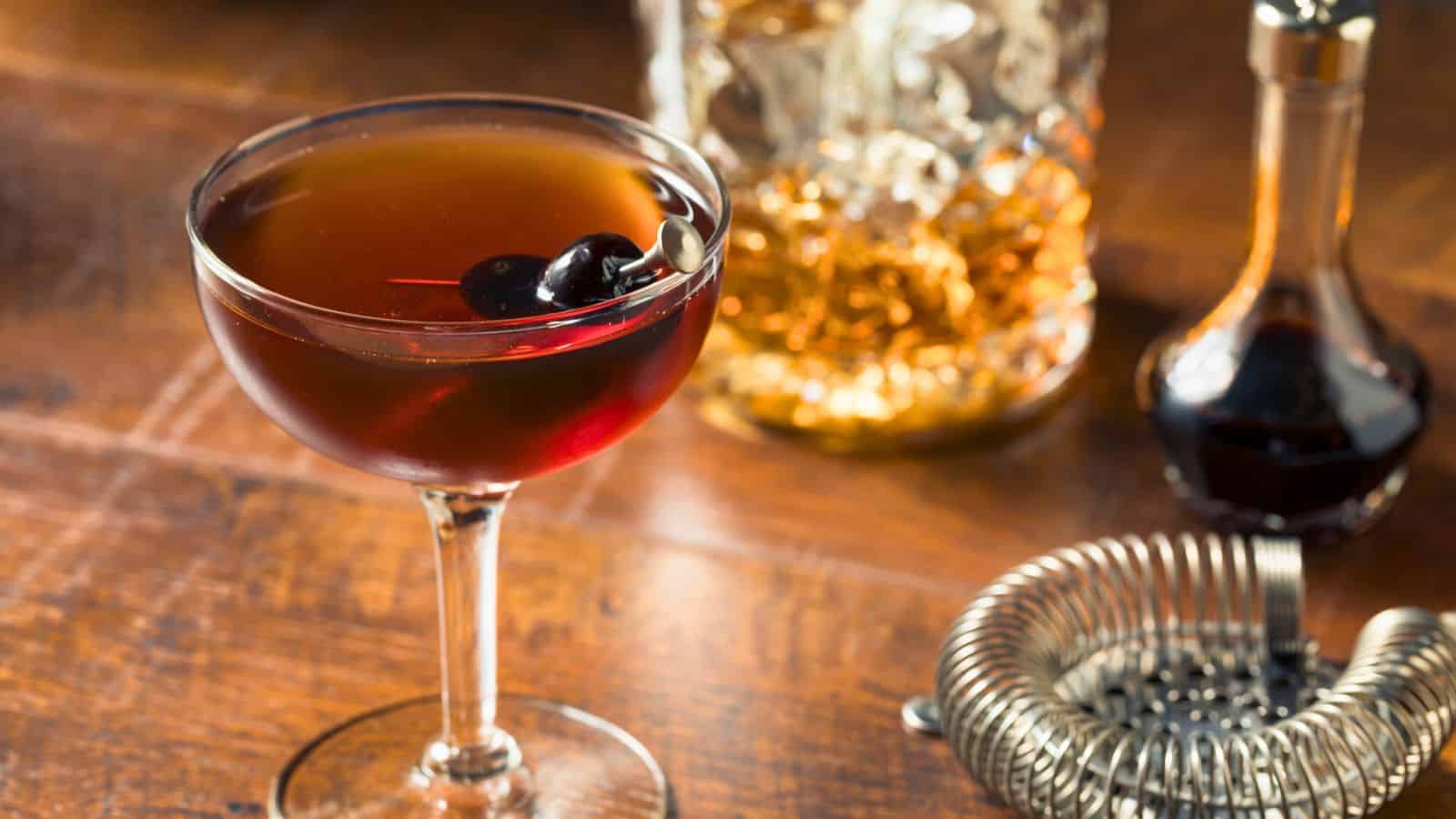
A classic cocktail that gained popularity in the late 19th century, the Manhattan is made with whiskey, sweet vermouth, and bitters. Often garnished with a cherry, it has become a staple in bars and cocktail lounges across the United States. Its origins are somewhat murky, but it is widely believed to have been created in New York City. The Manhattan's enduring appeal lies in its balance of flavors and its association with sophistication and urbanity. As one of the earliest cocktails, it set the standard for American mixology and remains a beloved drink to this day.
Mai Tai
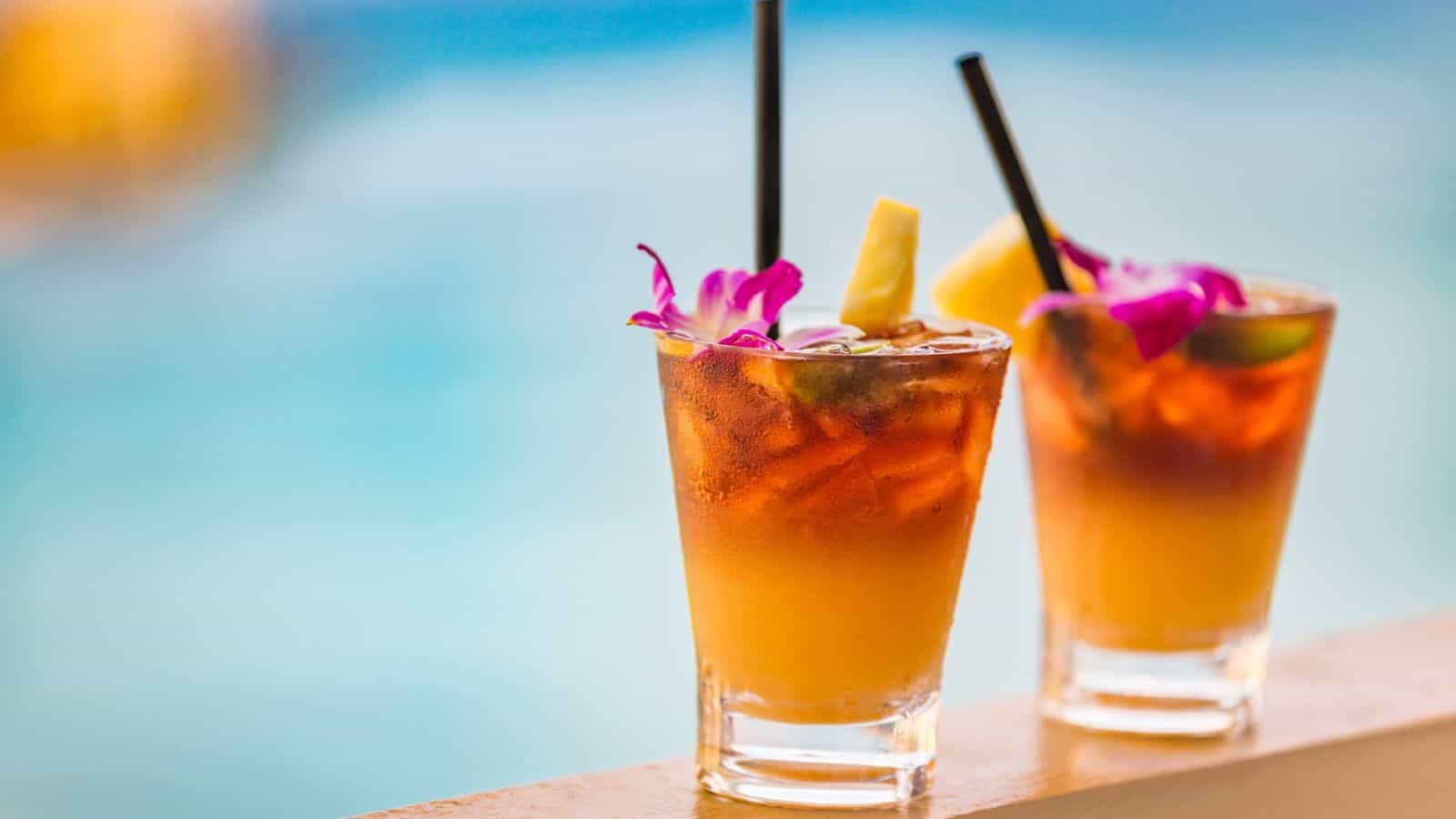
Becoming popular in the mid-20th century, the Mai Tai reflects the Tiki culture of the 1950s and 1960s. Created by Victor "Trader Vic" Bergeron, this tropical cocktail is made with rum, lime juice, orgeat syrup, and orange liqueur. It quickly became a favorite in Tiki bars and Polynesian-themed restaurants, symbolizing the post-war fascination with exotic locales. The Mai Tai's vibrant flavors and colorful presentation made it a hit, and it continues to be a popular choice for those seeking a taste of the tropics. Its history is intertwined with America's mid-century cultural trends and escapism.
Sip on History

In the grand tapestry of American history, drinks have woven their own unique threads, connecting us to pivotal moments and cultural shifts. From colonial taverns to modern-day celebrations, these beverages have been more than just refreshments; they've been symbols of defiance, unity, and innovation. By knowing their stories, we gain a deeper appreciation for how everyday items can influence and reflect the times.
As we look back on these iconic beverages, we're reminded that history is not just about grand events and famous figures. It's also about the small, everyday things that shape our lives and communities. So next time you raise a glass, take a moment to think about the rich history behind it. Whether it's a classic cocktail or a humble ale, each drink has its own story to tell. Cheers to the past and to the stories that continue to shape our future!
Drinks Boomers Loved in the '60s and '70s (That Still Hold Up Today)

Boomers knew how to celebrate with drinks that made the '60s and '70s unforgettable, and these classics are still just as satisfying today. Whether you're reminiscing about retro cocktail parties or just looking for timeless beverages, these drinks prove that great flavors never go out of style. They're quick to make, simple to serve, and offer a fun trip down memory lane. It's time to pour a glass and relive the good times-because these favorites still hold up today.
Read it Here: 17 Drinks Boomers Loved in the '60s and '70s (That Still Hold Up Today)
Timeless Drinks That Have Been Around For Thousands of Years
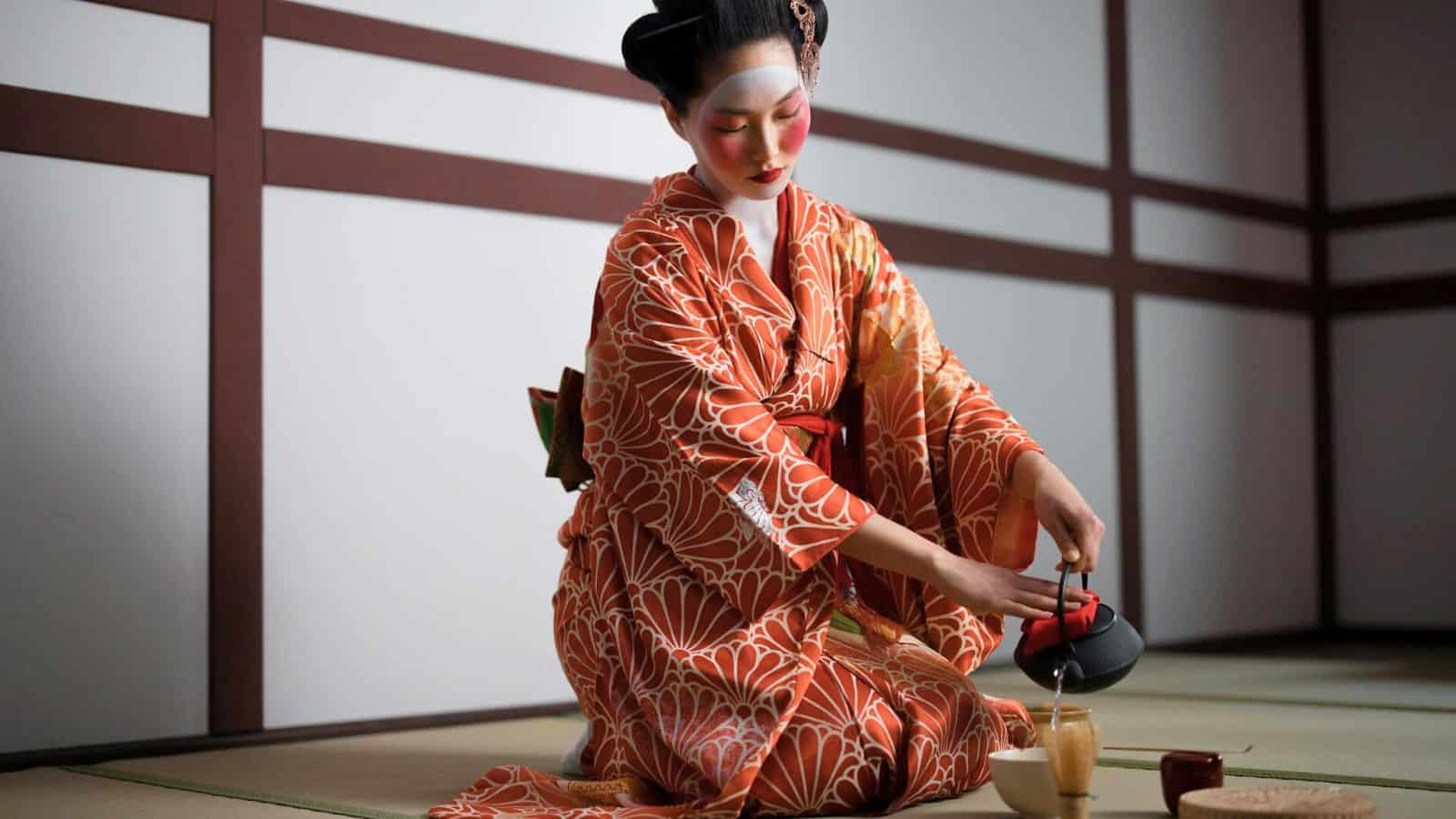
When it comes to drinks, some have stood the test of time, enjoyed by people for thousands of years. These 7 beverages connect us to our ancestors, who cherished them for their flavor, nutrition, and cultural significance. It's fascinating to think about how these drinks have remained popular through the centuries. From simple ingredients like water to fermented creations like beer and wine, these drinks played a crucial role in human society.
Read it Here: 7 Timeless Drinks That Have Been Around For Thousands of Years

Comments
No Comments