
Scotch whisky has been around for centuries, but these 13 common misconceptions about scotch whisky continue to cause confusion. From false ideas about aging to the belief that it must always be served neat, these misunderstandings can take the fun out of enjoying this classic drink. Learning the facts can help both new and experienced whisky drinkers appreciate it more and feel confident exploring different options.
Many assume that the most expensive bottle is always the best or that adding ice ruins the experience. These ideas limit the way people enjoy whisky and can lead to missed opportunities. The truth is, there's no single right way to drink it, and quality isn't just about price. By clearing up these common myths, whisky lovers can discover more flavors, try new things, and enjoy Scotch in a way that works for them. It's time to set the record straight and leave these old myths behind.

Scotch whisky must be aged for at least 12 years

Many people assume that Scotch whisky must be aged for at least 12 years to be considered top quality, but this isn't true. The aging process does influence the flavor, but there are plenty of exceptional whiskies that don't require long aging periods. For instance, some Scotch whiskies are aged for as little as 3-5 years, and they still deliver great flavor profiles. Young whiskies, especially those crafted by newer distilleries, often have a fresher, more vibrant taste that offers a different experience than older expressions. The quality of whisky depends more on the distillation process, ingredients, and the expertise of the maker rather than simply the length of aging.
Scotch whisky should always be served neat

The notion that Scotch whisky must always be served neat is a popular but outdated belief. While some whisky drinkers prefer to savor it straight to appreciate its complexity, there is no rule that says Scotch must be consumed this way. Adding a few drops of water can help open up the flavors, especially for stronger or cask-strength whiskies. Some people enjoy their Scotch chilled or on the rocks, which can make it more refreshing and smooth. Ultimately, the way you serve and drink Scotch comes down to personal preference, and there's no right or wrong method as long as it suits your taste.
Blended Scotch is inferior to single malt Scotch

A long-held myth is that blended Scotch whisky is inherently of lower quality than single malts. This perception fails to acknowledge the craft involved in blending whisky. In fact, some blended whiskies contain a high percentage of single malts, including rare and aged ones, to create a balanced and harmonious flavor profile. While single malts are highly regarded for showcasing the unique characteristics of a single distillery, blends bring together different flavor elements from various distilleries to produce a more approachable and versatile whisky. The skill involved in creating a well-balanced blend means that many high-quality blended whiskies stand up to the finest single malts.
Scotch whisky is only made in Scotland

This myth comes from the strict legal definition of "Scotch" whisky, which must be produced in Scotland, but it overlooks the growing global interest in whisky-making. Countries like Japan, Ireland, and even the United States produce whiskies that are inspired by Scotch whisky but are not legally classified as Scotch. While Scotch must be made in Scotland according to specific regulations, other countries have developed their own distinct whisky traditions, with some even using similar production methods or blending techniques. While Scotch whisky remains iconic, the global whisky landscape has expanded, offering drinkers a variety of styles and flavors to explore beyond Scotland's borders.
Older whiskies are always better
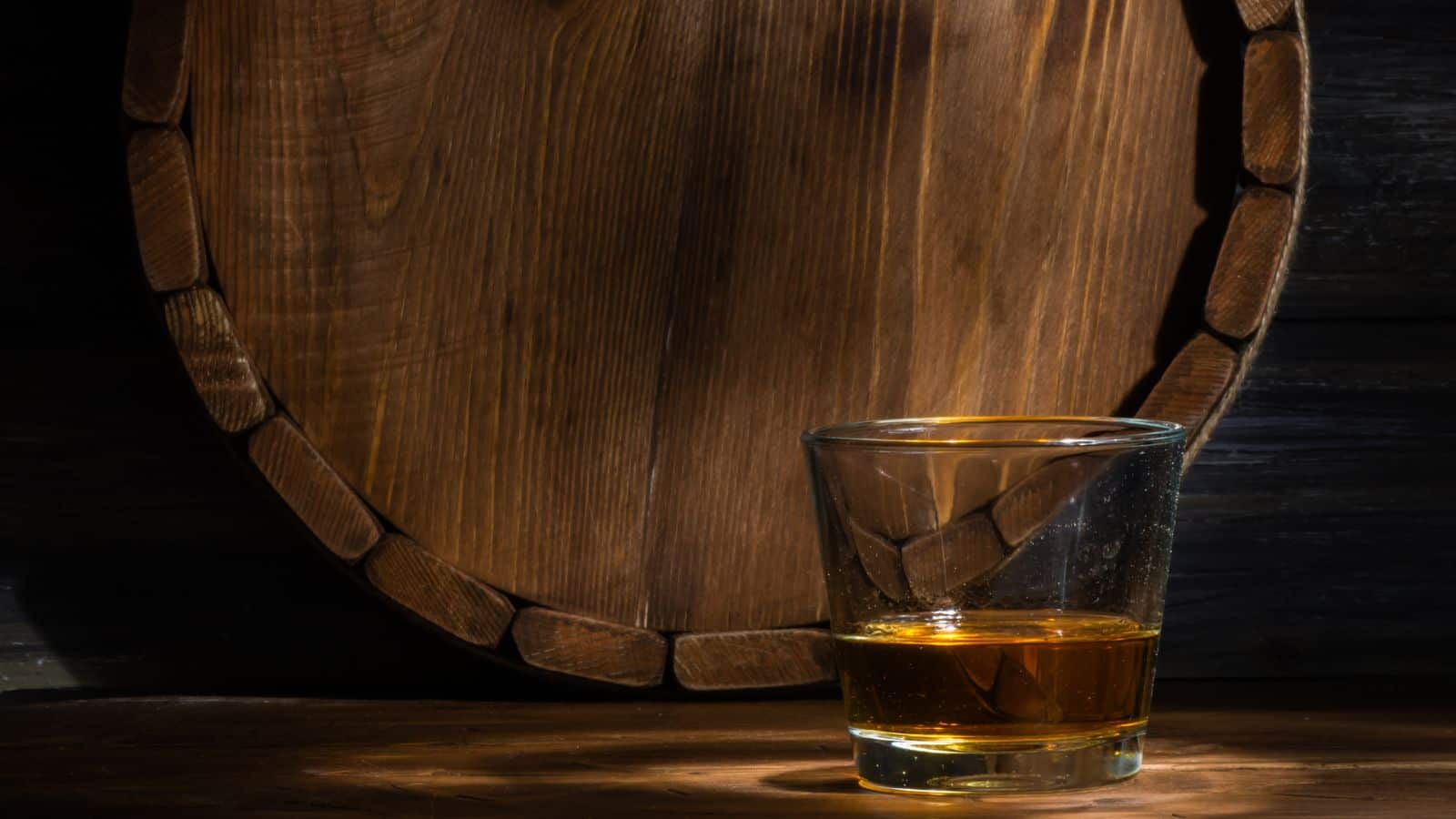
The assumption that older Scotch whiskies are always superior to younger ones is not always accurate. Aging whisky for too long can result in an overly woody or tannic flavor, as the spirit absorbs too much from the cask, potentially overshadowing the original malt character. Younger whiskies, on the other hand, may have more vibrant, fruity, and fresh flavors, which some whisky enthusiasts prefer. The ideal aging period varies by whisky style and the desired flavor profile. While age can certainly enhance certain expressions, it's the balance between the wood, distillation process, and cask influence that determines the quality of the whisky, not just its age.
Scotch whisky is only smoky
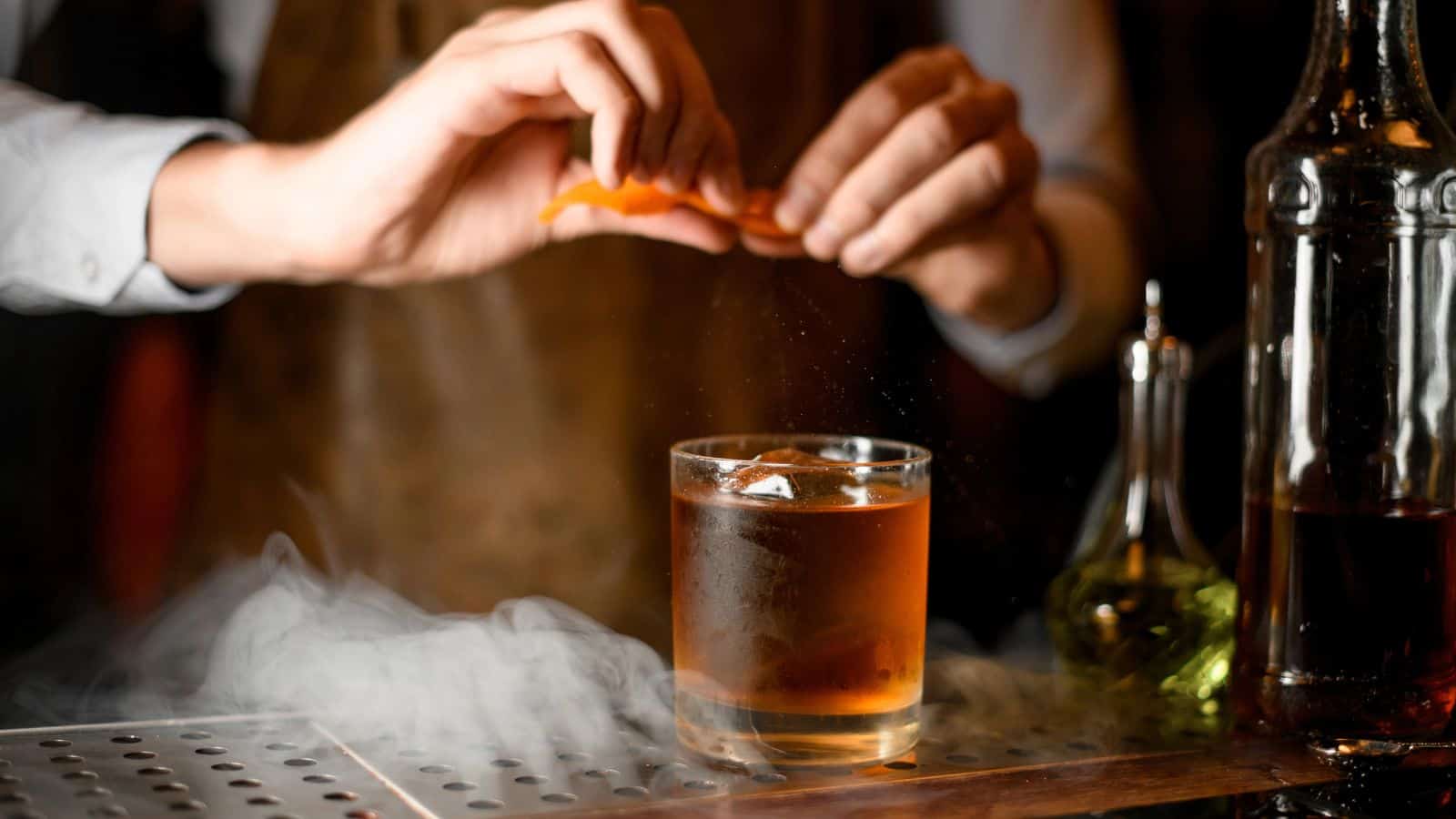
While some Scotch whiskies, particularly those from the Islay region, are known for their heavy peaty and smoky flavors, not all Scotch is smoky. Many distilleries across Scotland produce whisky that is completely devoid of peat, offering a wide array of flavor profiles that range from fruity and floral to rich and spicy. Regions like Speyside and the Highlands focus on producing smoother, sweeter whiskies, often with notes of honey, dried fruits, or even vanilla. The misconception that all Scotch whisky is smoky ignores the diversity of flavors found throughout Scotland. Each whisky-producing region has its own distinct characteristics that make Scotch whisky far more complex than just its smoky expressions.
Scotch whisky must be served in a specific glass

The idea that Scotch whisky must be served in a particular glass, such as a Glencairn or a tumbler, is another myth that has been perpetuated in the whisky world. While specialized glasses like the Glencairn are designed to enhance the drinking experience by concentrating the aromas, there's no requirement to use them. The choice of glass is largely a matter of personal preference. Some people prefer a standard glass or even a tumbler, especially if they enjoy their whisky with ice. The shape of the glass can affect the whisky's aroma and flavor, but ultimately, the best glass is one that makes you feel comfortable and allows you to enjoy the whisky the way you like it.
You can't mix Scotch with other drinks

There's a longstanding myth that mixing Scotch whisky with other drinks, like soda or ginger ale, is disrespectful to the spirit. While purists may argue against mixing, there's no hard and fast rule that Scotch can only be enjoyed neat or on the rocks. In fact, many classic cocktails feature Scotch whisky as a key ingredient, such as the Rob Roy or Scotch Sour. Adding a mixer like ginger ale or soda can bring out different aspects of the whisky's flavor and make it more approachable, especially for those who are new to whisky or prefer lighter drinks. The key is to find the combination that suits your taste, as whisky enjoyment should be personal and not constrained by tradition.
Scotch whisky is only for men

The stereotype that Scotch whisky is a drink solely for men is outdated and simply untrue. Whisky is a beverage enjoyed by people of all genders, and the whisky industry has made great strides in promoting inclusivity. There are female whisky makers, blenders, and tasters who have significantly shaped the industry, helping to challenge the notion that whisky is a "man's drink." Many women enjoy Scotch whisky and contribute to its culture, whether through tastings, distillery visits, or simply appreciating the complex flavors. Today, whisky is for anyone who appreciates the craftsmanship and unique characteristics of the spirit, regardless of gender.
Expensive Scotch is always better
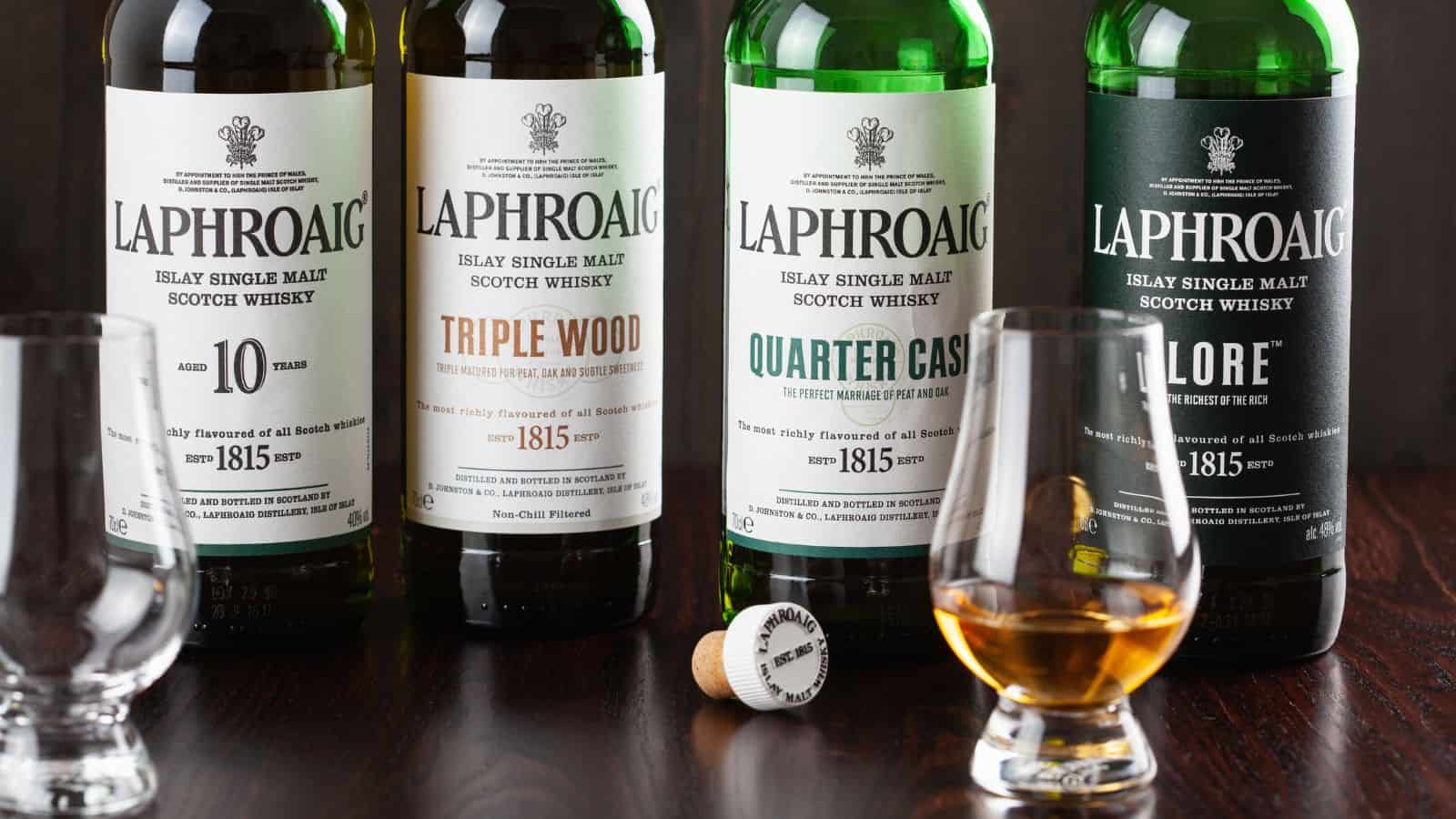
The myth that more expensive Scotch whisky is always better than less expensive options is misleading. While high-end Scotch whiskies may be crafted from rare ingredients or aged for extended periods, price doesn't always correlate with quality. In fact, there are many affordable whiskies that offer exceptional flavors and craftsmanship. The market has many reasonably priced bottles that are well-regarded by whisky enthusiasts. Taste is highly subjective, and factors like personal preference and the desired flavor profile are more important than the price tag. It's often worth exploring a variety of price ranges to find a Scotch that fits your taste without needing to invest in the highest-priced bottles.
Scotch whisky is just for sipping

While Scotch whisky is traditionally enjoyed neat, there's a myth that it is exclusively a sipping drink meant to be savored slowly. In reality, Scotch is quite versatile and can be enjoyed in various ways. Many people use Scotch whisky in cooking, particularly in marinades, sauces, or even desserts like whisky cakes. The rich, complex flavors of Scotch can add depth to dishes and create unique culinary experiences. Furthermore, Scotch whisky is often featured in cocktails, such as the Whisky Sour, Rob Roy, or Penicillin, proving that it can be enjoyed in mixed drinks, too. The idea that Scotch is only for sipping ignores the many creative ways it can be used to enhance both food and drink.
Scotch whisky tastes the same everywhere

A common misconception is that all Scotch whisky tastes alike, but nothing could be further from the truth. The flavor profile of Scotch whisky is deeply influenced by the region it comes from, the distillation process, and the cask aging. Different regions of Scotland, such as Islay, Speyside, the Highlands, and Lowlands, produce whiskies with distinct characteristics. For instance, Islay whiskies are often known for their peaty, smoky flavor, while Speyside whiskies tend to be lighter, sweeter, and more fruit-forward. The Highlands produce a range of styles, from light and floral to rich and sherried. Even within these regions, individual distilleries have their own signature expressions, meaning no two whiskies are exactly the same. The diversity of Scotch whisky makes it a rich landscape for exploration and enjoyment.
Scotch whisky should only be stored in its original box

It's commonly believed that Scotch whisky should always be kept in its original box for proper storage, but this is actually unnecessary. The box is mainly used for protection during transportation or as part of the packaging design. The most important factors when storing Scotch are temperature, humidity, and light exposure. Whisky should be kept in a cool, dark place, away from direct sunlight and extreme temperature fluctuations. Keeping it upright, like a wine bottle, is also important to prevent the cork from becoming saturated with whisky, which can affect the flavor. As long as the bottle is sealed tightly and stored properly, there's no need for the original box to preserve the whisky's quality.
11 Shocking Alcohol Lies You Need to Stop Falling For

You have to stop believing in these. Alcohol is surrounded by many myths and misunderstandings that can be confusing. But how much of what you believe is actually true? There are 11 shocking alcohol lies you need to stop falling for, and knowing the truth can help you make better choices. From thinking some drinks are healthier to believing that alcohol helps with stress, these myths can lead to bad habits and wrong ideas.
Read More Here: 11 Shocking Alcohol Lies You Need to Stop Falling For
12 American Drinks That the Rest of the World Refuses to Even Try
Would you dare to try drinking these? American drinks often spark curiosity and sometimes confusion among people from other countries. With these 12 American drinks that the rest of the world refuses to even try, we explore some of the most unusual and polarizing beverages from the United States. From super-sized sodas to quirky cocktails, these drinks showcase the creativity and boldness of American beverage culture.
Read More Here: 12 American Drinks That the Rest of the World Refuses to Even Try



Comments
No Comments