
Good circulation plays a key role in energy, focus, and heart health, but pills aren't the only way to support it. These 13 natural drinks improve blood flow better than pills, backed by ingredients that promote healthy circulation, reduce inflammation, and help blood vessels function more efficiently. From antioxidant-rich juices to everyday teas, these options work with the body rather than masking the issue.
Some boost nitric oxide, and others are rich in flavonoids or hydration. Each one brings something different to the table. Whether you're managing blood pressure, recovering from workouts, or just looking to feel more energized, the right drink can make a real impact over time.
Looking for simple, natural ways to improve circulation? These drinks can be a great place to start-no prescriptions required.

Beetroot Juice
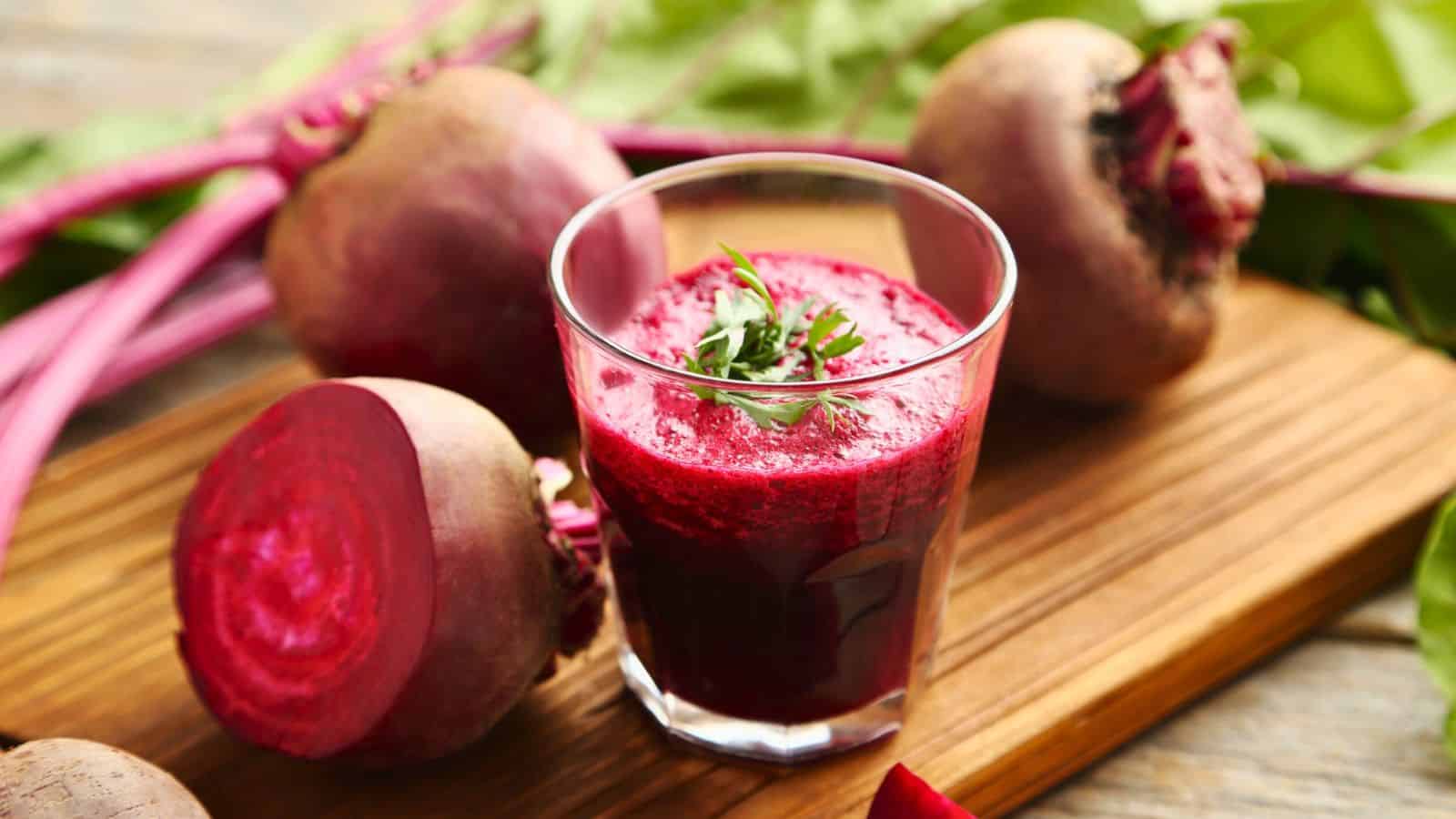
Beetroot juice is one of the most studied natural drinks for circulation. It's rich in nitrates, which convert into nitric oxide in the body-a compound that helps blood vessels relax and widen. This process can improve oxygen delivery to muscles and reduce blood pressure. Athletes often use beet juice to enhance endurance, but its benefits go beyond performance. Regular consumption may support brain function, heart health, and lower inflammation. Drinking it fresh on an empty stomach in the morning or before workouts can help with absorption. Its earthy taste can be softened with citrus or blended with carrots or apples.
Citrus Juice (Orange, Grapefruit, Lemon)

Citrus juices are rich in vitamin C, potassium, and flavonoids-especially hesperidin and naringenin-which contribute to vascular strength and reduced arterial stiffness. These compounds help support the inner lining of blood vessels, improving elasticity and reducing oxidative stress. Lemon water in the morning is a common habit for stimulating circulation, while fresh orange or grapefruit juice may assist post-meal blood flow. Fresh-squeezed juice is best, as packaged versions often contain added sugars or lack fiber. For those on medication, be cautious with grapefruit, as it may interfere with the absorption of certain drugs. Otherwise, these juices offer daily circulatory support.
Green Tea
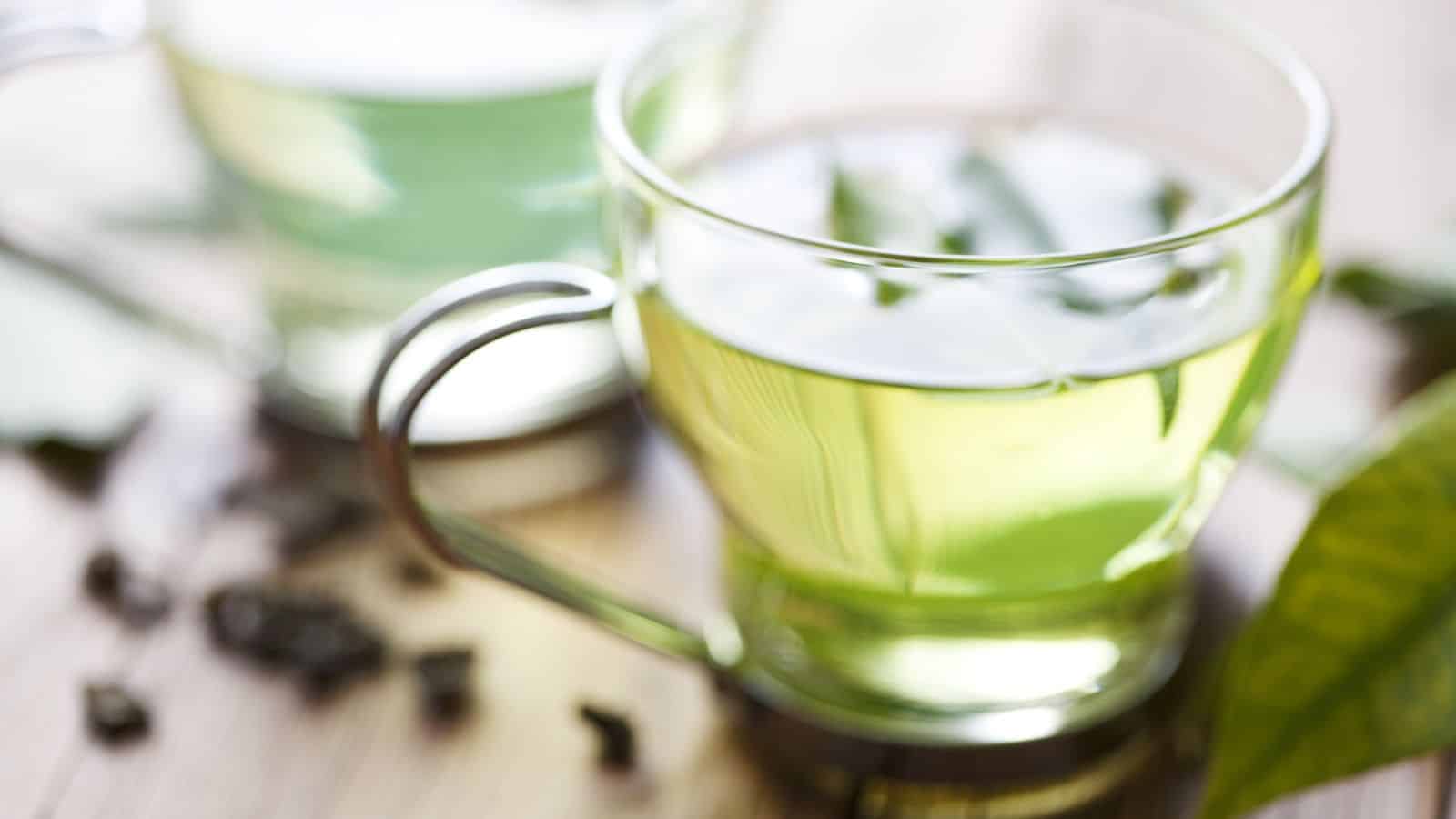
Green tea contains catechins, which are antioxidants that can help improve blood vessel function. These compounds support nitric oxide production and may reduce inflammation that stiffens arteries. Drinking two to three cups daily may lower blood pressure and improve circulation over time. It's also low in caffeine compared to coffee, making it a gentler choice for long-term use. Opt for unsweetened varieties or brew loose-leaf for the strongest effect. Drinking green tea warm or iced still retains its properties. Consistency matters more than quantity, and long-term drinkers often show better vascular health in observational studies.
Pomegranate Juice
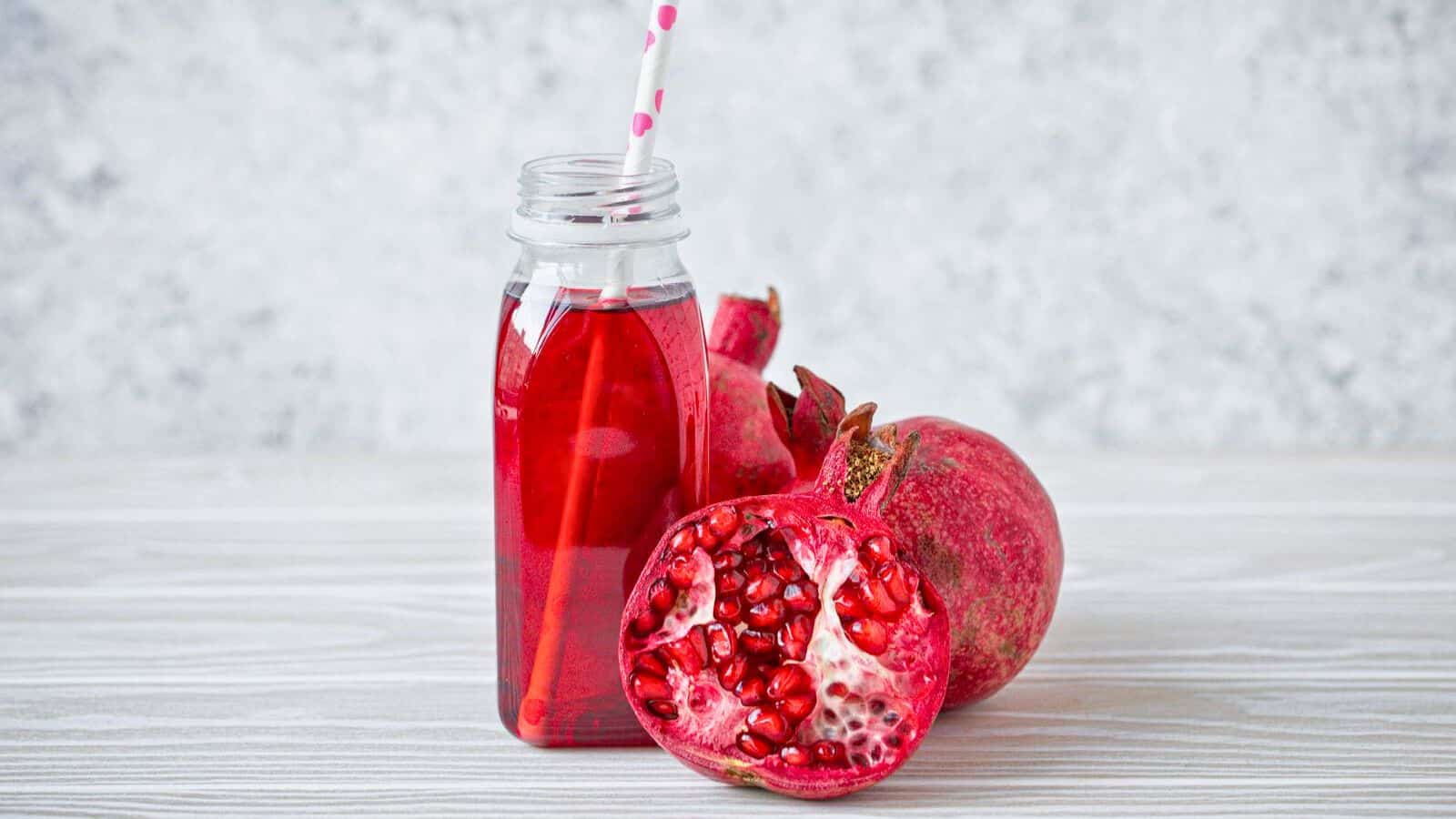
Pomegranate juice contains high levels of polyphenols, particularly punicalagins, and nitrates that support cardiovascular health. These compounds help reduce oxidative stress and may encourage the widening of blood vessels. Regular intake has been linked with reduced arterial plaque, lower blood pressure, and improved endothelial function. For best results, choose 100% pure pomegranate juice with no added sugars or dilute it with water to reduce calorie load. Some drink it after workouts to support muscle recovery and circulation. The deep red color reflects its antioxidant richness. Because it's potent, even a small glass daily can support long-term heart and vessel health.
Cayenne Pepper in Water
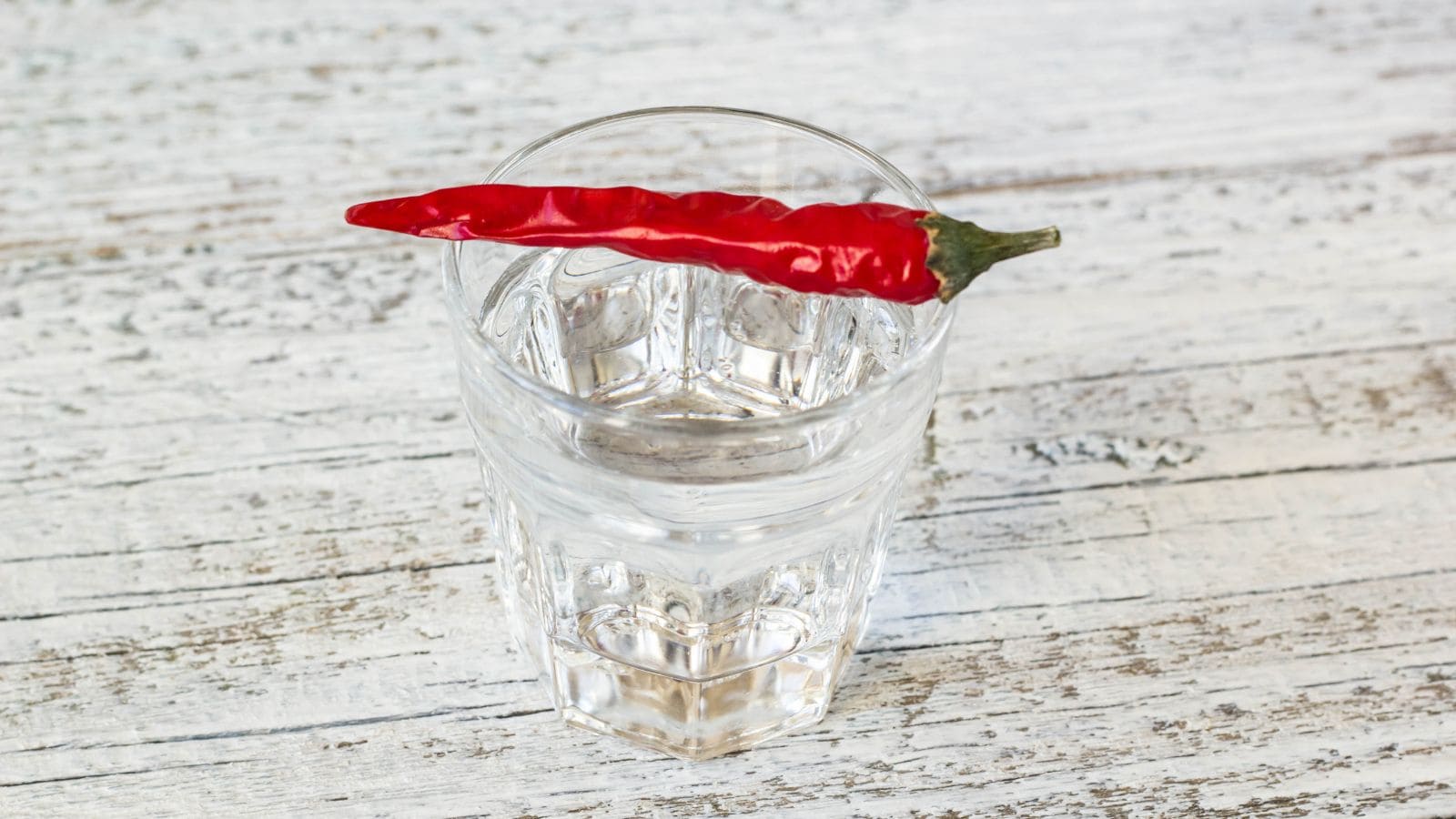
Cayenne pepper contains capsaicin, which stimulates blood flow and promotes vasodilation-the widening of blood vessels. Just a pinch in warm water can trigger circulation boosts, especially in cold extremities or after periods of inactivity. It also supports metabolic function and may help reduce blood clot risk when used regularly in small amounts. Some people combine it with lemon juice to add vitamin C. It's best consumed on an empty stomach or between meals. Start with very small doses to gauge your body's tolerance, as capsaicin can be intense. Over time, regular use may support clearer vessels and improved circulation.
Garlic-Infused Water
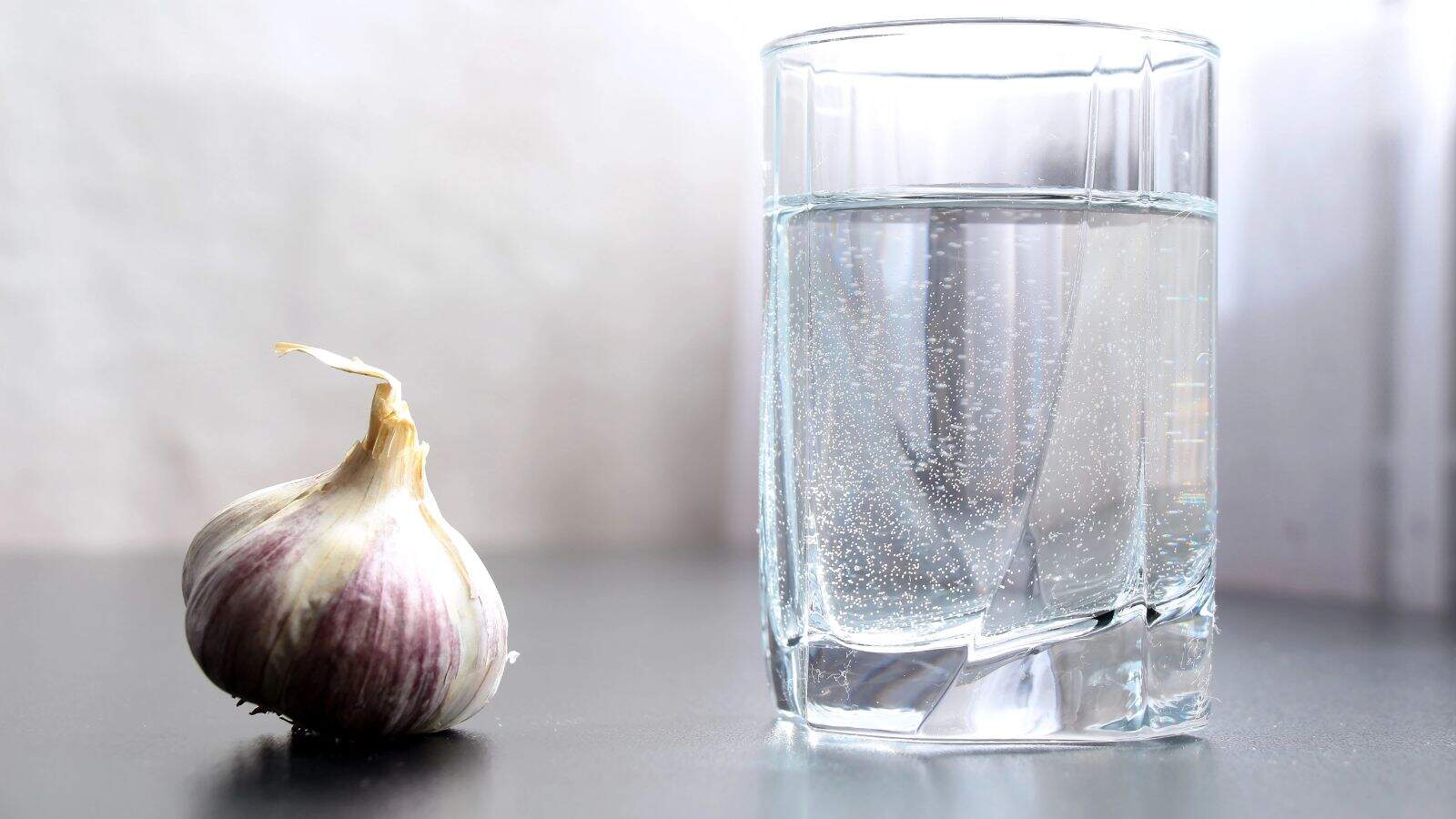
Garlic is well-known for its cardiovascular benefits. When crushed or chopped, it releases allicin-a sulfur compound that supports vasodilation and may help reduce plaque buildup in arteries. Let a few raw garlic cloves steep in warm water for 10-15 minutes to make garlic-infused water. Drinking this mixture in the morning can support circulation and regulate blood pressure. It may also support cholesterol balance over time. Some prefer to add lemon or honey to offset the strong flavor. For those who can't tolerate raw garlic, lightly steeped garlic in warm-not boiling-water helps preserve its active compounds without harshness.
Ginger Tea

Ginger tea is often used for digestion and nausea, but also benefits circulation. Ginger contains gingerol, a compound that can slightly thin the blood and relax blood vessels, helping to improve flow. It may also reduce inflammation in the vascular system. Freshly sliced or grated ginger steeped in hot water makes a simple and effective tea. It's commonly used in traditional medicine systems to support heart health and reduce cold hands or feet. Drinking it regularly may help improve symptoms related to poor circulation. It's a gentle, naturally decaffeinated option for those sensitive to caffeine with additional metabolic benefits.
Turmeric Milk or Tea (Golden Milk)
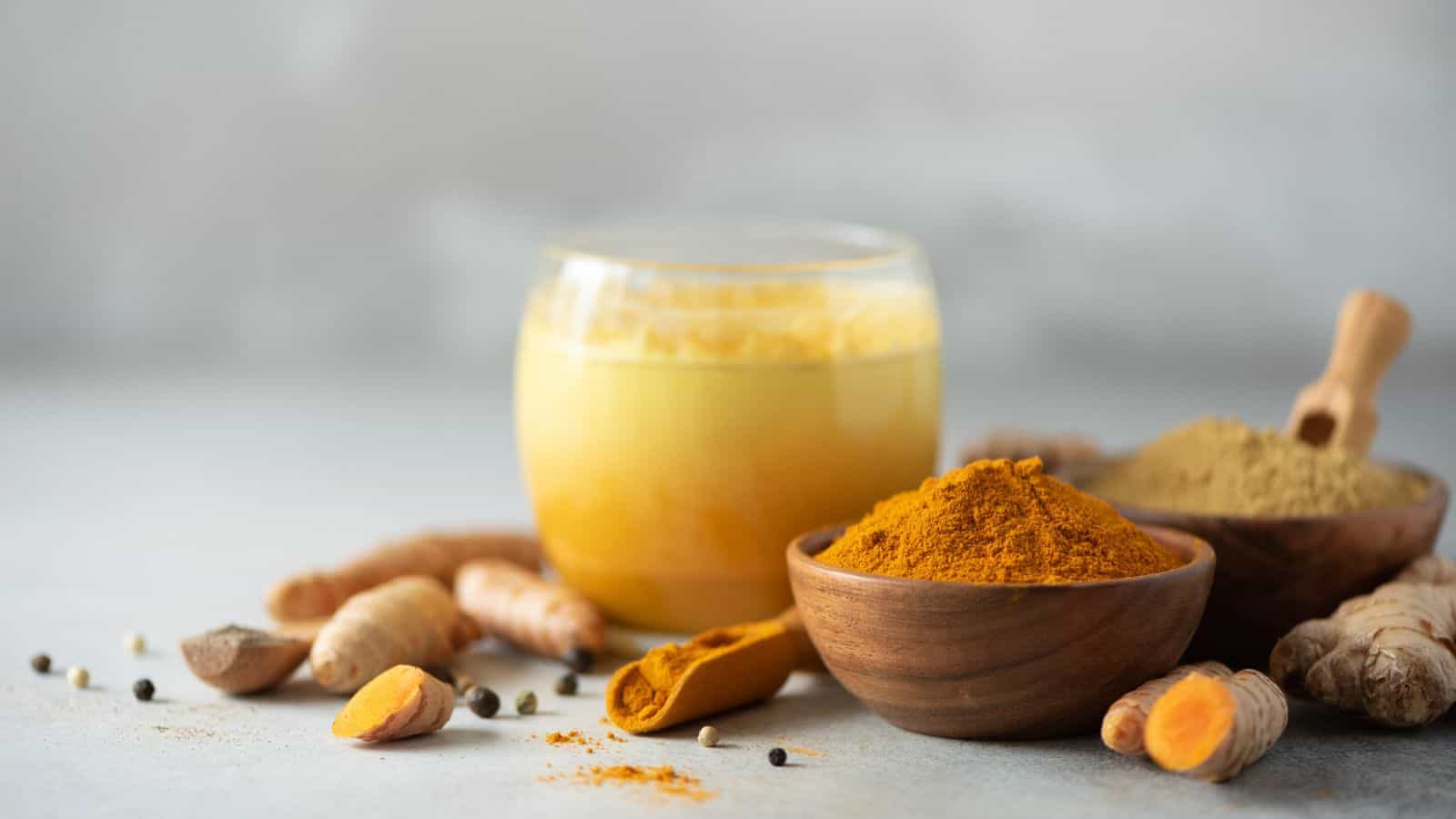
Turmeric's active ingredient, curcumin, supports nitric oxide production and has anti-inflammatory effects that benefit blood vessels. Golden milk-made with turmeric, black pepper (which helps absorption), and plant or dairy milk-is a traditional drink that supports circulation, joint health, and immunity. Turmeric tea is another option, which can be made using steeped ground or fresh turmeric root. Consuming it regularly may support arterial flexibility and reduce oxidative stress. Its bright color reflects its antioxidant strength. Best consumed consistently in small amounts, turmeric drinks are often used at bedtime for recovery or post-work to reduce tension from physical or mental fatigue.
Red Grape Juice (100% Pure)
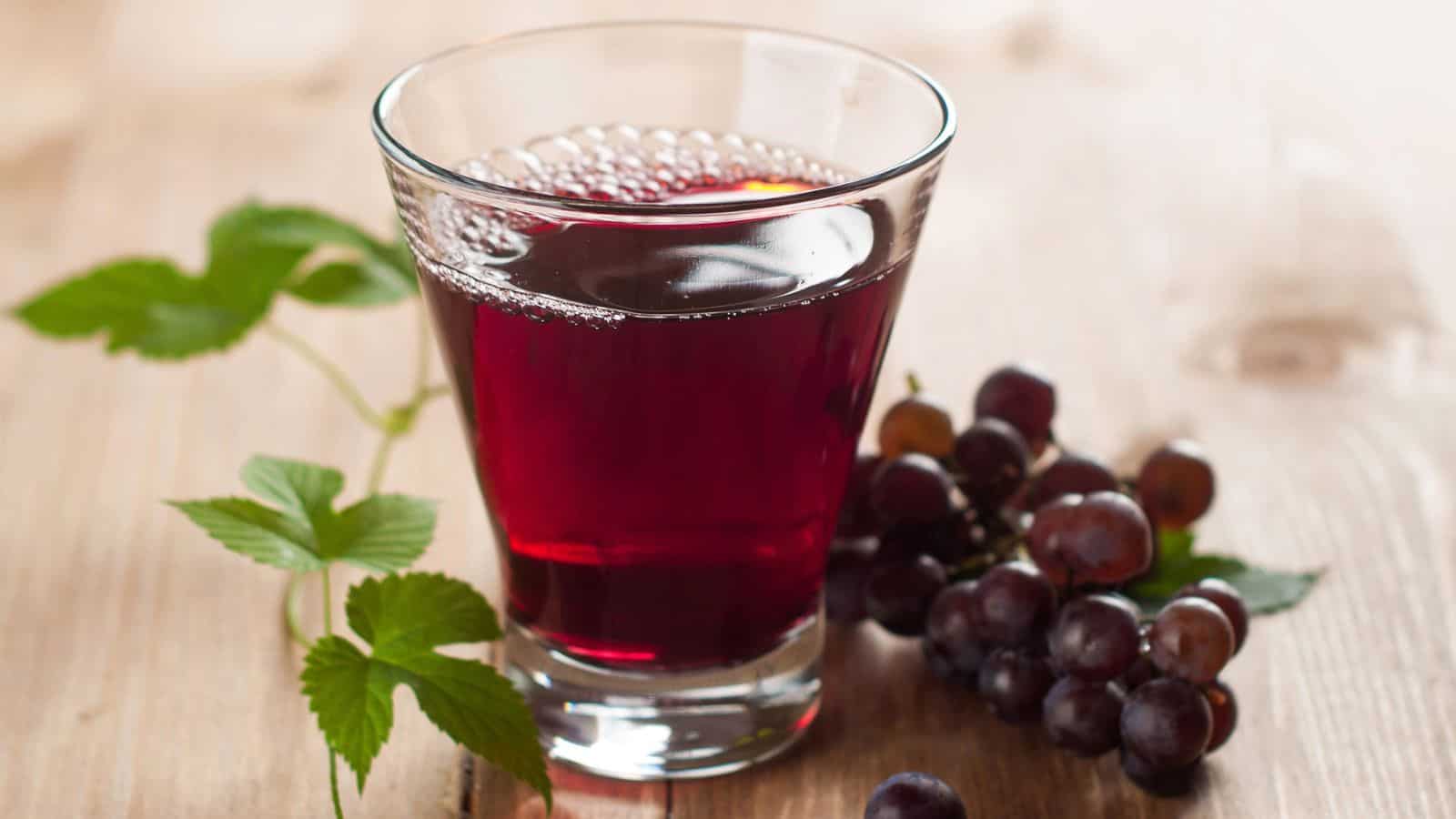
Red grape juice contains resveratrol and flavonoids-compounds found in grape skins and seeds that support heart health and vascular function. These antioxidants may improve nitric oxide levels, helping arteries relax and blood flow more efficiently. Pure grape juice (not from concentrate and with no added sugars) is the best choice. Even small servings may support blood pressure control and circulation, especially when consumed alongside a plant-rich diet. It's sometimes compared to the benefits of red wine, without the alcohol. Drinking it cold or at room temperature works equally well and pairs well with nuts or other polyphenol-rich snacks.
Spinach Smoothies
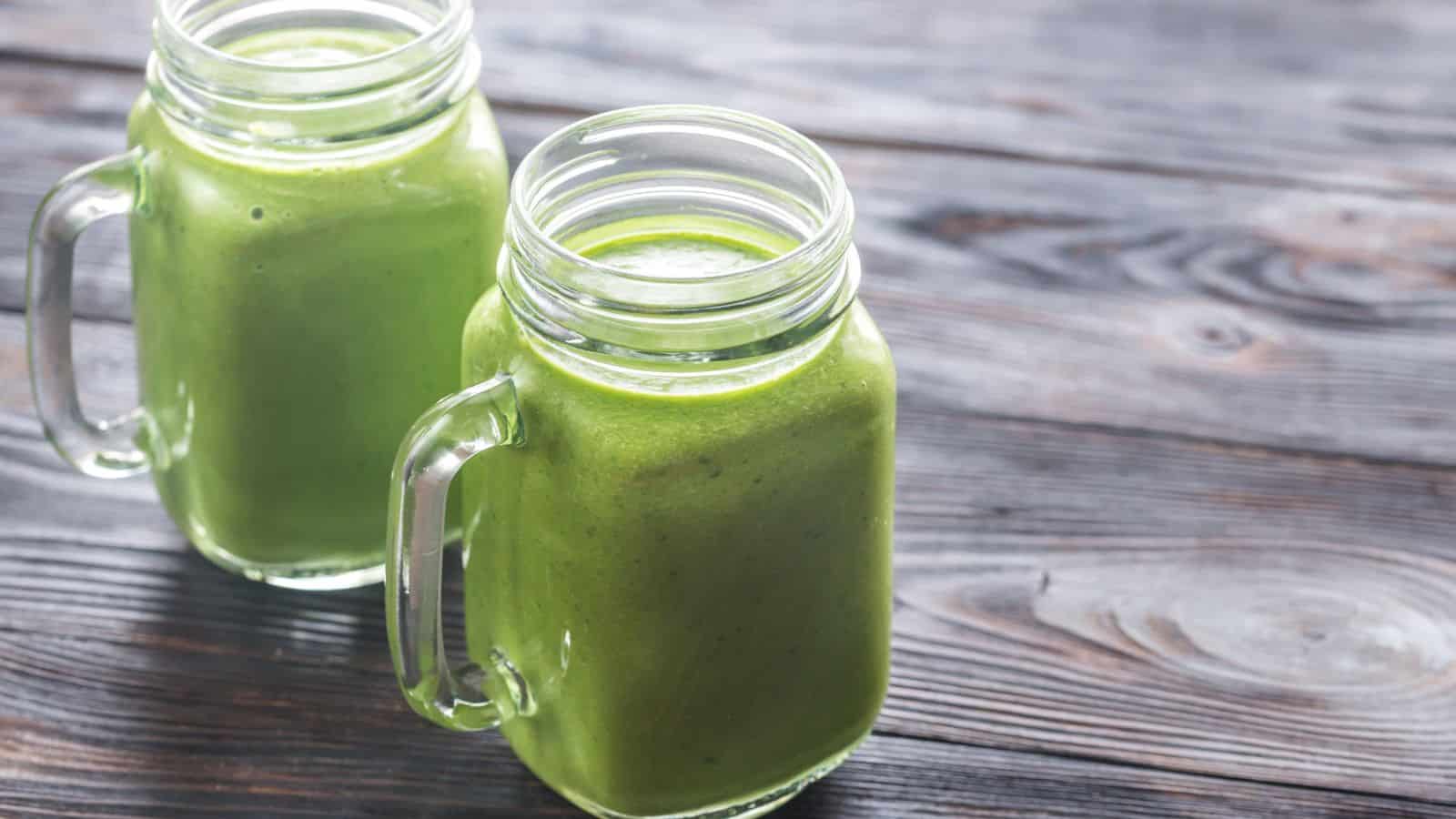
Spinach is packed with natural nitrates, which the body converts into nitric oxide-a compound that helps relax blood vessels and improve blood flow. When blended into smoothies, spinach pairs well with fruits like banana, pineapple, or apple, adding both nutrients and a mild flavor. It also contains magnesium, iron, and vitamin K, which support vascular health and oxygen transport. Drinking a spinach-based smoothie in the morning or after physical activity can help refresh circulation and support recovery. For extra benefit, include flaxseed or chia, which contribute omega-3s known to support heart and blood vessel function.
Tart Cherry Juice

Tart cherry juice is rich in anthocyanins, antioxidants that support inflammation control and promote healthy blood vessels. Studies suggest it can improve circulation, reduce muscle soreness, and aid recovery after exercise. It's especially popular among runners and endurance athletes for its dual blood flow and muscle repair benefits. The juice also contains potassium, which supports healthy blood pressure. Look for 100% unsweetened varieties, as added sugar may counteract its health effects. Drinking a small glass in the evening or post-workout may help reduce oxidative stress and support restful sleep, both of which contribute to better circulation.
Hibiscus Tea
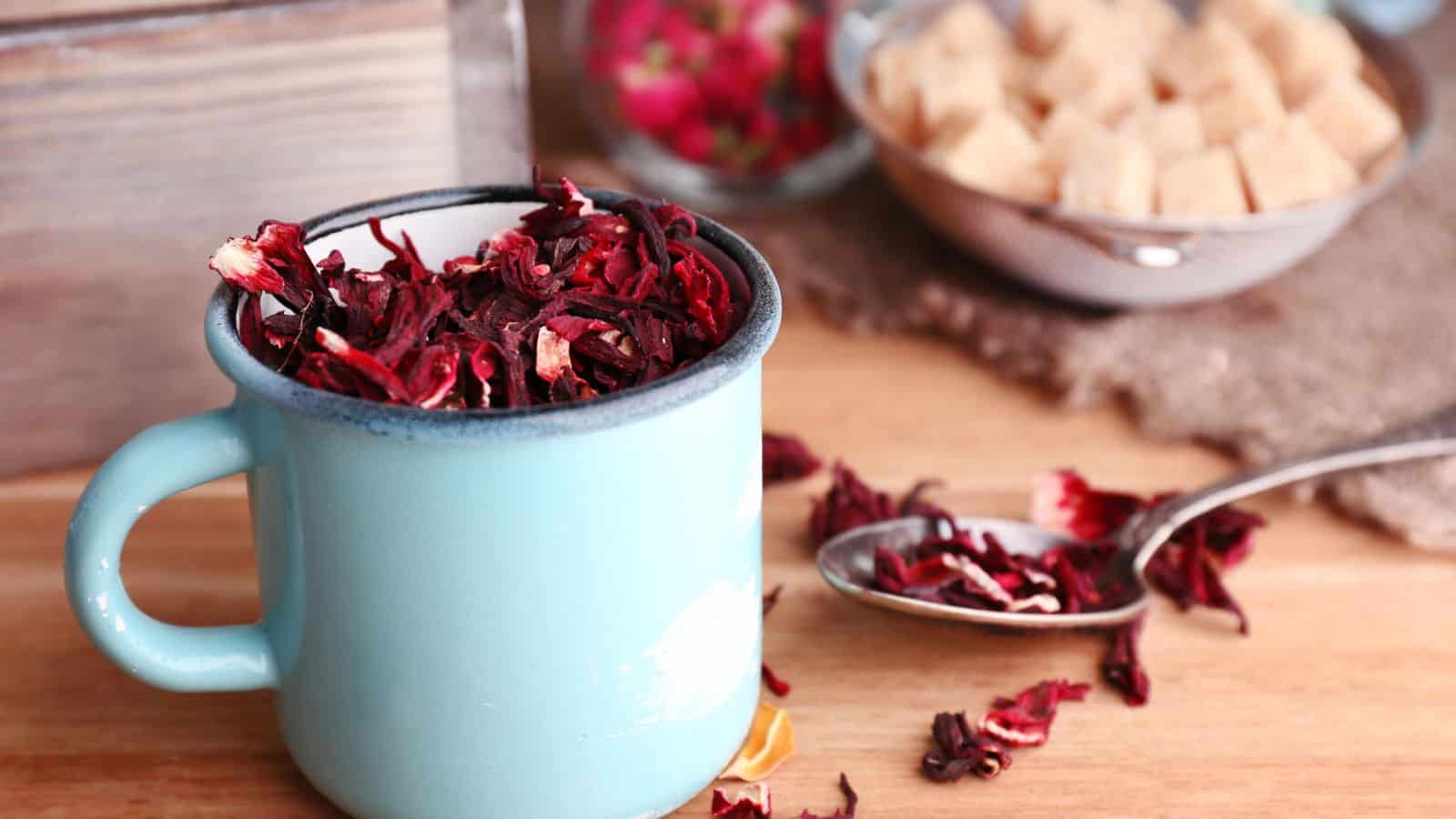
Hibiscus tea is known for its deep red color and natural ability to lower blood pressure. It's rich in anthocyanins and polyphenols, which can support relaxed blood vessels and reduce oxidative stress. Regular consumption-about two to three cups daily-has been linked to systolic and diastolic blood pressure improvements. It's naturally caffeine-free, making it a good option for any time of day. Steep dried hibiscus petals in hot water and chill if preferred cold. For added support, some people add cinnamon or ginger. This tea is especially helpful in hot climates or for those with borderline hypertension.
Amla Juice (Indian Gooseberry)
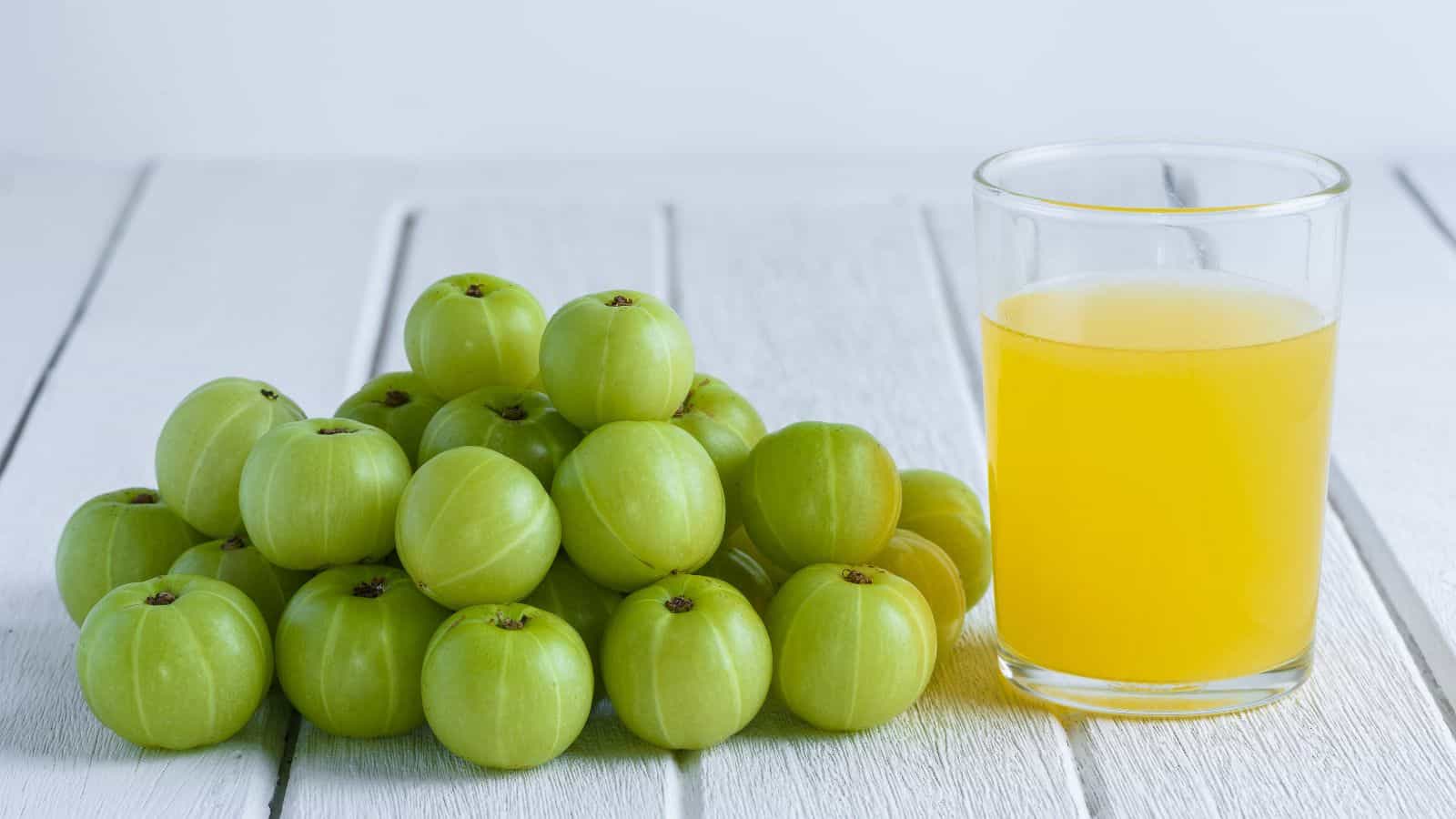
Amla, or Indian gooseberry, is packed with vitamin C and antioxidants that support blood vessel health. Regular consumption may reduce arterial stiffness and help lower bad cholesterol, supporting clearer circulation. Amla also supports collagen production, which helps maintain strong, elastic blood vessels. The juice is typically sour and strong, so it's often diluted with water or combined with honey and ginger. Drinking amla juice on an empty stomach is common in Ayurvedic practices. For those with sensitive digestion, start with small amounts. Its benefits build over time, contributing to better heart and vascular function with consistent use.
Circulation in a Cup

The path to better blood flow might already be in your fridge or pantry. From beetroot juice and citrus blends to garlic water and golden milk, these natural drinks support circulation in ways pills often can't. They tap into the power of antioxidants, plant-based nitrates, and anti-inflammatory compounds to help the body move blood more efficiently.
Each drink brings something different-whether it's the nitric oxide boost from beets, the heart-friendly flavonoids in red grapes, or the spicy kick of cayenne that helps open blood vessels. While no single drink is a cure-all, building these into your daily routine can make a long-term difference. Skip the over-the-counter shortcuts and reach for something simpler. These natural sips work with your body, not against it-and they taste better, too.
11 Harmful Drinks Health Experts Want You to Avoid

Can you see some of your favorites in this list? Ever wonder why some drinks might not be as good for you as they seem? Just because a beverage looks healthy or claims to be "natural" doesn't mean it's actually good for your body. Think about it - many popular drinks are packed with ingredients you probably can't even pronounce, not to mention tons of hidden sugar that can mess with your health over time.
Read More Here: 11 Harmful Drinks Health Experts Want You to Avoid
13 Uncommon Ingredients You Didn't Know You Can Add to Your Drinks

Ever heard of these uncommon ingredients? Many familiar drinks can be transformed with uncommon ingredients that pack a punch of flavor and nutrition. Adding these ingredients can introduce exciting new tastes and health benefits to everyday beverages. From spices to herbs and even some surprising fruits, there are plenty of options to explore that can take drinks to the next level.
Read More Here: 13 Uncommon Ingredients You Didn't Know You Can Add to Your Drinks




Comments
No Comments