
Most drinks on the shelves look harmless-colorful labels, familiar brands, and promises of refreshment. However, behind the marketing, some undergo more processing than people expect. These 13 popular beverages with processing that'll make you reconsider aren't just about added sugar or artificial flavors-they include surprising steps like chemical stabilizers, high-heat treatments, and synthetic additives that raise questions about what's really in the bottle.
From juices stripped of nutrients and reconstituted with flavor packs to energy drinks packed with lab-made compounds, the production behind many common drinks reveals a side most consumers never see. What seems simple can be far from it once the layers are peeled back.
Curious about what's actually in your cup? These beverages might change the way you shop, sip, and think about daily habits. Sometimes, the fine print matters more than the front label.

Orange Juice (from Concentrate)
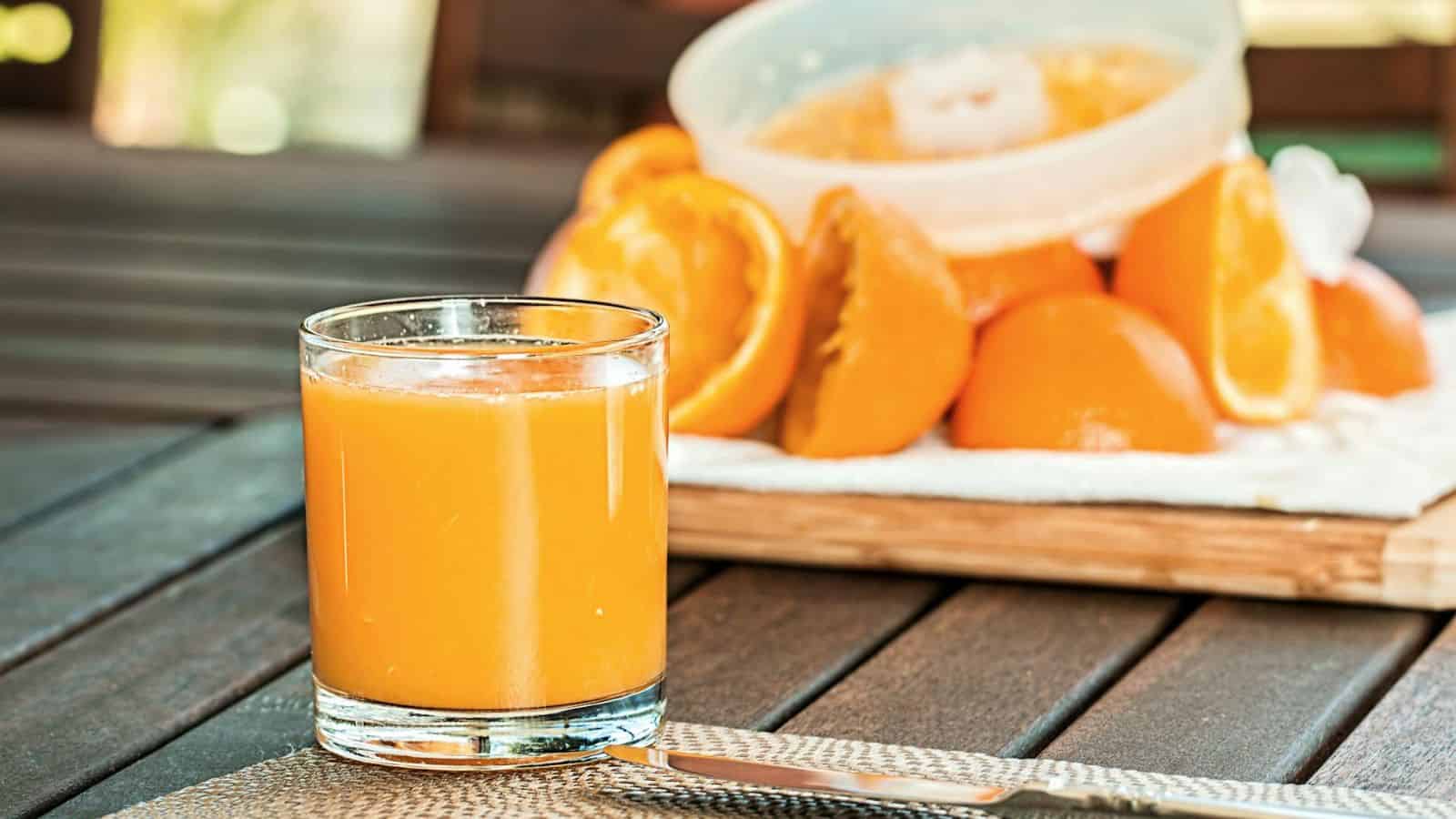
Orange juice from concentrate goes through a process that significantly alters its original form. After the juice is extracted, the water is removed through evaporation to make it easier to transport and store. When it's time to package, manufacturers add water back in-along with engineered "flavor packs" designed to mimic the taste of fresh oranges. These flavor additives are derived from orange oils and essences but are processed separately and tailored for consistency. The juice can sit in storage tanks for months before reaching shelves. This process allows large-scale uniformity but results in a product far removed from fresh-squeezed fruit.
Flavored Sparkling Water
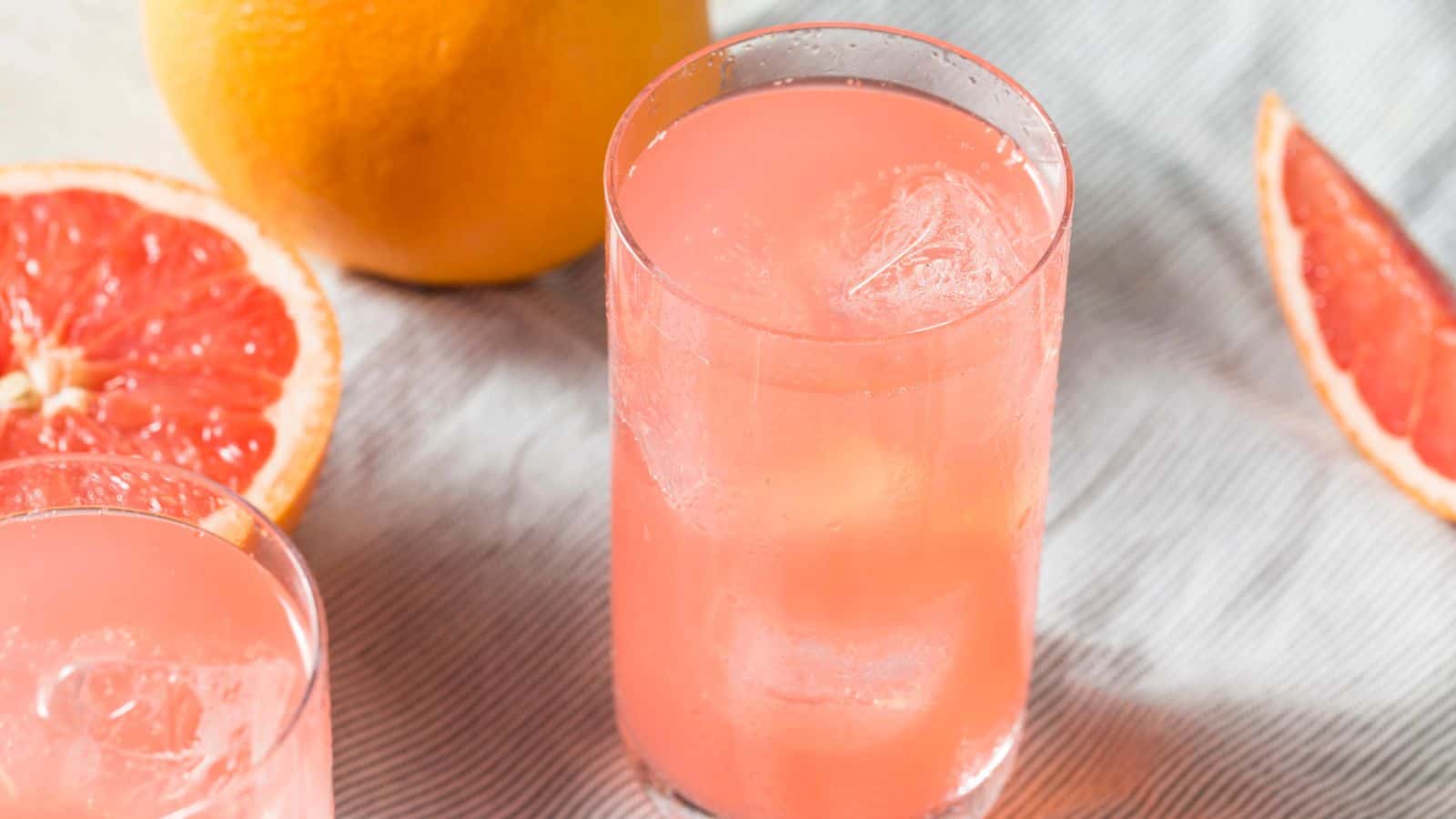
Flavored sparkling waters may seem straightforward, but the "natural flavors" used often go through extensive processing. These flavors can come from fruits, herbs, or even animal sources, and are chemically refined to isolate specific compounds. Solvents, heat, or pressure are often involved in extraction. Though legally classified as "natural," the final ingredient can be far removed from its source. The flavors are usually added after carbonation and serve as scent enhancers more than direct taste contributors. Many brands keep their exact flavor formulas confidential, so consumers rarely know the full scope of what they're drinking beyond the bubbles and branding.
Bottled Iced Tea
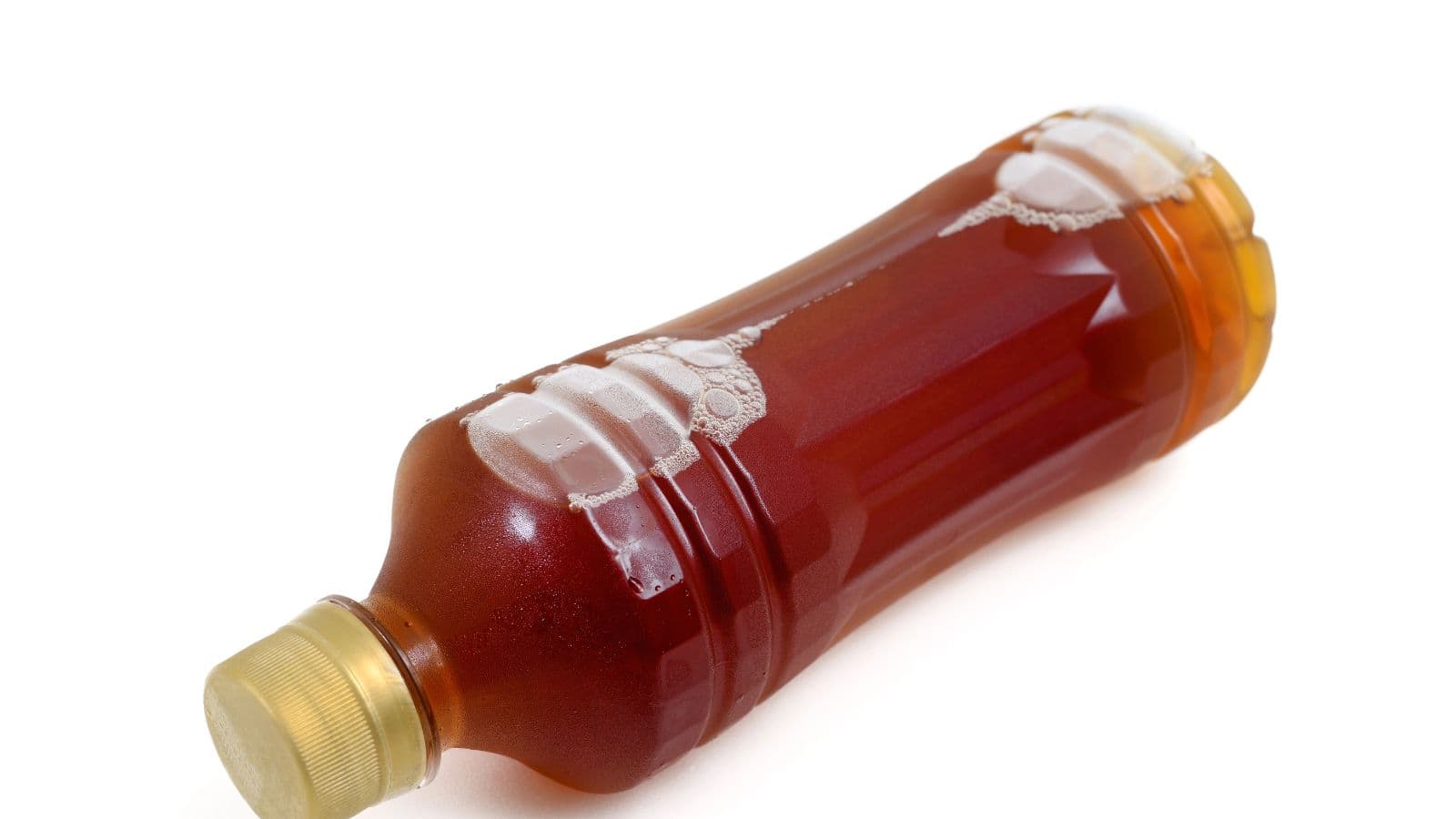
Most bottled iced teas are not brewed in the way homemade versions are. Instead of steeping tea leaves, manufacturers often use powdered extracts or concentrates that are pre-processed and then rehydrated. These versions are easier to store and scale for mass production. Sweeteners, acids, and coloring agents are frequently added to balance and stabilize flavor during shelf life. In many cases, there is more sugar or flavoring than tea itself. The result is a drink that mimics tea's look and basic flavor but is largely built from additives and manufactured components that keep it shelf-stable for extended periods.
Energy Drinks
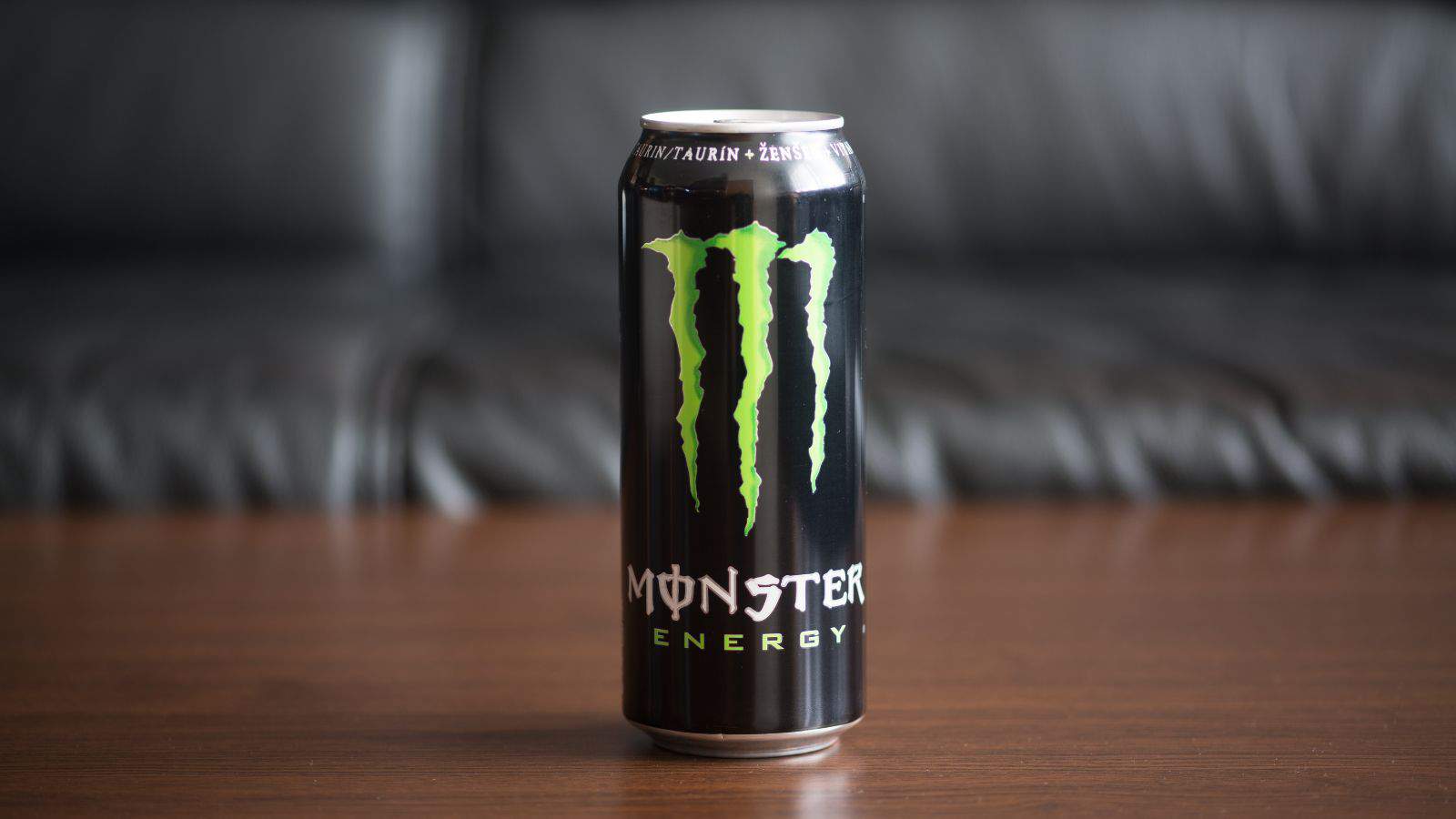
Energy drinks rely heavily on lab-derived ingredients to deliver their signature kick. Synthetic caffeine-often manufactured in bulk from overseas chemical plants-is used instead of naturally extracted forms. Common additions like taurine, glucuronolactone, and artificial B vitamins are also synthesized to mimic energy-boosting effects. These drinks typically include preservatives, food dyes, and high-fructose corn syrup or artificial sweeteners. Flavorings may include esters or aromatic compounds created in labs. The combination is designed to produce quick stimulation, often without transparency on sourcing or long-term effects. Packaging emphasizes performance, but the actual contents often come from complex manufacturing chains rather than natural sources.
Almond Milk
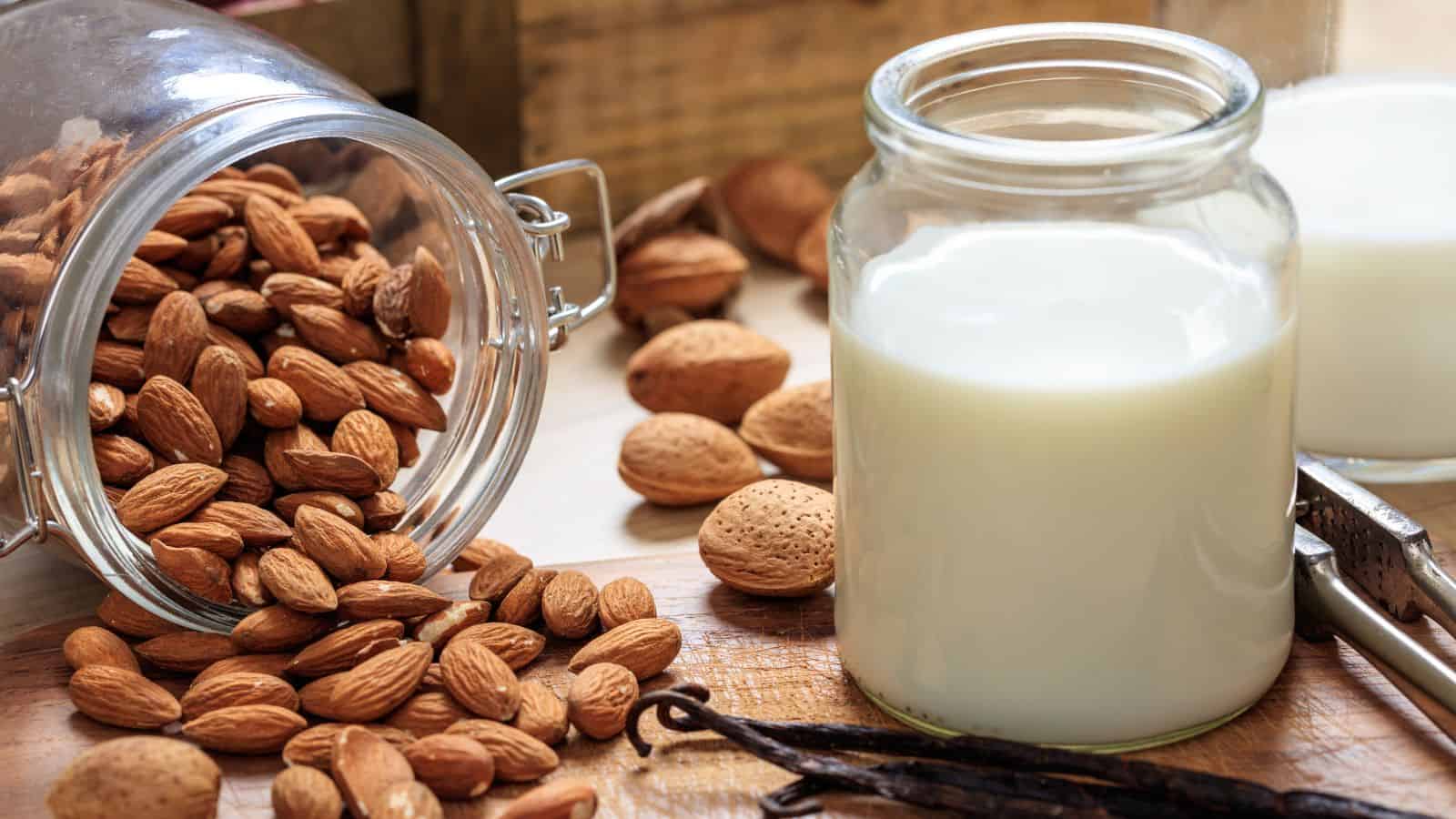
Commercial almond milk contains very few almonds, sometimes as little as 2% or less. The rest is typically water, emulsifiers, gums (like carrageenan or gellan), sweeteners, and added vitamins. The goal is to mimic the texture and color of milk while using minimal nuts. The almond content is blended and filtered, stripping away solids, then stabilized to prevent separation on shelves. Some brands also include natural or artificial flavors to create consistency across batches. The result may resemble milk visually and in use, but the base ingredients and manufacturing steps are far more engineered than most people realize at first glance.
Fruit Punch / Juice Cocktails
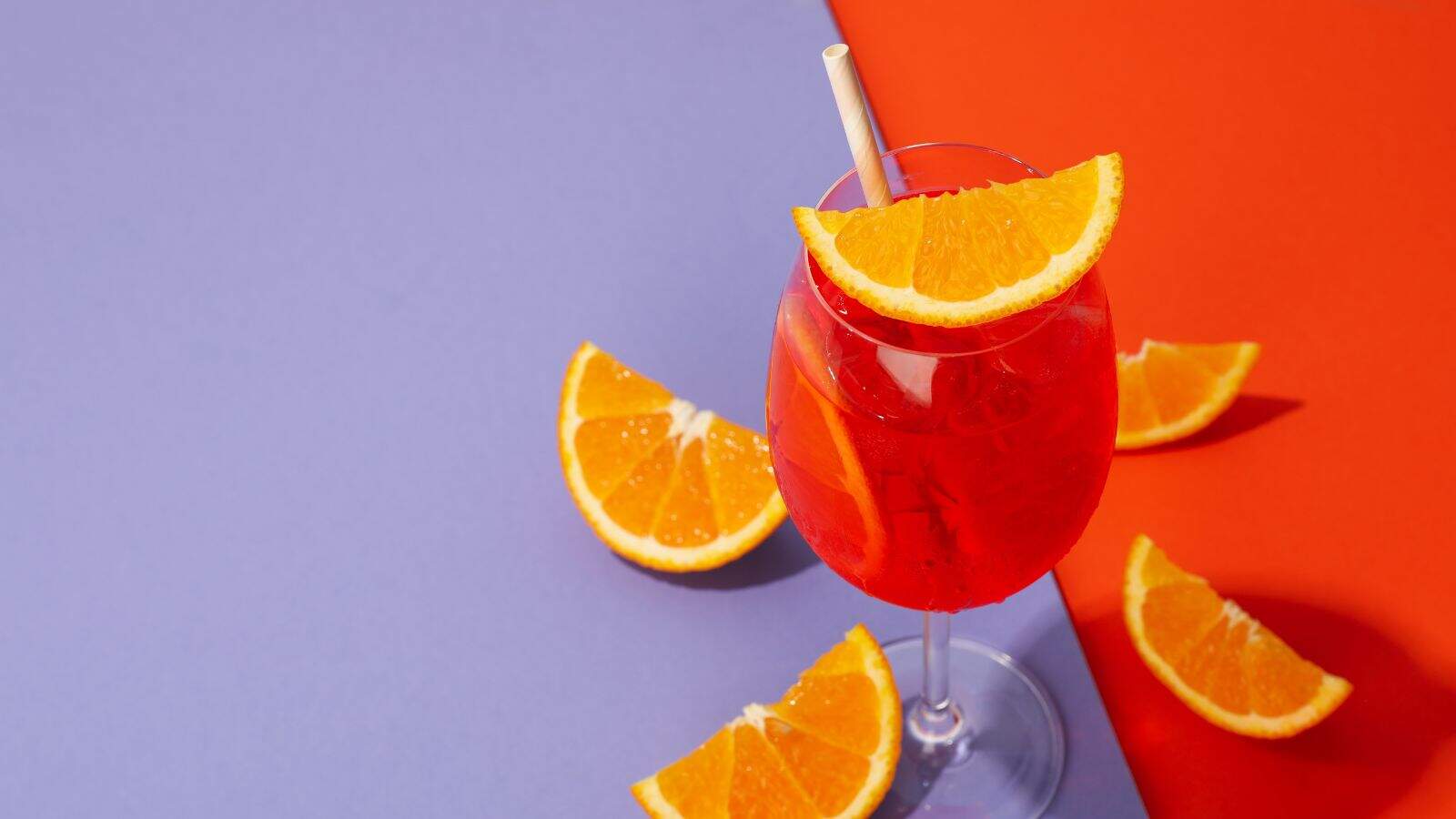
Despite their vibrant labels and fruity names, many fruit punch drinks and juice cocktails contain very little actual fruit content. Ingredients often begin with water and high fructose corn syrup, followed by a small percentage of fruit juice, sometimes less than 5%. The rest includes preservatives, colorants (like Red 40), and lab-formulated flavorings that mimic specific fruits. These drinks are built to last on shelves and appeal visually, not to reflect fresh produce. Manufacturers often use "natural flavors" created from processed extracts to simulate a full-bodied fruit experience, even though the drink's nutritional content is minimal and heavily modified.
Diet Soda
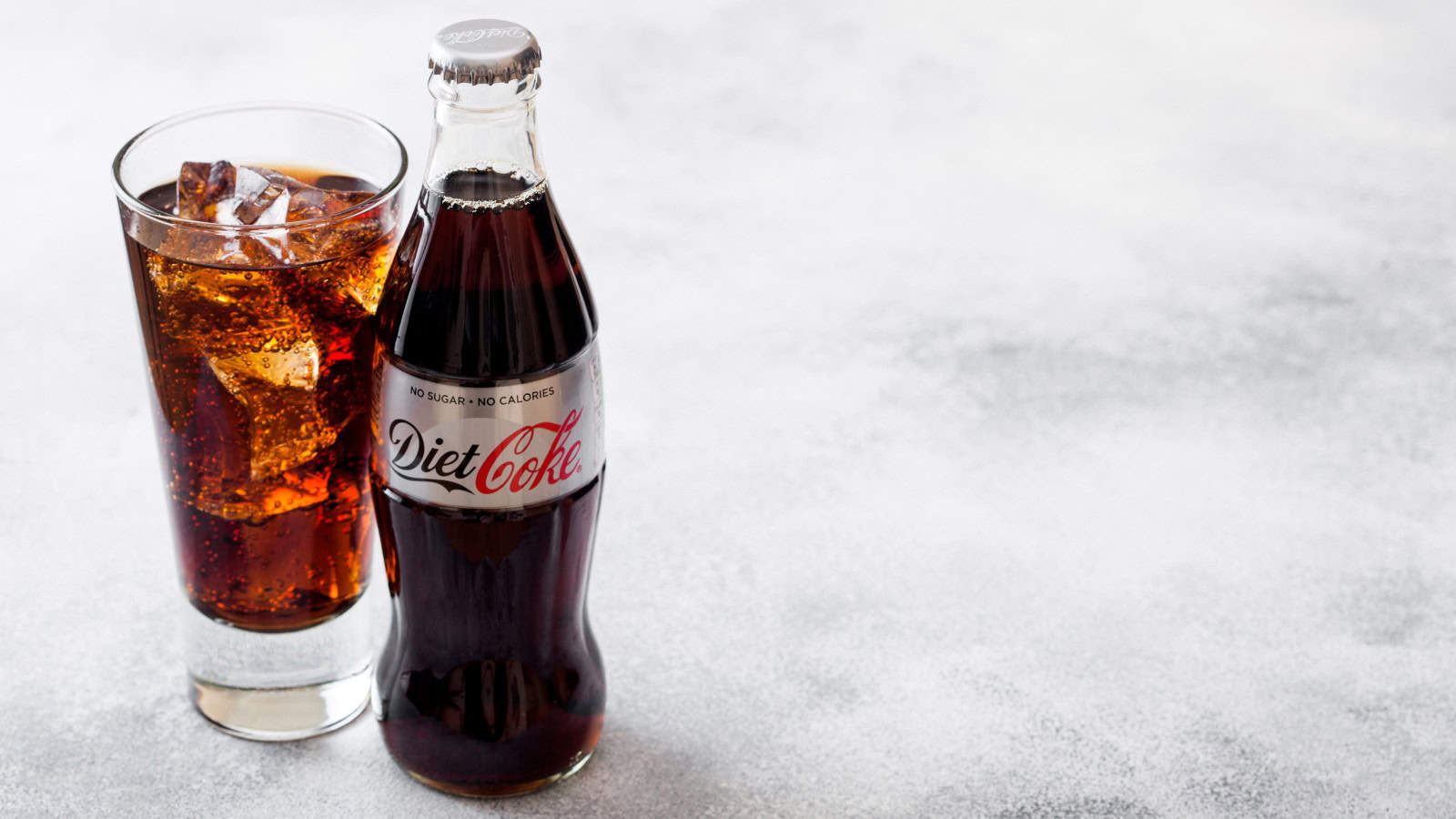
Diet sodas replace sugar with chemical sweeteners like aspartame, sucralose, or acesulfame potassium. These ingredients are engineered for intense sweetness without calories but also bring a metallic or lingering aftertaste. Additional components include phosphoric acid (used for sharpness), caffeine (often synthetic), and caramel coloring, produced through heat treatment of sugars with ammonia or sulfites. These drinks are shelf-stable for long periods due to preservatives like sodium benzoate. While labeled as "zero-calorie," they undergo significant chemical processing to reach their final form. The experience mimics traditional soda without sugar, but involves many compounds rarely recognized by casual consumers.
Cold Brew Coffee (Pre-bottled)
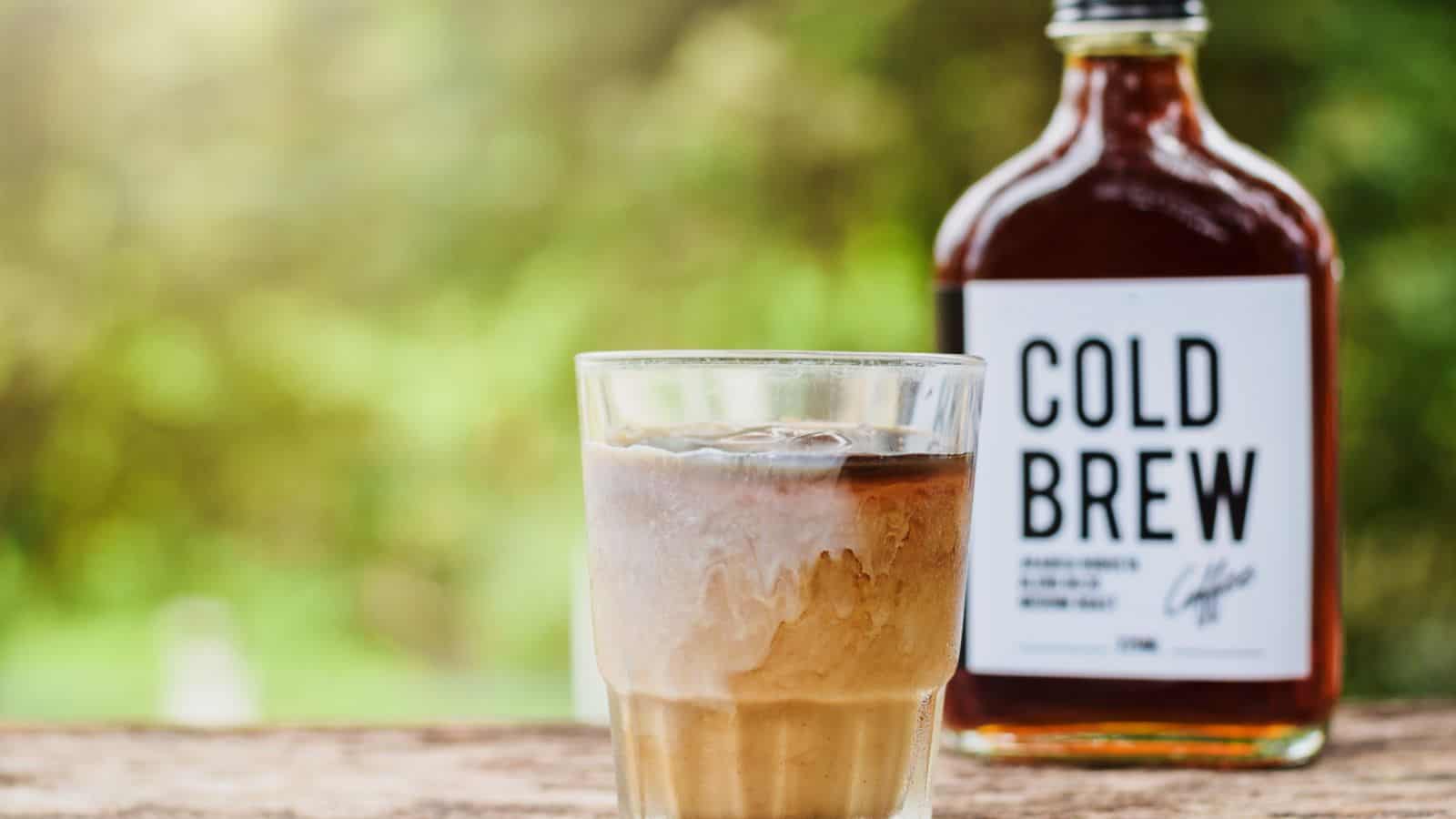
Pre-bottled cold brew often differs from the small-batch versions made at home or in cafés. Large manufacturers use concentrated coffee extracts that are diluted, filtered, and sometimes pasteurized for shelf stability. This process can strip the drink of subtle flavors while extending its life by weeks or months. Some brands include additives like potassium phosphate for pH control or natural flavors to balance bitterness. The brewing process itself may be accelerated using pressure or controlled temperature systems rather than slow steeping. The result is consistent in texture and caffeine levels, but shaped by industrial processing rather than traditional slow extraction.
Coconut Water (from Concentrate)

Shelf-stable coconut water that comes "from concentrate" is made by removing water from the original liquid, storing the concentrate, and later rehydrating it. This method helps with shipping and shelf life, but reduces some of the naturally occurring electrolytes and enzymes. Some brands add sugar or natural flavors to adjust for flavor loss during heating and reconstitution. Others use acid regulators to maintain taste. Fresh coconut water has a short shelf life, but these products are built for mass distribution. The final drink may have a similar appearance to the fresh version, but the processing changes its nutritional profile and taste.
Sports Drinks
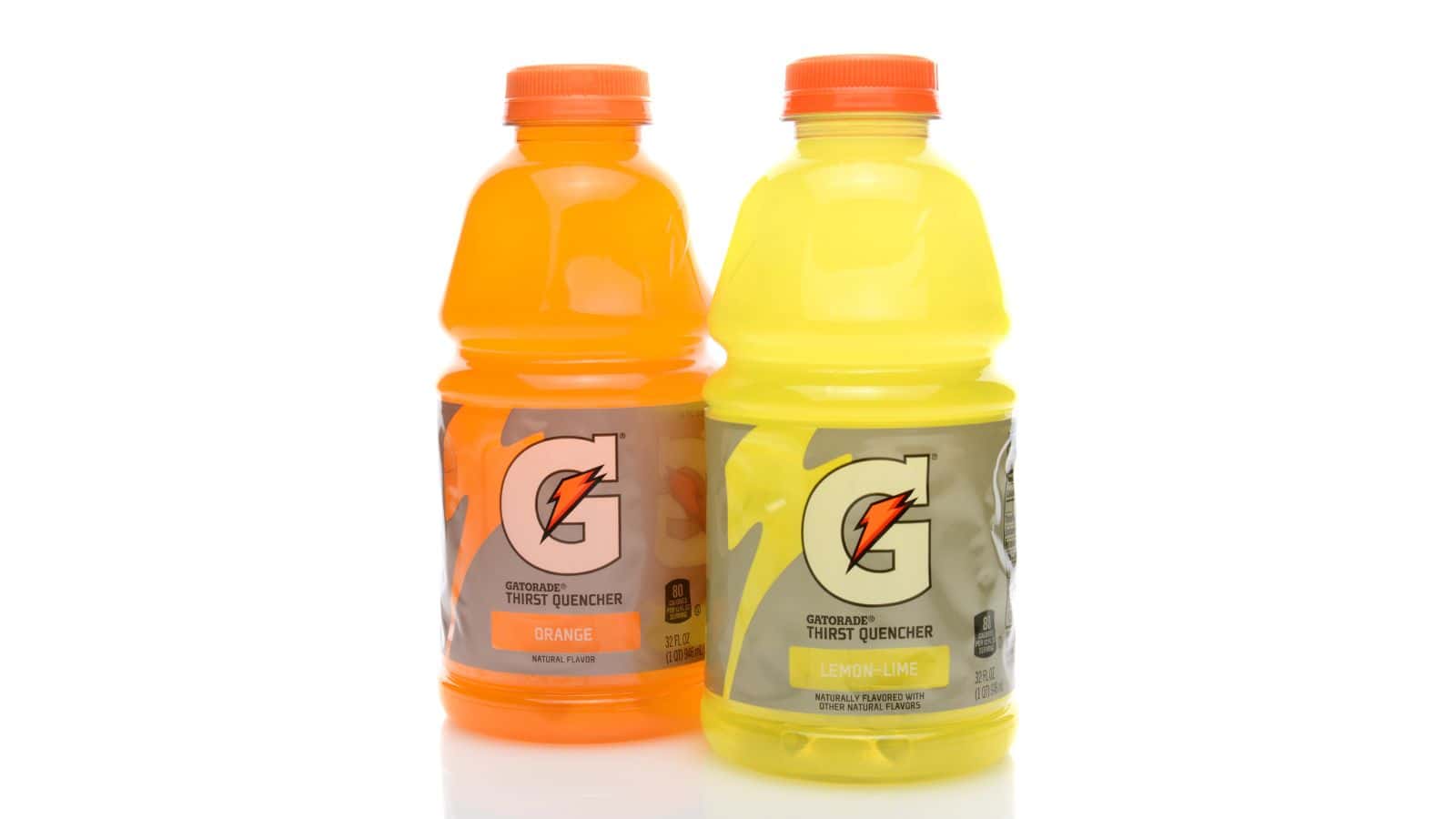
Sports drinks are typically formulated using water, sugar or high fructose corn syrup, electrolytes like sodium and potassium, and artificial coloring. The electrolytes are often lab-sourced compounds rather than derived from natural mineral sources. Some versions include preservatives and synthetic flavoring agents to mimic citrus or berry tastes. The bold colors come from dyes such as Yellow 5 or Blue 1, which are petroleum-based and regulated due to past concerns. While the drinks are marketed as hydration tools, especially for athletes, the high sugar content and artificial ingredients make them more of a processed product than a simple electrolyte solution.
Wine (Commercial Brands)

Mass-produced wines often undergo extensive modification during production. In addition to yeast and grape juice, winemakers may use added sulfites to stabilize the wine, fining agents like egg whites or fish bladder protein to clarify it, and flavor enhancers to adjust the profile. Acidity may be artificially raised or lowered, and added color concentrates can deepen the appearance. Some commercial wineries ferment with industrial yeast strains to control results, and filtration removes particulate matter, which can strip natural textures. While labeled as traditional, many commercial wines are the result of controlled processes that prioritize shelf stability, appearance, and mass-market consistency.
Beer (Macro-brewed)
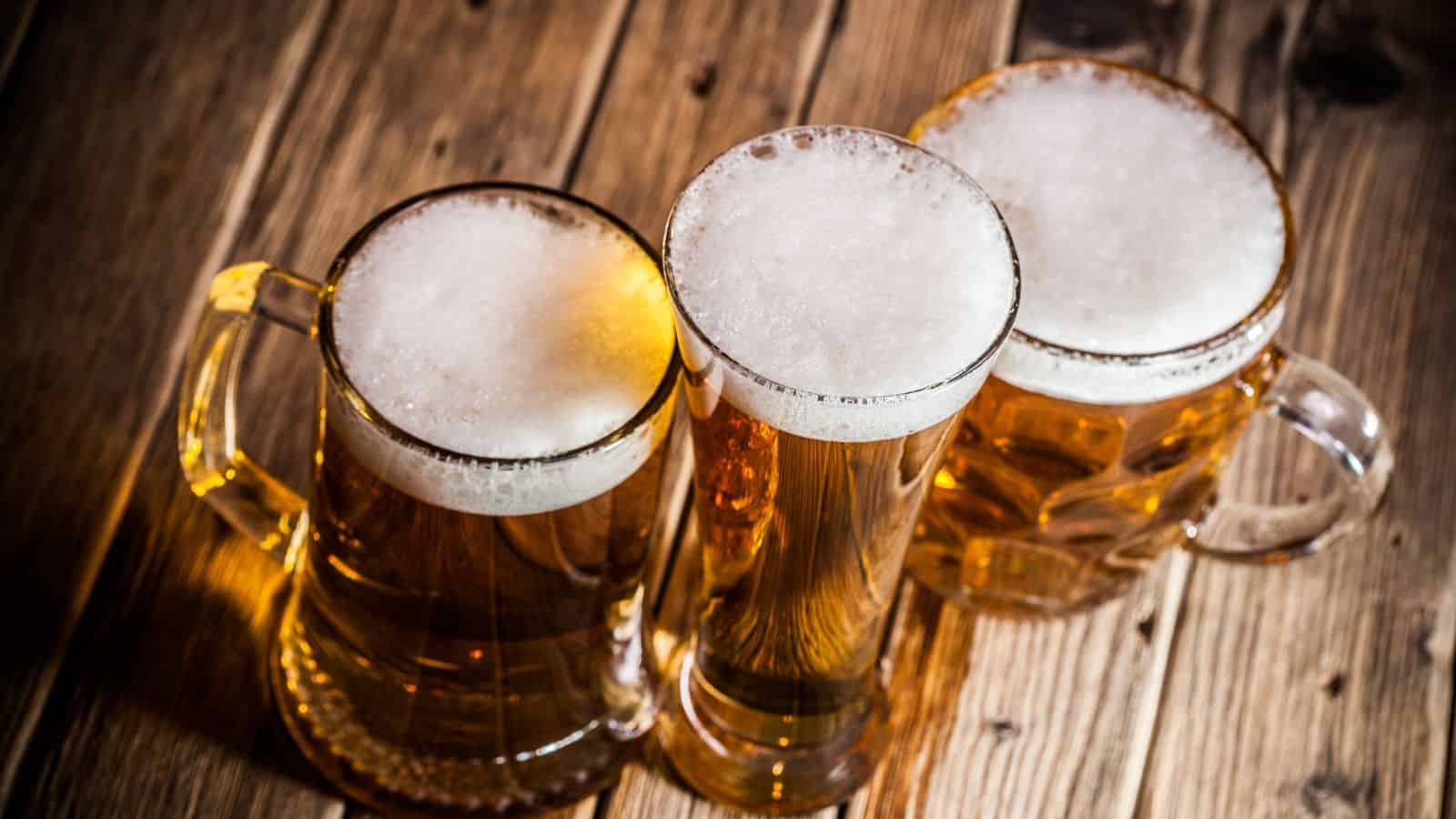
Mass-market beers produced by large corporations are designed for consistency and speed. These beers may include adjuncts like rice or corn syrup to cut costs and lighten the body. Foam stabilizers, filtration agents like isinglass (from fish), and anti-oxidants are used to maintain clarity and extend shelf life. High-speed fermentation and pasteurization allow rapid production cycles, but reduce complexity compared to traditional brewing. Some beers are artificially carbonated rather than naturally conditioned. Labeling often omits processing details, leaving drinkers unaware of additives or shortcuts used. While familiar in flavor, these beers are highly engineered for distribution rather than crafted batch by batch.
Plant-Based Protein Shakes
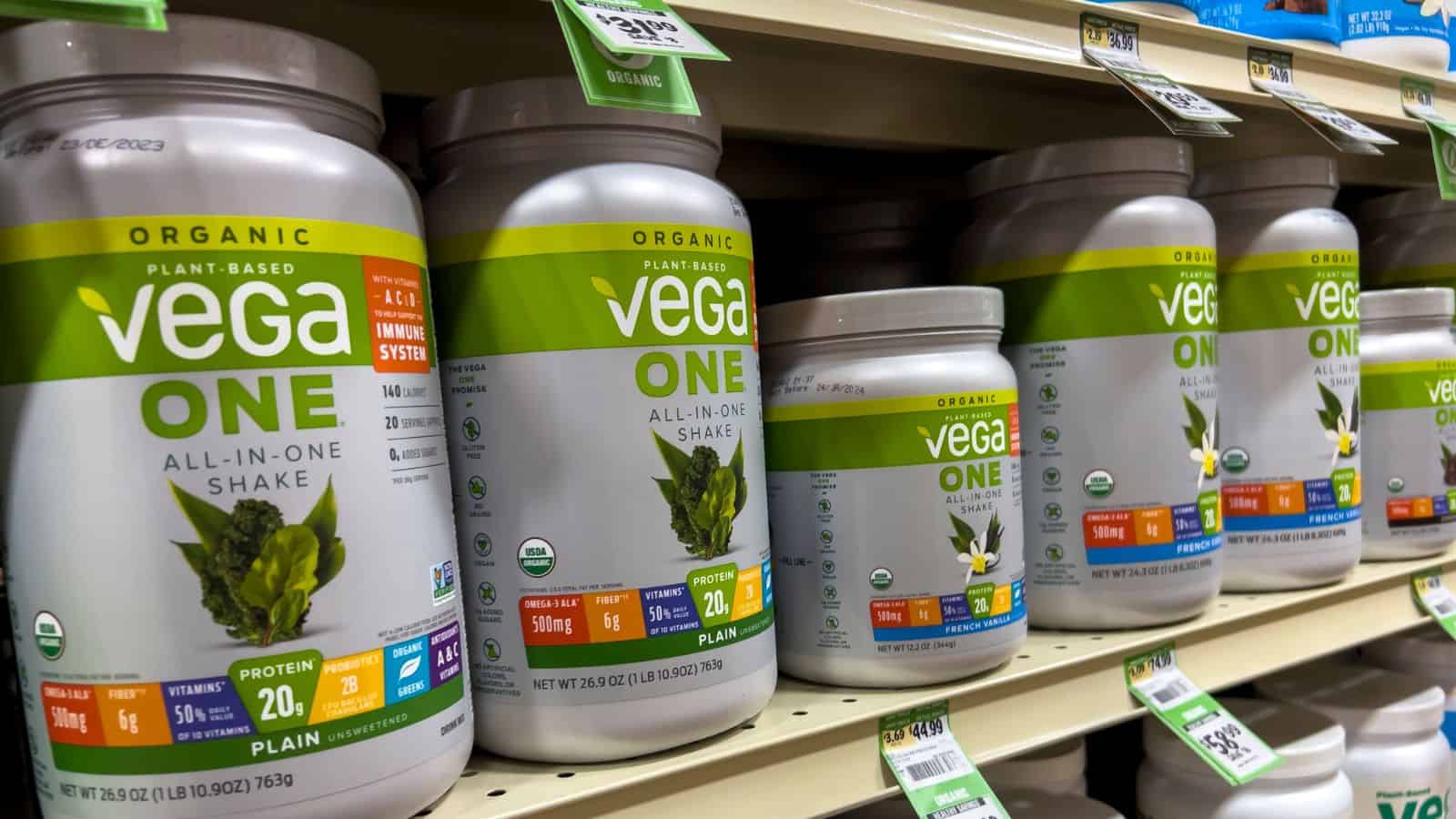
Most store-bought plant-based shakes rely on protein isolates from peas, soy, or rice, extracted using chemical or mechanical processes. These isolates often have a gritty or bitter base flavor, so manufacturers add thickeners (like xanthan gum), artificial sweeteners, and stabilizers to improve texture and taste. Vitamins and minerals are usually fortified synthetically to mimic nutritional content. The ingredients are blended into a homogenized liquid that can sit on shelves for months. While marketed as health-conscious products, these drinks are the result of multiple production steps designed to mask off-notes and create something that mimics dairy shakes in body and sweetness.
Beyond the Label
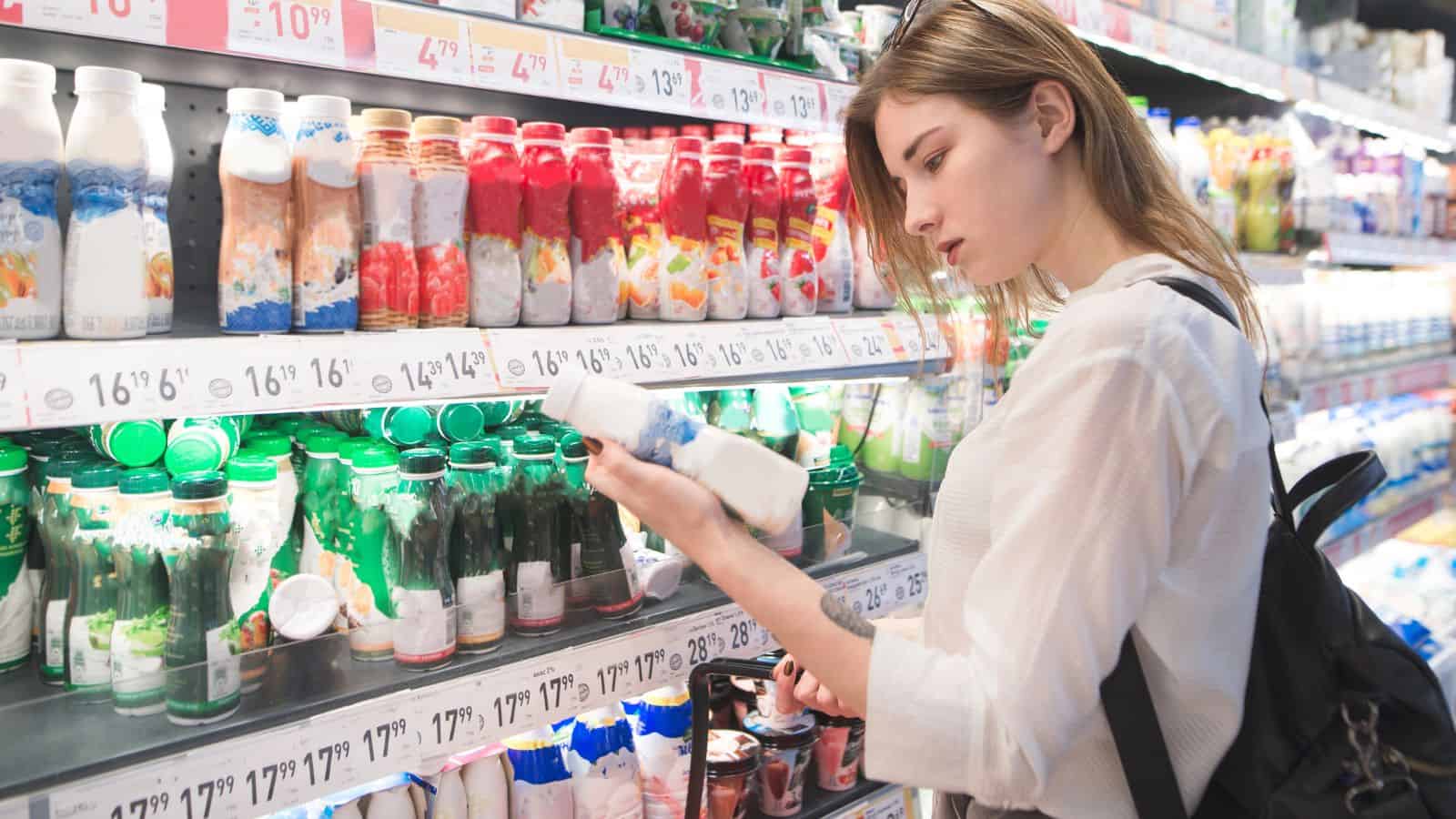
It's easy to grab a favorite drink without a second thought, especially when it's something seen on shelves for years. But once the production process is revealed, it's hard to look at it the same way. These popular beverages show just how much processing can happen behind the scenes, turning something that looks simple into something far more complicated.
That doesn't mean swearing off every bottle or can, but it does mean asking better questions. Knowing what goes into a drink-and how it gets there-can shift how people choose what to bring home. Transparency matters, and awareness is the first step. So next time you reach for something familiar, take a quick look past the packaging. The real story might be in the fine print.
12 Distinctive and Surprising Beverages From Around the World

Have you tried any of these drinks? Discovering beverages from around the world offers a unique way to experience different cultures, flavors, and traditions. While many people stick to familiar drinks, there are 12 distinctive and surprising beverages that showcase just how diverse global drinking culture can be. Each one is shaped by local ingredients, customs, and history, offering a unique experience for those willing to step outside their comfort zone.
Read More Here: 12 Distinctive and Surprising Beverages From Around the World
9 Global Coffees You Need to Try Before You Die

A tour around the world with just a cup of coffee. What's really cool about coffee is how each place makes it their own. Think about it - in some countries, they brew it super strong and serve it in tiny cups, while others create coffee so thick you can almost eat it with a spoon. Some add spices, others use special pots that have been passed down for generations, and each way makes coffee taste completely different.
Read More Here: 9 Global Coffees You Need to Try Before You Die


Comments
No Comments