
Ever really thought about what's in your glass while crushing a cold one? Because beer's got some wild stories to tell. We're talking thousands of years of history here - from ancient Egyptian brewmasters to modern-day craft beer wizards. And trust me, there's way more to it than just helping you unwind after work.
Beer might've actually helped build civilization as we know it. This isn't just some drink invented last century - it's been shaping cultures, building economies, and believe it or not, might even be good for you (in moderation, obviously). Whether it's grabbing whatever's on special at the store or being a full-on beer nerd, there's probably something about beer that'll blow your mind.
The facts coming up will change how anyone looks at their next pint. Not the usual "beer before liquor" stuff - these are fascinating bits about how beer's been secretly influencing everything from gardens to bones. Time to discover what makes this everyday drink so extraordinary.

Beer is Older Than Writing
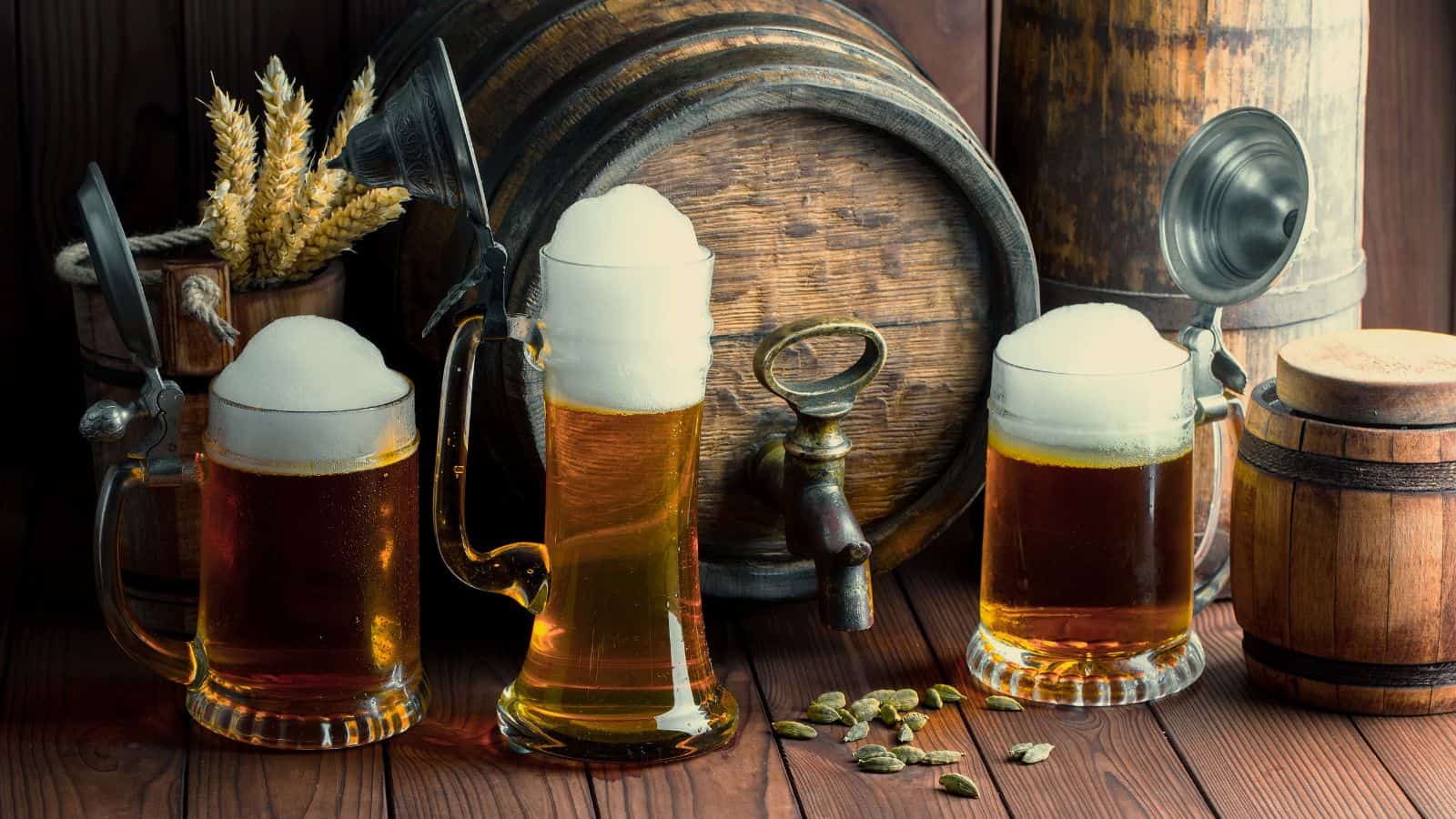
Beer's history stretches back to ancient times, predating written language by thousands of years. The earliest known evidence of beer brewing dates back to around 7,000 years ago, with traces found in ancient Mesopotamia (modern-day Iran). Early brewing methods were often quite different from the modern process, but the key ingredients of barley, water, and fermented yeast were already in use. Beer played a central role in the daily lives of these ancient people, from religious ceremonies to everyday consumption, making it one of the oldest and most widespread beverages in human history.
Beer Was Once Used as Currency
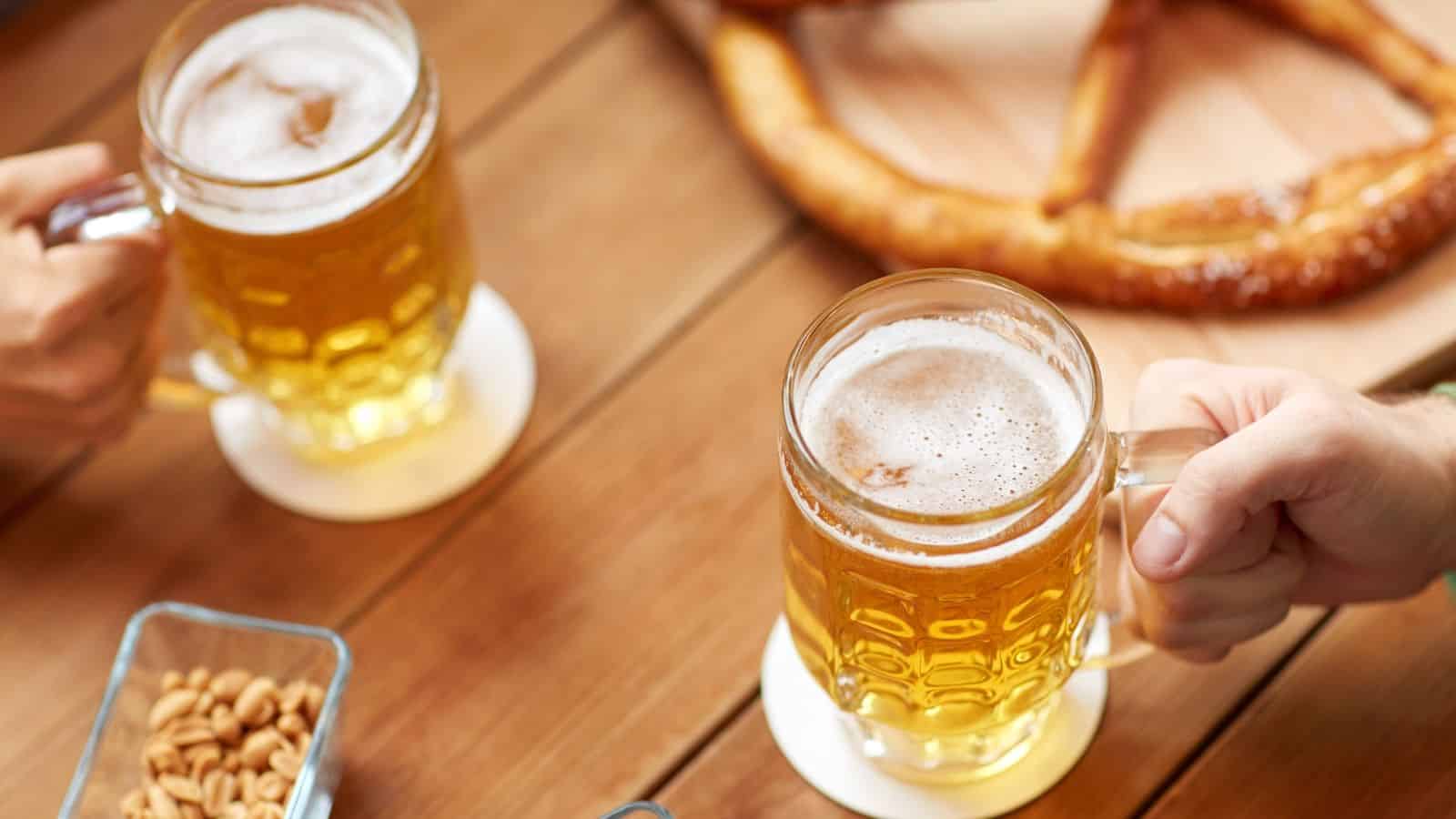
In many ancient cultures, beer was so important that it was used as a form of currency. The Sumerians, one of the earliest civilizations, would pay workers with beer, especially laborers who constructed grand structures like the ziggurats. Beer was considered both valuable and essential for sustaining people throughout their workday. In medieval Europe, it was also common for brewers to barter beer in exchange for goods and services. This practice underscores how central beer was to social and economic systems long before it became a casual beverage.
Beer Is Full of Nutrients
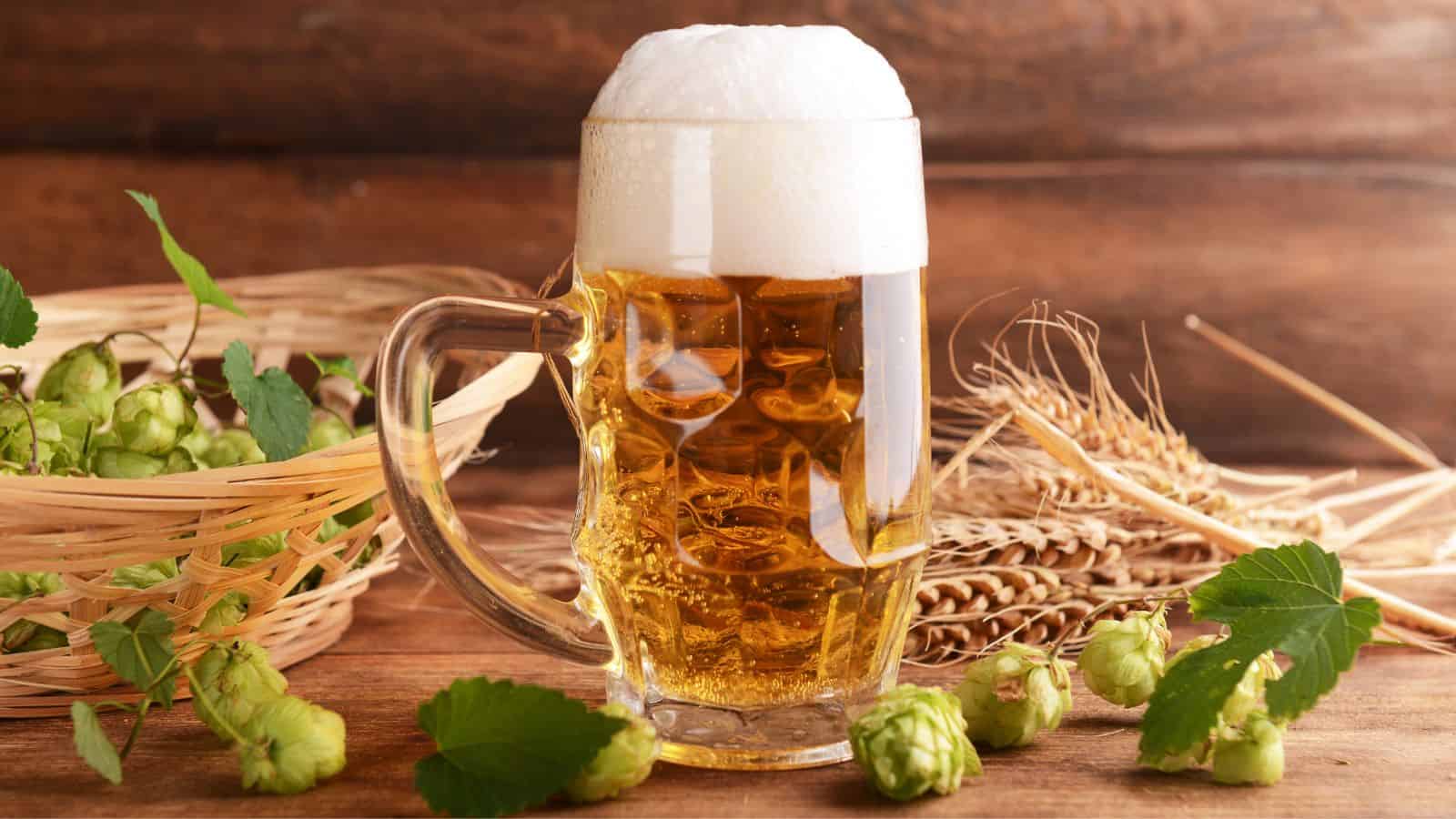
Beer contains more nutrients than many people realize. While it's not exactly a healthy drink, beer does have a surprising number of beneficial compounds. It's a rich source of B vitamins like B6 and B12, essential for energy production and brain function. Beer also contains minerals such as potassium, magnesium, and selenium, which help with hydration, muscle function, and overall wellness. Additionally, the fiber from barley and other grains can contribute to a balanced diet. Still, as with all things, moderation is key to reaping any nutritional benefits without overdoing it.
The Color of Beer Depends on the Malt
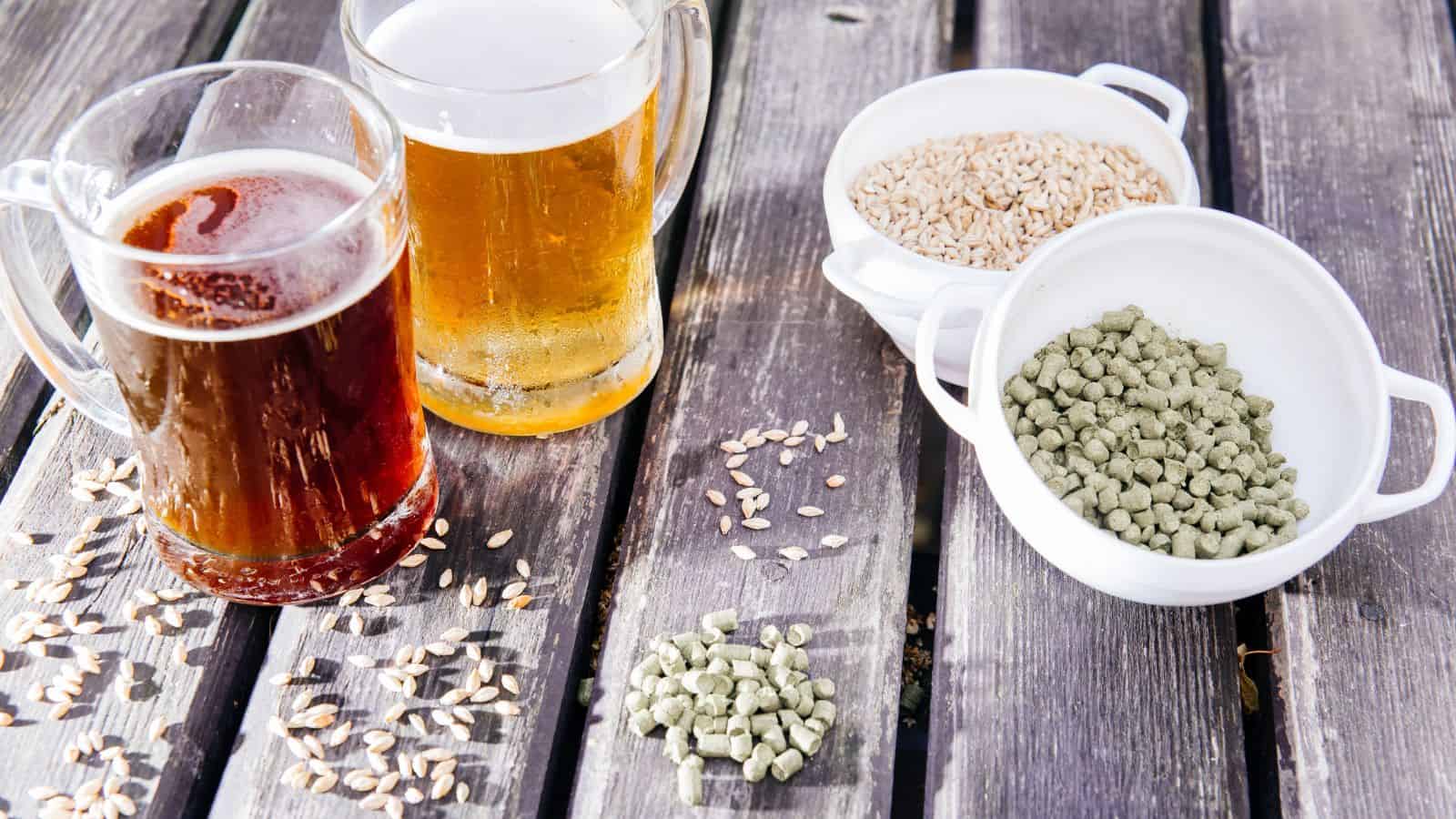
The color of beer is directly tied to the type of malt used during brewing. Malt is the main source of fermentable sugars that the yeast uses to produce alcohol. Lighter beers are made from pale malt, which is not roasted, while darker beers are brewed with roasted malts that have been subjected to higher temperatures, bringing out rich, deep colors. The process of roasting the malt also adds to the flavor profile, resulting in beers with chocolate, caramel, or coffee-like notes. Understanding how malt affects the color and taste of beer is part of what makes brewing so fascinating.
There Are Over 20,000 Different Types of Beer
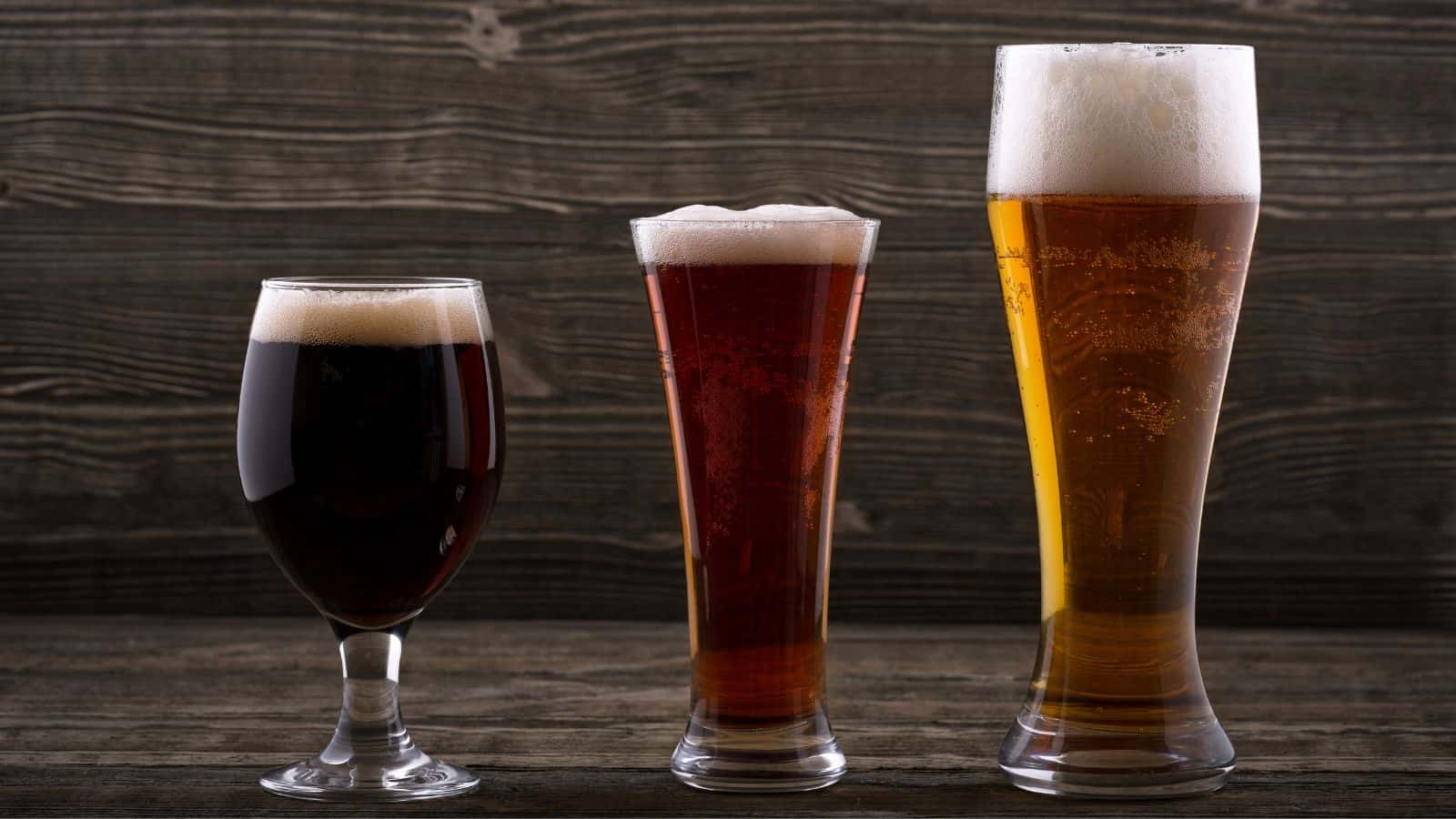
With thousands of different beers available around the world, there's a style for nearly every taste. From pale ales and lagers to stouts, IPAs, and wheat beers, the variety is practically endless. In fact, the global beer market is estimated to have over 20,000 different types of beer, each with distinct flavors, aromas, and characteristics. This vast range is driven by different brewing techniques, ingredients, and cultural traditions, making beer a dynamic and ever-evolving drink. Whether you prefer something light and crisp or dark and robust, there's always a new beer to explore.
Beer Can Be Used to Help Plants Grow
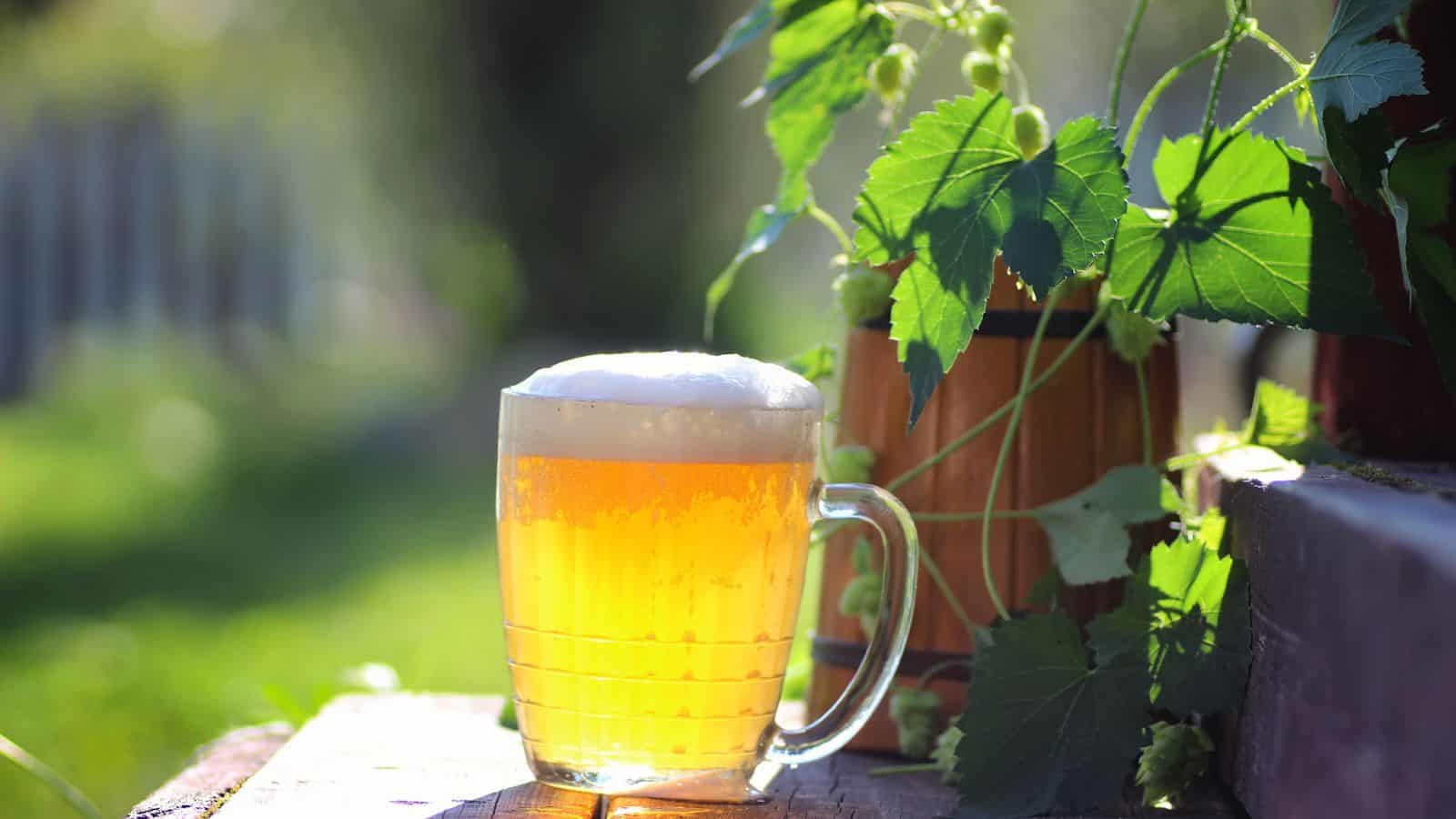
Beer isn't just for drinking-turns out, it can also help your garden thrive. The sugars in beer act as a natural fertilizer for plants, promoting growth and improving soil quality. Some gardeners use flat beer to attract slugs and snails, drawing them away from plants. Others claim that watering plants with beer-especially if it's flat-can help them grow stronger by encouraging beneficial microbes in the soil. While beer won't replace traditional fertilizers, it can be an interesting and fun way to give your garden a little extra boost.
The "Pint" Was Standardized in 1824
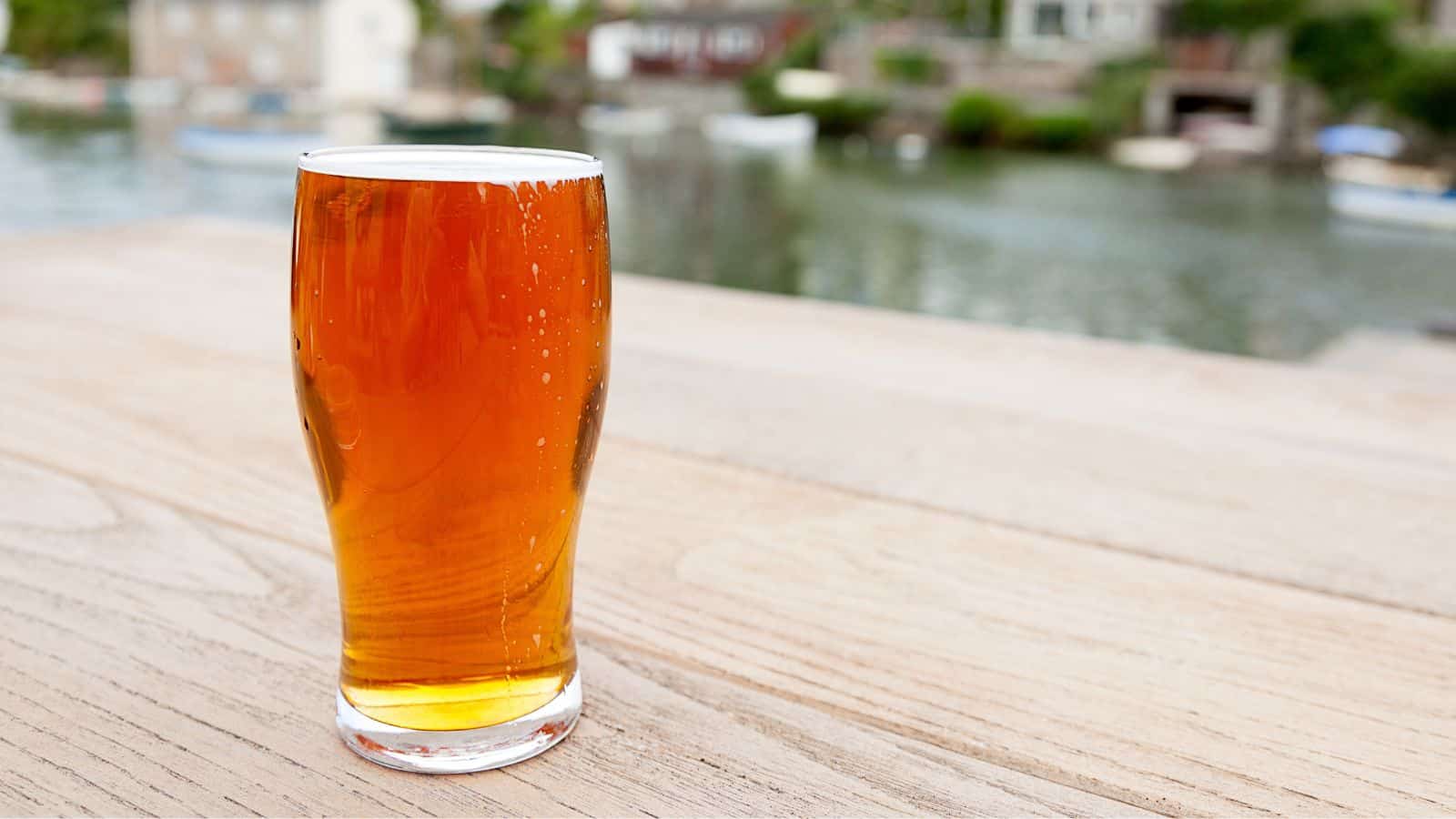
The term "pint" became standardized in 1824 in Britain when the British Parliament passed the Weights and Measures Act. Before this law, the size of a pint varied from region to region, leading to confusion and inconsistency in trade. The law set the volume of a pint at 20 fluid ounces, a size that remains in use in the UK today. This move helped regulate the sale of beer and other liquids, ensuring that customers received the correct amount of product. It also laid the foundation for the standardization of measurements we rely on in modern commerce.
Beer Was Once Considered Healthier Than Water
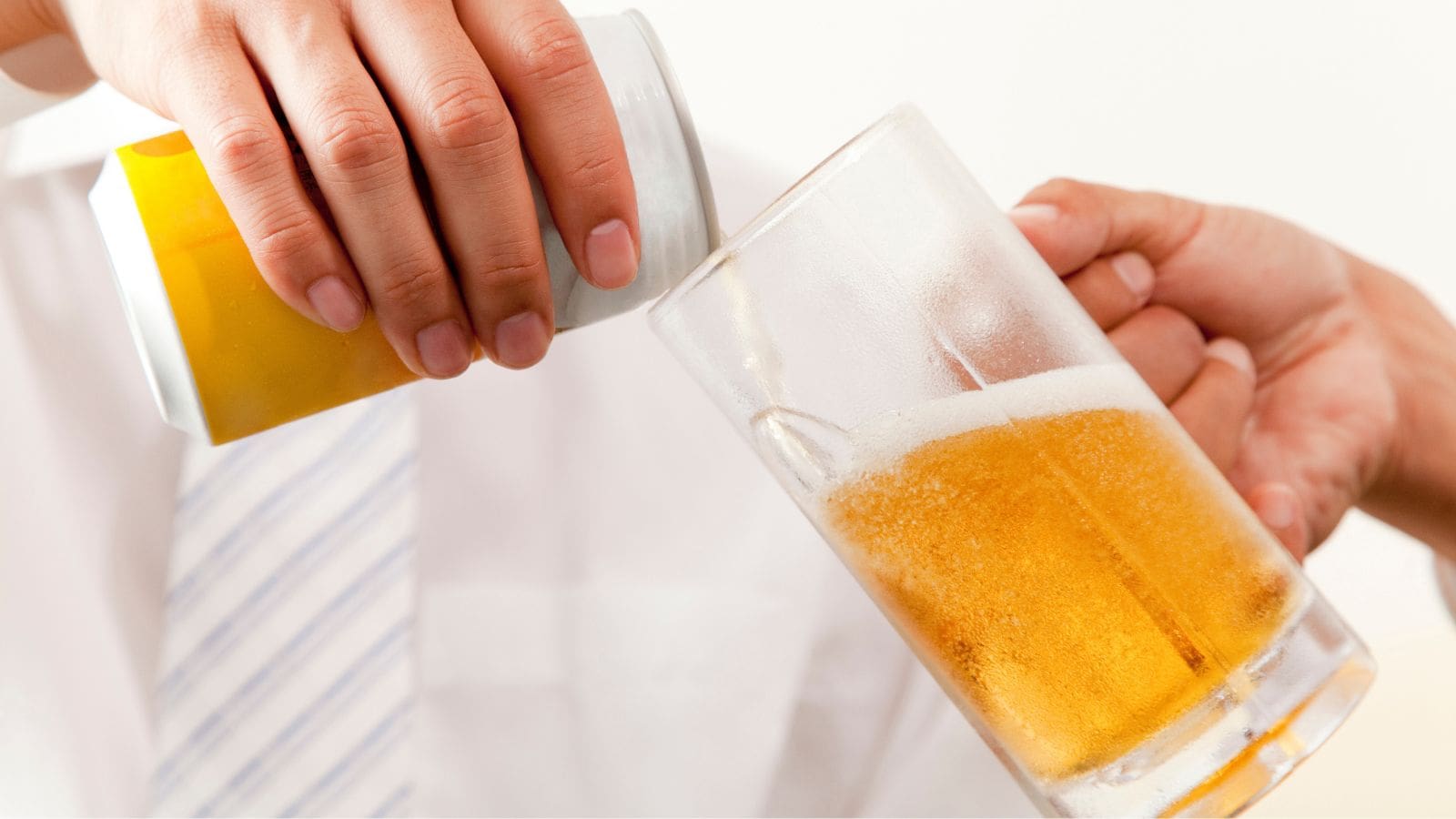
In medieval Europe, beer was often seen as a safer option than water. Due to the lack of modern sanitation, water sources were frequently contaminated with harmful bacteria, making drinking dangerous. On the other hand, the brewing process involved boiling the water, which killed off many of these pathogens. Additionally, the alcohol in beer acted as a natural preservative, further reducing the risk of contamination. For these reasons, beer was commonly consumed throughout the day, even by children. It was believed that beer not only provided hydration but also offered some protection against disease.
Beer Foam Is Important
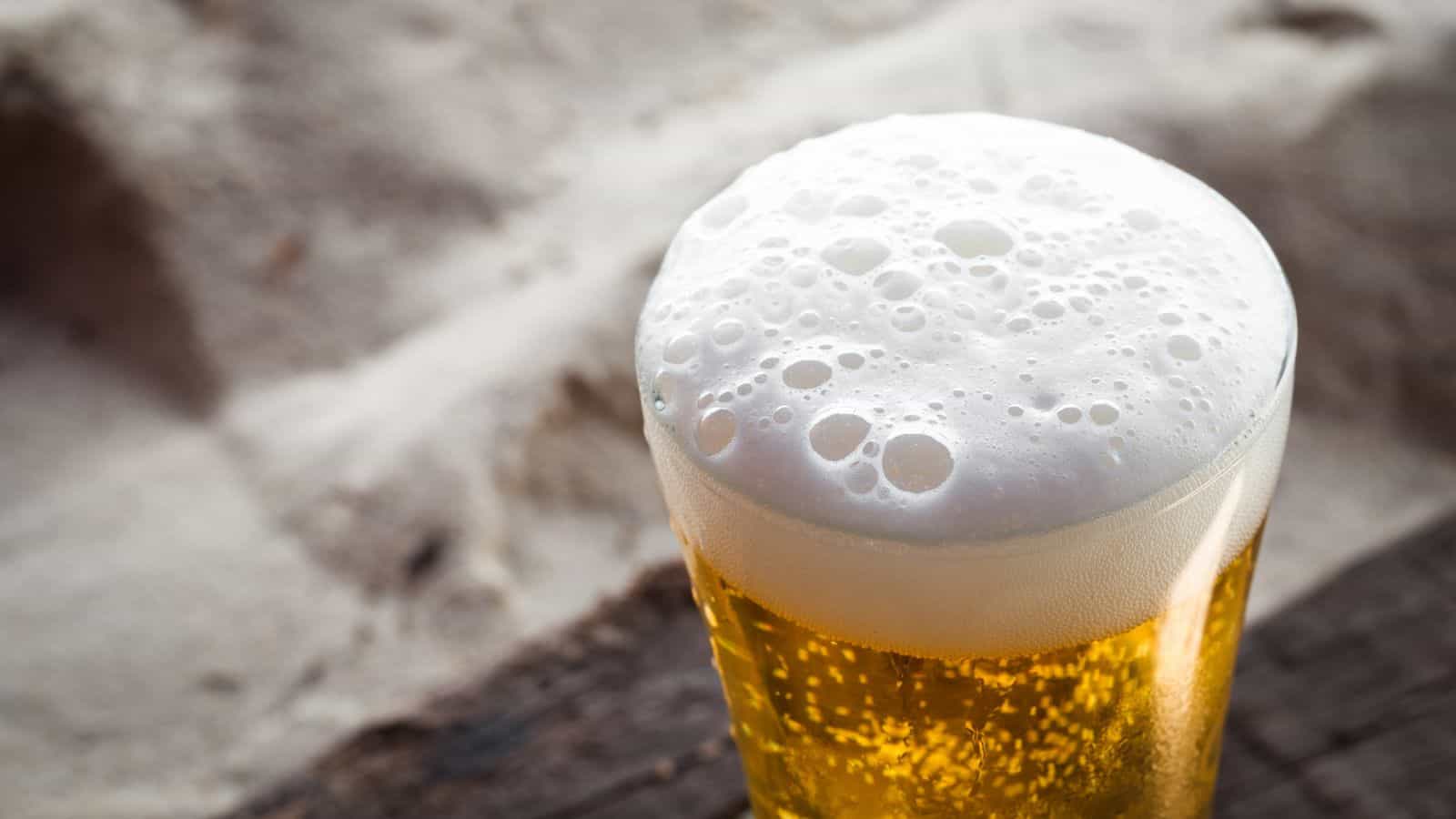
The foam on a beer, often referred to as the "head," serves several important purposes beyond just looking good. First, it helps preserve the beer's aroma by trapping volatile compounds that would otherwise evaporate quickly. It also protects the beer from oxidation, which can affect its flavor. A good foam indicates that the beer was poured correctly and is fresh. The texture of the foam is also a sign of quality, with the best beers having a dense, creamy head that clings to the glass. It's a small detail, but it plays a big role in the overall experience of drinking beer.
The Oldest Beer Brewery Is in Germany
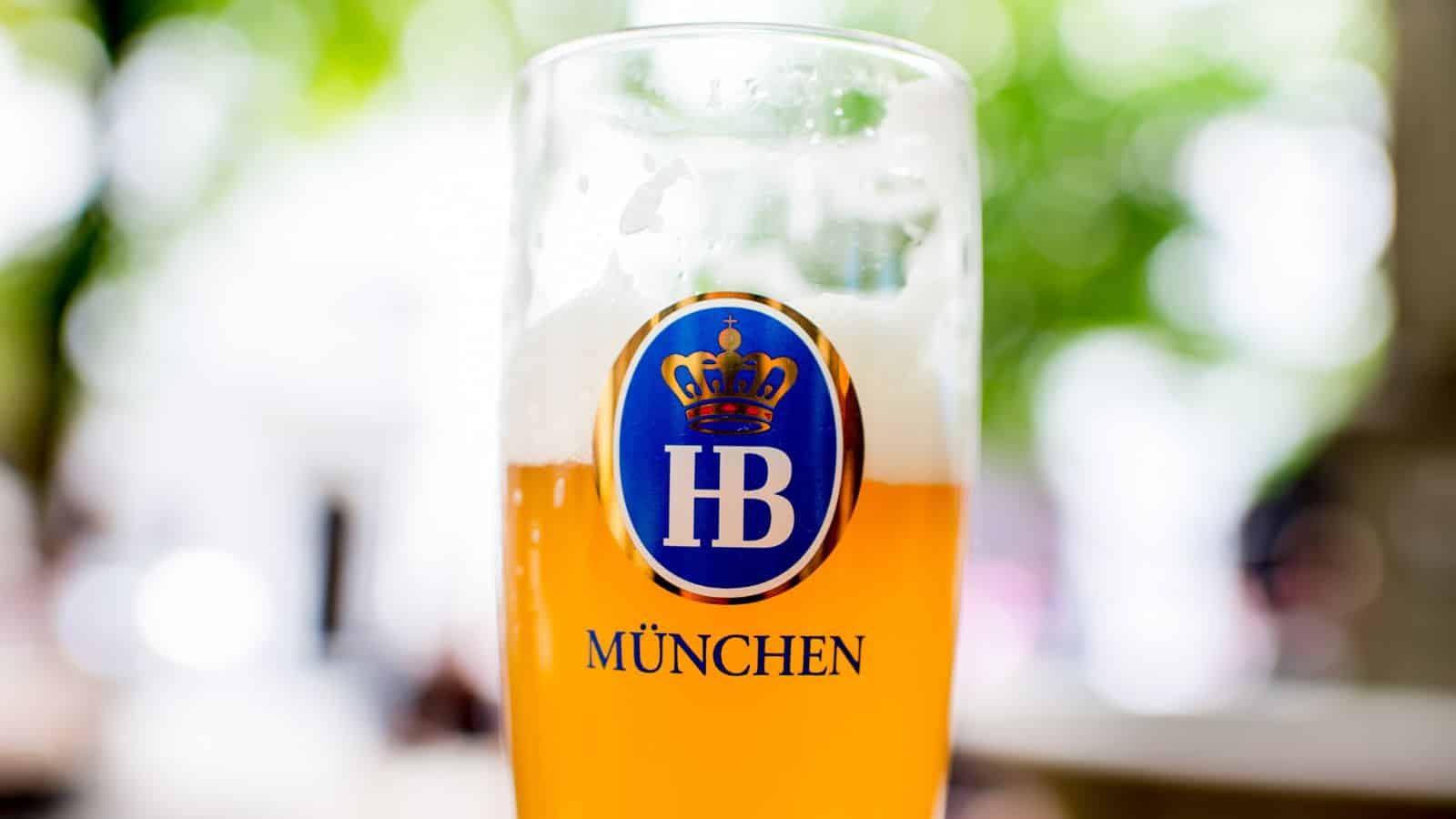
The Weihenstephan Brewery in Freising, Germany, holds the title of the oldest continually operating brewery in the world. Founded in 1040 AD, it has been brewing beer for nearly 1,000 years. The brewery's long history is a testament to the enduring popularity of beer, which has been enjoyed across generations. Today, Weihenstephan produces a variety of traditional and modern beers, blending centuries-old techniques with modern brewing innovations. The brewery is also a symbol of Germany's deep brewing tradition, representing both its historical roots and its ongoing influence in the global beer scene.
Beer Can Improve Bone Health
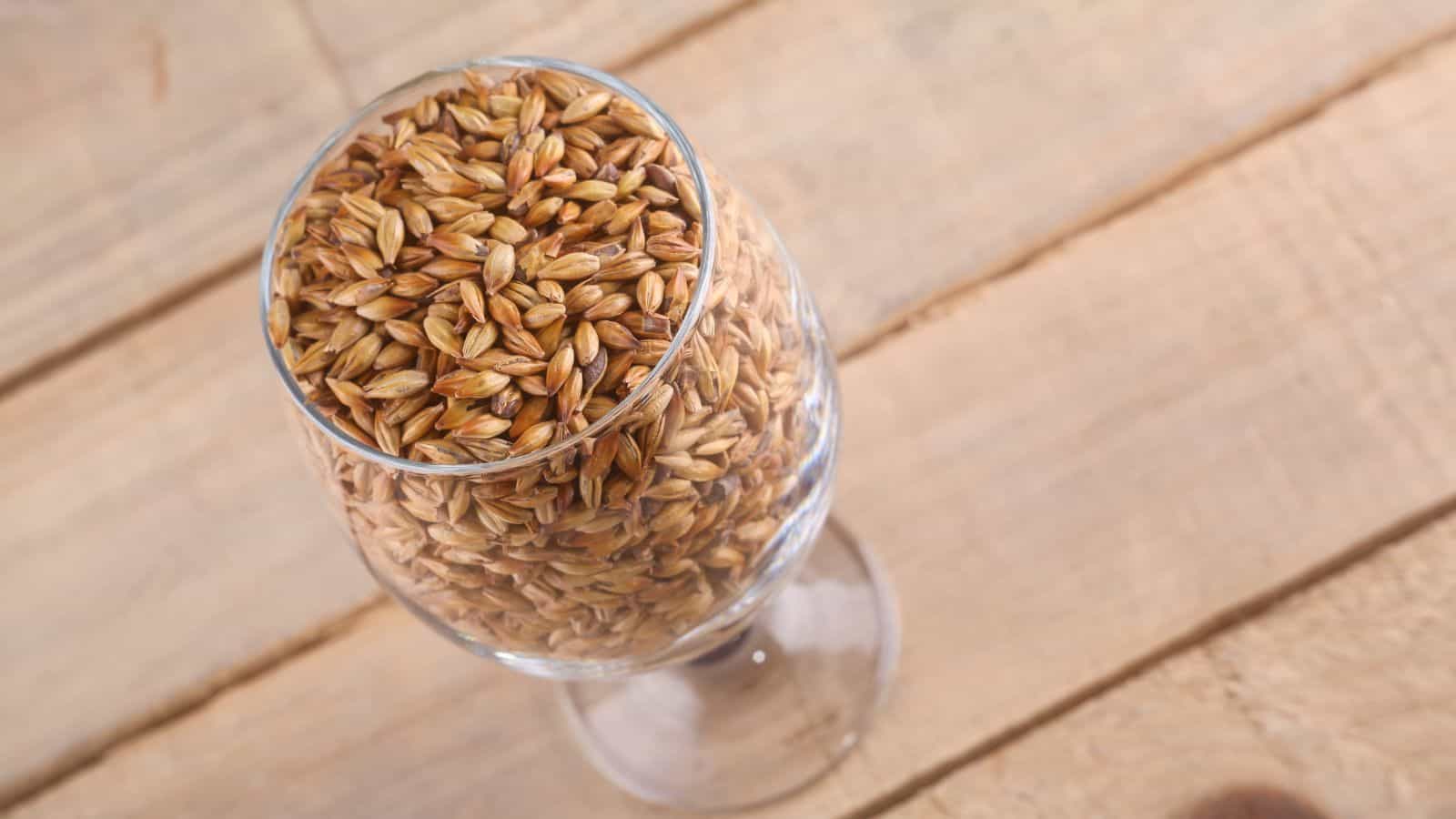
While not a replacement for calcium-rich foods, beer contains a mineral that can contribute to bone health. Silicon, found in the malted barley used to brew beer, is known to help maintain bone density and promote the growth of healthy bone tissue. Some studies have even suggested that moderate beer consumption can support stronger bones, particularly in older adults. Of course, this benefit is only observed when consumed in moderation. Excessive alcohol intake can have the opposite effect, so it's important to enjoy beer as part of a balanced lifestyle.
Hops Were Once Used as a Sleeping Aid
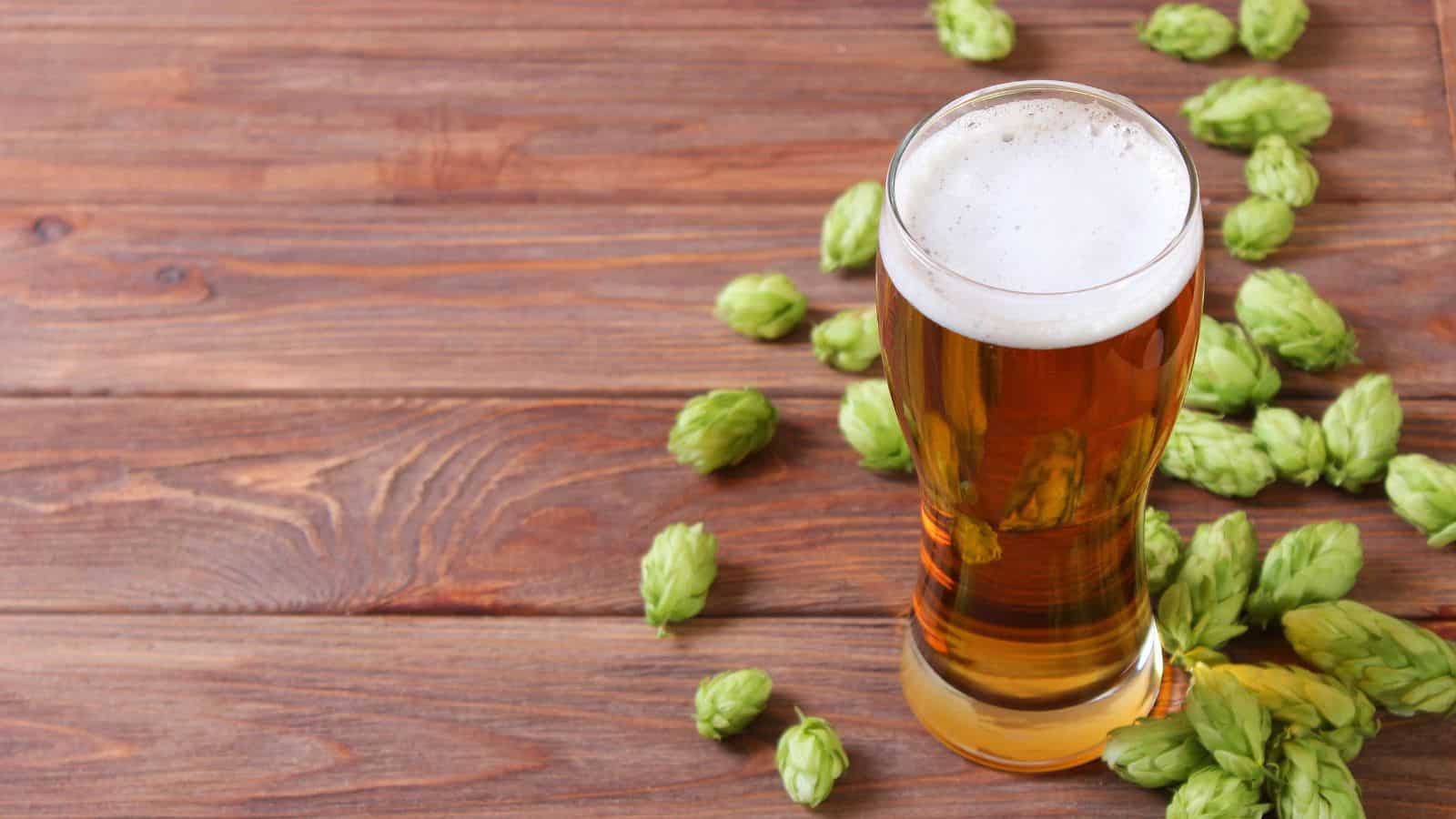
Before hops became synonymous with beer, they were used in folk medicine for their calming effects. The flower of the hop plant contains compounds known to have sedative properties, which make it a popular natural remedy for insomnia and anxiety. People would often stuff pillows or sachets with hops to help them sleep better at night. Hops were also used in herbal teas and other remedies for relaxation. While hops are most commonly associated with brewing today, they have a long history of promoting calm and restful sleep.
Women Brewed Beer in Ancient Times
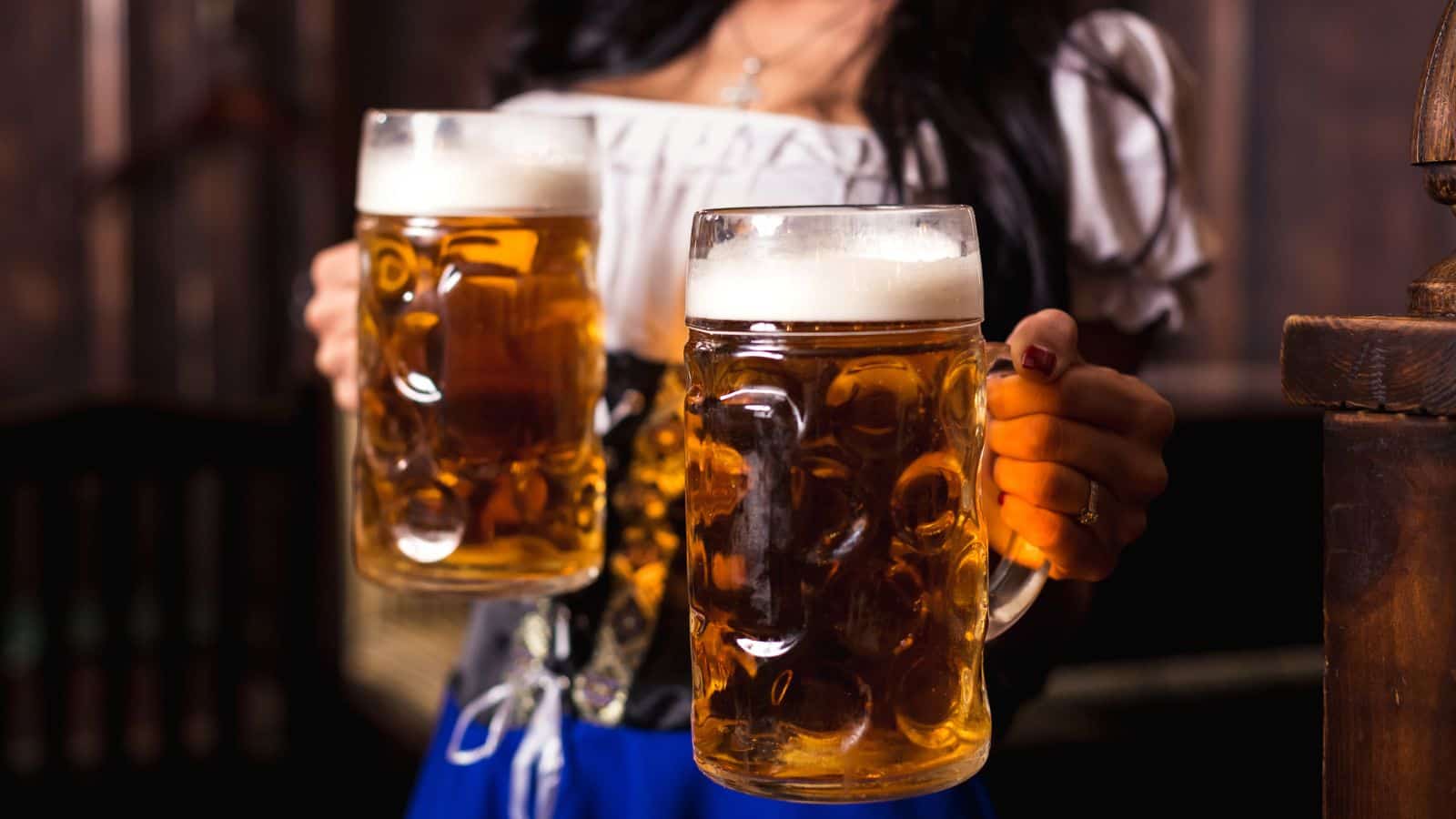
In many ancient cultures, brewing beer was a woman's job. Archaeological evidence shows that women in ancient Egypt, Mesopotamia, and beyond were responsible for brewing the beer consumed by their families and communities. In Egypt, women were highly regarded as skilled brewers, and some even ran successful brewing businesses. This tradition continued for centuries, with women maintaining a central role in beer production well into the medieval period. The shift toward male-dominated brewing industries didn't occur until the Industrial Revolution, but beer's deep connection to women is a lesser-known part of its long history.
Women's Top 10 Favorite Beers of 2024 That You Need to Try This Year

Looking for the best beer? Choosing a great beer can be a bit overwhelming with so many options out there. But who better to guide us than women who know their brews? Their preferences and insights bring a fresh perspective to the beer scene. From smooth lagers to rich stouts, these top 10 beers, according to women, stand out for flavor, quality, and sheer enjoyment.
Read More Here: Women's Top 10 Favorite Beers of 2024 That You Need to Try This Year
9 Cheap Grocery Store Finds That Make $20 Bar-Style Mocktails

Want to make mocktails on a budget? Ever thought about turning your affordable mocktails into something truly impressive? Making drinks at home gives you endless possibilities beyond store-bought options. With simple ingredients like fresh fruits, fragrant herbs, and sparkling mixers, you can create eye-catching drinks for just a few dollars per glass. Homemade mocktails can elevate any gathering, whether it's fizzy fruit-based blends, herb-infused sparklers, or creative alternatives to standard soft drinks. With items from your local grocery store, your drink menu can become the star of your next get-together.
Read More Here: 9 Cheap Grocery Store Finds That Make $20 Bar-Style Mocktails


Comments
No Comments