
Coffee is a beloved beverage enjoyed by many, but not all flavors pair well with it. There are 13 surprising flavors that just don't work with coffee. While some combinations can enhance the rich, bold taste of coffee, others can lead to an unpleasant experience that leaves coffee lovers scratching their heads. Understanding which flavors clash with coffee can help avoid disappointing brews and ensure a more enjoyable drinking experience.
From unexpected spices to certain fruits, these flavor combinations may seem intriguing at first but often fall flat when mixed with coffee. Exploring these mismatched flavors can provide insight into the complexities of coffee and help refine personal preferences.
Discover these surprising flavors that don't complement coffee and learn what to avoid in future brews. By being mindful of flavor pairings, coffee enthusiasts can enhance their appreciation for this beloved drink and enjoy it to the fullest!

Cucumber
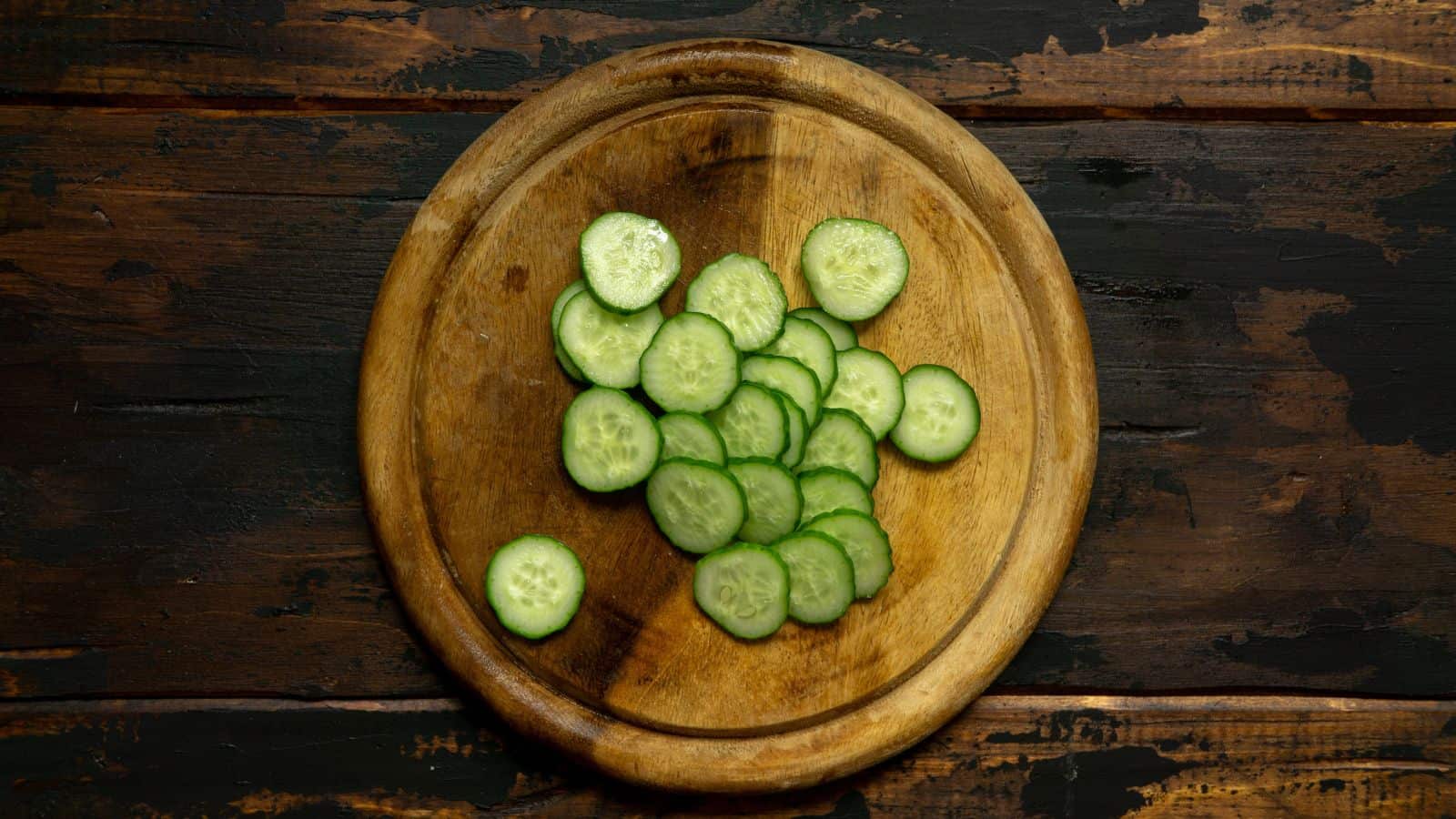
Cucumber's light, watery taste may work in fresh juices or cocktails, but when combined with coffee, it feels completely mismatched. The crisp, almost grassy flavor clashes with the deep, roasted profile of coffee, making both elements stand out in the worst way. Rather than complementing the drink, cucumber creates an odd contrast, where its cool freshness feels out of place against coffee's natural bitterness. Even in cold brews, where some ingredients blend more easily, cucumber's high water content dilutes the richness of coffee, leaving an odd aftertaste that lingers unpleasantly.
Olive
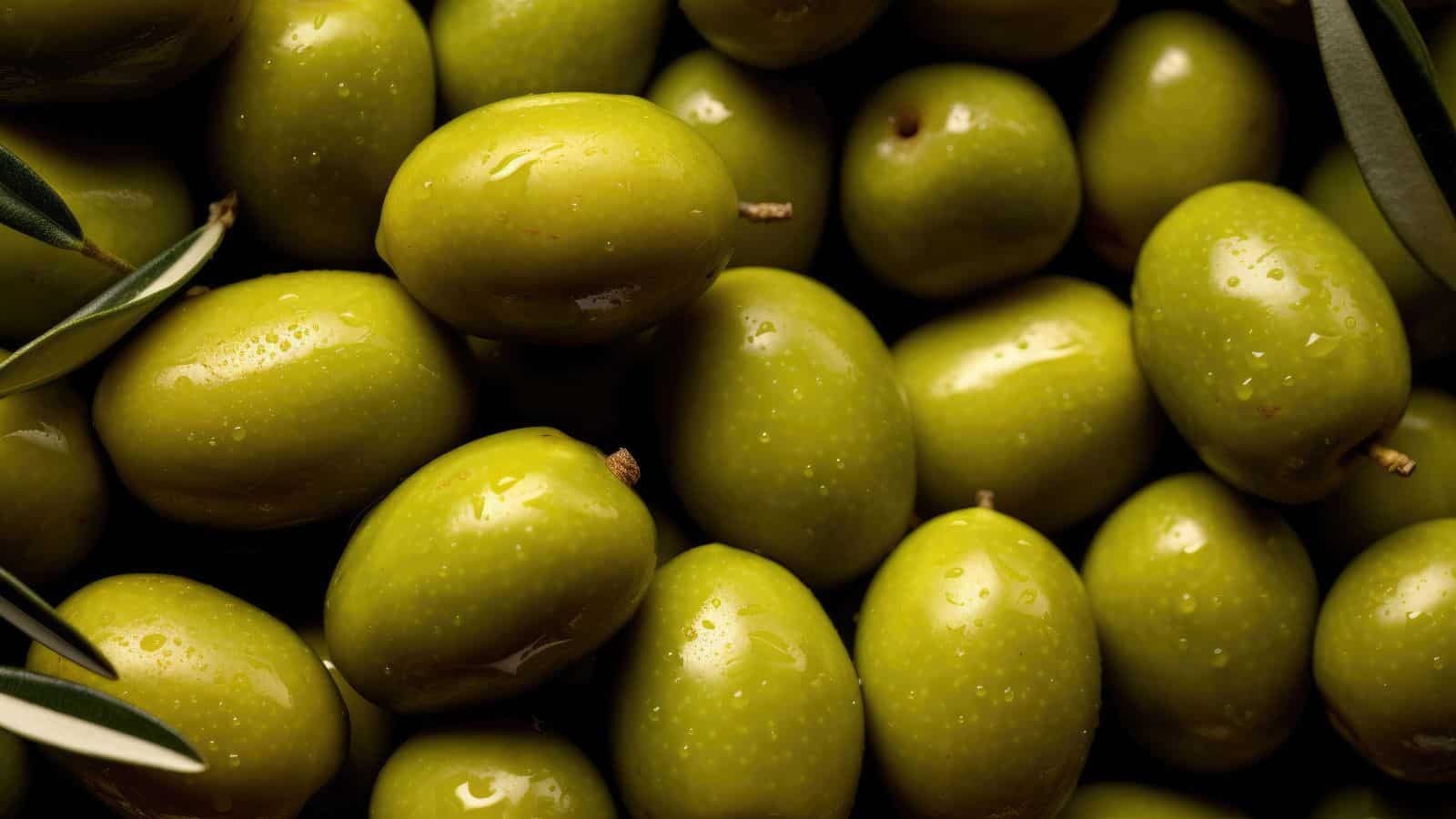
Olives bring a bold, briny flavor that works well in savory dishes, but in coffee, they create an unbalanced and awkward pairing. Their natural saltiness enhances the bitterness of coffee in a way that feels harsh rather than complex. The slight oiliness of some olive varieties also coats the tongue, interfering with coffee's texture and making each sip feel heavier than it should. Even if paired with dark, rich roasts, olives dominate the palate, leaving behind an odd mix of salt, fruitiness, and bitterness that doesn't blend harmoniously.
Eggplant

Eggplant has a mild yet slightly earthy taste that takes on different flavors when cooked, but on its own, it lacks the richness needed to work with coffee. Its soft, almost spongy texture and subtle bitterness don't enhance the coffee-drinking experience. Instead, eggplant adds an odd vegetal note that makes coffee taste less balanced. Whether roasted, grilled, or pureed, eggplant doesn't contribute anything that enhances or complements the deep flavors of a well-brewed cup. Even in experimental coffee drinks, it tends to leave an aftertaste that feels out of place and unwelcome.
Radish

Radish brings a sharp, peppery bite that might work well in salads and pickles, but in coffee, it becomes overwhelming. Its slightly spicy, crisp nature doesn't mesh with the deep, roasted flavors of coffee beans, creating a jarring contrast that makes both elements taste off. The natural bitterness in radishes amplifies the bitter notes in coffee in an unpleasant way, while the crunchiness of raw radish feels strange alongside a smooth, liquid drink. Even when cooked, radish maintains a sharpness that cuts through coffee rather than blending with it, making the combination an odd misstep.
Soy Sauce

Soy sauce's deep umami flavor might enhance broths and marinades, but in coffee, it turns into an overpowering distraction. The high salt content clashes with coffee's natural acidity, making the drink taste unbalanced and almost metallic. Soy sauce also adds a fermented, slightly sweet note that lingers in an unpleasant way, making it difficult to appreciate the natural complexity of a well-brewed coffee. Even small amounts can completely alter the drink's character, turning it into something that tastes more like a failed experiment than an intentional combination of flavors.
Avocado
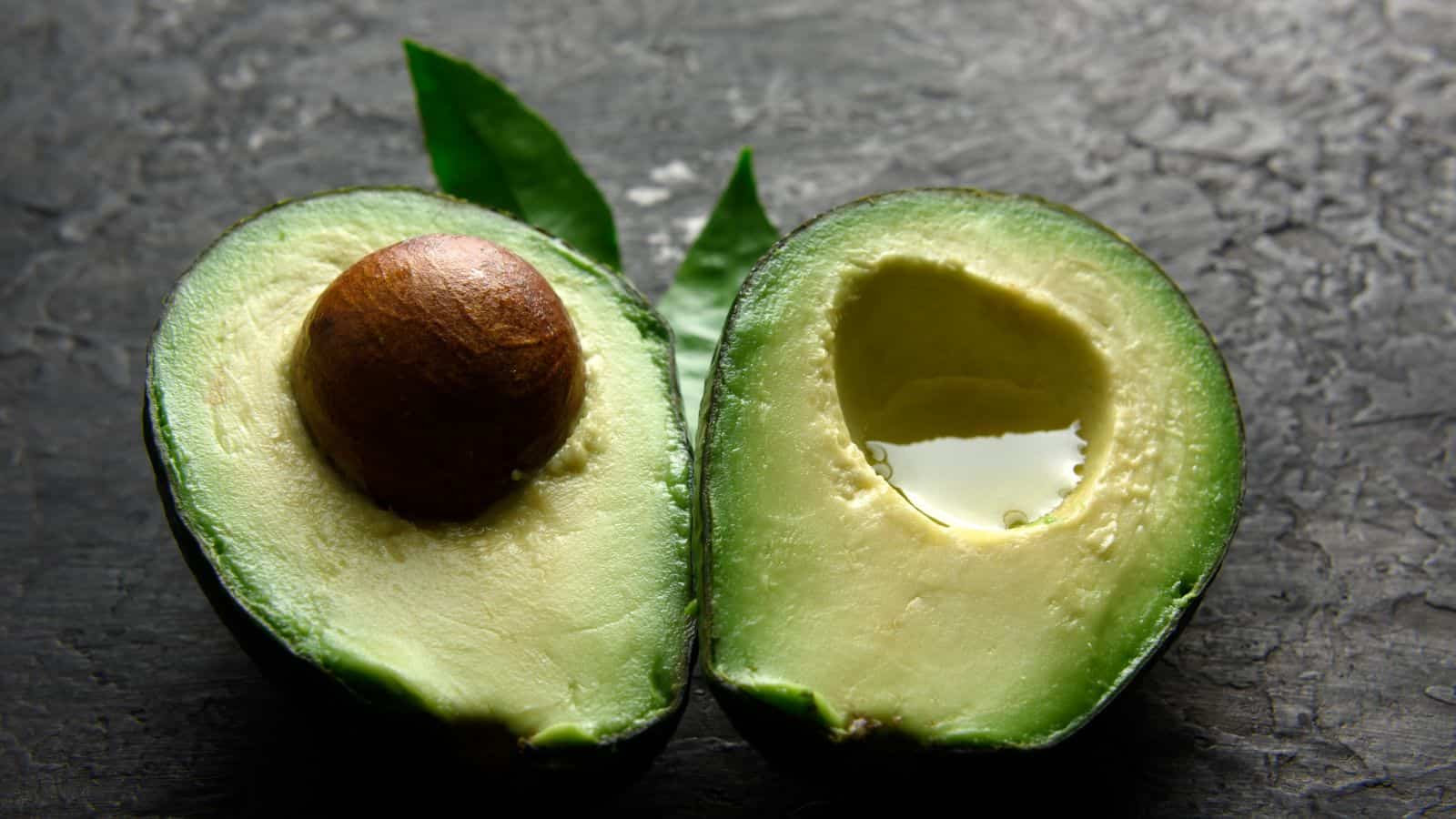
Avocado's creamy texture makes it a popular addition to smoothies and desserts, but when paired with coffee, the result is oddly unbalanced. While both have rich, slightly nutty undertones, avocado's grassy, buttery flavor clashes with coffee's deep bitterness. Instead of blending seamlessly, the avocado creates a thick, heavy mouthfeel that coats the tongue, muting coffee's more delicate notes. Even when sweetened, the natural vegetal quality of avocado lingers in an unpleasant way. Unlike dairy or nut-based creamers, avocado doesn't enhance the drink's structure, making each sip feel dense rather than smooth and well-integrated.
Melon

Melons, with their light, floral sweetness, work beautifully in fruit salads and sorbets but fall flat when mixed with coffee. Their high water content dilutes the boldness of coffee, making the drink feel weaker and less structured. The delicate flavors of cantaloupe, honeydew, or watermelon get lost next to coffee's intense roasted notes, creating an unbalanced combination. Even if paired with cold brew, melon's crisp, juicy quality feels completely out of place. Instead of complementing coffee, it introduces a strange aftertaste that lingers in a way that makes both elements taste less enjoyable than they should.
Pumpkin (Without Spices)

Pumpkin has a natural sweetness, but on its own, its mild, earthy flavor doesn't contribute much to coffee beyond a bland, vegetal note. Without the familiar spices that typically accompany it-like cinnamon, nutmeg, and clove-pumpkin lacks the depth needed to balance coffee's roasted bitterness. Instead of adding richness, it creates an odd, slightly fibrous texture that interferes with the smoothness of the drink. Whether blended, pureed, or infused, plain pumpkin doesn't bring the warmth or complexity associated with pumpkin-flavored coffee drinks, leaving the combination feeling incomplete and underwhelming.
Garlic

Garlic is a powerhouse ingredient in savory cooking, but in coffee, its pungent, slightly sulfurous nature becomes completely overpowering. The sharp, almost spicy bite of raw garlic clashes harshly with coffee's natural bitterness, creating an unpleasantly intense combination. Even roasted garlic, which develops a mellow sweetness, still lingers too aggressively alongside coffee's deep, complex notes. The strong aroma alone is enough to interfere with the drinking experience, making each sip feel overwhelming rather than balanced. No matter how it's prepared, garlic dominates the palate in a way that makes coffee taste completely off-putting.
Blue Cheese

Blue cheese's strong, tangy flavor and pungent aroma make it a bold addition to many dishes, but in coffee, it becomes an overwhelming presence. The sharp, slightly funky taste clashes with the roasted, bitter notes of coffee, creating an odd combination that lingers unpleasantly. The creamy, crumbly texture of blue cheese also doesn't blend well into a liquid, leaving behind an inconsistent, oily mouthfeel. Even when paired with darker roasts that have nutty or chocolatey undertones, blue cheese remains too dominant, turning each sip into a battle between two bold flavors that refuse to harmonize.
Seaweed
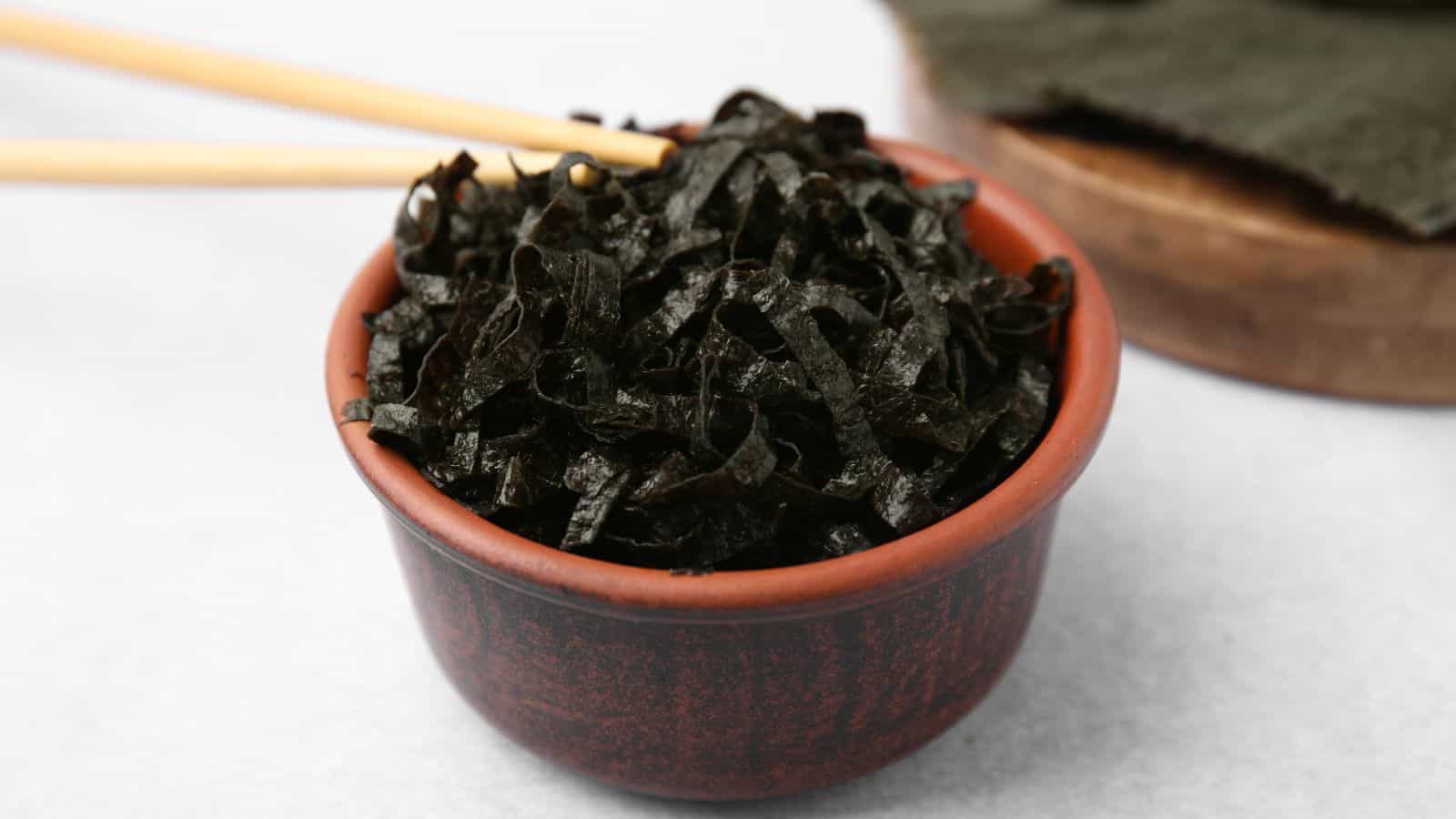
Seaweed brings an oceanic, slightly briny taste that works well in soups and snacks, but in coffee, it feels completely out of place. The mineral-rich, umami-heavy flavor of seaweed clashes with coffee's roasted bitterness, creating an odd contrast that doesn't blend smoothly. Even small amounts introduce a lingering fishy note that disrupts the overall balance of the drink. Seaweed's slightly slippery texture also interferes with coffee's natural smoothness, making each sip feel off. While some unusual pairings can be interesting, seaweed and coffee create a mismatch that highlights their differences in the worst possible way.
Coconut Water
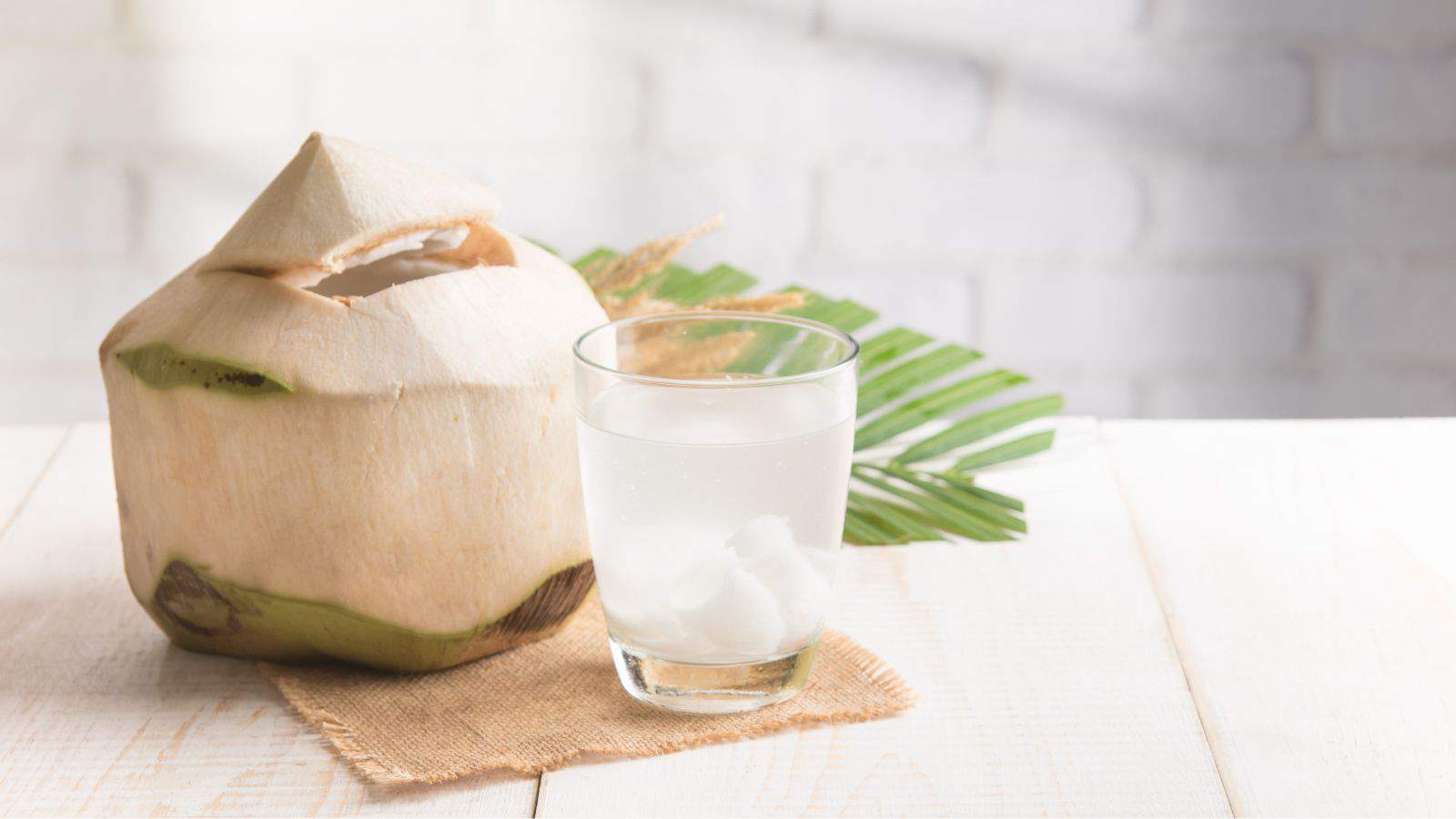
Coconut water's light, subtly sweet flavor may be refreshing on its own, but it fails to work well with coffee. The thin, watery consistency dilutes the richness of coffee, making the drink feel weak and underwhelming. Unlike creamy coconut milk, coconut water lacks the fat needed to blend smoothly with coffee's deeper notes. Its tropical, slightly nutty undertones clash with the roasted flavors of coffee, leaving a confusing aftertaste. Even in iced coffee, where some fruitier elements can shine, coconut water makes the drink feel unstructured and unbalanced, removing the depth that makes coffee enjoyable.
Licorice

Licorice has an intense, herbal sweetness that can be polarizing on its own, but when paired with coffee, it creates an unpleasant clash. The strong anise-like flavor overpowers coffee's natural complexity, masking its more delicate notes. Instead of enhancing the drink, licorice introduces an almost medicinal aftertaste that lingers too long. Its syrupy sweetness doesn't complement the natural bitterness of coffee in a way that feels balanced, making each sip feel more like an awkward combination of unrelated flavors rather than a cohesive pairing. Even in small amounts, licorice dominates, making the coffee taste completely off.
Mastering Flavor Pairings with Coffee

The 13 surprising flavors that don't work with coffee highlight the importance of choosing the right pairings to improve the coffee experience. While experimentation can be fun, understanding which flavors clash can save coffee lovers from unappetizing combinations. By avoiding these mismatched flavors, coffee enthusiasts can focus on discovering the pairings that truly complement their favorite beverage.
As the journey of coffee exploration continues, keep these flavor pitfalls in mind to ensure each cup is enjoyable. Embrace the opportunity to experiment with complementary flavors that bring out the rich, bold taste of coffee. With the right choices, every sip can be a more satisfying experience!
13 Uncommon Ingredients You Didn't Know You Can Add to Your Drinks

Have you heard about these uncommon drink ingredients? Many familiar drinks can be transformed with uncommon ingredients that pack a punch of flavor and nutrition. Adding these ingredients can introduce exciting new tastes and health benefits to everyday beverages. From spices to herbs and even some surprising fruits, there are plenty of options to explore that can take drinks to the next level.
Read More Here: 13 Uncommon Ingredients You Didn't Know You Can Add to Your Drinks
10 Nutritious Superfood Smoothies That Won't Make You Gag

Looking for tasty smoothie options? It's time to boost your energy with the power of these 10 superfood smoothies. Loaded with vitamins, minerals, and all the good stuff your body needs, these drinks are a great way to kick-start your morning and keep you energized. Think of them as your secret weapon for staying healthy and energized. With fresh fruits, greens, and other superfoods, these smoothies are not only delicious but incredibly good for you.
Read More Here: 10 Nutritious Superfood Smoothies That Won't Make You Gag



Comments
No Comments