
Coffee is more than a morning habit or a caffeine fix. Behind every cup is a long chain of decisions that shape how it tastes, how it affects your body, and how it fits into your daily routine. Many of these details go unnoticed, even by people who drink coffee every day.
From how coffee beans are grown and processed to how brewing choices influence flavor and sleep, small details can make a big difference. Some of these facts may surprise you, while others might explain things you have noticed but never fully understood. Knowing what is really happening in your mug can change how you choose, brew, and enjoy coffee.
Take a closer look at these lesser-known coffee truths and see your daily cup with fresh perspective.

Coffee Beans Are Actually Seeds
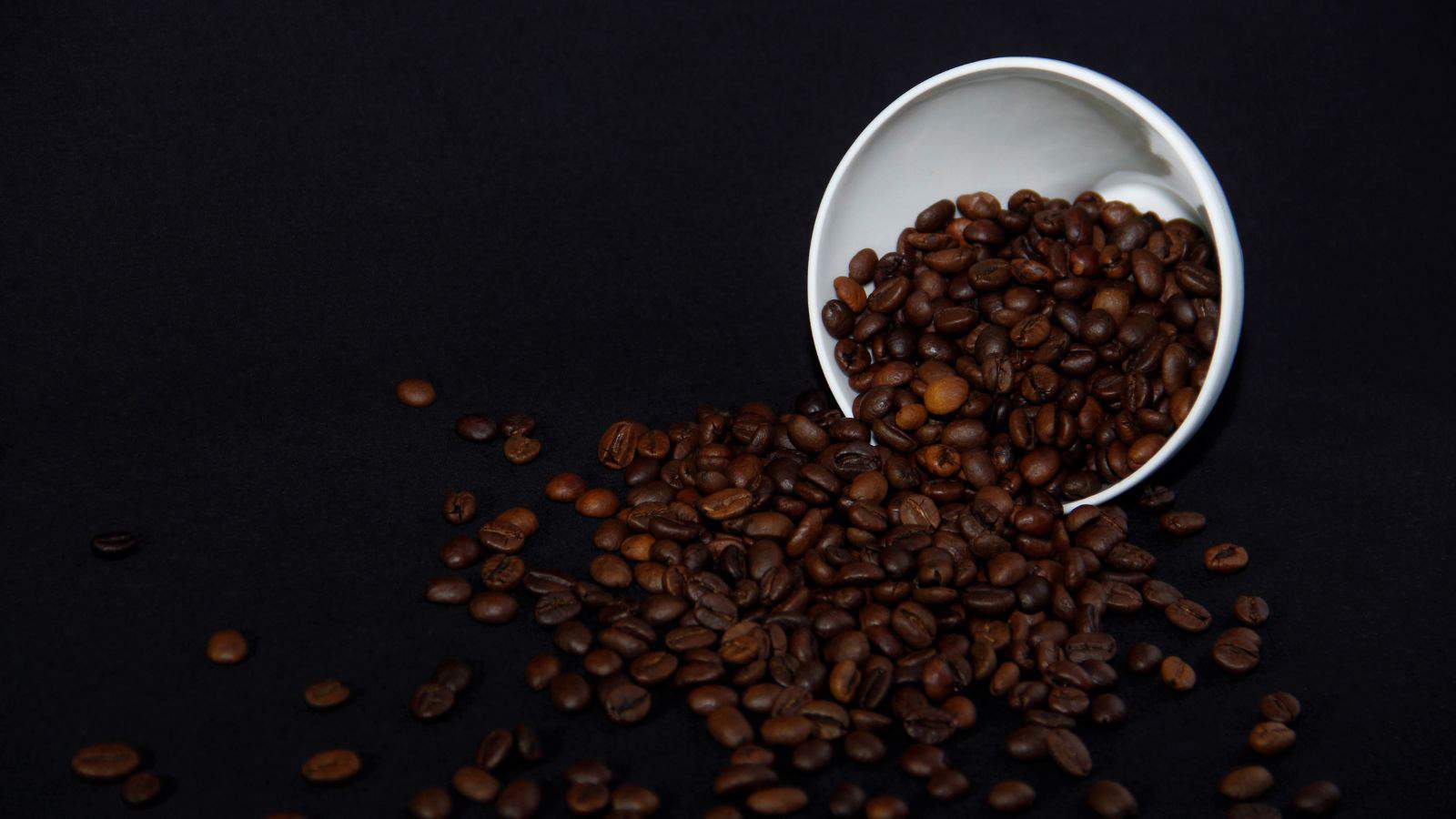
What we call coffee beans are actually seeds found inside coffee cherries, which are small red or purple fruits grown on coffee plants. Each cherry usually contains two seeds that are removed, dried, and roasted before becoming coffee. The word "bean" stuck because of their shape, not because they are legumes.
The fruit itself is edible and slightly sweet, though it is rarely eaten fresh. In some regions, the dried coffee cherry skin is brewed into cascara tea. Knowing coffee starts as fruit helps explain why origin, processing, and freshness matter so much to flavor.
Your Brew Has More Than Just Caffeine
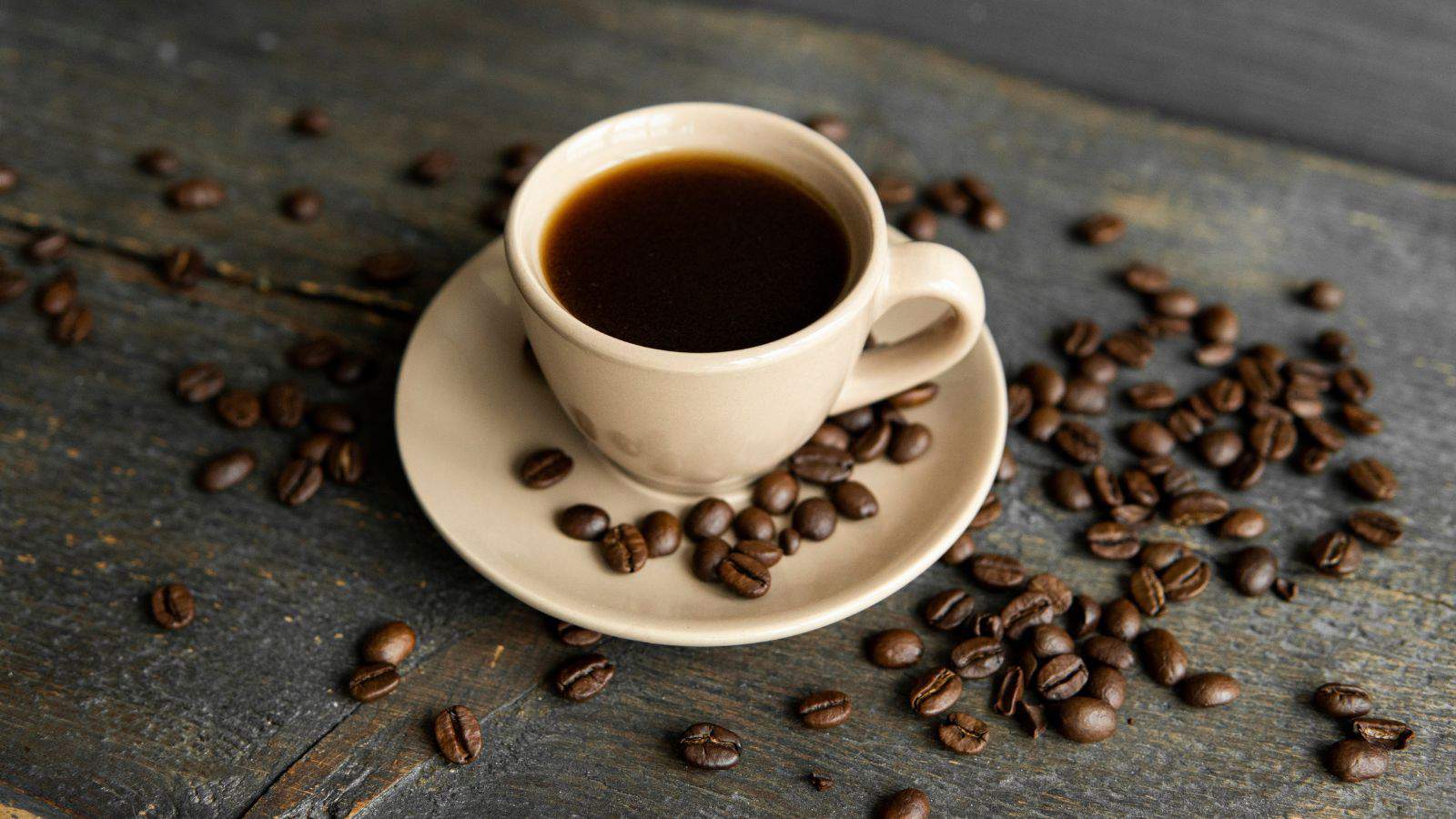
Caffeine gets all the attention, but it is only one of hundreds of compounds found in coffee. Acids, oils, antioxidants, and aromatic molecules all play a role in taste and how coffee feels when you drink it. These compounds influence bitterness, sweetness, body, and aroma.
The balance of these elements changes based on bean variety, climate, roast level, and brewing method. That is why two coffees from the same country can taste completely different. Coffee's complexity is what keeps people exploring new roasts and styles.
The Roast Level Affects Caffeine Content
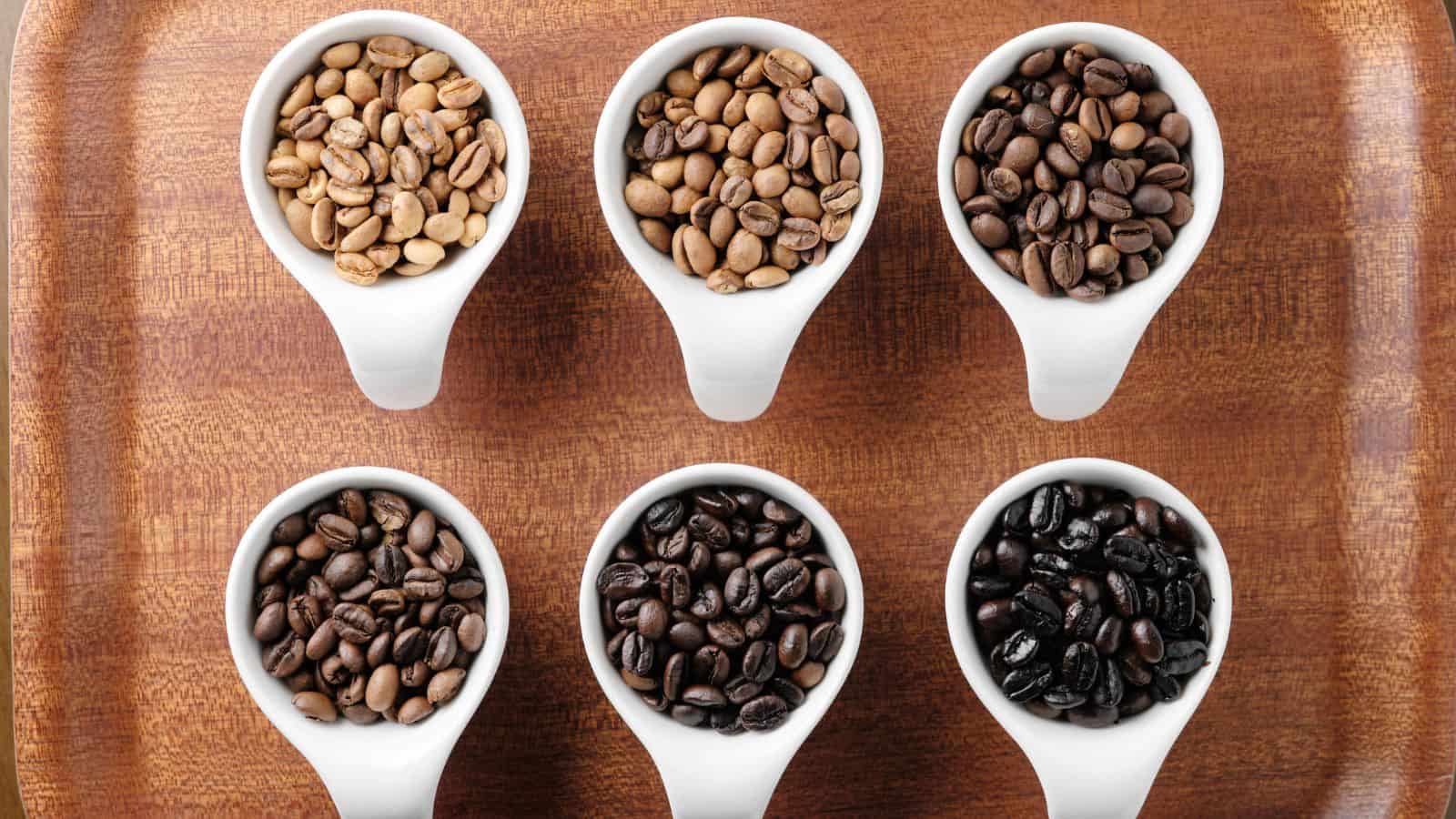
Darker roasts taste stronger, but lighter roasts usually contain slightly more caffeine. Extended roasting breaks down caffeine along with other compounds. While the difference is not dramatic, it does exist.
How you measure coffee matters too. If you scoop by volume, light roasts pack more caffeine because the beans are denser. If you weigh your grounds, the difference becomes smaller. Brewing method often matters more than roast alone.
Decaf Isn't Completely Caffeine-Free
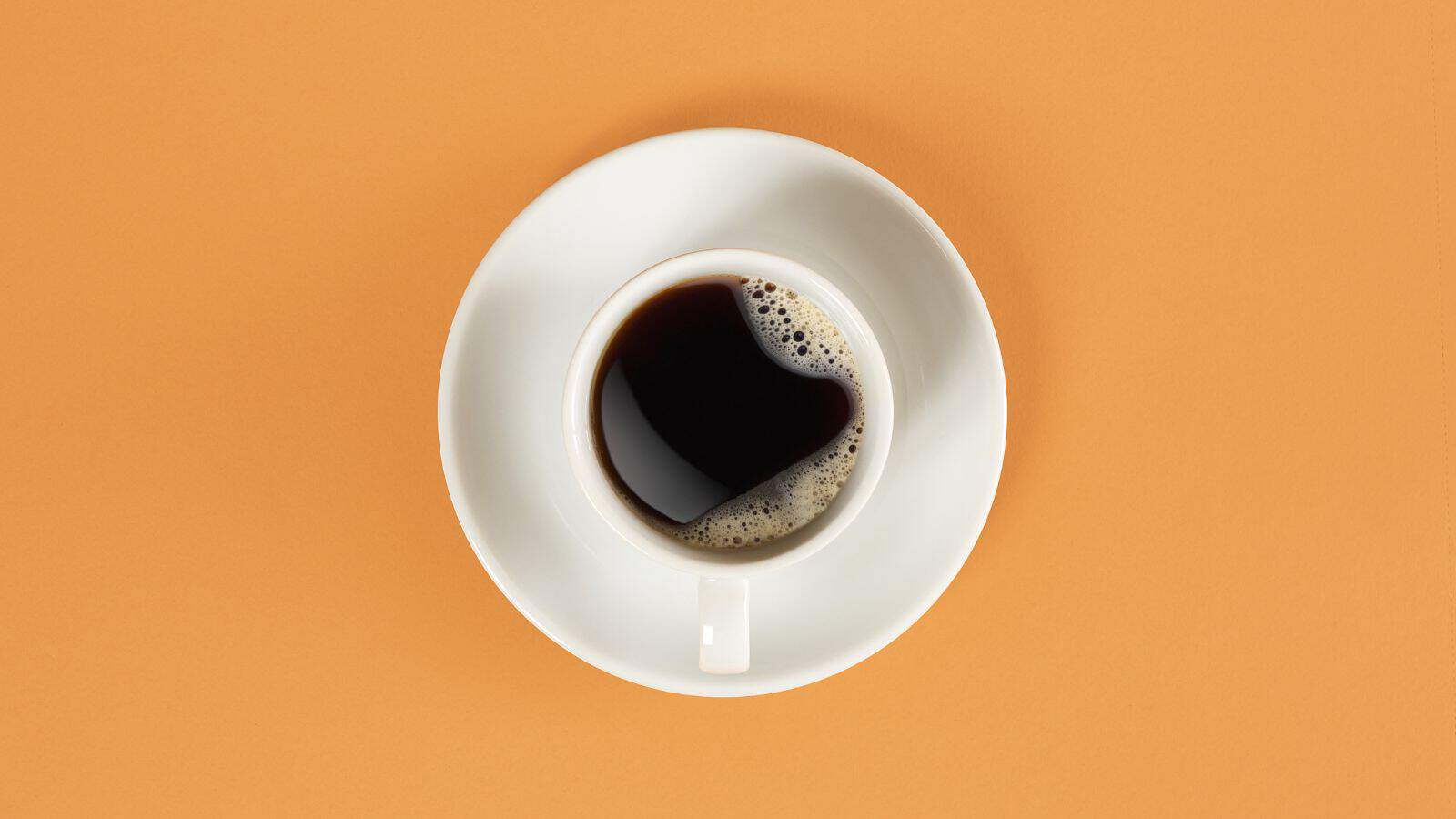
Decaffeinated coffee is never fully caffeine-free. Most cups contain a small amount, usually between 2 and 5 milligrams. This is far less than regular coffee but still noticeable for people who are highly sensitive.
Different decaffeination methods remove caffeine at different rates. If you are avoiding caffeine for sleep or medical reasons, it helps to know decaf still delivers a mild stimulant effect.
Coffee Was Once Chewed, Not Brewed
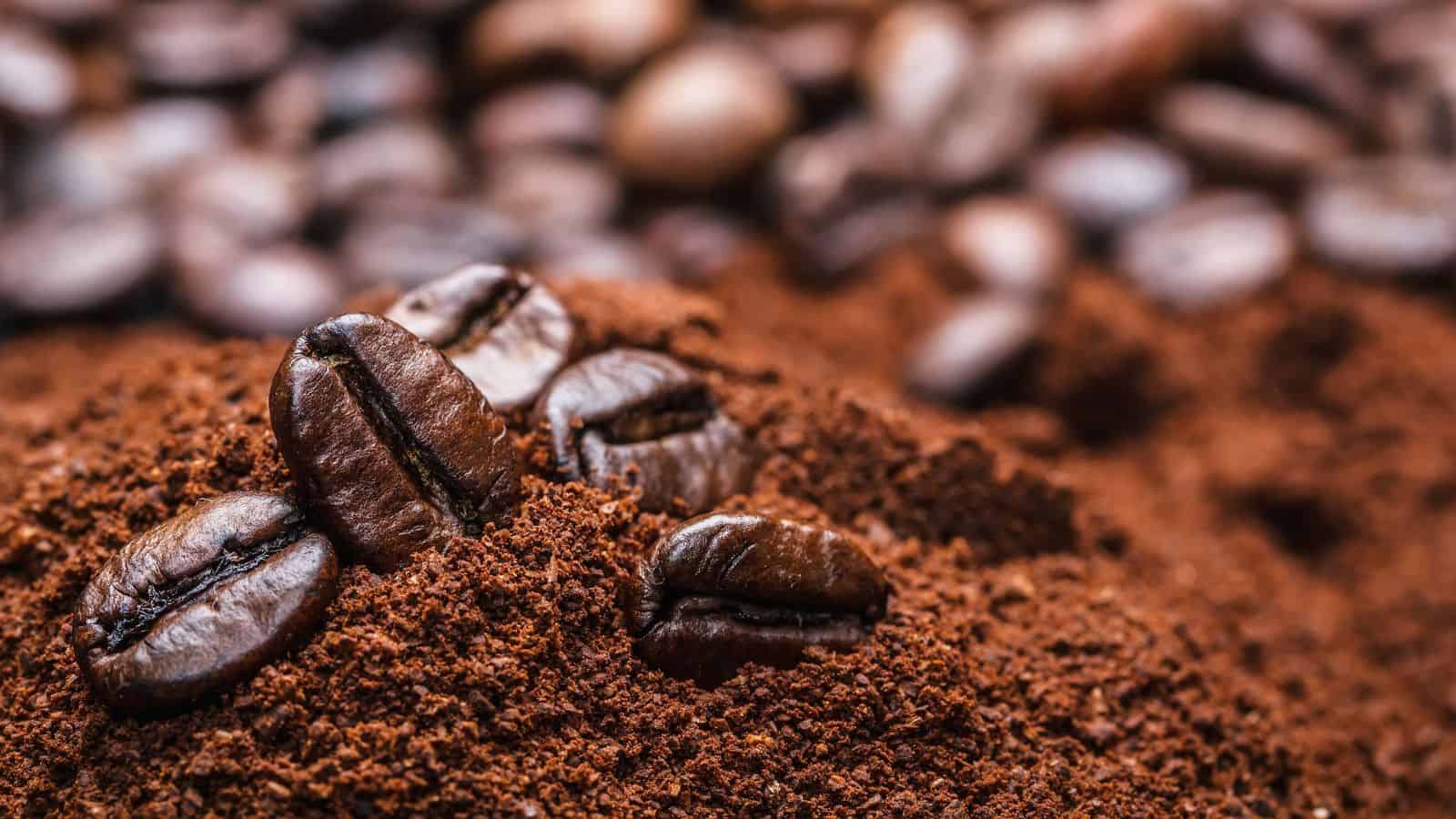
Early coffee use did not involve brewing at all. Historical accounts suggest that people in Ethiopia mixed crushed coffee cherries with animal fat to create energy-rich food. These portable snacks were used during long travel or labor.
Brewing coffee as a drink came later, spreading through the Middle East and beyond. Even today, cascara tea reflects those early traditions by using the fruit instead of the seed.
It Can Affect You Differently Based on Your Genes

Early coffee use did not involve brewing at all. Historical accounts suggest that people in Ethiopia mixed crushed coffee cherries with animal fat to create energy-rich food. These portable snacks were used during long travel or labor.
Brewing coffee as a drink came later, spreading through the Middle East and beyond. Even today, cascara tea reflects those early traditions by using the fruit instead of the seed.
Coffee Can Enhance Workouts
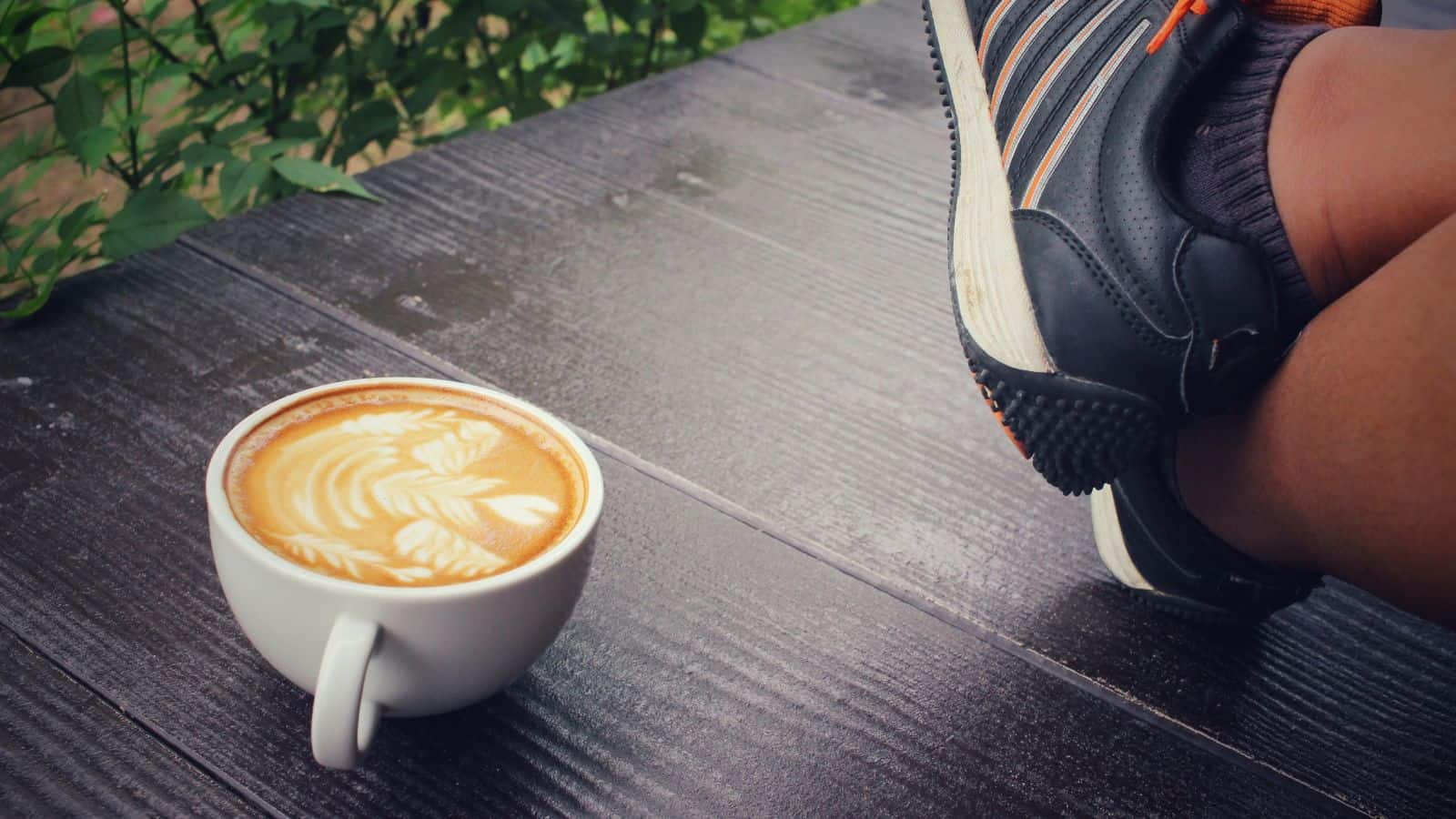
Caffeine stimulates the nervous system, which can make exercise feel easier and more controlled. It can improve endurance, reaction time, and focus during workouts. This is why coffee is commonly used before training.
Drinking coffee about 30 to 60 minutes before exercise allows caffeine levels to peak during activity. However, too much can backfire, leading to restlessness or stomach discomfort.
Your Cup May Contain Mold Toxins
Caffeine stimulates the nervous system, which can make exercise feel easier and more controlled. It can improve endurance, reaction time, and focus during workouts. This is why coffee is commonly used before training.
Drinking coffee about 30 to 60 minutes before exercise allows caffeine levels to peak during activity. However, too much can backfire, leading to restlessness or stomach discomfort.
Coffee Was Once Considered a "Banned Substance"

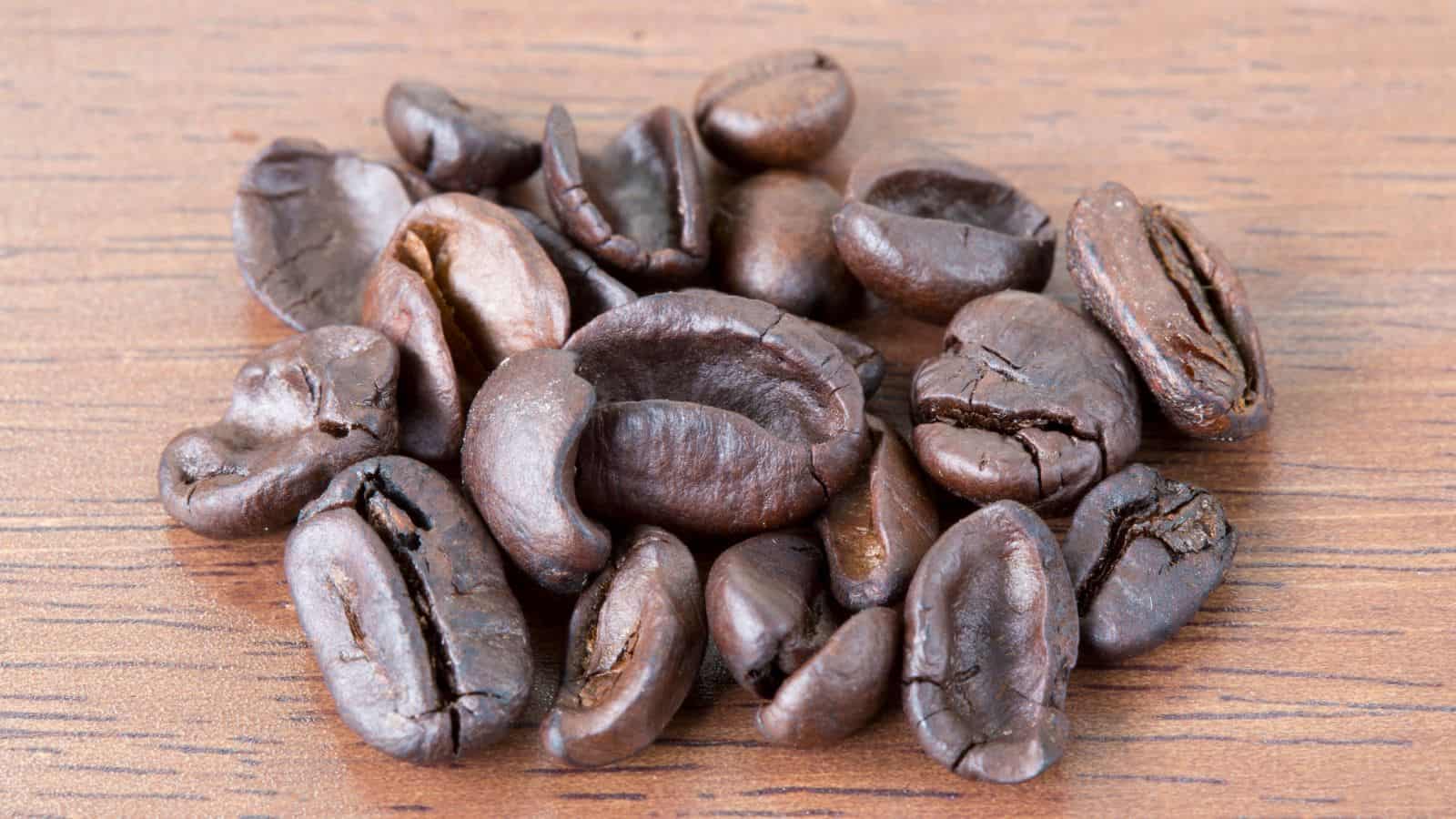
Coffee beans can develop mold if they are poorly stored or processed. Certain molds produce compounds called mycotoxins, which may bother sensitive individuals. Most reputable brands test for this and roast beans thoroughly to reduce risk.
Choosing high-quality coffee and storing it in a dry, sealed container helps minimize exposure. For most people, this is not a daily concern, but bean quality does matter.
Adding Milk Can Reduce Antioxidants
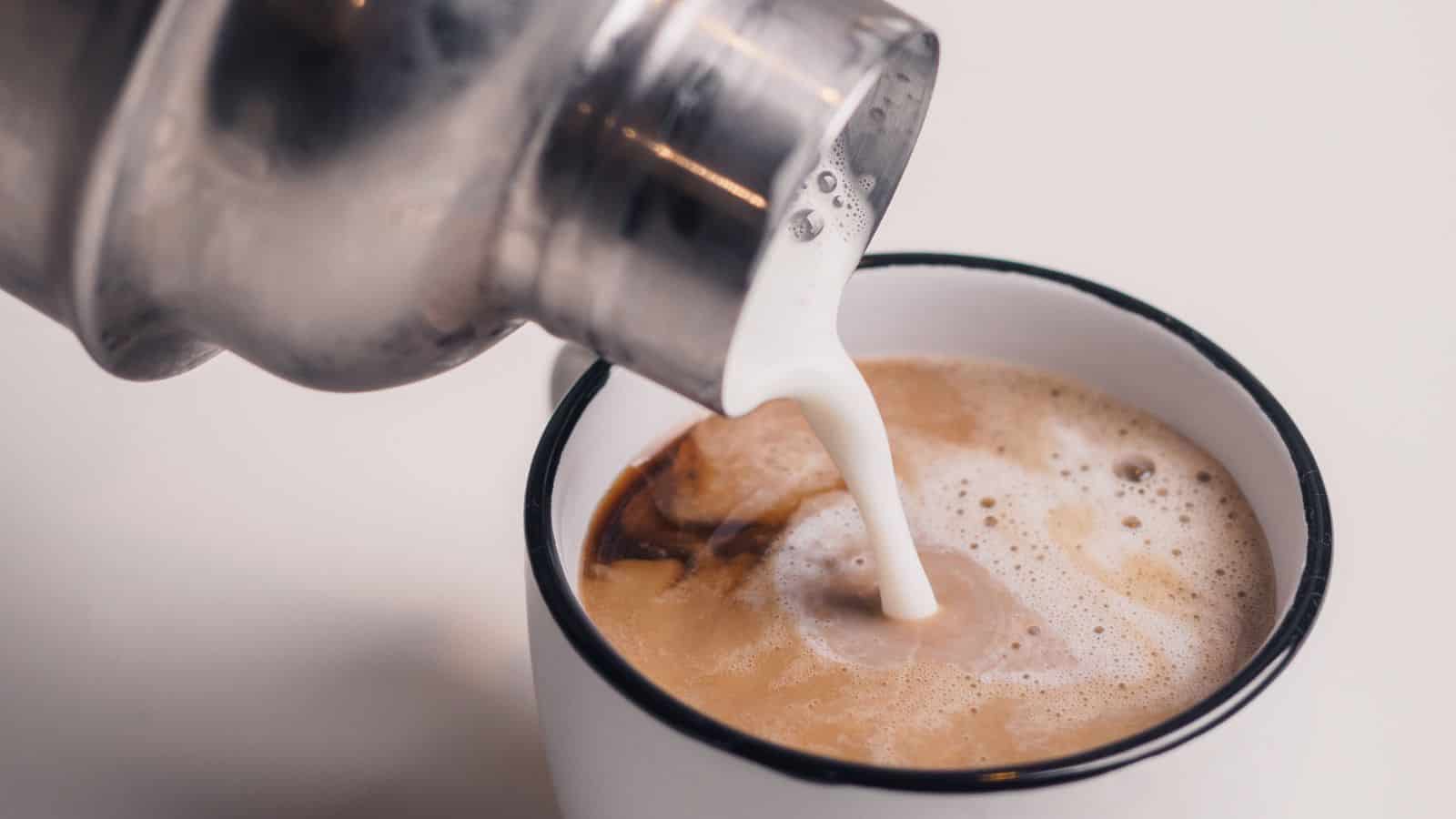
Coffee naturally contains antioxidants, but adding milk can bind to some of them. This reduces how much the body absorbs, though the effect is modest.
Plant-based milks with lower protein content may interfere less than dairy. If antioxidants are a priority, black coffee preserves the most benefit.
Your Afternoon Cup Might Be Messing With Your Sleep

Caffeine stays active in the body for hours. On average, half of it remains after about five hours, but some people retain it even longer. That afternoon cup can quietly affect nighttime rest.
If falling asleep is difficult, moving coffee earlier in the day or switching to decaf in the afternoon may help.
Instant Coffee Has More Acrylamide
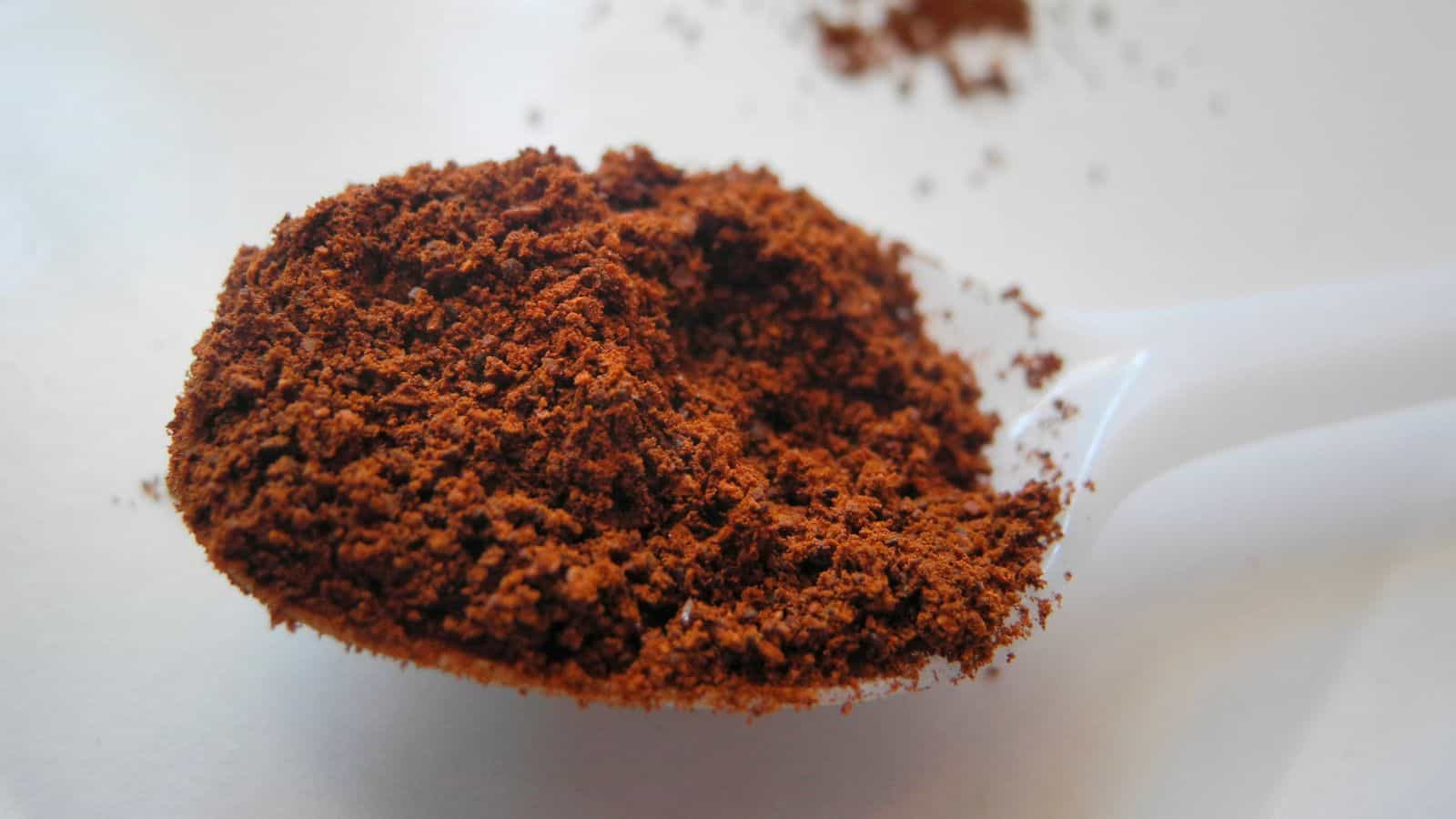
Acrylamide forms during high-heat processing. Instant coffee generally contains more of it than freshly brewed coffee due to extra processing steps. Levels are still considered safe, but the difference exists.
Dark roasting reduces acrylamide slightly. Choosing freshly brewed coffee can lower exposure further.
Cold Brew Is Less Acidic Than Hot Coffee

Cold brew is made with time instead of heat. Brewing in cold water extracts fewer acidic compounds, resulting in a smoother drink. Many people find it easier on the stomach.
The reduced acidity also means fewer additives are needed. Cold brew often tastes balanced on its own, especially when made with medium or dark roasts.
Deepen Your Coffee Appreciation

Coffee becomes more enjoyable when you understand what shapes it. From genetics to brewing temperature, small details influence how coffee tastes and how it affects you. These insights turn coffee from a routine habit into something more intentional.
The next time you brew a cup, think about where it came from, how it was processed, and how it fits into your day. A little awareness can make even an ordinary mug feel more meaningful.
14 Tips for Making the Best Cup of Coffee Ever

Small adjustments in grind size, water temperature, and timing can completely change your results.
Read More Here: 14 Tips for Making the Best Cup of Coffee Ever
9 Surprising Uses for Coffee Grounds Around Your Home

Small adjustments in grind size, water temperature, and timing can completely change your results.
Read More Here: 9 Surprising Uses for Coffee Grounds Around Your Home



Comments
No Comments