
Whisky is more than just a drink-it's a ritual in many parts of the world. Whether it's the way it's poured, when it's shared, or who it's enjoyed with, certain customs have turned into time-honored habits. These 13 whisky traditions worth incorporating into your routine originate from distilleries, homes, and cultural gatherings worldwide. They're rooted in history but still feel relevant today.
Some traditions focus on respect for the spirit itself, while others are all about connection-quiet moments, shared stories, or raising a glass to mark something meaningful. From toasts in Scotland to slow sipping in Japan, these practices offer more than flavor-they shape the experience around each pour.
Curious to upgrade how you enjoy whisky? These traditions can help you turn any ordinary drink into something a little more intentional-and maybe even a little more memorable.

The Quaich Ceremony (Scotland)
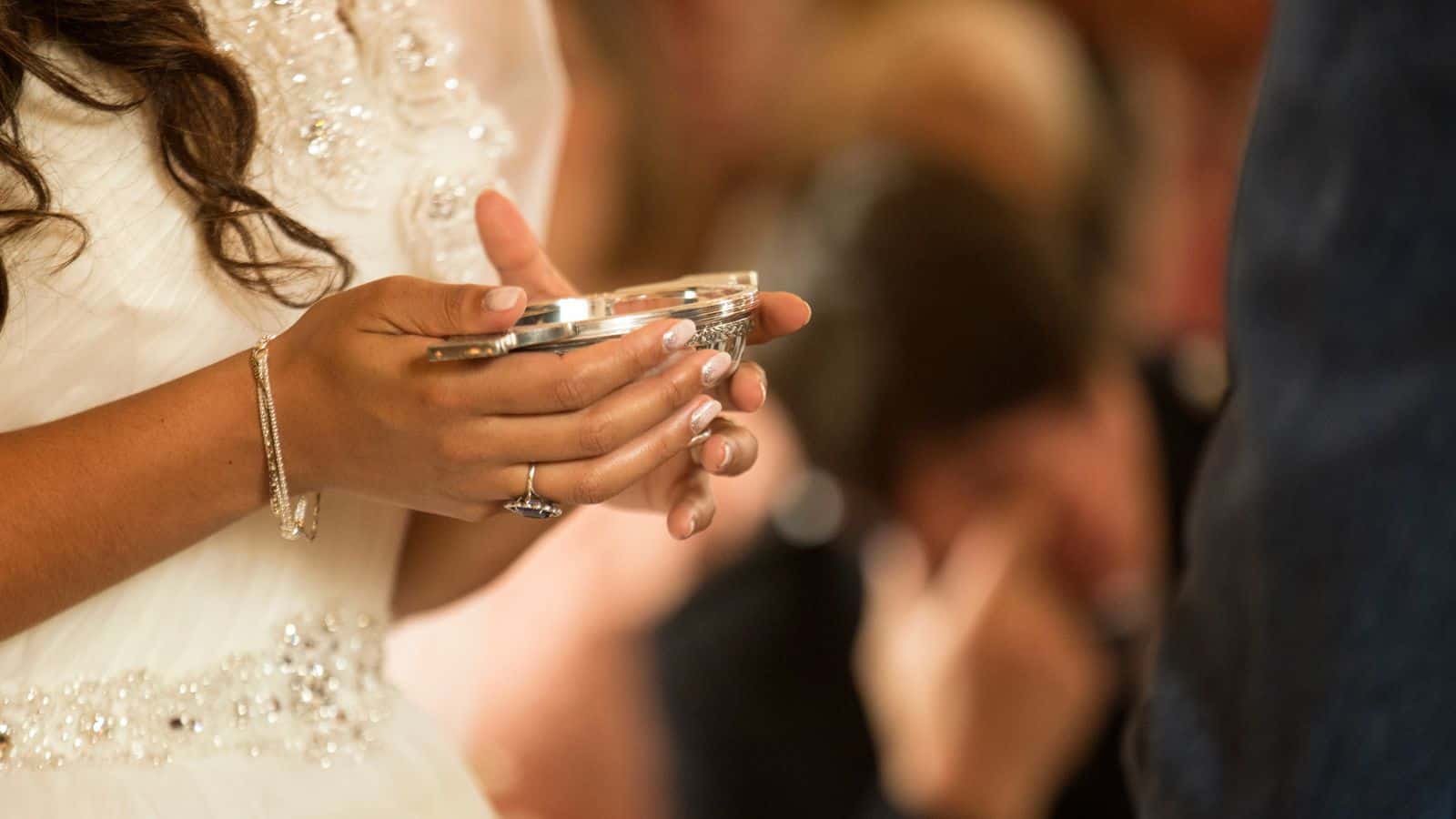
The quaich is a shallow, two-handled cup used in Scottish whisky rituals, particularly during formal events like weddings, clan gatherings, or farewells. Sharing whisky from the same vessel is meant to symbolize trust-each person must hold the cup with both hands, leaving none free for weapons. This tradition dates back centuries and remains part of official ceremonies. The act is often accompanied by speeches, eye contact, and a pause for reflection. Whether passed between friends or strangers, the ritual emphasizes respect and shared experience. It transforms whisky into more than a drink-it becomes a link between people.
Mizuwari (Japan)

Mizuwari is a Japanese whisky ritual that involves balancing whisky with water and ice in a controlled, deliberate ratio, typically one part whisky to two parts water. The drink is stirred thoroughly, allowing the flavors to unfold and the alcohol to mellow. This method is standard in Japan, especially during meals or in casual bar settings. Unlike highballs, which are carbonated, mizuwari is flat, emphasizing smoothness and nuance. The process is part of the experience: careful pouring, precise stirring, and intentional sipping. It encourages drinkers to slow down, notice details, and treat whisky as something layered rather than overpowering.
Toasting with "Sláinte" (Ireland and Scotland)

"Sláinte," meaning "health" in Gaelic, is more than a toast-it's a custom that connects people before sharing a drink. Spoken before that first sip, it marks a brief but meaningful pause. In both Ireland and Scotland, raising a glass and saying "Sláinte" is common in pubs, family gatherings, and formal dinners alike. Some add "Sláinte mhath" in Scottish Gaelic or "Sláinte mhaith" in Irish for "good health." Eye contact is expected, and the moment carries a sense of intention. It's not just polite-it anchors the act of drinking in shared presence, showing that whisky can be a bridge rather than a habit.
Water Droplet Ritual (Global)

Adding a few drops of water to whisky is a practice valued by enthusiasts and professionals alike. Especially with high-proof or cask-strength bottles, water can release hidden aromas by breaking down alcohol-bound compounds. This doesn't significantly dilute the whisky, but instead softens its sharpness and highlights notes that may otherwise be masked. The ritual is simple: a clean dropper, a steady hand, and careful attention to the subtle changes in scent and flavor. It's personal-some add one drop, others more-but always intentional. This small act can significantly alter how a whisky tastes on the tongue, offering depth without obscuring its original character.
Burns Night (Scotland)

Held every January 25, Burns Night honors the legacy of Scottish poet Robert Burns. Whisky is a central part of the event, but it is joined by poetry readings, speeches, and traditional foods like haggis. One key moment is the "Address to a Haggis," followed by a toast-always with Scotch. The gathering may be large or intimate, but the structure remains: song, spoken word, and shared whisky. It's a way of anchoring national pride, cultural memory, and storytelling into a single evening. For many, it's also an annual reminder that whisky can carry history, not just flavor.
"No Ice, No Rush" Rule (Global Enthusiasts)
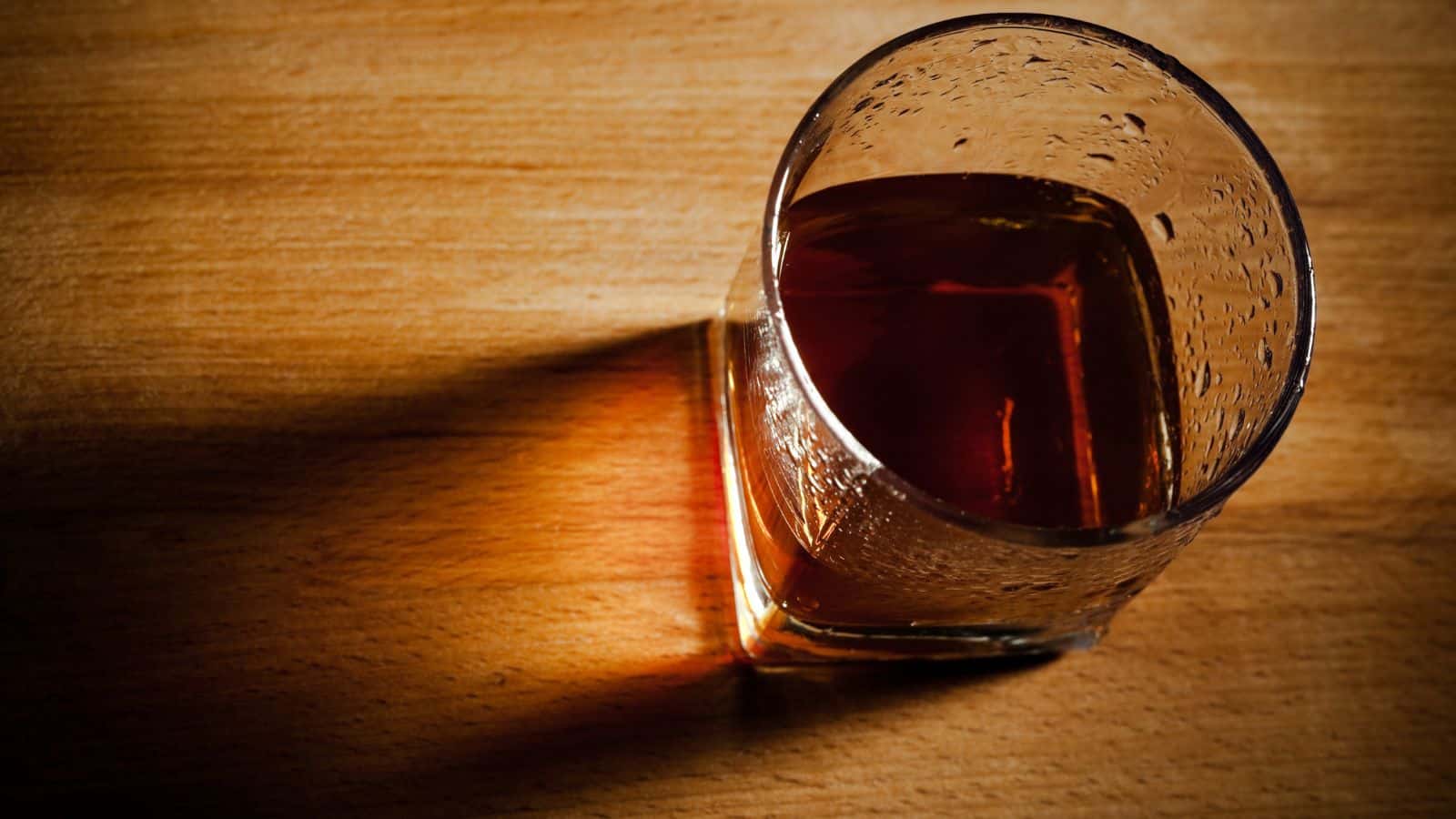
Among many whisky drinkers, there's a quiet principle: no ice, no rush. The goal isn't to maximize flavor or follow rules-it's to remove urgency. Room-temperature whisky reveals more of its character over time, especially when not muted by chill or diluted too fast. Sipping slowly, without distractions, becomes a personal ritual of its own. Some use this rule to mark the end of the day, while others view it as a way to stay present. Whether alone or in conversation, the act isn't about how much you drink, but how. It's a mindset, shaped by patience and focused attention, not performance.
Using a Copita or Glencairn Glass (Global)
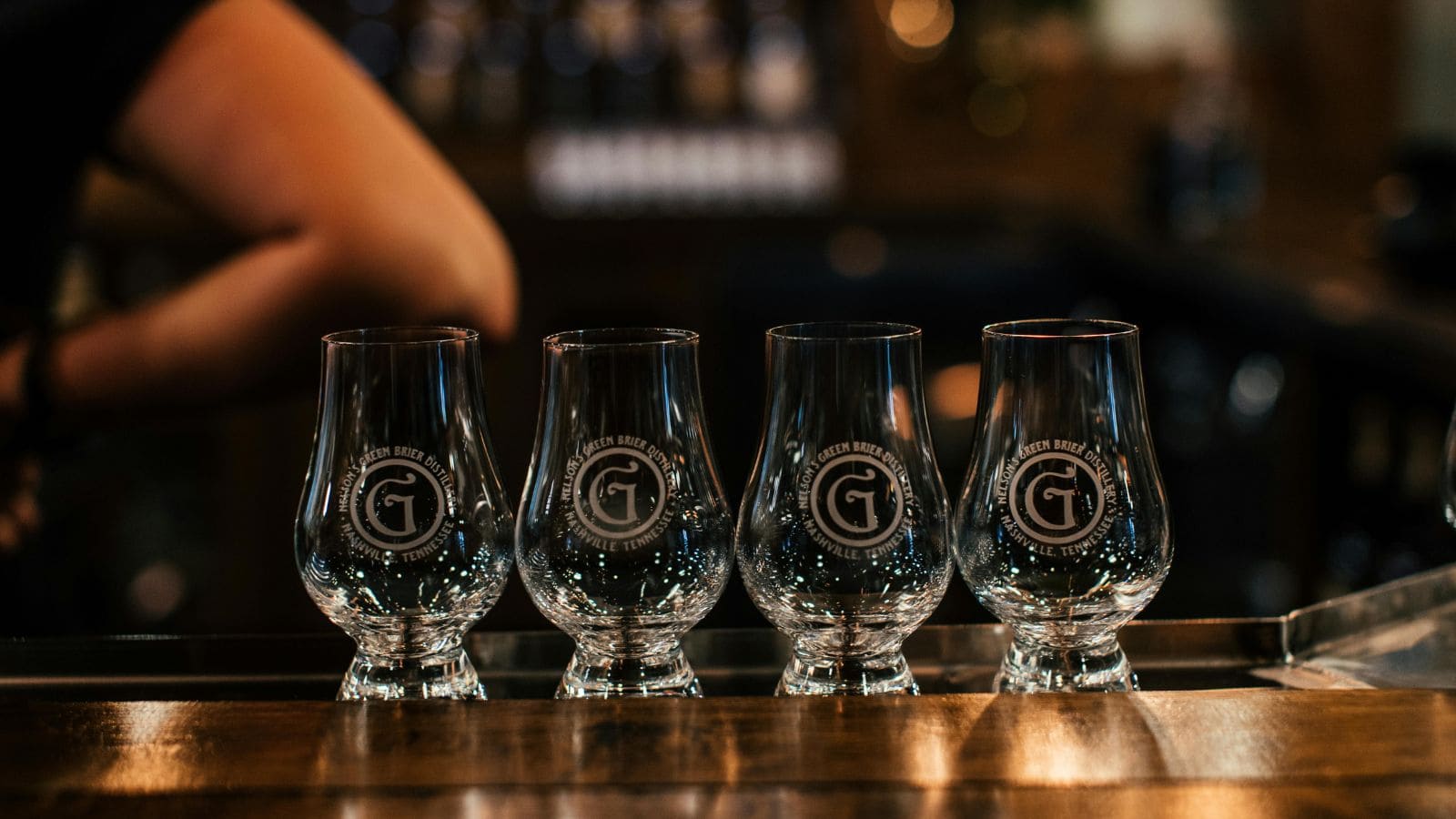
Specialty glasses, such as the Copita or Glencairn, are shaped to enhance aroma and direct flavor to specific parts of the tongue. Their curved bowls concentrate scents, while their narrow rims limit alcohol burn on the nose. Holding the stem or base also keeps hand warmth away from the liquid, preserving its natural state. These glasses are widely used in tastings and distilleries, but they're just as relevant at home. Choosing one signals intention-it shows you're not rushing through the pour. Each sip becomes something to examine rather than consume, with the glass itself serving as a quiet tool for focus.
A Dram Before Bed (UK)

In many British and Scottish homes, a "wee dram" before bed is a long-standing tradition. It's usually a small pour-never more than an ounce or two-and is taken slowly, often in silence. It doesn't need a special bottle, but it does require the right moment: after the dishes, after the conversation, sometimes even after the lights are out. This practice is less about effect and more about ritual. It's a pause to mark the transition between waking hours and rest, giving shape to the close of the day. The whisky doesn't steal attention; it simply ends the evening.
Whisky and Storytelling (Scotland & Ireland)

Whisky and storytelling have traveled together for generations, whether around fires, in pubs, or across family tables. The whisky sets the pace-slow, conversational, reflective. Stories may be true, stretched, or handed down, but they gain weight when paired with a pour. It's not about drinking to talk more-it's about shaping a space where stories land and stay. Some tales are remembered better when tied to a specific bottle. Others resurface every time that same whisky appears. In both Ireland and Scotland, this rhythm-glass in hand, story in voice-is part of how culture continues outside books and beyond ceremony.
Suntory Time (Japan)

Suntory Time refers to more than just a brand moment-it's a rhythm found in Japan's quieter whisky bars. The lighting is low, the bartender's movements are measured, and each pour is intentional. Guests often sit in silence or speak softly, focusing on what's in the glass. The goal isn't conversation or indulgence-it's presence. Ice is carved by hand, glassware is polished with care, and attention is given to every detail. This tradition doesn't demand knowledge or ritual words-it rewards calm, observant attention. Each sip is part of the room's pace, and the mood often says more than the whisky itself.
Tasting Flights (Global)
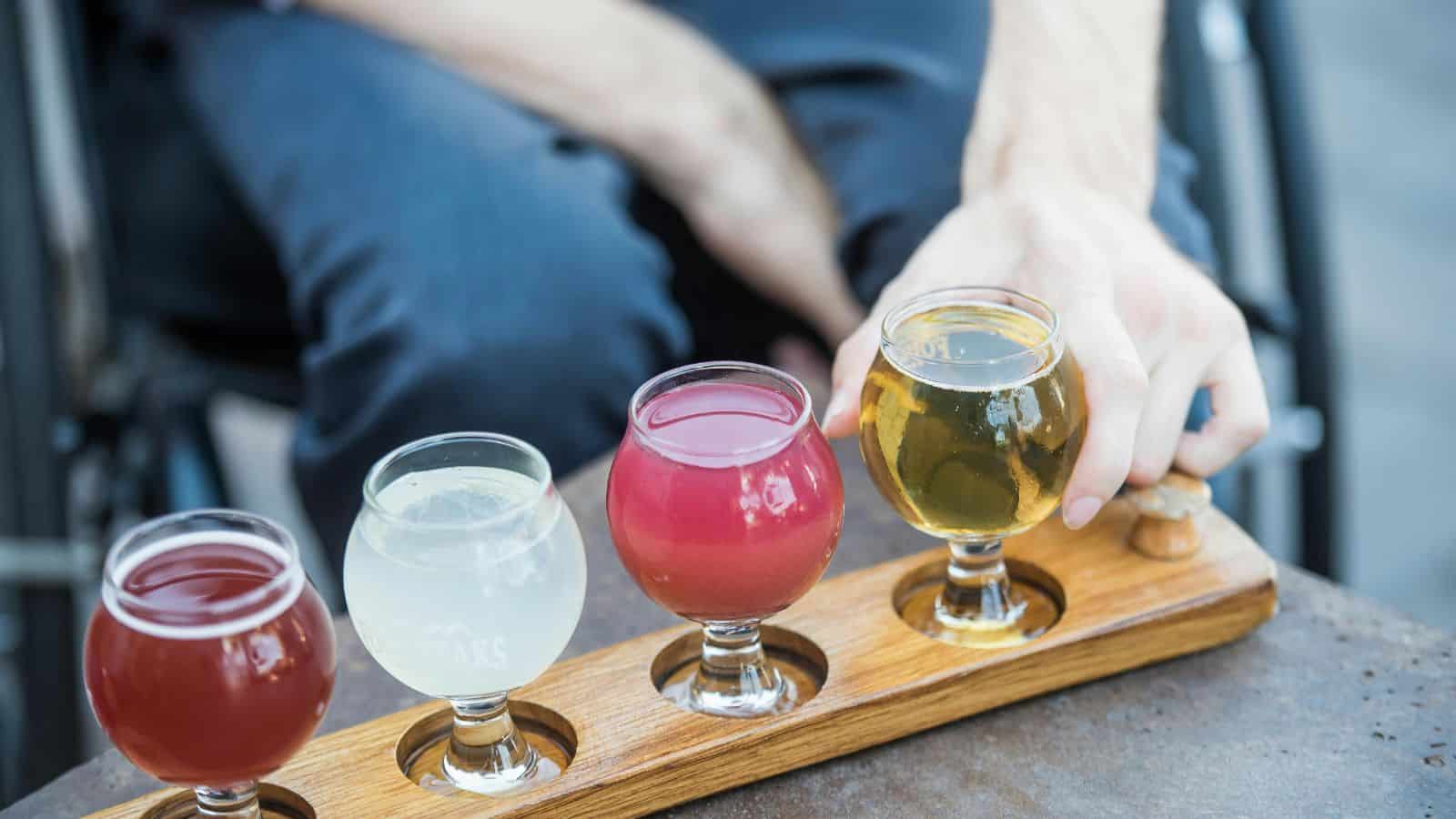
A tasting flight presents multiple small pours side by side, usually arranged by region, style, or vintage. Rather than committing to a full glass, you explore variations in texture, aroma, and finish across several whiskies. It's common in distilleries, whisky bars, or at home with friends. Some people take notes, while others discuss their impressions out loud. The goal isn't to rank, but to compare and notice differences that might be missed in isolation. It slows down the drinking process and introduces context. Flights encourage awareness-not just of what's in the glass, but of how different expressions reflect time, cask, or location.
Seasonal Bottles and First Pours (Scotland & Collectors)

Some whisky drinkers reserve bottles for specific days-New Year's Eve, a birthday, the first snow, or the return of spring. The act of opening a new bottle becomes a kind of ceremony. It marks something. Some keep a "first pour" tradition: always using the same glass, always alone, or always with someone. Collectors may hold bottles unopened for years, waiting for the right event. The whisky itself is unchanged, but the timing gives it context. That first glass carries more than aroma; it carries intention. In those moments, the drink is connected to memory in a way that lingers.
Campfire Pours (Outdoor Tradition)

Whisky by firelight has its own character-earth, wood, and smoke from the setting bleed into the experience. Whether in the woods, on a beach, or in a backyard, the quiet space around a fire shapes how a pour lands. The bottle doesn't need to be rare. It's about who's there, how slowly the glass warms in your hand, and how still the air gets when stories pause. Even the sound of the pour feels different outdoors. Some people keep a specific whisky for campfire nights. Others don't plan it at all. Either way, it creates something that lasts longer than flame.
Raise Your Glass, the Meaningful Way

Whisky traditions aren't about rules-they're about rhythm, respect, and slowing things down. These time-tested rituals remind drinkers to pause, be present, and make each pour count. Whether it's clinking glasses with intention, adding a drop of water to open up the flavor, or sitting quietly with a dram at day's end, the little details turn a simple drink into a meaningful moment.
Across cultures, these customs have lasted for a reason. They bring people together, mark milestones, and create space for reflection. No need for anything fancy-just attention and a bit of care. So the next time you reach for a bottle, think beyond the pour. Try a tradition, pass it along, and let your whisky ritual become your own.
13 Common Misconceptions About Scotch Whisky

What myths do you know about whisky? Scotch whisky has been around for centuries, but these 13 common misconceptions about scotch whisky continue to cause confusion. From false ideas about aging to the belief that it must always be served neat, these misunderstandings can take the fun out of enjoying this classic drink. Learning the facts can help both new and experienced whisky drinkers appreciate it more and feel confident exploring different options.
Read More Here: 13 Common Misconceptions About Scotch Whisky
9 Hidden Drinking Patterns That Worry Health Experts More Than Binge Drinking

Drink in moderation! Ever think about how drinking habits can affect your life in unexpected ways? Most people know binge drinking is harmful, but there are quieter, more insidious patterns of drinking that can be just as damaging-if not worse. Unlike binge drinking, these habits don't come with obvious red flags like blackouts or severe hangovers. Instead, they creep into your daily routine, making them harder to spot.
Read More Here: 9 Hidden Drinking Patterns That Worry Health Experts More Than Binge Drinking



Comments
No Comments