
Ever wonder what makes a cup of coffee truly special? It's clear that there are 14 tips for making the best cup of coffee ever that can enhance your brewing game. Many people overlook the importance of quality ingredients and precise techniques, often leading to a mediocre cup that fails to impress.
For starters, the choice of coffee beans is crucial. Fresh, high-quality beans can make all the difference, while stale or low-grade options can leave you disappointed. Additionally, factors like grind size, water temperature, and brewing time play significant roles in achieving that perfect flavor. These details are often neglected by casual coffee drinkers, resulting in a subpar experience.
It's interesting to see how small adjustments can transform an ordinary cup into something remarkable. While some might settle for a quick brew, those who take the time to master these tips will enjoy a richer, more satisfying coffee experience. Understanding these elements can deepen appreciation for the art of coffee-making and lead to a more enjoyable daily ritual.

Use Fresh Coffee Beans
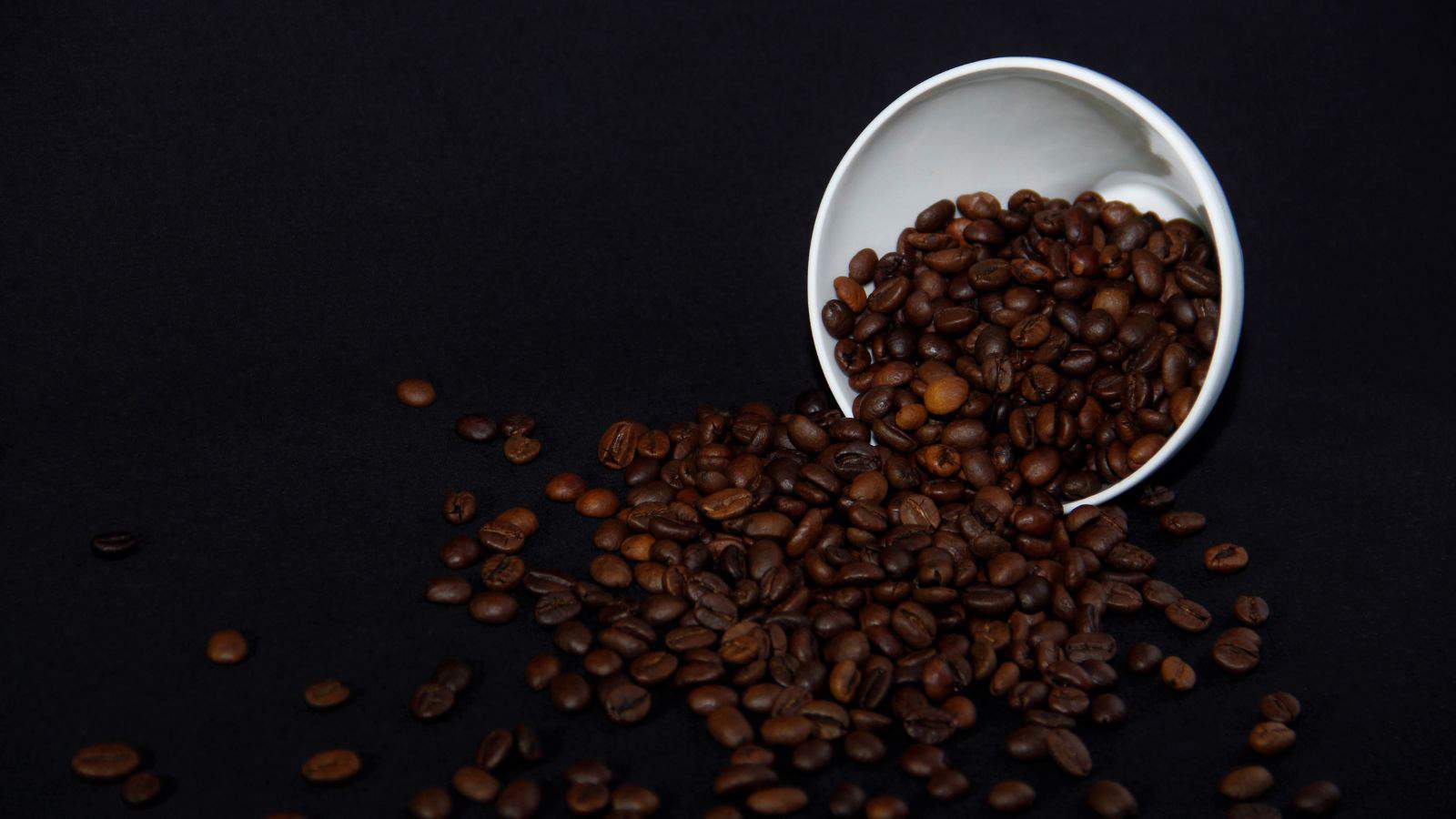
Coffee is at its best when brewed with freshly ground beans. Over time, coffee beans lose their natural oils and aromas, directly affecting taste. Buying whole beans and grinding them just before brewing preserves their freshness and maximizes flavor. The longer beans sit after being ground, the more they oxidize and lose their distinct qualities. By grinding your coffee right before brewing, you lock in the essential oils and rich aromas, ensuring that each cup captures the full essence of the coffee, making your brew much more vibrant and flavorful.
Invest in a Good Grinder
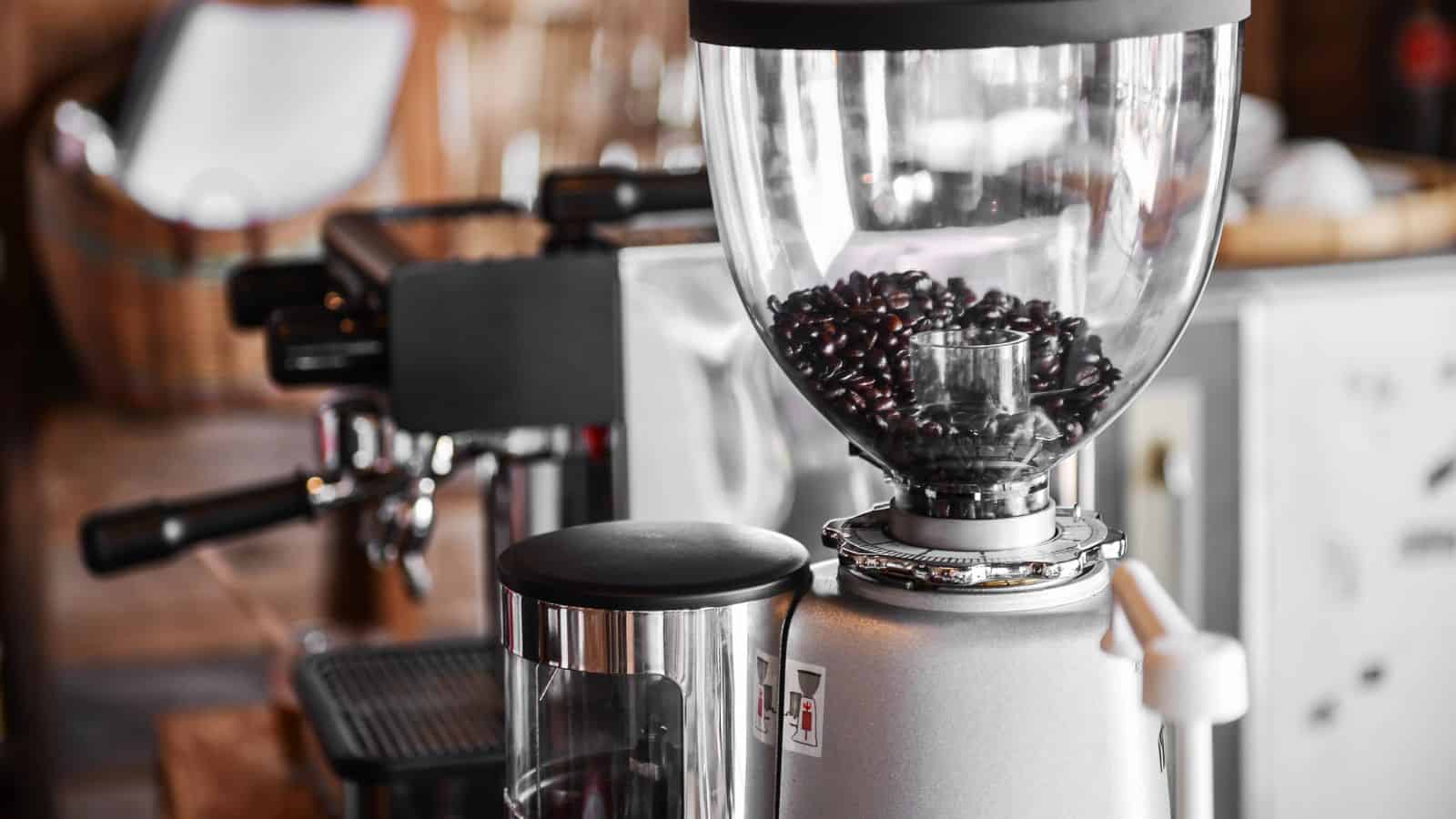
A good grinder is essential for a consistent and balanced cup of coffee. Burr grinders, in particular, offer more uniform grinding, allowing you to extract the full flavor from the beans. With blade grinders, the inconsistency in grind size can lead to uneven extraction, resulting in a bitter or weak cup. Burr grinders, on the other hand, produce uniform particles that brew more evenly. Investing in a quality grinder gives you better control over the grind size, improving the overall taste of your coffee. The result is a smoother, more well-rounded cup.
Choose the Right Grind Size
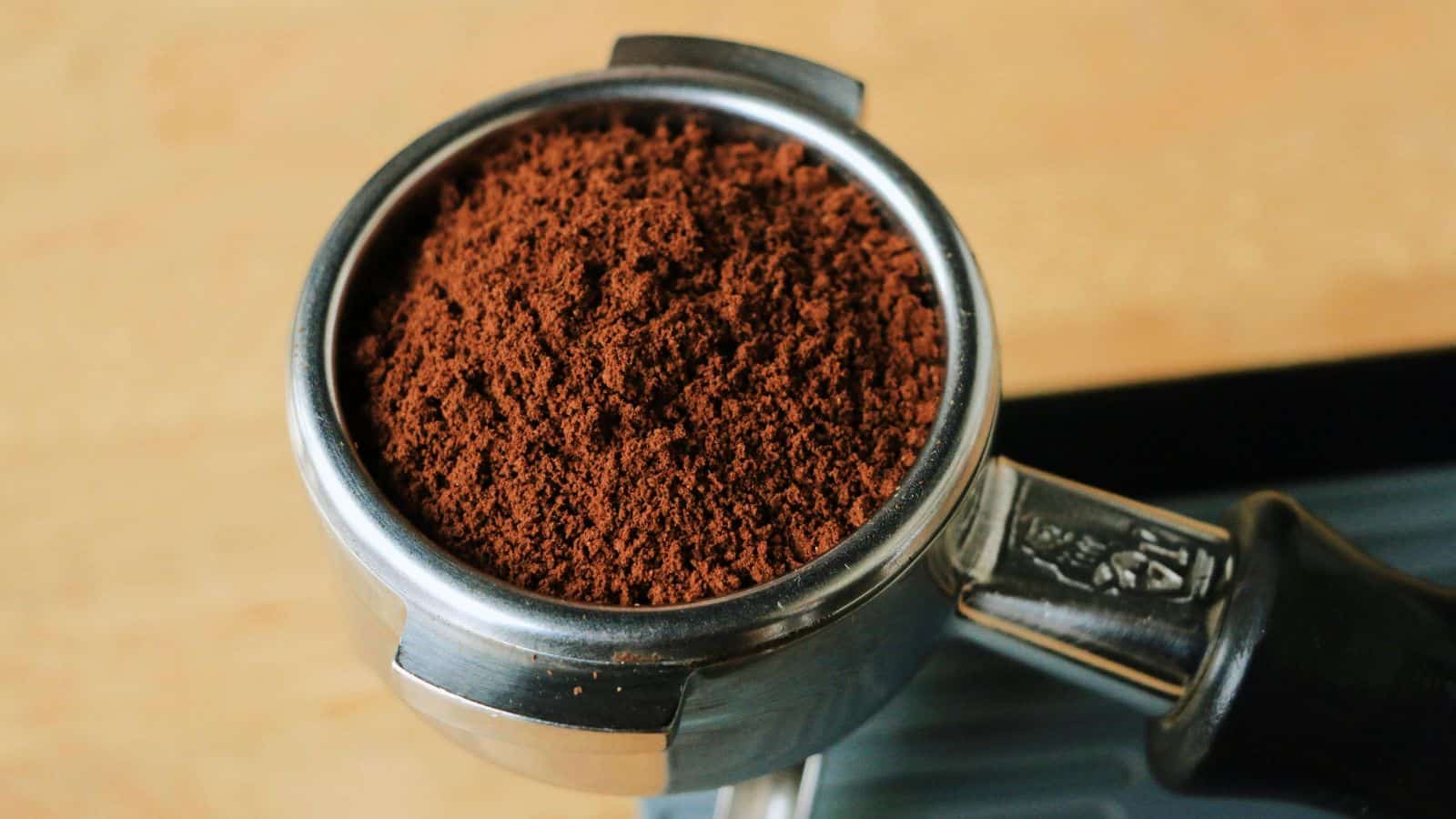
The grind size of your coffee should be matched to your brewing method to ensure the best extraction. For instance, a coarse grind is ideal for French press brewing, while medium grounds work well for drip coffee makers. Espresso requires a fine grind for a fast, intense extraction. If the grind is too fine for a drip machine, the coffee can be over-extracted and taste bitter. If it's too coarse, the coffee can be weak and under-extracted. Paying attention to grind size ensures that your coffee brews evenly, maximizing flavor and consistency in each cup.
Use Clean, Fresh Water
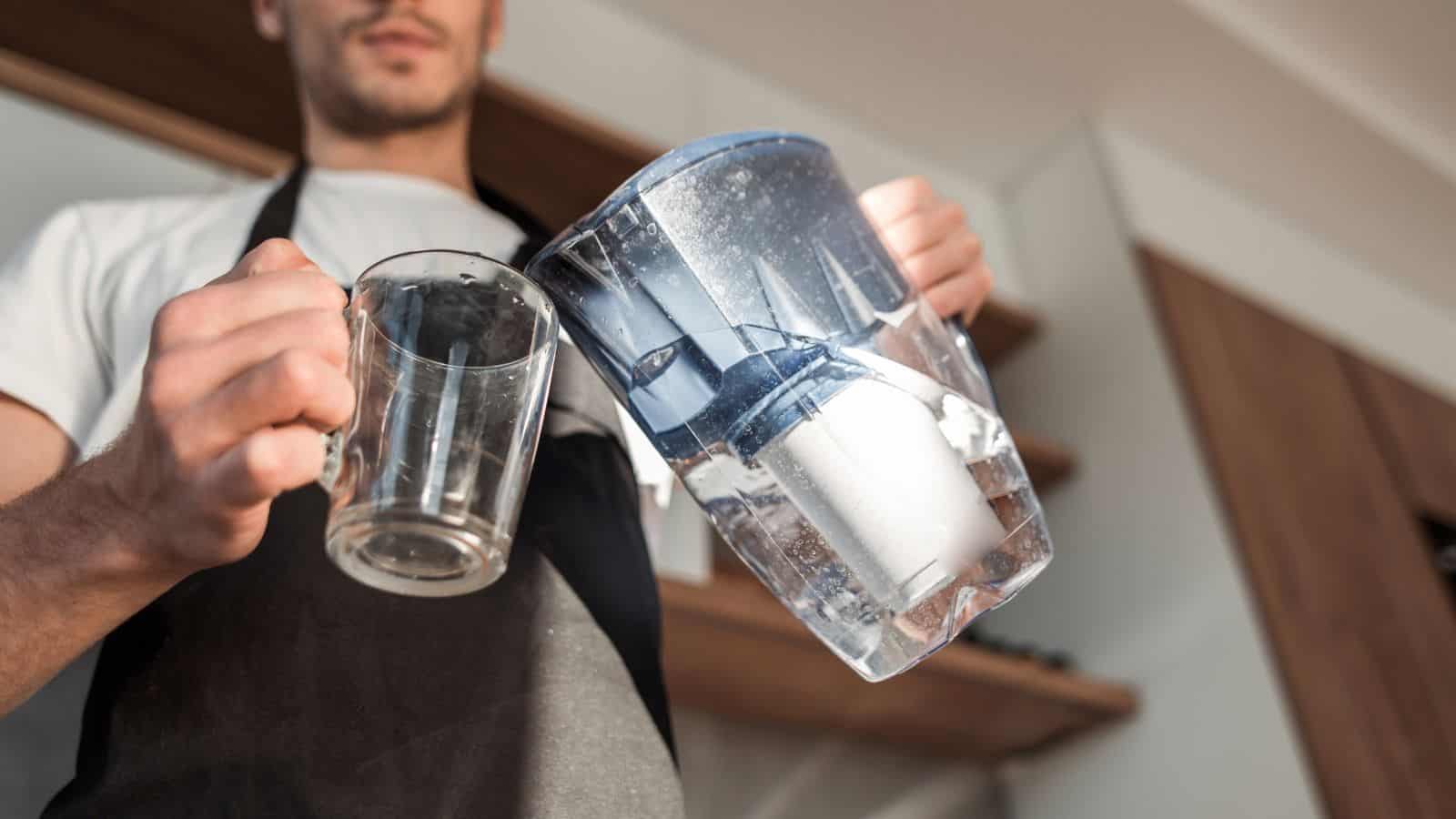
The water you use to brew coffee is crucial in the final taste. Coffee comprises about 98% water, so it's essential to use clean, fresh water free from impurities like chlorine or minerals that can alter the flavor. Tap water, if not filtered, can carry these undesirable elements, affecting the taste of your coffee. Opt for filtered or spring water for the best results. This ensures that your coffee's natural flavors shine through without interference, leading to a clearer, more refined cup that highlights the true essence of your beans.
Measure Your Coffee
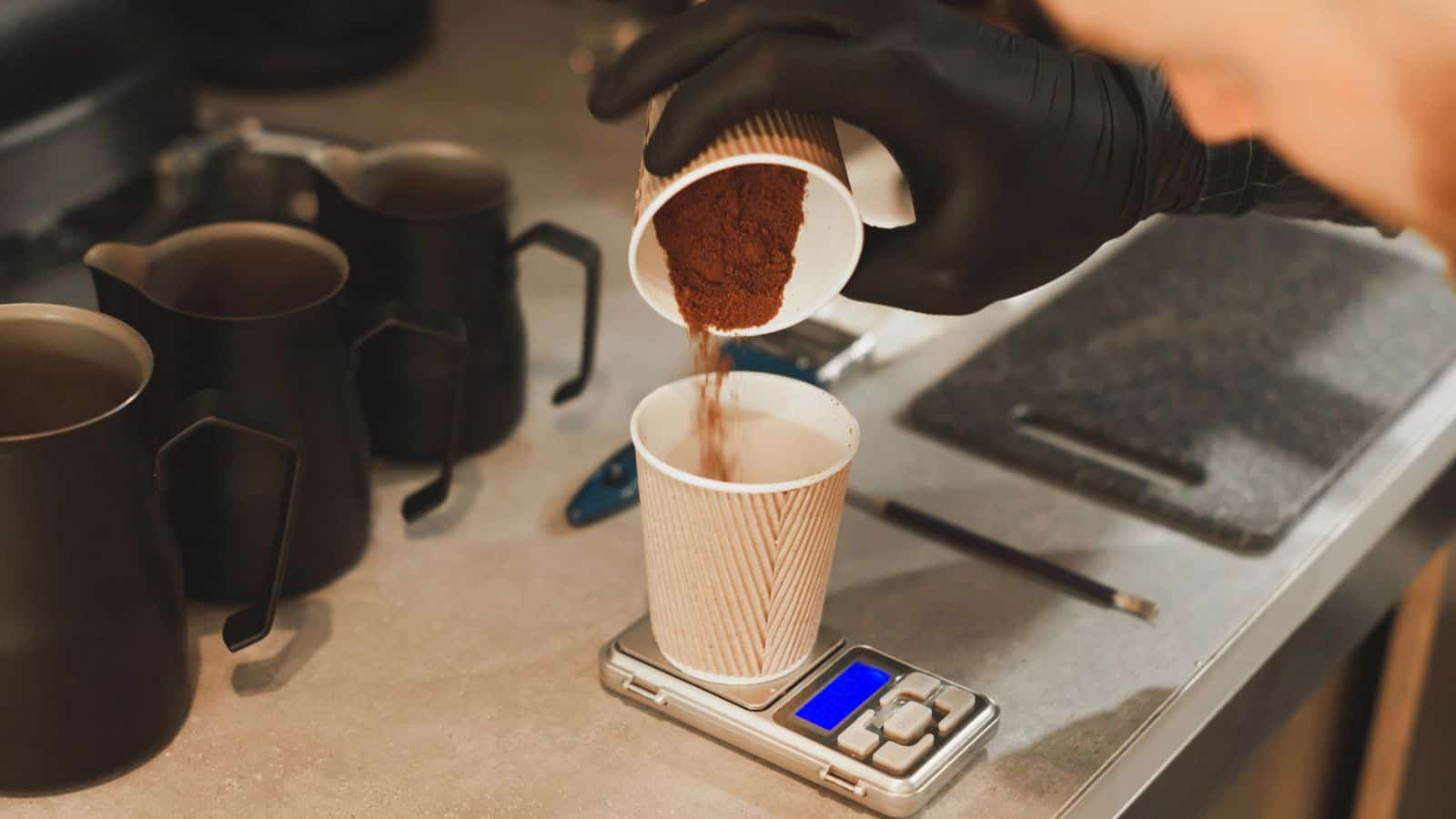
Using the right amount of coffee is key to achieving a balanced brew. Too much coffee can result in a bitter, overpowering cup, while too little can leave the flavor too weak. A general guideline is to use 1 to 2 tablespoons of ground coffee for every 6 ounces of water, but this can vary based on your personal taste preferences. Using a scale to measure your coffee and water can help you achieve the perfect balance. Consistency in measurements allows you to repeat your brewing process each time, ensuring a reliably flavorful cup.
Store Coffee Properly
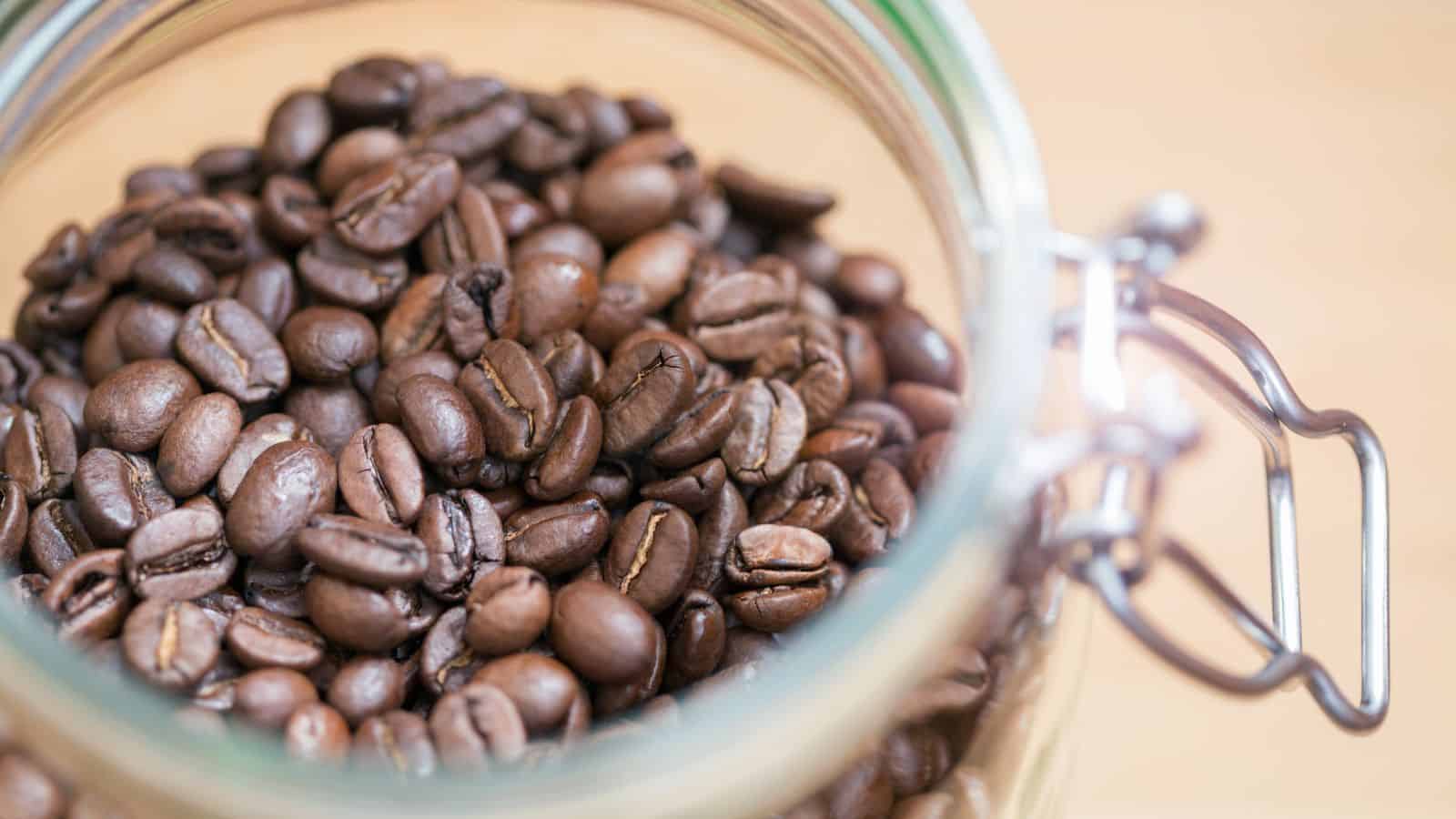
Coffee beans are sensitive to heat, light, and moisture, all of which can degrade their flavor over time. To preserve the freshness of your beans, store them in an airtight container away from sunlight, heat, and humidity. A dark, cool pantry or cupboard is ideal. Avoid storing beans in the fridge or freezer, as condensation can negatively affect their flavor. When properly stored, coffee beans can maintain their freshness for a longer period, preserving the rich aromas and complex flavors that make your brew taste just as fresh as the day you bought them.
Preheat Your Equipment
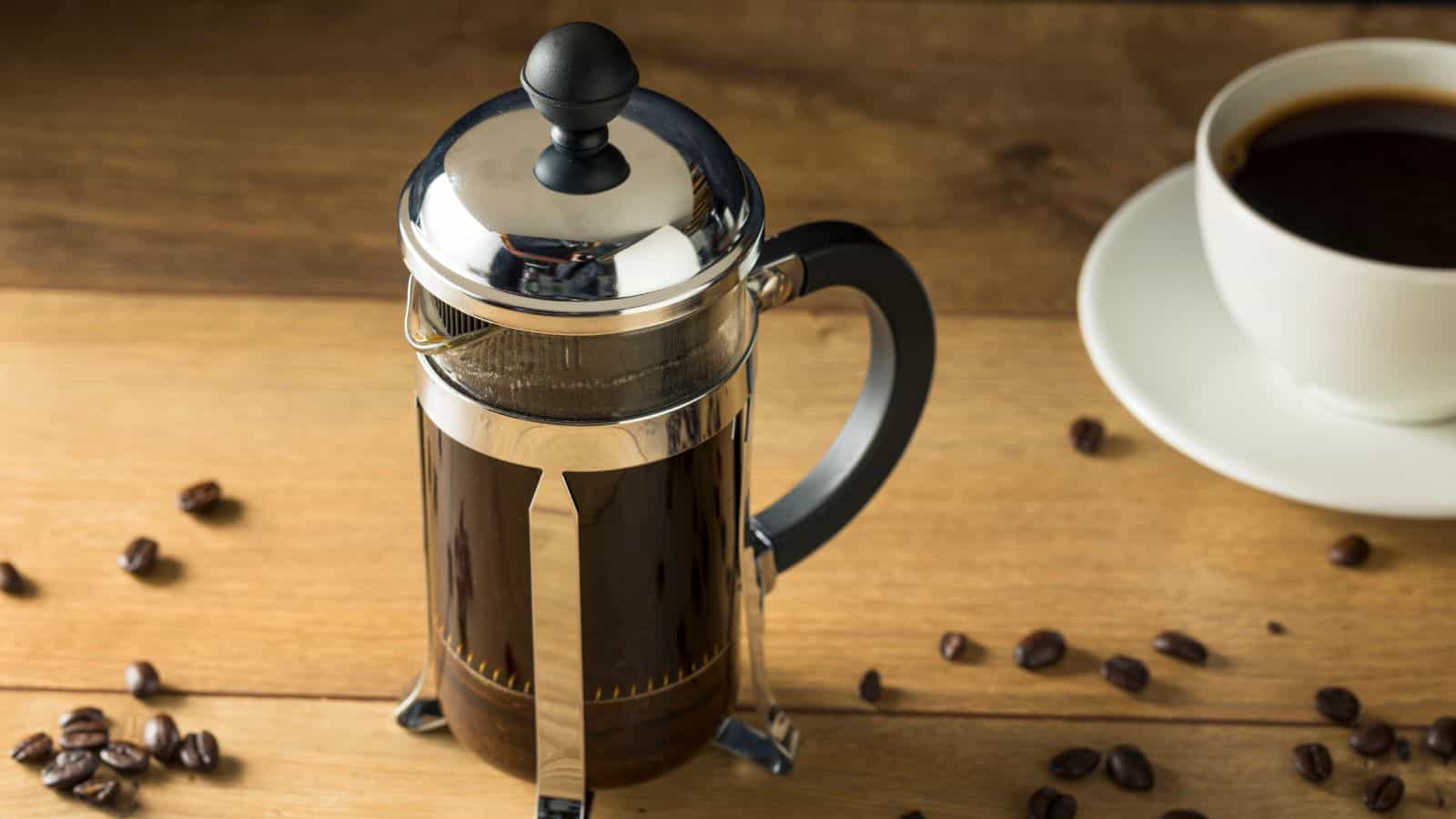
Preheating your brewing equipment is an essential step in making the perfect cup of coffee. When your mug, French press, or carafe is cold, it can cause the temperature of the coffee to drop quickly, leading to an uneven extraction and a less-than-ideal brew. To prevent this, simply rinse your equipment with hot water before brewing. This small step helps maintain the ideal brewing temperature, ensuring a more consistent and flavorful cup. A warm cup also keeps your coffee at the right temperature for longer, allowing you to enjoy it at its best.
Experiment with Brewing Time
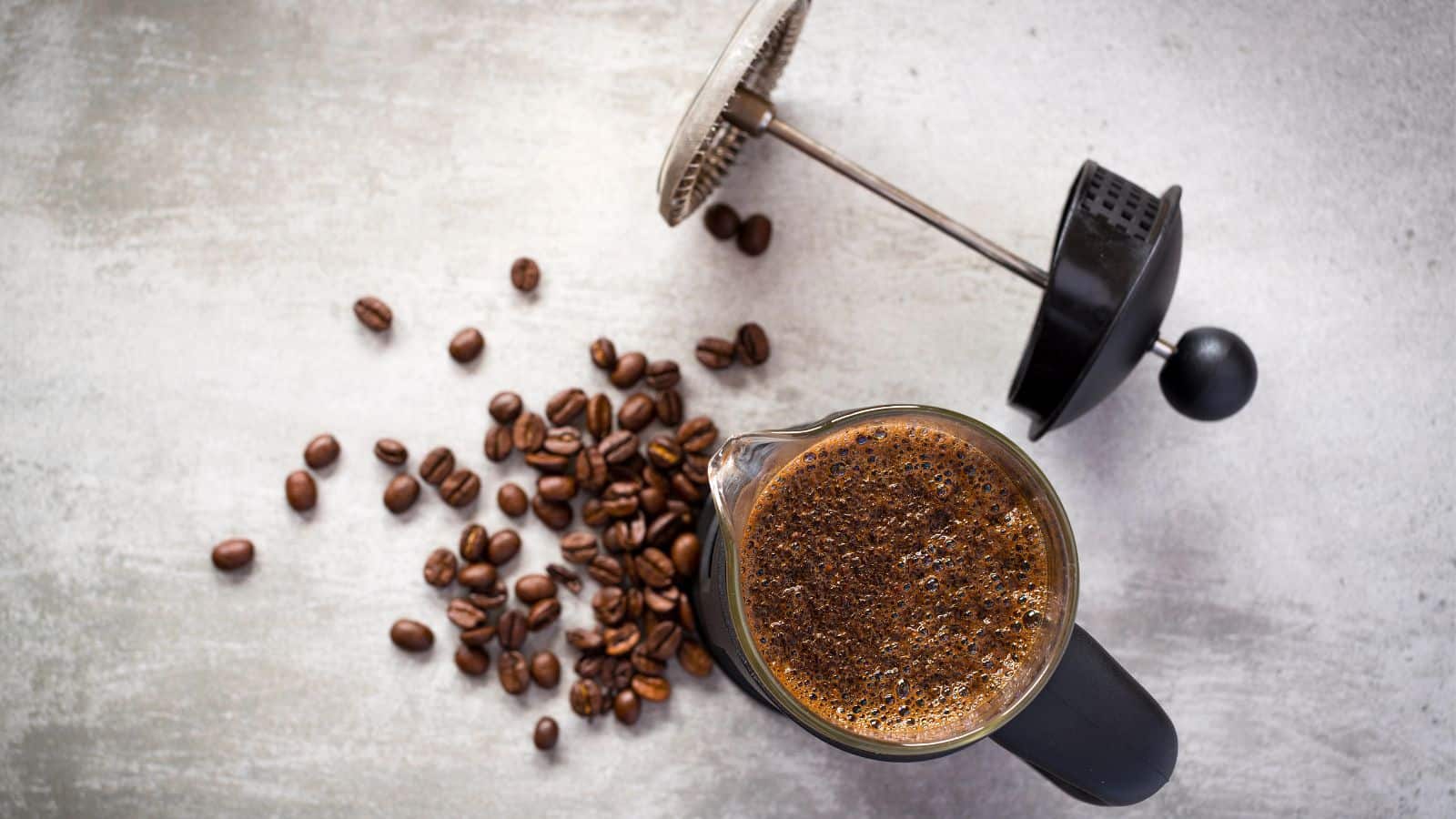
The brewing time can have a significant impact on the flavor of your coffee. Different methods require varying amounts of time for the ideal extraction. For example, a French press should brew for about 4 minutes, allowing the grounds to steep properly, while espresso requires just 25-30 seconds for a fast, concentrated shot. If your brew time is too long, the coffee may become over-extracted, resulting in bitterness. If it's too short, the coffee can taste weak and underdeveloped. Adjusting your brewing time based on your method helps achieve the perfect balance and flavor profile.
Brew at the Right Temperature
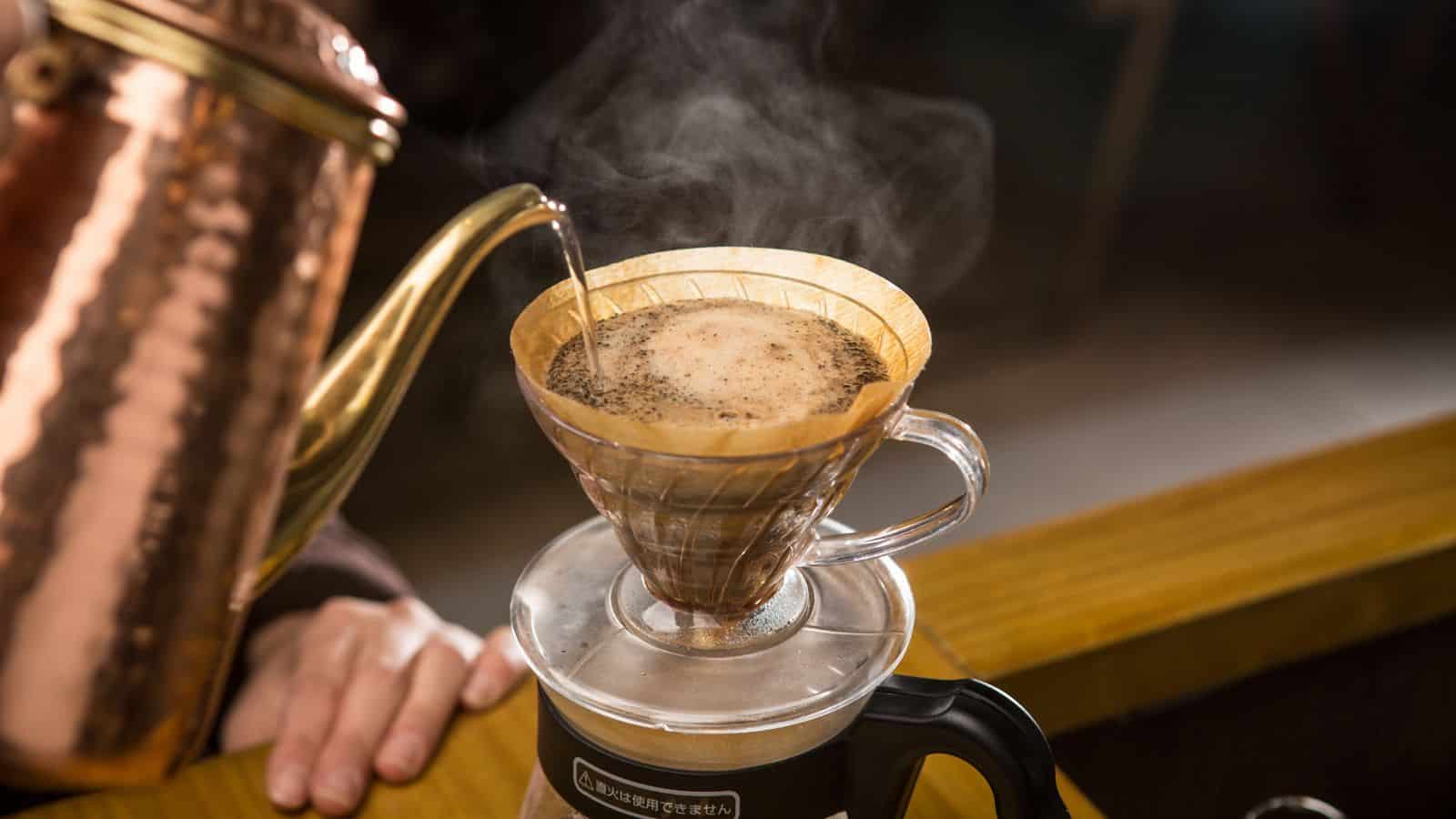
The ideal water temperature for brewing coffee is between 195°F and 205°F (90-96°C). If the water is too hot, it can cause over-extraction, making the coffee taste harsh or burnt. On the other hand, water that's too cold will under-extract the coffee, resulting in a weak, lackluster flavor. Using water at the correct temperature allows the coffee grounds to release their full range of flavors without overdoing it. For drip coffee makers, some models have temperature control, but if you're brewing manually, use a thermometer or let the water cool slightly before pouring.
Avoid Reusing Coffee Grounds
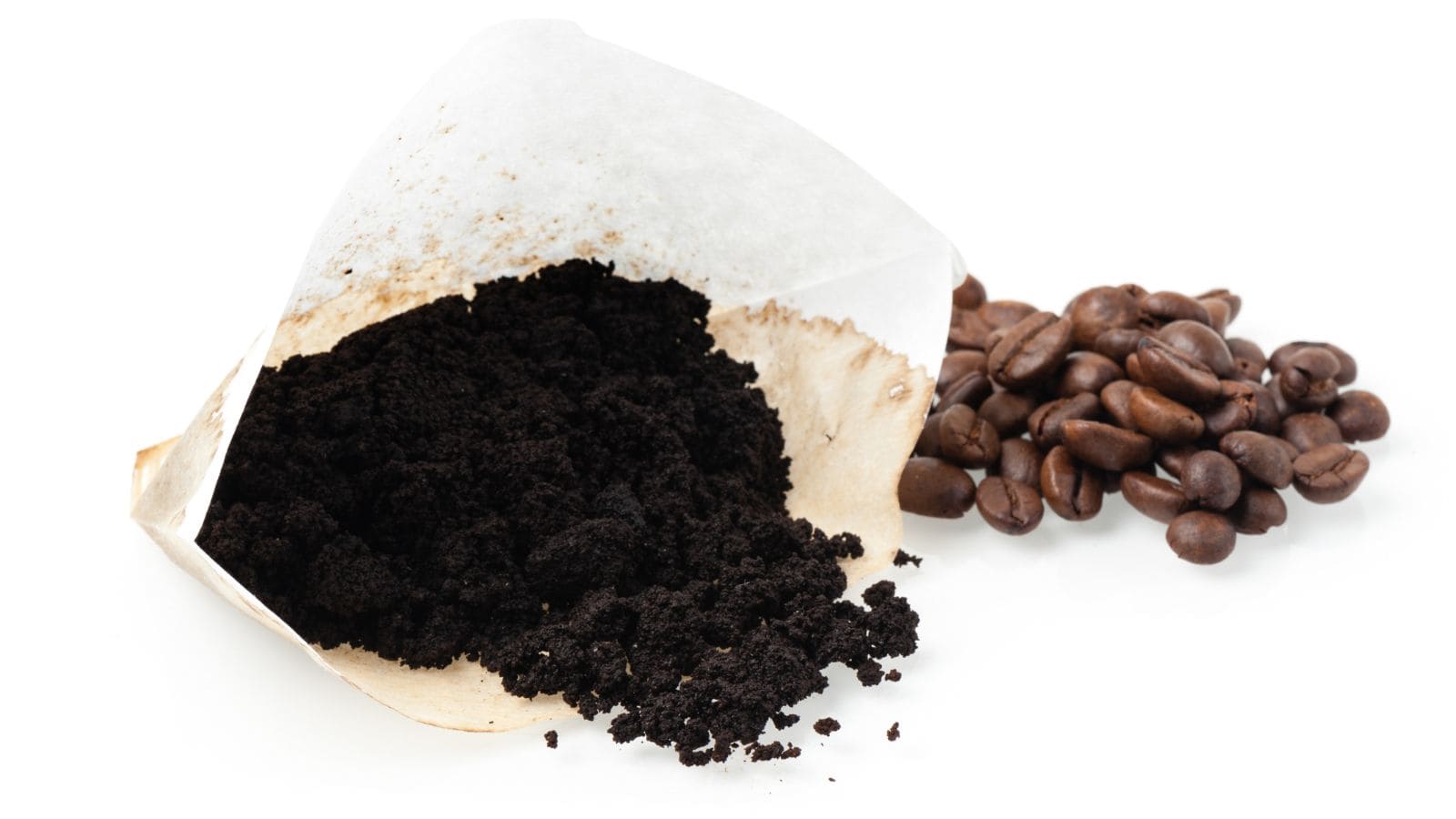
Used coffee grounds should not be reused for a second brew. Once coffee has been brewed, the majority of its flavor compounds have been extracted, leaving behind a weak, flavorless residue. Reusing the grounds can result in a bitter, diluted cup that lacks complexity. For the best taste, always use fresh coffee grounds. This ensures you get the full, rich flavor that coffee is known for. While it might seem like a way to stretch your beans, reusing coffee grounds can actually reduce the quality of your brew significantly, making it less enjoyable overall.
Stir Coffee Grounds Before Brewing
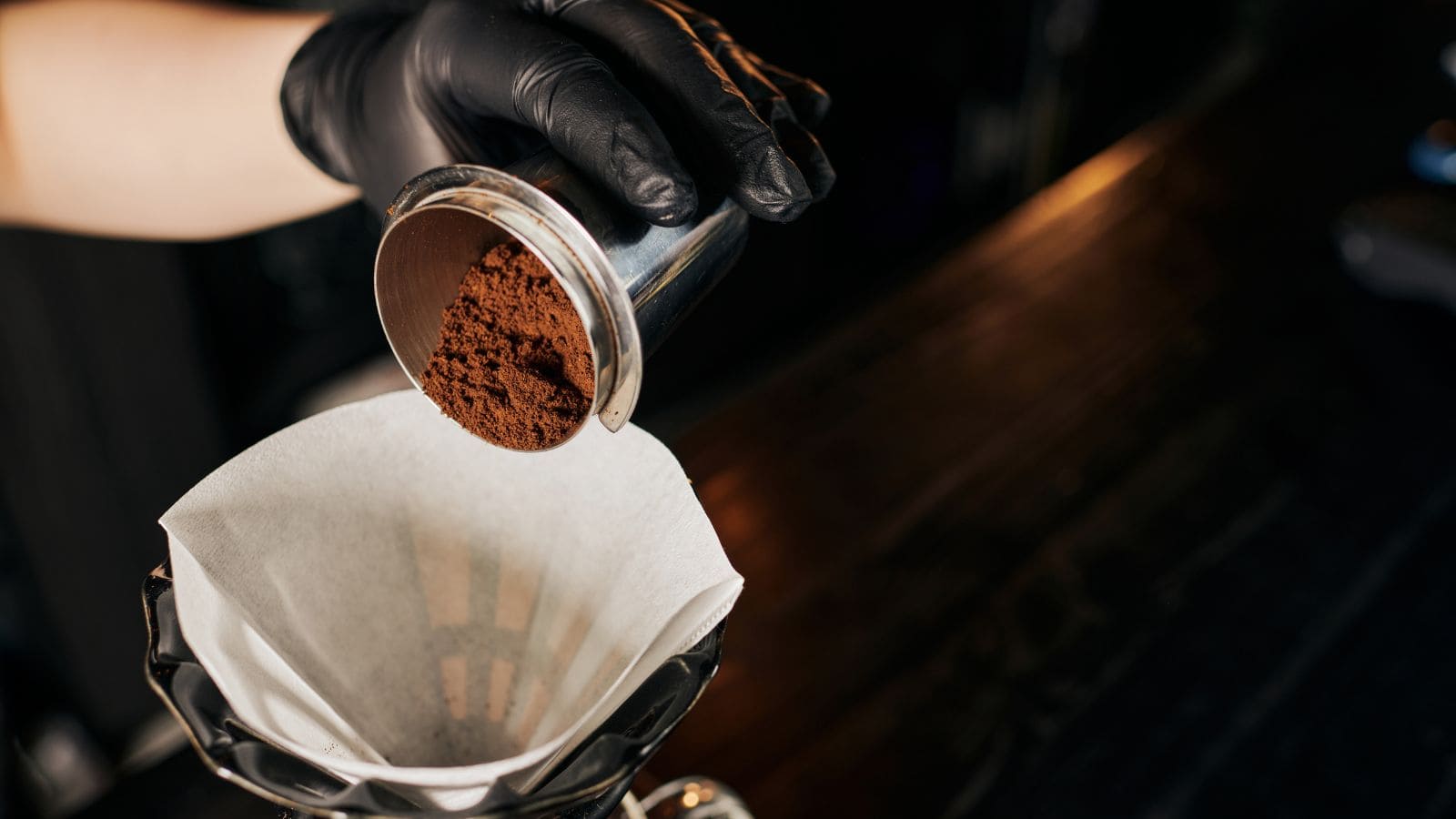
Stirring the coffee grounds before brewing ensures even saturation and better extraction. When water first comes into contact with coffee grounds, it may not evenly reach every particle, resulting in under-extracted flavors and inconsistent brewing. A gentle stir helps to distribute the grounds more evenly and ensures that the water interacts with all the coffee evenly. This step can make a noticeable difference, especially for methods like French press or pour-over. Properly stirring your grounds before brewing helps maintain balance, ensuring that the final cup is rich, consistent, and full of flavor.
Clean Your Equipment Regularly
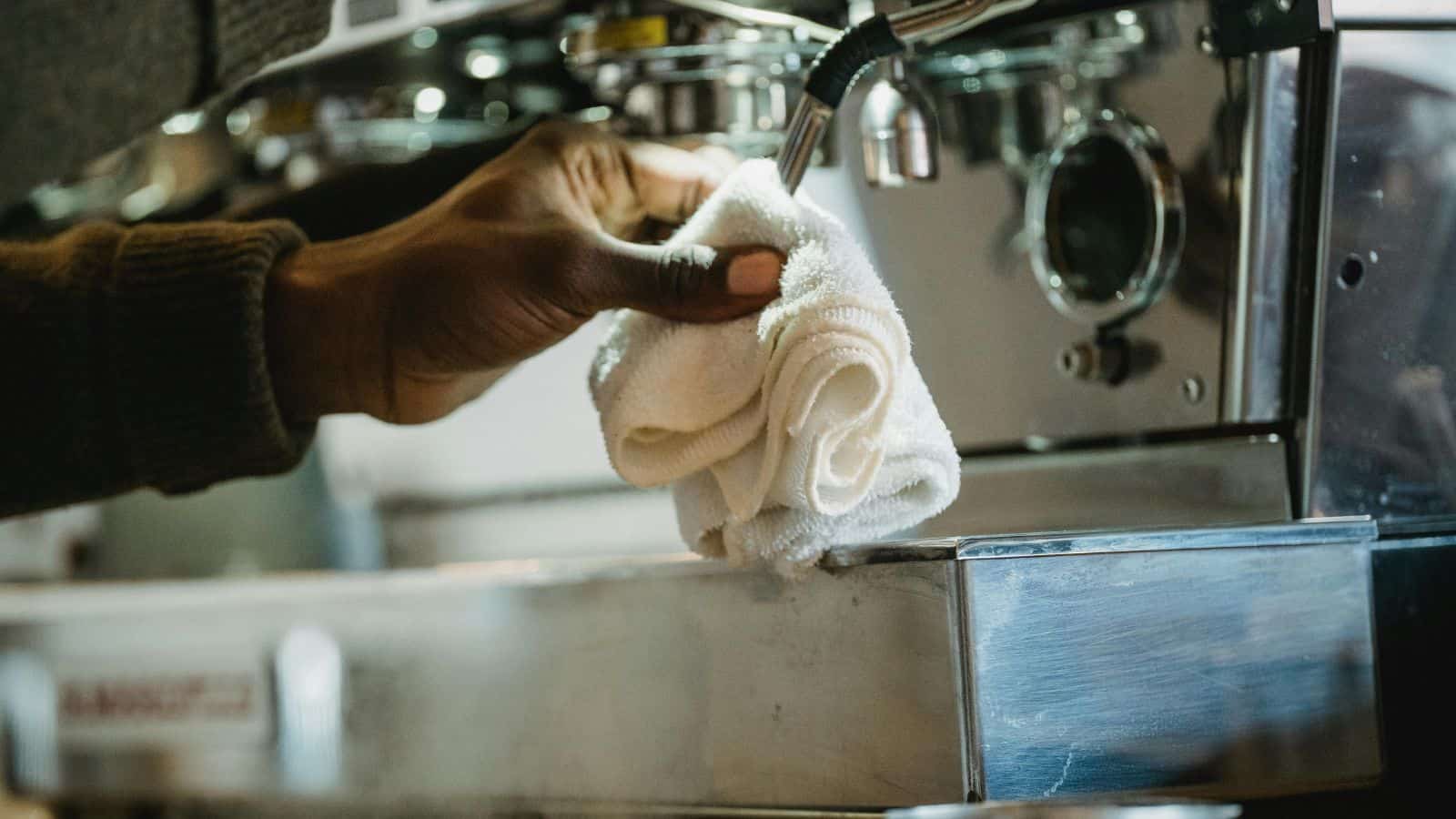
Coffee equipment, especially grinders, coffee makers, and French presses, can accumulate coffee oils and residue over time. These oils can spoil, imparting unpleasant flavors to your coffee. Regular cleaning of your equipment prevents buildup and maintains the integrity of your brew. For drip coffee makers, be sure to clean the carafe, filter basket, and any other parts regularly. Grinders should be cleaned to remove leftover grounds that can alter the taste of new coffee. By maintaining your equipment and keeping it free of oils and residue, you ensure that each brew tastes as fresh as possible.
Don't Let Coffee Sit Too Long
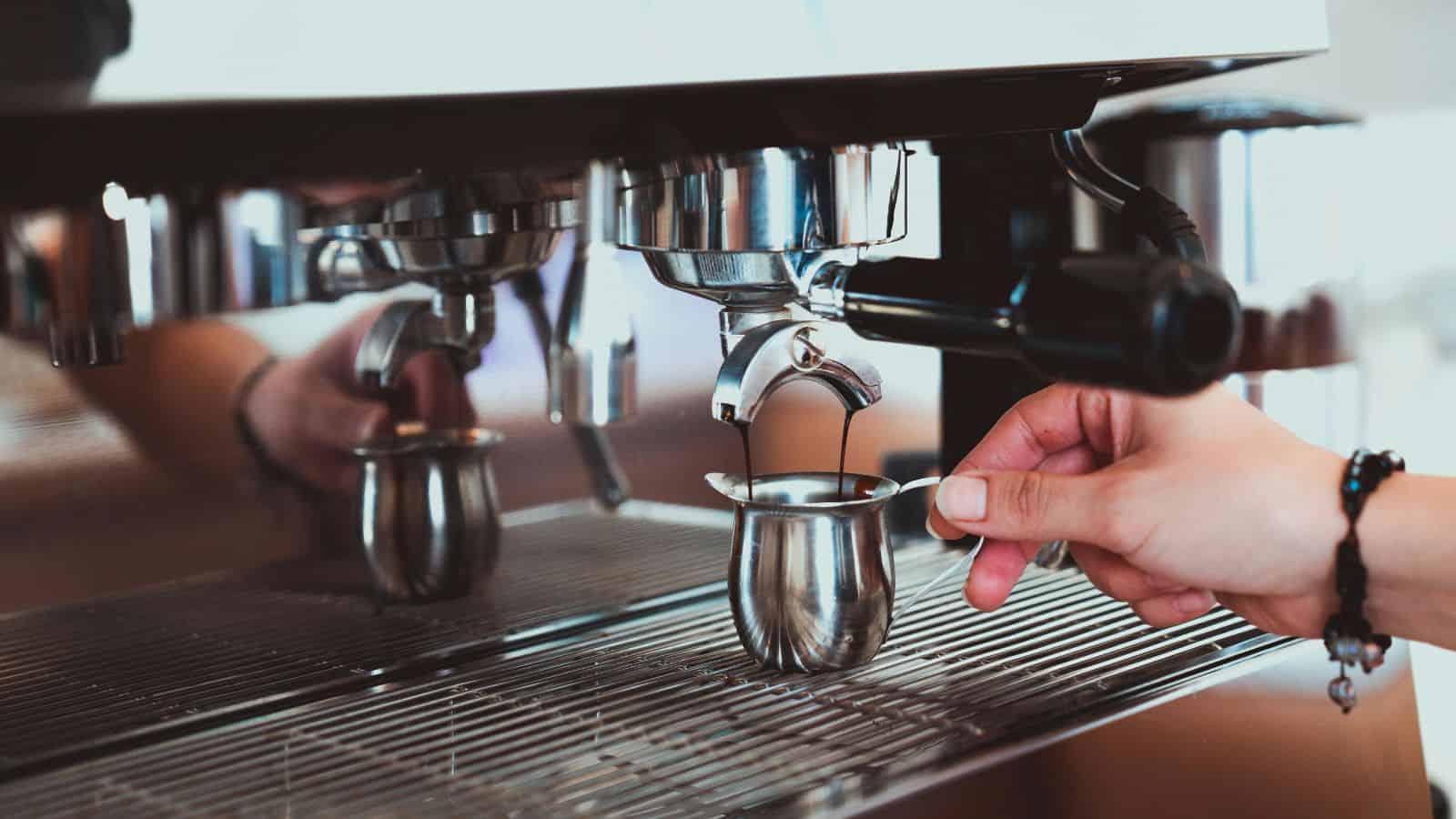
Coffee starts to lose its optimal flavor shortly after brewing. If coffee is left sitting on a hot plate for too long, it can become over-extracted and bitter. This is especially true for drip coffee makers or thermal carafes that keep coffee hot for extended periods. For the best taste, aim to drink your coffee shortly after brewing. If you're making a larger batch, consider storing the coffee in a thermal carafe to maintain its temperature without continuing to cook it on a hot plate. Enjoying your coffee fresh ensures the full, rich flavor is preserved.
Experiment with Beans
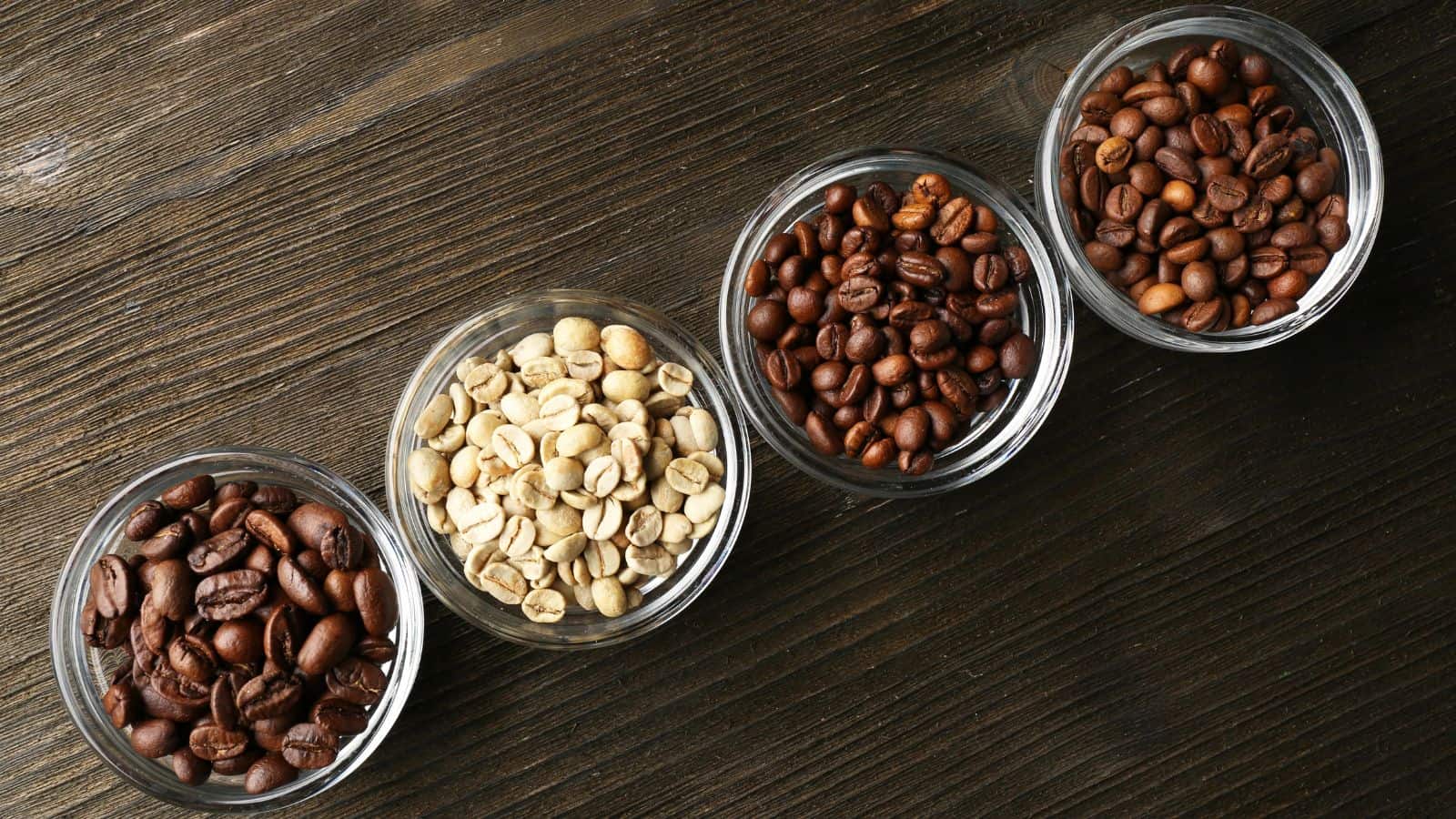
Coffee beans come in a wide variety of flavors, each influenced by their region of origin, processing methods, and roasting styles. To truly appreciate the complexities of coffee, don't hesitate to try beans from different regions and roasters. You may discover that you prefer beans from Latin America, Africa, or Asia, each offering distinct flavor profiles such as fruity, earthy, or nutty notes. Likewise, exploring different roast levels, from light to dark, can unlock new flavor experiences. By experimenting with various beans, you can find your personal favorite, allowing you to brew coffee that suits your taste perfectly.
15 Tips for Making the Perfect Iced Coffee

Ready to take your iced coffee game to the next level? Take note of these 15 tips and discover how small changes can make a big impact on your coffee experience. Whether you're a coffee aficionado or just looking for a cool drink on a hot day, these tips will guide you to making the perfect iced coffee. So, grab your favorite mug, and let's get brewing!
Read More Here: 15 Tips for Making the Perfect Iced Coffee
9 Global Coffees You Need to Try Before You Die

Want to try something new with your next cup? Let's check out how people around the world make their coffee. Whether you usually grab yours from the drive-through or already have a favorite brewing method, these different styles might change your thoughts about coffee. From super simple to pretty fancy, each way of making coffee adds something special to your daily routine.
Read More Here: 9 Global Coffees You Need to Try Before You Die




Comments
No Comments