
Acid reflux can be an uncomfortable and painful condition, and there are 15 drinks that turn acid reflux into a nightmare. Many people may not realize that certain beverages can worsen symptoms, leading to discomfort and disruption in daily life. From popular sodas to certain fruit juices, these drinks can trigger unpleasant reactions that make it difficult to enjoy meals and social gatherings.
Understanding which drinks to avoid is essential for managing acid reflux effectively. By being aware of these common culprits, individuals can make informed choices that help reduce symptoms and promote overall well-being.
Explore these drinks that can worsen acid reflux and learn how to navigate beverage choices wisely. Making better selections can lead to a more comfortable lifestyle and improved digestive health!

Coffee

The acidity and caffeine in coffee make it a frequent trigger for acid reflux. Caffeine stimulates acid production, which can lead to heartburn and irritation. It also relaxes the lower esophageal sphincter (LES), a muscle that keeps stomach acid from traveling upward. Without proper closure, acid can escape into the esophagus, causing discomfort. Dark roasts are slightly less acidic than lighter ones, but even decaf contains compounds that may aggravate symptoms. Adding cream or sugar can further slow digestion, increasing the likelihood of reflux. Those prone to acid reflux often find that cutting back on coffee helps reduce symptoms.
Espresso
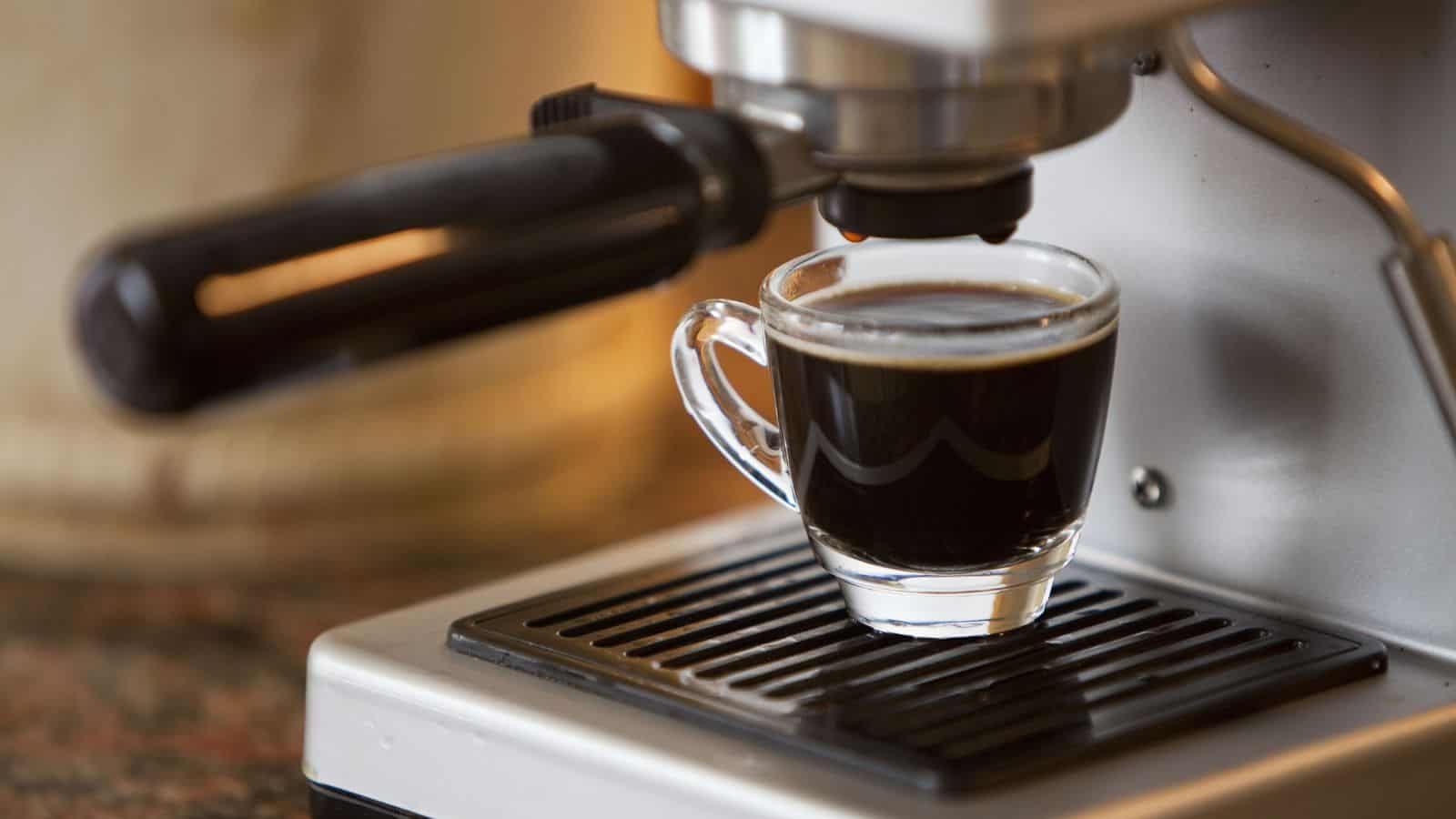
Stronger and more concentrated than regular coffee, espresso packs a potent dose of acidity and caffeine. Because it is often consumed in small, intense servings, it can rapidly trigger acid production. The quick jolt of caffeine may also increase stomach contractions, pushing acid upward. Some people drink espresso on an empty stomach, which can make symptoms even worse. Though it has slightly less overall caffeine than a full cup of coffee, its concentrated nature makes it a more immediate trigger. For those with reflux, switching to a lower-acid alternative or reducing intake may help manage discomfort.
Caffeinated Tea
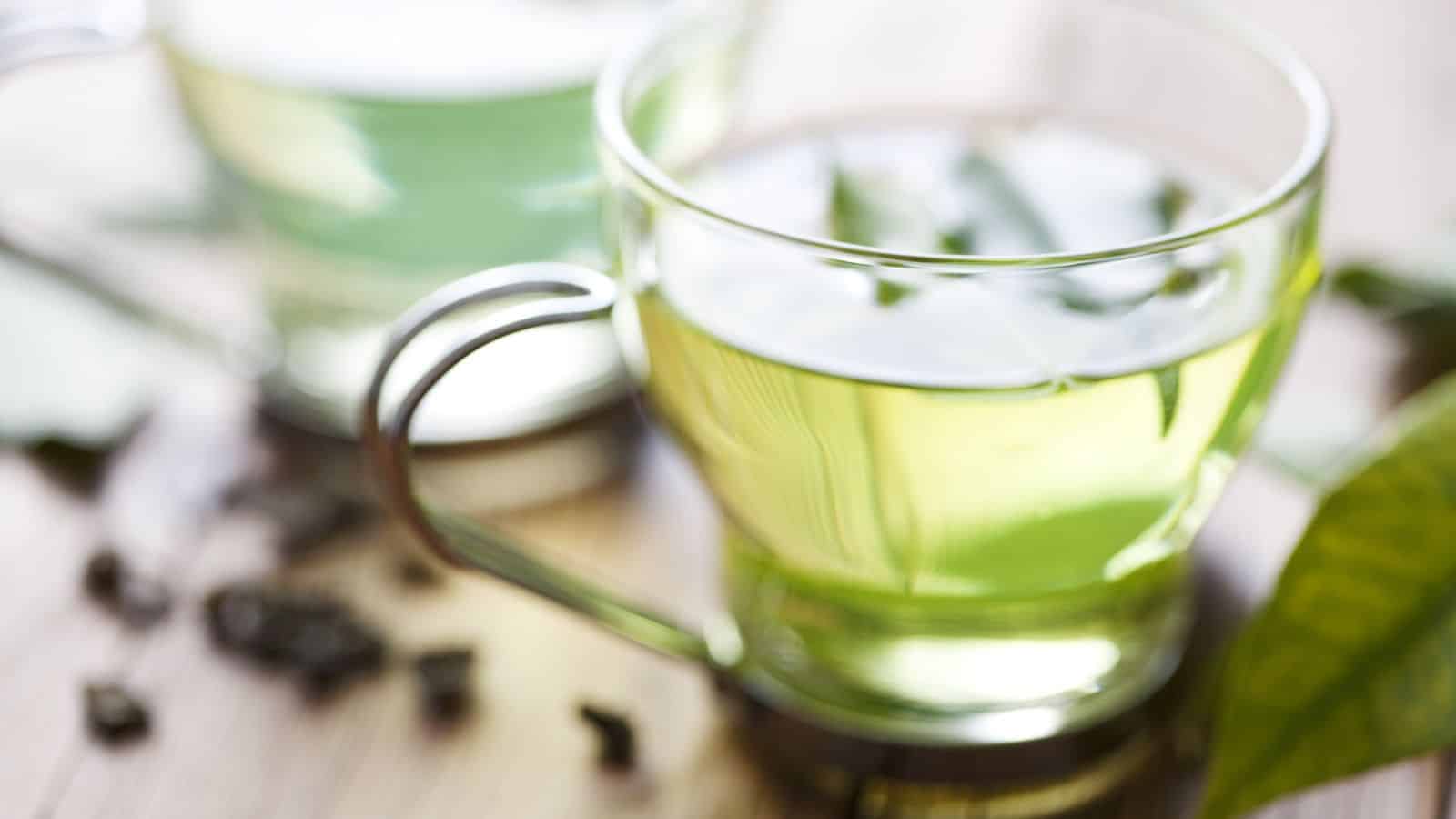
Black and green teas contain caffeine and tannins, both of which can irritate acid reflux. Caffeine stimulates stomach acid, while tannins can cause irritation in sensitive individuals. Green tea is often seen as gentler, but it still contains enough caffeine to weaken the lower esophageal sphincter. Even decaffeinated versions may have small amounts of caffeine and tannins that contribute to symptoms. Milk or lemon, commonly added to tea, can increase acidity. Herbal options like chamomile or ginger are often better choices for those looking to avoid reflux triggers while still enjoying a hot beverage.
Carbonated Beverages
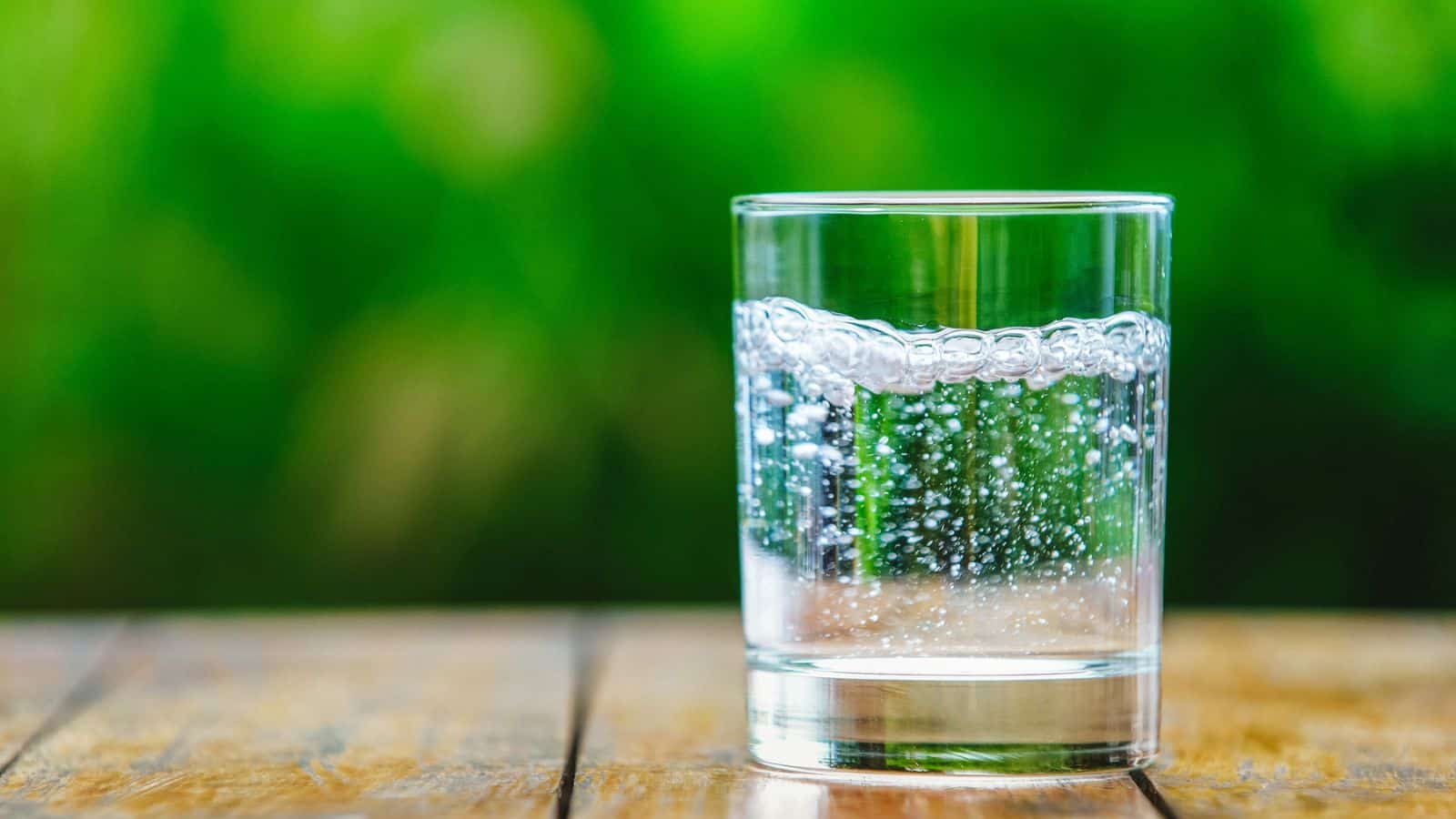
The bubbles in sodas, sparkling water, and other fizzy drinks introduce gas into the stomach, creating pressure that can push acid into the esophagus. Carbonation can also cause bloating, making reflux symptoms worse. Many sodas contain caffeine, which further relaxes the lower esophageal sphincter. Citrus-flavored sodas and colas add extra acidity, making them particularly harsh on the stomach. Even sugar-free versions can contribute to irritation, as artificial sweeteners may slow digestion. Swapping carbonated drinks for still water or herbal tea can help reduce acid reflux episodes.
Energy Drinks
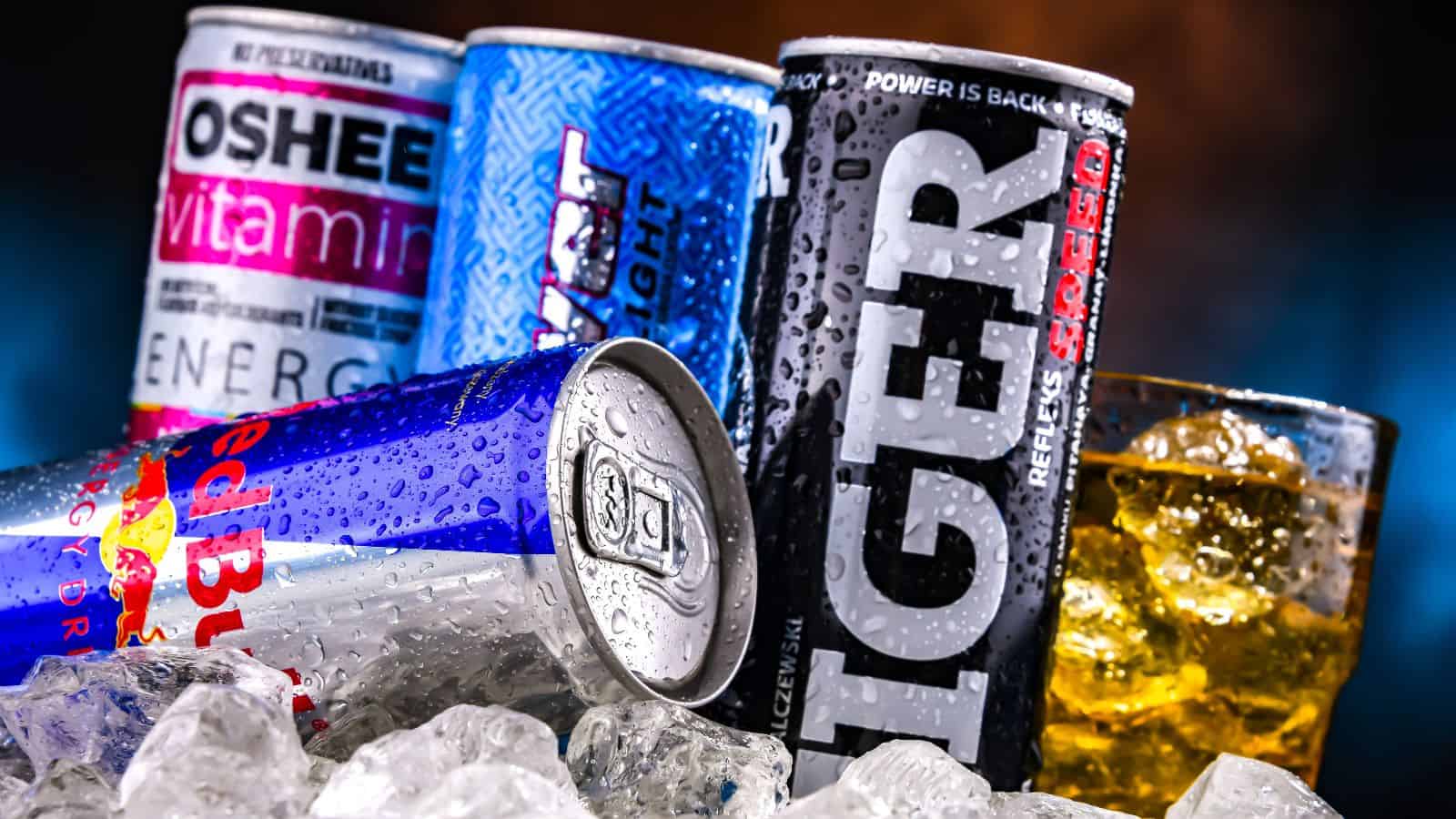
Loaded with caffeine, sugar, and acidity, energy drinks are one of the worst choices for acid reflux sufferers. They often contain more caffeine than coffee, overstimulating acid production and causing irritation. The carbonation adds pressure to the stomach, making reflux more likely. Many also contain acidic additives like citric acid, which can be especially harsh. The combination of sugar and artificial ingredients may slow digestion, further contributing to discomfort. Drinking energy drinks on an empty stomach can intensify symptoms, making heartburn worse. Cutting back or switching to non-caffeinated alternatives can help prevent reflux flare-ups.
Alcohol

Beer, wine, and spirits can weaken the lower esophageal sphincter (LES), allowing stomach acid to move into the esophagus. Alcohol also increases stomach acid production, making reflux symptoms more likely. Carbonated alcoholic drinks, like beer and champagne, add extra pressure due to their bubbles, further aggravating the issue. Wine, particularly white varieties, contains natural acids that can worsen heartburn. Mixed drinks made with citrus juice or soda introduce even more acidity. Drinking on an empty stomach intensifies symptoms, as there's no food to absorb some of the acid. Reducing alcohol intake or drinking with food may help.
Red Wine

While some consider red wine less acidic than white, it can still trigger acid reflux. The combination of alcohol and natural tannins can irritate the esophagus, making heartburn more likely. Red wine also contains histamines, which may contribute to inflammation and discomfort in sensitive individuals. Drinking wine late at night can be particularly problematic, as lying down soon after increases reflux symptoms. People prone to acid reflux often find that even a small glass of red wine is enough to cause discomfort. Those who enjoy wine may want to opt for lower-acid varieties or reduce intake.
White Wine

Though it has a lighter profile than red wine, white wine tends to be more acidic. This higher acidity can irritate the esophagus and trigger reflux symptoms, especially for those who already experience heartburn. The alcohol content also plays a role in relaxing the LES, making it easier for stomach acid to travel upward. White wine is often served chilled, which may make it feel less harsh initially, but its acidity still lingers. Pairing white wine with food may help buffer its effects, but even small amounts can lead to discomfort for those sensitive to acid.
Citrus Juices
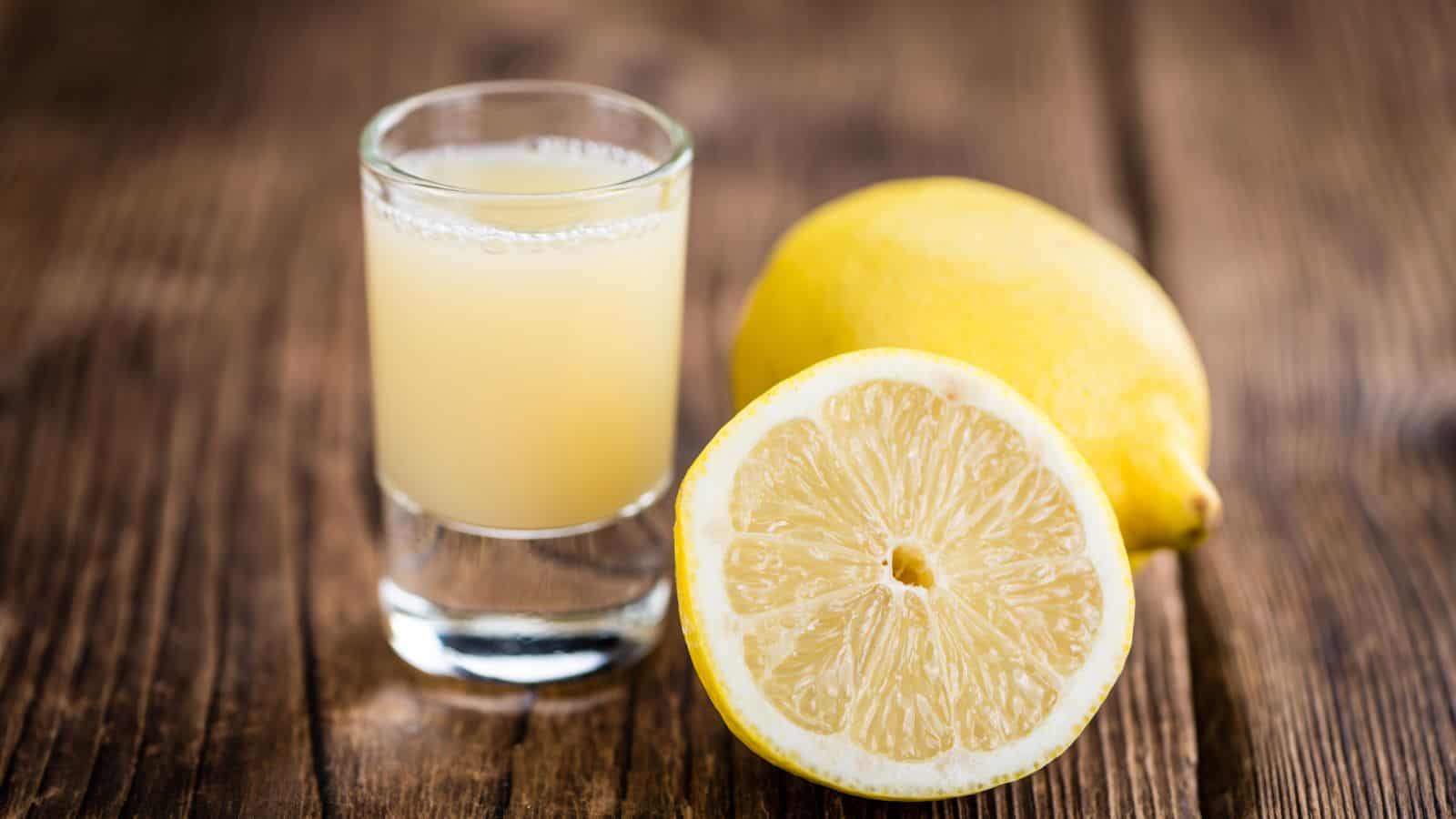
Drinks like orange, grapefruit, and lemon juice are highly acidic and can quickly trigger acid reflux. These fruits have a low pH, meaning they increase stomach acidity and may irritate the esophagus. Even fresh-squeezed juice, which avoids added sugars, can cause discomfort due to its natural acidity. People prone to reflux often find that citrus juices lead to a burning sensation soon after drinking. Some juices, like lemonade, may also contain added sugar, which can further slow digestion. Diluting citrus juices with water may reduce their impact, but they remain one of the most common reflux triggers.
Tomato Juice
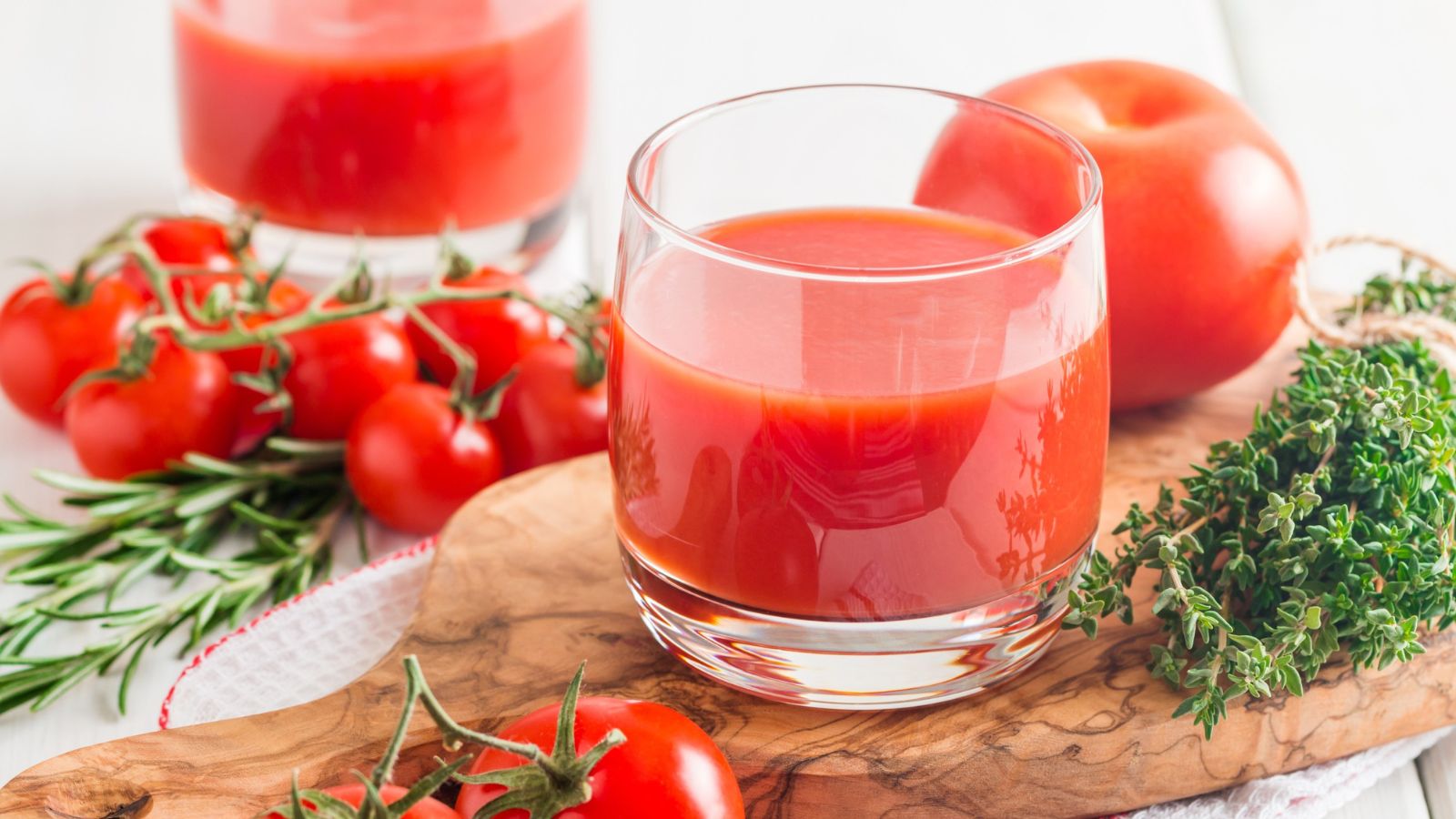
Tomatoes are naturally high in acid, making their juice a strong trigger for reflux. The combination of citric and malic acids can irritate the stomach lining and cause discomfort. Tomato juice is often consumed in the morning, which may worsen symptoms if the stomach is empty. It's also a common base for mixed drinks like Bloody Marys, adding alcohol into the equation, which further relaxes the LES. Even tomato-based soups and sauces can cause similar issues. Avoiding tomato juice altogether may be the best way to prevent heartburn for those sensitive to acidity.
Chocolate Milk
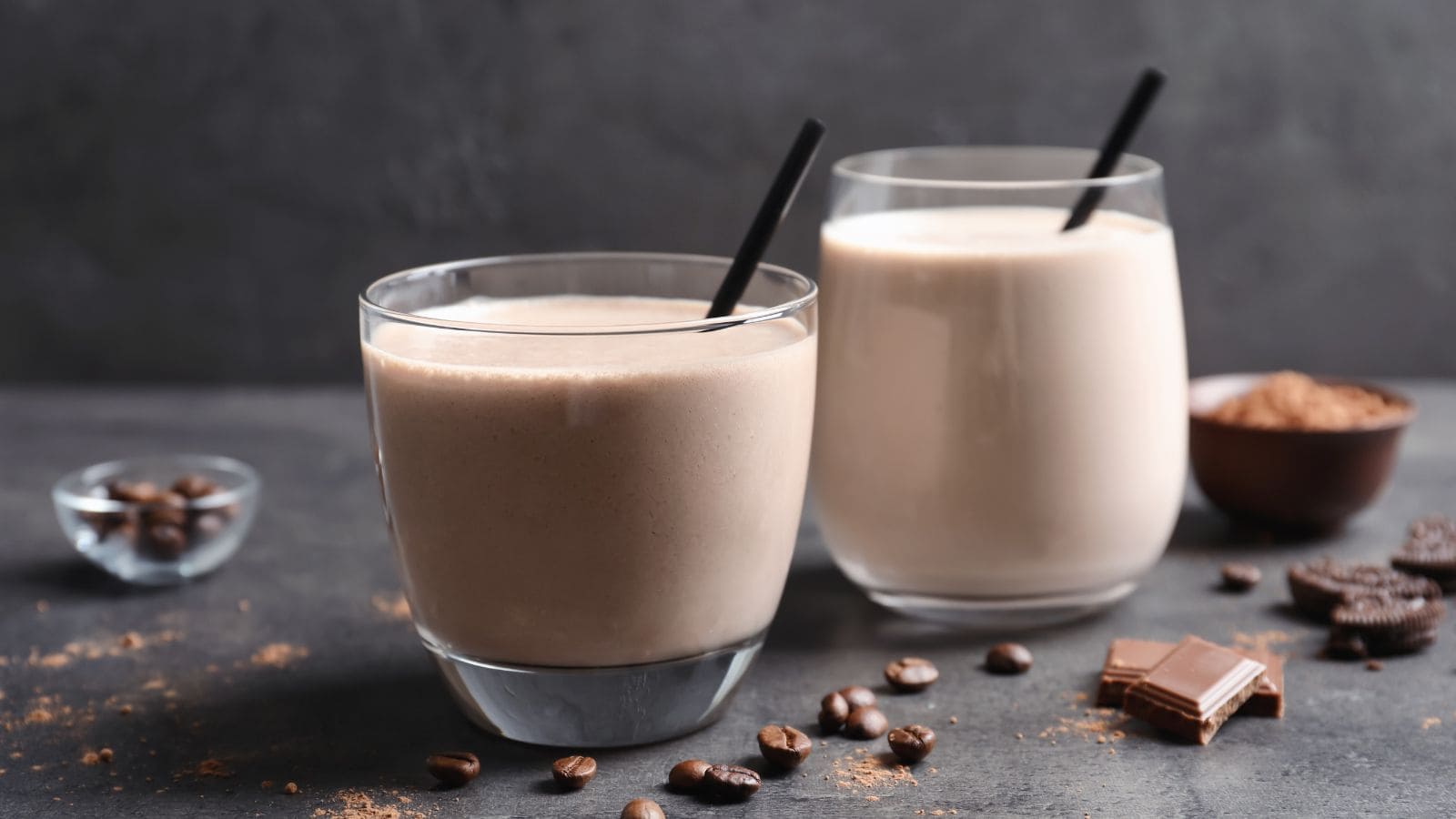
A combination of dairy and chocolate makes this drink a strong trigger for acid reflux. Chocolate contains methylxanthines, which relax the lower esophageal sphincter (LES), making it easier for stomach acid to travel upward. The high-fat content in milk can further slow digestion, increasing the likelihood of reflux. Additionally, chocolate has a small amount of caffeine, which can contribute to irritation. Many chocolate milk products also contain added sugars, which may worsen symptoms. Drinking it before bed is especially problematic, as lying down soon after consuming high-fat dairy can lead to nighttime reflux and discomfort.
Milkshakes

The thick, creamy texture of a milkshake may seem soothing, but it's actually a major reflux trigger. The combination of full-fat dairy and sugar slows digestion, leading to stomach acid buildup. Many milkshakes also include chocolate or coffee flavors, both of which contain compounds that relax the LES. The cold temperature may temporarily mask symptoms, but the effects of fat and sugar linger, causing reflux later. Toppings like whipped cream and syrups only add to the problem. Those prone to heartburn may find that avoiding milkshakes helps prevent post-meal discomfort.
Kombucha
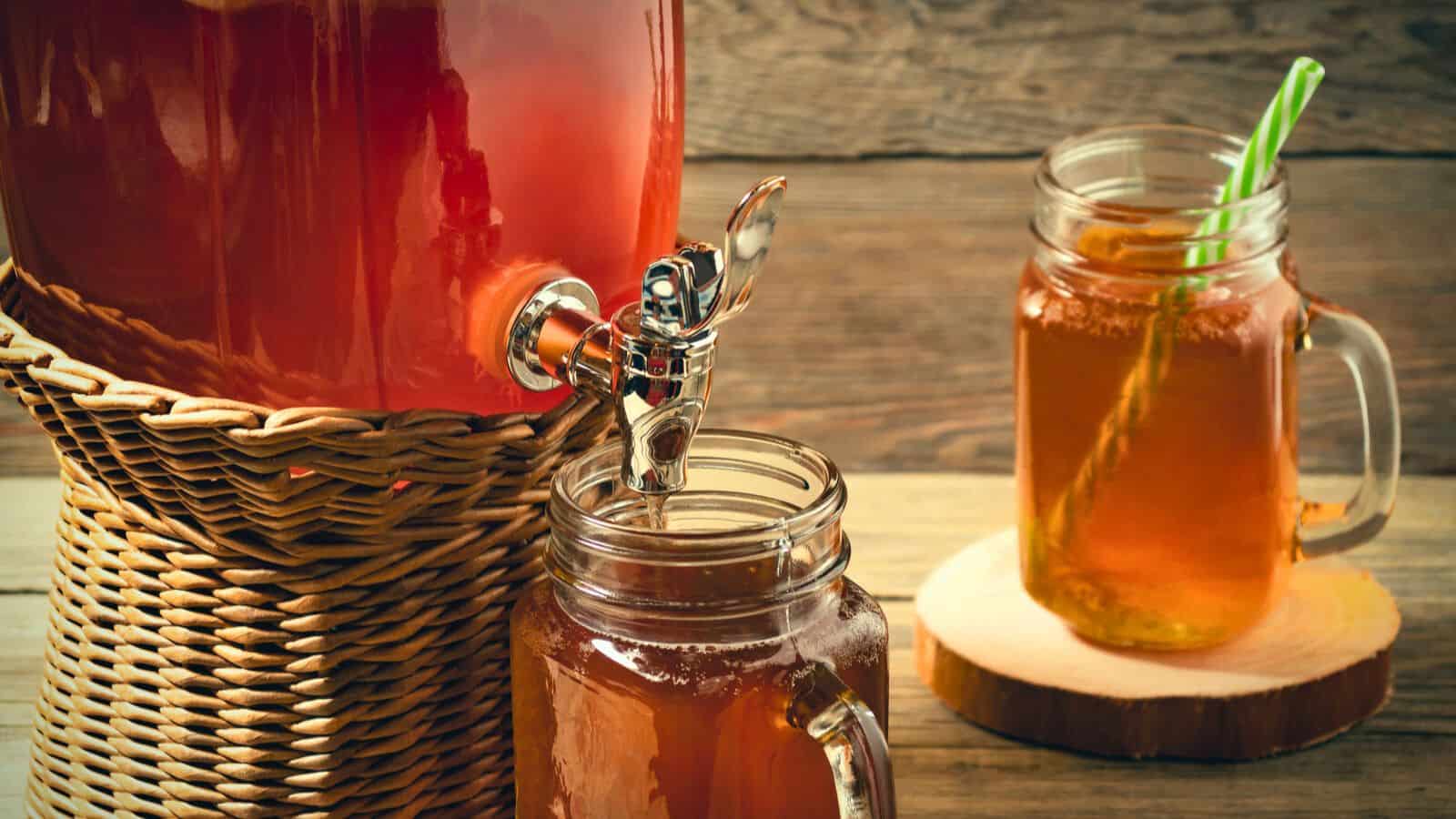
This fermented tea is praised for its probiotics, but it's highly acidic, making it a poor choice for those with acid reflux. The fermentation process creates natural acids that can irritate the stomach lining and increase acid production. Many kombucha varieties are also carbonated, adding bubbles that create pressure in the stomach, leading to bloating and acid backup. Some versions include citrus juice or added flavors that can further irritate the esophagus. While kombucha may support gut health in some cases, those with reflux often find that it triggers heartburn and discomfort rather than offering relief.
Apple Cider Vinegar Drinks
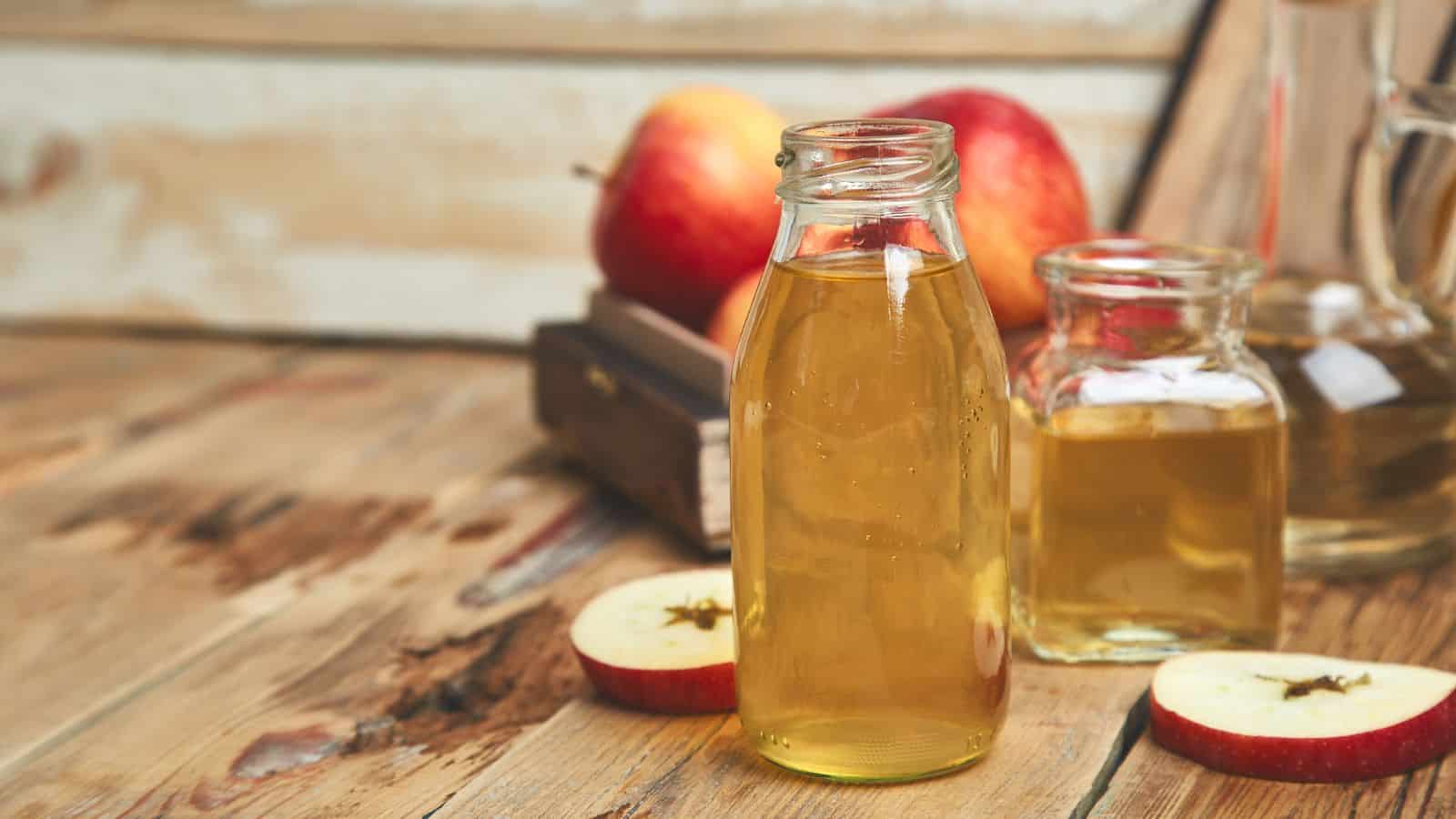
Some people drink apple cider vinegar (ACV) for digestion, but its high acidity can be a nightmare for acid reflux sufferers. ACV has a very low pH, meaning it can increase stomach acid levels and irritate the esophagus. Some believe diluted ACV can help balance digestion, but even small amounts may trigger symptoms for those with reflux. Many ACV drinks are also mixed with citrus juice or honey, adding more acidity. Drinking ACV on an empty stomach is particularly harsh, leading to burning sensations and irritation. For those prone to reflux, it's best avoided.
Peppermint Tea
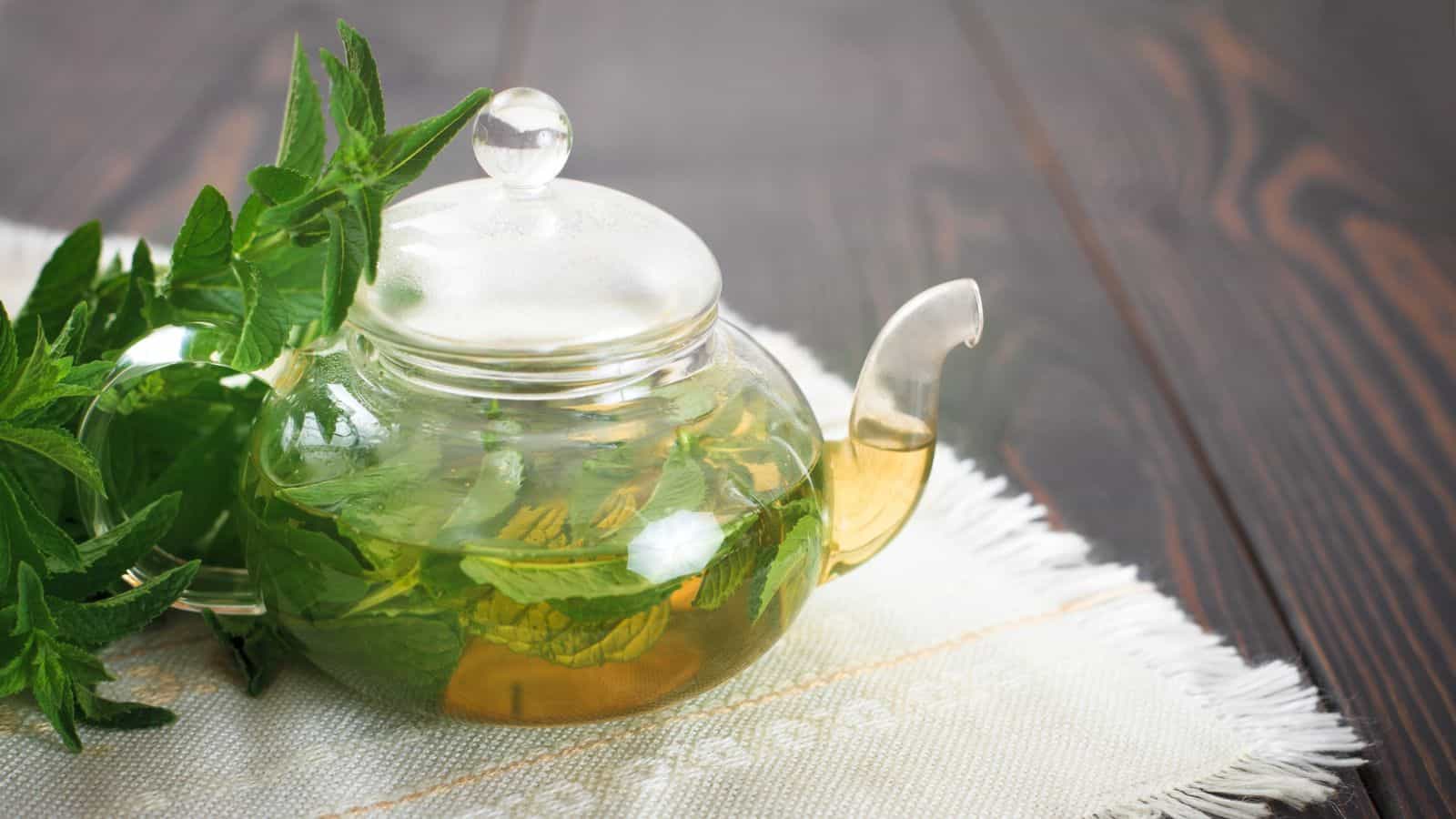
Though peppermint is often recommended for digestion, it can actually worsen acid reflux. Peppermint relaxes the lower esophageal sphincter, making it easier for stomach acid to escape into the esophagus. This effect can lead to heartburn and irritation, particularly after meals. Some people drink peppermint tea for bloating, but it may create more discomfort than relief for those with reflux. Even peppermint-flavored candies or chewing gum can trigger symptoms. If herbal tea is needed, options like ginger or chamomile tend to be gentler on the stomach and less likely to cause reflux.
Take Control of Your Beverage Choices
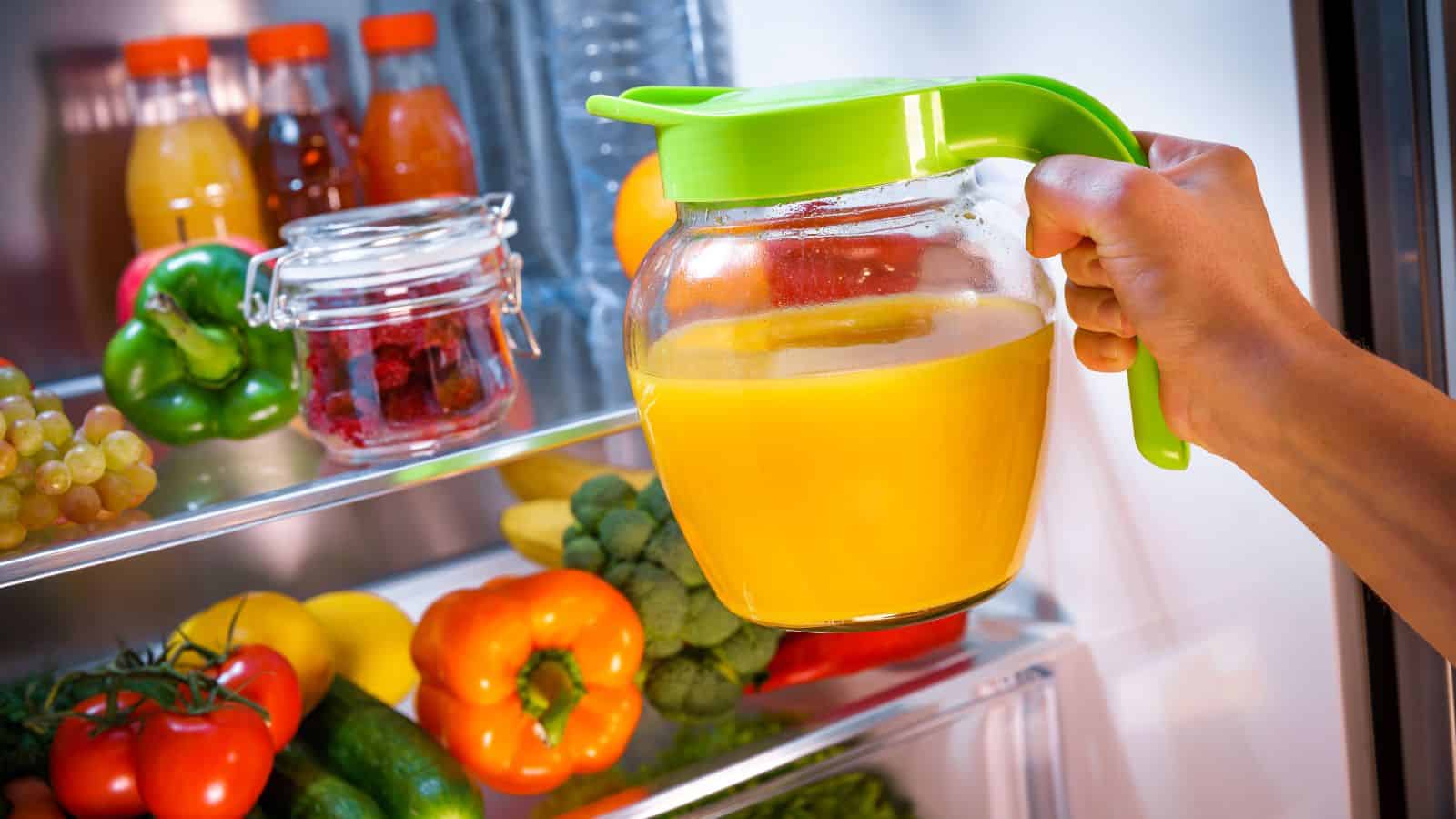
These 15 drinks demonstrate how certain beverages can significantly impact acid reflux patients. Individuals can better manage their symptoms and improve their comfort by identifying and avoiding these triggers. Making mindful choices about what to drink is crucial for maintaining digestive health and enjoying meals without worry.
As beverage selections are made in the future, keep these problematic drinks in mind to help prevent discomfort. Empower yourself with knowledge and take control of your acid reflux management for a more pleasant daily experience. Cheers to making healthier choices that support well-being!
11 Harmful Drinks Health Experts Want You to Avoid

Can you see your favorites in this list? Ever wonder why some drinks might not be as good for you as they seem? Just because a beverage looks healthy or claims to be "natural" doesn't mean it's actually good for your body. Think about it - many popular drinks are packed with ingredients you probably can't even pronounce, not to mention tons of hidden sugar that can mess with your health over time.
Read More Here: 11 Harmful Drinks Health Experts Want You to Avoid
10 Nutritious Superfood Smoothies That Won't Make You Gag
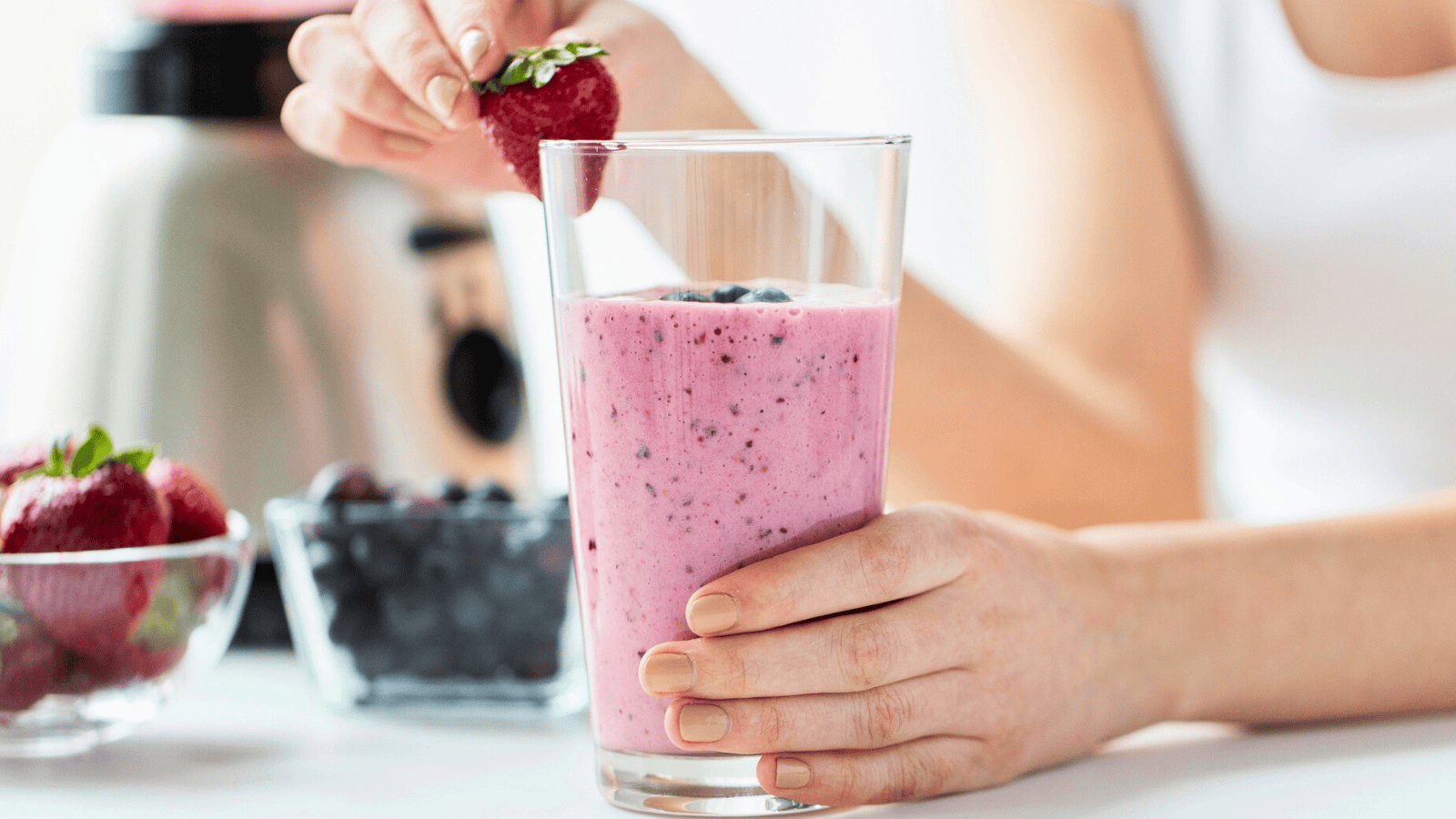
Want tasty and healthy smoothie recipes in the morning? It's time to boost your energy with the power of these 10 superfood smoothies. Loaded with vitamins, minerals, and all the good stuff your body needs, these drinks are a great way to kick-start your morning and keep you energized. Think of them as your secret weapon for staying healthy and energized. With fresh fruits, greens, and other superfoods, these smoothies are not only delicious but incredibly good for you.
Read More Here: 10 Nutritious Superfood Smoothies That Won't Make You Gag


Comments
No Comments