
Some beers go far beyond casual drinking-they spark bidding wars, cross-country road trips, and year-long waiting lists. These 15 holy grail beers that drive collectors to extreme measures aren't just rare; they're legendary. Brewed in limited batches, aged in special barrels, or released under strict allocations, they're the kind of bottles that don't stay on shelves for long. For collectors, finding one can feel like hitting the jackpot.
From monastic brews guarded by centuries-old traditions to modern craft releases that sell out in seconds, these beers hold serious clout. Some are tracked on forums, others traded like baseball cards. The pursuit can get intense, but that's part of the fun for many. It's about the hunt, the story behind each bottle, and the bragging rights that come with cracking one open.
Curious to know what all the hype is about? These are the beers worth the chase-and the ones people will go to great lengths to get their hands on.

Westvleteren 12 (XII) - Brouwerij Westvleteren (Belgium)
Brewed inside the walls of Saint Sixtus Abbey by Trappist monks, Westvleteren 12 is known for its scarcity, depth, and long aging potential. It isn't distributed commercially-purchasing requires a reservation, a visit to the abbey in Flanders, and strict limits per vehicle. Bottles are unlabeled aside from the cap, and the beer itself is a dense quadrupel-style ale with layers of dark fruit, toffee, and subtle yeast character. Its reputation spread mostly through word of mouth and rare bottle trades. Collectors often wait months or travel internationally just for a chance to bring home a few bottles straight from the source.
The Alchemist Heady Topper - The Alchemist (Vermont, USA)
Heady Topper helped launch the hazy IPA movement. Brewed in small batches and sold in silver 16 oz cans, it's unfiltered and packed with hops. The Alchemist recommends drinking directly from the can to preserve the beer's structure, although fans often pour it to observe the haze. Known for its huge citrus, pine, and tropical fruit aromas, Heady Topper has become a pilgrimage beer, drawing people to Vermont just for a case. Distribution is tightly controlled, often selling out hours after release. It marked a turning point in American beer, where freshness, local release, and high demand created cult-level interest.
3 Fonteinen Oude Geuze Vintage - Brouwerij 3 Fonteinen (Belgium)
Oude Geuze Vintage is a traditional lambic blend aged further in the bottle, sometimes for over a decade. 3 Fonteinen selects specific batches that develop well over time, bottling them separately as vintages. These beers undergo spontaneous fermentation with wild yeasts, giving them a sharp, earthy profile with notes of funk, citrus peel, and minerality. Each vintage tells a slightly different story due to natural variation. Collectors track batch codes, cellar them under specific conditions, and trade rare years on global forums. Limited releases and old-world fermentation practices make each bottle something that requires both patience and close attention.
Russian River Pliny the Younger - Russian River Brewing Company (California, USA)
Released once a year, Pliny the Younger is a triple IPA known for its strength, balance, and fresh hop character. Unlike many strong beers, it's brewed to remain drinkable despite its higher alcohol content. The brewery only serves it on draft, mainly at their California taprooms, turning each year's release into a multi-day celebration. People travel from across the U.S. to stand in line-sometimes for hours-to get a pour. No bottles are sold, and the beer is rarely distributed beyond local accounts. Its scarcity and high-quality brewing keep it on the radar of collectors and hop fans alike.
Cantillon Zwanze - Brasserie Cantillon (Belgium)
Zwanze is not one specific beer but a yearly release from Cantillon, created with humor, creativity, and one-off brewing concepts. Each edition is brewed differently-sometimes with fruit, sometimes aged in experimental barrels. What ties them together is that Zwanze Day is held simultaneously at select bars worldwide, where each keg is tapped simultaneously. Bottles are rarely sold, and participation is limited. Collectors trade tickets, follow bar announcements closely, and sometimes travel to other countries just to attend. The brewery releases few details in advance, adding an extra layer of anticipation and rarity to every edition.
Hill Farmstead Ann - Hill Farmstead Brewery (Vermont, USA)
Ann is a barrel-aged honey saison made in limited quantities by Hill Farmstead, a small Vermont brewery known for precision and detail. The base beer is aged in wine barrels with wild yeast and locally sourced honey, giving it a delicate, dry profile with floral undertones and light acidity. Released in extremely small batches, often to members only, Ann's rarity has made it one of the most desired saisons in the world. Each release draws attention across beer trading communities, where bottles are exchanged at high value. For many collectors, Ann represents the pinnacle of farmhouse-style brewing in North America.
Founders CBS (Canadian Breakfast Stout) - Founders Brewing Co. (Michigan, USA)
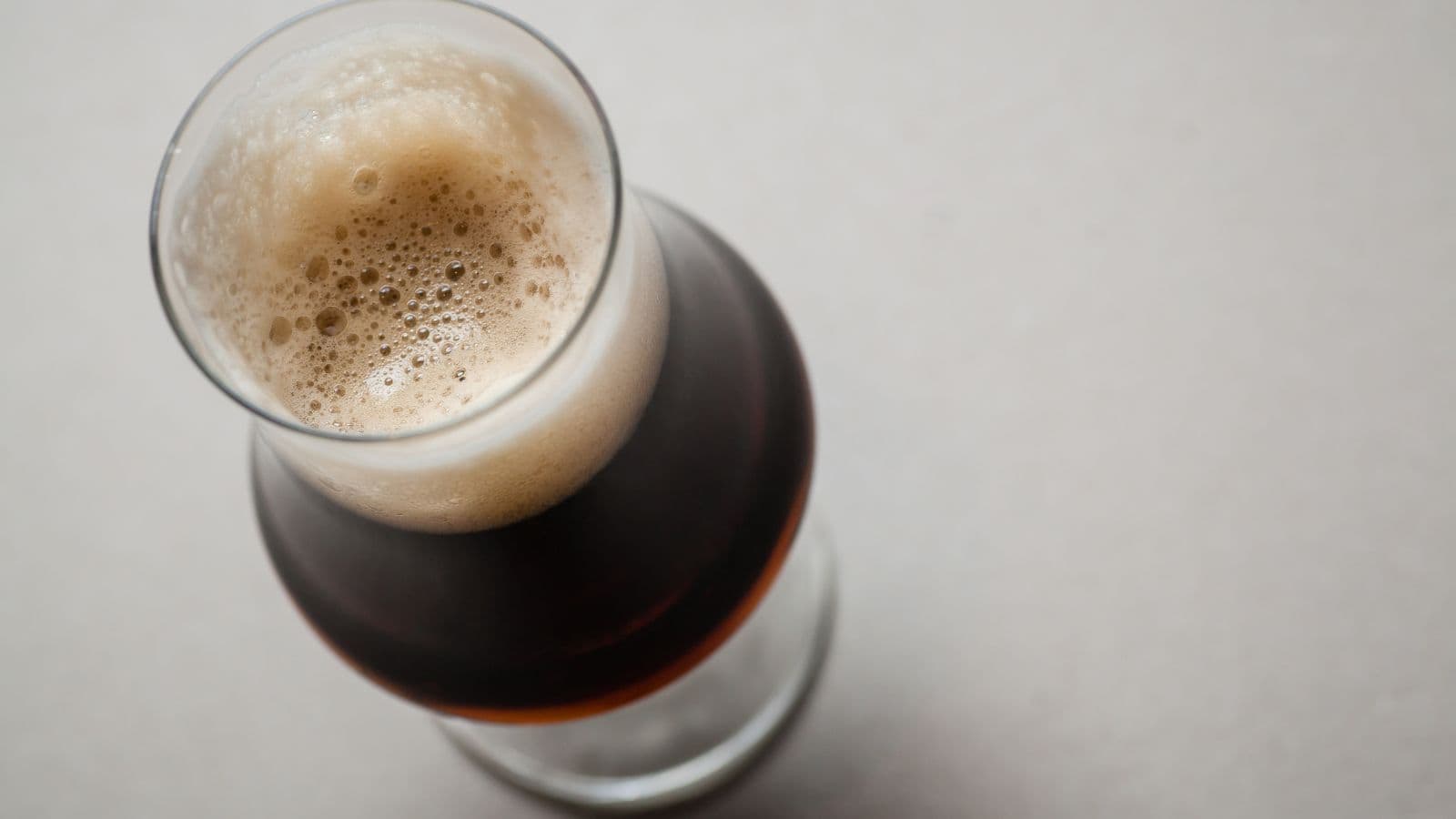
CBS is a bold imperial stout brewed with coffee and chocolate, then aged in barrels that once held both bourbon and maple syrup. It debuted in 2011 and quickly became one of the Founders' most sought-after limited releases. The combination of deep roast, barrel sweetness, and maple undertones makes each pour rich and layered. Wax-dipped bottles and sporadic releases contribute to its high trading value. CBS has been retired and brought back multiple times, adding a sense of unpredictability to its availability. Collectors often cellar it to see how flavors evolve, while others seek out older releases for comparison.
Sam Adams Utopias - Boston Beer Company (Massachusetts, USA)
Utopias blurs the line between beer and high-proof spirit. Brewed and aged in a wide range of barrels-including bourbon, sherry, and cognac-over several years, it reaches an ABV around 28%. It's non-carbonated and often compared to port or brandy. Released every other year in ceramic decanters shaped like brewing kettles, it's banned in several U.S. states due to its strength. Each batch is blended from multiple vintages, making no two releases exactly alike. Utopias are frequently bought as a collector's item and opened only for rare occasions. Resale prices often exceed several hundred dollars per bottle.
Mikkeller Beer Geek Brunch Weasel - Mikkeller (Denmark)
This imperial stout is brewed with rare kopi luwak coffee - beans that have passed through the digestive tract of a civet, then cleaned and roasted. Mikkeller built the Beer Geek series around bold flavor and unusual ingredients, and Brunch Weasel is one of its most famous entries. Thick, jet black, and intense, it combines coffee depth with roasted malt, chocolate, and light bitterness. Due to the rarity and controversy of its coffee source, it draws debate and curiosity. Limited quantities and international distribution make it hard to find. Bottles are tracked by batch and vintage on global beer rating platforms.
AleSmith Speedway Stout Barrel-Aged Variants - AleSmith Brewing Co. (California, USA)
Speedway Stout is AleSmith's base imperial stout, but its barrel-aged variants are what attract collectors. Each version is released in small batches, often aged in bourbon or rum barrels with additions like coconut, vanilla, or special coffee roasts. Some versions are brewery-exclusive and only sold on release days. Collectors camp out or enter lotteries to gain access. Bottles come wax-sealed and often vary significantly year to year, making vertical tastings a common pursuit. These stouts have gained a reputation for density and depth, and many are cellared for years before opening. Limited runs and evolving recipes keep demand high.
Goose Island Bourbon County Stout Rare - Goose Island Beer Co. (Illinois, USA)
Bourbon County Stout Rare debuted in 2010, aged for two years in Pappy Van Winkle barrels-some of the most sought-after whiskey casks available. This imperial stout is brewed strong, thick, and built for long aging. The original release came in a wooden box with a certificate, and bottles have since become high-value collectibles. Subsequent "Rare" editions have followed, but the 2010 vintage remains legendary. Collectors trade sealed bottles on secondary markets or save them for vertical tastings. Due to its limited run, rich barrel character, and association with prized bourbon, it maintains a near-mythic status in the world of aged stouts.
Trillium Double Dry Hopped Congress Street - Trillium Brewing Co. (Massachusetts, USA)
Double Dry Hopped (DDH) Congress Street is one of Trillium's standout IPAs-made with extra hop additions that boost aroma and intensity without adding bitterness. It features Mosaic hops, which bring notes of stone fruit, citrus, and pine. Sold in tall cans, usually at the brewery or through limited local drops, DDH Congress is known for freshness and limited shelf life. Fans line up early or track delivery schedules closely to grab a four-pack. Because Trillium avoids wide distribution, this IPA remains accessible only to those near Boston or willing to trade. Its limited nature fuels interest among haze-focused collectors.
Dark Lord (Variants and Day) - 3 Floyds Brewing Co. (Indiana, USA)
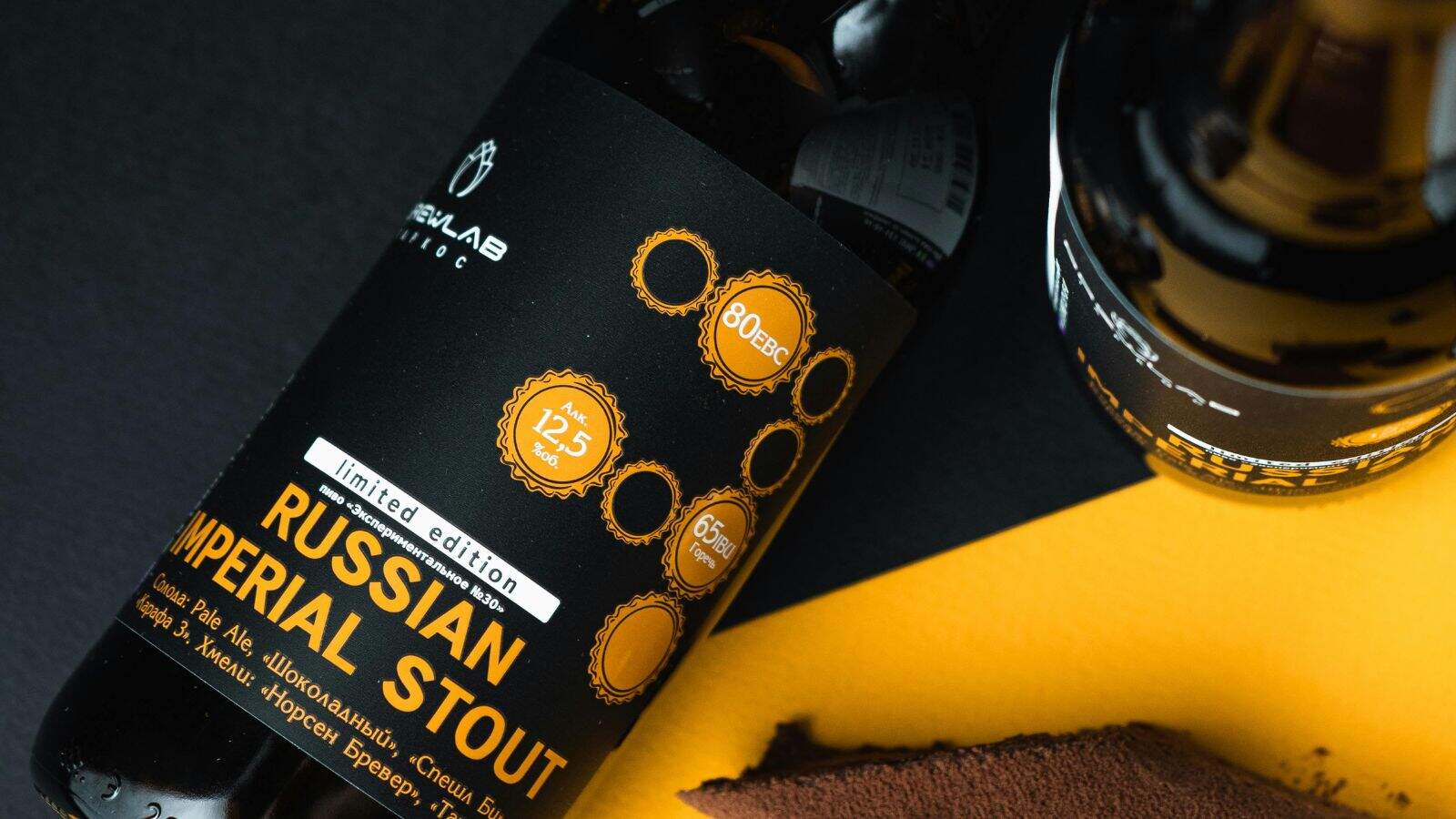
Dark Lord is a massive Russian Imperial Stout released once a year during Dark Lord Day, an event that draws thousands to 3 Floyds' brewery. Admission includes bottles of the base beer, and attendees can also score rare variants-some aged in barrels or flavored with adjuncts like vanilla, chilies, or fruit. These variants are sealed with different wax colors and are not sold outside the event. Lines stretch for hours, and the festival also features metal bands and bottle shares. Dark Lord Day has become a cultural event, and certain wax-sealed editions are now collector trophies with high resale value.
Rochefort 10 (Vintage Bottles) - Brasserie de Rochefort (Belgium)
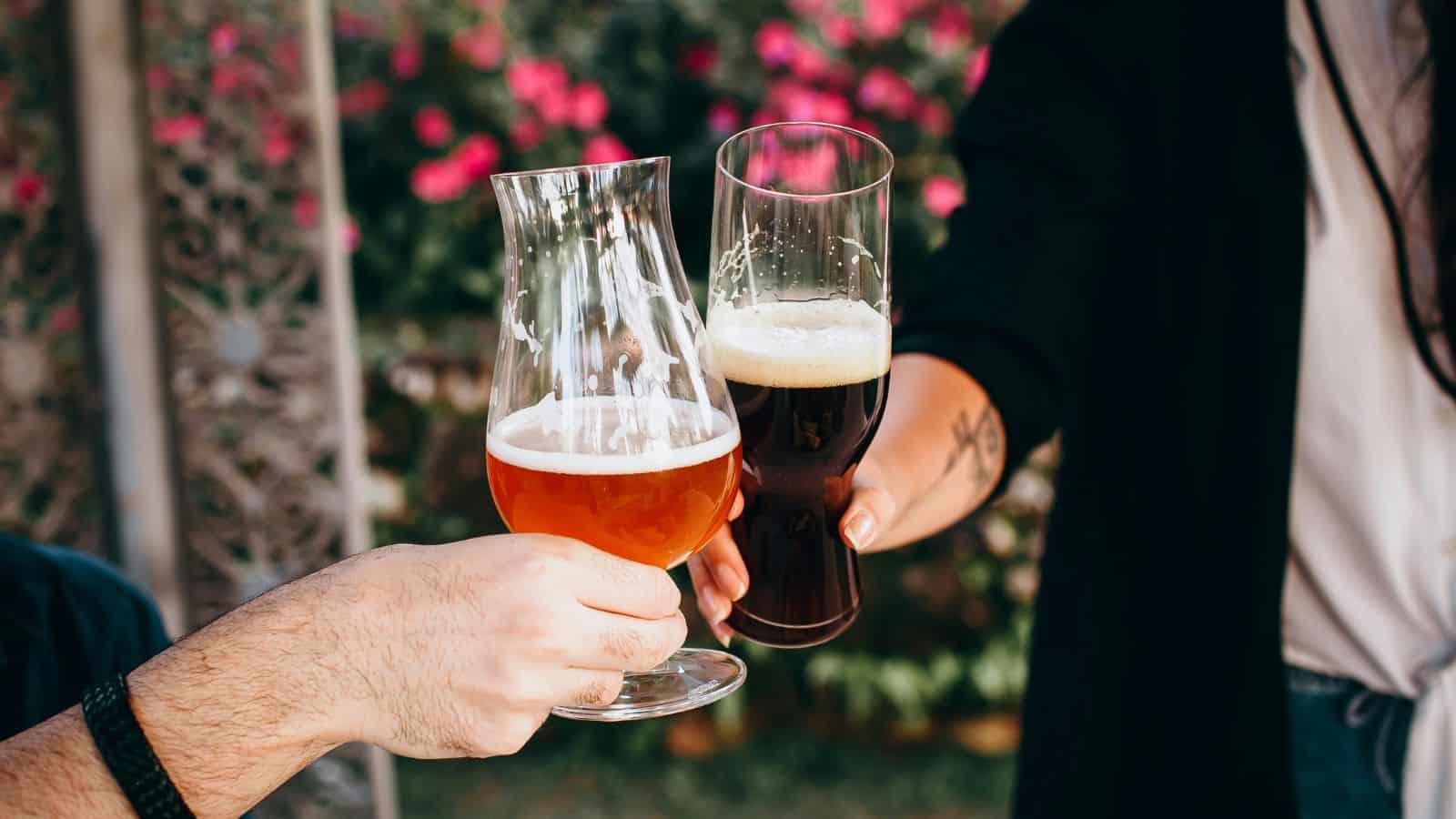
Rochefort 10 is a strong, dark Trappist beer brewed by monks at the Rochefort Abbey. It's known for its aging potential-developing fig, raisin, chocolate, and spice notes as years pass. While fresh bottles are easy to find, aged vintages from the '90s and early 2000s are prized by collectors. Stored under proper conditions, the beer evolves without losing its structure. Bottle codes on the cap help track age, and enthusiasts compare how batches mature over time. Though less flashy than other entries on this list, vintage Rochefort 10 holds quiet prestige for those who value depth and time.
The Bruery Black Tuesday - The Bruery (California, USA)
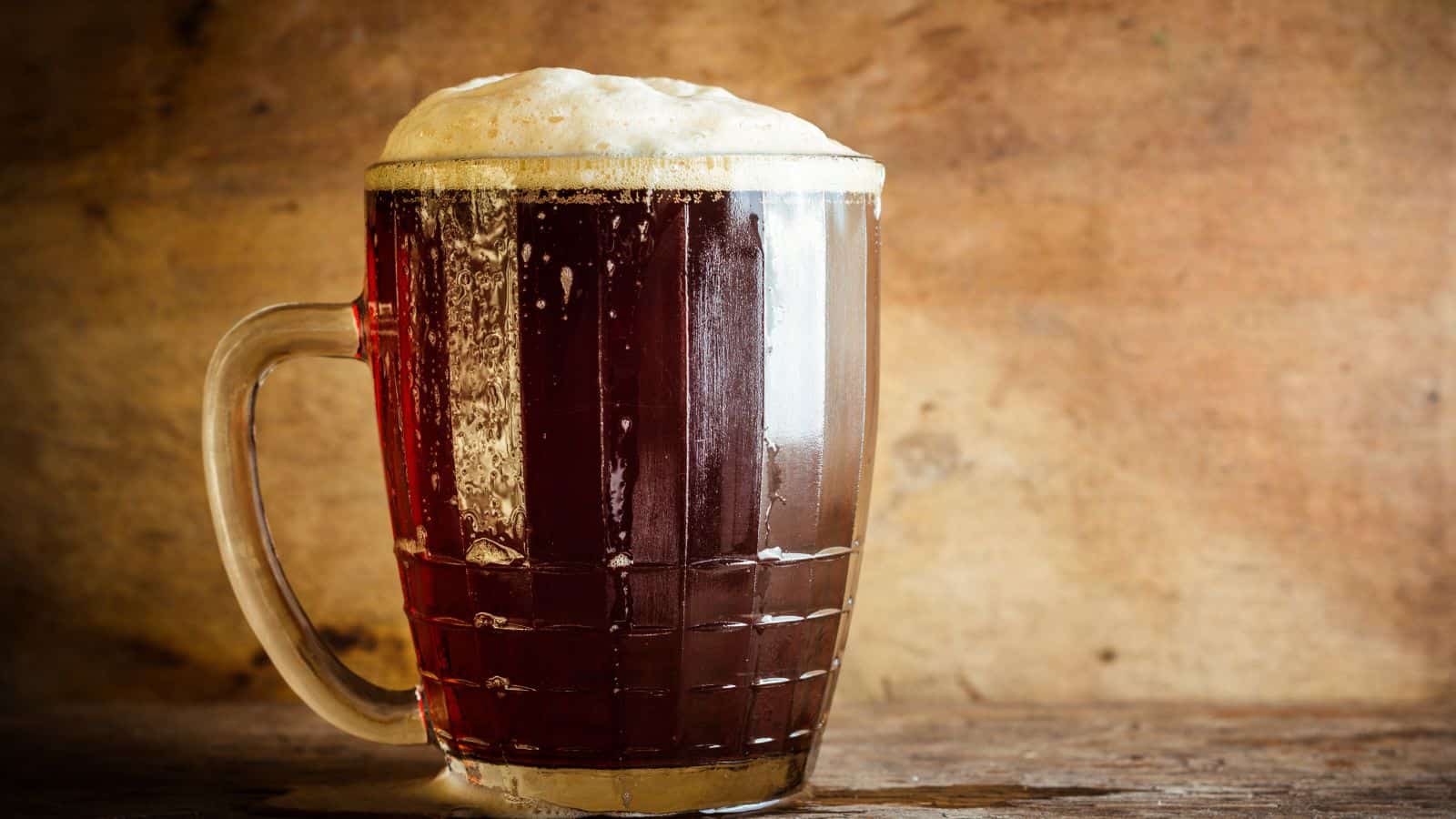
Black Tuesday is a bold imperial stout that can reach over 18% ABV, aged in bourbon barrels and released once a year. The Bruery's member-based release system makes access limited, with early bottles only going to their Preservation or Hoarders Society groups. Rich and heavy, Black Tuesday forms the base for several rare spin-offs, including Chocolate Rain and Grey Monday. Bottles are waxed and often labeled with the vintage and ABV, making them easy to track in trade circles. Because of its strength and aging capacity, some collectors keep bottles for years before opening them for special occasions.
Bottles Worth the Hunt
For some, beer is just a drink. For others, it's a quest. These holy grail beers have inspired more than hype-they've created a culture of dedication, patience, and sometimes a little madness. Whether tracked down through obscure forums, traded across borders, or cellared for years before opening, each bottle comes with a story as rich as its flavor.
What makes them so sought-after isn't just rarity-it's the experience tied to the search, the anticipation before the first pour, and the connection shared among those who know what it took to get there. So whether you're a seasoned collector or just starting your journey, keep these beers on your radar. Who knows-your next great find might be one worth framing before drinking. Cheers to the chase.
10 Beverages Dietitians Say Are Making Your Belly Fat Worse

Bid goodbye to beer bellies! Many people are unaware that certain beverages can contribute to unwanted belly fat. There are 10 beverages dietitians say are making your belly fat worse, and understanding these choices can help in making healthier decisions. From sugary drinks to seemingly healthy options that are high in calories, these beverages can sabotage even the best intentions.
Read More Here: 10 Beverages Dietitians Say Are Making Your Belly Fat Worse
11 Harmful Drinks Health Experts Want You to Avoid

Can you see some of your favorites in this list? Ever wonder why some drinks might not be as good for you as they seem? Just because a beverage looks healthy or claims to be "natural" doesn't mean it's actually good for your body. Think about it - many popular drinks are packed with ingredients you probably can't even pronounce, not to mention tons of hidden sugar that can mess with your health over time.
Read More Here: 11 Harmful Drinks Health Experts Want You to Avoid



Comments
No Comments