
Finding a great café can be a rewarding experience, but there are 15 warning signs that a café will serve you terrible coffee. Many coffee lovers may overlook key indicators that suggest a poor-quality brew is on the way. From the appearance of the café to the way the barista handles the equipment, these signs can be crucial in determining whether the coffee will be worth the visit.
Recognizing these warning signs can save time and prevent disappointment. A little attention to detail can help coffee enthusiasts make informed choices and seek out the best cafés in town.
Pay attention to these warning signs that could indicate a café's coffee may not meet expectations. Being aware can lead to better coffee experiences and help find the perfect spot for that much-needed caffeine fix!

Burnt Coffee Smell
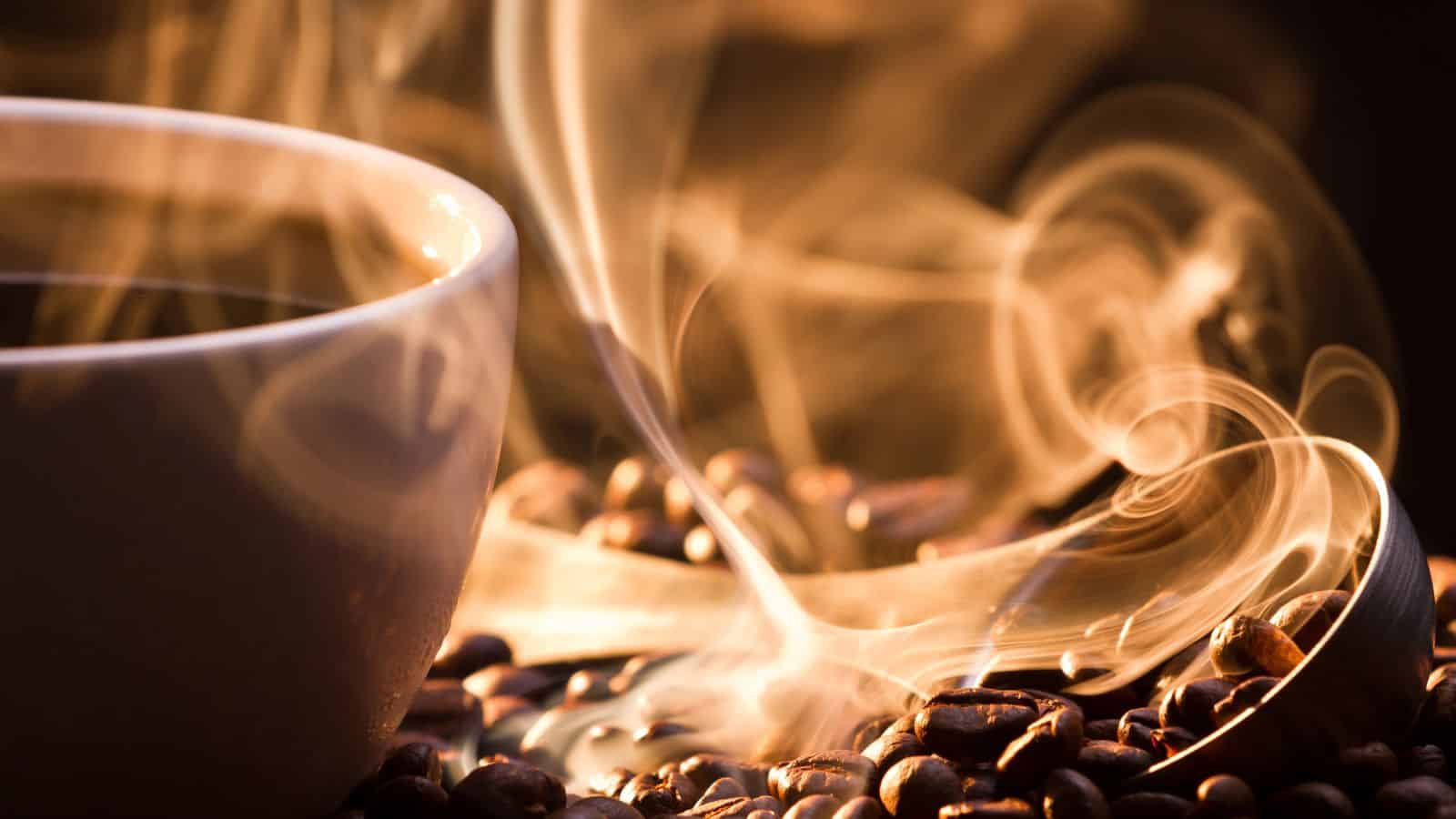
The moment you walk into a café, the aroma should be rich and fresh, not harsh or acrid. A burnt smell often means the beans were roasted too dark, over-extracted during brewing, or left sitting on a hot plate for too long. This results in a sharp, unpleasant taste that lingers long after the first sip. Good coffee should have inviting aromas that hint at its natural flavors, not an overpowering scent of scorched beans. If the café smells like an old pot of coffee that has been reheated throughout the day, the drinks are likely just as bad.
Dirty Espresso Machine
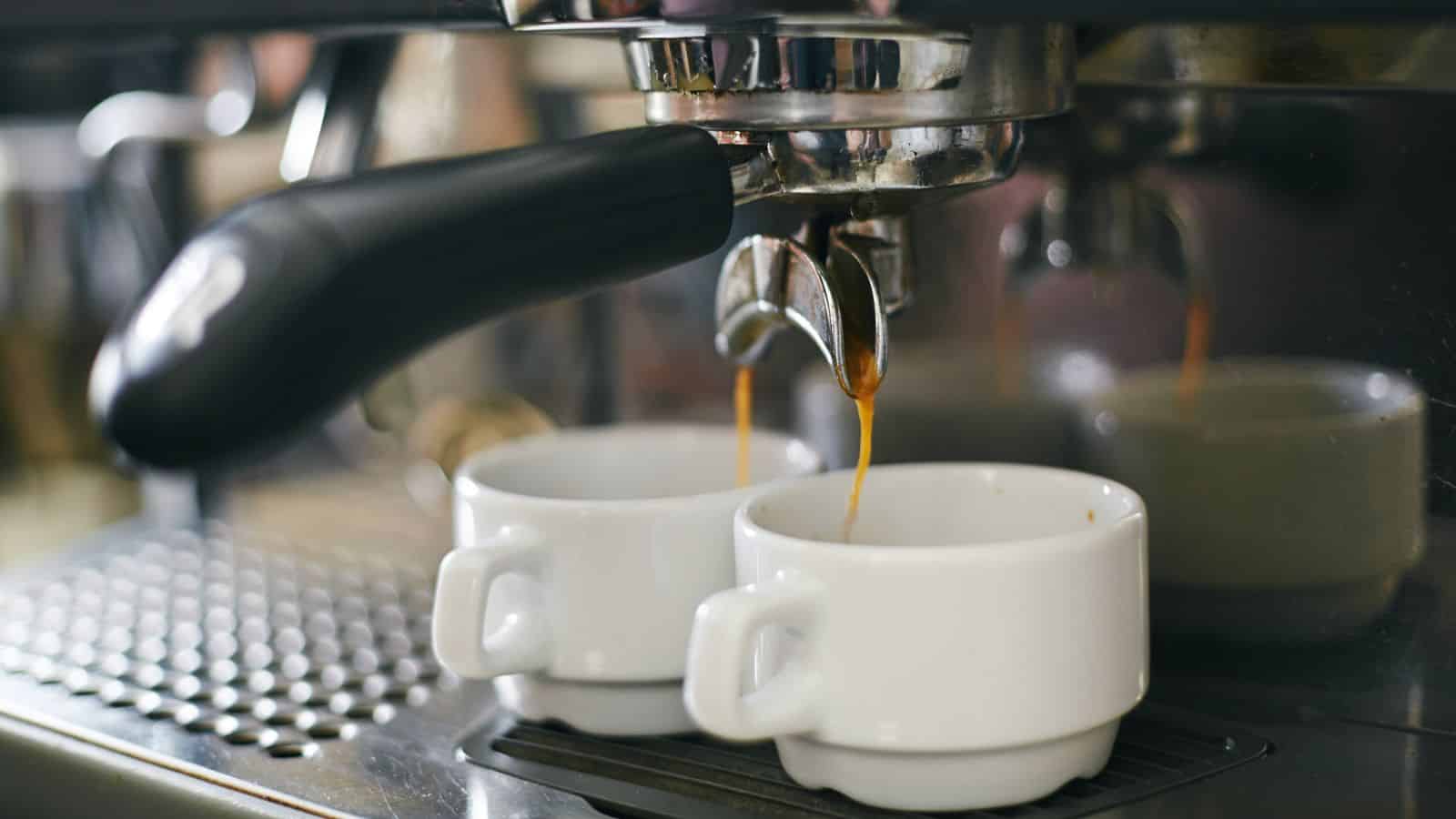
A well-maintained espresso machine is essential for good coffee. If you notice coffee stains, crusted milk residue, or general grime on the machine, it's a sign that cleanliness isn't a priority. Residue from old coffee oils builds up inside the equipment, creating bitter, rancid flavors in every shot. Espresso machines require daily cleaning and regular deep maintenance to function properly. A café that neglects this step is likely cutting corners elsewhere. Even the best beans will taste bad when brewed in a machine coated with weeks of old coffee grime. If the equipment looks neglected, the drinks will reflect it.
Pre-Ground Beans
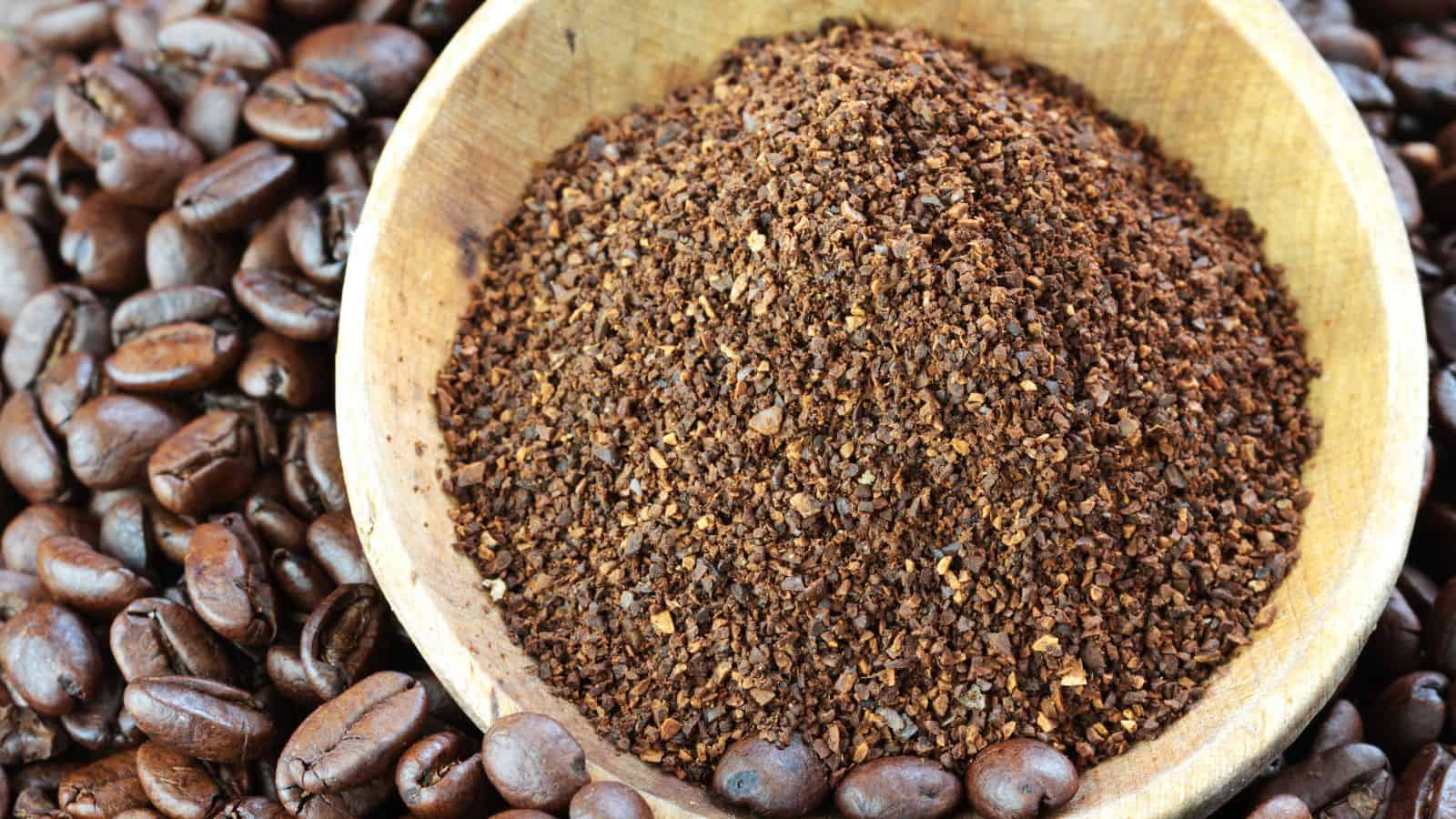
Freshly ground coffee is essential for full flavor. Once beans are ground, they start losing their best qualities within minutes. If a café scoops from a container of pre-ground coffee instead of grinding beans to order, the brew will likely taste flat, stale, or lifeless. Some places pre-grind for convenience, but that convenience comes at the expense of depth and complexity. High-quality cafés invest in good grinders and take the time to grind fresh for each espresso shot or brew. If you don't hear the hum of a grinder or see fresh grounds in action, the coffee won't be at its best.
Unclean Milk Steam Wand
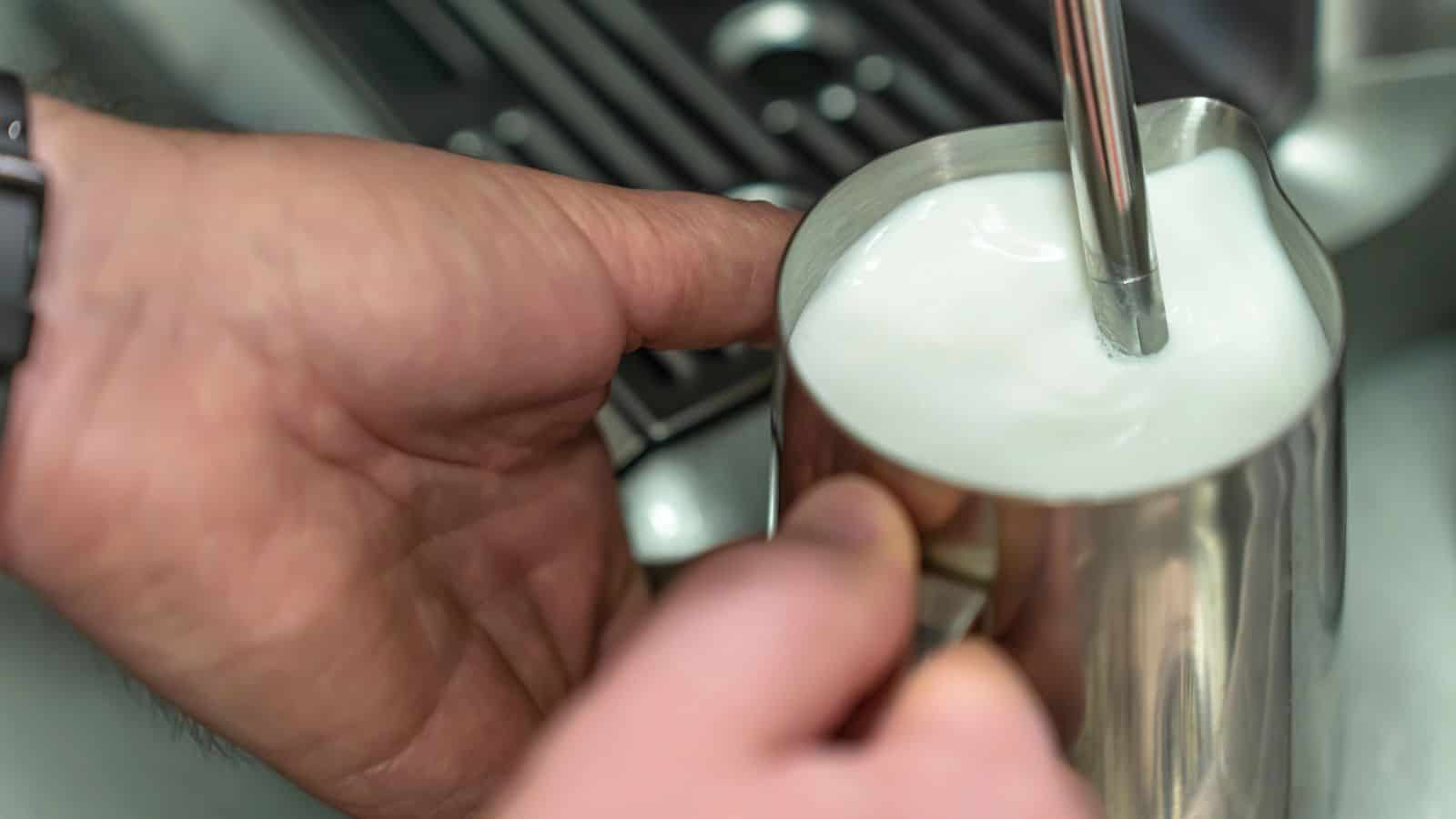
A milk steam wand should be wiped down and purged after every use to remove leftover milk. If you see dried residue or crusty buildup on the wand, it's a major red flag. Not only is it unappealing, but it also affects the taste and texture of steamed milk. Old milk burns onto the wand, creating off-flavors in the next cup. A café that doesn't take care of basic cleanliness likely isn't paying attention to the details that make a great drink. Even if you order a black coffee, lack of care in one area often means low standards across the board.
Overly Complicated Menu
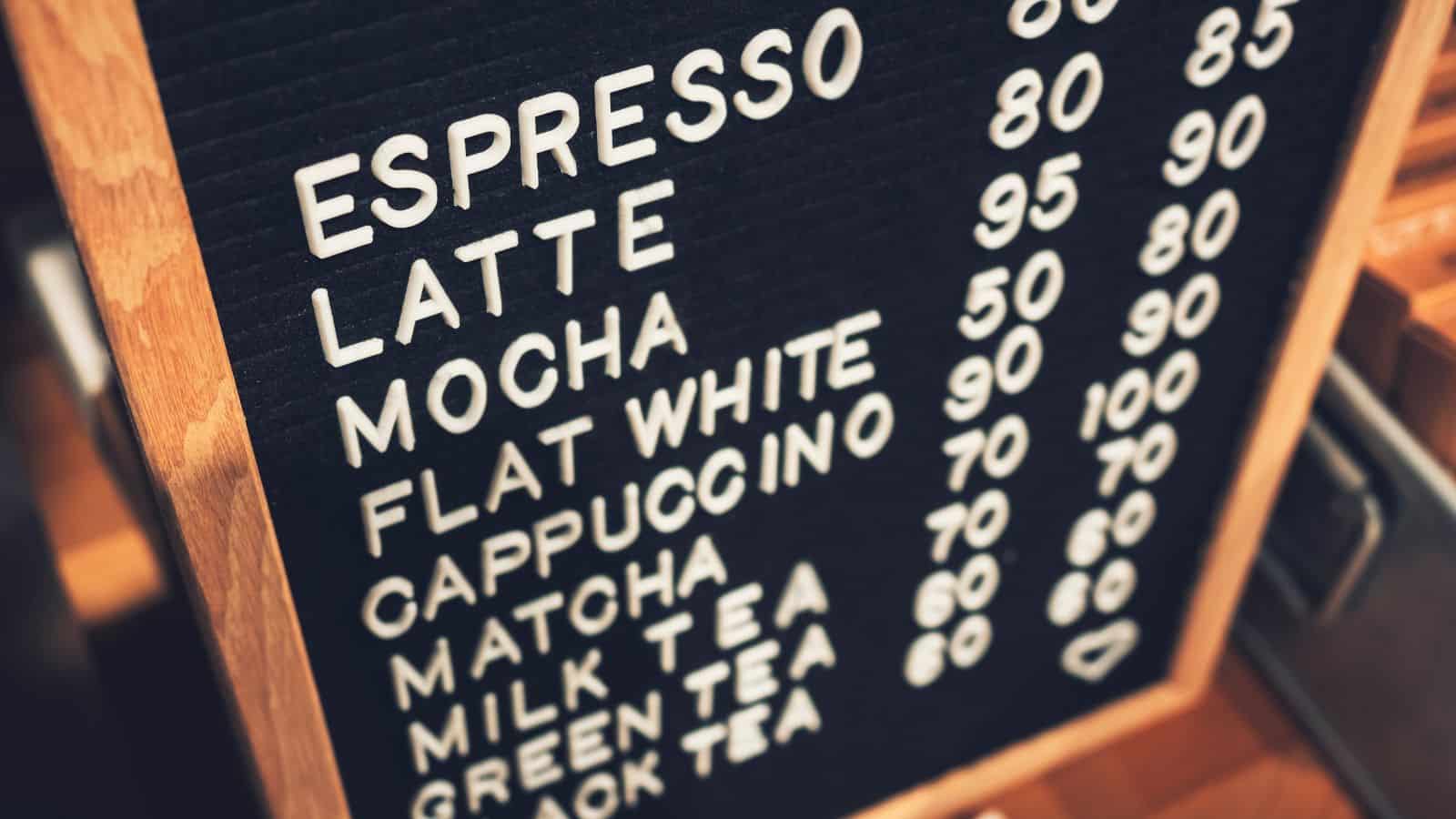
A menu filled with sugary syrups, excessive toppings, and gimmicky drinks can be a warning sign that the café is masking poor-quality coffee. Instead of focusing on well-brewed espresso and properly prepared drinks, some places rely on artificial flavors to cover up bitterness or stale beans. A good café should have a simple, well-executed menu that highlights the coffee itself. While there's nothing wrong with an occasional flavored latte, it shouldn't be the main focus. If a café prioritizes flashy drinks over a well-made espresso or drip coffee, it's likely because the base product isn't worth drinking on its own.
No Visible Coffee Grinder
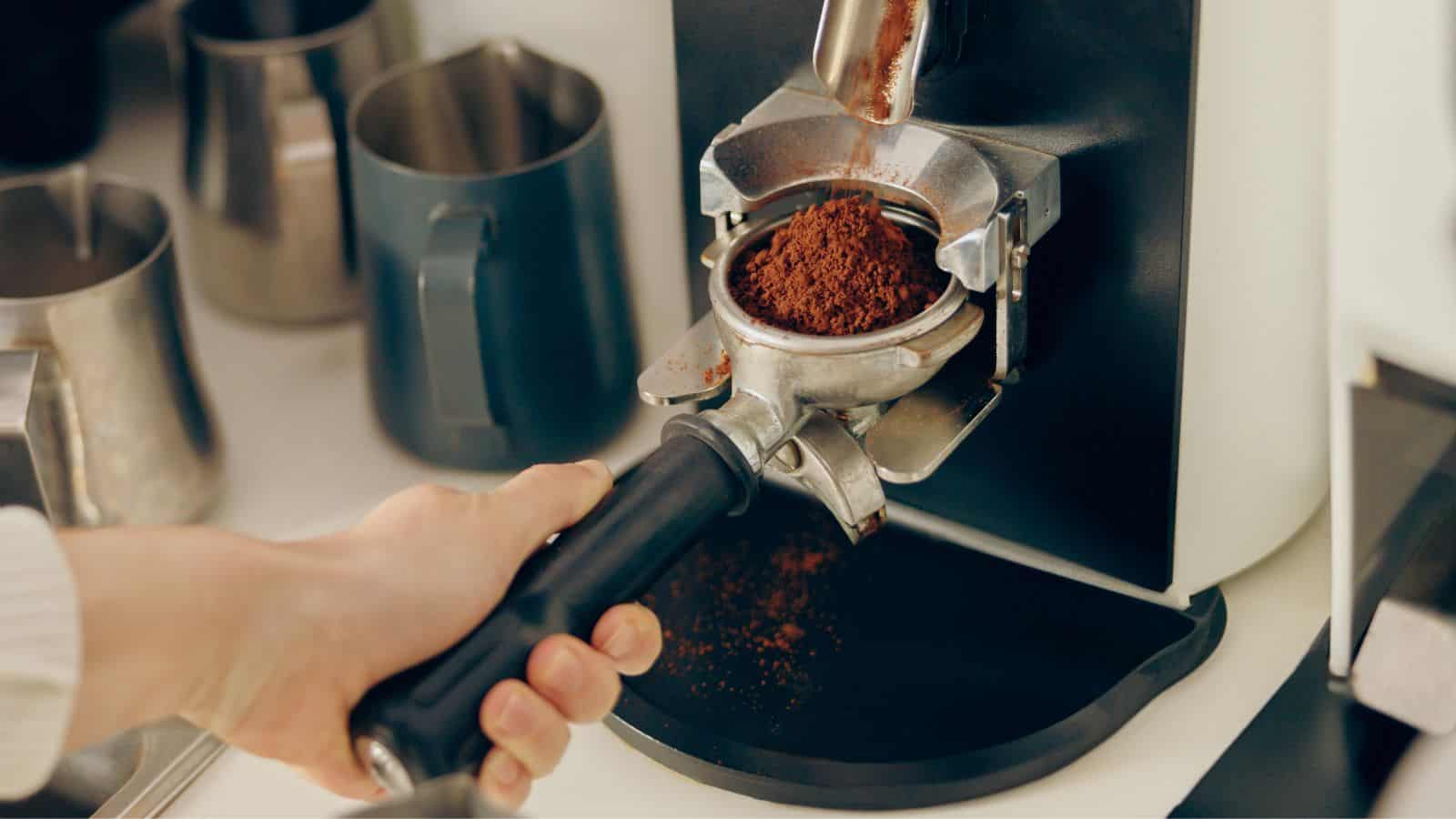
Freshly ground beans make a significant difference in both taste and aroma. If you walk into a café and don't see or hear a grinder in use, chances are they're relying on pre-ground coffee. This shortcut results in a dull, lifeless brew because coffee loses its best qualities soon after grinding. A proper setup should include a burr grinder used throughout the day to prepare beans for each espresso shot or brewed batch. If all you see is a large container of pre-ground coffee or a machine that looks like it hasn't been used in hours, expect a disappointing cup.
Super-Foamy or Flat Milk

Milk texture plays a key role in espresso-based drinks, and poor steaming technique is an instant warning sign. If a cappuccino or latte arrives with large, airy bubbles rather than a smooth, velvety microfoam, the milk has been over-aerated. On the other hand, milk that looks flat and heavy means it wasn't properly steamed. Both mistakes result in a weak, unbalanced drink. A skilled barista should create milk that integrates seamlessly with the espresso, enhancing its natural flavors rather than overwhelming or diluting them. If the milk looks off, it's likely the coffee-making process wasn't handled with care, either.
Overly Sweetened Drinks

A café that leans too heavily on sugary flavors and syrups may be compensating for bad coffee. While some people enjoy a flavored latte or mocha, these additions should enhance the drink rather than mask bitterness or staleness. If the café's signature drinks are drowning in caramel, chocolate, or artificial sweeteners, it might be because the espresso itself is unpleasant on its own. High-quality coffee should stand out even without added sugar. When the default serving style is excessively sweet, it often means the beans are either low quality, over-roasted, or brewed incorrectly-and the café is trying to cover it up.
Bitter or Sour Aftertaste

A well-made cup of coffee should have balanced flavors with a smooth, pleasant finish. If a café consistently serves coffee that leaves a harsh bitterness or a sharp, unpleasant sourness, something is wrong with their brewing process. Extreme bitterness usually means the coffee has been over-extracted, while sourness points to under-extraction-both signs of improper technique. Using low-quality beans, stale coffee, or incorrect grind size can also contribute to these issues. A good café should strive for a balanced cup where no single note overwhelms the experience. If every sip feels unpleasantly sharp or harsh, it's best to go elsewhere.
Questionable Water Quality

Water is one of the most important elements in brewing coffee, yet it's often overlooked. If a café uses poor-quality tap water with noticeable chlorine, mineral buildup, or an odd taste, the coffee will also suffer. Bad water can make even the finest beans taste dull or off-putting. Many great cafés filter their water to maintain consistency and bring out the best in their coffee. If you detect any strange flavors in a plain glass of water or the café's tea, chances are their coffee will be affected too. A commitment to good coffee starts with attention to every ingredient, including water.
Baristas Seem Clueless

A good café should have baristas who understand the basics of coffee, from bean origins to proper brewing techniques. If you ask a simple question-like what kind of beans they use or how they prepare their espresso-and get a blank stare or vague response, that's a red flag. Skilled baristas take pride in their craft and can explain why they use certain beans, their roast level, and the best way to enjoy them. If the staff seems uninterested, rushed, or uninformed, it's likely that quality isn't a priority, and your coffee will reflect that lack of care.
Coffee Served Piping Hot
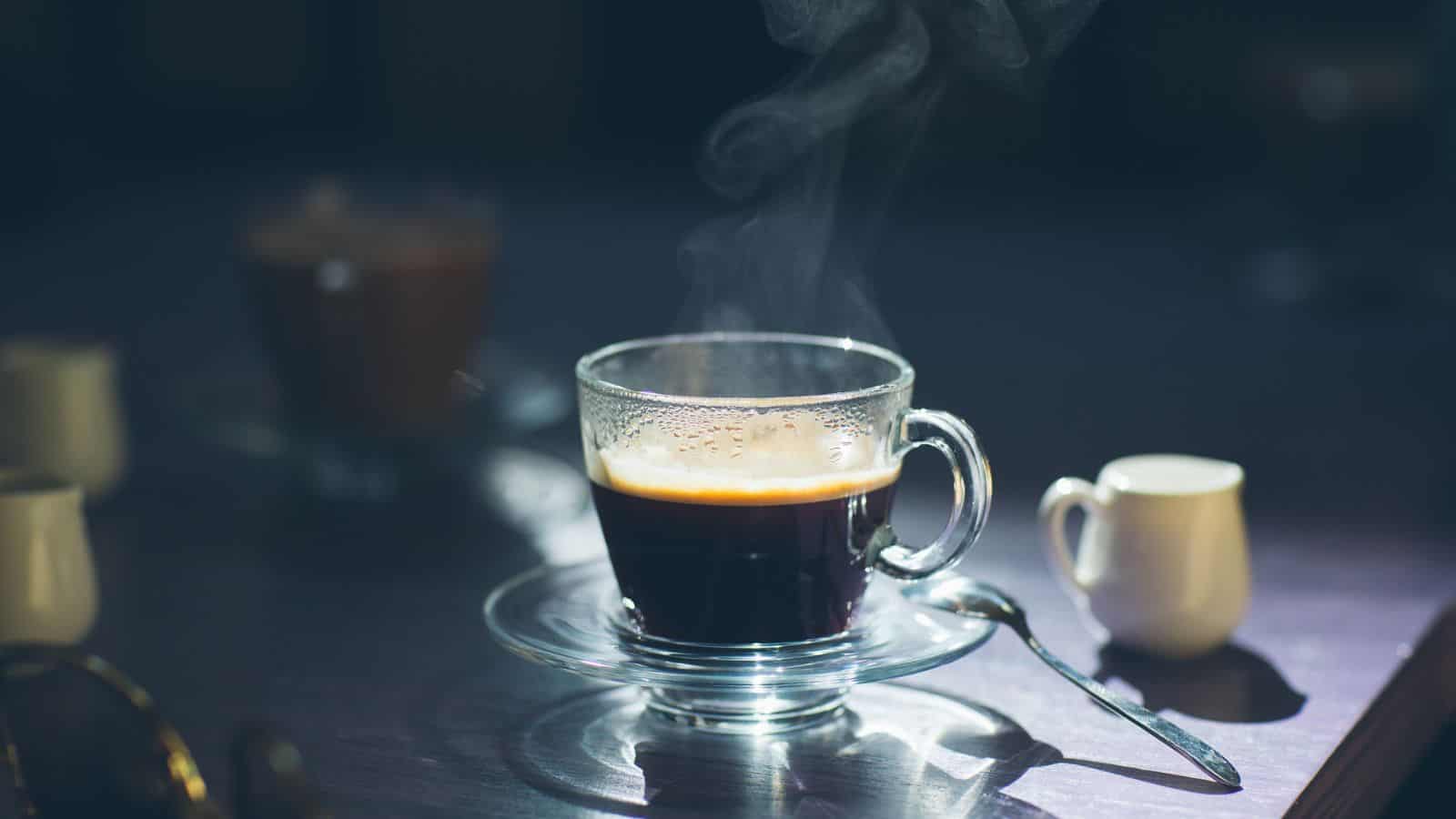
Good coffee should be brewed and served at an optimal temperature-not scalding hot. If a cup is so hot that you burn your tongue on the first sip, it's often a sign that the café is overheating the water or keeping coffee on a warmer for too long. Overheated coffee tends to taste bitter and dull, as high temperatures extract harsh compounds from the beans. Espresso drinks should be served at a drinkable temperature, and milk-based drinks should be properly steamed without scorching. If you have to wait several minutes just to take a sip, the café may be overdoing it.
Machines That Look Like They Haven't Been Cleaned
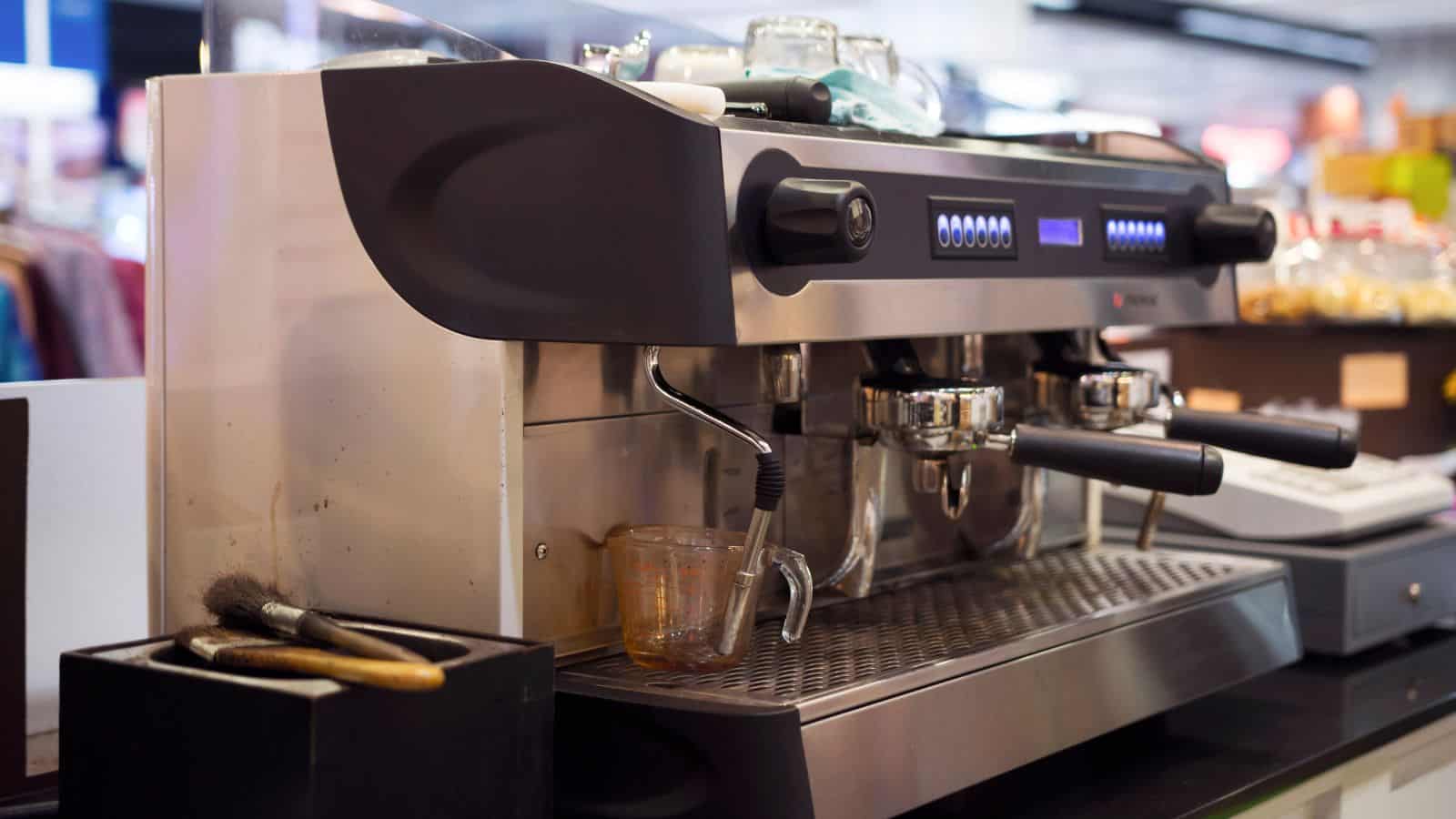
A dirty coffee maker or espresso machine is a sign of neglect that directly affects the taste of every drink. Coffee oils build up over time, turning rancid and leaving behind unpleasant flavors. If you see stained coffee pots, dusty grinders, or espresso machines covered in residue, it means the staff isn't cleaning regularly. This also applies to reusable filters and brewing equipment-if they're not properly maintained, the coffee will pick up stale, bitter notes. A café that takes pride in its drinks should also take care of its equipment. If the machines look dirty, expect the coffee to taste off.
Cheap Beans or No Bean Info
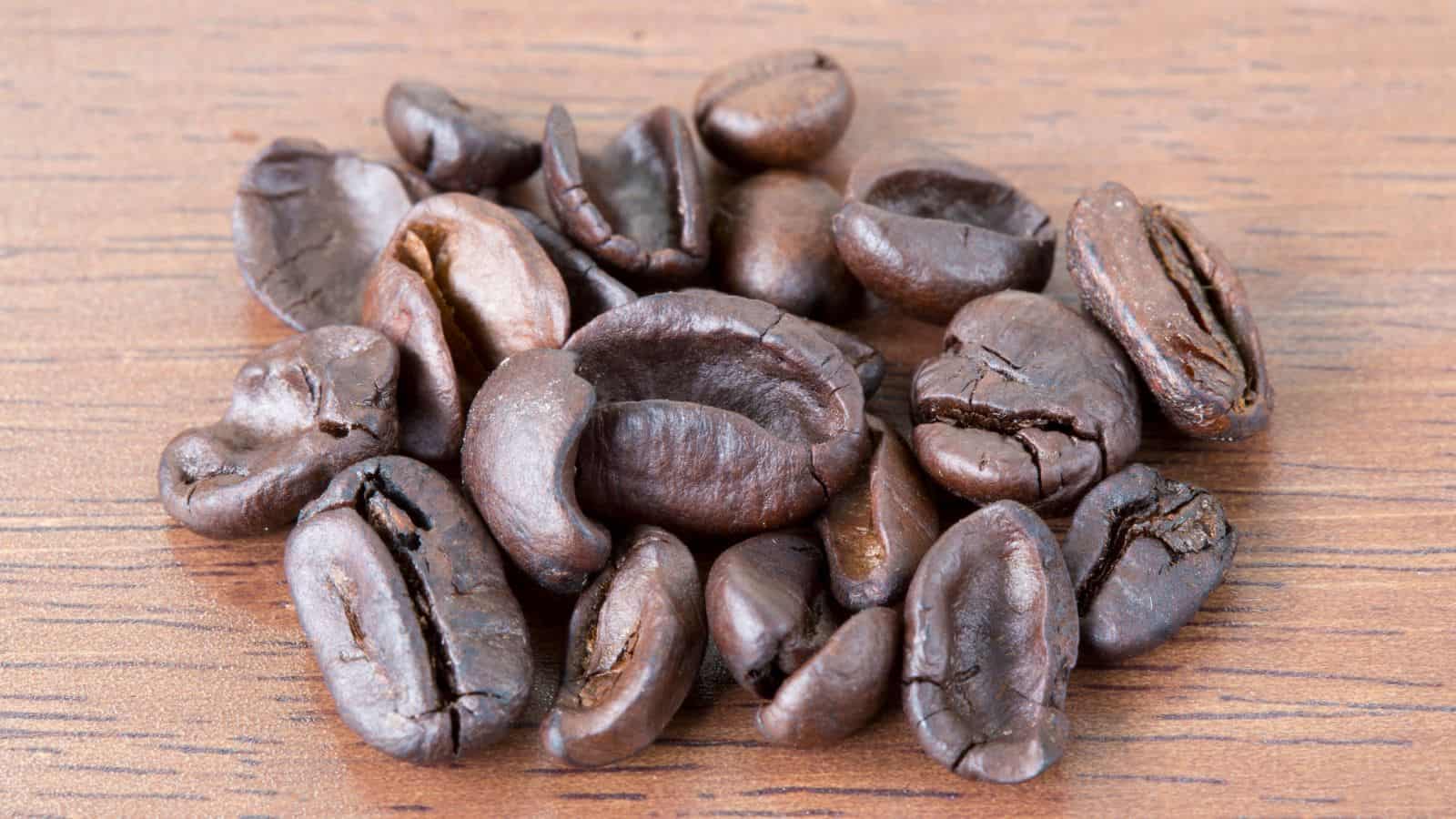
Cafés that take coffee seriously highlight the beans they use-whether it's a specific roaster, a single-origin selection, or a house blend. If there's no mention of bean quality anywhere on the menu, chances are they're using whatever is cheapest. While expensive coffee doesn't always mean better coffee, transparency about sourcing is a good indicator of a café that values quality. Generic or mass-produced beans tend to be stale, overly roasted, or lacking depth. If a café isn't proud enough to mention where their coffee comes from, it's probably not worth drinking.
Bad Pastries or Snacks
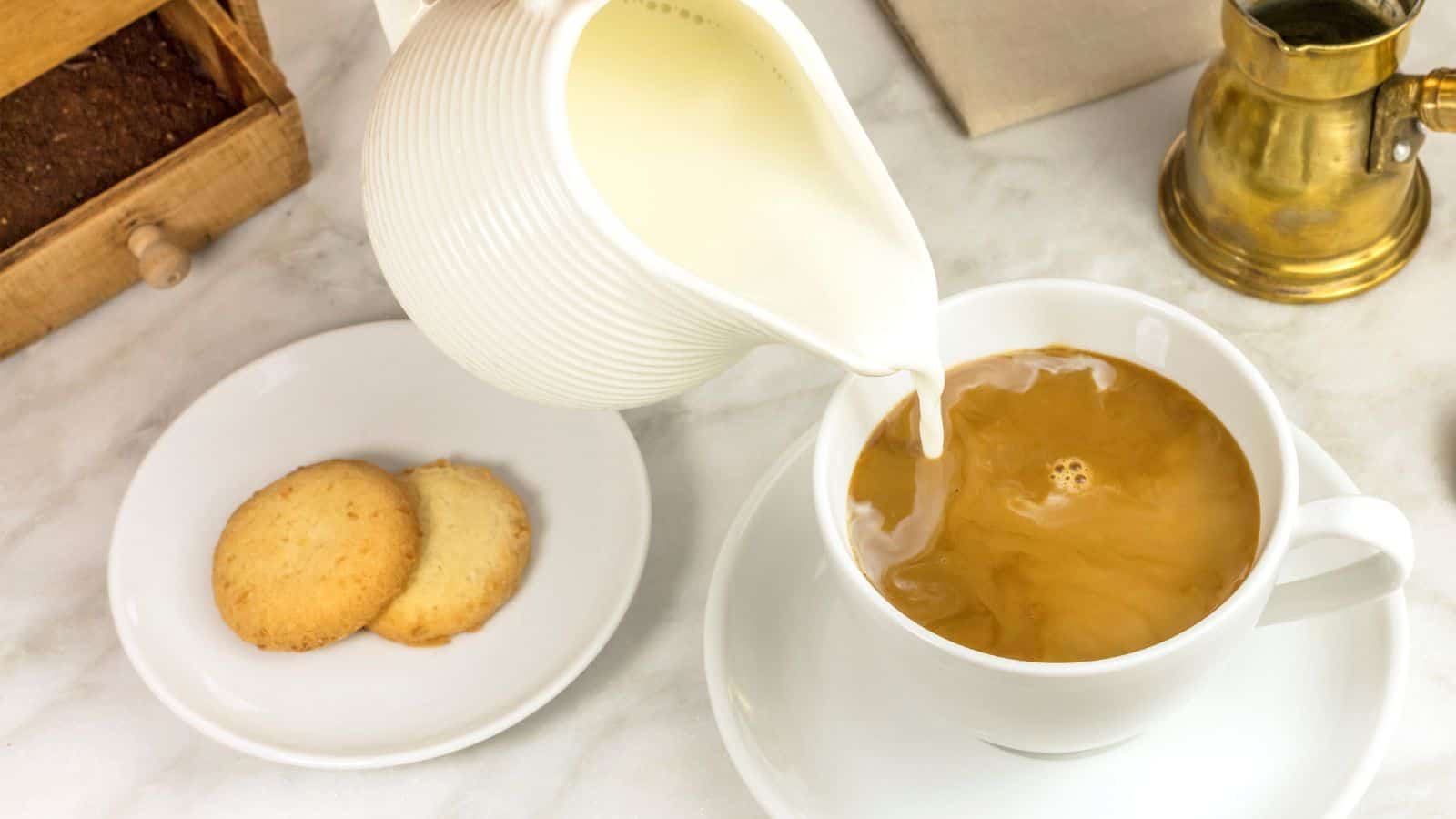
A café's food selection can sometimes hint at how much attention they pay to quality in general. While a coffee shop doesn't need to have a full bakery, if the pastries look dry, mass-produced, or unappetizing, it might indicate a lack of care across the board. Cafés that focus on great coffee often make an effort to source or prepare good accompaniments, like fresh croissants or simple, well-made treats. If the food looks uninspired or stale, it suggests that the café prioritizes convenience over quality-meaning the coffee may be just as forgettable.
Make Informed Coffee Choices

The 15 warning signs highlighted serve as valuable indicators for anyone looking to avoid terrible coffee experiences. By being aware of these signs, coffee lovers can make informed decisions and avoid cafés that may disappoint. From the cleanliness of the space to the knowledge of the barista, each detail can significantly impact the quality of the coffee served.
As you plan future café visits, keep these warning signs in mind to enhance the coffee-drinking experience. With a little vigilance, you can seek out the best brews and enjoy every sip. Cheers to discovering great coffee and avoiding the pitfalls of subpar cafés!
14 Tips for Making the Best Cup of Coffee Ever

Make better coffee now! Ever wonder what makes a cup of coffee truly special? It's clear that there are 14 tips for making the best cup of coffee ever that can enhance your brewing game. Many people overlook the importance of quality ingredients and precise techniques, often leading to a mediocre cup that fails to impress.
Read More Here: 14 Tips for Making the Best Cup of Coffee Ever
9 Surprising Uses for Coffee Grounds Around Your Home

Keep your coffee grounds, and don't throw them out! Coffee grounds aren't just for brewing your morning cup of joe. These humble leftovers have a surprising array of uses around the home that extend far beyond the kitchen. From gardening to cleaning and even beauty treatments, coffee grounds can be repurposed in ways you might never have considered. These nine surprising uses for coffee grounds around your home will change the way you look at those seemingly useless leftovers.
Read More Here: 9 Surprising Uses for Coffee Grounds Around Your Home



Comments
No Comments