
Every country has its own go-to drinks, but some take things to another level-fermented, fizzy, sour, or made with ingredients few would expect. These 17 bizarre international beverages that actually taste incredible might sound strange at first glance, but they've earned loyal fans around the world. From salty yogurt drinks to carbonated milk sodas, each one challenges assumptions and proves that flavor doesn't always follow the rules.
What sets these drinks apart isn't just how they're made, but the cultural stories they carry. Many are everyday staples in their home countries, enjoyed by generations and tied to seasons, rituals, or regional quirks. Some are acquired tastes, others surprisingly easy to like-but all are worth trying at least once.
So if you're curious about what people sip in far-off places-or looking to shake up your usual drink routine-these one-of-a-kind sips might just surprise you. Keep an open mind, and maybe a brave palate.

Salty Lassi - India
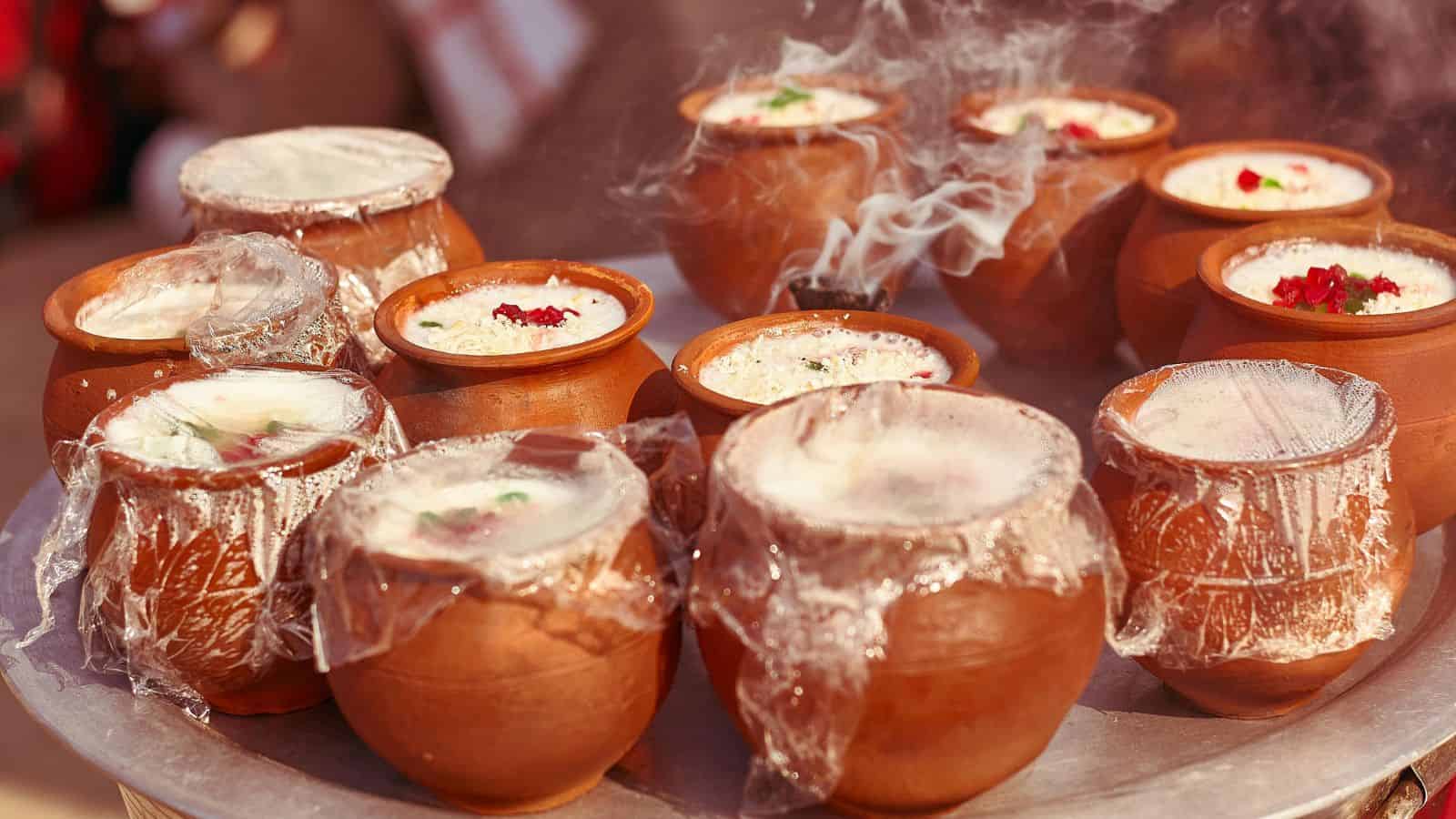
Salty lassi is a traditional Indian yogurt-based drink that uses salt, water, and spices like roasted cumin or black pepper instead of sugar. It's served chilled and often consumed with meals or in hot weather. The taste is tangy, slightly sour, and aromatic, with a creamy but drinkable texture. Some regions add herbs like mint or cilantro for extra sharpness. It's known for its cooling effect and is often preferred in northern India. Unlike fruit-based lassis, this version leans into fermented dairy flavor with a briny touch. It may seem unusual at first, but it has deep cultural roots.
Cheonggukjang (Fermented Soybean Drink) - South Korea
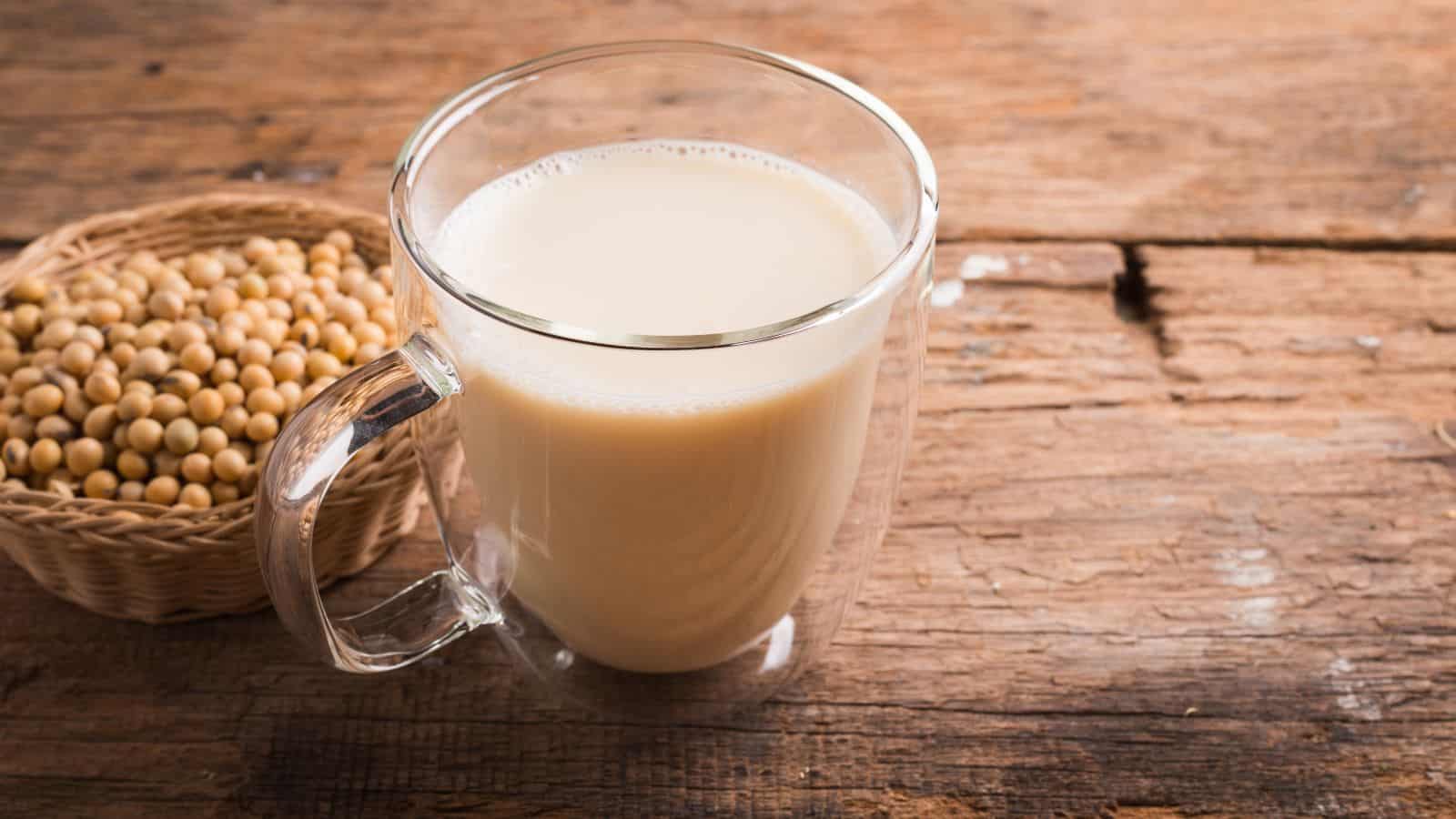
Cheonggukjang is known more commonly as a soup but is also available in drinkable form. It is made from fermented soybeans and has a strong, pungent aroma that many compare to overripe cheese or ammonia. Despite the smell, its texture is thick and slightly gritty, with a deep, savory flavor. Due to its probiotic content, it's consumed for its perceived health benefits, especially related to digestion and gut health. Often sold in bottles or pouches, this drink is popular among older generations in Korea and those interested in traditional fermented foods. Its distinct character draws both strong praise and strong reactions.
Bird's Nest Drink - China and Southeast Asia
Bird's nest drink contains real edible nests made by swiftlets, created using the bird's hardened saliva. The nests dissolve into a gelatinous texture when cooked in the liquid. The drink itself is mildly sweet, often flavored with rock sugar, pandan, or fruit extracts. Traditionally viewed as a premium health tonic, it's consumed across China, Vietnam, and Thailand, sometimes chilled or bottled. It has a thick, slippery texture that some describe as soothing, while others compare it to soft jelly. The harvesting and preparation process is extensive, which contributes to its price and reputation as a luxury health-focused product.
Cucumber Pepsi - Japan
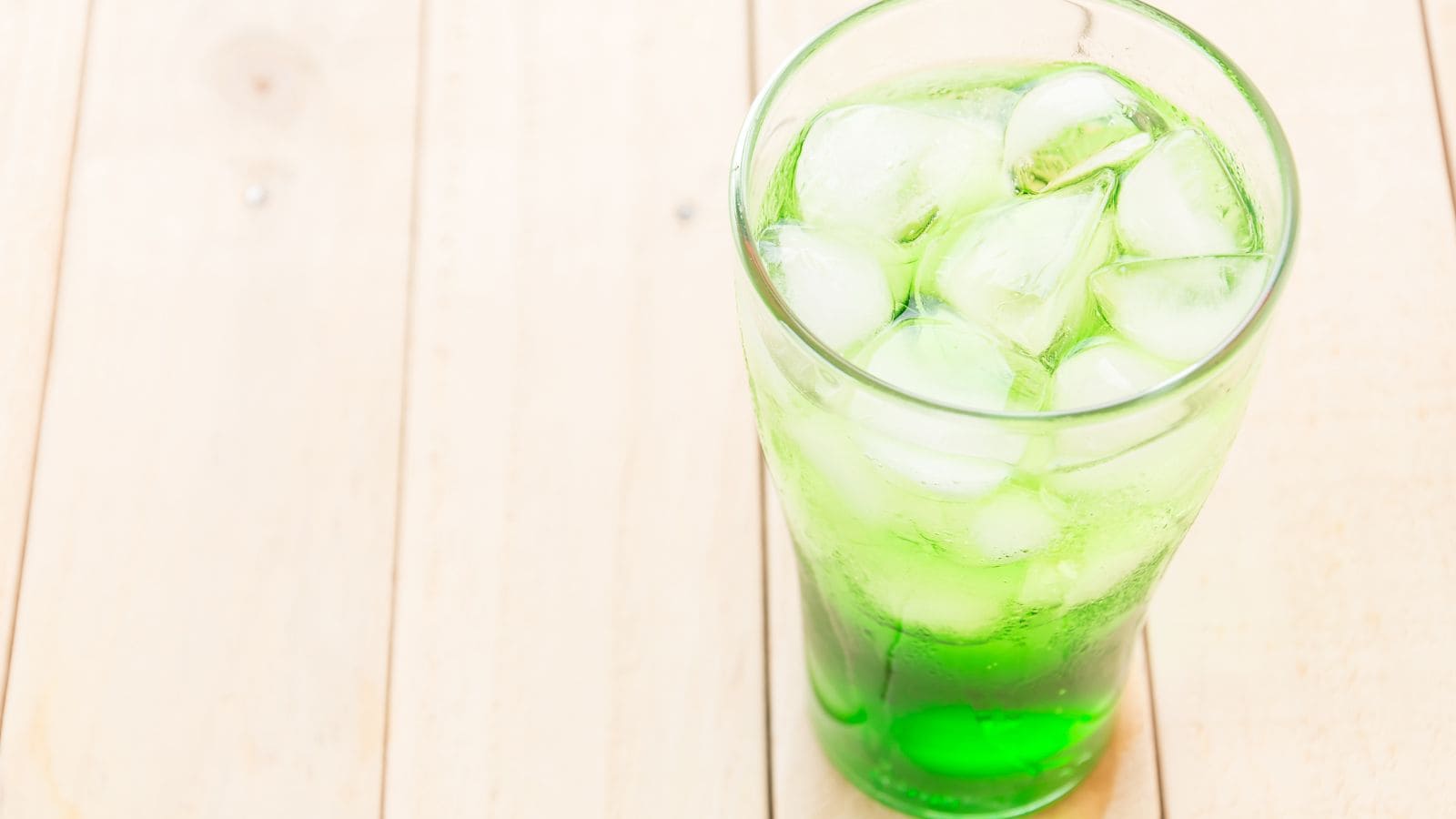
Cucumber Pepsi was launched in Japan as a limited-run soft drink featuring a bright green color and cucumber flavoring. It combines the sharp sweetness of cola with a light, vegetal scent and a cooling aftertaste. Unlike traditional cola, it is more refreshing than syrupy. Though initially released as a novelty, it developed a small fan base and appeared again in limited regions. The cucumber doesn't overpower but lingers subtly behind the carbonation and sugar. The mild green note can be surprising for those used to standard soda flavors, but the drink still maintains a balanced sweetness and fizz-forward texture.
Chicha Morada - Peru
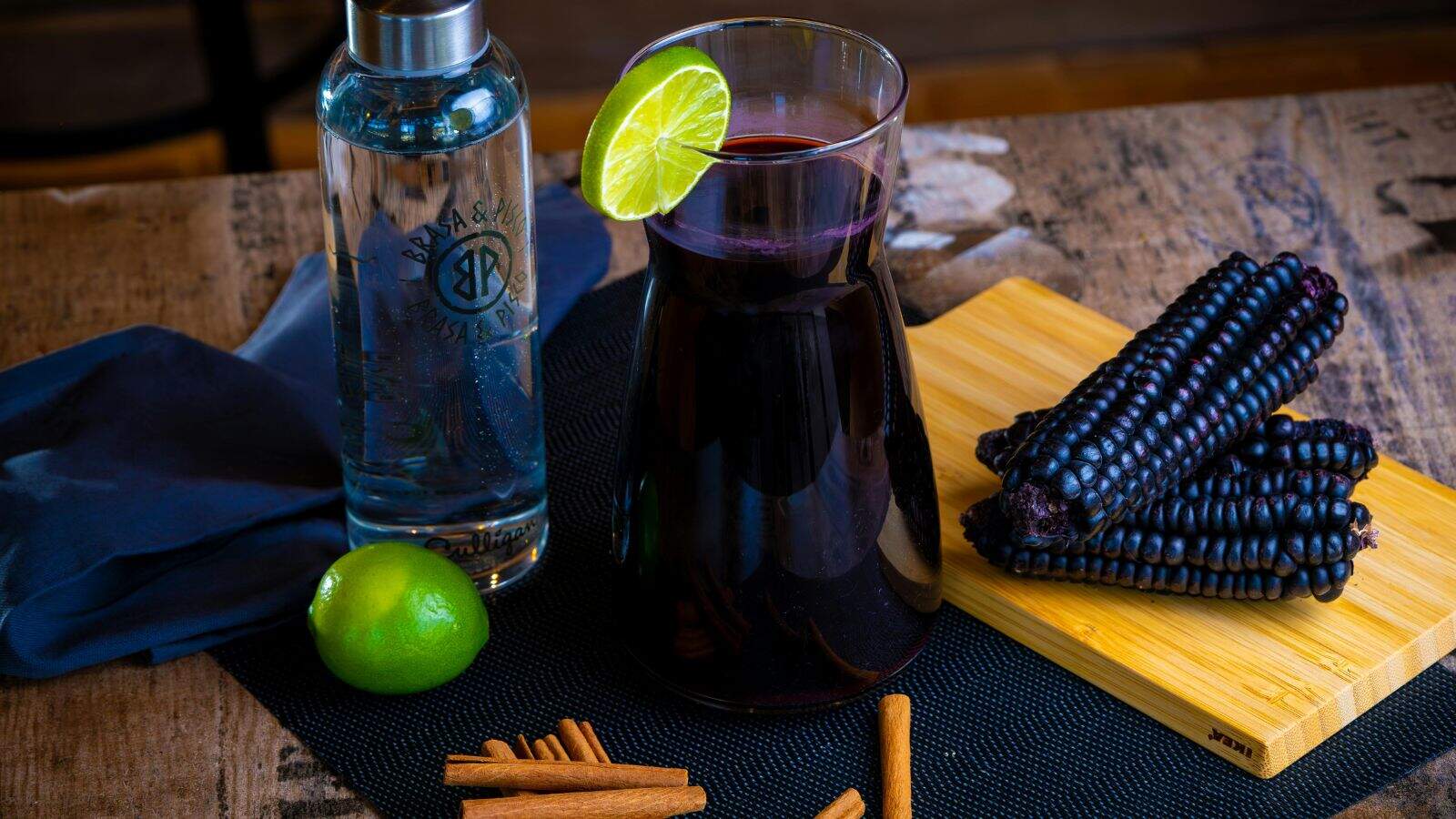
Chicha Morada is a traditional Peruvian beverage made by boiling purple corn with pineapple rinds, cinnamon sticks, cloves, and sometimes apple peels. Once strained and cooled, it's sweetened and served cold. The resulting drink has a deep purple color and a flavor that combines fruit, spice, and a slight tartness from the corn. Unlike Western juices, it uses parts of fruit that are usually discarded, lending it a complex, layered character. Chicha Morada is common in households and restaurants throughout Peru and has gained popularity in nearby countries. Its rich color and refreshing nature make it a memorable regional staple.
Mint Chocolate Milk - South Korea
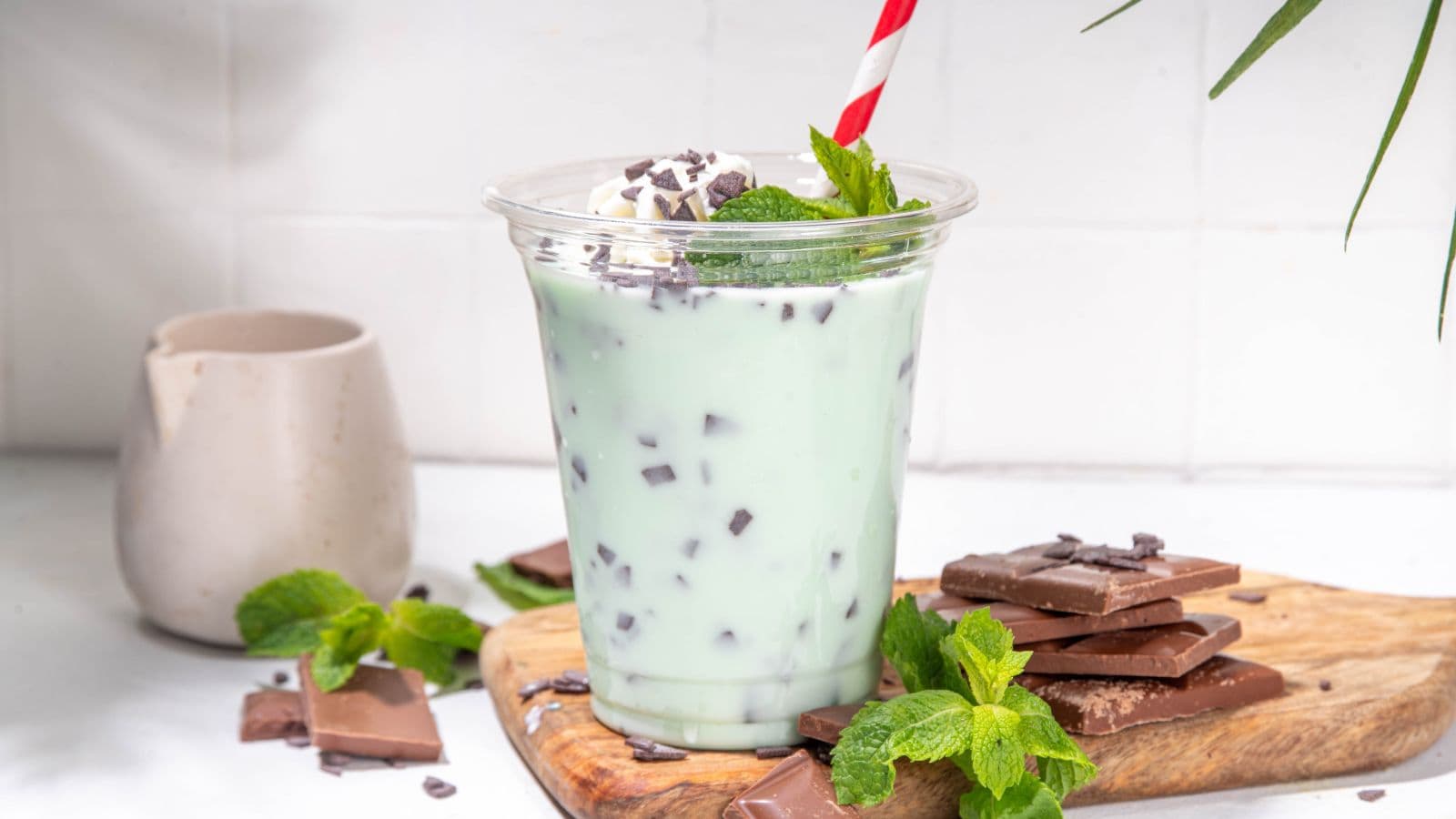
This drink tastes like a liquid version of mint chocolate chip ice cream. It features a pale green color and a thick, creamy base in convenience stores and vending machines across South Korea. The mint is cool and aromatic, while the chocolate adds a mild cocoa depth rather than overpowering richness. It's divisive-some people find the flavor combination strange, while others treat it like a comfort item. Its texture is smooth, and it's often served chilled. Online debates around this drink have made it a trend in its own right, cementing its place in Korea's quirky beverage scene.
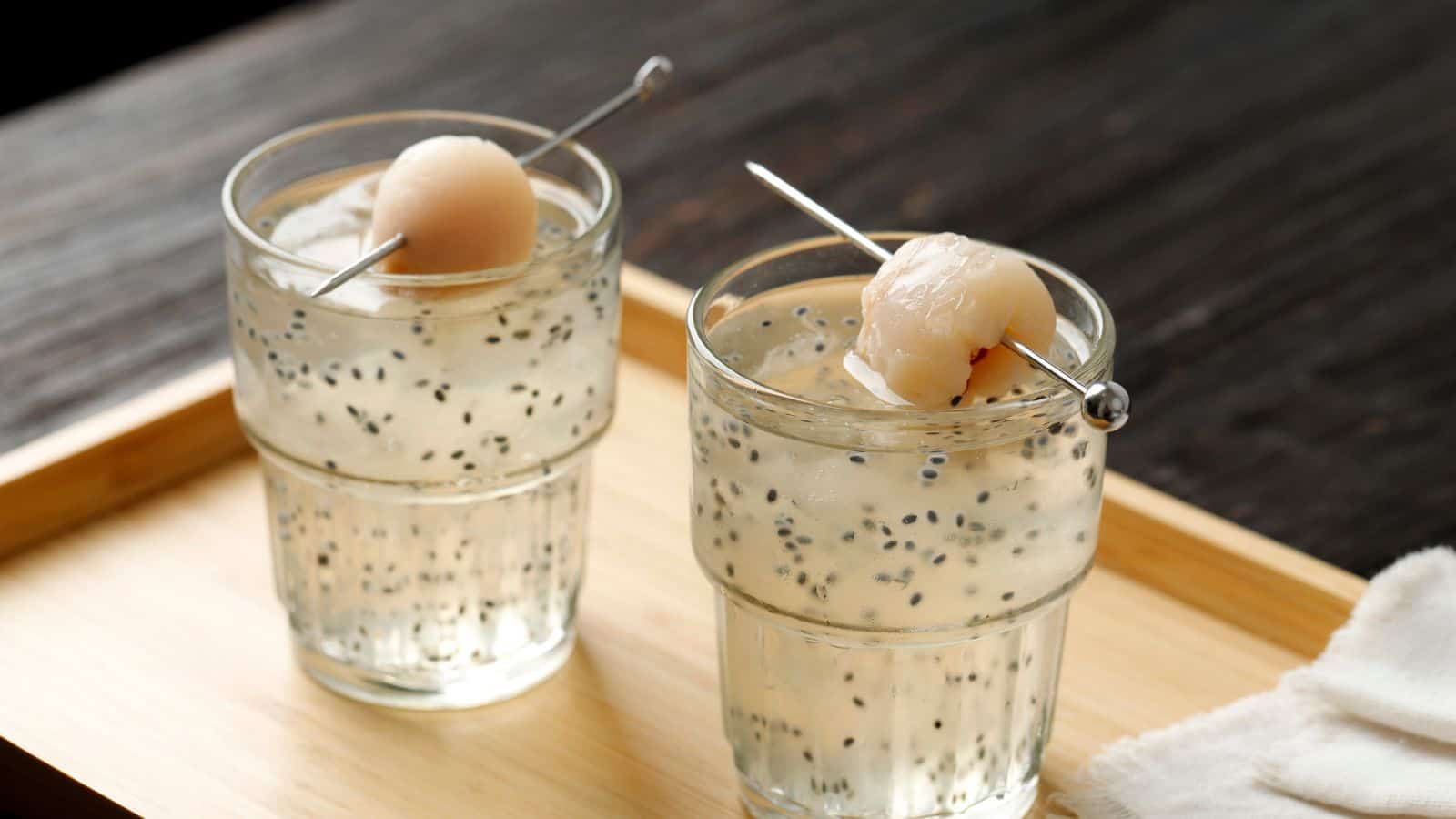
Basil Seed Drink - Thailand and Southeast Asia
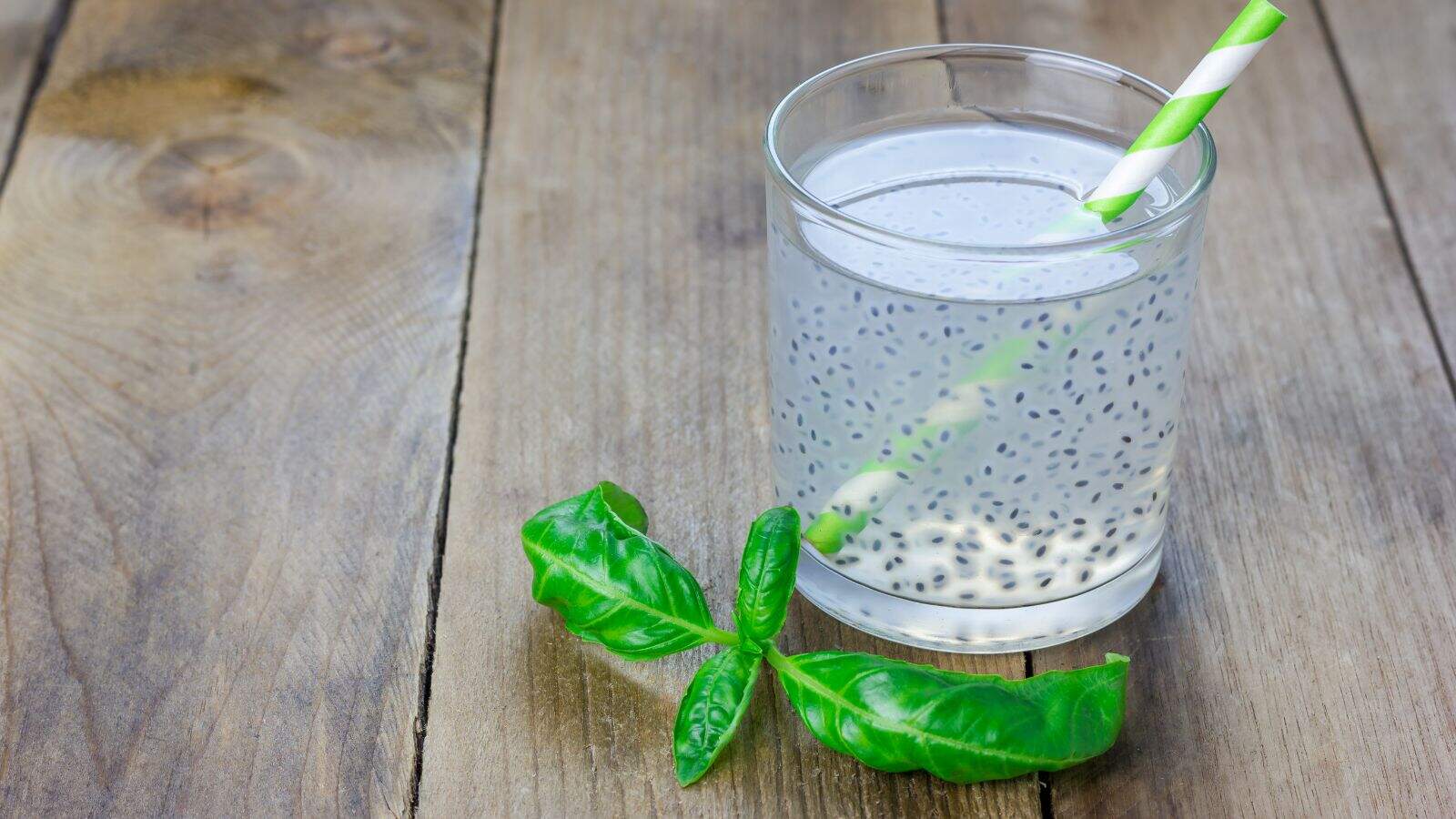
Basil seed drinks start with tiny black seeds soaked in water until they develop a translucent, jelly-like coating. This gives the drink a texture similar to chia pudding, though thinner and more fluid. Popular across Thailand, Vietnam, and parts of India, the beverage comes in various flavors like honey, rose, or lychee. The seeds suspend evenly throughout the liquid, adding a mild crunch and chew with every sip. It's consumed both for refreshment and for digestion. Though it may look odd to unfamiliar eyes, the contrast between the slightly sweet liquid and floating seeds is part of its appeal.
Garlic Cola - Japan

Garlic Cola sounds like a prank, but it's a real product released in Japan as part of a novelty flavor line. At first glance, it looks like standard cola-dark, carbonated, and familiar. But with each sip, a subtle roasted garlic flavor builds underneath the sweetness. It doesn't overpower the drink, but it's enough to catch you off guard. It has been described as cola with a back-end savory note, something like garlic chips blended into soda. Meant more for curiosity than daily consumption, it still found fans among adventurous drinkers willing to try unexpected flavor pairings in soft drinks.
Kinako Milk - Japan
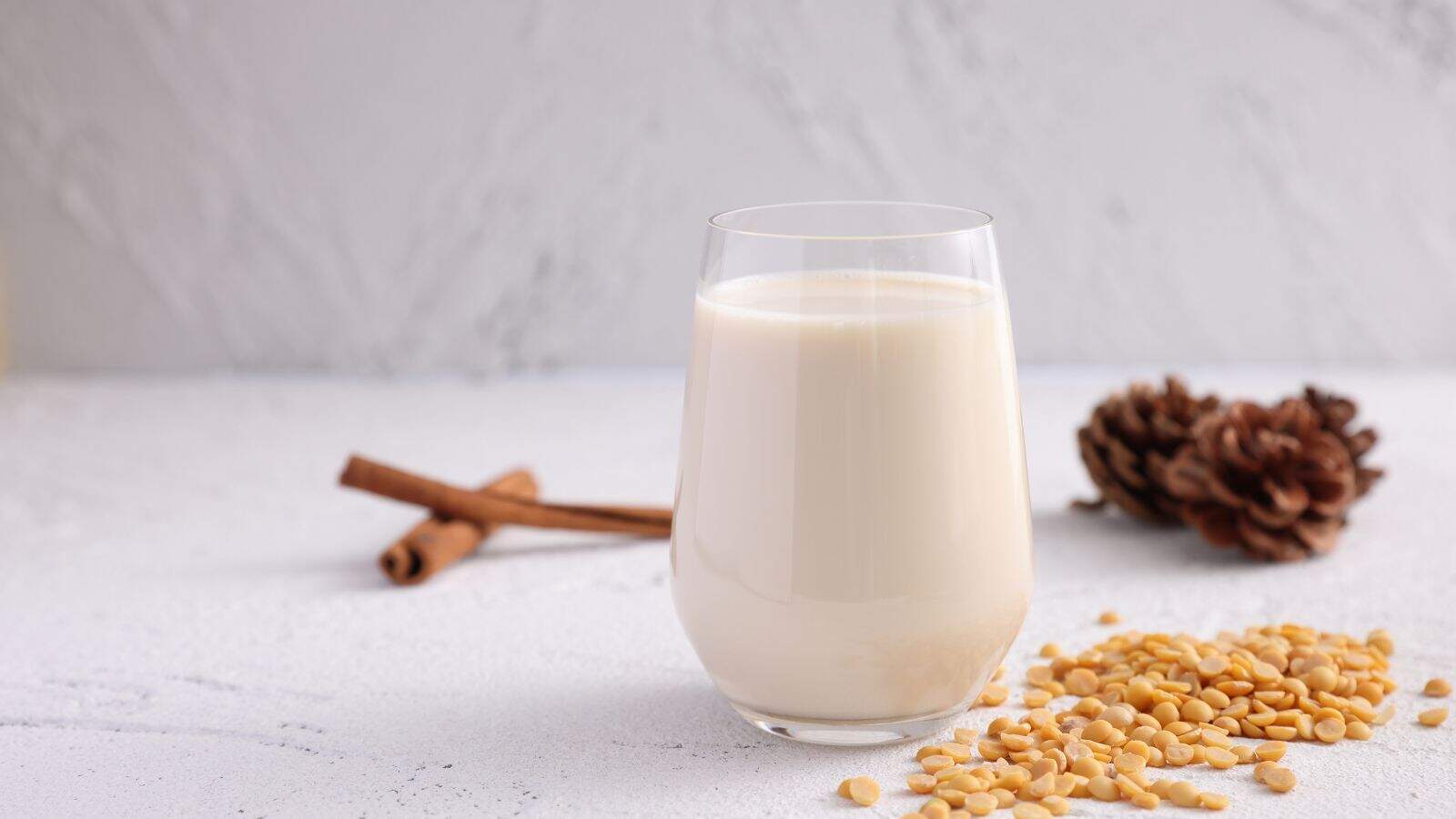
Kinako milk is a drink made from milk and roasted soybean flour, commonly served either hot or chilled in Japan. The kinako gives it a nutty, slightly sweet flavor that resembles roasted peanuts or toasted cereal. The texture is smooth and a bit thick, depending on preparation. Sometimes sweetened with sugar or honey, it's a comforting drink often associated with seasonal cafes and home recipes. It's also popular in snack-style cartons at convenience stores. The roasted flour gives it a brownish tint and a strong aroma, creating a profile that feels different from chocolate or vanilla but equally rich.
Kvass - Russia and Eastern Europe
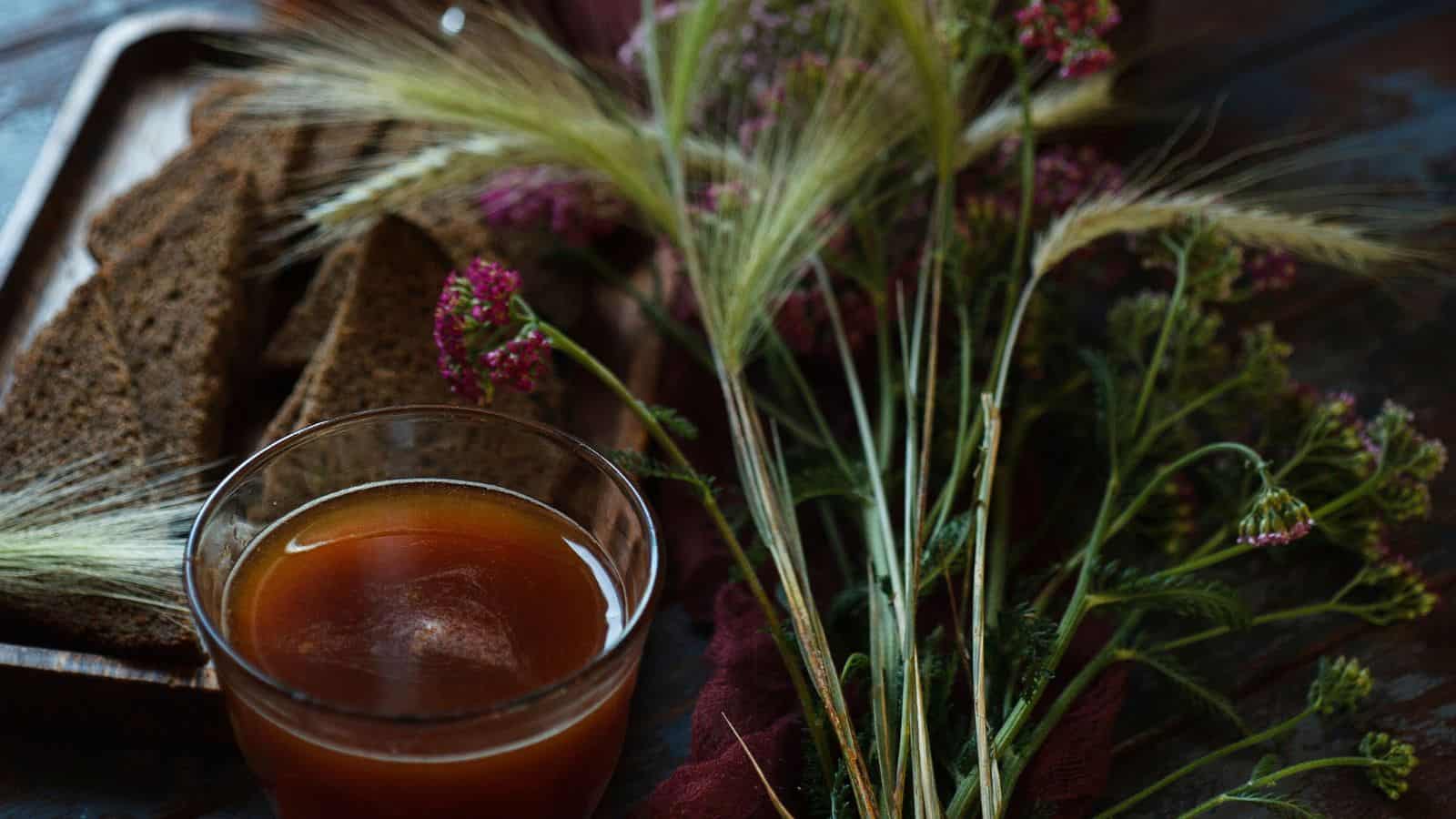
Kvass is a lightly fermented beverage made from rye bread, giving it a tangy, malty taste. The fermentation is minimal, so the alcohol content stays low-typically under 1.2%. It's slightly fizzy, earthy, and can be either sweet or sour depending on region and recipe. Sometimes herbs, fruit, or mint are added to adjust the flavor. Kvass is often sold in plastic bottles or straight from street vendors in large tanks. Despite its bread origins, it drinks more like a soft soda or malt beverage. It's especially common in summer and remains deeply connected to Eastern European traditions and food culture.
Peanut Punch - Caribbean
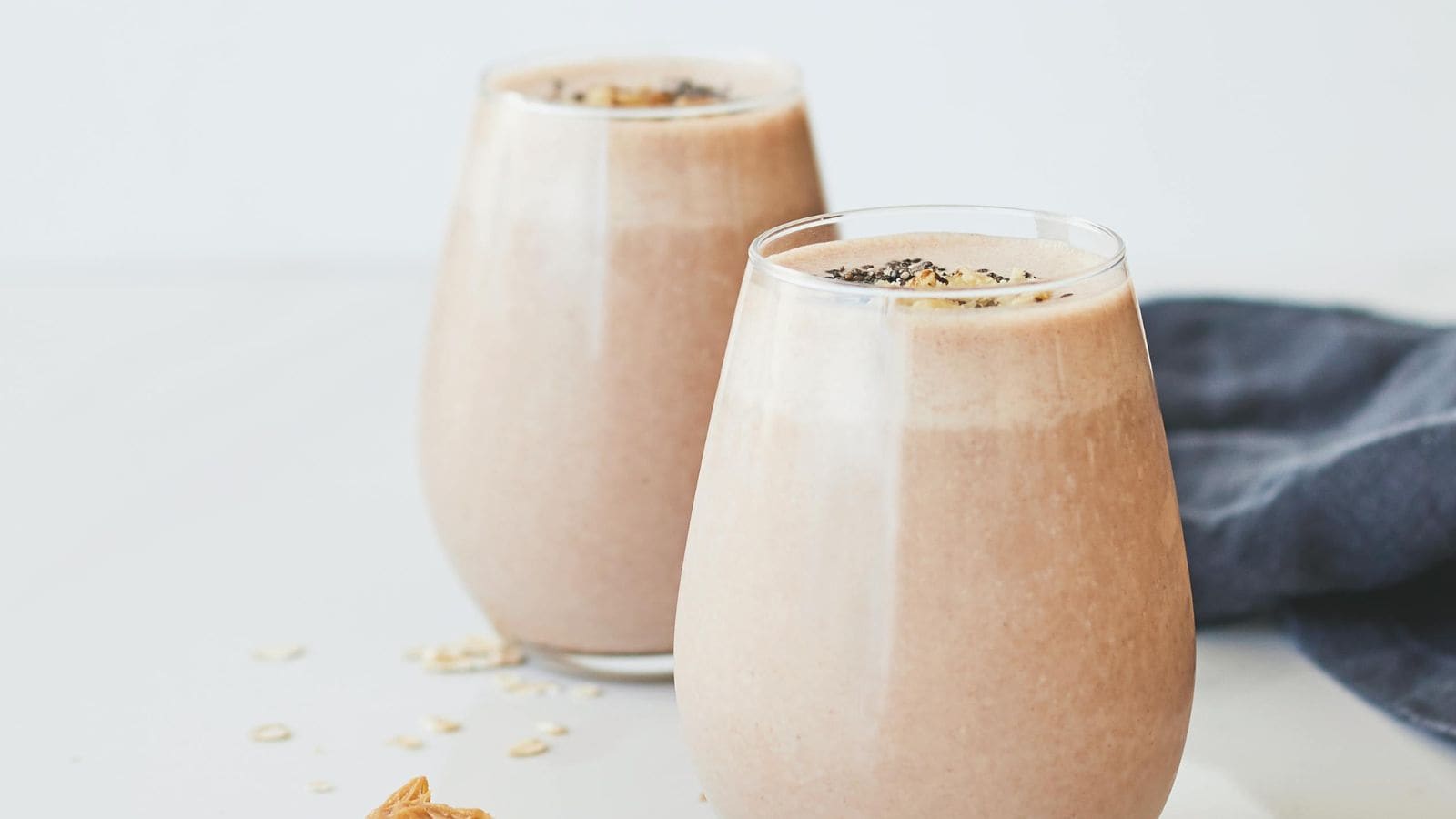
Peanut punch is a rich, milk-based drink made with peanut butter, condensed milk, sugar, and spices like cinnamon, vanilla, or nutmeg. Popular across Trinidad, Jamaica, and Guyana, it's thick enough to be considered a meal replacement. Some versions include oats or bananas for extra density, and others are fortified with alcohol like rum or stout. The texture is smooth but heavy, with the peanut base front and center. It's often sold bottled or in plastic cups from street vendors. In some places, it's even seen as a natural energy drink, praised for its protein and calorie content
Tamarind Agua Fresca - Mexico
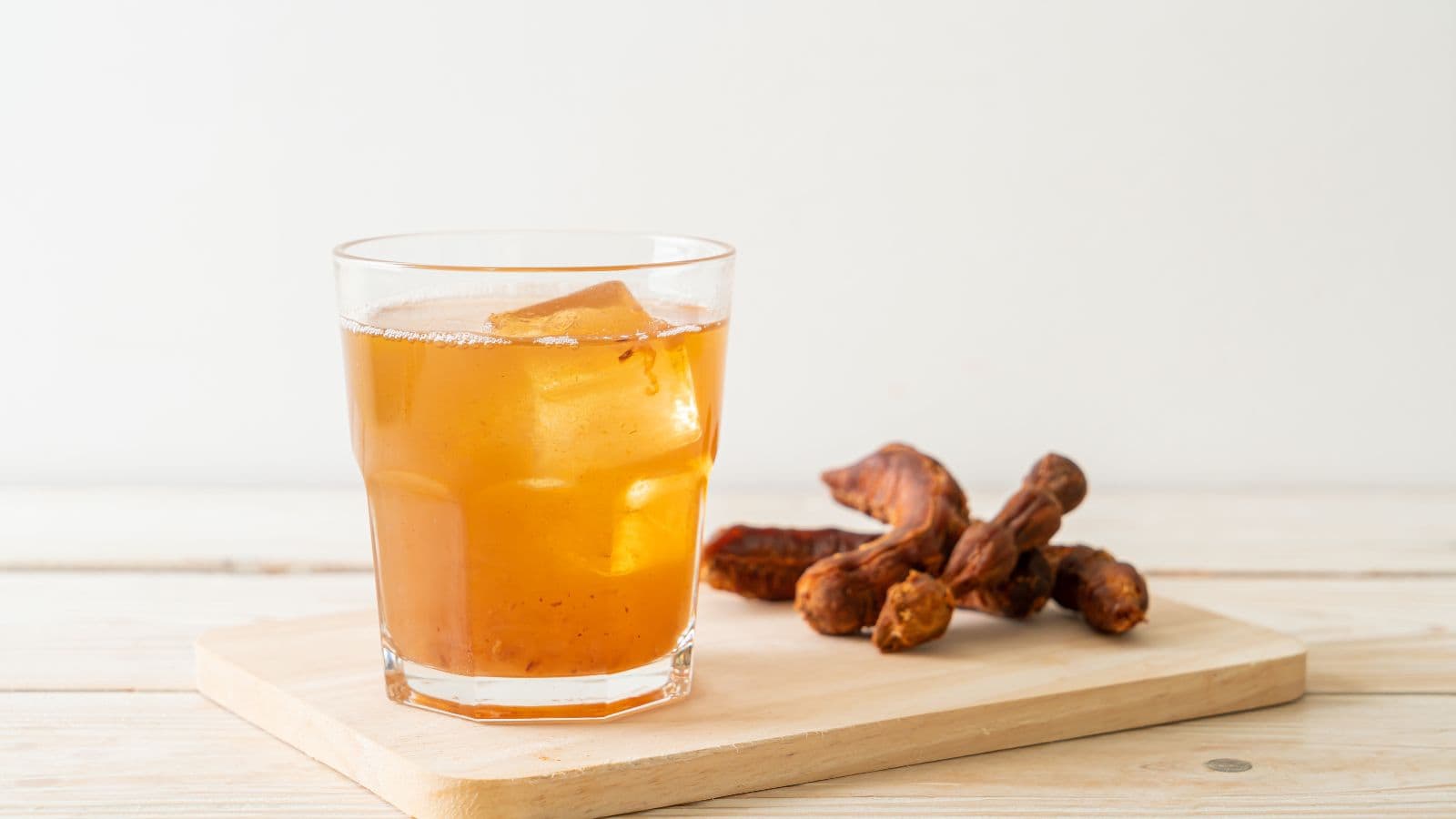
Tamarind agua fresca is a traditional Mexican drink made by soaking tamarind pods in water, removing the seeds, and blending the pulp with sugar. The resulting liquid is strained and served chilled. The flavor is both tart and sweet, with notes of dried fruit, citrus, and caramel. It has a slightly thick mouthfeel and a deep amber color. Tamarind's natural tang gives the drink a sharp edge that balances the sugar. Common at street stalls and taquerías, it's often paired with spicy foods. Though simple in ingredients, the flavor profile is layered and distinct, especially to those new to tamarind.
Coca Tea - Peru and Bolivia
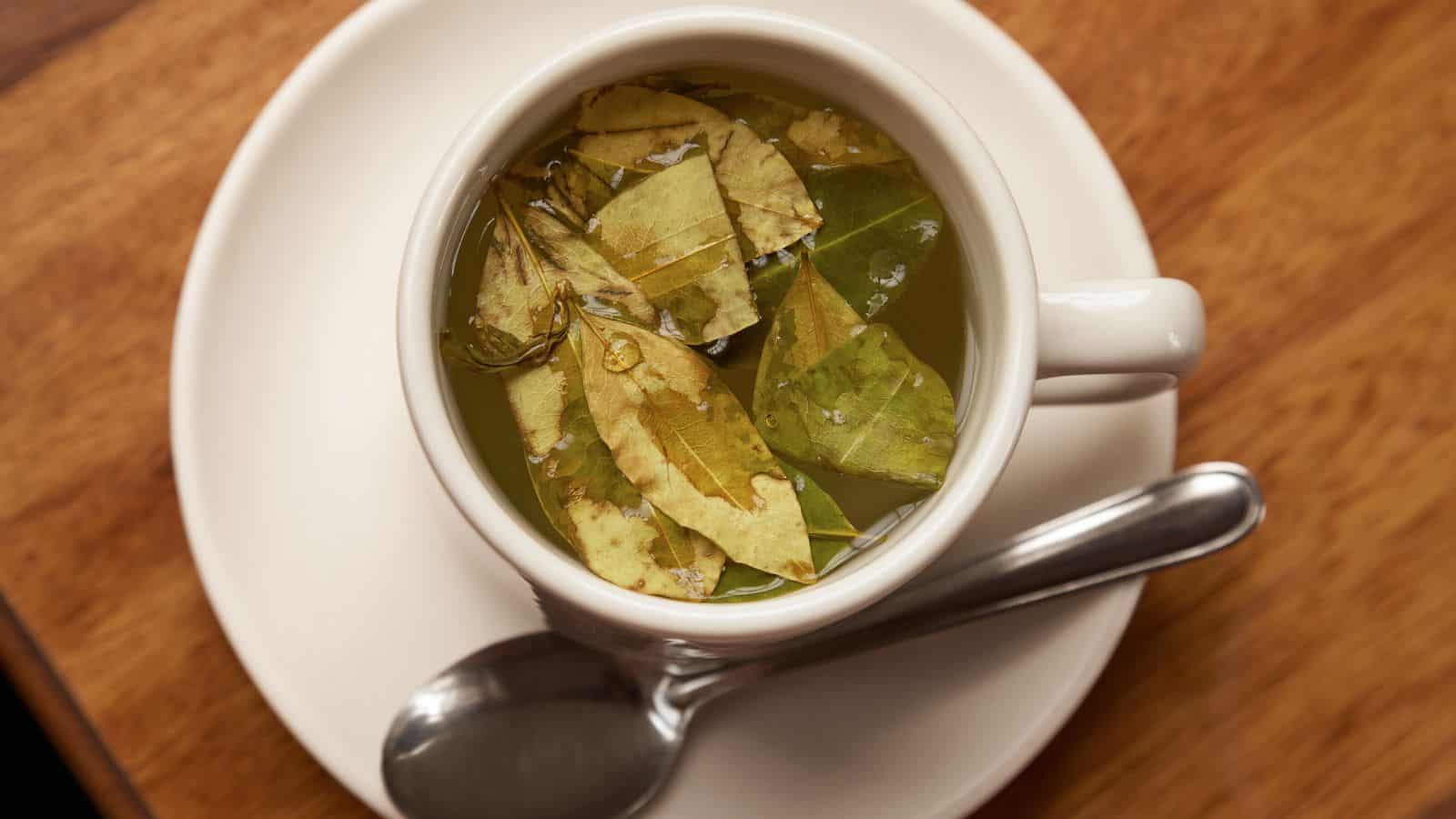
Coca tea is brewed from dried coca leaves, which come from the same plant used to make cocaine, but the tea itself is non-intoxicating. It's light green in color, with a grassy, slightly bitter flavor and herbal aroma. Locals in high-altitude areas drink it to ease altitude-related symptoms like headaches and nausea. It's commonly served in small cups or tea bags in hotels, homes, and cafes. While controversial abroad due to its source plant, coca tea is legal and normalized in many Andean countries. Travelers often describe it as subtle and refreshing, with effects more like green tea than anything stimulating.
Bananinha (Banana Soda) - Brazil

Bananinha is a banana-flavored carbonated soft drink found in parts of Brazil. It has a vivid yellow hue and a strong artificial banana aroma that hits immediately upon opening. The taste is sweet, candy-like, and unmistakably banana-forward, resembling marshmallow-style banana treats more than fruit. It's mostly consumed chilled and sold in small bottles or cans. Though often targeted at younger consumers, it carries nostalgic value for many adults who grew up with it. Some people find the flavor overpowering, while others embrace it as a quirky regional product that stands out in a world full of citrus-based soft drinks.
Licorice Milk - Scandinavia
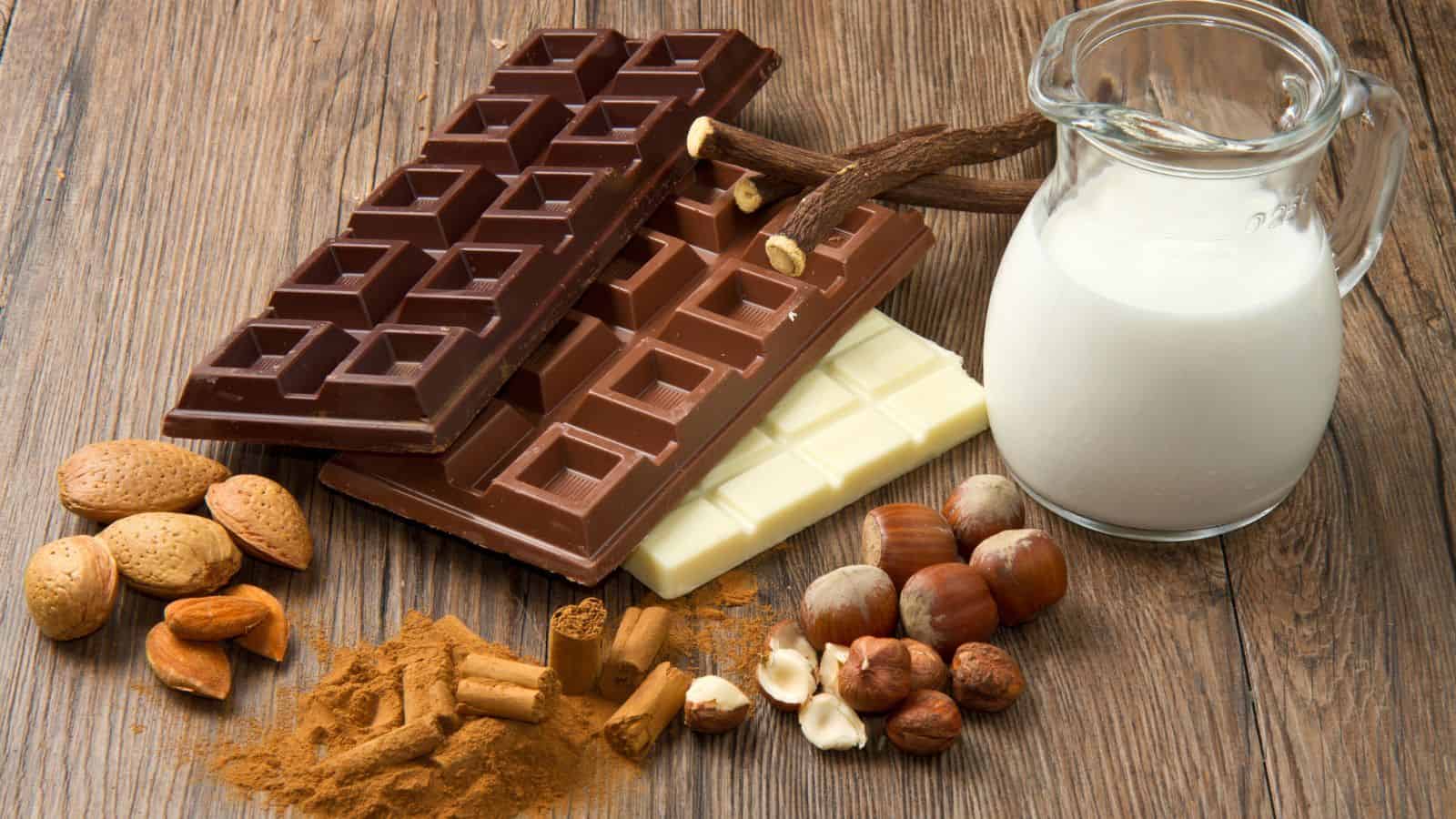
Licorice milk combines chilled milk with salty licorice flavoring, a combination that reflects northern Europe's long-standing affection for salmiakki (ammonium chloride licorice). The licorice extract gives the drink a sharp, slightly medicinal taste layered over the creaminess of milk. It's typically served cold and can sometimes include added sugar to balance the saltiness. The drink is divisive outside of Scandinavia but remains a regional curiosity. Some people describe it as strange, others as addictive. Its contrasting textures-soft and rich from the dairy, punchy and herbal from the licorice-make it hard to compare to more familiar beverages.
Yak Butter Tea (Po Cha) - Tibet
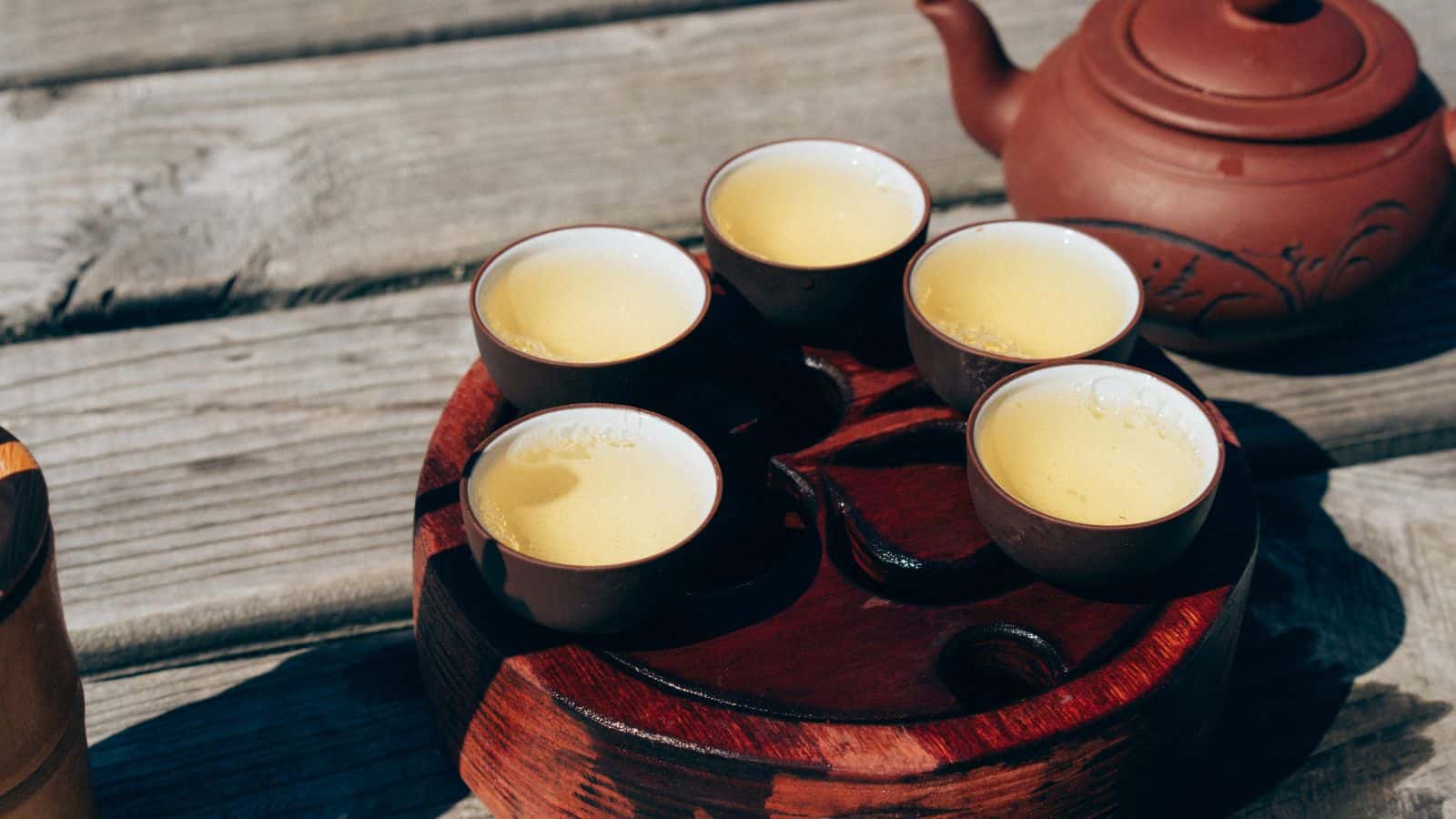
Yak butter tea, or po cha, is a dense, calorie-heavy drink made by churning strong black tea with yak butter and salt. Served hot, it's a staple of Tibetan daily life, especially in high-altitude regions where warmth and fat intake are crucial. The drink has a thick, oily texture and an intensely savory flavor that may surprise first-time drinkers expecting something sweet. Traditionally, it's made in wooden churns and consumed multiple times a day. Locals often use it as nourishment, especially when food is scarce. While unfamiliar to many, it plays an important role in mountain life and social customs.
Corn Cheese Soda - South Korea

Corn cheese soda is inspired by a popular Korean side dish made with sweet corn, mayonnaise, and melted cheese. This beverage version is carbonated, sweet, and has a buttery, corn-forward taste with a creamy, cheesy aftertaste. Sold in novelty cans and often stocked in themed cafes or specialty markets, it has a thick texture compared to typical sodas. The scent is reminiscent of canned corn with a dairy overlay. People tend to try it for curiosity, but some come back for the strange but balanced combo of sugar, salt, and fat. It stands out even among other novelty drinks in the region.
Strange Sips, Big Surprises

Great drinks don't always come in familiar flavors or neat packaging. Some of the world's most beloved beverages start out as surprises-unusual combinations that somehow just work. These bizarre international beverages might raise eyebrows at first, but many of them have stood the test of time for a reason. They reflect local taste, creativity, and the comfort of tradition.
Trying something unexpected is part of what makes exploring food and drink so fun. Whether it's a tangy fermented soda or a drink with a savory kick, stepping outside your comfort zone can lead to a new favorite. So next time you see something unfamiliar on a menu or market shelf, take the chance. You might find that what once seemed strange actually hits the spot.
9 Global Coffees You Need to Try Before You Die

A tour around the world with just a cup of coffee! What's really cool about coffee is how each place makes it their own. Think about it - in some countries, they brew it super strong and serve it in tiny cups, while others create coffee so thick you can almost eat it with a spoon. Some add spices, others use special pots that have been passed down for generations, and each way makes coffee taste completely different.
Read More Here: 9 Global Coffees You Need to Try Before You Die
13 Uncommon Ingredients You Didn't Know You Can Add to Your Drinks

Have you heard about these uncommon ingredients? Many familiar drinks can be transformed with uncommon ingredients that pack a punch of flavor and nutrition. Adding these ingredients can introduce exciting new tastes and health benefits to everyday beverages. From spices to herbs and even some surprising fruits, there are plenty of options to explore that can take drinks to the next level.
Read More Here: 13 Uncommon Ingredients You Didn't Know You Can Add to Your Drinks



Comments
No Comments