
As people get older, some things that used to be acceptable can start to cause health problems. There are 17 items that become your body's enemy after 50, and knowing what these are can help keep you feeling good. From certain foods to drinks you love, some items can lead to issues as the body changes over time.
It's important to understand how these items can affect health. What seemed harmless before might now cause discomfort or other problems. For example, foods high in sugar and unhealthy fats can lead to weight gain and increased risk of chronic diseases. By being aware of these potential issues, it's easier to make better choices and take care of your body.
Check out these items that can be harmful after 50. Making a few simple changes can lead to a healthier lifestyle and help you feel better in the years ahead!

Refined Sugars
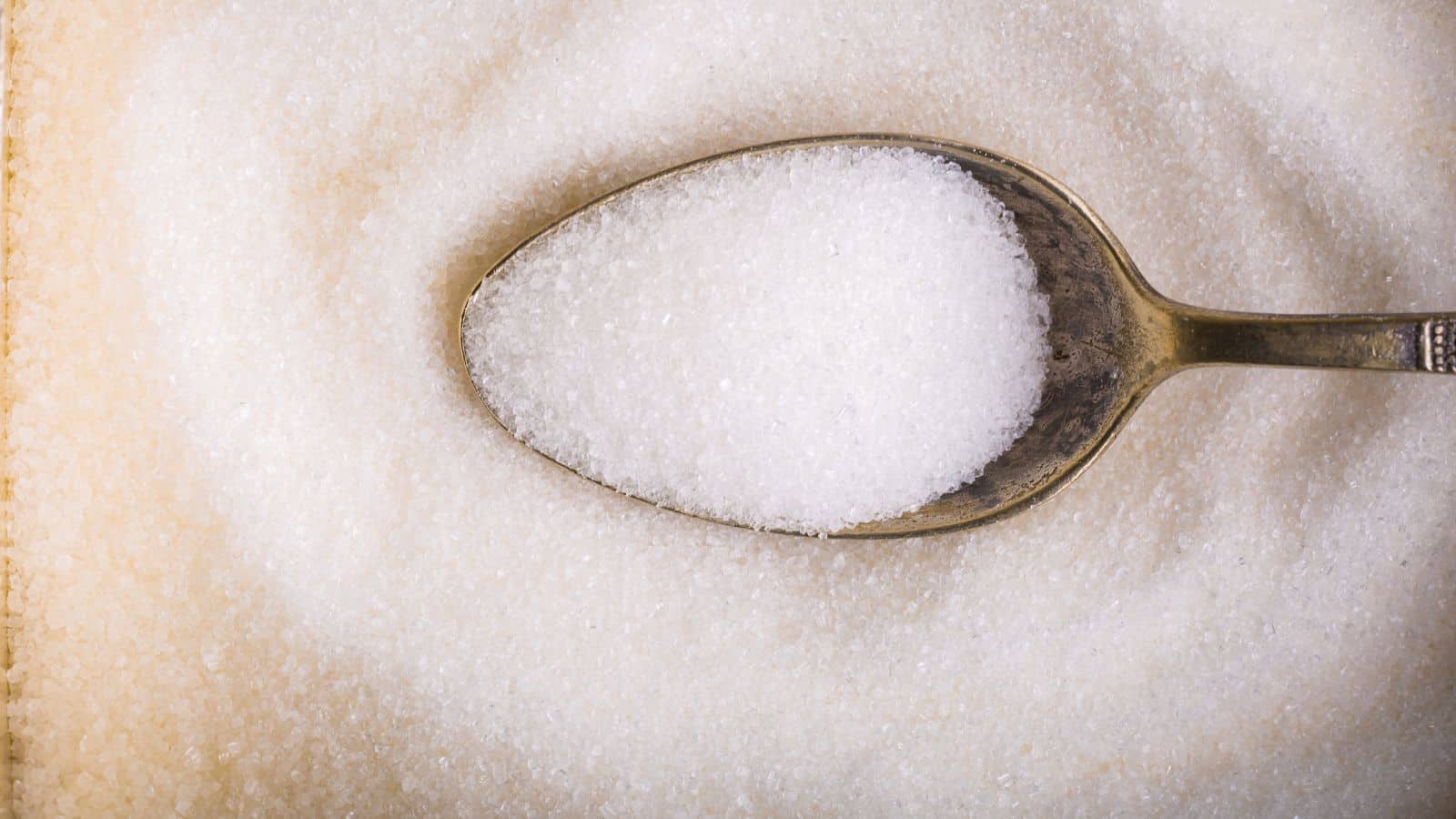
Refined sugars, found in many processed foods and sugary drinks, become a significant issue as you age. After 50, the body's ability to manage sugar effectively decreases, leading to insulin resistance, which can contribute to weight gain, type 2 diabetes, and increased inflammation. Excessive sugar intake also accelerates the aging process by causing skin damage and weakening collagen and elastin. It can impact heart health by promoting fat storage and increasing blood pressure. Reducing sugar helps maintain stable blood sugar levels, reduces inflammation, supports skin health, and protects against chronic conditions like diabetes and heart disease.
Fried Foods

Fried foods, rich in unhealthy oils and trans fats, can be particularly harmful as you age. After 50, the body becomes less efficient at processing fats, which can lead to an increase in cholesterol levels, weight gain, and a higher risk of heart disease. Fried foods are often high in empty calories and low in nutrients, making them harder to digest and contributing to inflammation. The trans fats found in fried foods can raise bad cholesterol while lowering good cholesterol, heightening the risk of cardiovascular problems. Reducing fried food intake helps protect heart health, maintain weight, and improve overall wellness.
Excessive Caffeine

Excessive caffeine consumption, especially after 50, can negatively affect sleep quality and hydration. As the body ages, its sensitivity to caffeine increases, leading to disrupted sleep cycles and difficulty falling or staying asleep. Lack of quality sleep can contribute to fatigue, cognitive decline, and mood disturbances. Caffeine also has a dehydrating effect, which can worsen hydration issues in older adults. Additionally, it interferes with calcium absorption, which can weaken bones over time. Reducing caffeine intake can support better sleep, improve hydration, and help maintain bone density, promoting overall health and well-being as you age.
Red Meat
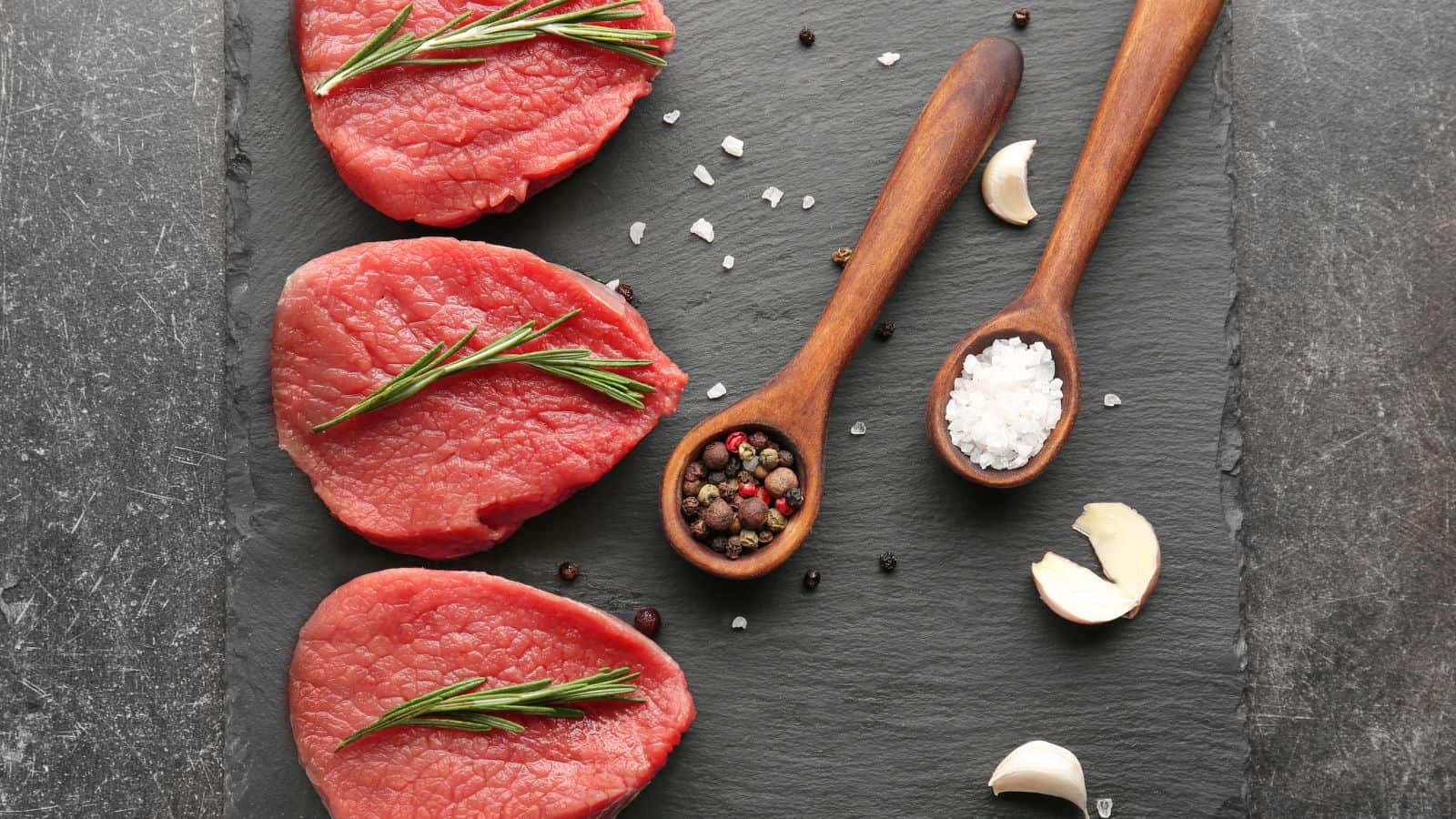
Frequent consumption of red meat can be particularly detrimental to health after 50. Red meat is high in saturated fats and cholesterol, which can raise bad cholesterol levels and increase the risk of cardiovascular diseases like heart disease and stroke. As metabolism slows with age, the body may struggle to process the proteins and fats in red meat, leading to digestive discomfort such as bloating and constipation. Red meat has also been linked to an increased risk of certain cancers, such as colorectal cancer. Reducing red meat intake and opting for plant-based proteins or lean meats supports heart and digestive health.
Salt
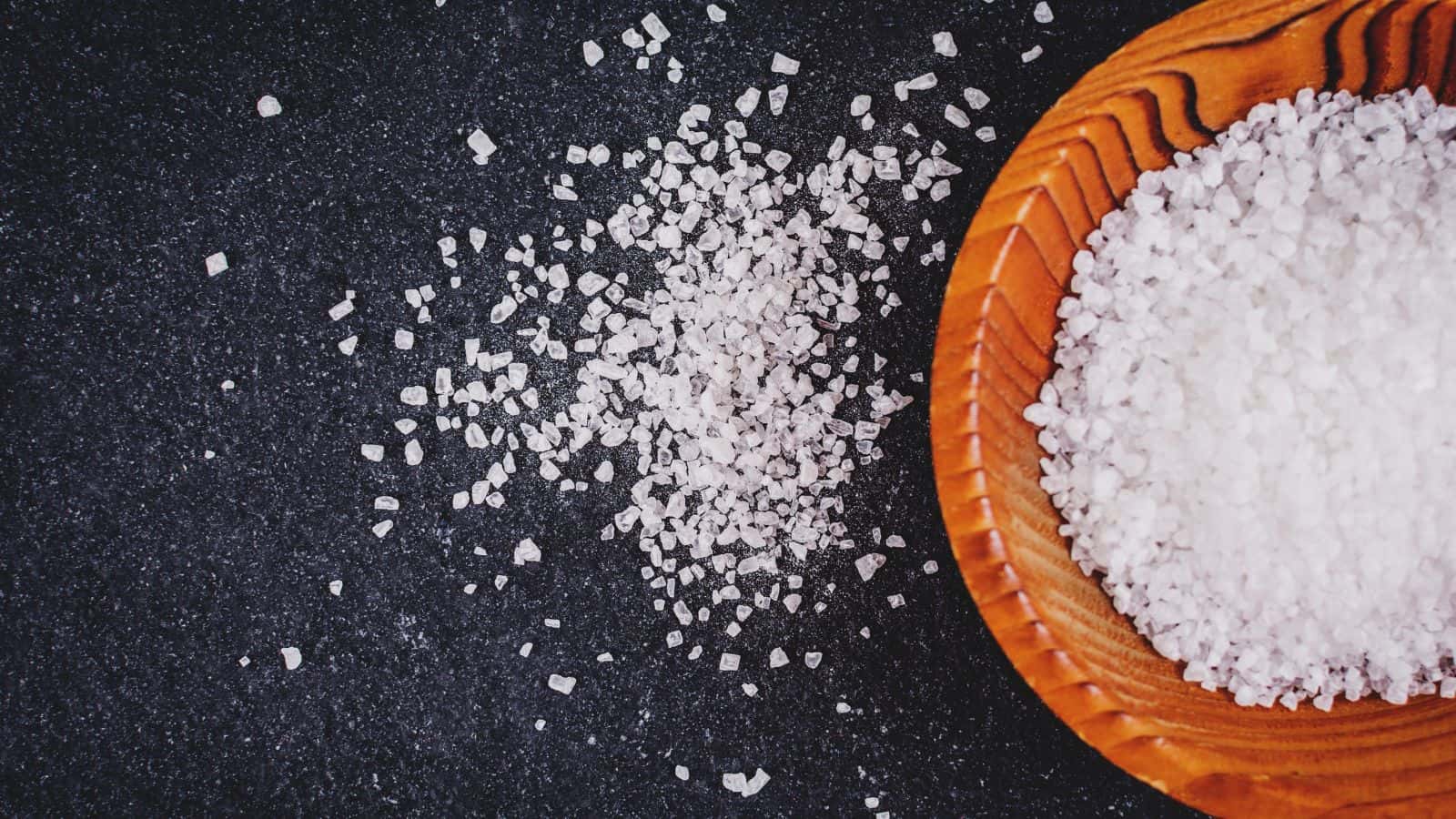
Excessive salt intake can be especially problematic after 50, as the body's ability to regulate sodium becomes less efficient. High salt levels can raise blood pressure, putting a strain on the heart and increasing the risk of heart disease and stroke. Too much sodium also causes the body to retain water, leading to bloating and swelling, which can further strain the kidneys. Older adults are at greater risk of kidney disease, and excess salt can exacerbate this. Cutting back on high-salt foods can improve heart health and reduce the risk of kidney-related issues as you age.
Processed Foods

Processed foods, which are often packed with added sugars, unhealthy fats, and high levels of sodium, pose significant health risks after 50. These foods can lead to weight gain, as they are calorie-dense and lack essential nutrients. The body's metabolism slows down with age, making it more challenging to burn off the excess calories from processed foods. Consuming them regularly increases the risk of developing chronic conditions such as heart disease, diabetes, and digestive issues. Cutting back on processed foods and choosing whole, natural ingredients instead supports better heart health, digestion, and overall vitality as you age.
Alcohol

Excessive alcohol consumption after 50 can lead to a range of health issues, including liver damage, heart problems, and digestive concerns. The body's ability to process alcohol declines with age, and it can cause dehydration, disrupt sleep patterns, and increase the risk of falls and accidents. Alcohol can also interfere with nutrient absorption, which becomes a more significant concern as the body's ability to retain vitamins and minerals diminishes with age. Reducing alcohol intake can help preserve liver function, maintain bone density, improve sleep quality, and support overall well-being, lowering the risk of chronic diseases.
Artificial Sweeteners
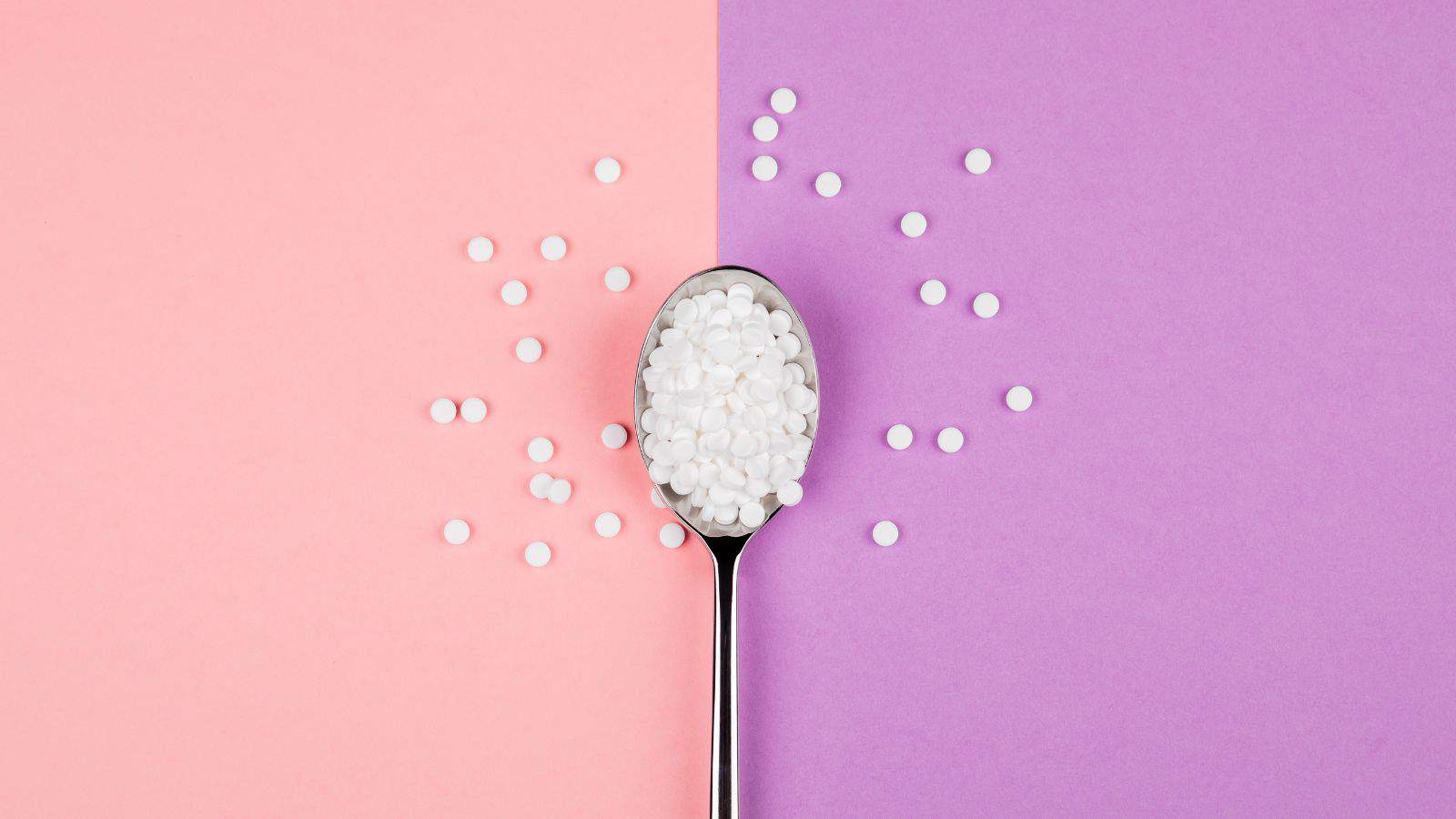
Artificial sweeteners, often used as a substitute for sugar in many "diet" foods and beverages, can disrupt the body's metabolic processes, especially after 50. These sweeteners can alter the gut microbiome, leading to digestive issues and a potential increase in cravings for sugary foods. Some studies suggest a link between artificial sweeteners and an increased risk of weight gain, insulin resistance, and metabolic syndrome. Additionally, they can contribute to mood swings and headaches. Reducing or eliminating artificial sweeteners from your diet can support gut health, help control weight, and reduce the risk of metabolic disorders.
Gluten

After 50, some people may develop gluten sensitivity or intolerance, leading to digestive discomfort, bloating, and even joint pain. As the digestive system changes with age, the body becomes less efficient at processing gluten, a protein found in wheat, barley, and rye. Gluten intolerance can contribute to inflammation, which can worsen conditions like arthritis. For those with celiac disease, consuming gluten can cause severe damage to the intestines and nutrient absorption issues. Avoiding gluten-containing foods or opting for gluten-free alternatives can help improve digestion, reduce inflammation, and promote overall health as you age.
Dairy
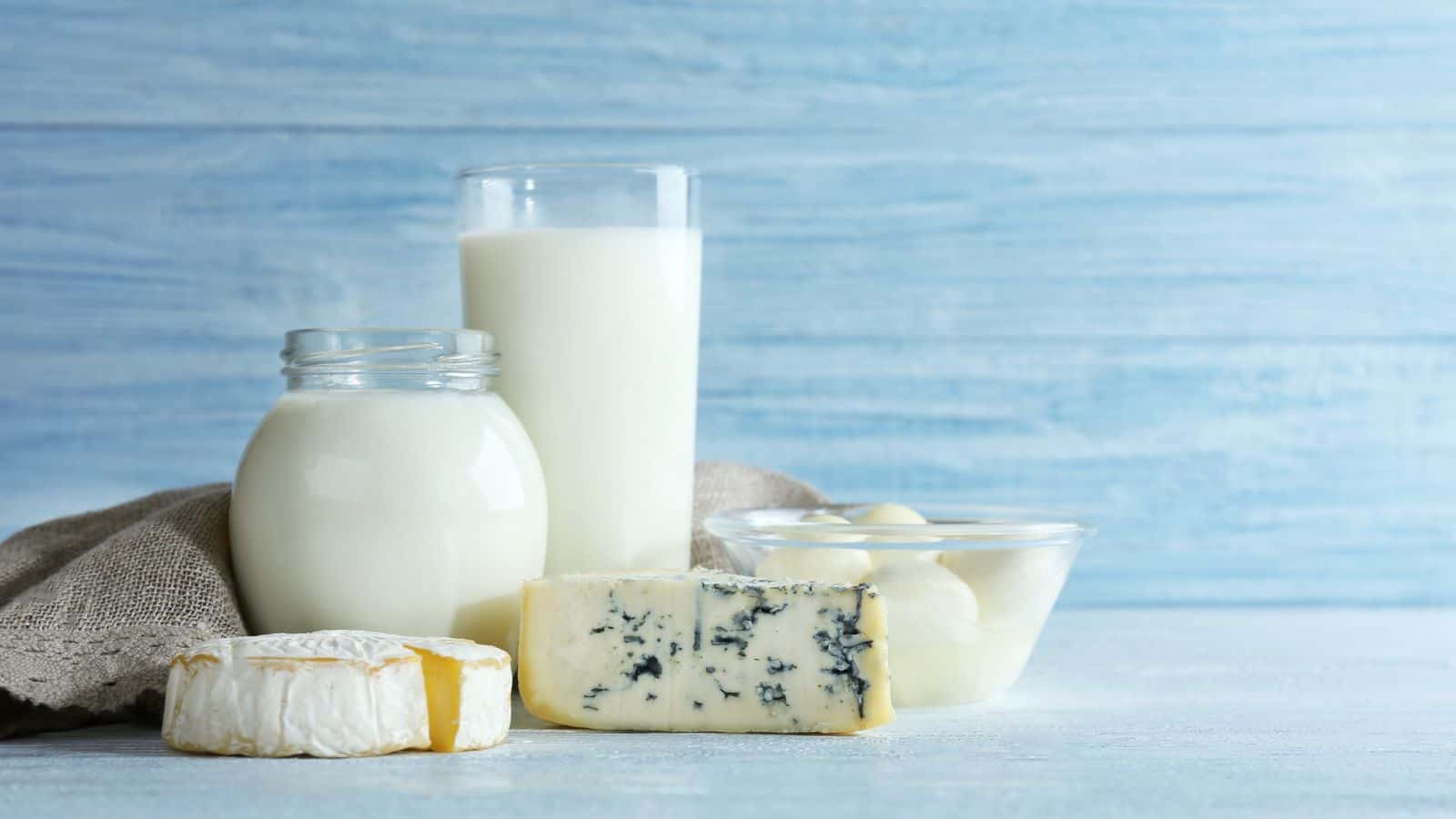
As the body ages, lactose intolerance becomes more common, leading to digestive issues such as bloating, gas, and diarrhea. Many individuals over 50 experience declining lactase production, the enzyme responsible for breaking down lactose. Additionally, dairy products can contribute to inflammation, which can exacerbate conditions like arthritis. Full-fat dairy products, in particular, are high in saturated fats, which can negatively affect heart health and contribute to weight gain. Switching to lactose-free or plant-based dairy alternatives can improve digestion, reduce inflammation, and support heart health as you age.
White Bread and Pasta

White bread and pasta, made from refined flour, can cause blood sugar spikes and weight gain after 50. As metabolism slows down with age, the body becomes less efficient at processing carbohydrates, leading to an increased risk of insulin resistance and type 2 diabetes. These foods are low in fiber, which is essential for healthy digestion, and can lead to constipation and other digestive issues. Additionally, consuming high amounts of refined carbs can increase inflammation and contribute to chronic conditions like heart disease. Choosing whole-grain alternatives helps maintain healthy blood sugar levels and promotes better digestive health.
High-Sugar Breakfast Cereals
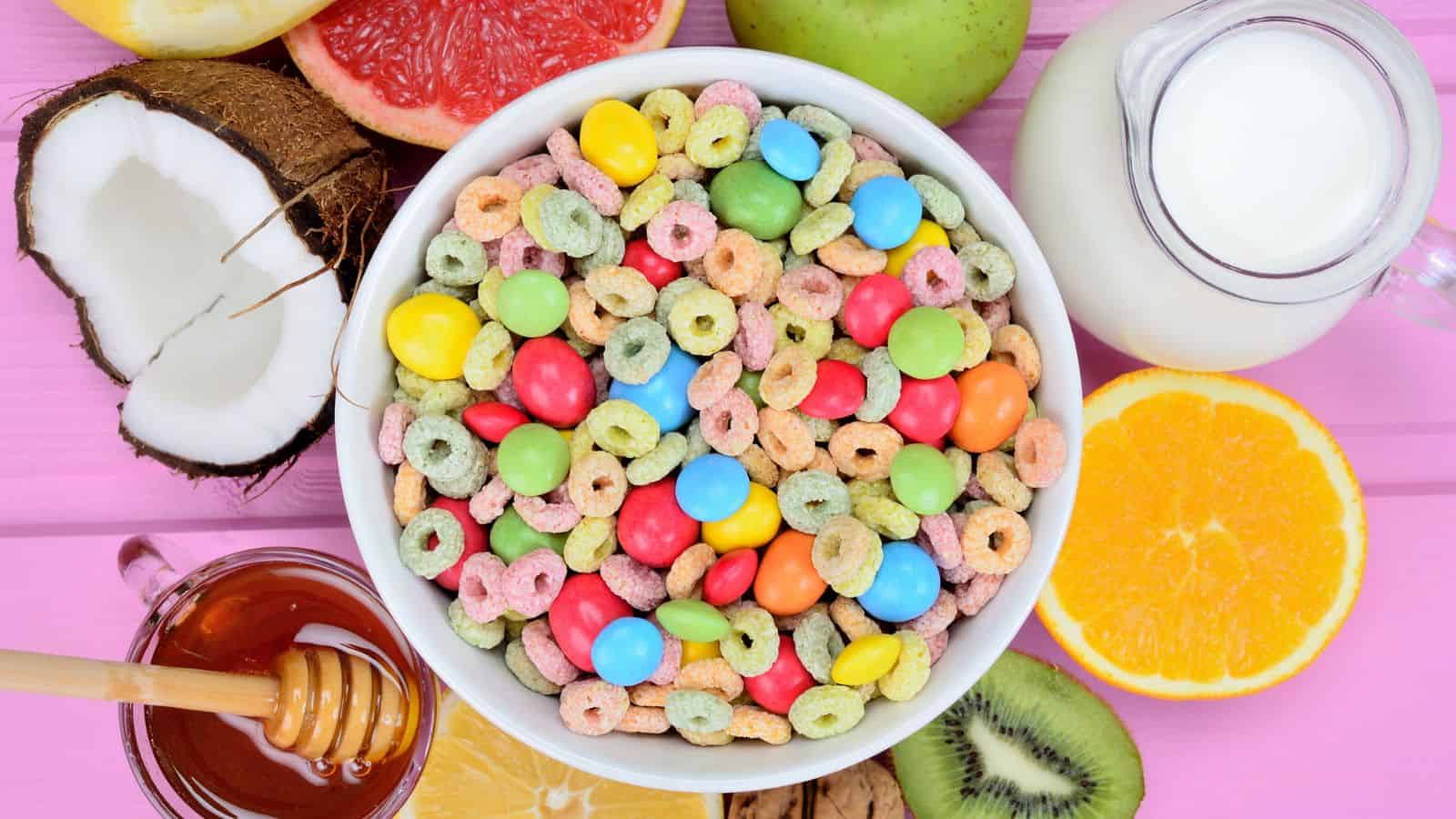
Many breakfast cereals, despite being marketed as healthy, are often high in refined sugars and low in fiber. This combination can cause rapid spikes in blood sugar, leading to energy crashes and hunger pangs soon after eating. Over time, high sugar consumption increases the risk of developing diabetes, heart disease, and weight gain, especially as the body's metabolism slows after 50. These cereals are often low in essential nutrients, making them an insufficient source of nutrition. Opting for whole grains and cereals low in sugar helps maintain balanced blood sugar levels, steady energy, and long-term health.
Trans Fats

Trans fats, commonly found in many processed foods, margarine, and baked goods, can raise unhealthy cholesterol levels while lowering beneficial cholesterol. This imbalance increases the risk of heart disease, stroke, and other cardiovascular problems. After 50, the body becomes more vulnerable to the harmful effects of trans fats, as metabolic changes make it harder to process these fats. Trans fats also contribute to inflammation, which can worsen arthritis and other chronic conditions. Avoiding trans fats by choosing whole, natural foods and healthy fats like olive oil helps protect heart health and reduces the risk of inflammatory diseases.
Soda

Soda, both regular and diet, poses significant risks to health after 50. Regular soda is high in refined sugars, which can lead to weight gain, increased blood sugar levels, and a higher risk of type 2 diabetes. Diet soda, although sugar-free, contains artificial sweeteners that may disrupt the gut microbiome and lead to cravings for sweet foods. Soda can also contribute to dehydration and negatively affect bone health by leaching calcium from the body. Reducing soda intake and opting for water, herbal teas, or naturally flavored beverages helps maintain hydration, support bone health, and regulate blood sugar.
Margarine

Margarine, often touted as a healthier alternative to butter, can be problematic due to its content of trans fats and hydrogenated oils. These unhealthy fats can raise levels of LDL (bad) cholesterol while lowering HDL (good) cholesterol, increasing the risk of heart disease. After 50, the body is more sensitive to the harmful effects of these fats, which can contribute to inflammation and other cardiovascular problems. Replacing margarine with healthier fats like avocado, olive oil, or nut butters can improve heart health, reduce inflammation, and offer better nutritional value, especially as metabolism slows with age.
Canned Foods
Canned foods, while convenient and long-lasting, are often high in sodium, preservatives, and artificial additives. Excessive salt consumption can elevate blood pressure, leading to increased risks of heart disease and kidney damage, especially after 50. The body's ability to regulate sodium declines with age, making it crucial to monitor salt intake more closely. Additionally, some cans are lined with chemicals like BPA, which can disrupt hormone balance. Reducing reliance on canned foods and choosing fresh or frozen alternatives helps minimize sodium intake, reduce the risk of chronic diseases, and support overall health.
Sugary Snacks and Desserts

Sugary snacks and desserts, like candies, cakes, and pastries, can significantly impact health after 50. These foods are packed with refined sugars and unhealthy fats, which can contribute to weight gain, insulin resistance, and an increased risk of type 2 diabetes. The body's ability to process sugar diminishes with age, making it harder to maintain stable blood sugar levels. Additionally, sugary snacks can lead to inflammation, which exacerbates conditions like arthritis. Choosing healthier alternatives, such as fruit, nuts, or dark chocolate, helps control sugar intake, stabilize blood sugar, and support long-term health as you age.
11 Drinks You Should Be Drinking Less If You Want to Live Longer

Healthier drinks to live longer! Knowing which drinks to limit can improve our overall wellness. For example, sugary sodas and too much alcohol can cause weight gain and other health problems. Energy drinks, often high in caffeine and sugar, can harm heart health. Understanding the effects of these beverages helps us make better choices.
Read More Here: 11 Drinks You Should Be Drinking Less If You Want to Live Longer
11 Harmful Drinks Health Experts Want You to Avoid

See your favorites in this list? Ever wonder why some drinks might not be as good for you as they seem? Just because a beverage looks healthy or claims to be "natural" doesn't mean it's actually good for your body. Think about it - many popular drinks are packed with ingredients you probably can't even pronounce, not to mention tons of hidden sugar that can mess with your health over time.
Read More Here: 11 Harmful Drinks Health Experts Want You to Avoid




Comments
No Comments