
There's more to German drinking culture than just Oktoberfest and giant beer mugs. Across cities and countryside, drinks are woven into daily rituals and seasonal traditions. From crisp regional beers and herbal digestifs to non-alcoholic favorites like Apfelschorle and malt-based Kinderbier, each sip tells a story about place, habit, and heritage. These 17 German beverages that define the country's drinking culture give a glimpse into how people connect-at dinner tables, in cafés, and at bustling markets throughout the year.
Many of these drinks are rooted in centuries-old customs, while others reflect modern rhythms of life. You'll find winter punches steeped with spices, bright summer spritzes shared outdoors, and homemade syrups that have long been part of family routines. It's not just about alcohol-it's about what's shared, when, and why. Whether it's a casual Radler after a bike ride or a glass of Jägertee after skiing, there's often a drink that fits the moment.
So if you're curious about what really gets poured beyond the tourist stops, take a closer look at these everyday staples and time-honored classics. There's a reason they've stuck around.
Pilsner (Pils)
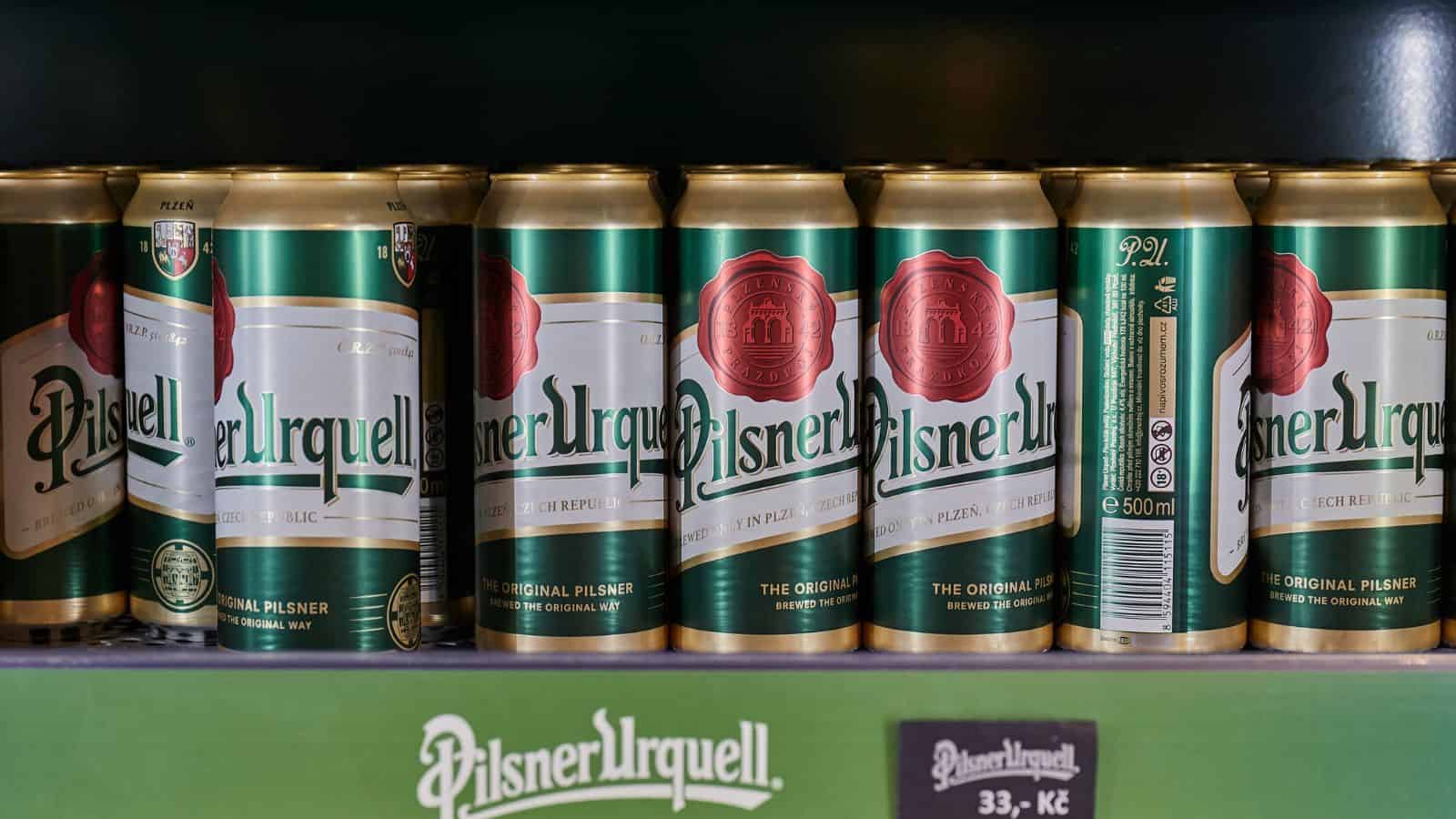
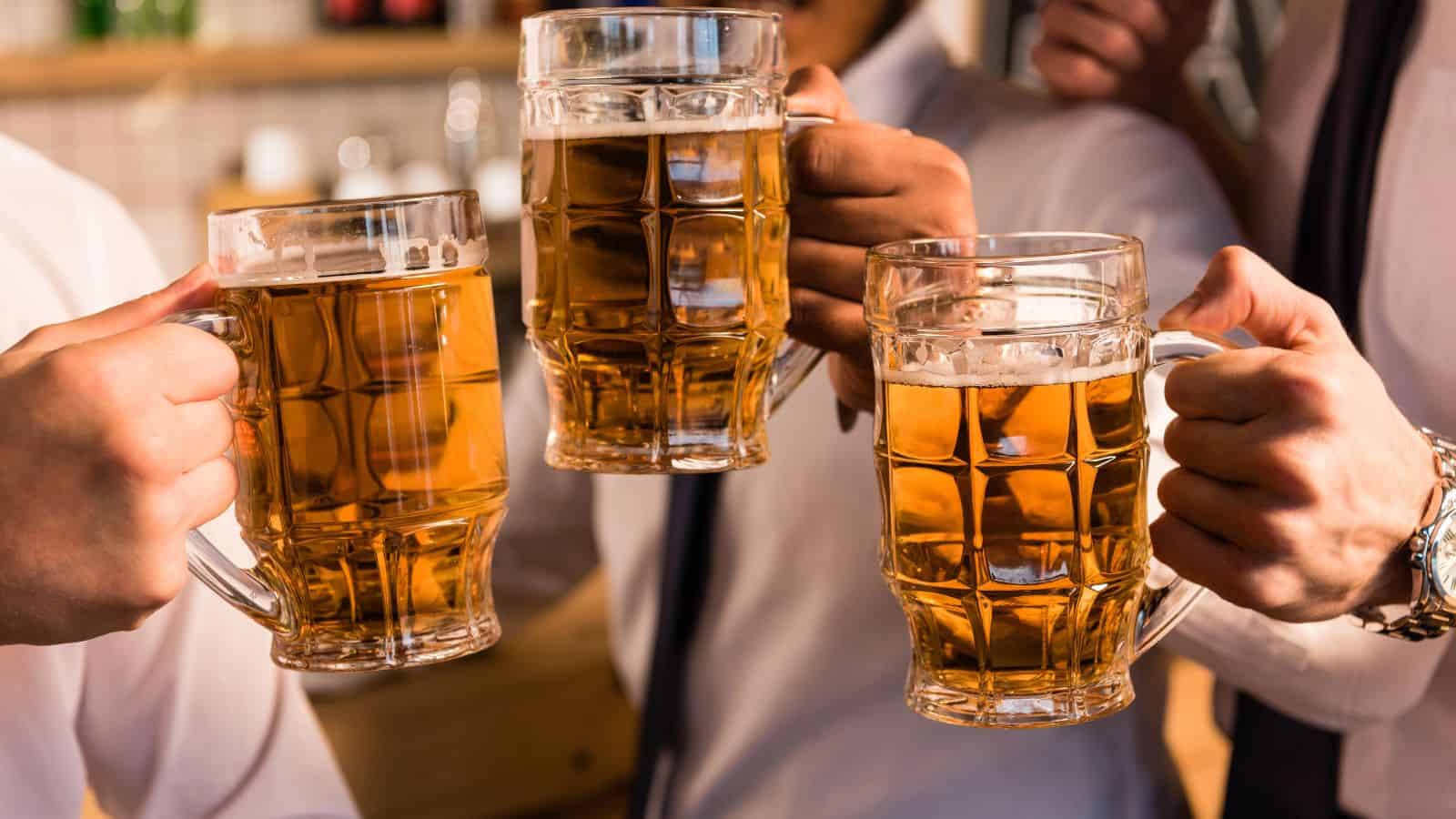
Pilsner is Germany's most consumed beer style, known for its crisp, dry profile and noticeable hop bitterness. It's pale in color, clean on the palate, and often served with a dense head of foam in tall, narrow glasses. Originally from the Czech city of Plzeň, this style found a stronghold in northern Germany and beyond. German versions tend to be slightly more hop-forward than Czech ones, with notes of grass or herbs. Pilsner is often part of everyday life-consumed at gatherings, beer gardens, and regular outings, where it's appreciated for its straightforward, refreshing character and relatively low alcohol content.
Weißbier / Hefeweizen
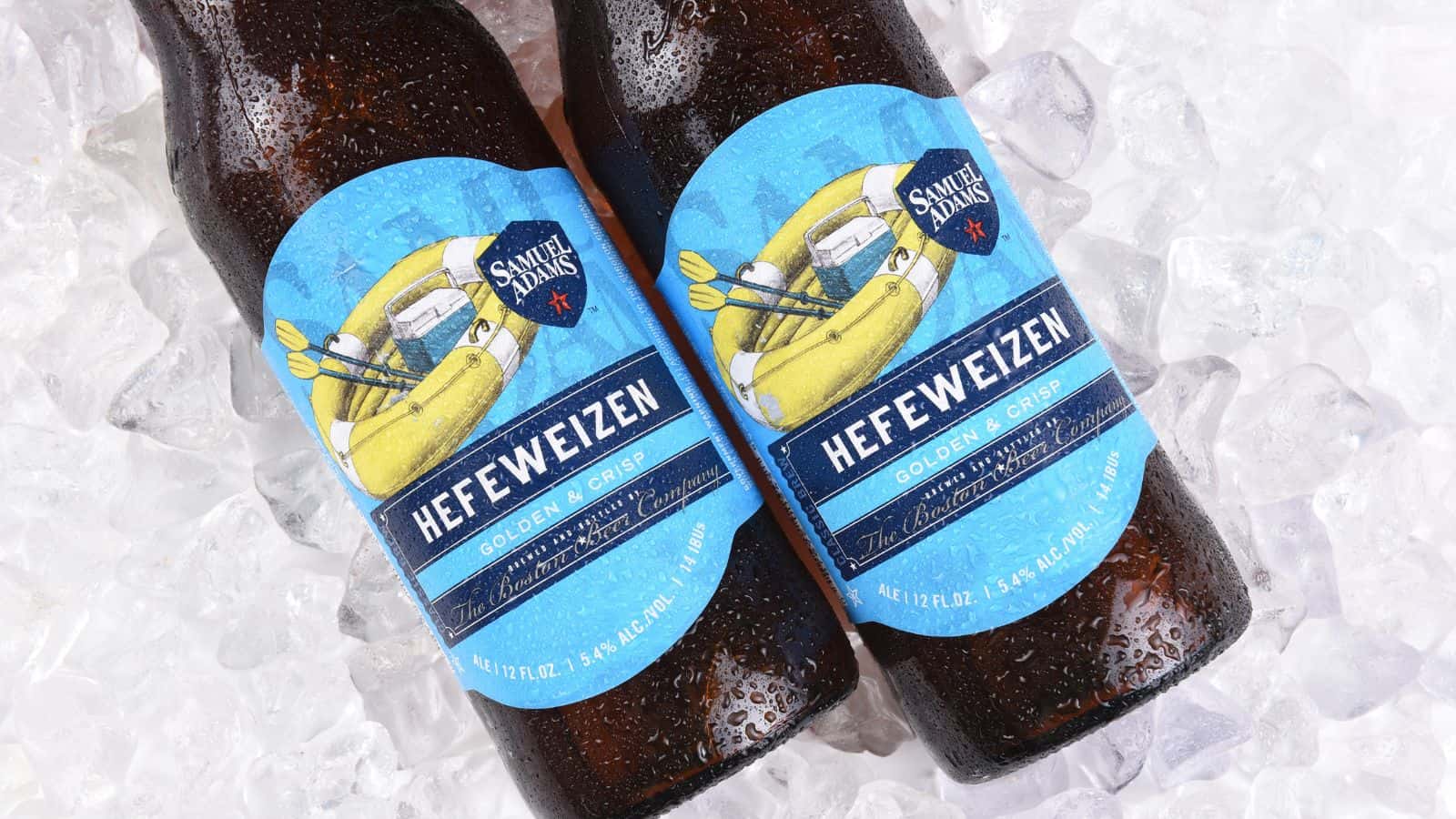
Weißbier, especially the unfiltered version known as Hefeweizen, is a wheat-based beer rooted in Bavarian tradition. It's cloudy, light amber in appearance, and pours with a thick, creamy head. The high wheat content gives it a smooth texture, while the use of top-fermenting yeast creates signature notes of banana and clove. It's often served in tall, curved glasses that showcase its haze and frothy cap. This style pairs with many regional dishes and is often chosen during outdoor lunches or early evenings. Despite its centuries-old origin, Weißbier maintains its popularity across age groups, especially in southern Germany.
Kölsch
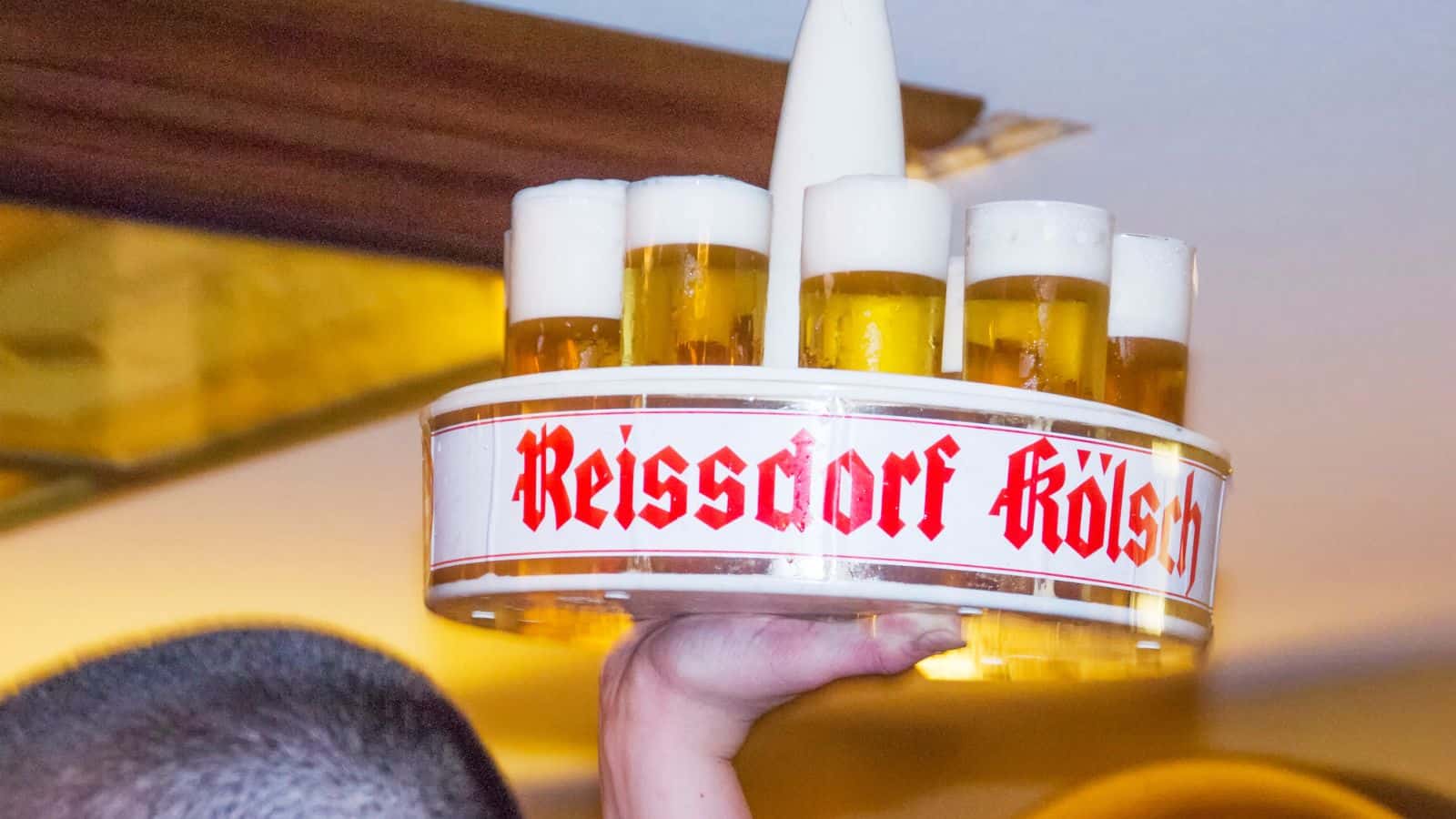
Brewed exclusively in Cologne and protected by a regional designation, Kölsch is a pale, top-fermented beer characterized by its subtle fruitiness and crisp finish. It's served in small, cylindrical 200ml glasses called "Stangen," which encourage quick refills and keep the beer fresh. Despite its light body, Kölsch has character, balancing gentle malt sweetness with a faint herbal hop aroma. It's traditionally poured straight from wooden barrels in Cologne's beer halls, where servers-called Köbes-refill glasses automatically until a coaster is placed atop the glass. This beer reflects the communal atmosphere of Rhineland drinking culture, encouraging conversation and continuous rounds among friends.
Altbier
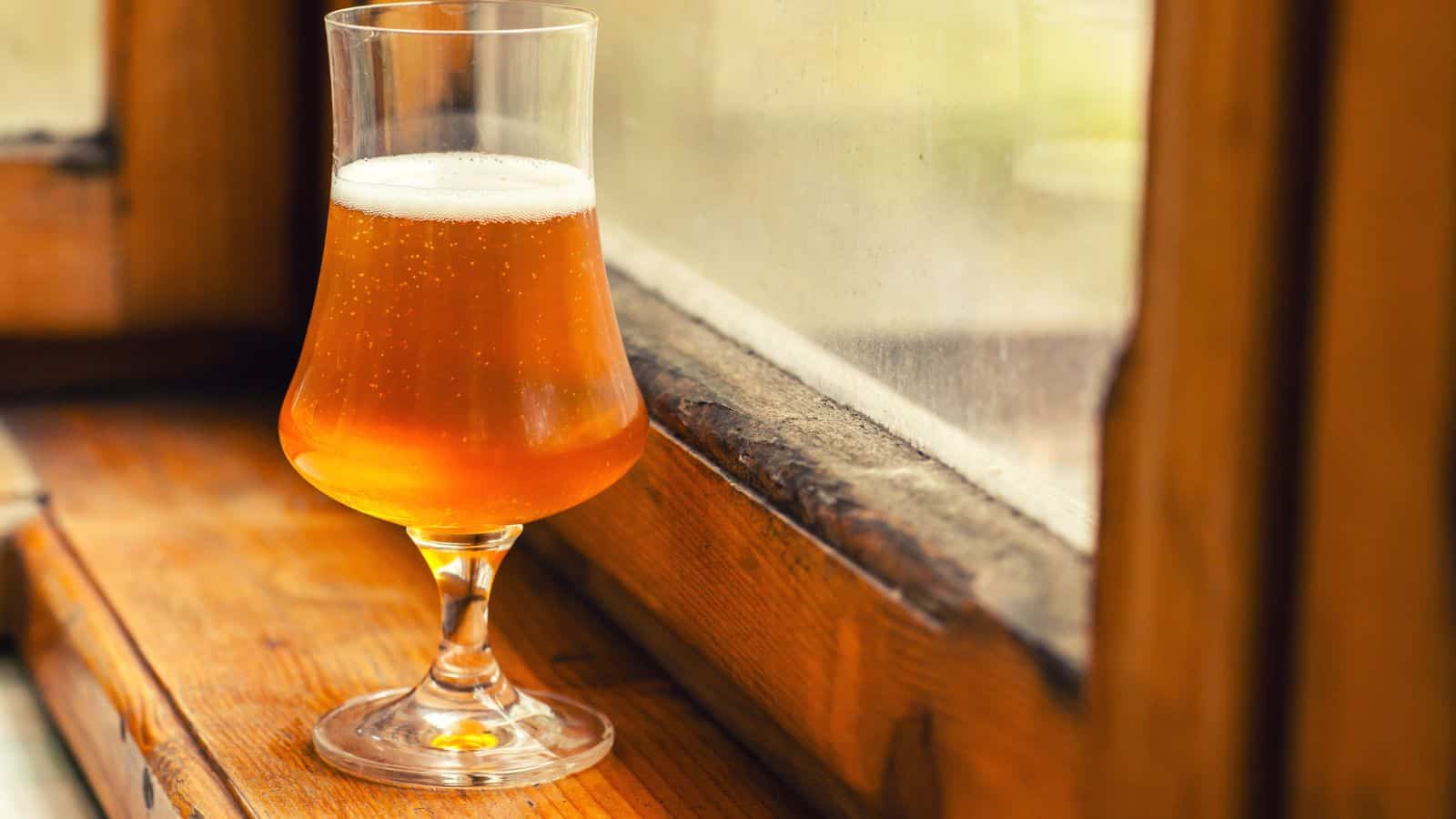
Altbier, which means "old beer," is a dark, top-fermented style brewed mainly in Düsseldorf. It predates the lagers that dominate the German market today and utilizes ale yeast at cooler temperatures, resulting in a clean finish with ale-style depth. It's amber to dark brown in color, with roasted malt flavors and a balanced bitterness. Altbier is traditionally served in short, straight 200ml glasses and enjoyed in dedicated "Altbier pubs" that still brew their own batches. The drink has a strong local following and is regarded as an integral part of Düsseldorf's cultural identity, closely tied to its historical brewing traditions and social customs.
Berliner Weisse
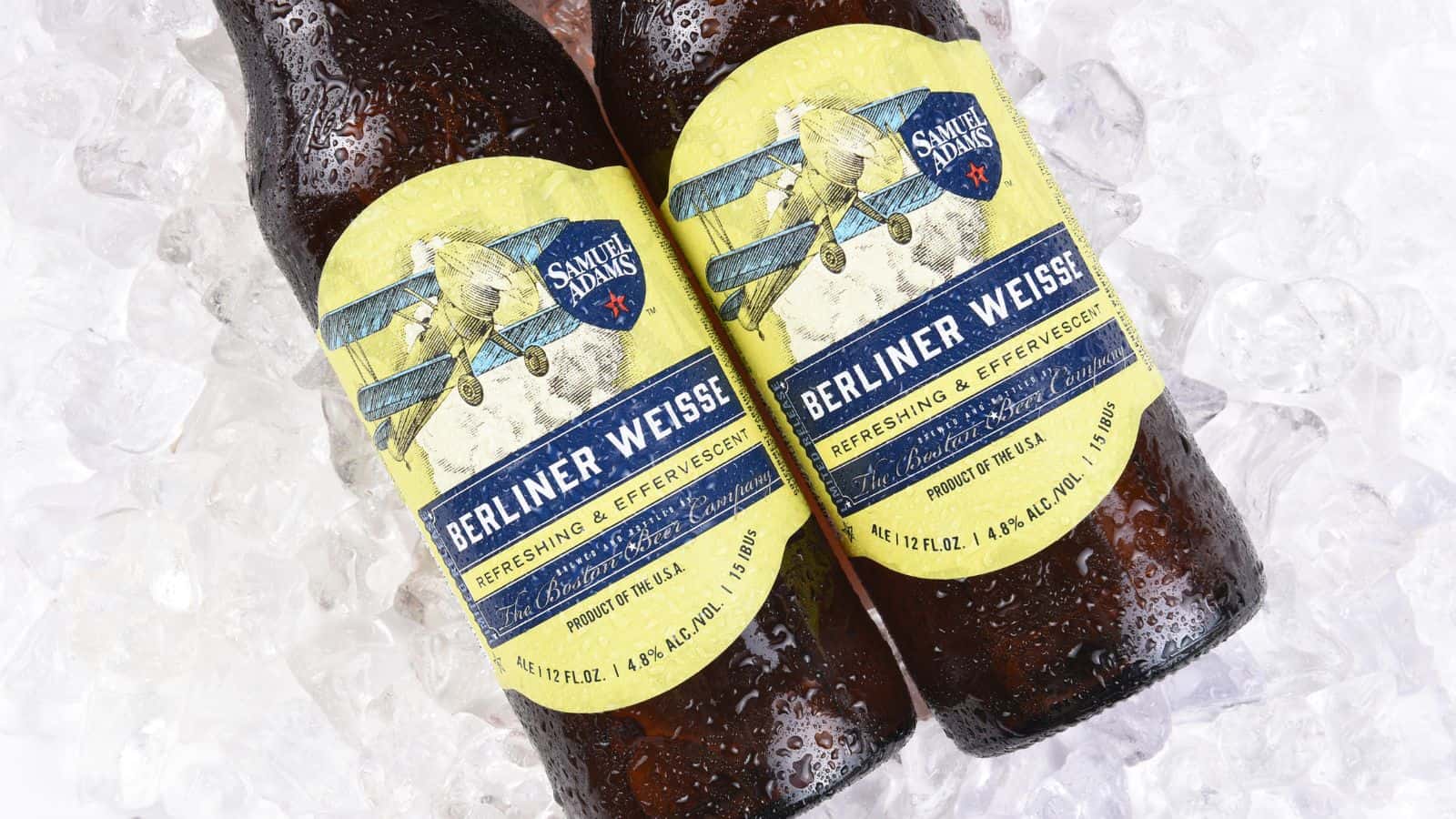
Berliner Weisse is a tart, low-alcohol wheat beer with a sharp, lemony acidity. It originated in Berlin and gained popularity in the 19th century, earning it the nickname "Champagne of the North." Naturally effervescent and cloudy, it's often served in wide-rimmed, bowl-shaped glasses. Modern drinkers usually add a shot of raspberry (rot) or woodruff (grün) syrup to balance the sourness with sweetness and color. The result is a vibrant, slightly funky drink with low bitterness and high refreshment value. Though it fell out of mainstream popularity for a time, Berliner Weisse has seen a resurgence through craft and small-batch brewing.
Bock / Doppelbock
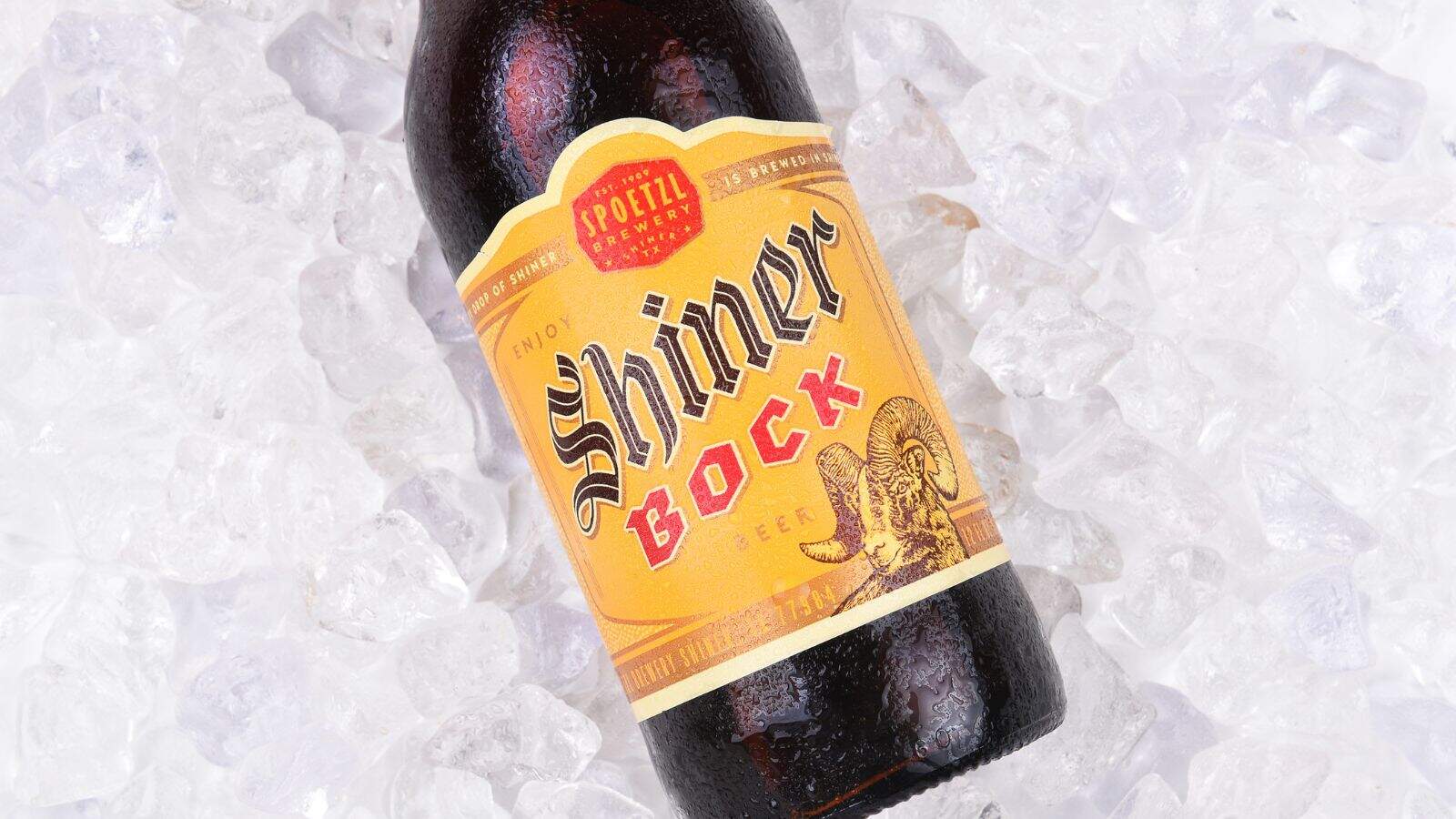
Bock beers are strong lagers with roots in the town of Einbeck, later adopted and adapted by Bavarian brewers. These beers are characterized by their rich malt profile, deep amber to dark brown color, and higher alcohol content compared to standard lagers. Doppelbock, the stronger variant, was historically brewed by monks as "liquid bread" during fasting. With notes of toasted bread, caramel, and dark fruit, it's a seasonal favorite, especially during colder months and during Starkbierfest in Bavaria. Despite the strength, the smooth texture and low bitterness make it approachable. It's often served in smaller glasses for slow sipping.
Rauchbier
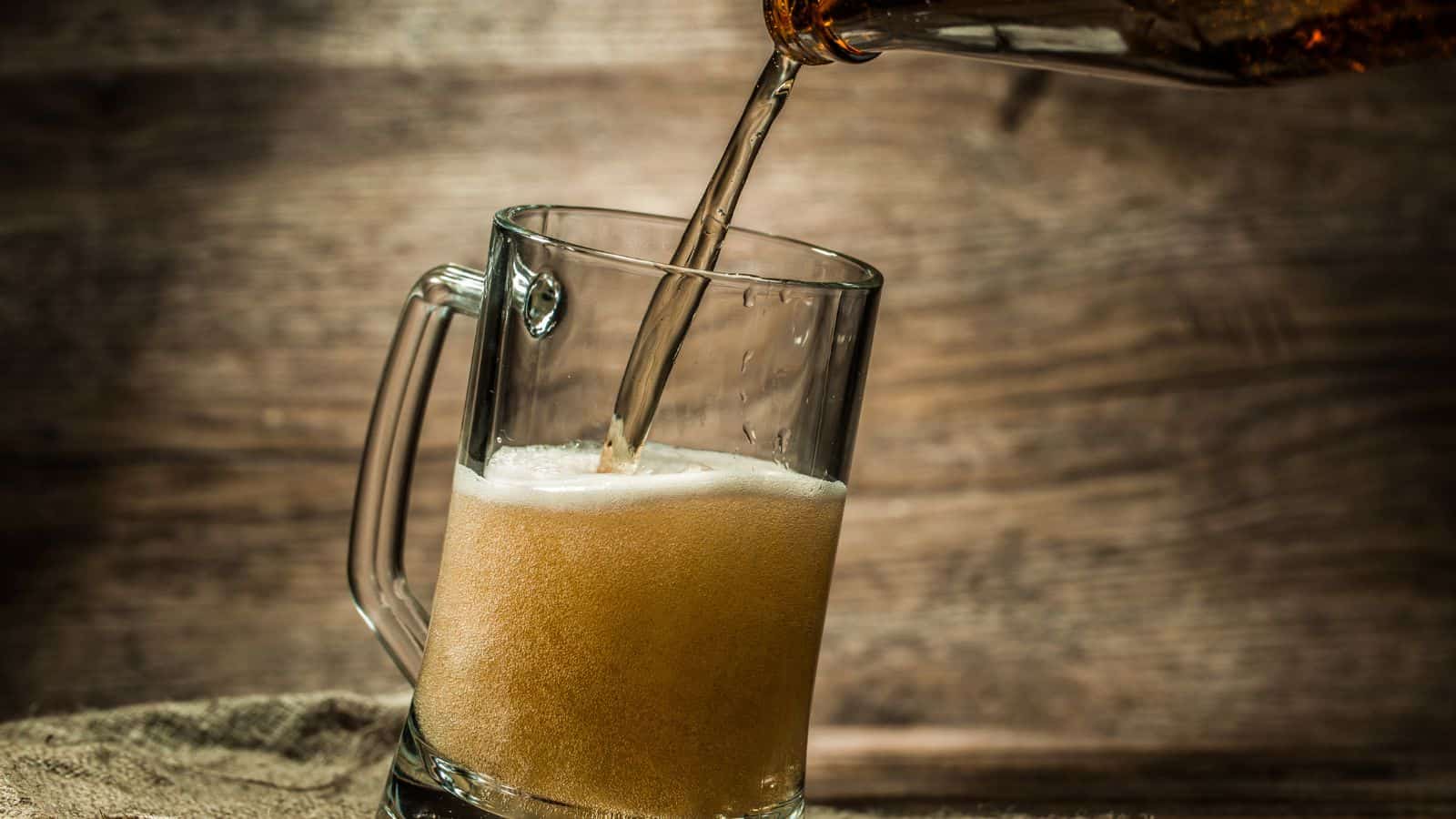
Rauchbier is a traditional beer from Bamberg, known for its distinct smoked character. The malt used is dried over open flames, which gives the beer an unmistakable aroma, reminiscent of smoked ham or campfire wood. Though the flavor can be divisive, it has a loyal following in Franconia and among those seeking historical brewing methods. Typically dark in color with a robust malt base, Rauchbier can vary in strength and intensity. It's commonly poured in large ceramic or glass mugs in Bamberg taverns, where it pairs with hearty dishes. Few beers are as tightly associated with a single place as this one.
Apfelwein (Ebbelwoi)
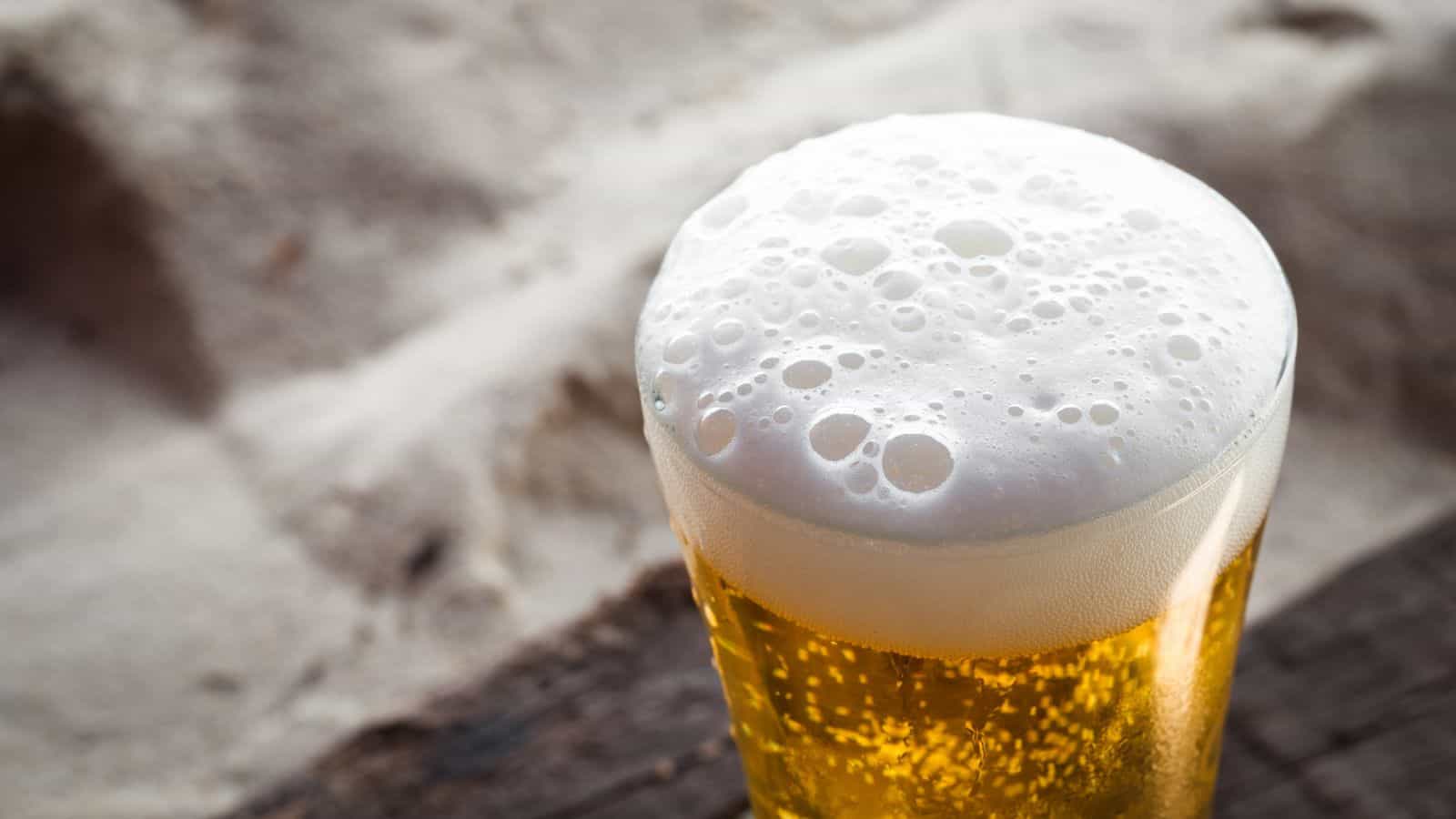
Apfelwein, or "Ebbelwoi" in the Hessian dialect, is a tart apple-based drink fermented similarly to dry cider. It's most commonly consumed in Frankfurt and surrounding areas, where it's served in a ribbed glass called a "Geripptes" and often poured from a patterned jug known as a "Bembel." The drink ranges from sharp and dry to slightly fruitier versions, sometimes diluted with sparkling water, a mix known as "Sauer gespritzt." It's central to local drinking customs and regional taverns, where it's shared in casual settings over traditional food. Apfelwein maintains strong roots in Hessian identity and rural production methods.
Schnaps
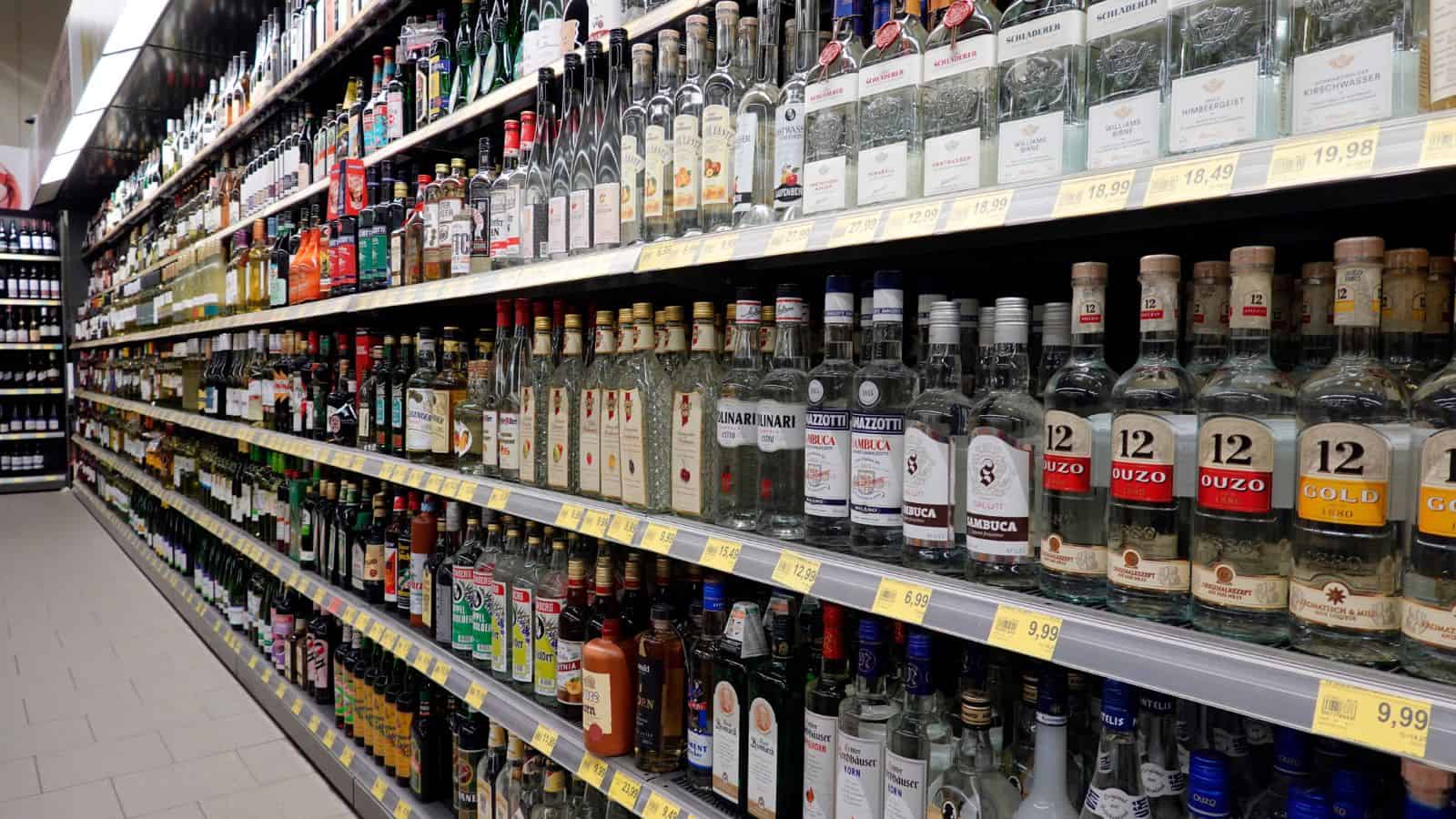
Schnaps in Germany generally refers to strong, distilled spirits, often made from fruits such as pears, plums, cherries, or apples. True German Schnaps is clear and unsweetened, with an alcohol content typically around 40%. It's usually consumed in small amounts after meals as a digestive. Unlike flavored liqueurs, authentic Schnaps is produced through fermentation and distillation rather than infusion, resulting in a cleaner, sharper finish. Regional producers, especially in the south near the Alps, take pride in traditional recipes and fruit varieties. It's not uncommon for families to distill their own Schnaps at home under tightly controlled licenses.
Jägermeister
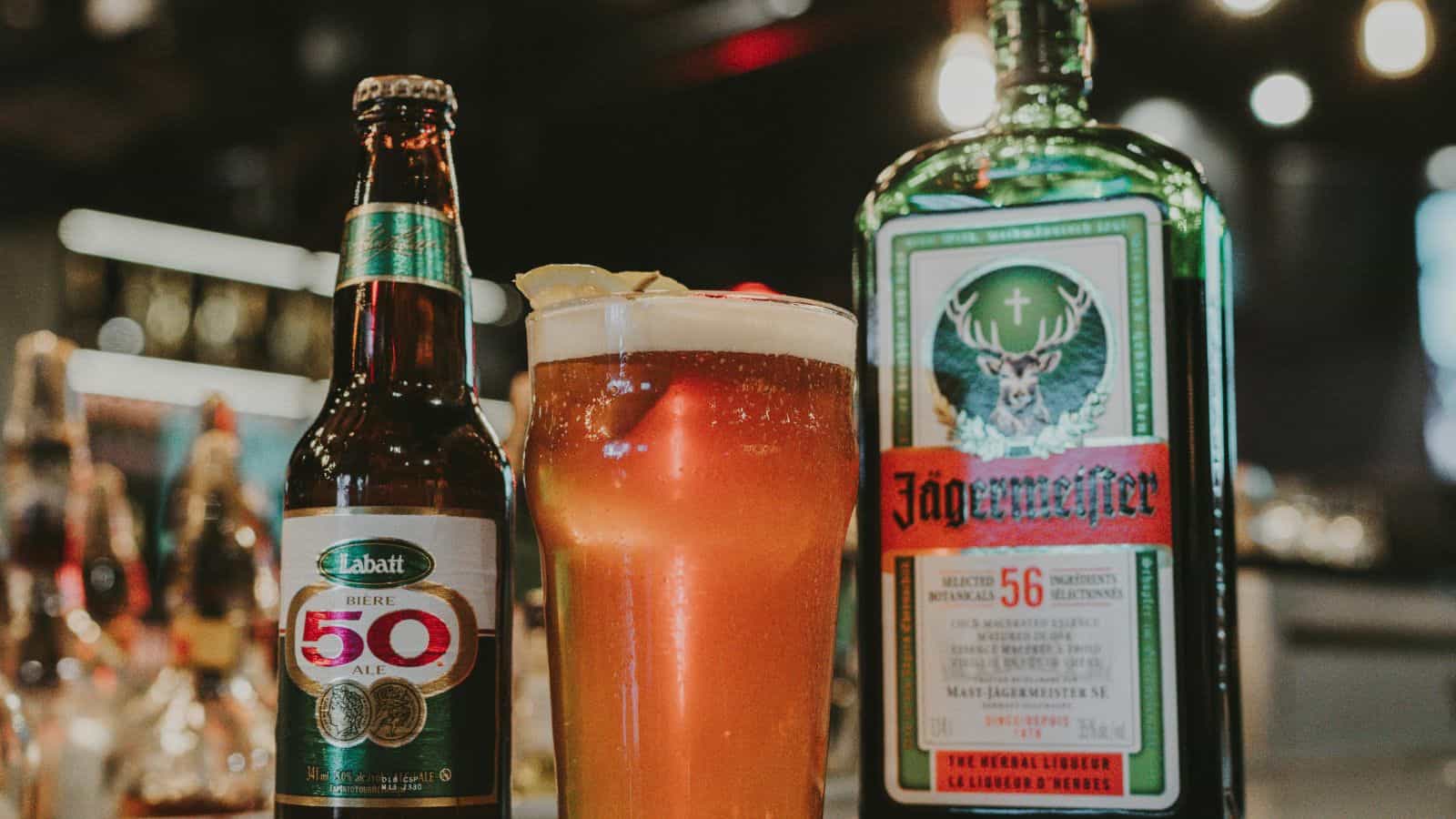
Jägermeister is a herbal liqueur created in 1934, known for its blend of 56 botanicals, including roots, herbs, citrus peel, and spices. It's deep brown in color, bittersweet, and often consumed ice-cold in shot form. Initially developed as a digestive aid, it gained global recognition in the late 20th century through its association with nightlife and rituals, such as the Jägerbomb. In Germany, it still holds its place as a traditional digestif, though younger generations often mix it or drink it socially. The exact recipe remains secret, and the branding-with its stag logo-has become instantly recognizable across many contexts.
Korn
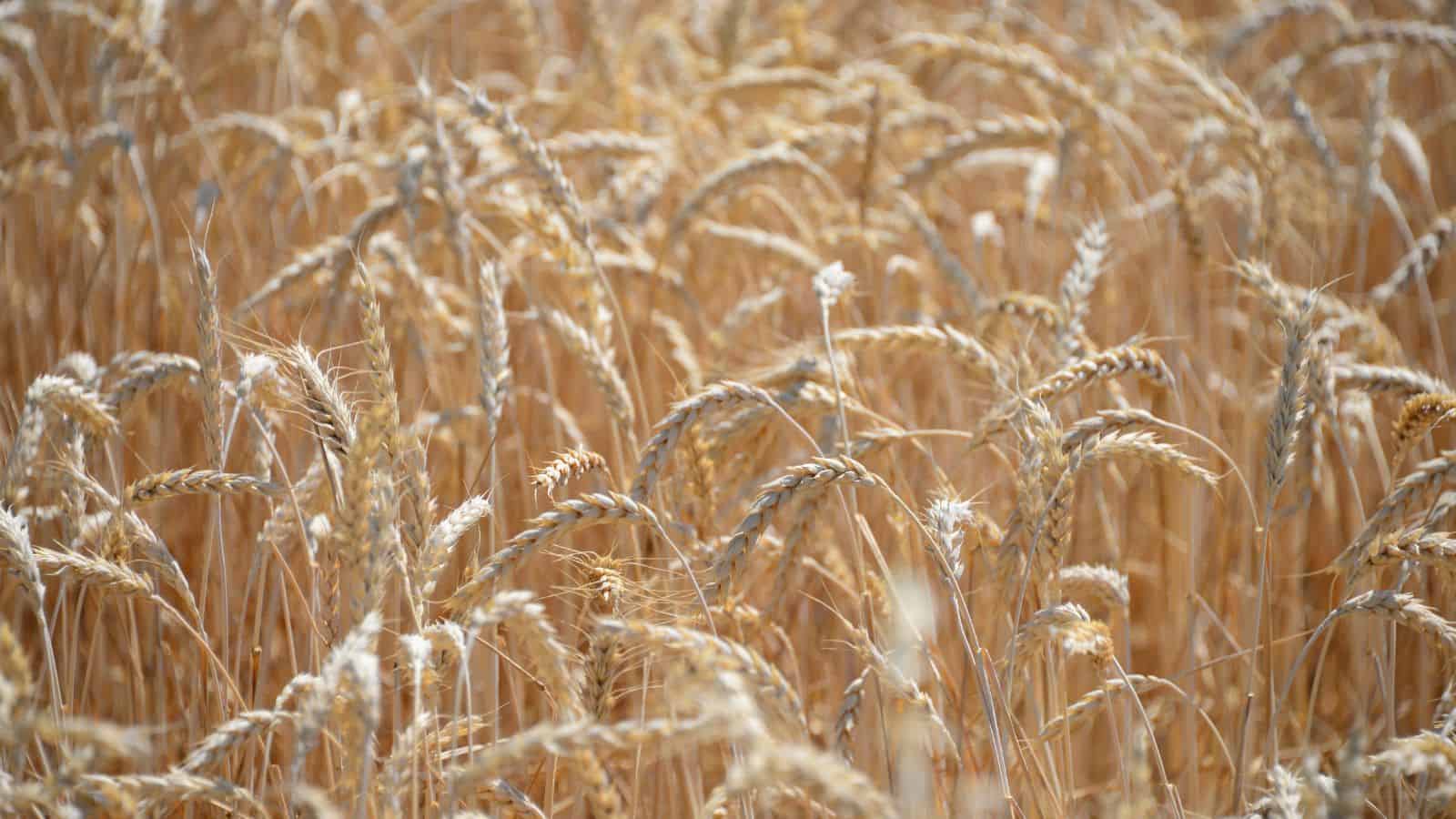
Korn is a clear, neutral grain spirit distilled primarily from rye, wheat, or barley. It has been produced in Germany for centuries, especially in the north and east, where it is often consumed neat in small glasses. Korn is less aromatic than fruit-based Schnaps, with a clean, dry taste that lends itself to both solo consumption and simple mixed drinks. It's sometimes seen as a working-class staple, often paired with a beer in a traditional "Herrengedeck." Despite its plain character, Korn carries historical significance and is still distilled by large producers as well as local operations, particularly in agricultural regions.
Glühwein
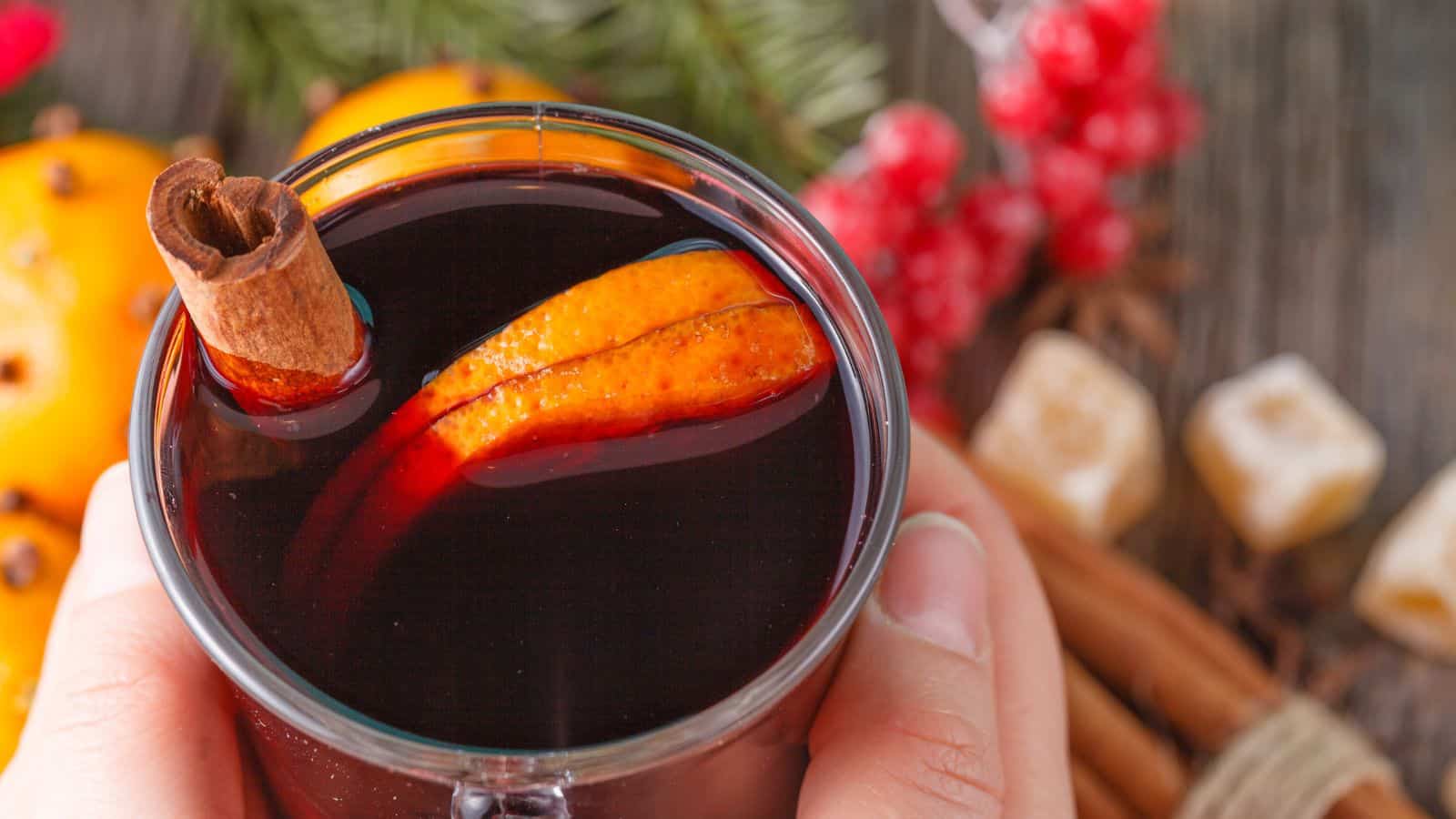
Glühwein is a hot spiced wine commonly served at Christmas markets across Germany. Typically made with red wine, it is gently heated with ingredients such as cinnamon, cloves, orange peel, and star anise. The drink has long been associated with winter festivities, where it is served in decorative mugs that vary by region or market. Some versions include a shot of rum or amaretto for added warmth. Though associated with holiday cheer, Glühwein also has deep seasonal roots, appearing in households during long, cold months. Each region and vendor has their own preferred spice mix, leading to subtle variations in flavor and aroma.
Spezi

Spezi is a popular soft drink in Germany made by combining cola with orange soda. It first appeared in the 1950s and quickly became a go-to refreshment, especially among younger drinkers. Commercial brands like Paulaner Spezi and Mezzo Mix have made it a staple, although many restaurants mix their own. The flavor strikes a balance between citrus tang and cola sweetness, with mild carbonation and a light texture. Spezi is often served chilled in tall glasses and pairs easily with casual meals. Despite its simplicity, it remains deeply rooted in German pop culture and everyday life.
Fassbrause

Fassbrause originated in Berlin in the early 20th century as an alcohol-free alternative to beer. Traditionally brewed using malt extract, fruit flavorings (often apple or lemon), and spices, it was created to resemble the appearance and taste of beer without the alcohol content. While early versions were uncarbonated and barrel-aged, modern variants are bottled soft drinks, some of which may contain a trace of alcohol. Fassbrause is popular among those avoiding alcohol or looking for a light refreshment. Today, it comes in multiple flavors and is marketed to both kids and adults. It's frequently served cold in casual or family settings.
Malzbier
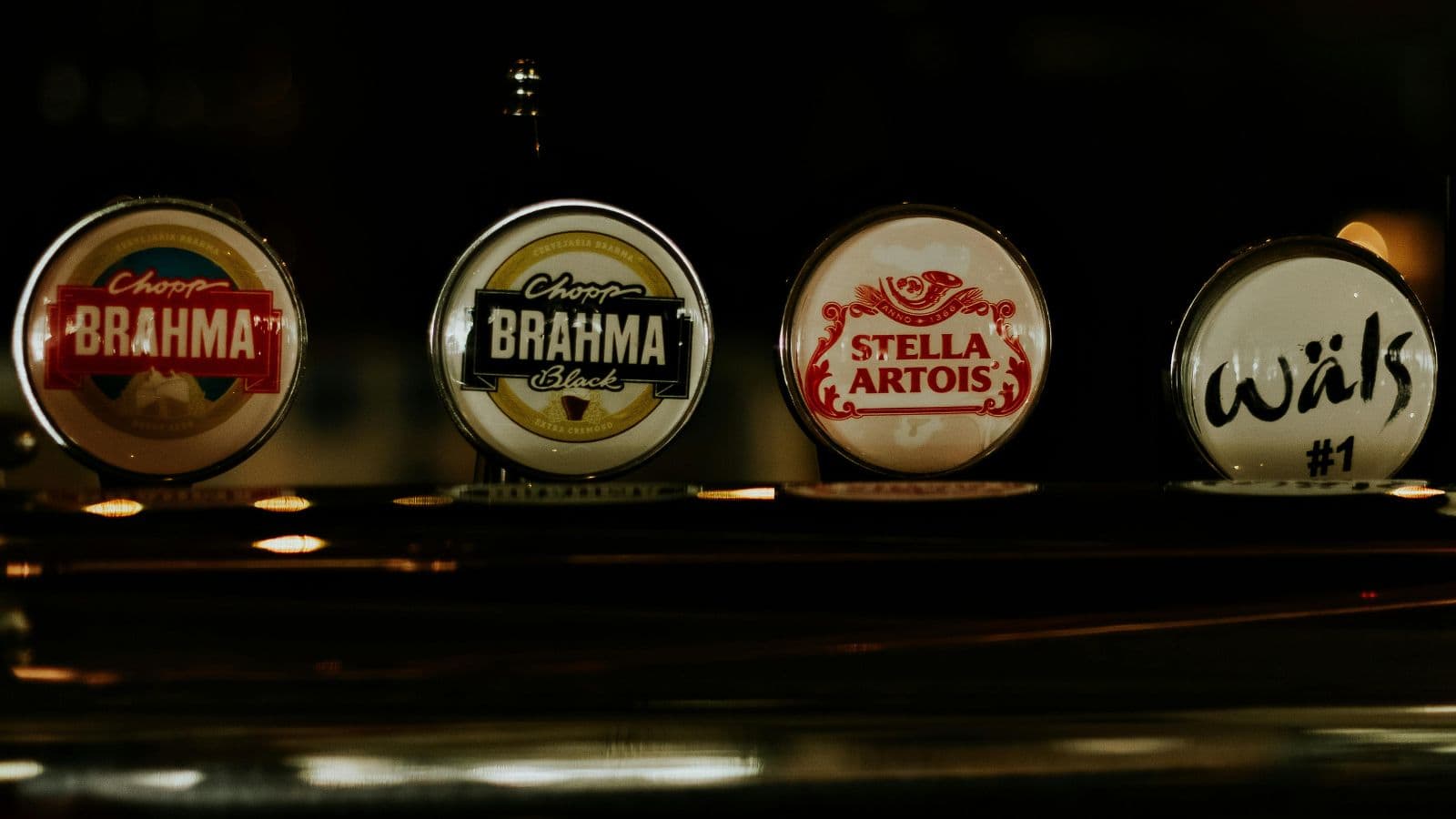
Despite its name, Malzbier isn't a traditional beer but a malt-based soft drink brewed similarly to beer, then halted before full fermentation. It's sweet, dark, and non-alcoholic or extremely low in alcohol. The drink features a caramel-like flavor with subtle roasted notes and a thick texture. Often consumed by children, pregnant individuals, or anyone avoiding alcohol, Malzbier is also promoted for its perceived nutritional value. It's widely available in bottles and occasionally served on draft at casual events. While not as common as other drinks on this list, it holds nostalgic value for many and remains a niche favorite.
Apfelschorle
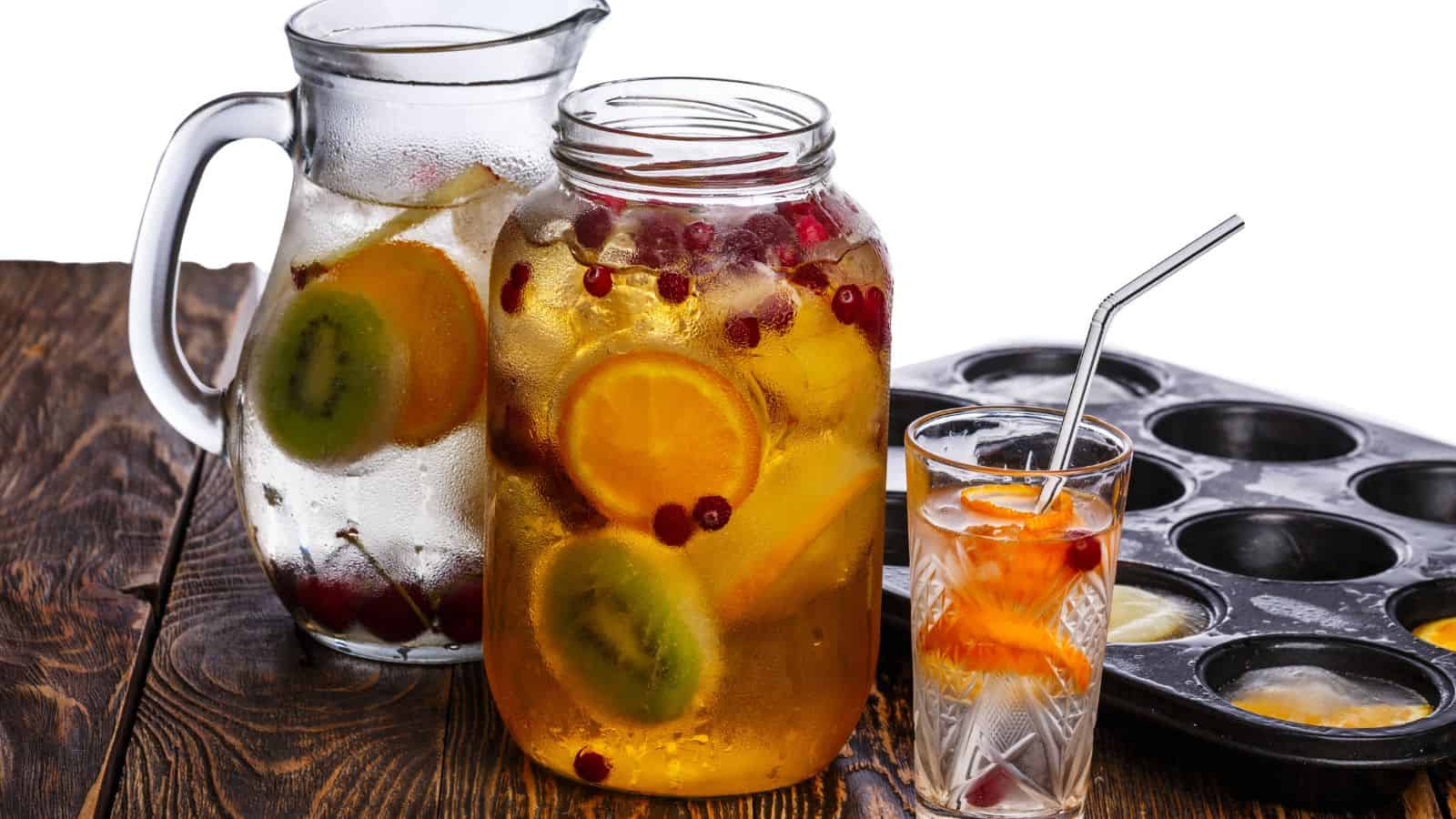
Apfelschorle is a widely consumed mix of apple juice and sparkling water, prized for its refreshing quality and moderate sweetness. It's often found in homes, restaurants, school cafeterias, and even vending machines. Because it's less sugary than straight juice and more hydrating, many Germans consider it a practical daily drink-especially during sports or warm weather. The ratio of juice to water can vary, with some preferring it stronger, others more diluted. Unlike many commercial sodas, Apfelschorle isn't heavily flavored or colored. It's a staple in German hydration habits and often one of the first drinks served to children.
Club-Mate
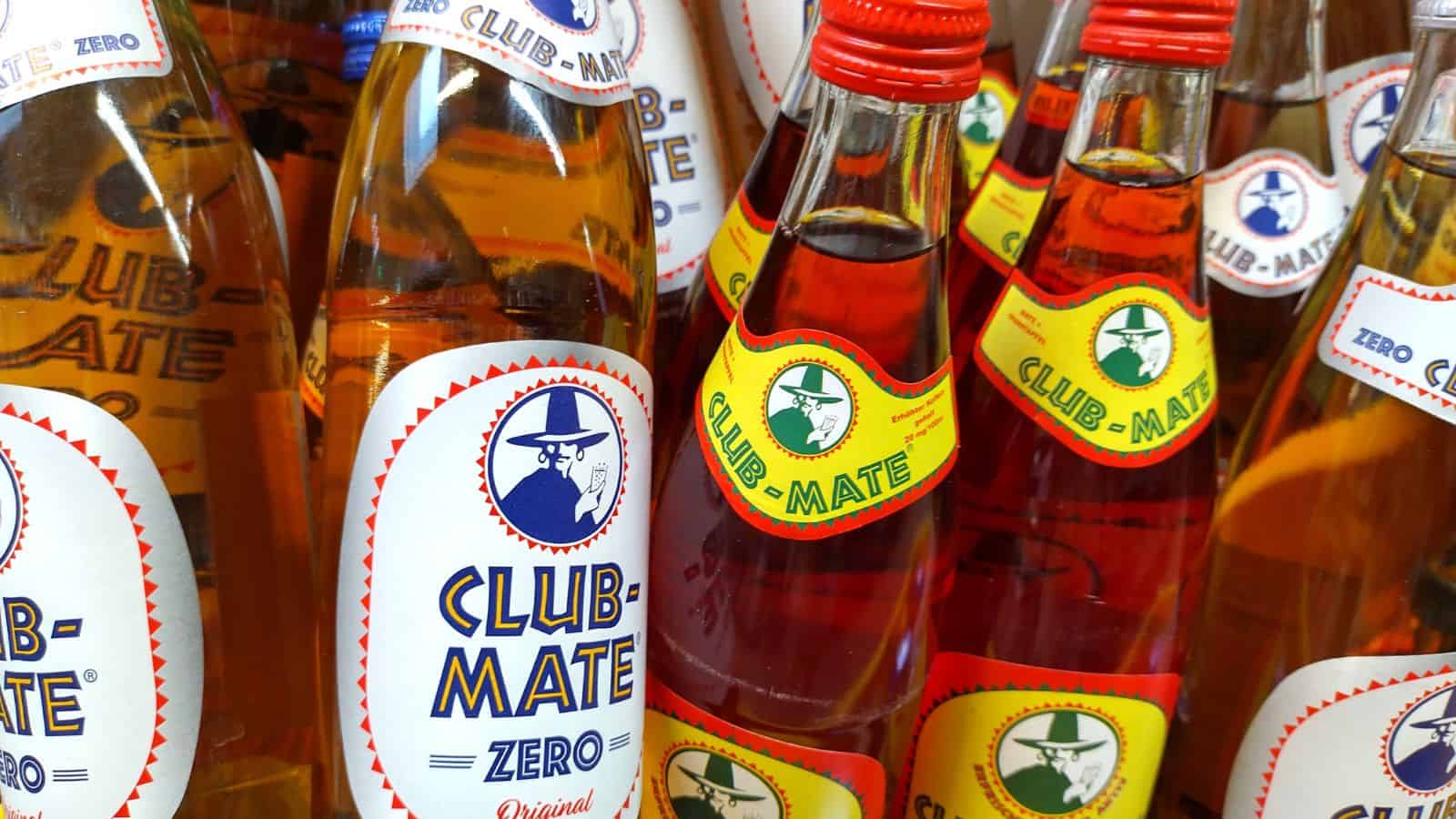
Club-Mate is a carbonated beverage brewed from yerba mate extract, known for its high caffeine content and herbal taste. Originally developed in Bavaria, it gained cult status in tech, hacker, and nightlife communities for its long-lasting energy boost without the heavy sweetness of most sodas. The drink has a slightly bitter, earthy profile, sometimes described as medicinal or tea-like. While polarizing in flavor, it's appreciated for its functional use and alternative character. Club-Mate is commonly consumed straight from the bottle or mixed with alcohol in party settings. It's now a recognizable icon in Germany's alternative and digital subcultures.
A Toast to Everyday Traditions

German drinks go far beyond what's poured during festivals. They're part of birthdays, quiet mornings, reunions with old friends, and long train rides across the countryside. Each one-whether fizzy, spiced, herbal, or brewed-carries a sense of time and place that's hard to replicate. It's not just about what's in the glass, but when it's shared and why.
From generation to generation, these drinks have held their ground, adapting just enough to stay relevant while keeping their roots intact. Whether you're planning a trip, exploring your heritage, or just curious to try something new, there's something here worth clinking glasses over. So go ahead-try one, or all seventeen. Just don't forget the most important part of German drinking culture: raising your glass and saying, "Zum Wohl!"
15 Overlooked Beers That Beat the Mainstream Favorites

Want to discover more beer options? When it comes to beer, many people stick to mainstream favorites, but there are 15 overlooked beers that beat these. These hidden gems often offer unique flavors and styles that can surprise even the most seasoned beer enthusiasts. While popular brands dominate the shelves, a world of craft and regional brews awaits discovery.
Read More Here: 15 Overlooked Beers That Beat the Mainstream Favorites
19 Essential Beer Types Every Drinker Should Recognize

How many do you know? Understanding different beer styles can greatly enhance the drinking experience, and there are 19 essential beer types every drinker should recognize. Each type has its own unique characteristics, flavors, and brewing methods that contribute to the vast world of beer. Being familiar with these styles can help individuals make informed choices when selecting a brew, from light lagers to rich stouts.
Read More Here: 19 Essential Beer Types Every Drinker Should Recognize


Comments
No Comments