
Before craft breweries and hazy IPAs took over the shelves, beer in the '90s was all about brand loyalty, bright labels, and whatever was cold in the cooler. These 17 nostalgic brews that dominated every '90s party were the go-to choices for backyard barbecues, basement hangouts, and college dorm celebrations. Some were light, some were bold, but all were easy to find and even easier to pass around.
Whether it was the first sip at a house party or the six-pack grabbed on the way to a friend's place, these beers earned their spot in '90s pop culture. They weren't just drinks-they were part of the soundtrack. And while some have faded into memory, others are still around, holding strong decades later.
Ready for a throwback that tastes like Friday night? These are the brews that made the party, and still have the power to bring it all rushing back.
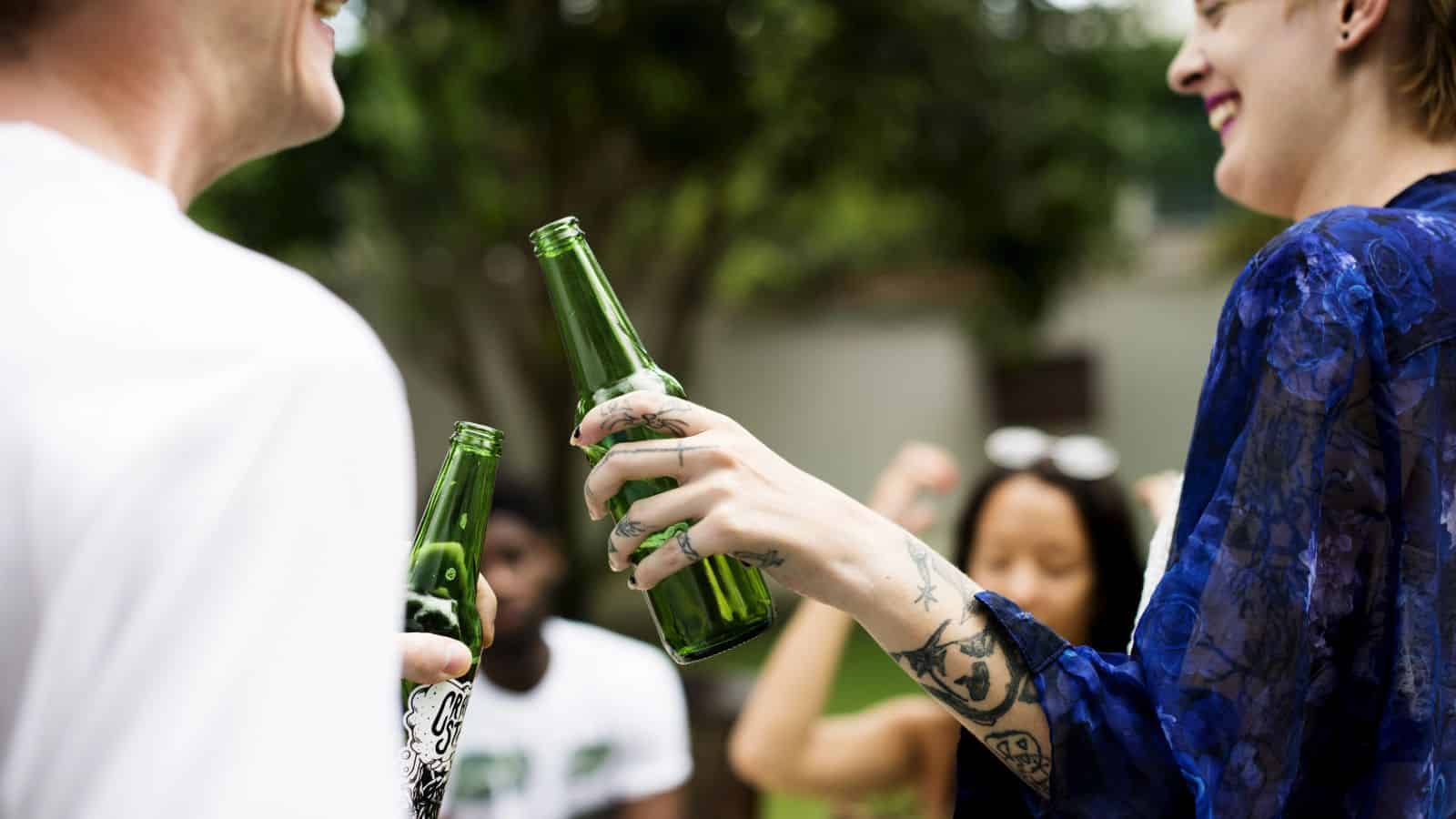
Bud Light
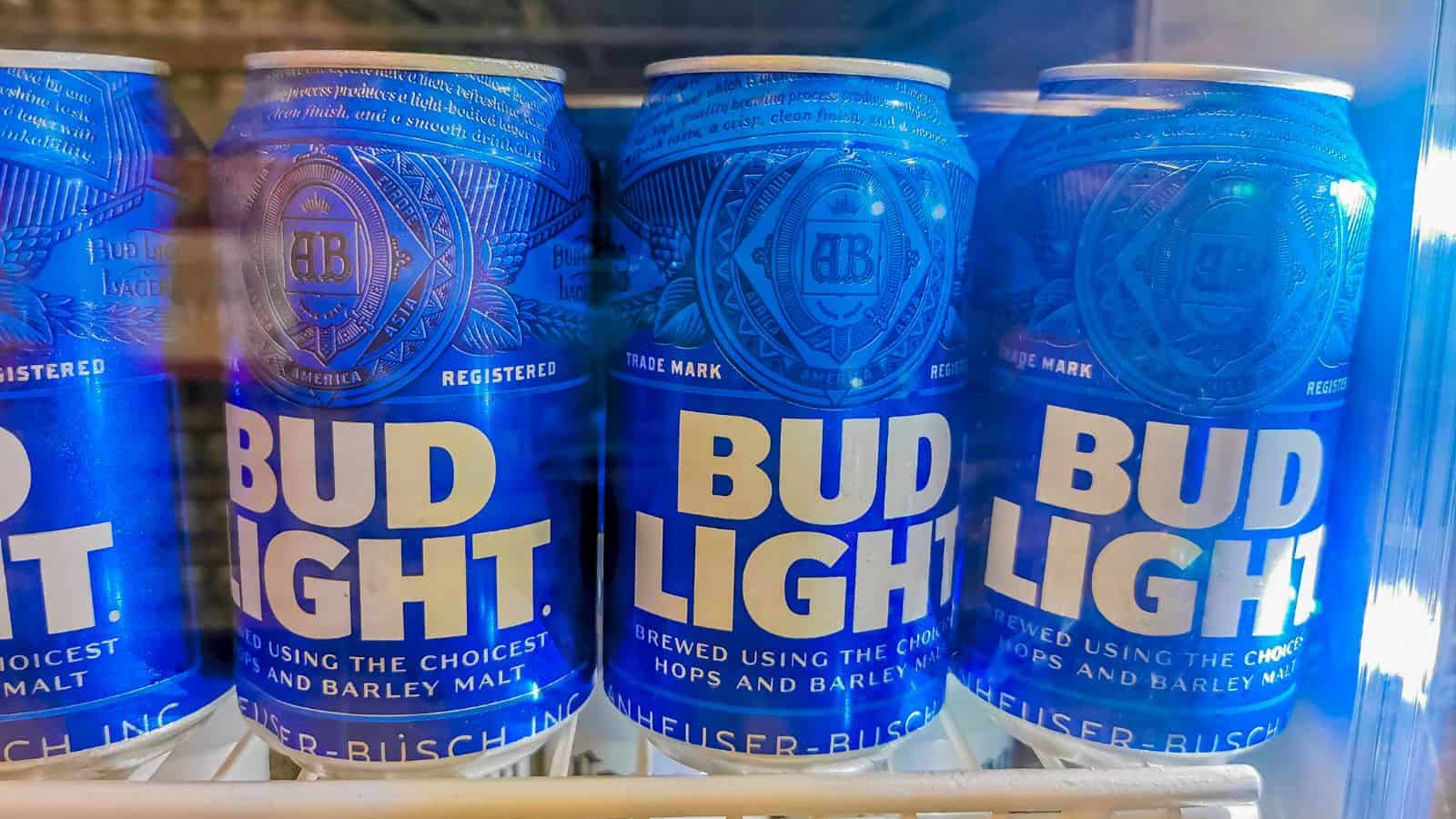
Bud Light dominated coolers at nearly every '90s party. Known for its light body, mild bitterness, and low calorie count, it was a default choice-reliable, cheap, and always within reach. It poured pale and crisp, designed for extended rounds without overwhelming the drinker. Whether at house parties, tailgates, or college hangouts, it often came in 12- or 30-packs stacked on garage floors or kitchen counters. The branding was unmistakable, and its pervasiveness meant it often went unquestioned. It wasn't trying to stand out-it was there because it was everywhere. If someone showed up, they probably brought Bud Light.
Zima
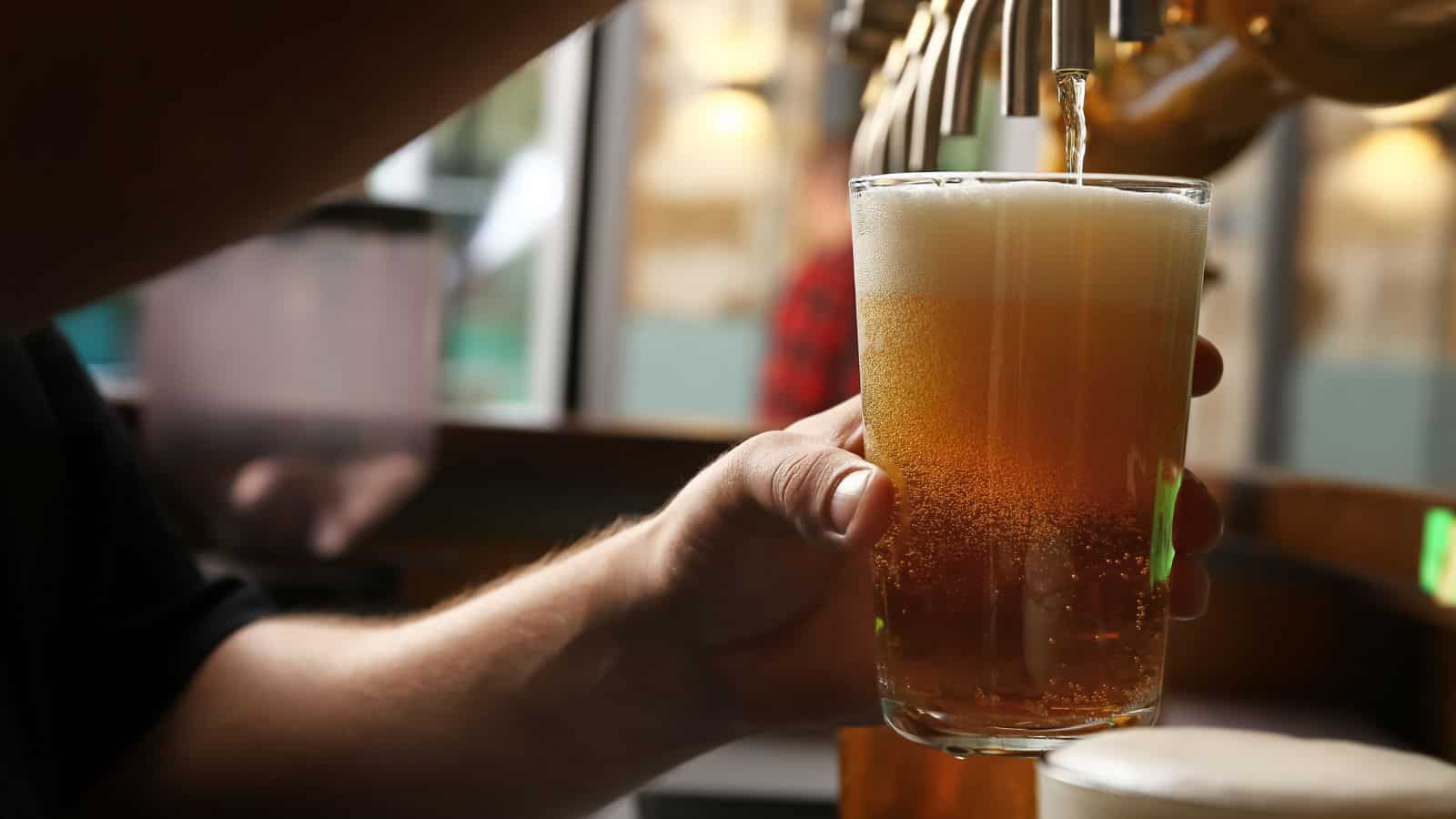
Zima felt like something from the future when it hit shelves in the early '90s. A clear, citrusy malt beverage, it wasn't quite a beer and wasn't quite a cooler. It came in clear glass bottles and was often served with a wedge of lemon or lime. Advertised as "Zomething different," its crisp fizz and light, soda-like taste made it especially popular at parties where beer wasn't the only draw. Though polarizing, it carved out its space among young adults looking for something easier on the palate than lagers or stouts. For a few years, it was everywhere.
Coors Light
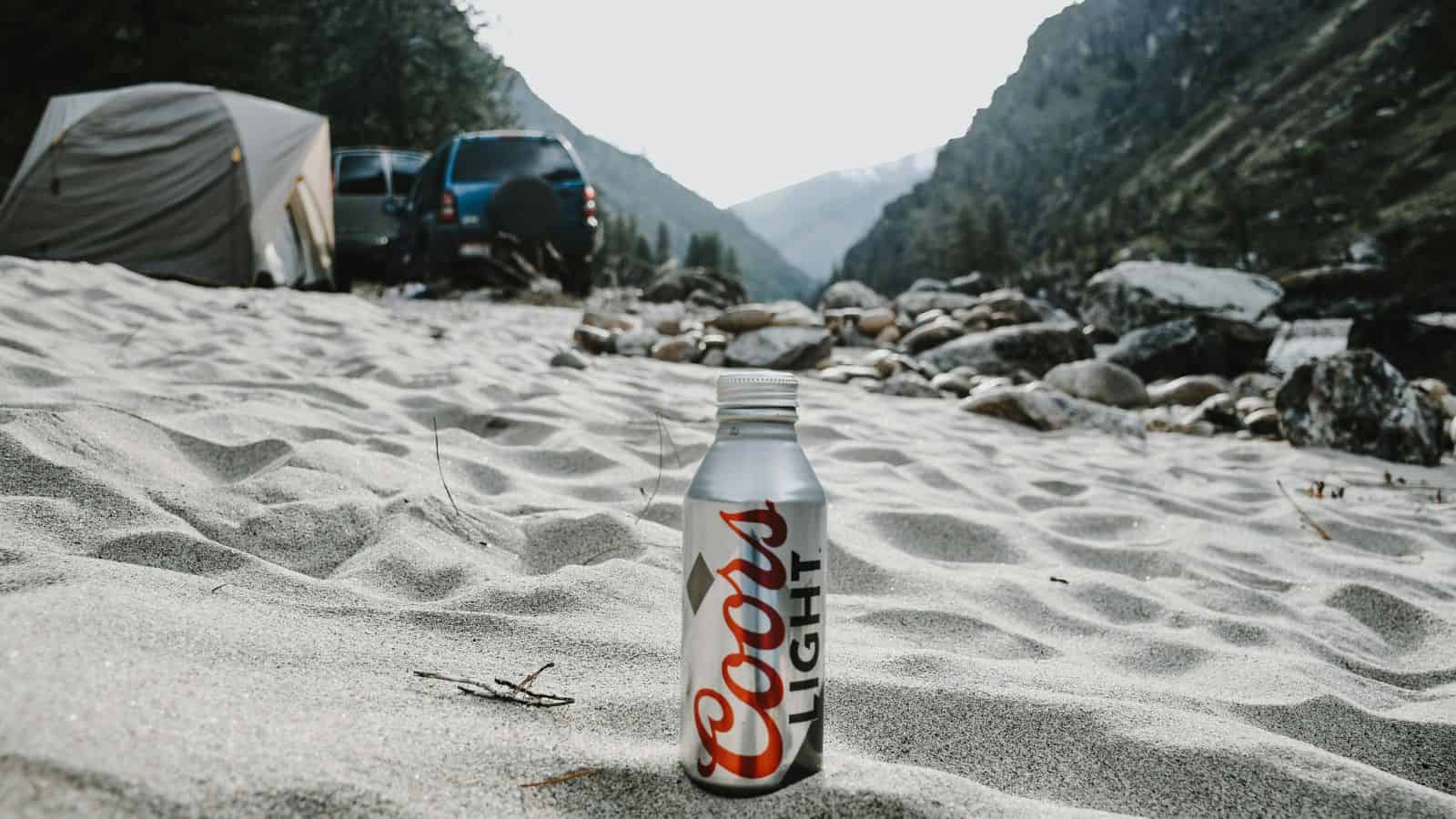
Coors Light, aka the "Silver Bullet," kept its spot in coolers thanks to its ice-cold marketing and low-alcohol refreshment. Known for cans that turned blue when cold, it gave drinkers an easy cue to crack one open. Its crisp, nearly neutral profile made it a go-to at barbecues, tailgates, and late-night basement gatherings. It rarely drew praise or criticism-it simply existed where people needed something to sip while talking, dancing, or killing time. Coors Light wasn't flashy in flavor, but its branding stuck, and for those who just wanted "a cold one," this was often the answer.
Icehouse
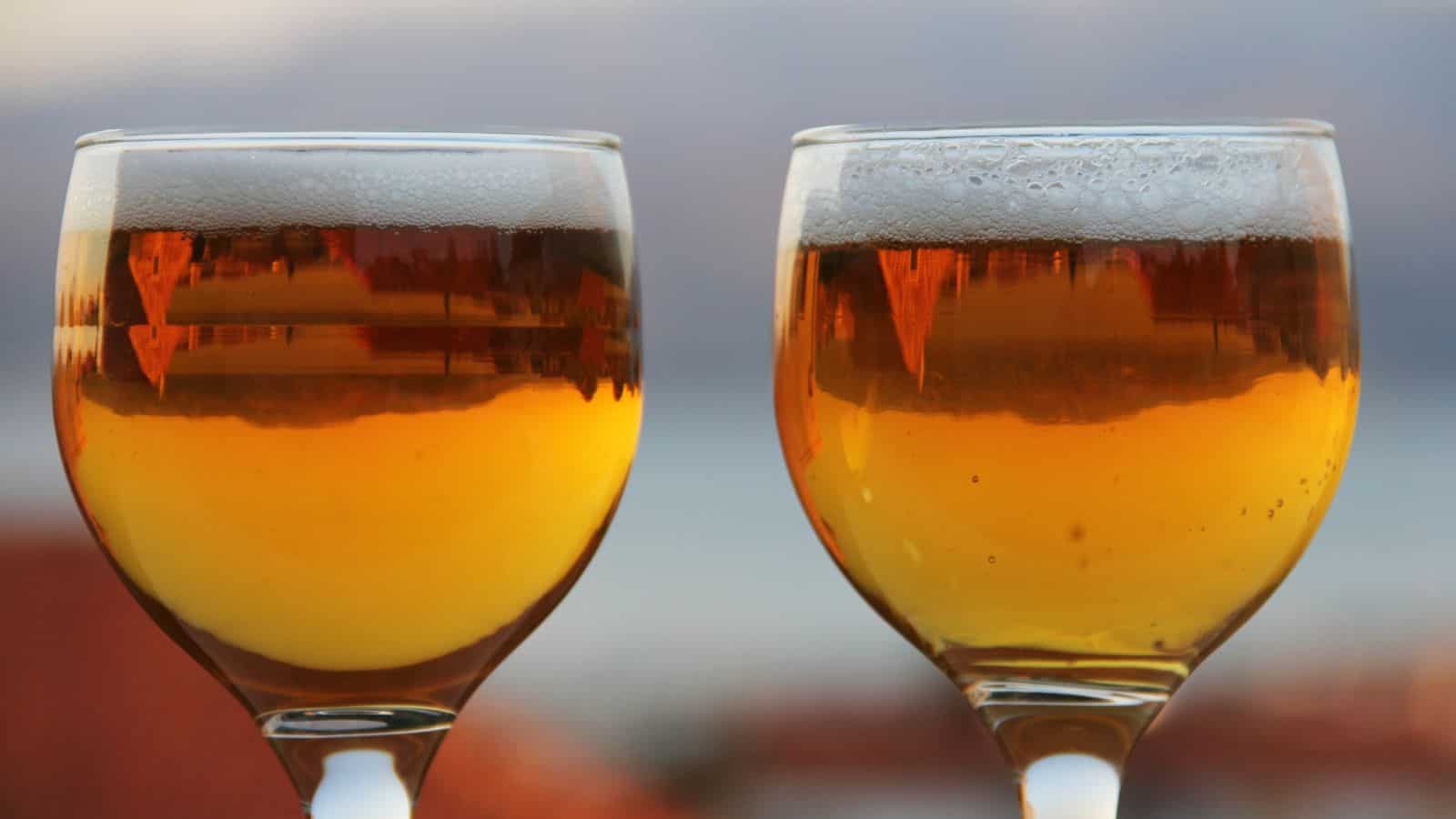
Introduced in the '90s by the makers of Miller, Icehouse pushed boundaries for what mainstream drinkers expected in beer. Brewed using an "ice-brewing" method that chilled the beer to freeze water out and raise the alcohol content, it sat at 5.5-6% ABV, stronger than standard lagers. This made it a favorite for those looking to drink less volume for more buzz. It had a heavier body and more bite than its light beer counterparts, with a slightly malty finish. Icehouse was popular among college crowds and weekend partiers who wanted more than light beer but weren't chasing imports.
Smirnoff Ice
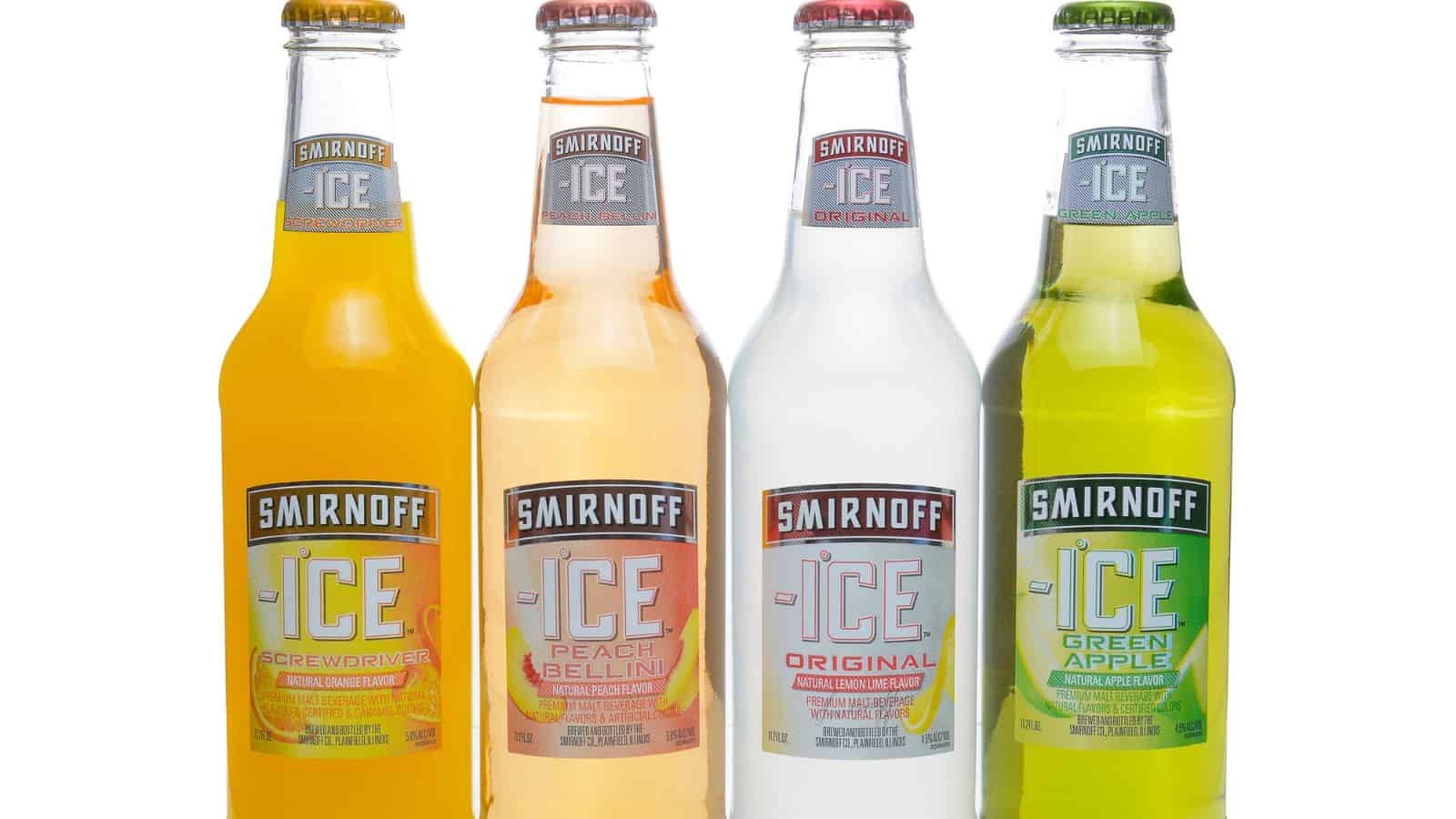
Launched in the late '90s, Smirnoff Ice quickly became a staple at mixed-gender parties and events where lighter drinks were in demand. It looked like soda, came in glass bottles, and featured a citrus-forward flavor with a sweet finish. Unlike the vodka brand it shares a name with, Smirnoff Ice is a malt beverage, brewed more like beer than spirits. It was non-threatening in taste, approachable to new drinkers, and easy to store in a fridge. By the early 2000s, it became a pop-culture reference point-and it all started with its explosive popularity in the late '90s party circuit.
Bud Ice
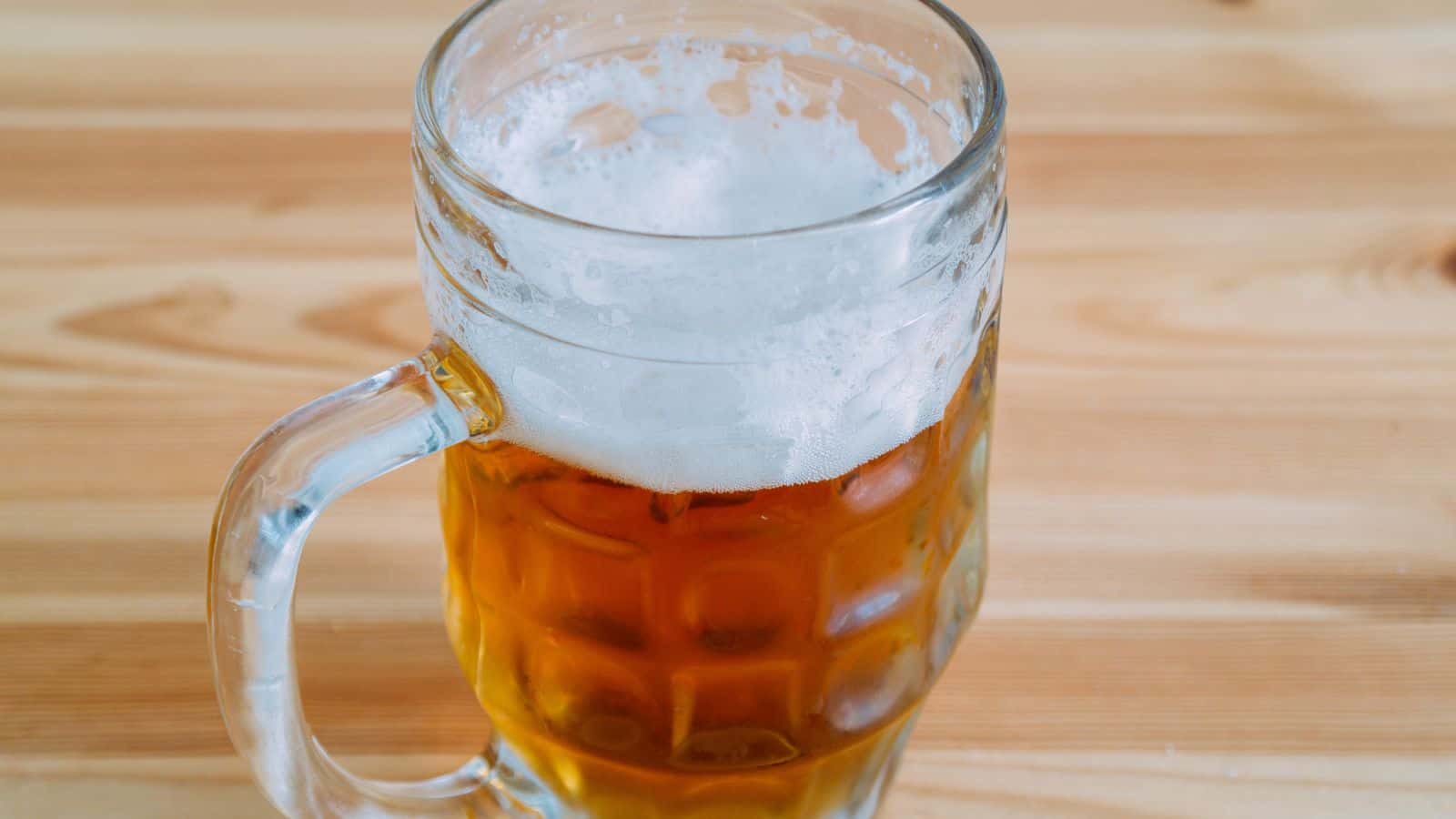
Bud Ice entered the '90s with higher alcohol content than standard Budweiser, thanks to the ice-brewing process that removed water and left a more potent brew behind. It came in 40-ounce bottles, cans, and six-packs, often landing in the hands of those looking to stretch their dollar and their buzz. The flavor leaned malt-heavy with a sharper finish than Bud Light. While not flashy, it stood out just enough to feel like a tougher version of what your older cousin drank. The label featured cold tones and sharp fonts, matching its positioning as a bolder choice among budget beers.
St. Ides
St. Ides became iconic not just for its high ABV-often over 8%-but for its deep ties to 90s hip-hop. Artists like Ice Cube and Tupac referenced it, and commercials even featured original rap verses. This malt liquor was known for its punch and came in 40-ounce bottles that were often passed around at parties. The taste was aggressive, with sweetness up front and a burn behind it. It wasn't a background drink-it was part of the scene. For many, it symbolized a different energy at the party: louder, bolder, and designed for fast-paced nights with loud music.
Miller Lite
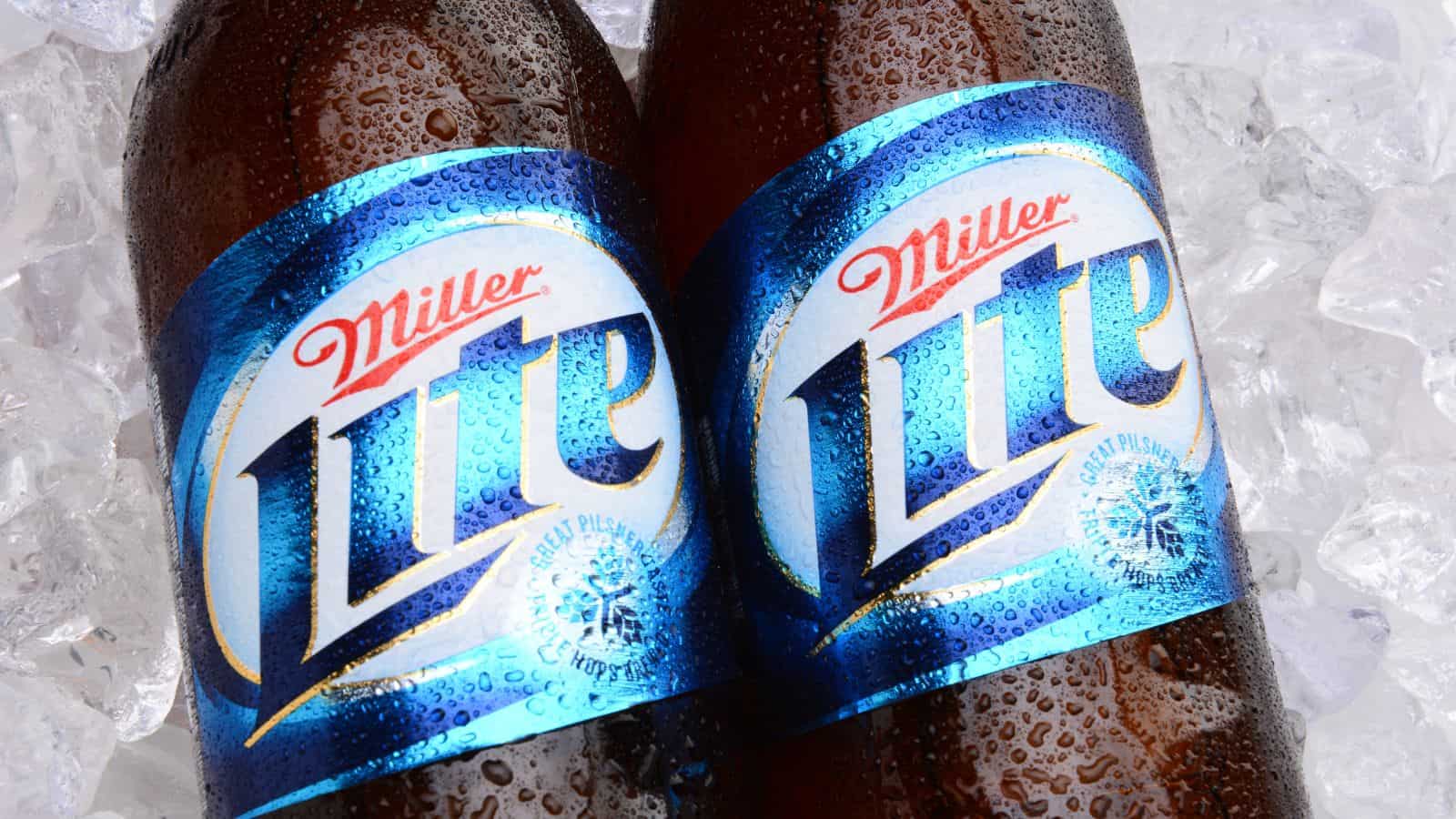
Miller Lite was a constant in the '90s, always within arm's reach at football gatherings, tailgates, and weeknight house parties. It had mass recognition as one of the original light beers and leaned into its "great taste, less filling" branding. The beer itself was light-bodied, pale gold, and easy to drink over long stretches. It didn't challenge the palate, but that wasn't the point. It was there when people weren't paying close attention to the beer-they just wanted to keep something cold in their hands. For many, it was the first light beer they ever had.
Red Dog
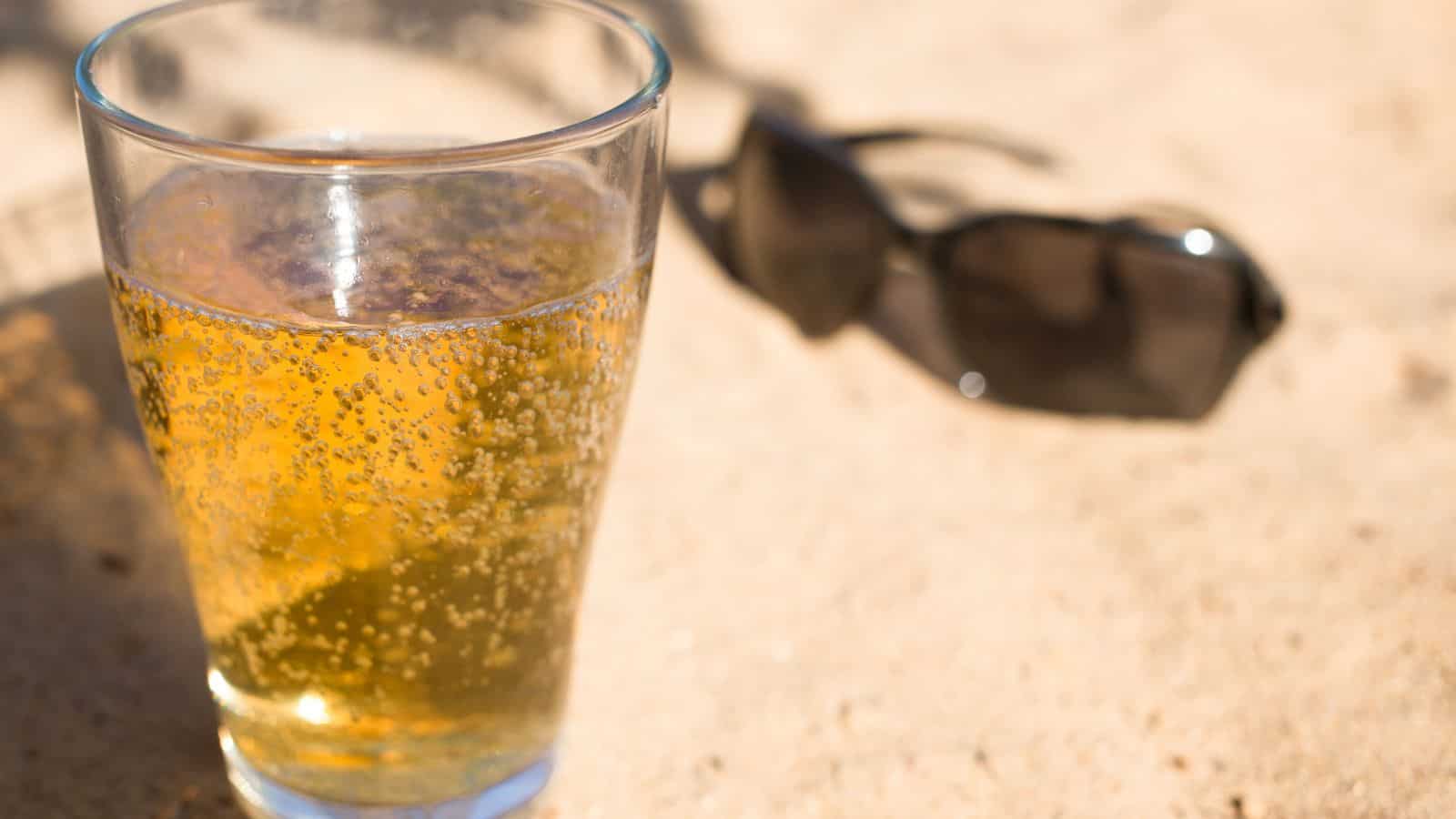
Red Dog came onto the scene in the mid-90s with bold red labels and a bulldog logo that stood out from the cleaner branding of light beers. Brewed by Miller, it was darker, stronger, and carried a maltier edge compared to typical party lagers. The advertising was heavy and mysterious, often hinting at a harder, no-nonsense identity. While it didn't stick around in the mainstream for long, it left a lasting impression with its attitude and stronger taste. For those wanting something that looked and felt different in the cooler, Red Dog was often their move.
Molson Ice
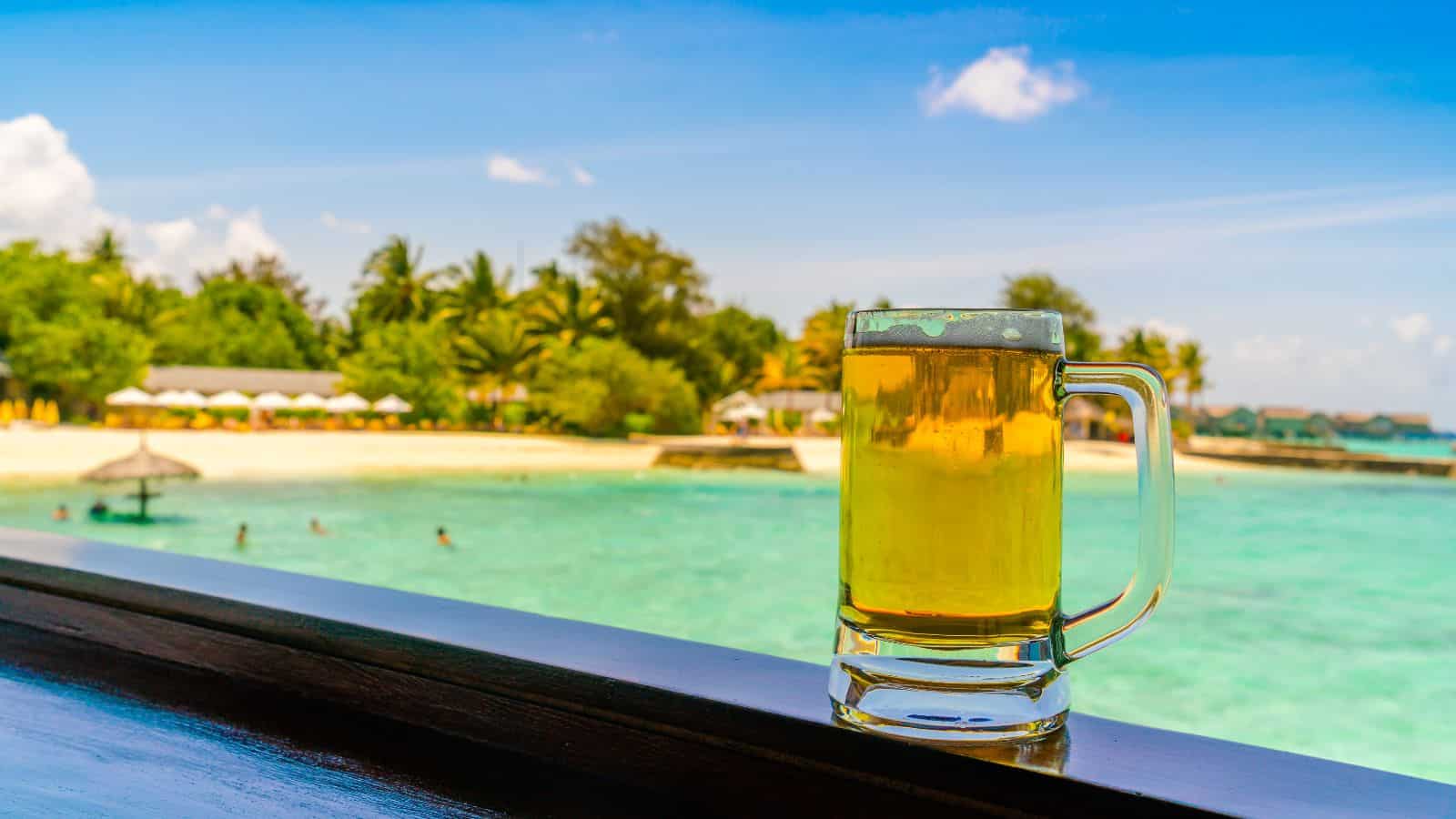
Imported from Canada, Molson Ice entered the U.S. with a slightly exotic edge thanks to its origin and its ice-brewing method. It had a richer body and a slightly higher ABV than regular domestic lagers, which gave it a more impactful presence at gatherings. The green label and sharp crest made it feel a step above basic light beers without moving into full craft territory. College kids and partygoers liked that it wasn't common, but still accessible. It was a beer that made you feel like you brought something a little more serious to the fridge or the fold-out table.
Corona Extra
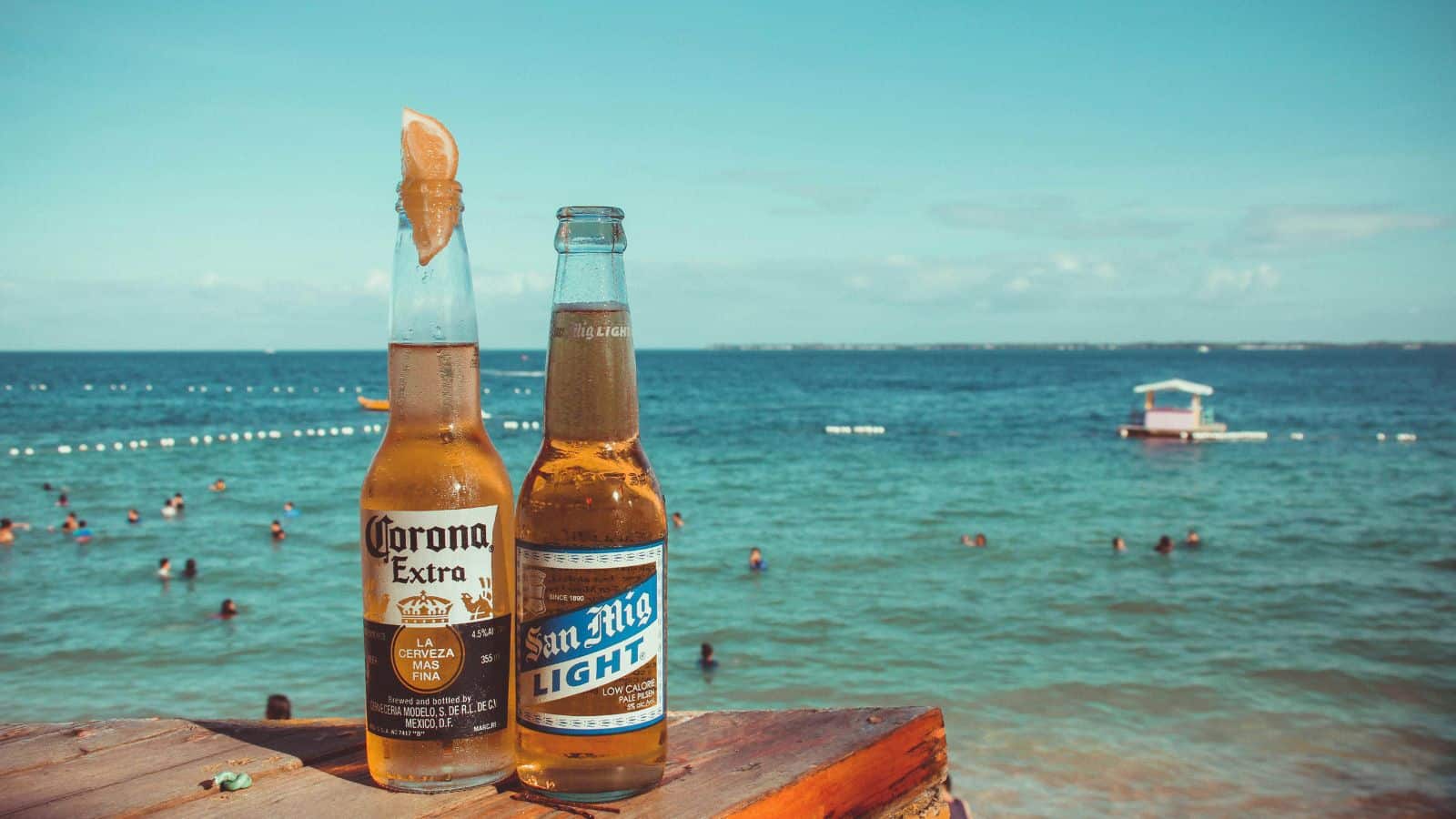
Corona was the vacation beer that showed up at stateside parties with limes in the neck and daydreams in the air. Though it had been around for decades, it surged in the '90s as surf culture, beach ads, and laid-back vibes gained traction. Pale, light, and smooth, it became a go-to for summer gatherings and backyard hangs. The ritual of slicing a lime and jamming it into the bottle helped it stand out. Even if you were at a house party in the suburbs, Corona made it feel like somewhere sunny. It was a vibe more than a flavor.
Michelob Dry
Michelob Dry arrived during the early-'90s "dry beer" trend, where brewers filtered out residual sugars to make crisper, cleaner-tasting lagers. It was marketed as refined and mature, targeting drinkers who wanted something sleek but still light. The bottle was long-necked and often dark, with silver accents that aimed to reflect a cooler, upscale look. The taste was subtle but had a cleaner finish than traditional lagers, with a slight bite that set it apart. It wasn't always the loudest beer at the party, but it made a quiet impression for those looking to move away from light beer clichés.
Natural Ice
Natural Ice, better known as "Natty Ice," was a college-party staple thanks to its low price and higher-than-average ABV. It was ice-brewed, giving it a slightly sharper edge than Natural Light but still keeping it firmly in the easy-drinking category. Found in cases stacked high at warehouse stores or convenience shops, it filled coolers fast and poured light gold with minimal foam. The taste leaned malty with a hint of sweetness, but no one was really dissecting it. It was about quantity and convenience. Whether you were hosting or crashing the party, Natty Ice was usually somewhere in the mix.
Heineken
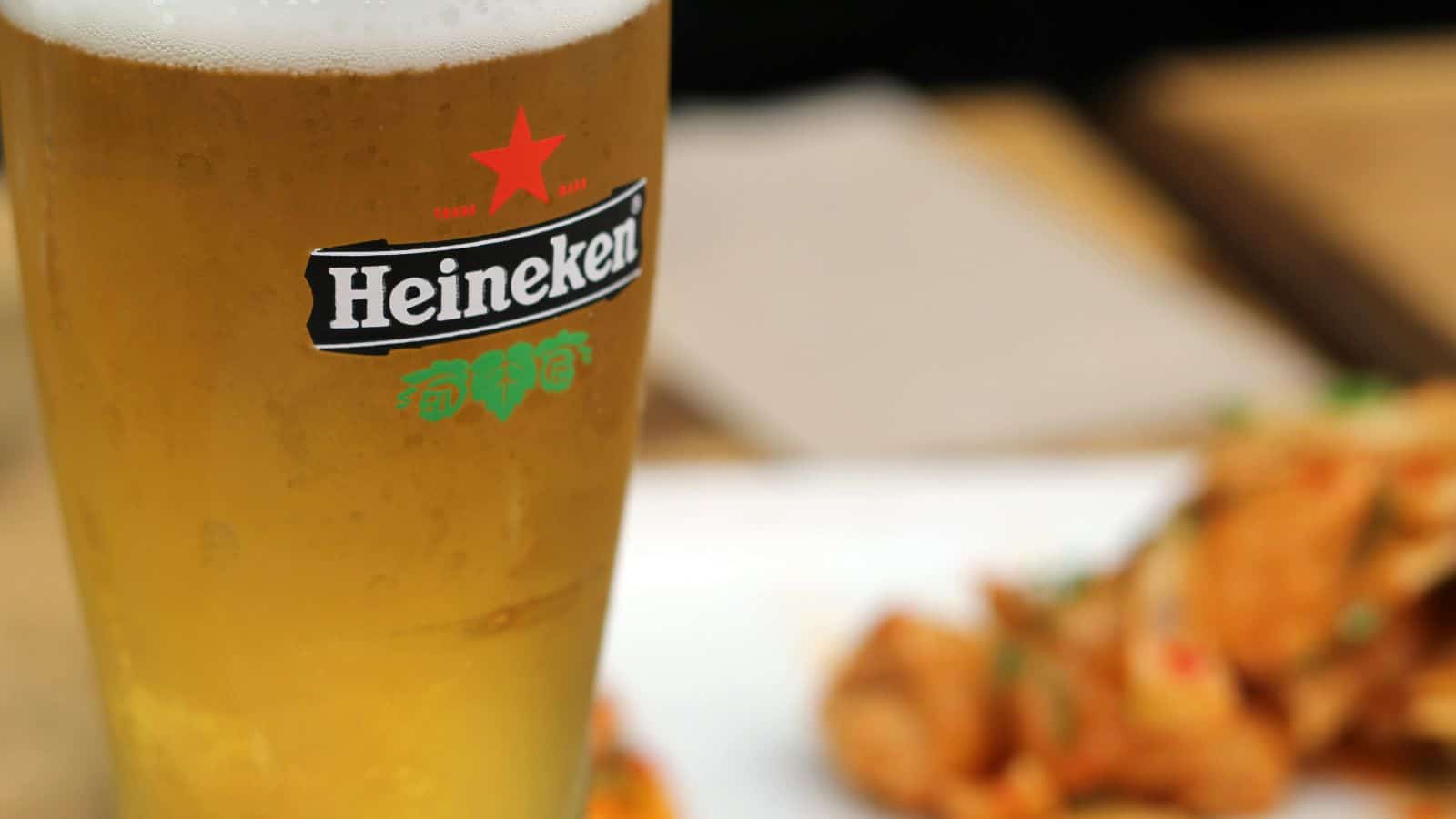
Heineken brought a touch of perceived class to the '90s party lineup. The bright green bottle and foil-wrapped neck made it stand out, especially in gatherings packed with domestic light beers. The flavor was slightly bitter with a dry finish, and the carbonation gave it a firm snap. It was often seen as an upgrade-a beer for those who "didn't drink cheap." Though brewed with simple ingredients, it had an imported appeal and often served as the designated "fancier" option when someone brought something different to the table. It wasn't rare, but it wasn't background noise either.
Beast Ice (Milwaukee's Best Ice)
Known by its nickname "Beast Ice," Milwaukee's Best Ice had one purpose-high alcohol, low cost. The can was big, the label was bold, and the impact came fast. It poured golden and sharp, with a malt-heavy body and very little subtlety. It was the kind of beer you grabbed in bulk-frequently seen at tailgates, garage parties, or late-night college scenes. Beast Ice didn't chase smoothness or balance; it was built for momentum. If someone showed up with a case, they weren't trying to impress-they were making sure no one ran out halfway through the night.
Rolling Rock
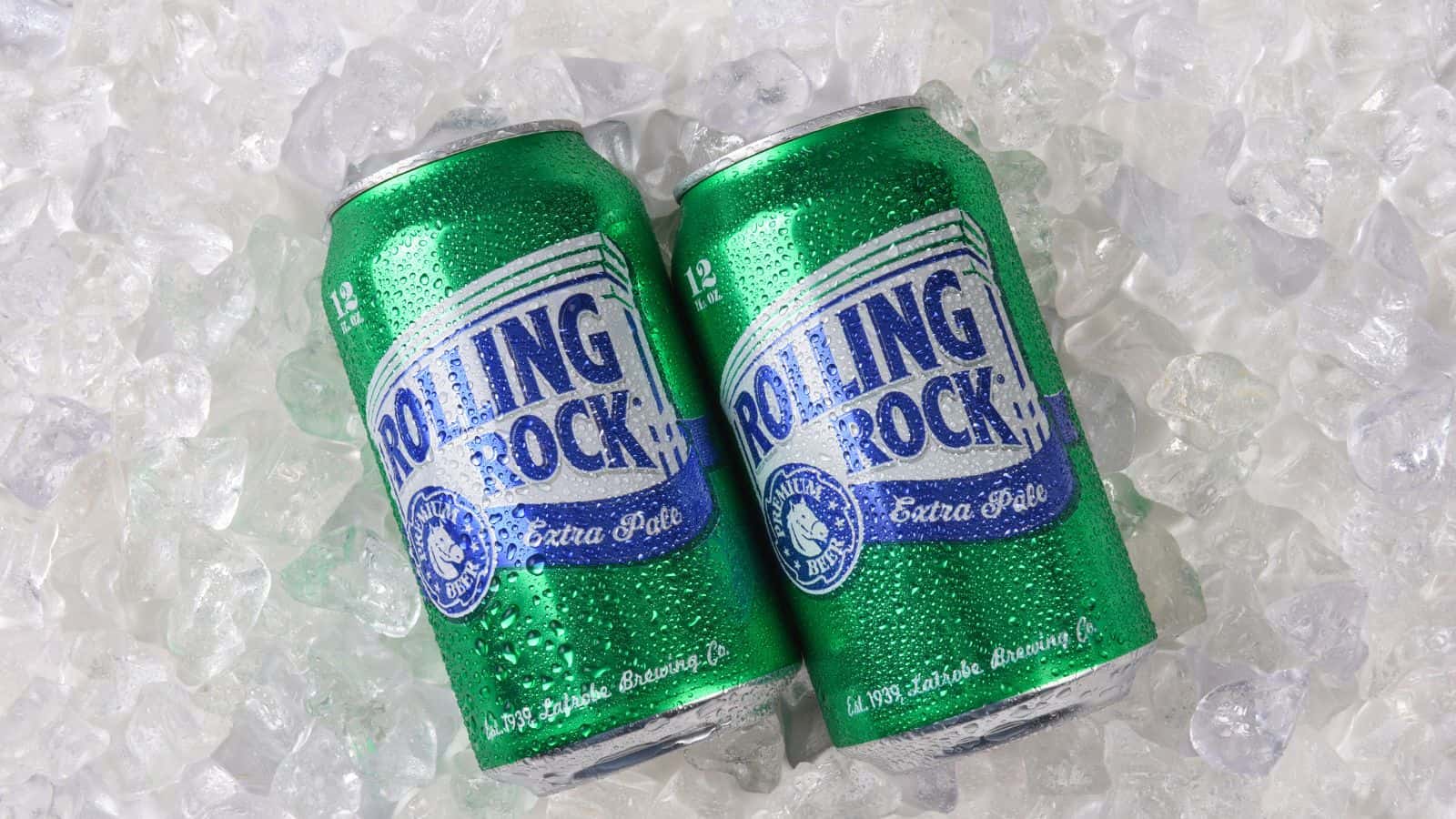
Rolling Rock stood out with its pale green glass and mysterious "33" printed on the label. Brewed in Latrobe, Pennsylvania, it became a sleeper favorite for those who didn't want a big name beer but still wanted something accessible. It had a light, crisp taste with a grainy finish and low bitterness. While it wasn't flashy, it carried a low-key charm, especially among drinkers who liked regional labels. It showed up in indie scenes, music crowds, and back porches. At a time when light beers ruled, Rolling Rock played its own game-quiet, cool, and just different enough to get noticed.
Boone's Farm
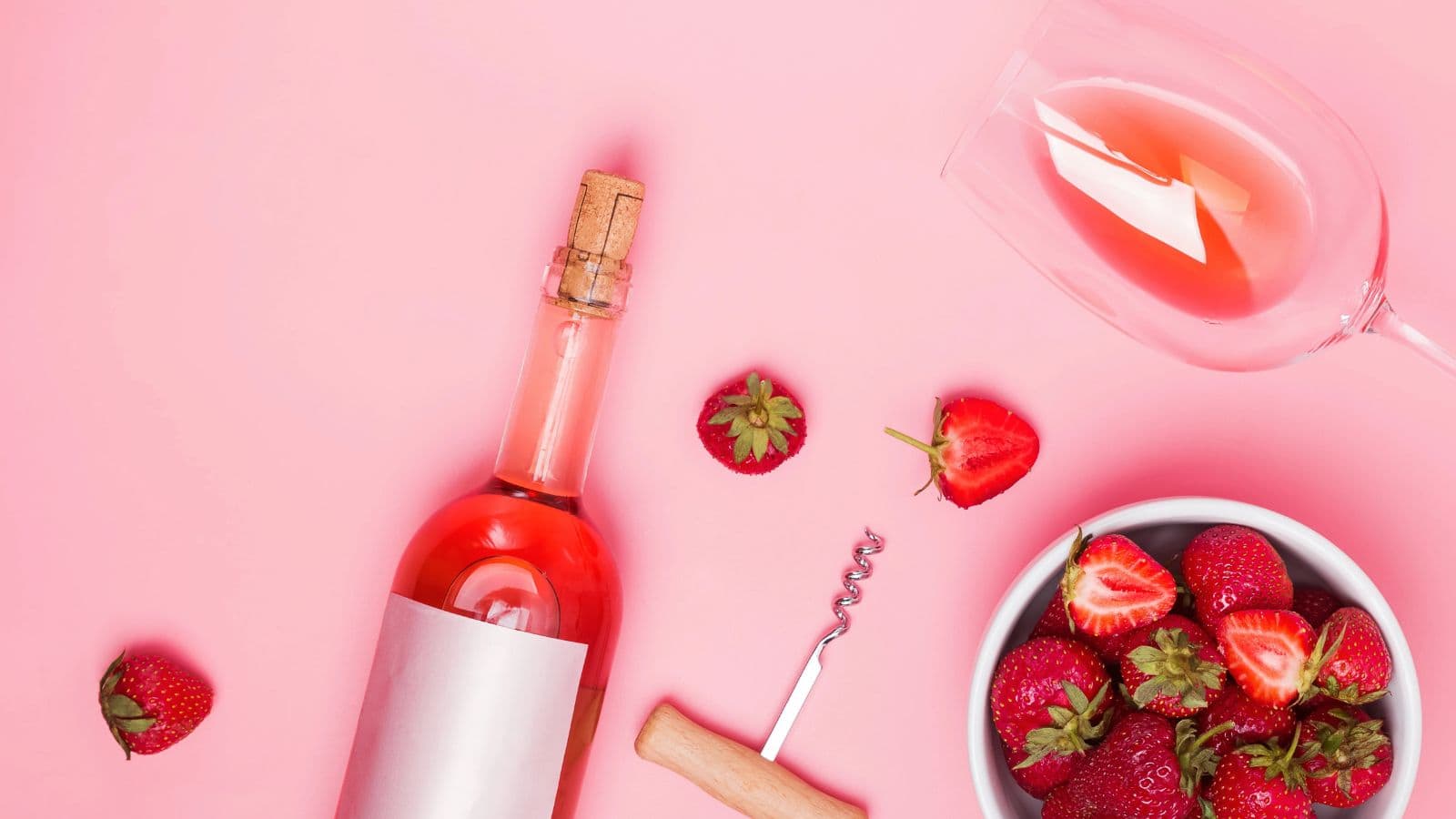
Boone's Farm wasn't technically a beer, but it held court at plenty of '90s parties. It was inexpensive and easy to drink straight from the bottle, sold in glass bottles with pastel labels and fruit-forward names like Strawberry Hill or Blue Hawaiian. The flavors were sweet, borderline syrupy, and often brightly colored. It had just enough alcohol to get the night going without overwhelming newer drinkers. Boone's Farm showed up at field parties, sleepovers, or anywhere the crowd leaned young and casual. It was part punch, part memory machine-and for many, a rite of passage into party life.
Crack One Open for the Past
The '90s weren't just about mixtapes and movie nights-they had a flavor too, and it came in bottles and cans. These nostalgic brews were more than drinks; they were party staples, inside jokes, and midnight runs to the corner store. Whether they bring back memories of college games, garage bands, or late-night pizza runs, they've earned a lasting place in beer history.
Some of these beers are still around, others live on in stories and throwback photos, but all of them remind us how simple good times used to be. So next time you see one of these labels on a shelf-or hear it mentioned in a playlist-worthy conversation-take a second to raise your glass. Because the party never really ended, it just changed playlists.
13 Best Foods to Eat Before Drinking Alcohol
Stop the hangover and the stomach aches! Ever wonder how to feel better during and after a night of drinking? Research shows there are 13 strategic foods to eat before alcohol. This is because certain nutrients help slow alcohol absorption and protect your body's vital functions. Additionally, specific protein-rich foods maintain blood sugar levels, minerals support hydration balance, and complex carbs create a protective barrier in your stomach.
Read More Here: 13 Best Foods to Eat Before Drinking Alcohol
12 American Drinks That the Rest of the World Refuses to Even Try
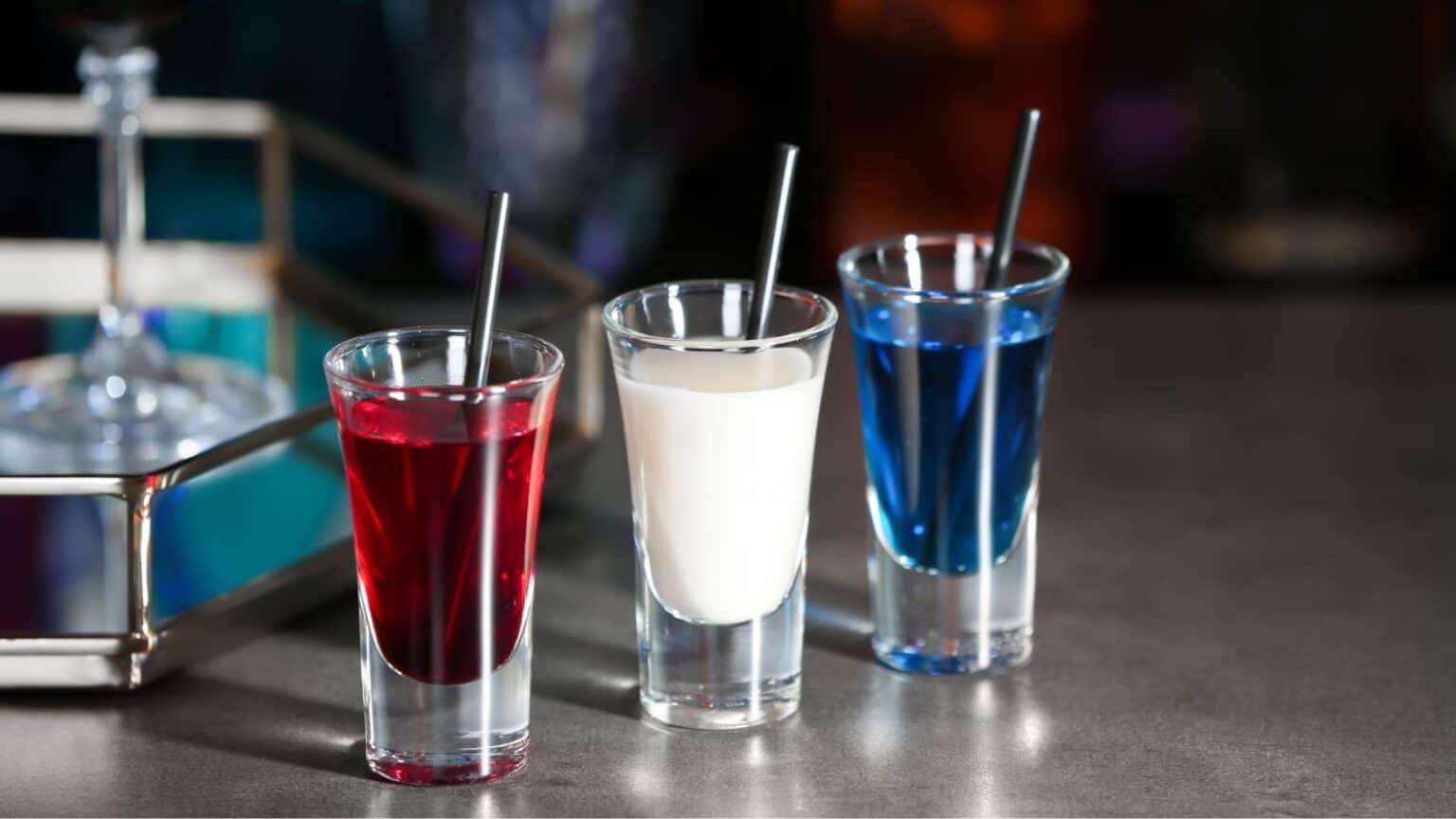
Would you try drinking these? American drinks often spark curiosity and sometimes confusion among people from other countries. With these 12 American drinks that the rest of the world refuses to even try, we explore some of the most unusual and polarizing beverages from the United States. From super-sized sodas to quirky cocktails, these drinks showcase the creativity and boldness of American beverage culture.
Read More Here: 12 American Drinks That the Rest of the World Refuses to Even Try
Comments
No Comments