
Making smart beverage choices is just as important as eating a balanced diet, yet many drinks that seem harmless can be packed with hidden sugars, artificial ingredients, and unhealthy additives. In fact, there are 19 beverages that health experts would never order, and understanding why can help you make better decisions when it comes to staying hydrated and nourished. While some drinks are marketed as refreshing or even beneficial, they can actually undermine wellness goals and negatively impact overall health.
From sugar-laden sodas to highly processed energy drinks, certain beverages do more harm than good. Health experts stress the importance of knowing what goes into your body, and avoiding these common pitfalls is a key step toward better well-being. Want to know which drinks don't make the cut? Explore these 19 beverages to avoid and discover healthier alternatives that truly support your health.

Frappuccinos with Whipped Cream
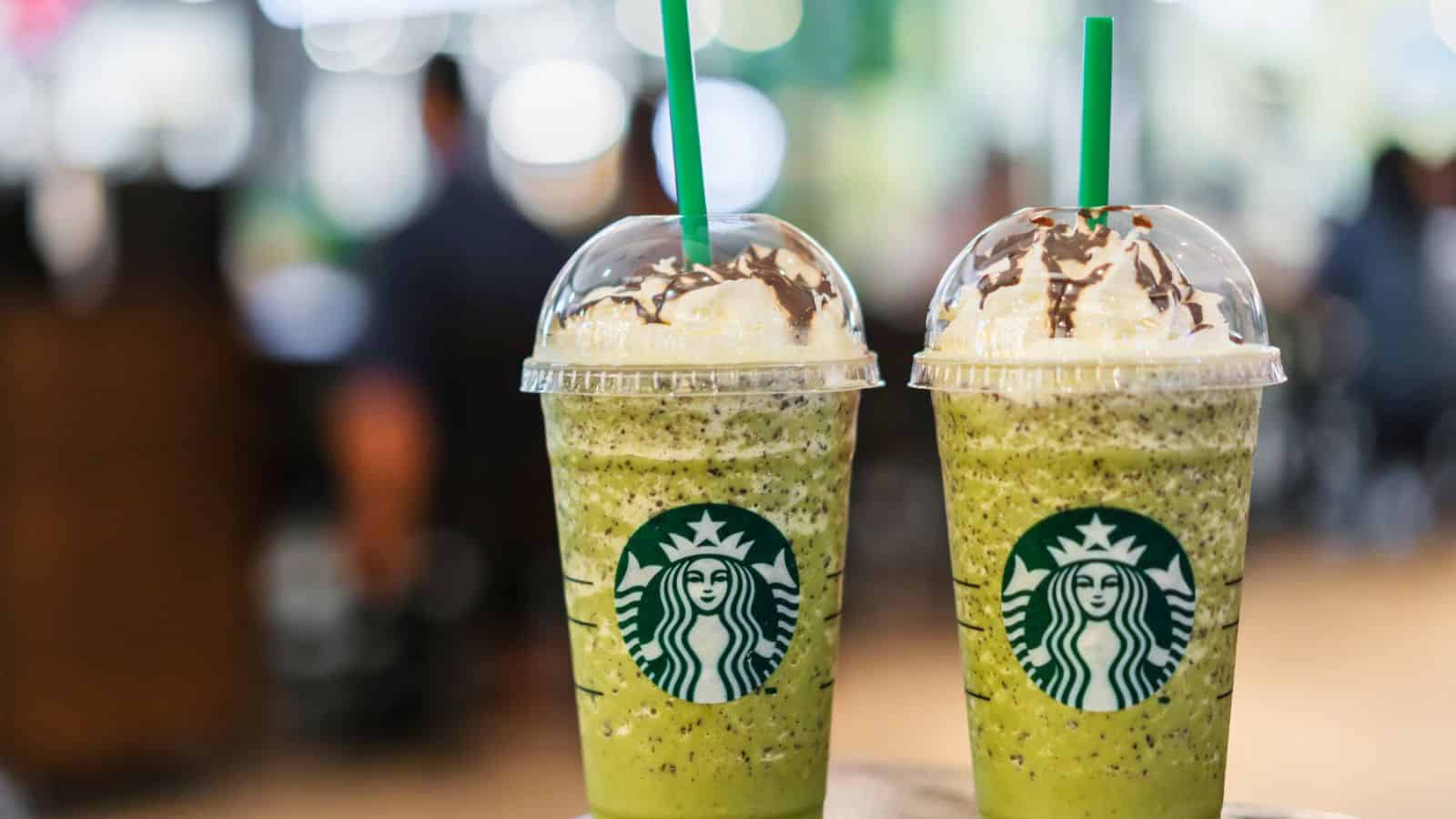
Frappuccinos are often loaded with flavored syrups, whole milk, and whipped cream, making them more like a dessert than a coffee drink. A single large-sized serving can contain more sugar than several donuts, along with artificial additives and excessive calories. The combination of high sugar and fat can cause blood sugar spikes followed by energy crashes. Even lighter versions still contain a significant amount of sugar. For those who enjoy blended drinks, choosing a simpler iced coffee with a splash of milk and less syrup can be a better alternative while still providing a refreshing, coffee-forward option.
Sweetened Iced Teas
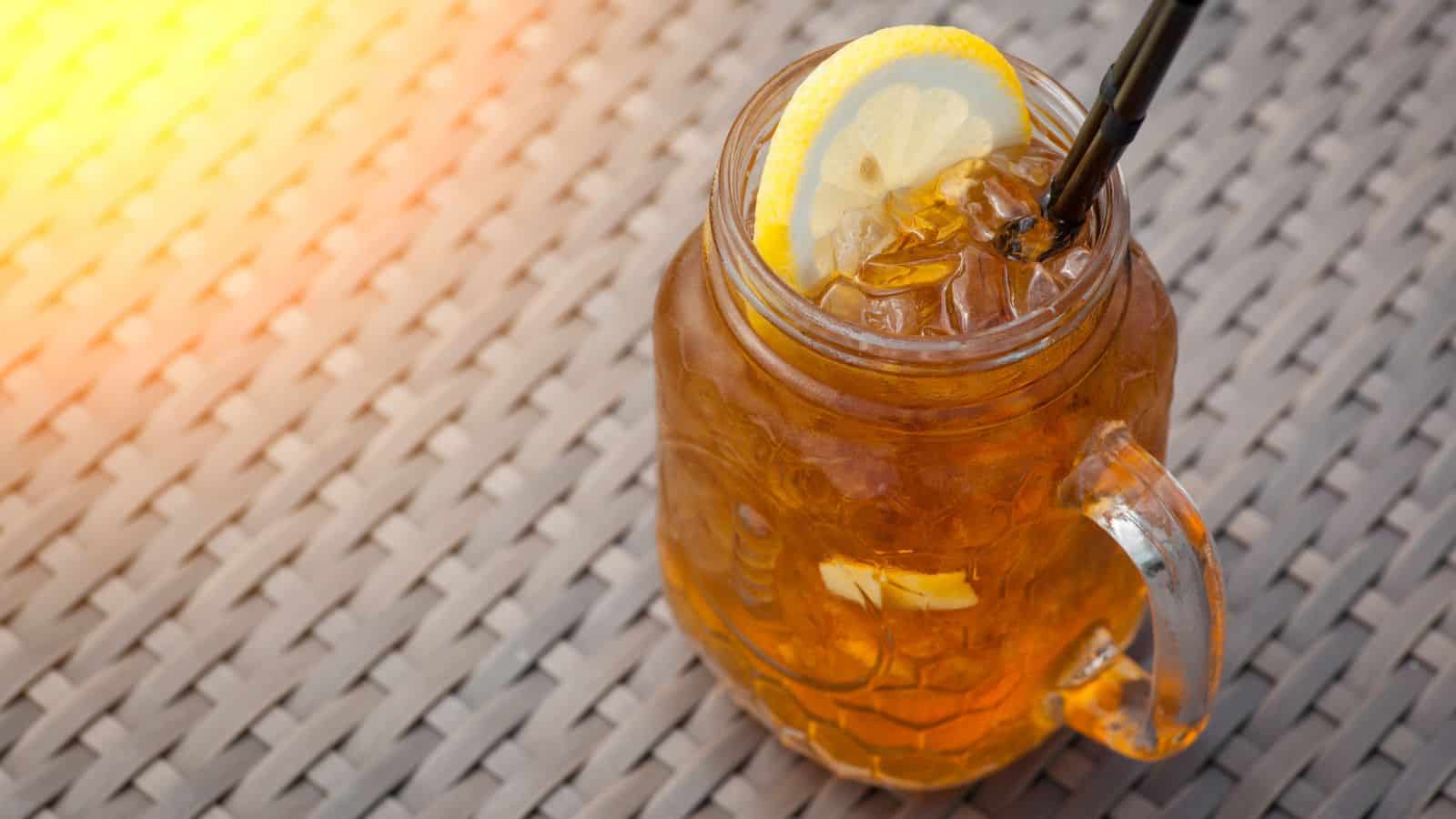
Many bottled or pre-sweetened iced teas contain more sugar than a can of soda, despite being marketed as a lighter choice. These drinks often use high-fructose corn syrup or artificial sweeteners, which may contribute to metabolic concerns. Unlike freshly brewed tea, which contains antioxidants and other potential benefits, the processed versions lose much of their natural properties. The sugar content can lead to energy crashes and unwanted weight gain when consumed frequently. Choosing unsweetened iced tea and adding a squeeze of clementine or a small amount of honey at home is a way to control the sweetness naturally.
Energy Drinks
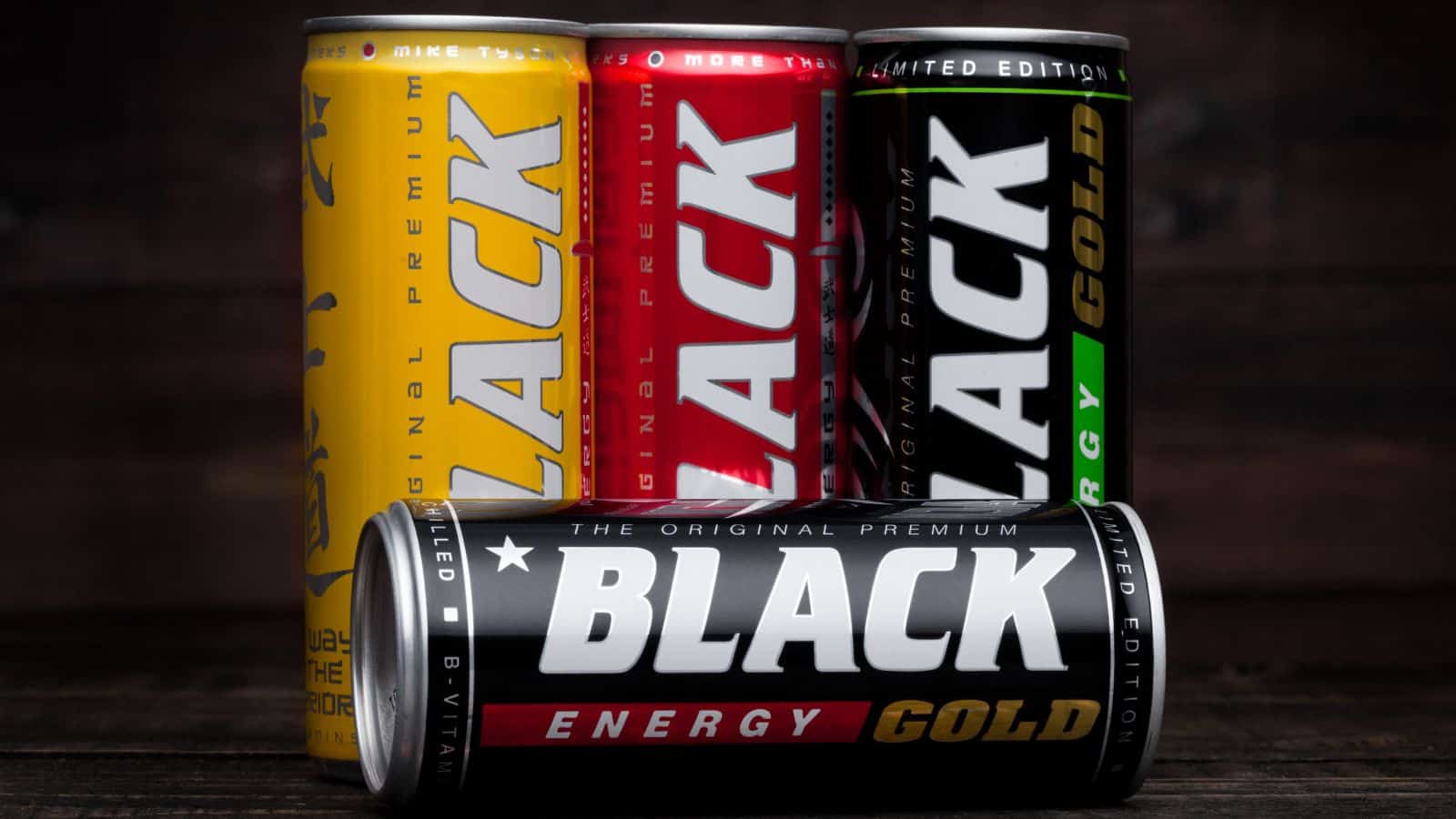
Energy drinks often contain high doses of caffeine, artificial sweeteners, and stimulants like taurine or guarana. While they may provide a short-term energy boost, they can also lead to heart palpitations, anxiety, and sleep disturbances. Some varieties contain as much sugar as multiple candy bars, which can cause blood sugar fluctuations and energy crashes. The combination of excessive caffeine and artificial additives makes these drinks a less-than-healthy choice for sustained energy. Instead, a simple black coffee or matcha tea can offer a natural source of caffeine without the unnecessary additives and potential negative effects associated with energy drinks.
Soda (Regular or Diet)
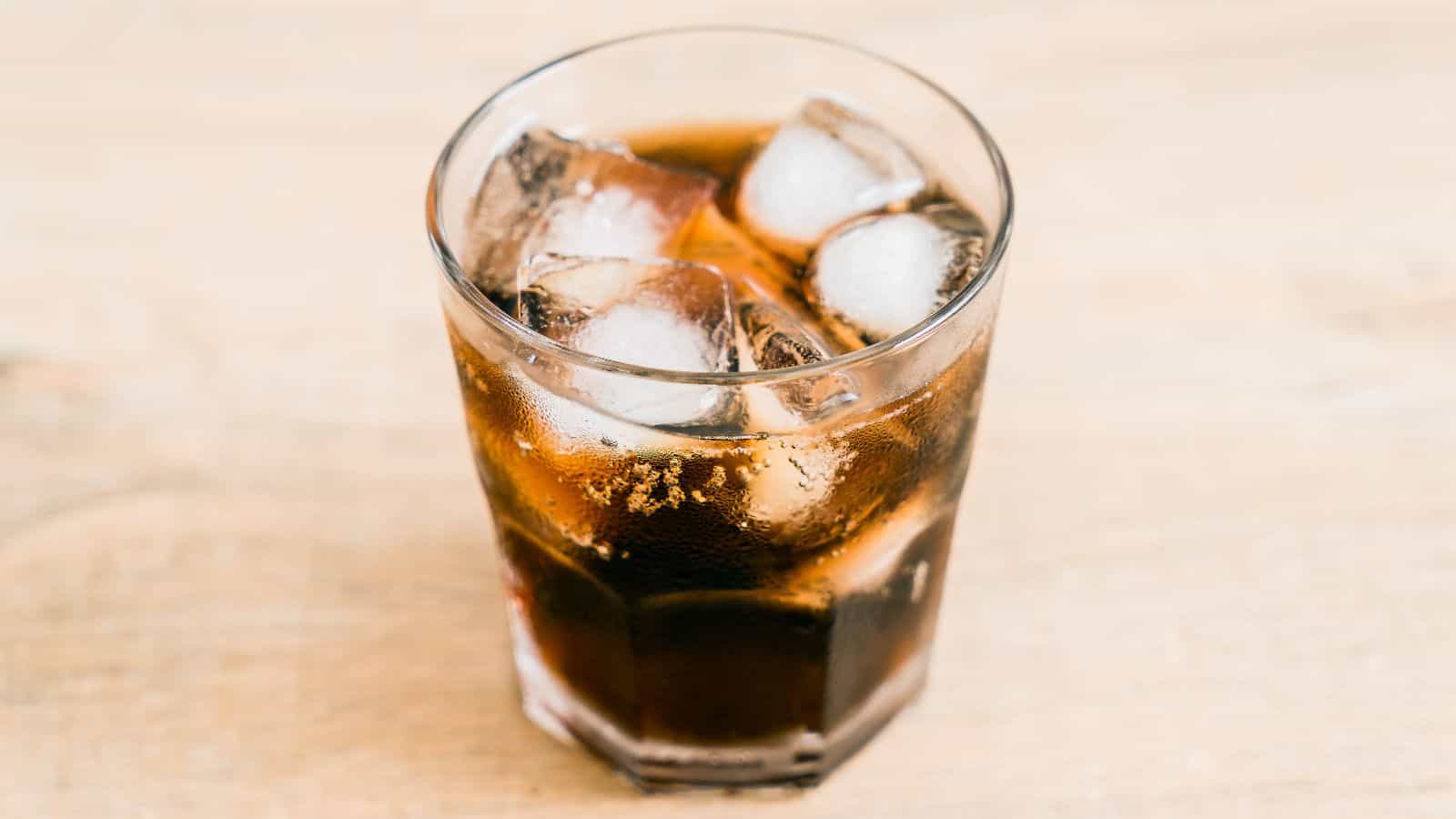
Regular soda is packed with sugar, often leading to weight gain and increased risks of diabetes when consumed in excess. A single can may contain more sugar than the daily recommended limit, contributing to long-term health concerns. Diet sodas replace sugar with artificial sweeteners, which some studies suggest may impact metabolism and gut health. Both versions offer no real nutritional benefits and can lead to cravings for more sweetened foods and beverages. Choosing flavored sparkling water with fresh fruit, unsweetened iced tea, or infused water with natural ingredients can provide hydration without excessive sugar or artificial additives.
Bottled Smoothies
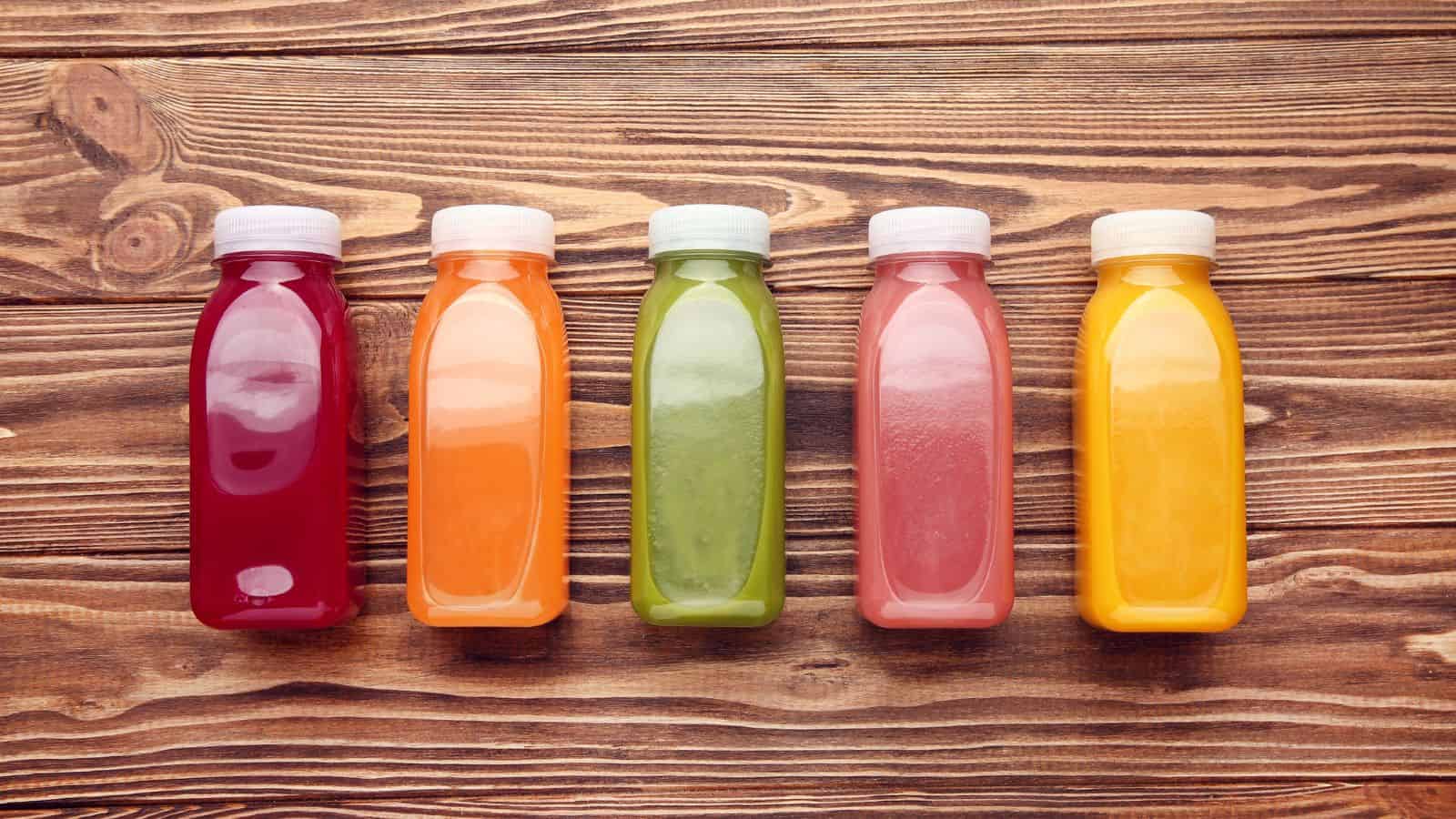
Many store-bought smoothies are marketed as healthy but contain high amounts of sugar and lack the fiber found in whole fruits. While they may include fruit as an ingredient, they often rely on fruit concentrates or purees, which increase the sugar content while stripping away beneficial fiber. Some versions include artificial thickeners, preservatives, and unnecessary additives that reduce their nutritional value. The lack of fiber makes them less filling than a homemade smoothie made with whole fruits, vegetables, and protein sources like yogurt or nuts. Blending smoothies at home allows for more control over ingredients and a better balance of nutrients.
Flavored Lattes

Drinks like caramel, vanilla, or mocha lattes often contain multiple pumps of syrup, transforming them into sugar-heavy beverages. While espresso itself has benefits, the added sweeteners, flavored syrups, and whole milk increase calorie content without providing much nutritional value. A large-sized flavored latte can have as much sugar as a candy bar, leading to energy crashes and potential weight gain when consumed frequently. Even non-dairy milk options can contain hidden sugars. Choosing an unsweetened latte or requesting fewer syrup pumps can help reduce sugar intake while still allowing for a creamy and flavorful coffee experience.
Store-Bought Lemonade
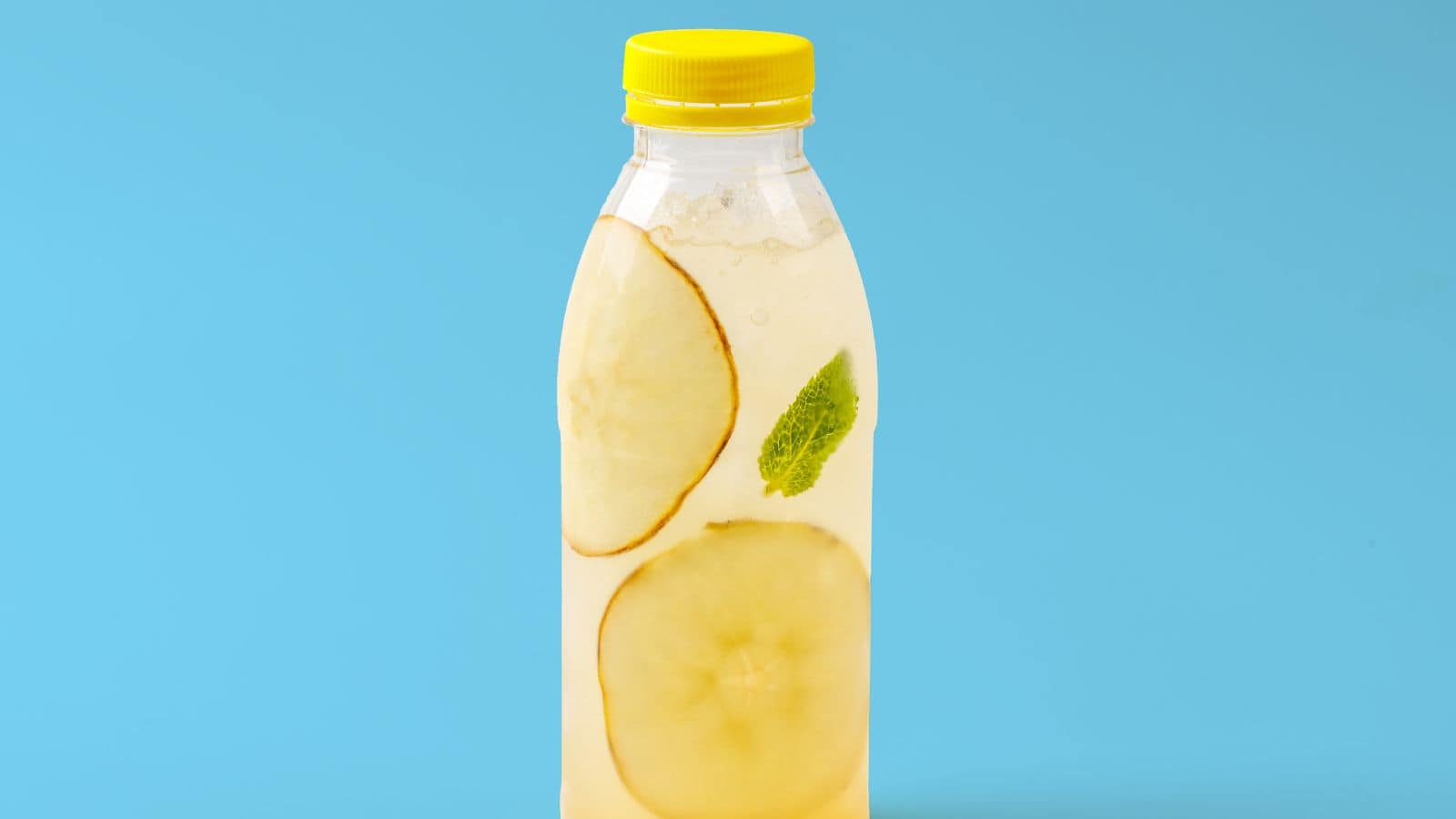
Most bottled or fountain lemonades contain little actual lemon juice and are instead made with water, sugar, and artificial flavors. Some versions have more sugar per serving than soda, leading to blood sugar spikes without any real nutritional benefits. Even homemade lemonade can be high in sugar if not balanced properly. While lemons contain vitamin C, the processed versions typically lack the same nutrients. For a better alternative, freshly squeezed lemon juice mixed with water and a small amount of natural sweetener can provide a refreshing drink without excessive added sugar and artificial ingredients.
Pre-Made Protein Shakes

Although marketed as a convenient meal replacement or workout recovery drink, many bottled protein shakes contain added sugars, artificial thickeners, and preservatives. Some brands use protein sources that are heavily processed and difficult to digest, while others include artificial sweeteners that may affect gut health. While protein is essential, these shakes often lack the fiber and nutrients that whole foods provide. A better option is blending a protein shake at home using simple ingredients like nut butter, yogurt, and fresh fruits, allowing for better control over sugar and ingredient quality while offering a protein boost.
Artificially Flavored Coffee Creamers

Many commercial coffee creamers are made with hydrogenated oils, artificial flavors, and synthetic sweeteners rather than real cream or milk. These ingredients can contribute to inflammation and long-term health concerns when consumed regularly. Some creamers also contain added sugars, which can quickly increase daily intake without being obvious. Non-dairy versions may seem a better choice, but they often contain stabilizers and artificial additives that reduce their nutritional value. Using real milk, unsweetened nut milk, or a small amount of natural sweetener can be a better way to enhance coffee without unnecessary artificial ingredients.
Sports Drinks
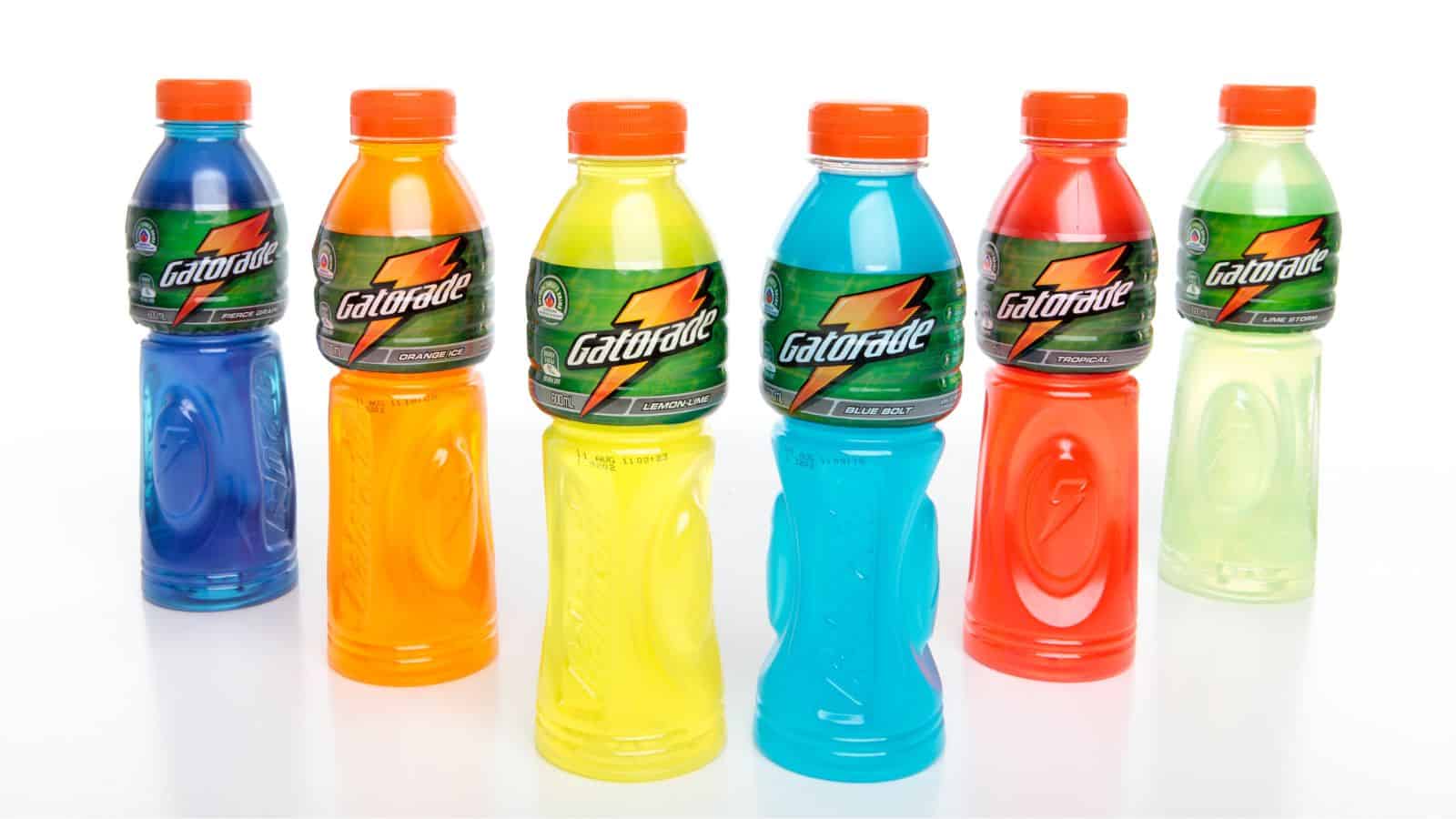
Originally designed for athletes engaging in intense physical activity, sports drinks are often unnecessary for the average person. These beverages contain high amounts of sugar and electrolytes, which can contribute to excess calorie consumption without providing much benefit outside of prolonged exercise. Many also contain artificial colors and preservatives, which some people prefer to avoid. While electrolytes are essential, they can be replenished through whole foods like bananas, coconut water, and lightly salted meals. Water is usually the best option for hydration during moderate activity, while homemade electrolyte drinks can be a better choice for extended exercise sessions.
Bubble Tea (Boba)
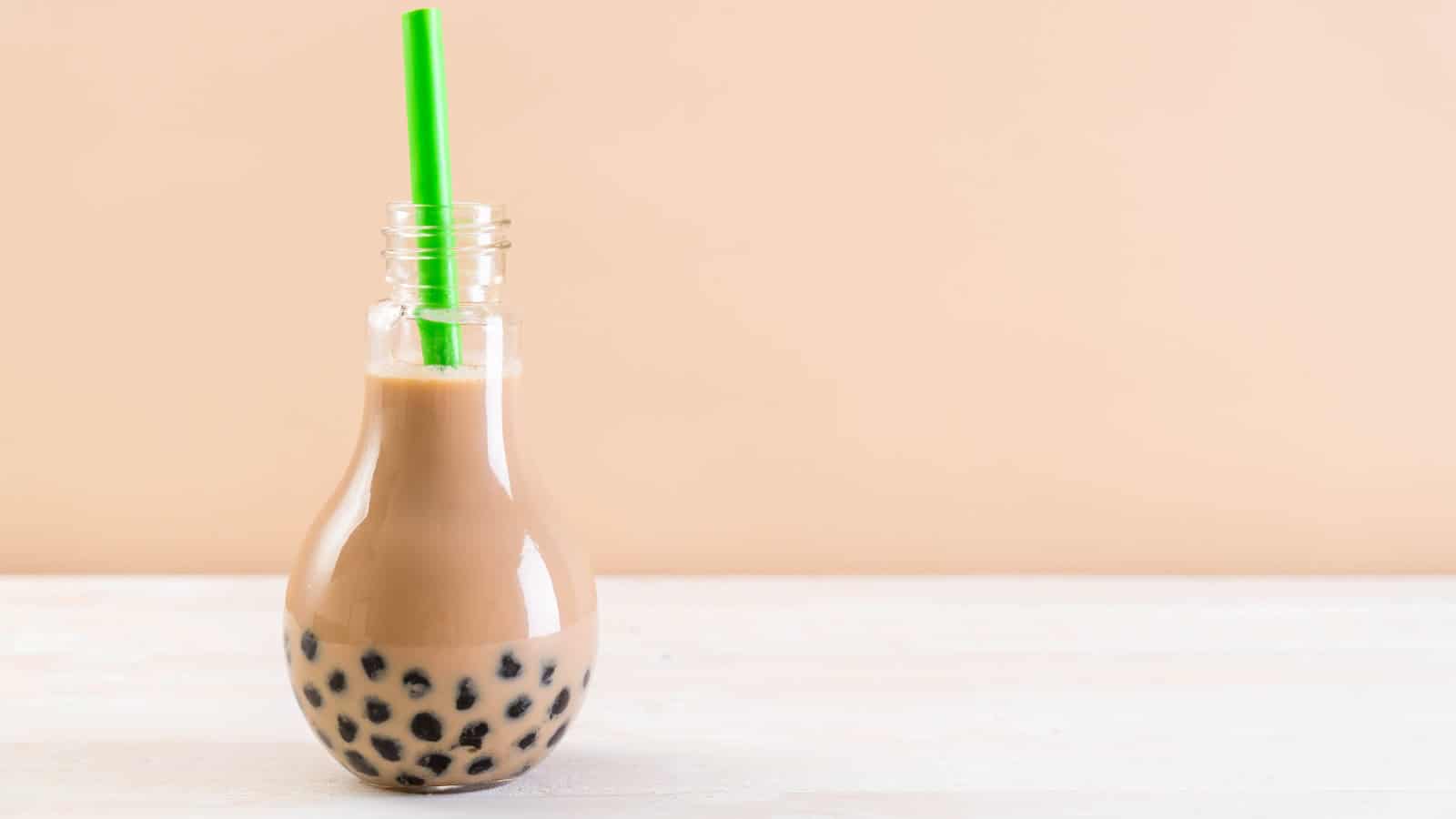
Bubble tea may seem fun and refreshing, but it often contains large amounts of sugar from flavored syrups, sweetened condensed milk, or sugary fruit purees. The chewy tapioca pearls add extra carbohydrates without offering significant nutritional benefits. Some versions even include artificial colors and preservatives. A single serving can have as much sugar as multiple candy bars, making it more of a dessert than a tea-based beverage. For a lighter option, choosing unsweetened tea with minimal syrup or requesting a smaller portion of tapioca pearls can help reduce sugar intake while still enjoying the drink.
Sugary Cocktail Mixers

Pre-made cocktail mixers like margarita or daiquiri blends are often packed with high-fructose corn syrup, artificial flavors, and preservatives. These mixers add unnecessary sugar and calories to drinks, making them a less healthy choice for those who enjoy cocktails. Many also contain artificial dyes, which some people prefer to avoid. Instead of using store-bought mixers, fresh ingredients like citrus juice, muddled fruit, and natural sweeteners can help create a more balanced drink. As a base, soda water or unsweetened fruit juice can also help maintain flavor without excessive added sugars.
Blended Juice Drinks
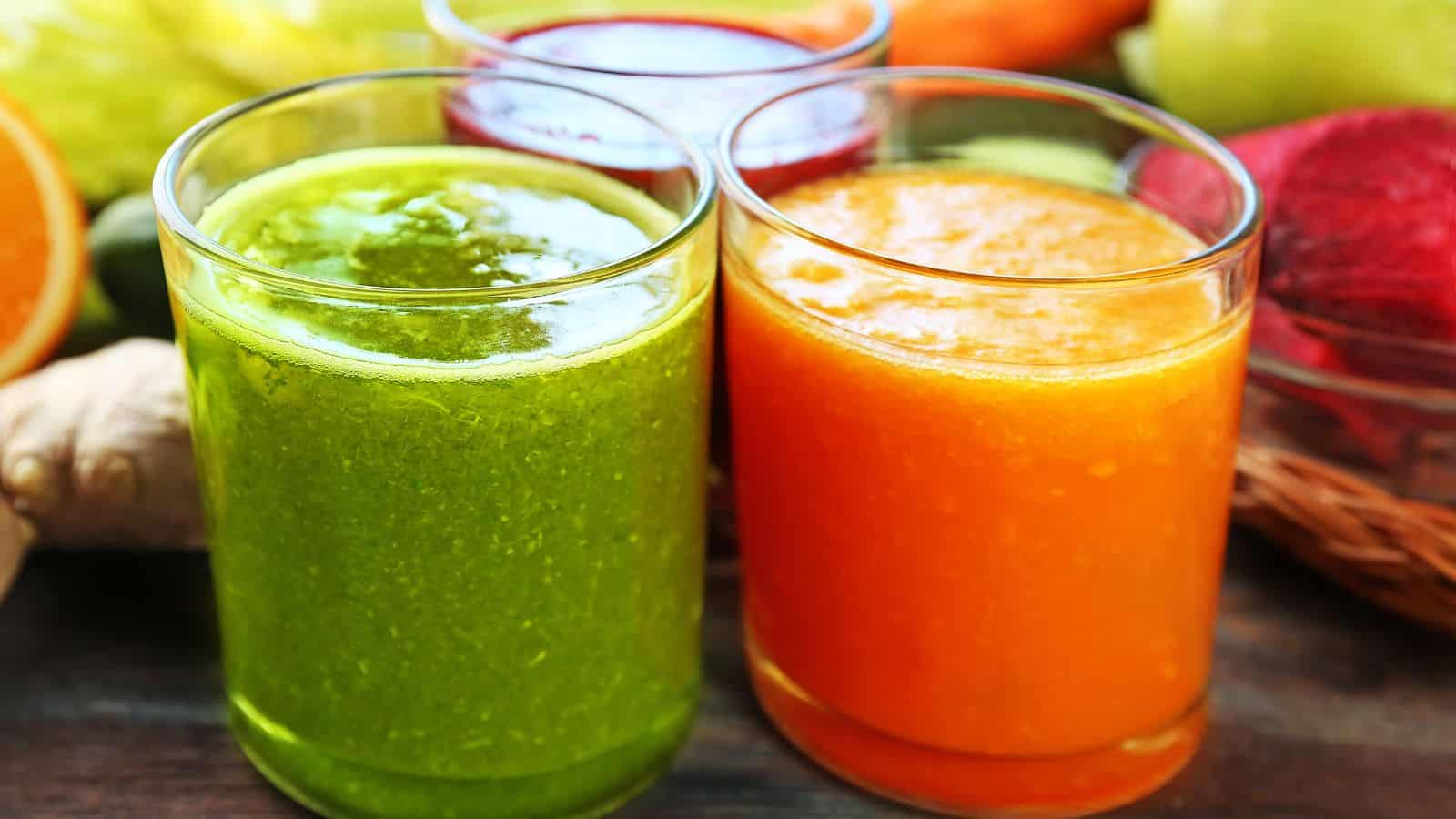
Many blended fruit drinks in cafes and grocery stores contain more sugar than fruit. They are often made from fruit concentrates or purées, which strip away fiber while concentrating natural sugars. These drinks can lead to rapid blood sugar spikes and crashes without fiber to slow digestion. Some versions also include artificial flavors, stabilizers, and added sweeteners, making them less beneficial than whole fruit. A better option is making fresh juice at home or blending whole fruits with vegetables to maintain fiber content. This allows for a more balanced drink with natural sweetness and added nutrients.
Pre-Made Iced Coffee Drinks
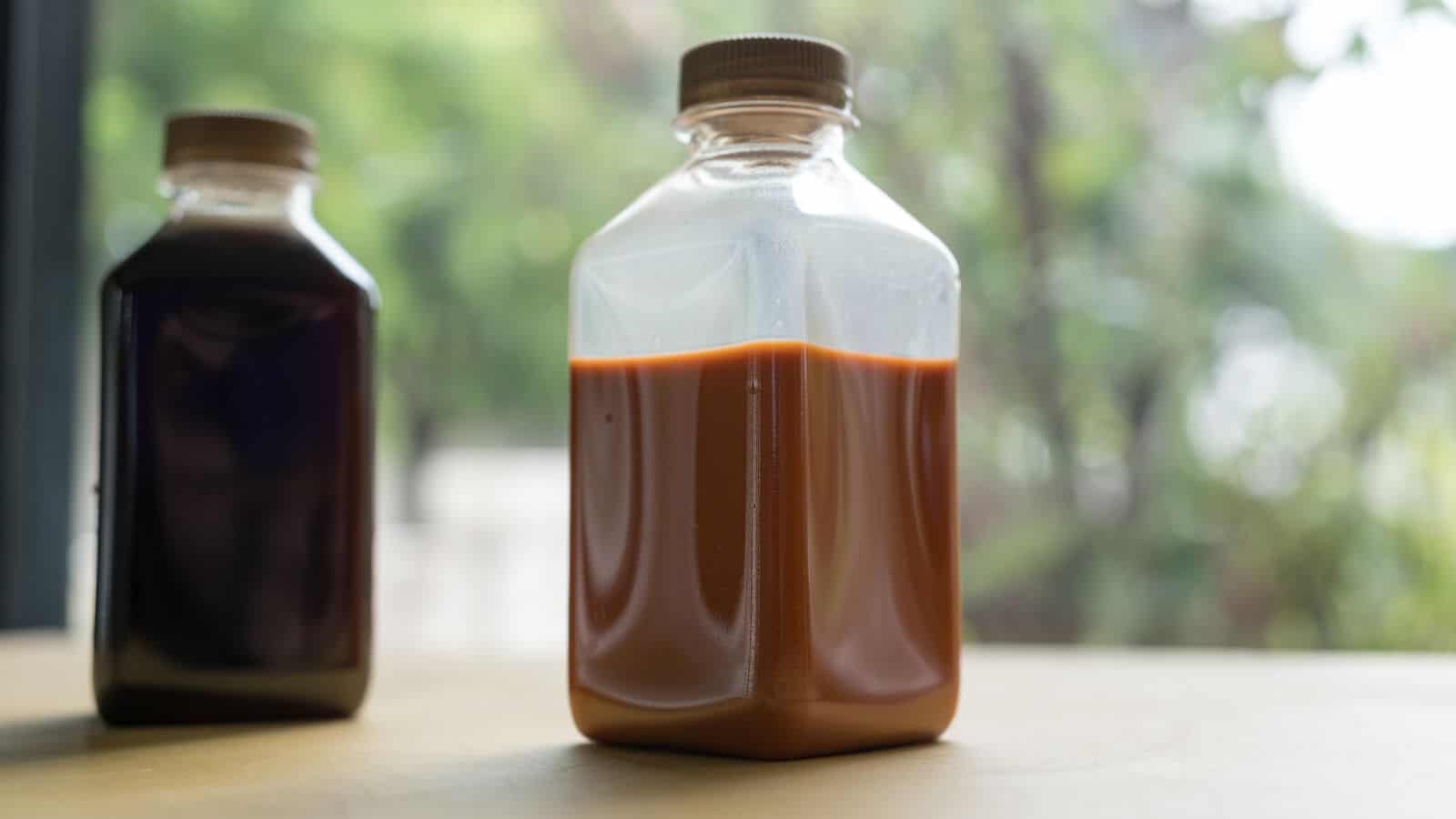
Bottled and canned iced coffee drinks are often high in added sugar and artificial ingredients, making them less healthy than a simple homemade iced coffee. Many contain sweetened creamers, syrups, or flavored oils that significantly increase calorie content without adding nutritional benefits. Some brands use preservatives and artificial stabilizers to maintain texture, which can make the drink less wholesome. For a better alternative, brewing coffee at home and chilling it before adding a splash of milk or a natural sweetener can provide the same convenience without excessive sugar or unnecessary additives.
Flavored Coconut Water
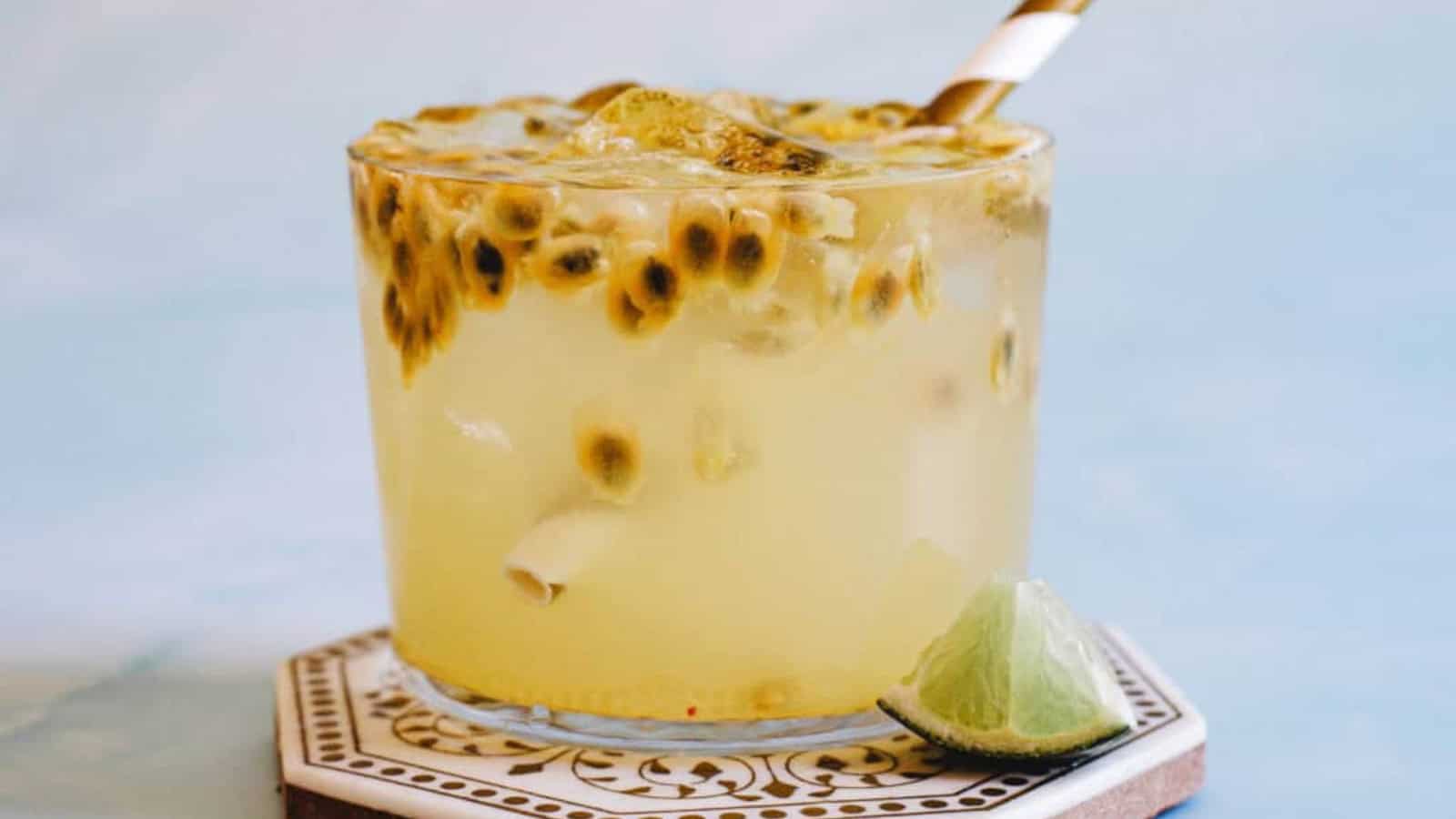
While plain coconut water can be a good source of hydration and natural electrolytes, flavored versions often contain added sugars, artificial fruit flavorings, and preservatives. Some brands market these drinks as a healthier alternative to sports drinks, but the high sugar content can make them more like fruit punch than pure coconut water. The natural sweetness of coconut water is usually enough on its own, so opting for an unflavored version is a better choice for hydration. If more flavor is desired, adding fresh fruit or herbs can provide a natural taste without unnecessary sugars or artificial ingredients.
Instant Flavored Oatmeal Drinks
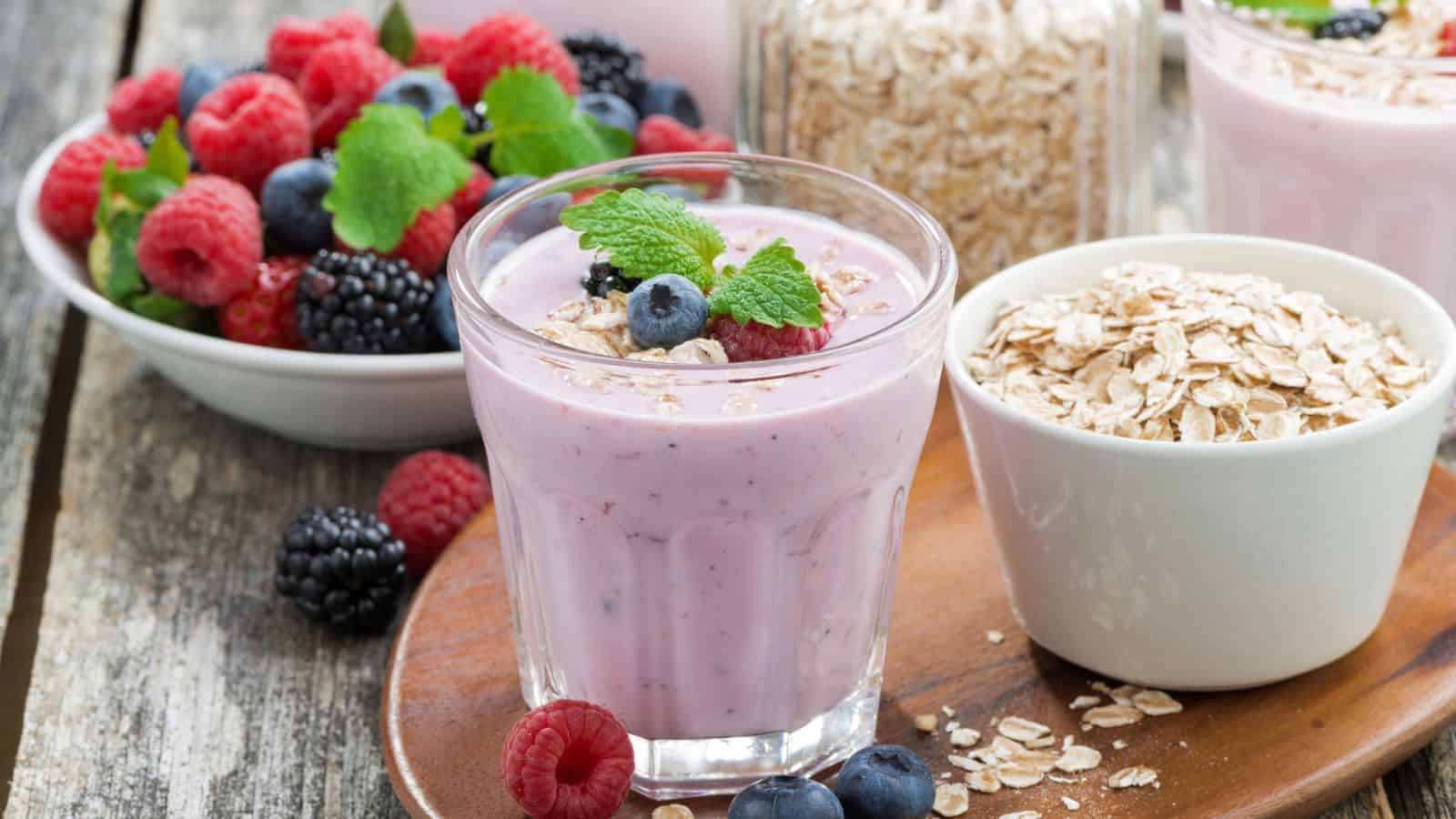
Marketed as a quick breakfast option, instant oatmeal drinks often contain added sugars, artificial flavors, and preservatives. While oats themselves are a good source of fiber and nutrients, the processed versions strip away many of these benefits. Some brands also include hydrogenated oils or thickening agents to improve texture, which adds unnecessary ingredients to a simple food. These drinks can cause blood sugar spikes without providing long-lasting energy. A better alternative is making oatmeal from scratch using whole oats, blending them with milk or a non-dairy alternative, and adding natural sweeteners like fruit or a touch of honey.
Slushies and Frozen Drinks

Slushies and frozen beverages often contain sugar syrups, artificial dyes, and preservatives rather than real fruit or natural flavors. These drinks are designed to be sweet and refreshing but offer little nutritional value. The high sugar content can lead to energy crashes and contribute to weight gain when consumed frequently. Some versions also contain caffeine or artificial sweeteners, which may have additional health concerns. Instead of store-bought frozen drinks, blending real fruit with ice or using herbal teas as a base can create a refreshing alternative without the excessive sugar or artificial additives found in commercial slushies.
Fruit Punch and Powdered Drink Mixes
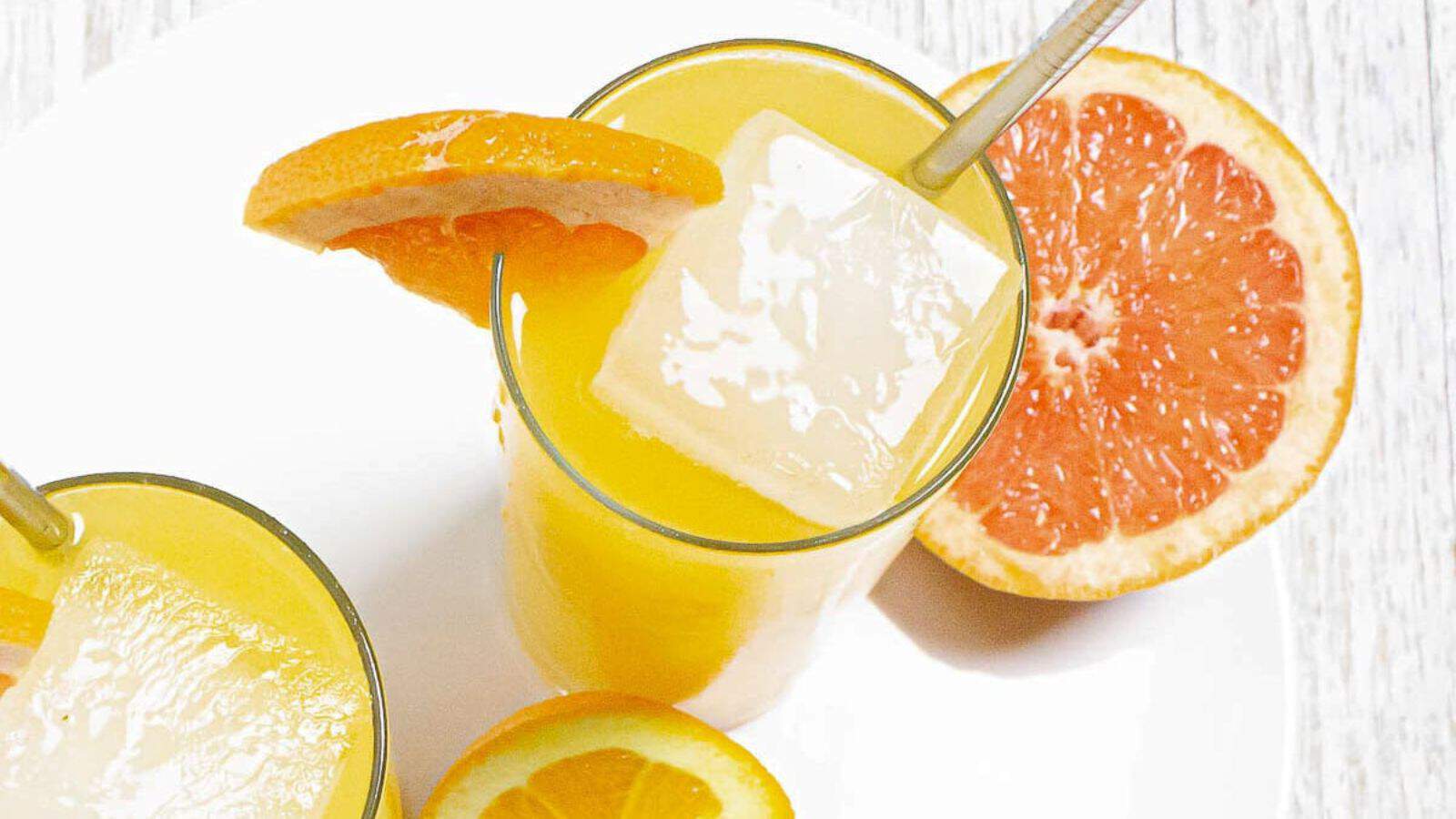
Many fruit punch beverages and powdered drink mixes contain little to no actual fruit juice. Instead, they use artificial colors, sweeteners, and preservatives to create a fruity taste. These drinks are often high in sugar and can contribute to increased calorie intake without any real nutritional benefits. Some powdered drink mixes also contain artificial flavor enhancers that may not be ideal for regular consumption. Choosing freshly squeezed juice, naturally flavored water or herbal teas can be a better way to enjoy a flavorful beverage without artificial ingredients or unnecessary added sugars.
Pre-Made Chai or Matcha Lattes
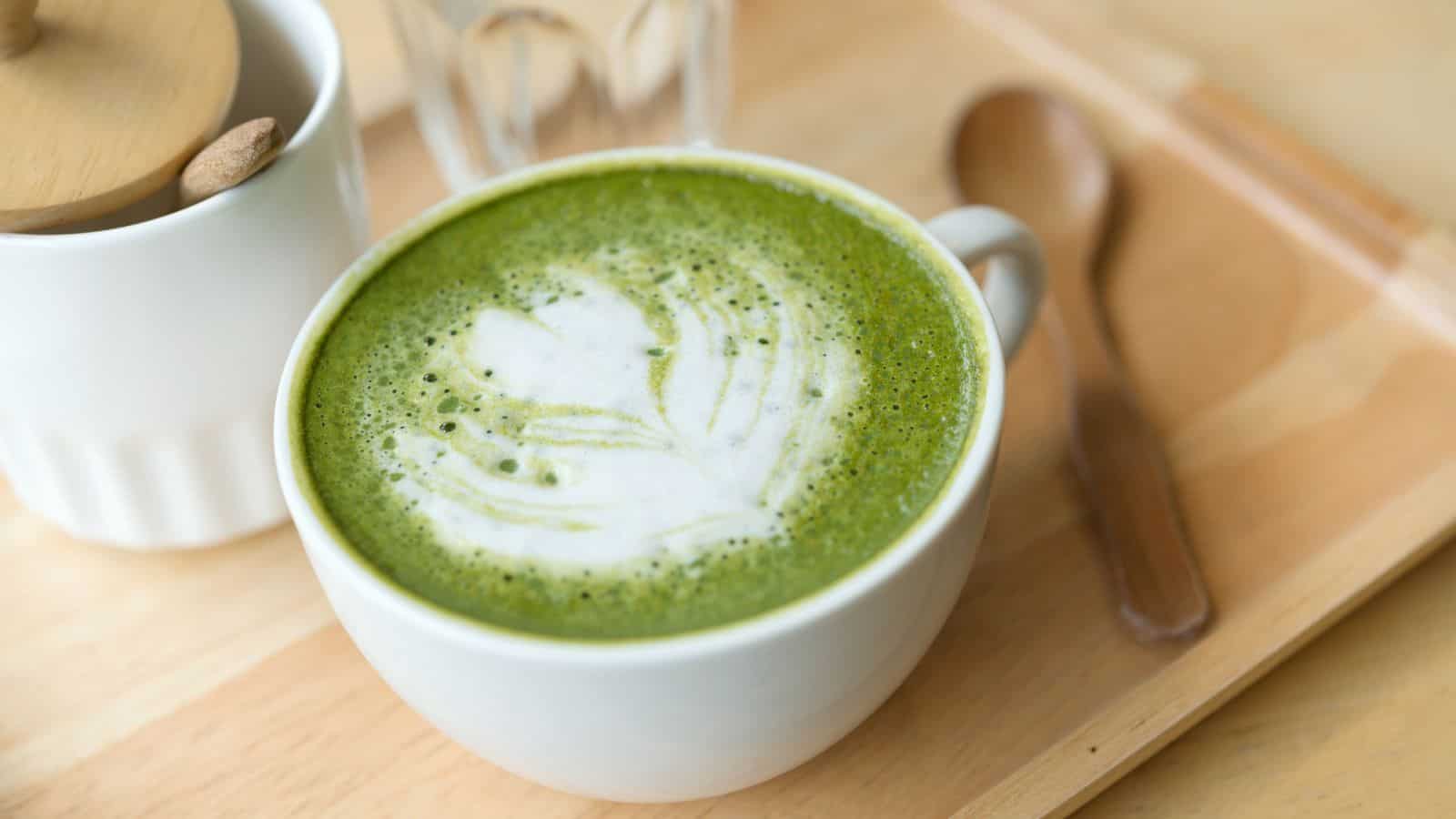
Bottled or café-made chai and matcha lattes are often high in sugar, making them closer to a dessert than a traditional tea. Many versions contain pre-sweetened concentrates or flavored syrups that add extra calories without the benefits of fresh spices or high-quality tea leaves. Even dairy-free versions can include artificial thickeners and preservatives. Making chai or matcha lattes at home with real tea, unsweetened milk, and natural spices allows for a more balanced drink with the same comforting flavors. Using honey or a small amount of maple syrup instead of refined sugar can help maintain a more natural sweetness.
Make Informed Beverage Choices

The 19 beverages that health experts would never order serve as a valuable reminder of the importance of making informed drink choices. While many popular options may seem harmless or even beneficial, they often contain hidden sugars, artificial ingredients, and excessive calories that can negatively impact overall health. What might appear refreshing or energizing could actually be working against your wellness goals.
By recognizing which beverages to avoid, it becomes easier to navigate daily choices and prioritize drinks that truly support well-being. Small changes, like swapping out sugary or highly processed options for more nourishing alternatives, can make a big difference in maintaining a balanced lifestyle. With a little mindfulness, you can enjoy drinks that are both satisfying and beneficial-without sacrificing flavor or enjoyment!
10 Infamous Drinks and Why They Got Their Bad Reputation

Do you know these drinks? Over the years, certain drinks have become infamous, and here's why these 10 got their bad reputation. These beverages often come with a story, reflecting cultural perceptions, unfortunate incidents, or simply the effects they have on those who consume them. Understanding the backgrounds of these infamous drinks can shed light on why they are viewed with caution or disdain.
Read More Here: 10 Infamous Drinks and Why They Got Their Bad Reputation
10 Beverages Dietitians Say Are Making Your Belly Fat Worse

Say goodbye to beer bellies! Many people are unaware that certain beverages can contribute to unwanted belly fat. There are 10 beverages dietitians say are making your belly fat worse, and understanding these choices can help in making healthier decisions. From sugary drinks to seemingly healthy options that are high in calories, these beverages can sabotage even the best intentions.
Read More Here: 10 Beverages Dietitians Say Are Making Your Belly Fat Worse




Comments
No Comments