
Your daily drink choices matter just as much as the food on your plate, and many beverages that seem harmless can be packed with hidden sugars, artificial ingredients, or unnecessary additives. These 19 drinks are ones nutrition pros say they would never touch, and knowing why may help you make better choices for your own routine. Some options look refreshing and even healthy at first glance, but they can quietly undermine wellness goals. From sugary bottled teas to highly processed energy drinks, these beverages often offer more drawbacks than benefits.
Understanding what goes into these drinks makes it easier to avoid common pitfalls and stay hydrated in ways that truly support your health. Experts stress the value of choosing beverages that nourish rather than drain your energy. Want to know which ones they skip and why? Here are 19 drinks to avoid, plus ideas for smarter swaps that still taste great.

Frappuccinos with Whipped Cream
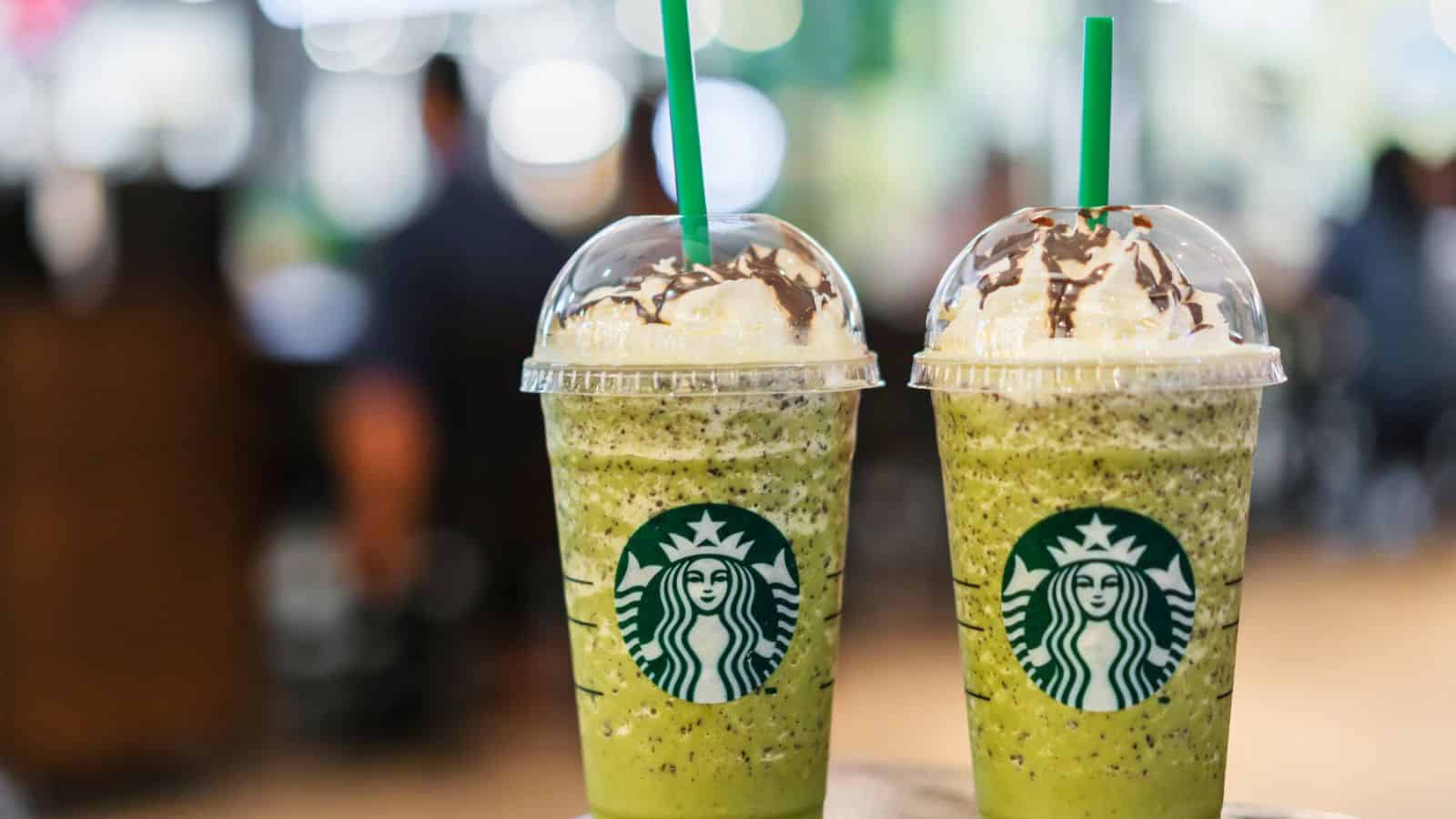
Frappuccinos blend flavored syrups, whole milk, and whipped cream into a drink that's closer to dessert than coffee. A large serving often packs more sugar than several donuts, along with artificial additives and excess calories. The sugar and fat combination can spike blood sugar and lead to an energy crash. Even "light" versions tend to contain significant sweeteners. For a smarter swap, try an iced coffee with a splash of milk and half the syrup.
Sweetened Iced Teas
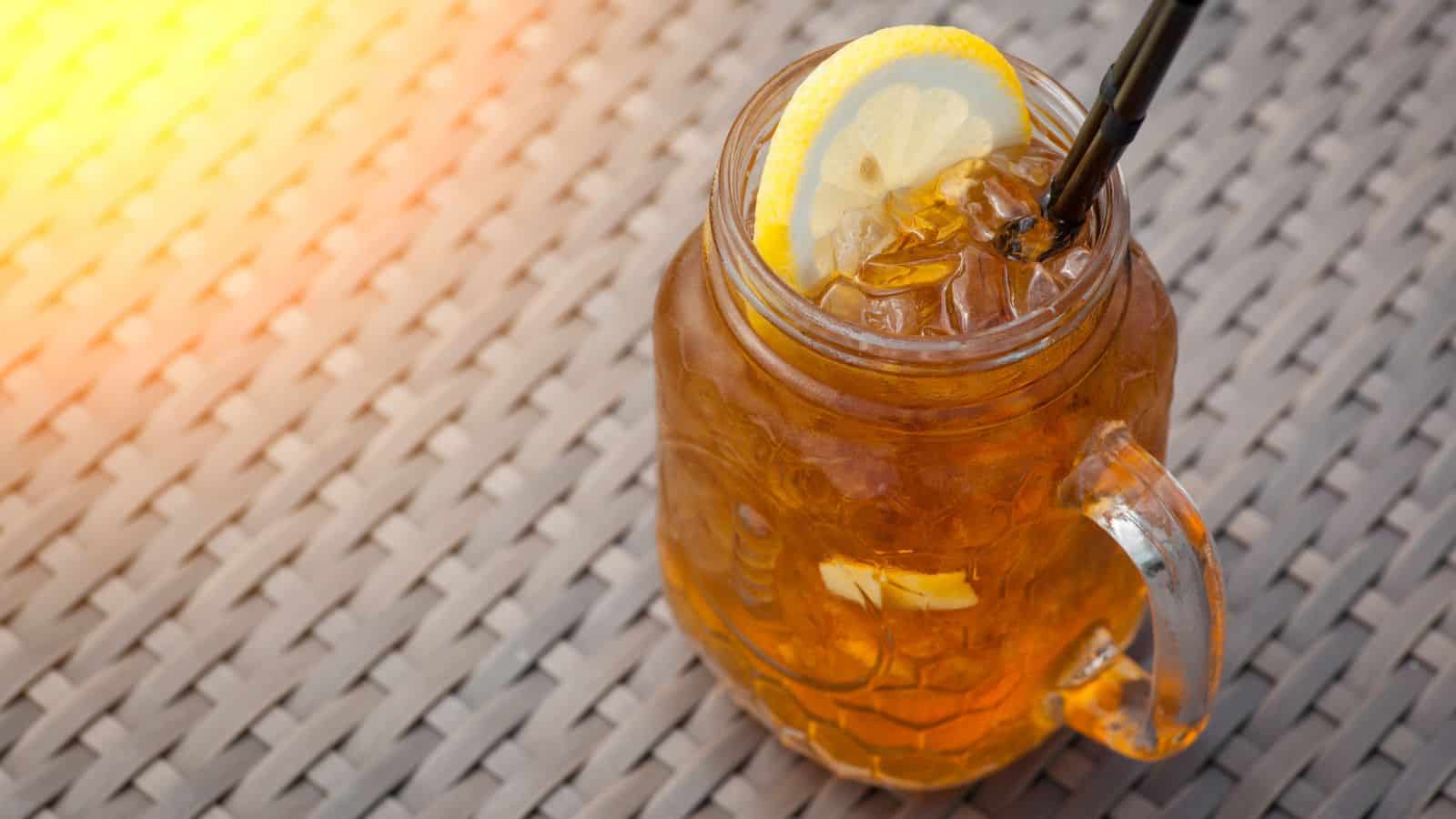
Bottled and pre-sweetened iced teas frequently contain more sugar than soda despite their "lighter" image. Many are sweetened with high-fructose corn syrup or artificial sweeteners, which may affect metabolic health. Unlike freshly brewed tea, these versions lose much of their natural antioxidants. Frequent consumption can lead to blood sugar spikes and weight gain. Unsweetened iced tea with a touch of citrus is a much healthier option.
Energy Drinks
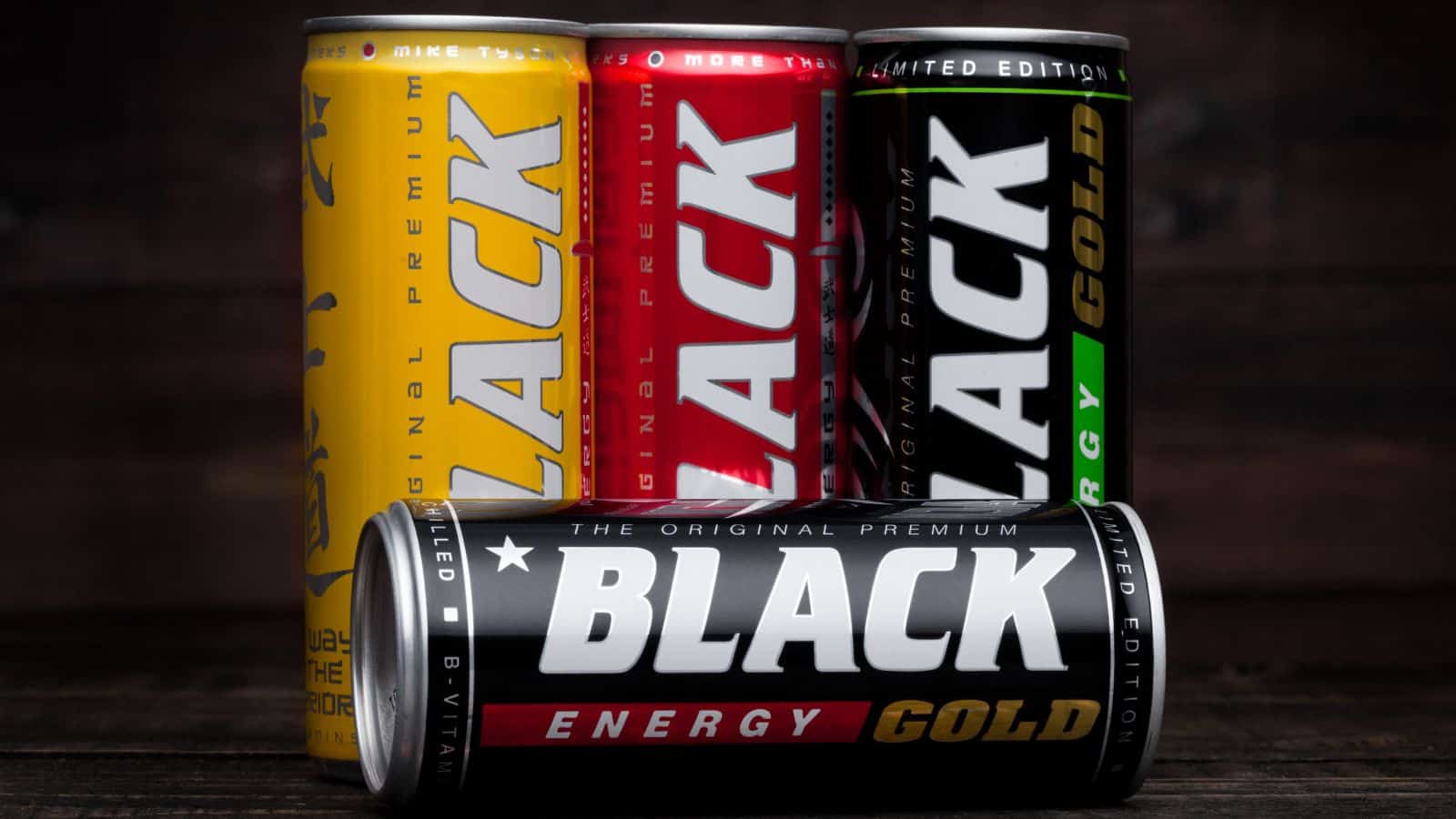
Energy drinks are loaded with caffeine, artificial sweeteners, and stimulants like taurine or guarana. While they offer a quick jolt, they can also cause heart palpitations, anxiety, and poor sleep. Some varieties contain as much sugar as multiple candy bars, adding to the crash that follows. Their heavy stimulant content makes them a poor choice for steady energy. Black coffee or matcha tea offers a cleaner boost without the additives.
Soda (Regular or Diet)
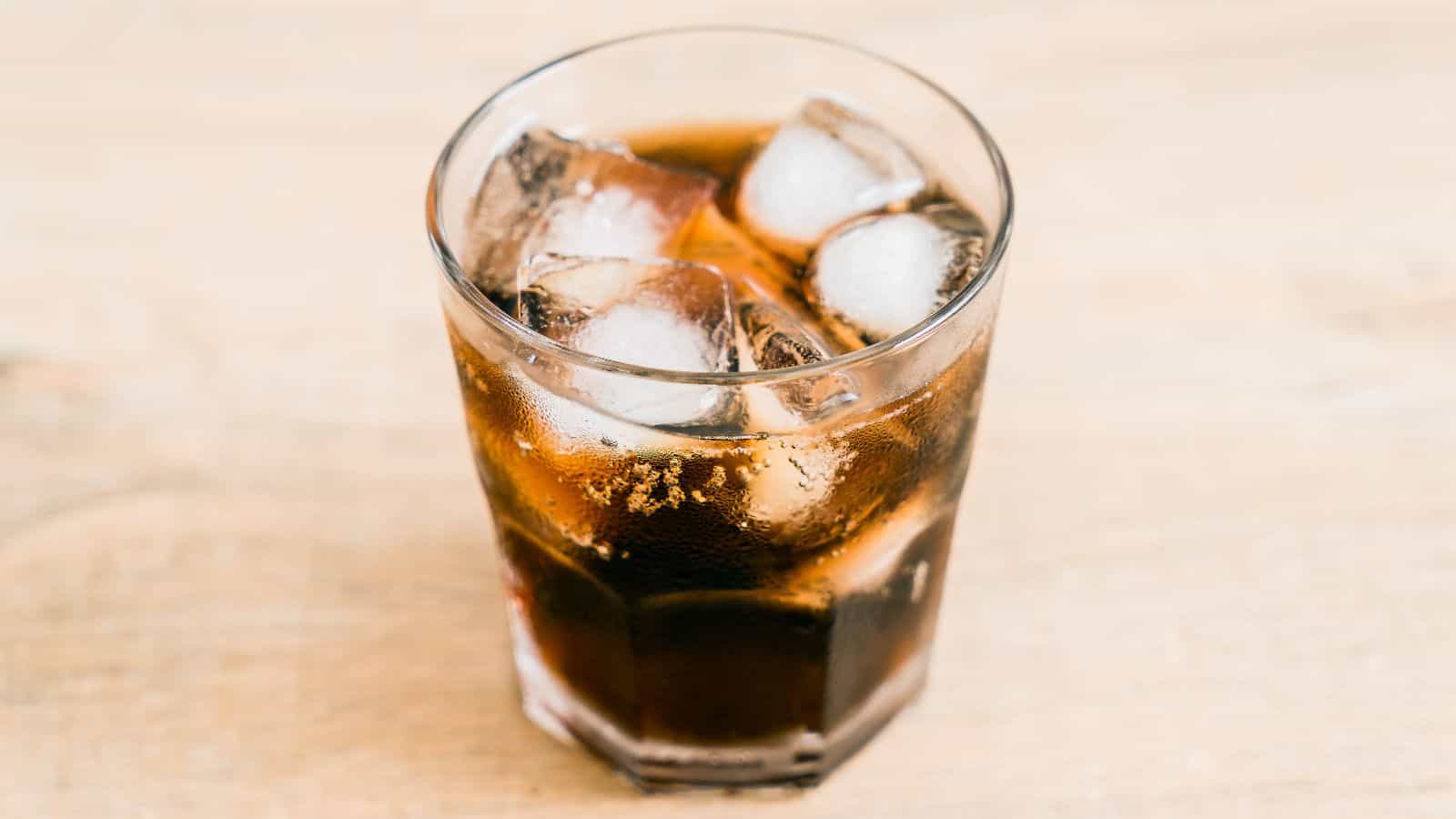
Regular sodas are high in sugar and linked to weight gain and increased diabetes risk. A single can can exceed the recommended daily sugar limit. Diet sodas swap sugar for artificial sweeteners, which can impact metabolism and gut health. Neither option provides meaningful nutrition. Flavored sparkling water or fruit-infused water gives the fizz without the drawbacks.
Bottled Smoothies
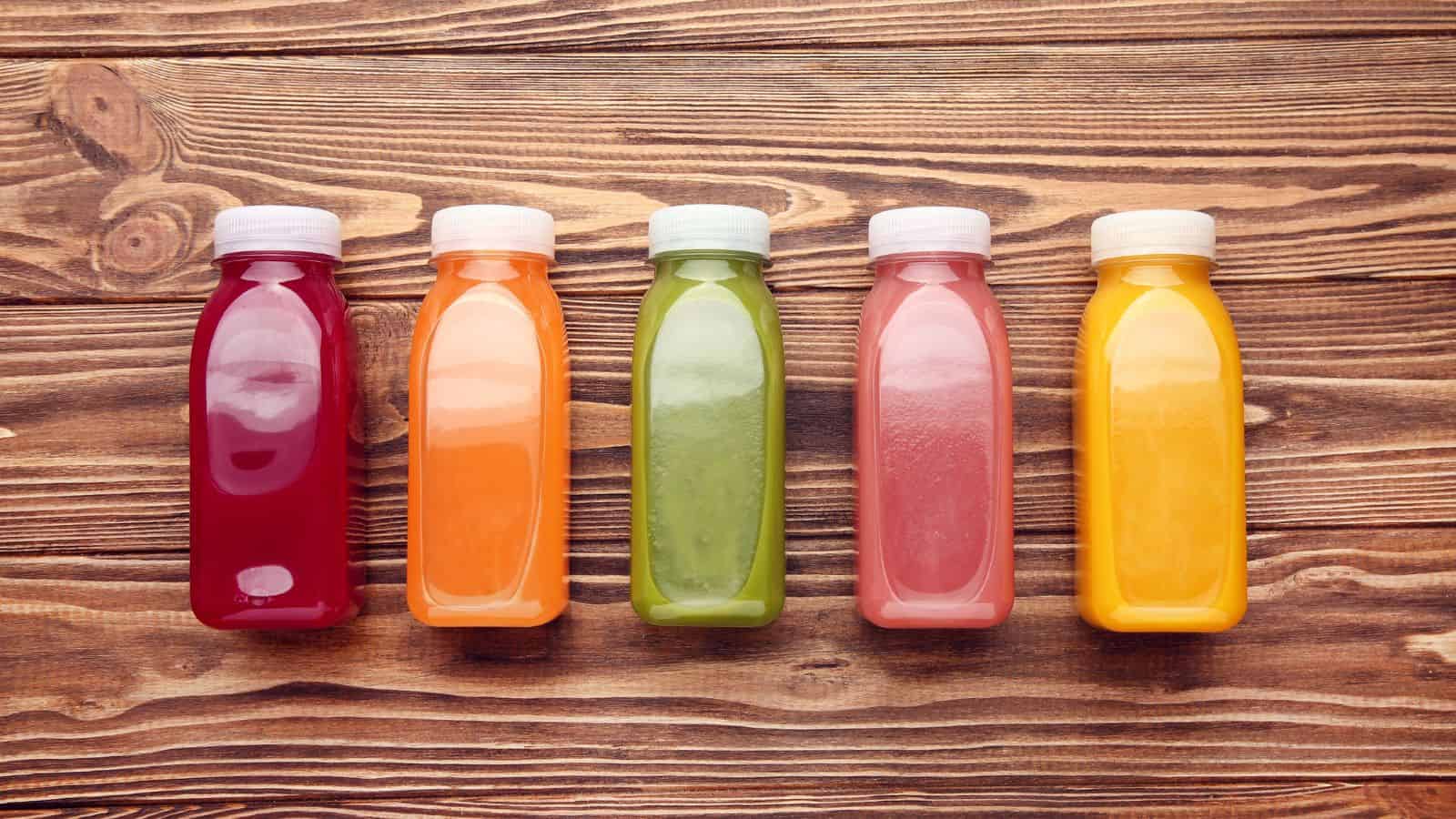
Store-bought smoothies are often marketed as healthy but are high in sugar and low in fiber. Many rely on fruit concentrates or purées that spike sugar content while removing natural fiber. They may also contain thickeners and preservatives that add little nutritional value. Without fiber, they're less filling than a homemade smoothie. Blending whole fruits and veggies at home is the more balanced choice.
Flavored Lattes

Caramel, vanilla, and mocha lattes often contain multiple pumps of syrup, turning coffee into a high-sugar drink. Even with non-dairy milk, hidden sugars are common. A large flavored latte can match the sugar content of a candy bar. These drinks also contribute to energy crashes. Choosing fewer syrup pumps or opting for an unsweetened latte keeps the drink closer to its nutritious core.
Store-Bought Lemonade
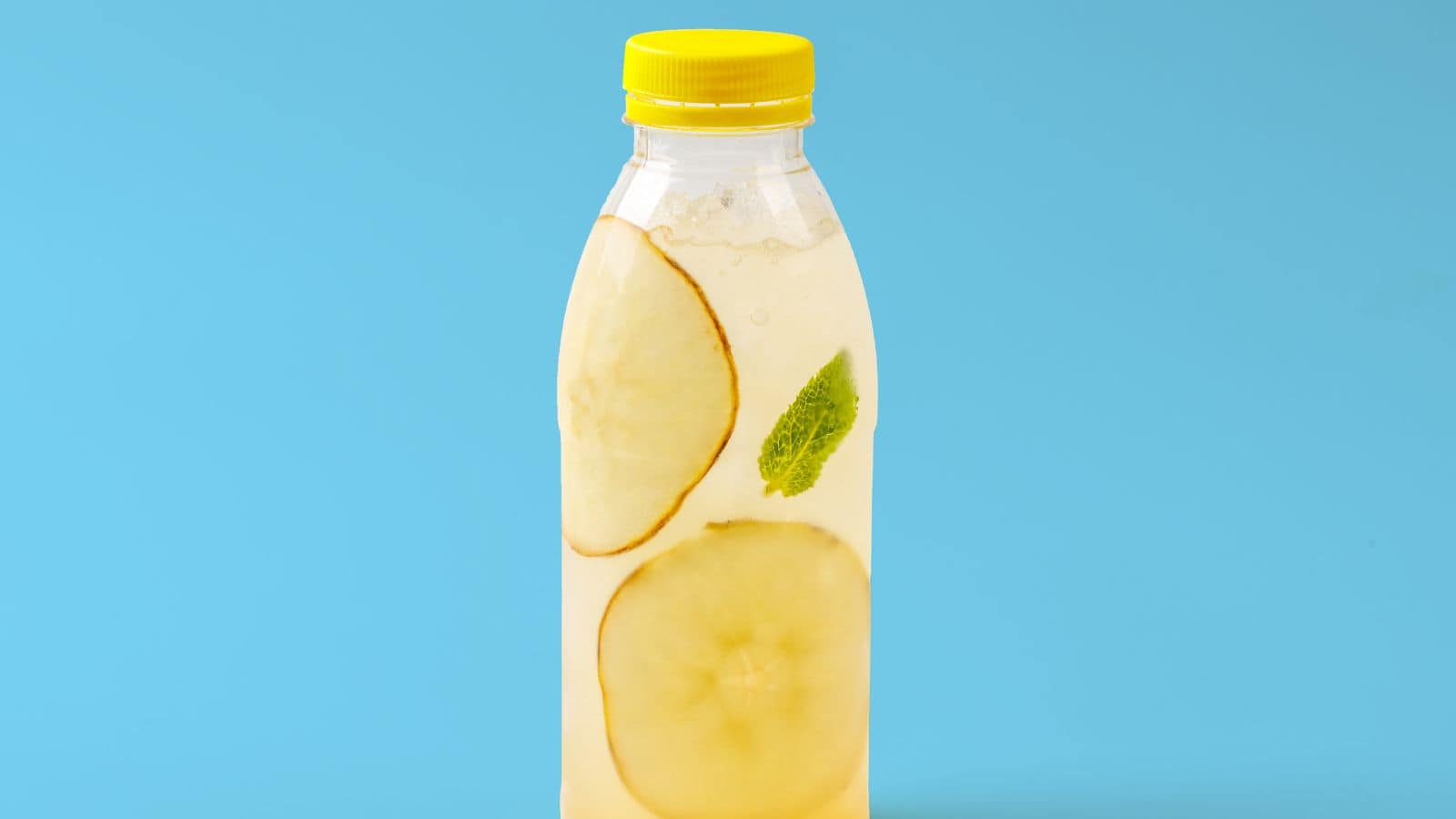
Most bottled lemonade contains minimal real lemon juice and relies heavily on sugar and artificial flavors. Many versions rival soda in sugar content. While lemons contain vitamin C, processed lemonades offer little nutritional value. A simple homemade version with fresh lemon and a small amount of natural sweetener is a much better alternative.
Pre-Made Protein Shakes

Bottled protein shakes often include added sugars, artificial sweeteners, and preservatives. Some use overly processed protein sources that can be difficult to digest. Though convenient, they lack the nutrients and fiber of whole foods. Blending your own shake with yogurt, nut butter, and fruit is a more nourishing option with far fewer additives.
Artificially Flavored Coffee Creamers

Many creamers contain hydrogenated oils, artificial flavors, and synthetic sweeteners instead of real dairy. These additives can contribute to inflammation and other health concerns. Even non-dairy versions often include stabilizers. Milk, unsweetened nut milk, or a small amount of natural sweetener offers a cleaner way to lighten coffee.
Sports Drinks
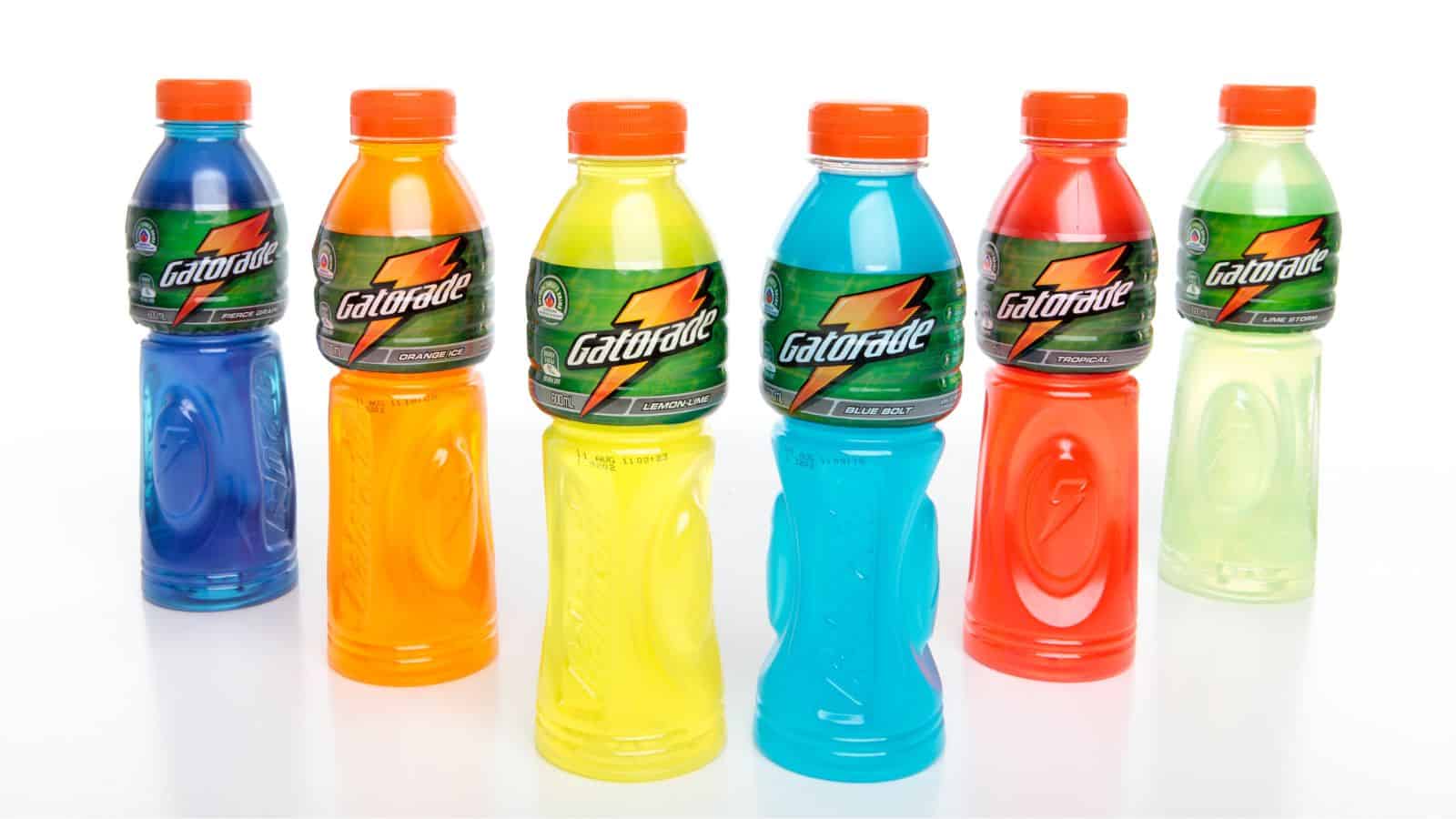
Designed for intense athletes, sports drinks usually aren't necessary for everyday activity. They often contain high sugar levels, artificial colors, and preservatives. For most people, water is sufficient for hydration. For extended workouts, coconut water or a homemade electrolyte drink is a better fit.
Bubble Tea (Boba)

Bubble tea is typically high in sugar due to sweetened tea bases, syrups, and condensed milk. Tapioca pearls add extra calories without nutritional value. A single serving can contain sugar equal to multiple desserts. Ordering unsweetened tea and reducing the syrup or pearls helps cut back significantly.
Sugary Cocktail Mixers

Pre-made mixers like margarita and daiquiri blends are full of high-fructose corn syrup, artificial flavors, and dyes. They add unnecessary calories to drinks. Fresh citrus juice, muddled fruit, or soda water can create cocktails with cleaner ingredients and more balanced sweetness.
Blended Juice Drinks
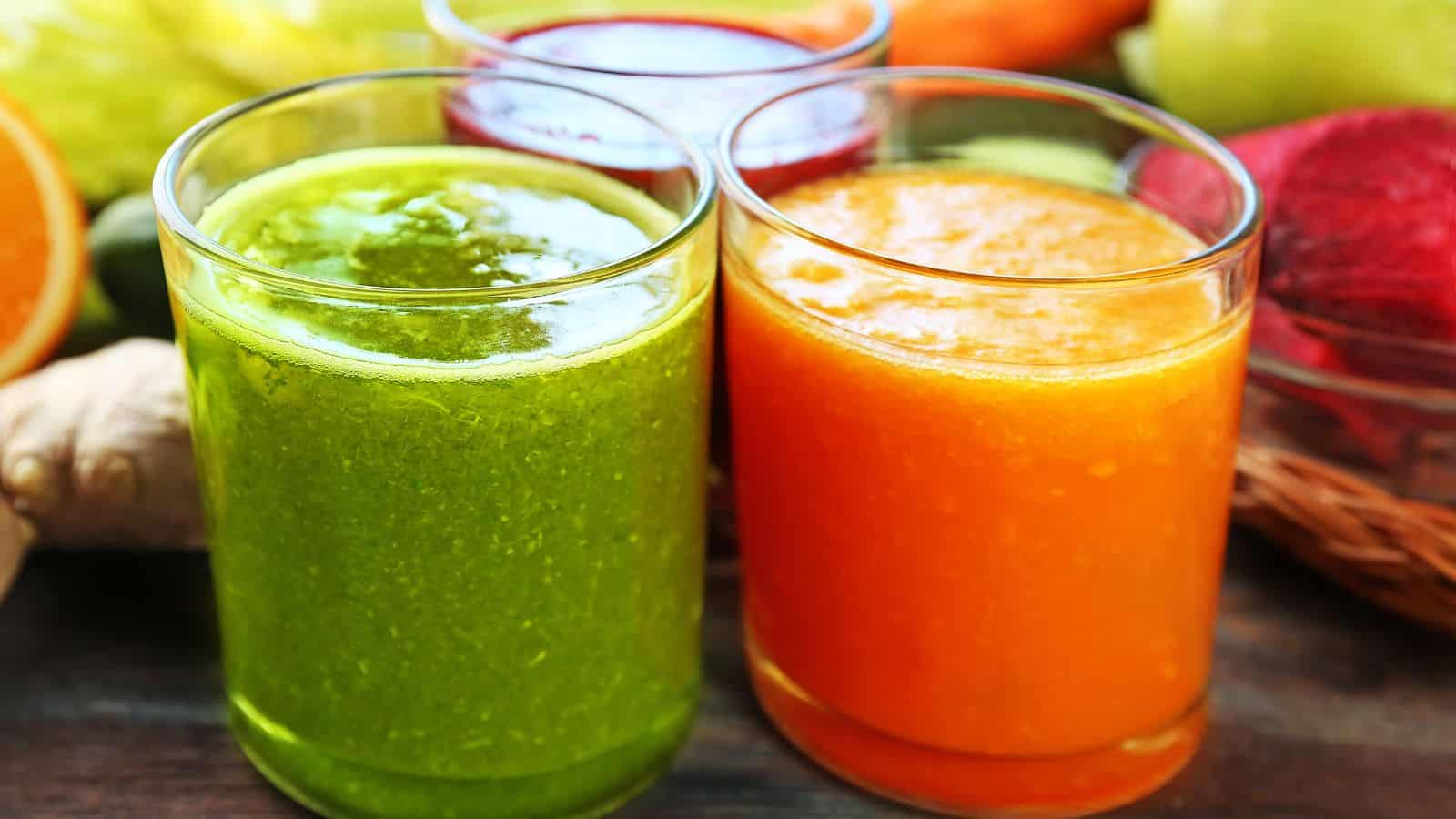
Many blended fruit drinks rely on concentrates rather than whole fruit, stripping away fiber and increasing sugar content. They can cause quick blood sugar spikes followed by a crash. Artificial flavors and stabilizers are also common. Smoothies made with whole fruits and vegetables retain fiber and more nutrients.
Pre-Made Iced Coffee Drinks
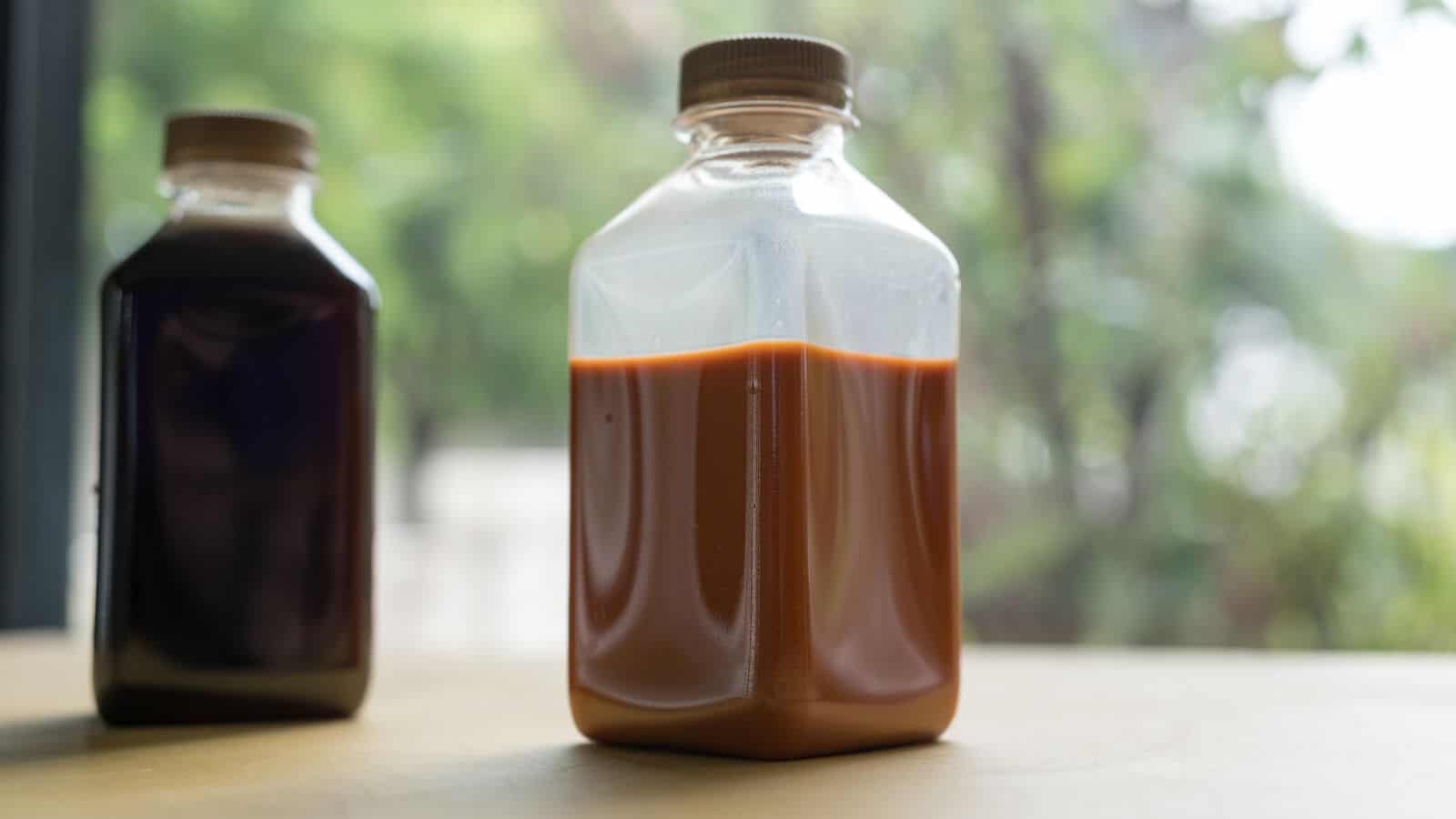
Bottled iced coffees often contain added sugar, sweetened creamers, and artificial stabilizers. These drinks can rival dessert in sugar content. Making iced coffee at home with chilled brewed coffee and a splash of milk gives more control over sugar and ingredients.
Flavored Coconut Water

While plain coconut water is hydrating, flavored versions often contain added sugars and artificial flavorings. Many are marketed as healthy without delivering the benefits of pure coconut water. Choosing unflavored coconut water or adding fresh fruit slices keeps the drink natural and lower in sugar.
Instant Flavored Oatmeal Drinks
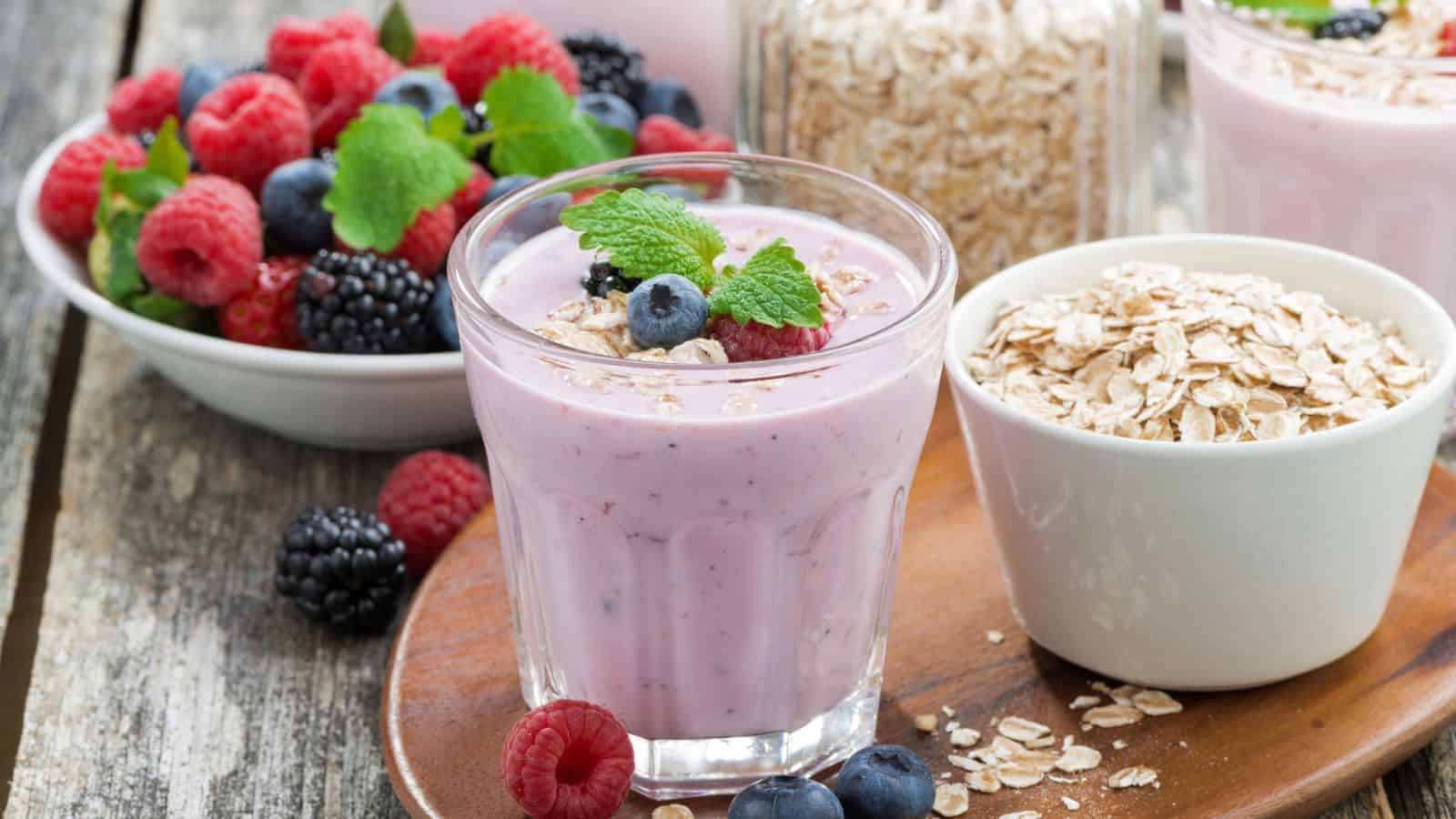
These quick breakfast drinks often contain added sugars, artificial flavors, and thickeners. They lack the fiber and nutrients found in whole oats and can lead to blood sugar spikes. Making blended oatmeal drinks from whole oats, milk, and fruit creates a more balanced option.
Slushies and Frozen Drinks

Slushies are typically made with sugar syrups, dyes, and flavorings rather than real fruit. Their sugar content is extremely high, offering little nutritional value. Blending real fruit with ice or chilled herbal tea provides a refreshing alternative without the additives.
Fruit Punch and Powdered Drink Mixes
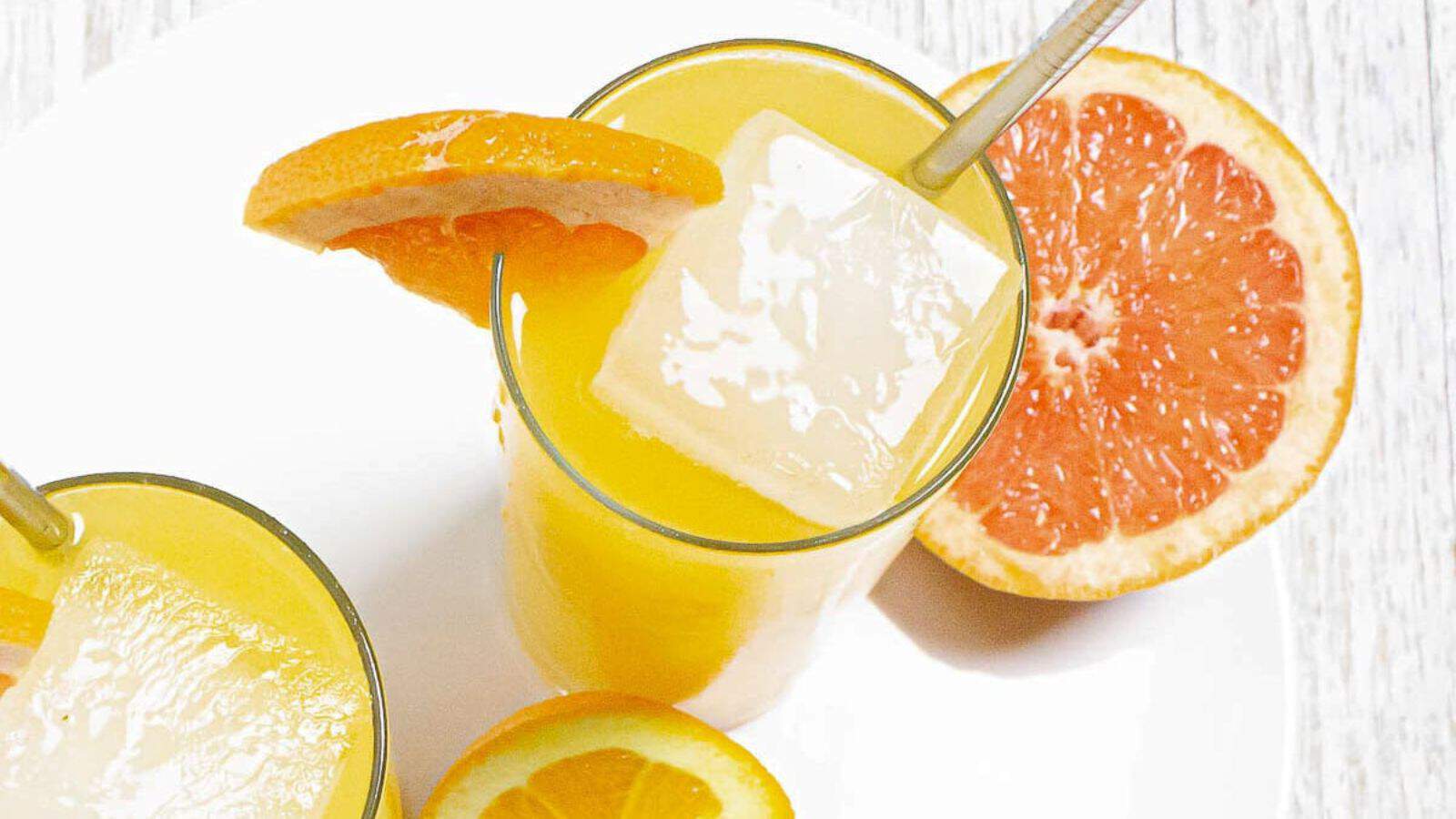
These mixes are usually made with artificial colors, sweeteners, and preservatives. They contain little actual fruit and are often very high in sugar. Freshly squeezed juice or naturally flavored water offers better hydration without unnecessary additives.
Pre-Made Chai or Matcha Lattes
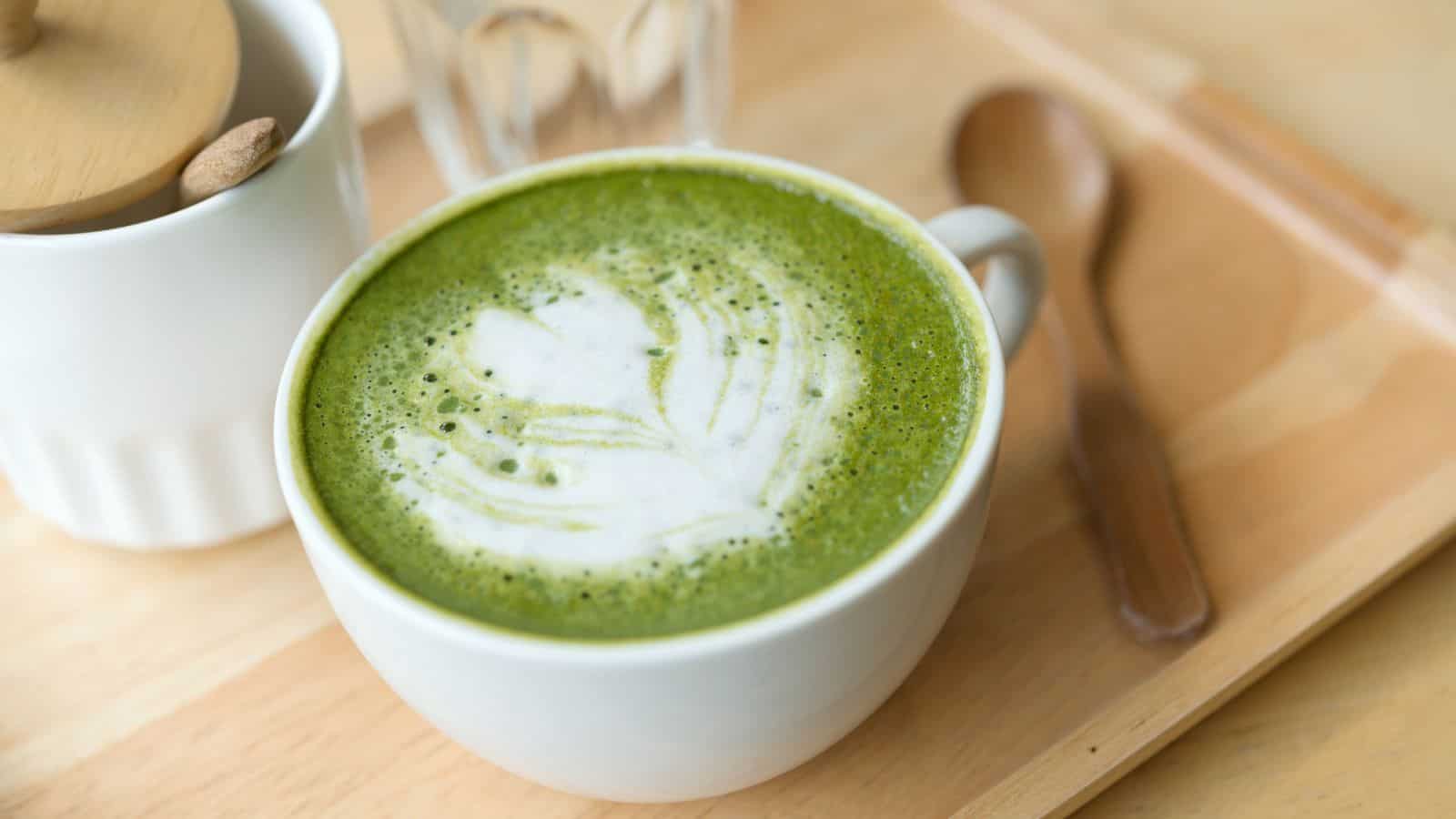
Bottled or café versions often rely on pre-sweetened concentrates, leading to high sugar content. Many also include artificial thickeners and stabilizers. Making chai or matcha at home with real tea and unsweetened milk provides the flavor without the excess sugar or additives.
Make Informed Beverage Choices

These 19 drinks show how easy it can be to consume hidden sugars and additives without realizing it. Many beverages look refreshing or even healthy but offer little nutritional value. Being aware of what to avoid helps you choose drinks that support your overall well-being rather than working against it.
Small adjustments-like opting for unsweetened versions or choosing whole ingredients-can make a significant difference in how you feel throughout the day. With a little mindfulness, you can enjoy flavorful drinks that align with your health goals without giving up enjoyment.
10 Infamous Drinks and Why They Got Their Bad Reputation

Do you know these drinks? Over the years, certain drinks have become infamous, and here's why these 10 got their bad reputation. These beverages often come with a story, reflecting cultural perceptions, unfortunate incidents, or simply the effects they have on those who consume them. Understanding the backgrounds of these infamous drinks can shed light on why they are viewed with caution or disdain.
Read More Here: 10 Infamous Drinks and Why They Got Their Bad Reputation
10 Beverages Dietitians Say Are Making Your Belly Fat Worse

Say goodbye to beer bellies! Many people are unaware that certain beverages can contribute to unwanted belly fat. There are 10 beverages dietitians say are making your belly fat worse, and understanding these choices can help in making healthier decisions. From sugary drinks to seemingly healthy options that are high in calories, these beverages can sabotage even the best intentions.
Read More Here: 10 Beverages Dietitians Say Are Making Your Belly Fat Worse



Comments
No Comments