
Understanding different beer styles can greatly enhance the drinking experience, and there are 19 essential beer types every drinker should recognize. Each type has its own unique characteristics, flavors, and brewing methods that contribute to the vast world of beer. Being familiar with these styles can help individuals make informed choices when selecting a brew, from light lagers to rich stouts.
Many people may find themselves reaching for the same familiar options, but exploring the variety of beer types can lead to new favorites and a deeper appreciation for craft brewing. Knowing the differences between styles can also enhance social experiences at a bar, brewery, or gathering with friends.
Explore these essential beer types and get to know the wide, flavorful world of beer. It's the perfect chance to try something new, learn what you like, and make every sip more enjoyable!

Pilsner
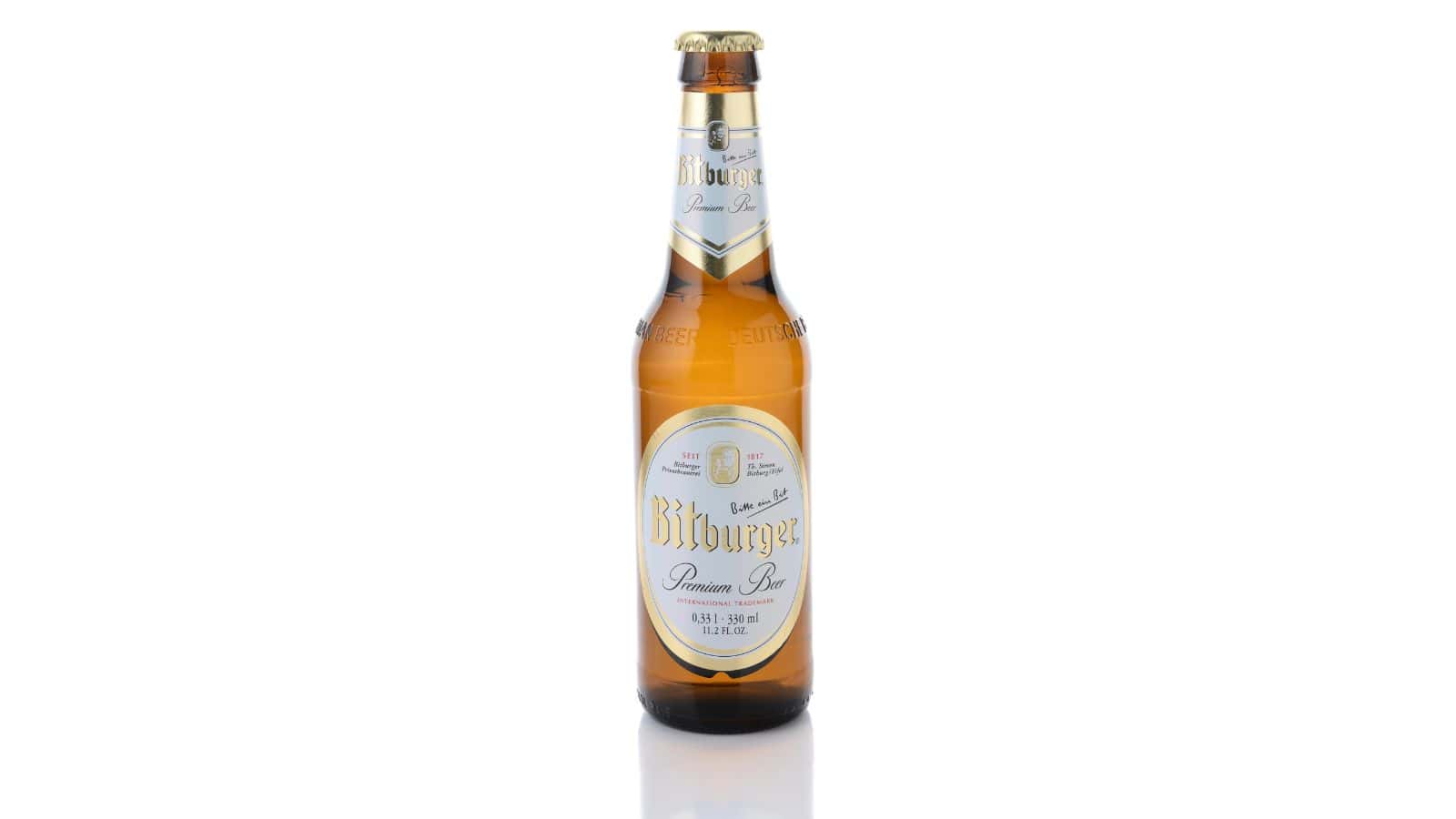
This light, golden lager originated in the Czech Republic and remains one of the most recognizable beer styles worldwide. It has a crisp, clean body with a balance of floral and spicy hop notes that come from traditional noble hops. The subtle malt character provides a gentle sweetness that rounds out the flavor. The carbonation enhances its refreshing nature, making it a common choice for warm weather. Pilsners are known for their clarity, bright golden hue, and frothy white head. Whether German or Czech in style, this beer remains a favorite for those who prefer something crisp and refreshing.
Helles Lager
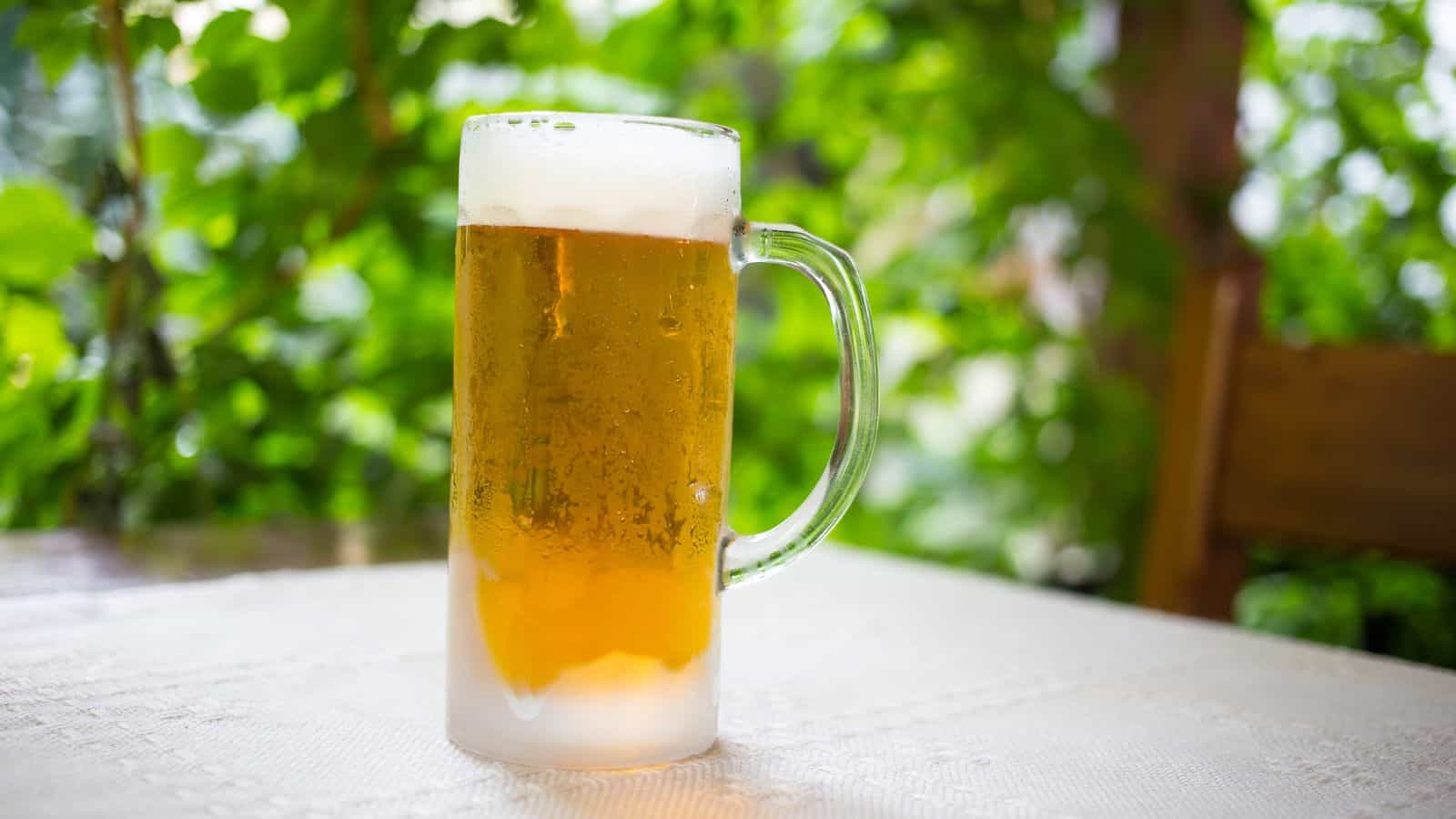
This traditional German lager is brewed with a focus on malt character, resulting in a smooth and slightly sweet profile. It pours a pale golden color with a clear body and a dense, frothy head. The aroma features notes of freshly baked bread, soft floral hops, and a touch of honey. The taste is balanced, with a gentle malt sweetness upfront that is complemented by a restrained bitterness. The finish is crisp and clean, making it an excellent everyday beer. Unlike hoppier lagers, Helles focuses more on the malt, creating a flavorful yet easy-to-drive beer.
Doppelbock
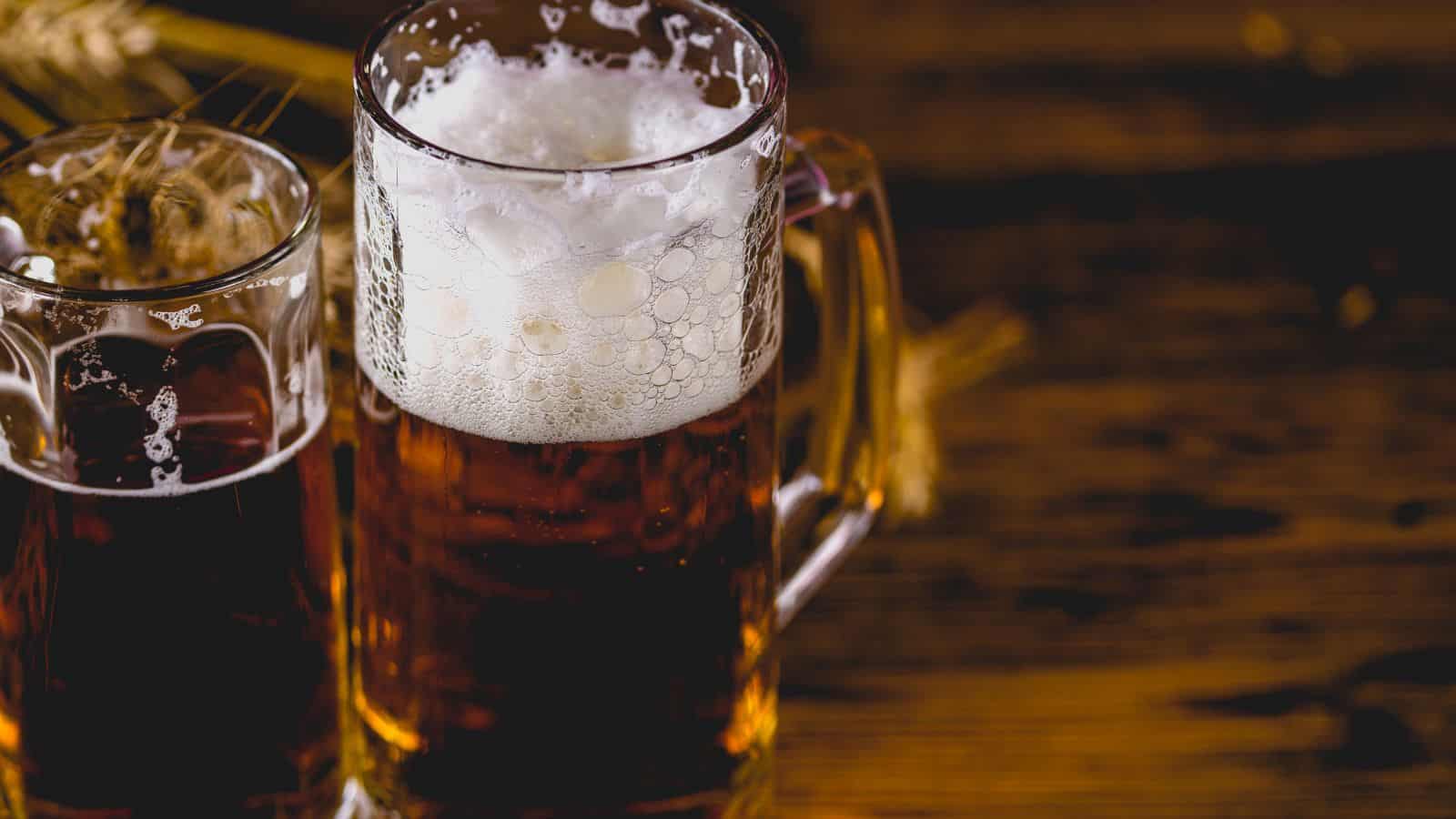
This strong, malty lager originated in Germany and was historically brewed by monks as a source of sustenance during fasting periods. It has a deep amber to dark brown color and pours with a thick, tan head. The aroma is rich with caramelized sugar, toasted bread, and hints of dark fruit such as raisins and figs. The bold flavor features layers of toffee, molasses, and roasted malt with a touch of chocolate. Despite its full body, it finishes clean without excessive sweetness. This beer is often enjoyed in cooler months and pairs well with hearty dishes.
Märzen (Oktoberfest Beer)
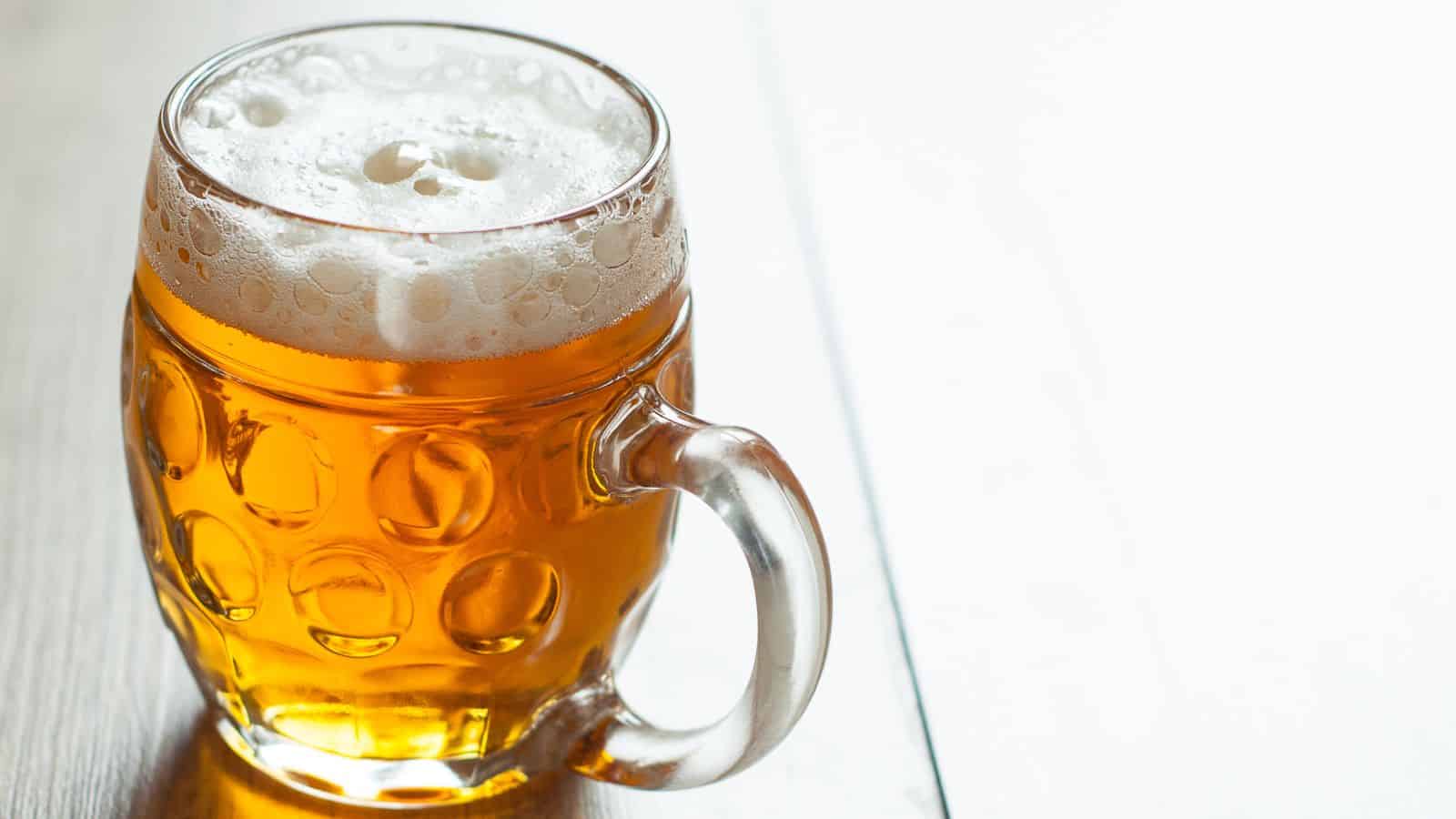
Traditionally brewed for Oktoberfest celebrations, Märzen is a lager known for its malt-forward character and smooth drinkability. It pours a rich amber color with a clear body and a thick, frothy head. The aroma features notes of toasted bread, caramel, and a subtle earthiness from noble hops. The taste is built around a rich malt backbone, offering flavors of biscuit, mild caramel, and a light nuttiness. The hop bitterness is mild but present, keeping the beer balanced. Märzen has a medium body with moderate carbonation, making it easy to drink while still providing depth.
Kölsch
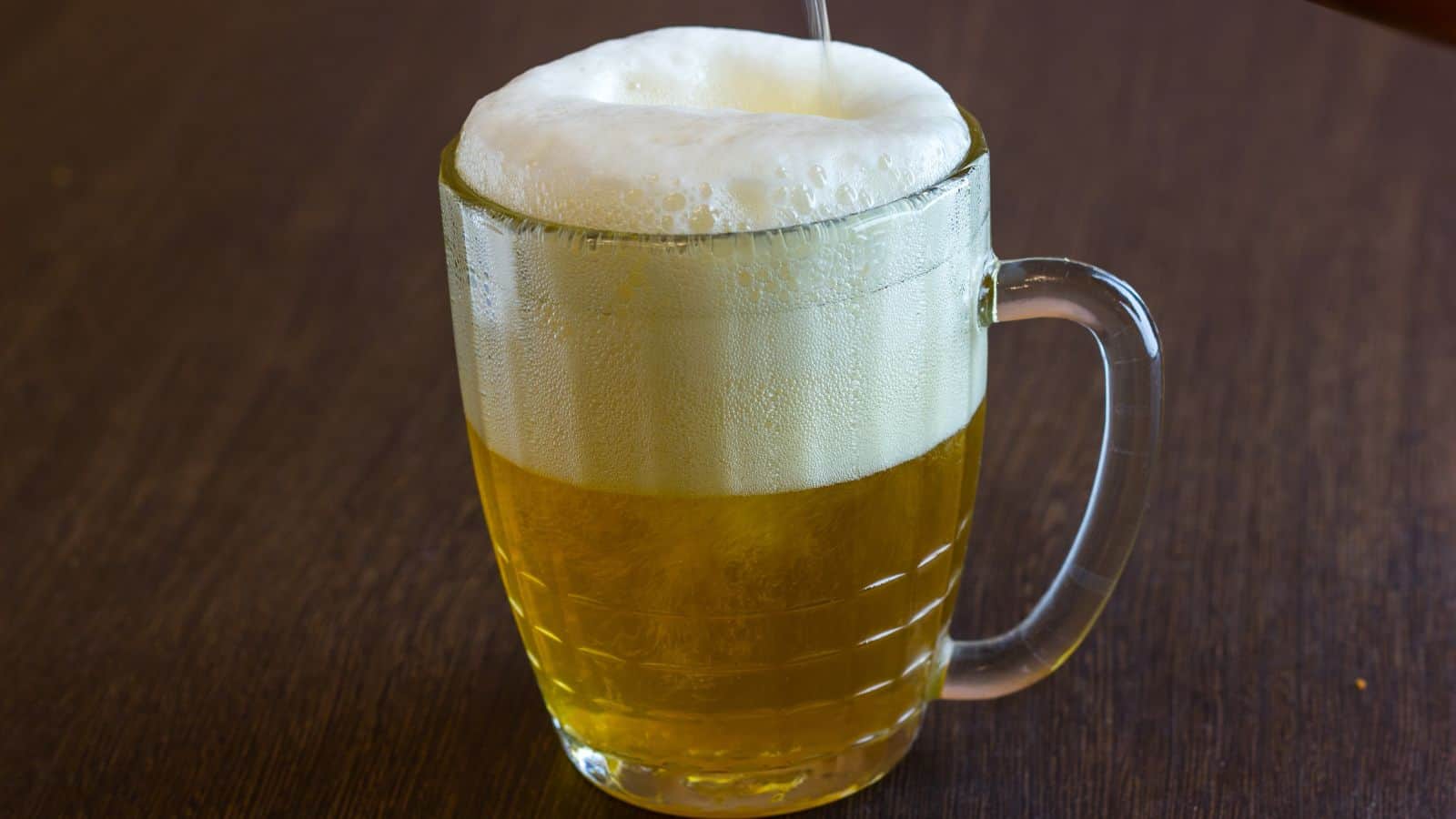
This German-style beer is brewed in Cologne and is known for its crisp, delicate character. It combines elements of both lagers and ales, undergoing warm fermentation like an ale before being conditioned at cooler temperatures. Kölsch pours a pale golden color with a bright, clear appearance and a frothy white head. The aroma carries light fruitiness, floral hops, and a touch of grain. The taste is clean and mildly sweet, with notes of soft malt, subtle citrus, and a hint of herbal hops. The body is light, with a smooth mouthfeel and a dry finish, making it easy to drink.
Schwarzbier
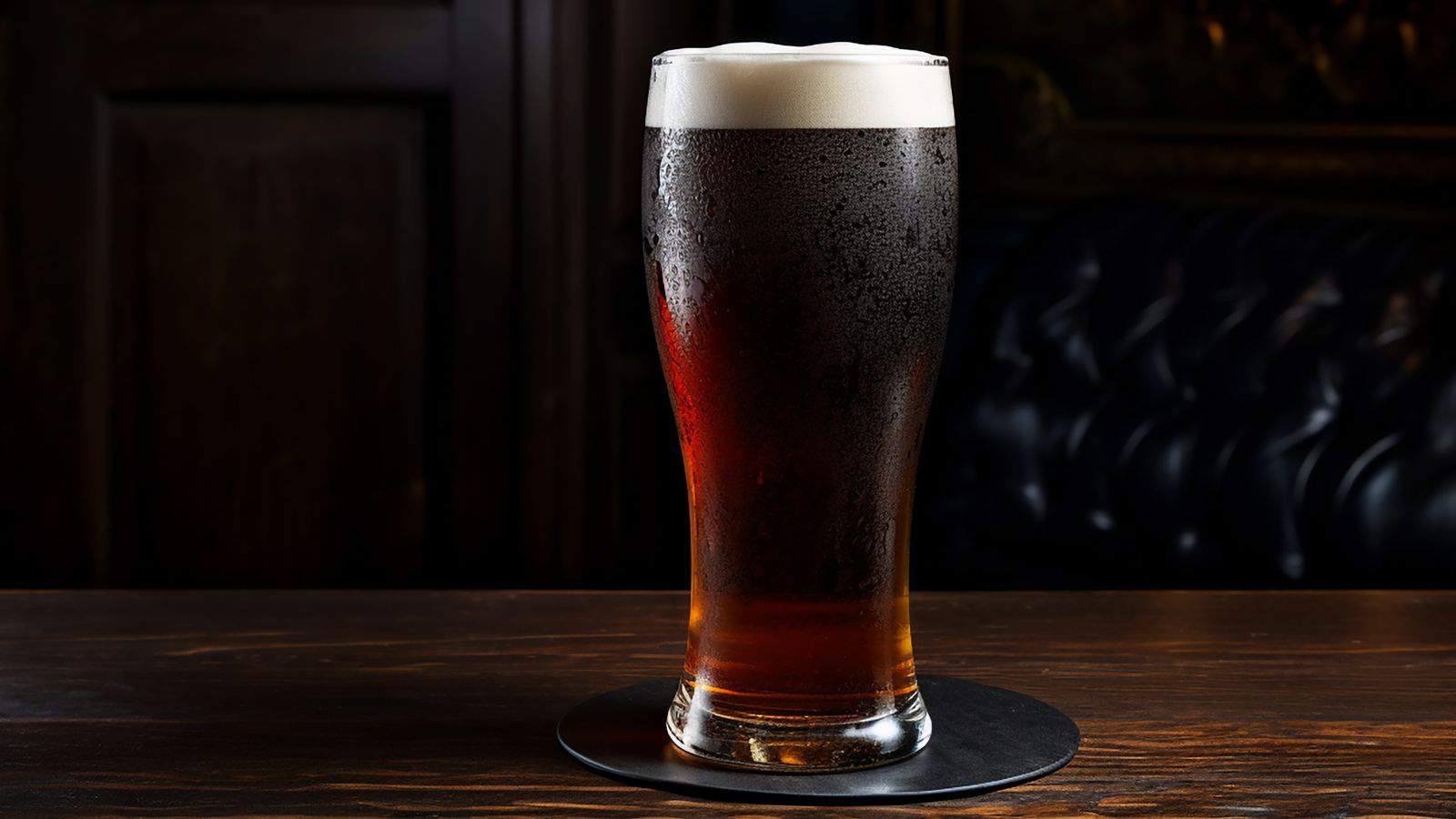
This dark German lager is known for its roasted malt character while maintaining a light, crisp body. Despite its deep brown to nearly black color, Schwarzbier is not overly heavy. It pours with a creamy tan head and gives off toasted bread, cocoa, and mild coffee aromas. The flavor leans toward roasted grains, caramel, and dark chocolate, with a mild bitterness from both hops and malt. Unlike heavier dark beers, it finishes clean and smooth with a balanced dryness. The moderate carbonation and lighter body make it approachable while still delivering layers of roasted malt flavor.
Rauchbier
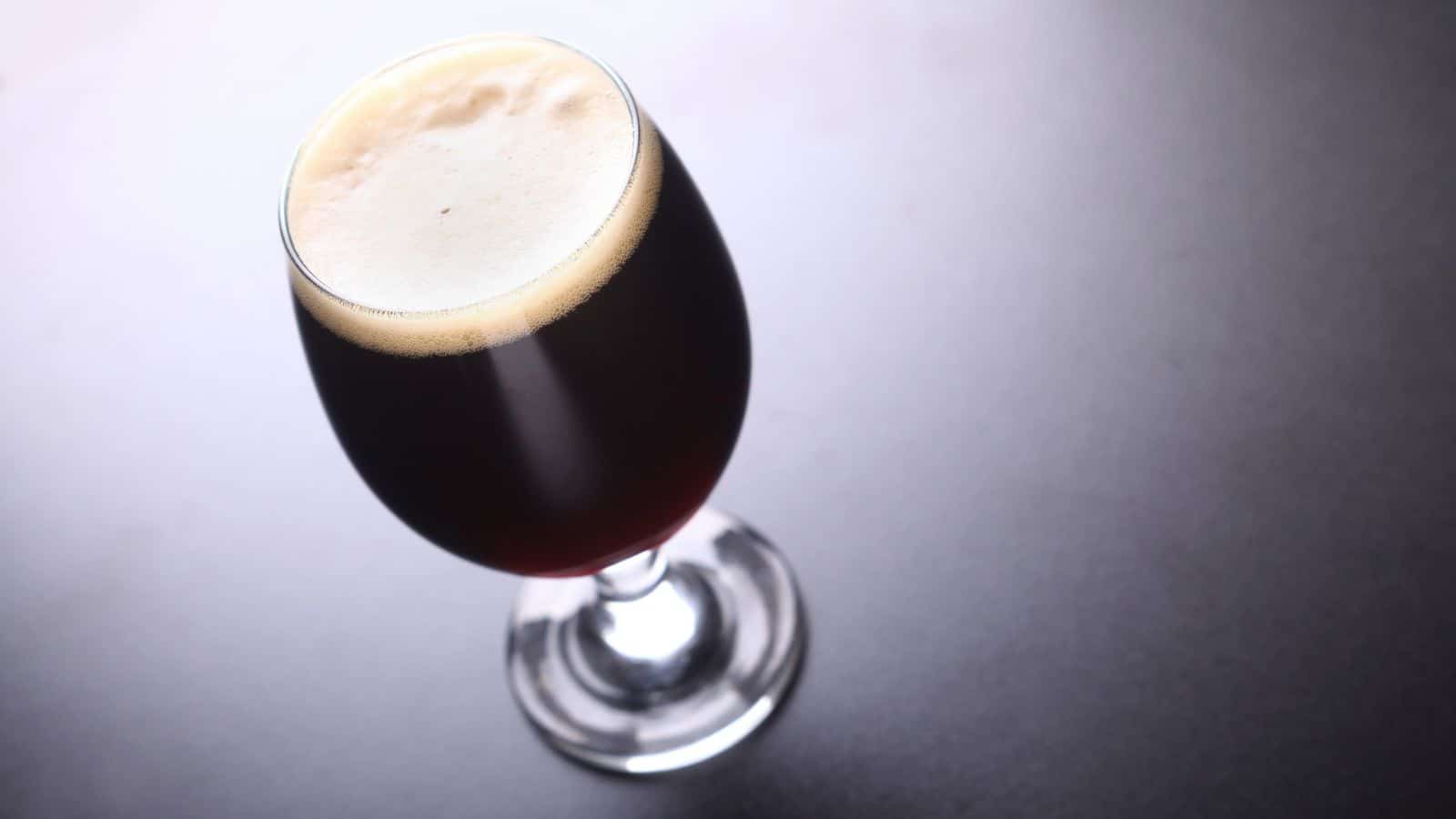
Brewed with malt that has been dried over an open flame, Rauchbier carries a bold, wood-fired aroma and flavor. It pours a deep amber to dark brown color with a sturdy, tan head. The first impression is a rich smokiness, reminiscent of campfire or smoked meats, balanced by caramel and toasted bread notes from the malt. Despite its intense aroma, the flavor is surprisingly smooth, with the smoke complementing rather than overwhelming the malt. A subtle hop bitterness rounds it out, and the finish is clean with lingering traces of smoke. This beer pairs well with grilled foods and hearty dishes.
Hefeweizen
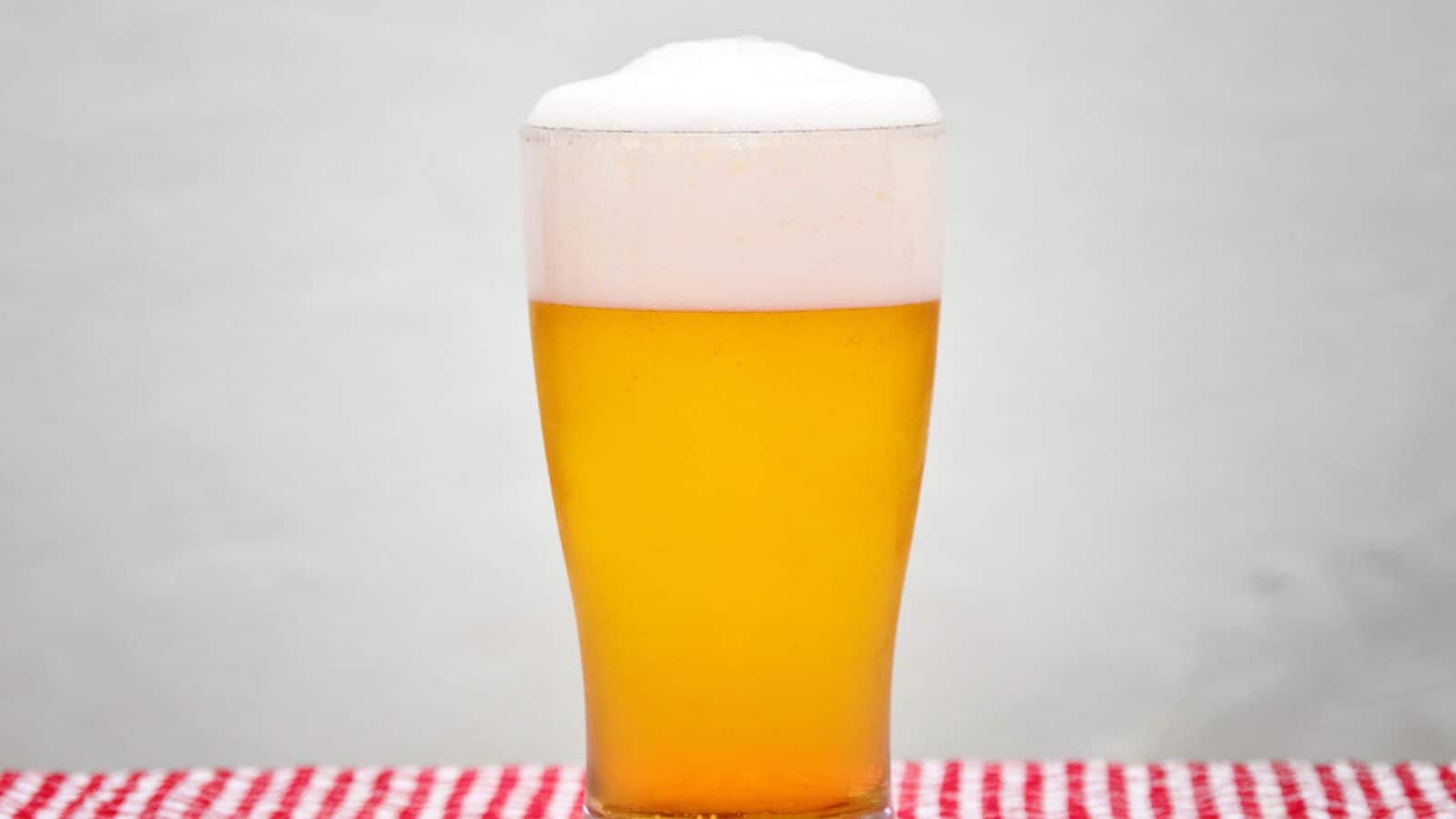
A classic German wheat beer, Hefeweizen is recognized for its cloudy golden appearance and distinctive aroma. It pours with a thick, white head and carries strong banana and clove scents, which come from the yeast used during fermentation. The flavor is soft and wheat-forward, with hints of citrus and spice adding complexity. The texture is smooth and slightly creamy, with a lively carbonation that keeps it refreshing. Unlike filtered wheat beers, Hefeweizen retains some of the yeast in suspension, giving it a hazy look. It is often served with a lemon slice, though traditional purists prefer it on its own.
Witbier
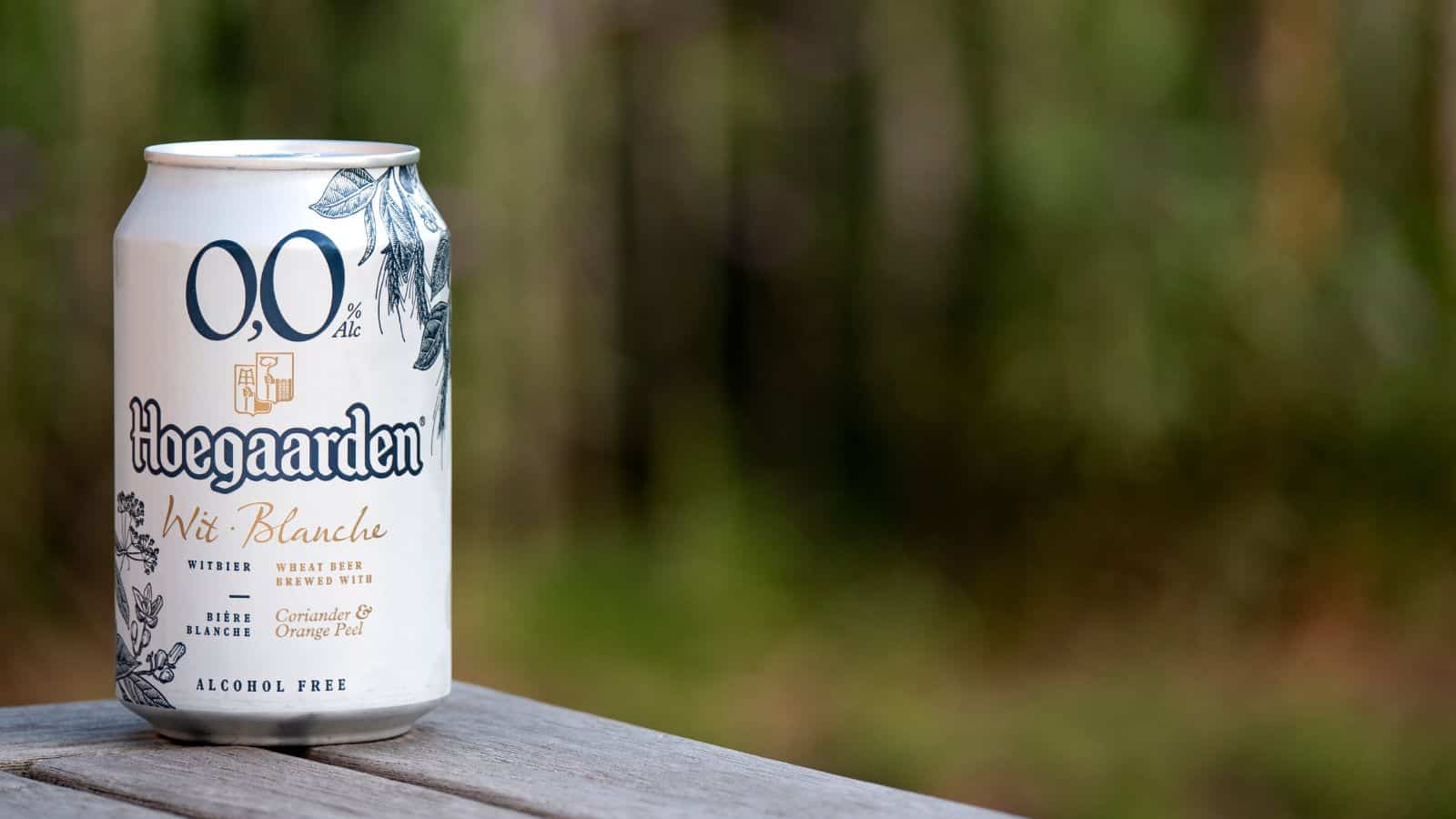
A Belgian wheat beer brewed with a mix of wheat, barley, and a blend of spices, Witbier is light-bodied with a crisp, refreshing profile. It pours a pale, hazy yellow with a frothy white head. The aroma is citrus-forward, often with notes of clementine and subtle coriander. The taste is bright, with soft wheat flavors balanced by a gentle spice and a slight tanginess from the yeast. The mouthfeel is smooth with moderate carbonation, making it an easy-drinking beer, especially in warmer months. Witbier is often served chilled to highlight its citrus and herbal notes.
Pale Ale
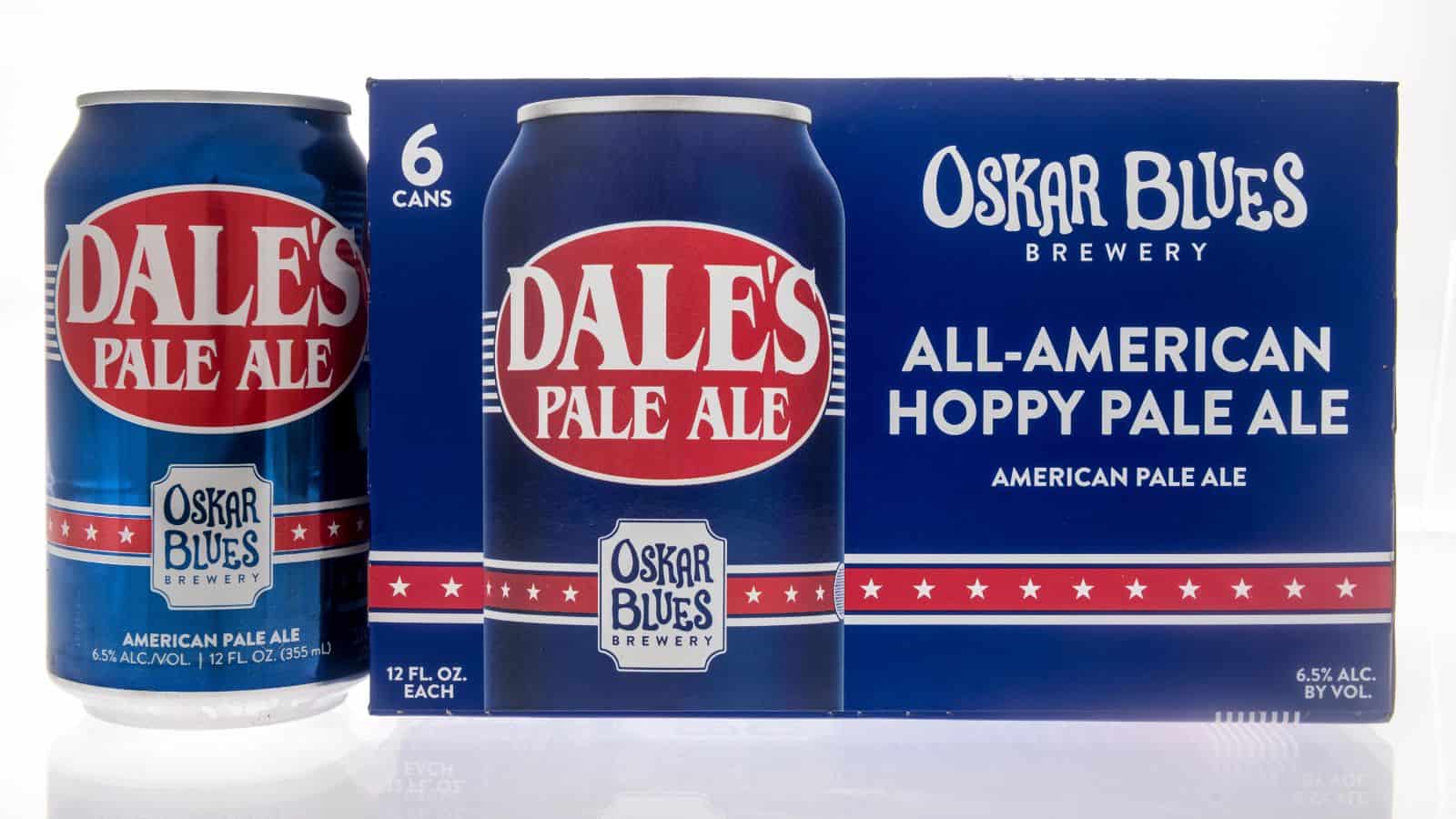
This hop-forward beer is known for its balance between malt and hops, offering a range of flavors without being overly bitter. It pours a deep golden to amber color with a slight haze and a foamy white head. The aroma features floral, citrus, and pine notes, depending on the hop varieties used. The flavor is clean, with a moderate malt sweetness that complements the bright, herbal, or fruity hop character. The body is medium, with a crisp finish and a lingering hop bitterness. Pale ales vary by region, with some leaning toward earthy notes while others highlight tropical fruit flavors.
India Pale Ale (IPA)
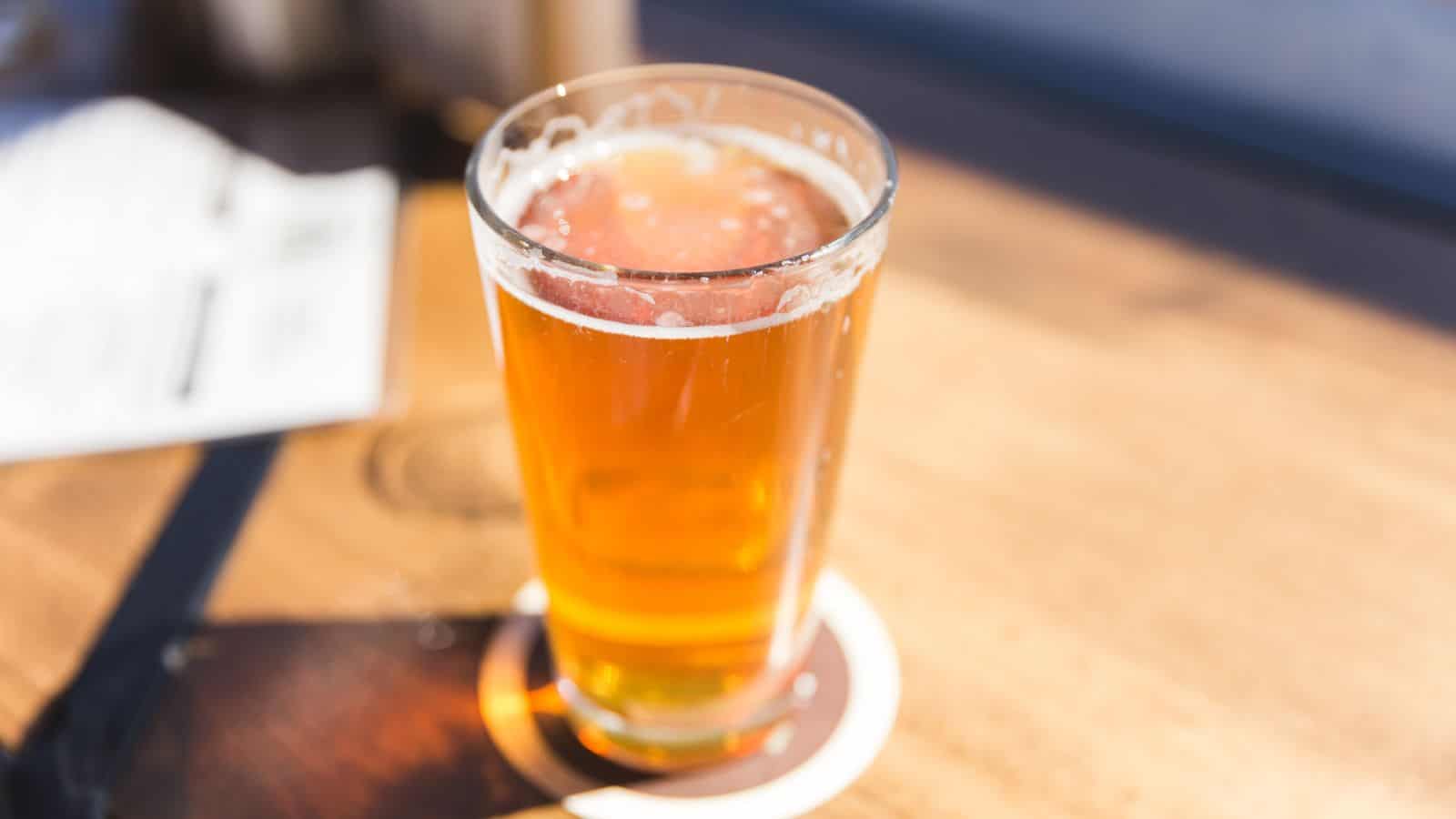
Originally brewed with extra hops to withstand long sea voyages, the IPA has become a hop lover's favorite. It pours a golden to deep amber color with a frothy white head and a slight haze in some styles. The aroma is bold, featuring notes of citrus, pine, and floral hops. The flavor delivers a pronounced hop bitterness balanced by a malty backbone, with hints of grapefruit, resin, or tropical fruit, depending on the variety. Some versions lean toward dry and crisp, while others have a richer malt presence. The finish is often bitter, making it a beer with strong character.
New England IPA (Hazy IPA)
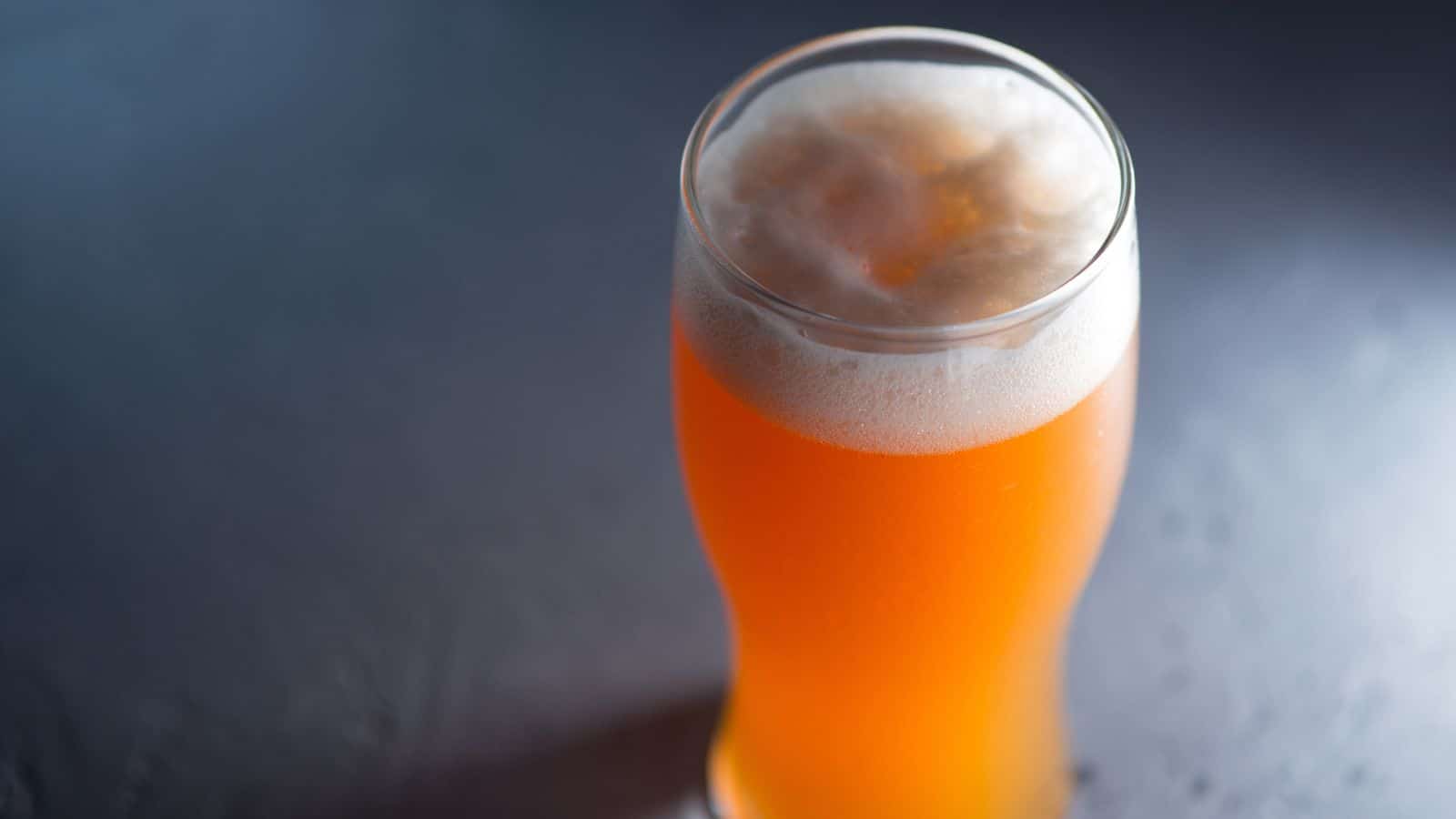
This variation of IPA is known for its hazy appearance and smooth, juicy flavors. It pours a cloudy golden to deep orange color with a thick, creamy head. The aroma is intensely fruity, with notes of mango, clementine, and stone fruit. Unlike traditional IPAs, the bitterness is toned down, making way for a soft, pillowy mouthfeel. The flavor leans heavily on tropical and citrus hops, creating a beer that is vibrant yet not overwhelming. The finish is smooth, with lingering fruit notes and a gentle hop presence. Its hazy nature comes from the unfiltered process and the use of certain grains.
Amber Ale
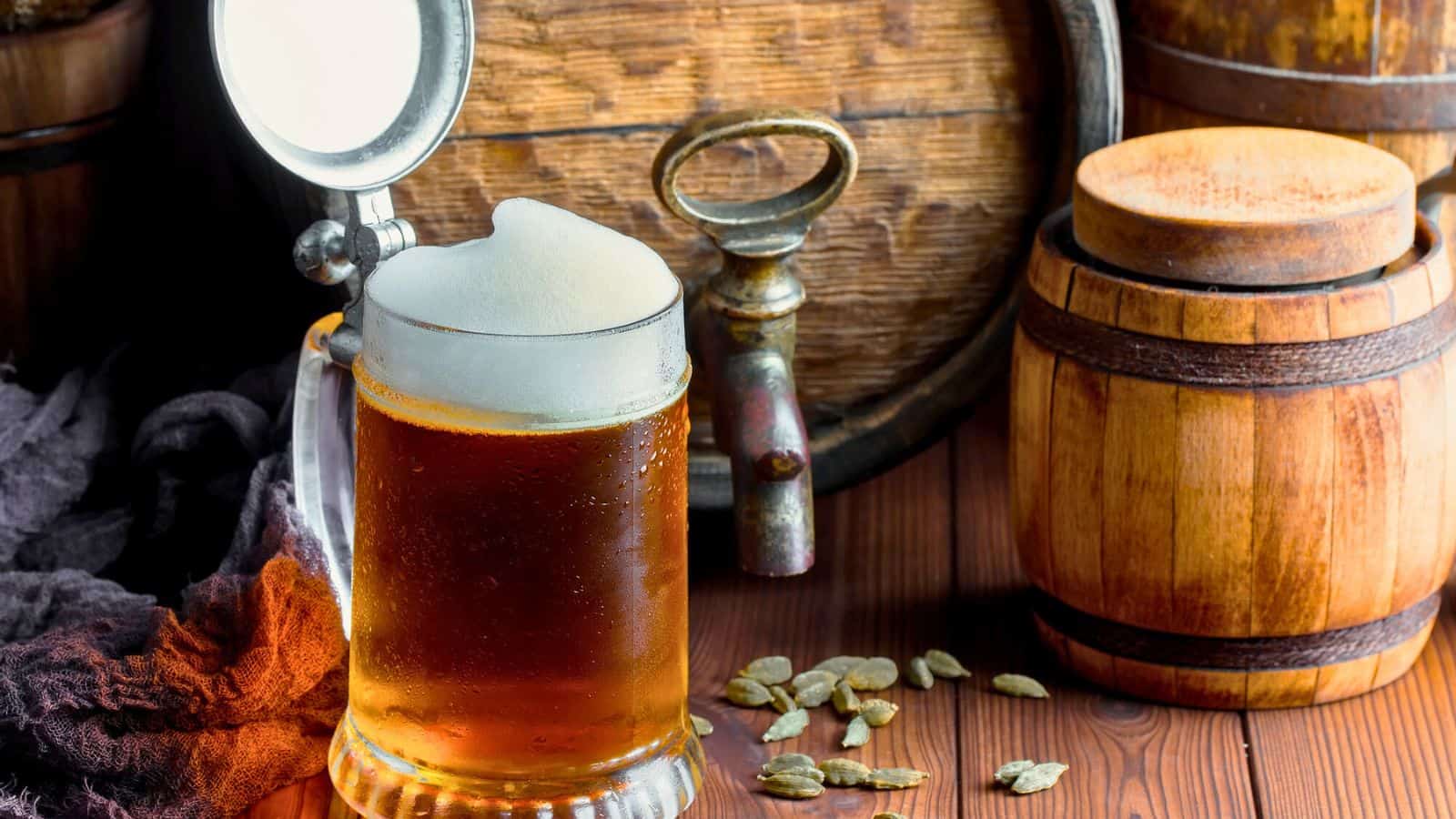
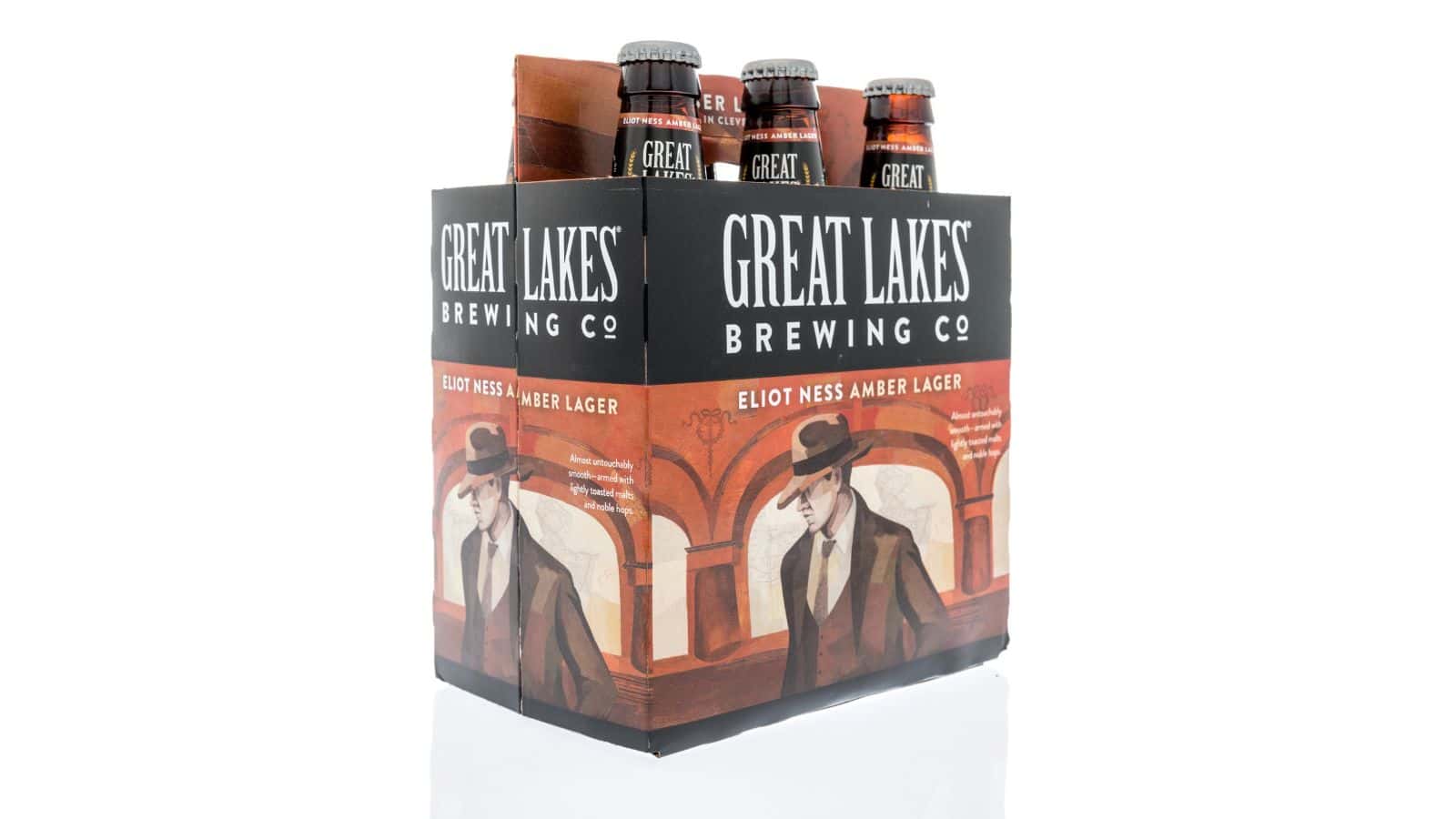
This malt-forward ale has a deep copper to reddish-brown color and a frothy off-white head. The aroma is a mix of caramel, toasted bread, and mild fruit notes. The flavor is balanced, with a rich malt sweetness complemented by a moderate hop bitterness. Hints of toffee, biscuit, and light roasted nuts make it a complex yet approachable beer. The mouthfeel is medium-bodied with moderate carbonation, making it smooth without feeling heavy. Amber ales vary from region to region, with some leaning toward a slightly more bitter profile while others emphasize deeper caramel malt flavors.
Porter
A dark ale with a deep brown to nearly black color, porter is known for its roasted malt flavors and smooth texture. It pours with a thick, tan head and carries aromas of coffee, cocoa, and caramel. The flavor is bold, featuring layers of chocolate, dark roasted grains, and hints of molasses. Despite its dark appearance, it is often lighter in body than expected, with a balanced bitterness that keeps it from being too sweet. The finish is smooth, with lingering notes of coffee and malt. Some versions are brewed with added flavors like vanilla or espresso for extra depth.
Stout
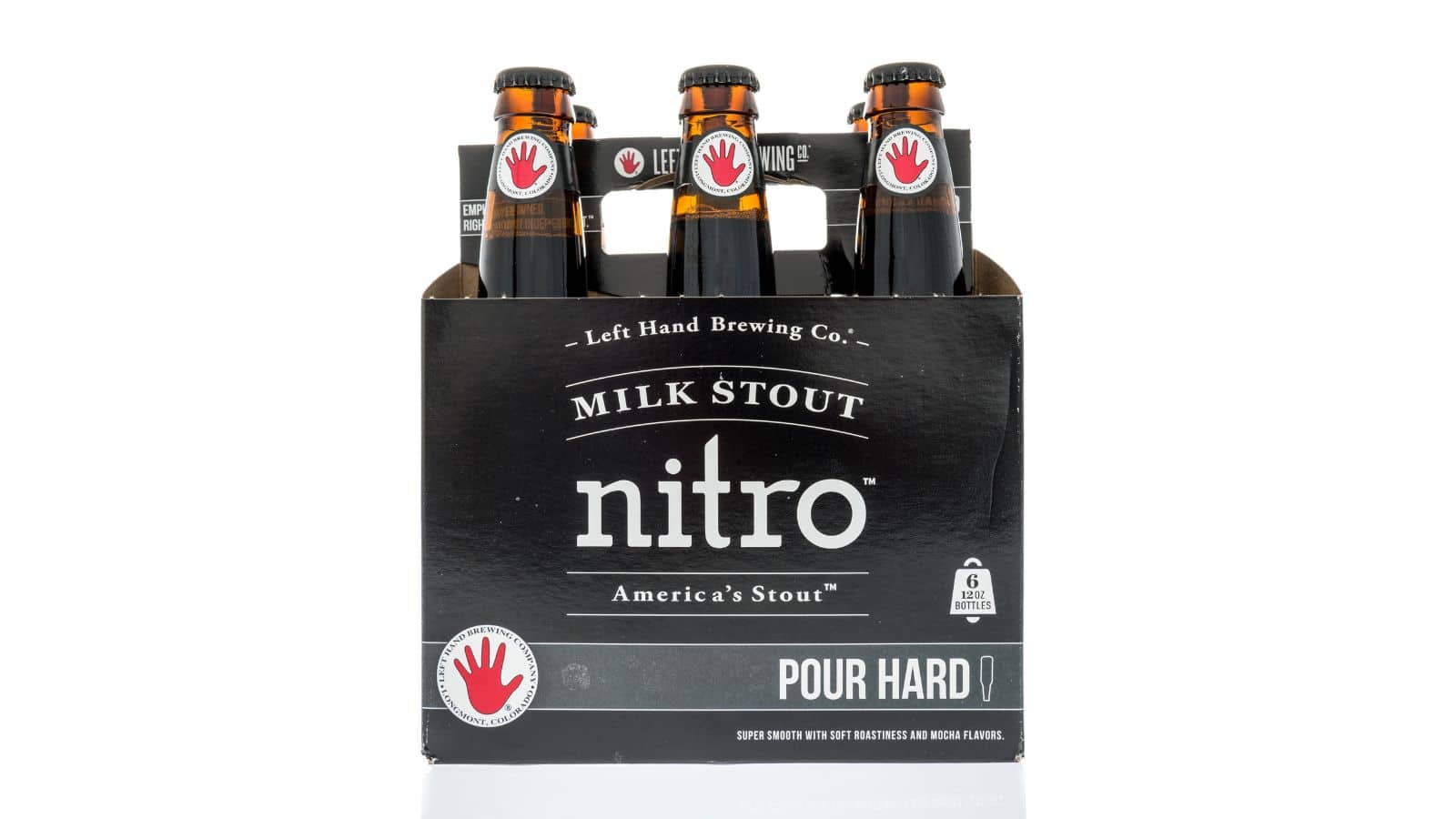
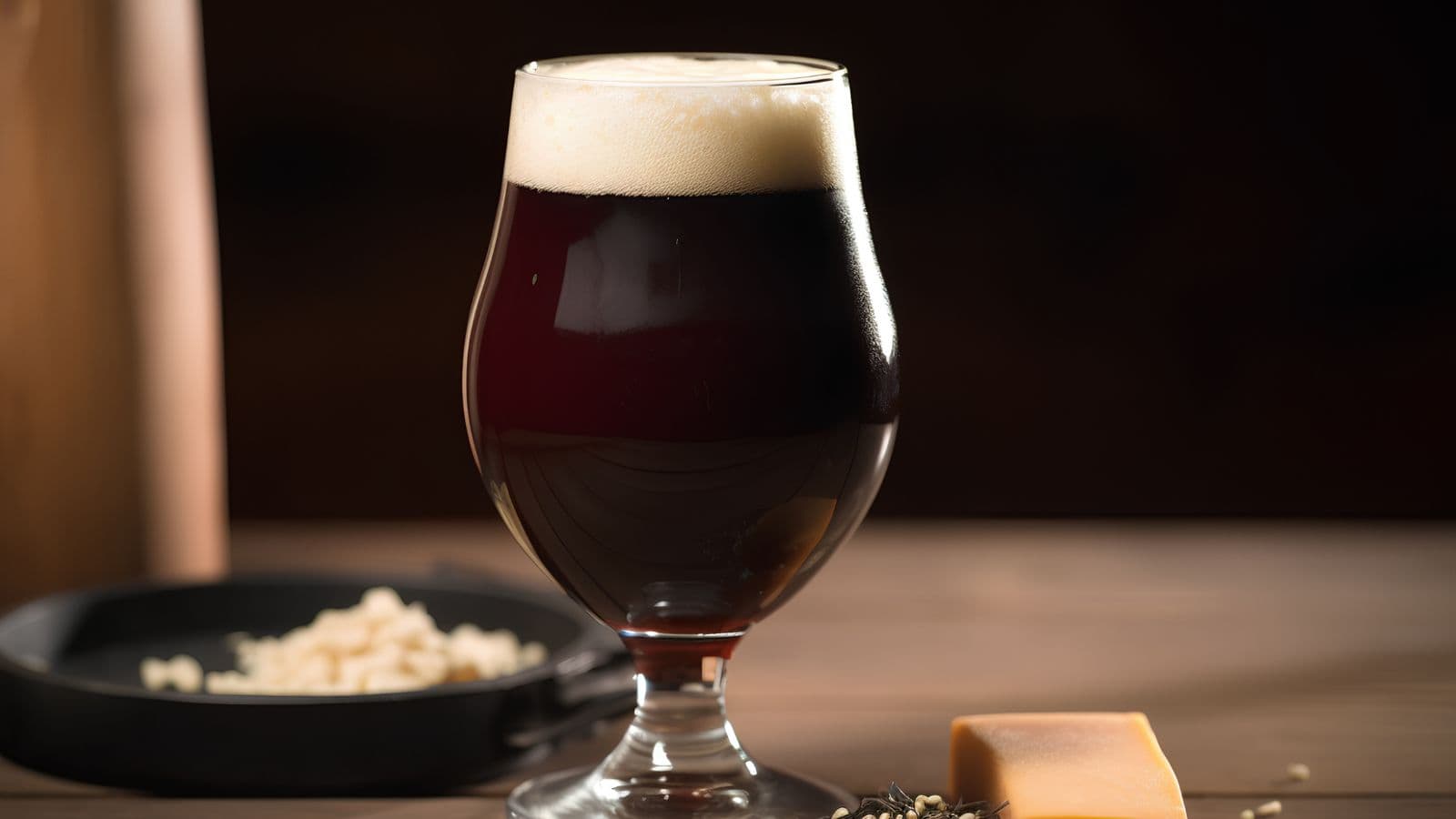
This dark, full-bodied ale is recognized for its roasted malt character, deep color, and creamy texture. It pours nearly black with a thick, tan head. The aroma carries notes of dark chocolate, espresso, and roasted barley. The flavor is bold, with a rich malt presence, often accompanied by hints of caramel, molasses, and mild bitterness from the roasted grains. Some stouts lean toward sweeter notes, while others emphasize a drier, more bitter profile. The texture is smooth, sometimes with a creamy mouthfeel, especially in nitrogenated versions like Irish stouts. It is a beer known for depth and complexity.
Barleywine
One of the strongest beer styles, barleywine is known for its high alcohol content and rich malt flavors. It pours a deep amber to dark brown color with a thick, foamy head. The aroma is intense, featuring caramel, dark fruit, toffee, and sometimes a slight boozy warmth. The flavor is bold and complex, with layers of malt sweetness, dried fruit, and a noticeable alcohol presence. The hop bitterness varies, with some versions being more balanced while others lean toward sweeter, malt-heavy profiles. It has a full body and a lingering finish, making it a beer often enjoyed slowly.
Belgian Tripel
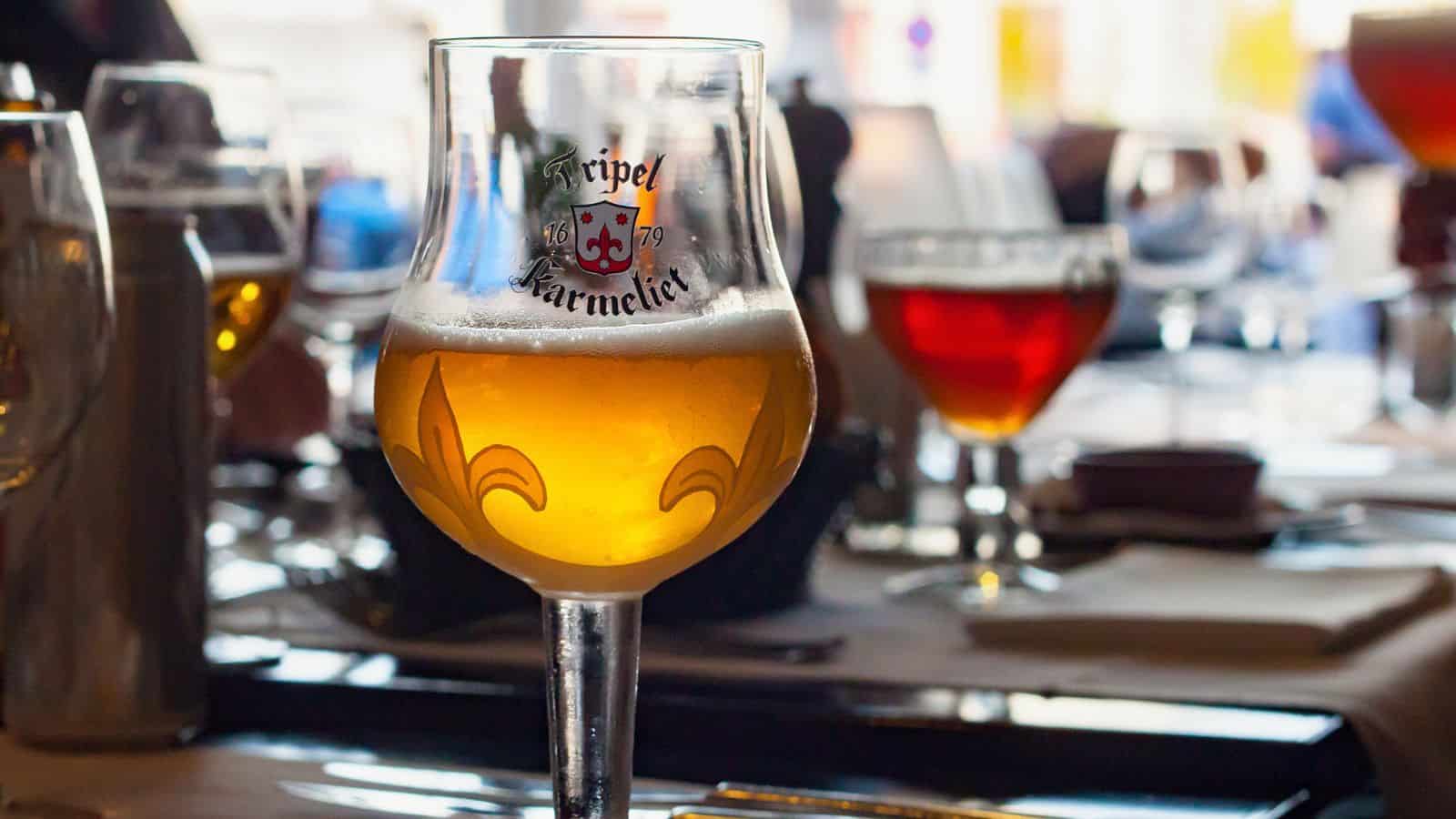
This golden ale is strong yet deceptively smooth, with a complex flavor profile. It pours a bright golden color with a thick, frothy head. The aroma is rich with fruity esters, spice, and a subtle sweetness. The taste features notes of banana, pear, clove, and honey, balanced by a dry, slightly bitter finish. Despite its high alcohol content, it has a light body and an effervescent quality that keeps it refreshing. The yeast used in fermentation plays a key role in its distinctive character, contributing to its layered flavors and signature Belgian-style complexity.
Gose

This German wheat beer is known for its tart, slightly salty character and light body. It pours a hazy pale yellow with a bright white head. The aroma is fresh, with citrus and herbal notes. The flavor is bright and slightly sour, with a touch of saltiness that enhances its crisp nature. The use of coriander adds a mild spice, complementing the tartness. The mouthfeel is light and refreshing, with a dry, clean finish. The unique combination of salt and sourness makes it a distinct style that stands out from other wheat beers.
Berliner Weisse
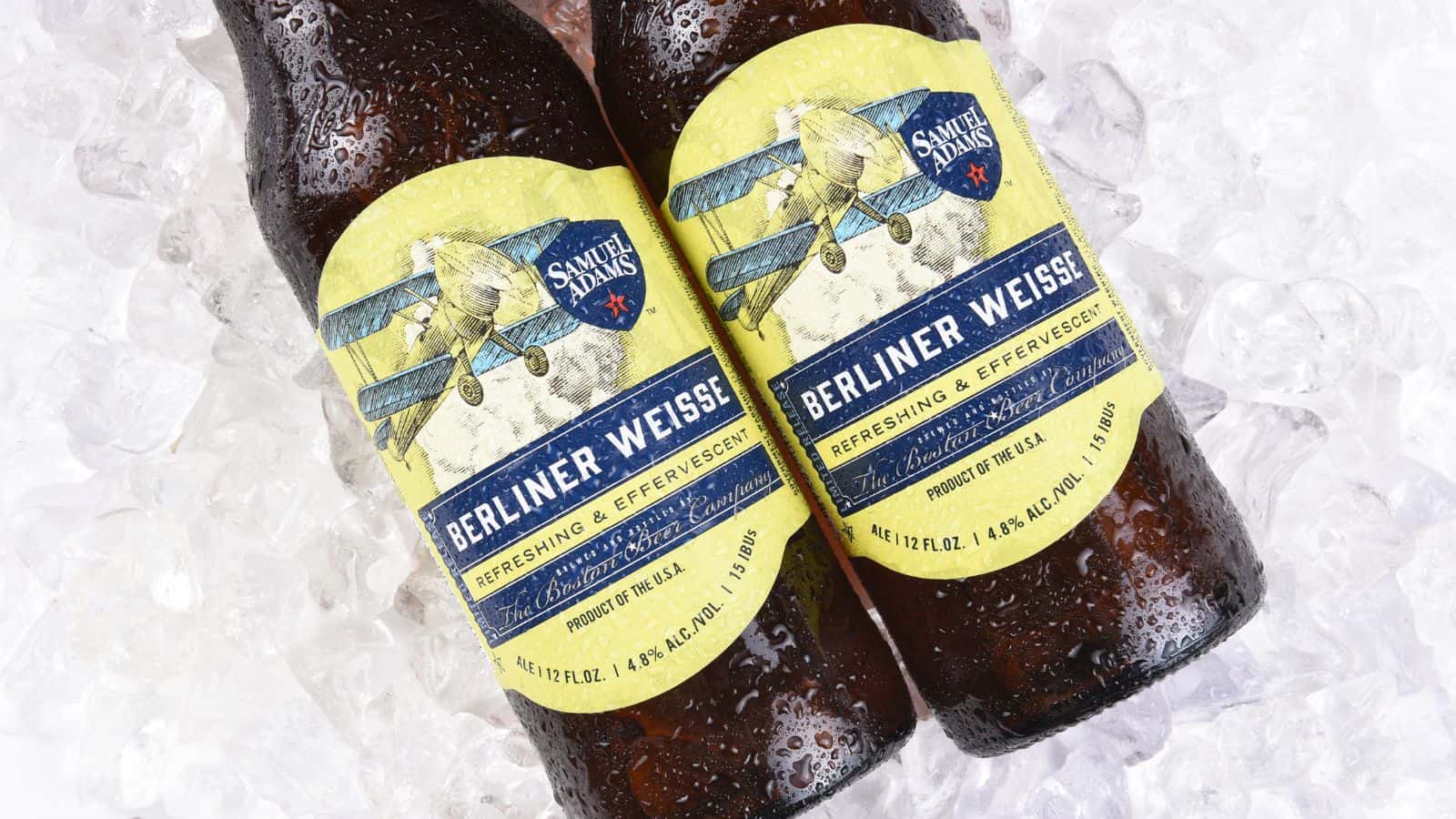
Its bright acidity and crisp body characterizes this low-alcohol German wheat beer. It pours a pale, hazy yellow with a bubbly white head. The aroma is tart and slightly fruity, often with hints of green apple or citrus. The taste is refreshingly sour, with a dry, effervescent finish. Traditionally, it is served with a choice of fruit syrups, such as raspberry or woodruff, to balance its tartness. The body is light, with lively carbonation that enhances its crisp character. It is a style that highlights the refreshing side of wheat beer while maintaining a distinctive tart profile.
Expand Your Beer Knowledge

The 19 essential beer types discussed provide a solid foundation for anyone looking to enhance their appreciation for this beloved beverage. Understanding each style's unique characteristics and flavors opens the door to new experiences and can transform ordinary drinking occasions into memorable ones. With so many options available, there's always something new to try and discover.
As you explore different beer styles, consider sharing your experiences with friends and fellow beer enthusiasts. Embrace the opportunity to expand your palate and deepen your knowledge of the diverse world of beer. Cheers to enjoying every sip and finding your next favorite brew!
15 Overlooked Beers That Beat the Mainstream Favorites

Want to have more beer options? When it comes to beer, many people stick to mainstream favorites, but there are 15 overlooked beers that beat them. These hidden gems often offer unique flavors and styles that can surprise even the most seasoned beer enthusiasts. While popular brands dominate the shelves, a world of craft and regional brews awaits discovery.
Read More Here: 15 Overlooked Beers That Beat the Mainstream Favorites
13 Surprising Beer Facts That'll Make Everyone Stop and Listen

Learn more about your beers! Ever really thought about what's in your glass while crushing a cold one? Because beer's got some wild stories to tell. We're talking thousands of years of history here - from ancient Egyptian brewmasters to modern-day craft beer wizards. And trust me, there's way more to it than just helping you unwind after work.
Read More Here: 13 Surprising Beer Facts That'll Make Everyone Stop and Listen




Comments
No Comments