
Looking for a way to kickstart your day with something other than coffee? These 7 teas with high caffeine content might be just what you need. It's a great alternative that can give you that much-needed energy boost without the coffee jitters. Whether you're a tea enthusiast or just curious, strong caffeinated teas can be a perfect addition to your morning routine.
These teas come with a range of flavors and benefits that can keep you alert and focused throughout the day. From earthy and robust to light and grassy, there's a tea out there to suit your preferences. Plus, switching things up can be refreshing. You might find that the subtle flavors and aromas of tea are just what you need to start your day on the right foot.
So, if you're ready to explore some tea options that pack a punch, keep reading. You might find your new favorite morning pick-me-up. High-caffeine teas are not just a substitute for coffee; they bring their own distinct charm and benefits to the table. Give them a try, and you might never look back!

Matcha

Matcha is a finely ground powder made from specially grown and processed green tea leaves. Unlike traditional green tea, where leaves are steeped and then discarded, matcha involves consuming the entire leaf, which results in a higher concentration of nutrients and caffeine. An 8-ounce serving of matcha typically contains between 35-70 mg of caffeine, though this can vary based on the amount of powder used and the quality of the matcha. The caffeine in matcha is often balanced by the presence of L-theanine, an amino acid that promotes a state of calm alertness, leading to a more sustained energy boost without the jitteriness often associated with coffee. The taste profile of matcha is rich and vegetal with a slightly sweet, umami flavor and a creamy texture.
Pu-erh
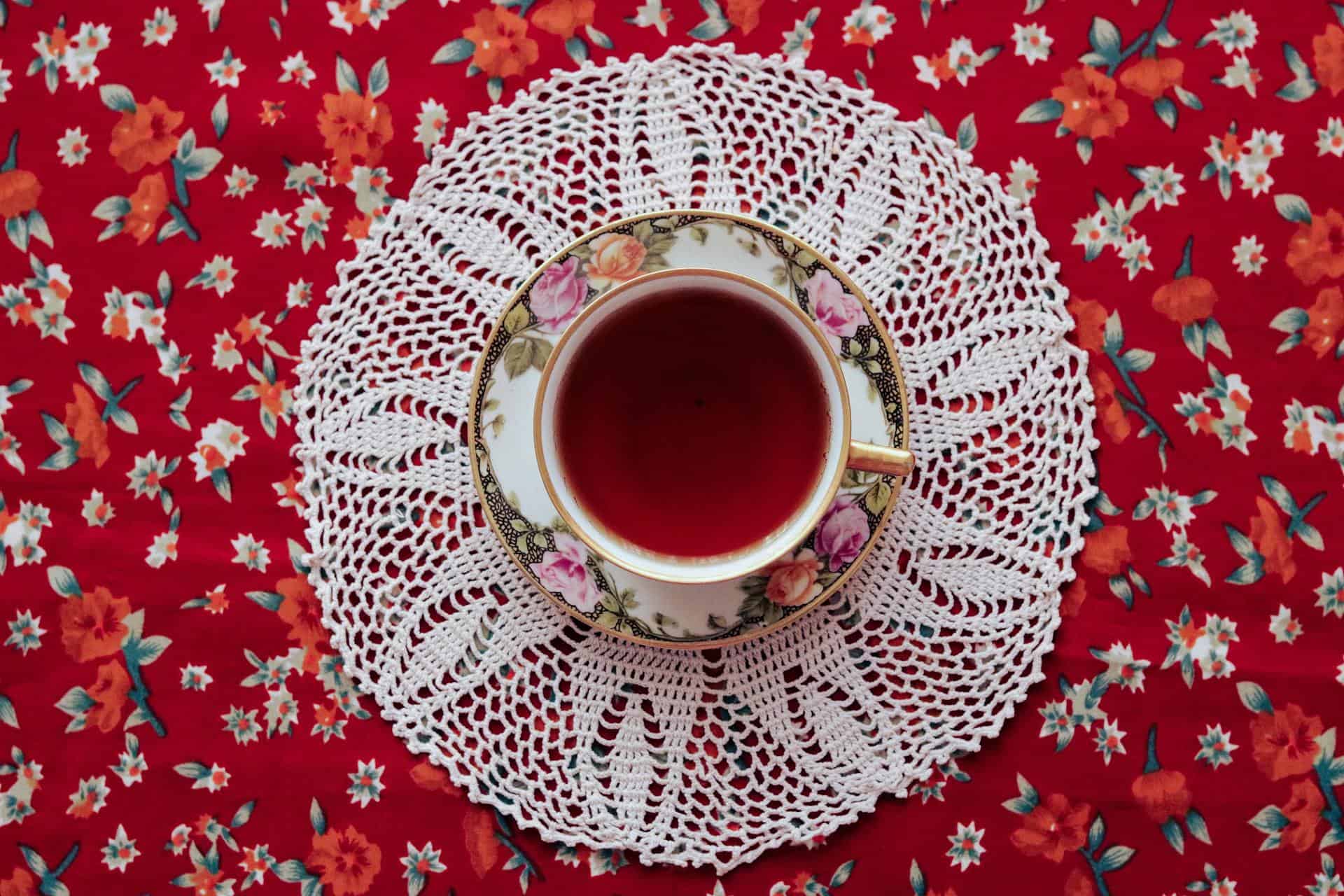
Pu-erh tea is a distinctive type of fermented tea that originates from the Yunnan province in China. It is known for its earthy flavor and potential health benefits, including aiding digestion and weight loss. On average, an 8-ounce serving contains around 30-70 mg of caffeine. The fermentation process can sometimes reduce the caffeine content, but pu-erh still guarantees a moderate level of stimulation.
The taste profile of pu-erh is complex, often described as earthy, woody, and sometimes slightly sweet or nutty, with a smooth, full-bodied texture. Its distinctive taste and potential health benefits make it a favorite among tea enthusiasts.
Black Tea
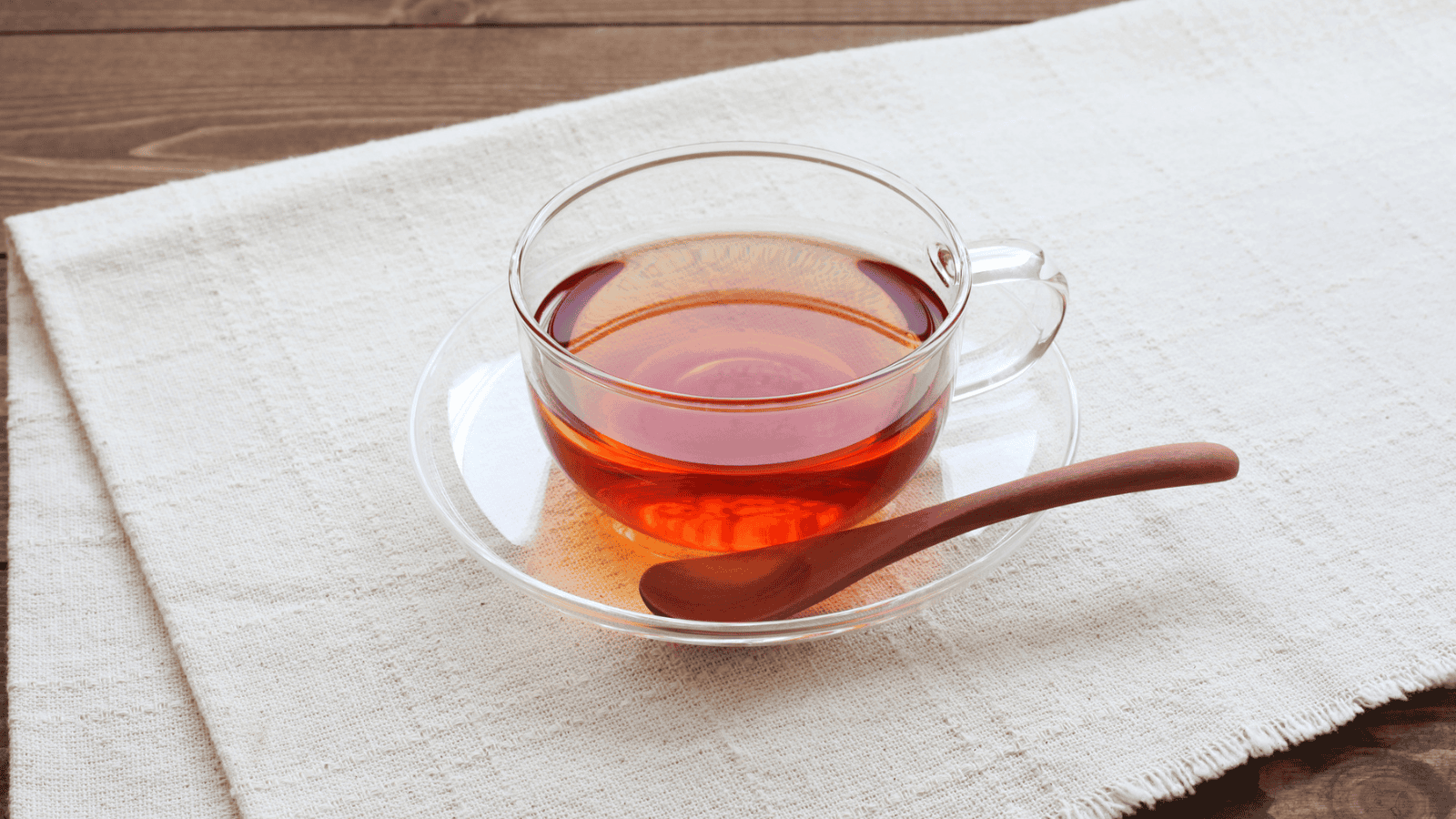
Black tea is one of the most widely consumed types of tea in the world. It undergoes full oxidation, which gives it a dark color and robust flavor. An 8-ounce cup of black tea typically contains between 40-70 mg of caffeine, making it one of the more caffeinated teas. Black tea is often enjoyed with milk and sugar, and it serves as the base for popular blends such as Earl Grey and English Breakfast. The taste profile of black tea is bold and full-bodied, with malty, sweet, and sometimes smoky or fruity notes. Its higher caffeine content and rich flavor make it a popular choice for those looking for a morning or afternoon energy boost.
Oolong Tea
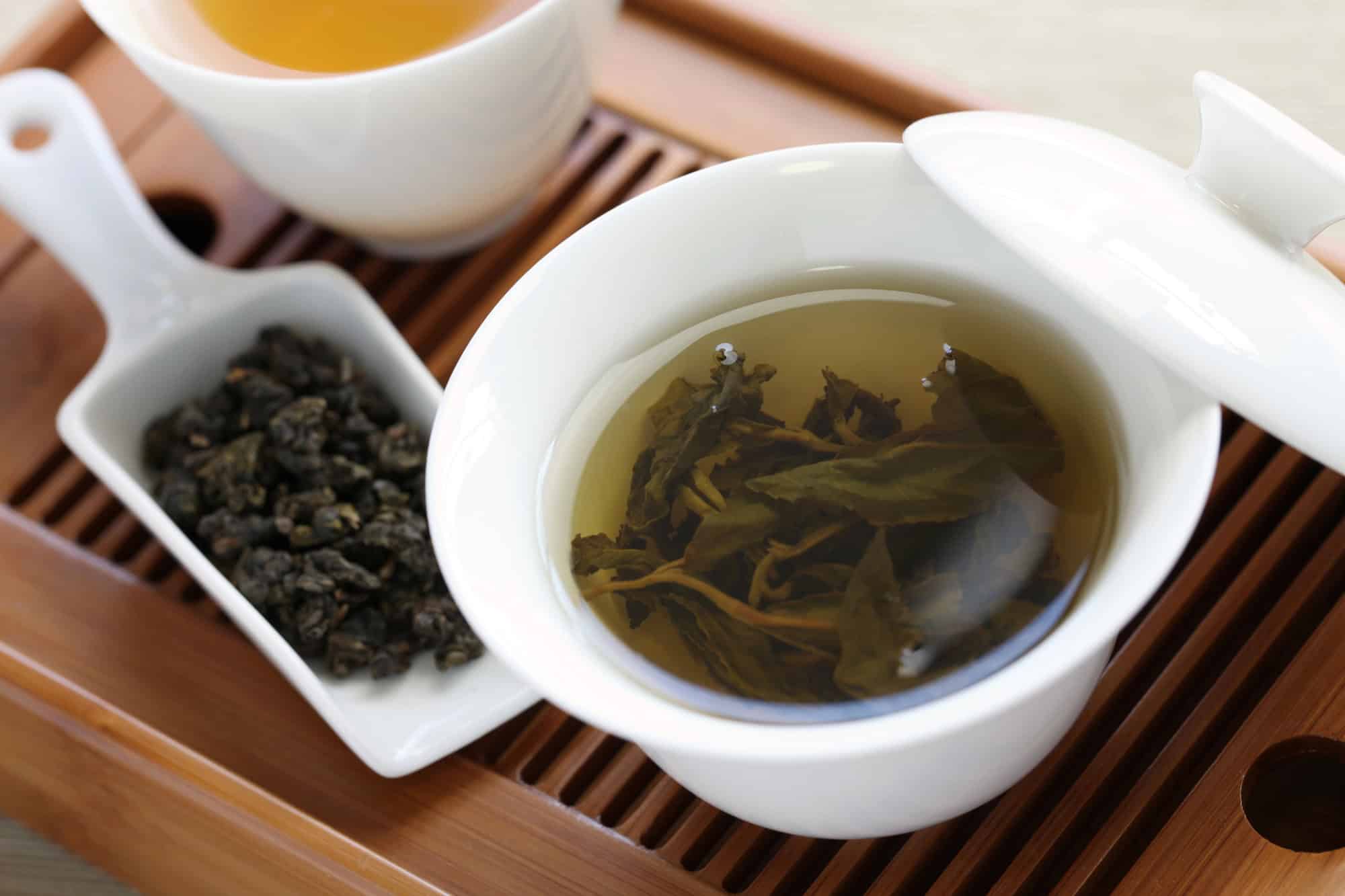
Oolong tea is partially oxidized, placing it between green and black tea in terms of oxidation, flavor, and caffeine content. The oxidation level can vary widely, resulting in a diverse range of flavors from floral and fruity to rich and toasty. An 8-ounce serving of oolong tea generally contains about 30-50 mg of caffeine. Oolong tea is known for its potential health benefits, including aiding in weight management and improving heart health. The taste profile of oolong tea is complex and can vary significantly; it can have floral, fruity, or creamy notes with a smooth, slightly sweet aftertaste. Its moderate caffeine content and diverse flavor profile make it a versatile tea for various occasions.
Yerba Mate
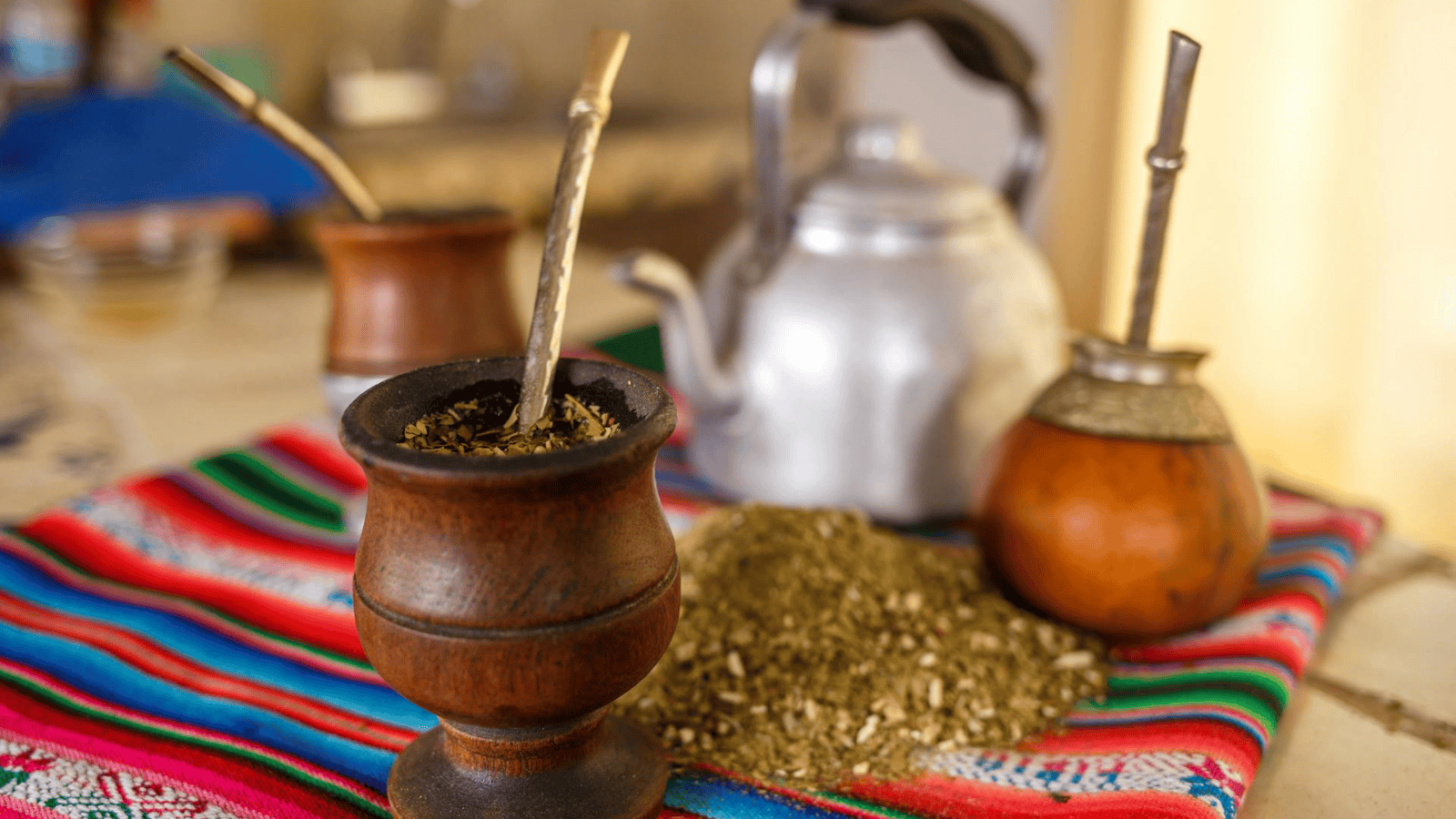
Yerba mate is a traditional South American beverage made from the leaves of the Ilex paraguariensis plant. It is particularly popular in countries like Argentina, Brazil, and Paraguay. Yerba mate is known for its high caffeine content, with an 8-ounce serving typically containing around 70-85 mg of caffeine. This makes it one of the most caffeinated teas available. The taste profile of yerba mate is robust and grassy, with a slightly bitter and smoky flavor. The drink is often consumed from a gourd using a metal straw called a bombilla. Yerba mate gives a balanced energy boost and is often enjoyed socially.
Green Tea
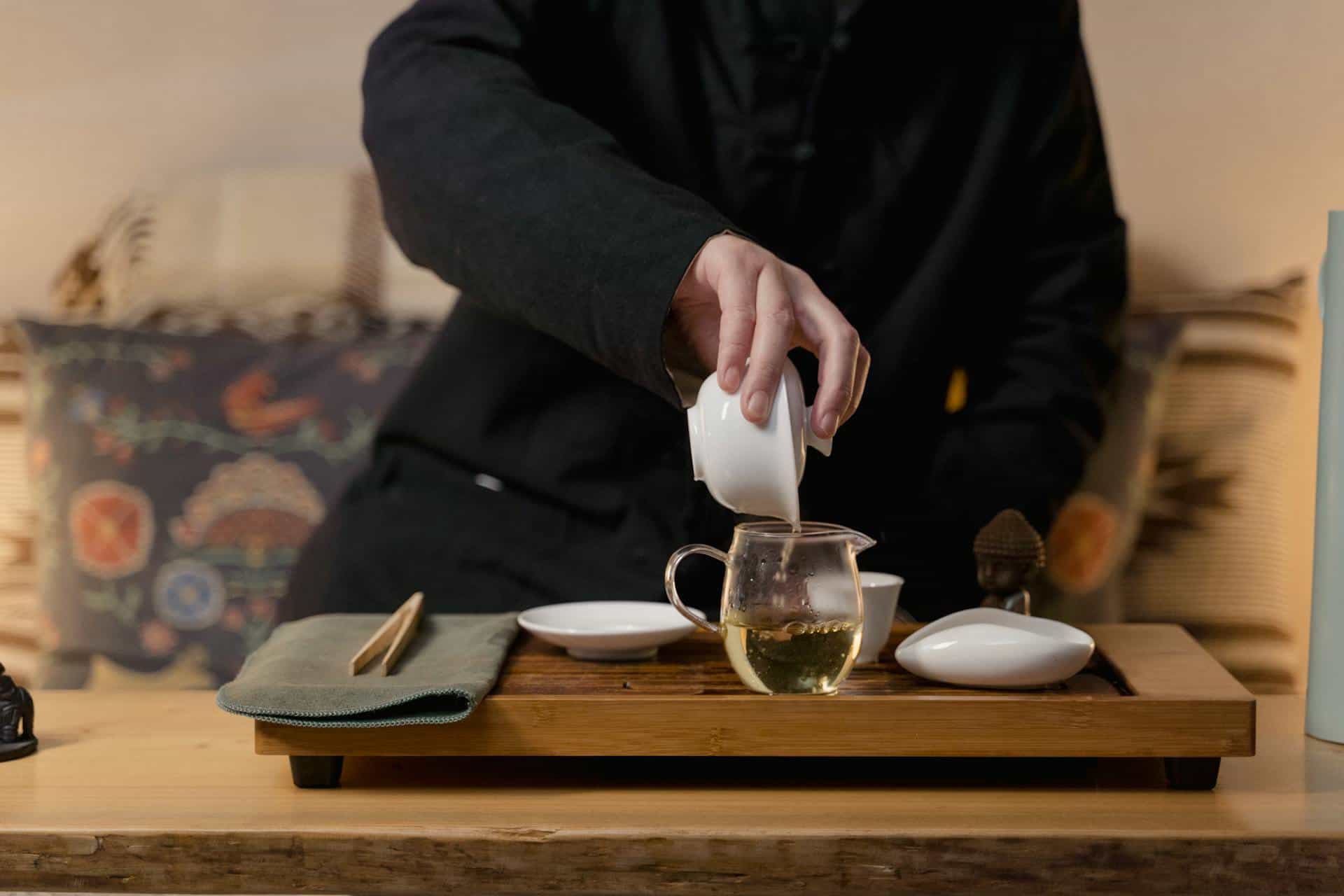
Green tea is made from unoxidized leaves and is one of the least processed types of tea, which helps preserve its natural antioxidants and beneficial compounds. An 8-ounce cup of green tea typically contains about 20-45 mg of caffeine. The lower caffeine content compared to black tea makes it a popular choice for those looking for a gentler energy boost. Green tea is known for its potential health benefits, including promoting heart health, aiding in weight loss, and imparting anti-inflammatory properties. The taste profile of green tea is light and refreshing, with grassy, vegetal, or slightly sweet notes. Its moderate caffeine content and delicate flavor make it a versatile and widely enjoyed beverage.
White Tea
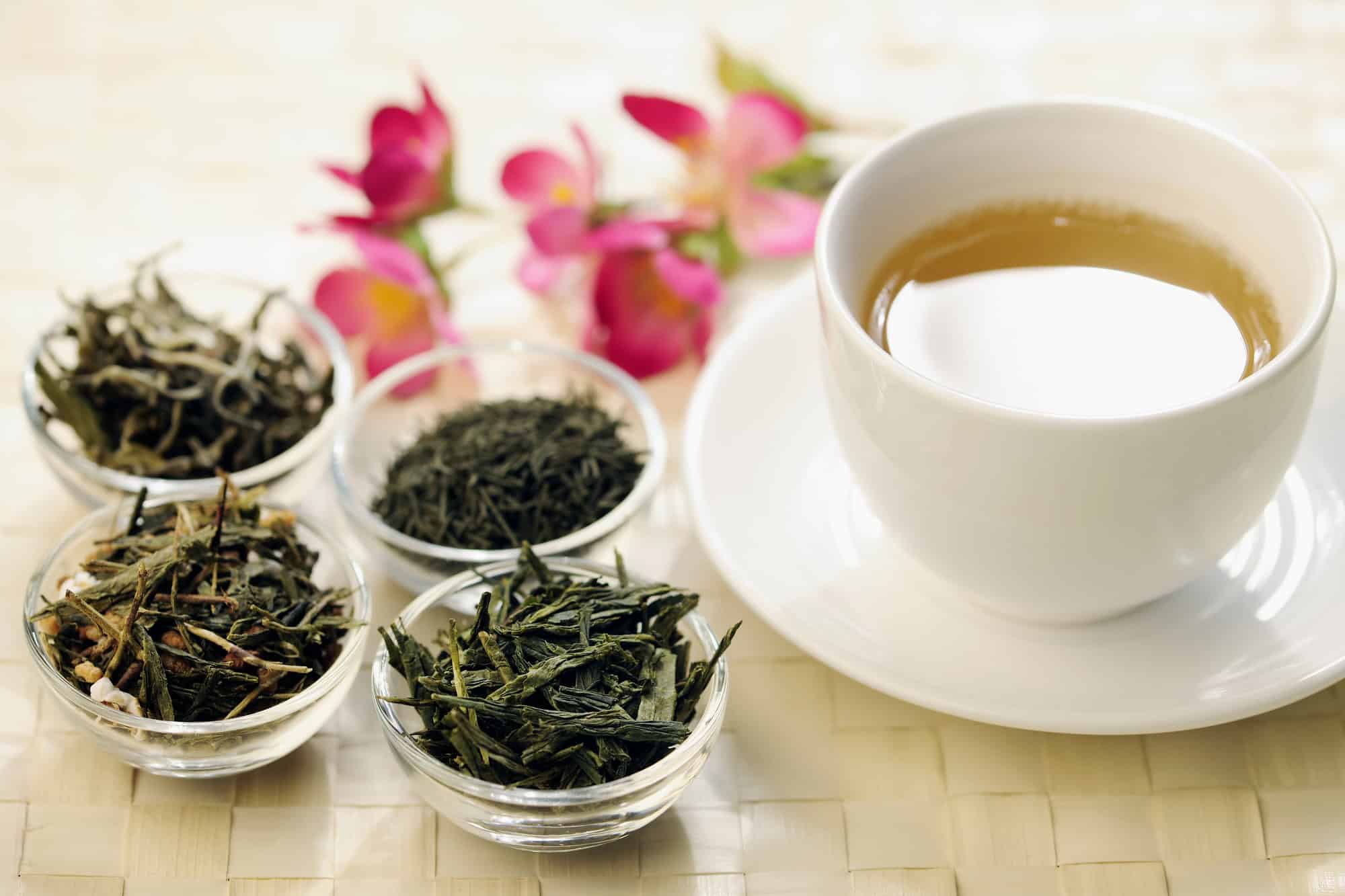
White tea is the least processed of all teas, made from young leaves and buds that are simply plucked and dried. This minimal processing helps preserve its delicate flavor and high levels of antioxidants. An 8-ounce serving of white tea usually contains around 15-30 mg of caffeine, making it the tea with the lowest caffeine content. The subtle taste and lower caffeine make white tea a gentle option for those sensitive to stimulants or looking for a mild, relaxing beverage. White tea is often praised for its potential health benefits, including skin health and anti-aging properties. The taste profile of white tea is light, sweet, and delicate, with a smooth, slightly floral flavor.
A brewed awakening awaits!

So, there you have it-tea with high caffeine content can be a great substitute for coffee. They bring a variety of flavors and potential health benefits to your cup, making them a versatile choice for any time of daySwitching to high-caffeine teas could be the change you didn't know you needed. Start your day with a rich, earthy pu-erh or a vibrant matcha instead of your usual coffee. It's a small change that can make a big difference in how you feel and function throughout the day. Plus, you get to enjoy the flavorful characteristics that each type of tea bringsSo why not give high-caffeine teas a shot? You might find that they not only meet but exceed your expectations. From boosting your energy to enhancing your focus, these teas can be a great addition to your daily routine. Cheers to finding your new go-to beverage!




Comments
No Comments