
Many people don't notice how certain drinking habits can affect them until the impact starts to show. You might not be blacking out or waking up with pounding headaches, but that doesn't mean your drinking patterns aren't influencing your health or daily life. When alcohol becomes part of your routine or your go-to way to unwind, it's easy to overlook how often you're drinking. What starts as a harmless habit can slowly shift into something that influences your mood, energy, and overall well-being.
It also doesn't help that many of these habits feel normal because the people around you drink the same way. But common doesn't always mean harmless. Regular drinking can affect your physical health, emotional balance, and relationships long before it feels like a problem. Recognizing these subtle patterns can help you make more intentional choices. Here are nine drinking habits that may be affecting you more than you think and why they're worth paying attention to.
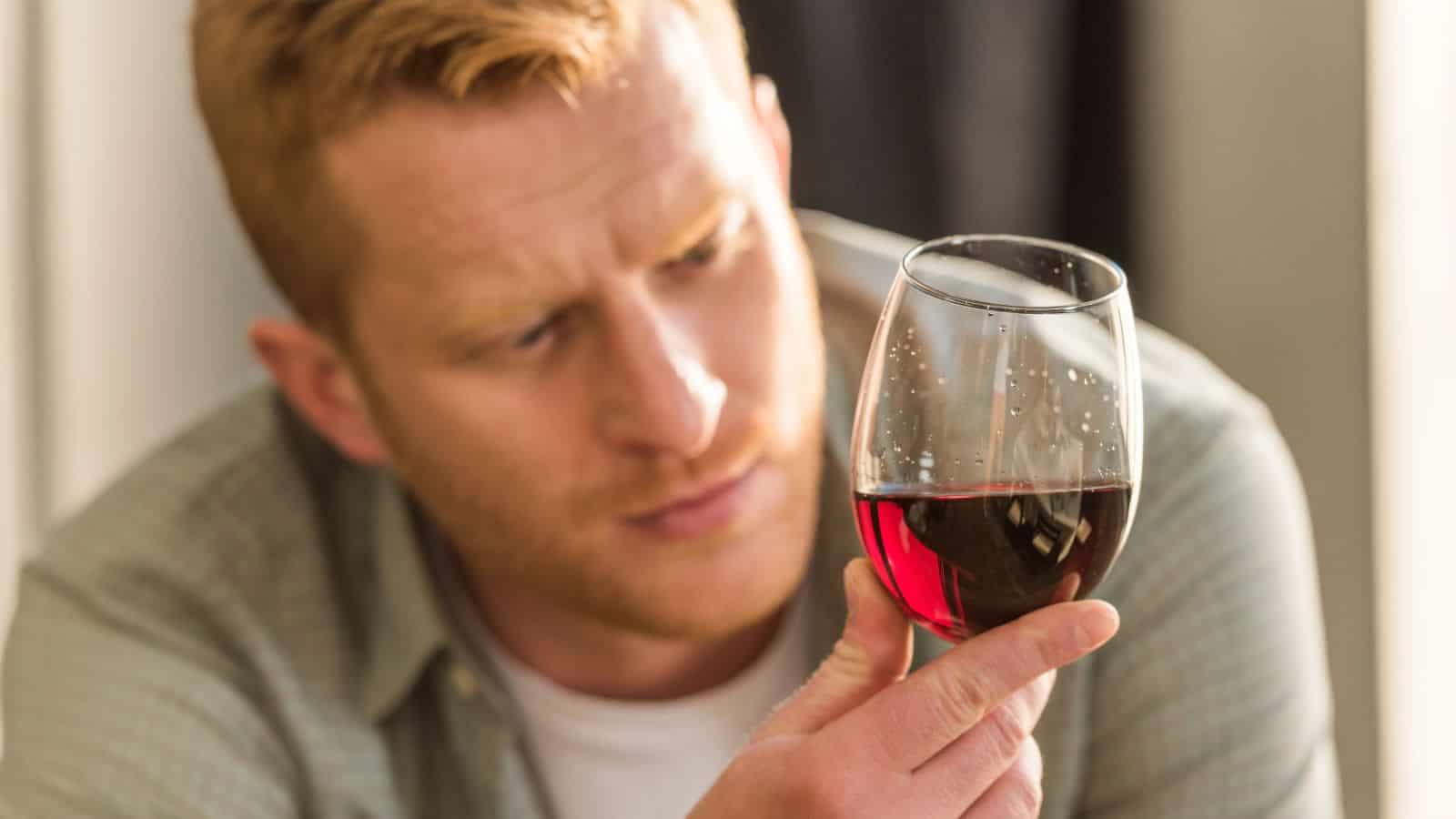
Daily Drinking Without a Break

Drinking every day, even in small amounts, gives your body little time to recover. Without alcohol-free days, the risk of liver strain, high blood pressure, and lowered immunity increases. This pattern can also make it harder to relax or socialize without a drink. What begins as an evening routine can turn into something you feel you need. Taking intentional breaks helps reset your system and supports a healthier relationship with alcohol.
Gray Area Drinking
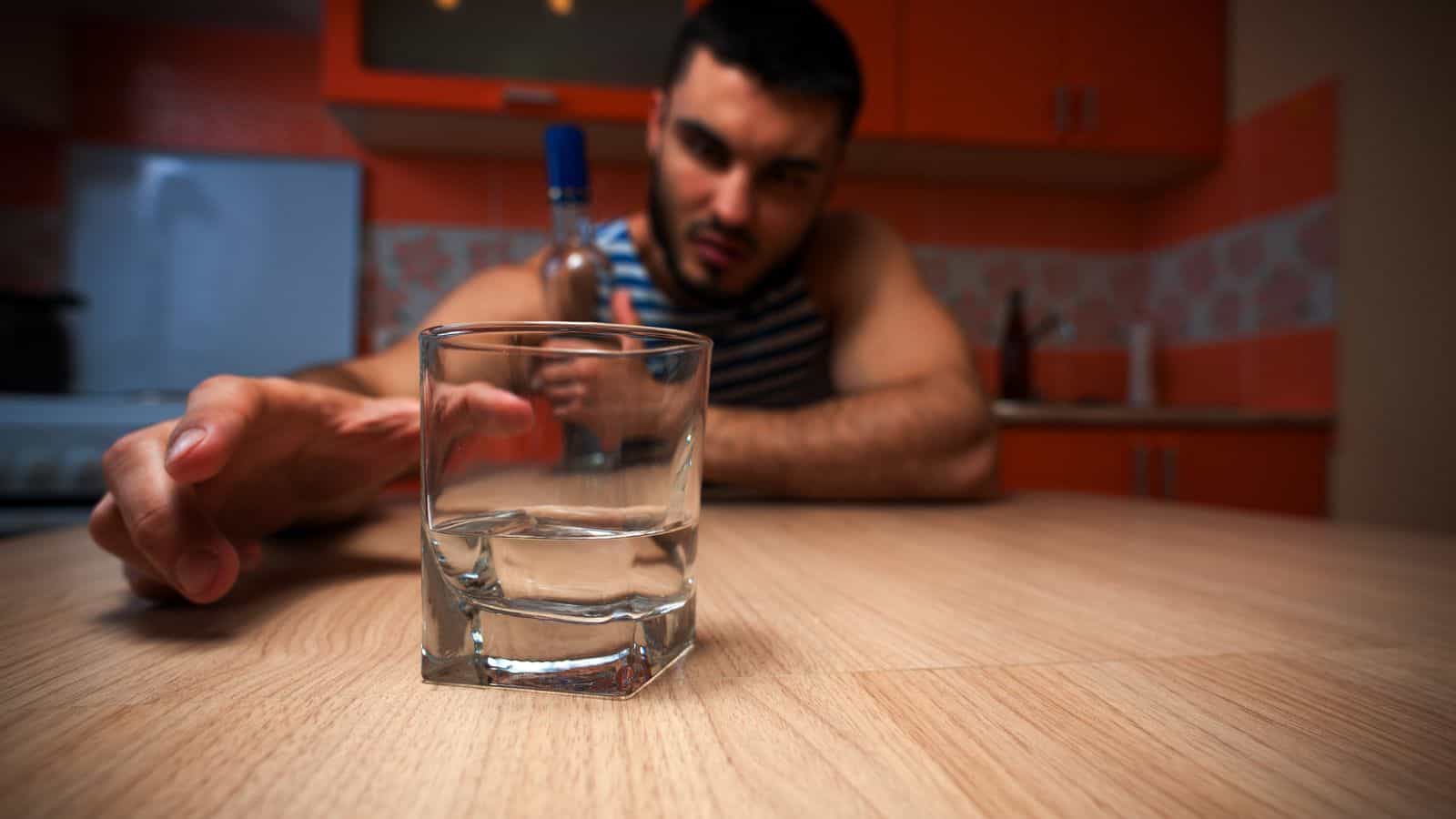
Gray area drinking falls between casual use and obvious problem drinking. You might not experience blackouts or binge drinking, yet you still feel uneasy when alcohol isn't available. It may show up as drinking more than planned or relying on alcohol to smooth out everyday stress. Because consequences are subtle, it often goes unnoticed until patterns become harder to break. Identifying it early gives you a chance to adjust before dependence grows.
Pre-Gaming
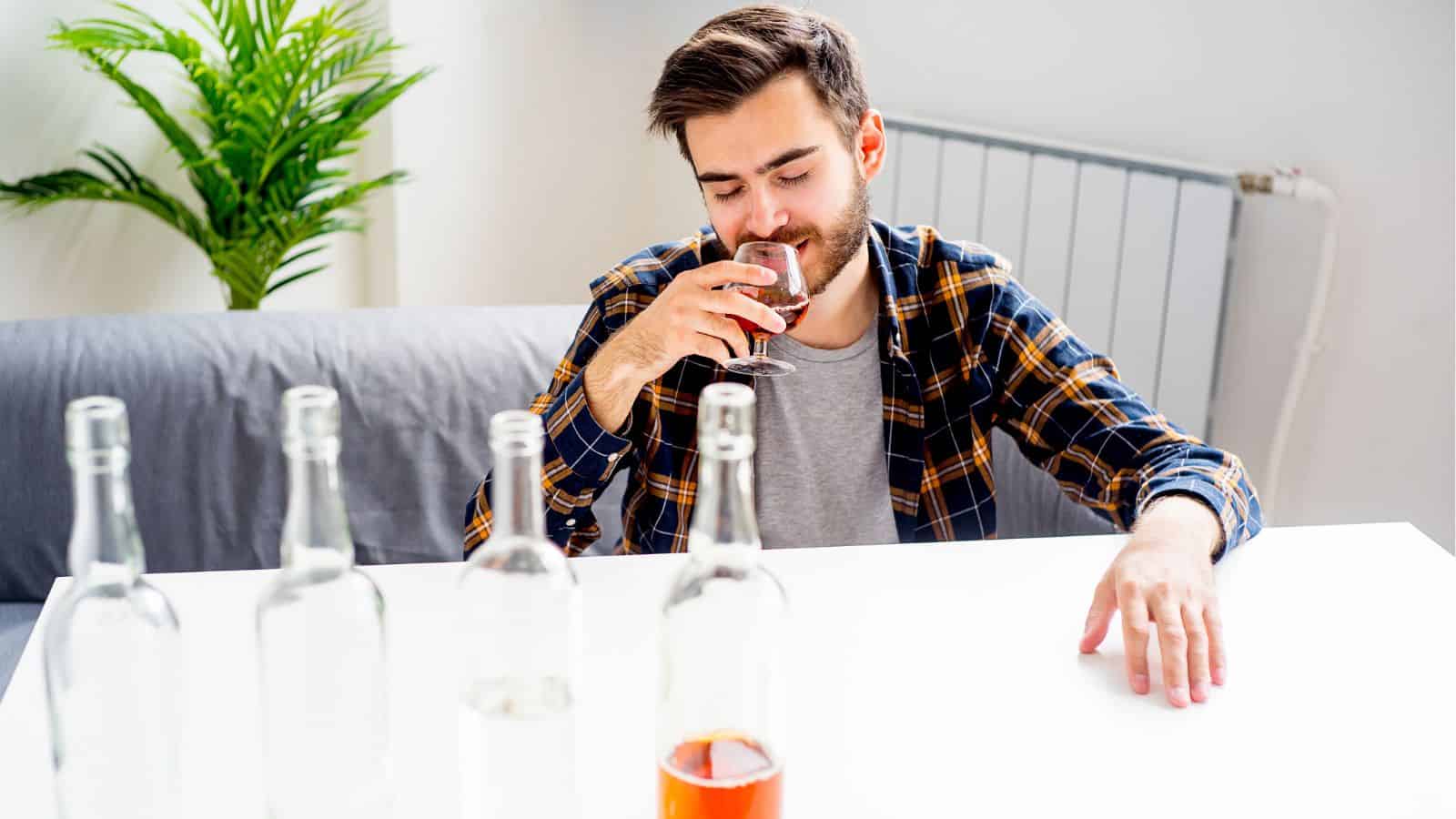
Pre-gaming can seem like a fun or budget-friendly idea, but drinking quickly before going out often leads to overconsumption. Alcohol hits harder when consumed fast, affecting judgment before the night even begins. It also makes it difficult to pace yourself once you're out, since you may underestimate what you already drank. Being mindful of this habit can reduce risky decisions and make social drinking more manageable.
Using Alcohol to Cope with Stress

Many people reach for a drink to unwind, but relying on alcohol to manage stress can quietly build dependence. When it becomes the primary way to relax, it crowds out healthier coping tools like movement, hobbies, or social connection. Over time, this habit can heighten anxiety, interrupt sleep, and increase tolerance, making relaxation harder without alcohol. Finding other stress relief strategies helps break the cycle.
Solo Drinking
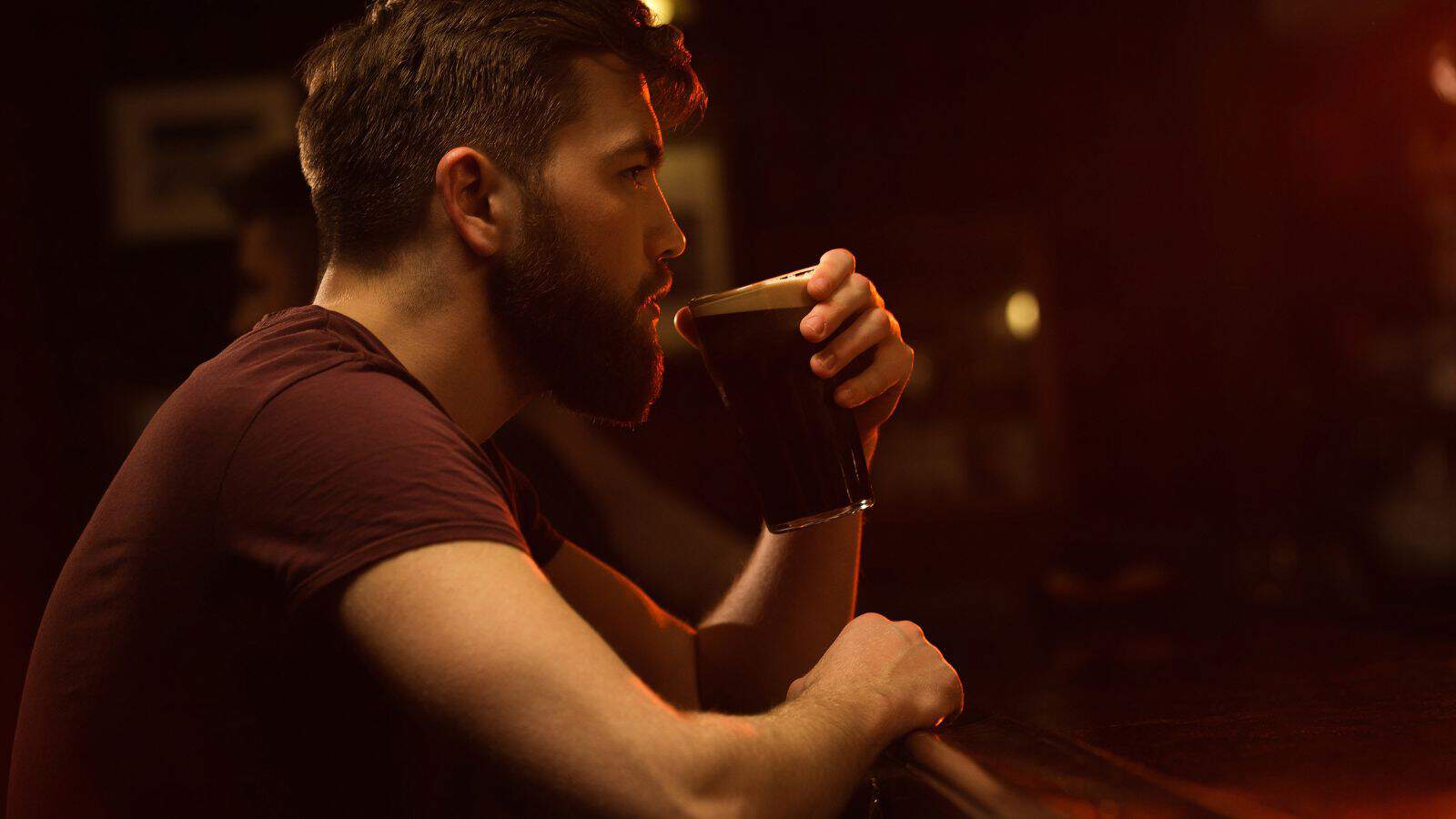
Drinking alone can feel harmless, yet it may signal an emotional reliance that develops quietly. Without the social element, alcohol becomes a way to fill time or soften difficult emotions. This pattern can lead to isolation and reduce motivation to engage in activities that don't involve drinking. Because solo drinking happens privately, it often goes unnoticed until it becomes routine. Reflecting on the reasons behind it can help you spot early warning signs.
Hidden Drinking

Concealing alcohol use by sneaking drinks or hiding bottles can indicate discomfort or shame around your habits. Secretive drinking often masks increased reliance and makes it harder for others to offer support. It also deepens the disconnect between how much you're actually drinking and how much you want to believe you're drinking. Acknowledging this pattern is an important step toward regaining control and addressing underlying concerns.
Weekend-Only Overindulgence

Limiting alcohol to weekends may seem balanced, but heavy weekend drinking still strains your body. Consuming a large amount in a short window increases the risks of dehydration, poor sleep, and impaired judgment. This habit can also reinforce the idea that you need alcohol to unwind after the week. Paying attention to weekend consumption helps promote more consistent moderation and reduces long-term health risks.
Health-Justified Drinking

Using health claims to justify regular drinking, such as believing wine supports heart health, can encourage more frequent consumption. While moderate alcohol may have potential benefits, relying on these ideas often leads to drinking more than you intended. This habit can overshadow real risks like increased cancer rates, liver issues, and dependence. Being honest about why you drink helps keep health claims from influencing your choices.
Alcohol as a Reward

Treating alcohol as a reward after stressful days or major accomplishments strengthens the emotional tie between drinking and feeling good. Over time, it becomes harder to celebrate or relax without a drink. This pattern often increases how often you drink and how much you pour. Finding other forms of celebration, whether enjoyable activities or quality time with loved ones, helps maintain a healthier balance.
10 Beverages Dietitians Say Are Making Your Belly Fat Worse
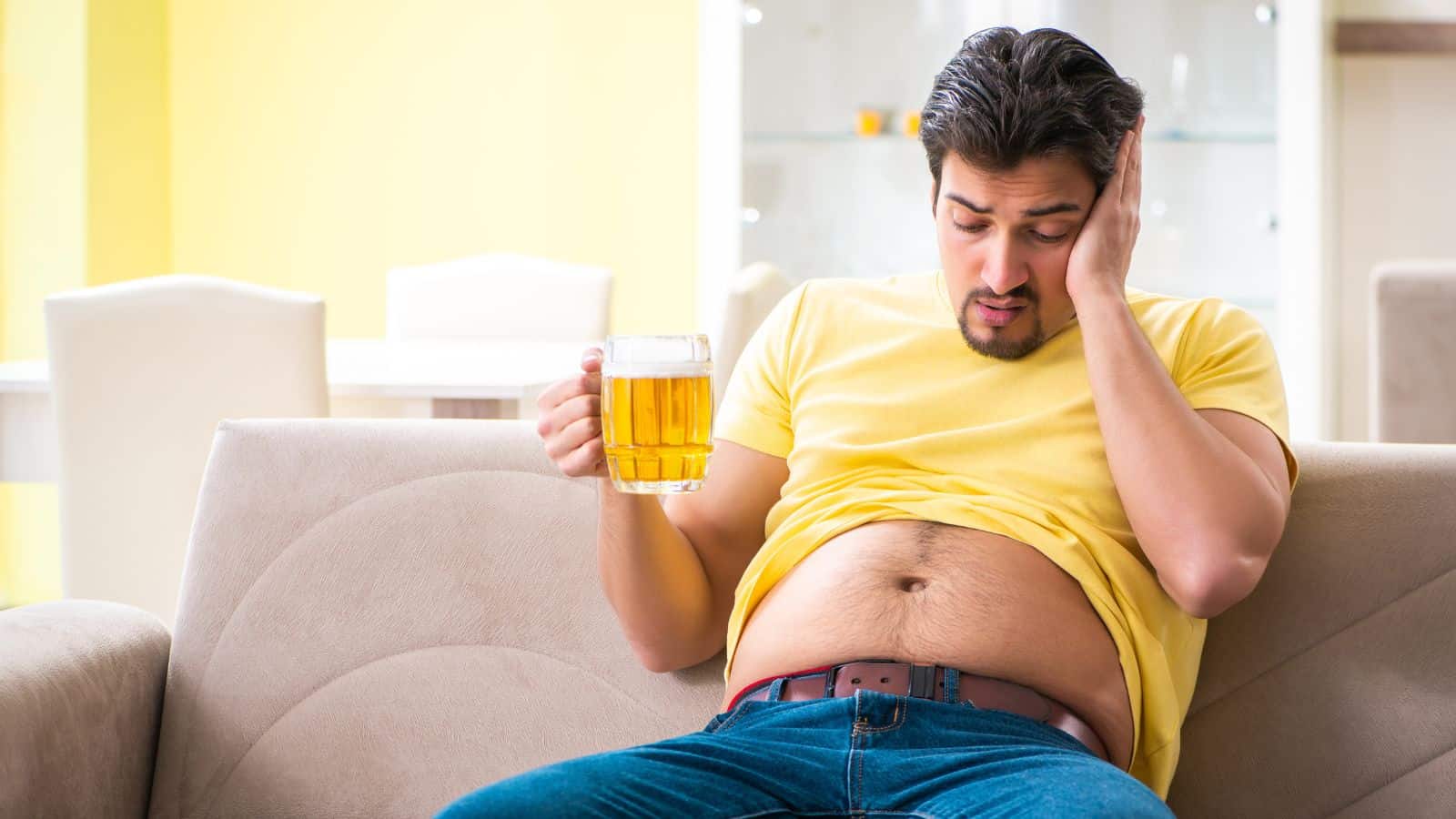
Bid goodbye to beer bellies! Many people are unaware that certain beverages can contribute to unwanted belly fat. There are 10 beverages dietitians say are making your belly fat worse, and understanding these choices can help in making healthier decisions. From sugary drinks to seemingly healthy options that are high in calories, these beverages can sabotage even the best intentions.
Read More Here: 10 Beverages Dietitians Say Are Making Your Belly Fat Worse
5 Drinks That Actually Hydrate You and 5 That Just Pretend
Know your drinks. Staying properly hydrated is essential for overall health, but not all drinks are created equal. There are 5 drinks that actually hydrate you and 5 that just pretend. Many people may be surprised to learn that some popular beverages, despite their refreshing taste, do not effectively contribute to hydration. Understanding the difference can help individuals make better choices when it comes to quenching their thirst.
Read More Here: 5 Drinks That Actually Hydrate You and 5 That Just Pretend


Comments
No Comments