
Crafting the perfect cocktail at home can be a rewarding experience, but there are nine mixing mistakes that are sabotaging your homemade cocktails. Many aspiring mixologists may not realize that small errors in the mixing process can lead to disappointing results. From incorrect ingredient ratios to improper techniques, these mistakes can turn a potentially great drink into an unsatisfying one.
Understanding the common pitfalls in cocktail preparation is essential for achieving that ideal flavor balance. By paying attention to these details, anyone can level up their cocktail game and impress guests with expertly crafted drinks.
Explore these mixing mistakes that could be holding back cocktail creations. With a little knowledge and practice, homemade cocktails can be transformed into standout beverages that are sure to please!
Using Low-Quality Ingredients
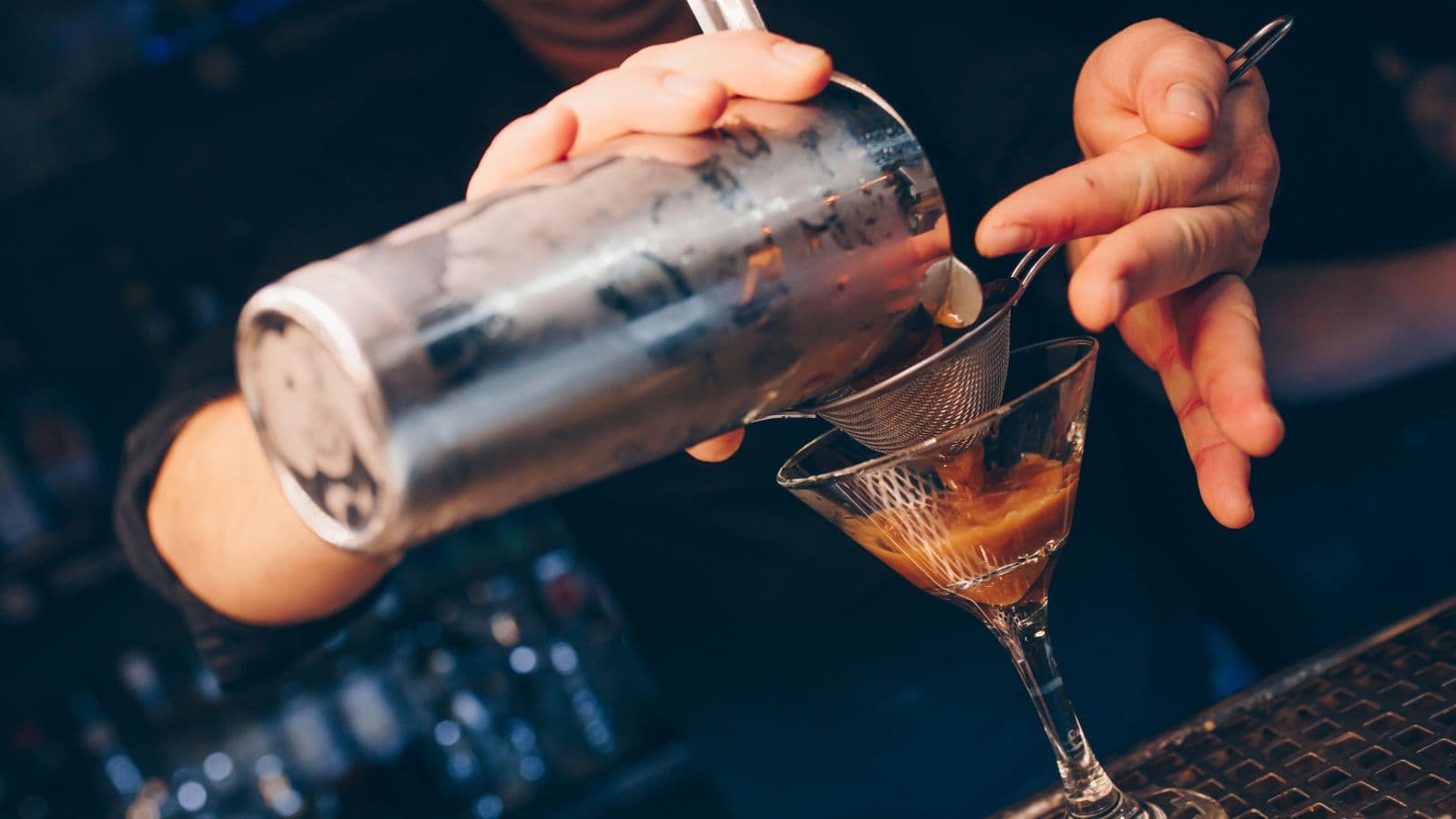
The quality of ingredients makes a noticeable difference in cocktails. Cheap spirits often have harsh flavors that stand out rather than complement the drink. Artificial juices and low-grade mixers can leave an unpleasant aftertaste or overpower the balance. Freshly squeezed citrus, high-quality syrups, and well-made liqueurs allow the intended flavors to shine. Even ice matters-cloudy, fast-melting ice can water down a drink too quickly. If the base ingredients are subpar, no skillful mixing can fix the final result. Starting with good components ensures the drink is crisp, balanced, and enjoyable from the first sip to the last.
Over-Diluting or Under-Diluting
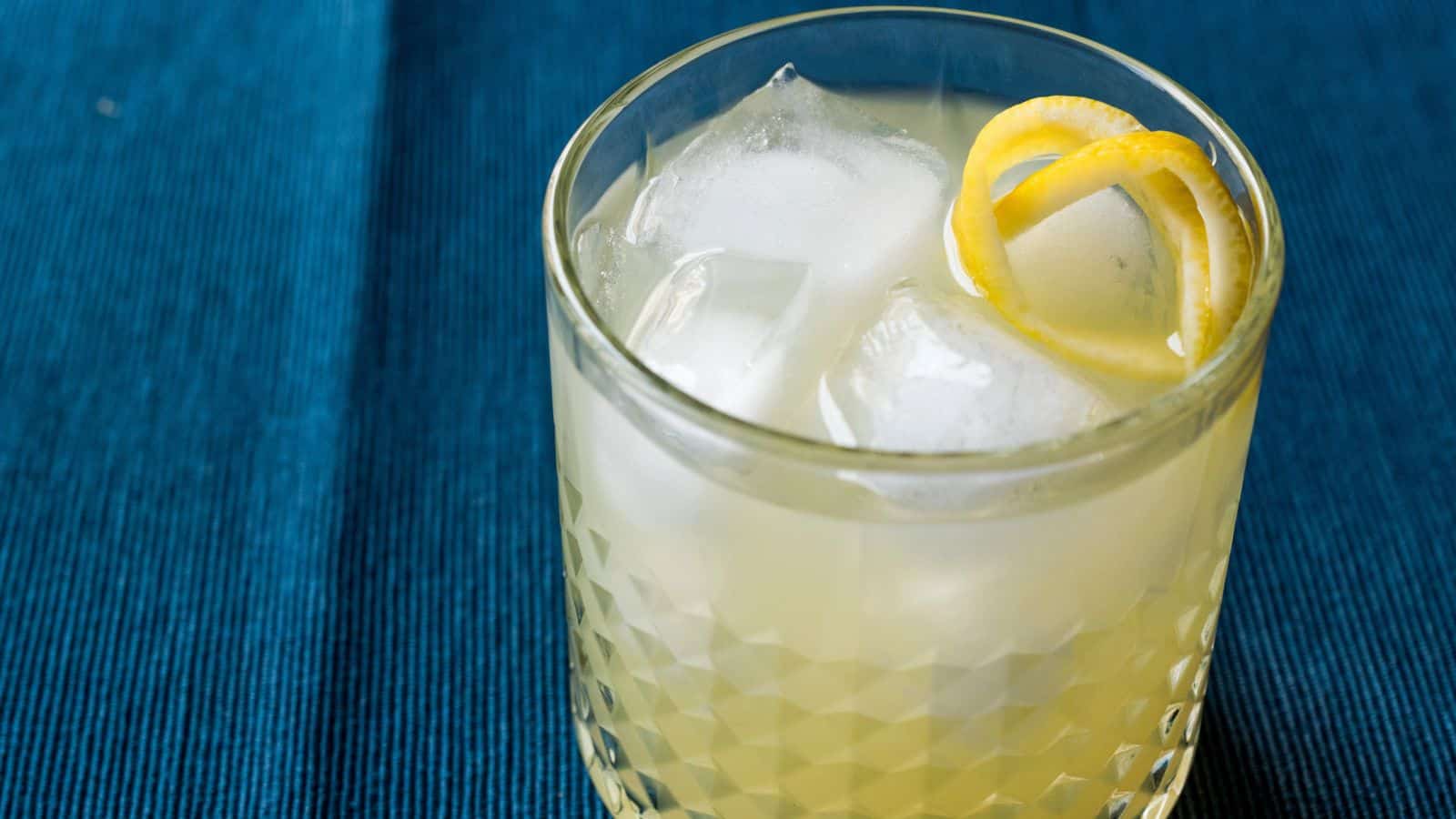
Dilution is key to a well-balanced cocktail, affecting both flavor and texture. Too much dilution results in a weak drink where flavors become washed out, while too little can leave it overpoweringly strong. The type of ice, how long the drink is stirred or shaken, and whether it's strained over fresh ice all influence the final result. Some drinks benefit from slight dilution to mellow the alcohol's sharpness, while others need just enough water to integrate the ingredients smoothly. Controlling dilution through proper technique ensures the drink retains its intended balance without being too intense or weak.
Incorrect Shaking or Stirring
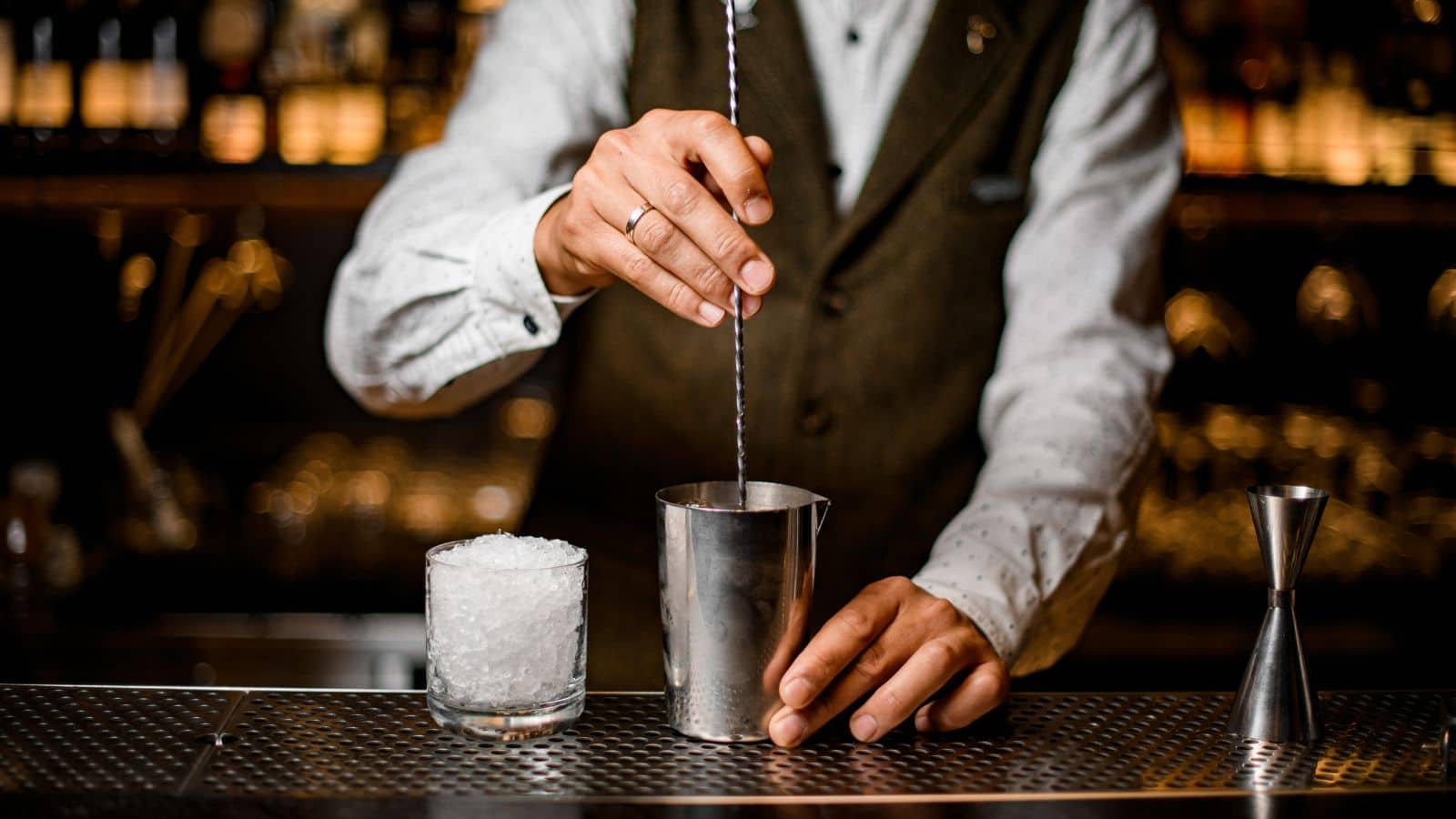
Mixing techniques affect texture, clarity, and overall consistency. Shaking a drink introduces air and ice shards, creating a frothy, well-integrated mixture essential for citrus-based drinks like a margarita or daiquiri. Stirring, on the other hand, gently combines ingredients without aerating, keeping spirit-forward cocktails like a Manhattan or Negroni smooth and clear. Using the wrong method can ruin the drink's structure-stirring a cocktail that needs shaking leaves it flat, while shaking a drink that should be stirred results in unnecessary cloudiness and dilution. Understanding when to shake and when to stir is a fundamental part of mixing properly.
Ignoring Proper Measurements
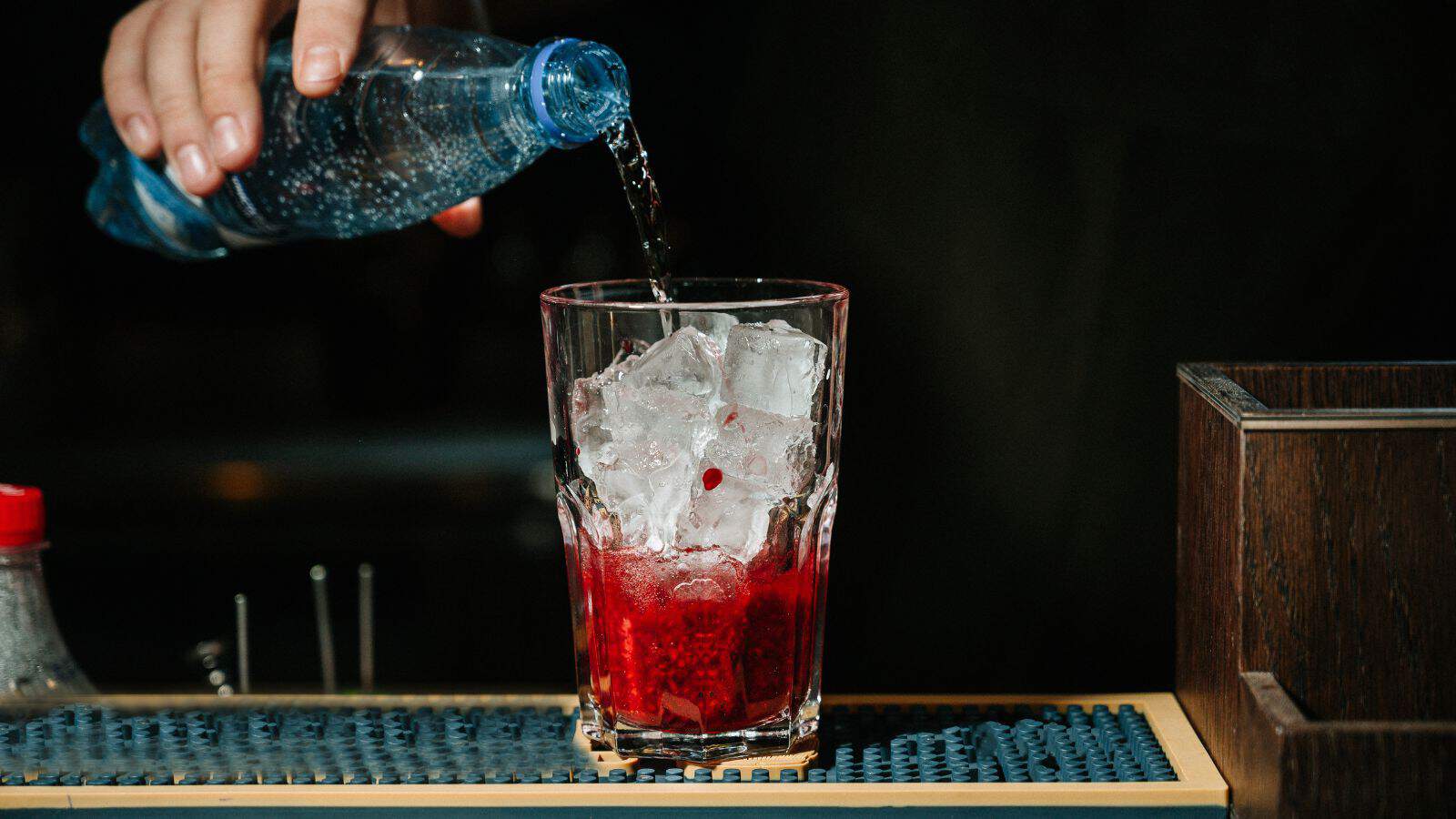
Cocktails are all about balance; even small variations in ingredient proportions can change the final drink. Eyeballing measurements often lead to an imbalance-too much citrus can make a drink overly tart, while too much syrup can make it overly sweet. Strong spirits must be measured precisely to maintain harmony with mixers and modifiers. A jigger is essential for accurate pours, ensuring consistency with every drink made. Even experienced bartenders rely on precise measurements to achieve the right balance. Skipping this step can result in a cocktail that tastes different every time, making it difficult to get the intended result.
Using the Wrong Ice
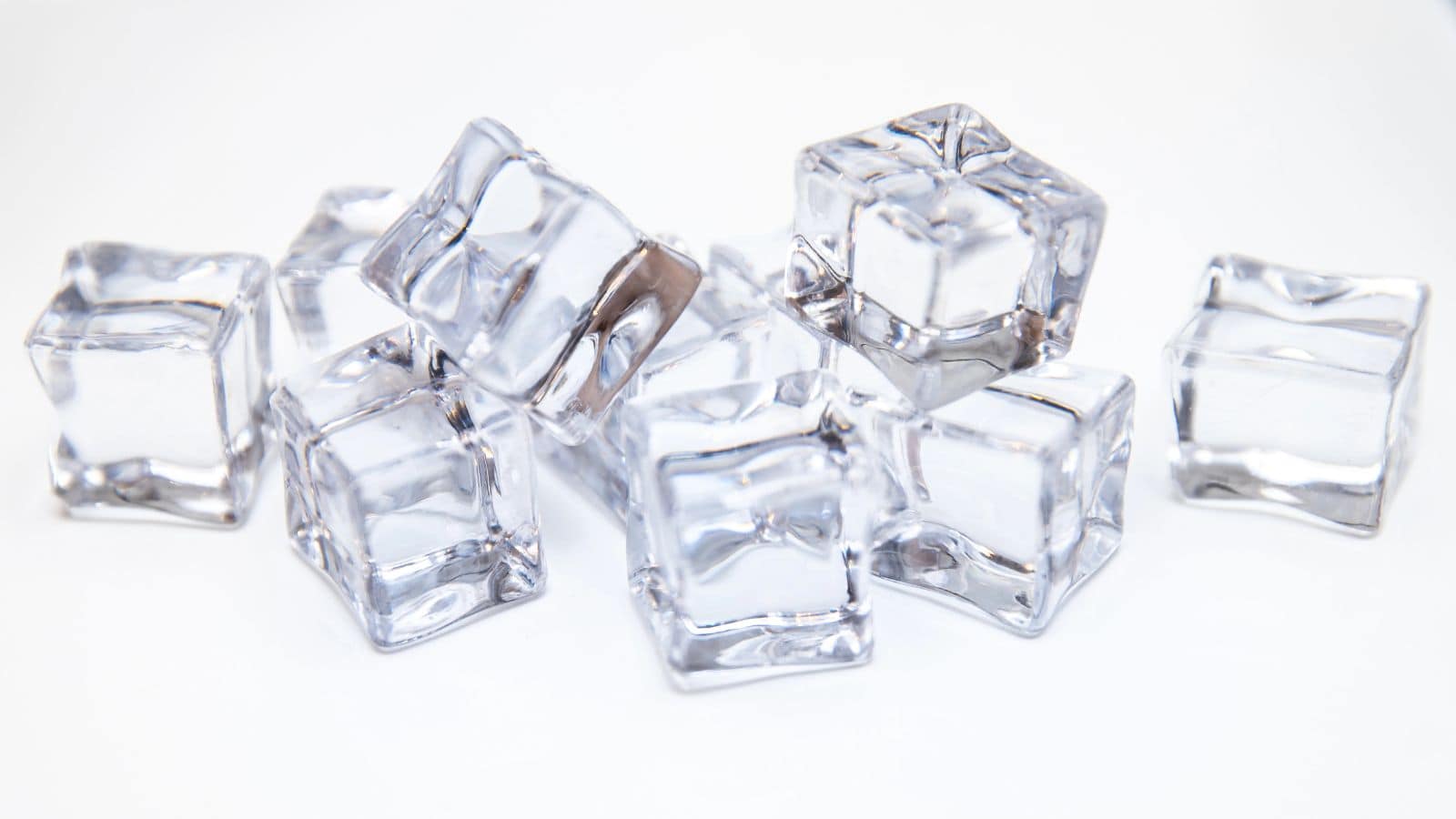
Ice is more than just a way to keep drinks cold-it affects dilution, texture, and presentation. Small, rapidly melting ice cubes can over-dilute a cocktail, making it taste weak before it's even halfway finished. Large, clear ice cubes melt more slowly, keeping drinks chilled without watering them down too quickly. Crushed ice works well for certain cocktails, like a mint julep, where slow dilution helps blend flavors over time. Reusing old ice from the freezer can introduce off flavors if it has absorbed odors. Choosing the right type of ice ensures that the drink maintains its intended balance and texture.
Not Chilling Glassware
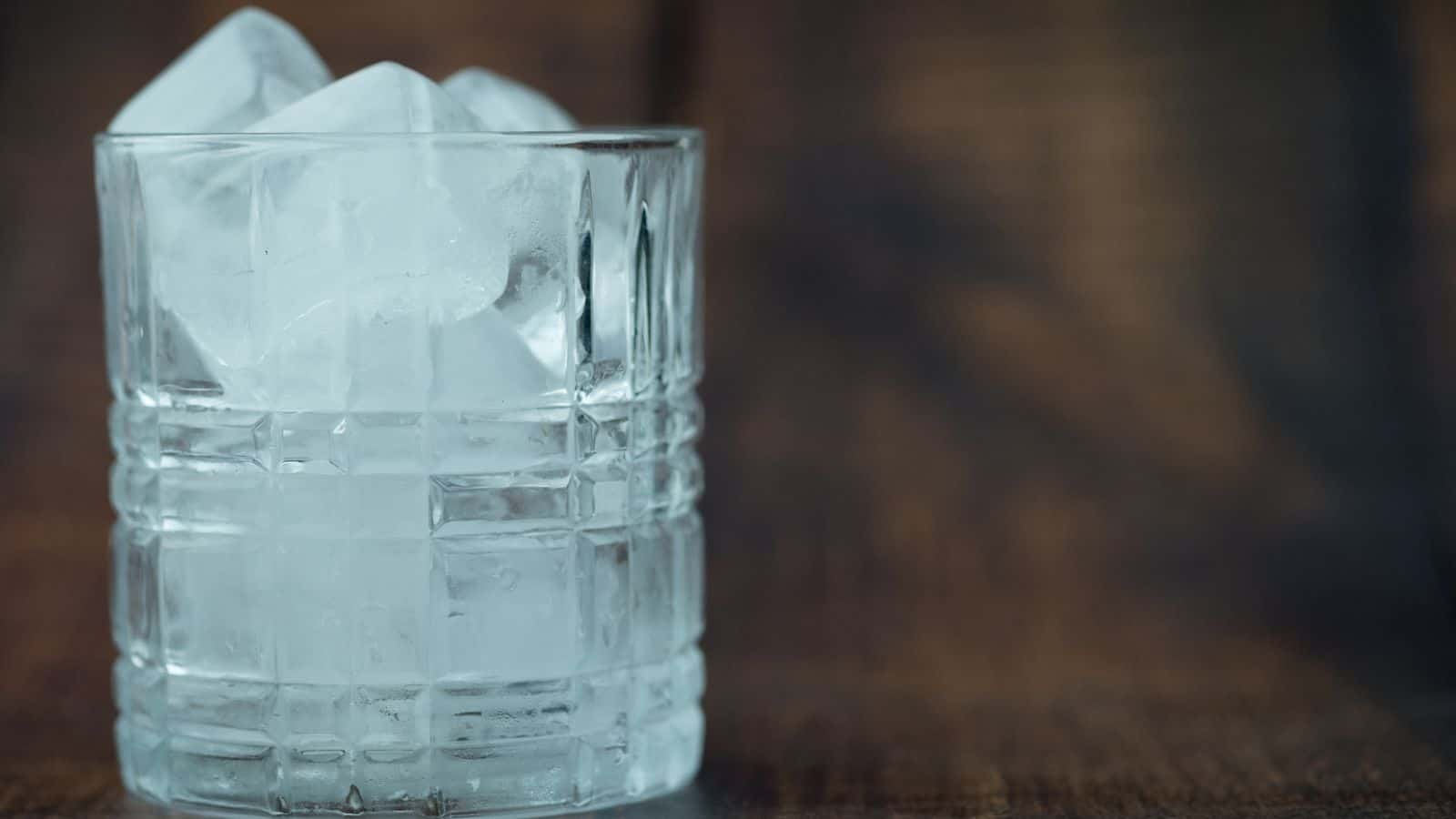
A well-made cocktail can lose its appeal if served in a warm glass. The temperature of the glass directly affects the drink, causing it to warm up too quickly and lose its crispness. This is especially important for drinks meant to be served ice-cold, like martinis or margaritas. Chilling a glass in the freezer for a few minutes or filling it with ice water while preparing the cocktail helps maintain the right temperature. Even a perfectly mixed drink may taste flat or less refreshing without this step. A properly chilled glass keeps everything balanced from the first sip onward.
Skipping the Garnish
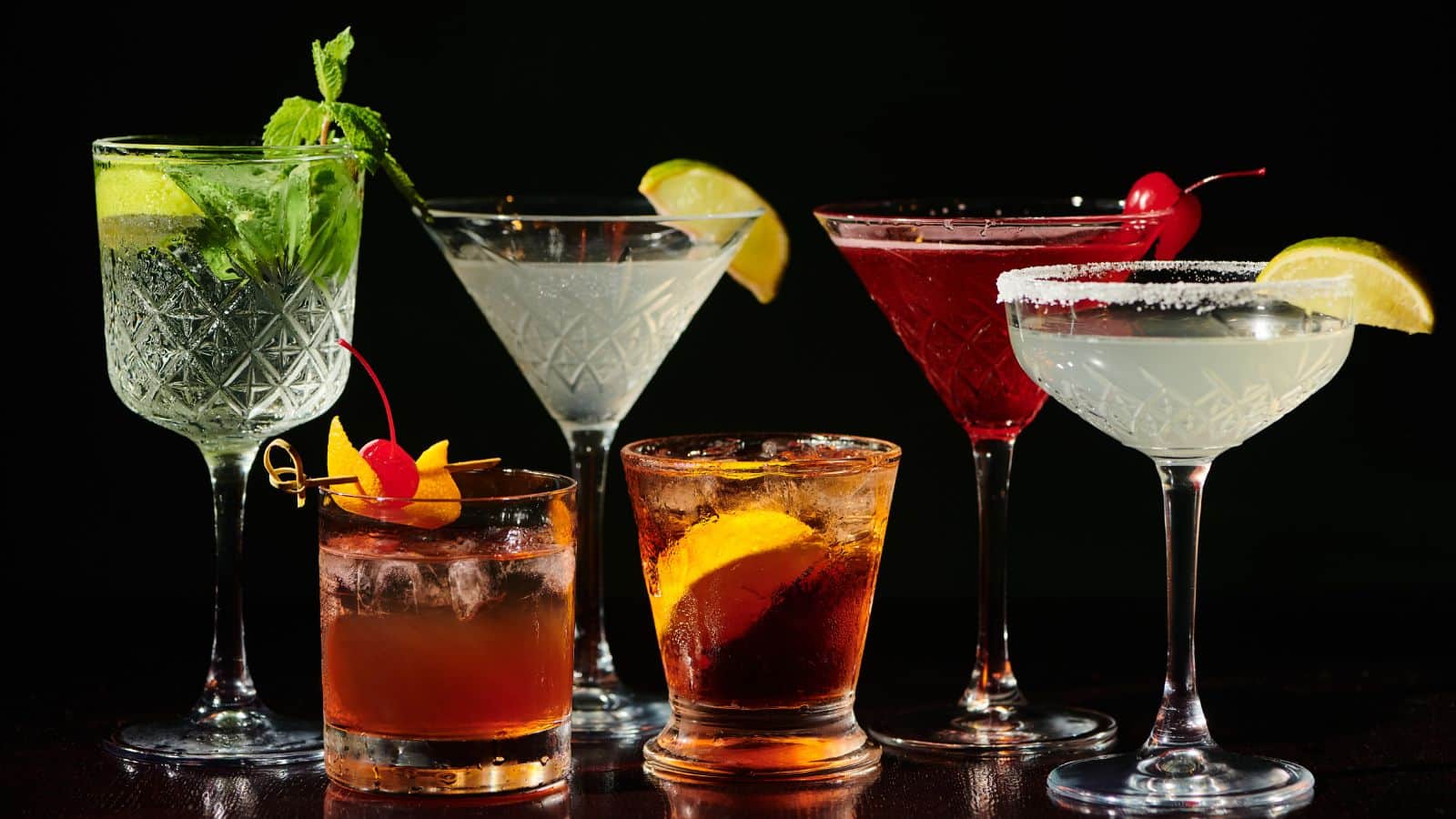
Garnishes are more than just decorative-they enhance aroma, flavor, and the overall drinking experience. A citrus peel adds essential oils that brighten the drink, a sprig of fresh herbs introduces a subtle fragrance, and a proper salt or sugar rim complements the ingredients. A cocktail can feel unfinished without a garnish, lacking the extra layer that brings all the flavors together. Even simple additions, like an olive in a martini or a cherry in an old-fashioned, contribute to the overall impression. Skipping this step means missing out on an important element that can enhance both the taste and the experience.
Overcomplicating Flavors
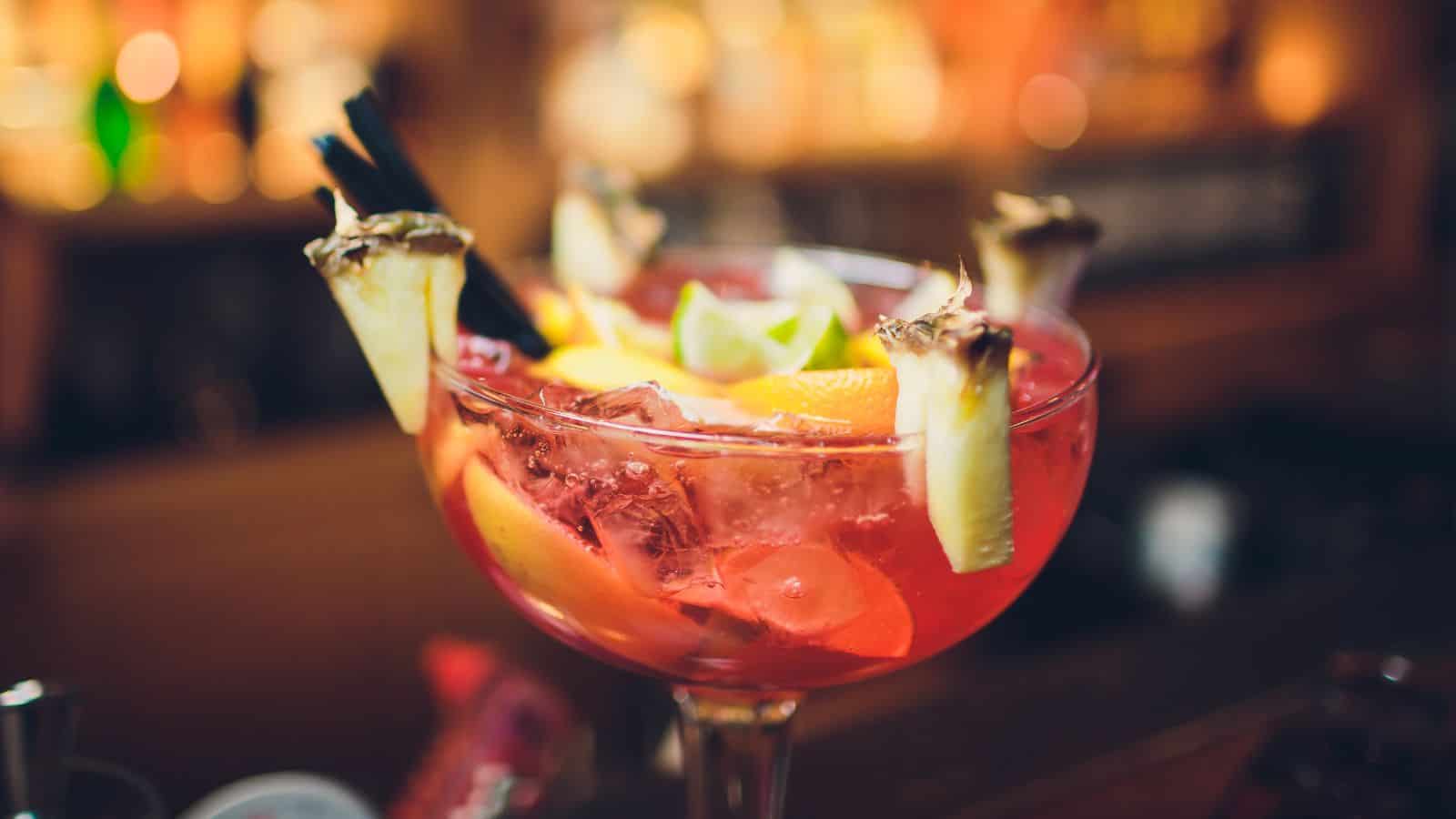
More ingredients don't always make a better cocktail. Too many competing flavors can create a muddled, confusing drink where no single element stands out. A good cocktail balances strong, sweet, bitter, and acidic notes without overwhelming the palate. Adding multiple liqueurs, syrups, or garnishes just for the sake of complexity often leads to a drink that tastes heavy or unbalanced. Sticking to a simple yet well-thought-out combination of ingredients allows each component to shine. A thoughtfully crafted cocktail doesn't need excess-it needs precision. Knowing when to stop adding ingredients is just as important as knowing what to include.
Not Tasting as You Mix

A great cocktail isn't just about following a recipe-it's about adjusting to taste. Ingredients can vary, with citrus being more or less tart depending on the season or syrups being slightly sweeter than expected. A small sip before serving helps catch sweetness, acidity, or dilution imbalances. If a drink is too strong, weak, or missing something, it can be adjusted before pouring. Even professional bartenders taste as they go to fine-tune their drinks. Skipping this step means taking the risk that a cocktail will be off, and by the time it's served, it's too late to fix.
Perfect Your Cocktail Craft
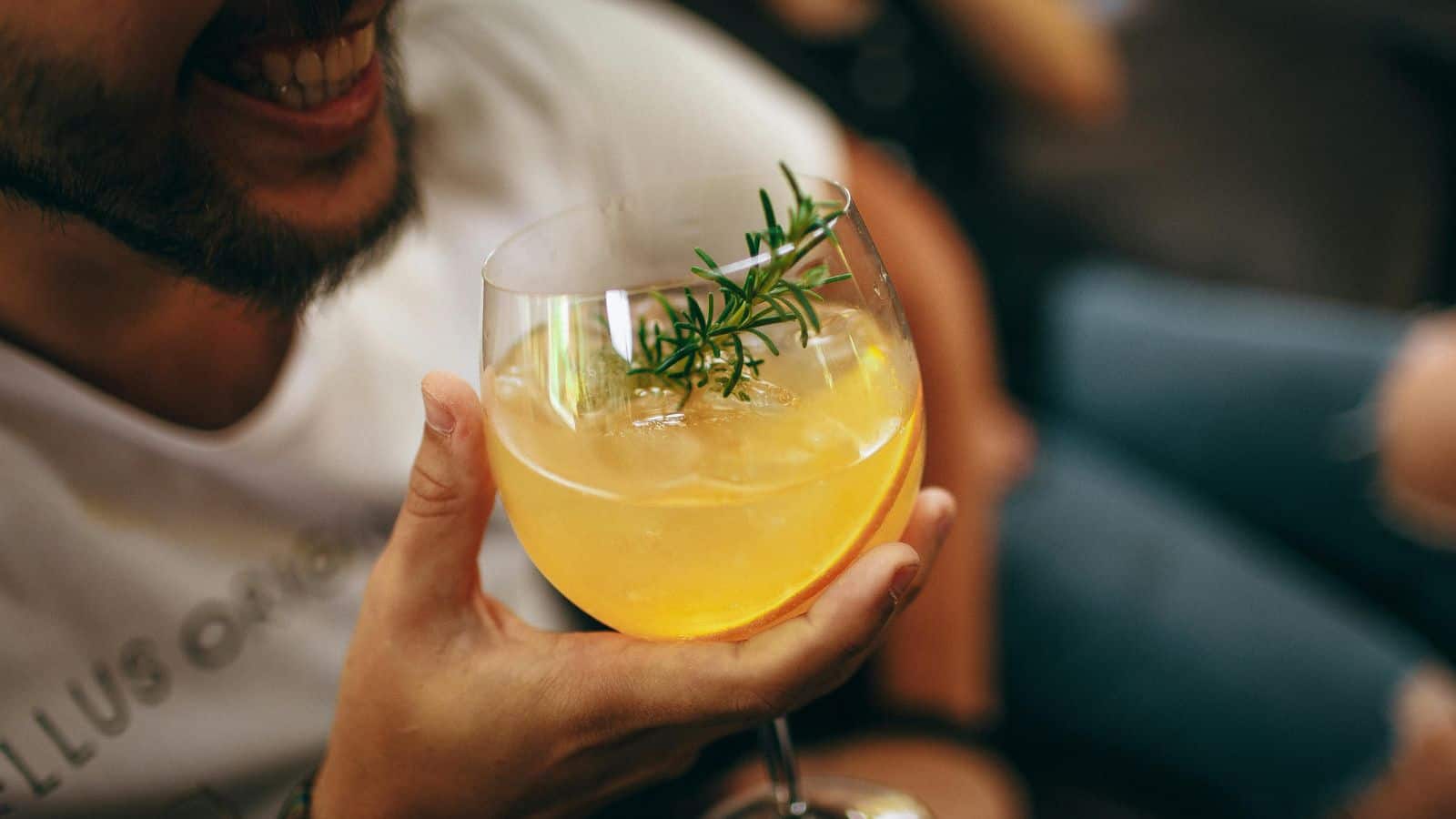
The nine highlighted mixing mistakes are important reminders for anyone looking to enhance their cocktail-making skills. By being aware of these common errors, aspiring mixologists can avoid pitfalls that lead to less-than-ideal drinks. Focusing on proper techniques and ingredient balance makes it possible to level up every cocktail experience.
As new cocktails are crafted, remember these tips to refine the mixing process. With practice and attention to detail, homemade cocktails can impress friends and family, turning any gathering into a memorable occasion. Cheers to mastering the art of cocktail making and enjoying delicious drinks at home!
Top 10 Healthiest Alcoholic Drinks According to Registered Dietitians

Let's talk about healthy alcohol! When it comes to enjoying a drink, you might think you have to choose between having fun and staying healthy. But guess what? You don't have to compromise. We have listed 10 of the healthiest alcoholic drinks, according to a registered dietitian, that can fit into any healthy lifestyle. Whether you're a wine lover or someone who prefers a cold beer, there's something for everyone.
Read More Here: Top 10 Healthiest Alcoholic Drinks According to Registered Dietitians
13 Uncommon Ingredients You Didn't Know You Can Add to Your Drinks
Have you heard about these uncommon ingredients? Many familiar drinks can be transformed with uncommon ingredients that pack a punch of flavor and nutrition. Adding these ingredients can introduce exciting new tastes and health benefits to everyday beverages. From spices to herbs and even some surprising fruits, there are plenty of options to explore that can take drinks to the next level.
Read More Here: 13 Uncommon Ingredients You Didn't Know You Can Add to Your Drinks


Comments
No Comments