
Drinking is often seen as a social activity, but some normal behaviors can signal deeper issues. There are nine 'normal' drinking behaviors that are actually red flags, warning signs that suggest a person's relationship with alcohol might not be as healthy as it appears. From casual drinking to excessive socializing around alcohol, these actions may go unnoticed but can be symptoms of a problem.
Many people may not realize how these behaviors can evolve into more serious issues over time, affecting health, relationships, and overall well-being. Recognizing these red flags early on can lead to better choices and help prevent the escalation of alcohol-related problems. If you're unsure about your drinking habits or someone else's, here are nine seemingly normal behaviors to watch out for, as they may indicate something more concerning.
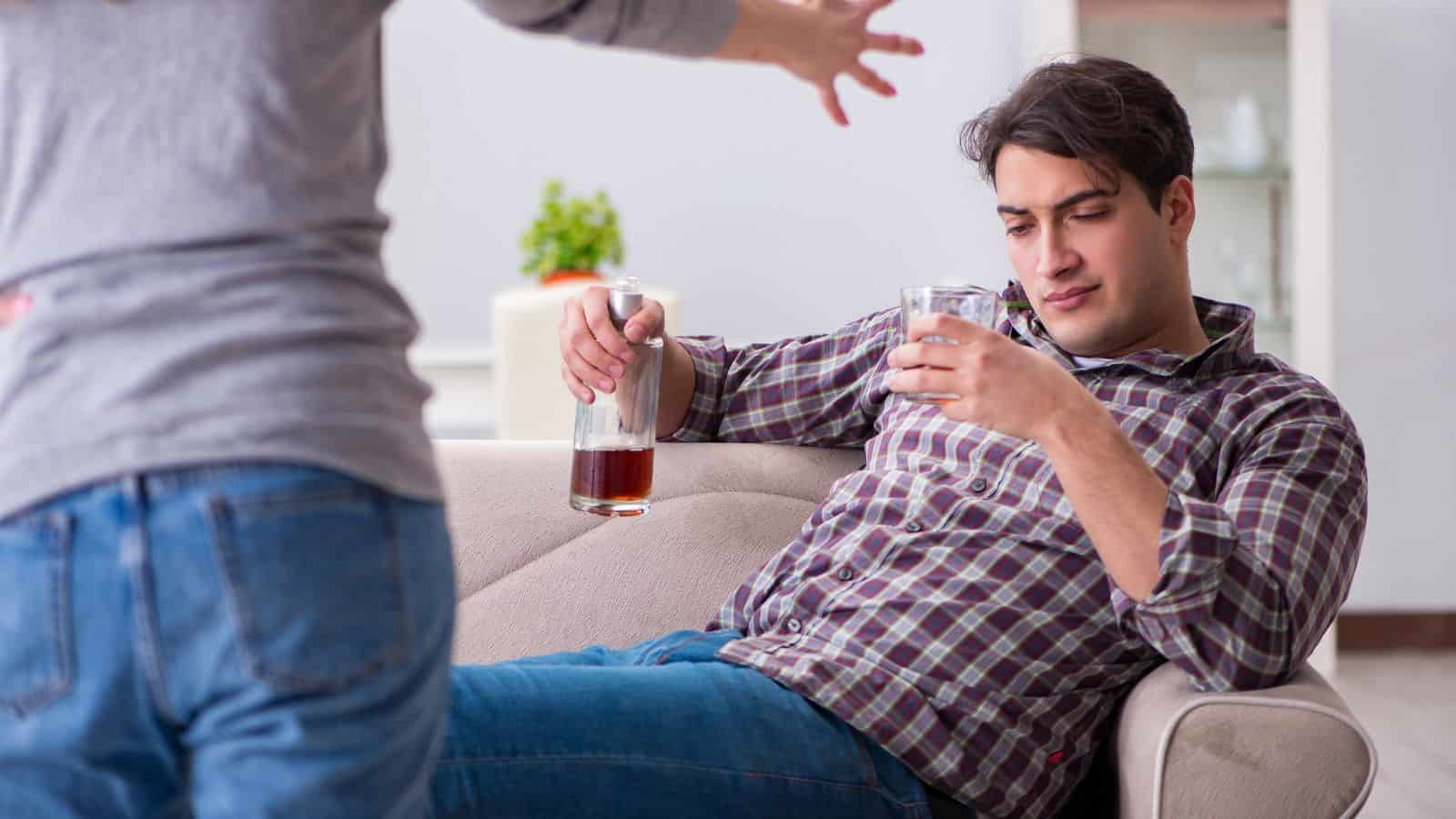
Daily Drinking Without a Break

Drinking alcohol every day-even in small amounts-can slowly lead to physical and emotional dependence. Without regular breaks, the body cannot reset, increasing the risk of liver strain, higher blood pressure, and reduced immune strength. It can also become harder to relax or socialize without it. What begins as routine may eventually feel like a requirement. Taking alcohol-free days during the week can help your body recover and support a more mindful approach to drinking.
Gray Area Drinking
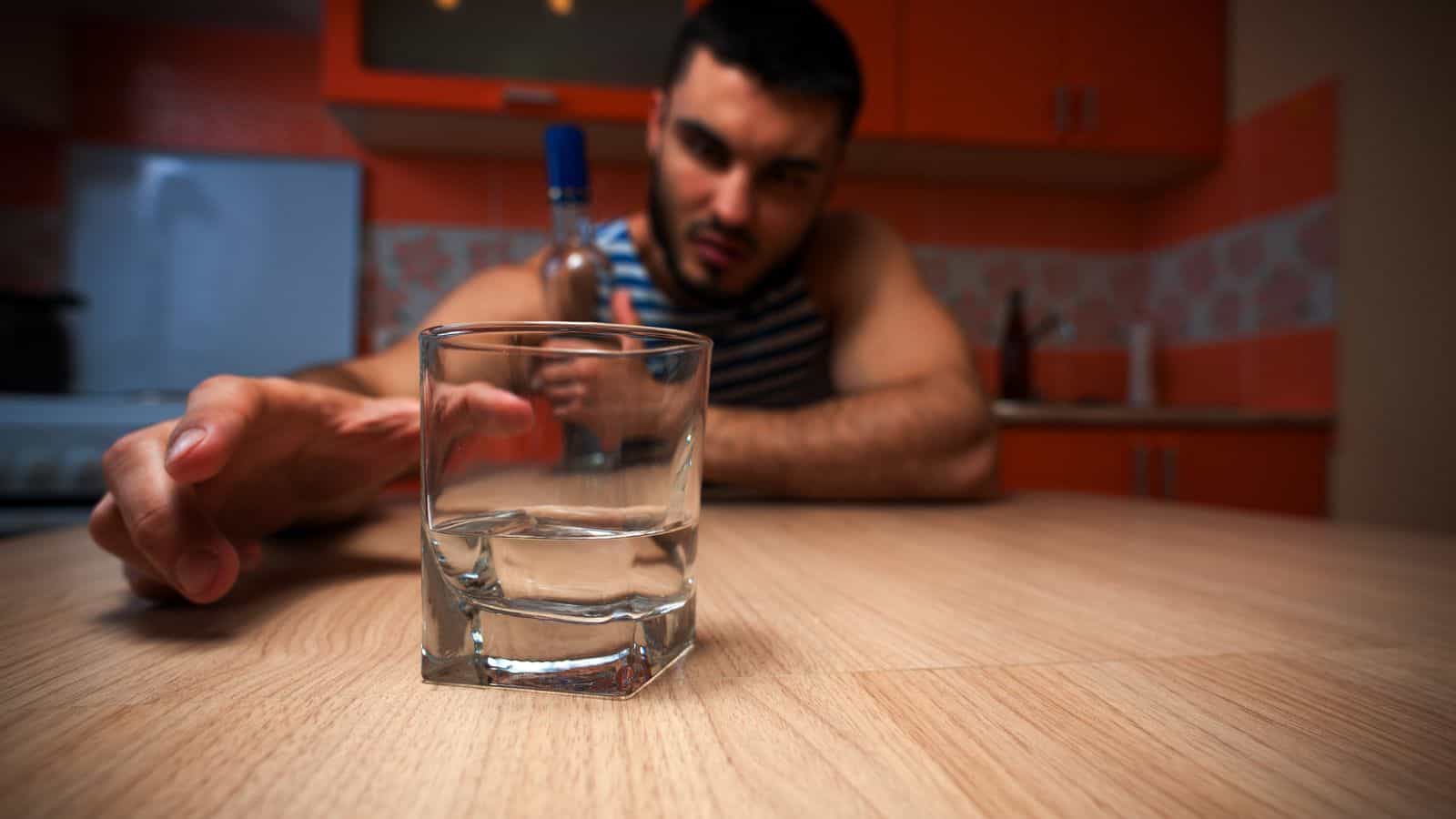
This pattern falls between light social drinking and clear misuse. It doesn't involve extreme behavior like blackouts, but it can still lead to frequent use, drinking more than intended, or discomfort when alcohol isn't available. Because it doesn't always result in visible consequences, gray area drinking is often overlooked. Recognizing these habits early allows for course correction and reduces the risk of longer-term dependence.
Using Alcohol to Cope with Stress
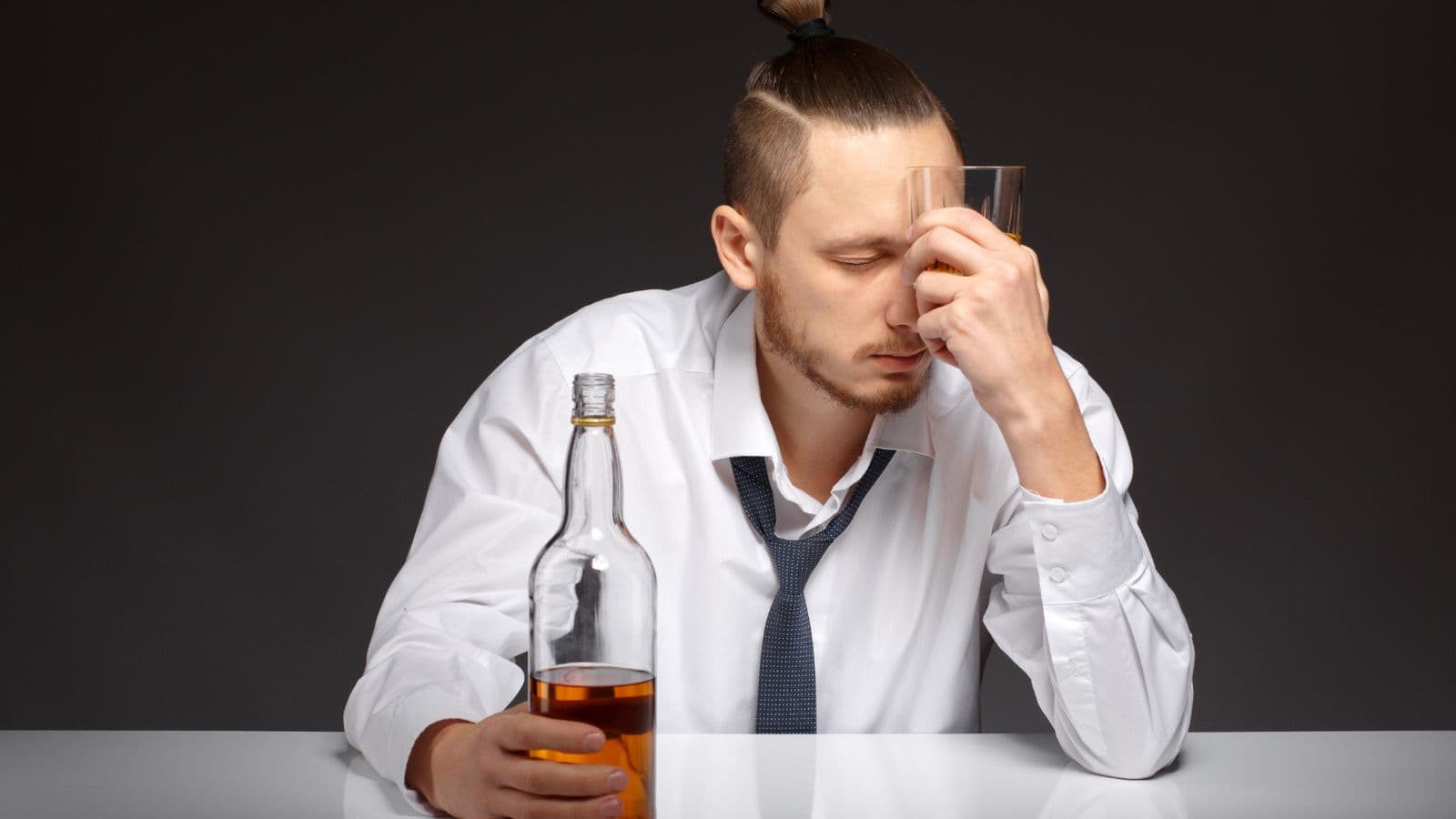
Reaching for alcohol to unwind after a long day may feel effective at first, but relying on it to manage stress can create long-term challenges. This habit can block the development of healthier outlets like physical activity, breathing exercises, or social connection. Over time, it may increase anxiety, reduce sleep quality, and make it harder to relax without alcohol. Building alternative stress responses can interrupt this cycle and support both mental and physical well-being.
Pre-Gaming

Drinking heavily before going out may seem like a shortcut to confidence or a way to cut spending, but it often leads to unintentional overconsumption. Fast-paced drinking before an event can impair judgment early in the night, increasing the likelihood of risky decisions. It also makes it harder to pace yourself once the night continues. Being aware of how much you're drinking before social events can help keep your decisions and health in check.
Solo Drinking
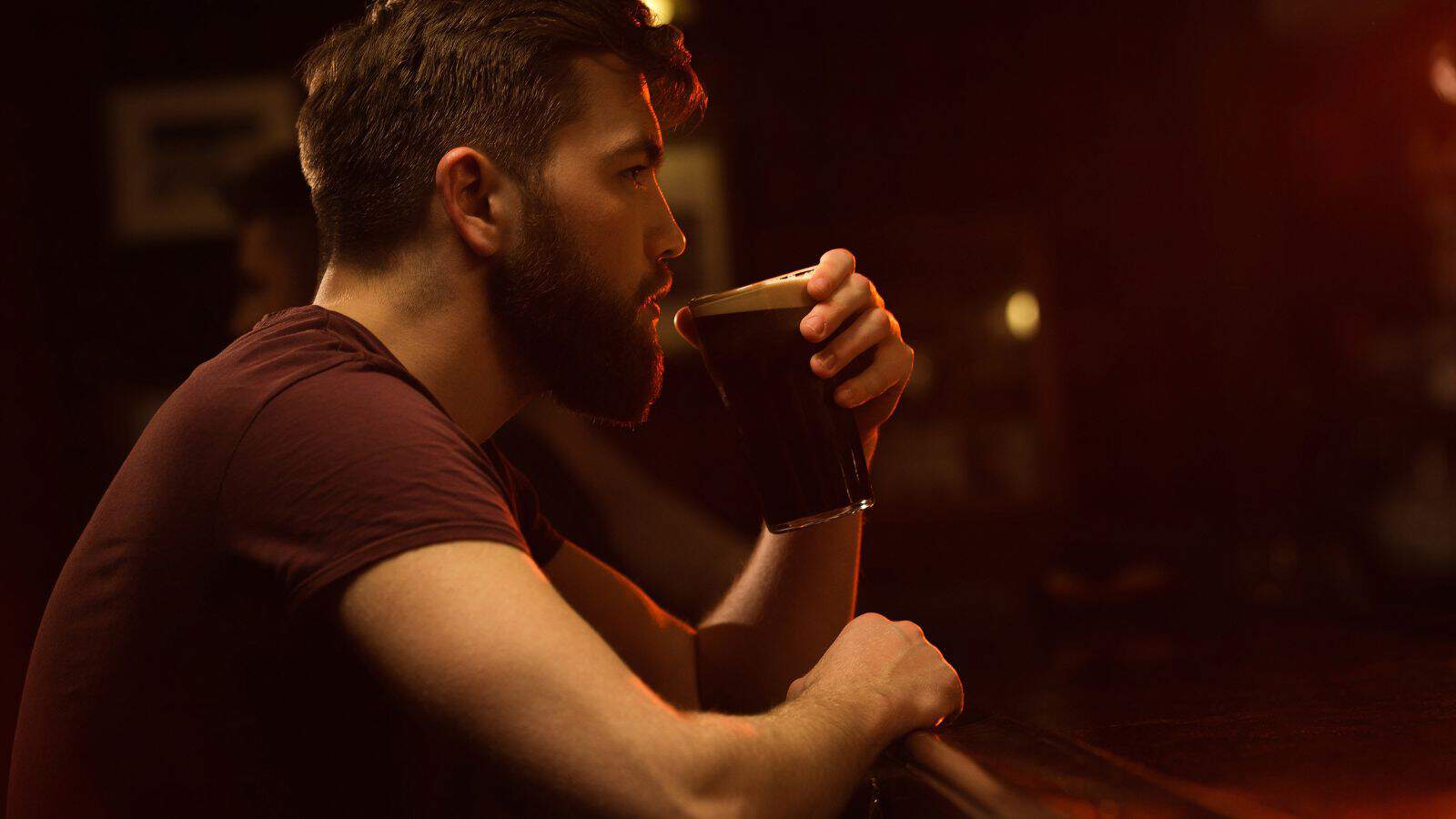
Drinking alone might feel normal, especially during quiet evenings or stressful moments, but it can be a sign of emotional dependence. Without the context of social connection, alcohol may become a way to fill time, reduce loneliness, or manage low moods. Over time, this habit can contribute to isolation and a reduced interest in non-drinking activities. Checking in on how often and why you drink alone can reveal patterns worth reevaluating.
Health-Justified Drinking

Some people drink regularly based on perceived health claims, such as the idea that red wine is good for the heart. While limited studies suggest possible benefits in moderation, this reasoning can open the door to more frequent drinking than intended. Over time, it may lead to overlooking potential downsides like cancer risk, liver strain, or dependency. Reassessing whether these justifications shape your habits can support a more balanced view of alcohol use.
Hidden Drinking

Concealing alcohol use-such as hiding bottles or drinking in secret-may reflect growing discomfort or shame about one's habits. This pattern often forms when someone is trying to avoid judgment or internal conflict, yet it can reinforce deeper reliance. Hidden drinking also makes it difficult for others to recognize or support any underlying struggles. Acknowledging these habits can open the door to honest reflection and support.
Weekend-Only Overindulgence

Limiting alcohol to weekends may appear balanced, but consuming large amounts in short periods can still be harmful. Heavy weekend use can overwhelm the body, disturb sleep, and increase the risk of short-term problems like accidents or illness. This pattern can also reinforce the idea that alcohol is a reward for a hard week. Keeping track of weekend drinking habits can support more consistent and moderate use.
Alcohol as a Reward

Using alcohol to mark achievements or unwind after stress can build a strong emotional link between drinking and reward. Over time, this connection can lead to more frequent use and make it harder to celebrate or relax without it. This habit may also replace other rewarding experiences. Exploring other ways to celebrate-like enjoying a meal with friends, taking time for a favorite activity, or simply resting-can help create more diverse sources of enjoyment.
5 Drinks That Actually Hydrate You and 5 That Just Pretend
Know your drinks. Staying hydrated properly is essential for overall health, but not all drinks are equal. There are five drinks that actually hydrate you and five that just pretend. Many people may be surprised to learn that some popular beverages, despite their refreshing taste, do not effectively contribute to hydration. Understanding the difference can help individuals make better choices when it comes to quenching their thirst.
Read More Here: 5 Drinks That Actually Hydrate You and 5 That Just Pretend
10 Beverages Dietitians Say Are Making Your Belly Fat Worse
Bid goodbye to beer bellies! Many people are unaware that certain beverages can contribute to unwanted belly fat. There are 10 beverages dietitians say are making your belly fat worse, and understanding these choices can help in making healthier decisions. From sugary drinks to seemingly healthy options that are high in calories, these beverages can sabotage even the best intentions.
Read More Here: 10 Beverages Dietitians Say Are Making Your Belly Fat Worse



Comments
No Comments