
Alcohol is a part of many social events, celebrations, and even quiet evenings at home. But it's important to know the 14 ways on how alcohol affects human body systems. While a glass of wine might seem harmless, drinking regularly or in large amounts can have serious consequences. The effects go beyond a hangover or the occasional headache.
It's no secret that alcohol can change the way you feel, but the changes it brings about are more than just skin-deep. Alcohol impacts everything from your brain to your liver and even your heart. Some of these effects can be quite harmful and long-lasting. This isn't just about feeling tipsy or getting a headache the next day; the effects can be much more serious and enduring.
By understanding how alcohol affects your body, you can make better choices and take care of your health. Knowledge is power, and in this case, it's a powerful tool for maintaining your health and making sure you make choices supporting a healthier lifestyle. Let's start!

Brain Function

Alcohol consumption has a profound impact on brain function. When alcohol enters the bloodstream, it crosses the blood-brain barrier, affecting neurotransmitter activity. This interference can lead to impaired judgment, reduced reaction times, and altered mood. In the short term, this might manifest as slurred speech, blurred vision, and uncoordinated movements. Over time, heavy drinking can cause long-term changes to brain structure and function, potentially leading to memory problems, learning difficulties, and an increased risk of mental health disorders like depression and anxiety.
Sleep Patterns

Alcohol can affect the body's natural sleep patterns in several ways. Although it might initially help some individuals fall asleep faster due to its sedative properties, it disrupts the balance of REM (rapid eye movement) and non-REM sleep. This disruption can lead to fragmented sleep, causing frequent awakenings during the night. As a result, sleep quality is compromised, leading to feelings of fatigue and grogginess the following day. Chronic alcohol use can also exacerbate sleep disorders like insomnia and obstructive sleep apnea, further impacting one's ability to get restorative sleep.
Heart Health

Alcohol's effects on the heart are complex. Moderate drinking has been associated with some cardiovascular benefits, such as a reduced risk of coronary artery disease, possibly due to increased HDL cholesterol levels and anti-inflammatory effects. However, excessive alcohol consumption is detrimental, leading to high blood pressure, cardiomyopathy (a condition where the heart muscle weakens), arrhythmias (irregular heartbeat), and an increased risk of heart attack and stroke. Chronic heavy drinking can also contribute to weight gain, which further increases the risk of heart disease.
Liver Function

The liver is the primary organ responsible for metabolizing alcohol. When alcohol is consumed, the liver works to break it down into less harmful substances. However, excessive alcohol intake overwhelms the liver's capacity, leading to the accumulation of fat within liver cells (fatty liver). Continued heavy drinking can cause inflammation (alcoholic hepatitis) and the development of scar tissue (cirrhosis), which impairs liver function. Over time, this can lead to liver failure, a life-threatening condition. The liver's inability to process alcohol efficiently also affects its ability to metabolize other substances, increasing the risk of toxic accumulation.
Digestive System

Alcohol can have various adverse effects on the digestive system. It stimulates the production of stomach acid, which can irritate the stomach lining, leading to gastritis. Prolonged irritation can result in ulcers, causing pain and potential bleeding. Alcohol also impairs the function of the pancreas, an organ crucial for digestion and blood sugar regulation, leading to pancreatitis, a serious inflammation of the pancreas. Furthermore, alcohol can interfere with the absorption of essential nutrients in the intestines, resulting in deficiencies that affect general health.
Immune System
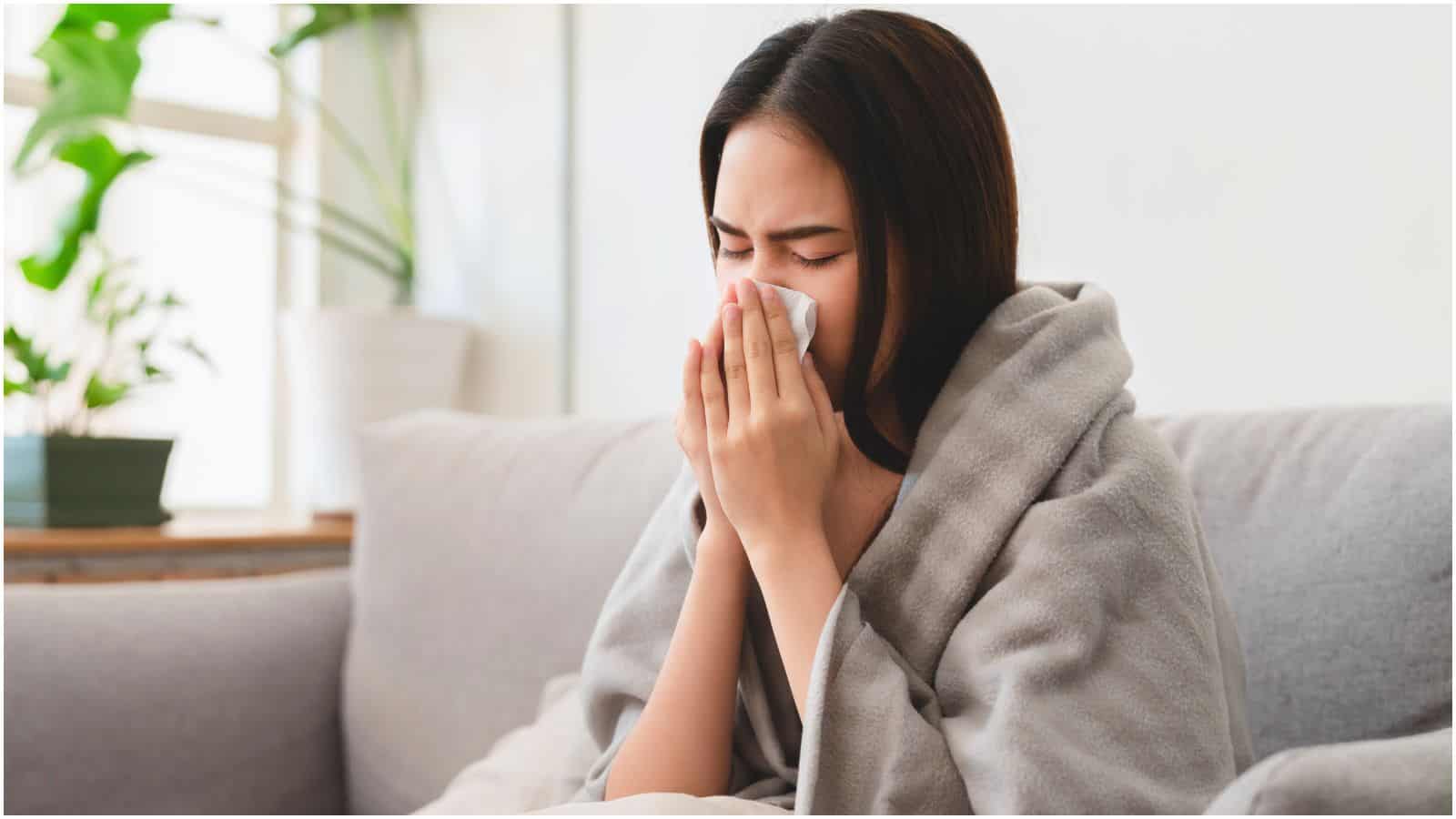
Alcohol weakens the immune system by interfering with the production and function of immune cells. Chronic alcohol consumption reduces the body's ability to produce white blood cells, which are essential for fighting infections. This impairment leaves individuals more susceptible to infections like pneumonia and tuberculosis. Additionally, alcohol can damage the lining of the respiratory tract, making it easier for pathogens to invade. The general inflammatory response is also altered, which can delay the healing process and increase the risk of complications from infections and injuries.
Weight Gain
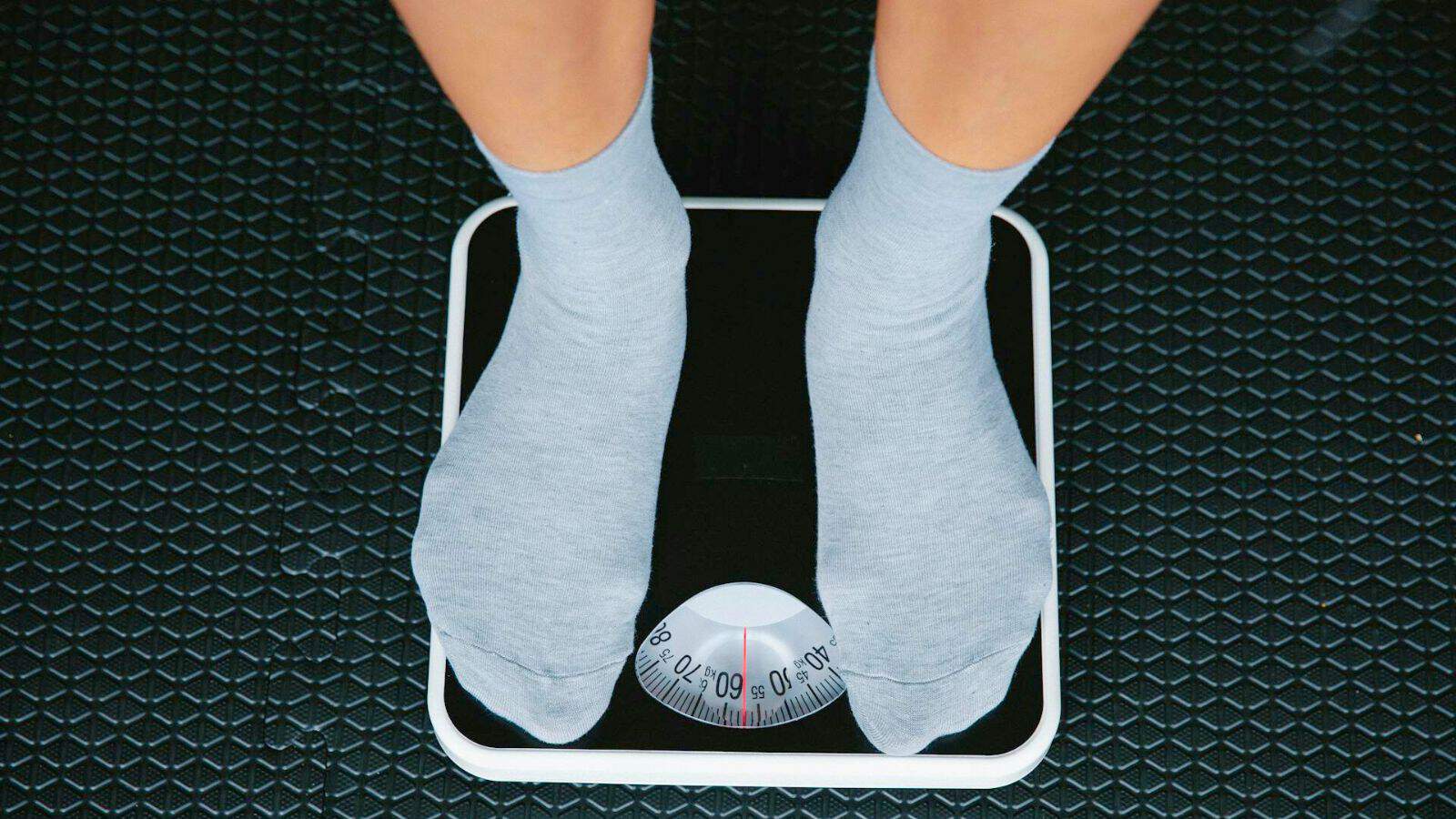
Alcohol is calorie-dense, with one gram of alcohol containing seven calories. These calories are often considered "empty" because they have little to no nutritional value. Regular consumption of alcoholic beverages, especially those mixed with sugary ingredients, can lead to an increased caloric intake, contributing to weight gain. Additionally, alcohol can stimulate appetite and reduce inhibitions, leading to overeating and poor dietary choices. Over time, this can result in obesity, which is a risk factor for various health conditions, including type 2 diabetes, cardiovascular disease, and certain cancers.
Skin Health
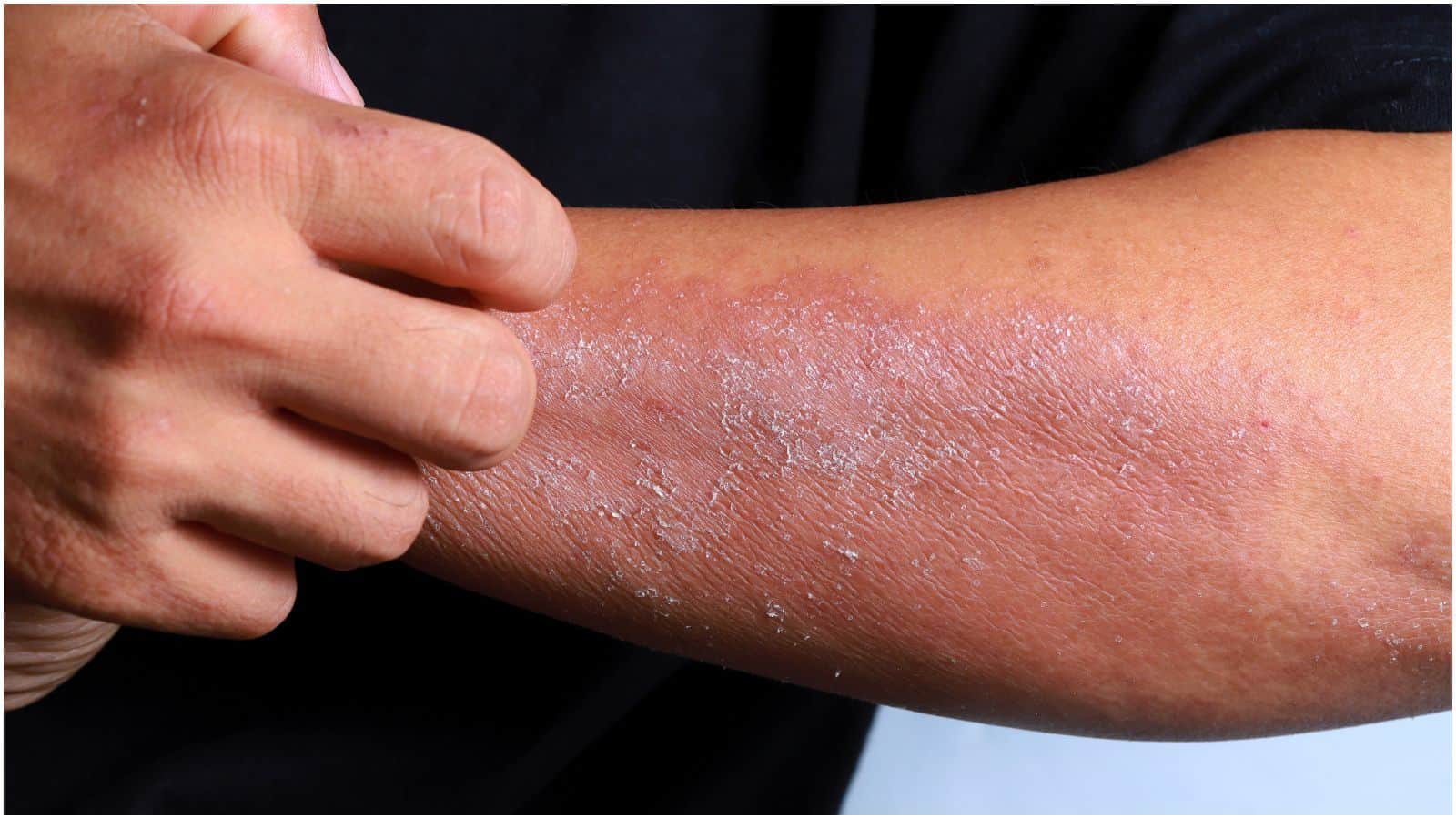
Alcohol dehydrates the body, including the skin. Dehydration leads to dry, flaky skin and can exacerbate existing skin conditions such as eczema and psoriasis. Alcohol also dilates blood vessels, which can cause redness and contribute to the development of conditions like rosacea. Over time, chronic alcohol use can accelerate the aging process of the skin, leading to wrinkles, fine lines, and a loss of elasticity. Additionally, alcohol's impact on liver function can result in the accumulation of toxins in the body, which may manifest as dull and unhealthy-looking skin.
Mental Health

Alcohol affects mental health by altering the balance of neurotransmitters in the brain. Initially, it may produce a sense of relaxation and euphoria, but as the effects wear off, it can lead to feelings of anxiety and depression. Chronic alcohol use can exacerbate existing mental health issues and contribute to the development of new ones. It can also lead to dependency and addiction, further complicating mental health. The social and personal consequences of alcohol misuse, such as relationship problems and financial difficulties, can also negatively impact mental well-being.
Hormonal Balance

Alcohol disrupts the endocrine system, which regulates hormone production and balance. In men, excessive alcohol consumption can reduce testosterone levels, leading to decreased libido, erectile dysfunction, and infertility. In women, alcohol can affect the menstrual cycle, leading to irregular periods or amenorrhea (absence of menstruation). It can also increase the risk of hormone-related cancers, such as breast cancer, by raising levels of estrogen and other hormones. Furthermore, alcohol's impact on the liver can impair its ability to metabolize hormones, leading to imbalances that affect health.
Bone Health

Alcohol interferes with the balance of calcium and vitamin D, which are essential for maintaining healthy bones. Chronic alcohol consumption can reduce bone density, making bones weaker and more prone to fractures. It can also affect the production of osteoblasts, the cells responsible for bone formation, and increase the activity of osteoclasts, the cells that break down bone tissue. This imbalance can lead to osteoporosis, a condition characterized by fragile and brittle bones. Additionally, alcohol's impact on balance and coordination increases the risk of falls and related injuries.
Appetite Regulation

Alcohol can disrupt the body's natural mechanisms for regulating appetite. It stimulates the appetite, leading to increased food intake, often of high-calorie, unhealthy foods. Alcohol also impairs judgment and reduces inhibitions, making it more likely for individuals to overeat or make poor dietary choices. Over time, this can contribute to weight gain and obesity, which are risk factors for various health conditions. Additionally, the calories from alcohol are often considered "empty," imparting little nutritional value and potentially displacing more nutrient-dense foods from the diet.
Vision and Hearing
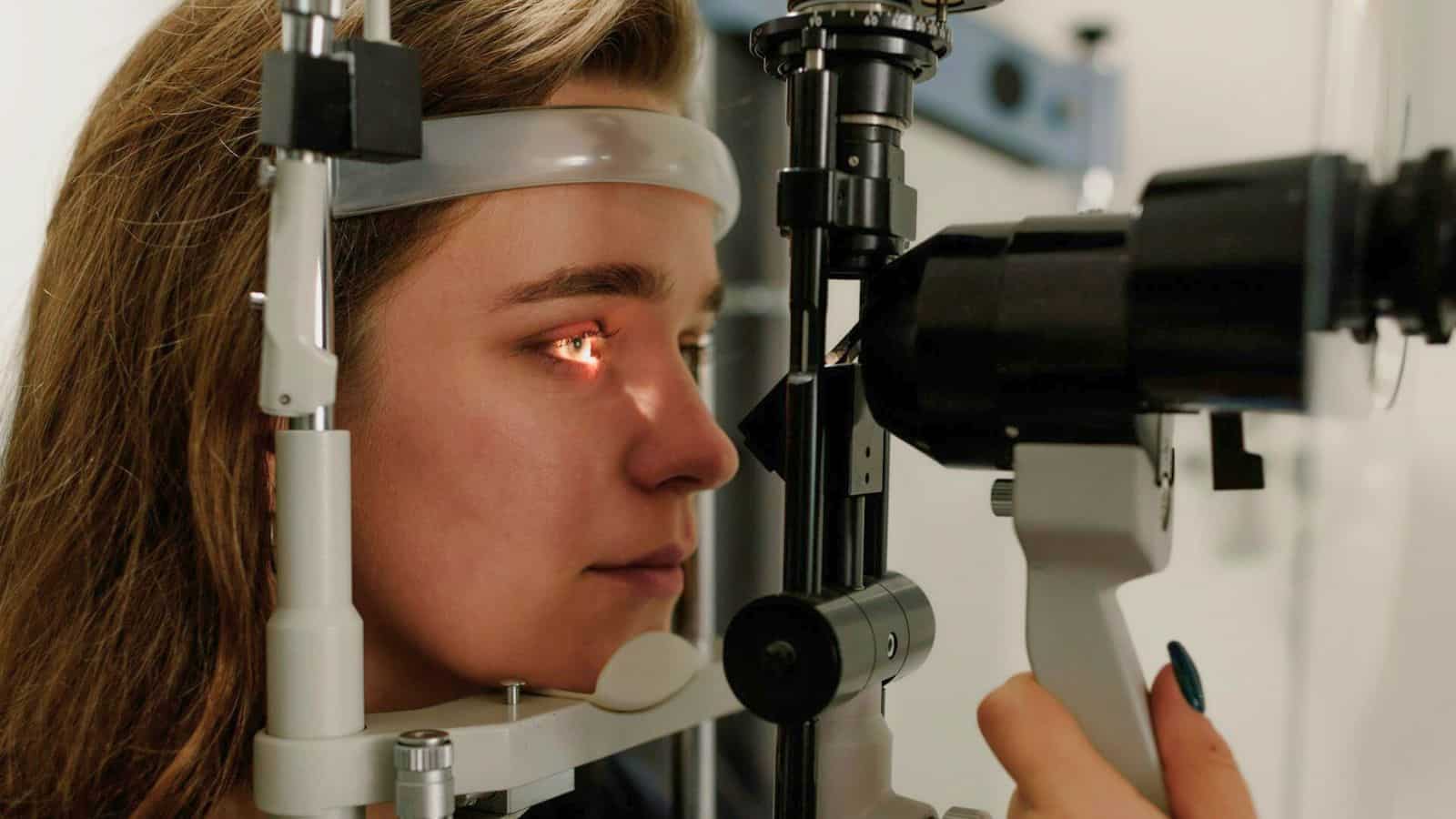
Alcohol can have both short-term and long-term effects on vision and hearing. In the short term, alcohol can cause blurred vision, double vision, and difficulty focusing by affecting the muscles that control eye movement and pupil dilation. Chronic alcohol use can lead to permanent damage to the optic nerve, resulting in vision loss. Similarly, alcohol can impair hearing by affecting the auditory nerve and the brain regions responsible for processing sound. This impairment can lead to temporary or permanent hearing loss, making it difficult to communicate and interact with others.
Cancer Risk

Alcohol consumption is linked to an increased risk of several types of cancer. The body metabolizes alcohol into acetaldehyde, a toxic compound that can damage DNA and proteins. This damage can initiate the development of cancer cells. Alcohol also increases the levels of certain hormones, such as estrogen, which can promote the growth of hormone-sensitive cancers like breast cancer. Additionally, alcohol can irritate the lining of the mouth, throat, and esophagus, increasing the risk of cancers in these areas. The risk is further heightened when alcohol consumption is combined with smoking.
Raise Awareness, Not Just Glasses!

It's essential to remember that while alcohol can be part of social activities, it doesn't have to harm your health. Making conscious choices about drinking can lead to better physical and mental health. Small changes, like limiting your alcohol consumption and understanding its effects, can make a big difference.
Understanding how alcohol impacts your body is a great step toward maintaining a healthier lifestyle. By being aware of the potential risks and long-term consequences, you can make more informed decisions about your drinking habits.
It's not just about avoiding the occasional hangover; it's about protecting your general health and well-being. In the end, your health is in your hands. Every step you take toward reducing your alcohol intake is a step toward a healthier, happier life. Make the choice to prioritize your health today!



Comments
No Comments