
Tired of the same old tea routine? Beyond the world of basic black and predictable green lies a universe of flavor waiting to be sipped. From the classic to the exotic, tea is more than just a drink-it's a way into the heart of diverse cultures. We're talking about 15 teas worldwide that can turn a regular day into a great one and make any moment feel special.
Whether you're a long-time tea lover or just starting to explore, there's always something new to discover. Each tea brings its own story, its own charm, and its own way of brightening up your day. From the bustling streets of Tokyo to the serene hills of Darjeeling, every cup has a bit of magic brewed into it. It's the perfect way to travel without leaving your kitchen. So grab your favorite mug, get comfortable, and take a flavorful trip across the globe, one sip at a time. Let's get started!

India's Darjeeling tea

Grown in the foothills of the Himalayas, Darjeeling tea is known as the "Champagne of Teas" for its light, floral aroma and distinctive muscatel flavor. The leaves produce a golden infusion that can be enjoyed at any time of day. It can be served with or without milk, though many prefer it plain to appreciate its nuanced flavors fully.
The tea is usually harvested in three flushes: first, second, and autumn, each having slightly different taste profiles, with the second flush being the most prized for its rich and complex characteristics. The first flush pairs well with light seafood dishes such as smoked salmon, while the third is best enjoyed with fruity desserts or ginger cakes.
Japan's Sencha tea

Sencha is Japan's most popular green tea, steamed from whole tea leaves. Unlike matcha, sencha leaves steep in hot water, yielding a vibrant green, slightly cloudy tea. The liquor is a beautiful green-yellow, and it has a fresh, invigorating aroma. However, flavor profiles vary based on harvest and region, ranging from grassy and vegetal to slightly sweet with umami notes. The first spring harvest, shincha, is especially valued for its delicate taste. Sencha is traditionally enjoyed hot but can also be chilled for a refreshing drink. It's a staple in Japanese households and often accompanies meals due to its clean and palate-cleansing properties.
United Kingdom's Earl Grey tea

Earl Grey is a black tea flavored with the oil of bergamot orange, giving it a distinctive citrus scent. Named after Charles Grey, the British Prime Minister in the 1830s, it is traditionally enjoyed in the afternoon. This tea is often taken with a slice of lemon or a splash of milk, depending on personal preference. The bergamot oil adds a fragrant note to the robust black tea base, creating a balance between bold and bright. Some classic complements to Earl Grey is scones with jam, or clotted cream, lemon loaf, shortbread cookies.
China's Lapsang Souchong
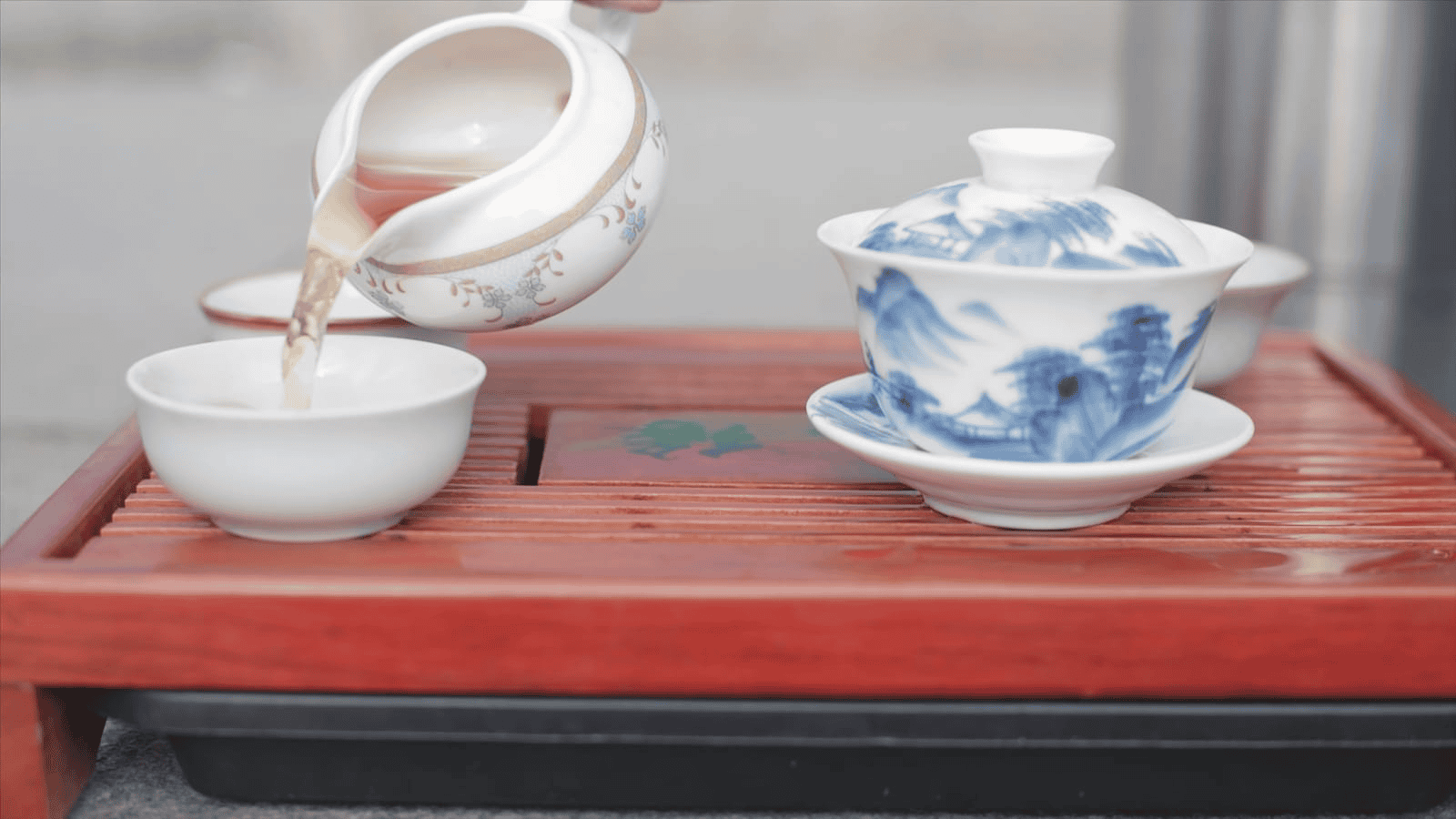
Originating from the Wuyi Mountains in China, Lapsang Souchong is known for its bold flavor, achieved by drying the tea leaves over pinewood fires. This process infuses the leaves with a distinctive scent reminiscent of campfires or smoked meats. The resulting liquid is a dark, reddish-orange brew with a full-bodied flavor profile. The smokiness dances with hints of mineral and subtle sweetness, leaving a clean, slightly tangy aftertaste. Lapsang Souchong is perfect for those who appreciate a robust and intriguing tea experience. It's best paired with grilled meats, roasted vegetables, and strong cheeses (such as aged cheddar and gouda), but it also goes well with desserts like pecan pie.
South Africa's Rooibos

Also known as red bush tea, Rooibos is a caffeine-free herbal tea from the mountainous region of Cederberg in South Africa. The leaves are fermented, giving the tea its characteristic red color and sweet, slightly nutty flavor. Rich in antioxidants and minerals, Rooibos is often enjoyed as a healthful alternative to black or green tea. It can be served plain or with milk and honey, making it a versatile choice for various preferences. Its gentle flavor and natural sweetness make it a favorite for bedtime or relaxation.
Sri Lanka's Ceylon tea
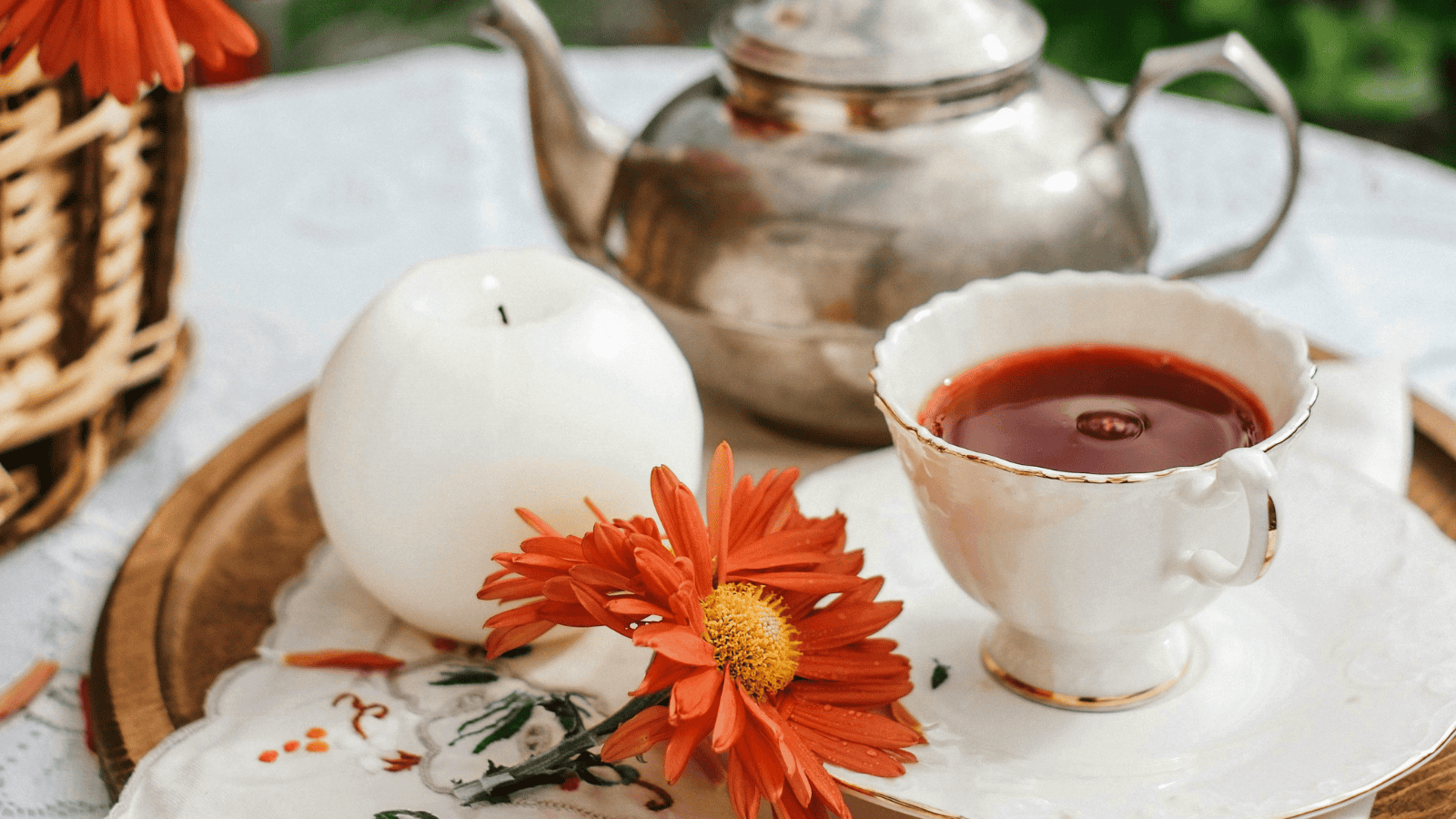
Hailing from the lush highlands of Sri Lanka (formerly Ceylon), Ceylon tea boasts a rich history and a diverse flavor profile. Though primarily known for its black teas, Ceylon encompasses a range of varieties - black, green, white, and oolong - each influenced by elevation, climate, and processing techniques.
Generally, Ceylon black teas are celebrated for their brisk character, guaranteeing a full-bodied cup with notes ranging from citrus and spice to chocolate. Lower-grown varieties tend to be stronger, while high-grown teas present a lighter, more floral aroma. Ceyon tea is often used in blends but is also enjoyed on its own. Whether taken with milk, sugar, or lemon, it remains a popular choice for tea lovers worldwide.
Egypt's Chamomile tea
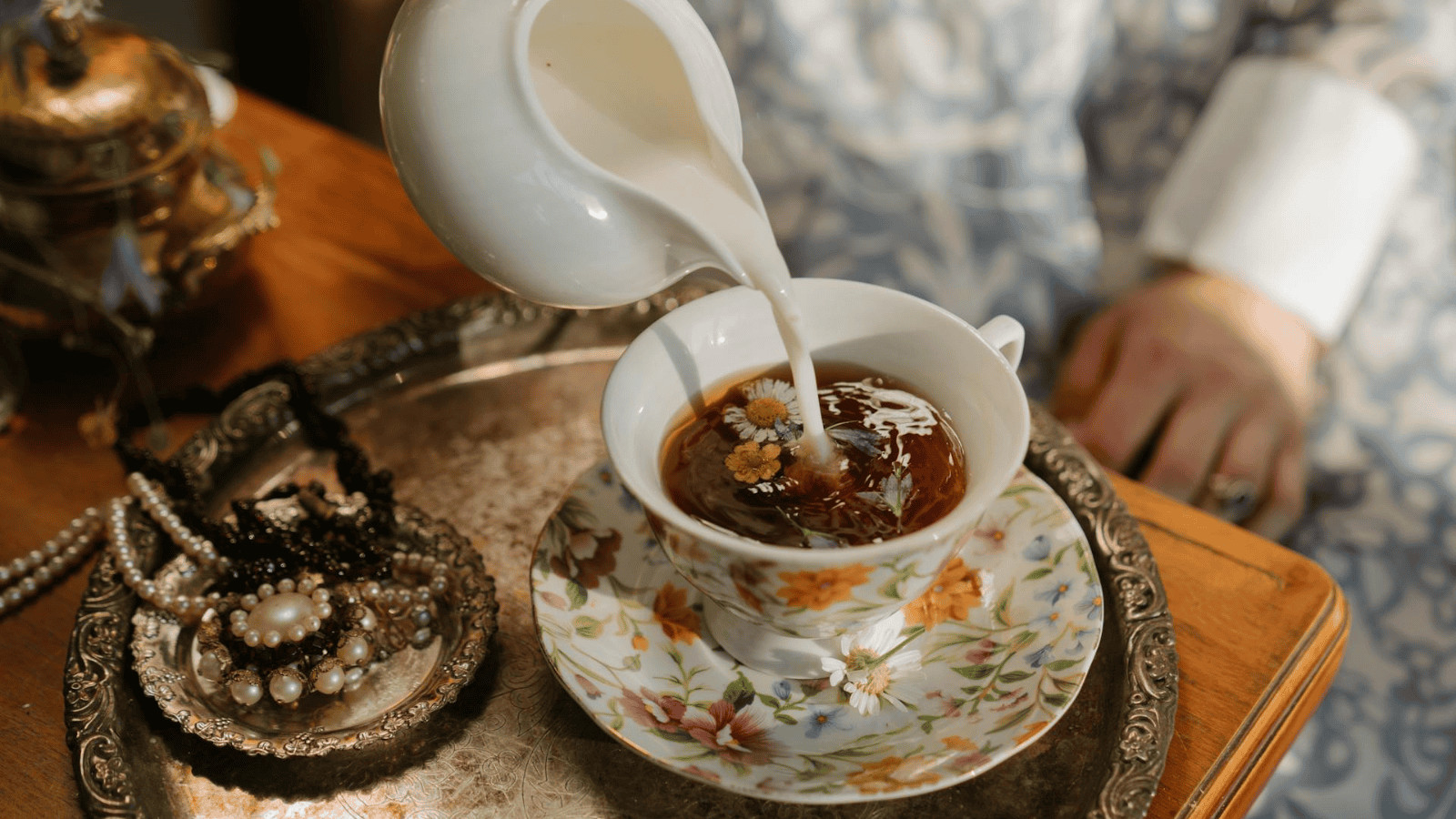
Chamomile tea, made from the dried flowers of the chamomile plant, is renowned for its calming properties. The flowers produce a pale yellow infusion with a mild, apple-like flavor and floral aroma. Traditionally used as a natural remedy to aid sleep and digestion, chamomile tea is a popular bedtime beverage. Its gentle taste and soothing effects make it a comforting choice, especially during times of stress. Chamomile is often combined with honey and lemon to enhance its relaxing qualities, creating a warm, nurturing drink. It's best paired with sweet treats such as cookies and dried fruits, but it can also complement soft cheeses like brie or camembert.
South America's Yerba mate
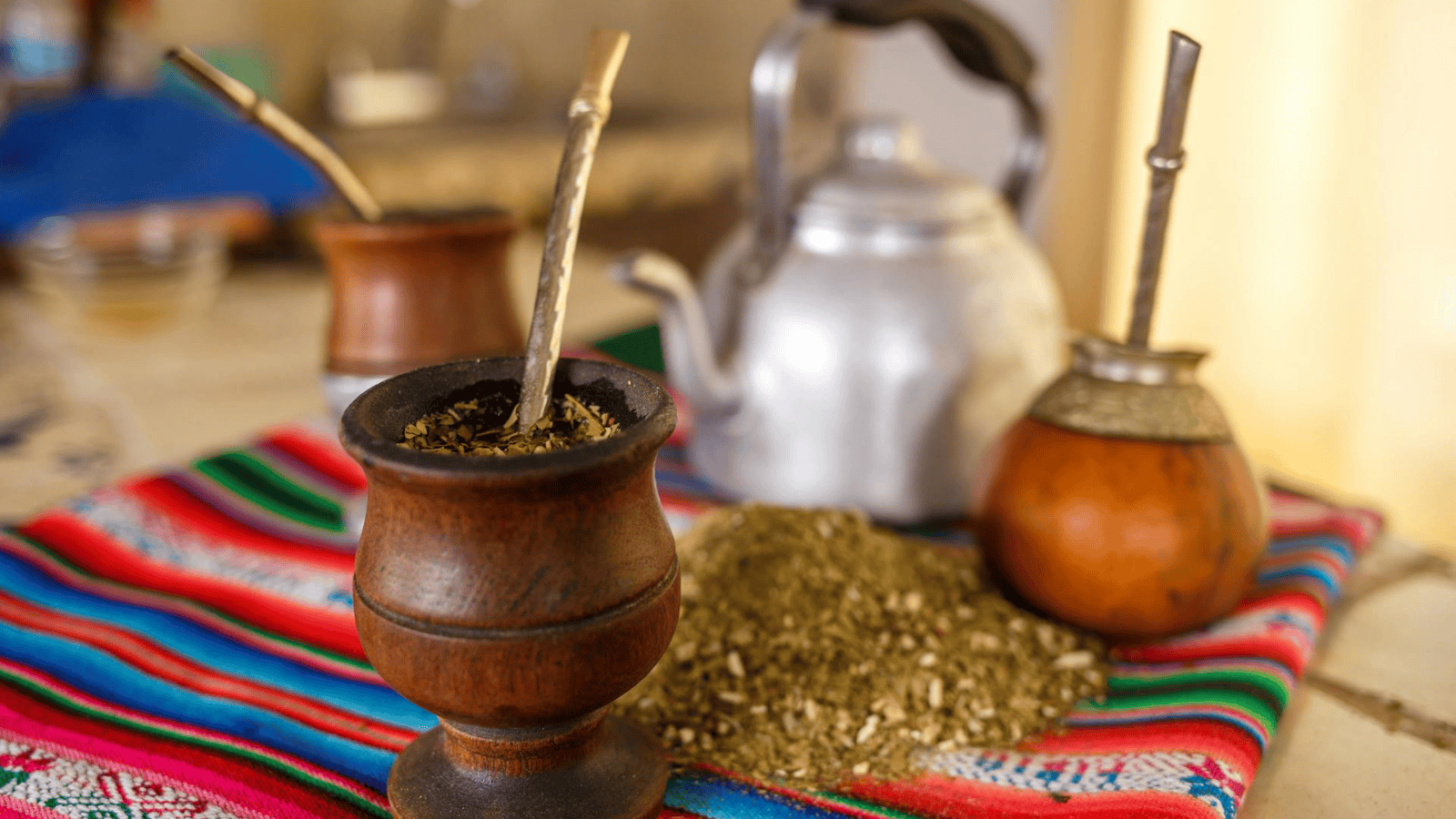
Yerba Mate is a traditional South American tea made from the leaves of the yerba mate (Ilex paraguariensis) plant. Known for its strong, earthy flavor and stimulating effects, it is often consumed from a hollowed-out gourd using a metal straw called a bombilla. Rich in vitamins, minerals, and antioxidants, Yerba Mate is both energizing and nourishing. It is a social drink often shared among friends and family in Argentina, Paraguay, Uruguay, and Brazil. You can add honey, sugar, or stevia for a sweeter variation. Drink yerba mate with fresh fruits or light snacks such as crackers, popcorn, toast, or sandwiches.
Morocco's mint tea

A symbol of Moroccan hospitality, mint tea is a sweet and refreshing beverage steeped in tradition. Made with gunpowder green tea, fresh spearmint, and sugar, it yields a vibrant green infusion. The spearmint adds a bright, invigorating aroma and taste that complements the green tea's grassy notes. Traditionally poured from a height to create a foamy layer, Moroccan mint tea is a great balance of sweetness and herbaceousness. It pairs well with Moroccan pastries such as gazelle horns (crescent-shaped pastries filled with almonds and orange blossom water) or chebakia (honey-dipped sesame cookies).
Tibet's po cha

Butter tea, known as Po Cha in Tibet, is a traditional beverage prepared by brewing dark, fermented tea leaves, which are then mixed with yak butter and salt. The ingredients are churned together, resulting in a rich, creamy drink that is both nourishing and energizing. Po cha is particularly valued for its high caloric content, which helps Tibetans endure the harsh, cold climate of the Himalayan region. It is commonly consumed multiple times a day, serving as a source of hydration and sustenance. Due to its distinctive and strong flavor profile, it best accompanies starchy staples such as steamed buns (momos), dumplings, or flatbreads like tsampa (Tibetan barley bread). If you want to add a contrasting kick to the tea's flavors, sprinkle a bit of chili flakes or serve with a side of spicy pickles.
Taiwan's bubble tea

Originating from Taiwan in the 1980s, bubble tea has become a popular drink worldwide. It typically features a tea base, such as black or green tea, mixed with milk or fruit flavors. The signature component is the addition of chewy tapioca pearls, also known as boba, which add a fun and squishy texture. Served cold, bubble tea is enjoyed with a wide straw to accommodate the pearls. It comes in a variety of flavors, from classic milk tea to fruity blends, allowing for endless customization. The drink is especially popular among younger generations, becoming a cultural phenomenon and a favorite treat for socializing and refreshing oneself.
Turkey's apple tea

Known for its refreshing and fruity flavor, Turkish apple tea is a popular beverage often enjoyed both hot and cold. This tea is made from dried apple pieces or apple flavoring mixed with black tea or served as an herbal infusion. Its light, sweet taste makes it a favorite among locals and tourists alike. The vibrant golden color and enticing aroma make it a great beverage choice for any time of the day. Commonly served in small, tulip-shaped glasses, it is a staple in Turkish hospitality, often accompanying social gatherings and conversations. The mild, fruity profile pairs well with various Turkish sweets and pastries such as baklava (layered filo pastry), sütlaç (creamy rice pudding), and tulumba (fried dough pastries).
Sudan's karkade

Karkade, also known as hibiscus tea, is a popular drink in Sudan made from the dried petals of the hibiscus flower. The vibrant red infusion has a tart, cranberry-like flavor and is often sweetened with sugar. It is typically served chilled, making it especially refreshing in the hot Sudanese climate. Rich in vitamin C and antioxidants, karkade is also enjoyed for its health benefits. This drink is a staple at social gatherings and special occasions, reflecting its cultural significance. The tartness of karkade balances the richness of savory dishes such as grilled meats, spicy stews, and roasted vegetables. Additionally, it pairs nicely with light snacks and desserts, such as pastries, cookies, and fresh fruit.
Thailand's iced tea

Thai iced tea is a refreshing beverage made from strongly brewed black tea, often infused with spices such as star anise and crushed tamarind seed. The brewed tea is sweetened with sugar and condensed milk, then poured over ice to create a creamy, cold drink. This vibrant orange tea is typically served in tall glasses and can be topped with additional evaporated milk or half-and-half for extra creaminess. The combination of robust tea, sweetness, and rich milk creates an invigorating flavor profile. It is a popular choice to accompany spicy Thai dishes such as gaeng keow wan (green curry), som tum (green papaya salad), pad kra pao (stir-fried basil with minced meat and chilies), or panang curry.
A tea-rrific experience awaits!

At this point, it's clear that every cup of tea has a story to tell. From the bold flavors of Asia to the refreshing brews of Africa and beyond, tea connects us to diverse cultures and traditions. Each sip brings a new experience, making our everyday moments a little more special and a lot more interesting.
We hope you've found a new favorite or, at least, rekindled your love for a classic tea. Always remember: these teas are more than just beverages; they're companions in our daily lives, each with its own distinctive character. So, next time you brew a cup, let each sip remind you of the incredible variety and richness the world has to offer. Here's to more tea adventures, discovering new favorites, and enjoying every moment along the way!




Comments
No Comments