
Nutrient-rich blueberries, a common breakfast smoothie ingredient, can also create wine. However, does the heat and time required to ferment this berry remove its potential health-promoting compounds? Read more to find out!
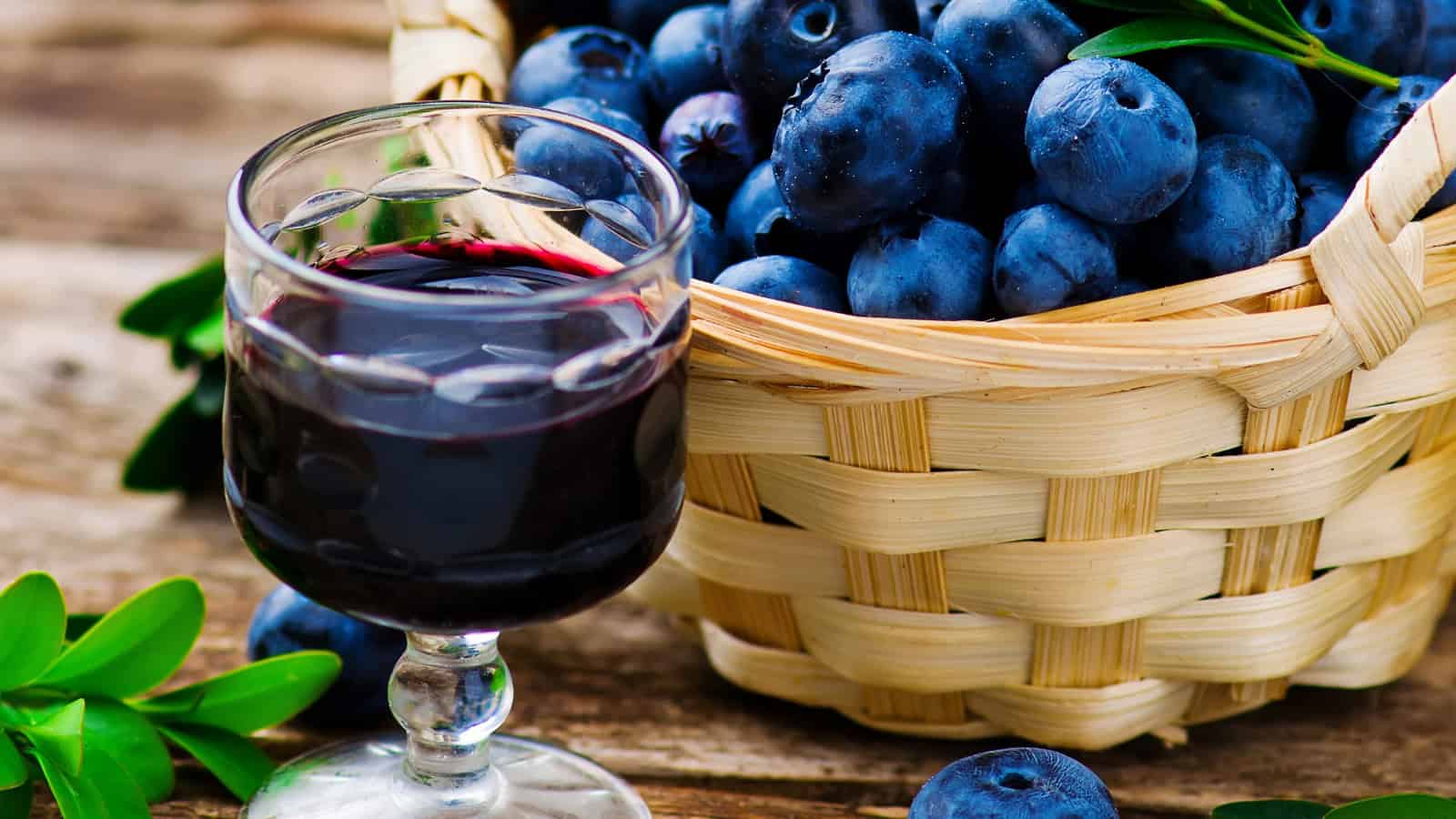
Blueberries are rich in bioactive compounds.
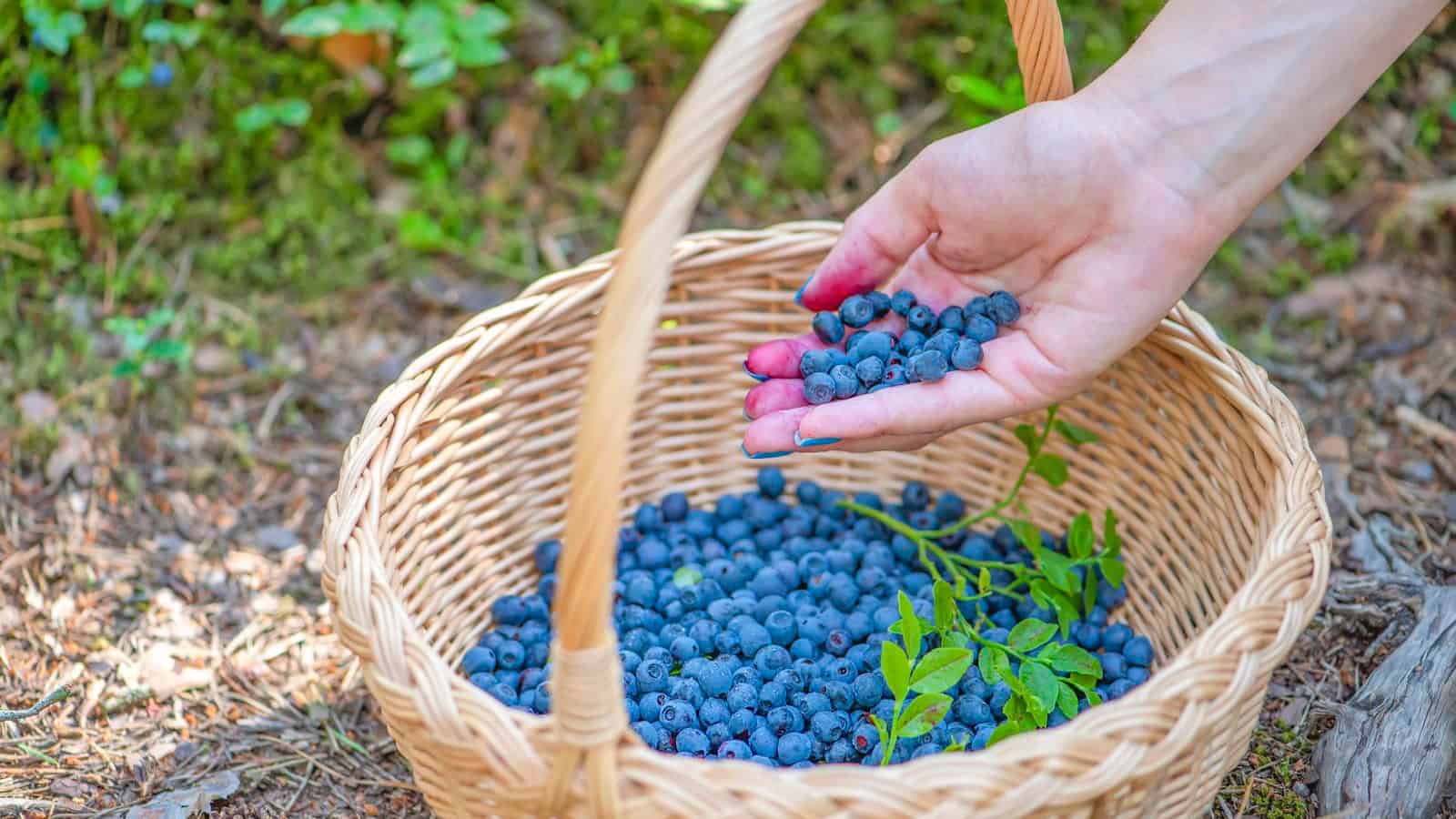
This is why they're increasingly incorporated into several foods and beverages, including wine. However, the effects of fermentation and heat on these compounds have not been thoroughly studied.
A team of researchers investigate blueberry wine

Researchers in ACS Food Science & Technology examine the effects of fermentation on the bioactive compounds and antioxidant activity in blueberry wine.
Starting with 8 liters of blueberry juice separated into 1-liter flasks
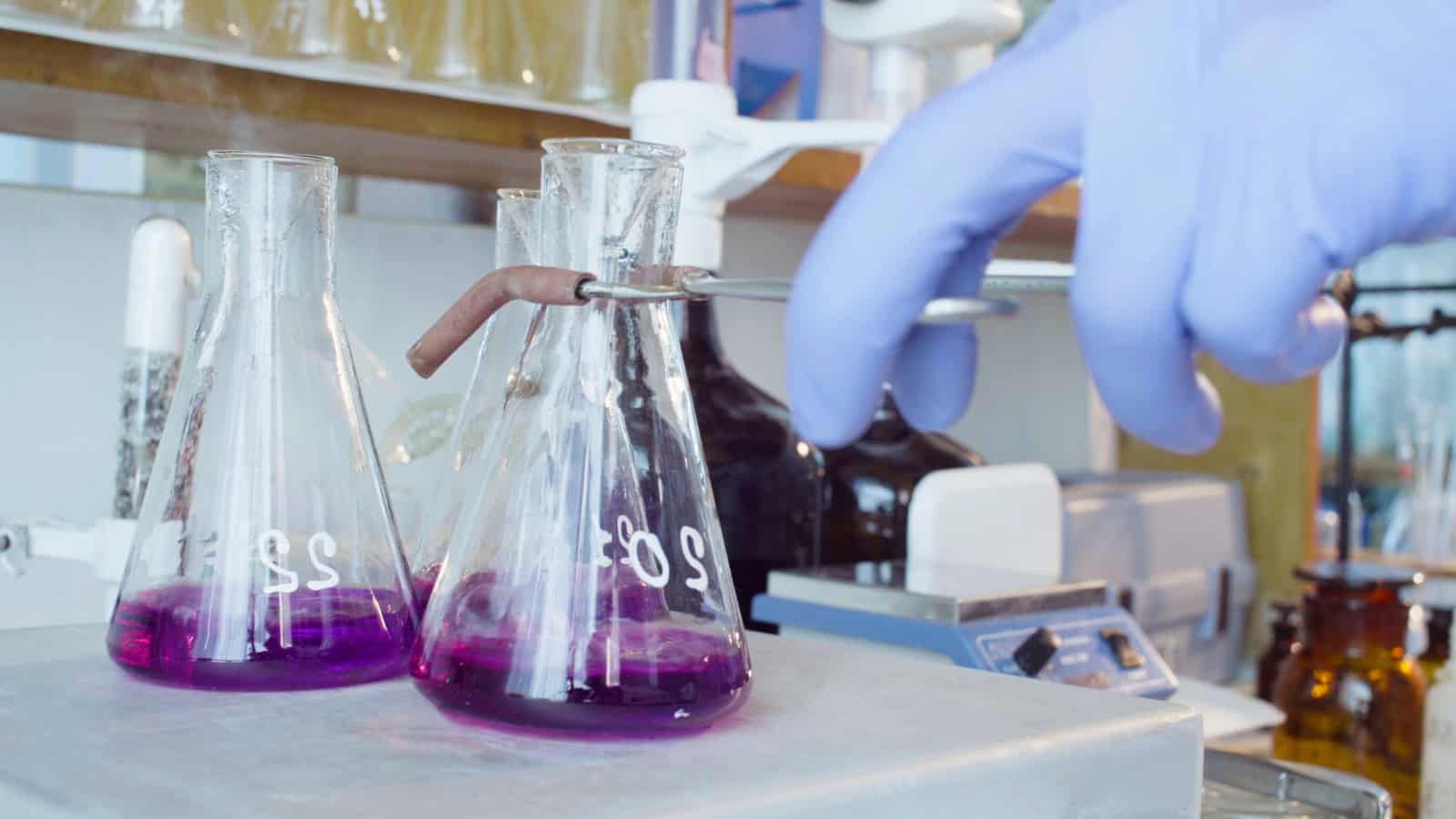
Maria Serratosa and colleagues started their investigation with 8 liters of blueberry juice from southern Spain. Then, they placed them in 63°F and 70°F water baths to kickstart the fermentation process. Two flasks in each water bath underwent a long (complete) fermentation, resulting in a dry wine. The other two flasks underwent a short (partial) fermentation, resulting in a sweet wine.
Then, the team measured and compared the blueberry juice and wine

The team compared the bioactive compound levels and antioxidant activity in the initial juice and in the final product. Specifically, they looked at the level of anthocyanins, flavonols, flavan-3-ols, tannins, and Vitamin C.
Results vary depending on the fermentation time
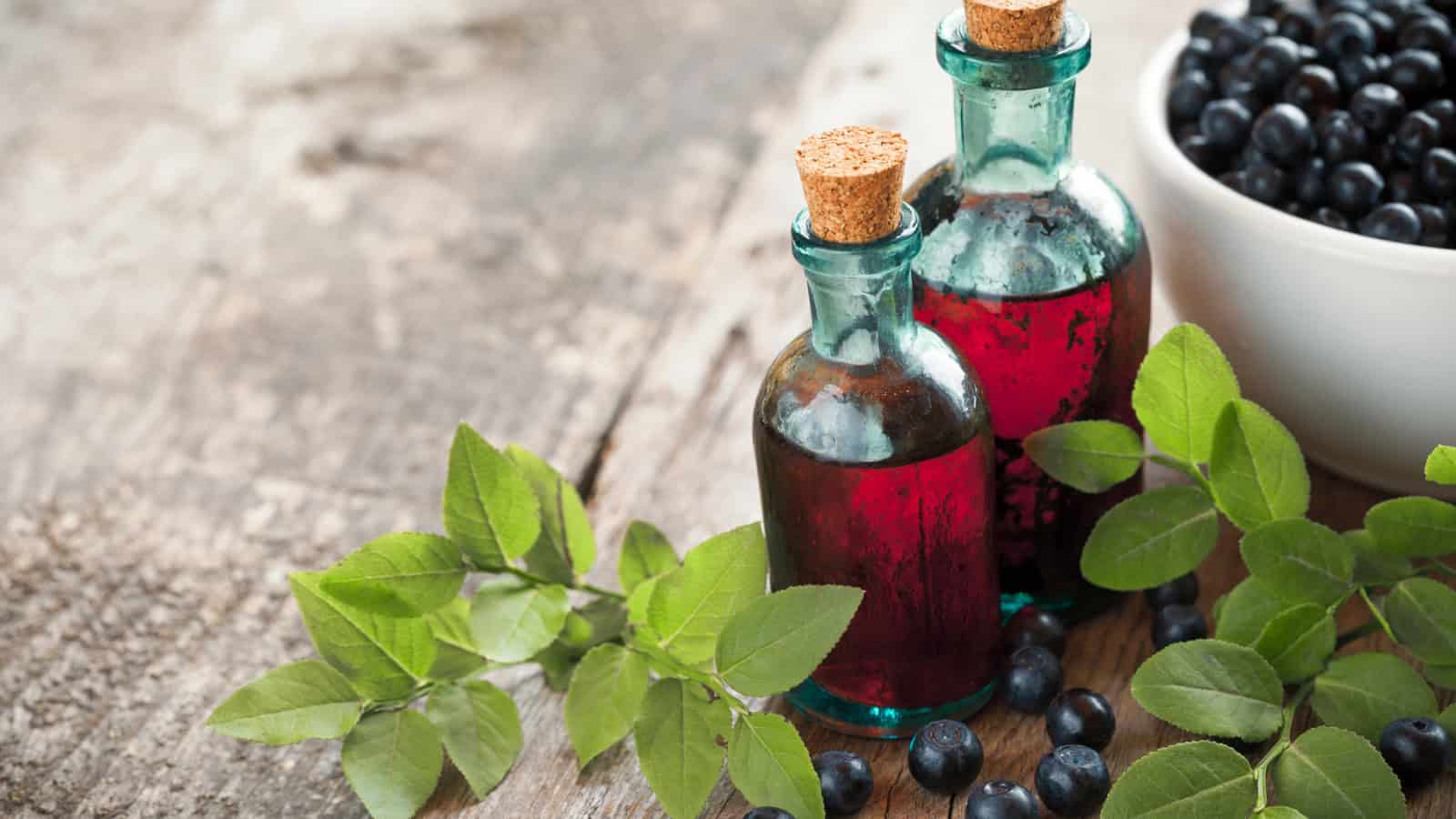
With longer fermentation times, the amount of anthocyanins, tannins, and flavonol concentrations decreased, while the level of flavan-3-ol increased. Fermentation time did not affect Vitamin C in the wines. On the other hand, antioxidant levels generally decreased but the wines still had higher antioxidant activity than the initial juice.
Overall, blueberry wine still maintains the benefits of the fruit

Good news! You'll be happy to know that fermenting blueberry juice can create a wine that maintains the benefits of the fruit, but temperature and fermentation time can influence the nutrient content of the final product.



Comments
No Comments