
Alcohol myths are everywhere, and it's time we set the record straight. Whether it's something you heard from a friend or a tip passed down through generations, not everything about alcohol is as true as it seems. These 11 common alcohol myths can lead to misconceptions and even risky behaviors. It's important to know what's fact and what's fiction when it comes to drinking. We're diving into some of the most common myths about alcohol and giving you the real deal.
Get ready to have your mind blown and your drinking habits questioned. Let's debunk these myths and get to the truth about alcohol. Knowing the facts can help you make better choices and avoid some common pitfalls. Let's cut through the nonsense and get smart about what we're putting in our bodies. It's going to be a great eye-opener!
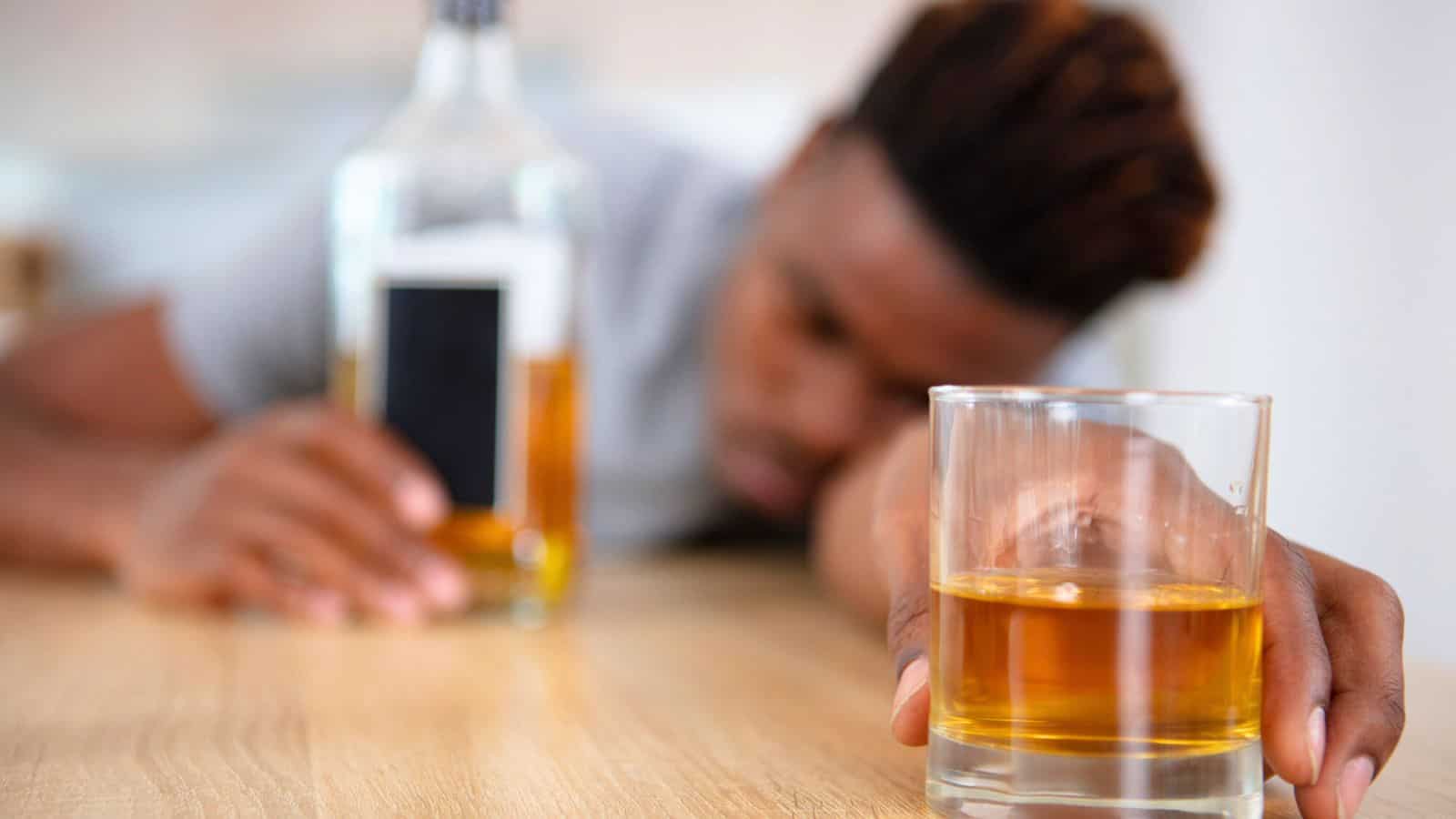
Alcohol is a stimulant.

Despite the initial energy boost or increased social confidence, some people feel when drinking, alcohol is actually a depressant. It slows down the central nervous system, affecting brain function and reducing inhibitions. This depressant effect can lead to impaired judgment, coordination, and reaction times. While low doses of alcohol might have stimulating effects due to the release of dopamine, higher doses enhance its depressant properties, leading to drowsiness and sedation. Understanding that alcohol is a depressant helps explain why it can lead to both temporary euphoria and subsequent lethargy.
Eating a big meal before drinking keeps you from getting drunk.

While having a substantial meal before drinking can slow down the absorption of alcohol into your bloodstream, it does not prevent intoxication. Food in your stomach can delay the effects of alcohol, but as you continue to drink, the alcohol will eventually enter your bloodstream and affect you. The type and amount of food you eat can influence how quickly you feel the effects, but it cannot stop you from becoming drunk if you consume a large quantity of alcohol. It's important to be mindful of your alcohol intake regardless of your meal size.
Drinking coffee sobers you up.

While many believe that a cup of coffee can counteract the effects of alcohol, this is not the case. Coffee may make you feel more alert temporarily, but it does not reduce blood alcohol concentration or improve impaired judgment and coordination. The only thing that can truly sober you up is time, as your liver processes and eliminates the alcohol from your system. Relying on coffee to make you sober can lead to dangerous situations, such as driving under the influence, because it gives a false sense of sobriety.
You can "sweat out" alcohol by exercising.

Many people think that vigorous exercise can help eliminate alcohol from their system more quickly, but this is not true. The liver is primarily responsible for metabolizing alcohol, and only a small fraction is excreted through sweat, breath, and urine. Exercise might make you feel more alert and reduce some symptoms of a hangover, but it does not significantly speed up the elimination of alcohol from your body. The process of metabolizing alcohol takes time, and no amount of physical activity can change that. Rest and hydration are more effective for recovery.
Drinking alcohol helps you sleep better.

Many people believe that having a drink before bed can help them fall asleep more easily. While alcohol might help you fall asleep faster due to its sedative effects, it actually disrupts the sleep cycle. Alcohol interferes with the REM (rapid eye movement) stage of sleep, which is crucial for restorative sleep. This disruption can lead to less restful and lower quality sleep, causing you to wake up feeling tired and unrefreshed. Over time, relying on alcohol as a sleep aid can lead to sleep disturbances and exacerbate insomnia or other sleep-related issues.
You can drive safely after just a couple of drinks.
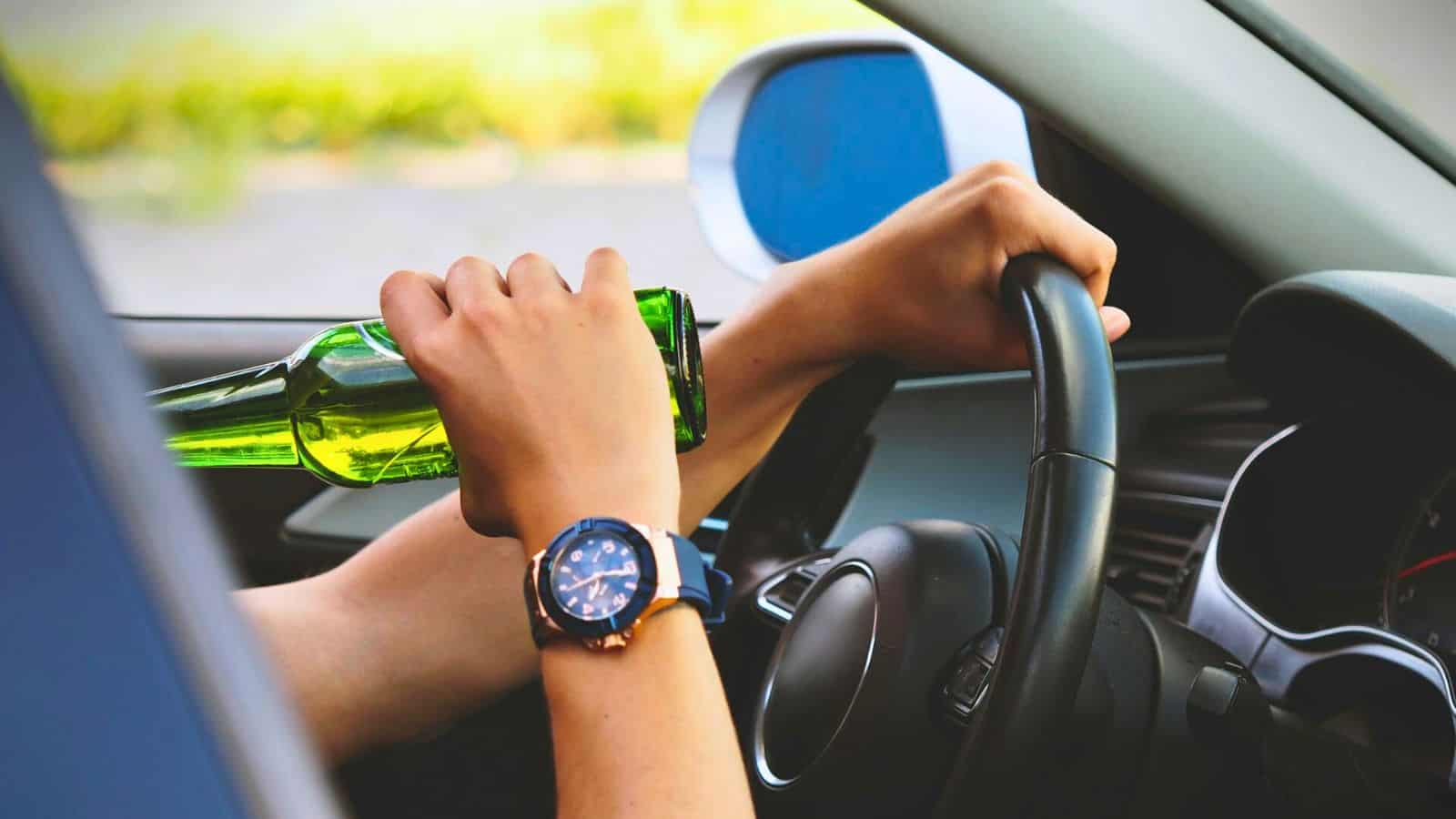
Even small amounts of alcohol can impair your ability to drive safely. Alcohol affects your reaction times, coordination, and decision-making skills, which are all critical for safe driving. The risk of accidents increases significantly even with low levels of alcohol in your system. Laws regarding blood alcohol concentration limits are in place to reduce the risk of impaired driving, but individual tolerance levels can vary. It's always best to avoid driving after consuming any alcohol to guarantee your safety and the safety of others on the road.
Beer before liquor, never been sicker; liquor before beer, you're in the clear.
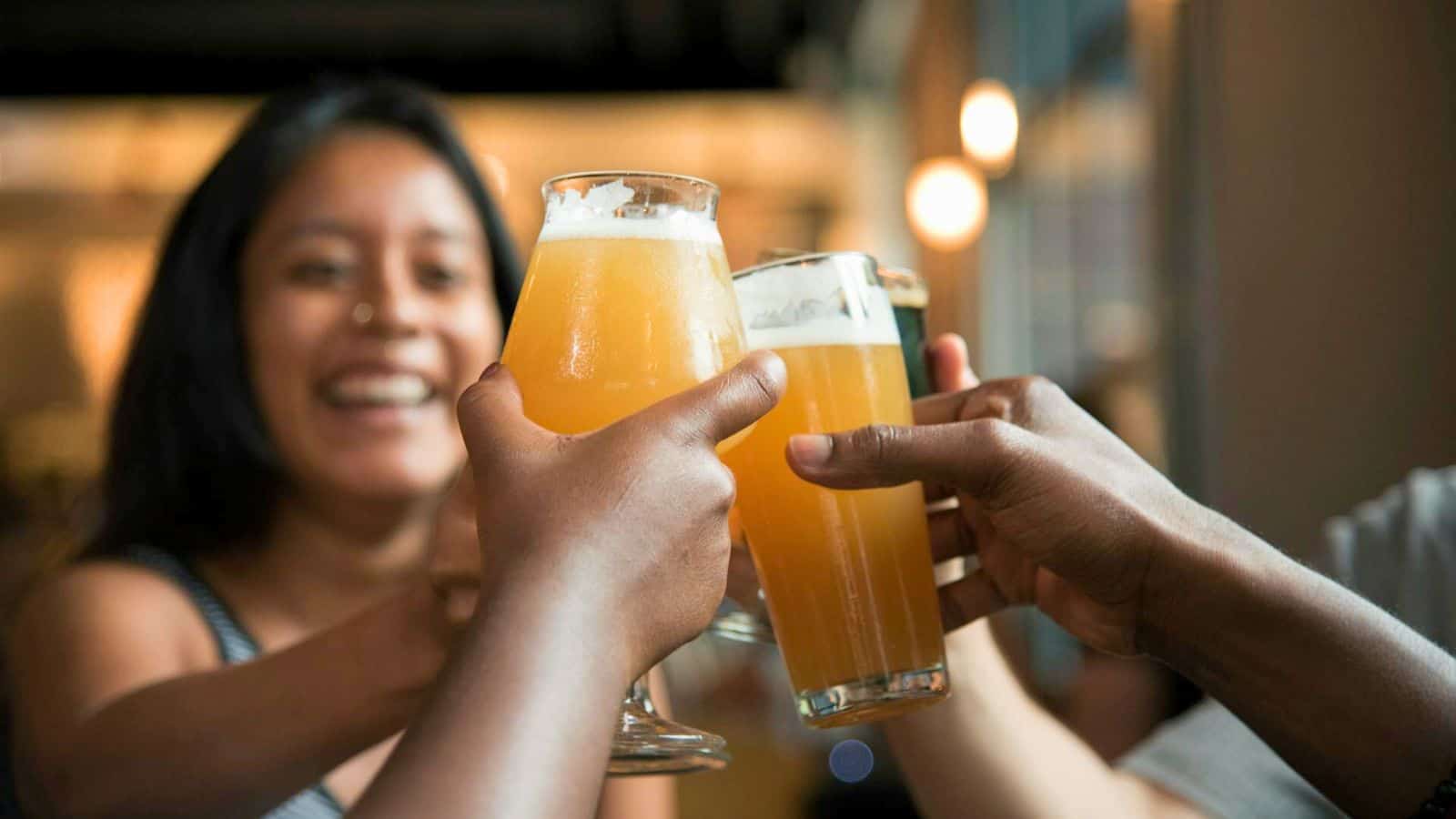
This common saying suggests that the order in which you consume different types of alcohol affects how sick you feel. However, it is the total amount of alcohol consumed that determines how you feel, not the sequence. Drinking large quantities of alcohol, regardless of the type or order, can lead to nausea, vomiting, and a hangover. The body's reaction to alcohol is more about the overall intake and how quickly it is consumed, rather than the specific order of beverages.
All alcoholics are homeless or jobless.

This stereotype is far from the truth. Alcoholism can affect individuals from all walks of life, regardless of their socioeconomic status. Many people struggling with alcohol dependency have stable jobs, homes, and families. The misconception that only those in dire circumstances can be alcoholics prevents many from recognizing the signs of addiction in themselves or others. Alcoholism is a medical condition that requires understanding and treatment, not judgment based on stereotypes. Recognizing that anyone can be affected by alcoholism is crucial for giving support and reducing stigma.
Alcohol kills brain cells.

The belief that alcohol kills brain cells is a misconception. Moderate alcohol consumption does not directly kill brain cells, but excessive drinking can cause damage to the brain over time. Chronic heavy drinking can lead to brain shrinkage and impair cognitive functions due to the harmful effects on brain structure and connectivity. Additionally, alcohol abuse can result in nutritional deficiencies that further impact brain health. While moderate drinking is not likely to kill brain cells, it is essential to consume alcohol responsibly to avoid long-term adverse effects on brain function.
You can build a tolerance to alcohol, making it less harmful.

Building a tolerance to alcohol means that over time, you need to consume more to achieve the same effects. However, this does not make alcohol less harmful to your body. In fact, increased tolerance can lead to higher levels of consumption, which can cause more significant damage to the liver, brain, and other organs. Tolerance also increases the risk of developing alcohol dependency and other health issues. It's important to understand that just because you don't feel the effects as strongly doesn't mean your body isn't being harmed by excessive drinking.
Alcohol warms you up.

Drinking alcohol might give you a temporary sensation of warmth, but it actually causes your blood vessels to dilate, which leads to increased blood flow to the skin's surface. This process results in heat being drawn away from your core body temperature, potentially leading to a drop in overall body warmth. The initial feeling of warmth is misleading and can be dangerous, especially in cold environments, as it can increase the risk of hypothermia. It's important to remember that alcohol impairs your body's ability to regulate temperature effectively.
Drink Truth, Not Tales
We've tackled some of the most persistent alcohol myths, and it's clear that not everything we hear about drinking is accurate. By busting these myths, we hope to give you a clearer understanding of how alcohol really affects you. Knowledge is power, and with the right information, you can make smarter, safer choices when it comes to drinking.
Remember, it's not about taking the fun out of enjoying a drink; it's about knowing the facts and staying safe. So the next time someone tells you a tall tale about alcohol, you'll be ready with the truth. Cheers to being informed and making great decisions!
Best Non-Alcoholic Beverages According to a Sober Person

Finding a great non-alcoholic drink can be a game-changer, especially when you're steering clear of booze. Whether you're at a party, out with friends, or just chilling at home, having a tasty, alcohol-free option is essential. Think about it: you want something that's not just a boring soda or plain water, right? The 9 best non-alcoholic drinks are creative and flavorful, making you forget about the alcohol entirely.
Read it Here: 10 Best Non-Alcoholic Beverages According to a Sober Person
Healthier Alcohol Options Recommended by Registered Dietitians

When you're trying to stay healthy but still want to enjoy a drink, it can be tough to know what to choose. We all know that moderation is key, but what about making smarter choices when you do decide to have a drink? Dietitians have some great advice on this topic. They know that not all alcoholic drinks are created equal, and some healthy alcoholic drinks are better for you than others. So, let's get into 11 healthier choices that won't derail your wellness goals.
Read it Here: 11 Healthier Alcohol Options Recommended by Registered Dietitians



Comments
No Comments