

Finding it hard to navigate the milk options at the grocery store? With so many choices, it can be tough to select the right one. Let's take a closer look at the nutritional profiles and key differences between the various types of milk.
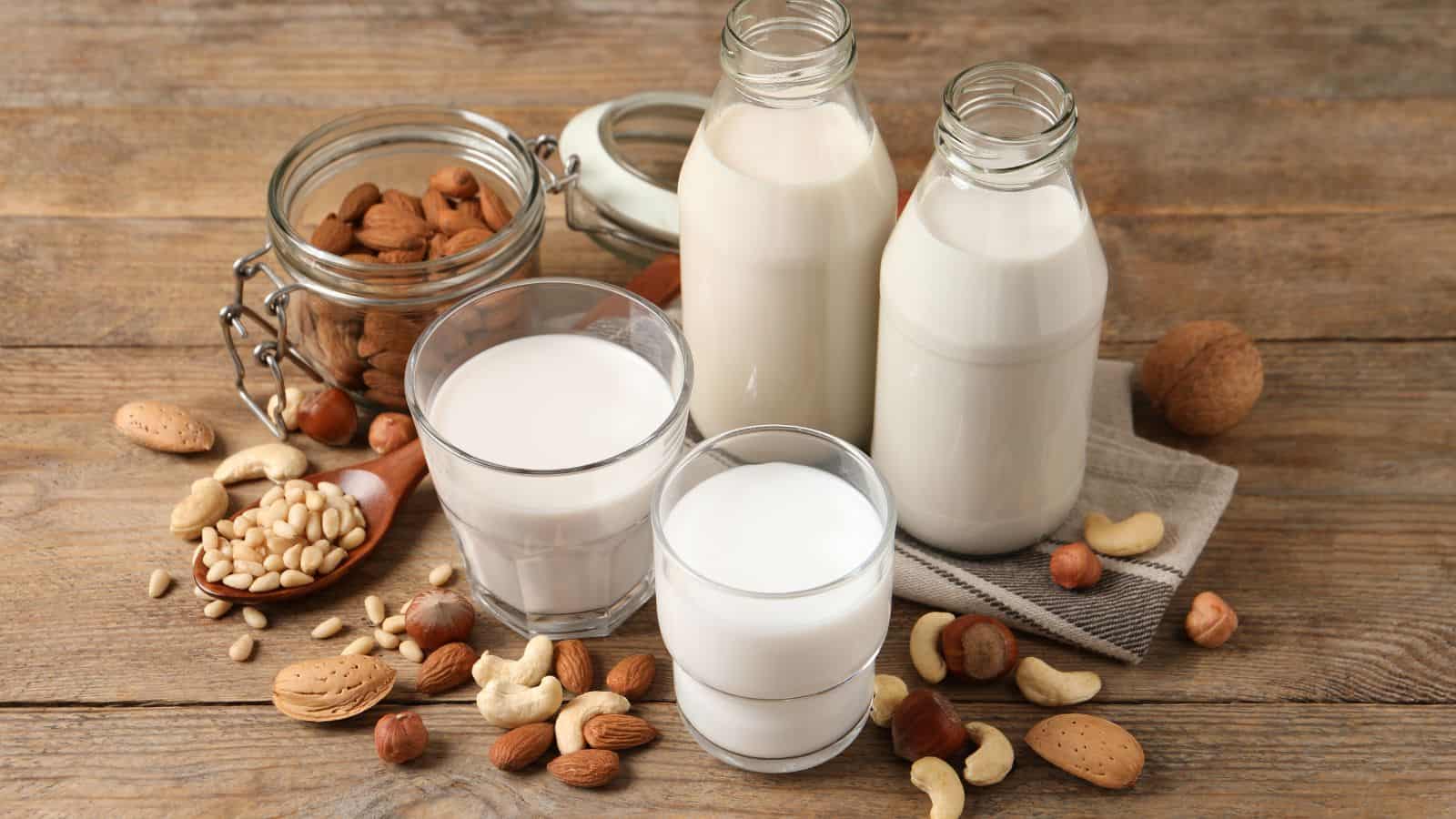
Milk comes in a wide range of forms - from traditional animal-based varieties to innovative plant-based options. Dairy milk, most commonly sourced from cows, is rich in essential nutrients and available in varying fat content such as whole, skim, or low-fat. Plant-based milks like almond, soy, oat, and coconut have surged in popularity for those seeking non-dairy alternatives. Each type of milk offers distinct flavors and textures, catering to various taste preferences and dietary requirements.
You may opt for Fairlife or half-and-half milk at home to create a protein-packed shake or add richness to your favorite coffee. But did you know that the type of milk you choose can significantly influence the taste and texture of your beverages? Many coffee shops, including Starbucks, also offer a wide selection of milk options, allowing for customizable, diabetic-friendly drinks.
Milk Varieties: Dairy vs. Non-Dairy Alternatives
Milk is crucial in providing calcium, a vital nutrient for strong and healthy bones. The National Academy of Sciences emphasizes the importance of calcium, as insufficient intake can lead to the body leaching it from the bones. According to the Harvard T.H. Chan School of Public Health, water comprises about 87% of cow's milk, while the remaining 13% includes proteins, fats, carbohydrates, vitamins, and minerals.
A study published by MDPI highlights some of the primary differences between dairy and plant-based milk:
- Protein Content: Dairy milk boasts significantly higher protein content than plant-based milk. It also contains a complete profile of essential amino acids, making it an excellent protein source for growing children, pregnant women, and active individuals. In contrast, plant-based milks typically lack this full spectrum of essential amino acids, which can pose challenges for those with increased protein needs.
- Lipid Content: Plant-based milk generally has higher lipid content than whole cow's milk. The lipids in plant-based options, particularly those derived from nuts, are rich in unsaturated fatty acids and antioxidants, which support cardiovascular health and skin vitality. While cow's milk offers a balanced lipid profile, it is not as rich in unsaturated fats as its plant-based counterparts.
- Carbohydrate and Caloric Content: The carbohydrate content in plant-based milk is either equal to or slightly lower than that of cow's milk. In terms of calories, both dairy and plant-based milk are quite similar, with dairy ranging from 30 to 60.8 kcal per 100 milliliters and plant-based milk ranging from 32.8 to 52.1 kcal per 100 milliliters. The higher caloric content in some plant-based milks is often attributed to the use of nuts or added sugars.
Popular Plant-Based Milk Alternatives

According to research from Current Perspectives on Medicinal and Aromatic Plants (CUPMAP), plant-based milk alternatives derived from sources like legumes, cereals, and nuts are prized for their health benefits. These beverages are made by grinding and filtering raw plant materials in water. Among the most popular varieties are almonds, oats, soy, coconut, and rice milk. Each presents a distinct flavor profile, texture, and nutritional content, allowing for diverse options catering to various dietary preferences.
Plant-Based vs. Dairy Milk
CUPMAP also indicates that plant-based milk differs nutritionally, with some offering lower calorie content than cow's milk, though not always. These alternatives are typically free from cholesterol and saturated fats and are often rich in polyunsaturated fats like omega-3 and omega-6, which are beneficial for heart health. For example, almond milk contains antioxidants, including vitamins E and C.
Options like almond, oat, hemp, and quinoa milk each offer distinct nutritional benefits, contributing micronutrients such as minerals and phytoestrogens, which are beneficial for conditions like menopause, osteoporosis, and heart health. However, the calcium in plant-based milk is less bioavailable than in cow's milk.
While plant-based milks are often fortified with calcium, they may lack protein unless specifically enhanced. Dairy milk, on the other hand, is a natural source of complete proteins and essential vitamins. Despite this, plant-based options are an ideal choice for those who are lactose intolerant or follow a vegan lifestyle.
Nutritional Benefits of Different Milk Options
Each type of milk offers unique nutritional advantages. Fortified plant-based milk can be a suitable alternative for those avoiding dairy, while cow's milk remains a reliable source of protein and calcium for individuals who include it in their diets. Choosing your milk based on your dietary needs and health goals is important.
Choosing the Right Milk for Your Lifestyle

With so many milk options available - from rich, creamy cow's milk to light, nutty almond or oat varieties - selecting the right one for your needs can be both exciting and overwhelming. Whether you're looking for a source of protein, a lactose-free alternative, or a plant-based beverage, there's a milk option to match your taste and nutritional preferences. It's essential to consider your dietary restrictions, health goals, and flavor preferences when making your decision. The right choice can enhance your meals and beverages and support your overall well-being. With thoughtful consideration, you'll find the perfect milk to complement your unique lifestyle and daily needs.
This article originally appeared on For Dietitians.
Disclaimer: These statements have not been evaluated by the Food and Drug Administration. The contents of this article made available via My Mocktail Forest, are for informational purposes only and do not constitute medical advice. The Content presented here is not intended to be a substitute for professional medical advice, diagnosis, or treatment. Always seek the advice of a qualified healthcare provider with any questions you may have regarding a medical condition or dietary changes. Reliance on any information provided by this article is solely at your own risk.




Comments
No Comments